

-
International airfare to/from Nepal
-
Travel insurance (mandatory)
-
Personal trekking gear and equipment
-
Hot showers, laundry, or extra services in lodges
-
Drinks, bottled water, or snacks not included in meals
-
Tips for guide and porters
-
Helicopter rescue (unless emergency)
-
Visa fees and personal expenses
-
Optional activities outside the itinerary
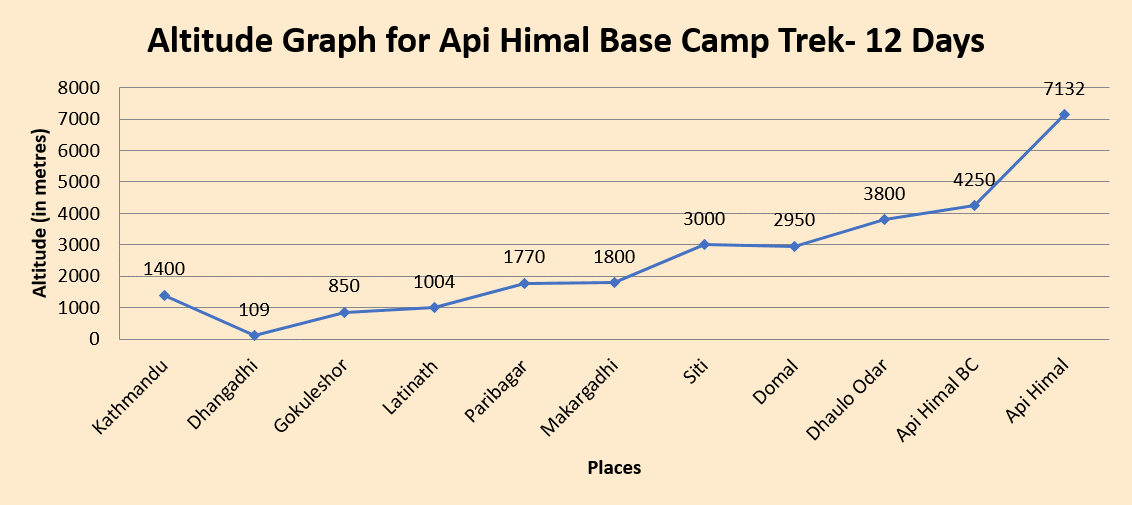
Api Himal Base Camp Trek- 12 Days
Api Himal Base Camp, Darchula, Nepal
12 Days/11 Nights
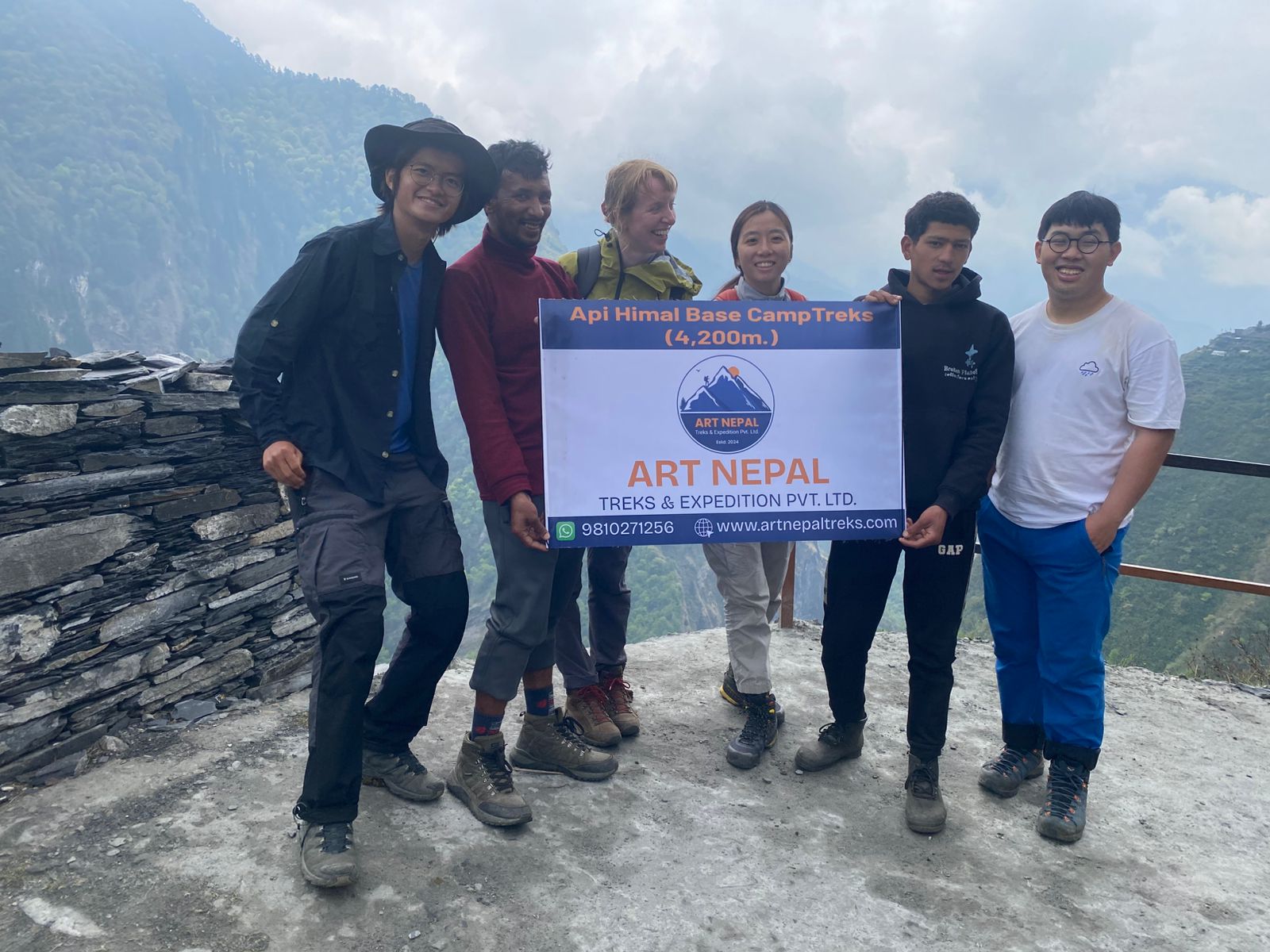
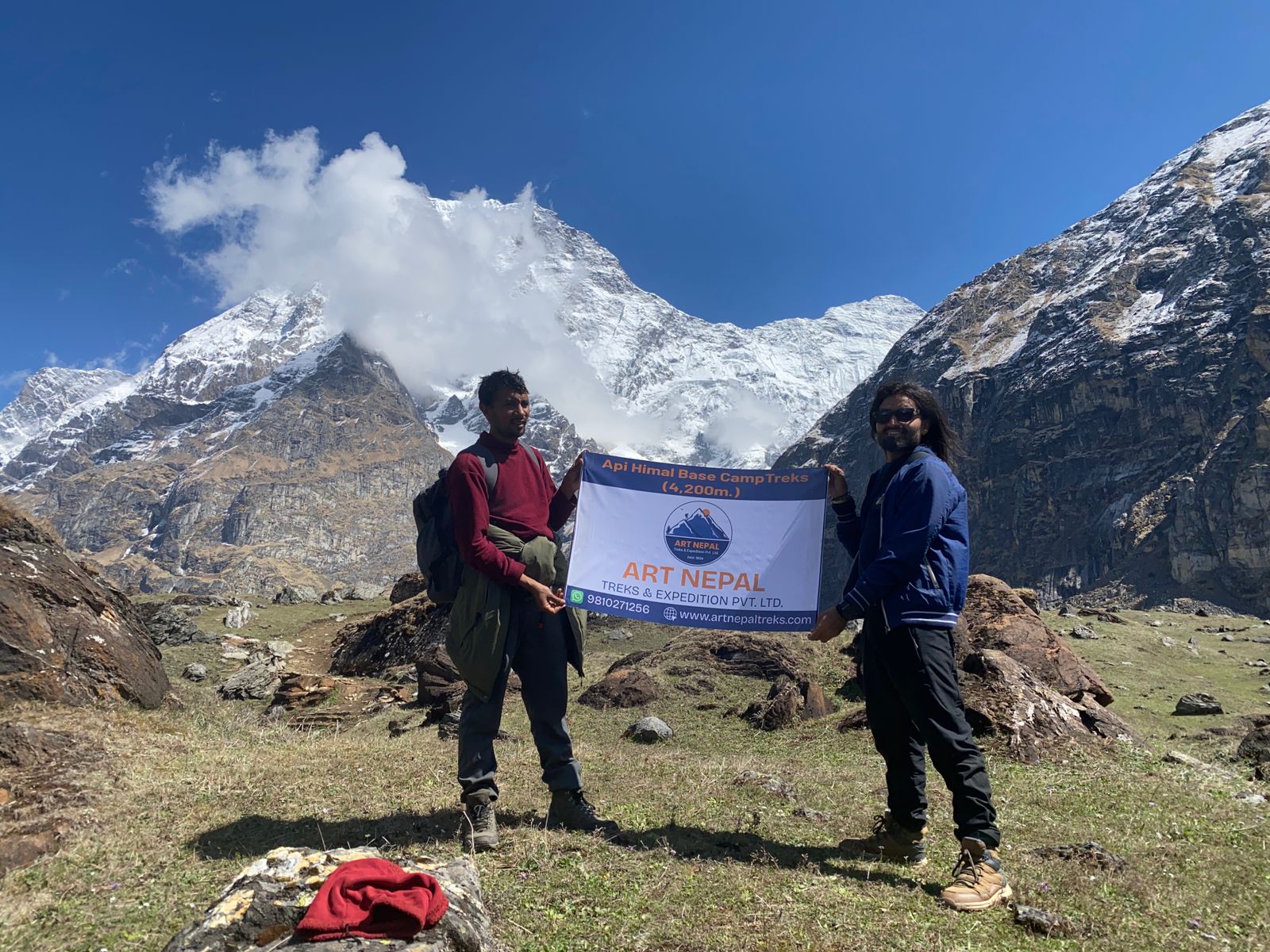
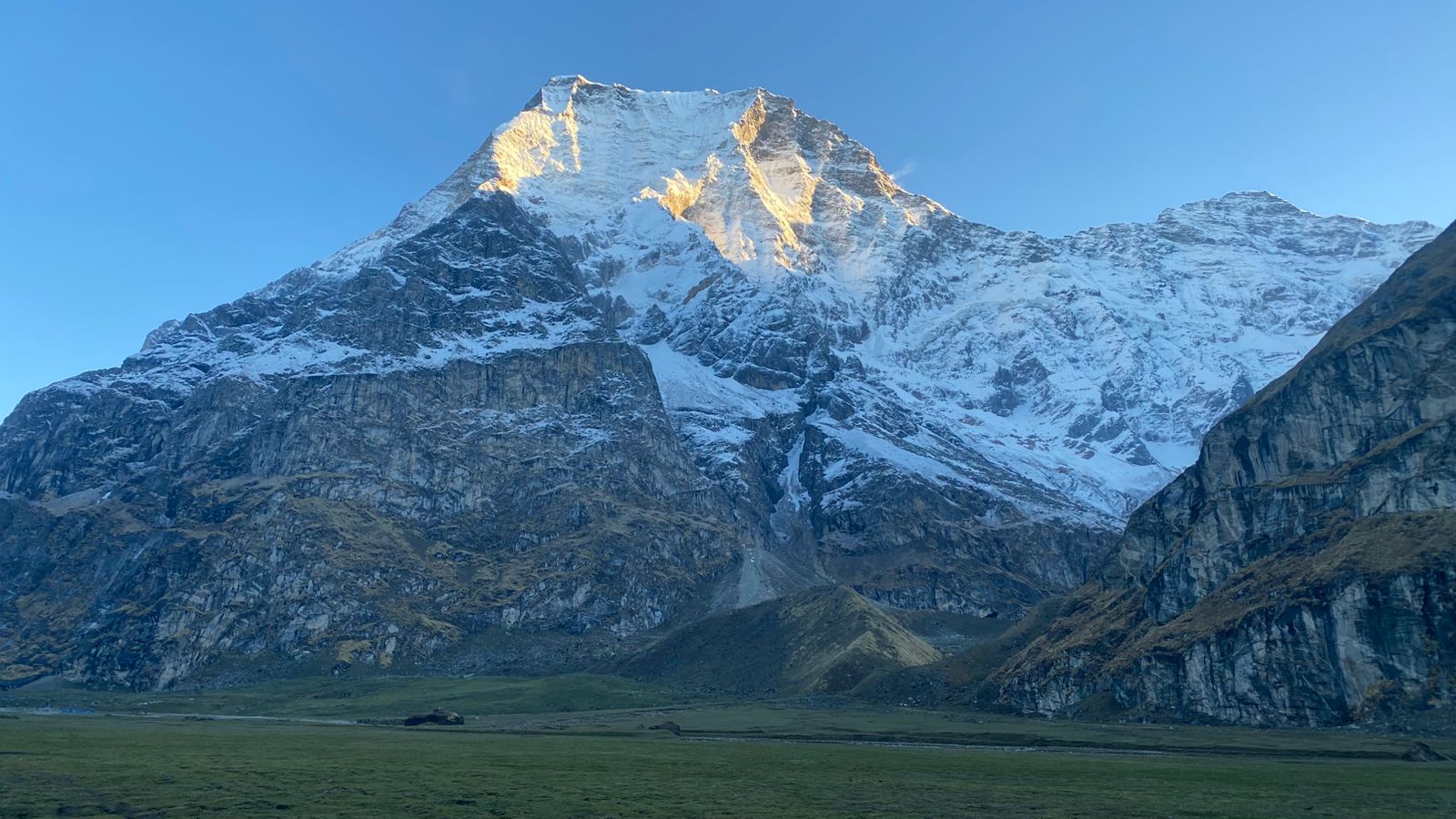
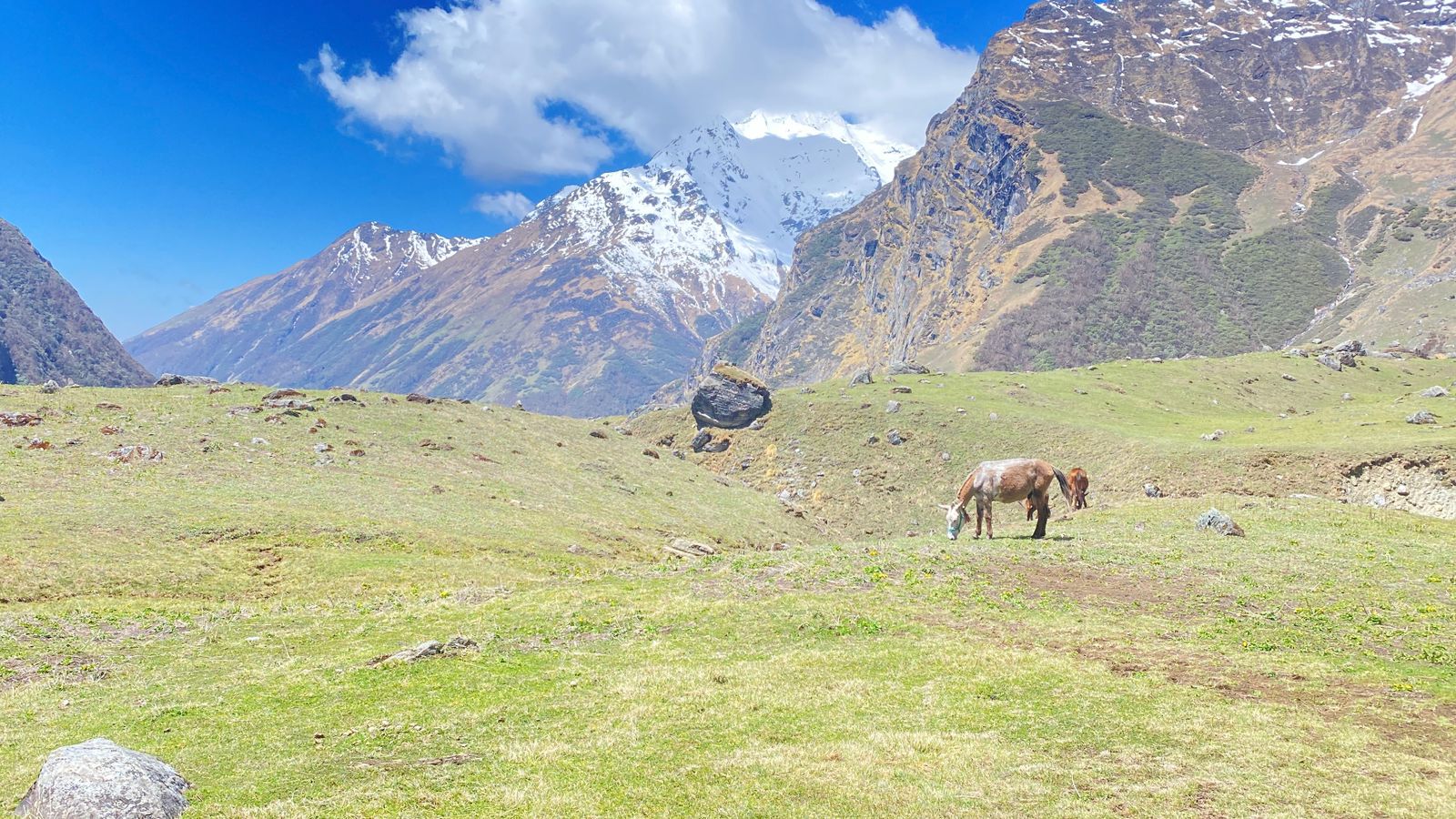
Introduction
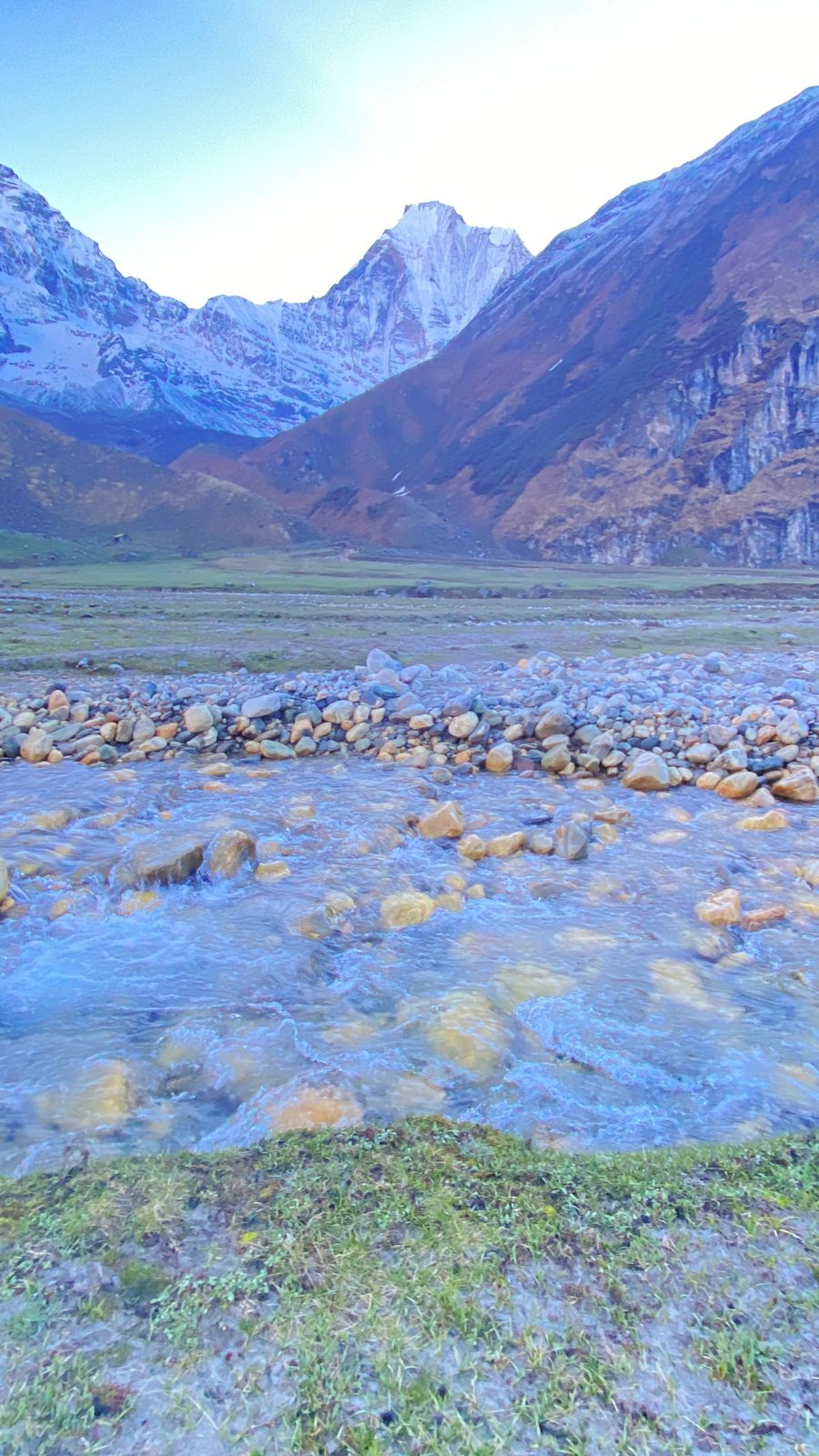
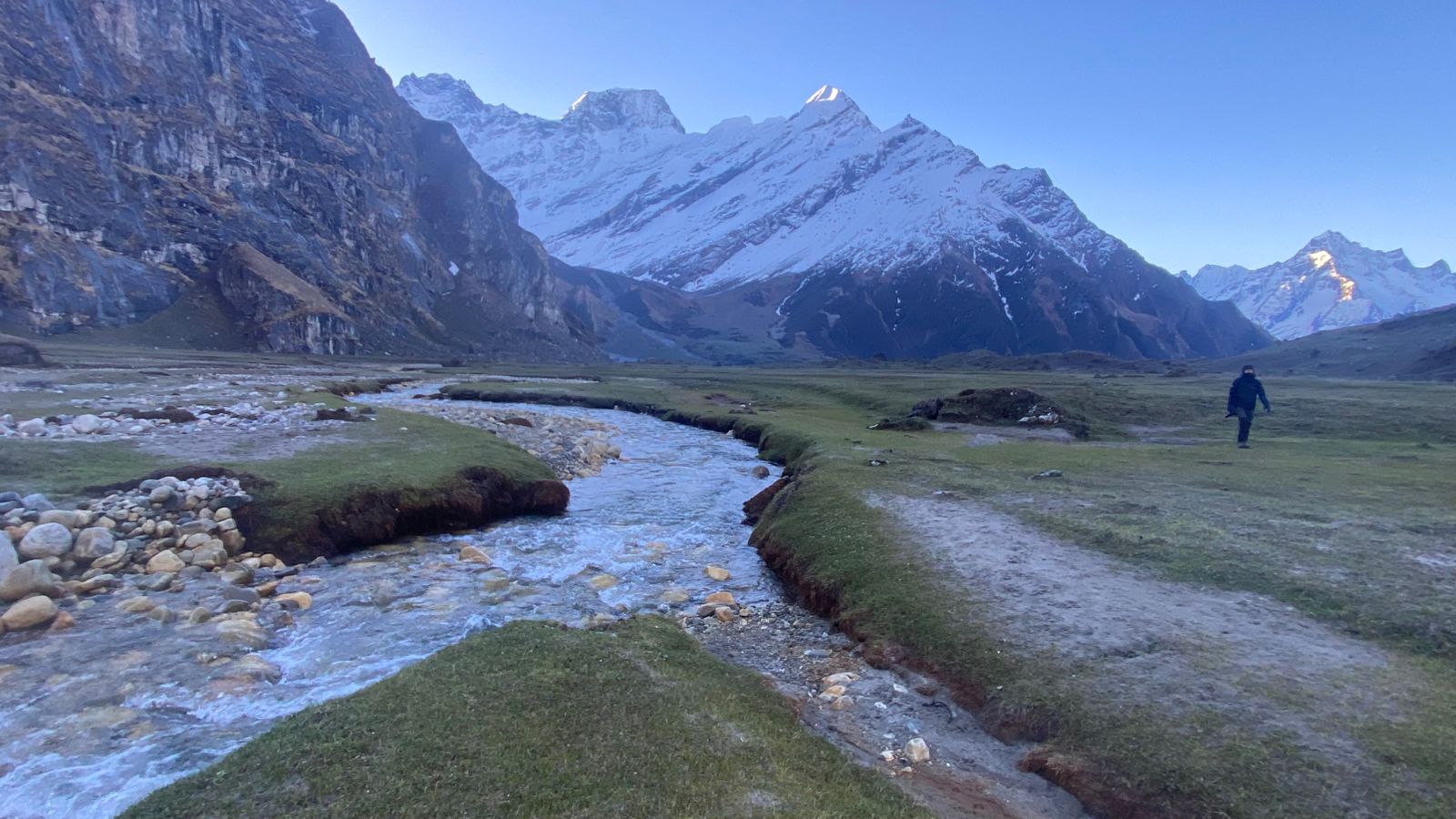
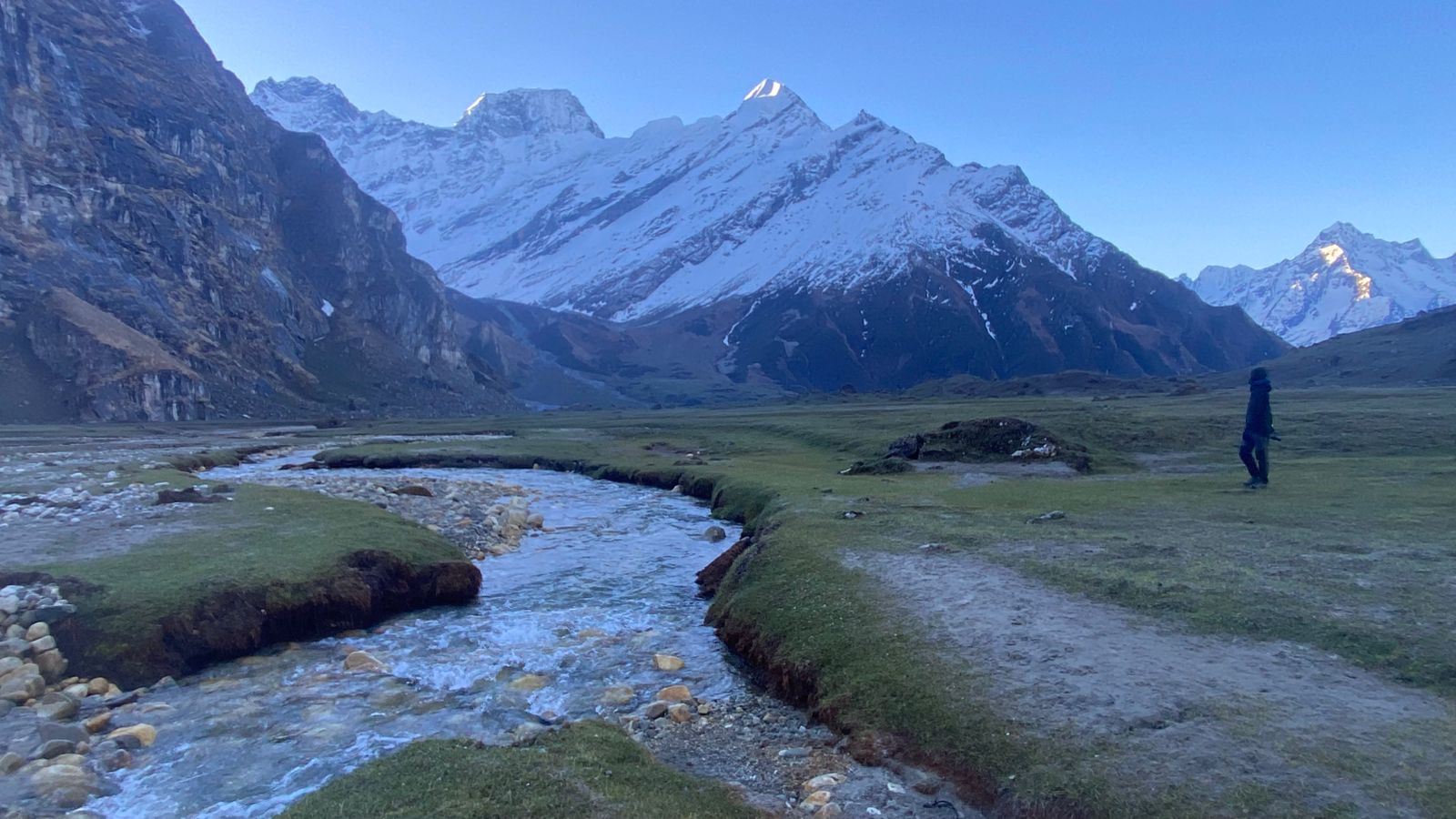
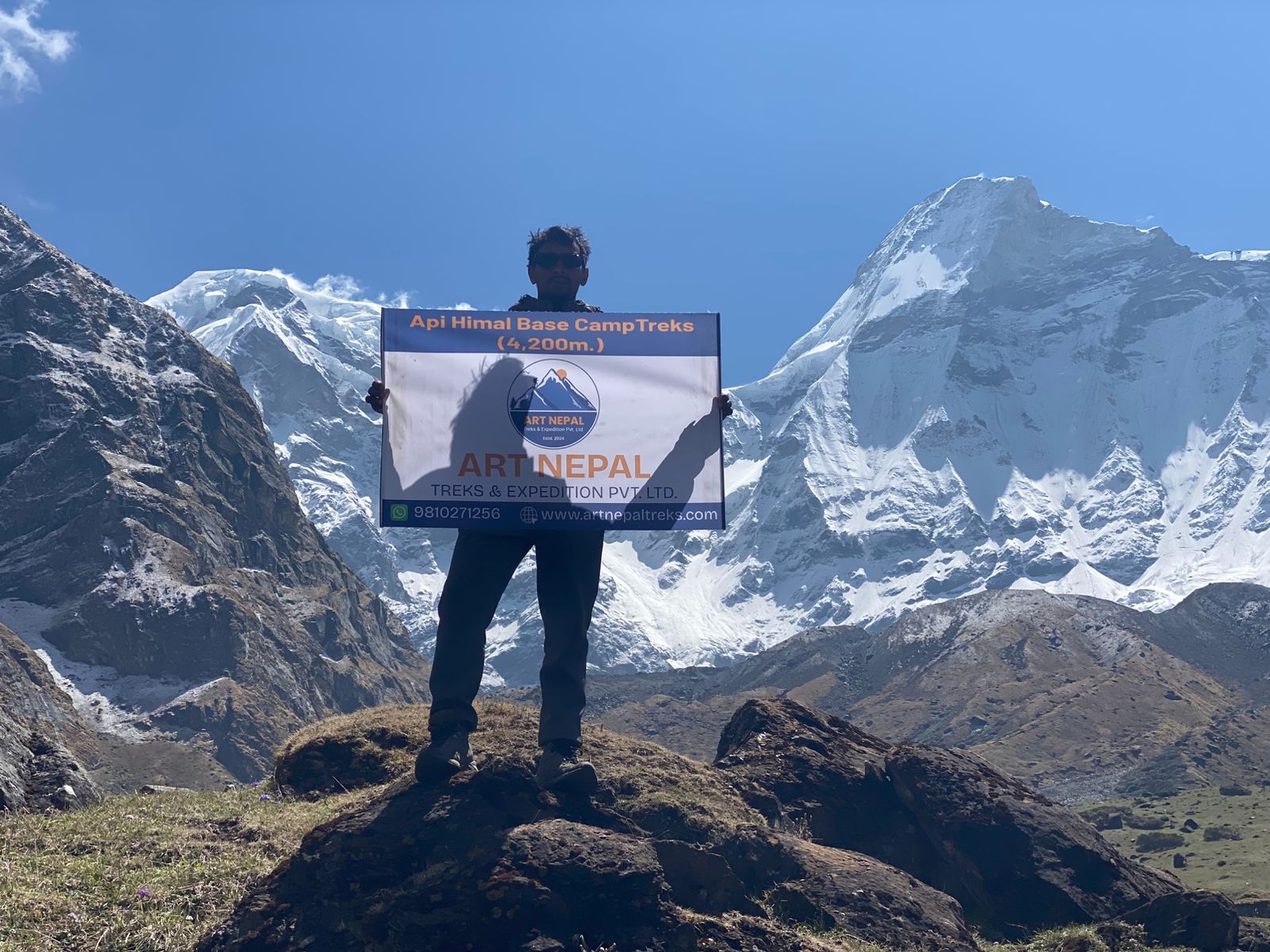
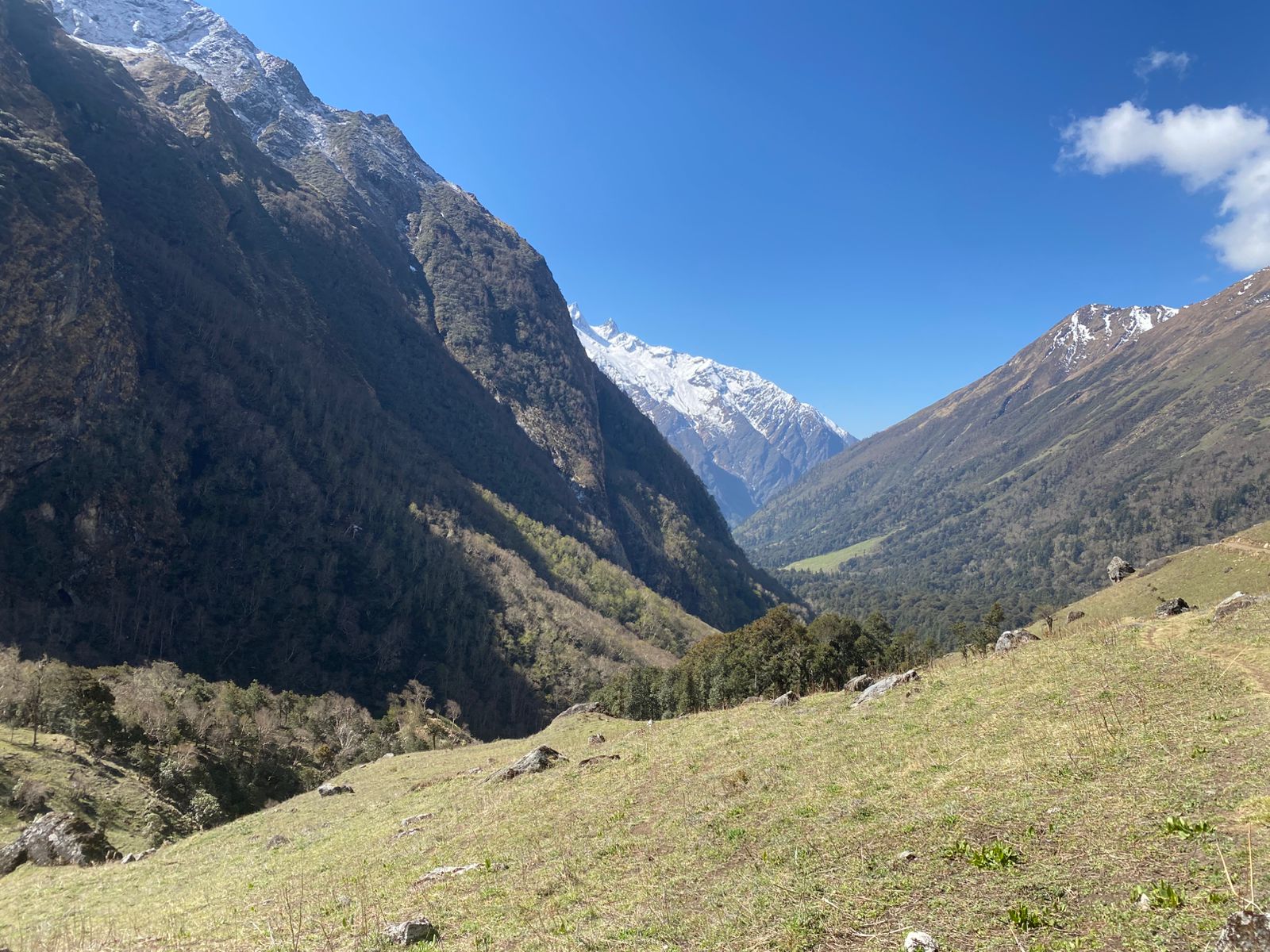
The Api Himal Base Camp Trek is one of the last true “off-the-beaten-path” adventures remaining in the Nepal Himalayas. While the trails of Everest and Annapurna have become well-trodden highways of global tourism, the Far-Western region—specifically the Darchula District—remains a sanctuary for those who seek silence, raw nature, and a connection with a culture that hasn’t changed for centuries.
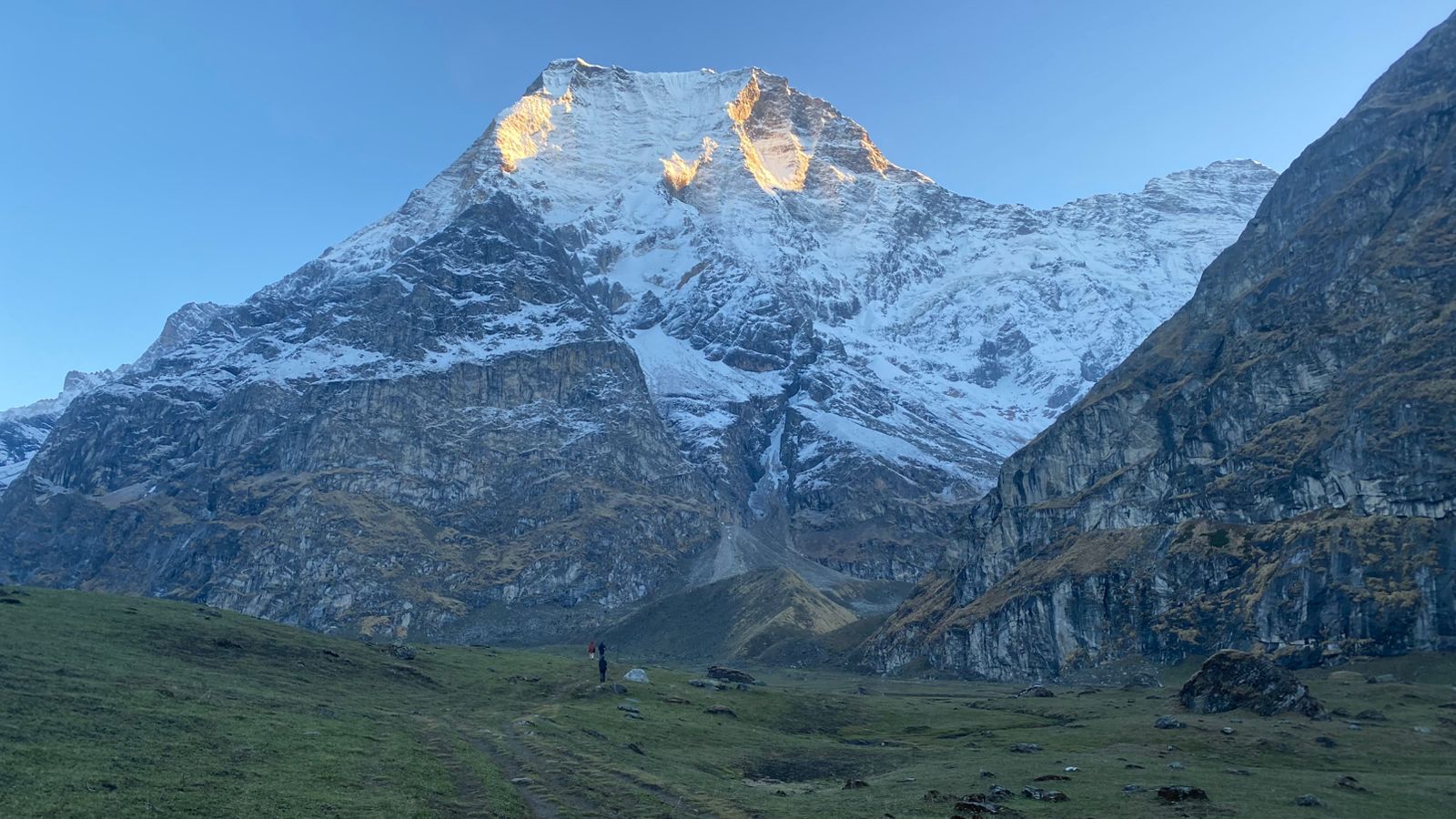
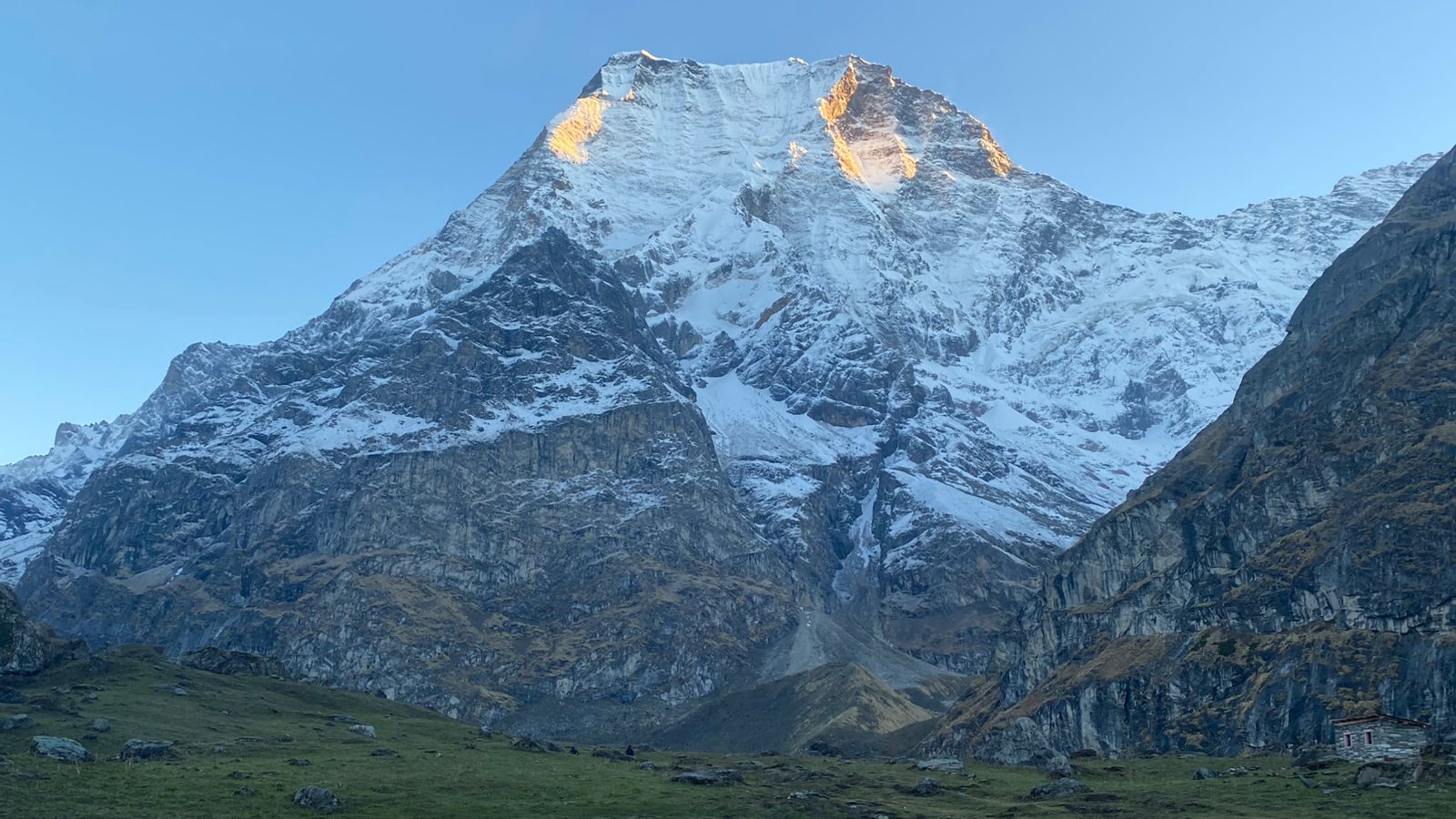
Named after Mt. Api (7,132m), the highest peak in the Yoka Pahar section of the Himalayas, this trek is a journey into the Api Nampa Conservation Area. It is a world of dramatic contrasts: from the subtropical heat of the Mahakali River valley to the bone-chilling glaciers of the high alpine plateaus.
History and Geographical Background
Historically, this region was a vital artery for the trans-Himalayan trade between India, Nepal, and Tibet. The local Byansi people have, for generations, navigated these high passes with salt, wool, and grains. Geographically, the Api Himal range stands as a sentinel on the border with Tibet to the north and India to the west. It is part of the Kailash Sacred Landscape, a transboundary area shared by the three nations, highlighting its spiritual and ecological significance.
Why This Trek is Special
- Crowd-Free Trails: You are more likely to meet a local shepherd or a snow leopard researcher than another foreign trekker.
- Pristine Ecosystems: The biodiversity here is untouched, featuring flora and fauna that are increasingly rare in more commercialized regions.
- The “Far-West” Mystique: Sudurpashchim (the Far-Western Province) has its own distinct dialect, music (Deuda), and shamanistic traditions (Masto) that differ sharply from the Kathmandu-centric narratives of Nepal.
Comparison: Api Himal vs. Other Routes
| Feature | Api Himal Base Camp | Everest Base Camp (EBC) |
| Foot Traffic | Extremely Low (Rarely 100/year) | Extremely High (Thousands/month) |
| Accommodation | Homestays / Tents | High-end Lodges / Teahouses |
| Culture | Authentic Byansi/Khas | Sherpa/Tourist-centric |
| Terrain | Wild, rugged, river-valley based | Well-maintained steps/trails |
Who is This Trek For?
This trek is for the seasoned adventurer. If you enjoy the comforts of an espresso machine at 4,000m, this is not the trek for you. However, if you crave a “National Geographic” style experience where you are the first to witness the sunrise on a 7,000m peak from a remote meadow, then Api Himal is your calling.
Complete Region Description
Darchula District: The Gateway
Darchula is the westernmost district of Nepal. It is characterized by its steep hills and deep gorges. The district headquarters, Khalanga, sits on the banks of the Mahakali River. The people here are known for their resilience, living in a landscape where every road is a triumph of engineering over gravity.
Api Nampa Conservation Area (ANCA)
Established in 2010, ANCA covers 1,903 square kilometers. It was created to protect the unique high-altitude ecosystems and the cultural heritage of the Byansi people.
- Flora: You will walk through forests of Himalayan Cedar, Oak, and Rhododendron. As you go higher, you hit the alpine grasslands—the famous Yarsagumba (Caterpillar Fungus) hunting grounds.
- Fauna: The area is home to the Himalayan Tahr, Blue Sheep, and the Monal Pheasant (Nepal’s national bird).
-
Trip Duration
12 Days/11 Nights
-
Group Size
Small / Personalized
-
Maximum Altitude
Mt. Api Base Camp (4,000 m)
-
Trip Difficulty
Moderate to Challenging
-
Activities
Trekking, Cultural Immersion, Wildlife Watching
-
Best Season
March–May, September–November
-
Trip Start & End
Kathmandu-Kathmandu
-
Meals
Breakfast, Lunch, Dinner
-
Accomodation
Boutique hotels (Kathmandu), Homestays / Tents (trek)
Highlights
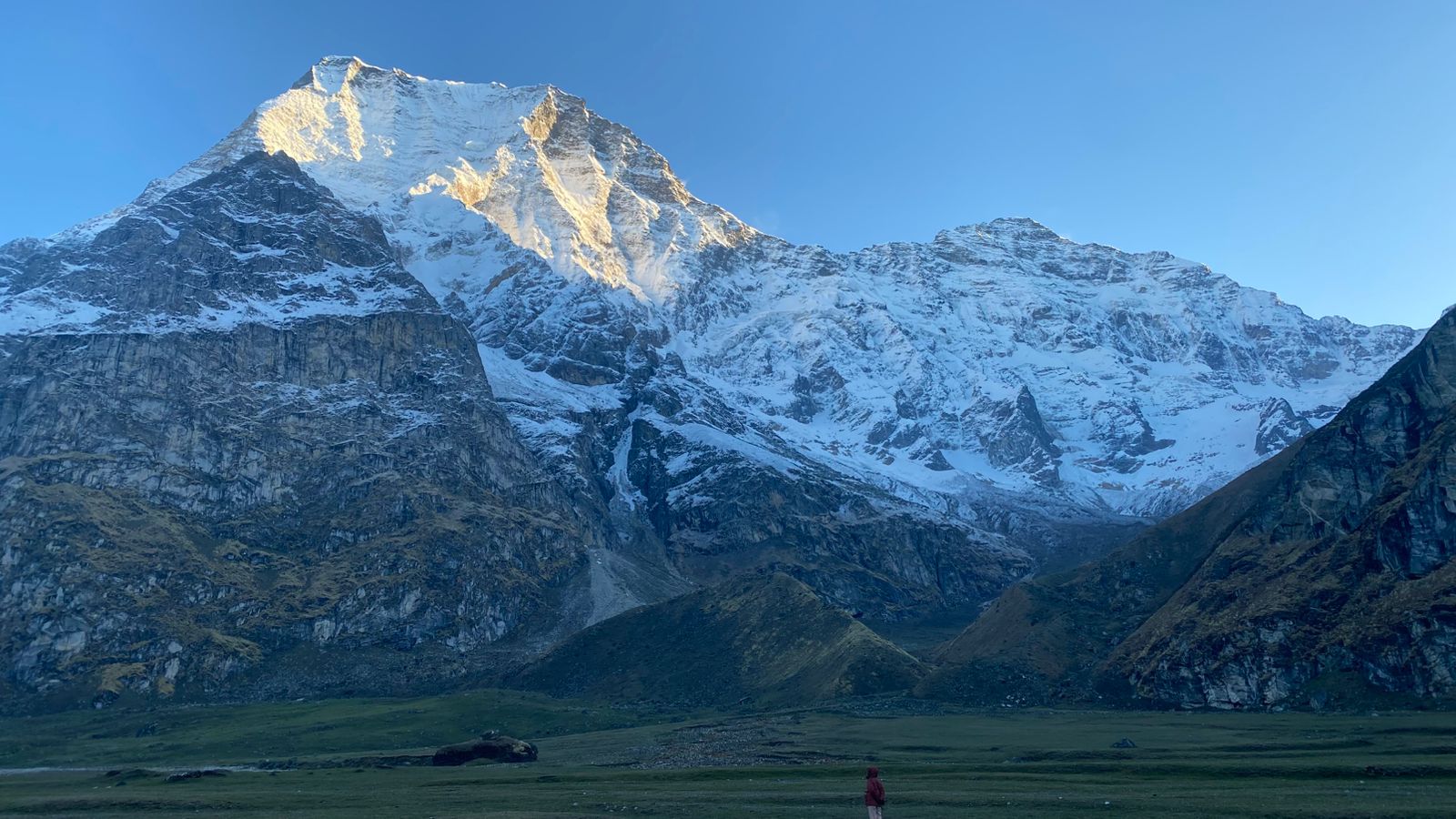
- The Majesty of Mt. Api (7,132m): Standing at the base camp, the mountain doesn’t just look tall; it feels imposing. The lack of other tourists makes the scale feel even more immense.
- Remote Far-West Isolation: Experience the “Real Nepal.” The lack of internet and luxury lodges allows for a total digital detox and mental reset.
- Api Nampa Conservation Area: A sanctuary for the elusive Snow Leopard, Himalayan Black Bear, and the Red Panda.
- The Mahakali River Valley: Trekking alongside the roaring Mahakali, which forms the border with India, provides a unique sense of place.
- Spiritual Sites: Visit Domal, the confluence of the Chameliya and Rokap rivers, a site so holy that locals believe a bath here cleanses the soul of seven lifetimes of sins.
Itinerary
Day 01
The Experience: Your journey begins the moment you touch down at Tribhuvan International Airport. Kathmandu is a sensory explosion—the smell of incense, the rhythmic honking of rickshaws, and the sight of ancient temples juxtaposed against modern cafes. After a warm welcome by our representative, you’ll be transferred to your hotel in Thamel, the heartbeat of the trekking community.
Storytelling: Tonight, we gather for a pre-trek briefing. You’ll meet your lead guide—a veteran of the Far-West trails. Over a traditional welcome dinner, you’ll learn about the “Darchula lifestyle.” The air in Kathmandu is thick with anticipation. You aren’t just going on a trek; you are heading to a part of Nepal that many locals haven’t even visited.
Daily Tip: Use this day to double-check your gear. If you’ve forgotten a down jacket or high-quality trekking poles, Thamel is the best place in the world to find them at a bargain.
Trip Duration:
Arrival / TransferAltitude:
1,350 mMeal:
DinnerAccomodation :
Hotel in KathmanduDay 02
Route & Travel:
We take a morning flight (approx. 1 hour and 15 minutes) to Dhangadhi. Looking out the right side of the plane, you’ll see the entire Himalayan chain. Upon landing in the Terai (the flat plains), the heat will be a surprise. We immediately board our private 4WD jeep for the climb into the hills.
Landscape & Environment:
The road, known as the Bhimdatta Pant Highway, is a marvel of cliff-side engineering. As we ascend, the humid tropical air fades, replaced by the scent of Pine and Cedar. By the time we reach Dadeldhura, the “Queen of the Hills,” the temperature is crisp and refreshing.
Cultural Insight:
Dadeldhura is famous for the Amargadhi Fort, a historic site where Nepali soldiers fought bravely against British forces. It represents the fierce independence of the Far-West people.
Trip Duration:
Flight 1h15 + Drive 4-5hAltitude:
2,090 mMeal:
Breakfast, Lunch, DinnerAccomodation :
Lodge in DadeldhuraDay 03
The Journey:
Today is a long but visually stunning drive. We follow the Mahakali River, which serves as the natural border between Nepal and India. You will see suspension bridges connecting the two nations, used daily by locals for trade.
Arrival at Makarigaad:
Makarigaad is our “Trailhead.” This is where the pavement ends and the dirt path begins. We stay in a local lodge or set up our first camp. The sound of the Chameliya River will be your lullaby tonight.
Trek Difficulty:
While today is mostly driving, the winding roads can be tiring. Staying hydrated and snacking on local citrus fruits found along the way is key.
Trip Duration:
Drive 6-7hAltitude:
1,300 mMeal:
Breakfast, Lunch, DinnerAccomodation :
Lodge/Camp in MakarigaadDay 04
Trek Description:
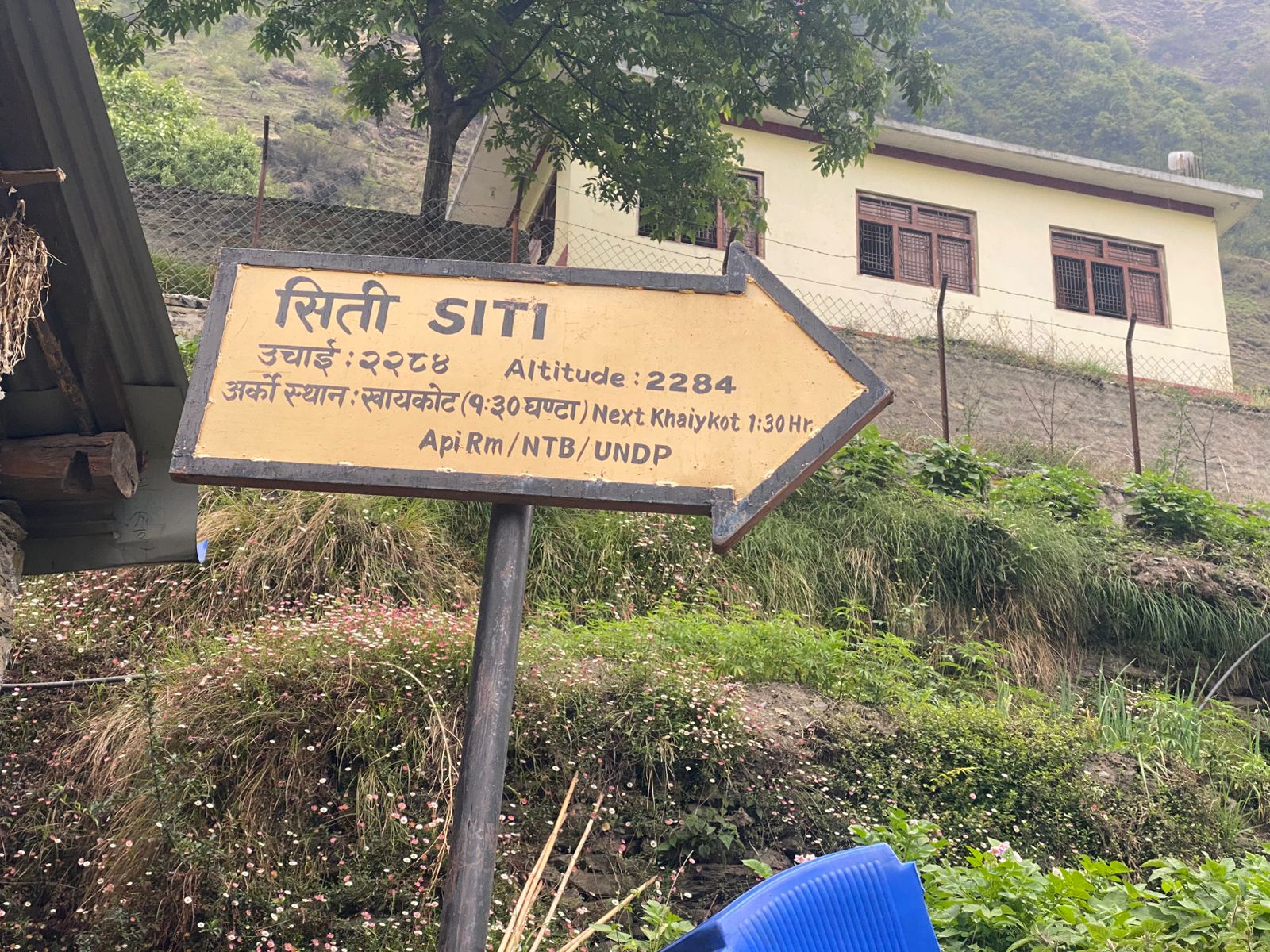
Our first walking day! We begin with a steady climb through subtropical forests. The trail is narrow and follows the ridge lines. You’ll notice the architecture changing—houses are built with thick stone walls and heavy slate roofs to withstand the mountain winters.
Landscape:
You are surrounded by terraced fields of millet and buckwheat. The greenery is intense, fed by the many waterfalls that cascade down the valley walls.
Emotional Note:
There is a profound sense of “leaving the world behind” as you watch the last road disappear from view. You are now moving at the pace of nature.
Trip Duration:
Trek 5-6hAltitude:
2,200 mMeal:
Breakfast, Lunch, DinnerAccomodation :
Lodge in SitigaunDay 05
The Environment:
Today, we break the 3,000m barrier. The air grows thinner, and the forest shifts from broadleaf trees to ancient, moss-covered Oaks and Himalayan Fir.
Storytelling – The Shepherd’s Path:
We reach Dhauliodar, which literally translates to “White Cave.” This massive rock shelter has provided refuge to nomadic Himalayan shepherds (Gothalos) for centuries. Sitting by a campfire here, you can almost hear the echoes of the ancient trade caravans that once passed this way.
Acclimatization Note:
We climb nearly 900 meters today. It is vital to walk slowly. “Bistari, Bistari” (Slowly, slowly) is the golden rule of the Himalayas.
Trip Duration:
Trek 6-7hAltitude:
3,100 mMeal:
Breakfast, Lunch, DinnerAccomodation :
Lodge/Camp in DhauliodarDay 06
The Landscape:
The tree line drops away, revealing the high-altitude tundra. The valley opens up into a massive amphitheater of rock and ice.
The View of Mt. Api:
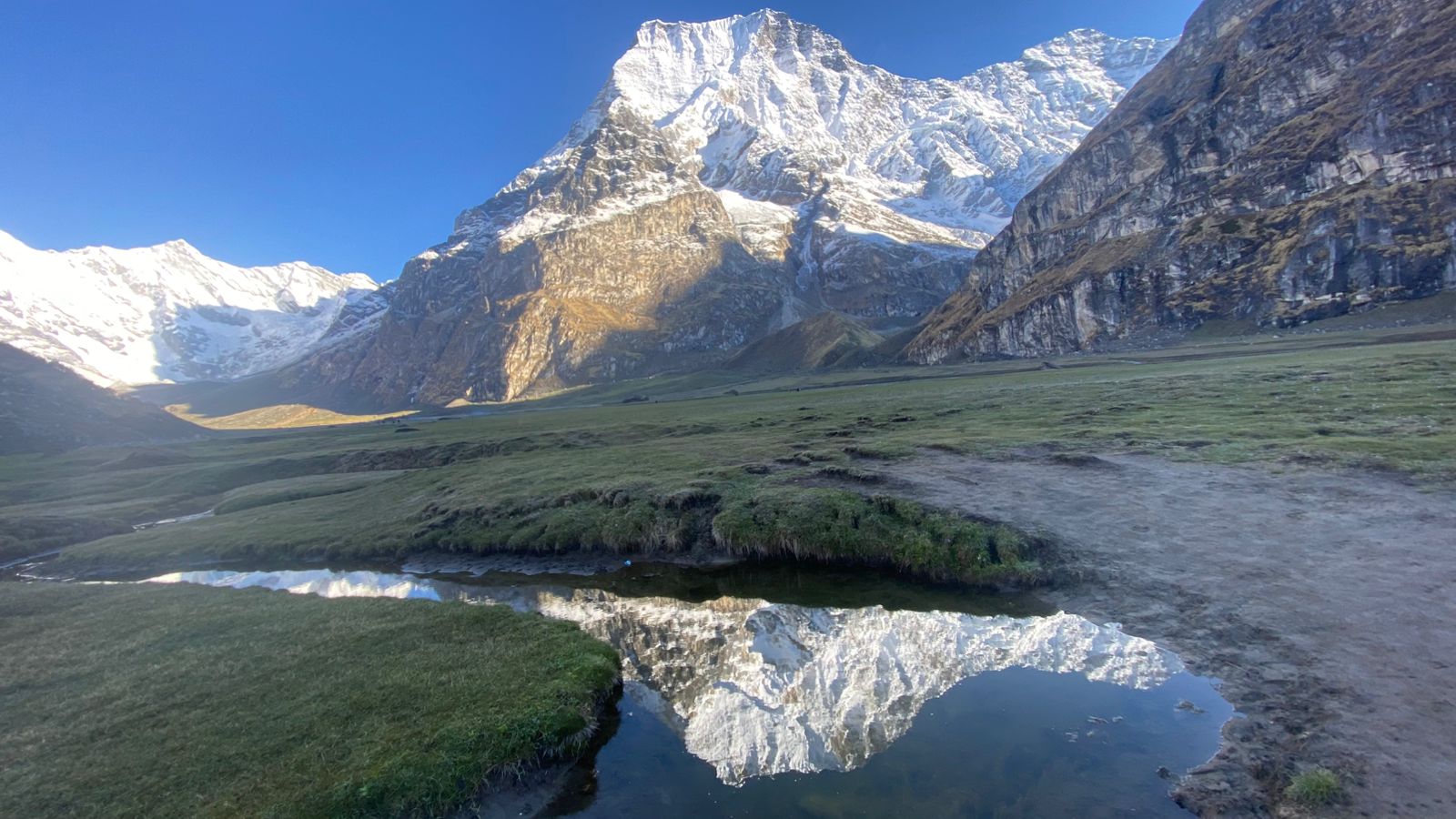
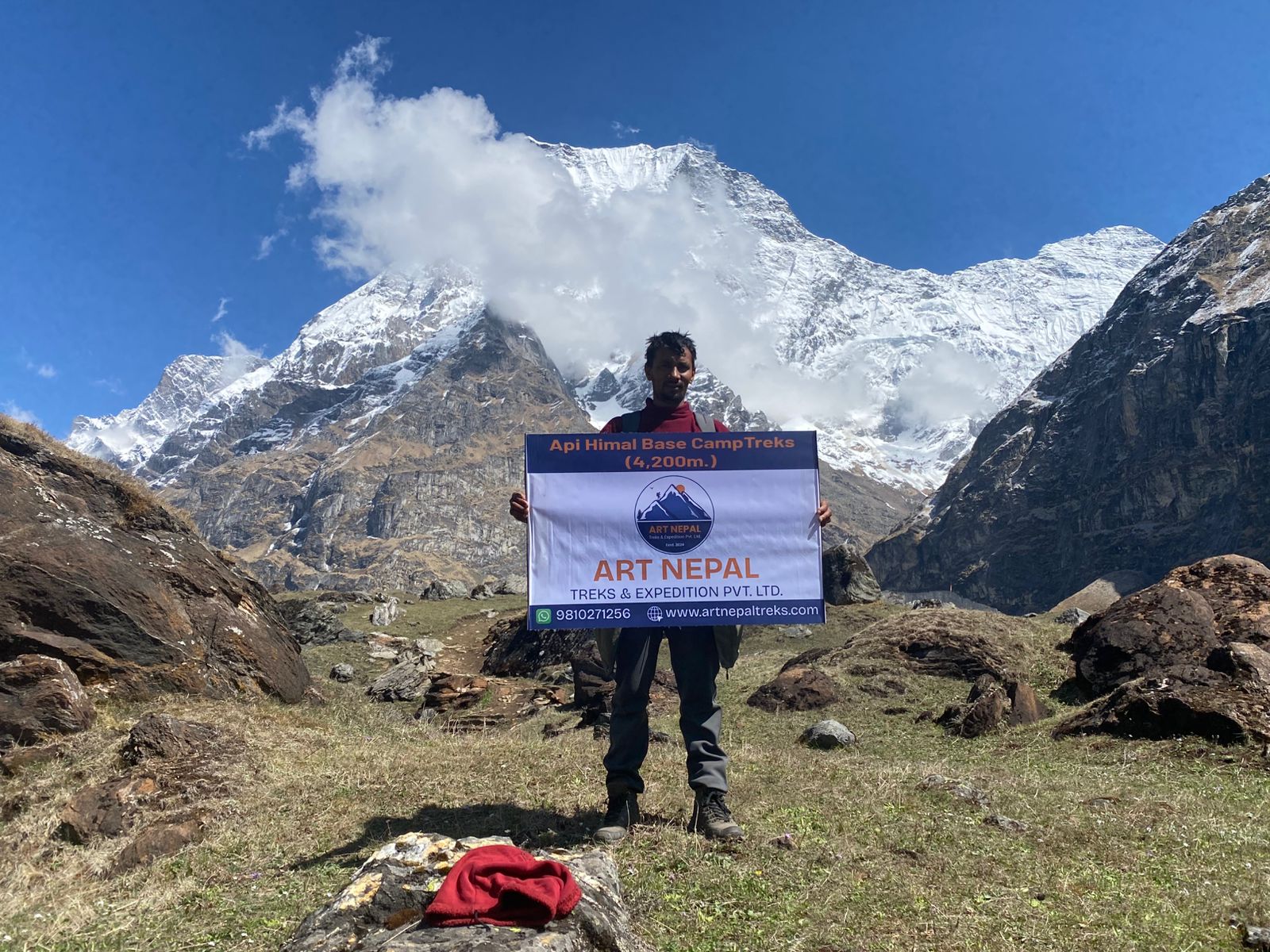
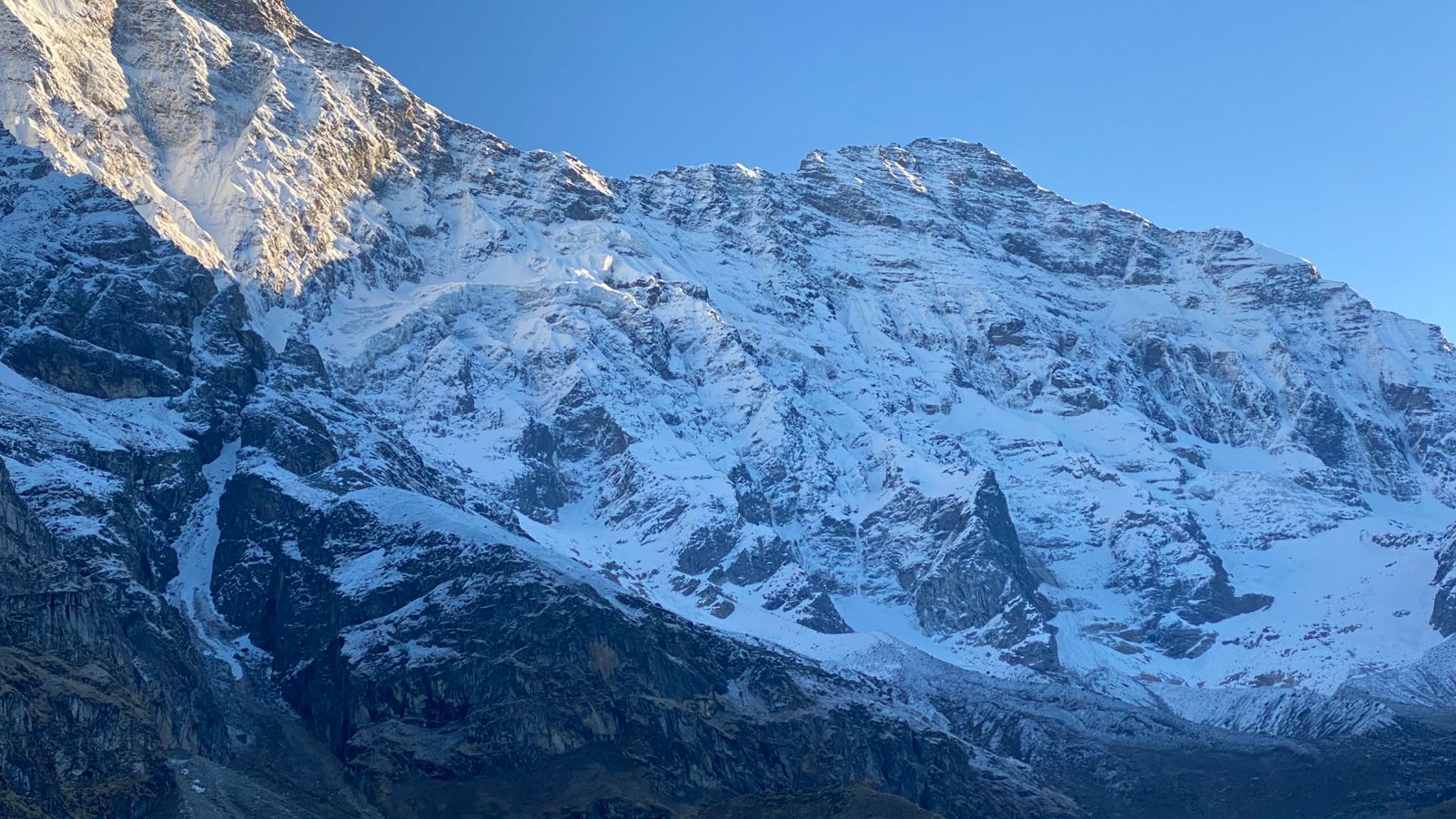
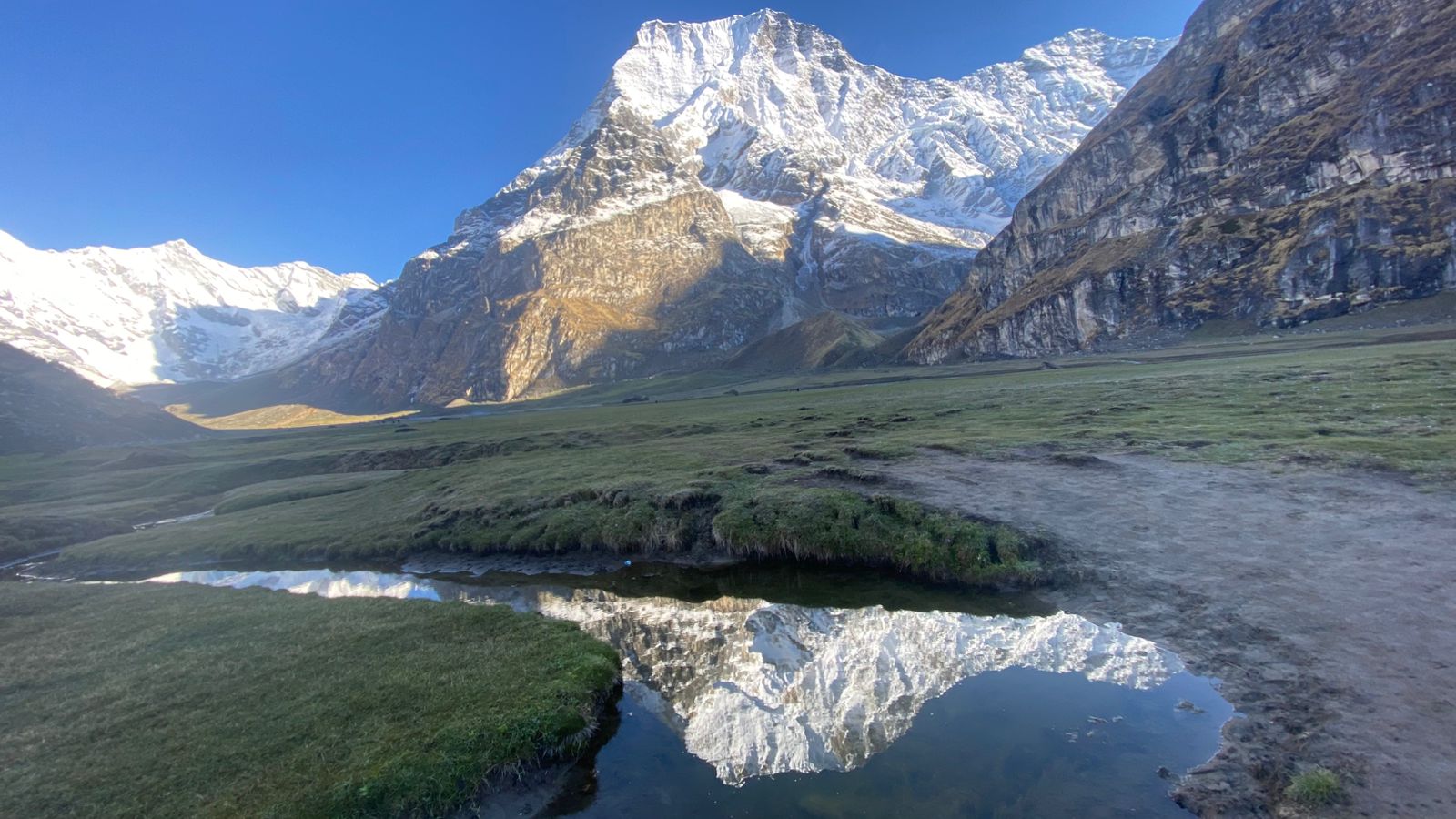
Suddenly, there it is—Mt. Api (7,132m). It towers over the landscape like a frozen giant. To its side stand Nampa (6,755m) and Kapchuli. The scale is hard to comprehend; the base camp is a flat, grassy meadow surrounded by glaciers.
Activity:
We explore Pilkandaha, a sacred lake. The locals believe the lake is home to a mountain deity. The reflection of Mt. Api in the still, turquoise water is the ultimate reward for your physical exertion.
Trip Duration:
Trek 6-7hAltitude:
4,000 mMeal:
Breakfast, Lunch, DinnerAccomodation :
Camp in Api Base CampDay 07
Experience:
We spend a second night at the Base Camp to fully absorb the environment. We can hike toward the Mt. Nampa side or visit local meditation caves used by Hindu ascetics.
Wildlife:
Keep your binoculars ready. This is prime territory for the Himalayan Musk Deer and the Snow Leopard. While the cats are rare to see, their tracks are often visible in the soft mud near the glacial streams.
Trip Duration:
Exploration 4-5hAltitude:
4,000 mMeal:
Breakfast, Lunch, DinnerAccomodation :
Camp in Api Base CampDay 08
The Descent:
We begin our return journey, but the views are entirely different as we face down-valley. We head toward Khayekot, a beautiful village perched on a cliffside.
Cultural Immersion:
Khayekot is a traditional Byansi village. You’ll see women weaving wool on handlooms and men returning from the high pastures. The hospitality here is legendary—don’t be surprised if you are invited in for a cup of salted butter tea.
Trip Duration:
Trek 5-6hAltitude:
2,800 mMeal:
Breakfast, Lunch, DinnerAccomodation :
Lodge in KhayekotDay 09
Route:
A long descent through different ecological zones. We drop from the alpine cold back into the warm, lush river valleys.
Landscape:
The trail passes through dense forests where Gray Langur monkeys swing through the trees. We cross several high suspension bridges that sway gently over the roaring white water of the river.
Trip Duration:
Trek 6-7hAltitude:
1,600 mMeal:
Breakfast, Lunch, DinnerAccomodation :
Lodge in Jhauri-GadDay 10
The Final Walk:
We complete the trekking loop as we arrive back in Makarigaad. There is a sense of accomplishment and a touch of sadness as we leave the wild trails. We board our jeep for a short drive back to the relative “civilization” of Gokuleshwor.
Trip Duration:
Trek 4-5h + Drive 2hAltitude:
1,300 mMeal:
Breakfast, Lunch, DinnerAccomodation :
Lodge in MakarigaadDay 11
The Long Road Home:
We retrace our steps across the hills of the Far-West. This is a great time to reflect on the journey, look through your photos, and enjoy a final “hill-style” Dal Bhat at a roadside eatery. We spend the night in Dhangadhi.
Trip Duration:
Drive 6-7hAltitude:
2,090 mMeal:
Breakfast, Lunch, DinnerAccomodation :
Lodge in DhangadhiDay 12
The Return:
A morning flight returns us to Kathmandu. The rest of the day is yours for souvenir shopping or a well-deserved massage. In the evening, we have a farewell dinner to celebrate the successful completion of the Api Himal Trek Nepal.
Trip Duration:
Flight 1hAltitude:
1,350 mMeal:
Breakfast, Lunch, DinnerAccomodation :
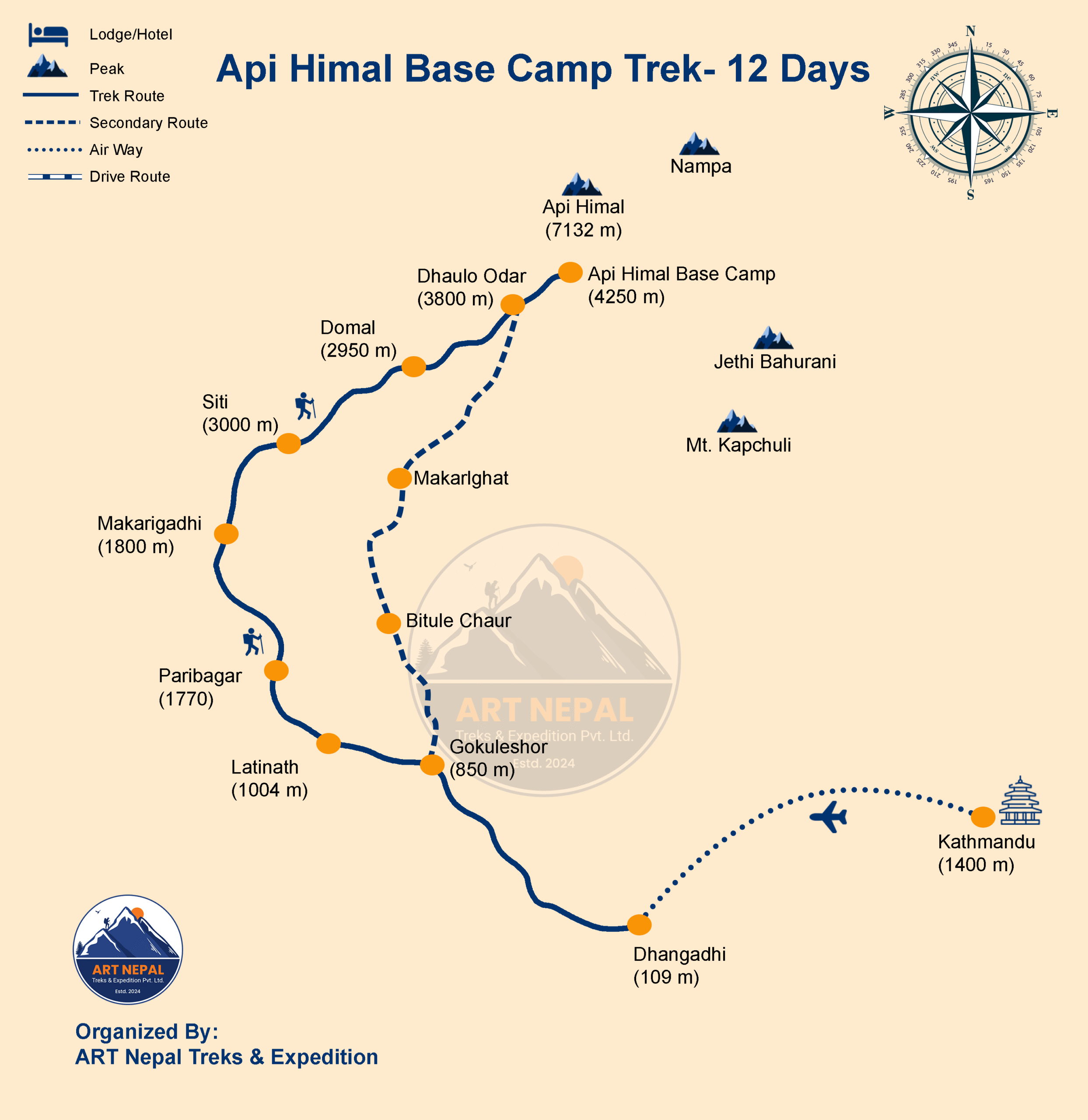
Hotel in KathmanduRoute Map
Fixed Departure
What's Included
-
Airport pick-up and drop in Kathmandu
-
Domestic flight Kathmandu ↔ Dhangadhi
-
All ground transportation (4WD jeep) during the trek
-
Accommodation: Hotel in Kathmandu, lodges/camps during trek
-
All meals as per itinerary (Breakfast, Lunch, Dinner)
-
Licensed English-speaking guide
-
Local porters for luggage
-
Trekking permits: ANCA Entry Permit, TIMS Card, Local Government Fee
-
First aid kit and emergency evacuation plan
-
Cultural experiences and village visits
-
Waste management and responsible trekking support
What's Excluded
Essential Info
Accommodation and Food Experience (The “Deep Dive”)
Kathmandu: Urban Comfort
In the capital, you stay in boutique hotels that blend modern luxury with Newari architecture. High-speed Wi-Fi and hot showers are the norm here—luxuries you will appreciate much more after the trek.
The Remote Homestay Culture
Once we enter the Api Nampa Conservation Area, the experience shifts.
- The Rooms: Simple, clean, and cozy. You will sleep on “Sukuls” (straw mats) topped with thick wool blankets.
- The Vibe: It’s like stepping back in time. There are no TVs or noisy streets—just the sound of the wind and the crackle of the hearth.
Traditional Far-West Cuisine
The food on the Far West Nepal Trek is distinct:
- Dal Bhat: The staple power food. Here, it’s served with local “Red Rice” and organic lentils.
- Saag: Wild-harvested greens like stinging nettle soup (Sishnu), which is surprisingly delicious and packed with iron.
- Local Honey: Darchula is famous for wild cliff honey. It has a unique, floral taste.
Trek Difficulty and Fitness Requirements
Who can do this trek?
You don’t need to be an elite athlete, but you do need mental toughness. This is a “Grade C” trek. The trails are not always perfectly groomed; some sections involve walking on loose scree or narrow forest paths.
Pre-Trek Training Suggestions
- Cardio (3x a week): Running, swimming, or cycling to build lung capacity.
- Leg Strength: High-repetition squats and lunges.
- The “Boot Test”: Go for 3–4 hour hikes in the boots you plan to wear for the trek to avoid blisters.
Best Time to Trek Api Himal Base Camp
| Season | Weather | Visibility | Verdict |
| Spring (March–May) | Mild to Warm | Good | Excellent. See the rhododendrons bloom. |
| Autumn (Sept–Nov) | Crisp and Cold | Crystal Clear | The Best. Peak mountain views. |
| Monsoon (June–Aug) | Rainy/Muddy | Poor | Avoid. Leeches and landslide risks. |
| Winter (Dec–Feb) | Very Cold/Snow | Variable | Expert Only. Requires heavy winter gear. |
Permits and Trekking Regulations
To preserve the sanctity of the Api Nampa Conservation Area, specific permits are mandatory:
- ANCA Entry Permit: Approximately $30 USD.
- TIMS Card: Trekkers’ Information Management System.
- Local Government Fee: Small tax collected for village development.
Note: As this is a border region, you must always carry your original passport. Our guides handle all the paperwork logistics for you.
Cultural Experience: The Byansi Heritage
The Byansi people are one of the most unique ethnic groups in Nepal.
- Language: They speak a Tibeto-Burman language that is distinct from Nepali.
- Religion: A fascinating blend of Tibetan Buddhism and Shamanistic Hinduism.
- Festivals: If you trek during Gaura Parva, you will see the famous Deuda dance, where villagers form a circle, link arms, and sing poetic songs.
Safety and Altitude Awareness
The Golden Rules of Altitude
- Ascent Limit: We never sleep more than 500m higher than the previous night once above 3,000m.
- Hydration: Drink 4 liters of water daily. This thins the blood and helps oxygen transport.
- Symptoms: If you have a persistent headache or nausea, you must inform your guide immediately.
Emergency Evacuation
In case of severe AMS (Acute Mountain Sickness), we have protocols for horse evacuation to lower altitudes or, in extreme cases, helicopter rescue to Dhangadhi or Kathmandu.
Transportation Details
The journey to the Far-West is an adventure in itself.
- The Flight: Dhangadhi airport is the gateway. The flight avoids the 14-hour bus ride from Kathmandu.
- The Jeep: We use rugged Mahindra or Toyota 4WD vehicles. The roads are bumpy, but the drivers are specialists in mountain terrain.
Environmental and Responsible Trekking
We practice Leave No Trace principles.
- Waste: All non-biodegradable waste is carried back out to Dhangadhi.
- Water: We encourage the use of LifeStraws or SteriPens instead of buying plastic bottles.
- Community: We hire local porters and buy food from village farmers to ensure the money stays in the local economy.
Why Choose This Trekking Company?
- Safety First: Our guides are certified in Wilderness First Aid.
- Local Roots: We employ people from the Darchula region who know the hidden trails and local stories.
- Fair Wages: We believe in ethical tourism; our porters are the best-equipped and best-paid in the industry.
Conclusion / Call to Action
The Api Himal Base Camp Trek is more than just a hike; it is a pilgrimage to the edge of the world. It is for those who tired of the crowds and want to see the Himalayas as they were fifty years ago—wild, welcoming, and breathtakingly beautiful.
Equipment List
-
Moisture-wicking t-shirts / long-sleeve shirts
-
Trekking pants / shorts
-
Warm socks (wool or synthetic)
-
Comfortable trekking shoes / boots
-
Hat / cap for sun protection
-
Gloves and scarf / buff
-
Trekking poles
-
Backpack (35–50 L)
-
Daypack for short hikes
-
Water bottle / hydration system
-
Sunglasses (UV protection)
-
Headlamp with extra batteries
-
Walking stick (optional)
-
Insulating fleece jacket
-
Down jacket (rated to –15 °C)
-
Waterproof & windproof jacket and trousers
-
Thermal base layers (top & bottom)
-
Lightweight sleeping bag (if camping)
-
Personal toiletries (toothbrush, toothpaste, soap)
-
Quick-dry towel
-
Sunscreen & lip balm (high SPF)
-
First aid kit (bandages, blister tape, painkillers)
-
Diamox or altitude sickness medication
-
Rehydration salts
-
Hand sanitizer / wet wipes
-
Mobile phone with charger
-
Power bank / solar charger
-
Camera (optional)
-
Adapter / plug converter (if needed)
FAQ
No. Consider this a rare opportunity to disconnect from the digital world and reconnect with yourself.
Absolutely. The local diet is naturally heavy on lentils, rice, and vegetables. We can easily accommodate dietary restrictions.
Due to the proximity to the international border and the remoteness of the trails, a licensed guide is highly recommended (and often legally required for certain permits).