

Yoga Trek Nepal- 12 Days
Introduction
The Union of Path and Practice
The concept of a Yoga and Meditation Trek Nepal is rooted in the idea of “Yatra”—a sacred journey. Traditionally, yogis would retreat to the Himalayas to find clarity. Today, we bring that same essence to modern travelers.
What is Yoga Trekking?
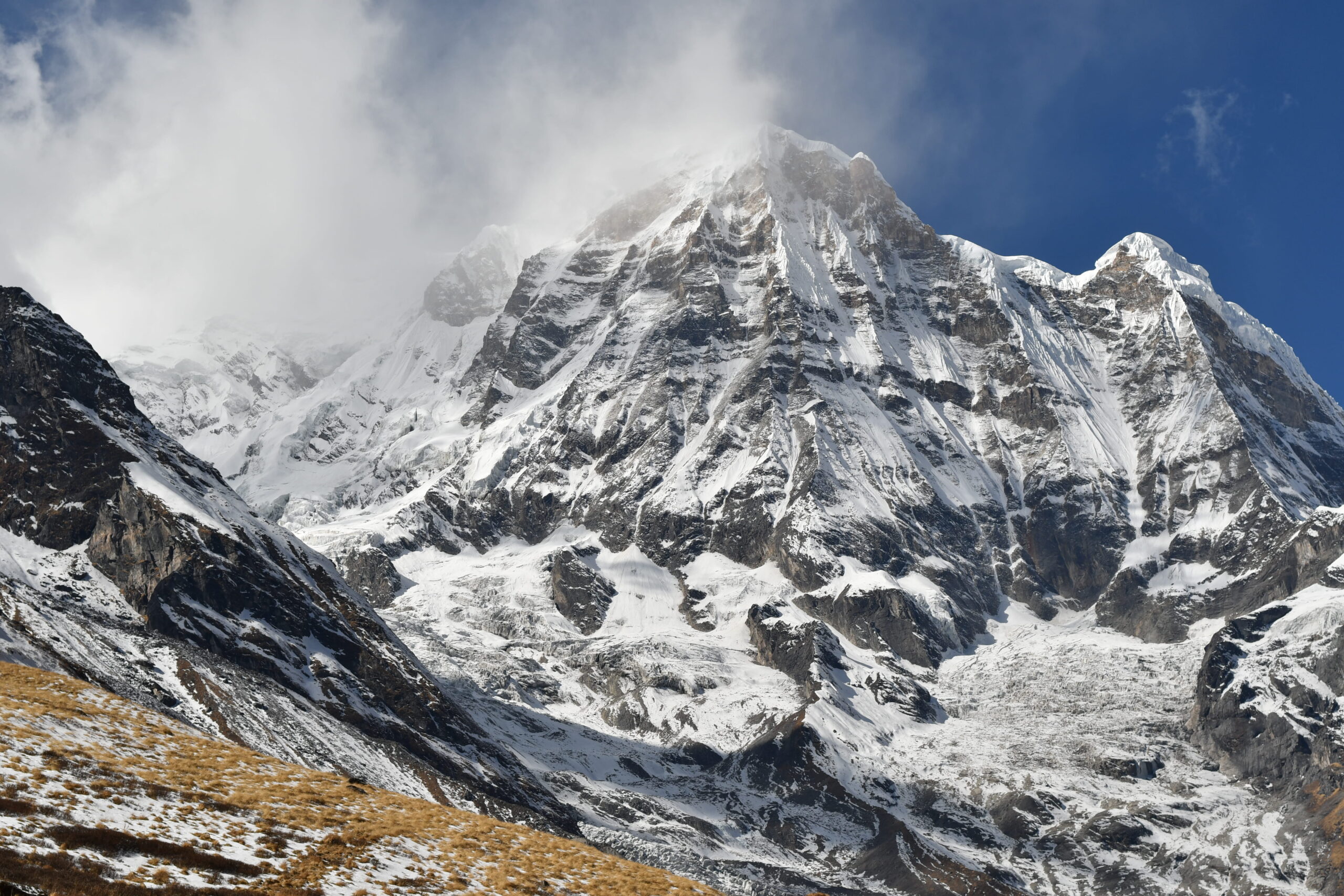
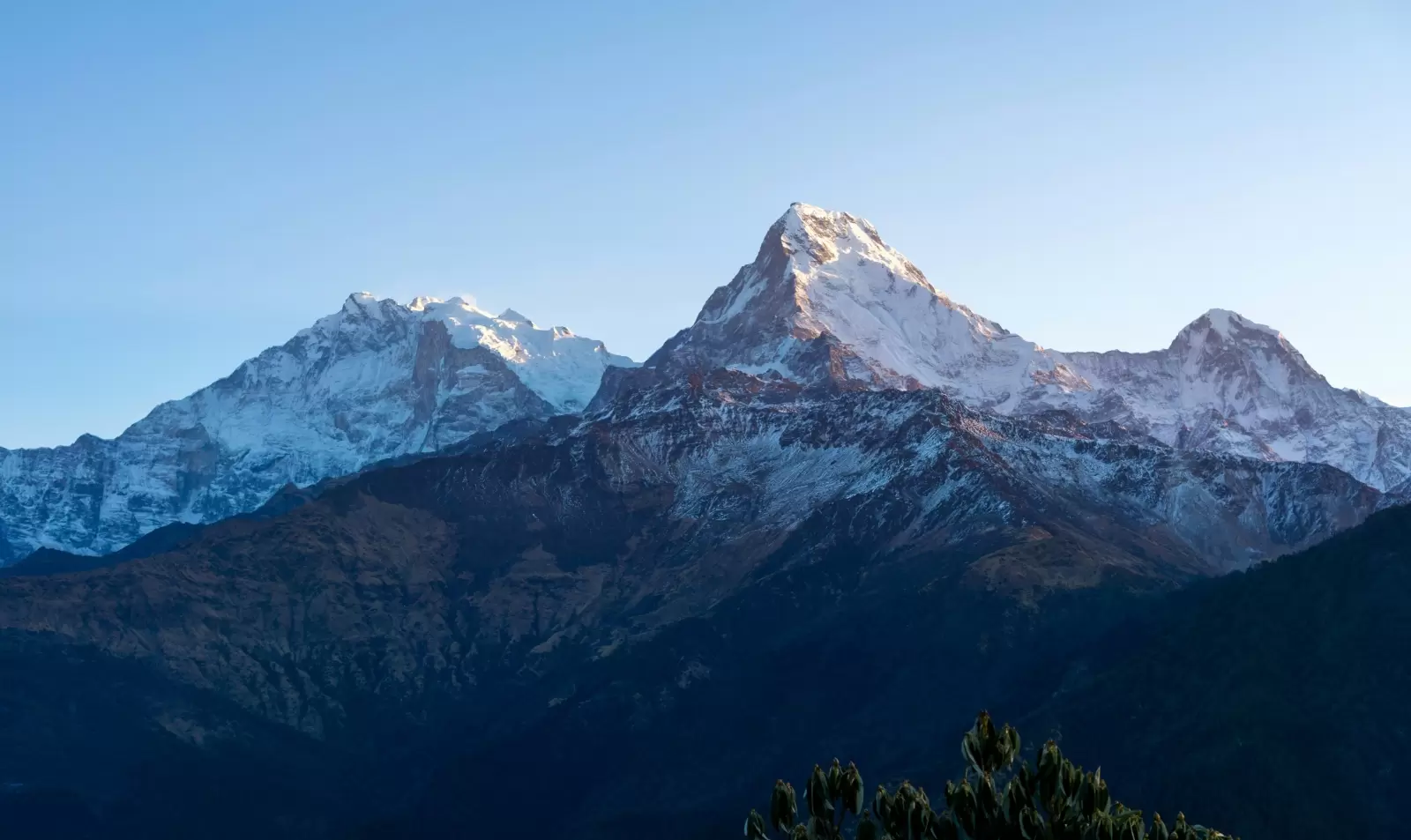
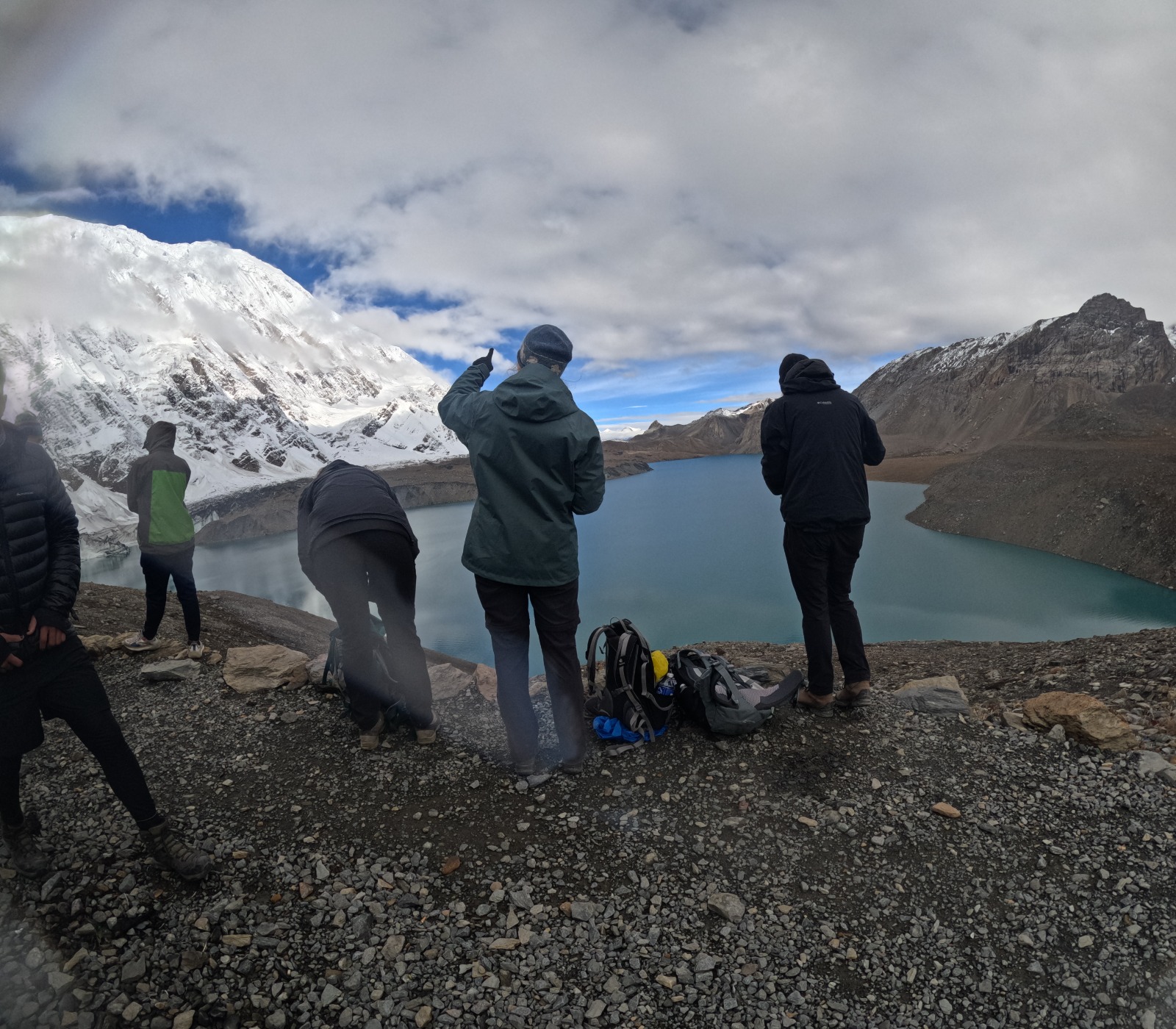
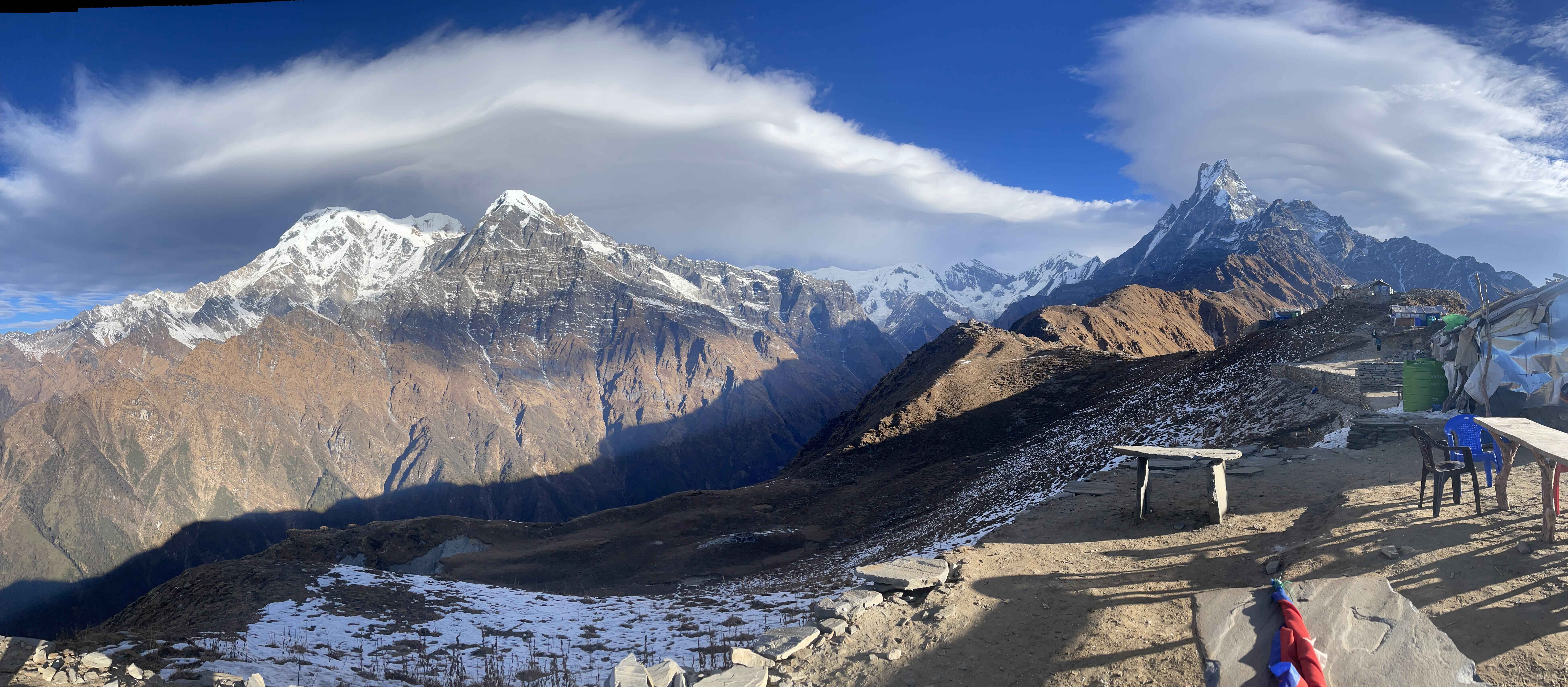
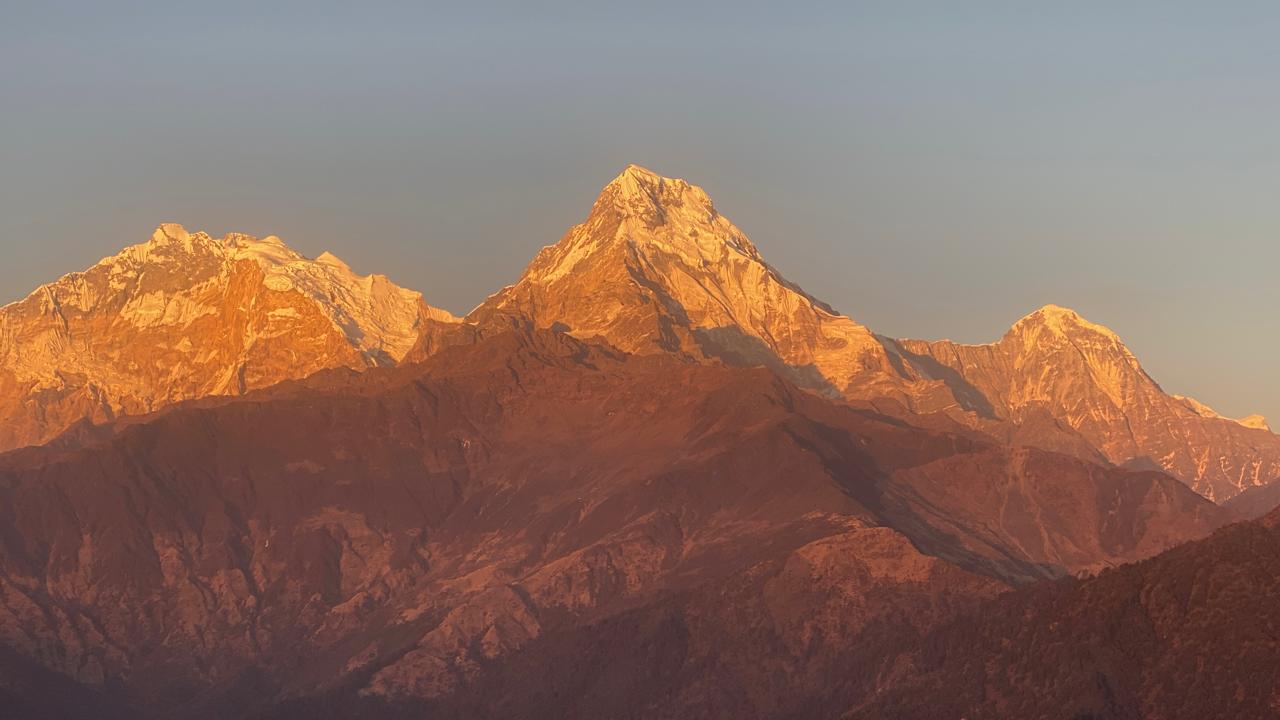
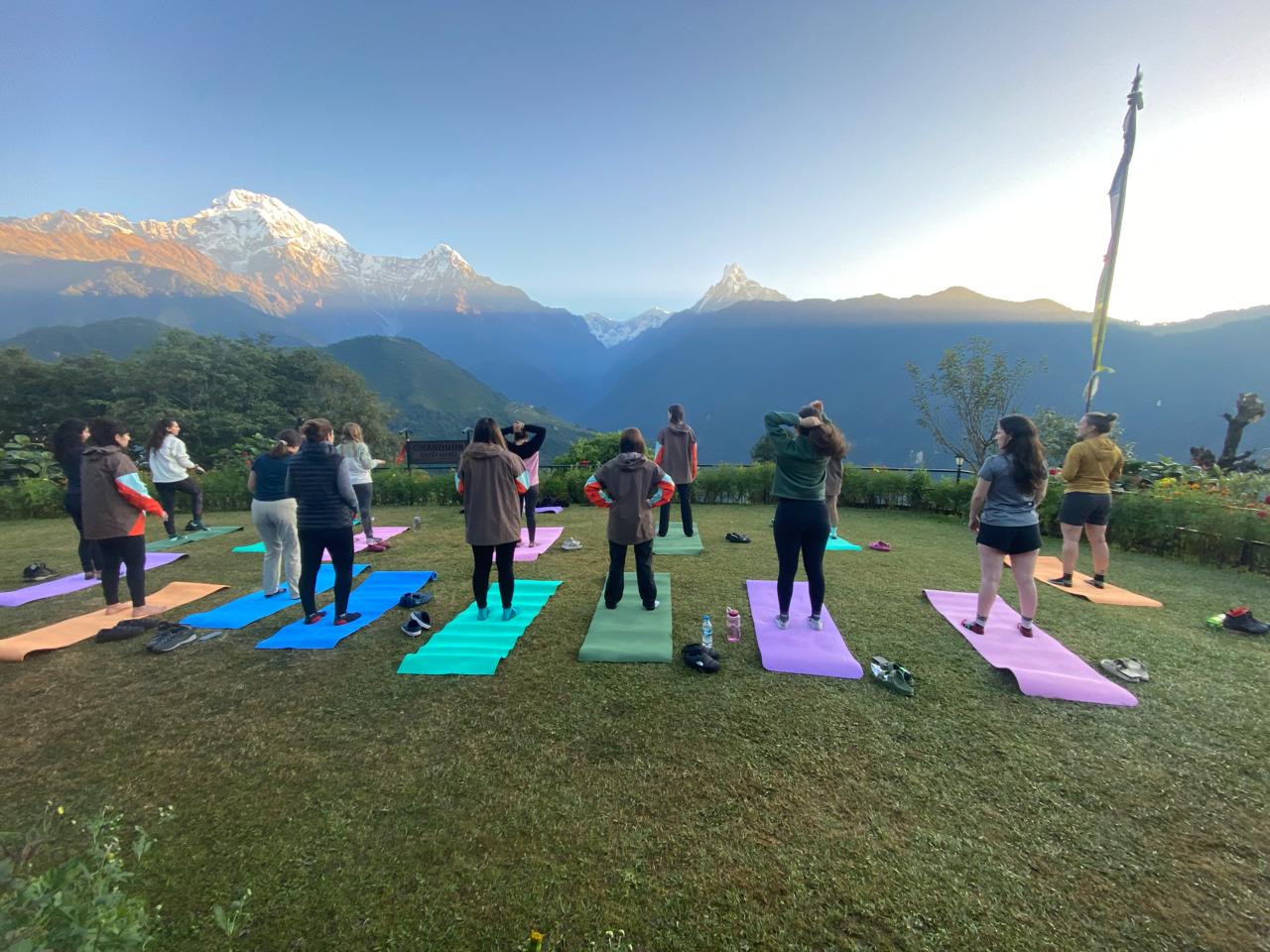
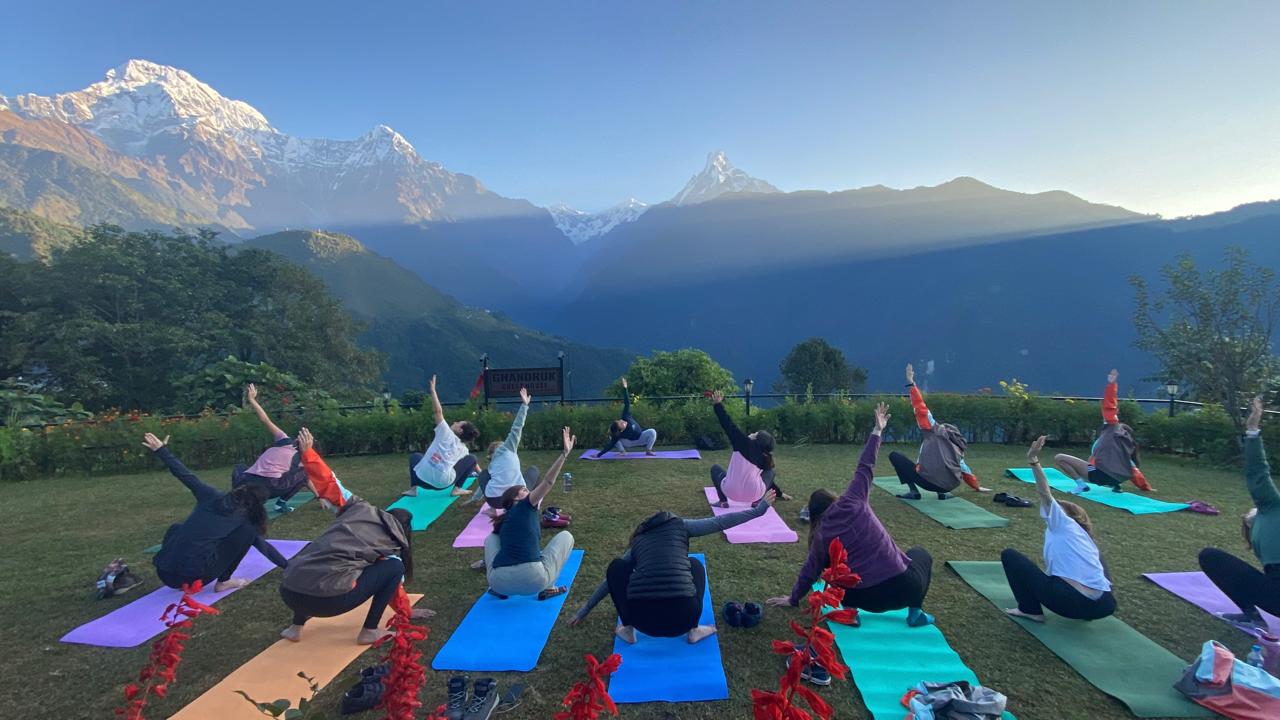
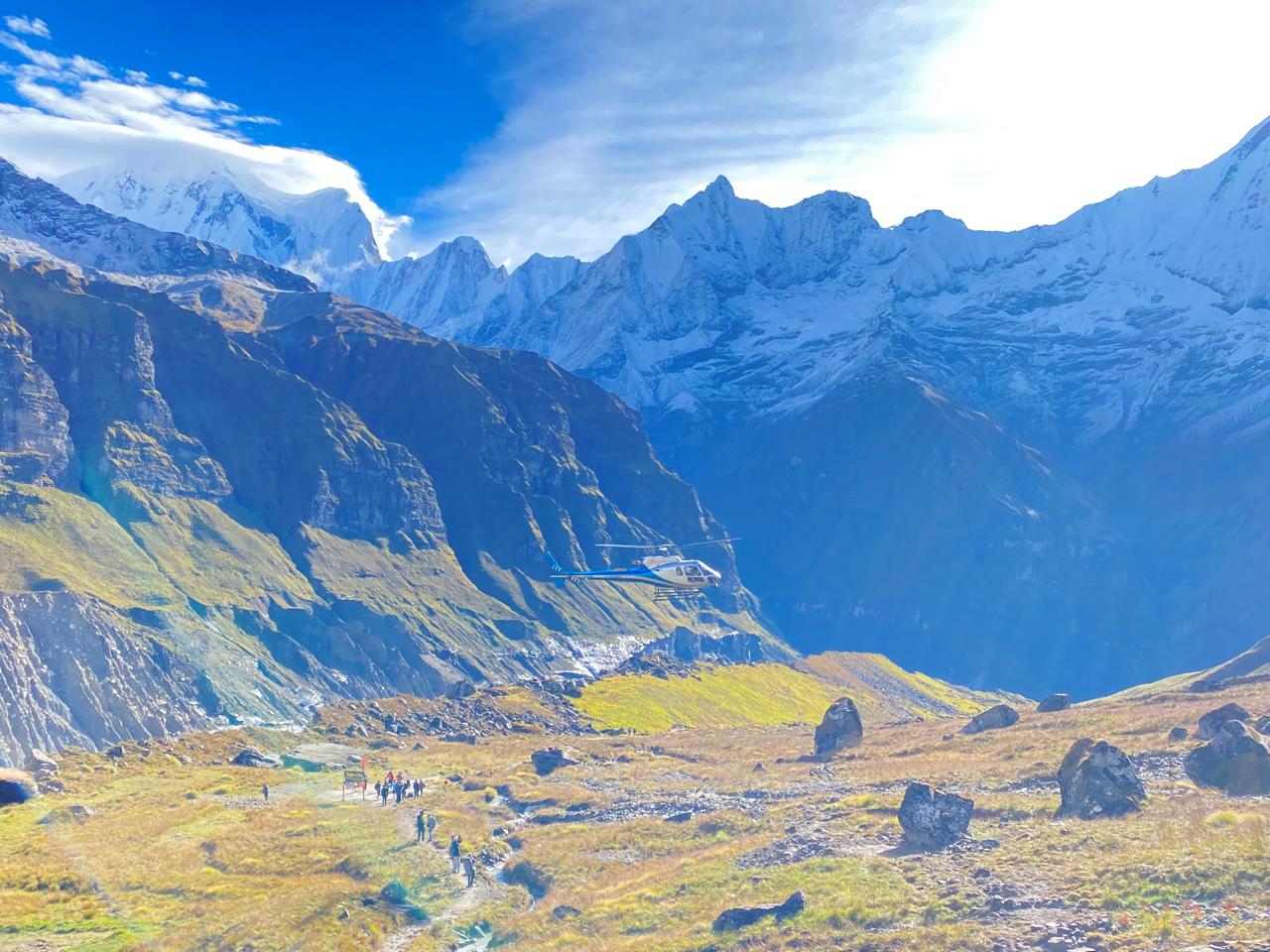
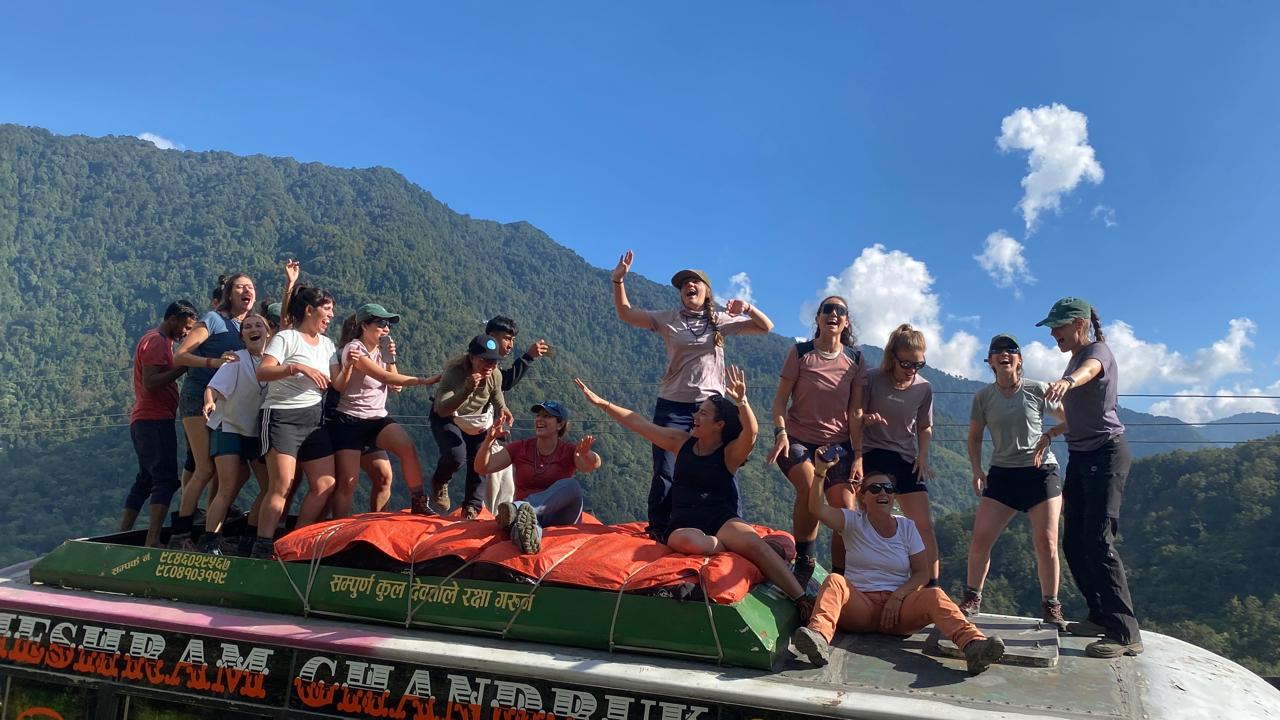
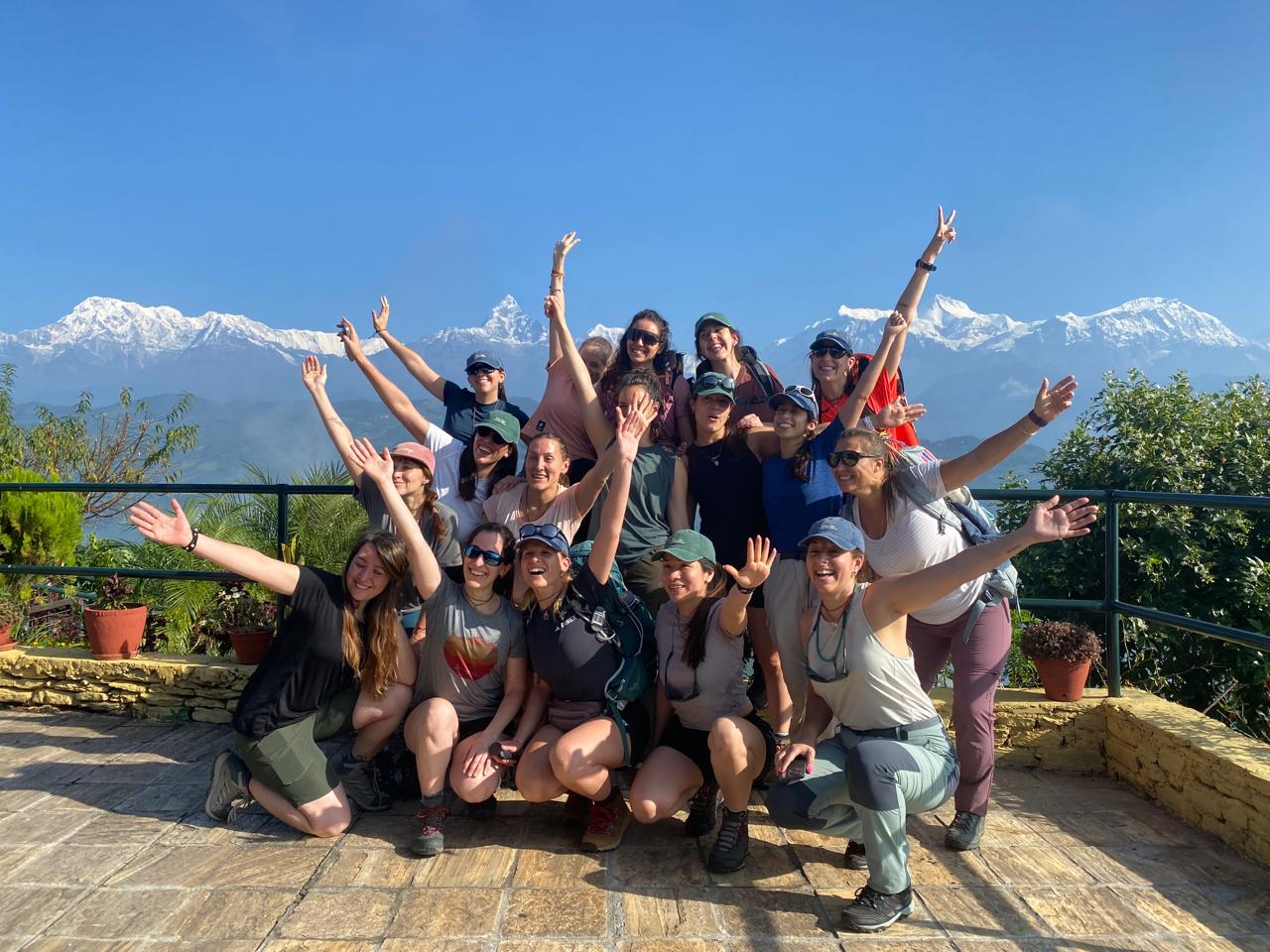
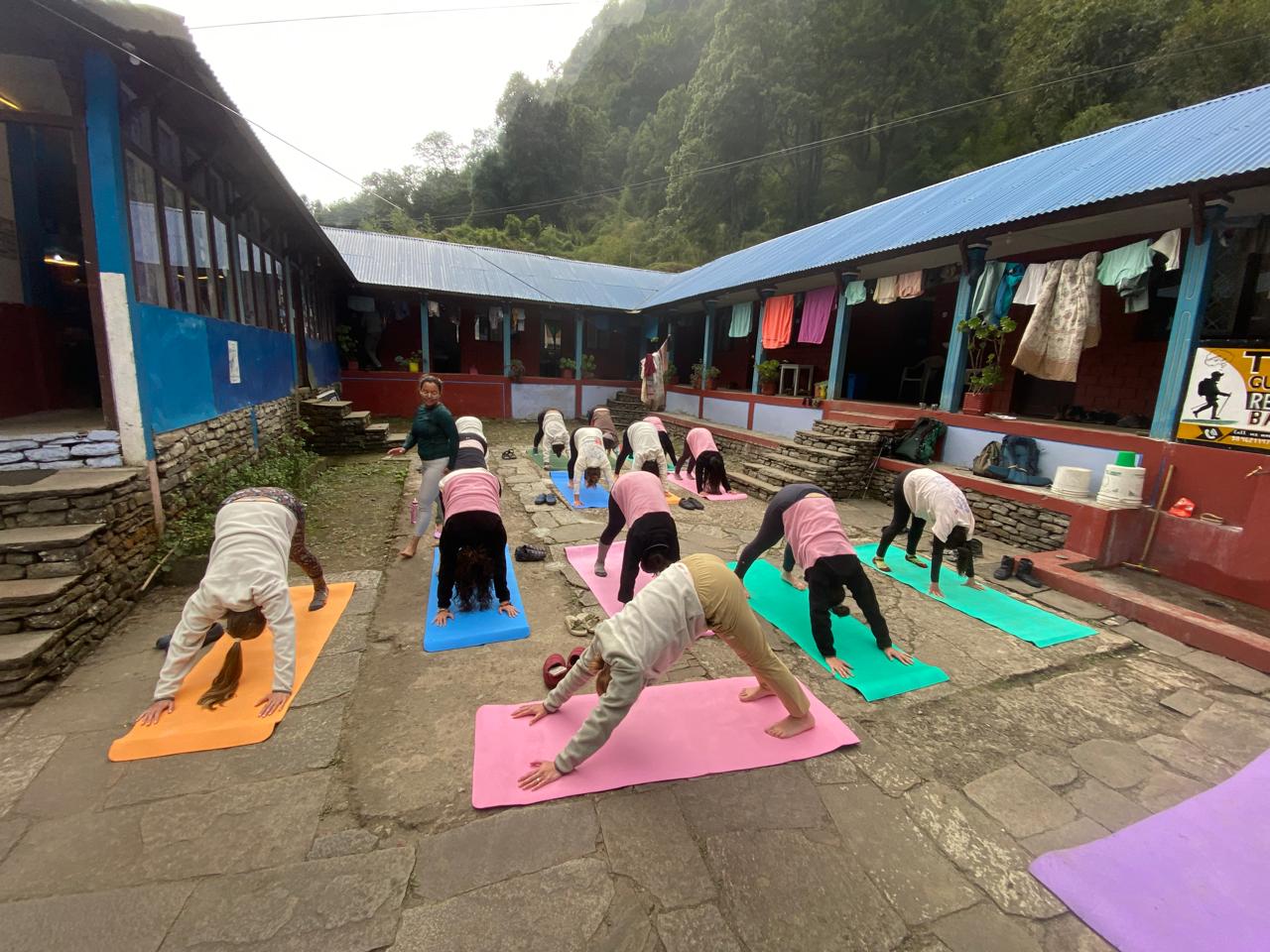
Imagine waking up to the sound of a singing bowl. As the sun begins to kiss the peaks of Annapuna and Machhapuchhre, you roll out your mat on a wooden deck overlooking a deep valley. You move through a sun salutation, feeling the crisp mountain air fill your lungs. This is the essence of a Wellness Trek Nepal.
Instead of rushing from one camp to the next, we treat the trail as a walking meditation. Every step is an opportunity to be present. When your legs feel tired, we use Pranayama (breathing techniques) to energize the body. When your mind is busy, the vastness of the mountains helps you find silence.
Benefits of the Himalayan Environment
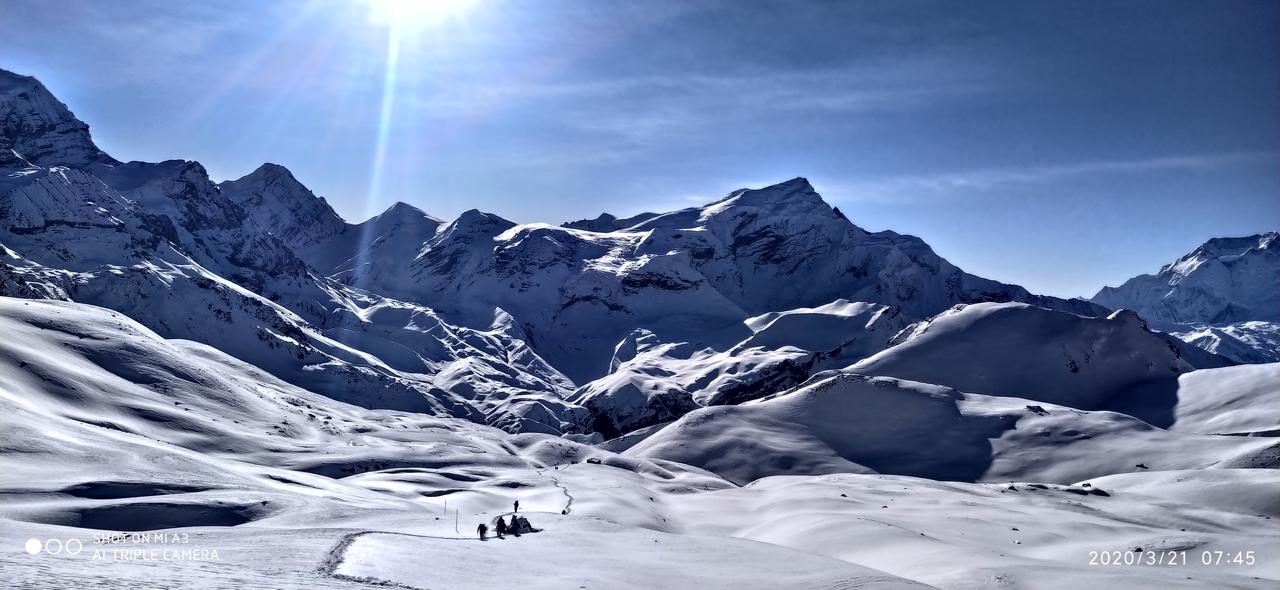
The Himalayas possess a unique vibration. Scientists call it the “high altitude effect,” but locals call it “mountain magic.” The high oxygen-producing forests, the mineral-rich glacial water, and the lack of digital noise create a natural detox for your nervous system.
Who is This Trek For?
- Beginners: You don’t need to be a pro-trekker or a flexible yogi. The pace is gentle.
- Yoga Lovers: Deepen your practice away from a crowded city studio.
- Nature Seekers: Experience the flora and fauna of the Annapurna region intimately.
- Wellness Seekers: If you are feeling burnt out, this is your medicine.
Benefits of Yoga Trekking: Beyond the Physical
Physical Health
Trekking is one of the best forms of functional exercise. Combined with yoga, it ensures that while you build strength and cardiovascular endurance, you also maintain flexibility and balance. This prevents the stiffness often associated with long-distance hiking.
Mental Wellness and Stress Relief
In the city, our brains are in a constant state of “fight or flight.” In the mountains, the parasympathetic nervous system takes over. The repetitive motion of walking, combined with intentional breathing, lowers cortisol levels and clears mental fog.
Spiritual Growth
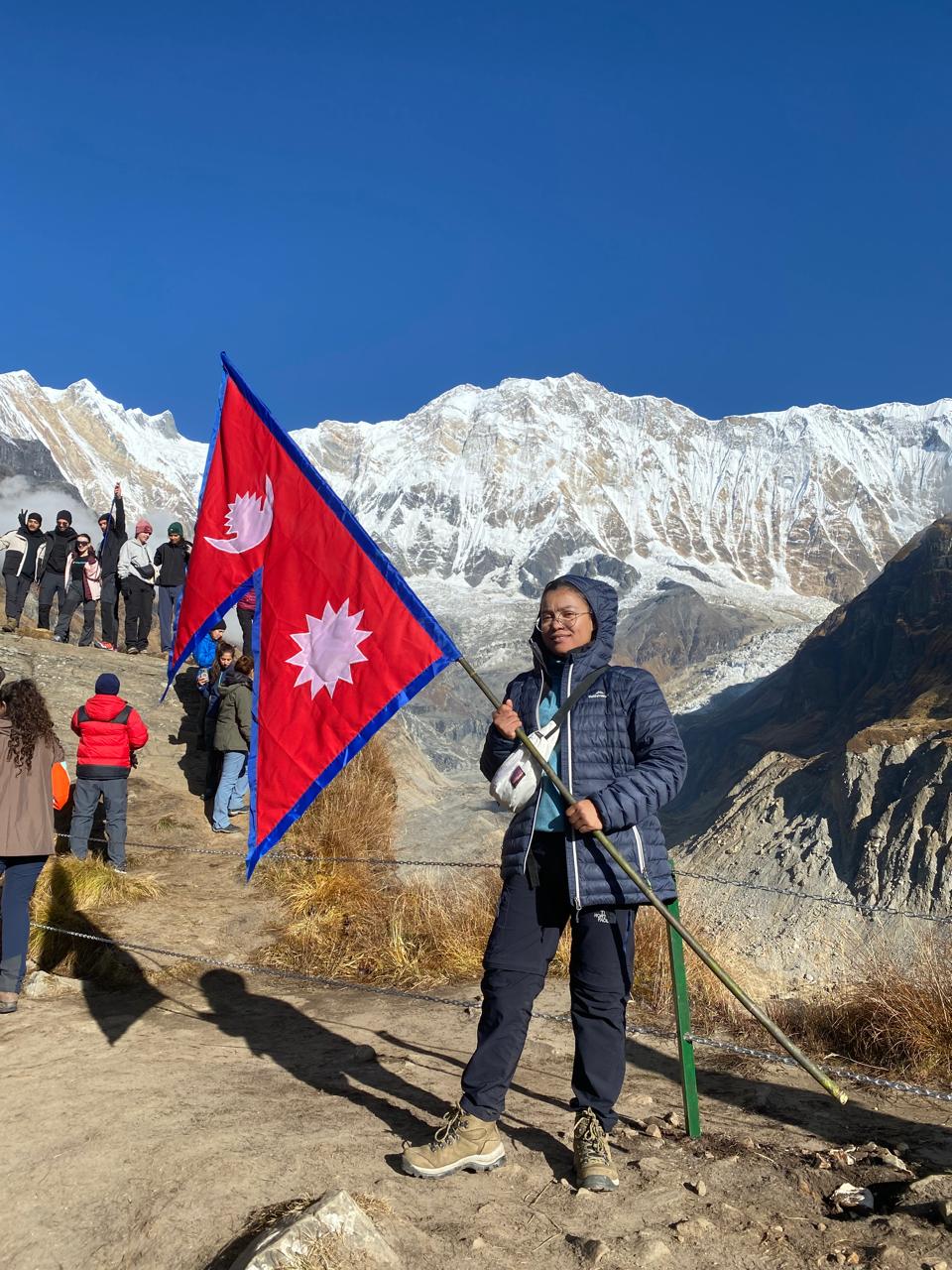
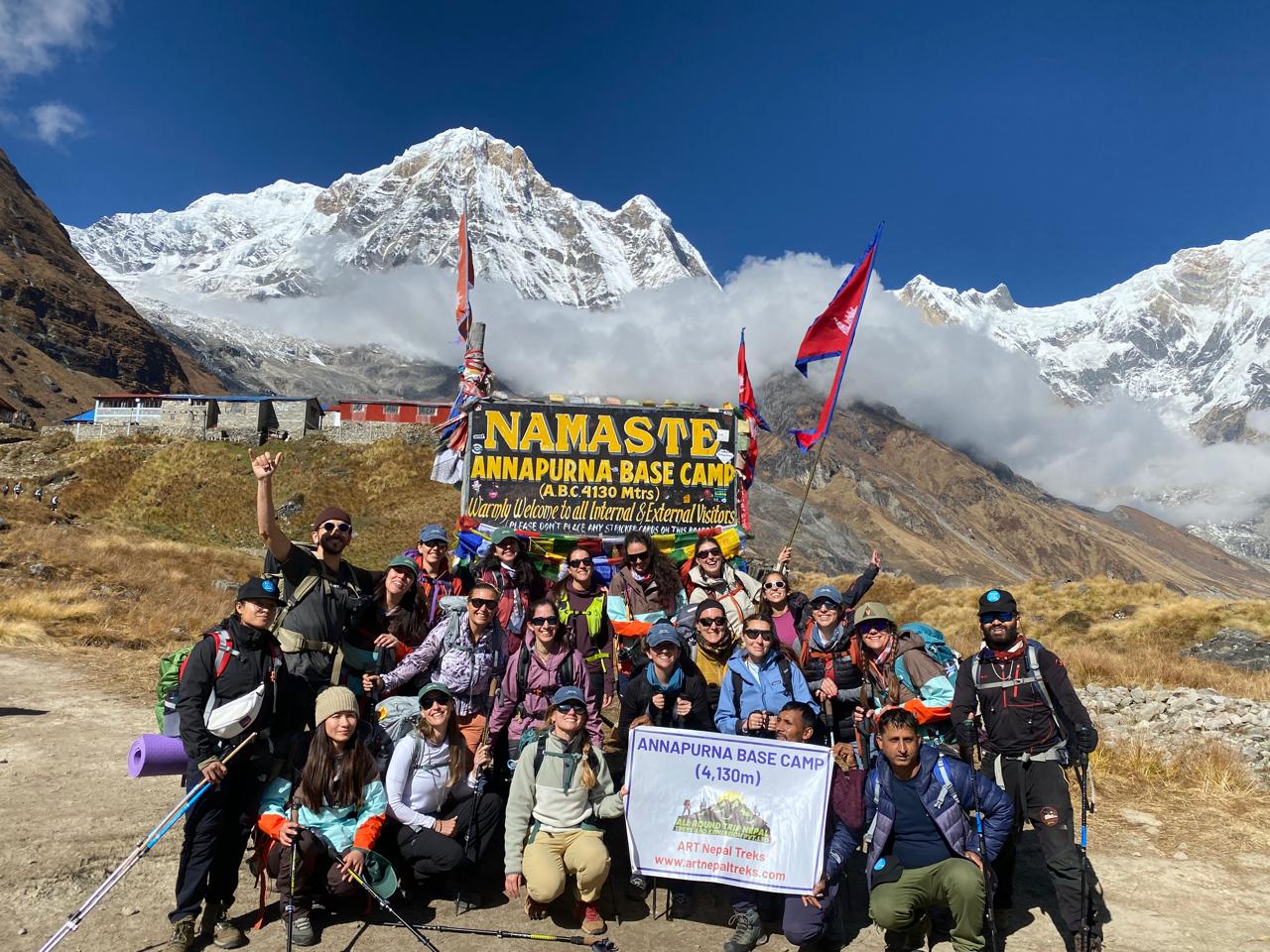
You don’t have to be religious to feel the spirituality of Nepal. The prayer flags fluttering in the wind, the ancient mani stones, and the sheer majesty of nature evoke a sense of awe. This awe is the beginning of spiritual connection—a realization that we are part of something much larger than ourselves.
Region Description: The Annapurna Foothills
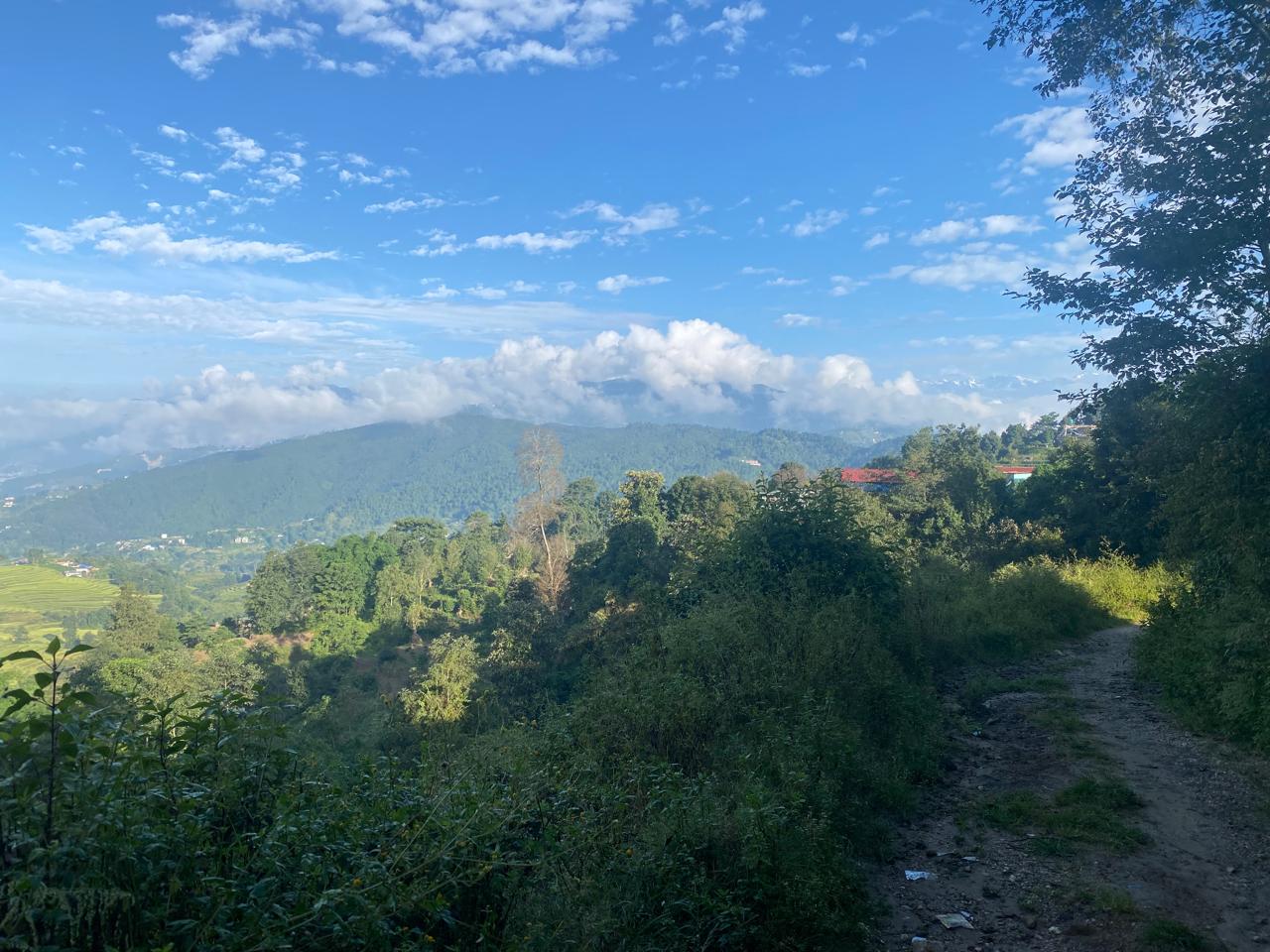
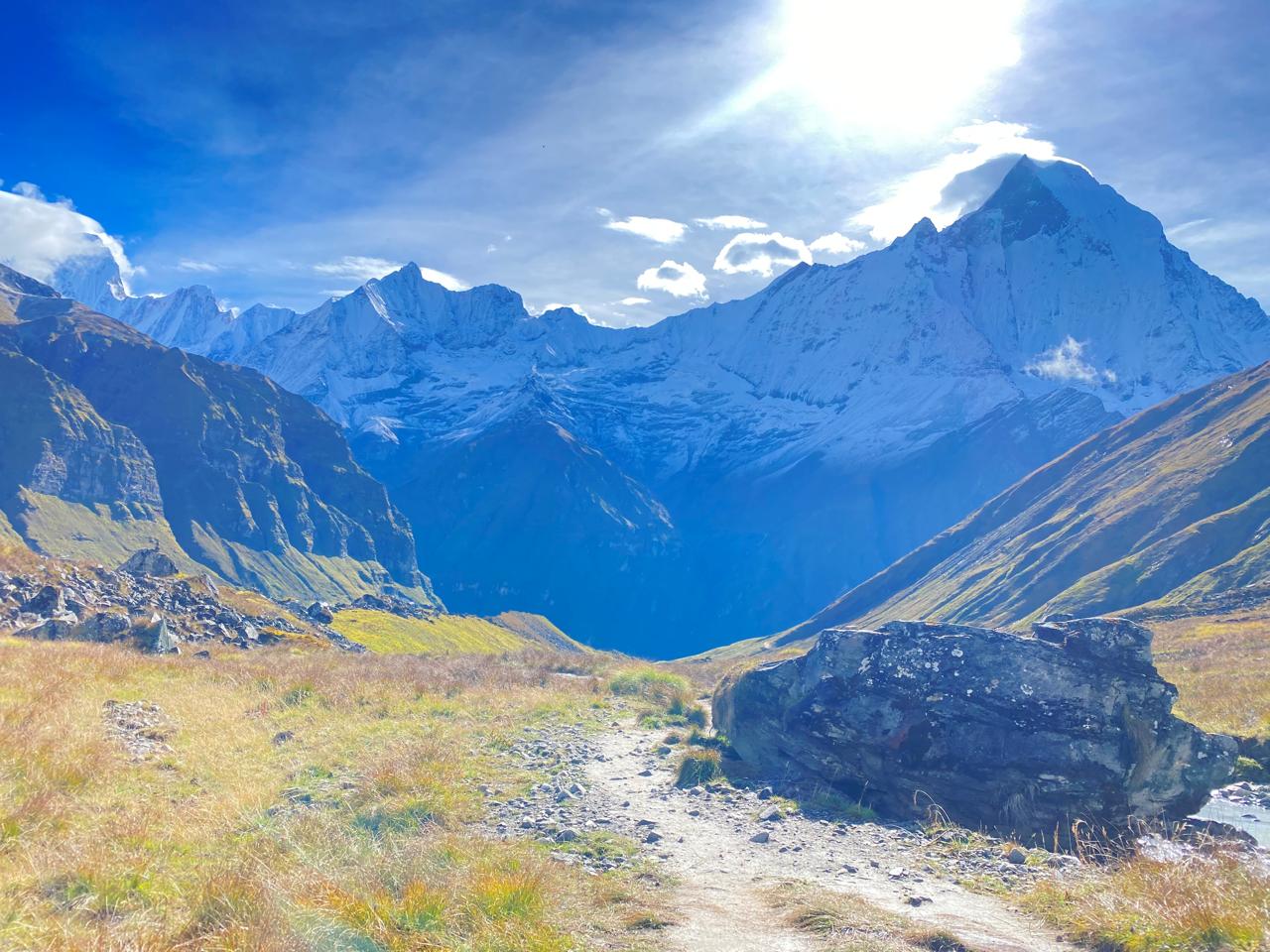
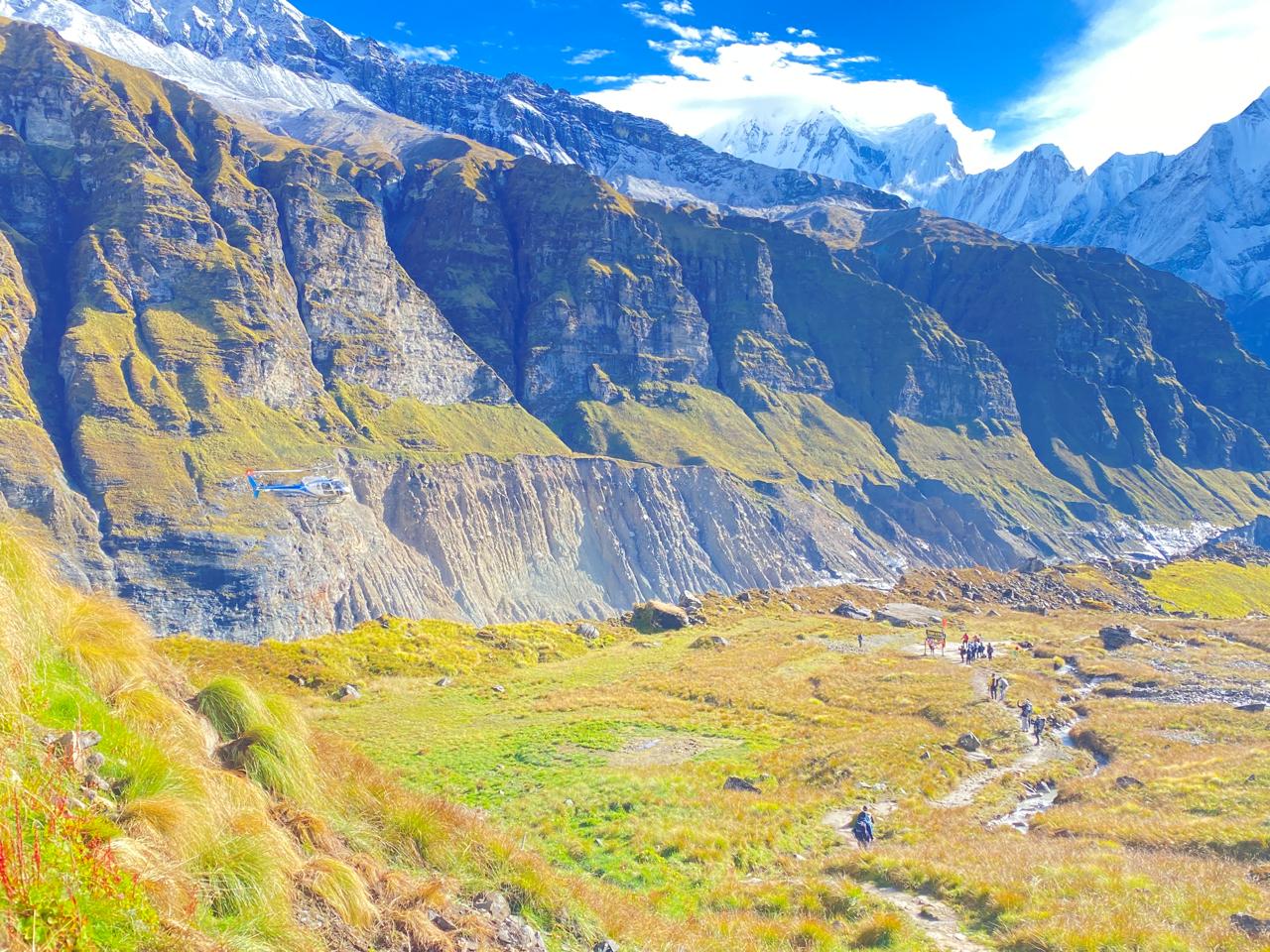
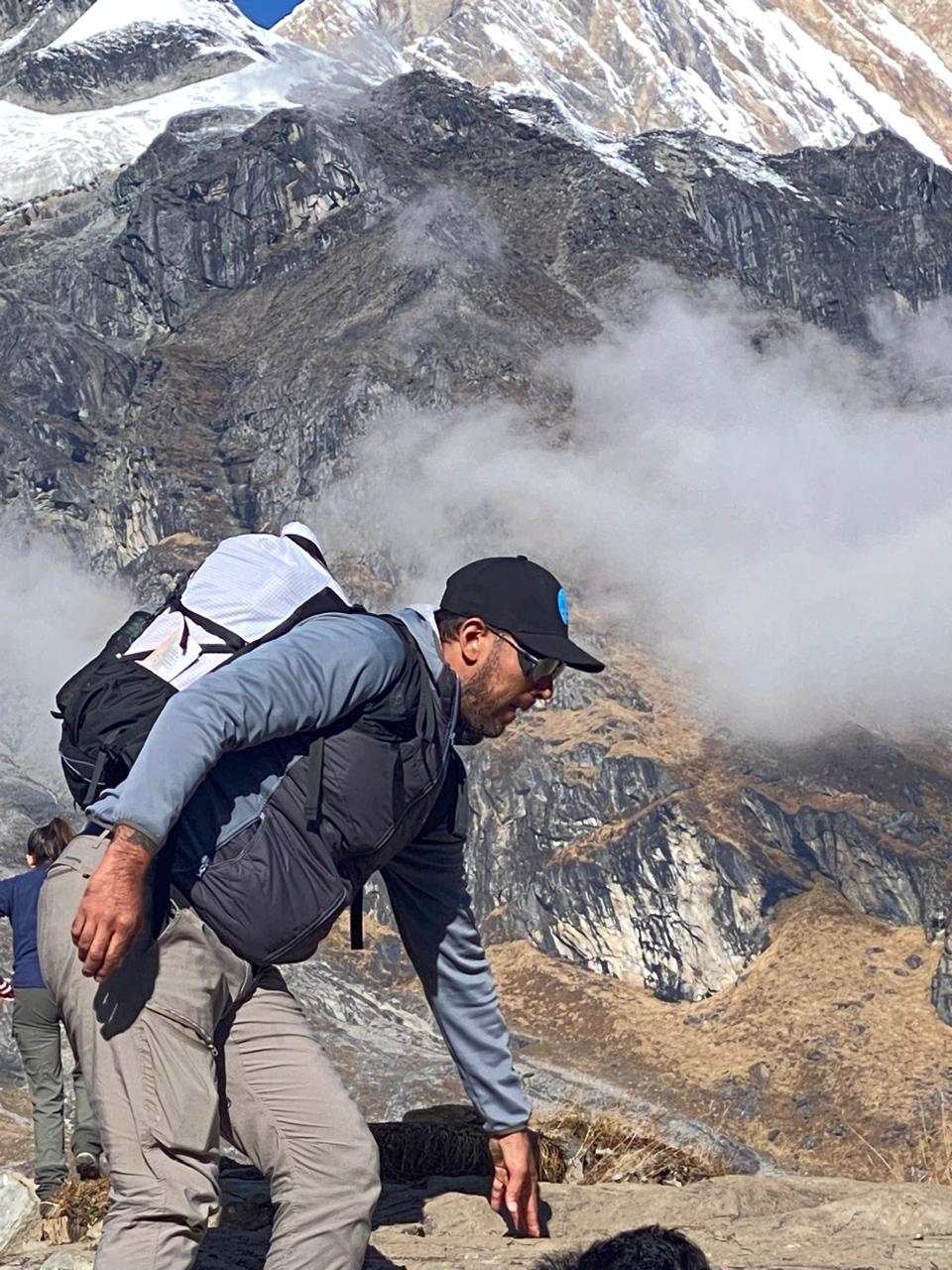
The Annapurna region is often described as a “natural cathedral.” As we move from the lowlands to the high ridges, the landscape shifts dramatically.
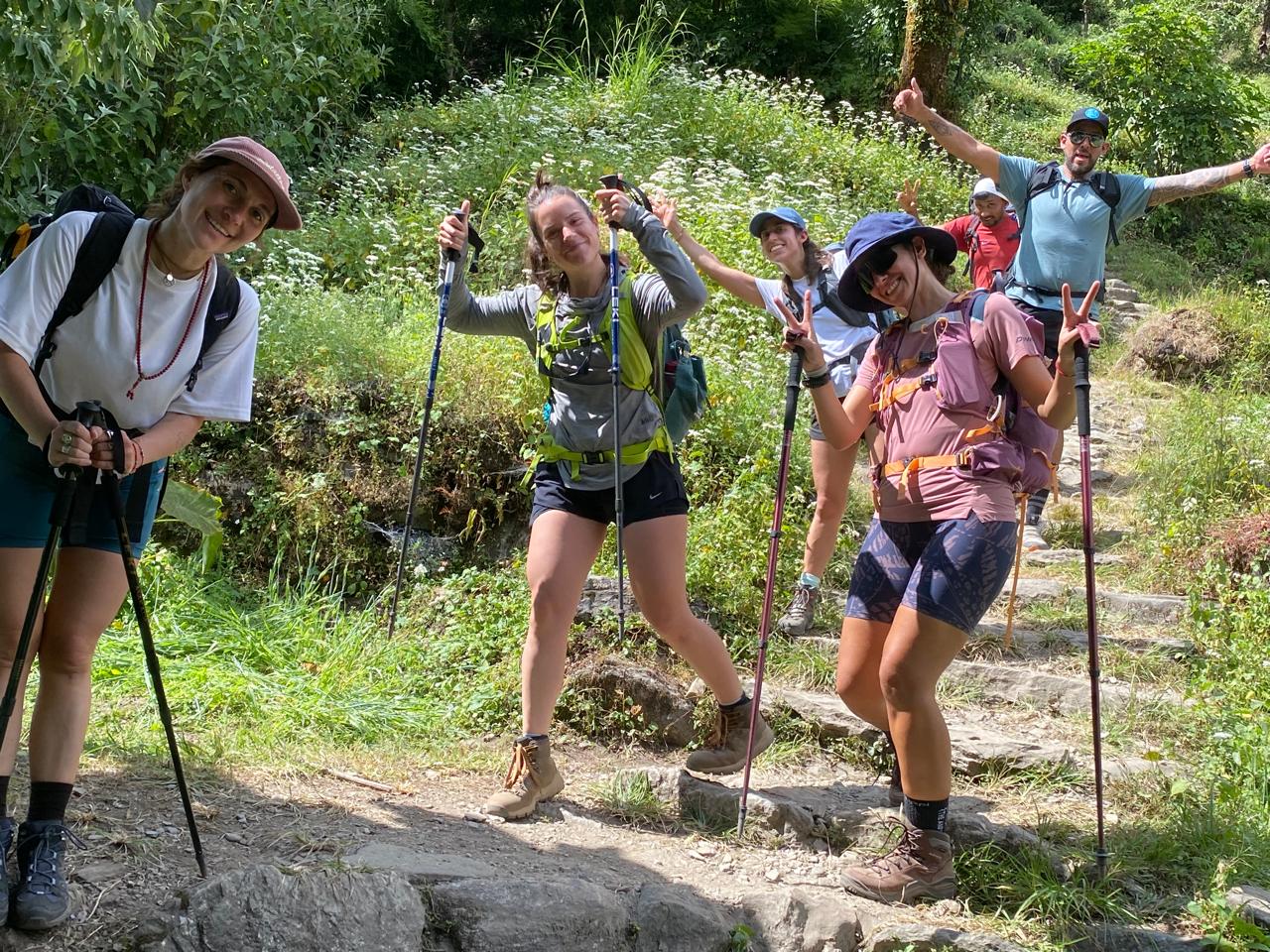
- The Forests: We walk through lush forests of oak and rhododendron. In the spring, these forests burst into shades of red, pink, and white.
- The Wildlife: Keep your eyes peeled for the colorful Himalayan Monal (pheasant) or the playful Grey Langur monkeys in the trees.
- The Climate: The foothills offer a “Goldilocks” climate—not too hot in the valleys, and not too cold at the peaks, making it perfect for outdoor yoga.
-
Trip Duration
12 Days/11 Nights
-
Maximum Altitude
2,850 m (Ghorepani)
-
Trip Difficulty
Easy to Moderate
-
Activities
Yoga, Meditation, Trekking, Cultural Visits, Hot Springs
-
Best Season
March–May, September–November
-
Trip Start & End
Kathmandu-Kathmandu
-
Meals
Local vegetarian-focused meals, Dal Bhat, Herbal teas
-
Accomodation
Yoga Lodges / Teahouses
Highlights
- Daily Sunrise and Sunset Sessions
We schedule our yoga sessions to align with the rhythm of the sun. Morning sessions are “Solar,” designed to wake up the muscles and prepare the joints for the day’s walk. Evening sessions are “Lunar,” focusing on deep stretching (Yin Yoga) and restorative poses to repair the body while you sleep.
- Meditation with a View
There is no better place to practice mindfulness than in front of an 8,000-meter peak. We practice guided meditation at various viewpoints, allowing the scale of the mountains to put life’s problems into perspective.
- Cultural Immersion in Gurung Villages
The Annapurna Yoga Trek takes you through the heart of the Gurung community. You will see stone-built houses, meet elders spinning wool, and see children playing in the fields. It is a lesson in “Sukha” (true happiness) found in simple living.
- The Healing Waters of Tatopani
After days of trekking, we reach Tatopani, which literally means “Hot Water.” These natural riverside hot springs are rich in minerals that soothe sore muscles and provide a deep sense of physical relief.
Itinerary
Day 01
Your journey begins the moment you land at Tribhuvan International Airport. Our representative will greet you with a traditional marigold garland—a symbol of respect and welcome.
The Wellness Experience: After a long flight, your body is likely stiff and dehydrated. In the evening, we host a “Welcome & Grounding” session. This is a gentle sequence of seated stretches and a long meditation to help your energy settle into the Himalayan soil.
Trip Duration:
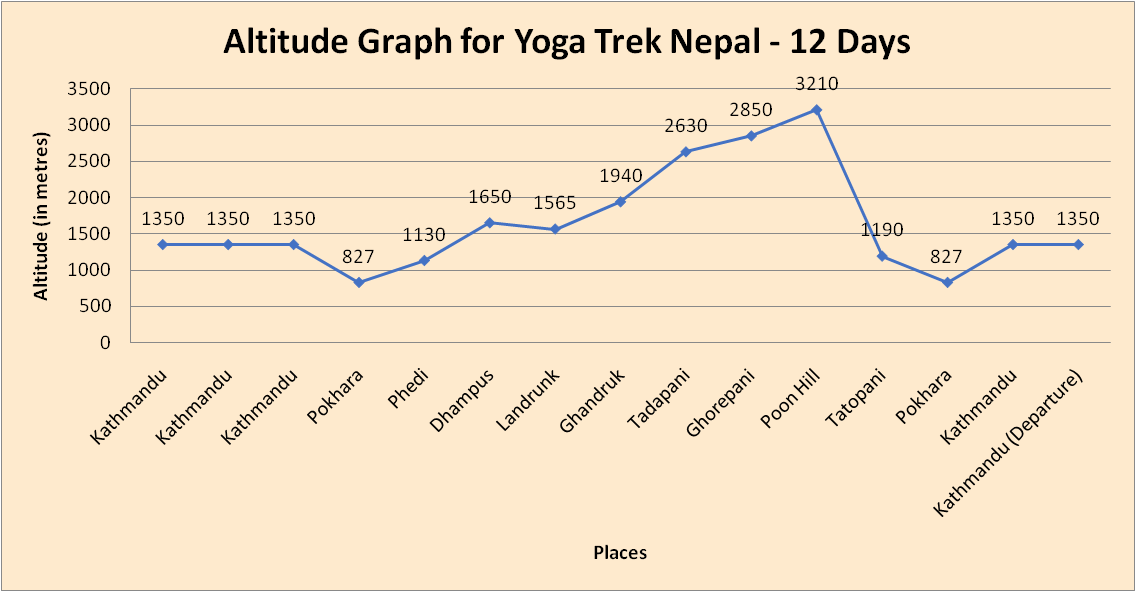
ArrivalAltitude:
1,350 mMeal:
DinnerAccomodation :
Hotel in KathmanduDay 02
We begin with sunrise yoga on a rooftop. As the city wakes up and the temple bells start ringing, we find our center.
The Cultural Journey: We visit Swayambhunath (The Monkey Temple), where we practice a walking meditation circling the stupa. We then head to Boudhanath, the largest stupa in Nepal, to soak in the Tibetan Buddhist atmosphere.
- Evening: Intention-setting ceremony. We ask: What do you want to release on this trek? What do you want to invite in?
Trip Duration:
Half-dayAltitude:
1,350 mMeal:
BreakfastAccomodation :
Hotel in KathmanduDay 03
We leave the hustle of the capital behind and drive toward the lake city of Pokhara. The drive follows the Trishuli River, offering views of terraced farms and rural life.
Yoga Connection: During the drive, we practice “Desktop Yoga” techniques—simple neck and shoulder movements you can do while seated to keep the blood flowing. Upon arrival in Pokhara, we do a short sunset meditation by the banks of Fewa Lake.
- Overnight: Pokhara.
Trip Duration:
6–7 hrs driveAltitude:
827 mMeal:
Breakfast, Lunch, DinnerAccomodation :
Hotel in PokharaDay 04
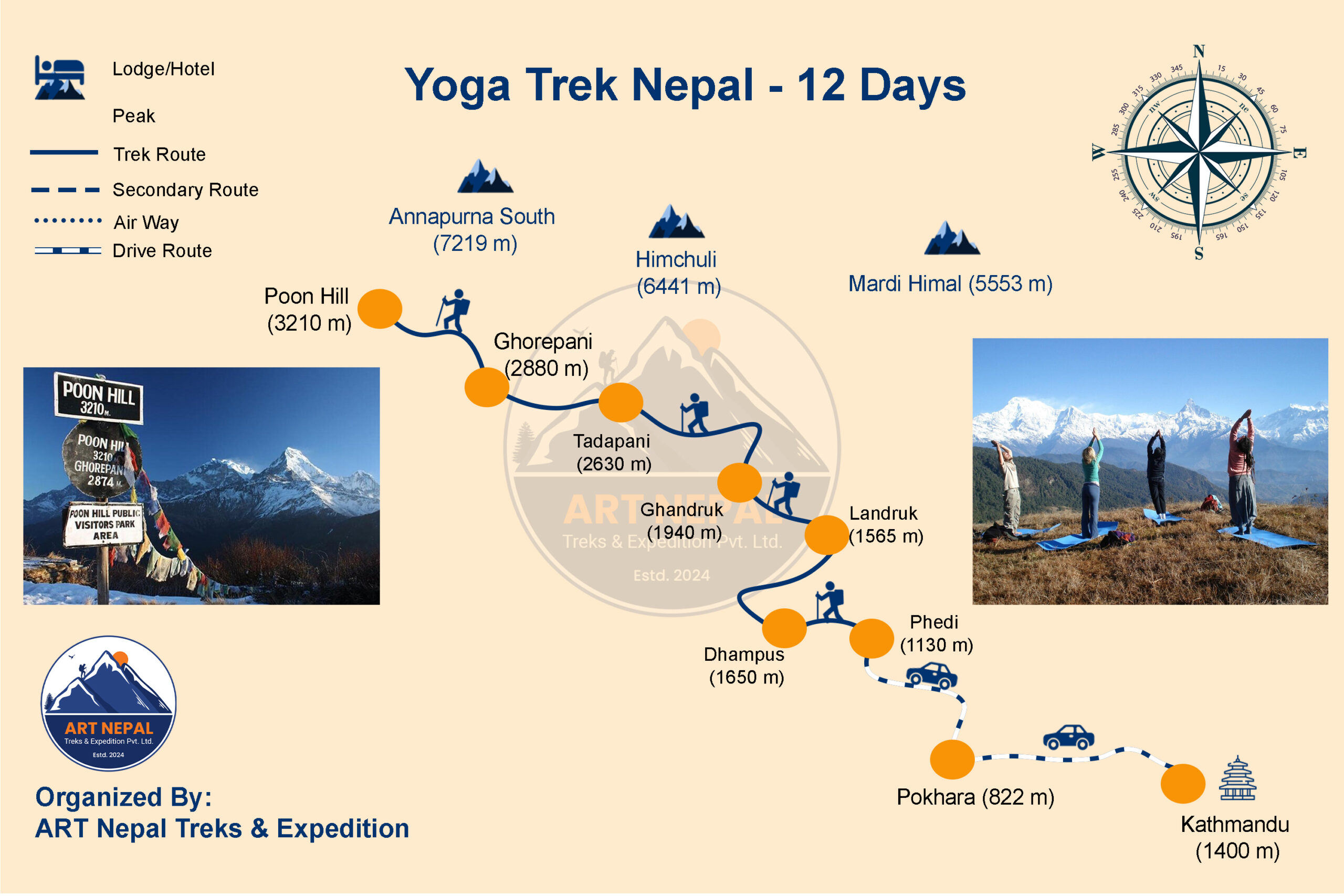
After a short drive, the real trekking begins. The trail to Dhampus is a steady climb through stone stairs.
The Experience: Dhampus is a stunning village that offers your first clear view of the Annapurna Range. Our evening yoga session takes place on a grassy ridge with a panoramic view of Machhapuchhre (Fishtail Mountain).
- Wellness Benefit: Opening the hip flexors after the first day of climbing.
Trip Duration:
4–5 hrs trekAltitude:
1,650 mMeal:
Breakfast, Lunch, DinnerAccomodation :
Yoga Lodge DhampusDay 05
Today’s walk is a beautiful traverse through rhododendron and oak forests. The trail is mostly “Nepali Flat” (a little bit up, a little bit down).
The Experience: Landruk is a traditional Gurung village. We stay in a cozy yoga lodge. The evening is dedicated to “Yoga Nidra”—a form of psychic sleep that provides deep rest to the nervous system.
Trip Duration:
4–5 hrs trekAltitude:
1,565 mMeal:
Breakfast, Lunch, DinnerAccomodation :
Yoga Lodge LandrukDay 06
We descend to the Modi Khola river and then climb up toward Ghandruk. Ghandruk is perhaps the most famous village in the region, known for its slate-roofed houses and incredible hospitality.
The Experience: We join the locals for a cultural evening, learning about their traditions. Our yoga session focuses on core strength and stability, reflecting the solid rock foundations of the village.
Trip Duration:
5 hrs trekAltitude:
1,940 mMeal:
Breakfast, Lunch, DinnerAccomodation :
Yoga Lodge GhandrukDay 07
This is a magical day of forest walking. The trail is shaded by ancient trees covered in moss and orchids.
The Experience: Tadapani offers a “close-up” view of the mountains. It feels like you can reach out and touch the peaks. We practice “Forest Bathing” (Shinrin-yoku), walking in silence for an hour to fully absorb the forest’s phytoncides (natural oils that boost immunity).
Trip Duration:
5 hrs trekAltitude:
2,630 mMeal:
Breakfast, Lunch, DinnerAccomodation :
Yoga Lodge TadapaniDay 08
We ascend higher today. The air becomes crisper, and the vegetation changes. Ghorepani was once a rest stop for ancient horse traders.
The Experience: This is our highest point for sleep. Our yoga session here is slow and mindful to allow the body to adjust to the altitude. We focus on deep, diaphragmatic breathing.
Trip Duration:
4–5 hrs trekAltitude:
2,850 mMeal:
Breakfast, Lunch, DinnerAccomodation :
Yoga Lodge GhorepaniDay 09
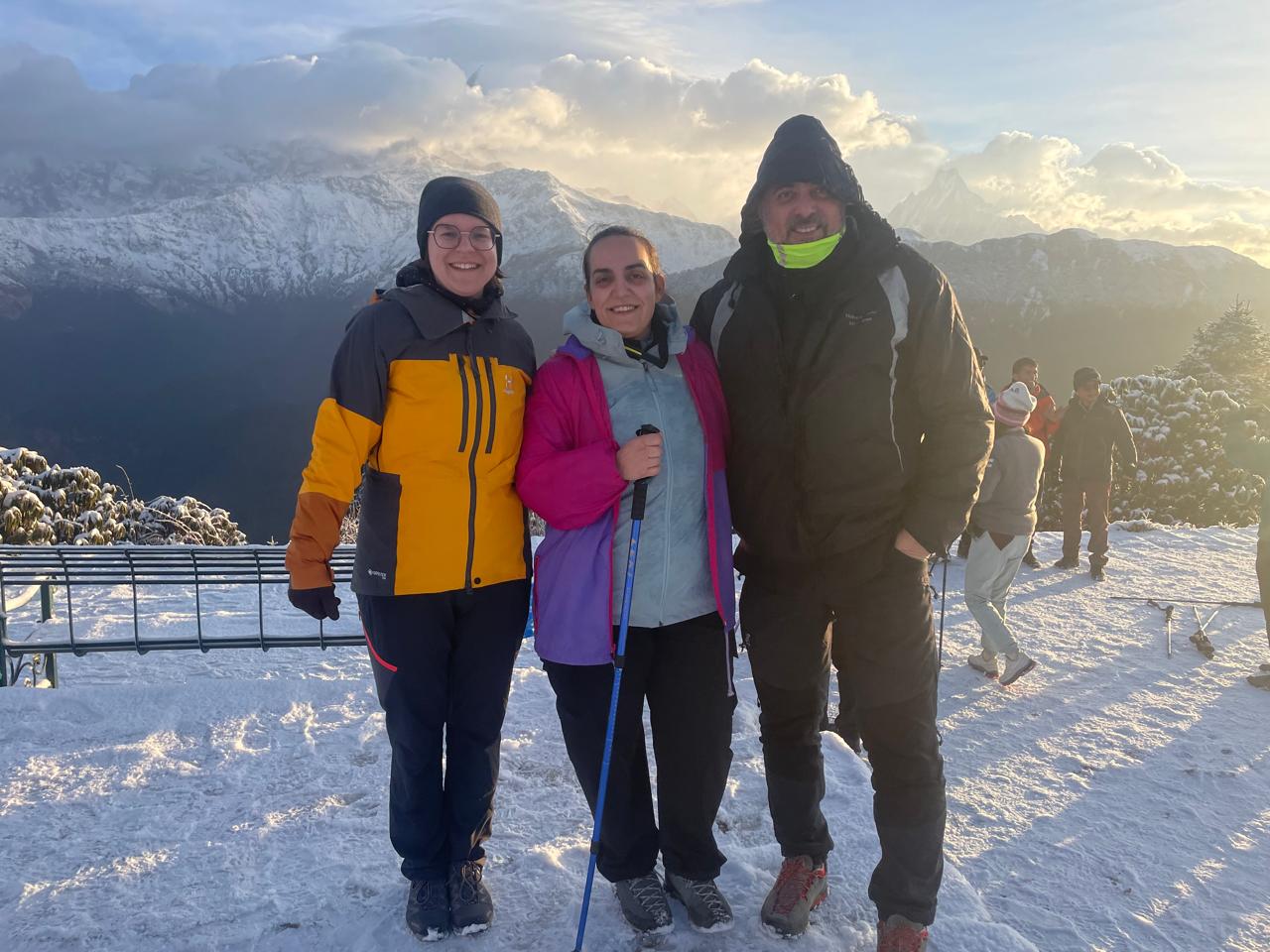
We wake up before dawn for a hike to Poon Hill (3,210 m). Watching the sun rise over Dhaulagiri and Annapurna is a life-changing spiritual experience.
The Experience: After the cold morning, we descend all the way down to Tatopani.
- The Highlight: Soaking in the natural hot springs. This is a form of hydrotherapy that flushes toxins from the muscles.
Trip Duration:
6–7 hrs trekAltitude:
1,190 mMeal:
Breakfast, Lunch, DinnerAccomodation :
Yoga Lodge TatopaniDay 10
We take a scenic drive back to Pokhara, following the Kali Gandaki river.
The Experience: We return to the comfort of a lakeside hotel. Evening “Restorative Yoga” helps the body transition from the rugged trail back to relaxation.
Trip Duration:
5–6 hrs driveAltitude:
827 mMeal:
Breakfast, Lunch, DinnerAccomodation :
Hotel in PokharaDay 11
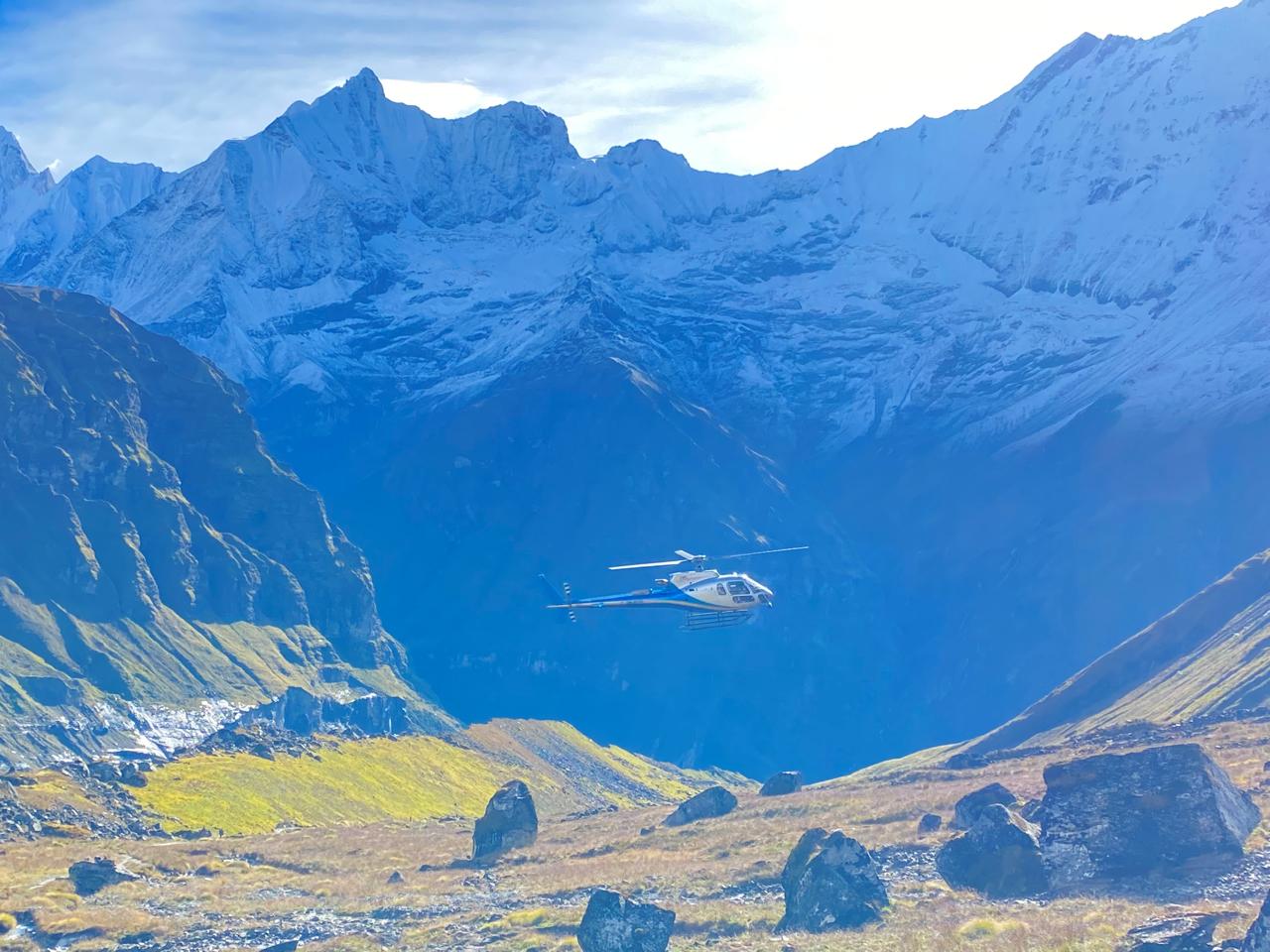
A final chance to see the Himalayas from the air if you choose to fly. We spend the afternoon in Kathmandu for last-minute souvenir shopping or a visit to a local spa.
The Experience: Closing Circle Ceremony. We share our experiences and “lock in” the peace we found on the trail.
Trip Duration:
Half-dayAltitude:
1,350 mMeal:
Breakfast, Lunch, DinnerAccomodation :
Hotel in KathmanduDay 12
Transfer to the airport. You leave Nepal, but the mountains—and the mindfulness—stay with you.
Trip Duration:
DepartureAltitude:
1,350 mMeal:
BreakfastRoute Map
What's Included
-
Airport transfers in Kathmandu
-
All domestic transportation (drive/fly) during trek
-
Accommodation in hotels and yoga lodges
-
Daily breakfast, lunch, and dinner (except Day 12 breakfast only)
-
Guided yoga and meditation sessions
-
Trekking permits and fees
-
Cultural visits (Swayambhunath, Boudhanath, Gurung villages)
-
Hot spring access at Tatopani
-
Professional English-speaking guide
-
Bottled or filtered water during trek
-
Basic first aid and oxygen for high-altitude support
What's Excluded
-
International flights to/from Nepal
-
Travel insurance (highly recommended)
-
Personal expenses (souvenirs, snacks, Wi-Fi)
-
Tips for guides and porters
-
Alcoholic beverages
-
Extra activities outside the itinerary
-
Equipment or clothing not listed in packing list
Essential Info
Accommodation and Food: Nourishing the Body
The Yoga Lodges
On the trail, we stay in “Teahouses” or specialized Yoga Lodges. These are simple but clean. You will have a twin-sharing room with a comfortable bed. Many lodges now have hot showers and Wi-Fi, but we encourage a “digital detox.”
Himalayan Soul Food
We prioritize healthy, fresh, and local food.
- Dal Bhat: The power meal of Nepal. Lentil soup, rice, and vegetable curry. It is perfectly balanced for trekking.
- Herbal Teas: We drink plenty of ginger, lemon, and honey tea to keep the respiratory system clear.
- Vegetarian Focus: While meat is available, we recommend a vegetarian diet during the trek to keep the body light and the digestion easy for yoga.
Trek Difficulty and Fitness
Is this trek for you? Yes.
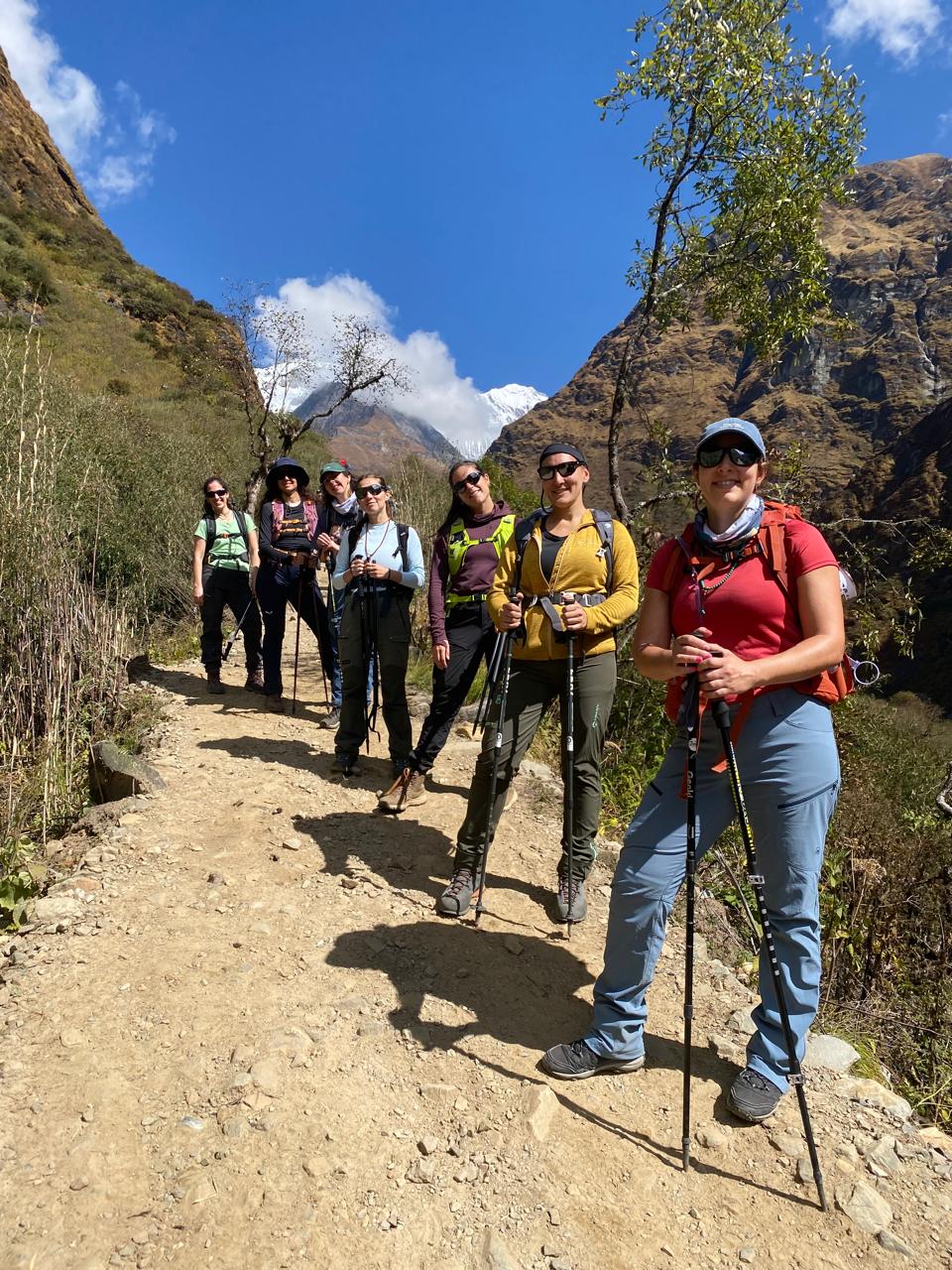
The Annapurna Yoga Trek is graded as Easy to Moderate.
- Walking: You will walk 4–6 hours a day.
- Yoga: The yoga is adapted to the group’s energy level.
- Preparation: If you can walk for an hour in a park and do a basic stretch, you are ready. We recommend some light cardio (stair climbing or walking) 3 weeks before arrival.
Best Time for Your Spiritual Journey
- Spring (March–May): The “Season of Flowers.” The rhododendrons are in full bloom, and the weather is warm. Great for outdoor meditation.
- Autumn (September–November): The “Season of Clarity.” The skies are crystal clear after the monsoon rains. This offers the best mountain views for your yoga sessions.
Yoga and Meditation Practice Details
We don’t just “do” yoga; we live it.
- Hatha & Vinyasa: To build heat and strength.
- Yin & Restorative: To heal and stretch.
- Pranayama: Breathing exercises to increase lung capacity and calm the mind.
- Mantra Chanting: Using sound vibrations to focus the mind.
- Guided Visualization: Connecting your internal landscape with the external mountains.
Conclusion: Your Mountain Mandate
The Spiritual Trekking Experience Nepal is more than a holiday; it is a reset button for your life. In the shadow of the giants, you will find that your problems become smaller and your heart becomes larger.
You will return home not just with photos, but with a new way of breathing, a new way of walking, and a deep, unshakable peace.
Equipment List
-
Moisture-wicking t-shirts and tops
-
Long-sleeve shirts for sun protection
-
Trekking pants or leggings
-
Shorts (for yoga sessions or warm days)
-
Socks (trekking + casual)
-
Underwear
-
Light fleece or sweater for layering
-
Trekking boots (broken-in)
-
Flip-flops or sandals (for lodges and hot springs)
-
Walking poles (optional but recommended)
-
Sunglasses with UV protection
-
Hat or cap (sun protection)
-
Water bottle or hydration pack
-
Warm down jacket or insulated jacket
-
Rain jacket or windproof shell
-
Thermal base layers for colder days/nights
-
Yoga clothing (stretchy leggings, tops)
-
Gloves and warm hat (for higher altitudes)
-
Scarf or buff for dust/sun protection
-
Sunscreen and lip balm with SPF
-
Personal toiletries (toothbrush, toothpaste, soap, shampoo)
-
Hand sanitizer
-
Wet wipes or tissues
-
First aid kit (bandages, blister pads, painkillers, antiseptic)
-
Prescription medications
-
Mobile phone and charger
-
Power bank
-
Camera (optional)
-
Travel adapter (if needed)
-
Headlamp or small torch
General Equipments
-
Lightweight daypack
-
Yoga mat (if preferred, though provided)
-
Sunglasses strap or case
-
Trekking backpack rain cover
-
Snacks or energy bars (optional)
FAQ
Trip Price
USD 2550 Per Person
Talk To Trip Expert
Related Trips