Mera Peak Climbing
- February 18, 2026
- ART Nepal Treks
Start with a detailed “Acclimatization Strategy” section. This proves you care about their safety.
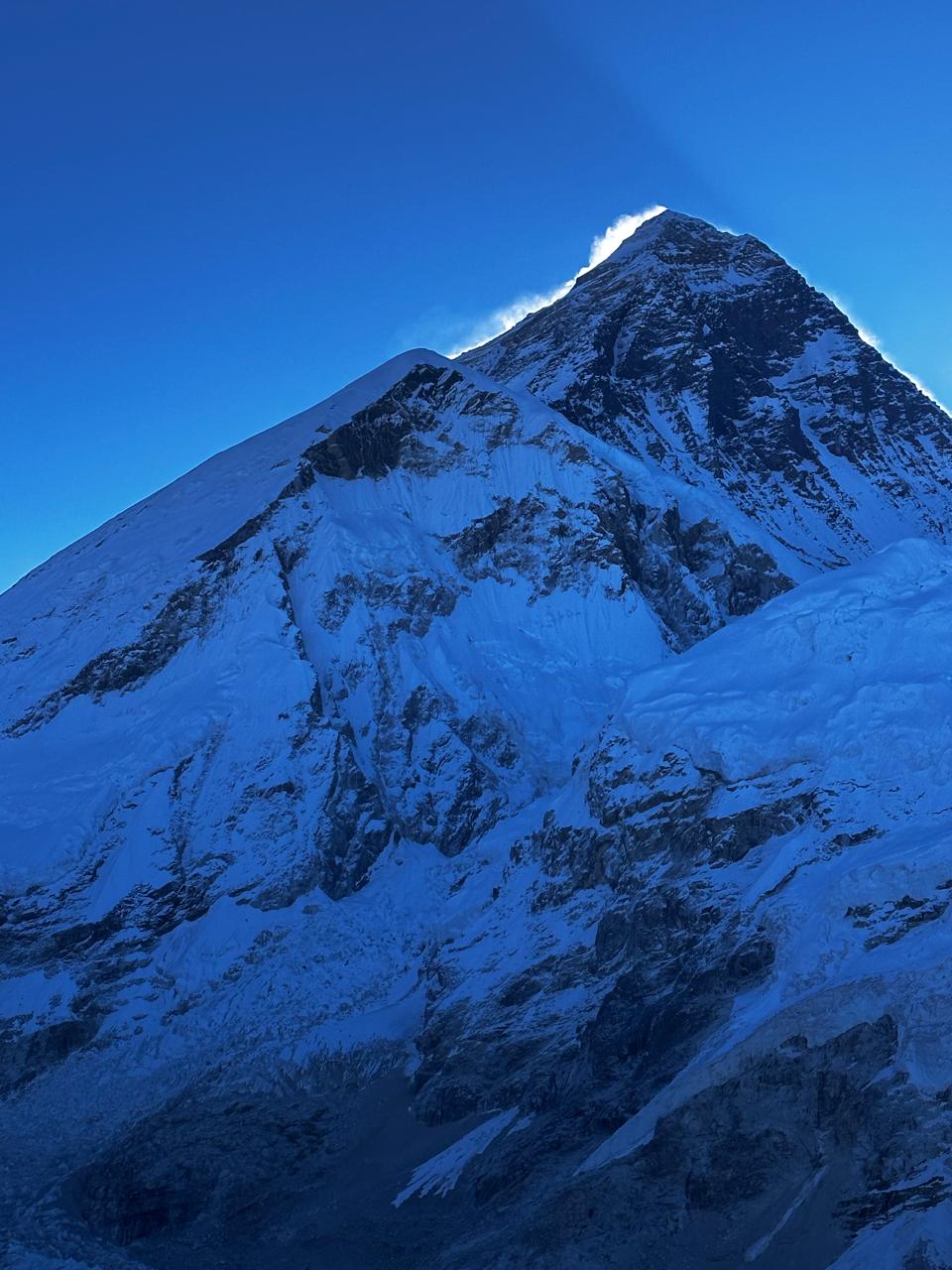
Climbing Mera Peak is one of the most rewarding high-altitude adventures in Nepal. As the highest trekking peak in the world, it offers a perfect balance of challenging trekking and introductory mountaineering, culminating in a summit with a breathtaking 360° panorama that includes five of the world’s highest peaks: Everest, Kanchenjunga, Lhotse, Makalu, and Cho Oyu . This article provides a complete guide to planning your Mera Peak expedition, including detailed itineraries and essential information.
Expedition Overview
Mera Peak (6,476m / 21,247ft) is located in the Khumbu region of eastern Nepal, south of Mount Everest . It’s important to know that the mountain has three main summits: Mera North (6,476m), Mera Central (6,461m), and Mera South (6,065m). Most climbing itineraries aim for Mera Central, which is considered the safest and is the standard route .
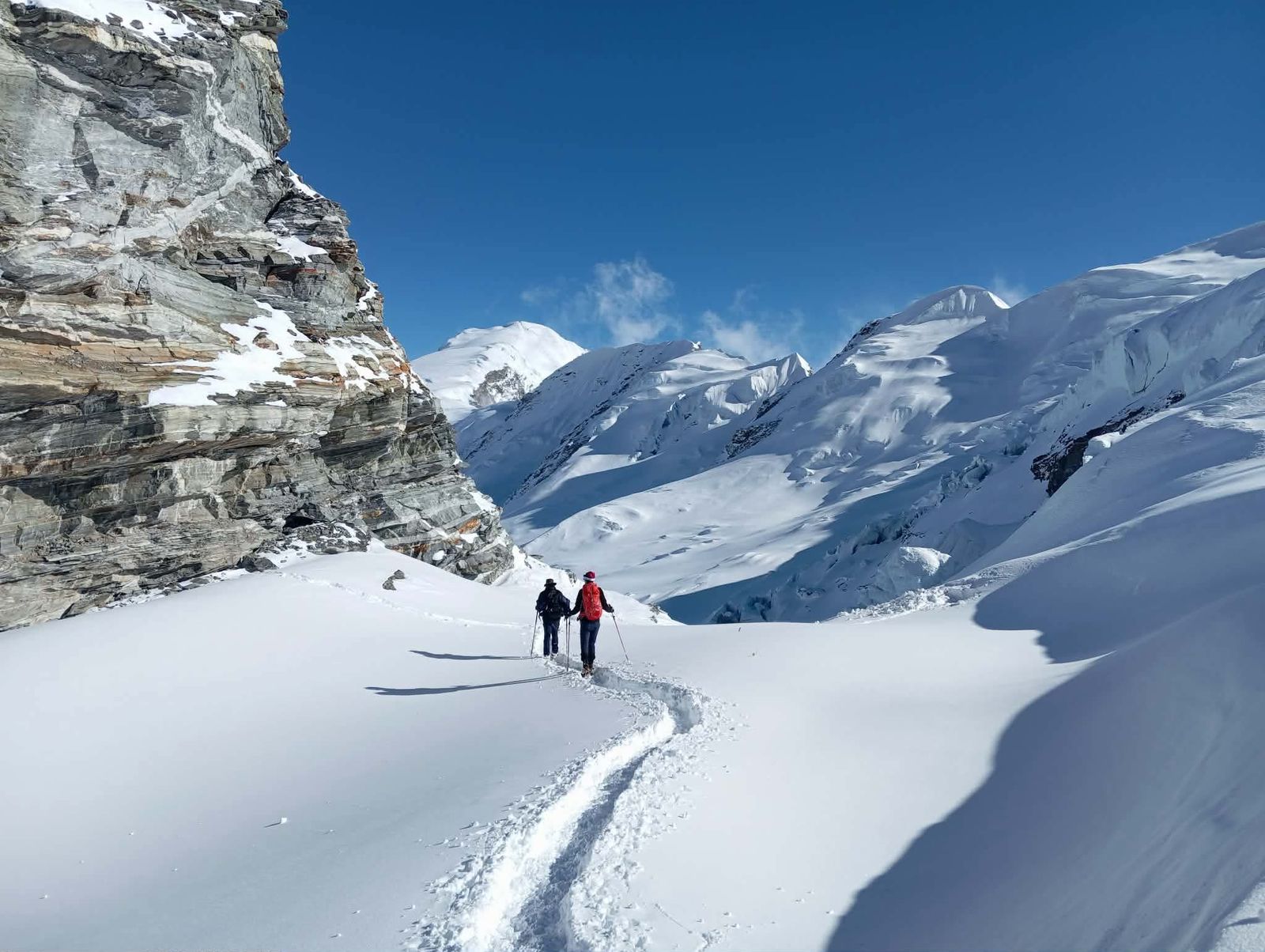
This climb is classified as a “trekking peak,” meaning the ascent is non-technical but requires good fitness, stamina, and the ability to use basic mountaineering gear like crampons and an ice axe . The journey combines trekking through remote valleys and traditional Sherpa villages with a glacier climb to a high camp before the final summit push .
Here are the key details at a glance:
Feature Detail
- Maximum Altitude 6,476 m (21,247 ft) at Mera North / 6,461 m (21,198 ft) at Mera Central
- Duration 15 – 21 days (depending on route and itinerary)
- Difficulty Challenging (Grade: PD / Moderate). Non-technical climb but requires mountaineering skills .
- Best Seasons Spring (March to May) and Autumn (September to November) .
- Starting Point Lukla (2,860m), accessed by a flight from Kathmandu .
Detailed Mera Peak Itineraries
There are two primary routes to Mera Peak. The choice depends on your time, experience, and desire for acclimatization.
Classic Itinerary via the Hinku Valley (15-17 Days)
This is the most popular route, approaching Mera from the south via the remote and scenic Hinku Valley. It is slightly longer, allowing for better acclimatization .
Day Route Altitude Trekking Hours Description
- Arrival in Kathmandu 1,300m – Arrival and transfer to hotel. Evening briefing and gear check .
- Fly to Lukla & Trek to Paiya 2,840m / 2,730m 3-4 hrs Scenic 30-min flight to Lukla. Trek through forests to the village of Paiya .
- Trek to Panggom 2,850m 5-6 hrs Trek through rhododendron forests, crossing the Kari-La pass (3,145m) .
- Trek to Ningsow 2,863m 6-7 hrs Cross the Panggom La Pass (3,200m) for first views of Mera Peak .
- Trek to Chhetra Khola 3,122m 5-6 hrs Trail winds through forests with some narrow sections. Overnight by a river .
- Trek to Kothe 3,580m 5-6 hrs Descend to the Hinku Valley and follow the river to the village of Kothe.
- Trek to Thaknak 4,358m 4-5 hrs Trek along the Hinku Drangka River, passing alpine meadows and a monastery .
- Trek to Khare 4,900m – 5,045m 3-4 hrs A short, scenic walk with stunning views of Mera Peak and surrounding mountains .
- Acclimatization & Training at Khare 5,045m 3-4 hrs Rest and a hike to a higher viewpoint (5,500m+). Receive basic mountaineering training (crampon, ice axe use) from your guide .
- Trek to Mera Base Camp 5,350m – 5,500m 4-5 hrs A gradual climb on glacial terrain. This is a tented camp.
- Trek to Mera High Camp 5,780m – 5,800m 4-5 hrs A challenging day crossing the Mera La. Walk on snow and ice, using crampons. Spectacular mountain views.
- Summit Mera Peak (6,461m) & Return to Khare 6,461m / 5,045m 10-12 hrs Summit Day! Start around 1-2 AM for a safe ascent on firm snow. Reach the top for sunrise views, then descend to High Camp and further to Khare for the night.
- Trek Back to Kothe 3,580m 5-6 hrs A long descent following the same scenic route back to Kothe .
- Trek to Thuli Kharka 4,300m 6-7 hrs Retrace your steps, climbing to Thuli Kharka below the Zatrwa La pass.
- Trek to Lukla via Zatrwa La Pass (4,610m) 2,840m 6-7 hrs Cross the Zatrwa La pass for the last time and descend to Lukla. Celebration dinner.
- Fly Back to Kathmandu 1,300m 30 min flight Morning flight back to Kathmandu. Free day for rest and souvenir shopping.
- Final Departure – – Transfer to the airport for your international flight home .
Shorter Itinerary via the Zatrwa La Pass (13-14 Days)
This is a more direct route, starting from Lukla and immediately crossing the Zatrwa La Pass. It is faster but involves a rapid altitude gain, making it more suitable for trekkers with good high-altitude experience.
Day Route Altitude Trekking Hours
- Fly to Lukla & Trek to Chhuthanga 3,560m 4 hrs
- Trek to Kharki Dyang via Zatrwa La (4,600m) 4,200m 6-7 hrs
- Trek to Kothe 3,500m 6-7 hrs
- Trek to Thaknak 4,300m 4 hrs
- Trek to Khare 5,045m 3 hrs
- Acclimatization & Training at Khare 5,045m 3-4 hrs hike
- Trek to Mera High Camp 5,800m 6-7 hrs
- Summit Mera Peak (6,476m) & Return to Khare 6,476m / 5,045m 10-11 hrs
- Trek Back to Kothe 3,500m 5-6 hrs
- Trek to Thuli Kharka 4,000m 5-6 hrs
- Trek to Lukla 2,840m 5-6 hrs
- Fly to Kathmandu 1,300m 30 min flight
Essential Planning Information
Proper planning is the key to a safe and successful expedition. Here are the critical details you need to know.
Required Permits
You must obtain the following permits, which are usually arranged by your trekking agency :
- Mera Peak Climbing Permit: Issued by the Nepal Mountaineering Association (NMA). The fee varies by season:
- Spring (March-May): ~USD 250
- Autumn (Sept-Nov): ~USD 125
- Winter/Summer: ~USD 70
- Makalu Barun National Park Permit: Required for entering the park .
- Khumbu Pasang Lhamu Rural Municipality Permit: A local permit for trekking in the Khumbu region.
Difficulty and Fitness
While non-technical, climbing Mera Peak is a significant challenge .
- Altitude: The biggest obstacle. You will be trekking and climbing at extreme altitudes for days. A well-paced itinerary with built-in acclimatization days is crucial to minimize the risk of Acute Mountain Sickness (AMS) .
- Experience: While prior climbing experience is not mandatory, it is highly recommended to have experience with high-altitude trekking (e.g., Everest Base Camp) and basic mountaineering skills. You should be comfortable using an ice axe, crampons, and a harness .
- Fitness: You need excellent physical stamina. Aim to be able to walk for 5-7 hours daily over rough, steep terrain while carrying a light daypack. A training regimen including cardio, strength, and endurance work is essential .
Best Time to Climb
The weather in the Himalayas is seasonal, making timing critical .
Season Months Conditions Verdict
Spring March – May Warm, clear skies, blooming rhododendrons, stable snow. Highly Recommended
Autumn September – November Excellent visibility, stable weather, crisp air. Highly Recommended
Winter December – February Extremely cold, heavy snow, high winds. Not Recommended
Summer/Monsoon June – August Heavy rainfall, slippery trails, poor visibility, leeches. Not Recommended
Essential Gear Checklist
Having the right gear is vital for comfort and safety. A detailed checklist is necessary, but key items include :
- Clothing: Base layers (thermal), mid-layers (fleece), insulated jacket (down), waterproof shell jacket and trousers, trekking trousers, warm gloves (one lighter pair, one heavy mitt), warm hat, sun hat, and buff.
- Footwear: Sturdy, well-broken-in trekking boots for the approach, and insulated plastic double mountaineering boots for the summit climb .
- Climbing Gear: Crampons (to fit your boots), ice axe, climbing harness, helmet, carabiners, and an ascender (jumar). Your agency will provide ropes .
- Equipment: Sleeping bag (rated to -20°C or lower), trekking poles, headlamp with extra batteries, sunglasses with UV protection, large duffel bag, and a comfortable daypack .
- Extras: Sunscreen, lip balm, water bottles/hydration bladder, water purification tablets, and personal first-aid kit.
Cost Overview
The cost for a Mera Peak climb typically ranges from USD 2,000 to USD 3,500 . This price usually includes:
- All permits and fees.
- Domestic flights (Kathmandu-Lukla-Kathmandu).
- Teahouse accommodation during the trek and tented accommodation at high camps.
- All meals during the trek and climb.
- Experienced, licensed trekking and climbing guides, as well as porters.
- Group climbing gear (tents, ropes, kitchen equipment).
- Pre-climb training.
Costs not included are international flights, Nepal visa, travel insurance, personal gear, tips, and drinks .
Climbing Mera Peak is an unforgettable adventure that takes you to the top of the world’s highest trekking peak. With the right preparation, a spirit of adventure, and a respect for the mountains, it is an achievable dream for many trekkers looking to take their first step into the world of Himalayan mountaineering.
Thank You so much for ur Beautiful time .