Introduction
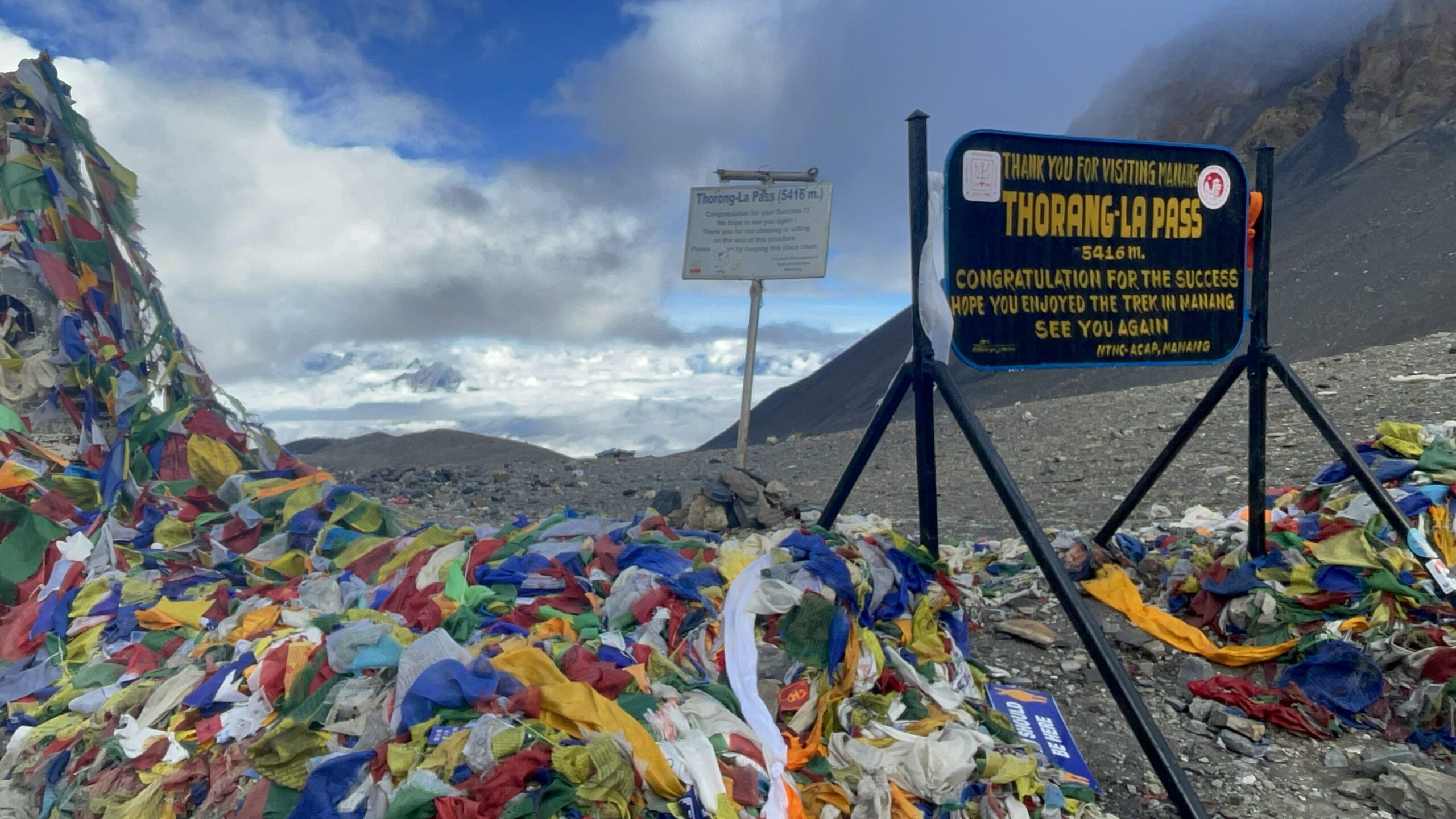
The Annapurna Circuit Trek is one of Nepal’s most iconic trekking experiences, offering an unparalleled combination of natural beauty, cultural richness, and physical challenge. Spanning altitudes from 800 meters to 5,416 meters at Thorung La Pass, the trek winds through the Annapurna Conservation Area, the first and largest protected region in Nepal.
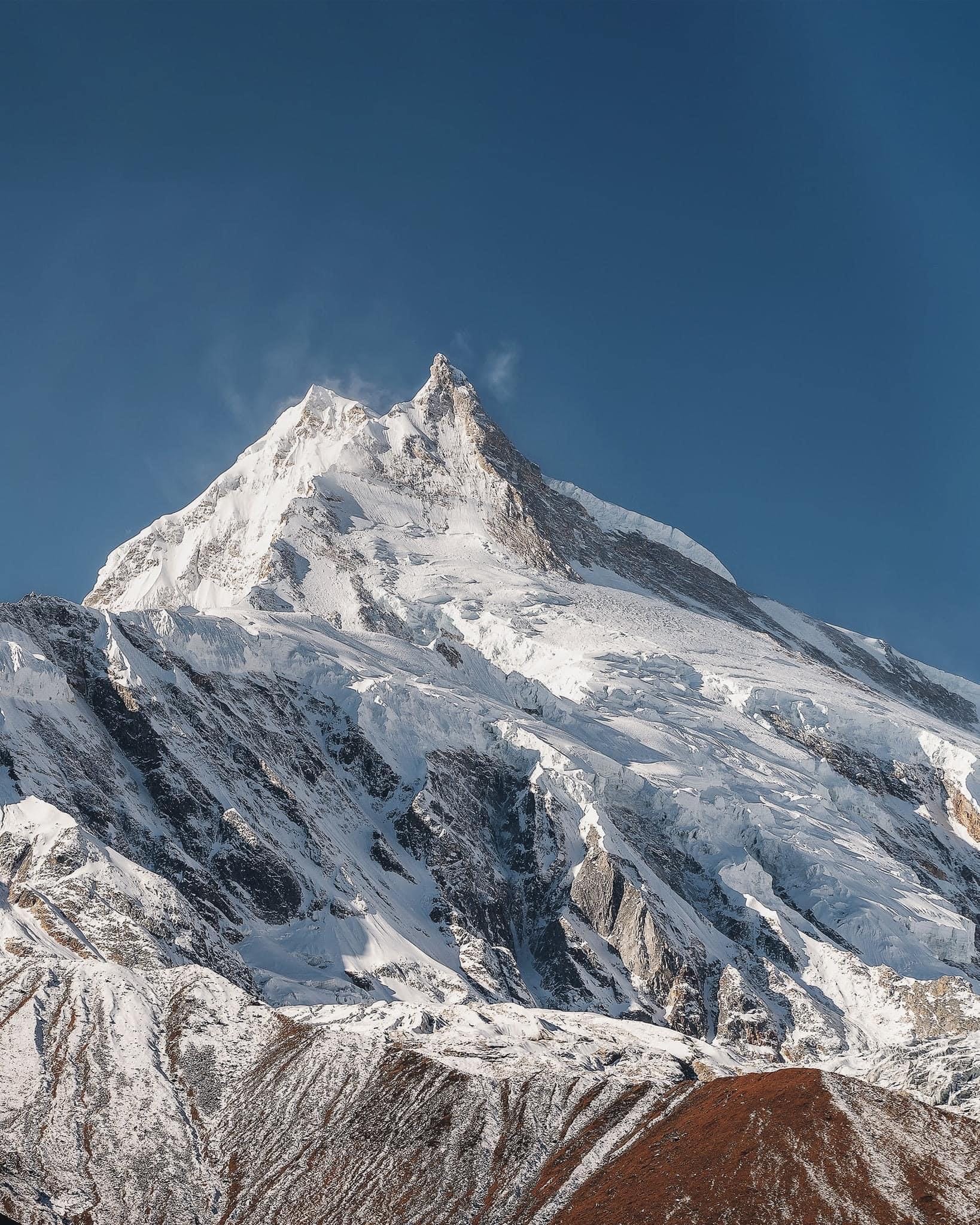
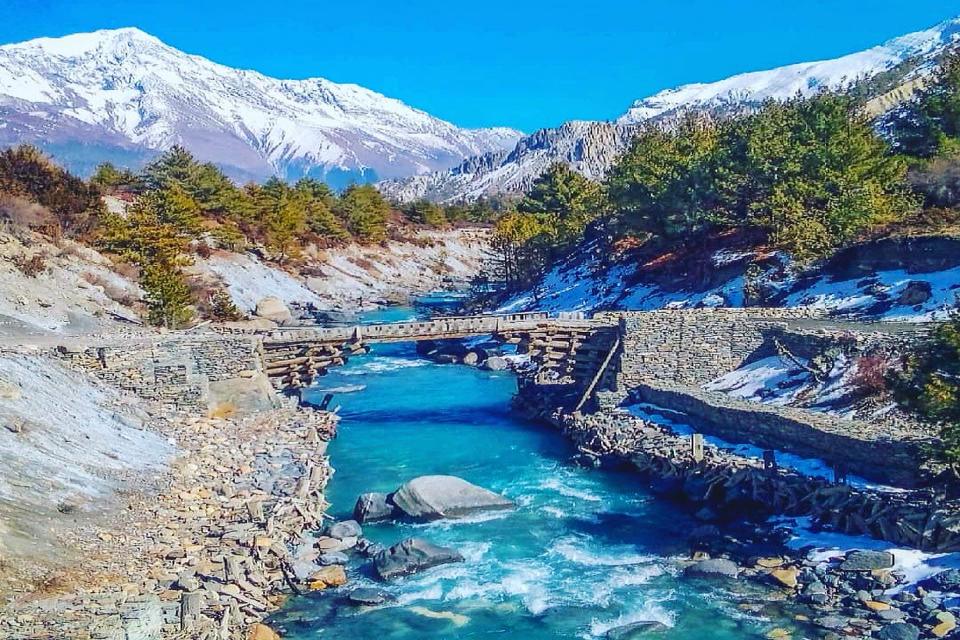
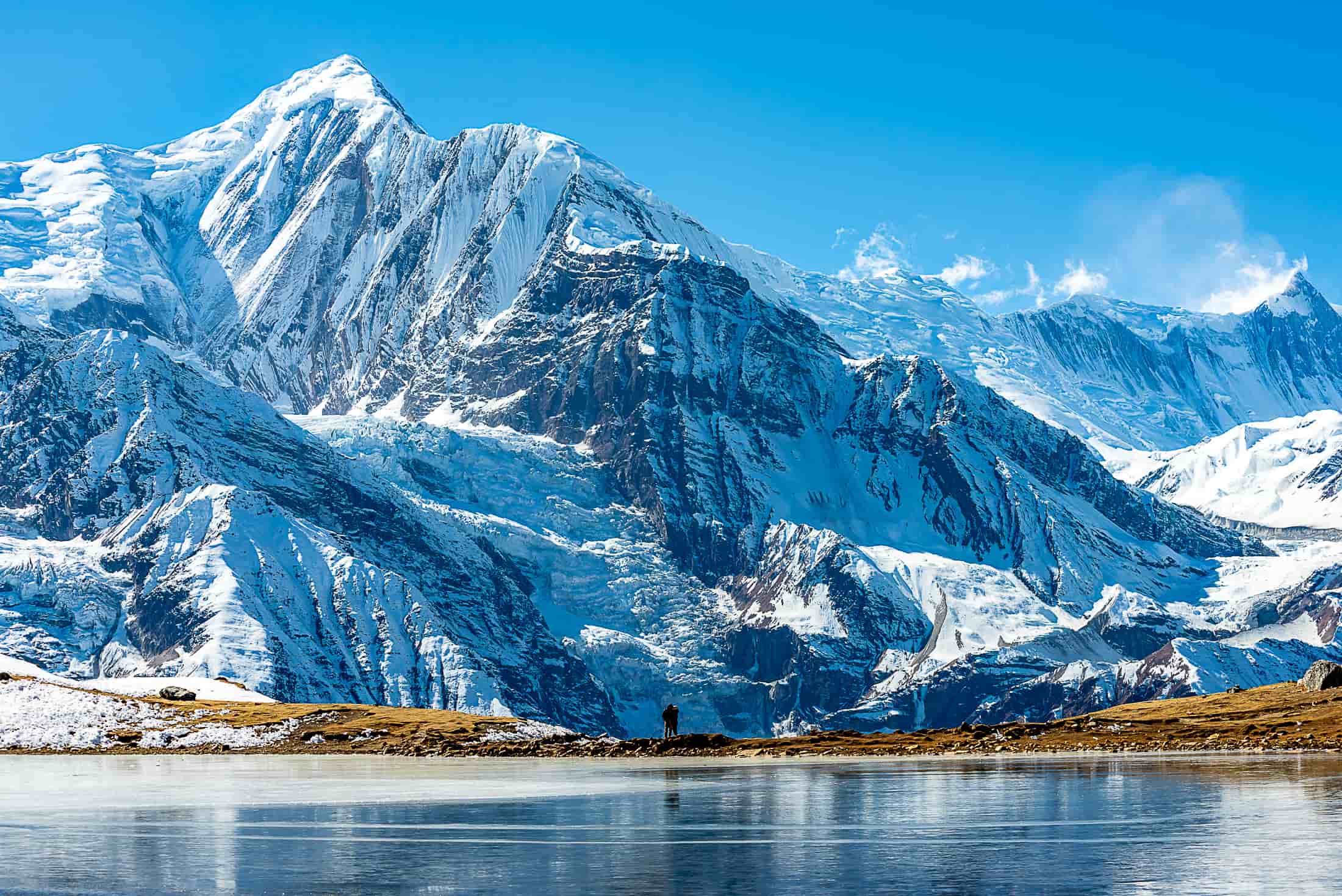
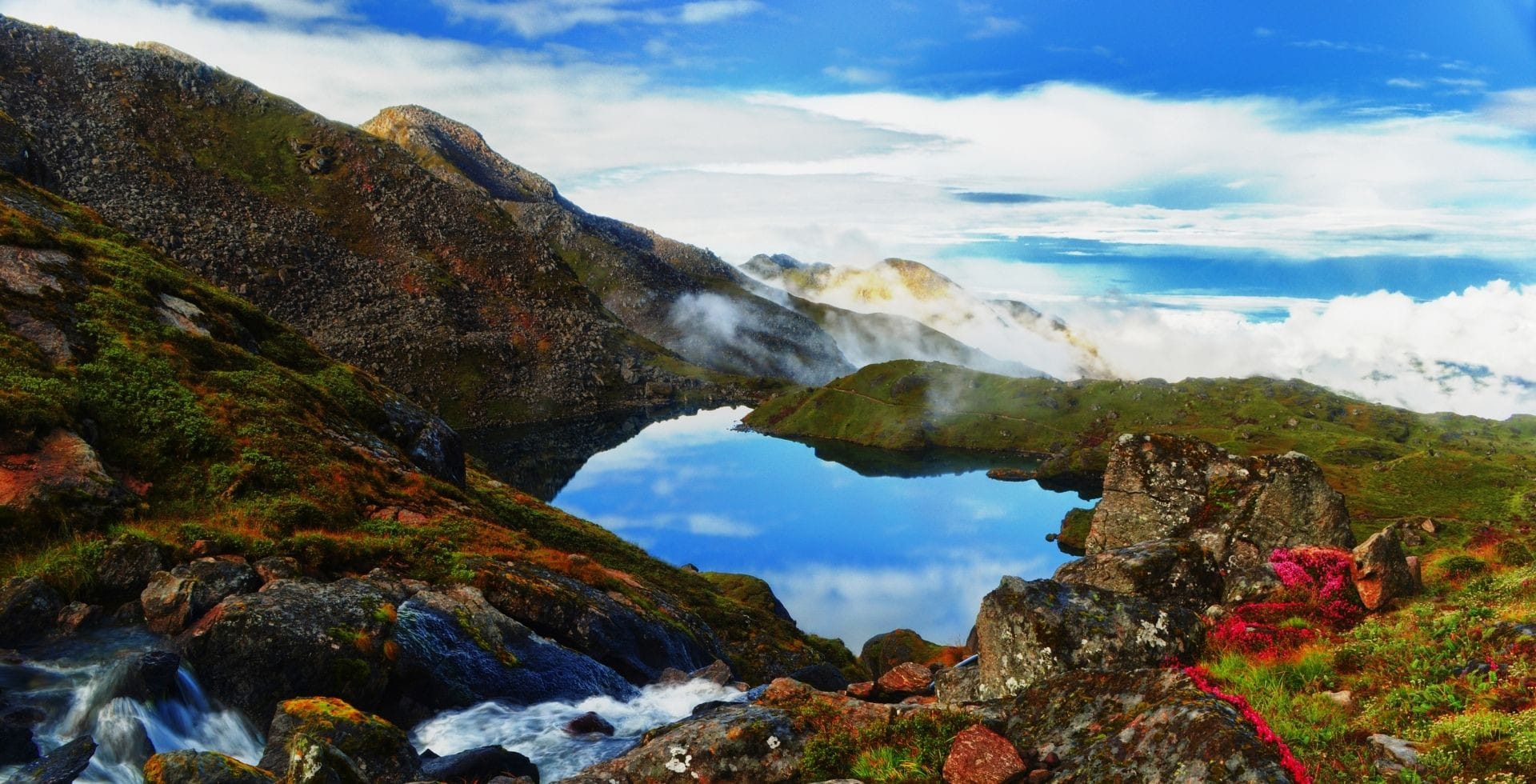
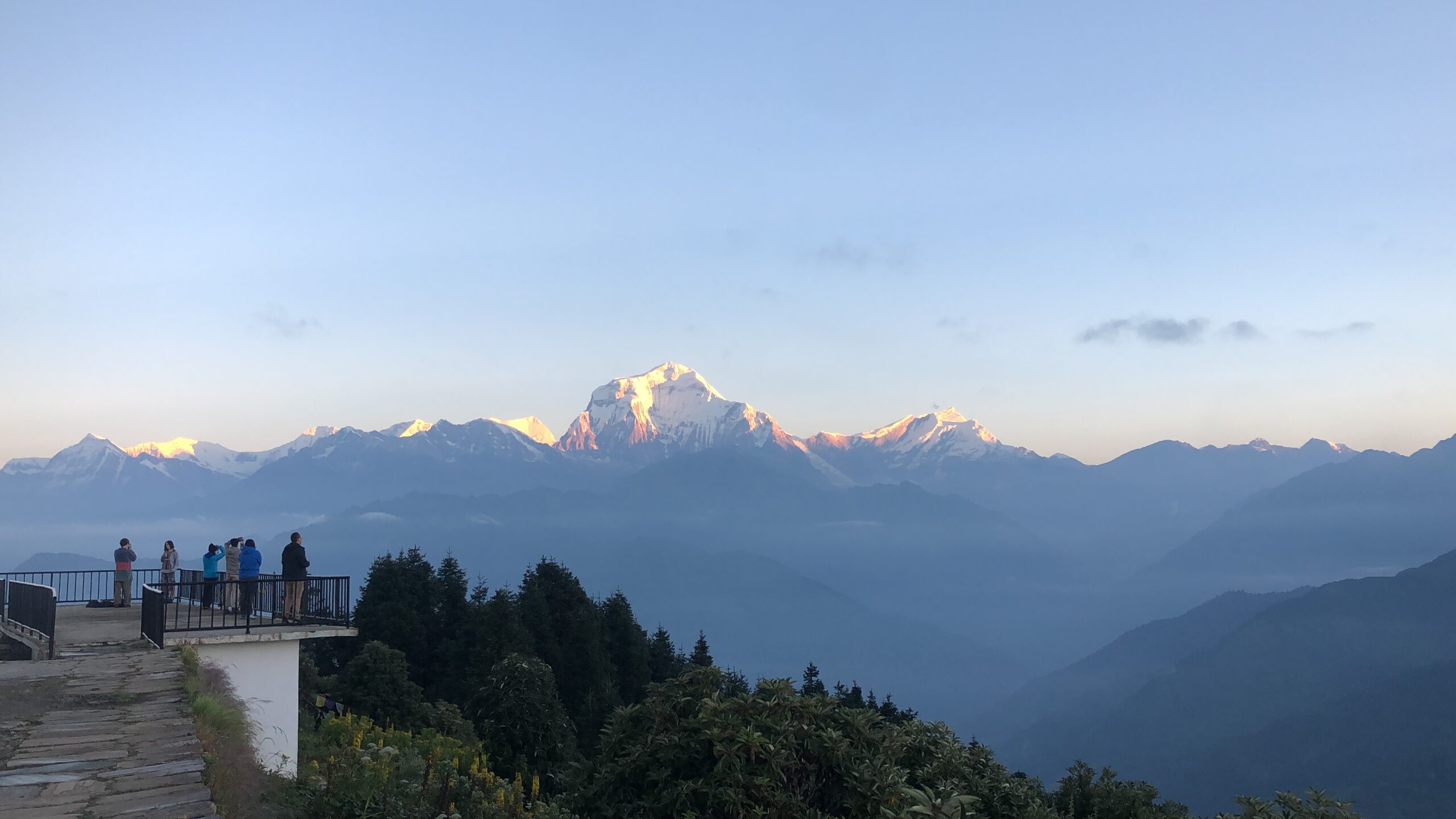
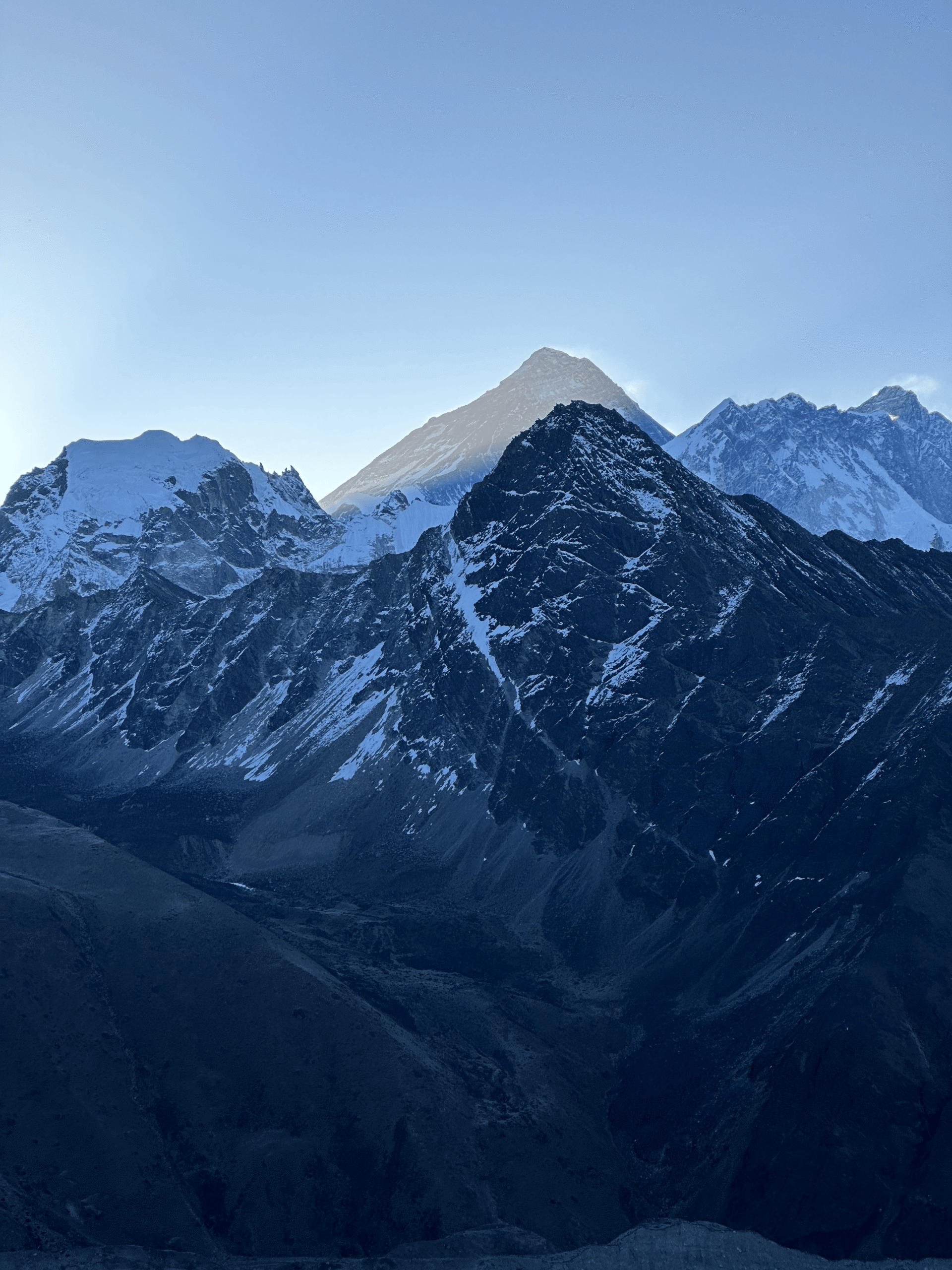
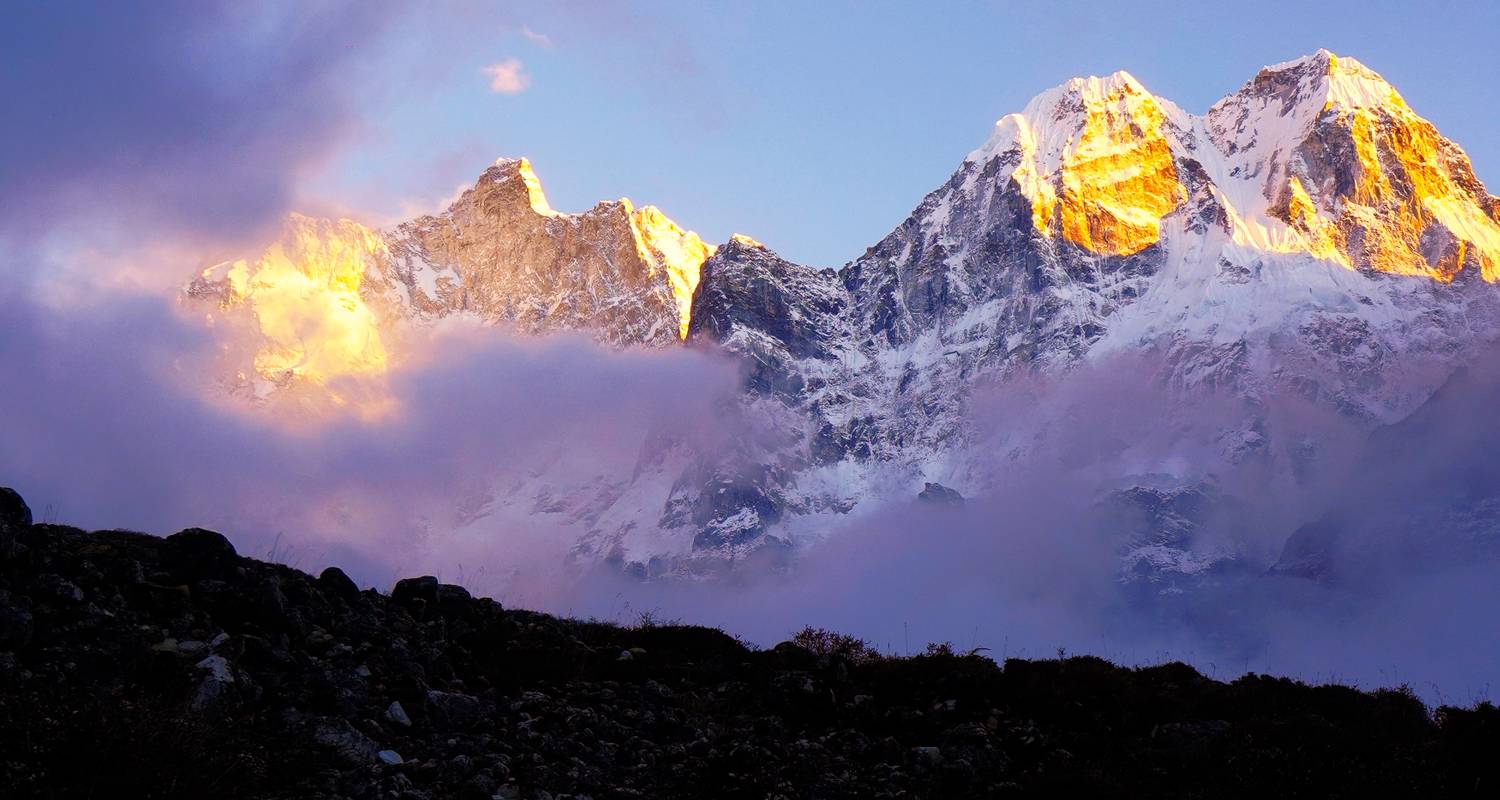
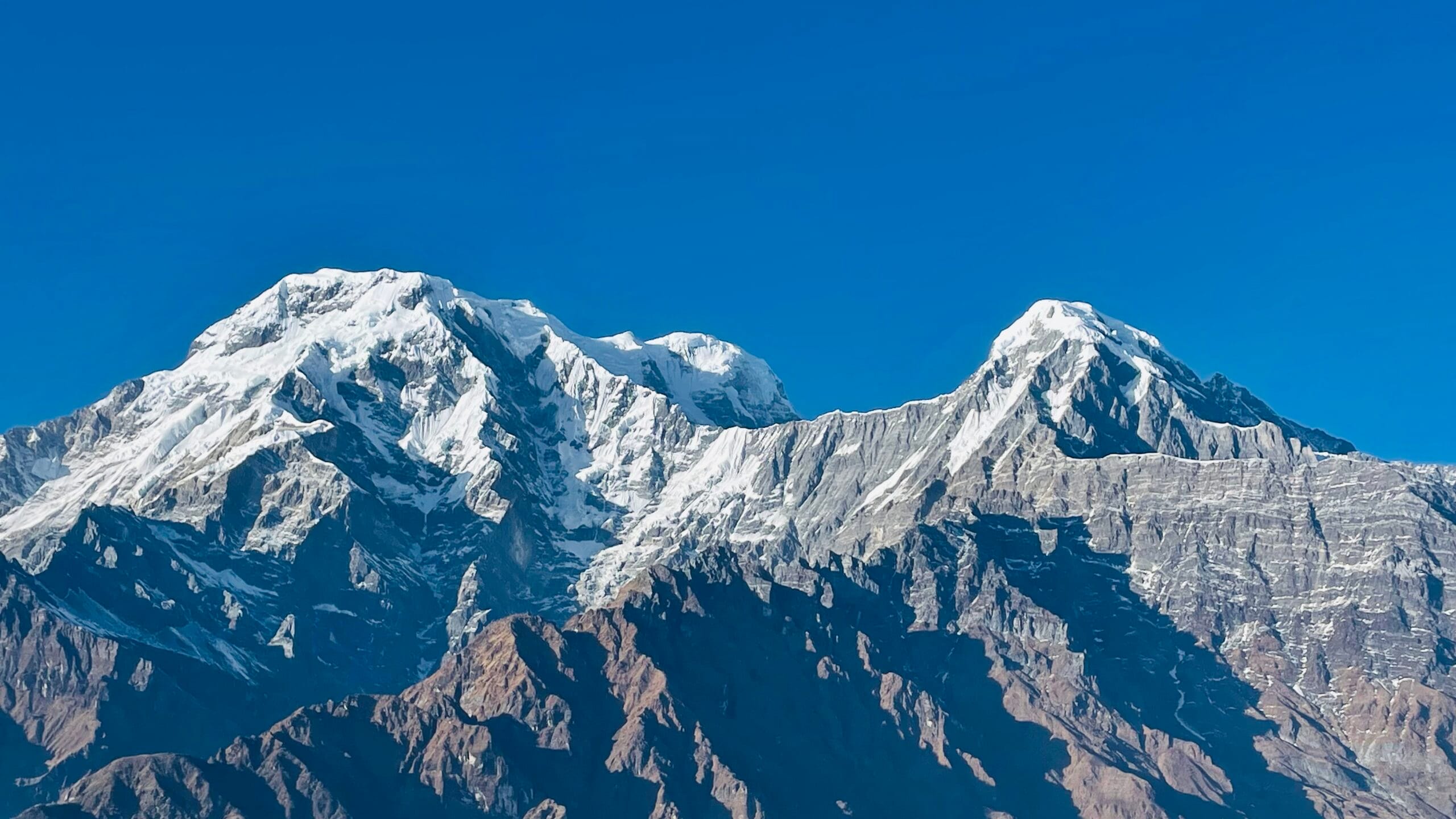
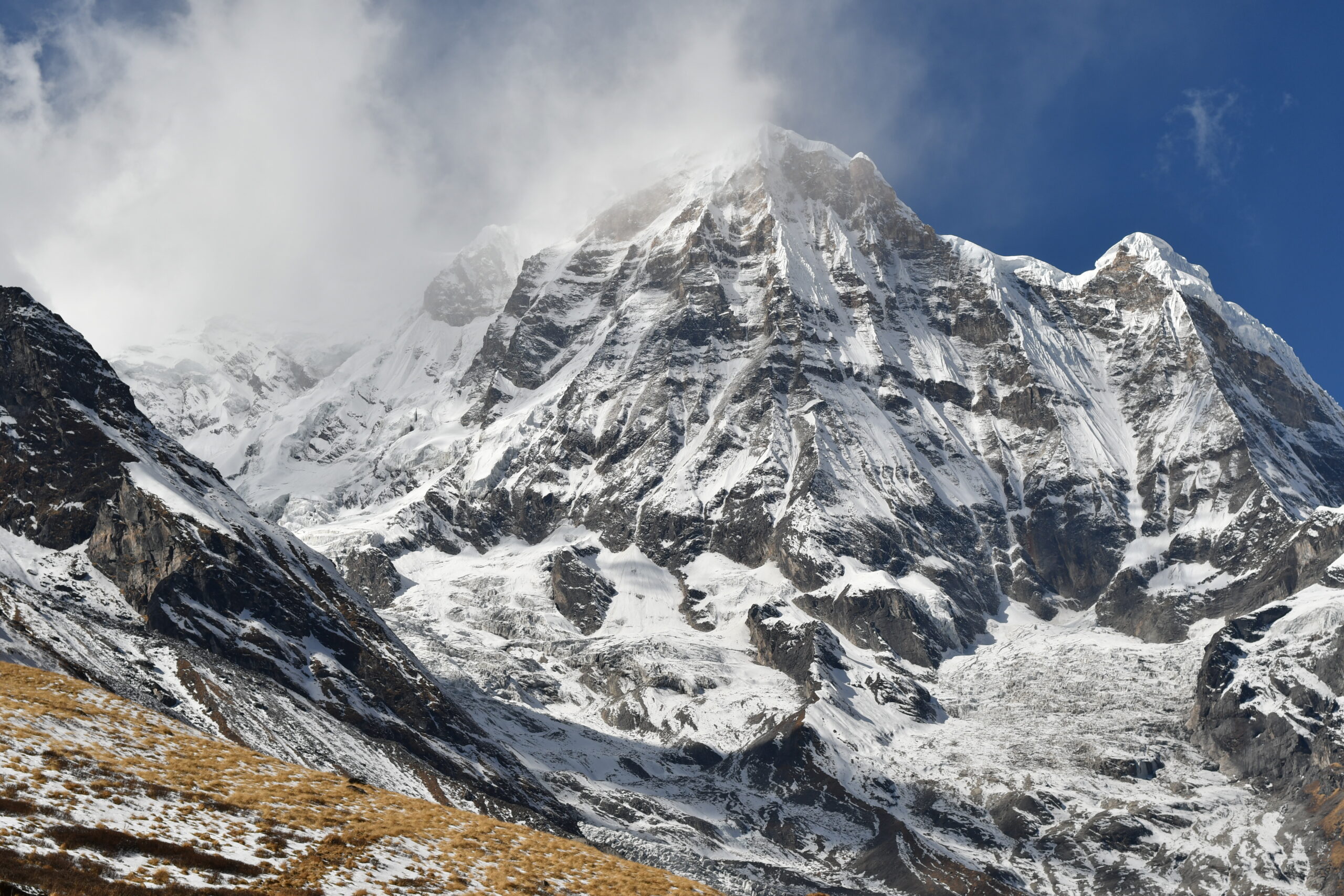
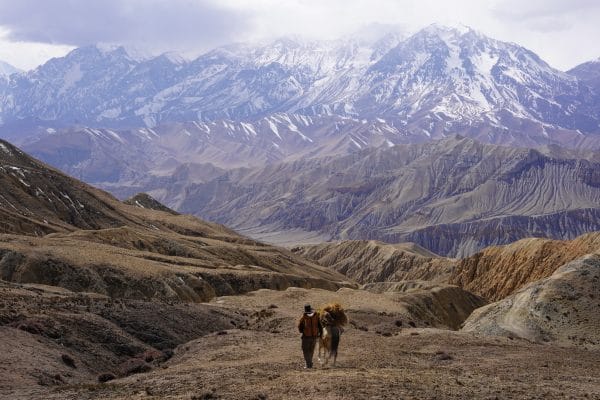
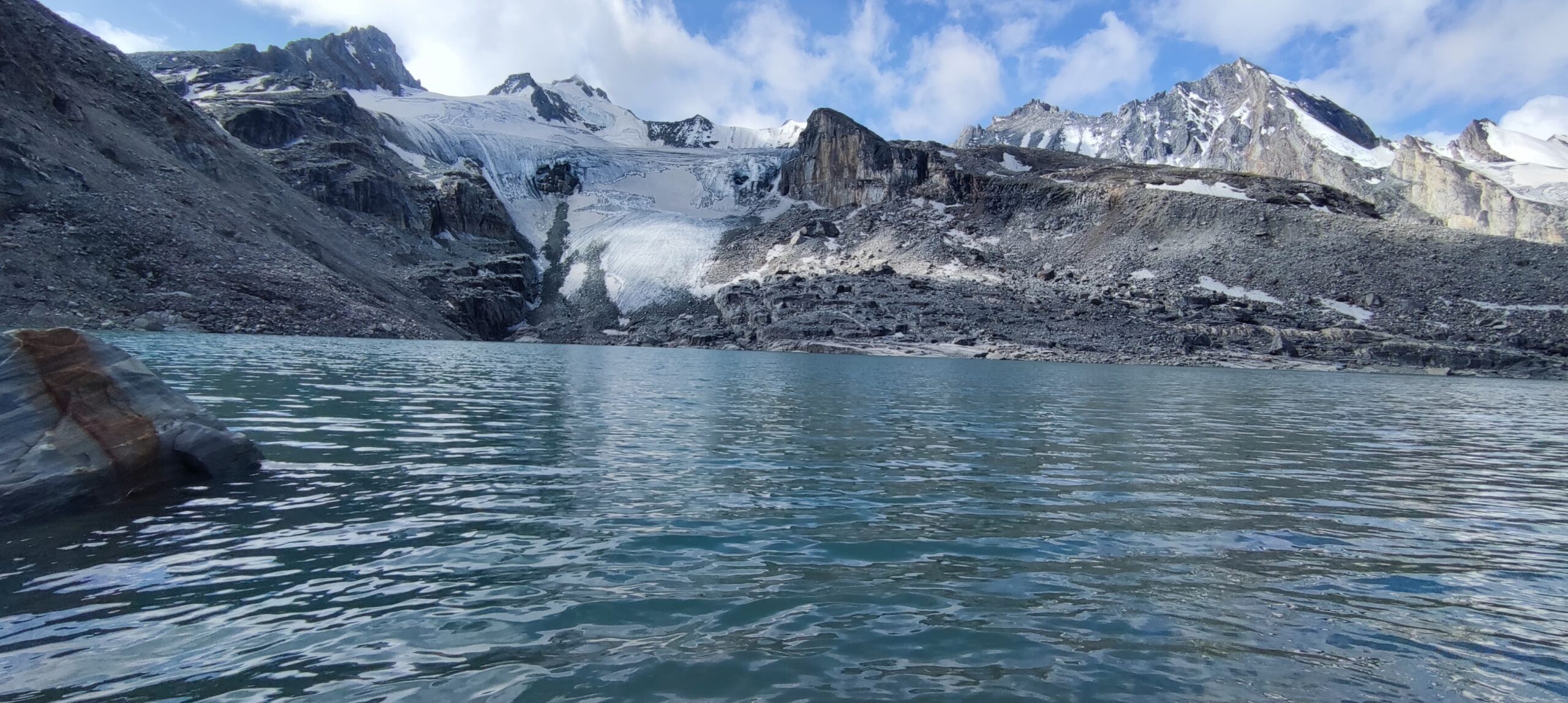
Trekkers will traverse lush subtropical forests, alpine meadows, arid highlands, and glacial valleys. Along the way, you will pass traditional villages, Buddhist monasteries, and small towns where local hospitality provides insight into Nepali mountain life. The trek showcases some of the Himalayas’ most impressive peaks, including Annapurna I, Dhaulagiri, Manaslu, Tilicho Peak, and countless others.
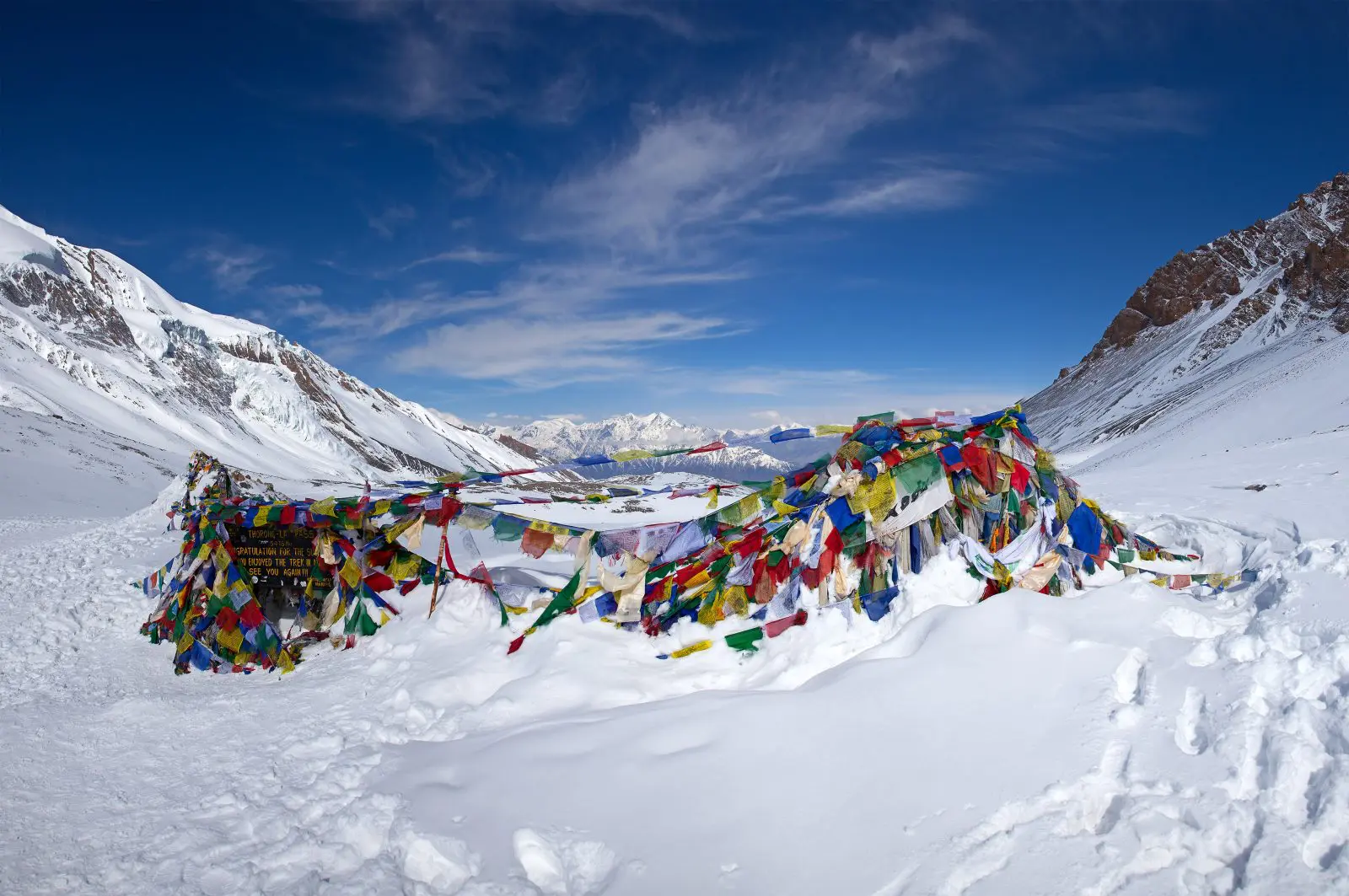
The journey begins with a drive from Kathmandu to Dharapani, passing terraced farmlands, rivers, and waterfalls. You’ll then trek through villages like Chame, Upper Pisang, and Manang, allowing time for acclimatization while experiencing Tibetan-influenced culture. A major highlight is the challenging ascent to Thorung La Pass (5,416m), connecting Manang with Muktinath Temple, revered by both Hindus and Buddhists. After descending through the Kali Gandaki valley to Jomsom, trekkers enjoy a scenic flight to Pokhara, relaxing by Fewa Lake and exploring its natural and cultural attractions.
The trek blends adventure, natural grandeur, and cultural exploration. With ART Nepal Treks & Expedition, all logistics, permits, experienced guides, and safety measures are professionally handled, making this high-altitude journey both safe and unforgettable.
What Can You Expect from the Trek?
Natural Beauty
- Walk through lush forests, alpine meadows, arid highlands, and glacial valleys.
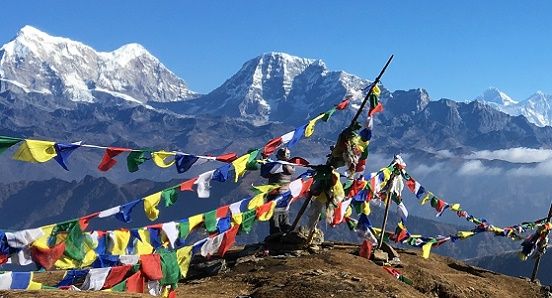
- Stunning Himalayan views: Annapurna, Dhaulagiri, Nilgiri, Chulu, Tilicho Peak, Machhapuchhre.
- Cross high passes, rivers, gorges, and waterfalls.
Cultural Experience
- Interact with Nepali villagers and Tibetan-influenced communities.
- Visit monasteries, shrines, and sacred sites like Muktinath Temple.
- Explore Kathmandu and Pokhara’s historical and cultural landmarks.
Adventure and Challenge
- Multi-day trekking through varying terrains.
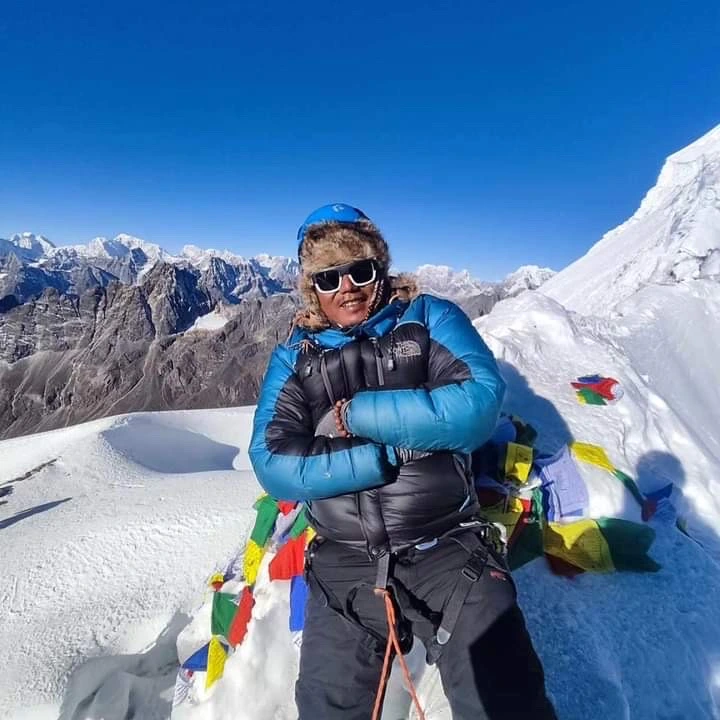
- Ascend Thorung La Pass (5,416m), a significant high-altitude challenge.
- Encounter Himalayan wildlife, including yaks, blue sheep, and rare birds.
- Scenic flight from Jomsom to Pokhara enhances the journey.
How to Get Prepared for the Trek
Physical Preparation
- Aerobic exercises: walking, jogging, cycling, stair climbing.
- Strength training for legs and core: squats, lunges, planks, yoga.
- Practice hiking with a weighted backpack to simulate trek conditions.
Mental Preparation
- Maintain a positive mindset and readiness for varying weather and altitude.
- Visualize trekking scenarios and emergency preparedness.
Gear Preparation
- Trekking boots, layered clothing for all weather, waterproof jacket.
- Sleeping bag, trekking poles, headlamp, water bottles, first aid kit.
Health & Safety
- Travel insurance covering high-altitude trekking and emergency evacuation.
- Acclimatization strategy and hydration to prevent altitude sickness.
- All permits arranged by ART Nepal Treks & Expedition.
Essential Info
Best Season to Trek
The Annapurna Circuit Trek can be undertaken in multiple seasons, but choosing the right time is essential for both safety and the quality of your trekking experience. Each season offers unique experiences, scenery, and challenges, so planning accordingly is key.
Spring (March – May)
Spring is one of the most popular seasons for trekking in the Annapurna region. During this time, the weather is generally stable, clear, and mild, making it ideal for trekking and sightseeing. The temperatures at lower altitudes range from 15°C to 25°C, while higher elevations like Manang or Thorung La Pass can be 0°C to 10°C.
Highlights of Spring Trekking:
- Rhododendron Bloom: The forests and hillsides are adorned with vibrant rhododendron flowers, creating a mesmerizing palette of red, pink, and white that contrasts beautifully with the snow-capped peaks.
- Clear Mountain Views: Visibility is excellent, allowing trekkers to witness panoramic Himalayan vistas including Annapurna I, Dhaulagiri, Machhapuchhre, and Lamjung Himal.
- Wildlife Activity: Animals such as Himalayan pheasants, langurs, and occasional snow leopards are more active, enhancing nature observation.
- Cultural Festivals: Spring coincides with festivals like Holi and local village celebrations, offering a chance to experience Nepali traditions firsthand.
Considerations:
- Spring is a peak trekking season, so lodges and teahouses may be crowded. Early booking is recommended.
- Temperatures can vary significantly between day and night, so layered clothing is essential.
Autumn (September – November)
Autumn is another ideal trekking period, often considered the best time for the Annapurna Circuit due to stable weather and clear skies. After the monsoon rains of summer, the air is crisp and fresh, and the entire Annapurna Himalayan range is clearly visible.
Highlights of Autumn Trekking:
- Clear Weather: The post-monsoon period washes away dust and haze, offering unobstructed views of towering peaks and glaciers.
- Harvest Season: Villages along the trail are bustling with activity as locals harvest crops, providing trekkers with a glimpse into rural life and traditional farming practices.
- Pleasant Temperatures: Daytime temperatures range from 18°C to 25°C at lower altitudes and 0°C to 10°C at higher altitudes, creating comfortable trekking conditions.
- Festivals: Local festivals such as Dashain and Tihar may coincide with trekking, allowing trekkers to witness traditional rituals, decorations, and celebrations.
Considerations:
- Accommodations are in high demand due to peak season, so pre-booking is highly recommended.
- Nights at higher altitudes can still be cold, requiring insulated sleeping gear.
Winter (December – February)
Winter trekking is less crowded and offers a unique, tranquil experience. The skies are often clear, and the scenery is starkly beautiful with snow-dusted peaks and icy landscapes.
Highlights of Winter Trekking:
- Quiet Trails: Fewer trekkers mean a more peaceful, immersive experience.
- Snow-Covered Peaks: Dramatic views of Annapurna, Dhaulagiri, and Thorung La covered in fresh snow.
- Festive Season: You may experience local winter festivals and New Year celebrations in villages.
Considerations:
- Temperatures drop sharply at higher altitudes, reaching -10°C to -20°C near Thorung La Pass.
- Snow and icy trails can make trekking more challenging. Proper winter gear, crampons, and layers are mandatory.
- Some tea houses may be closed at extreme altitudes; camping might be necessary in isolated areas.
Monsoon (June – August)
The monsoon season is generally not recommended for trekking the Annapurna Circuit due to heavy rainfall and the risk of landslides.
Monsoon Characteristics:
- Frequent Rainfall: Trails can become muddy, slippery, and dangerous.
- Limited Visibility: Clouds and mist often obscure mountain views.
- Lush Greenery: Valleys and forests are at their greenest, making for stunning, dense landscapes.
- Waterfalls and Rivers: Increased river flow and waterfalls create dramatic natural scenery.
Considerations:
- High risk of landslides and flooding; trekking requires extreme caution.
- Many high-altitude lodges may be closed.
- Trekking in this season is only recommended for experienced trekkers familiar with high-altitude, wet-weather conditions.
Summary of Seasonal Recommendations:
- Best Seasons: Spring and Autumn for optimal weather, visibility, and cultural experiences.
- Alternative Season: Winter for a quiet and snowy adventure (requires proper cold-weather gear).
- Avoid: Monsoon unless experienced with wet-season trekking risks.
Food Availability
Nutrition and energy management are critical on the Annapurna Circuit Trek because trekkers expend significant energy at high altitudes and in varying weather conditions. Food along the trail is generally wholesome, nutritious, and designed to meet the needs of hikers, but knowing what to expect helps you plan better.
Breakfast Options
Most lodges and tea houses provide a variety of breakfast options to fuel the day:
- Western-style breakfasts: Eggs (fried, boiled, scrambled), pancakes, toast with butter or jam, porridge, muesli, and cereals.
- Nepali-style breakfasts: Local staples such as beaten rice (chiura), omelets with vegetables, and paratha (flatbread).
- Hot beverages: Tea, coffee, milk, and occasionally hot chocolate are available to warm you during chilly mornings.
Tips:
- Breakfast is usually served between 6:30 and 8:30 am to allow an early start for trekking.
- At higher altitudes, meals may be simplified, so having energy bars or instant oatmeal as a backup is recommended.
Lunch Options
Lunch is usually served between 11:30 am and 1:30 pm along the trail. It is designed to be high in carbohydrates and protein, keeping you energized for the afternoon trek.
Typical lunch offerings include:
- Nepali meals: Dal Bhat (lentil soup with rice), curry, vegetables, and pickles. Dal Bhat is highly recommended as it provides a balanced combination of carbs and protein.
- Western meals: Sandwiches, pasta, noodles (veg, egg, or cheese), fried rice, and soups such as tomato, vegetable, or mushroom soup.
- Snacks: Fresh fruits, biscuits, chocolate, or nuts may be available in some villages for quick energy boosts.
Tips:
- Carry snacks like granola bars, dried fruits, and chocolates in your daypack for long stretches without food availability.
- Avoid uncooked salads or unwashed produce at high altitudes due to sanitation concerns.
Dinner Options
Dinner is generally the main meal of the day, served after trekkers arrive at the tea house or lodge, usually between 6:00 pm and 8:00 pm. It’s heavier than lunch to replenish energy stores.
Common dinner meals include:
- Nepali dishes: Dal Bhat with curry, seasonal vegetables, and pickles. Rice and lentils are staple options.
- Western dishes: Pasta, macaroni, pizza, fried potatoes, omelets, and sometimes yak or buffalo meat for protein.
- Soups and stews: Provide warmth and hydration, particularly in colder high-altitude areas.
Tips:
- Ensure sufficient water intake with dinner to aid hydration overnight.
- Try local dishes to experience the cultural flavors of the Annapurna region, but maintain a balance with easily digestible foods at high altitudes.
Snacks and Extra Energy
Trekking long distances daily can be exhausting. Carrying snacks is highly recommended:
- Energy or protein bars.
- Trail mix and nuts.
- Dried fruits like apricots, raisins, or bananas.
- Chocolate or candy for instant energy boosts.
Some tea houses and villages sell fruits, biscuits, or instant noodles, but availability may be limited at higher altitudes near Thorung La Pass or in remote areas.
Beverages
- Tea and Coffee: Widely available in lodges and tea houses.
- Herbal teas: Ginger, lemon, or green tea can help with hydration and digestion.
- Water: Tap water is not always safe to drink at high altitudes. Trekkers are advised to carry a reusable water bottle and water purification tablets or filters.
- Soft drinks: Limited availability in some villages; expensive at high-altitude tea houses.
Important Tips:
- Avoid alcohol and caffeinated beverages at high altitude as they can contribute to dehydration and interfere with acclimatization.
- Maintain a minimum intake of 3–4 liters of water per day to prevent altitude sickness and maintain energy levels.
Cultural Food Experience
Beyond nutrition, the Annapurna Circuit offers an opportunity to enjoy authentic local cuisine:
- Thakali Cuisine: A traditional Nepali meal often found in Manang, consisting of rice, lentils, curry, vegetables, pickles, and yogurt.
- Tibetan-inspired Dishes: Especially in Upper Manang and Mustang regions, including momos (dumplings), tingmo (steamed bread), and thukpa (noodle soup).
- Local Snacks: Seasonal fruits and traditional sweets can be sampled at village markets along the trail.
Trying these local foods not only fuels your trek but also offers insight into regional culture and traditions, enhancing the overall trekking experience.
Accommodation
- Kathmandu & Pokhara: Comfortable 3-star hotels with modern amenities.
- On Trek: Lodges, tea houses, and guesthouses catering to trekkers.
- Lower altitude: Rooms with Western-style toilets, bedding, and stoves.
- Higher altitude: Shared rooms, long-drop toilets, wood-burning stoves, or tents in remote areas.
- Sleeping bags are recommended for cold nights.
- Meals and communal areas are provided in tea houses, giving an opportunity to meet fellow trekkers and enjoy local hospitality.
Travel Insurance
- Travel insurance is essential for the Annapurna Circuit Trek.
- Must cover high-altitude trekking, medical emergencies, helicopter evacuation, and trip cancellations.
- Check coverage for accidents, natural disasters, and sudden altitude sickness.
- ART Nepal Treks & Expedition strongly recommends verifying policies before departure to ensure full protection during your trek.
Altitude Sickness
- Risk: Occurs above 3,000 meters; symptoms include headaches, nausea, dizziness, fatigue, and shortness of breath.
- Prevention Tips:
- Ascend gradually; take acclimatization days.
- Stay hydrated; avoid alcohol.
- Eat a balanced diet with sufficient carbohydrates.
- Carry Diamox if recommended by a doctor.
- Treatment: Descend to lower altitudes immediately if severe symptoms persist.
- Guides monitor trekkers daily and will provide advice for safe acclimatization.
Guide and Safety Measures
- Experienced Guides: ART Nepal Treks & Expedition provides trained guides familiar with Annapurna Circuit routes, altitude safety, and first aid.
- Group Size: Small groups ensure personal attention and safety.
- Emergency Plans: Protocols for altitude sickness, injuries, and evacuation.
- Daily Health Checks: Guides monitor all trekkers for signs of fatigue or AMS.
- Safety Equipment: First aid kits, trekking poles, helmets (if needed), and communication devices available.
- Decision Authority: Guides have authority to modify the itinerary for safety reasons.
Booking Procedure
- Inquiry: Contact ART Nepal Treks & Expedition for availability and details.
- Reservation Deposit: Pay 10% of total trek cost to confirm booking.
- Submit Documents: Passport copies, photos, travel insurance, and flight details.
- Advance Payment: Bank transfer, Western Union, or online payment.
- Payment Upon Arrival: Options include cash, bank transfer, or credit card.
- Pre-Trek Briefing: Attend session to finalize gear, itinerary, and safety instructions.
- Trek Day: Guides ensure smooth start, logistics, and support throughout the trek.