Jump in the Fun, Love Every Mile



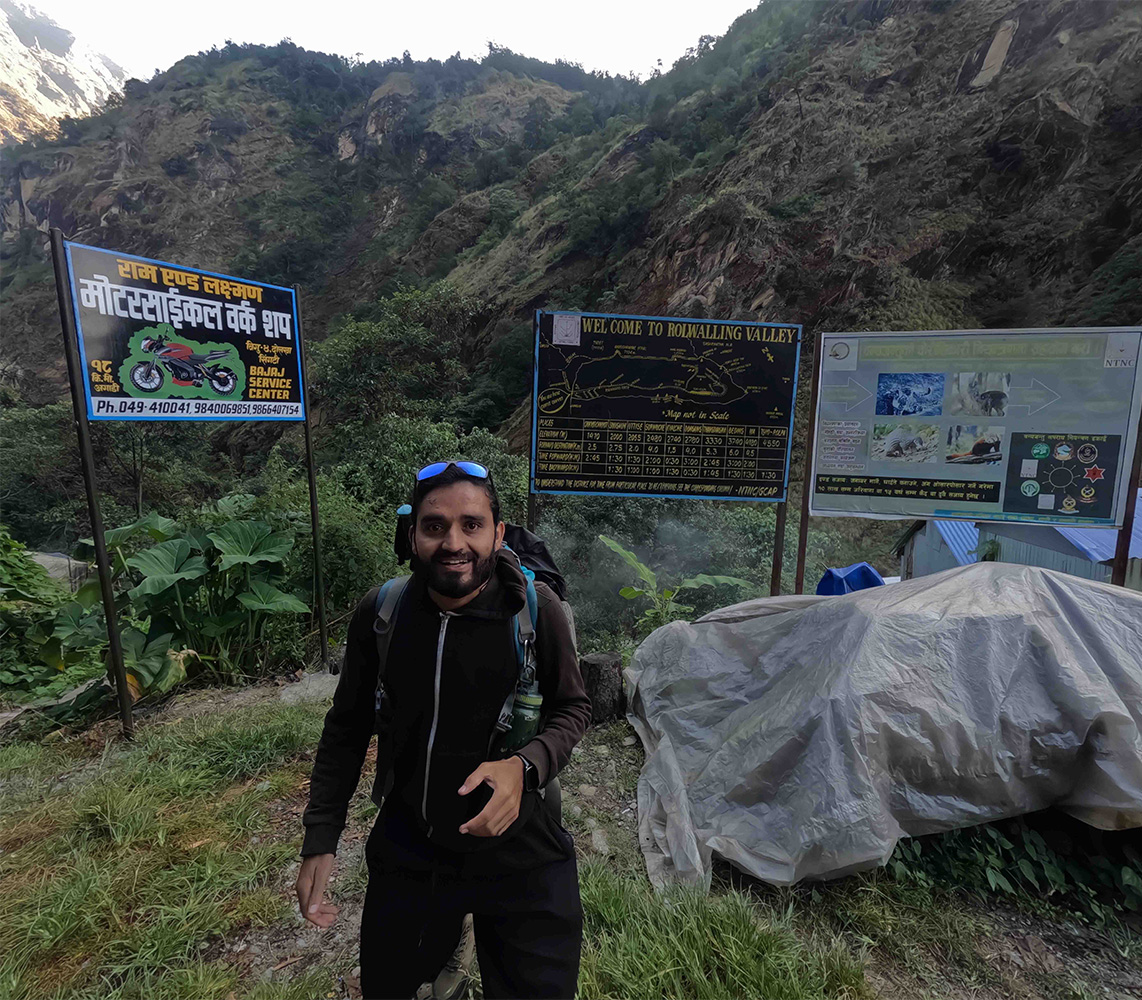
Introduction: A Special Place in the Mountains
Have you ever wanted to go somewhere really quiet? A place where you can walk for hours and hear nothing but the wind and your own footsteps? Let me tell you about the Rolwaling Valley in Nepal.
This valley sits between two very famous trekking places: Langtang and Everest. But here is the good part – almost no one goes there! While thousands of people walk to Everest Base Camp every year, only about 4,000 people visit Rolwaling in a whole year . That means you can have the mountains almost all to yourself.
The Sherpa people who live here have a special name for this valley. They call it “the grave.” That sounds a little scary, right? But don’t worry! They mean it in a good way. They say that when you enter this valley, you fall in love with it so much that you never want to leave .
The name Rolwaling comes from an old story. In the Tibetan language, it means “carved by a plough” . The story says that a god once plowed this valley like a farmer plows a field. That is why the valley has steep sides and a flat bottom .
For Buddhist people, this is a very special place. It is one of seven hidden valleys in the Himalayas. These valleys are called Beyuls. Long ago, Buddhist saints made these places as safe hiding spots for people who were in danger . Walking here is not just a trek. It feels like you are walking through a sacred place.
So, if you want to see real mountain life, walk on quiet trails, and feel like you have discovered something special, the Rolwaling trek might be perfect for you.
In this guide, I will tell you everything you need to know. We will talk about the best time to go, what to pack, where you will sleep, and how to walk safely. Let’s start this adventure together!
Before we talk about walking, let’s understand where we are going. The Rolwaling Valley runs from west to east. It sits right below the border with Tibet .
Big mountains stand on both sides of the valley. On the south side, you have Gaurishankar (7,134 meters) . This mountain is so holy that for a long time, no one was allowed to climb it . People still respect it deeply. On the north side, you have Melungtse (7,181 meters) . These two giants watch over the valley like guards.
The valley floor is not flat like a road. You will walk up and down, through forests, past waterfalls, and across rocky paths. The highest point for most trekkers is Tsho Rolpa Lake at about 4,580 meters . That is very high! To give you an idea, that is almost five times higher than the tallest mountain in the UK.
Because the valley is so deep and the mountains are so high, the weather can change fast. You might start your day in warm sunshine and end it in cold wind and snow. That is normal here.
Choosing the right time for your trek is very important. The weather decides if you will have clear mountain views or if you will walk in rain and clouds. Here are the seasons explained simply.
Spring (March to May)
Spring is a beautiful time in Rolwaling. The weather is warm and nice during the day. But the best part is the flowers. The lower parts of the trail have many rhododendron trees. These trees bloom with red, pink, and white flowers . It looks like someone painted the forest.
The days are comfortable for walking. But remember, the higher you go, the colder it gets. Always pack warm clothes, even in spring.
Autumn (September to November)
This is the most popular time for trekking in all of Nepal. After the summer rains stop, the air becomes very clean. You can see the mountains so clearly, they look close enough to touch .
The mornings are cold and crisp. The days are sunny and pleasant. This is the best time for taking photos. If you want the best views of Gaurishankar and the other peaks, come in autumn.
Winter (December to February)
Winter is only for very strong trekkers. Snow blocks the high trails. The small villages at the top of the valley, like Na, become empty. The teahouses close because no one is there .
The temperature at night can drop to -15°C (5°F) or even colder . That is freezing! If you want to trek in winter, you must bring very warm gear. You might also need to carry a tent and food because the teahouses will be shut.
Monsoon (June to August)
This is the rainy season. It rains almost every day. The trails become slippery and muddy. In the forests, you might find leeches – small creatures that suck blood . They are not dangerous, but they are annoying.
Also, the clouds hide the mountains most of the time. You might walk for days without seeing any peaks. Landslides can also block the roads. I do not suggest this time for your first visit.
Your adventure starts in Kathmandu, the busy capital of Nepal. From there, you need to get to the trailhead. This is not a short trip. It takes a whole day.
Most people take a bus or a private jeep. You drive for about 7 to 10 hours . The road winds through hills and follows rivers. You will pass small villages with green farms on the hillsides. It is bumpy and dusty, but it is also very interesting to watch.
The drive takes you to a place called Chetchet. This is at about 1,400 meters . Here, the road ends. From this point, you must walk. There are no more cars.
If you have more money and less time, you can take a helicopter. Some companies offer helicopter drops to Beding village . This saves you about three days of walking. But it costs a lot more money.
Walking through Rolwaling is like going back in time. The villages are small and simple. The people live the same way their grandparents lived. Here are the main places you will stop.
Simigaon (2,000 meters)
Your first village after leaving the road. To get here, you must climb a steep hill with many stone steps. It is hard work on your first day! Simigaon is a mix of Sherpa and Tamang people. These are two different groups who live in the mountains. The houses are made of stone with roofs made from flat stones called slate . If the sky is clear, you will see a amazing sight. The big mountain Gaurishankar stands right above the village. It looks so big, you feel like you can almost touch it .
Beding (3,690 meters)
After a few days of walking through forests and past waterfalls, you reach Beding. This is the biggest village in the valley. It feels like the main town here. At the entrance to the village, there is a monastery (gompa) . This is a Buddhist place for prayer. Just above the village, there is also a holy temple for Gaurishankar . Beding is very important for your body. The air here is thin because you are high up. Most trekkers take a rest day here. This helps your body get used to the height. You can walk around the village or climb a small hill nearby. Just do not go too high or too fast.
Na Village (4,183 meters)
As you walk higher, the trees disappear. The land becomes rocky and open. You can see far in every direction. Na is not a normal village. People do not live here all year. In summer, yak herders come here with their animals. Yaks are big, hairy animals that look like cows. They give milk and wool . The views from Na are amazing. Snowy mountains stand in a circle around you. You feel very small, but also very lucky to be there.
Tsho Rolpa Lake (4,580 meters)
This is the main goal for most trekkers. From Na, you walk for a few hours. The path goes along the side of the Rolwaling Glacier . A glacier is a huge river of ice that moves very slowly.
Then you see it. Tsho Rolpa is a huge lake with bright turquoise water. The color is so blue-green, it does not look real. It is one of the biggest glacial lakes in Nepal .
Sometimes you can see small pieces of ice floating in the water. They break off from the glacier and drift in the lake. Standing here, with mountains all around and this beautiful lake in front of you, is a moment you will never forget.
But there is a sad story too. The lake is getting bigger every year because the glacier is melting. This is because the world is getting warmer. Scientists worry that one day the lake might flood the valley below .
Most people do the Rolwaling trek in one of two ways. Let me explain both.
Option 1: The Classic In-and-Out Trek
This is the simpler choice. You walk up the valley, see the lake, and then walk back the same way. This takes about 12 to 14 days from Kathmandu and back .
Here is a simple plan:
This is good for people who want a peaceful trek without too much risk.
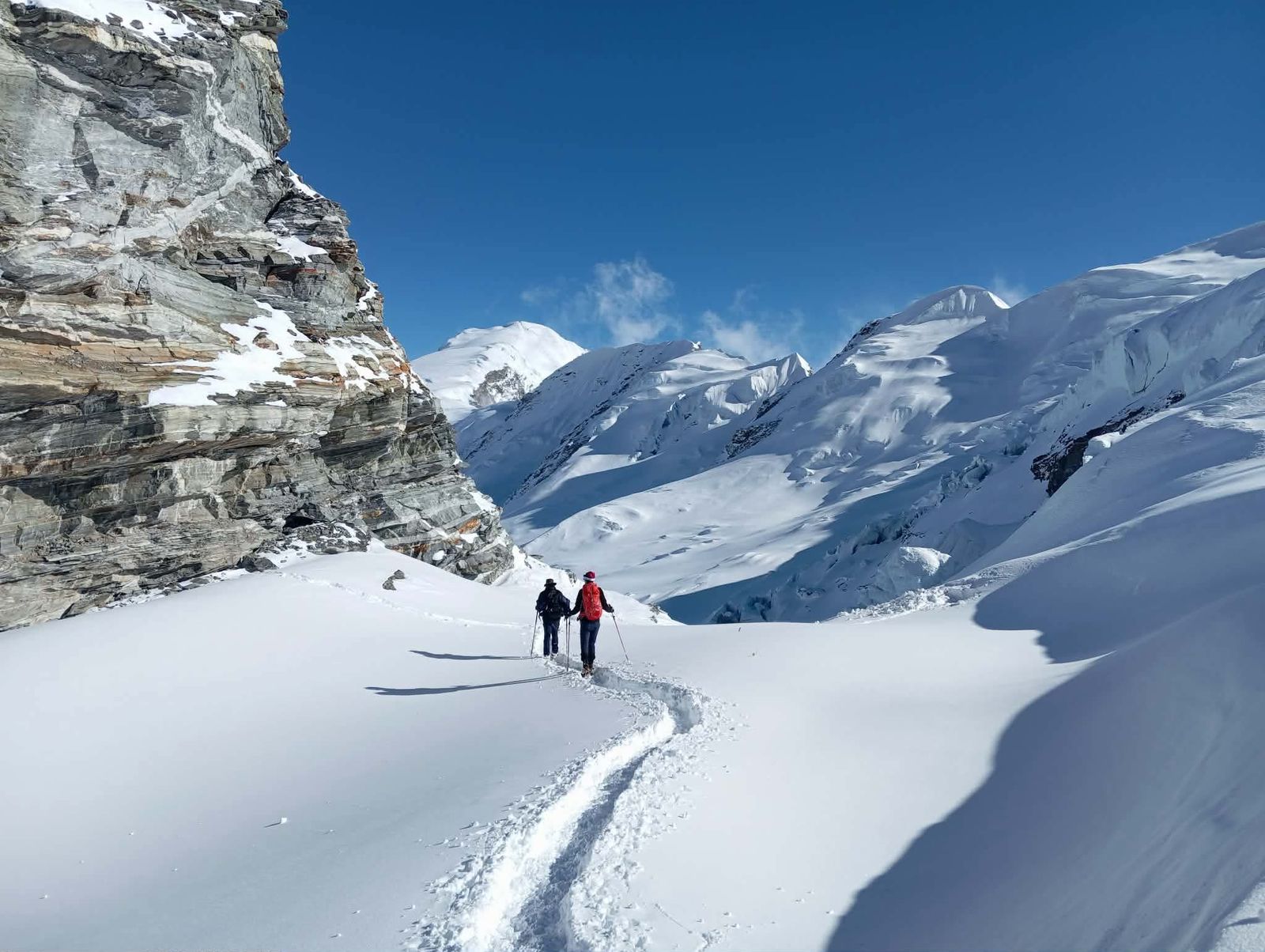
For strong trekkers, there is a harder choice. You can cross a high pass called Tashi Lapcha (5,755 meters) . This connects Rolwaling to the Everest region . This is very hard. You need ropes, ice axes, and special gear. You also need a guide who knows the way. The pass has steep ice and deep cracks in the glacier . If you cross Tashi Lapcha, you can walk all the way to Everest Base Camp after. This makes a very long trek of about 3 weeks or more .I do not suggest this for your first trek. Only do this if you have climbed on snow and ice before.
In Rolwaling, you have two choices for sleeping.
The easy choice is teahouses. These are simple homes that rent rooms to trekkers. They are not fancy hotels. The rooms are small with two beds. The beds have a mattress and a pillow. You bring your own sleeping bag . The toilet is usually outside. It might be a squat toilet (you have to squat down) or a western toilet. There is no shower with hot water. Sometimes you can pay for a bucket of hot water to wash. In the evening, you sit in the main room. This room has a stove burning yak dung for heat. You can drink tea, eat food, and talk to other trekkers. It is very cozy. The teahouses in Rolwaling are basic. Do not expect luxury. But the people are very friendly and kind.
The other choice is camping. You carry a tent and all your food. This gives you more freedom. You can stop anywhere you want. But camping is harder. You must carry more weight. You must cook your own food. And if the weather is bad, a tent is colder than a teahouse. Most people use teahouses because it is easier.
You will not find pizza or hamburgers up here. The food is simple, but it tastes good after a long day of walking. The main food is dal bhat. This is rice with lentil soup. It often comes with vegetables or curry. The best part? You can ask for more. In Nepali culture, it is polite to give more rice to hungry guests .
Other foods you might find:
Garlic soup is very popular here. People believe it helps with the high altitude. I always order it at dinner. You should bring some snacks from Kathmandu. Chocolate, nuts, and energy bars are good to have in your pack.
This is very important. Rolwaling is high. Very high. The air has less oxygen than at sea level. Your body needs time to get used to it. If you go up too fast, you can get sick. This is called altitude sickness. The signs are:
If you feel these things, do not go higher. Rest for a day. If you get worse, you must go down. Going down is the only cure.
Packing for Rolwaling is tricky. You need warm clothes, but you do not want a heavy bag. Here is a simple list.
The people in Rolwaling speak Sherpa and Nepali. Learning a few words helps a lot. People smile when you try.
You can trek in Rolwaling without a guide. It is allowed. But I think hiring a guide is a good idea.
About Porters
A porter carries your heavy bag. You carry a small day pack with water and snacks. This makes walking much easier. Porters are strong people. They carry 20-25 kilos sometimes. They walk fast and work hard. Please treat them with respect. Give them food and a place to sleep. Pay them fairly. If you hire a guide and porter through a company, make sure the company treats them well. Ask if they get good wages, food, and insurance.
How much does Rolwaling cost? It depends on your style. Here are rough prices.
You need two permits:
You get these in Kathmandu before you go.
You also pay for their food and accommodation. This is normal.
For a 14-day trek, budget about $800-1200 USD per person. This includes permits, guide, food, and lodging. If you go without a guide, it is cheaper. Bring cash. There are no banks or ATMs in the valley. You can exchange money in Kathmandu before you go.
Your safety is your own responsibility. Here are some tips.
Do not drink the water from streams. It can make you sick. Always treat it with tablets or a filter. Or buy boiled water at teahouses. It costs a little money, but it is safe.
Eat food that is cooked hot. Avoid salads or raw vegetables. They might be washed in dirty water. Dal bhat is always a safe choice.
Blisters hurt a lot. Stop as soon as you feel a hot spot on your foot. Put a plaster on it. Good socks and well-worn boots help prevent blisters.
Weather
Mountain weather changes fast. One minute it is sunny, the next minute it is snowing. Always carry your warm jacket and rain gear, even if the morning is clear.
Get insurance! This is very important. Make sure it covers trekking up to 5,000 meters or higher. It should also cover helicopter rescue. If you get hurt or very sick, a helicopter might be the only way out. This costs thousands of dollars. Insurance pays for it.
The mountains are beautiful. Please help keep them that way.
What is Leave No Trace?
It is a simple idea: take nothing but photos, leave nothing but footprints.
The Rolwaling trek is not the easiest trek in Nepal. The paths are rough. The teahouses are basic. The days are long. But it is also one of the most special places I have ever been. You will walk through ancient forests where the birds sing and the air smells like pine. You will cross rivers on simple bridges that swing as you walk. You will climb to a turquoise lake that looks like a jewel set in the gray rocks.
You will meet Sherpa farmers who invite you in for tea. You will sit by the fire at night, tired and happy, listening to stories in a language you do not understand but somehow feel in your heart. In a world that gets louder and faster every day, Rolwaling stays quiet and slow. The mountains do not care about your emails or your problems. They just stand there, old and wise, covered in snow, watching over the valley they carved so long ago.
If you go with an open heart and a respectful spirit, the valley will give you something precious. Not just photos or memories, but a piece of its peace. A quietness that stays with you long after you come home.
So pack your bag, learn your Nepali words, and go. The trail is waiting. The mountains are calling.
Namaste and happy trekking!