Lobuche East Peak Climb and EBC Trek – 19 Days
Everest Region, Nepal
19 Days/18 Nights
Price From
View More
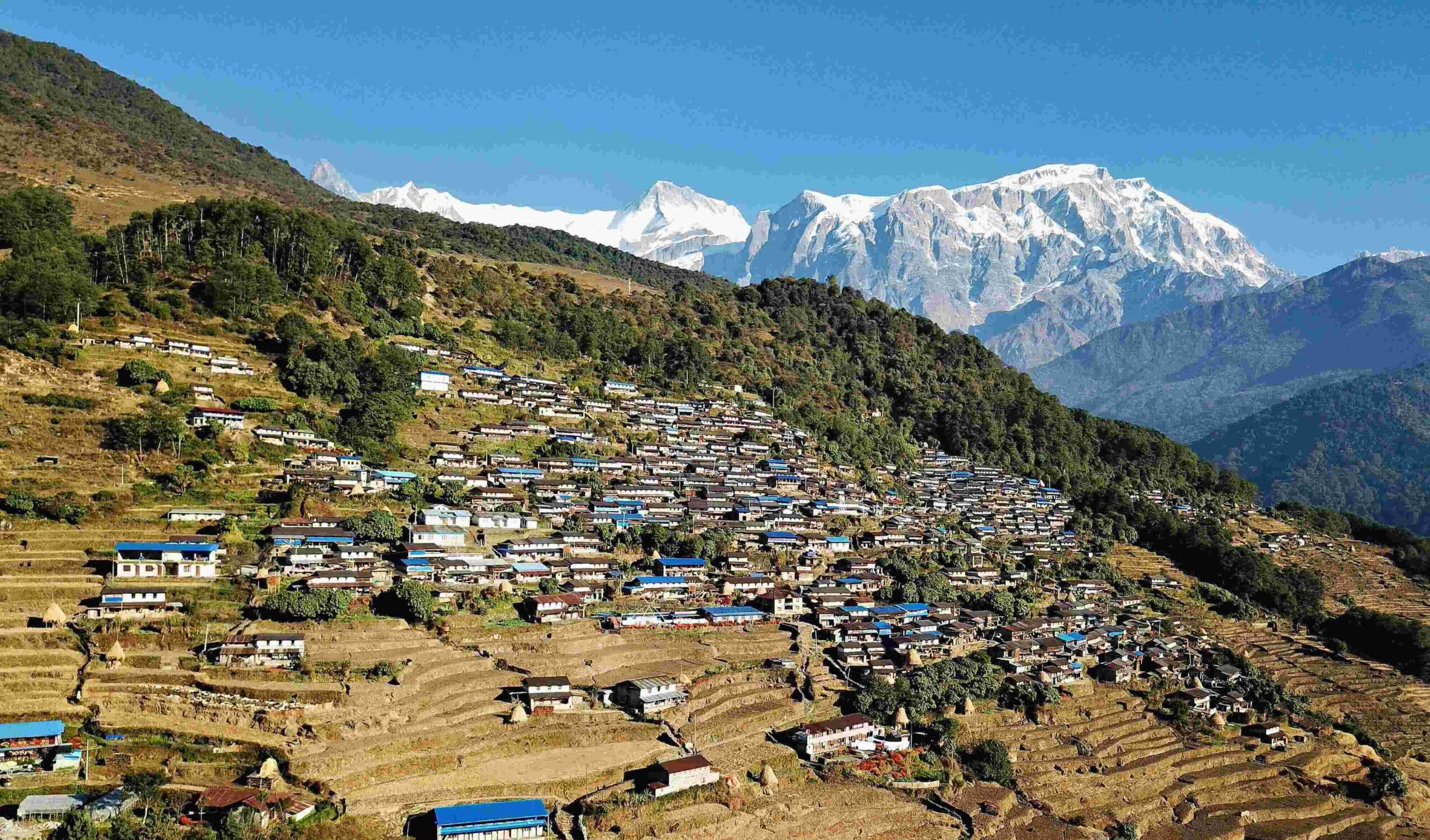
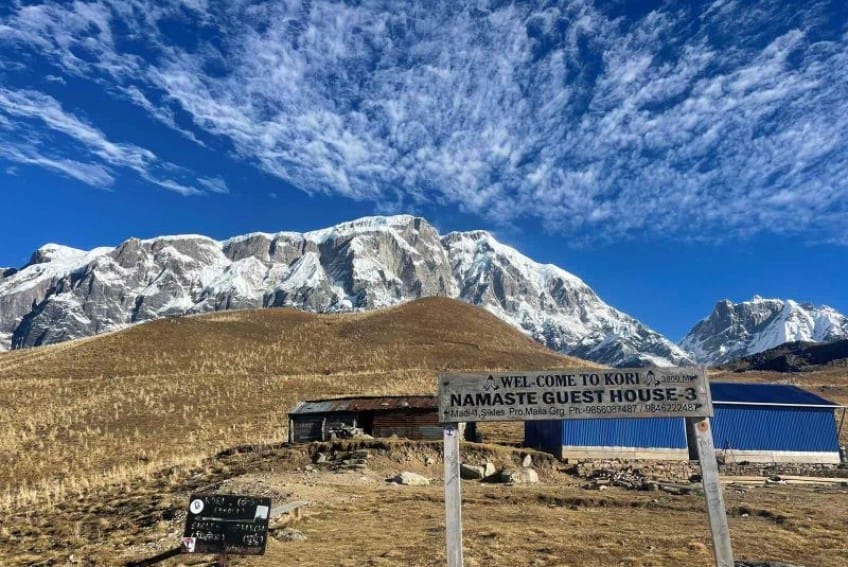
The Kori Himal Trek is a newly explored trekking route in the Annapurna region of Nepal. This 10-day journey offers a perfect balance of mountain scenery, peaceful trails, and rich cultural experiences. It is ideal for trekkers who want to explore a less crowded destination while still enjoying stunning Himalayan views.
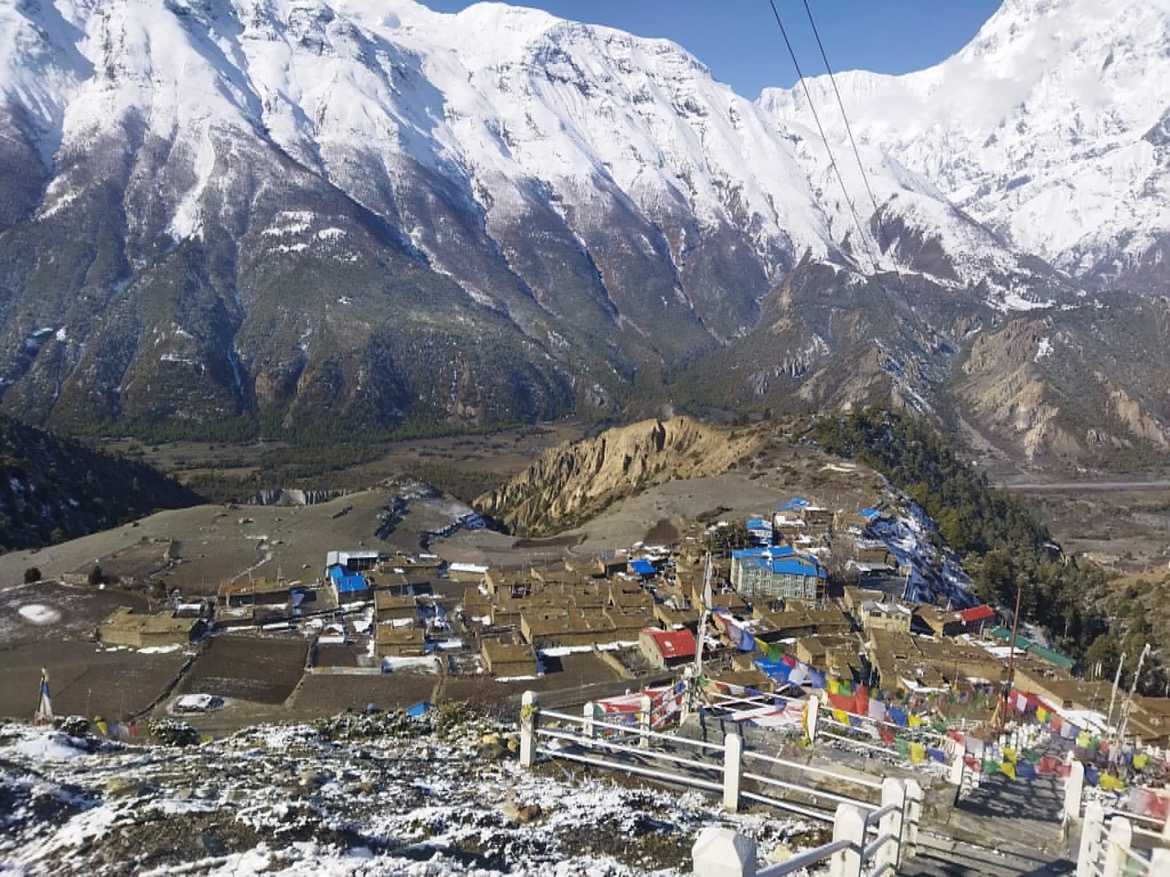
The trek begins in Kathmandu and continues to Pokhara, one of Nepal’s most beautiful cities. Pokhara is famous for its lakes, mountain reflections, and relaxed environment. From Pokhara, a scenic jeep drive takes you to Sikles village, which is one of the largest Gurung settlements in Nepal. Sikles is known for its traditional houses, friendly locals, and strong cultural identity.
The trail from Sikles leads through dense oak and rhododendron forests, beautiful waterfalls, and open pastures. As you move higher, the landscapes become more dramatic. Snow-capped peaks appear closer, and the peaceful surroundings make the journey even more enjoyable.
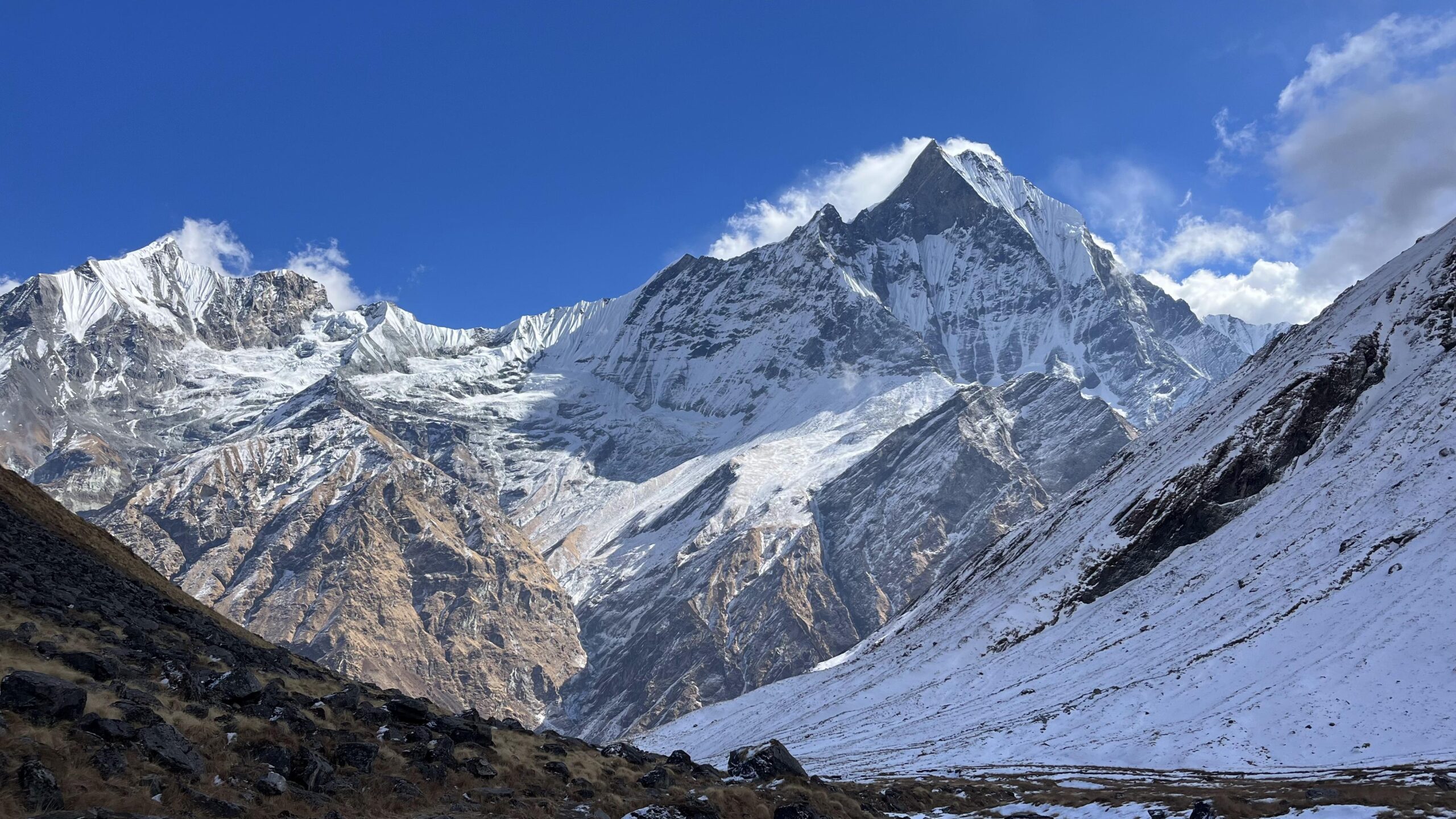
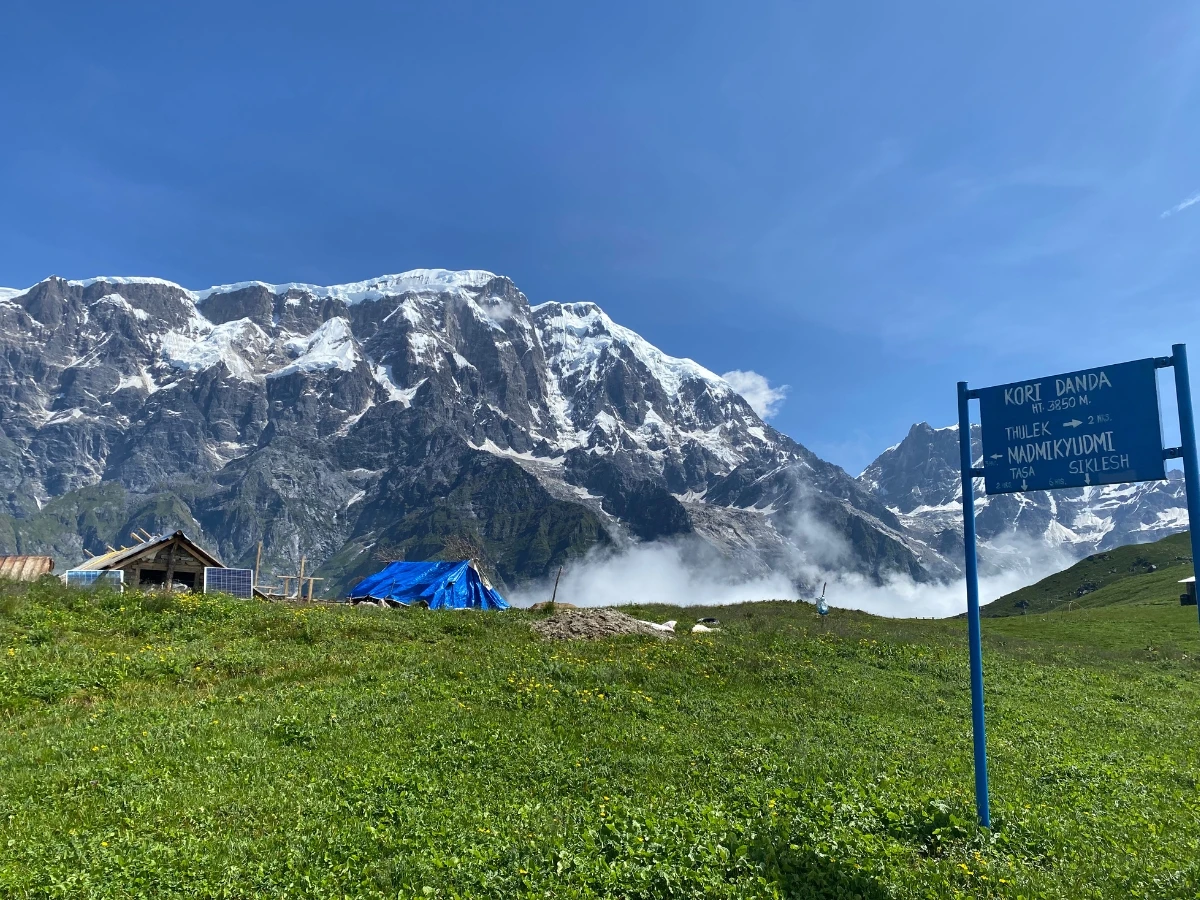
Kori Danda, the highest point of the trek at 3,800 meters, offers wide panoramic views of Annapurna II, Lamjung Himal, and the iconic Machhapuchhre (Fishtail). The view from the top feels rewarding and unforgettable. Unlike commercial trekking routes, this trail remains quiet and natural, giving trekkers a deeper connection with the mountains.
The local communities along the trail mainly belong to the Gurung and Ghale ethnic groups. Their traditions are influenced by Buddhism and Bon religion. Visiting Chili Kohinbo Temple provides insight into their spiritual practices and respect for nature.
This trek is suitable for both beginners and experienced trekkers who are physically fit. With moderate walking hours and gradual altitude gain, it provides adventure without extreme difficulty.
ART Nepal Treks & Expedition ensures proper organization, experienced guides, and personalized service. The Kori Himal Trek is not just about reaching a viewpoint — it is about experiencing culture, nature, and peaceful mountain life together.
The Kori Himal Trek offers a complete mountain experience. It combines natural beauty, cultural exposure, and peaceful trekking trails.
You can expect beautiful landscapes that change every day — from green valleys and terraced fields to alpine grasslands and snow-covered peaks. The trail is less crowded, which allows you to walk quietly and enjoy nature deeply.
The cultural experience is another strong highlight. In Sikles village, you will see traditional two-story houses. The lower floor is usually used as a kitchen and living area, while the upper floor is for storing grains. Separate structures called “Tharpa” are used for livestock and sleeping space.
Electricity in Sikles is supplied by a micro-hydro project, showing how local communities manage sustainable energy. The village also reflects deep spiritual traditions, especially through the Bon religion and local temples.
The Kori Himal Trek is suitable for trekkers who have moderate fitness levels. You do not need advanced mountaineering skills, but you should be able to walk 5 to 7 hours per day.
This trek is ideal for:
It may not be suitable for:
With proper preparation and a positive mindset, most healthy individuals can complete this trek successfully.
Preparation increases safety and enjoyment during the trek.
Physically, you should start preparing at least 4–6 weeks before the trek. Practice walking daily for several hours. Include uphill and downhill walking. Cardiovascular exercises such as jogging, swimming, and cycling improve stamina. Light strength training helps protect your knees and legs.
Mentally, prepare yourself for simple accommodation and basic facilities in higher regions. Accept that weather may change suddenly.
Hydration and nutrition are very important. Drink enough water daily and maintain a balanced diet before and during the trek.
A professional guide from ART Nepal Treks & Expedition will support you throughout the trek.
Your journey begins as you land at Tribhuvan International Airport in Kathmandu. After completing arrival formalities, our representative from ART Nepal Treks & Expedition will welcome you and transfer you to your hotel. Kathmandu is a lively city filled with ancient temples, colorful streets, and traditional markets. After check-in, you can relax from your long flight or take a short walk around Thamel to experience the local atmosphere.
In the evening, there will be a short briefing about the trek. During this session, you will meet your guide, review the trekking schedule, check equipment, and prepare permits. This day is mainly for rest and preparation before heading into the mountains.
After breakfast, we begin a scenic drive to Pokhara. The journey takes around 6–8 hours depending on road conditions. The road follows rivers, green hills, small towns, and terraced farms. It is a beautiful introduction to Nepal’s countryside lifestyle.
Upon arrival in Pokhara, you can enjoy a peaceful evening near Phewa Lake. The reflection of the Annapurna and Machhapuchhre mountains on the lake is breathtaking when the weather is clear.
After breakfast, we drive about 1.5 hours to Nayapul, the starting point of the trek. From here, we begin walking through small villages, farmlands, and riverside trails. The trail gradually ascends toward Ghandruk, a beautiful Gurung village known for its culture and mountain views.
Ghandruk offers stunning views of Annapurna South, Hiunchuli, and Machhapuchhre. You can explore the village, visit the Gurung museum, and interact with local people.
Today the trail climbs through dense rhododendron and oak forests. The walk is peaceful and shaded, with occasional openings that offer views of snow-capped peaks. During spring, the forest is full of blooming rhododendron flowers.
Tadapani is a small settlement surrounded by forest and mountain scenery. The view of Annapurna South and Machhapuchhre from here is unforgettable.
Leaving Tadapani, the trail becomes quieter and less crowded. We walk through forest paths and gradually gain altitude. The environment feels more remote as we move deeper into the mountains.
Dobato is a peaceful stop with limited lodges. In the evening, you can take a short hike to a nearby ridge for sunset views.
Early in the morning, we hike to Muldai Viewpoint for sunrise. The panoramic view of Annapurna range, Dhaulagiri, Nilgiri, and other peaks is extraordinary. After enjoying the view, we return to Dobato for breakfast and continue trekking toward Chistibung.
The trail descends through forest and open grazing land. Chistibung is a small settlement with a few lodges.
Today is a gradual uphill walk to Khopra Danda. As we gain altitude, the landscape opens into alpine meadows. The view becomes wider and more dramatic.
Khopra Danda offers one of the best close views of Dhaulagiri and Annapurna South. The sunset and sunrise from here are spectacular. This is one of the main highlights of the trek.
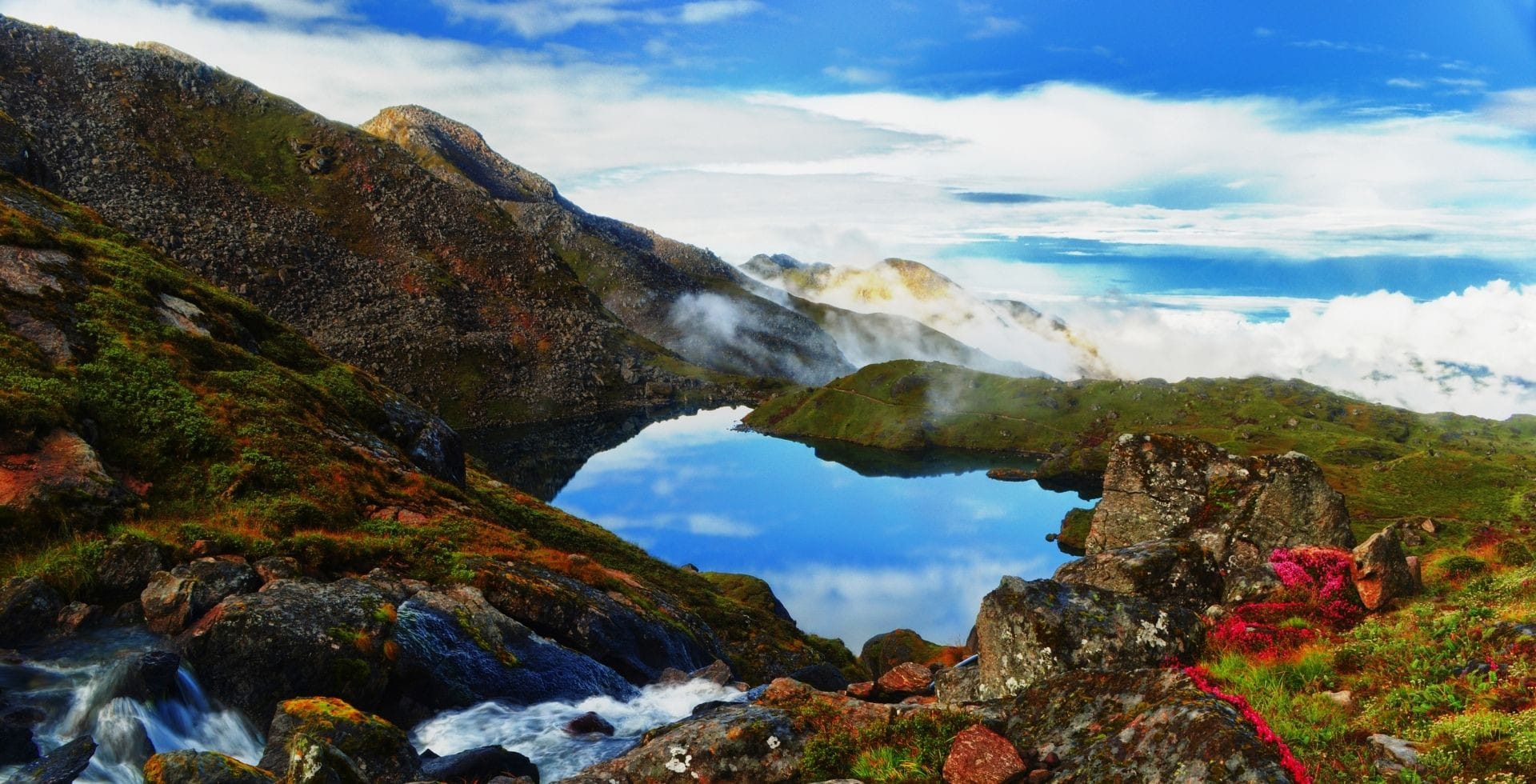
This is a long and challenging day. We start early and hike toward Khayer Lake, a sacred alpine lake located at high altitude. The trail is steep and rocky but rewarding.
Khayer Lake is surrounded by mountains and offers a peaceful spiritual atmosphere. After spending some time there, we return to Khopra Danda for overnight stay.
We descend from the ridge toward Swanta Village. The trail passes through forest and terraced farmland. Swanta is a traditional Magar village where you can observe local lifestyle and farming activities.
After breakfast, we walk toward Ulleri, passing through beautiful countryside. From Ulleri, we drive back to Pokhara.
In the evening, you can relax at Lakeside, enjoy good food, and celebrate the completion of the trek.
After breakfast, we drive back to Kathmandu. The journey offers one last chance to enjoy river views and hills. Upon arrival, you can shop for souvenirs or explore cultural sites.
Your memorable adventure comes to an end today. After breakfast, our team will transfer you to the airport according to your flight schedule.
To make your journey more comfortable and flexible, several additional services can be arranged upon request. These services are optional and can be customized according to your preference, time, and budget.
These add-ons allow you to customize your experience for greater comfort and flexibility.
The Khopra Danda and Khayer Lake Trek can be done throughout the year, but certain seasons offer better weather, clearer views, and more comfortable trekking conditions.
Spring is one of the most popular trekking seasons. The weather is stable, and the temperature is moderate. The trails are decorated with blooming rhododendron forests, especially between Ghandruk and Tadapani. The mountain views are clear in the morning and evening, and wildlife activity is higher in the forests.
Daytime temperatures are comfortable for walking, while nights are cool but manageable. This season is ideal for photography and nature lovers.
Autumn is considered the best trekking season in Nepal. After the monsoon rains, the skies become crystal clear, offering outstanding mountain views. The air is fresh, and visibility is excellent.
The temperatures are stable, neither too hot nor too cold. Trails are dry and safe. Since this is peak season, lodges may be busier, but the atmosphere is lively.
Winter trekking is possible but colder, especially at higher altitudes like Khopra Danda and Khayer Lake. Snowfall may occur, adding beauty to the landscape. However, temperatures drop below freezing at night.
This season is suitable for trekkers who prefer quieter trails and can tolerate cold weather.
Monsoon brings heavy rainfall, making trails slippery and cloudy. Mountain views may be blocked by clouds. However, the landscape becomes lush and green. This season is less recommended due to leeches and frequent rain.
Overall, spring and autumn are the best times for a comfortable and scenic trekking experience.
During the trek, meals are served in teahouses and community lodges. The food is simple, fresh, and prepared locally. Although the menu is not as wide as in cities, it provides enough energy and nutrition for trekking.
Common breakfast options include:
Lunch and dinner menus are similar and include:
Dal Bhat is highly recommended because it provides balanced nutrition and unlimited refills in many lodges.
Boiled water is available for purchase. Water purification tablets can also be used. Bottled water is available but not recommended due to plastic waste.
Food quality is hygienic and suitable for trekkers. As altitude increases, menu choices may become limited, but warm and fresh meals are always available.
Accommodation during the trek is provided in teahouses and community lodges. These lodges are simple but comfortable.
Rooms are generally twin-sharing with basic beds, mattresses, pillows, and blankets. At lower altitudes, rooms are more comfortable, while at higher altitudes facilities become basic.
Most lodges have shared toilets. Some lower-altitude lodges offer western-style toilets, while higher areas may have squat toilets.
The dining hall is the warmest place in the lodge, usually heated with a stove in the evening. Trekkers gather here to eat and socialize.
Electricity is available in most villages. However, charging devices may cost extra at higher altitudes.
While accommodation is simple, it offers an authentic mountain experience and warm hospitality from local families.
Travel insurance is mandatory for this trek. Since the trek reaches high altitude (up to 4,500 meters), there is a risk of altitude sickness or unexpected emergencies.
Your insurance policy must cover:
Helicopter evacuation in remote mountain areas can be expensive. Insurance ensures safety and financial protection in case of emergencies.
Always carry a copy of your insurance details during the trek.
Altitude sickness can occur when trekking above 2,500 meters. As the trek reaches 4,500 meters at Khayer Lake, proper acclimatization is important.
If symptoms become serious, immediate descent is necessary. Our guides are trained to identify symptoms early and take appropriate action.
Your safety is our top priority. ART Nepal Treks & Expedition provides licensed and experienced trekking guides who are trained in first aid and altitude sickness management.
Guides monitor your health daily and adjust pace accordingly. In case of emergency, they coordinate rescue services immediately.
We ensure:
Porters are treated ethically and insured. Safety standards are strictly maintained throughout the trek.
To book this trek, follow these simple steps:
Remaining payment can be made upon arrival in Kathmandu.