

Dhaulagiri Base Camp Trek – 12 Days (No Flight Exit)
Introduction
The Dhaulagiri Base Camp Trek is one of Nepal’s most adventurous and demanding trekking routes, taking you deep into the remote western Himalayas. This 12-day journey begins with a long but scenic drive from Kathmandu to Darbang via Beni, gradually leaving behind the busy city life and entering peaceful rural landscapes. As the trek starts, you pass through traditional villages, terraced farmlands, and dense forests, slowly gaining altitude and moving closer to the massive Dhaulagiri range.
As you continue further into the trail, the environment begins to change dramatically. The lush green hills transform into rugged mountain terrain, and the air becomes thinner with every step. You will walk along narrow trails beside rivers, cross suspension bridges, and trek through dense forests filled with rhododendron and pine trees. Villages like Muri and Boghara offer insight into local lifestyles, where you can experience simple hospitality and observe daily routines of mountain communities.
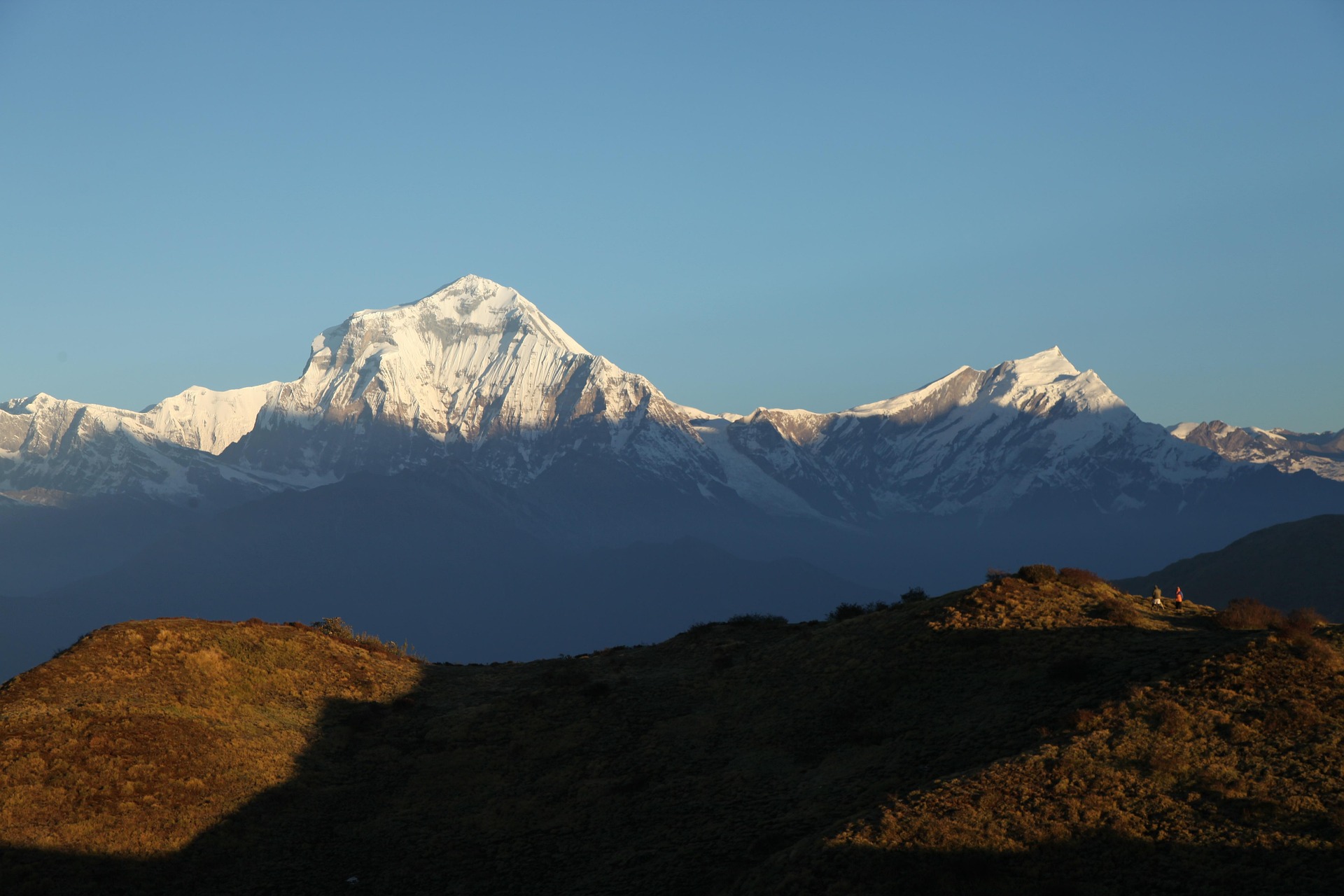
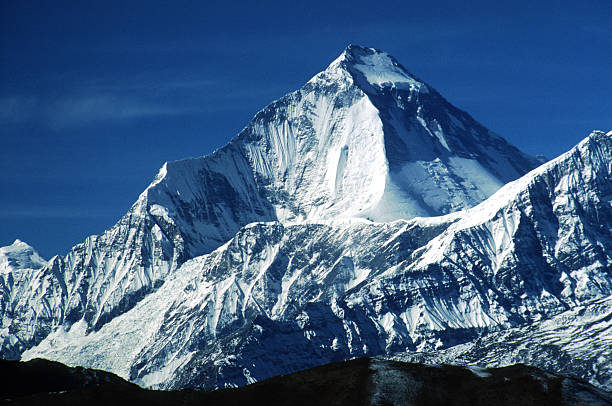
The journey becomes more intense as you approach Dobang and Italian Base Camp. From here, the real high-altitude adventure begins. The landscape opens up to reveal towering peaks, glaciers, and vast valleys. The Italian Base Camp provides stunning views of Dhaulagiri I, and it serves as a key acclimatization point before heading into more extreme conditions. Moving forward, the trail leads to Glacier Camp, where you begin trekking over icy terrain, marking a significant shift in difficulty and environment.
Reaching Dhaulagiri Base Camp is a major highlight of the trek. Surrounded by massive Himalayan peaks, the base camp offers a surreal and peaceful setting, where you are completely immersed in nature. The towering walls of ice and rock create a dramatic atmosphere, making this one of the most unique trekking destinations in Nepal. The sense of isolation and achievement here is unmatched, giving trekkers a true wilderness experience.
The most challenging and rewarding part of the trek comes as you cross French Pass and Dhampus Pass. These high-altitude crossings require endurance, determination, and proper acclimatization. From the top, you are rewarded with breathtaking panoramic views of surrounding peaks and glaciers. The descent into Hidden Valley and further toward Yak Kharka brings a gradual return to lower altitudes, eventually connecting with the Annapurna region trail. The journey concludes with a scenic drive from Jomsom to Pokhara and back to Kathmandu, completing an unforgettable Himalayan adventure with ART Nepal Treks & Expedition.
What Can You Expect From the Trek?
The Dhaulagiri Base Camp Trek offers a truly raw and adventurous Himalayan experience, combining remote wilderness, high-altitude challenges, and stunning natural beauty. From the very beginning, you will notice the isolation of the trail compared to more popular trekking routes. This trek takes you far from crowded paths into untouched landscapes where you can fully connect with nature. Expect long walking days, changing terrains, and continuous elevation gain, making each day both physically demanding and rewarding.
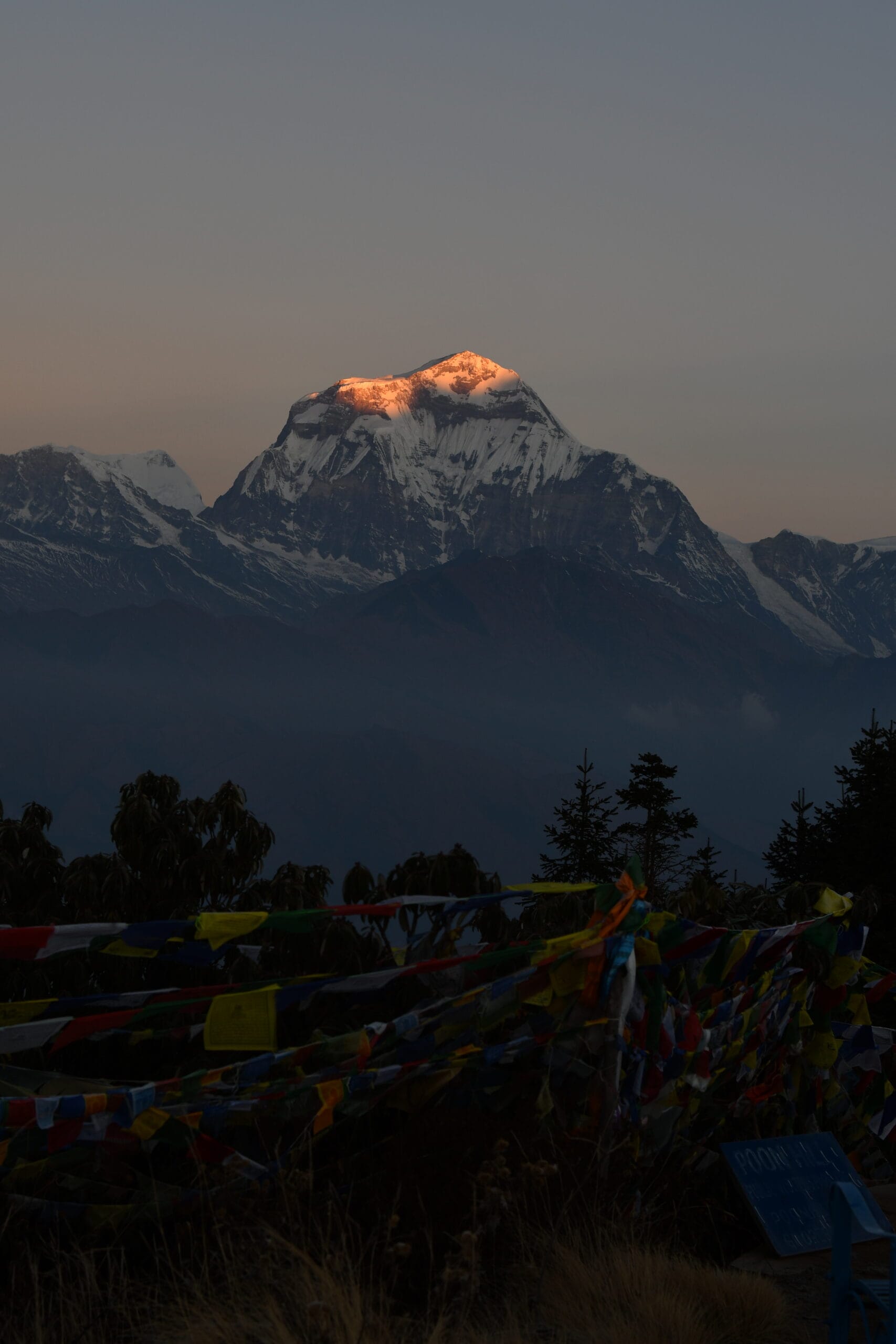
As the trek progresses, the scenery becomes more dramatic and intense. You will move from green hills and forests into rocky terrain, glaciers, and snow-covered paths. Walking on glacier sections requires focus and balance, as the surface can be uneven and slippery. The views throughout the trek are constantly changing, offering everything from waterfalls and rivers to massive snow peaks and icefalls. The close-up view of Dhaulagiri I is one of the most unforgettable sights of the journey.
Culturally, the trek offers a quieter but meaningful experience. Unlike heavily populated trekking regions, this route passes through fewer villages, allowing you to experience a more authentic and less commercialized side of Nepal. The local communities you encounter are warm and welcoming, and their simple lifestyle provides insight into living in remote mountain areas. Combined with the physical challenge, this trek delivers a complete adventure that tests both body and mind.
Key Experiences on the Trek
- Extreme Adventure & Challenge:Long trekking days, glacier crossings, and high passes that require strong endurance.
- Remote Himalayan Wilderness:Experience untouched trails far from crowded trekking routes.
- Glacier & Ice Terrain:Walk across moraine, snow, and ice in high-altitude environments.
- High Pass Crossings:Conquer French Pass and Dhampus Pass with incredible panoramic views.
- Dhaulagiri Base Camp Experience:Stand beneath one of the world’s highest peaks in a dramatic alpine setting.
- Changing Landscapes:
From forests and rivers to glaciers and snow-covered valleys.
Is Trek Suitable for You?
The Dhaulagiri Base Camp Trek is designed for experienced trekkers who are physically fit and prepared for extreme conditions. This is not a beginner-friendly trek, as it involves long days of walking, high-altitude exposure, and challenging terrain. Trekkers should have prior experience with multi-day hikes at altitude and be comfortable walking on uneven, rocky, and icy paths. The trek demands both physical strength and mental resilience, especially during glacier crossings and high pass ascents.
Altitude plays a major role in this trek, as you will be reaching elevations above 5,000 meters. Proper acclimatization is essential, and trekkers must be aware of altitude sickness symptoms. The itinerary is designed to help your body adjust gradually, but personal fitness and awareness are equally important. Weather conditions can also be unpredictable, with cold temperatures and strong winds at higher elevations, making preparation crucial.
Despite its difficulty, the trek is highly rewarding for those who are ready for the challenge. It offers a rare opportunity to explore one of Nepal’s most remote regions and experience true wilderness trekking. If you are someone who enjoys pushing limits, exploring off-the-beaten-path routes, and experiencing raw natural beauty, this trek can be one of the most memorable adventures of your life.
Suitable Trekkers Should:
- Have Strong Physical Fitness:Capable of trekking 6–8 hours daily in difficult terrain.
- Possess High-Altitude Experience:Familiar with trekking above 4,000 meters.
- Be Mentally Prepared:Ready for remote conditions and challenging environments.
- Adapt to Basic Conditions:Comfortable with camping and limited facilities.
- Have an Adventurous Mindset:Willing to explore less-traveled and demanding routes.
How to Get Prepared for the Trek?
Proper preparation is essential for successfully completing the Dhaulagiri Base Camp Trek. Since this trek is physically demanding, you should begin training at least a few weeks or months in advance. Focus on building endurance through activities like hiking, running, cycling, or swimming. Strength training is equally important, especially for legs and core muscles, as you will be walking on steep and uneven terrain for several hours each day.
Acclimatization is another key aspect of preparation. Understanding how your body reacts to high altitude can make a significant difference. Practicing slow and steady trekking, staying hydrated, and taking rest days seriously will help reduce the risk of altitude sickness. It is also helpful to learn basic breathing techniques and pacing strategies for high-altitude walking.
Having the right equipment is just as important as physical preparation. Good quality trekking boots, layered clothing, and proper gear for cold weather are essential. Since part of the trek involves glacier walking, having trekking poles and proper footwear improves safety and stability. Additionally, being mentally prepared for remote conditions, limited comfort, and unpredictable weather will help you enjoy the trek more confidently.
Preparation Checklist
- Physical Training:Cardio, endurance, and strength exercises before the trek.
- Acclimatization Awareness:Learn altitude safety and follow gradual ascent.
- Proper Gear:Invest in high-quality trekking equipment and clothing.
- Health Preparation:Carry first aid and consult a doctor if necessary.
- Mental Readiness:Be prepared for remote, challenging, and basic conditions.
-
Trip Duration
12 Days / 11 Nights
-
Group Size
1–20 People
-
Maximum Altitude
French Pass – 5,360 meters
-
Trip Difficulty
Extremely Challenging
-
Activities
Trekking & Glacier Crossing
-
Best Season
Spring (March–May), Autumn (September–November)
-
Trip Start & End
Kathmandu -Kathmandu
-
Meals
Full Board (Breakfast, Lunch, Dinner)
-
Accomodation
Teahouses and Tented Camps
Highlights
- Dhaulagiri I Close-Up Views:
Witness one of the world’s highest peaks from incredibly close range, offering dramatic and unforgettable mountain scenery. - Glacier Trekking Experience:
Walk across rugged glacier terrain, including ice, moraine, and snow-covered paths in remote high-altitude environments. - French Pass Crossing:
Conquer the high mountain pass at 5,360 meters with breathtaking panoramic Himalayan views. - Dhampus Pass Adventure:
Cross another remote and scenic pass connecting hidden valleys and alpine landscapes. - Hidden Valley Exploration:
Discover a secluded high-altitude valley surrounded by snow peaks and untouched wilderness. - Remote Wilderness Trek:
Experience one of Nepal’s least crowded and most adventurous trekking routes far from busy trails.
Itinerary
Day 01
Your journey begins early in the morning with a long and scenic drive from Kathmandu toward the western part of Nepal. As you leave the busy streets of the capital behind, the road gradually winds through green hills, river valleys, and terraced farmlands. Along the way, you will pass through small towns and rural settlements, offering a glimpse into everyday life in Nepal’s countryside. The drive follows the flow of rivers such as the Trishuli and Kali Gandaki, adding a refreshing natural backdrop to the journey. While parts of the road can be rough and dusty, the constantly changing scenery makes the journey engaging and enjoyable.
After several hours of travel, you will reach Beni and continue further toward Darbang, a quiet village that serves as the starting point for your trek. Upon arrival, you will settle into a local lodge where you can rest and recover from the long drive. The peaceful surroundings and slower pace of life provide a perfect introduction to the adventure ahead. This day allows you to organize your trekking gear, meet your team, and mentally prepare for the journey into the remote Dhaulagiri region. A good night’s rest here is important as the real trekking begins the following day.
Trip Duration:
10–12 hours driveTrip Distance:
~300 kmAltitude:
1,100 mMeal:
Not includedAccomodation :
Lodge in DarbangDay 02
Today marks the official start of your trekking adventure as you leave Darbang and begin walking along trails that pass through terraced fields, small villages, and forested hillsides. The trail offers a mix of gentle ascents and steeper climbs, gradually helping your body adjust to the physical demands of trekking. As you move along the route, you will cross suspension bridges over flowing rivers and pass through areas rich in natural beauty, including lush greenery and scattered farmlands. The peaceful environment allows you to settle into a comfortable walking rhythm while enjoying the surroundings.
As you approach Muri, the landscape opens up to reveal scenic views of surrounding hills and valleys. Muri is a traditional Magar village known for its cultural richness and welcoming atmosphere. Here, you can observe local lifestyles, interact with villagers, and experience the simplicity of mountain living. The village provides a comfortable resting place with basic lodge facilities, allowing you to relax and recharge. This day serves as an important transition from travel to trekking, helping you build confidence and prepare for the more challenging days ahead.
Trip Duration:
5–6 hoursTrip Distance:
~10 kmAltitude:
1,850 mMeal:
Breakfast, Lunch, DinnerAccomodation :
Lodge in MuriDay 03
The trek today becomes more physically demanding as you navigate steep ascents and descents along narrow mountain trails. The path takes you through dense forests, across ridges, and along riverbanks, requiring steady pacing and careful footing. The varied terrain adds excitement to the journey, as you encounter both challenging climbs and scenic resting points. The sound of flowing rivers and the sight of cascading waterfalls accompany you throughout the day, creating a refreshing trekking experience.
Boghara is a small and quiet settlement nestled in the mountains, offering a peaceful environment to rest after a long day of trekking. The remoteness of the area becomes more noticeable here, as facilities become simpler and the connection to nature becomes stronger. You can spend the evening relaxing, enjoying a warm meal, and reflecting on the day’s journey. The increasing altitude and changing landscape begin to prepare you for the more rugged and remote sections of the trek ahead.
Trip Duration:
6–7 hoursTrip Distance:
~11 kmAltitude:
2,080 mMeal:
Breakfast, Lunch, DinnerAccomodation :
Lodge in BogharaDay 04
Today’s trail follows a beautiful route through dense forests filled with tall trees, creating a cool and shaded trekking environment. The path runs alongside rivers and streams, with occasional crossings over wooden bridges. The terrain is moderately challenging, with gradual climbs and some steeper sections that require steady effort. The natural surroundings are rich with biodiversity, making this a pleasant and immersive day in nature.
Dobang is located in a narrow valley surrounded by forested hills, offering a quiet and isolated setting. Upon arrival, you will check into a basic lodge where you can rest and enjoy a warm meal. The peaceful atmosphere and fresh mountain air make it an ideal place to recover from the day’s trek. This day helps you continue building stamina while gradually gaining altitude, preparing your body for the higher and more demanding sections that lie ahead.
Trip Duration:
5–6 hoursTrip Distance:
~10 kmAltitude:
2,500 mMeal:
Breakfast, Lunch, DinnerAccomodation :
Lodge in DobangDay 05
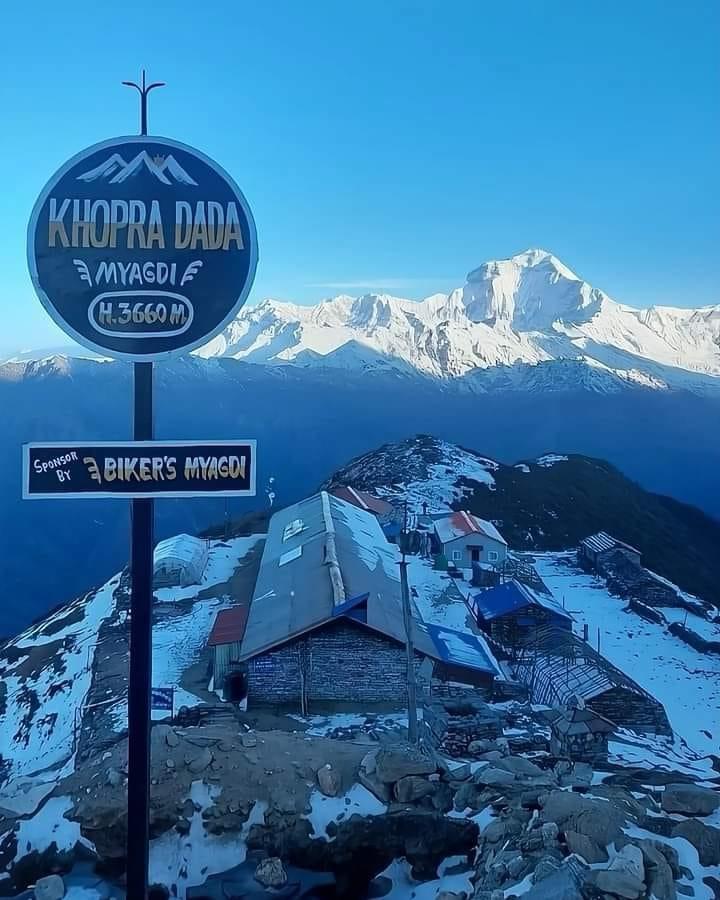
As you leave Dobang, the trail gradually ascends into more open terrain, and the dense forest begins to thin out. The landscape transforms significantly, offering your first clear and dramatic views of the Dhaulagiri range. The air becomes cooler and thinner, and the surroundings feel more expansive and rugged. The trek involves steady climbing, requiring careful pacing and proper breathing as you gain altitude.
Italian Base Camp is one of the most scenic spots on the trek, offering breathtaking views of Dhaulagiri I and surrounding peaks. The campsite is located in a wide, open area surrounded by towering mountains, creating a truly impressive setting. This location is also important for acclimatization, allowing your body to adjust to higher elevations. You can spend time exploring the area, taking photographs, and enjoying the peaceful mountain environment before settling into your tent for the night.
Trip Duration:
6–7 hoursTrip Distance:
~12 kmAltitude:
3,660 mMeal:
Breakfast, Lunch, DinnerAccomodation :
Tented CampDay 06
Today marks a significant transition as you move into glacier terrain. The trail becomes more rugged and challenging, with rocky paths, loose moraine, and icy sections. Walking in this environment requires focus, balance, and careful foot placement. The dramatic landscape of ice and rock creates a unique and adventurous atmosphere unlike the earlier forested trails.
Glacier Camp is set in a remote and high-altitude environment, surrounded by towering ice formations and rugged mountain scenery. The camp offers a raw and authentic Himalayan experience, where nature feels both powerful and serene. The cold temperatures and thin air remind you of the altitude, making rest and hydration very important. This day is both physically demanding and visually rewarding, marking the beginning of the trek’s most adventurous phase.
Trip Duration:
6–7 hoursTrip Distance:
~8 kmAltitude:
4,200 mMeal:
Breakfast, Lunch, DinnerAccomodation :
Tented CampDay 07
The journey continues across glacier terrain as you make your way toward Dhaulagiri Base Camp. The trail involves walking over ice, snow, and rocky surfaces, requiring steady movement and teamwork. The surrounding scenery becomes increasingly dramatic, with towering Himalayan peaks rising on all sides.
Reaching Dhaulagiri Base Camp is a major highlight of the trek. The camp is located in a vast, open area surrounded by massive mountains and glaciers, creating a truly unforgettable setting. The sense of isolation and achievement here is incredible, as you stand in one of the most remote regions of Nepal. The evening is spent resting, enjoying the views, and preparing for the challenging pass crossing ahead.
Trip Duration:
5–6 hoursTrip Distance:
~7 kmAltitude:
~4,740 mMeal:
Breakfast, Lunch, DinnerAccomodation :
Tented CampDay 08
This is one of the most important and physically demanding days of the entire trek, as you will cross French Pass, the highest point of the journey. The day starts very early in the morning to take advantage of stable weather conditions and firm snow on the trail. As you leave Dhaulagiri Base Camp, you begin a steady and challenging ascent over glacier terrain, where every step requires focus, balance, and controlled breathing due to the thin air. The trail consists of snow-covered paths, ice sections, and rocky surfaces, making it essential to move slowly and carefully. As you gain altitude, the surrounding landscape becomes more dramatic, with massive Himalayan peaks rising sharply around you, creating a sense of awe and isolation.
Reaching the top of French Pass is a truly rewarding moment, offering breathtaking panoramic views of some of the highest peaks in the region, including Dhaulagiri I, Tukuche Peak, and other surrounding Himalayan giants. The vast expanse of glaciers and snowfields stretches in all directions, creating a surreal and unforgettable high-altitude experience. After spending some time at the pass, you begin a gradual descent toward Hidden Valley. The descent, although easier than the climb, still requires careful footing due to loose rocks and snow patches. Hidden Valley is a wide and open high-altitude plateau surrounded by towering peaks, offering a peaceful and remote camping experience. The silence and untouched beauty of this place make it one of the most unique highlights of the trek, allowing you to fully immerse yourself in the raw wilderness of the Himalayas.
Trip Duration:
7–8 hoursTrip Distance:
~10 kmAltitude:
5,360 m (pass)Meal:
Breakfast, Lunch, DinnerAccomodation :
Tented CampDay 09
After the intense effort of the previous day, today continues the adventure with another significant high-altitude crossing over Dhampus Pass. The morning begins with a steady climb from Hidden Valley, where the trail gradually ascends through rocky and snow-covered terrain. Although the altitude gain is less dramatic than French Pass, the thin air still makes the ascent physically demanding, requiring a slow and consistent pace. The surrounding landscape remains vast and open, with wide valleys and distant peaks creating a sense of endless space and freedom. As you approach Dhampus Pass, the views become increasingly spectacular, offering sweeping panoramas of the Dhaulagiri and Annapurna ranges.
Crossing Dhampus Pass marks the transition from the remote Dhaulagiri region toward more accessible trekking areas. The descent from the pass is long but rewarding, as the terrain gradually becomes less harsh and the air feels slightly richer in oxygen. As you descend toward Yak Kharka, the landscape begins to change, with patches of grassland and grazing areas replacing the barren high-altitude environment. Yak Kharka provides a more comfortable and relaxed setting, allowing your body to recover after the demanding high-altitude crossings. The warmer temperatures and lower elevation make it easier to rest, reflect, and regain energy for the remaining days of the trek.
Trip Duration:
6–7 hoursTrip Distance:
~9 kmAltitude:
~4,000 mMeal:
Breakfast, Lunch, DinnerAccomodation :
LodgeDay 10
Today marks a significant shift in the trek as you descend further into lower altitudes and rejoin the more established trails of the Annapurna region. The trail becomes easier and more defined compared to the rugged glacier and high-pass sections of previous days. As you walk along the route, you will notice a clear change in the environment, with vegetation becoming more visible and the climate feeling warmer and more comfortable. The path passes through open valleys, small settlements, and cultivated lands, offering a refreshing contrast to the high-altitude wilderness.
Reaching Marpha or Jomsom brings you back into a more populated area with better facilities and infrastructure. Marpha is especially known for its traditional stone houses, narrow alleys, and apple orchards, creating a charming and culturally rich atmosphere. Jomsom, on the other hand, serves as a key hub in the region with access to transportation and services. After days of camping and remote trekking, staying in a comfortable lodge here feels refreshing and rewarding. You can enjoy a warm meal, explore the village, and reflect on the incredible journey you have completed through the Dhaulagiri region.
Trip Duration:
5–6 hoursTrip Distance:
~12 kmAltitude:
~2,700 mMeal:
Breakfast, Lunch, DinnerAccomodation :
LodgeDay 11
After completing the trekking portion of the journey, today involves a long but scenic jeep drive from Jomsom to Pokhara. The route follows the Kali Gandaki River, passing through dry landscapes, rocky cliffs, and deep valleys. The road can be rough and bumpy at times, but the constantly changing scenery keeps the journey interesting. As you travel, you will witness a dramatic shift in environment, moving from high-altitude desert-like terrain to greener hills and more developed areas.
Arriving in Pokhara feels like a well-deserved reward after days of challenging trekking. This beautiful lakeside city offers comfort, relaxation, and modern amenities. You can take a walk along Phewa Lake, enjoy a hot shower, and indulge in a variety of food options available in the city. The peaceful atmosphere and stunning views of the Annapurna range provide a perfect setting to unwind and celebrate the completion of your trek. This day allows your body to fully relax and recover while enjoying a completely different side of Nepal.
Trip Duration:
7–8 hoursTrip Distance:
~160 kmAltitude:
822 mMeal:
BreakfastAccomodation :
Hotel in PokharaDay 12
On the final day of your journey, you will drive back from Pokhara to Kathmandu, completing your trekking adventure. The drive follows scenic highways along rivers, hills, and small towns, offering one last opportunity to enjoy Nepal’s diverse landscapes. Compared to the rough mountain roads of previous days, this journey is more comfortable, allowing you to relax and reflect on the experiences of the past days. The changing scenery, from green hills to urban areas, marks your gradual return to city life.
Upon arrival in Kathmandu, your trek officially comes to an end. You can spend the rest of the day relaxing, exploring the city, or preparing for your departure. This is also a great time to look back on the incredible journey you have completed, from remote villages and dense forests to glaciers and high mountain passes. The Dhaulagiri Base Camp Trek is not just a physical challenge but a deeply memorable experience filled with adventure, natural beauty, and personal achievement.
Trip Duration:
6–8 hoursTrip Distance:
200 kmAltitude:
1,400 mMeal:
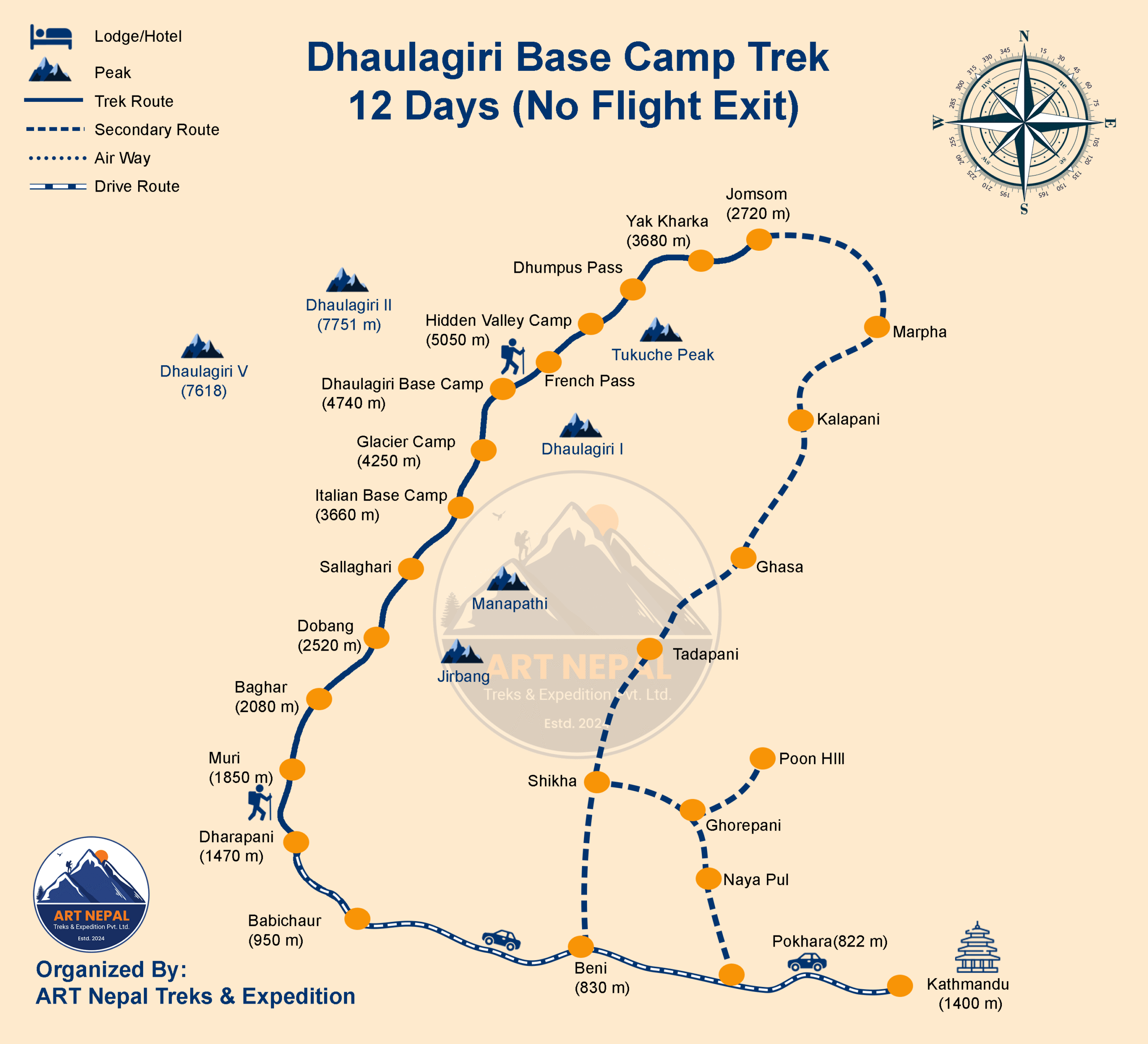
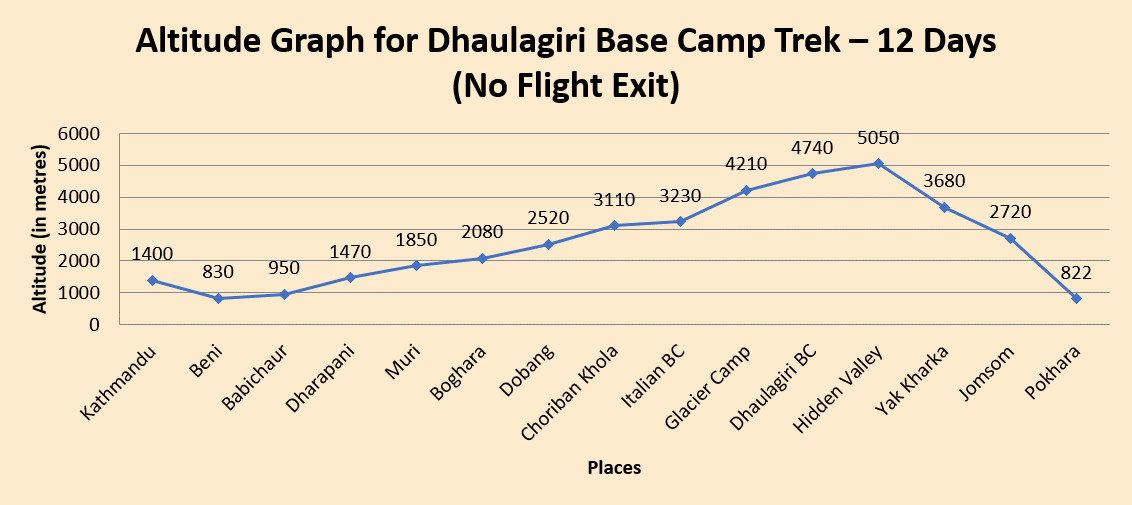
BreakfastRoute Map
What's Included
- Airport pickup and drop-off in Kathmandu
- Transportation: Kathmandu → Beni → Darbang and return via Pokhara by private/shared vehicle
- Accommodation during trek: Lodges (lower regions) & Tented Camps (high altitude)
- All meals during the trek (Breakfast, Lunch, Dinner)
- Experienced, licensed trekking guide
- All necessary trekking permits and conservation fees
- Camping equipment (tents, dining tent, kitchen setup, etc.)
- First aid kit and basic medical support
- Government taxes and service charges
What's Excluded
- International airfare to/from Nepal
- Nepal entry visa fees
- Meals in Kathmandu and Pokhara (except specified)
- Travel insurance (must cover high altitude & emergency evacuation)
- Personal expenses (Wi-Fi, hot shower, battery charging, drinks, etc.)
- Personal trekking gear and equipment
- Tips for guide and porter (expected but not mandatory)
- Extra nights accommodation due to delays or early return
- Emergency rescue/evacuation costs (covered by your insurance)
- Any costs not mentioned in the inclusion section
- Porters: Optional, though recommended for carrying heavy luggage ($22 per porter per day), a porter can carry up to 20 kg, and it is advisable to hire one porter for every two trekkers for comfort and convenience.
Essential Info
Add-Ons
To make your Dhaulagiri Base Camp Trek even more comfortable, flexible, and memorable, several optional add-on services are available. These services are designed to enhance your overall travel experience, whether you are looking for convenience, comfort, or additional exploration opportunities before or after the trek. Since this trek is remote and physically demanding, these add-ons can significantly improve your journey by reducing stress and allowing you to focus more on the adventure itself.
Before the trek begins, you may choose to explore cultural and historical sites in Kathmandu or relax in Pokhara after completing the trek. These optional sightseeing tours allow you to experience Nepal beyond the mountains, including temples, heritage sites, and local markets. Private transportation services are also available, providing a more comfortable and time-efficient travel experience compared to public transport, especially for long-distance drives.
For those seeking additional comfort during the trek, hiring a porter is highly recommended. Carrying heavy backpacks at high altitude can be exhausting, and a porter helps reduce physical strain, allowing you to enjoy the trek more comfortably. Helicopter services are also available for emergency evacuation, scenic flights, or even quick returns, offering flexibility in case of unexpected situations. These add-ons ensure that your trek can be customized according to your preferences and needs.
Available Add-Ons
- Kathmandu Sightseeing:Guided tours to explore temples, cultural sites, and local markets.
- Pokhara Exploration:Relax by the lake, visit viewpoints, and enjoy local attractions after the trek.
- Porter Service:Helps carry heavy luggage, making trekking easier and more comfortable.
- Private Transportation:Comfortable and flexible travel between cities and trekking points.
- Helicopter Service:Emergency evacuation, scenic flights, or quick return options.
Best Season to Trek
Choosing the right season for the Dhaulagiri Base Camp Trek is crucial for safety, comfort, and overall experience. Due to the high altitude and glacier crossings, weather conditions play a significant role in determining the success of the trek. The best seasons are spring and autumn, when the weather is stable, visibility is clear, and the trail conditions are more manageable.
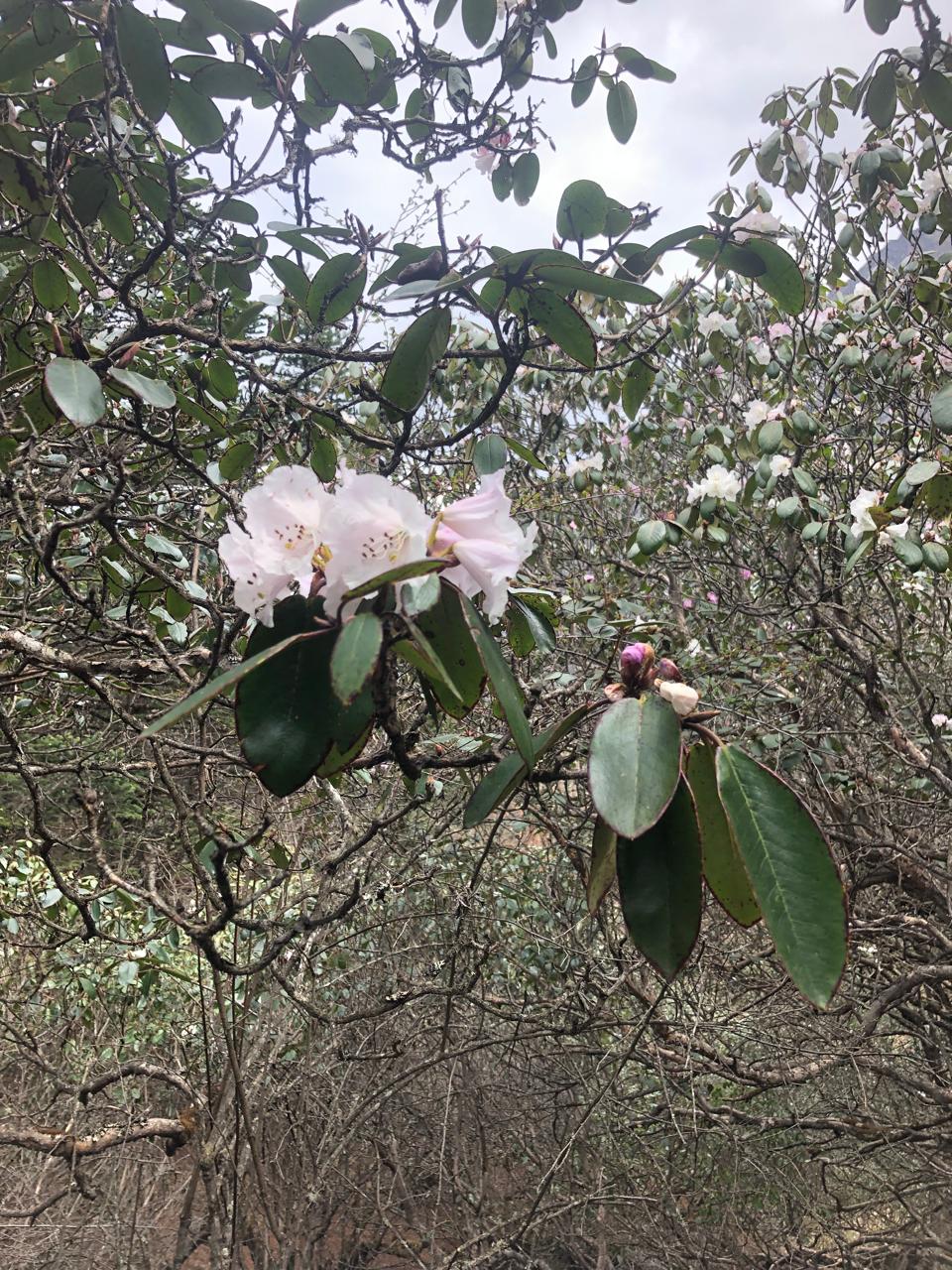
During spring, the region comes alive with blooming rhododendrons and greenery at lower altitudes, creating a vibrant and colorful trekking experience. The temperatures are moderate, making it comfortable for walking during the day while still requiring warm clothing at higher elevations. The clear skies provide excellent visibility of the surrounding peaks, making it a great time for photography and enjoying the natural beauty of the Himalayas.
Autumn is considered the most popular trekking season due to its stable weather and crystal-clear mountain views. The skies are generally clear, offering uninterrupted views of the Dhaulagiri range and surrounding peaks. The temperatures are slightly cooler than in spring, but conditions remain favorable for trekking. The dry weather also reduces the risk of landslides and makes glacier crossings safer and more predictable.
Best Seasons
- Spring (March–May):Blooming forests, moderate temperatures, and clear mountain views.
- Autumn (September–November):Stable weather, excellent visibility, and ideal trekking conditions.
Food Availability
Food plays a vital role in maintaining energy levels and overall health during the Dhaulagiri Base Camp Trek. Since this is a remote and challenging trek, meals are carefully planned to provide sufficient nutrition for long trekking days and high-altitude conditions. In the lower regions, food is served in teahouses and lodges, offering a variety of local and simple international dishes. As you move higher into remote areas, meals are prepared by the trekking team at tented camps, ensuring that trekkers receive warm and nourishing food even in isolated environments.
Breakfast usually includes a combination of carbohydrates and proteins to provide energy for the day. Common options include porridge, Tibetan bread, eggs, pancakes, and tea or coffee. These meals are simple but effective in keeping you energized during the early hours of trekking. Lunch is typically served along the trail and consists of filling meals such as dal bhat (rice with lentils), noodles, soups, pasta, or vegetable dishes. These meals are designed to be easy to digest while providing enough calories for continued trekking.
Dinner is the most important meal of the day, helping your body recover after long hours of walking. At camps and lodges, you will be served warm and hearty meals that may include rice, curries, soups, noodles, and occasionally meat dishes depending on availability. As altitude increases, the variety of food may decrease, but the focus remains on providing nutritious and energy-rich meals. Snacks such as biscuits, chocolates, and energy bars are highly recommended to carry for quick energy boosts during the trek.
Food Highlights
- Nutritious Meals:Balanced meals designed to support high-altitude trekking.
- Local & Simple Dishes:Dal bhat, noodles, soups, and traditional Nepali food.
- Hot Drinks:Tea, coffee, and soups to keep you warm and hydrated.
- Camp Cooking:Freshly prepared meals in remote high-altitude camps.
Accommodation
Accommodation during the Dhaulagiri Base Camp Trek varies depending on altitude and location, offering a mix of basic lodges and tented camps. In the lower regions, villages like Darbang, Muri, and Boghara provide simple lodge accommodations where you can stay in basic rooms with shared facilities. These lodges offer a comfortable place to rest, along with warm meals and a chance to interact with locals and fellow trekkers.
As you move into higher and more remote areas, accommodation shifts to tented camps due to the absence of permanent settlements. These camps are set up by the trekking team and include sleeping tents, dining tents, and basic facilities. While conditions are more basic compared to lodges, the experience of camping in such remote and scenic locations adds a unique and adventurous element to the trek. The camps are carefully arranged to ensure safety, warmth, and comfort in high-altitude environments.
In places like Marpha or Jomsom, accommodation improves again with better lodge facilities, offering more comfort after several days of camping. These lodges often include private rooms, better food options, and sometimes hot showers. Overall, the accommodation on this trek balances comfort and adventure, allowing you to experience both local hospitality and the raw beauty of remote Himalayan camping.
Accommodation Types
- Lodges (Lower Regions):Basic rooms with shared facilities and local hospitality.
- Tented Camps (High Altitude):Essential camping setup in remote and glacier areas.
- Comfort Lodges (Final Days):Better facilities in Marpha or Jomsom for relaxation.
Travel Insurance
Travel insurance is a mandatory requirement for the Dhaulagiri Base Camp Trek due to the remote location and high-altitude nature of the journey. Since the trek involves glacier crossings, high passes, and unpredictable weather, having proper insurance coverage ensures that you are protected in case of emergencies. It is important to choose a policy that specifically covers high-altitude trekking up to at least 5,500 meters.
One of the most important aspects of travel insurance is emergency evacuation coverage. In case of serious illness, injury, or altitude sickness, helicopter evacuation may be required, which can be extremely expensive without insurance. A good insurance policy will cover these costs, ensuring that you receive immediate medical attention when needed. This provides peace of mind and allows you to focus on the trek without worrying about unexpected expenses.
In addition to evacuation, your insurance should also cover medical treatment, trip cancellations, and delays. Weather conditions in the mountains can sometimes disrupt travel plans, and having coverage for such situations helps manage any inconvenience. Overall, travel insurance is not just a requirement but an essential part of planning a safe and successful trekking experience.
Insurance Coverage Should Include
- High-Altitude Coverage: Up to 5,500 meters or above.
- Emergency Evacuation: Helicopter rescue and medical transport.
- Medical Expenses:Treatment for illness or injuries.
- Trip Protection:Coverage for delays, cancellations, or disruptions.
Altitude Sickness
Altitude sickness is one of the most important factors to consider during the Dhaulagiri Base Camp Trek, as the route reaches elevations above 5,000 meters. At such high altitudes, the level of oxygen in the air decreases significantly, which can affect the body’s ability to function normally. Even experienced trekkers can experience symptoms, making awareness and proper management essential. The trek is designed with gradual elevation gain, but personal care and attention to your body’s signals are equally important.
Common symptoms of altitude sickness include headache, dizziness, nausea, fatigue, and shortness of breath. These symptoms can appear suddenly and may worsen if not addressed properly. It is important to walk at a steady pace, avoid overexertion, and stay hydrated throughout the trek. Listening to your guide and following recommended acclimatization practices can significantly reduce the risk of serious complications.
Preventing altitude sickness involves a combination of proper planning, physical preparation, and responsible behavior during the trek. Drinking plenty of water, eating well, and getting enough rest are essential. If symptoms become severe, immediate descent is the safest solution. Guides are trained to monitor trekkers and take necessary actions to ensure safety, making it crucial to communicate any discomfort without hesitation.
Prevention & Management
- Gradual Ascent:Follow the itinerary to allow proper acclimatization.
- Stay Hydrated:Drink enough water to support oxygen flow in the body.
- Avoid Alcohol & Smoking:These can worsen altitude-related symptoms.
- Listen to Your Body:Do not ignore early signs of discomfort.
- Immediate Descent if Needed:Safety comes first in case of severe symptoms.
Guide & Safety Measures
The Dhaulagiri Base Camp Trek is a highly demanding and remote adventure, making the presence of experienced guides essential for a safe and successful journey. Professional guides are trained in high-altitude trekking, navigation, and emergency response, ensuring that trekkers are supported at every stage of the trek. Their knowledge of the terrain, weather conditions, and local environment plays a crucial role in managing risks and providing a smooth trekking experience.
Safety is a top priority throughout the trek, especially in glacier areas and high passes where conditions can be unpredictable. Guides conduct regular health checks, monitor acclimatization, and provide advice on pacing and hydration. They also carry essential equipment such as first aid kits and communication devices, allowing them to respond quickly in case of emergencies. Daily briefings help trekkers stay informed about trail conditions and upcoming challenges.
Porters and support staff also play an important role in maintaining safety and comfort. They assist with carrying equipment, setting up camps, and ensuring that logistics run smoothly. This teamwork allows trekkers to focus on the journey while knowing that support is always available. With proper guidance and safety measures in place, even the most challenging sections of the trek can be completed with confidence.
Safety Measures Summary
- Experienced Guides:Trained in high-altitude trekking and emergency response.
- Health Monitoring:Regular checks for altitude sickness and overall condition.
- First Aid & Communication:Equipped for emergency situations.
- Daily Briefings:Information on trail, weather, and safety tips.
- Team Support:Assistance from guides and porters throughout the trek.
Booking Procedure
Booking the Dhaulagiri Base Camp Trek is a simple and organized process designed to ensure convenience and clarity for all trekkers. To confirm your trek, you are required to make an initial deposit, which secures your booking and allows the company to begin necessary preparations such as permits, accommodation, and logistics. Early booking is recommended, especially during peak trekking seasons, to ensure availability.
After confirming your booking, you will need to provide essential documents, including a copy of your passport, passport-sized photos, travel insurance details, and flight information. These documents are necessary for arranging permits and ensuring a smooth trekking experience. The remaining payment can be completed upon arrival in Nepal, offering flexibility and convenience.
Throughout the booking process, the trekking company provides guidance and support, answering any questions and helping you prepare for the journey. Clear communication and proper planning ensure that everything is ready before the trek begins, allowing you to focus on enjoying the adventure without any concerns.
Booking Steps Summary
- Reservation Deposit:Secure your trek with an initial payment.
- Submit Documents:Passport, photos, insurance, and travel details.
- Advance Payment:Bank transfer or online payment options.
- Final Payment in Nepal:Cash, card, or transfer.
- Confirmation & Preparation:Receive itinerary details and final instructions.
Equipment List
- Moisture-wicking base layers
- Trekking pants and shirts
- Insulating jacket (fleece or down)
- Waterproof jacket and pants
- Warm hat, gloves, and scarf
- Trekking socks and boots
- Trekking poles
- Backpack with rain cover
- Sleeping bag (cold-rated)
- Headlamp with extra batteries
- Water bottles or hydration system
- Thermal innerwear
- Mid-layer insulation clothing
- Windproof outer shell
- Gaiters for snow or mud
- Personal first aid kit
- Toiletries and hand sanitizer
- Sunscreen and lip balm
- Altitude sickness medication (optional)
- Camera or smartphone
- Power bank
- Chargers and adapters
General Equipments
- Passport and permits
- Snacks and energy bars
- Sunglasses and trekking hat
FAQ
Trip Price
USD 1650 Per Person
Talk To Trip Expert
Related Trips