

Lower Dolpo Trek – 18 Days
Introduction
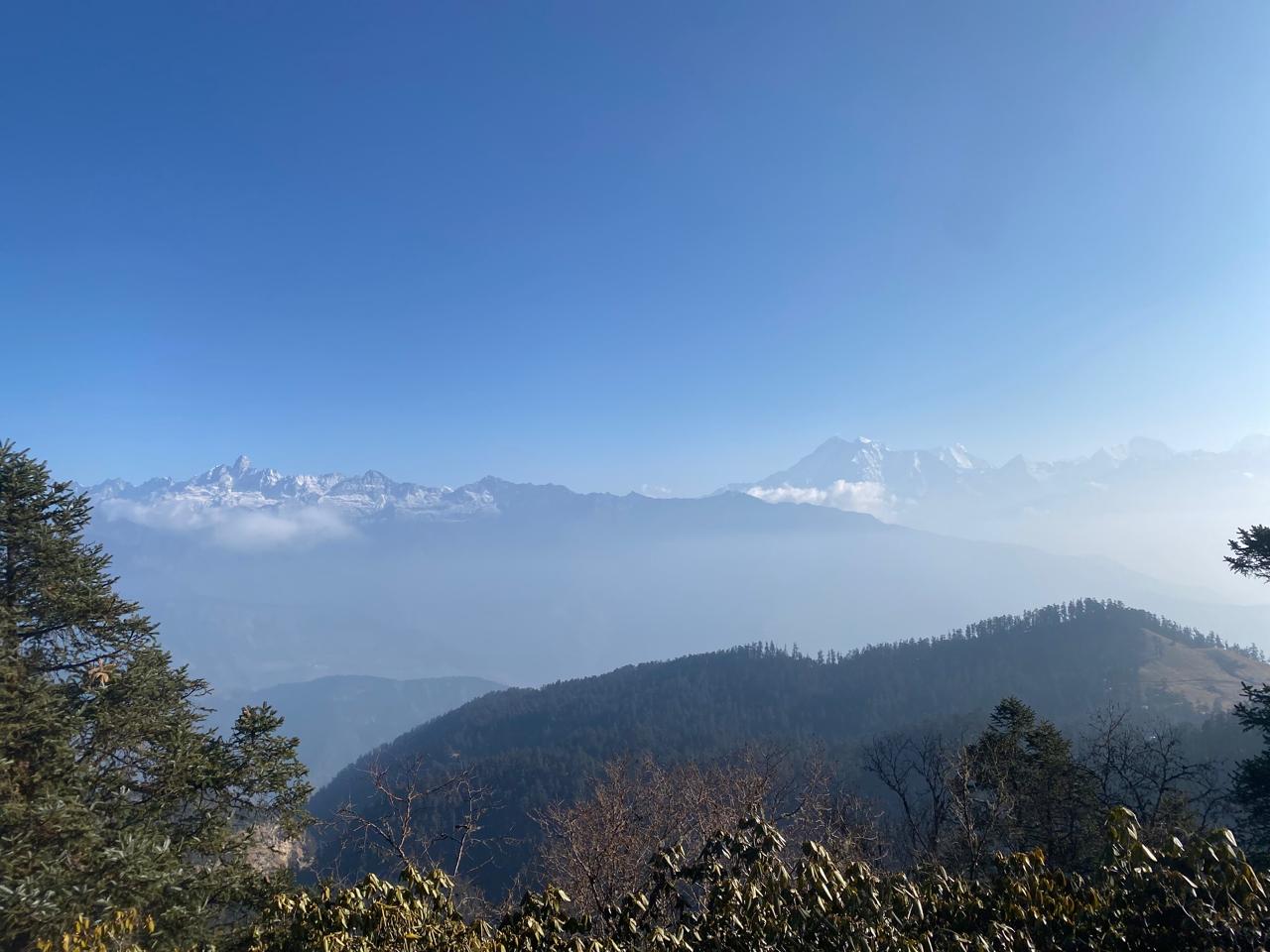
The Lower Dolpo Trek is an extraordinary 18-day expedition that takes you deep into the remote northwest region of Nepal, a place where modernity has barely touched and ancient Tibetan culture flourishes. Dolpo, often referred to as “Little Tibet,” is a treasure trove of natural beauty, spirituality, and untouched wilderness.
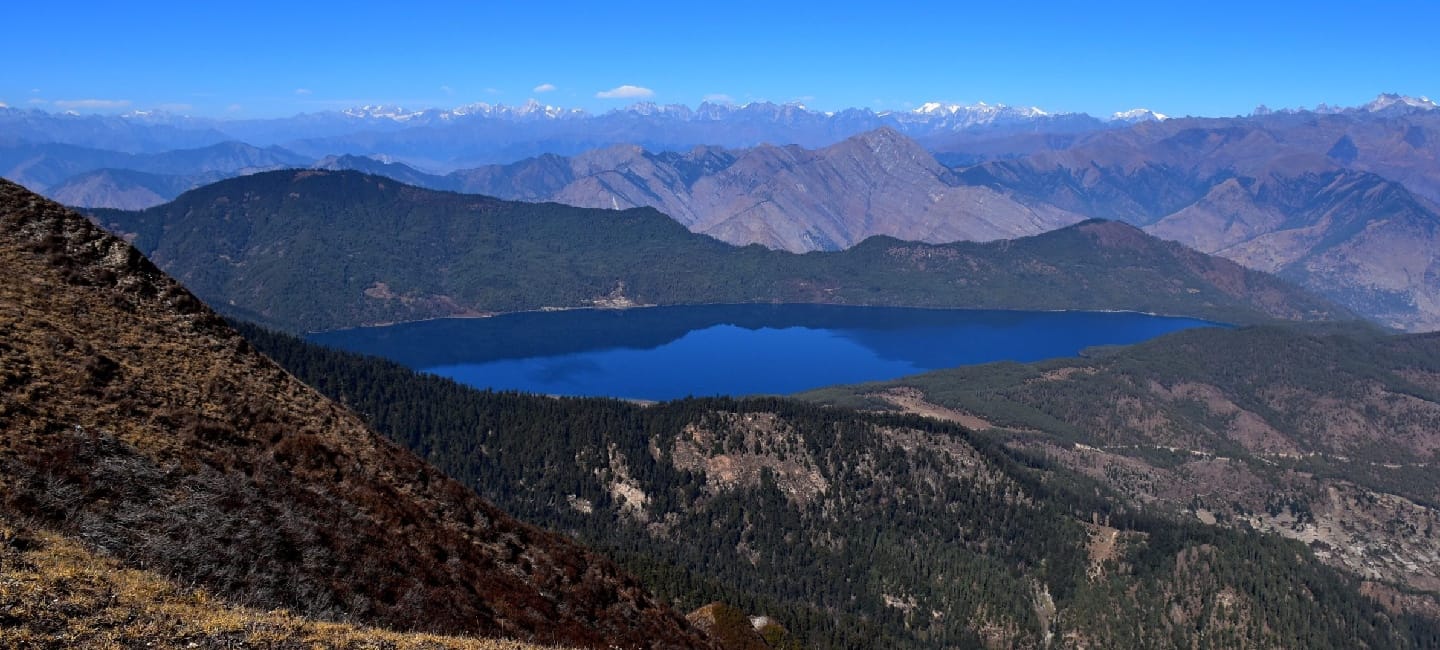
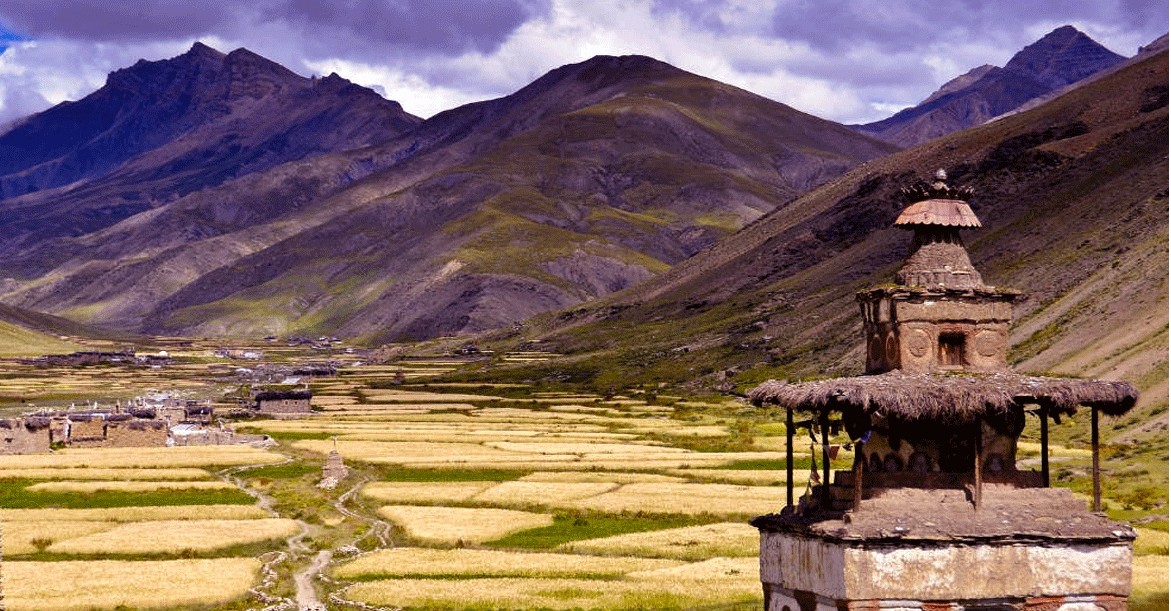
Unlike popular trekking routes in Nepal, such as Annapurna or Everest, the Lower Dolpo Trek offers complete solitude and a feeling of stepping back in time. The region is famous for its arid landscapes, rugged high-altitude passes, crystal-clear rivers, and highland deserts, interspersed with traditional villages and monasteries. You will journey through Dho Tarap Valley, a hub of Tibetan-influenced culture where Bonpo and Buddhist traditions coexist harmoniously.
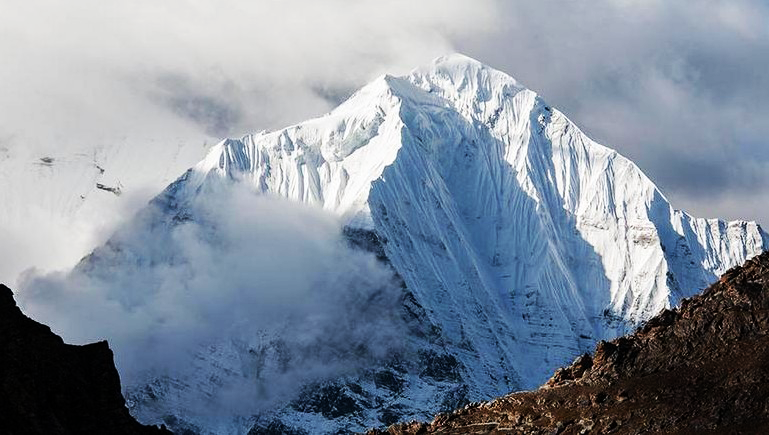
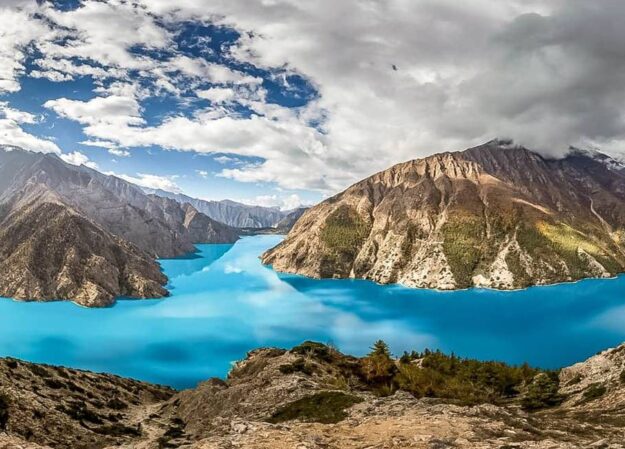
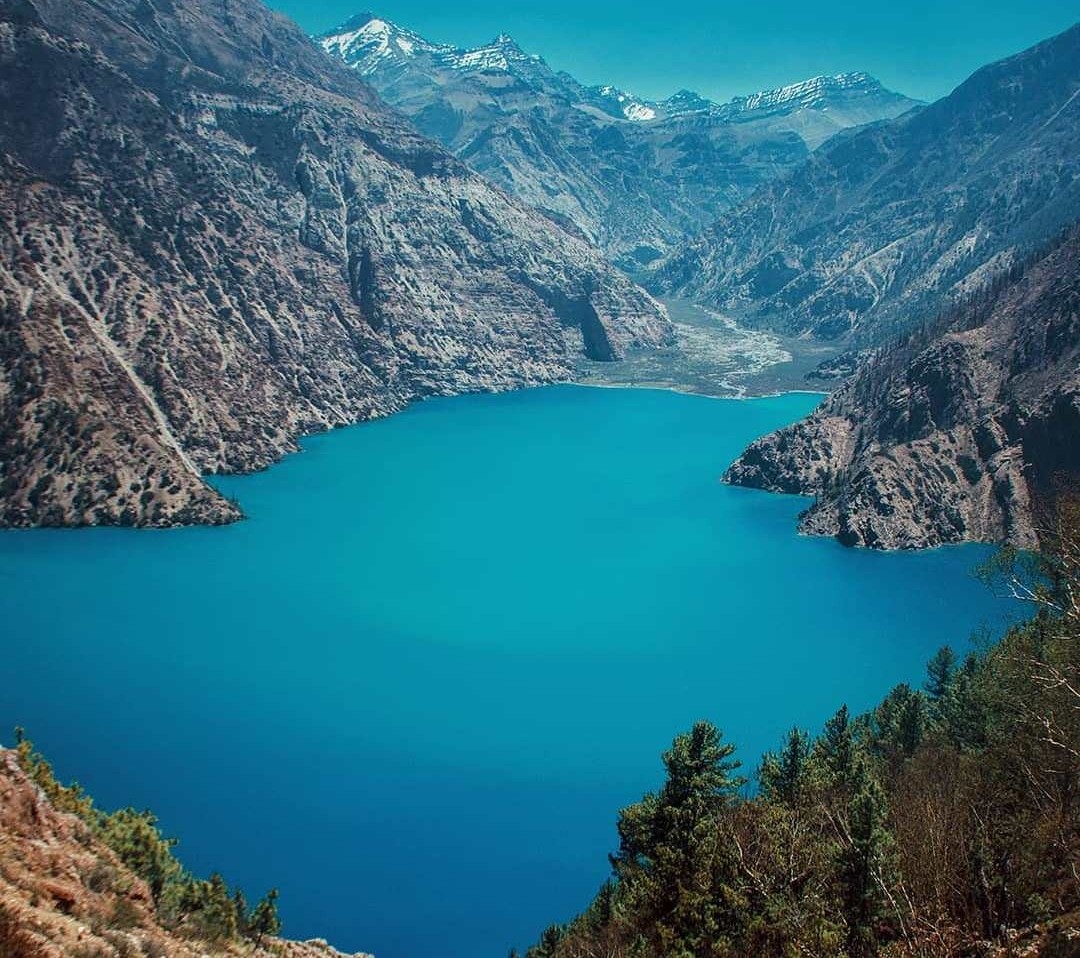
Trekkers on this journey will encounter breathtaking Phoksundo Lake, one of the most beautiful high-altitude lakes in the Himalayas, set against a backdrop of soaring snow-capped peaks. Along the way, you will cross Numa La Pass (5,190m) and Baga La Pass (5,070m), challenging but rewarding ascents that provide stunning panoramic views of the Dolpo mountains and valleys below.
This trek is ideal for adventurers seeking off-the-beaten-path experiences. It combines moderate to challenging trekking with cultural immersion, allowing you to interact with locals, explore ancient monasteries, and witness traditional festivals, rituals, and lifestyle practices. With guidance from ART Nepal Treks & Expedition, you can confidently navigate remote trails while focusing on the spiritual, scenic, and adventurous aspects of this unique trek.
In essence, the Lower Dolpo Trek is more than just a physical journey; it is a cultural and spiritual exploration of one of Nepal’s most mysterious and captivating regions. Trekkers leave with memories of pristine landscapes, rare wildlife sightings, and encounters with communities who live in harmony with their environment, far from the hustle of urban life.
What Can You Expect from the Trek?
Paragraph:
The Lower Dolpo Trek is a combination of adventure, cultural immersion, and high-altitude exploration. You can expect long trekking days that traverse diverse landscapes, from alpine forests to arid Himalayan deserts. Each village you visit offers insights into traditional Tibetan culture, religious practices, and ancient lifestyles. The journey is not only about physical endurance but also about experiencing a region that remains largely untouched by modernization. Along the way, you will encounter ancient monasteries, high-altitude lakes, and remote communities, all while enjoying breathtaking Himalayan vistas.
Key Experiences Include:
- Trekking through remote valleys and rugged terrains
- Crossing high-altitude passes such as Numa La and Baga La
- Visiting traditional Tibetan-style villages and interacting with locals
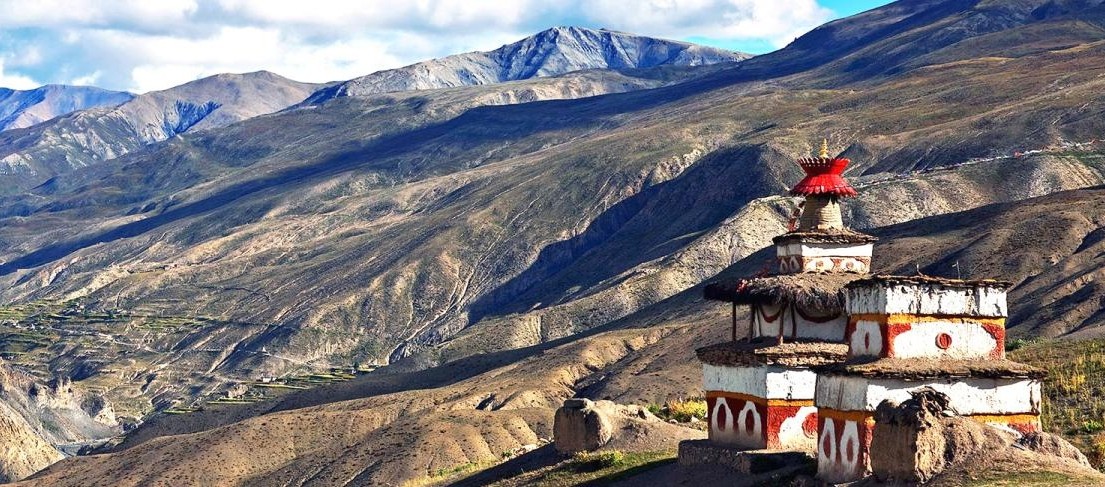
- Exploring ancient Buddhist and Bonpo monasteries
- Witnessing the turquoise waters of Phoksundo Lake
- Observing Himalayan wildlife including blue sheep and Himalayan tahr
- Experiencing the peaceful solitude of one of Nepal’s least visited regions
Is Trek Suitable for You?
Paragraph:
This trek is suitable for adventurous individuals with a moderate level of physical fitness. While technical climbing skills are not required, trekkers should be prepared for long days of walking, variable weather, and high-altitude conditions. Beginners with prior trekking experience and proper preparation can also enjoy this trek, but mental readiness and a flexible attitude are essential to embrace the remote and sometimes basic conditions of the Dolpo region.
Suitable For:
- Trekkers with moderate fitness levels and stamina
- Adventure seekers who enjoy remote and off-the-beaten-path destinations
- Nature enthusiasts and wildlife photographers
- Individuals interested in Tibetan culture, monasteries, and traditional lifestyle
- Those willing to adapt to basic accommodation and limited facilities
How to Get Prepared for the Trek?
Paragraph:
Preparation is crucial for a safe and enjoyable experience in the Dolpo region. This includes physical conditioning, proper gear, altitude acclimatization, and mental readiness. Trekking in remote areas requires self-reliance, endurance, and preparation for varying weather conditions. Begin training at least 2–3 months before departure to ensure you are physically and mentally prepared for this high-altitude adventure.
Preparation Tips:
- Physical Fitness: Cardiovascular exercises, strength training, and long hikes with a backpack to build stamina
- Gear & Clothing: Waterproof jackets, insulated layers, trekking boots, thermal wear, and a sleeping bag for cold temperatures
- Acclimatization: Gradual ascent planning and rest days to prevent altitude sickness
- Mental Readiness: Prepare for long trekking days, limited facilities, and basic living conditions
- Health Check-up: Consult a doctor for fitness clearance and vaccination advice
- Travel Insurance: Ensure your insurance covers high-altitude trekking, medical emergencies, and evacuation
-
Trip Duration
18 Days/ 17 Nights
-
Group Size
1–20 people
-
Maximum Altitude
4,360 meters
-
Trip Difficulty
Moderate to Challenging
-
Activities
Trekking
-
Best Season
Spring (March to May), Autumn (September to November)
-
Trip Start & End
Kathmandu / Kathmandu
-
Meals
Breakfast, Lunch, Dinner
-
Accomodation
Teahouses / Camping
Highlights
- Scenic Landscapes: Traverse diverse terrain, from lush green valleys to arid highlands, alpine deserts, and rugged canyons.
- Dho Tarap Valley: Explore a culturally rich valley that remains untouched by modern development, preserving Tibetan-influenced customs.
- Traditional Villages: Visit isolated settlements where residents follow ancient practices and wear traditional attire, offering a glimpse into timeless lifestyles.
- Ancient Monasteries: Experience centuries-old monasteries and observe Buddhist and Bonpo religious practices.
- Phoksundo Lake: Witness the pristine turquoise waters of Nepal’s most beautiful high-altitude lake, surrounded by mountains and forests.
- Rare Wildlife: Encounter species such as blue sheep, Himalayan tahr, snow leopards (rare), and endemic birds.
- High-Altitude Passes: Cross passes like Numa La and Baga La, enjoying panoramic views of the Dolpo Himalayas.
Itinerary
Day 01
Upon arrival at Tribhuvan International Airport in Kathmandu, you will be warmly welcomed by your guide and transferred to your hotel in Thamel, the heart of the city. After checking in, you can relax and settle into the vibrant atmosphere of Kathmandu, exploring local streets, markets, and cafes if time permits. In the evening, a welcome dinner will be arranged where you can meet fellow trekkers, discuss the upcoming journey, and review the itinerary in detail. This is also an opportunity to go over health precautions, travel insurance, and packing essentials for the trek. The day provides a gentle introduction to Nepal’s rich culture, with the bustling streets of Thamel and the surrounding urban landscape giving a contrast to the remote mountains you will soon explore.
Trip Duration:
Welcome DinnerTrip Distance:
N/AAltitude:
1400mMeal:
Welcome DinnerAccomodation :
3 Star Hotel in ThamelDay 02
After an energizing breakfast at your hotel, the day begins with a guided tour of Kathmandu’s major cultural and religious sites. You will visit Pashupatinath Temple, one of the holiest Hindu temples in Nepal, where you can observe traditional rituals along the Bagmati River. Next is Boudhanath Stupa, a UNESCO World Heritage Site and a center for Tibetan Buddhism, followed by Swayambhunath Stupa, known as the Monkey Temple, offering panoramic views of the Kathmandu Valley. Finally, a visit to Kathmandu Durbar Square allows you to explore ancient palaces, temples, and courtyards steeped in history. In the afternoon, you will meet with your trek guide to complete permit formalities for the Lower Dolpo Trek and review important details about the journey, acclimatization strategies, and safety protocols. This day balances sightseeing with preparation, ensuring you are ready for the adventure ahead.
Trip Duration:
Full dayTrip Distance:
N/AAltitude:
1400mMeal:
BreakfastAccomodation :
3 Star Hotel in ThamelDay 03
Today, you will take an early morning flight from Kathmandu to Nepalgunj, the gateway city to western Nepal and Dolpo. Upon arrival, you will be transferred to your hotel where you can rest and explore the city at leisure. Nepalgunj is a lively town with a blend of cultures and a vibrant market scene. You can visit local markets, shops, and enjoy the city atmosphere while acclimatizing to lower altitudes. This day is primarily for preparation and rest, ensuring you are ready for the next day’s flight to Juphal and the start of the trek.
Trip Duration:
Half to full day depending on arrival timeTrip Distance:
N/AAltitude:
150mMeal:
BreakfastAccomodation :
Standard HotelDay 04
After an early breakfast, take a scenic flight from Nepalgunj to Juphal, a small airstrip in the Dolpo region. The flight offers breathtaking aerial views of the Bheri River, Himalayan peaks, and remote villages. Upon landing at Juphal, the trek begins with a 2–3 hour walk to Dunai, the administrative center of Dolpo. The trail passes through lush river valleys, traditional stone settlements, and terraced fields, with views of distant snow-capped mountains. Dunai serves as the entry point to Dolpo’s highlands, offering a glimpse into the remote lifestyle of local communities. The evening is spent relaxing in a teahouse, interacting with locals, and preparing for the next day’s trek into more isolated regions.
Trip Duration:
2–3 Hours TrekTrip Distance:
Approx. 6 kmAltitude:
2850mMeal:
Breakfast, Lunch, DinnerAccomodation :
Tea HouseDay 05
The trek today follows the southern bank of the Bheri River, passing through steep gorges and remote villages. The terrain is a mix of river valleys, forested sections, and small hills. Along the way, you may encounter local herders and traditional stone houses, providing insight into the daily life of Dolpo communities. Tarakot is a peaceful village, perfect for resting after the first proper trekking day. The trek is moderately challenging with gradual descents and ascents, and the surrounding scenery offers a combination of river landscapes and distant mountain views.
Trip Duration:
5–6 Hours TrekTrip Distance:
Approx. 12 kmAltitude:
2543mMeal:
Breakfast, Lunch, DinnerAccomodation :
Tea HouseDay 06
Today’s trek follows the Tarap Chu River, crossing it twice, and leads through traditional Dolpo settlements, terraced fields, and grazing areas. The path gradually climbs, providing panoramic views of the surrounding highlands and the arid, desert-like landscapes that Dolpo is famous for. Laini is a small, scenic village where you can experience the simplicity of mountain life. The teahouse here offers basic facilities, and the evening is ideal for observing sunsets over the distant peaks and engaging with villagers about their customs and lifestyle.
Trip Duration:
6–7 Hours TrekTrip Distance:
Approx. 14 kmAltitude:
3160mMeal:
Breakfast, Lunch, DinnerAccomodation :
Tea HouseDay 07
The trail today becomes more remote and rugged, navigating narrow canyons, river crossings, and rocky paths. The trek passes through scenic valleys and small hamlets, with distant mountains providing a stunning backdrop. Nawarpani is a small settlement offering traditional hospitality in its teahouses. Today is a moderately challenging trekking day, giving you a taste of Dolpo’s isolated environment. This day is also important for acclimatization as the altitude gradually increases, allowing your body to adjust before reaching higher elevations.
Trip Duration:
5–6 Hours TrekTrip Distance:
Approx. 12 kmAltitude:
3545mMeal:
Breakfast, Lunch, DinnerAccomodation :
Tea HouseDay 08
Today, the trek leads to Dho Tarap, entering the dry inner Himalayan valley. The path climbs to Kamattarka and continues across arid landscapes dotted with small villages and grazing animals. Dho Tarap is a unique settlement known for its Bon Po and Chaiba religious practices, making it one of the most culturally significant villages in Dolpo. The surrounding mountains and barren valleys create a dramatic scenery. The day is longer and moderately challenging due to the ascent, but the cultural experience in Dho Tarap makes it highly rewarding.
Trip Duration:
7–8 Hours TrekTrip Distance:
Approx. 16 kmAltitude:
4090mMeal:
Breakfast, Lunch, DinnerAccomodation :
Tea HouseDay 09
Today is dedicated to rest and acclimatization, which is essential for adjusting to the high altitude before proceeding further into Dolpo’s remote regions. You can take a gentle walk around Dho Tarap to explore the village, its traditional stone houses, prayer flags, and small monasteries, and interact with locals to understand their lifestyle. The calm environment and the vast, arid landscapes around Dho Tarap provide a perfect opportunity for photography, meditation, and observing Tibetan-Buddhist rituals. Light treks around the village help your body adapt to lower oxygen levels, reducing the risk of altitude sickness during the following days.
Trip Duration:
Full day (Acclimatization)Trip Distance:
Short walks only (~2–3 km optional)Altitude:
4090mMeal:
Breakfast, Lunch, DinnerAccomodation :
Tea HouseDay 10
The trek today is both challenging and scenic, as you leave the village behind and head toward Numa La Base Camp. The path passes through the upper Tarap valley, offering spectacular views of barren mountains, river canyons, and grazing lands. The terrain is rocky and undulating, requiring steady footing and endurance. The Base Camp itself is located at a stunning spot beneath the Numa La Pass, providing a panoramic view of surrounding peaks. Camping here offers an immersive experience in Dolpo’s pristine wilderness, under clear skies with starlit nights, a perfect setting for reflecting on the journey so far.
Trip Duration:
6–7 Hours TrekTrip Distance:
Approx. 14 kmAltitude:
4440mMeal:
Breakfast, Lunch, DinnerAccomodation :
Tented CampDay 11
This is the most demanding day of the trek, involving the ascent to Numa La Pass (5190m), one of Dolpo’s high mountain passes. The climb is steep and requires physical endurance, but the panoramic views of snow-capped peaks and vast desert-like valleys make it unforgettable. After crossing the pass, you descend gently to Penung Tang. Along the way, you may spot wildlife such as blue sheep or Himalayan tahr and enjoy the rugged beauty of high-altitude terrain. Spending the night at Penung Tang allows you to rest and recover while surrounded by the remote landscapes of upper Dolpo, making this day a highlight of the trek.
Trip Duration:
6–7 Hours TrekTrip Distance:
Approx. 12 kmAltitude:
5190mMeal:
Breakfast, Lunch, DinnerAccomodation :
Tented CampDay 12
Today, you trek through stunning desert terrain and cross the Baga La Pass (5070m). The pass offers incredible views of Dolpo’s high mountains, remote valleys, and barren landscapes, contrasting with the lush lower regions you passed earlier. Descending from the pass, the trek leads to Dajok Tang, a small settlement surrounded by alpine meadows and streams. This day combines both challenging climbs and scenic descents, offering trekkers a sense of accomplishment and immersion in one of the most remote regions of Nepal.
Trip Duration:
6 Hours TrekTrip Distance:
Approx. 13 kmAltitude:
5070mMeal:
Breakfast, Lunch, DinnerAccomodation :
Tea HouseDay 13
Today’s trek is relatively easier, with a gradual descent through alpine forests and rocky valleys to Ringmo, a traditional Tibetan settlement. The village is culturally rich, with prayer flags, monasteries, and stone houses. Along the way, you can observe local agricultural practices, yak grazing, and interactions among villagers, offering insight into the resilient lifestyle of Dolpo communities. Ringmo provides a comfortable stop, allowing trekkers to rest and explore the surrounding picturesque landscapes and small tributaries, which enhance the feeling of walking through a living museum of Tibetan culture.
Trip Duration:
3–4 Hours TrekTrip Distance:
Approx. 8 kmAltitude:
3600mMeal:
Breakfast, Lunch, DinnerAccomodation :
Tea HouseDay 14
The trek continues to Phoksundo Lake, one of Nepal’s most scenic high-altitude lakes, known for its turquoise waters and surrounding cliffs. The path meanders through small hamlets and valleys, offering glimpses of local flora and fauna, including wildflowers, Himalayan birds, and occasional wildlife. Phoksundo Lake is spiritually significant to the local Tibetan Buddhist communities, and visiting it allows trekkers to experience both natural beauty and cultural richness. The lake area is peaceful and ideal for photography, meditation, or a relaxing evening by the water.
Trip Duration:
Half to full day Trek (~3–4 Hours)Trip Distance:
Approx. 10 kmAltitude:
3611mMeal:
Breakfast, Lunch, DinnerAccomodation :
Tea HouseDay 15
Today you descend through beautiful valleys, small villages, and terraced fields toward Shyanta. The trail passes through Chepka and other settlements, allowing trekkers to interact with locals and observe traditional Dolpo life. The descent provides a break from the high-altitude climbs of previous days, and the surrounding scenery changes from alpine landscapes to greener valleys with streams and grazing areas. Shyanta offers comfortable teahouses for an overnight stay, where trekkers can relax, reflect on the trek so far, and prepare for the journey back toward Juphal.
Trip Duration:
7–8 Hours TrekTrip Distance:
Approx. 16 kmAltitude:
2520mMeal:
Breakfast, Lunch, DinnerAccomodation :
Tea HouseDay 16
The trek back to Juphal is longer but relatively easier, with gradual descents through scenic valleys and small villages, giving trekkers a chance to enjoy the surrounding mountains one last time. Along the way, you pass Sulighat and other settlements, where you can witness local traditions, agriculture, and daily life. The day is mostly focused on returning to the starting area, allowing trekkers to reflect on their journey through Dolpo’s isolated wilderness while enjoying the natural beauty along the trail.
Trip Duration:
7–8 Hours TrekTrip Distance:
Approx. 18 kmAltitude:
2320mMeal:
Breakfast, Lunch, DinnerAccomodation :
Tea HouseDay 17
After breakfast, take a scenic flight from Juphal to Nepalgunj, followed by a connecting flight to Kathmandu. The aerial views provide a last chance to admire the mountains, valleys, and rivers of western Nepal from above. On arrival in Kathmandu, transfer to your hotel in Thamel, where you can rest, freshen up, and celebrate the completion of your trek. In the evening, a farewell dinner is arranged to commemorate the journey, share experiences with fellow trekkers, and reflect on the unforgettable landscapes and cultural experiences of the Lower Dolpo region.
Trip Duration:
Flight ~1 Hour + TransferTrip Distance:
N/AAltitude:
1400mMeal:
Breakfast, Farewell DinnerAccomodation :
3 Stars Hotel in ThamelDay 18
After breakfast at your hotel, you will check out and be transferred to Tribhuvan International Airport for your flight home. This concludes your Lower Dolpo Trek, leaving you with memories of remote landscapes, Tibetan culture, high-altitude passes, and pristine lakes. Trekkers often leave with a profound sense of accomplishment and lasting impressions of one of Nepal’s most isolated and beautiful regions.
Trip Duration:
Departure dayTrip Distance:
N/AAltitude:
1400mMeal:
BreakfastAccomodation :
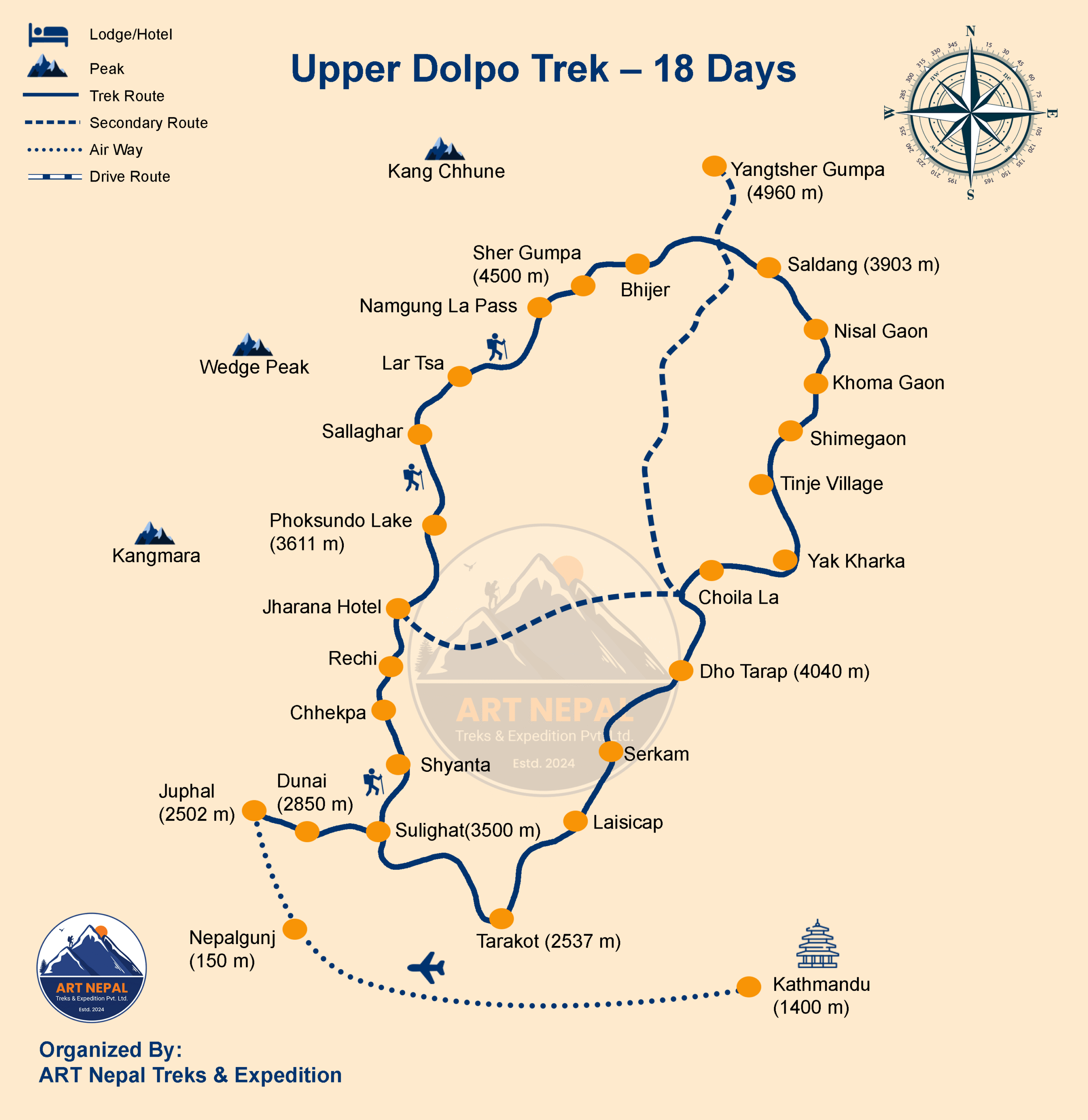
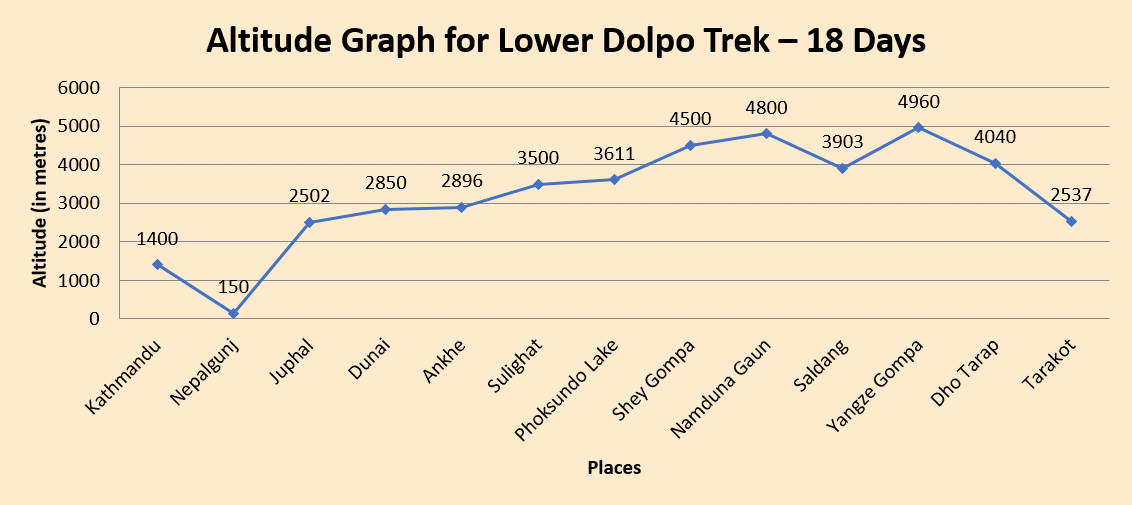
N/ARoute Map
What's Included
- Airport pickup and drop in Kathmandu
- 3 Nights at Kathmandu 3 Star Hotel
- 2 Breakfasts in Kathmandu
- All Trekking Permits and Taxes (refer to permit section for details)
- Domestic Flights during the trek (Kathmandu → Nepalgunj → Juphal → Nepalgunj → Kathmandu)
- Accommodation throughout the trek (Tea Houses / Camping)
- All Meals during the trek (Breakfast, Lunch, Dinner, Tea/Coffee)
- Experienced Guide with salary, insurance, and food provided
- First Aid Kit
- Use of public transportation as needed
What's Excluded
- Personal expenses (shopping, souvenirs, laundry)
- Trekking gears (sleeping bag, trekking poles, jackets, boots, etc.)
- Beverages and mineral water
- Travel insurance covering high-altitude trekking and medical emergencies
- Tips for trekking staff (guides, porters)
- Porter services (optional, recommended for carrying heavy backpacks)
Essential Info
Add-Ons
The Lower Dolpo Trek allows several optional add-ons to make your journey more comfortable, unique, or adventurous. These can be booked in advance or during your trek planning.
Paragraph:
Add-ons provide flexibility to enhance your trekking experience. You can choose to include sightseeing in Kathmandu, hire a porter for high-altitude stretches, book helicopter services for emergencies or scenic flights, or arrange private transportation for convenience. These services allow you to customize your trek according to your preferences and physical endurance, ensuring a comfortable and unforgettable adventure through Dolpo.
Add-On Options:
- Sightseeing tours in Kathmandu (Pashupatinath, Boudhanath, Swayambhunath, Durbar Square)
- Porter services for carrying luggage
- Helicopter services for emergencies or scenic flights
- Private transportation within Nepal
- Customized itinerary adjustments
Best Season to Trek
Paragraph:
The Lower Dolpo Trek is best undertaken during spring (March to May) and autumn (September to November). These periods offer stable weather, clear skies, and pleasant temperatures, ideal for trekking through high-altitude passes and remote valleys. Spring allows trekkers to enjoy blooming flowers and rhododendron forests, while autumn provides crisp air and excellent visibility of the surrounding peaks, making it perfect for photography. Winter months can be extremely cold with snow blocking higher passes, making trekking difficult, while the monsoon season brings heavy rain, landslides, and slippery trails, which are not recommended for this remote region.
Key Seasons:
- Spring (March – May): Blooming rhododendrons, mild temperatures, clear skies
- Autumn (September – November): Stable weather, crisp air, excellent mountain views
- Winter (December – February): Cold temperatures, fewer trekkers, limited access to high passes
- Monsoon (June – August): Heavy rainfall, risk of landslides, trekking not recommended
Food Availability
Paragraph:
During the Lower Dolpo Trek, food is available at tea houses, lodges, and campsites along the trail. While the options may be simpler than in urban areas, the meals are nutritious and designed to provide energy for trekking. You can enjoy a mix of local Tibetan and Nepali dishes along with international options like noodles, pasta, and soups. Drinking water may not always be potable, so it is recommended to carry a water purifier or bottled water. Snacks like biscuits, energy bars, and fruits are available at villages to keep energy levels high during long treks.
Meal Details:
- Breakfast: Eggs, porridge, bread, toast, local pancakes, tea/coffee
- Lunch: Rice, dal, noodles, soups, local vegetable or meat dishes
- Dinner: Curries, rice, pasta, traditional Nepali dishes (Dal Bhat)
- Snacks: Energy bars, biscuits, fruits available at teahouses
Accommodation
Paragraph:
Accommodation during the trek varies from tea houses in lower altitudes to camping at higher elevations, providing a mix of comfort and rustic experience. Tea houses usually provide beds with blankets, shared toilets, and basic amenities, while camping offers a more remote and immersive experience in Dolpo’s wilderness, complete with tents, sleeping bags, and dining arrangements. In Kathmandu and Nepalgunj, modern hotels with comfortable rooms, hot showers, and other facilities ensure a smooth start and end to the trek. Staying in these diverse accommodations allows trekkers to experience both local life and the tranquility of remote landscapes.
Accommodation Types:
- Kathmandu/Nepalgunj: 3 Star Hotels, modern amenities
- Lower Altitudes on Trek: Tea houses with basic amenities
- High Altitudes / Remote Camps: Tented camps with sleeping bags and dining tents
Travel Insurance
Paragraph:
Travel insurance is essential for the Lower Dolpo Trek due to the remote and high-altitude nature of the region. A comprehensive policy should cover medical emergencies, evacuation, high-altitude trekking, and trip cancellations. This ensures that any unexpected health issues or emergencies are properly handled, giving you peace of mind during your adventure. Insurance is also necessary for flights to remote airstrips like Juphal, where helicopter evacuation may be required in emergencies.
Insurance Coverage Recommendations:
- Medical emergencies and evacuation
- High-altitude trekking and emergency rescues
- Trip cancellation or delays
- Lost or stolen belongings
Altitude Sickness
Paragraph:
Altitude sickness is a risk in Dolpo due to the high elevation of passes like Numa La (5190m) and Baga La (5070m). Symptoms include headache, dizziness, nausea, and shortness of breath. Prevention involves gradual ascent, proper acclimatization, staying hydrated, and avoiding overexertion. Guides monitor health closely and recommend rest days and medication if needed. Immediate descent is advised for severe symptoms. Being aware of altitude sickness, following guide instructions, and carrying basic medications will help ensure a safe trekking experience.
Prevention Measures:
- Gradual ascent and rest days
- Stay hydrated and eat regularly
- Avoid overexertion
- Carry prescribed altitude sickness medication
- Immediate descent if symptoms persist
Guide and Safety Measures
Paragraph:
An experienced guide is essential for a safe and rewarding trek through the Lower Dolpo region. Guides from ART Nepal Treks & Expedition are trained not only in navigation and logistics but also in first aid, high-altitude awareness, and cultural etiquette. They ensure that trekkers follow safe climbing practices, provide support during long or difficult days, and offer insights into the unique Tibetan-influenced culture of Dolpo. Safety is a top priority, and all guides follow strict protocols for altitude sickness, weather changes, and emergency evacuation procedures.
Guide & Safety Highlights:
- Experienced local guides familiar with Dolpo’s terrain and culture
- Regular health monitoring for trekkers
- Guidelines for acclimatization and altitude sickness prevention
- Emergency evacuation plan and communication devices
- Coordination with porters and local lodges for smooth logistics
- Cultural guidance for respectful interactions with local communities
Booking Procedure
Paragraph:
Booking your trek with ART Nepal Treks & Expedition is straightforward and ensures your adventure is well-planned and secure. From initial inquiries to final payments, the process is designed to give clarity and confidence to every traveler. The booking procedure also helps the team arrange permits, flights, guides, porters, and accommodations efficiently, allowing you to focus solely on your trekking experience.
Booking Steps:
- Contact: Reach out to ART Nepal Treks & Expedition via email, phone, or website to check availability and receive detailed information about the trek.
- Deposit: Pay a deposit to confirm your booking and secure your spot on the trek.
- Documentation: Provide necessary documents, including passport copies, visa details, and travel insurance information.
- Final Payment: Complete the remaining balance prior to the trek’s start date.
- Pre-Trek Consultation: Review the itinerary, packing list, and safety instructions with your guide before departure.
Equipment List
- Moisture-wicking T-shirts and long-sleeve shirts
- Lightweight trekking pants and shorts
- Thermal base layers (top and bottom)
- Fleece or warm jacket
- Waterproof and windproof outer jacket
- Warm gloves and mittens
- Hat or cap for sun protection
- Warm hat or beanie for cold evenings
- Durable trekking boots with good ankle support
- Gaiters for snow or dust protection
- Trekking poles for stability on rough terrain
- Sleeping bag suitable for sub-zero temperatures
- Daypack (30-40 liters) for daily essentials
- Headlamp or flashlight with extra batteries
- Quick-dry socks (multiple pairs)
- Underwear and thermal socks
- Rain poncho or waterproof pants
- Casual clothes for Kathmandu and lower altitudes
- Personal toiletries (toothbrush, toothpaste, soap, towel)
- Hand sanitizer and wet wipes
- Sunscreen (SPF 50+) and lip balm
- Sunglasses with UV protection
- Personal first aid kit (bandages, antiseptic, blister pads)
- Altitude sickness medication (consult your doctor)
- Camera and memory cards
- Power bank and chargers (solar chargers optional)
- Travel adapter (if needed)
- Smartphone for GPS and communication
General Equipments
- Water bottles or hydration bladder (2 liters recommended)
- Snacks (energy bars, nuts, dried fruits)
- Notebook and pen for journaling
- Plastic bags for waterproofing clothes and electronics
- Lightweight travel pillow (optional)
FAQ
Trip Price
USD 2650 Per Person
Talk To Trip Expert
Related Trips