

Dhaulagiri Circuit Trek Via Dhampus Pass – 18 Days
Introduction
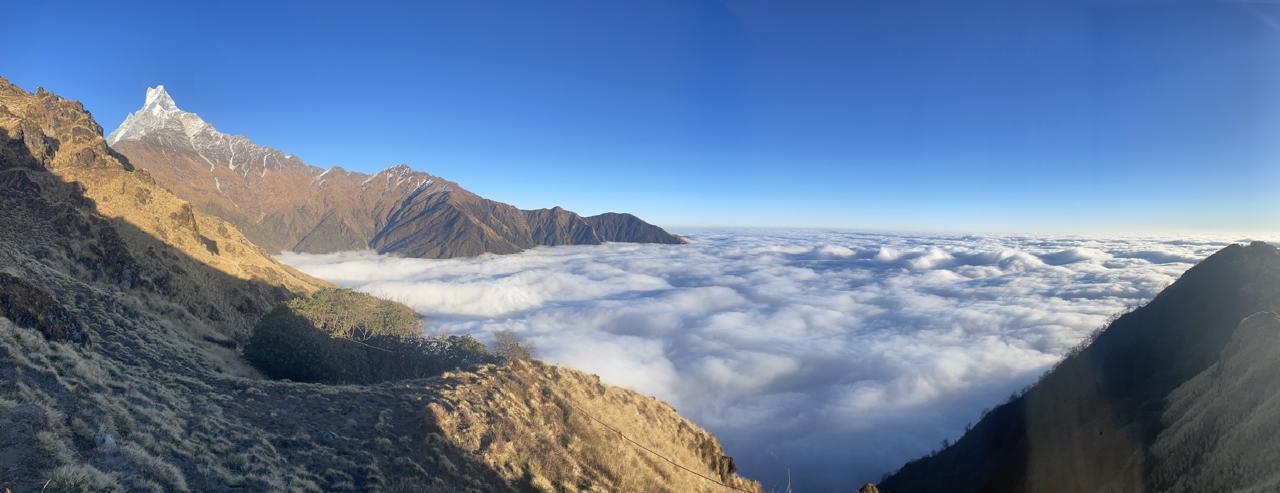
The Dhaulagiri Circuit Trek via Dhampus Pass is one of the most adventurous and remote trekking journeys in Nepal. This trek takes you around the massive Dhaulagiri mountain, offering a complete circuit experience through untouched landscapes. Unlike popular trekking routes, this trail is less crowded and gives a raw and authentic Himalayan adventure. The journey is full of dramatic scenery, ranging from green hills to icy glaciers and high mountain passes.
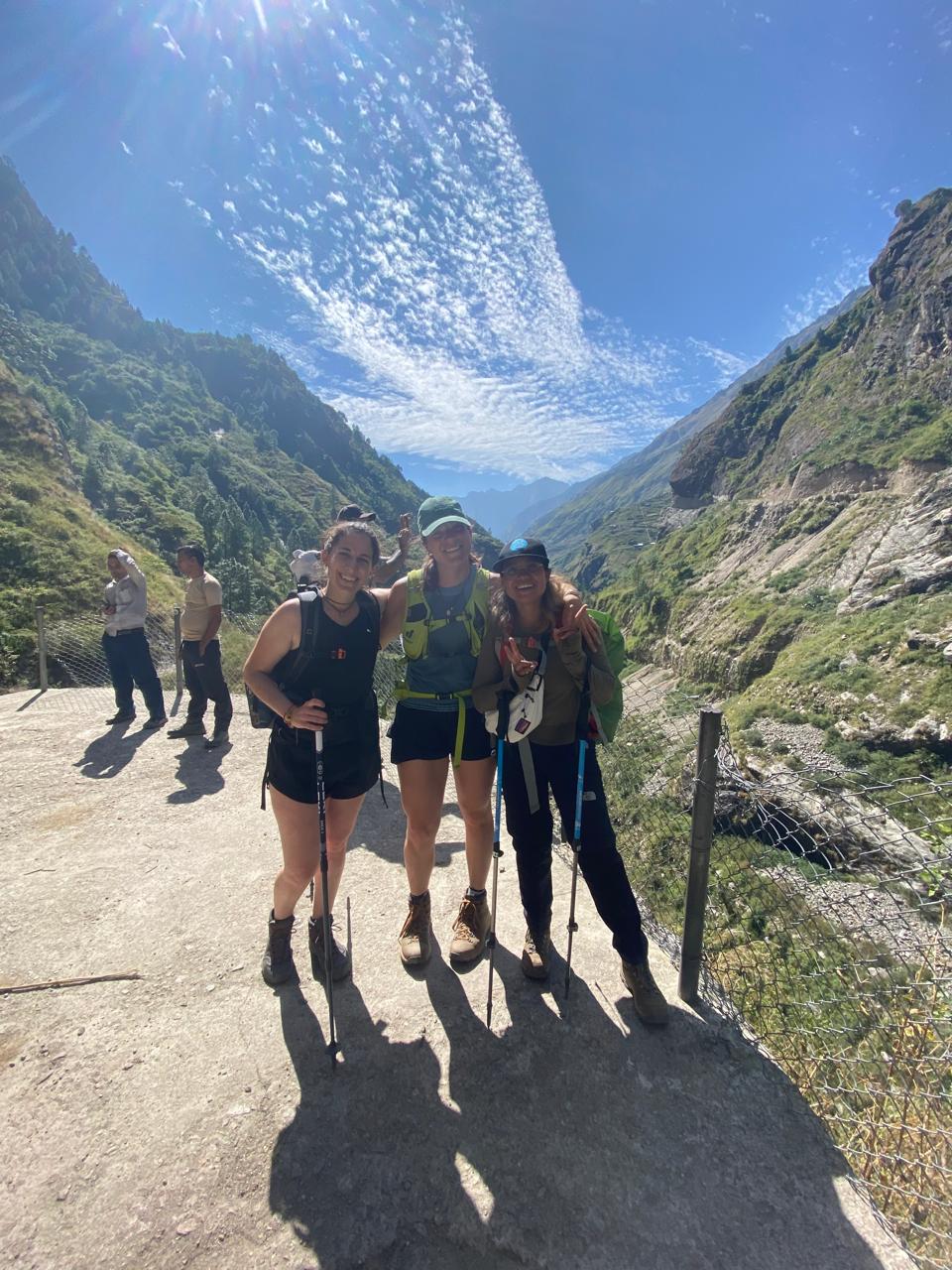
The trek begins with a long but scenic drive from Kathmandu to Beni, which is the starting point of the journey. From here, the trail gradually moves through traditional villages, terraced farmlands, and forested areas. As you walk deeper into the region, the surroundings become more isolated and wild. You will pass through rivers, waterfalls, and narrow trails that lead you closer to the high Himalayas.
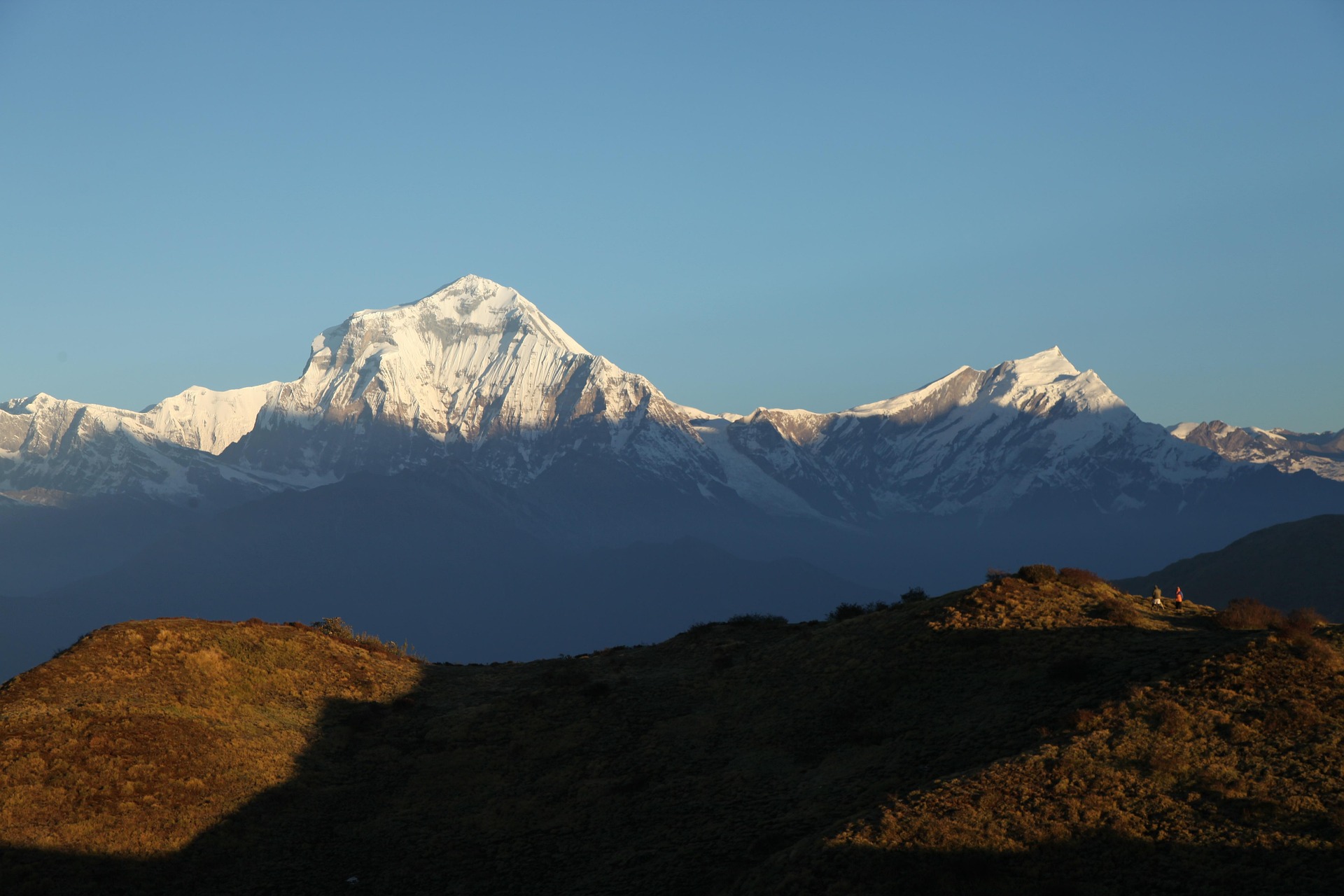
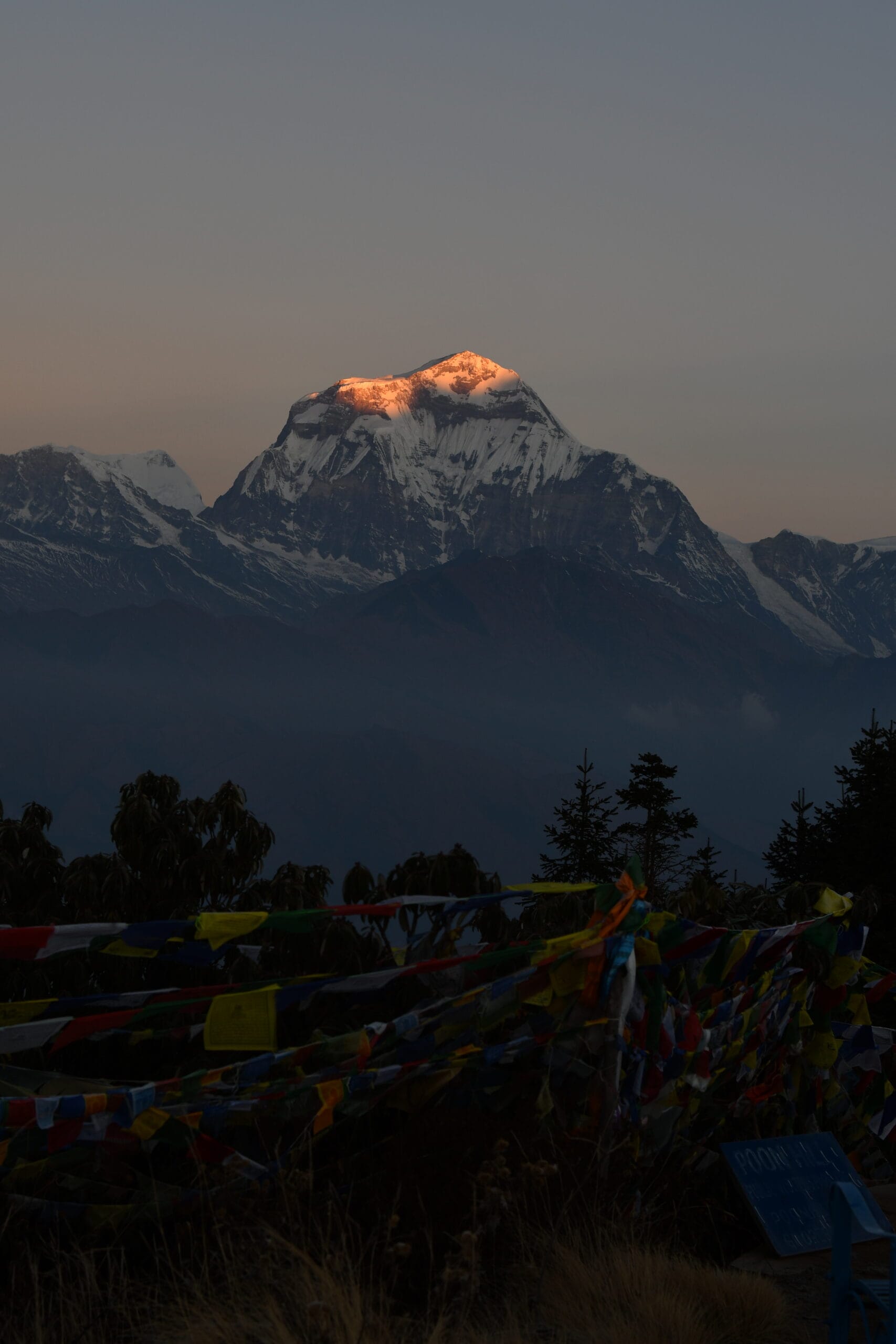
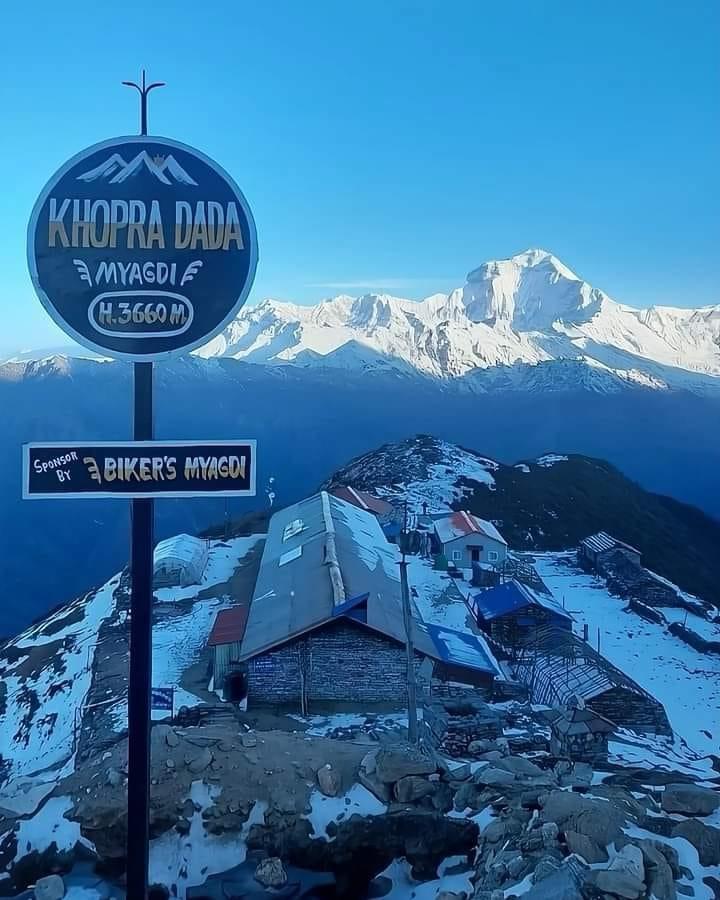
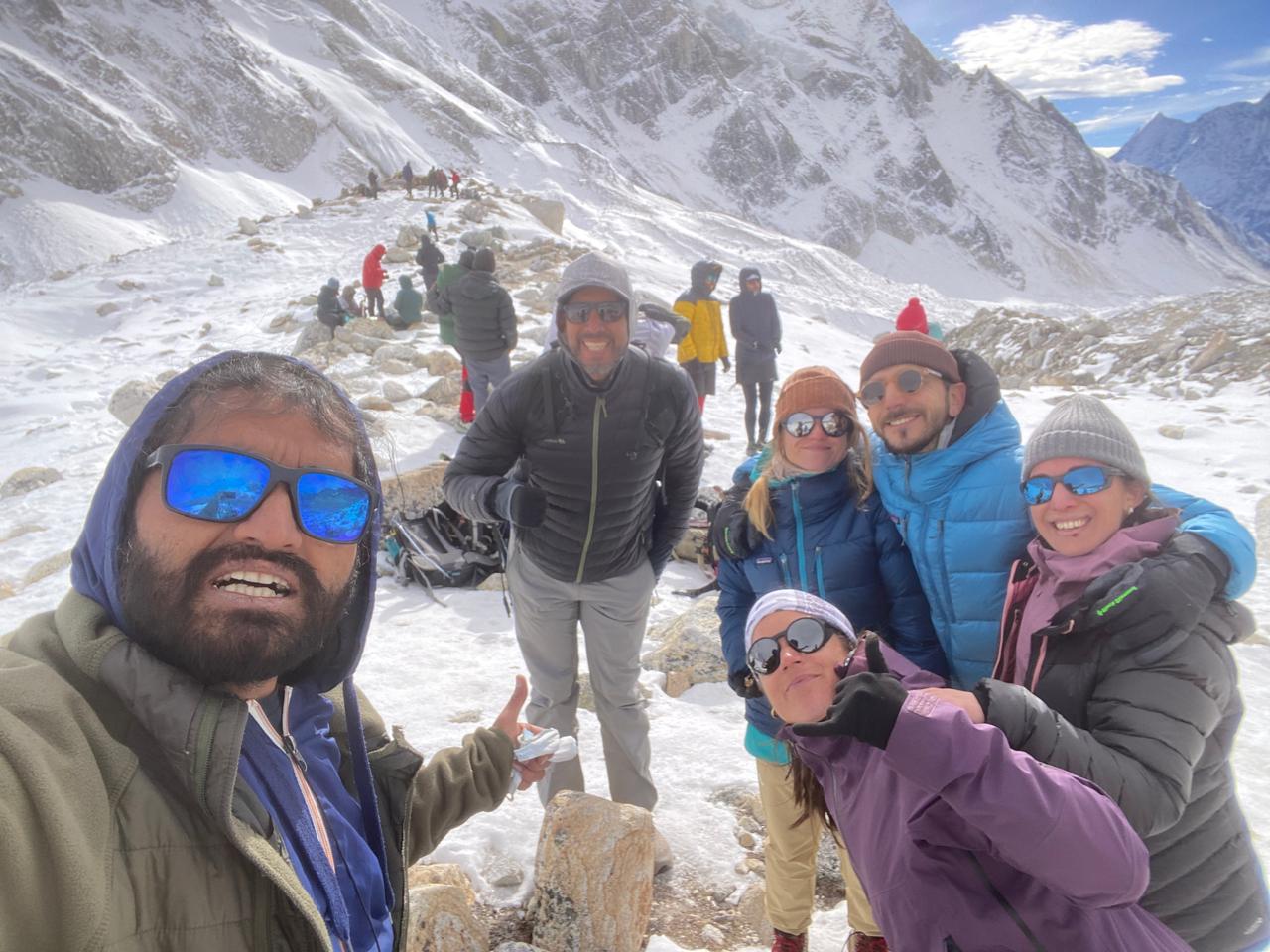
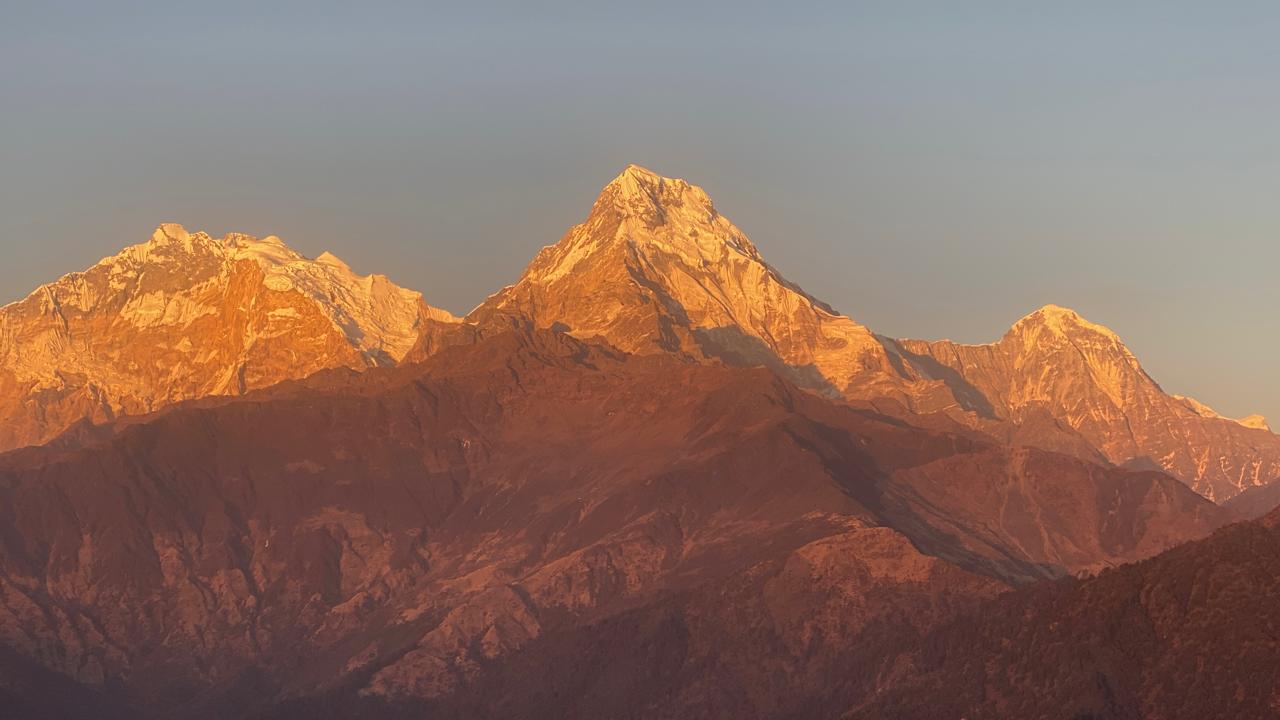
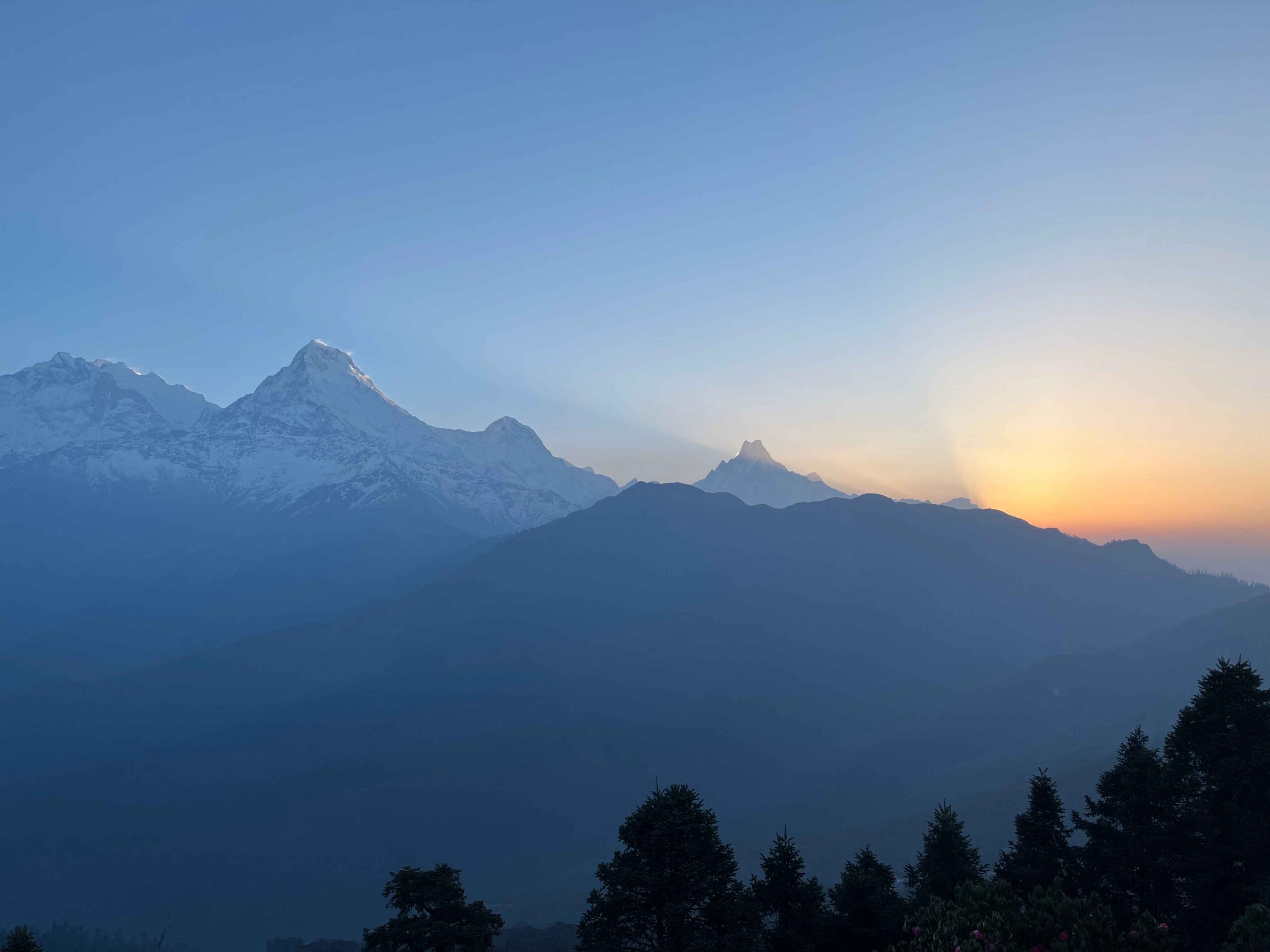
One of the most exciting parts of the trek is reaching the Dhaulagiri Base Camp. This area is surrounded by huge snow-covered peaks, including Dhaulagiri I, II, III, IV, and V. Standing in the middle of such giant mountains gives a powerful and unforgettable feeling. The base camp is a major highlight, offering stunning views and a sense of achievement.
Another major feature of this trek is crossing two high mountain passes: French Pass and Dhampus Pass. These passes are challenging and require good physical condition, but they reward trekkers with breathtaking panoramic views. Walking across glaciers and high-altitude terrain adds a strong sense of adventure to the journey.
With ART Nepal Treks & Expedition, this challenging trek becomes well-managed and safe. Their experienced guides and organized planning help ensure a smooth journey. From handling logistics to providing proper guidance on the trail, they support trekkers throughout the adventure while maintaining the true spirit of exploration.
What can you expect from the trek?
The Dhaulagiri Circuit Trek is a demanding yet highly rewarding journey. You can expect a mix of natural beauty, physical challenge, and cultural experience. The trail is not easy, and conditions can change quickly, especially at higher altitudes. However, every step of the journey brings something unique and memorable.
As you move along the trail, you will experience different landscapes every day. From green forests and rivers to rocky terrain and glaciers, the variety keeps the trek exciting. You will also have opportunities to interact with local communities and learn about their traditional way of life.
You can expect:
- Long trekking days with gradual altitude gain
- Stunning views of Dhaulagiri and nearby peaks
- Crossing glaciers and high mountain passes
- Remote trails with fewer tourists
- Basic but comfortable accommodation
- Cold weather at higher altitudes
- A strong sense of adventure and achievement
Is Trek Suitable for You?
This trek is best suited for experienced trekkers who are looking for a serious adventure in the Himalayas. It requires good physical fitness, mental strength, and prior trekking experience. The high altitude, long walking hours, and challenging terrain make it a demanding journey.
If you enjoy remote areas and are comfortable with basic facilities, this trek can be a perfect choice. It is not about luxury but about experiencing nature in its purest form. Proper preparation and determination are key to completing this trek successfully.
This trek is suitable if you:
- Have previous trekking experience
- Are physically fit and active
- Can walk for 6–7 hours daily
- Are comfortable in remote areas
- Want a challenging and adventurous trek
- Enjoy nature and mountain environments
How to get prepared for Trek?
Preparation plays a very important role in completing this trek successfully. Since it is a high-altitude and physically demanding journey, you should start preparing in advance. Building stamina and strength is necessary to handle long walking days and steep climbs.
Mental preparation is equally important. The trek involves remote areas where facilities are limited. Staying positive and adaptable will help you enjoy the journey more.
Preparation tips:
- Do regular exercises like walking, running, or hiking
- Practice trekking with a backpack
- Improve leg strength and endurance
- Stay hydrated and eat a balanced diet
- Learn about altitude sickness
- Prepare all necessary gear in advance
- Consult a doctor before the trek
-
Trip Duration
18 Days / 17 Nights
-
Group Size
1-20 People
-
Maximum Altitude
French Pass (5,360 meters) and Dhampus Pass (5,250 meters)
-
Trip Difficulty
Challenging
-
Activities
Trekking
-
Best Season
Spring (March-May), Autumn (September-November)
-
Trip Start & End
Kathmandu-Kathmandu
-
Meals
Full Board (Breakfast, Lunch, Dinner)
-
Accomodation
Teahouses or lodge
Highlights
- Enjoy incredible close-up views of Dhaulagiri and surrounding mountains
- Trek through quiet and remote trails with fewer trekkers
- Cross high and adventurous mountain passes
- Experience local culture of Gurung, Magar, and Thakali communities
- Walk through forests, rivers, glaciers, and alpine valleys
- Reach hidden valleys and high-altitude base camp areas
Itinerary
Day 01
Your journey begins as you arrive in Kathmandu, the capital city of Nepal. After landing at Tribhuvan International Airport, you will be warmly welcomed by a representative and transferred to your hotel in Thamel, the main tourist hub. The rest of the day is free for you to relax after your flight or explore the lively streets filled with shops, cafes, and cultural sights. In the evening, you will attend a detailed trek briefing where your guide will explain the route, safety measures, and important preparations for the upcoming adventure. This day helps you settle into the environment and prepare mentally for the trek ahead.
Altitude:
1,400mMeal:
Not IncludedAccomodation :
3-Star HotelDay 02
On this day, you will take a long but scenic drive from Kathmandu to Beni, which serves as the starting point of your trek. The journey takes you through winding highways, rivers, terraced farmlands, and small towns, offering beautiful views of the countryside. As you leave the busy city behind, you will notice a gradual shift in landscape and lifestyle. The drive can be long and sometimes bumpy, but the changing scenery keeps it interesting. Upon reaching Beni, you will settle into a lodge and prepare for the trekking journey starting the next day.
Trip Duration:
8–9 Hours (Drive)Trip Distance:
290 km (Drive)Altitude:
830mMeal:
Breakfast, Lunch, DinnerAccomodation :
LodgeDay 03
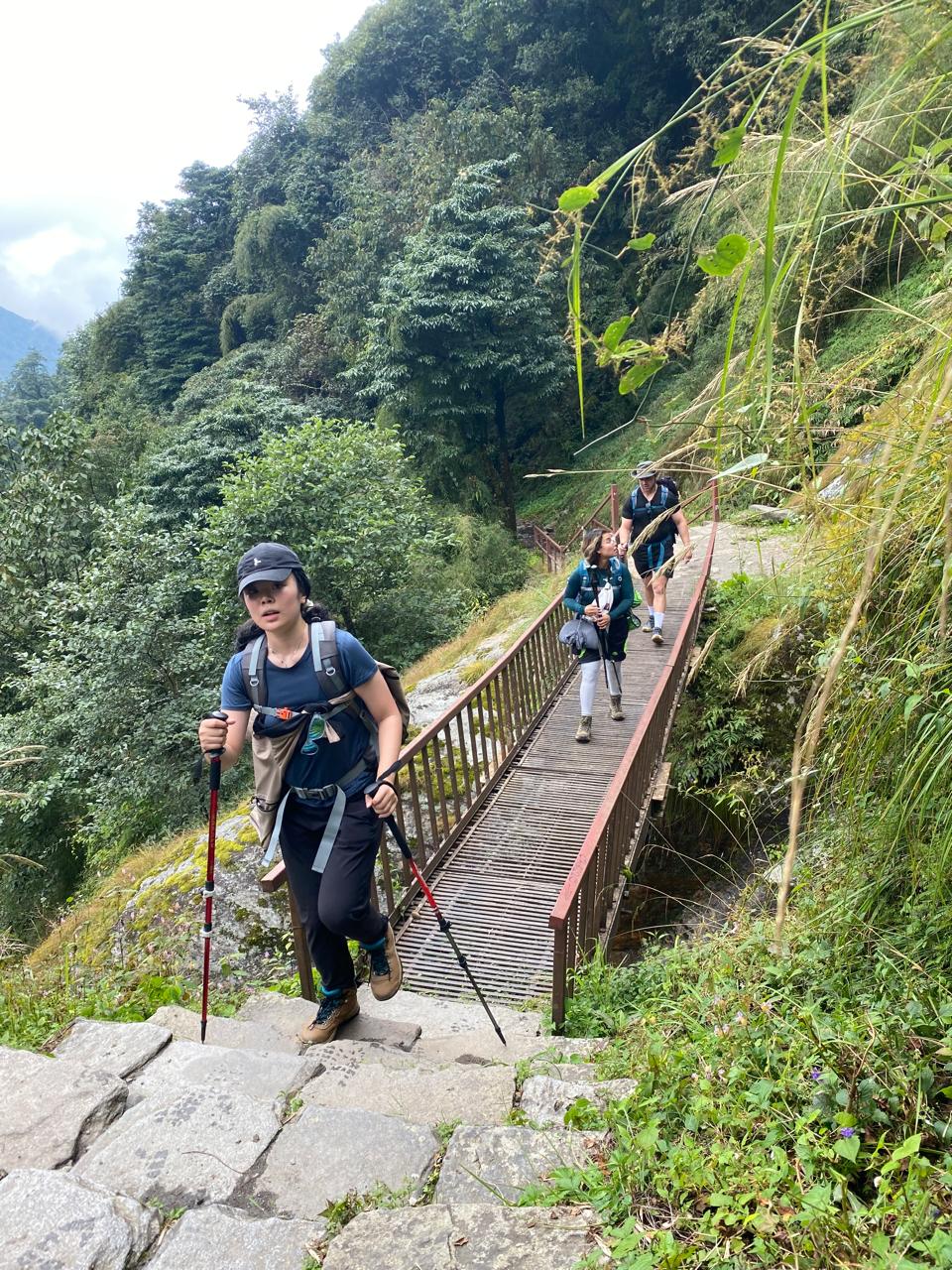
The trekking adventure officially begins today as you follow the trail along the Myagdi Khola river. The route passes through small villages, farmland, and forested areas, giving you your first real taste of rural Nepal. You will walk on a mix of flat paths and gentle climbs while enjoying views of green hills and cultivated fields. Along the way, you may meet locals going about their daily lives, offering a glimpse into the region’s culture. After several hours of walking, you will reach Babichaur, a peaceful village where you will spend the night.
Trip Duration:
5–6 HoursTrip Distance:
13 kmAltitude:
950mMeal:
Breakfast, Lunch, DinnerAccomodation :
Tea HouseDay 04
Today’s trek takes you deeper into the hills as you walk through terraced fields and lush forests. The trail includes several uphill and downhill sections, making it slightly more challenging than the previous day. You will cross small streams and pass through villages where you can observe traditional lifestyles. The natural surroundings become more beautiful as you gain altitude, with dense greenery and occasional mountain views. By the end of the day, you will arrive at Dharapani, a quiet settlement surrounded by nature.
Trip Duration:
5–6 HoursTrip Distance:
12 kmAltitude:
1,470mMeal:
Breakfast, Lunch, DinnerAccomodation :
Tea HouseDay 05
The trail today involves a steady climb toward the village of Muri. As you ascend, you will begin to see more open views of the surrounding mountains, including glimpses of Dhaulagiri. The path winds through forests and hillside villages, offering a mix of natural beauty and cultural experiences. Muri is a traditional Magar village, and spending time here allows you to experience local hospitality and lifestyle. The views from this village are especially rewarding after the day’s climb.
Trip Duration:
6–7 HoursTrip Distance:
12 kmAltitude:
1,850mMeal:
Breakfast, Lunch, DinnerAccomodation :
Tea HouseDay 06
Today’s trek becomes more adventurous as the trail moves through narrow paths, forests, and ridges. You will cross small rivers and walk along hillside trails that require careful steps. The scenery becomes more rugged, and you will notice fewer settlements along the way. The peaceful environment and natural surroundings make the journey enjoyable despite the challenges. Boghara is a small settlement where you will rest for the night.
Trip Duration:
5–6 HoursTrip Distance:
Approx. 10–12 kmAltitude:
2,080mMeal:
Breakfast, Lunch, DinnerAccomodation :
Tea HouseDay 07
The trail continues through dense forests and along the river, with several suspension bridge crossings adding excitement to the journey. You will gradually gain altitude while walking through shaded paths and rocky terrain. The environment becomes quieter and more remote, giving you a true wilderness experience. By the time you reach Dobang, you will feel deeper into the mountains, surrounded by nature and away from modern life.
Trip Duration:
5–6 HoursTrip Distance:
10 kmAltitude:
2,520mMeal:
Breakfast, Lunch, DinnerAccomodation :
Tea HouseDay 08
Today’s trek involves a steady climb through forested areas and along the river valley. You will cross streams and walk on rocky paths as the altitude increases. The air becomes cooler, and the vegetation starts to change. The trail offers beautiful natural scenery and a sense of isolation. Choriban Khola is a peaceful resting point surrounded by nature.
Trip Duration:
5–6 HoursTrip Distance:
10 kmAltitude:
3,110mMeal:
Breakfast, Lunch, DinnerAccomodation :
Tea HouseDay 09
The trail today takes you higher into the mountains, with more open views of the surrounding peaks. As you climb, the landscape becomes more alpine, with fewer trees and more rocky terrain. Italian Base Camp offers stunning views of the Dhaulagiri range, making it one of the most scenic stops of the trek. You will spend the night here, enjoying the peaceful mountain atmosphere.
Trip Duration:
5–6 HoursTrip Distance:
8 kmAltitude:
3,660mMeal:
Breakfast, Lunch, DinnerAccomodation :
Tea HouseDay 10
This day is set aside for acclimatization to help your body adjust to higher altitude. You can take short hikes around the area, explore nearby viewpoints, or simply rest. Proper acclimatization is important to reduce the risk of altitude sickness. The day also gives you time to enjoy the beautiful surroundings.
Altitude:
3,660mMeal:
Breakfast, Lunch, DinnerAccomodation :
Tea HouseDay 11
The trek becomes more challenging as you move toward glacier terrain. You will walk on rocky paths and glacial moraines, requiring careful steps. The environment is more rugged and dramatic, with stunning mountain views all around. Glacier Camp is located in a remote area, offering a unique high-altitude camping experience.
Trip Duration:
6–7 HoursTrip Distance:
6 kmAltitude:
4,210mMeal:
Breakfast, Lunch, DinnerAccomodation :
TentDay 12
Today you continue trekking across glacier terrain toward Dhaulagiri Base Camp. The path is demanding but incredibly rewarding. As you reach the base camp, you will be surrounded by towering snow-covered peaks. This is one of the most memorable moments of the trek.
Trip Duration:
5–6 HoursTrip Distance:
7 kmAltitude:
4,740mMeal:
Breakfast, Lunch, DinnerAccomodation :
TentDay 13
Another rest day is important for acclimatization. You can explore the base camp area, take short walks, and enjoy panoramic mountain views. This day helps prepare your body for crossing the high passes ahead.
Altitude:
4,740 mMeal:
Breakfast, Lunch, DinnerAccomodation :
TentDay 14
This is one of the most challenging and exciting days of the trek. You will cross French Pass, the highest point of the journey. The climb is tough, but the views from the top are breathtaking. After crossing the pass, you descend into Hidden Valley, a remote and beautiful high-altitude area.
Trip Duration:
6–7 HoursTrip Distance:
10 kmAltitude:
5,360 m (Pass) / 5,050 m (Valley)Meal:
Breakfast, Lunch, DinnerAccomodation :
TentDay 15
Another adventurous day as you cross Dhampus Pass. The trail offers incredible views of surrounding mountains. After crossing the pass, you descend toward Yak Kharka, where the landscape becomes less harsh and more open.
Trip Duration:
6–7 HoursTrip Distance:
10 kmAltitude:
5,250m (Pass) / 3,680mMeal:
Breakfast, Lunch, DinnerAccomodation :
Tea HouseDay 16
The trail descends steadily toward Jomsom. As you walk downhill, the air becomes warmer and the surroundings change. Jomsom is a well-known town with better facilities, marking the end of your trekking journey.
Trip Duration:
5–6 HoursTrip Distance:
12 kmAltitude:
2,720mMeal:
Breakfast, Lunch, DinnerAccomodation :
LodgeDay 17
You will take a short scenic flight to Pokhara. The flight offers amazing aerial views of mountains and valleys. After arriving, you can relax or explore the beautiful lakeside city.
Trip Duration:
20 minutes flightAltitude:
822mMeal:
BreakfastAccomodation :
3-Star HotelDay 18
Your journey ends with a flight back to Kathmandu. You can spend your time shopping or relaxing before enjoying a farewell dinner in the evening.
Trip Duration:
30 minutes flightAltitude:
1,400mMeal:
Breakfast, DinnerAccomodation :
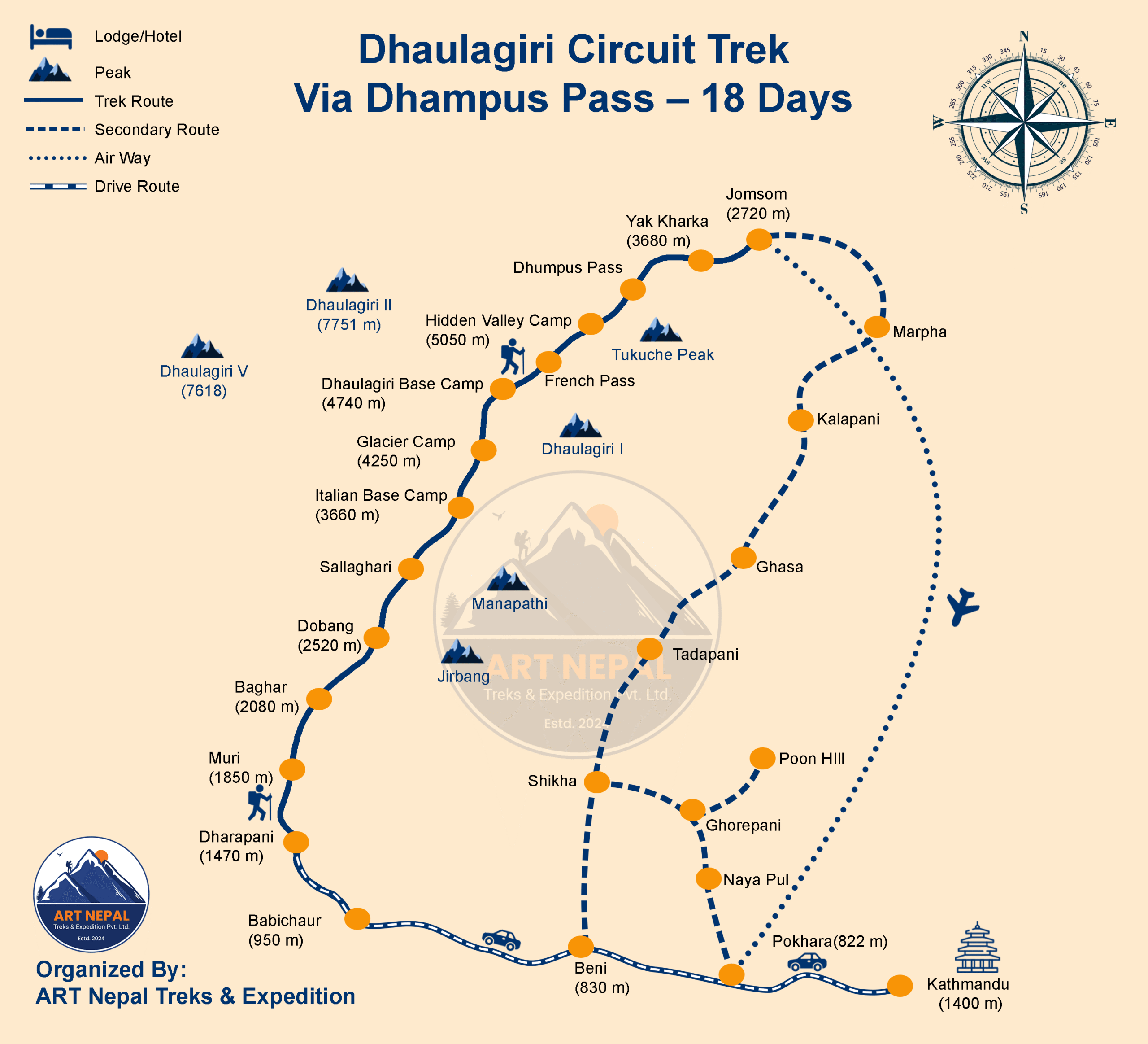
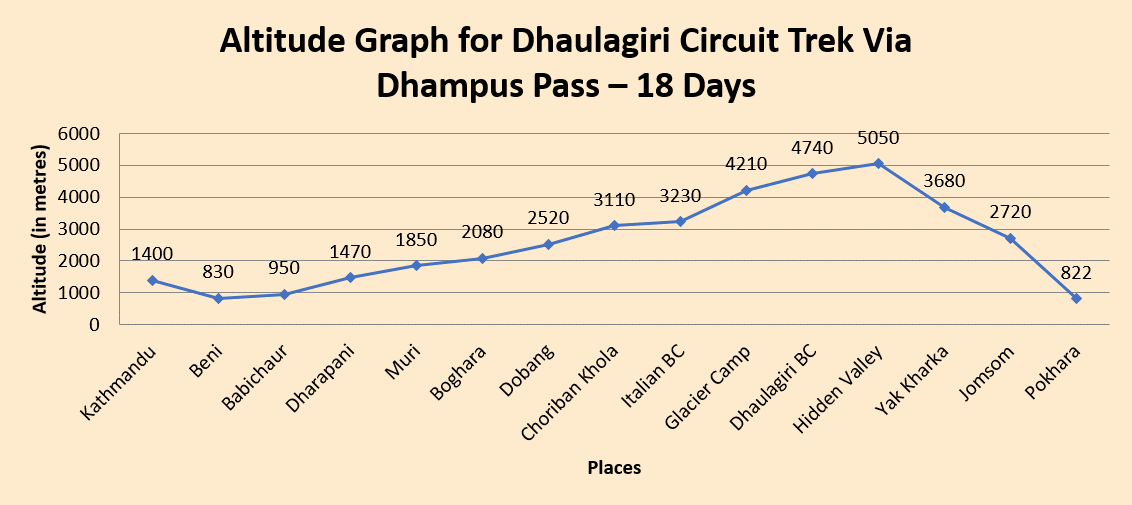
3-Star HotelRoute Map
What's Included
- Airport pickup & drop
- 2 Nights at Kathmandu 3 Star Hotel
- 2 Breakfast in Kathmandu
- All Permits and Taxes
- Domestic Flight/s
- During Trek Accommodation
- Breakfast, Lunch, Dinner, Tea/Coffee
- Guide (food and accommodation, salary, guide’s insurance)
- First Aid Kit
- Public Transportation
What's Excluded
- Personal Expenses
- Gears
- Tips for staff (Expected at the end of the trip)
- Beverages & Mineral Water
- Travel Insurance
- Porters: Optional, though recommended for carrying heavy luggage ($22 per porter per day), a porter can carry up to 20 kg, and it is advisable to hire one porter for every two trekkers for comfort and convenience.
Essential Info
Add-Ons
The Dhaulagiri Circuit Trek can be further enhanced with optional add-ons that make the trek more comfortable, convenient, and personalized. These services are not mandatory but are highly recommended for trekkers who want extra flexibility, safety, or comfort.
- Sightseeing in Kathmandu: Before or after your trek, you can explore Kathmandu’s rich cultural heritage. Popular destinations include Swayambhunath Stupa, Pashupatinath Temple, Boudhanath Stupa, and Bhaktapur Durbar Square. This gives trekkers a chance to understand Nepalese culture, history, and architecture before heading into the mountains. Guided tours can be arranged through ART Nepal Treks & Expedition for a seamless experience.
- Porter Services: Hiring a porter is highly recommended, especially for high-altitude trekking. Porters can carry up to 25 kg of your gear, making your trek less physically demanding. Each porter can typically support two trekkers. This allows you to enjoy the trek without fatigue and focus on the adventure and photography.
- Domestic Flights: In addition to included flights, you may add extra domestic flights or upgrade to premium services. Flights like Jomsom to Pokhara provide scenic views of snow-capped peaks and valleys, saving long travel Hours by road.
- Helicopter Services: Helicopters are available for emergencies or for luxury sightseeing. In emergencies, a helicopter can evacuate you quickly from high-altitude areas to a hospital. For sightseeing, it allows aerial views of the Dhaulagiri, Annapurna, and Mustang regions, which is an unforgettable experience.
- Private Transportation: For trekkers who prefer privacy or convenience, private vehicles can be arranged for airport transfers, sightseeing, or travel to the trekking trailheads. This is especially useful for groups or families who want a flexible schedule.
These add-ons help enhance comfort, safety, and convenience while allowing trekkers to maintain focus on the adventure and scenic beauty of the Dhaulagiri region.
Best Season to Trek
The Dhaulagiri Circuit Trek via Dhampus Pass is best undertaken during Spring (March to May) and Autumn (September to November) when the weather is stable, skies are clear, and mountain views are at their peak.
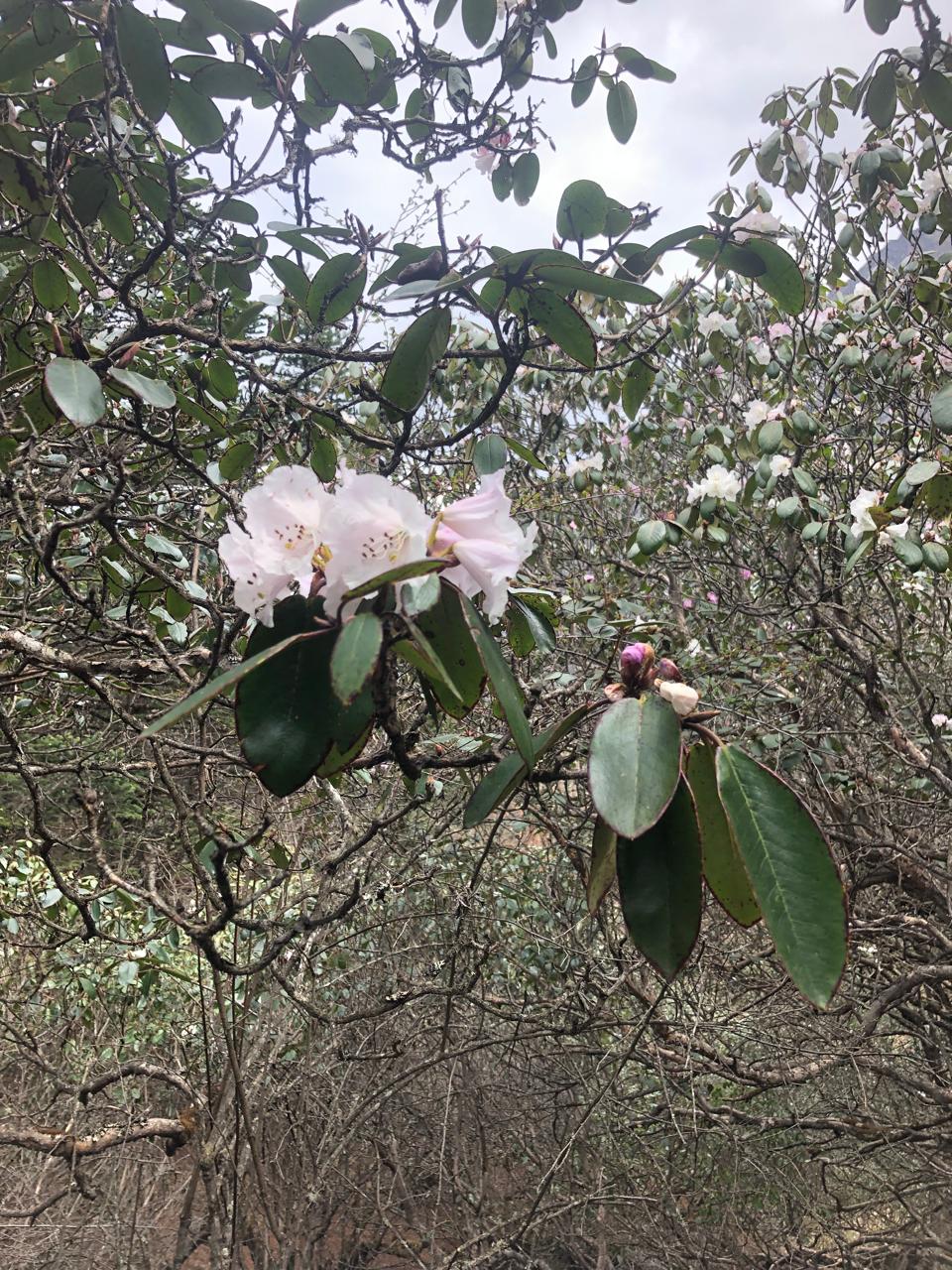
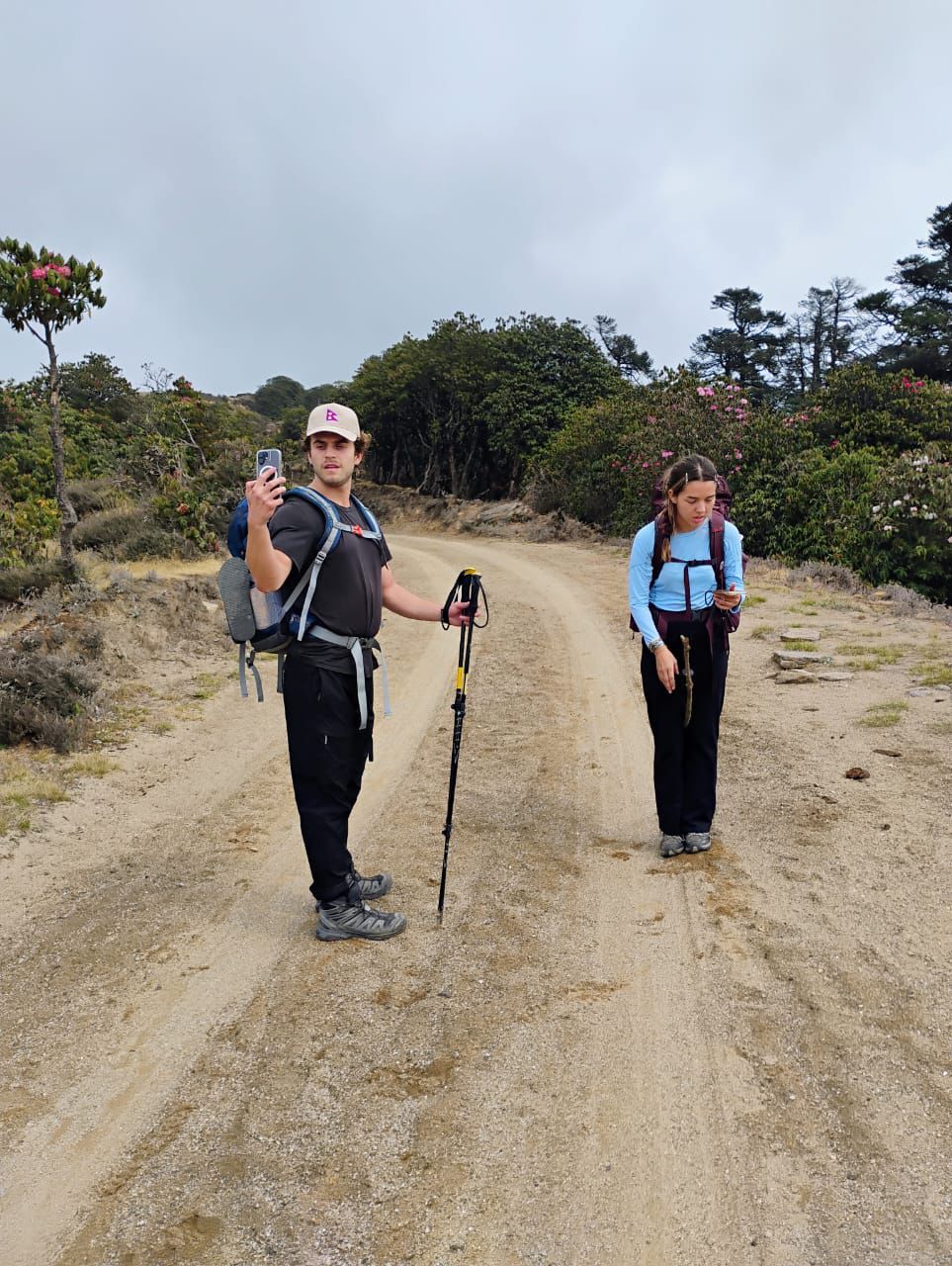
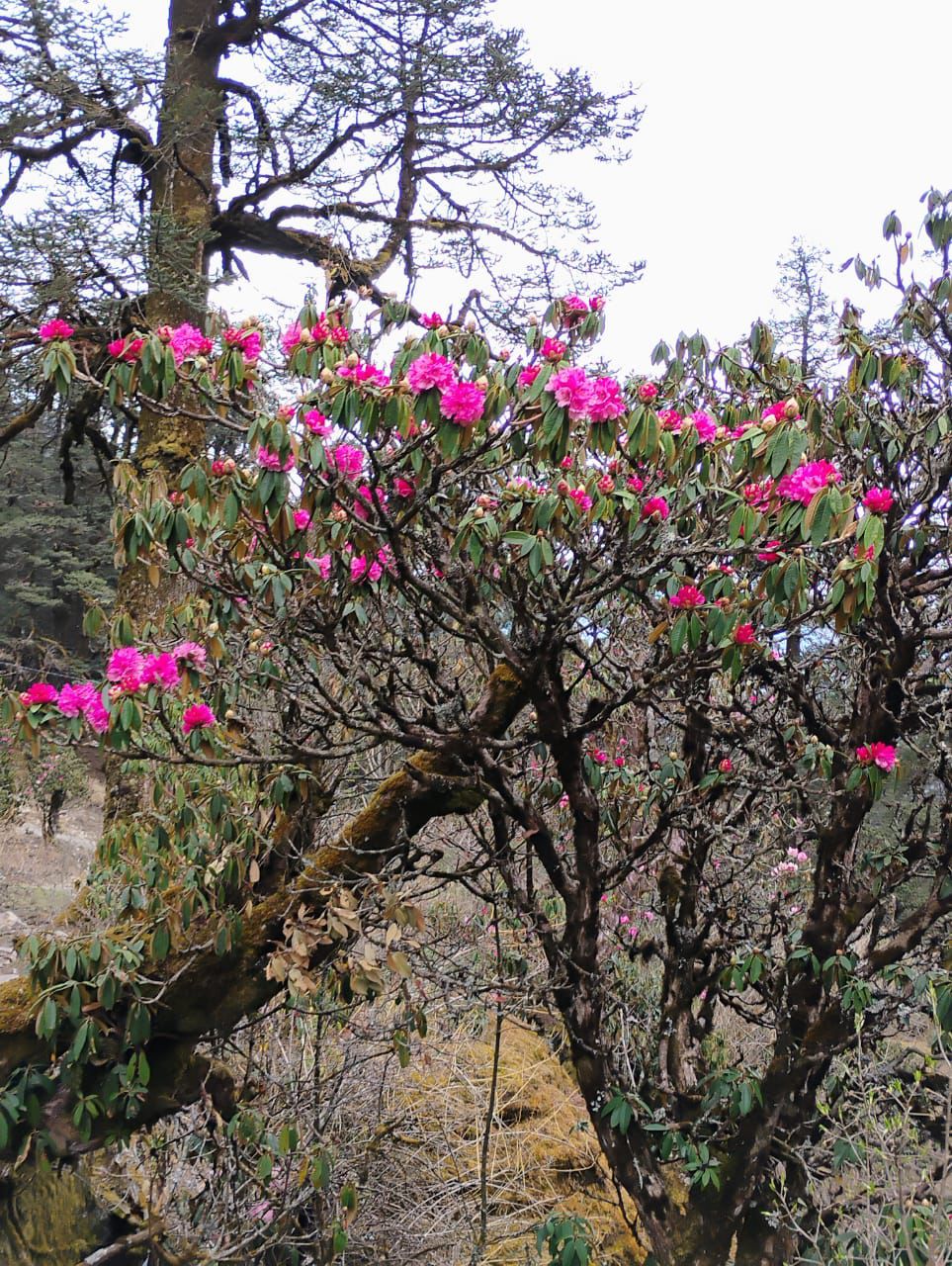
During Spring, the trekking route is surrounded by vibrant rhododendron forests and blooming wildflowers, creating colorful landscapes along the trail. The temperatures are moderate, allowing comfortable trekking at lower altitudes, while higher passes may still retain some snow, adding to the breathtaking scenery. Wildlife is more active in this season, giving trekkers an opportunity to see Himalayan birds and other animals along the trail. Spring is also ideal for photography, as the combination of greenery, flowers, and snowy peaks creates stunning vistas.
In Autumn, post-monsoon weather brings clear skies, crisp air, and excellent visibility. The towering peaks of Dhaulagiri, Tukuche, and Annapurna stand sharply against the blue sky. Temperatures are slightly cooler than spring but remain comfortable for trekking. Autumn also coincides with several local festivals, allowing trekkers to experience the cultural richness of the mountain communities along the trail. This season is particularly popular among trekkers for its stability, scenic beauty, and cultural opportunities.
Trekking during the monsoon season (June to August) is not recommended due to heavy rainfall, slippery trails, and risk of landslides. Winter trekking (December to February) is possible for experienced adventurers, but extreme cold, snow, and icy passes make the journey challenging and less accessible for casual trekkers.
Food Availability
Nutrition is vital during the high-altitude Dhaulagiri Circuit Trek, as your body requires additional energy to cope with cold temperatures and long trekking Hours. Along the trek, food is available at tea houses, lodges, and base camps, offering both local and international dishes.
Breakfast typically includes porridge, eggs, pancakes, Tibetan bread, muesli, fresh fruits, and hot beverages such as tea, coffee, or hot chocolate. This provides a strong start to the day.
Lunch offers hearty options including dal bhat (rice and lentils), vegetable curry, soups, Thukpa (noodle soup), pasta, sandwiches, salads, and momos (dumplings).
Dinner is similar to lunch, often supplemented with noodles, Sherpa stew, spaghetti, pizza, and desserts. At higher altitudes, menu options are simpler but always provide the necessary calories and nutrients for energy and recovery.
Carrying snacks, energy bars, and boiled water is recommended, especially on long trekking days. Tea houses provide hot drinks to maintain warmth and hydration.
Accommodation
Accommodation varies according to altitude and location along the trek.
In Kathmandu and Pokhara, trekkers stay in 3-star hotels with modern facilities such as private bathrooms, comfortable beds, and dining areas. These hotels provide a restful start and end to the trek.
Along the trekking route, accommodation is primarily in tea houses and lodges, which offer basic rooms, bedding, and shared bathrooms. These facilities allow trekkers to rest and experience local culture while trekking.
At higher elevations, above 4,000 meters, accommodation shifts to tents at base camps or high passes, where sleeping bags and mats are provided. While simpler, these facilities provide safety, warmth, and proximity to key trekking points like French Pass and Dhampus Pass.
Travel Insurance
Travel insurance is mandatory for the Dhaulagiri Circuit Trek due to high-altitude terrain and remote areas. Policies should cover high-altitude trekking, medical emergencies, helicopter evacuation, trip cancellation, and lost baggage.
High-altitude coverage is crucial as emergencies may require evacuation from glaciers or mountain passes. Helicopter services provide rapid transport to hospitals in case of injury or severe illness. Insurance should also cover hospitalization for altitude-related illnesses, fractures, or other emergencies.
Having travel insurance ensures peace of mind and financial protection, allowing trekkers to focus fully on their adventure without worry.
Altitude Sickness
The trek reaches high passes, including French Pass (5,360m) and Dhampus Pass (5,250m), making altitude sickness a potential risk. Symptoms include headache, dizziness, nausea, fatigue, and shortness of breath.
Prevention is possible through gradual ascent and proper acclimatization. Rest days at Italian Base Camp and Dhaulagiri Base Camp help your body adjust to higher elevations. Staying hydrated, eating light but nutritious meals, and avoiding alcohol also reduce risk. Medication such as Diamox may be considered with prior medical advice.
If symptoms worsen, immediate descent to a lower altitude is necessary. Following your guide’s instructions and monitoring your health closely are essential for a safe trek.
Guide and Safety Measures
The Dhaulagiri Circuit Trek is accompanied by experienced guides from ART Nepal Treks & Expedition who ensure safety, navigation, and support throughout the journey. Guides are highly knowledgeable about high-altitude terrain, weather conditions, and local culture, helping trekkers safely navigate challenging passes like French Pass and Dhampus Pass.
Guides monitor acclimatization, provide advice on altitude sickness prevention, and maintain communication with base offices in case of emergencies. They also carry first aid kits and know how to handle minor injuries or health issues on the trail. Before the trek begins, guides provide a detailed briefing covering safety protocols, trekking routes, cultural norms, and emergency procedures.
Additional safety measures include: gradual ascent schedules to avoid altitude sickness, weather monitoring, and regular check-ins to ensure each trekker is coping well with the physical and environmental demands. With a trained guide, trekkers can focus on enjoying the landscapes, villages, and cultural experiences while minimizing risk.
Booking Procedure
Booking the Dhaulagiri Circuit Trek is a simple and organized process with ART Nepal Treks & Expedition.
- Reservation Deposit: A deposit of 10% of the total trek cost is required to secure your booking.
- Submission of Documents: Within a week of booking, trekkers must provide:
- Copy of passport
- Passport-size photographs
- Travel insurance details
- Arrival and departure flight information
Payment Methods:
- Advance Payment: Bank transfer, Western Union, or online payment via the agency’s website.
- Payment Upon Arrival: Cash, bank transfer, or credit card can be used in Kathmandu.
- Confirmation: Once payment and documents are received, a confirmation email with detailed itinerary, guide assignments, permits, and trekking information is sent to the trekker.
Trekkers are encouraged to book early, especially during peak trekking seasons in Spring and Autumn, to secure accommodations and flight reservations.
Equipment List
- Moisture-wicking base layers
- Trekking pants and shirts
- Trekking socks
- Warm hat, gloves, and scarf
- Sunglasses and sunscreen
- Trekking poles
- Sturdy trekking boots
- Backpack with rain cover
- Sleeping bag (rated for cold weather)
- Water bottles or hydration bladder
- Headlamp with extra batteries
- Insulating layers (fleece or down jacket)
- Waterproof jacket and pants
- Personal first aid kit
- Toiletries and hand sanitizer
- Wet wipes
- Sunscreen and lip balm
- Mobile phone
- Camera
- Chargers and power bank
General Equipments
- Passport and visa
- Travel insurance documents
- Trekking permits and TIMS card
- Snacks and energy bars
FAQ
Trip Price
USD 2700 Per Person
Talk To Trip Expert
Related Trips