

Arun Valley Trek – 15 Days Adventure
Introduction
The Arun Valley Trek is a journey into one of the most remote and lesser-known regions of Nepal. This trek combines natural beauty, high mountain vistas, and cultural immersion, making it perfect for adventurers seeking both challenge and serenity. The Arun Valley is often overlooked in comparison to the Everest or Annapurna regions, which means trekkers experience solitude and pristine landscapes rarely seen by visitors.
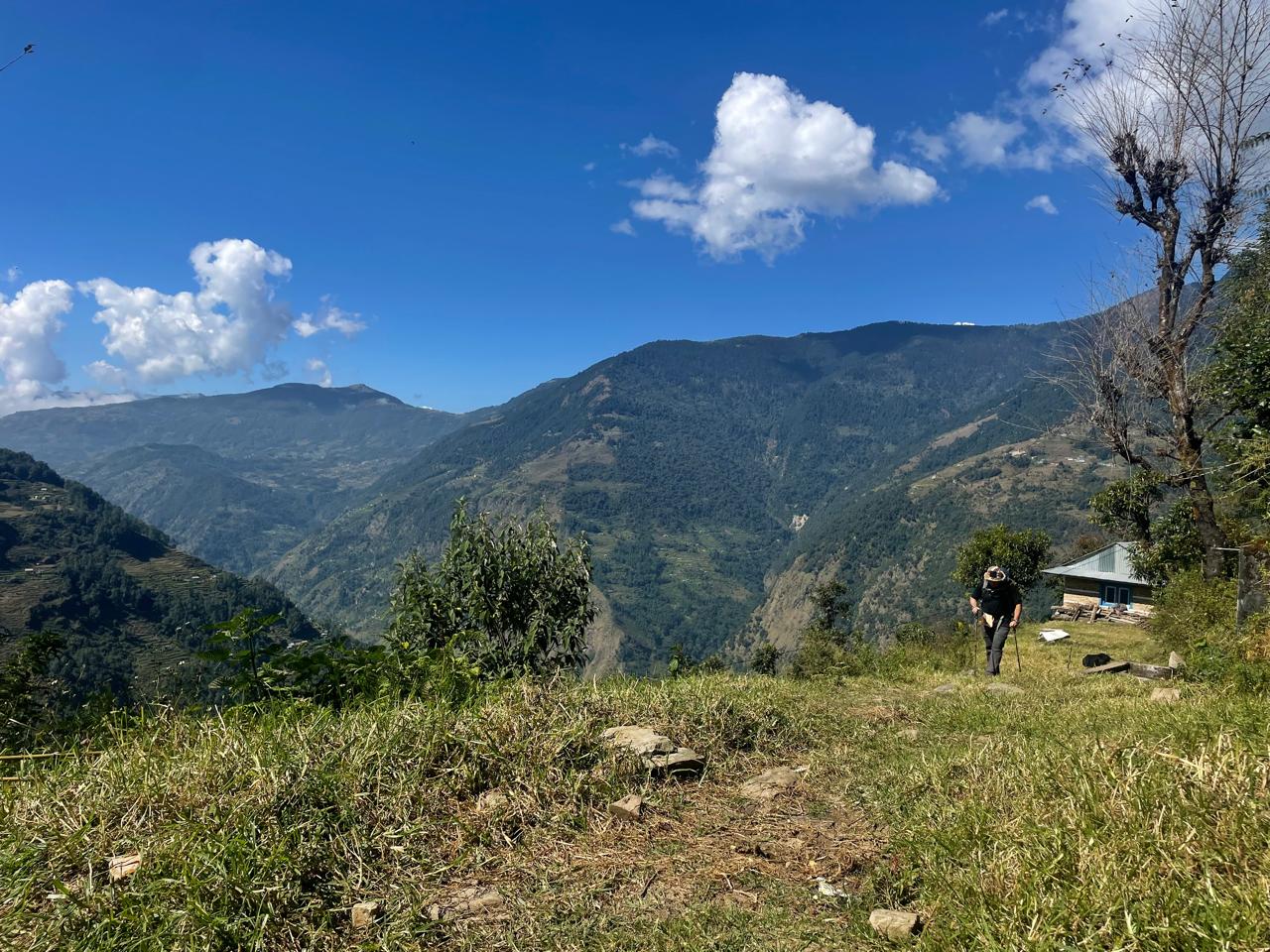
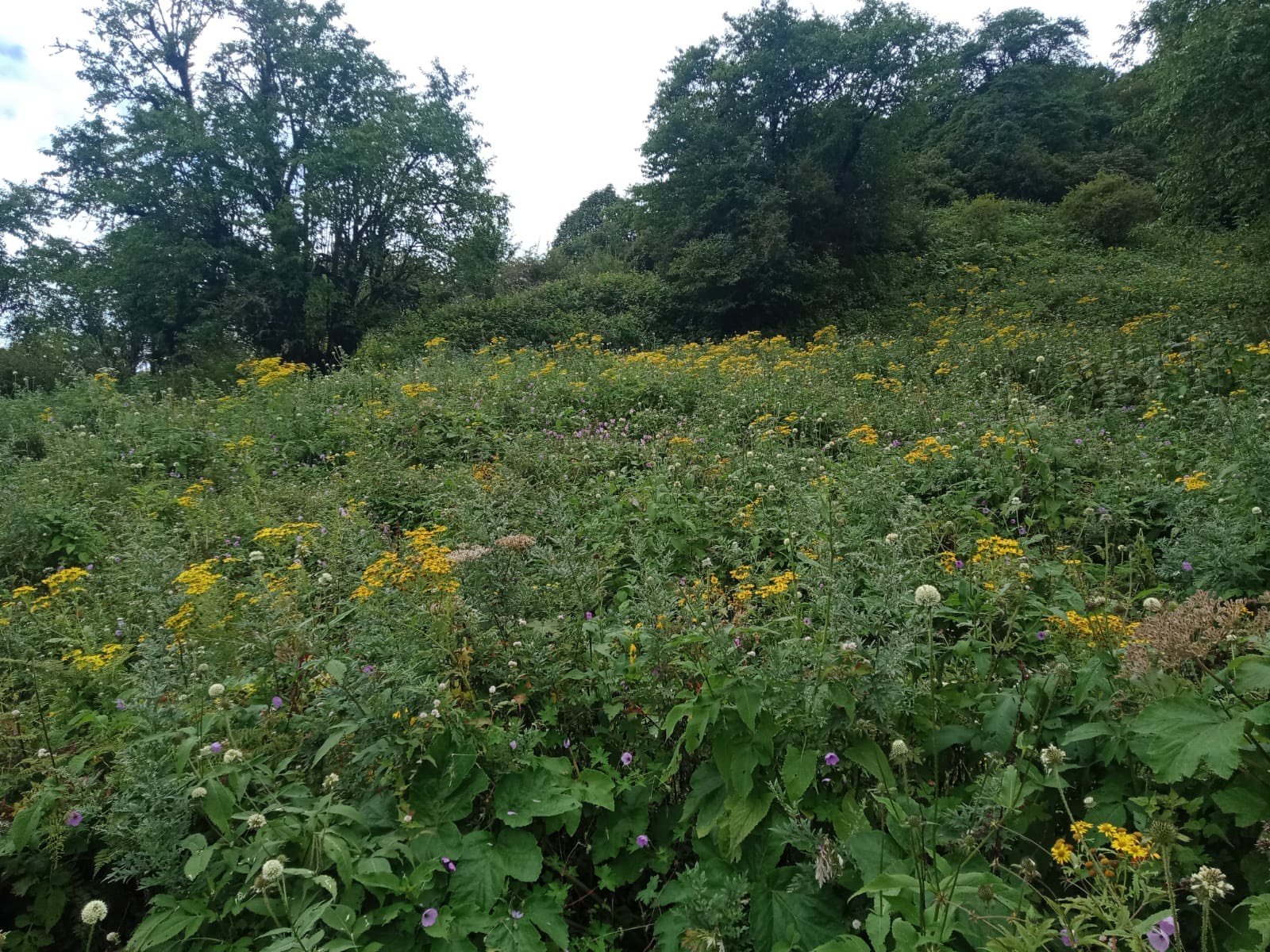
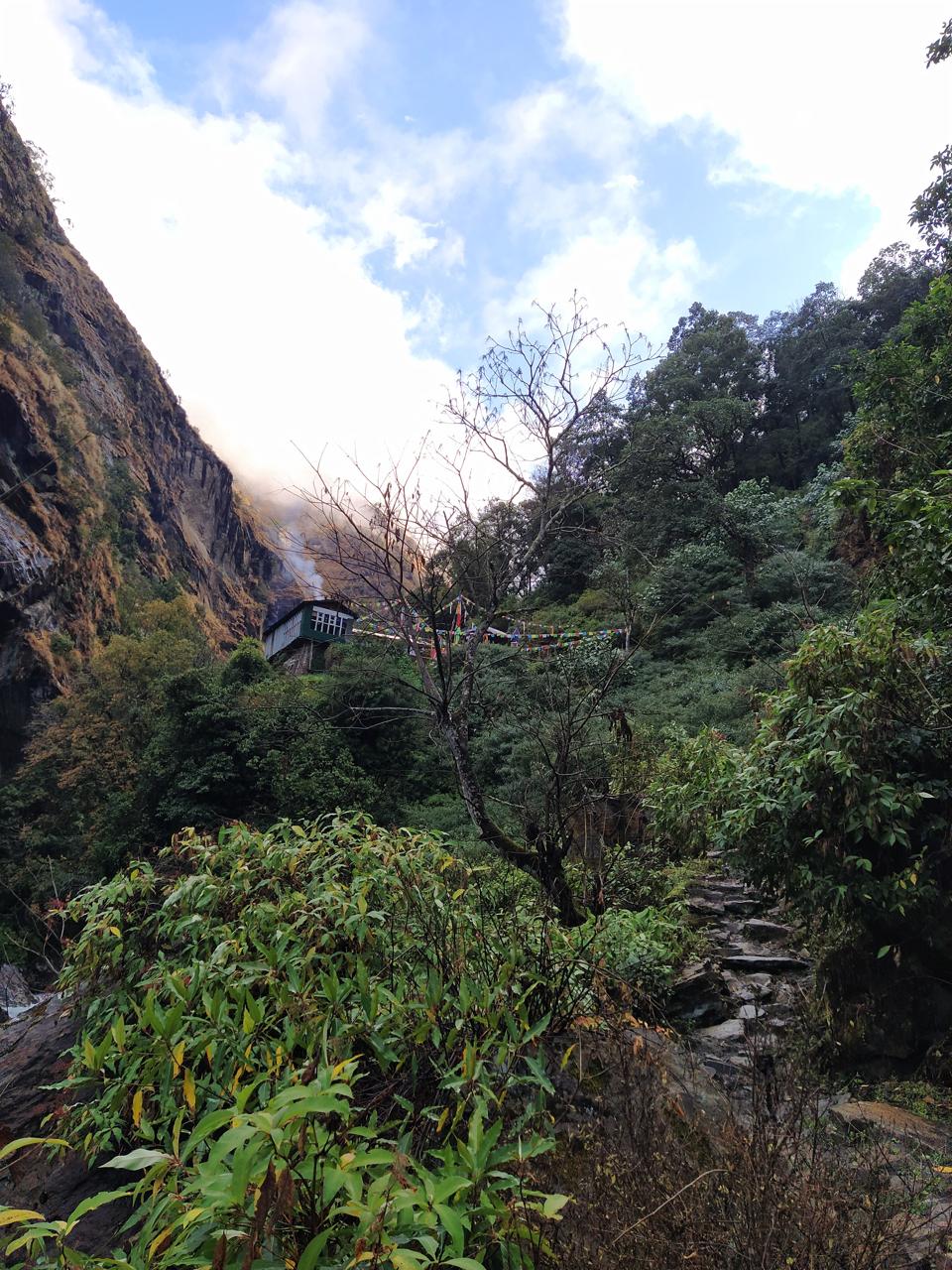
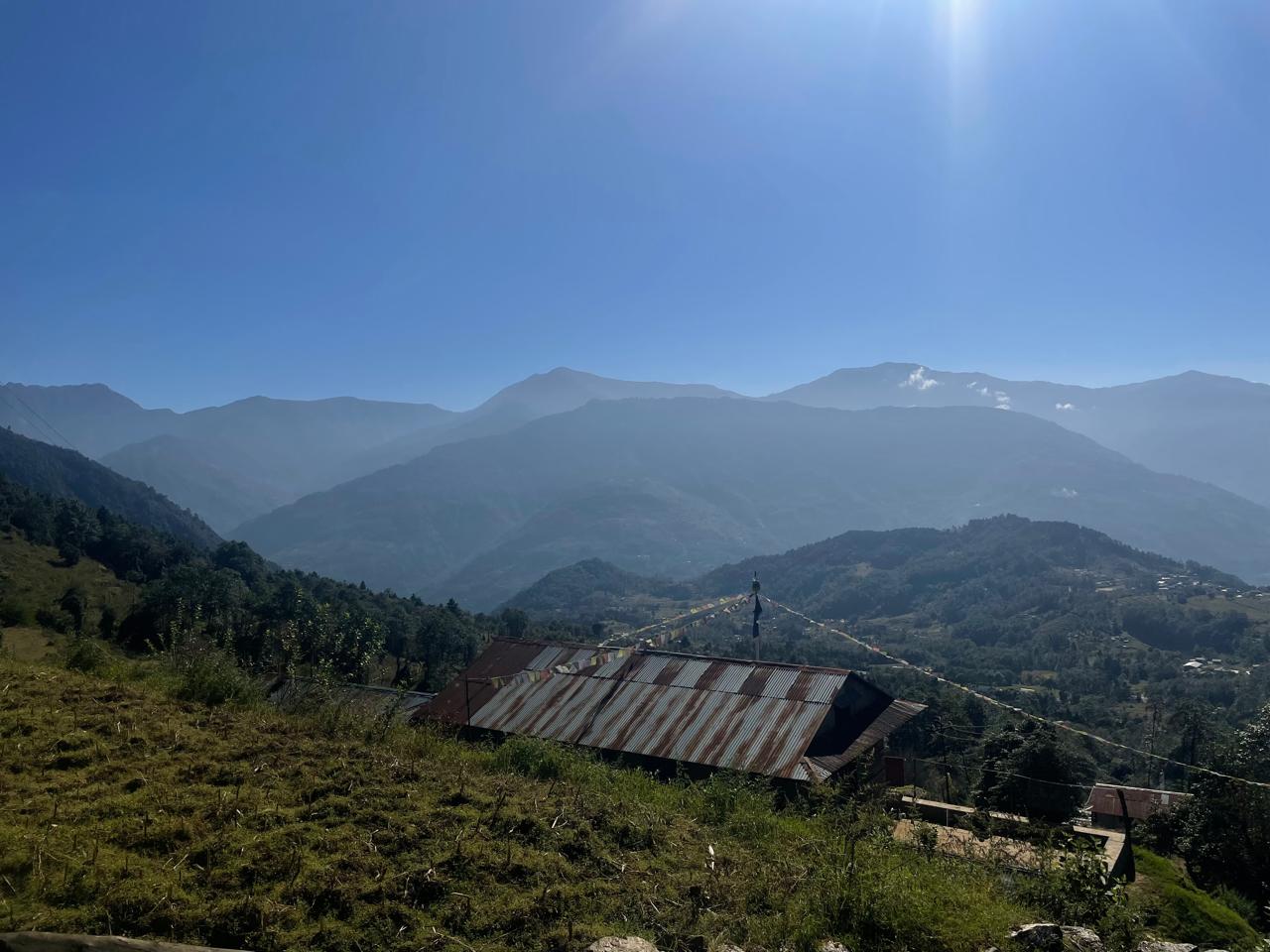
The trek begins with a scenic flight from Kathmandu to Tumlingtar. From there, a drive takes you to Khandbari, the starting point of the trek. Along the trail, trekkers pass through lush forests, terraced farmlands, and quaint villages. These landscapes create a vibrant tapestry of colors and life, giving you a glimpse into rural Nepalese life.
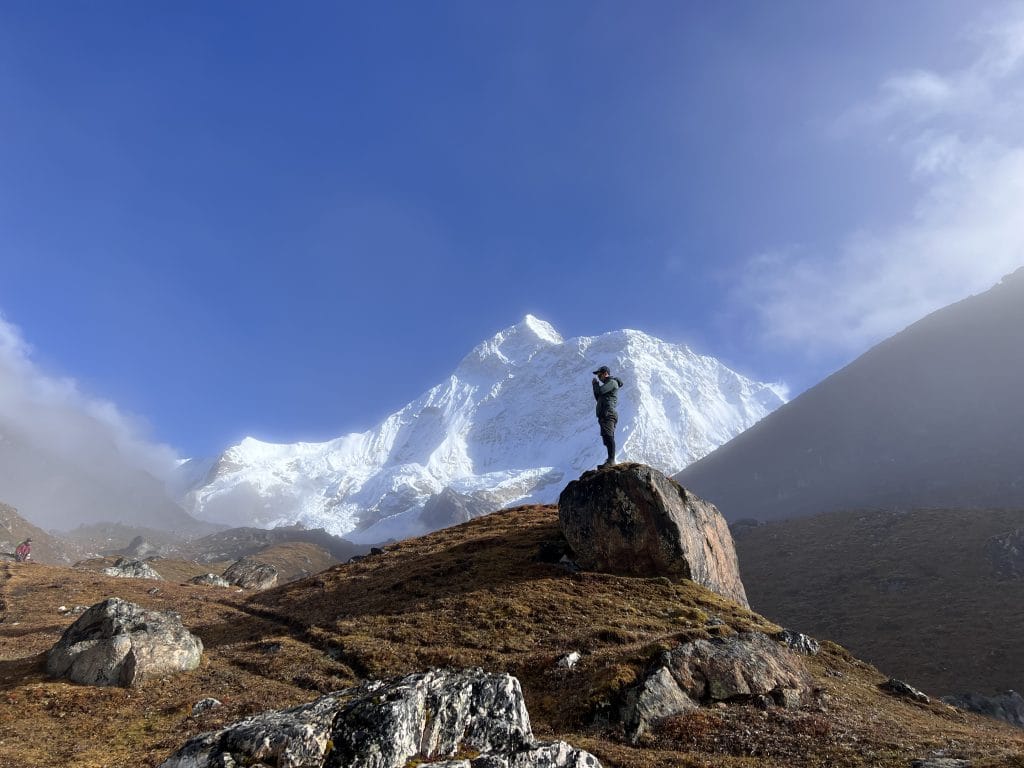
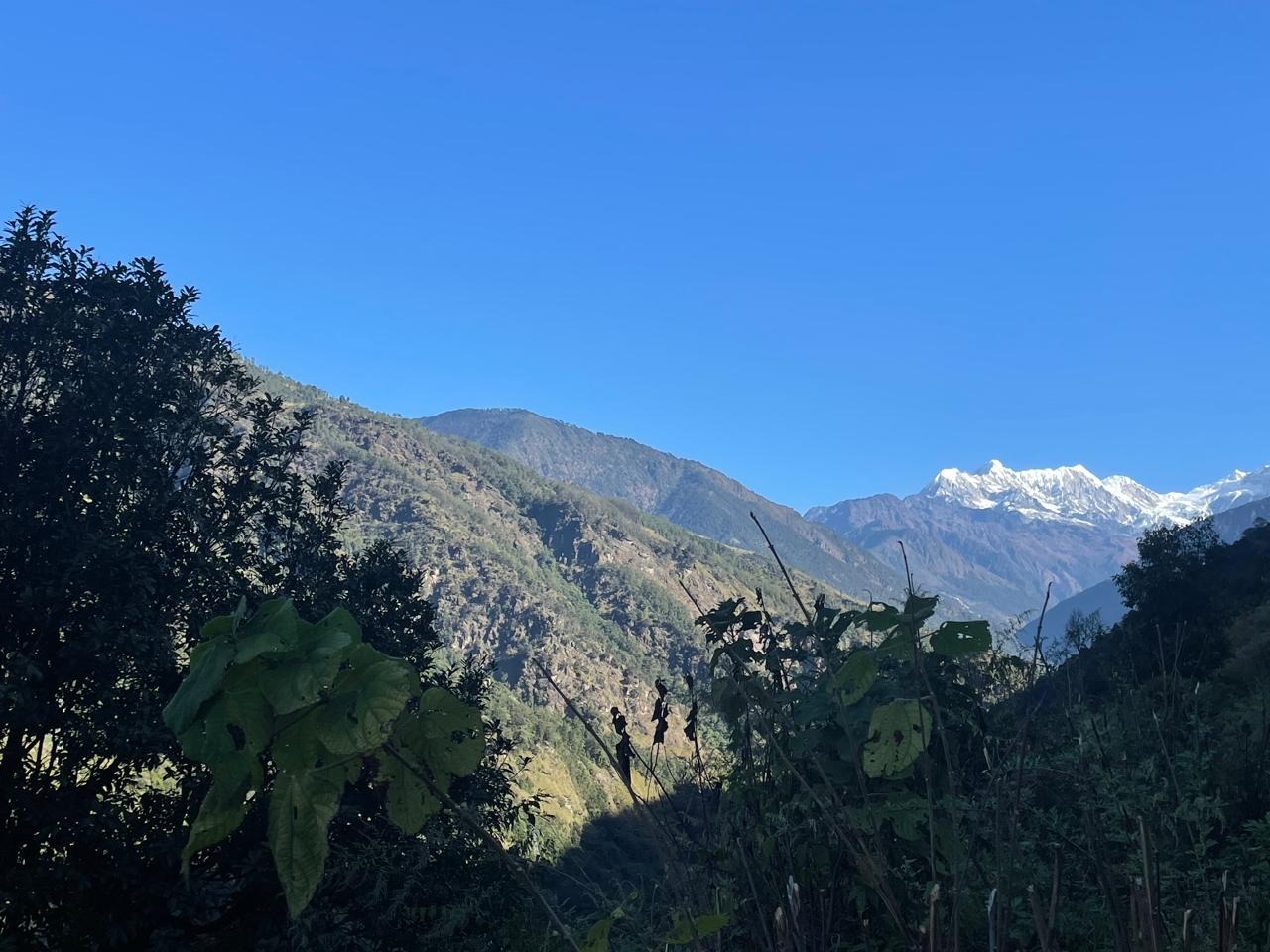
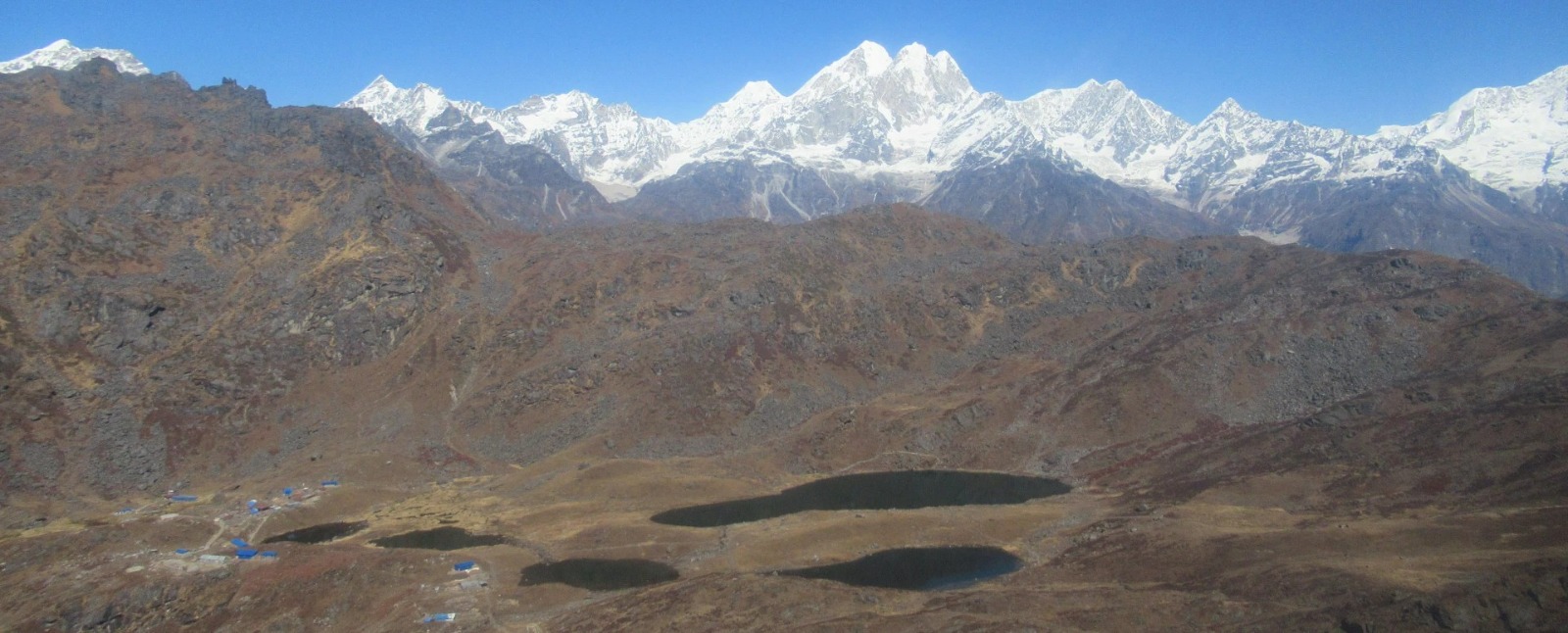
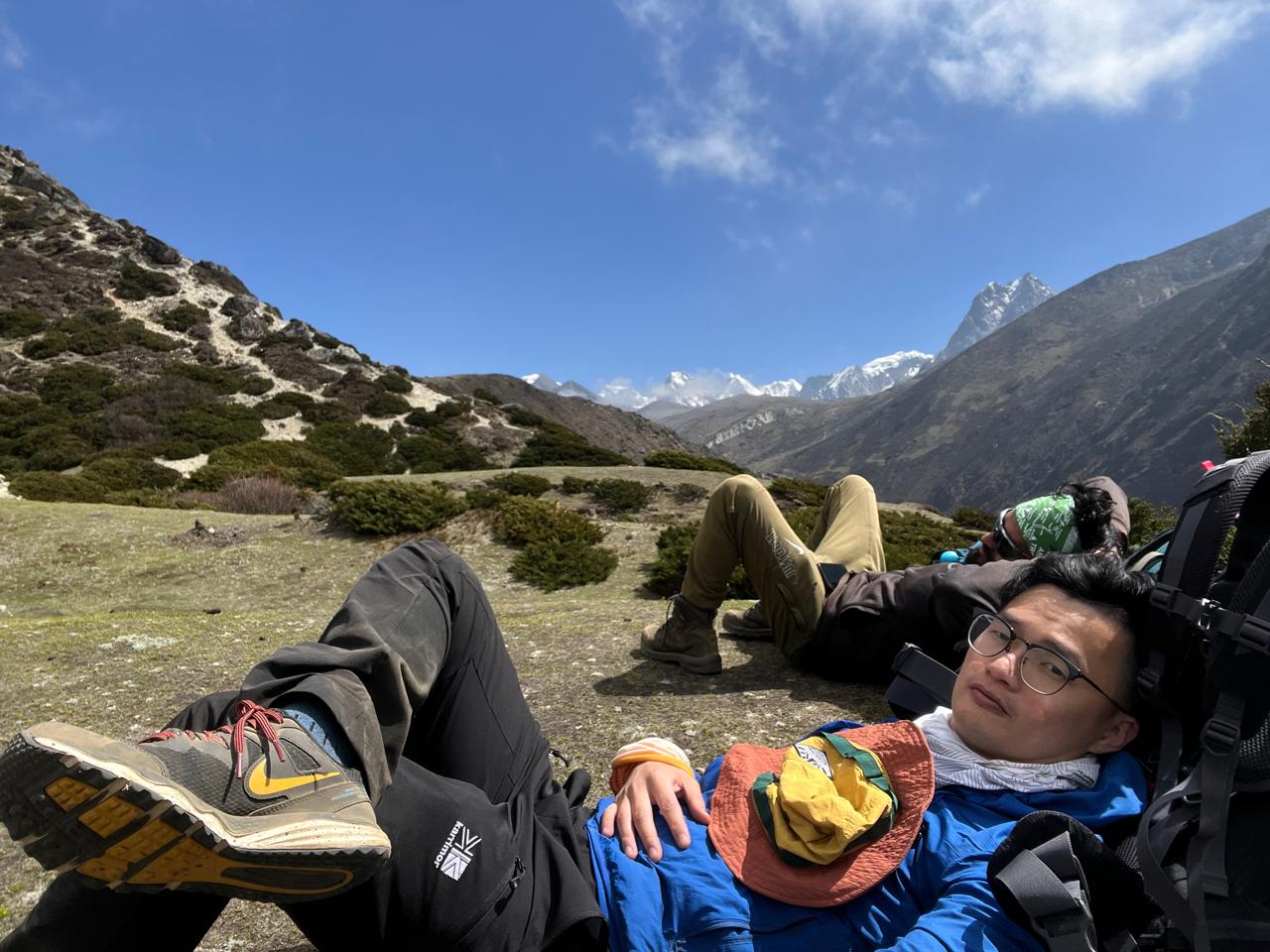
Throughout the journey, trekkers are treated to panoramic views of towering Himalayan peaks, including Everest, Lhotse, and Makalu. The trail crosses rivers, climbs high passes, and weaves through small settlements, giving a perfect blend of natural and cultural experiences. This trek not only challenges your physical abilities but also rewards you with unforgettable scenery and interactions with local communities.
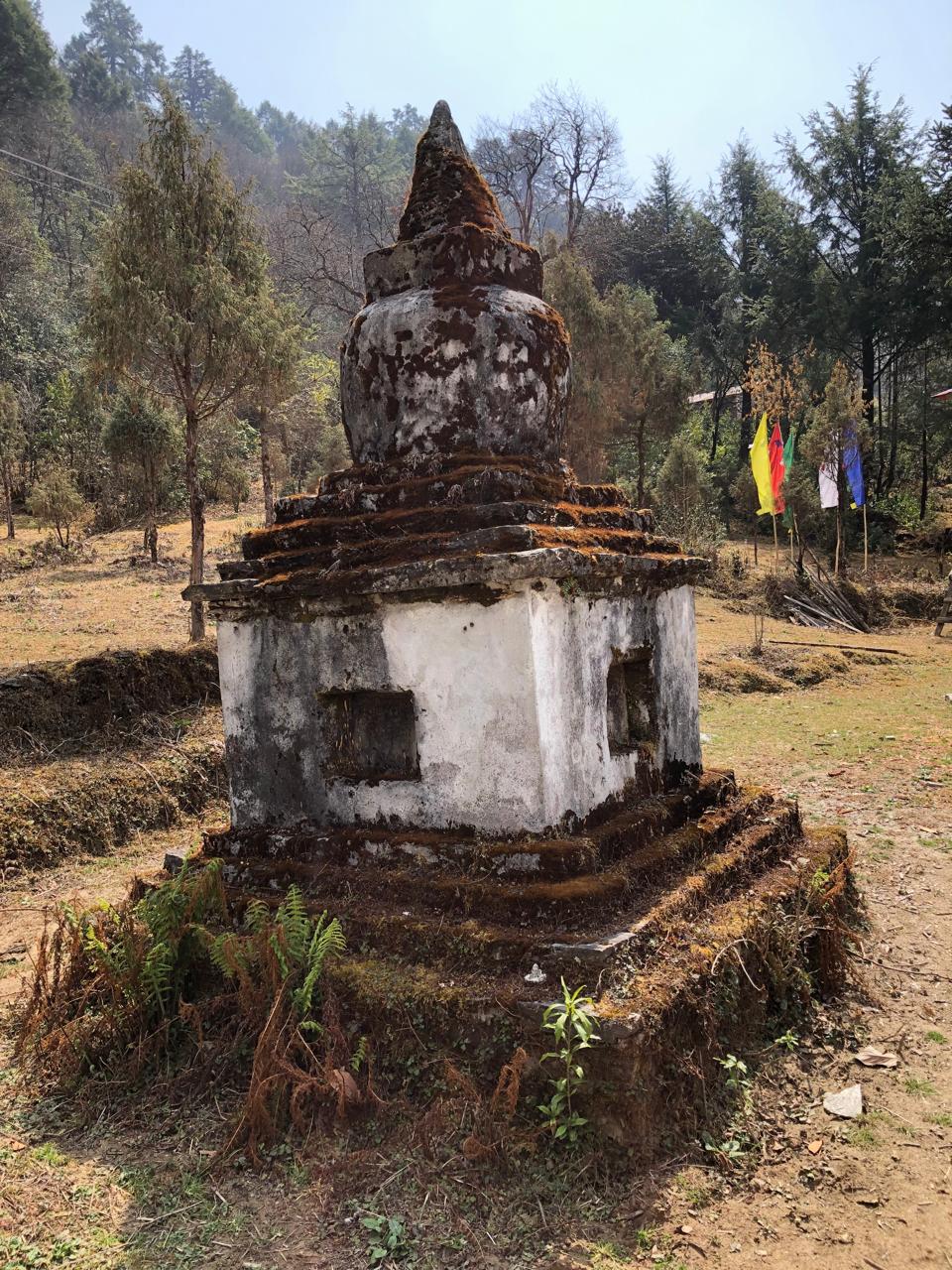
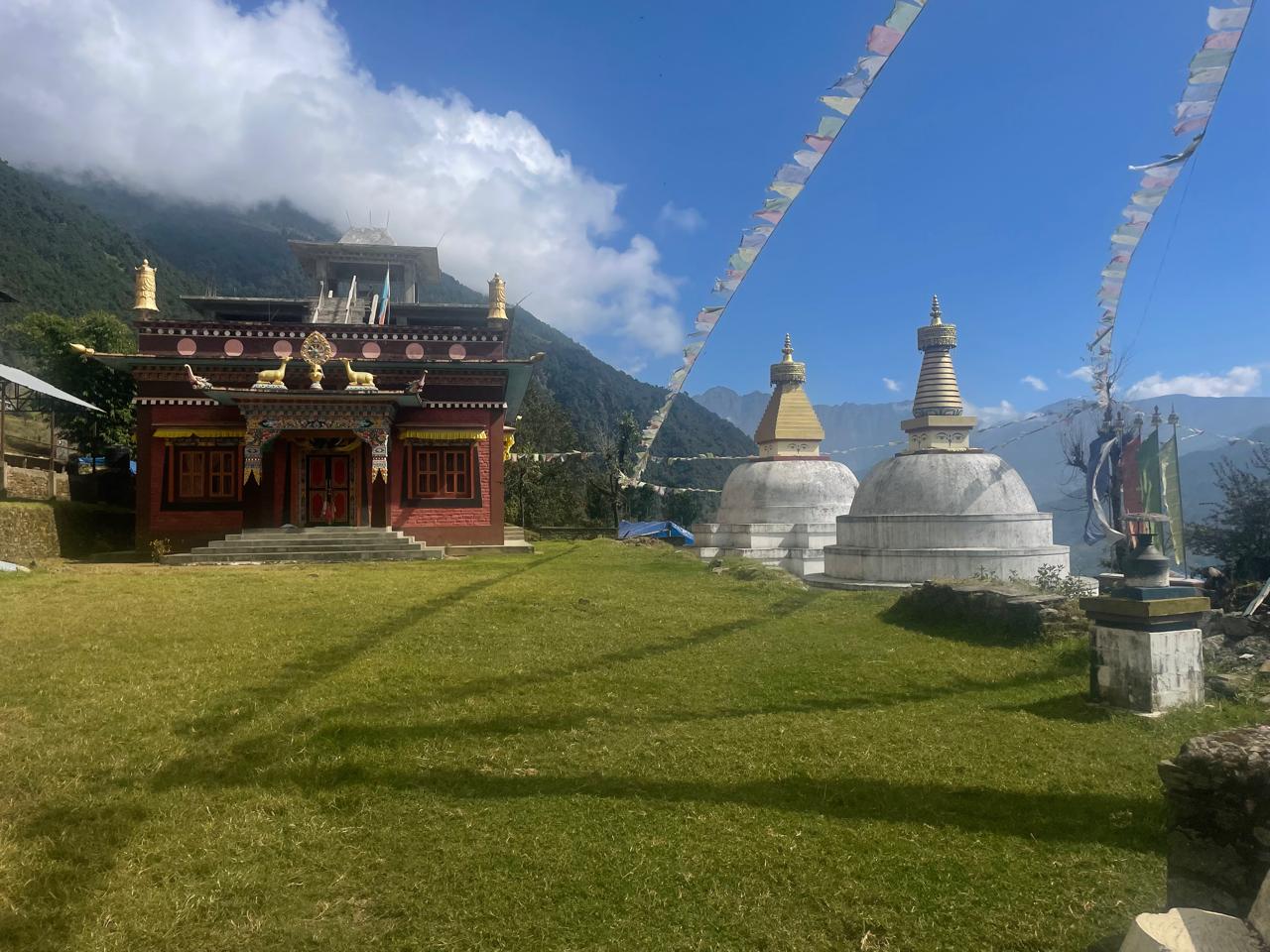
A unique aspect of this trek is the chance to visit high-altitude villages where Rai and Sherpa people have lived for generations. You can experience their daily routines, festivals, and traditions firsthand, which adds a deeply enriching cultural layer to the adventure. Unlike more popular treks, Arun Valley is peaceful and less commercialized, allowing you to feel truly connected to nature and local life.
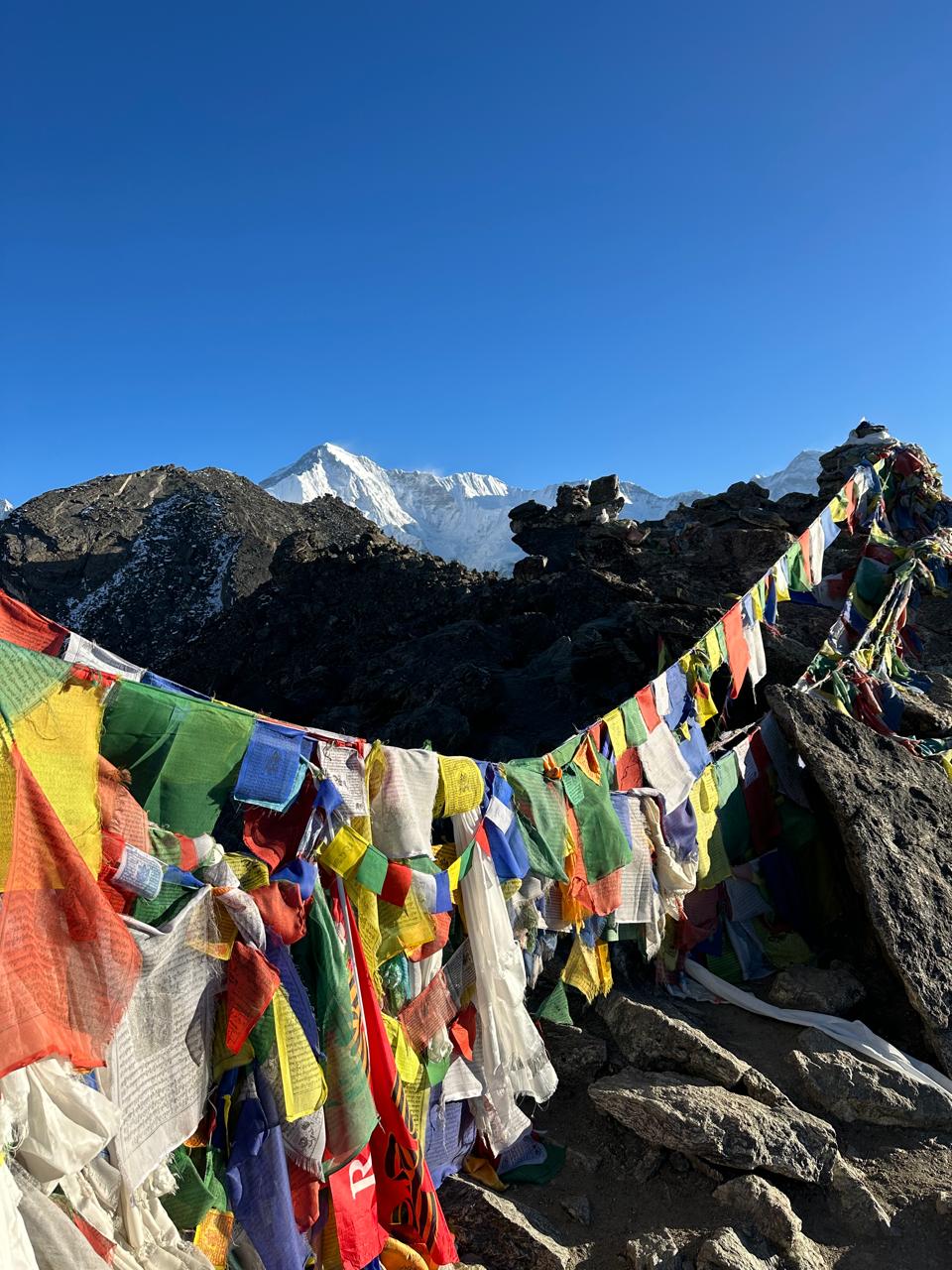
By the time you reach the highest points of the trek, including the Shipton La Pass, the panoramic views of the surrounding mountains will leave a lasting impression. The sense of achievement from completing this demanding but rewarding trek is unparalleled, making the Arun Valley Trek a must-do for adventurers who want to go beyond the usual trekking routes.
ART Nepal Treks & Expedition ensures that every step of this journey is well-planned, safe, and immersive. From local guides who know the region intimately to carefully arranged teahouse accommodations and nutritious meals, every detail is designed to make your experience both comfortable and authentic.
What Can You Expect from the Trek?
The Arun Valley Trek is a journey full of scenic beauty, cultural discovery, and physical challenge. Here’s what you can expect:
- Scenic Beauty: Enjoy clear views of Mount Everest, Makalu, Lhotse, and other Himalayan giants. The trail passes through dense forests, terraced farmland, rivers, and high mountain passes.
- Cultural Encounters: Interact with Rai and Sherpa communities, learn about their customs, and experience traditional hospitality.
- Challenging Terrain: Trek across high passes and varied landscapes, from gentle valleys to steep climbs.
- Teahouse Experience: Stay in cozy lodges along the route, offering a unique opportunity to experience local life in the mountains.
- Solitude: Explore a region far from tourist crowds, perfect for reflection and immersion in nature.
List of Experiences:
- Trekking in remote landscapes
- Crossing Shipton La Pass
- Visiting traditional villages
- Experiencing local festivals and rituals
- Photographing breathtaking Himalayan vistas
Is Trek Suitable for You?
The Arun Valley Trek is suitable for trekkers who want to experience a quieter, less-explored region of Nepal. It combines physical challenge with cultural richness.
- Moderate Fitness Required: The trek involves long days of walking, steep ascents, and descents, suitable for those with moderate fitness.
- Cultural Enthusiasts: Ideal for travelers eager to learn about Rai and Sherpa cultures.
- Adventure Seekers: Perfect for trekkers looking for off-the-beaten-path experiences in a pristine environment.
Checklist of Suitability:
- Moderate level of fitness
- Interest in rural Nepali culture
- Willingness to spend nights in teahouses
- Readiness for high-altitude trekking
- Enthusiasm for photography and nature
How to Get Prepared for Trek
Preparation is key to enjoying the Arun Valley Trek safely and comfortably.
- Physical Fitness: Start training with walking, jogging, or cycling. Include stair climbing to simulate trekking conditions.
- Mental Preparation: Stay positive and open to new experiences. Mental endurance is as important as physical stamina.
- Nutrition & Hydration: Eat a balanced diet and drink plenty of fluids to ensure your body is well-prepared.
- Gear Check: Prepare trekking shoes, warm clothing, backpacks, and essentials for high-altitude trekking.
- Health Checks: Consult your doctor about altitude-related risks and general fitness for trekking.
- Travel Documents: Keep passport, visa, insurance, and permits organized.
List for Preparation:
- Comfortable trekking shoes and socks
- Waterproof jackets and pants
- Warm layers (fleece, down jacket)
- Trekking poles
- Backpack with rain cover
- Personal first aid kit
- Trekking permits and TIMS card
- Headlamp and batteries
-
Trip Duration
15 Days/ 14 Nights
-
Group Size
1-20 people
-
Maximum Altitude
4,110 Meters
-
Trip Difficulty
Moderate to Strenuous
-
Activities
Trekking
-
Best Season
Spring (March to May), Autumn (September to November)
-
Trip Start & End
Kathmandu / Kathmandu
-
Meals
Breakfast, Lunch, Dinner
-
Accomodation
Teahouses or lodges
Highlights
- Panoramic Mountain Views: Witness incredible vistas of Mount Everest, Makalu, Lhotse, and other Himalayan peaks throughout the trek.
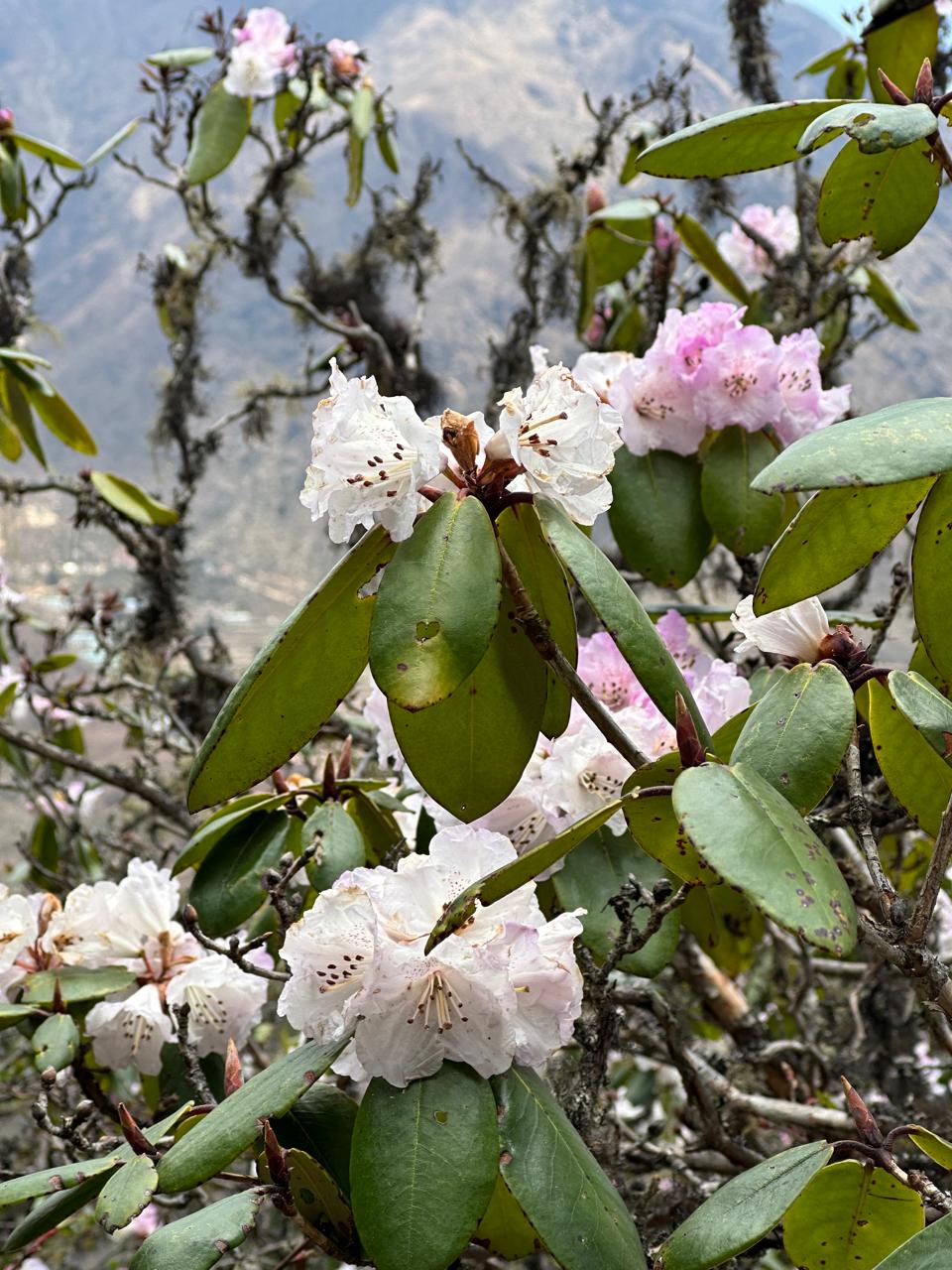
- Scenic Forest Walks: Trek through lush forests filled with rhododendron, oak, and pine trees.
- Cultural Experience: Visit Rai and Sherpa villages to experience the local culture, traditions, and hospitality.
- Remote and Less-Traveled Trek: Explore the untouched beauty of Arun Valley, away from crowded trekking paths.
- Cross High Passes: Challenge yourself with high-altitude passes offering breathtaking scenery.
Itinerary
Day 01
Your journey begins with your arrival at Tribhuvan International Airport in Kathmandu, where a representative from ART Nepal Treks & Expedition will greet you and assist with your transfer to a 3-star hotel in Thamel. Depending on your arrival time, you may explore the vibrant streets, traditional markets, and local cafes, or rest to recover from your flight. In the evening, a comprehensive trek briefing introduces you to the itinerary, safety protocols, equipment requirements, and cultural insights about eastern Nepal. You will also meet your guide, fellow trekkers, and support staff, preparing mentally for the adventure ahead.
Trip Duration:
N/ATrip Distance:
N/AAltitude:
1,400 mMeal:
Not IncludedAccomodation :
3-Star Hotel in ThamelDay 02
After breakfast, take a scenic domestic flight to Tumlingtar, offering aerial views of river valleys, hills, and forests of eastern Nepal. From Tumlingtar, enjoy a picturesque drive to Khandbari, the gateway to the Arun Valley Trek. The journey passes through quiet villages, terraced fields, and gentle hills, giving your first taste of the rural lifestyle and natural beauty of the region. Upon arrival, settle into a teahouse or lodge, enjoy fresh local meals, and take in the surrounding landscapes while preparing for the trek ahead.
Trip Duration:
4–5 hoursTrip Distance:
15 kmAltitude:
1,040 mMeal:
Breakfast, Lunch, DinnerAccomodation :
Teahouse / LodgeDay 03
The trek begins in earnest as you leave Khandbari and follow a trail ascending gradually through rolling farmland, forests, and small settlements. Terraced fields and traditional homes provide cultural insights, while distant Himalayan peaks slowly come into view. The climb is moderate, allowing for acclimatization and plenty of photo stops. Upon reaching Chichila, perched on a hillside, you are rewarded with panoramic views of the Arun Valley and surrounding mountains. The teahouse in Chichila offers warm hospitality, nourishing meals, and a comfortable place to rest after a day of trekking.
Trip Duration:
5–6 hoursTrip Distance:
10 kmAltitude:
1,830 mMeal:
Breakfast, Lunch, DinnerAccomodation :
Teahouse / LodgeDay 04
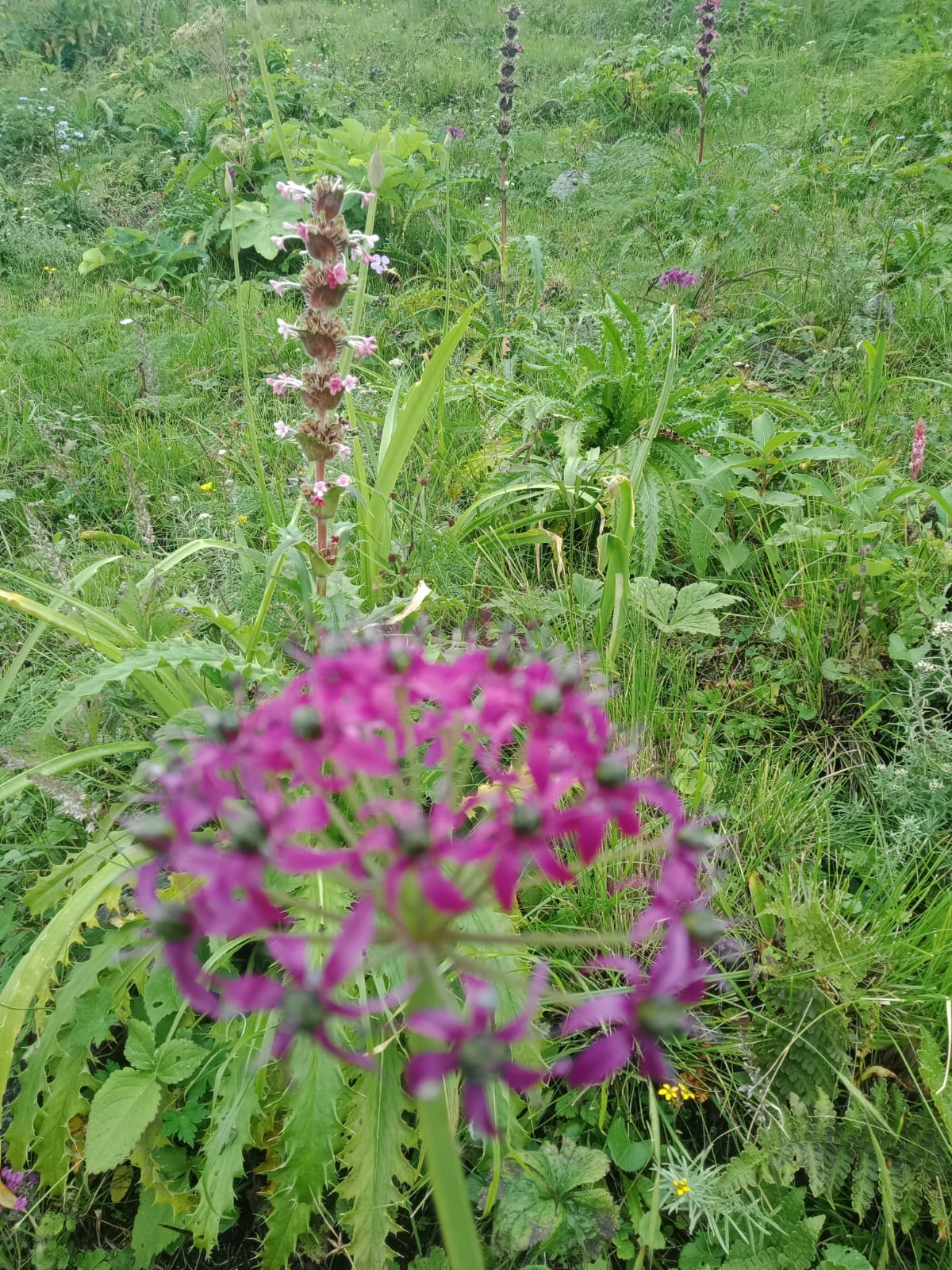
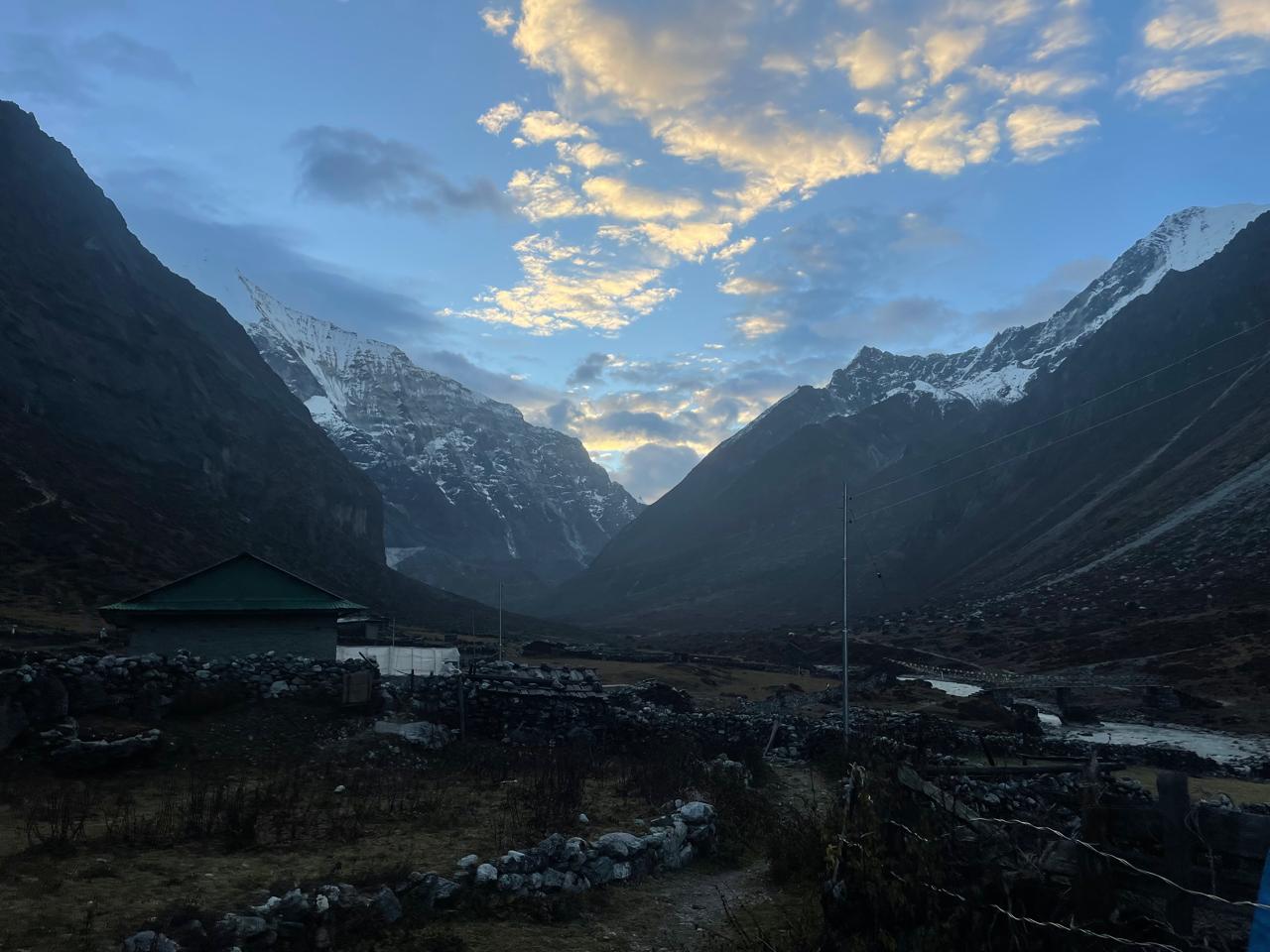
Today’s trail descends slightly toward the Arun River before climbing gently to reach Num. The path passes through thick forests, streams, and scattered small villages, allowing trekkers to witness local farming practices and village life. The scenery is a mix of terraced fields, wild flora, and distant snow-capped peaks. Num is a peaceful village providing a serene environment for rest and acclimatization. The evening is spent enjoying a hearty dinner, reflecting on the landscapes traversed, and preparing for higher altitudes in the coming days.
Trip Duration:
6–7 hoursTrip Distance:
12 kmAltitude:
1,560 mMeal:
Breakfast, Lunch, DinnerAccomodation :
Teahouse / LodgeDay 05
The trek today involves crossing the Arun River via suspension bridges and ascending moderately through forests, farmland, and small villages. Seduwa offers a quiet setting surrounded by terraced fields and forested slopes. Along the way, trekkers may interact with local villagers, observe traditional architecture, and witness daily farming activities. The teahouse in Seduwa provides a warm meal, comfortable bedding, and the chance to share experiences with fellow trekkers. This day is a blend of cultural exposure and moderate physical effort, perfect for acclimatization.
Trip Duration:
5–6 hoursTrip Distance:
11 kmAltitude:
1,500 mMeal:
Breakfast, Lunch, DinnerAccomodation :
Teahouse / LodgeDay 06
The route climbs steadily through oak, pine, and rhododendron forests, passing streams and small waterfalls. The surrounding landscape gradually shifts from river valleys to hilly slopes, and glimpses of distant snow-capped peaks become clearer. Tashigaon is a quaint highland village, offering panoramic views of the Arun Valley. Evening at the teahouse is relaxing, with hot meals and the chance to interact with local villagers. This day provides a moderate challenge while helping your body acclimatize for higher altitudes.
Trip Duration:
5–6 hoursTrip Distance:
12 kmAltitude:
2,070 mMeal:
Breakfast, Lunch, DinnerAccomodation :
Teahouse / LodgeDay 07
Today is a strenuous day with a steep ascent through forests, rocky trails, and ridgelines. The altitude gain is significant, requiring moderate pacing and frequent rest breaks. The trail offers stunning views of the Arun Valley and the surrounding Himalayan peaks. Khongma Danda is a high-altitude village providing spectacular views, quiet surroundings, and a welcoming teahouse for overnight rest. Trekking today is physically demanding, but the reward is unparalleled mountain scenery and a sense of accomplishment.
Trip Duration:
6–7 hoursTrip Distance:
12 kmAltitude:
3,560 mMeal:
Breakfast, Lunch, DinnerAccomodation :
Teahouse / LodgeDay 08
A rest day at Khongma Danda allows your body to acclimatize to the high altitude. Light walks around the village or nearby trails provide gentle exercise and opportunities for photography. You can interact with local villagers, learn about Rai and Sherpa culture, and enjoy the serene environment. The teahouse provides comfortable rest, nourishing meals, and a chance to prepare mentally and physically for the next challenging segment of the trek.
Trip Duration:
N/ATrip Distance:
N/AAltitude:
3,560 mMeal:
Breakfast, Lunch, DinnerAccomodation :
Teahouse / LodgeDay 09
This is the most challenging and rewarding day of the Arun Valley Trek. You will ascend to Shipton La Pass, the highest point of the trek at 4,110 meters. The climb is steep and rocky, demanding stamina, careful pacing, and determination. As you approach the pass, the panorama of snow-capped peaks, deep valleys, and glaciers is breathtaking. Reaching Shipton La Pass is a true highlight, offering a sense of achievement and incredible photo opportunities. After celebrating this milestone, you descend to Mumbuk, a remote high-altitude settlement, where the teahouse provides warm meals, cozy bedding, and a chance to rest and recover from the day’s exertion.
Trip Duration:
7–8 hoursTrip Distance:
15 kmAltitude:
4,110 m (Shipton La Pass), 3,550 m (Mumbuk)Meal:
Breakfast, Lunch, DinnerAccomodation :
Teahouse / LodgeDay 10
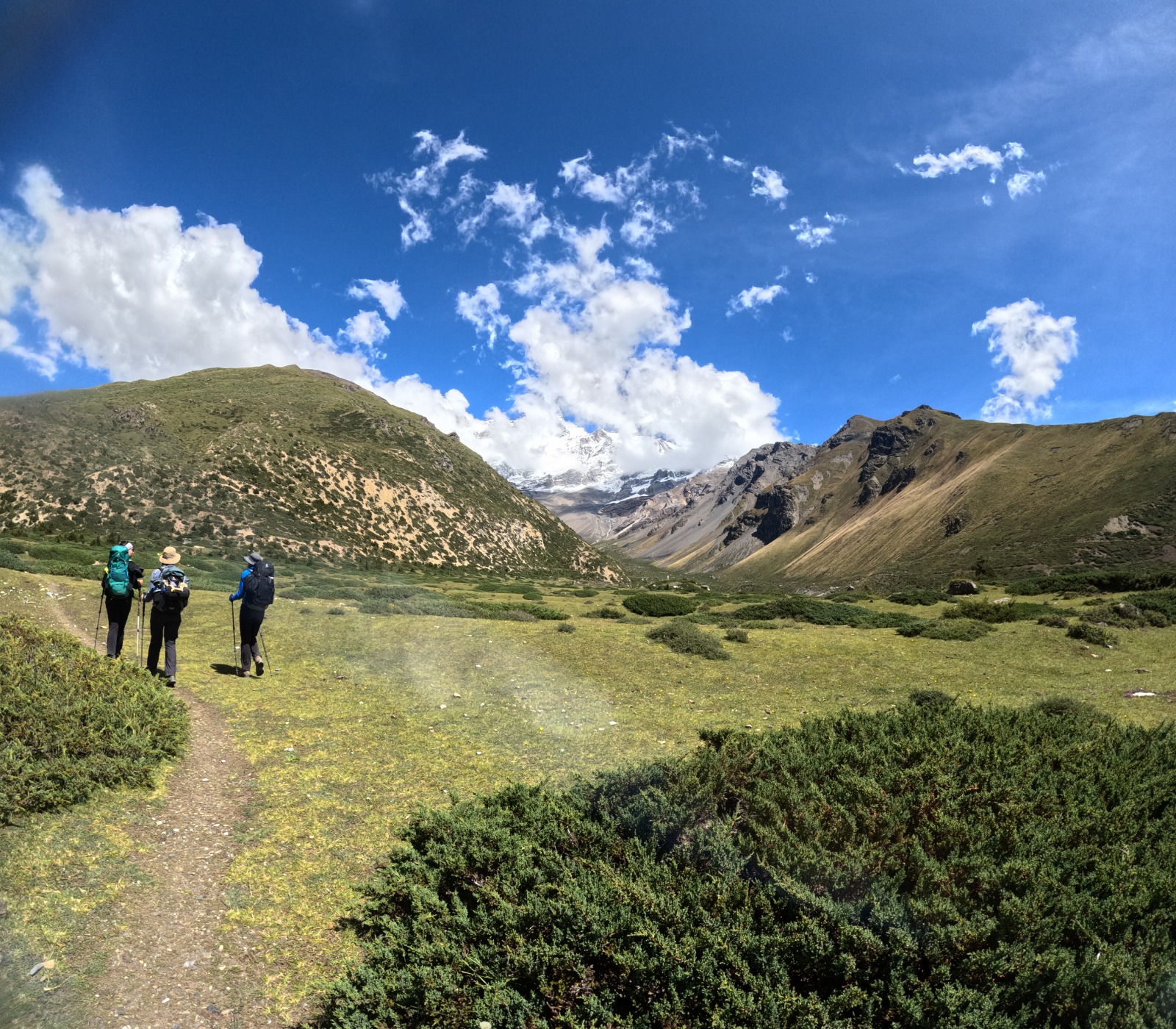
Today’s trek gradually ascends through alpine meadows, dense forests, and high-altitude valleys. The path winds along ridges and small streams, offering continuous scenic views of surrounding mountains. The trek is moderately challenging, with opportunities to photograph snow-capped peaks and the unique flora of the high Himalayas. Nehe Kharka, a remote campsite, offers a tranquil setting surrounded by towering mountains. The evening at the teahouse is peaceful, with warm meals and breathtaking views enhancing the high-altitude trekking experience.
Trip Duration:
6–7 hoursTrip Distance:
12 kmAltitude:
3,750 mMeal:
Breakfast, Lunch, DinnerAccomodation :
Teahouse / LodgeDay 11
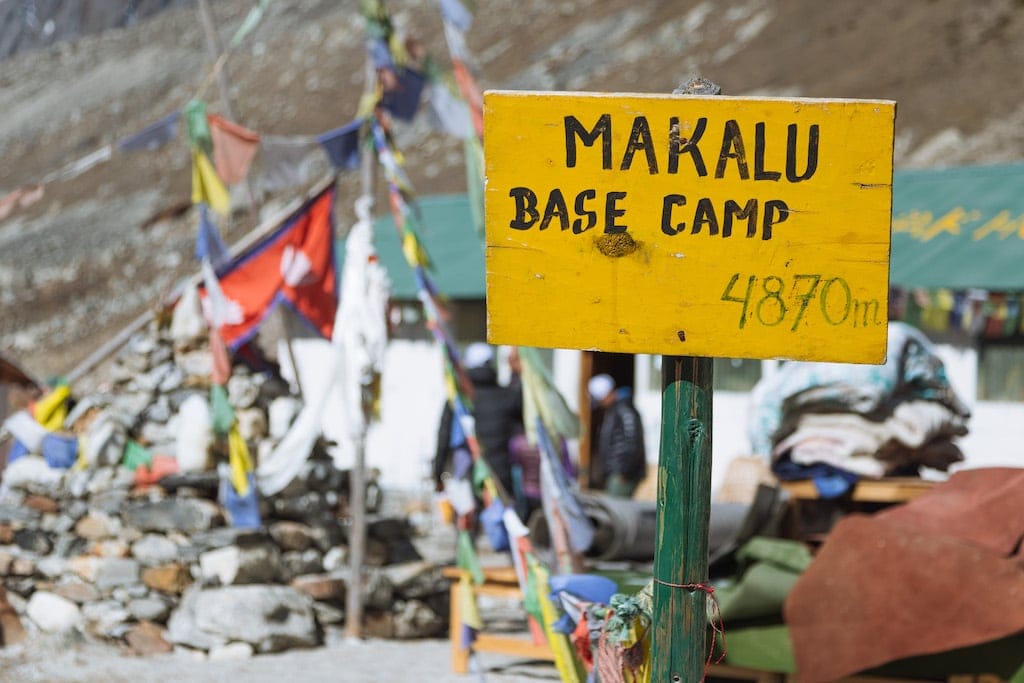
The trail today is challenging, steadily ascending to the Makalu Base Camp, located at the base of the fifth-highest mountain in the world. The path is rocky and rugged, passing glaciers, high ridges, and dramatic mountain landscapes. Reaching Makalu Base Camp provides a rare opportunity to witness the grandeur of the eastern Himalayas up close. The camp is surrounded by glaciers, snowfields, and panoramic peaks, offering unforgettable scenery. The teahouse at base camp allows trekkers to rest, enjoy hot meals, and take in the serene environment after a strenuous day of trekking.
Trip Duration:
7–8 hoursTrip Distance:
15 kmAltitude:
4,800 mMeal:
Breakfast, Lunch, DinnerAccomodation :
Teahouse / LodgeDay 12
Spend the day exploring the Makalu Base Camp and its surroundings. Short hikes provide closer views of glaciers, snowfields, and the towering peaks around the camp. The high-altitude environment is serene and offers excellent opportunities for photography and reflection. Trekkers can interact with guides, enjoy panoramic mountain views, and acclimatize further while resting at the teahouse. Evening meals are hearty, providing essential nutrition to prepare for the descent starting the next day.
Trip Duration:
N/ATrip Distance:
N/AAltitude:
4,800 mMeal:
Breakfast, Lunch, DinnerAccomodation :
Teahouse / LodgeDay 13
The descent begins today, moving through alpine meadows, high ridges, and forested slopes. Descending helps your body adjust after high-altitude trekking, while providing spectacular views of the surrounding peaks. Yangle Kharka, a remote campsite, offers comfort, hot meals, and a peaceful environment surrounded by mountains. The journey provides opportunities to photograph glaciers, streams, and valleys, while reflecting on the accomplishments of reaching Makalu Base Camp.
Trip Duration:
6–7 hoursTrip Distance:
12 kmAltitude:
3,600 mMeal:
Breakfast, Lunch, DinnerAccomodation :
Teahouse / LodgeDay 14
The trek continues through scenic valleys, terraced farmland, and forested slopes. You pass small villages where you can observe local life and interact with villagers. The gentle descent allows you to enjoy the surroundings at a relaxed pace. Arriving at Khongma Danda, trekkers are greeted with stunning mountain views and a comfortable teahouse to rest before the final day. This day blends moderate trekking with cultural experiences and photographic opportunities.
Trip Duration:
6–7 hoursTrip Distance:
12 kmAltitude:
3,560 mMeal:
Breakfast, Lunch, DinnerAccomodation :
Teahouse / LodgeDay 15
The final day of trekking involves descending through the lush Arun Valley, passing forests, rivers, and small villages. The gentle trail allows trekkers to reflect on their journey and capture final photographs of the dramatic landscapes. Upon reaching Tumlingtar, you board a flight back to Kathmandu. The evening concludes with a farewell dinner in Thamel, celebrating the successful completion of the Arun Valley Trek. This day is relaxing yet reflective, marking the end of a challenging, culturally rich, and scenic adventure.
Trip Duration:
6–7 hoursTrip Distance:
15 kmAltitude:
410 mMeal:
Breakfast, Lunch, DinnerAccomodation :
3-Star Hotel in ThamelWhat's Included
- Airport pickup and drop in Kathmandu
- 2 nights accommodation in a 3-Star Hotel in Thamel
- 2 breakfasts in Kathmandu
- All required trekking permits and government taxes (refer to permit section for details)
- Domestic flights, including Kathmandu to Tumlingtar and return
- Accommodation throughout the trek in teahouses or lodges
- All meals during the trek (Breakfast, Lunch, Dinner) and tea/coffee
- Experienced guide services, including guide’s food, accommodation, salary, and insurance
- First aid kit and access to medical support on the trail
- Public transportation during transfers where required
What's Excluded
- Personal expenses such as souvenirs or personal snacks
- Trekking gears and equipment (unless rented or purchased separately)
- Tips for guide, porter, and staff (usually expected at the end of the trek)
- Beverages, including bottled water, soft drinks, or alcohol
- Travel insurance covering high-altitude trekking and emergency evacuation
- Optional porter service (recommended: 1 porter per 2 trekkers)
Note: A porter can carry up to 25 kg of your belongings, making the trek much more comfortable, especially on steep climbs.
Essential Info
Add-Ons
The Arun Valley Trek can be customized with several optional services for an enhanced experience:
- Sightseeing in Kathmandu: Explore UNESCO World Heritage Sites, including Swayambhunath (Monkey Temple), Pashupatinath, Boudhanath Stupa, and Kathmandu Durbar Square.
- Porter Services: Hire porters to carry your luggage, allowing you to trek with just a daypack.
- Private Transportation: For transfers, sightseeing, or flexible schedules, private vehicles can be arranged.
- Helicopter Services: Available for emergencies, scenic flights, or to shorten trekking days in case of time constraints.
- Extra Accommodations: Pre- or post-trek stays in Kathmandu, including upgraded hotels, can be arranged.
These add-ons allow trekkers to tailor their adventure to their preferences, comfort level, and time availability.
Best Season to Trek
The Arun Valley Trek is best undertaken during Spring (March to May) and Autumn (September to November), as these periods offer the most favorable weather conditions, comfortable temperatures, and spectacular mountain views.
Spring (March to May):
Spring is one of the most popular trekking seasons in Nepal because the weather is generally warm and stable, with minimal rainfall. During this time, the rhododendron forests along the Arun Valley trail are in full bloom, adding vibrant colors to the landscape. Trekkers can enjoy lush greenery, blooming flowers, and the crisp, fresh mountain air. The temperatures are moderate, making both daytime trekking and night rest comfortable. The clear skies during spring allow panoramic views of towering peaks such as Mount Everest, Makalu, and Lhotse, which are often partially obscured during other seasons. Wildlife is also more visible in the forests, giving nature enthusiasts an added delight.
Autumn (September to November):
Autumn is considered the most ideal trekking season for high-altitude trails. After the monsoon season, the air is clean and clear, offering unrivaled visibility of the Himalayan range. The skies are usually bright blue, and the weather remains stable throughout the trek, reducing the risk of rain or landslides. This season also brings a slightly cooler climate, which is ideal for strenuous climbs, especially at higher elevations. Autumn is a time when local festivals and cultural celebrations take place in villages along the trail, allowing trekkers to witness and experience traditional customs of the Rai and Sherpa communities.
Other Seasons:
- Winter (December to February): Winter trekking is possible but comes with significant challenges. High-altitude passes may be covered in snow, and temperatures can drop drastically, especially at night, making it harder for trekkers to stay warm. However, if you enjoy solitude, winter offers quiet trails with fewer trekkers and clear, crisp mountain views on sunny days. Proper winter gear and experience in cold conditions are essential.
- Monsoon (June to August): The monsoon season brings heavy rainfall, making trails slippery and more dangerous due to potential landslides. Rivers swell, and trekking through forested and mountainous terrain becomes more difficult. Additionally, the skies are often cloudy, obstructing views of the surrounding mountains. Monsoon trekking is not recommended for Arun Valley unless you are experienced and prepared for wet, muddy conditions.
Choosing the right season is crucial for a successful and enjoyable trek. Spring and Autumn not only offer the best weather but also the richest visual and cultural experiences, allowing trekkers to fully immerse themselves in the natural beauty, local culture, and high-altitude landscapes of the Arun Valley. Proper timing ensures safety, comfort, and the opportunity to capture breathtaking photographs along the way.
Food Availability
During the Arun Valley Trek, proper nutrition is essential to maintain energy levels and stamina for the challenging high-altitude journey. Trekkers can expect a wide variety of food options at teahouses and lodges along the trail. The meals are designed to be hearty, nutritious, and suitable for high-energy trekking, while also providing a taste of local Nepali and Tibetan cuisine.
Breakfast: Each morning, you will be served a wholesome breakfast to kickstart your trekking day. Options often include regional favorites like tsampa porridge, eggs, pancakes, Tibetan bread, muesli, fruits, and hot beverages such as tea, coffee, or hot chocolate. A warm breakfast helps replenish energy and prepares your body for long hours of walking.
Lunch: Lunch is usually served during the trekking day at midpoints along the trail. Popular choices include dal bhat (rice and lentils), vegetable curry, Thukpa (Tibetan noodle soup), noodles, pasta, sandwiches, and momo (dumplings). The meals are filling and high in carbohydrates to provide sustained energy for the next trekking stretch. Soups, stews, and local breads are often included, allowing trekkers to experience authentic regional flavors.
Dinner: After a long day on the trail, a hot and nutritious dinner awaits at the teahouse or lodge. Common dinner options include dal bhat, vegetable curry, noodles, soups, pasta, Sherpa stew, Tibetan bread, momo, pizza, and desserts. Dinner provides the opportunity to relax, socialize with fellow trekkers, and recover physically and mentally for the following day.
The availability of varied, high-calorie meals ensures that trekkers remain well-nourished and energized throughout the journey. Special dietary requests can often be accommodated by guides and lodge staff with advance notice.
Accommodation
Accommodation along the Arun Valley Trek is a blend of local teahouses in the mountains and comfortable hotels in Kathmandu. Staying in these lodges not only provides necessary rest and recovery but also offers a glimpse into local life and culture.
Teahouses and Lodges: Along the trail, teahouses are simple, cozy accommodations that typically include a bed, mattress, pillow, and blanket. Many lodges have shared bathrooms, while some higher-end or larger teahouses may offer private rooms. Hot showers are available in select locations for an additional fee. Teahouses are usually family-run, providing a warm atmosphere and opportunities to interact with locals, learn about their culture, and experience traditional Nepali hospitality.
Hotels in Kathmandu: Before and after the trek, you will stay in 3-star hotels in Thamel, Kathmandu. These hotels offer modern amenities such as private bathrooms, Wi-Fi, comfortable beds, and restaurants. Staying in these hotels ensures a comfortable start and end to your trekking adventure, allowing you to rest, prepare, and reflect on your journey.
Overall, the combination of teahouses and hotels provides a balance between authentic mountain experiences and modern comforts, enhancing the overall trekking experience.
Travel Insurance
Travel insurance is mandatory for the Arun Valley Trek due to the high-altitude nature of the trail and the remoteness of the region. It provides crucial coverage for medical emergencies, evacuation, and unforeseen events.
Your travel insurance should include:
- High-Altitude Trekking Coverage: Insurance must cover trekking at elevations up to 4,800 meters (Makalu Base Camp).
- Emergency Evacuation: Coverage for helicopter or ground rescue in case of illness, injury, or other emergencies is essential.
- Trip Cancellation or Interruption: Protects your investment in case of unexpected events such as flight cancellations, personal illness, or family emergencies.
- Medical Coverage: Includes hospitalization, medication, and doctor consultations in case of illness or injury during the trek.
Having comprehensive travel insurance ensures peace of mind throughout the journey. Your guide will advise on emergencies, and insurance is often required before departure to ensure that any medical needs or evacuation can be handled quickly and safely.
Altitude Sickness
Altitude sickness, also known as Acute Mountain Sickness (AMS), can affect trekkers on high-altitude trails like the Arun Valley Trek. It occurs when your body struggles to adjust to reduced oxygen levels at higher elevations. Symptoms can include headache, dizziness, nausea, shortness of breath, fatigue, and loss of appetite.
Prevention and Management:
- Gradual Ascent: Take the trek slowly, allowing your body to acclimatize gradually. Include rest days, such as at Khongma Danda, to adjust to higher altitudes.
- Hydration: Drink plenty of water to maintain hydration, which helps your body cope with altitude stress.
- Avoid Alcohol and Smoking: These substances can exacerbate the effects of altitude and should be avoided.
- Medication: Some trekkers use Diamox (acetazolamide) to help prevent AMS, but consult a doctor before using any medication.
- Monitor Symptoms: Pay attention to signs of severe AMS such as persistent vomiting, shortness of breath at rest, or confusion. Descend immediately if symptoms worsen.
By following these precautions and listening to your guide, the risk of serious altitude sickness can be minimized, ensuring a safer and more enjoyable trekking experience.
Guide and Safety Measures
The Arun Valley Trek requires the guidance of experienced trekking guides. ART Nepal Treks & Expedition provides trained and knowledgeable guides who ensure the trek is safe, enjoyable, and culturally enriching.
Guide Roles:
- Navigation: Guides are familiar with the trails, local terrain, and alternate routes in case of obstacles
- Acclimatization: Monitor trekkers for signs of altitude sickness and recommend rest days or slower pace
- Cultural Insight: Provide information about local customs, festivals, and village life
- Emergency Support: Equipped with first aid knowledge and emergency communication devices
Safety Measures Include:
- Altitude checks and monitoring during high passes
- Provision of first aid kits and medical guidance
- Clear instructions for emergency evacuation, including access to helicopter rescue if necessary
- Briefing sessions before departure to discuss safety protocols, trail conditions, and weather updates
By following the guidance of a trained trekking guide and adhering to safety measures, trekkers can minimize risks and fully enjoy the Arun Valley adventure.
Booking Procedure
Booking your Arun Valley Trek with ART Nepal Treks & Expedition is a simple and secure process designed to ensure convenience and clarity:
- Reservation Deposit:
A deposit of 10% of the total trekking cost is required to confirm your booking and reserve your trekking slot. - Submission of Essential Documents:
Within a week of making your reservation, submit the following documents via email:
- Passport copy
- Passport-size photographs
- Travel insurance details
- Arrival and departure flight information
- Payment Methods:
- Advance Payment: Bank transfer, Western Union, or online payment via the website
- Payment Upon Arrival: Cash, bank transfer, or credit card payments accepted in Kathmandu
- Payment Information:
Detailed instructions regarding total cost, payment schedule, and methods will be emailed after booking. The team is available to answer any queries and assist with the process to ensure a smooth start to your trek.
Equipment List
- Moisture-wicking base layers to keep sweat away from the skin
- Trekking pants and long-sleeve shirts suitable for layering
- Thermal inner layers or fleece for warmth
- Warm hat, gloves, and scarf to protect against cold winds
- Sunglasses and sunscreen to protect from UV rays at high altitudes
- Comfortable trekking boots with ankle support and trekking socks
- Trekking poles for stability on steep or uneven trails
- Backpack with rain cover for carrying essentials during the day
- Sleeping bag rated for cold weather at higher altitudes
- Water bottles or hydration bladder to stay hydrated
- Headlamp or flashlight with extra batteries
- Waterproof and windproof jacket and pants
- Down or insulated jacket for colder nights
- Lightweight, quick-dry shirts and pants for daytime trekking
- Extra undergarments and socks
- Personal first aid kit including bandages, blister care, antiseptic, and any prescription medicines
- Toiletries and hand sanitizer
- Sunscreen and lip balm
- Insect repellent
- Camera or smartphone for capturing the landscapes and villages
- Power bank or portable charger
- Optional: GPS device or trekking watch
General Equipments
- Passport, visa, trekking permits, and TIMS card
- Snacks, energy bars, or nuts for long trekking days
- Notebook or journal for documenting your trek