


Buddhism in Nepal: A Complete Guide
- June 5, 2026
Nepal holds a unique and profound place in the Buddhist world. As the birthplace of Siddhartha Gautama, who would become the Buddha, the country’s connection to Buddhism spans over two and a half millennia. This guide explores the deep roots, diverse traditions, sacred sites, and vibrant present of Buddhism in this Himalayan nation.
Historical Background
Buddhism has been practiced in Nepal since the time of the Buddha himself, over 2,500 years ago. Siddhartha Gautama was born in Lumbini, a sacred garden located in present-day Nepal’s Terai plains. Though he attained enlightenment in Bodh Gaya, India, and taught throughout the Indian subcontinent, Nepal remained a vital center for Buddhist scholarship and pilgrimage.
Throughout history, Nepal served as a crucial hub connecting Indian and Tibetan Buddhist traditions. The Kathmandu Valley, in particular, became a melting pot where monks, scholars, and pilgrims from across Asia converged, bringing manuscripts, art, and meditation practices that enriched Nepal’s Buddhist heritage.
For centuries, Buddhism and Hinduism have co-existed in Nepal with remarkable harmony. Many Nepalis worship Buddha alongside Hindu deities, and sacred sites are often shared by both traditions. This unique syncretism is most visible in the Kathmandu Valley, where Buddhist stupas and Hindu temples stand side by side.
Major Buddhist Traditions in Nepal
Nepal is home to several distinct Buddhist traditions, each with its own practices, scriptures, and cultural expressions.
Newar Buddhism
Indigenous to the Kathmandu Valley, Newar Buddhism represents one of the world’s oldest forms of Buddhist practice. It combines elements of Mahayana and Vajrayana traditions and is unique to the Newar ethnic community. Newar Buddhists have preserved ancient Sanskrit manuscripts and ritual practices that have disappeared elsewhere in the Buddhist world.
Tibetan Buddhism (Vajrayana)
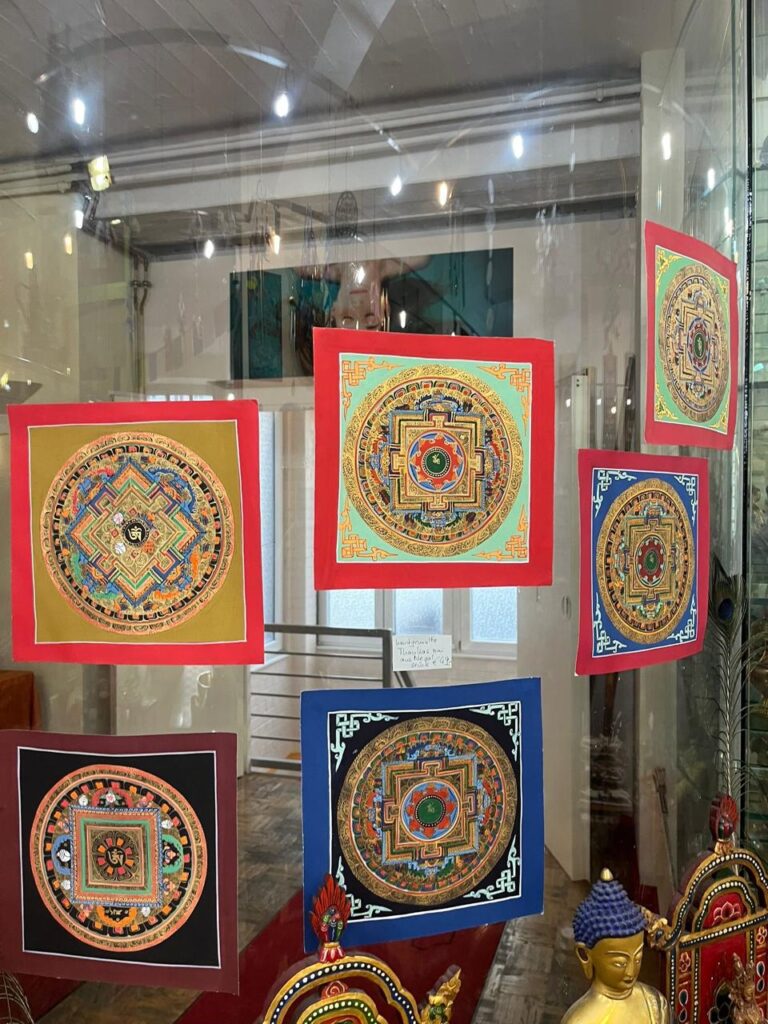
In the Himalayan regions bordering Tibet—including Sherpa, Tamang, and Gurung communities—Tibetan Buddhism (particularly the Vajrayana tradition) predominates. All four major schools of Tibetan Buddhism (Nyingma, Kagyu, Sakya, and Gelug) have a strong presence in Nepal, with numerous monasteries, nunneries, and retreat centers.
Theravada Buddhism
Theravada Buddhism, the “Doctrine of the Elders,” experienced a significant revival in Nepal during the 20th century. After centuries of marginalization under Hindu-dominated regimes, Theravada was reintroduced by monks trained in Burma (Myanmar) and Sri Lanka following the fall of the Rana oligarchy in the 1950s.
Key figures in this revival included Pragyānanda Mahātherā, Shakyānanda Mahātherā, and Dharmaloka Mahātherā, who established monasteries, meditation centers, and Buddhist schools across Nepal. Today, Theravada has a growing following, particularly in urban areas and among communities seeking to reconnect with Buddhism’s early teachings.
Sacred Sites and Pilgrimage Destinations
Nepal is dotted with Buddhist pilgrimage sites of immense spiritual significance. Here are the most important ones.
Lumbini: The Birthplace of the Buddha
Lumbini, located in the Rupandehi district of southern Nepal, is the most sacred site in Buddhism. It was here that Queen Mayadevi gave birth to Siddhartha Gautama in approximately 623 BCE. The sacred garden contains the Marker Stone, which pinpoints the exact birthplace.
The Maya Devi Temple, dedicated to the Buddha’s mother, is the focal point of Lumbini. Adjacent to it lies the Pushkarni Pond, where Queen Mayadevi is said to have bathed before giving birth. A Bodhi tree stands nearby, under which monks and pilgrims meditate.
Lumbini is also home to the Lumbini International Research Institute and numerous monasteries built by Buddhist communities from around the world, each reflecting distinctive national architectural styles—from Chinese pagodas to Thai golden temples.
Swayambhunath Stupa: The Monkey Temple
Perched atop a hill west of Kathmandu, Swayambhunath is one of the world’s oldest and most venerated Buddhist stupas. According to the Swayambhu Purana, the Kathmandu Valley was once a primordial lake from which a miraculous lotus emerged, radiating self-arisen (Swayambhu) light. The stupa was built to contain this sacred light.
The stupa’s white dome represents the world. The cube above it displays the “Eyes of Buddha” looking in all four directions, symbolizing the all-seeing nature of enlightenment. Above the eyes, thirteen gilded rings represent the stages of spiritual progress leading to Nirvana.
The site is affectionately known as the “Monkey Temple” due to the troops of resident monkeys, believed to be the bodhisattva Manjushri’s lice transformed into primates.
Boudhanath Stupa
One of the largest spherical stupas in the world, Boudhanath is the center of Tibetan Buddhism in Nepal. Its massive mandala structure contains relics of the Buddha and serves as a focal point for pilgrims who perform kora—circumambulation of the stupa while spinning prayer wheels.
Following the 1959 Tibetan diaspora, Boudhanath became the heart of Tibet’s exiled Buddhist community in Nepal. The area surrounding the stupa is filled with monasteries, nunneries, Tibetan Buddhist institutions, and shops selling religious artifacts. The stupa is particularly vibrant at sunset, when butter lamps are lit and the chants of monks fill the air.
Namo Buddha
Located atop a hill in Kavrepalanchok District, Namo Buddha commemorates one of the Buddha’s most famous previous lives. According to legend, Prince Mahasattva (a former incarnation of the Buddha) encountered a starving tigress unable to feed her cubs. Moved by immense compassion, he offered his own body to the tigress, sacrificing himself so she could survive.
Today, the Thrangu Tashi Yangtse Monastery stands at the site, housing hundreds of monks and offering stunning views of the Himalayan range. A stupa marks the precise spot where the prince gave his body.
Other Important Sites
- Kapan Monastery: A Tibetan Buddhist monastery on the outskirts of Kathmandu known for its study programs and meditation courses.
- Pharping: A sacred site southwest of Kathmandu where Guru Rinpoche (Padmasambhava) is believed to have meditated and attained enlightenment in Asura Cave.
- World Peace Stupa: Perched on Ananda Hill overlooking Pokhara’s Phewa Lake, this modern stupa offers panoramic views of the Annapurna range and symbolizes global harmony.
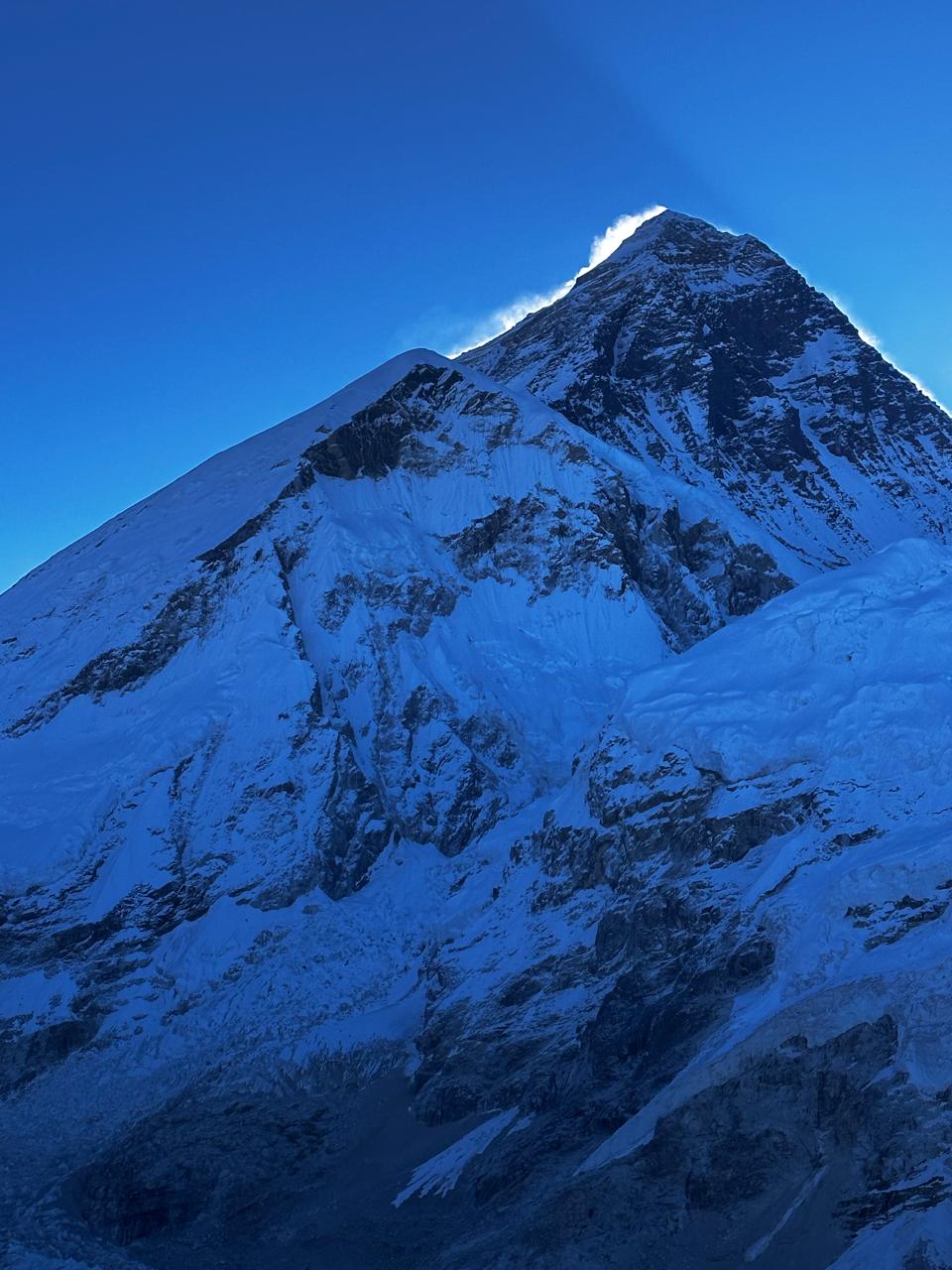
- Tengboche Monastery: Located in the Everest region, this monastery is famous for its stunning views of Mt. Everest and its role as a spiritual center for Sherpa communities.
Festivals and Celebrations
Buddhist festivals are celebrated with great devotion and joy throughout Nepal.
Buddha Jayanti (Buddha Purnima)
Celebrated on the full moon of May, Buddha Jayanti commemorates the birth, enlightenment, and parinirvana (passing away) of the Buddha. Devotees gather at Lumbini and other sacred sites to offer prayers, light butter lamps, and listen to teachings. In Kathmandu, processions carry Buddha statues through the streets.
Losar (Tibetan New Year)
Losar is the most important festival for Tibetan Buddhist communities, including Sherpas, Tamangs, and Gurungs. Celebrated in February, Losar involves cleaning homes, offering prayers at monasteries, and enjoying traditional dances, music, and feasts.
Lhabab Düchen
This festival celebrates the Buddha’s descent from Tushita heaven after teaching his mother the Dharma. It is considered one of the four great Buddhist holy days and is particularly observed by Tibetan Buddhist communities.
Mani Rimdu
One of the most spectacular Buddhist festivals, Mani Rimdu is celebrated by Sherpas in the Everest region, particularly at Tengboche Monastery. The festival features masked dances, cham performances, and elaborate rituals representing the triumph of Buddhism over demonic forces.
Scriptures and Philosophy
Nepalese Buddhists study and revere the full range of Buddhist scriptures.
- Pali Tripitaka (Tipitaka) : The earliest collection of Buddhist scriptures, central to Theravada Buddhism, containing the Vinaya (monastic rules), Sutta (discourses), and Abhidhamma (philosophy).
- Mahayana Sutras : Including the Heart Sutra, Lotus Sutra, and other texts emphasizing compassion and the bodhisattva path, these are studied primarily by Newar and Tibetan Buddhists.
- Tibetan Buddhist Canon (Kangyur and Tengyur) : The vast collection of Tibetan Buddhist scriptures, including the Buddha’s words (Kangyur) and Indian commentaries (Tengyur), central to Vajrayana practice.
Buddhism in Modern Nepal
Demographics and Present Status
According to Nepal’s 2021 Population Census, Buddhists constitute approximately 8.2% of the population, a decline from 9.04% in 2011. However, these figures vary across sources, with some estimating the Buddhist population at 10-12%. The decline reflects broader demographic and cultural shifts, though Buddhism remains a significant presence, particularly in:
- The Kathmandu Valley (home to Newar and Tibetan Buddhists)
- Himalayan regions bordering Tibet (Sherpa, Tamang, Gurung, and other ethnic groups)
- Parts of the Terai (Tharu communities and recent converts)
Revitalization Efforts
International Buddhist organizations, such as Taiwan’s Tzu Chi Foundation, are actively working to revive Buddhism in Nepal. Since establishing a presence in Lumbini, Tzu Chi has organized book clubs, meditation courses, and community programs that introduce Buddhist teachings to local residents. Their efforts include:
- Weekly Dharma assemblies and youth book clubs
- Meditation courses and children’s programs
- Community service and disaster relief rooted in Buddhist values
The goal is not merely to build infrastructure but to rekindle interest in Buddhist philosophy and practice among younger generations—bringing “Buddhism back to the Buddha’s birthplace”.
Buddhist Education and Institutions
Lumbini Buddhist University (LBU) , established by the Government of Nepal in 2004, offers comprehensive education in Buddhist philosophy, literature, culture, and meditation. The university aims to promote world peace and harmony through academic study and practice.
The Nepal Buddhist Federation (NBF) serves as the main government-recognized organization representing Buddhist communities across the country, advocating for religious freedom and the preservation of Buddhist heritage.
Meditation and Practice
Nepal has become a global center for meditation practice, attracting practitioners from around the world.
Vipassana Meditation
The Vipassana tradition, which emphasizes insight meditation based on the Buddha’s original teachings, has established several centers in Nepal. Dhamma Nibha, a new center under development in the hills of Nuwakot (about an hour from Kathmandu), will eventually accommodate 280 students for 10-day and longer meditation courses. The center represents a growing movement to provide authentic meditation training rooted in the Pali Canon.
Tibetan Buddhist Meditation
Monasteries such as Kopan and Kapan offer meditation courses for both beginners and experienced practitioners. These courses typically include instruction on shamatha (calm-abiding) and vipassana (insight) meditation, as well as teachings on Tibetan Buddhist philosophy and practice.
Conclusion
Buddhism in Nepal is not merely a historical relic or a tourist attraction—it is a living, breathing tradition that continues to evolve and adapt. From the sacred gardens of Lumbini, where the Buddha was born, to the bustling stupas of Kathmandu and the remote meditation caves of the Himalayas, Buddhism remains a vital force in Nepali culture.
Yet the tradition faces challenges. Declining Buddhist populations, the pressures of modernization, and the legacy of state-supported Hinduism have all taken their toll. At the same time, a vibrant revival is underway, led by international organizations, local teachers, and young Nepalis who are rediscovering their Buddhist heritage.
For pilgrims, scholars, and spiritual seekers alike, Nepal offers an unparalleled opportunity to walk in the footsteps of the Buddha himself—and to witness how his teachings continue to illuminate the path to peace, compassion, and liberation in the 21st century.