

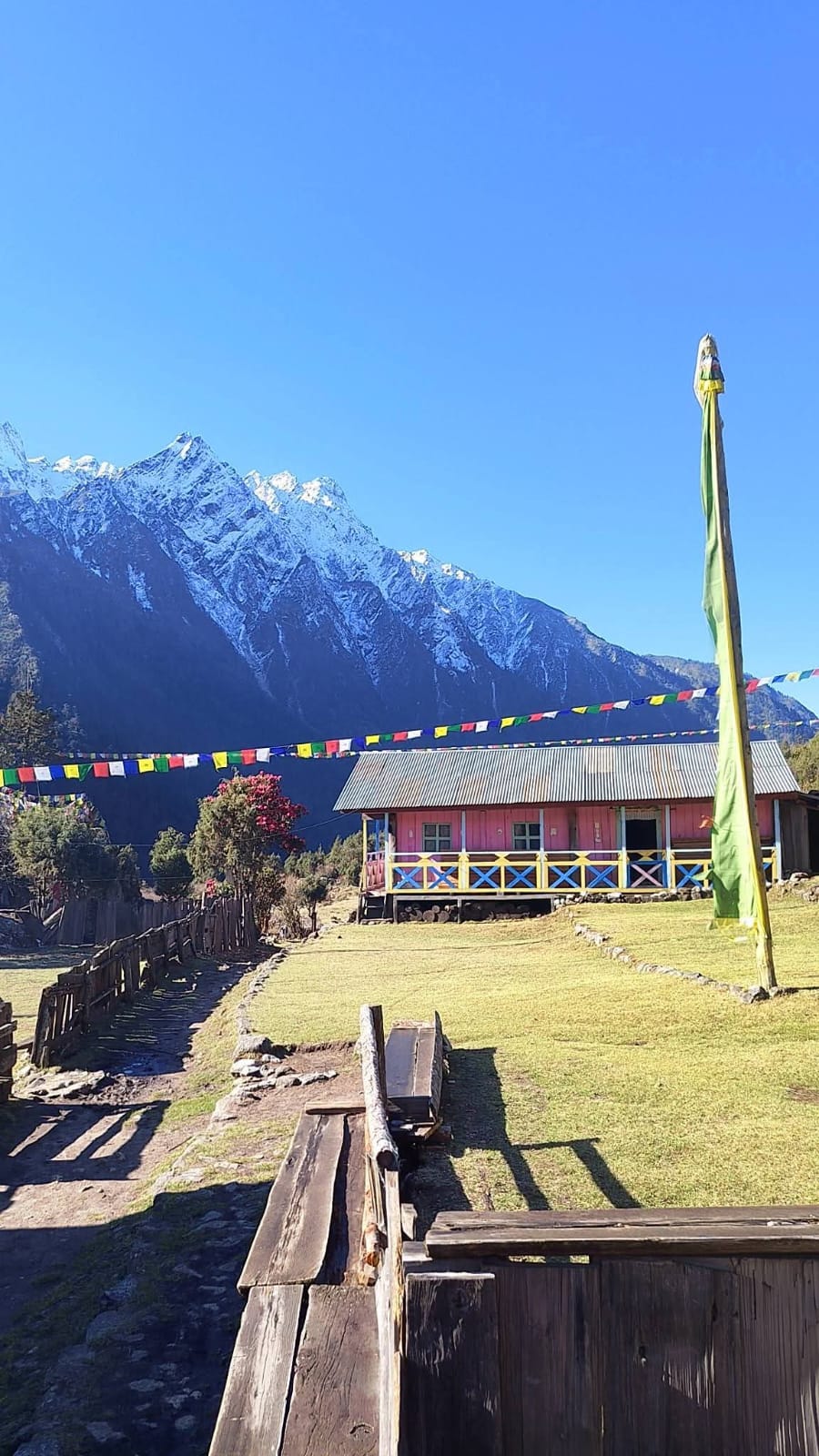
Kanchenjunga Trek: Nepal’s Last Great Himalayan Adventure
- June 11, 2026
-A Complete Guide to Culture, Nature, Mountains, and Life in the Remote East of Nepal
Discover the Untouched Beauty of Kanchenjunga
When people dream about trekking in Nepal, names like Everest Base Camp and Annapurna Circuit often come to mind first. However, hidden in the far eastern corner of Nepal lies a place that many experienced trekkers consider the country’s most authentic Himalayan adventure: the Kanchenjunga Trek.
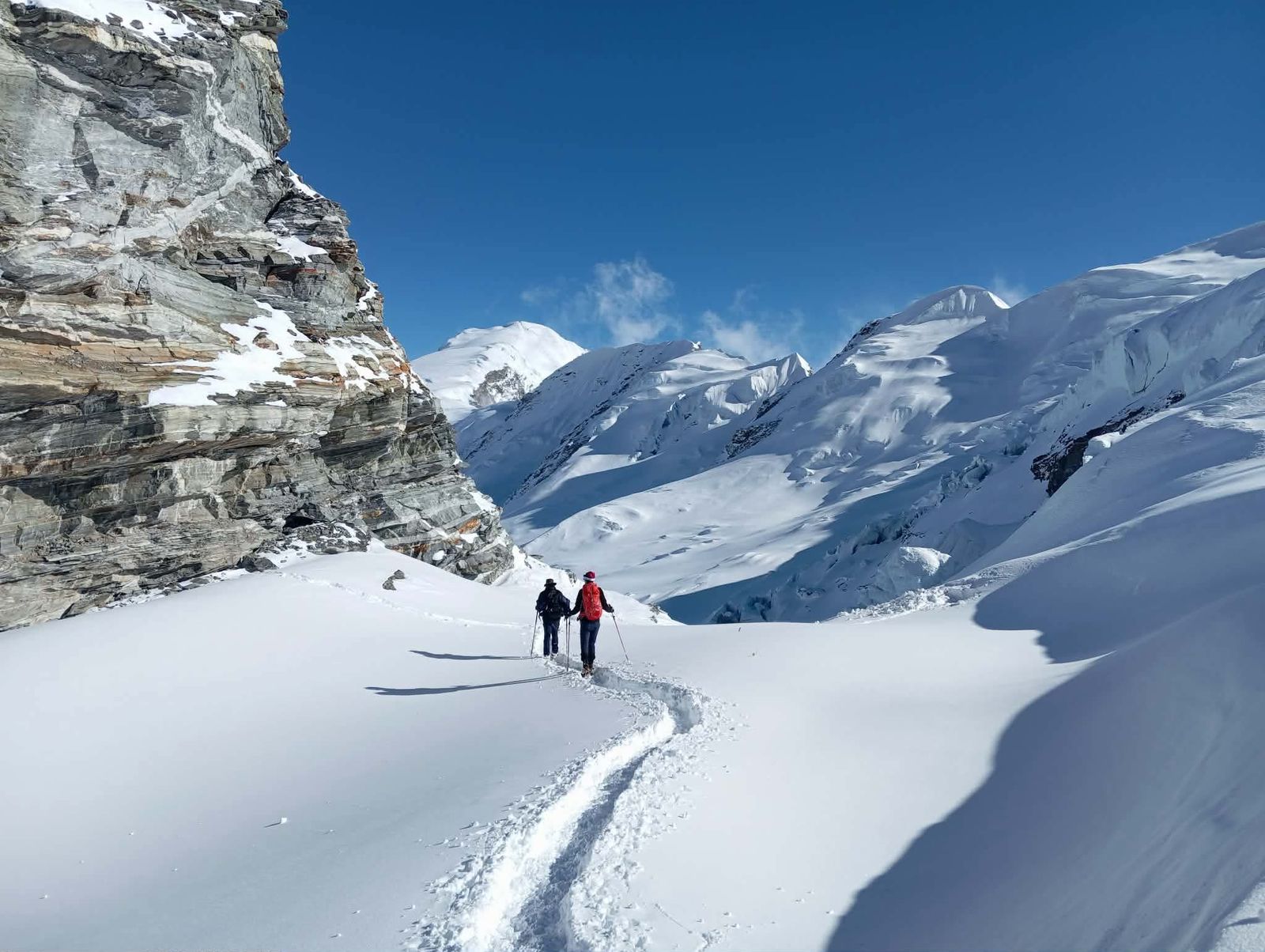
Remote, wild, and breathtakingly beautiful, the Kanchenjunga region offers a completely different experience from Nepal’s more commercial trekking routes. Here, there are no crowded trails filled with hundreds of trekkers. Instead, you walk through ancient villages, cross suspension bridges over roaring rivers, pass through dense forests filled with wildlife, and stand beneath some of the highest mountains on Earth.
The Kanchenjunga Trek is not just about reaching a base camp. It is about understanding how mountain communities survive in one of the most isolated regions of Nepal. It is about experiencing cultures that have remained unchanged for generations. It is about discovering the true spirit of adventure.
At Art Nepal Treks & Expedition, we believe Kanchenjunga is one of Nepal’s greatest treasures. This journey takes you beyond tourism and into the heart of the Himalayas.
- Where Is the Kanchenjunga Region?
Kanchenjunga lies in eastern Nepal within Taplejung District, close to the borders of India’s Sikkim state and Tibet. The region forms part of the Kanchenjunga Conservation Area, one of Nepal’s largest protected areas.
Covering approximately 2,035 square kilometers, the conservation area stretches from low green valleys at around 1,200 meters to the summit of Mount Kanchenjunga at 8,586 meters.
This dramatic difference in altitude creates an extraordinary variety of landscapes. Within a single trek, you may walk through rice fields, bamboo forests, rhododendron-covered hillsides, alpine meadows, glaciers, and snow-covered mountain terrain.
Because of its remote location, Kanchenjunga remains one of the least-visited trekking regions in Nepal. For many trekkers, this untouched nature is exactly what makes it so special.
Mount Kanchenjunga: The Third Highest Mountain in the World
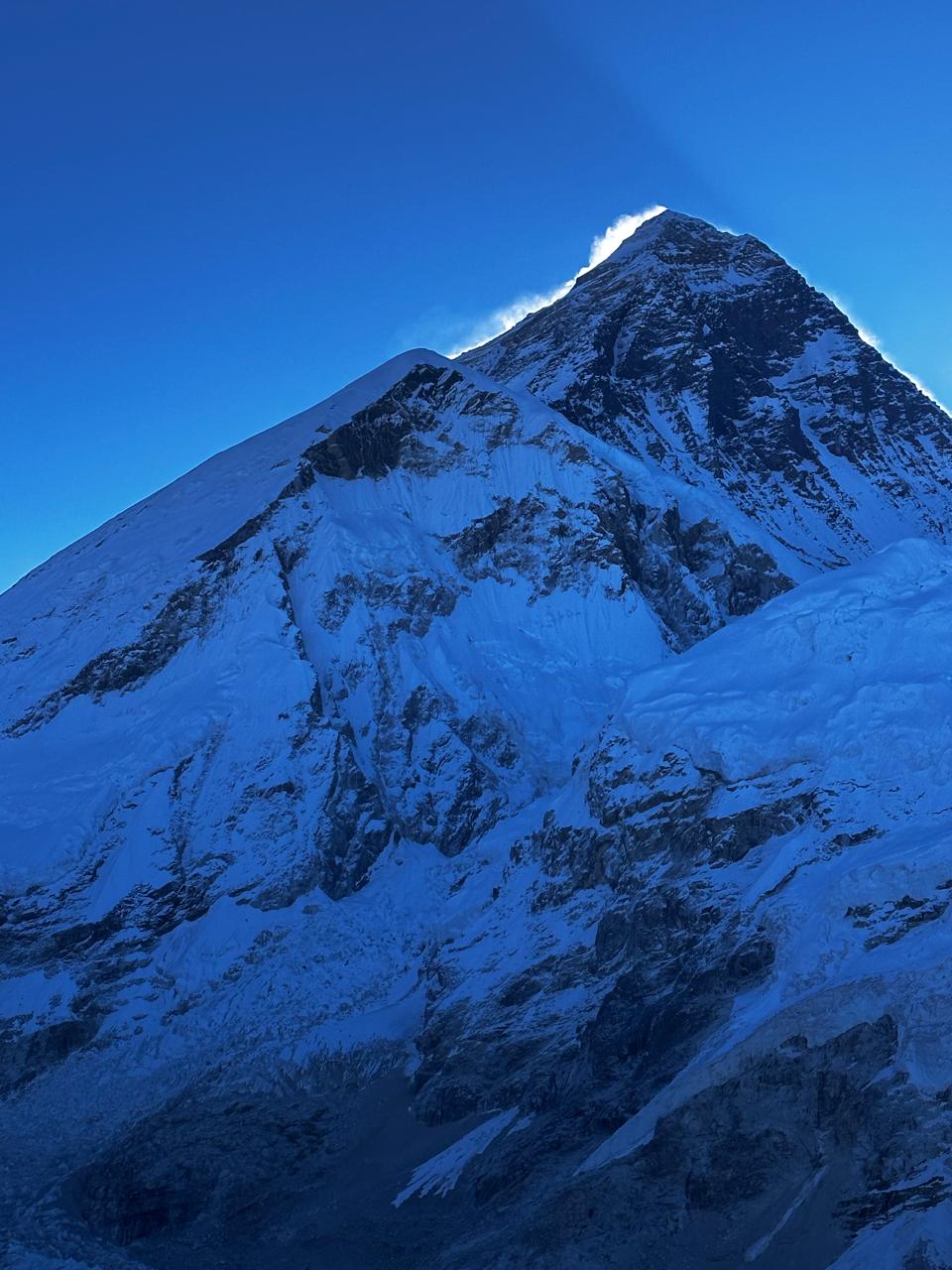
Standing at 8,586 meters above sea level, Mount Kanchenjunga is the third-highest mountain on Earth after Everest and K2.
The name “Kanchenjunga” comes from Tibetan words meaning “The Five Treasures of the Great Snow.” According to local belief, these treasures represent:
* Gold
* Silver
* Precious stones
* Grain
* Sacred scriptures
For the local communities, Kanchenjunga is not simply a mountain. It is sacred.
Many people believe protective spirits live within these mountains. The peaks are respected deeply, and religious ceremonies are often performed to seek blessings for safe journeys and good harvests.
Even today, local traditions continue to shape daily life throughout the region.
Mountains You Can See During the Trek
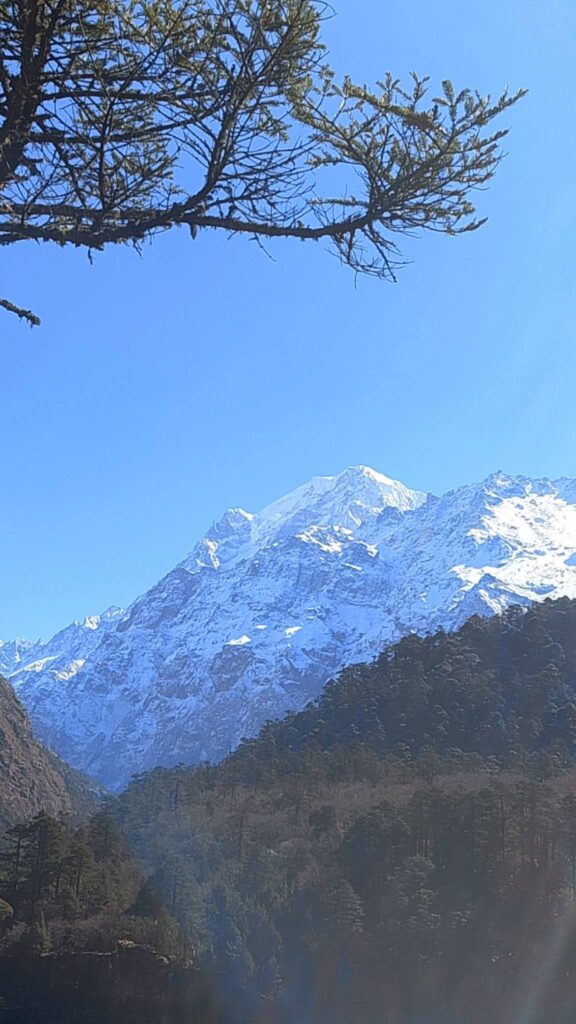
One of the greatest rewards of trekking in Kanchenjunga is the incredible mountain scenery.
Some of the major peaks visible during the trek include:
Mount Kanchenjunga – 8,586 meters
The third-highest mountain in the world and the crown jewel of the region.
Yalung Kang – 8,505 meters
The western summit of Kanchenjunga and one of Nepal’s eight-thousanders.
Kumbhakarna (Jannu) – 7,710 meters
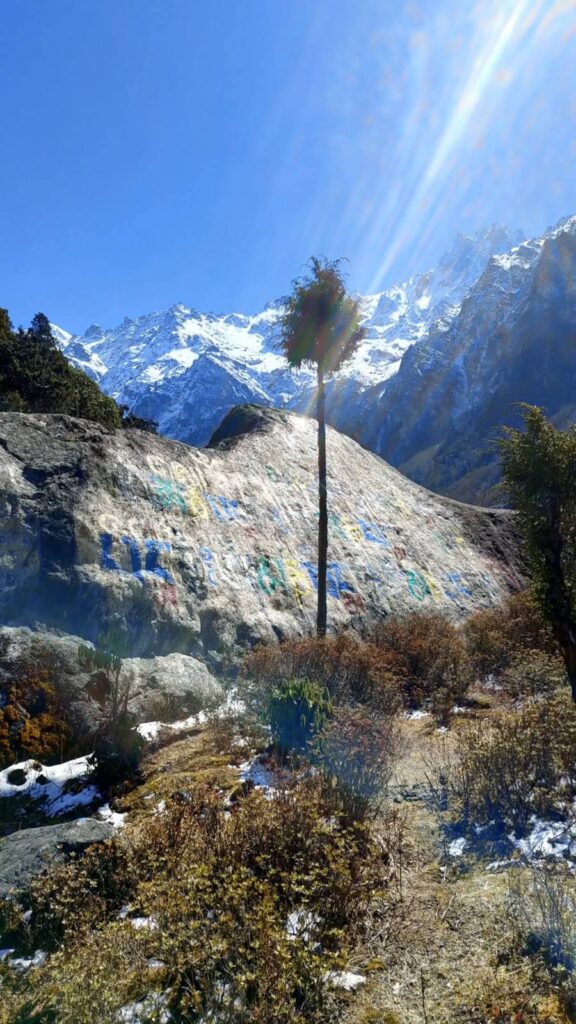
Often described as one of the world’s most beautiful mountains because of its dramatic shape.
Kabru North – 7,338 meters
Kabru South – 7,318 meters
Rathong – 6,679 meters
Nepal Peak – 7,177 meters
Tent Peak – 7,365 meters
Every day on the trail reveals new angles of these magnificent giants.
Why Is the Kanchenjunga Trek So Special?
Kanchenjunga offers something that is becoming increasingly rare in the modern world: genuine wilderness.
Unlike busier trekking routes, you can walk for hours without seeing another trekking group. The villages remain traditional, and tourism has not changed local life dramatically.
Trekkers choose Kanchenjunga because we offers:
* Peaceful trails without crowds
* Authentic local culture
* Spectacular mountain views
* Rich biodiversity
* Remote adventure
* North and South Base Camps
* Ancient monasteries
* True Himalayan hospitality
This is Nepal as many people imagine it: raw, beautiful, and deeply connected to nature.
The People of Kanchenjunga
One of the most memorable parts of this journey is meeting the people who call these mountains home.
Life here is challenging, yet local communities are known for their warmth, kindness, and resilience.
The Limbu Community
The Limbu people are among the oldest inhabitants of eastern Nepal.
They have their own language, traditions, music, and ceremonies. Many families continue to follow customs passed down through generations.
Traditional Limbu celebrations involve:
* Singing and dancing
* Community gatherings
* Sharing local food and drinks
* Honoring ancestors
Agriculture remains central to their way of life.
Sherpa and Tibetan Communities
As you move higher into the mountains, Tibetan Buddhist influence becomes stronger.
Villages such as Ghunsa feature:
* Prayer wheels
* Chortens
* Monasteries
* Prayer flags fluttering in the wind
* Mani walls carved with sacred texts
Yak herding plays an important role in these communities.
Rai Communities
The Rai people also live in parts of the region and contribute to the area’s cultural diversity.
They are known for their traditional dances, farming practices, and close connection to the land.
Religion and Spiritual Life
Religion shapes everyday life in Kanchenjunga.
Buddhism
Many high-altitude communities follow Tibetan Buddhism.
Monks perform rituals to bless villages and travelers. Prayer flags are believed to spread peace and compassion through the wind.
Monasteries serve not only as places of worship but also as centers of community life.
### Kirat Religion
Many Limbu families practice Kirat traditions, one of Nepal’s oldest belief systems.
Nature is deeply respected.
Mountains, rivers, forests, and ancestors are considered sacred.
Hinduism
Lower villages often include Hindu families who celebrate festivals such as Dashain and Tihar.
Despite different beliefs, harmony between communities is one of the region’s most beautiful characteristics.
Local Customs and Traditions
Visitors are encouraged to respect local culture.
Simple gestures can show appreciation:
* Greet people with “Namaste.”
* Ask permission before taking photographs.
* Walk clockwise around religious monuments.
* Remove shoes before entering monasteries.
* Dress modestly.
* Avoid touching sacred objects unnecessarily.
Respect creates meaningful connections between visitors and local communities.
How Do People Survive in Such Remote Areas?
Life in Kanchenjunga is not easy.
The nearest roads may be several days away on foot.
Yet people have adapted to mountain life through determination and cooperation.
Farming
Families grow crops such as:
* Millet
* Maize
* Potatoes
* Buckwheat
* Barley
Terraced fields maximize limited farmland.
Livestock
Animals provide food, transport, and income.
Common livestock includes:
* Yaks
* Cows
* Goats
* Sheep
Yaks are especially important in higher elevations.
Trade and Tourism
Historically, trade routes connected Nepal with Tibet.
Today, trekking provides employment through:
* Tea houses
* Guiding services
* Porters
* Local transportation
Tourism has become an important source of income while helping communities remain in their ancestral villages.
The Kanchenjunga Trek Route
Most trekkers complete the Kanchenjunga Circuit Trek.
The journey usually takes between 20 and 26 days.
Popular stops include:
* Kathmandu
* Bhadrapur
* Taplejung
* Sekathum
* Amjilosa
* Gyabla
* Ghunsa
* Kambachen
* Lhonak
* Pangpema (North Base Camp)
* Sele La Pass
* Cheram
* Oktang (South Base Camp)
* Tortong
* Yamphudin
The route combines both North and South Base Camps, creating one of Nepal’s finest trekking experiences.
Distance and Difficulty
The Kanchenjunga Circuit covers approximately 220 to 250 kilometers.
Daily walking hours range from five to eight hours.
This trek is considered challenging because of:
* Long distances
* High altitude
* Basic facilities
* Remote conditions
* Steep trails
* Variable weather
However, you do not need technical climbing skills.
With preparation, determination, and proper acclimatization, most healthy trekkers can complete the journey successfully.
Weather and Temperature
Daytime:
10°C to 20°C
Night Spring (March to May)-5°C to -10°C
Highlights:
Blooming rhododendrons and stable weather.
Autumn (September to November)
Daytime:
8°C to 18°C
Night:
-5°C to -15°C
Highlights:
Clear skies and excellent mountain views.
Winter (December to February)
Daytime:
0°C to 8°C
Night:
-15°C to -25°C
Highlights:
Snow-covered landscapes but extremely cold conditions.
Monsoon (June to August)
Daytime:
15°C to 25°C
Highlights:
Heavy rainfall, slippery trails, and frequent clouds.
Spring and autumn are considered the best seasons.
Flora: A Botanical Paradise
Kanchenjunga is home to remarkable plant diversity.
As you climb higher, forests transform dramatically.
You may encounter:
* Oak forests
* Pine forests
* Fir trees
* Hemlock
* Juniper
* Bamboo groves
* Magnolias
* Rhododendrons
* Orchids
* Alpine shrubsDuring spring, the hillsides explode with color as rhododendrons bloom across the mountains.
Wildlife and Fauna
The Kanchenjunga Conservation Area protects some of Nepal’s rarest animals.
Lucky trekkers may spot:
* Red Panda
* Himalayan Black Bear
* Musk Deer
* Blue Sheep
* Himalayan Tahr
* Leopard Cat
* Yellow-Throated Marten
* Snow Leopard
Bird enthusiasts can enjoy sightings of:
* Himalayan Monal
* Blood Pheasant
* Snow Pigeon
* Red-Billed Blue Magpie
These forests represent one of Nepal’s richest ecosystems.
The Adventure of a Lifetime
Kanchenjunga is not simply a trek.
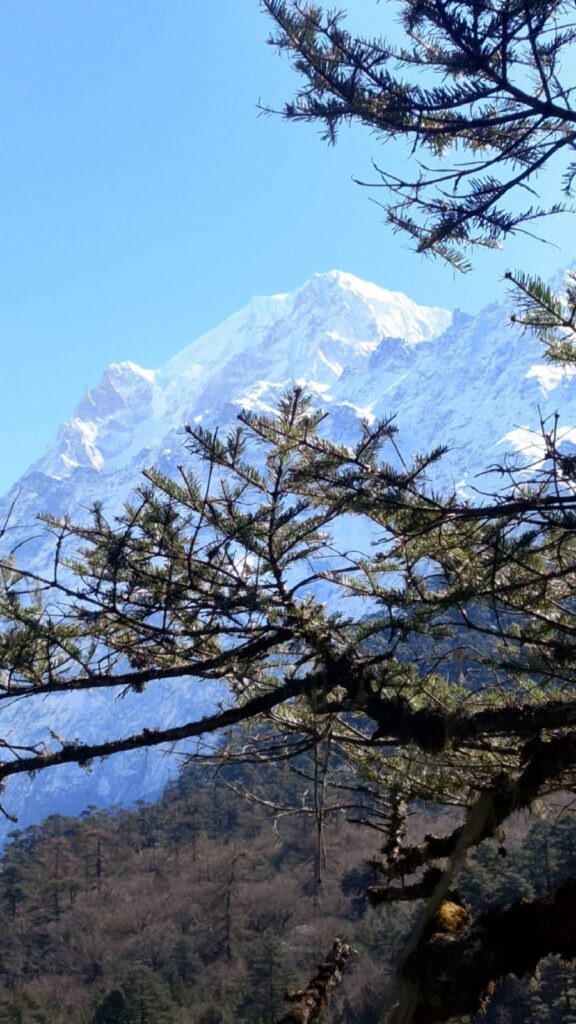
It is an expedition into one of the Himalayas’ final frontiers.
You cross swinging suspension bridges over powerful rivers.
You sleep in remote tea houses where stories are shared around warm stoves.
You watch yak caravans moving slowly through mountain valleys.
You wake before dawn to witness sunlight touching the snowy faces of giant peaks.
You challenge yourself physically and mentally.
And somewhere along the trail, you realize that the greatest reward is not reaching the destination. It is becoming part of the journey itself.
Why Choose Kanchenjunga?
Choose Kanchenjunga if you want:
* A genuine Himalayan experience.
* Fewer crowds.
* Rich cultural encounters.
* Spectacular mountains.
* Wildlife and nature.
* Remote adventure.
* Personal growth.
* Memories that last forever.
Kanchenjunga reminds us that the world still holds places untouched by mass tourism.
-Final Thoughts
The Kanchenjunga Trek is one of Nepal’s most extraordinary journeys. It combines towering mountains, ancient traditions, incredible biodiversity, and authentic human connections in a way few destinations can match.
For those willing to venture beyond the familiar trails, Kanchenjunga offers something truly rare: silence, simplicity, adventure, and a deeper understanding of the people who have thrived in these mountains for generations.
At Art Nepal Treks & Expedition, we are proud to guide travelers through this remarkable region. As a local Nepali company, we believe in responsible tourism, supporting mountain communities, and sharing the real Nepal with every guest.
If you are searching for an unforgettable Himalayan adventure, let Kanchenjunga lead the way.
The mountains are waiting.
Best Regards
Trek with Art Nepal Treks & Expedition
WhatsApp: +977 9810271256
Email: info@artnepaltreks.com
Website: www.artnepaltreks.com
*”Explore the Himalayas with local experts and experience Nepal through the eyes of its people.”*