Jump in the Fun, Love Every Mile



Gokyo Lakes Trek”: This is the primary and most direct keyword, essential for search engine visibility. The Gokyo Valley Trek is a fantastic alternative to the more crowded Everest Base Camp trek, offering stunning turquoise lakes, incredible mountain views, and a rich cultural experience in a quieter setting. Below, you’ll find detailed answers to your questions to help you plan your adventure.
Here is a quick overview of the key details for the Gokyo Valley Trek:
Key Highlights Gokyo Lakes, Gokyo Ri viewpoint, Ngozumpa Glacier, views of four 8,000m peaks
The Gokyo Valley is renowned for its unique combination of glacial landscapes, panoramic views, and authentic Sherpa culture. Here are the must-see attractions:
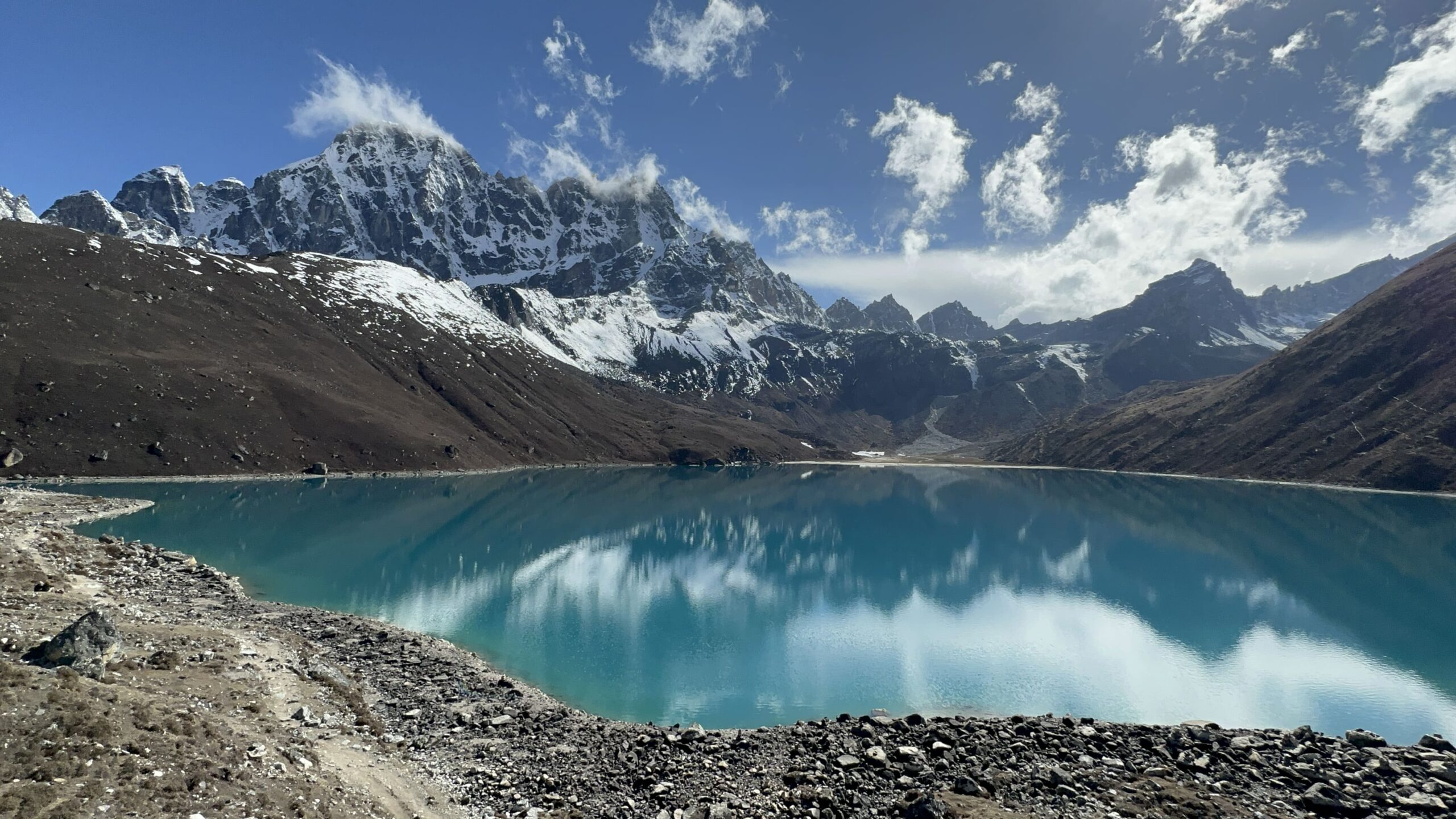
The Sacred Gokyo Lakes: The trek’s centerpiece is a series of six stunning turquoise and emerald-green glacial lakes, among the highest freshwater lake systems in the world . They are a Ramsar site, considered sacred by both Buddhists and Hindus . Most trekkers visit up to the third and fourth lakes, with a hike to the fifth lake (Ngozumpa Tsho) offering breathtaking reflections of Cho Oyu .
Gokyo Ri Viewpoint: The summit of Gokyo Ri (5,357m) is widely considered one of the best viewpoints in the entire Everest region . The early morning climb rewards you with a 360-degree panorama that includes four of the world’s 8,000-meter peaks: Mount Everest, Lhotse, Makalu, and Cho Oyu . You also get an unparalleled bird’s-eye view of the Gokyo Lakes and the massive Ngozumpa Glacier below .
Ngozumpa Glacier: As you trek towards Gokyo, you’ll walk alongside the largest glacier in the Himalayas. This dramatic, raw landscape of ice and moraine provides a surreal and unforgettable trekking experience.
Panoramic Mountain Vistas: Throughout the trek, you are surrounded by some of the world’s highest and most beautiful peaks. Besides the four 8,000-meter giants, you’ll have constant views of other majestic mountains like Thamserku, Ama Dablam, Nuptse, and Cholatse .
Sherpa Culture and Traditional Villages: The trail winds through charming Sherpa villages such as Namche Bazaar, Dole, and Machhermo . This offers a wonderful opportunity to experience the unique lifestyle, hospitality, and rich Buddhist culture of the local mountain people . A visit to the Khumjung Monastery or the Sherpa Culture Museum in Namche Bazaar adds a deeper cultural dimension to your trek .
While both treks start in the Khumbu region, they offer distinctly different experiences. Here is a comparison based on your questions:
Crowds Less crowded and more peaceful; only about 15-35% of trekkers take this route, offering a more off-the-beaten-path feel . Very crowded, especially during peak seasons, with busy teahouses and trails .
Key Landscapes Renowned for its stunning glacial lakes, the massive Ngozumpa Glacier, and incredible mountain views from a central vantage point (Gokyo Ri) . Famous for reaching the base of the world’s highest mountain (EBC) and the classic view from Kala Patthar.
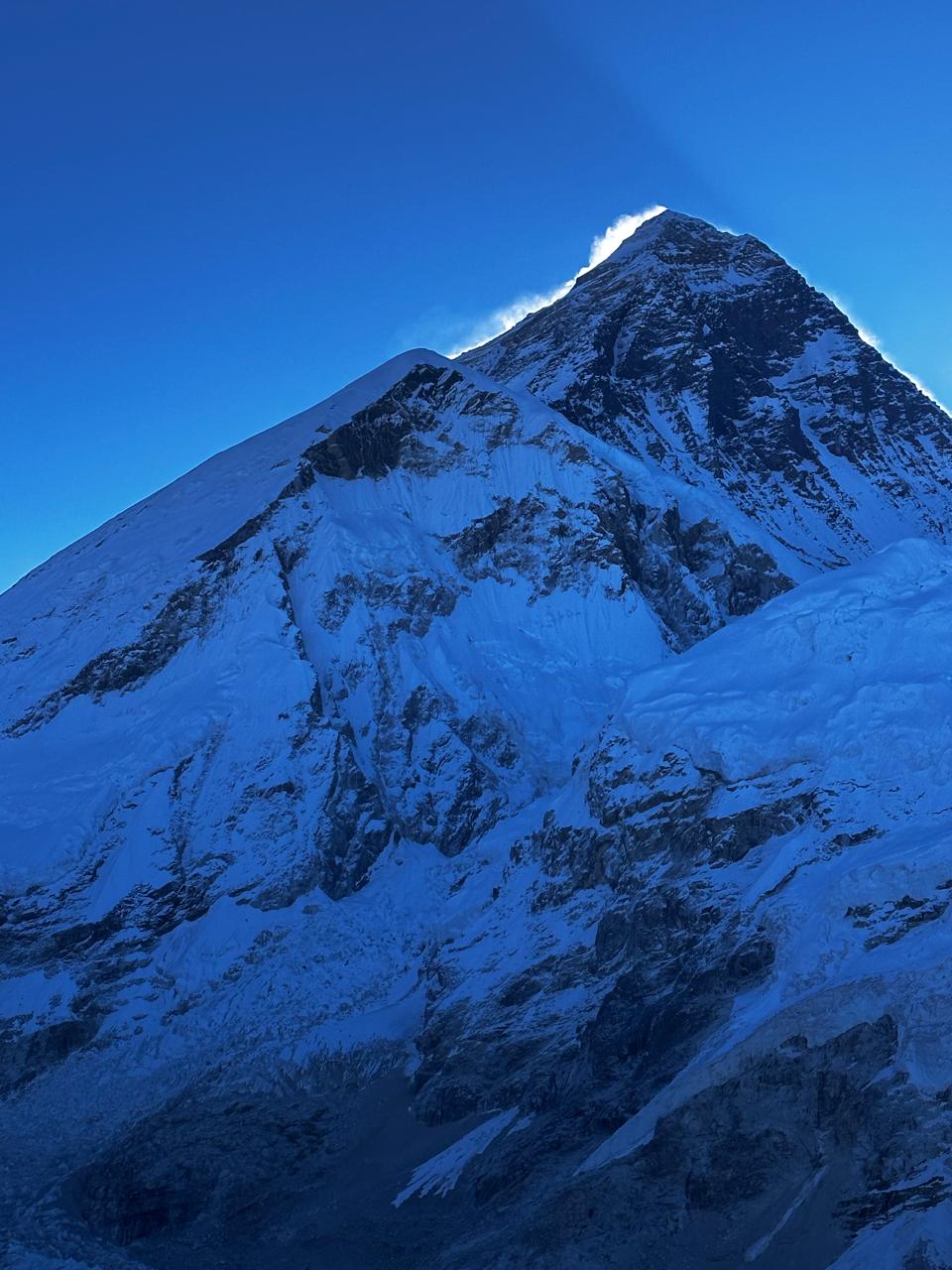
Views From Gokyo Ri, you get a panoramic view of four 8,000m peaks (Everest, Lhotse, Makalu, Cho Oyu) and the lakes, all in one breathtaking scene . From Kala Patthar, you get a famously close-up view of Mount Everest and the Khumbu Icefall .
Route Starts on the same path as EBC but branches off at Namche Bazaar to follow a quieter valley, offering a more gradual acclimatization path for some . Follows a more direct and heavily trafficked route up the valley to the base of Everest.
Overall Experience Often described as more scenic, peaceful, and “raw,” offering a deeper connection with nature . A classic, iconic trek focused on the goal of reaching Everest Base Camp and experiencing the heart of mountaineering culture . In short, if you value solitude, pristine lakes, and expansive mountain panoramas, Gokyo might be the better choice. If your dream is to stand at the foot of Everest, then the EBC trek is for you. Of course, if you have the time and energy, you can combine both by crossing the Cho La pass for an even greater adventure .
The Gokyo Valley trek is graded as strenuous to challenging . It is not a technical climb, but it demands good physical and mental preparation due to several factors:
High Altitude: The trek reaches a maximum altitude of 5,357m at Gokyo Ri . The risk of Altitude Mountain Sickness (AMS) is real, and proper acclimatization is crucial. Most itineraries include rest days for this reason .
Long Trekking Days: You will typically walk for 5 to 7 hours per day, covering uneven and often rocky or rugged terrain .
Steep Ascents and Descents: The trail includes many steep climbs and descents, particularly on the way to Namche Bazaar and on the final push to Gokyo Ri .
Remote and Rugged Trail: The route beyond Namche is less commercialized, and the path can be raw, especially when trekking over the Ngozumpa Glacier moraine .
This trek is best suited for trekkers with good fitness and some previous trekking experience . If you are a novice trekker, it is achievable with thorough preparation, including a dedicated training regimen focused on cardio and stamina .
The best times to trek in Gokyo Valley are during the two main trekking seasons when the weather is most stable and the views are clearest :
Spring (March to May): This season offers moderate temperatures and blooming rhododendron forests along the lower trails, adding vibrant color to the landscape. The days are longer, and the skies are generally clear in the mornings .
Autumn (September to November): Widely considered the peak trekking season. The weather after the monsoon is crisp and stable, with excellent visibility offering the most spectacular mountain views. The trails and teahouses are busier during this time .
It is possible to trek in the winter (December to February), but it can be extremely cold, especially at night, and there may be heavy snowfall at higher elevations. Trekking in the summer/monsoon (June to August) is not recommended due to heavy rain, leeches on the trail, and poor visibility .
To trek in the Gokyo Valley, you are required to carry two mandatory permits at all times :
Sagarmatha National Park Entry Permit: This permit grants you access to the UNESCO World Heritage Site of Sagarmatha National Park. It contributes to the park’s conservation efforts .
Cost: NPR 3,000 + 13% VAT for foreign nationals .
Where to Get It: You can obtain this permit at the Nepal Tourism Board office in Kathmandu or at the park entry checkpoint in Monjo .
Khumbu Pasang Lhamu Rural Municipality Permit: This local permit has replaced the old TIMS card for the Khumbu region. The fees directly support local community development projects, such as trail maintenance, schools, and waste management .
Cost: NPR 2,000 per person for foreign nationals (note that costs can vary, with some sources citing NPR 3,000, so it’s best to confirm) .
Where to Get It: This permit can only be obtained locally. You can get it at the checkpoint in Lukla after your flight or at the checkpoint in Monjo .
It is highly recommended to carry cash in Nepalese Rupees for these fees, as card payments are not accepted at permit checkpoints .
Permit Type Cost (Foreign Nationals) Where to Obtain
Sagarmatha National Park Entry Permit NPR 3,000 + 13% VAT Nepal Tourism Board (Kathmandu) or Monjo
Khumbu Pasang Lhamu Rural Municipality Permit NPR 2,000 Lukla or Monjo
Trekking without these permits can result in fines, being turned back at checkpoints, and invalidation of your travel insurance .
Acclimatize Properly: Don’t rush. Follow the “walk high, sleep low” principle and listen to your body to prevent altitude sickness .
Pack Smart: Bring layered clothing for varying temperatures, a good quality sleeping bag, trekking poles, a headlamp, and a comprehensive first-aid kit . A detailed packing list is available in several of the trekking guides .
Hire a Guide and Porter: Not only does this support the local economy, but a guide enhances your experience with cultural insights and ensures your safety. A porter allows you to trek more comfortably by carrying your heavy gear .
Get Travel Insurance: Ensure your policy covers high-altitude trekking (up to 5,500m) and emergency helicopter evacuation .
The Gokyo Valley Trek is a truly special journey that rewards you with some of the most beautiful and serene landscapes in the Himalayas.