My Solo Annapurna Circuit Trek: 230km of Himalayas, Hot Springs, and High Passes
- March 11, 2026
- ART Nepal Treks
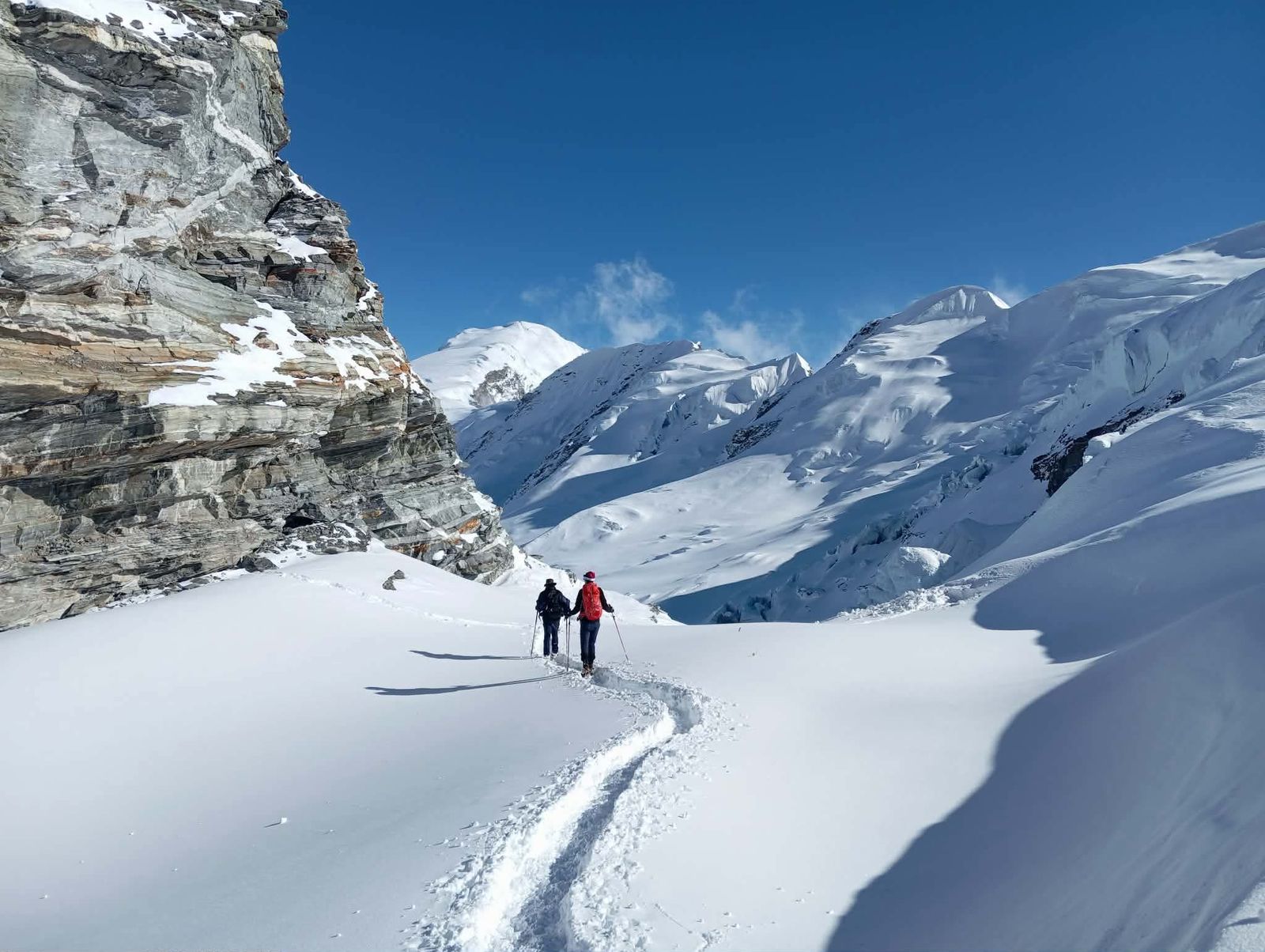
The Annapurna Circuit, often hailed as one of the world’s greatest long-distance treks, is a journey of breathtaking diversity and profound challenge. This classic route in the Nepalese Himalayas takes you on a 160-230 km loop around the majestic Annapurna Massif, leading you through verdant subtropical forests, traditional Gurung and Manangi villages, high-altitude deserts, and finally to the dizzying heights of the Thorong La Pass (5,416m) .
This comprehensive guide is designed to provide you with all the essential information for planning your adventure, covering everything from permits and itineraries to detailed packing lists and critical safety advice.
Trip Overview and Statistics
Before lacing up your boots, it’s crucial to understand the scale of the trek. The Annapurna Circuit is not just a walk in the hills; it’s a strenuous expedition that requires respect and preparation.
Feature Details
- Location Annapurna Region, central Nepal
- Total Length 160-230 km (100-145 miles), depending on route and transport use .
- Maximum Altitude Thorong La Pass at 5,416 m (17,769 ft) .
- Duration Typically 12-20 days .
- Difficulty Challenging due to high altitude, long days, and remote terrain.
- Accommodation Teahouses (simple lodges) .
- Best Seasons Spring (March-May) and Autumn (October-November) .
The route encircles the Annapurna Massif, providing close-up views of some of the world’s highest and most spectacular peaks, including Annapurna I (8,091m), Dhaulagiri (8,167m), Machhapuchhre (6,993m), and Manaslu (8,163m) . The journey is a feast for the senses, offering a unique blend of natural beauty and cultural richness.
Best Time to Trek the Annapurna Circuit
Choosing the right time to trek is paramount for a safe and enjoyable experience. The weather in the Himalayas is seasonal and dictates trail conditions.
Autumn (September – November): This is the most popular and highly recommended season. The weather is stable with clear, blue skies offering unrivaled mountain views. The days are warm at lower elevations, but nights are cold. This is the peak season, so teahouses are busier, and booking ahead is wise .
Spring (March – May): The second-best time to trek. The weather is warmer, and the lower trails burst into color with blooming rhododendrons. However, haze can sometimes obscure the long-distance views, and there’s a chance of afternoon rain .
Winter (December – February): This is a challenging time for experienced trekkers only. The trail is covered in deep snow, and the Thorong La Pass is frequently closed due to avalanche risk and extreme cold, with temperatures dropping as low as -20°C .
Monsoon (June – September): Generally not recommended. While the northern part of the circuit lies in a rain shadow, the trekking trails can be wet, slippery, and leech-infested. Landslides are a common risk, and mountain views are often obscured by clouds .
Detailed Day-by-Day Itinerary (10-14 Days)
The classic Annapurna Circuit is walked counter-clockwise. This direction is safer and more sensible as it allows for a more gradual ascent, giving your body time to acclimatize to the altitude before tackling the Thorong La .
Here is a standard 14-day itinerary, which includes the popular side trip to the stunning Tilicho Lake.
Day Route Altitude Trekking Hours Highlights & Notes
- Day 01 Drive from Kathmandu (1,400m) to Besisahar (760m) 760m 7 hrs drive Scenic drive along the Trishuli and Marsyangdi rivers .
- Day 02 Drive from Besisahar to Chame (2,650m) 2,650m 5-6 hrs drive A bumpy but beautiful 4WD journey into the mountains. First views of Annapurna II .
- Day 03 Trek from Chame to Upper Pisang (3,300m) 3,300m 5-6 hrs Trek through pine forests, cross suspension bridges, and see the massive Paungda Danda rock face .
- Day 04 Trek from Upper Pisang to Manang (3,540m) 3,540m 5-6 hrs Stunning high route via Ghyaru and Ngawal villages with breathtaking views of the Annapurna range. Visit the Ngawal Monastery .
- Day 05 Acclimatization Day in Manang 3,540m 3-4 hrs Crucial for safety. A short hike to Gangapurna Lake or the Manang Viewpoint (following ‘climb high, sleep low’) .
- Day 06 Trek from Manang to Tilicho Base Camp (4,150m) 4,150m 5-6 hrs Leave the main circuit for the dramatic Tilicho Valley .
- Day 07 Trek from Tilicho BC to Tilicho Lake (4,920m) and back to Kharka 4,150m (sleep) 7-8 hrs A challenging day to the world’s highest lake. The views of Tilicho Peak are unforgettable. Descend to sleep lower .
- Day 08 Trek from Kharka to Yak Kharka (4,110m) 4,110m 4-5 hrs Rejoin the main circuit and continue up the valley. Look out for blue sheep .
- Day 09 Trek from Yak Kharka to Thorong High Camp (4,900m) 4,900m 4-5 hrs A short but steep climb to the final stop before the pass. The air is thin here .
- Day 10 Trek from High Camp to Muktinath (3,800m) via Thorong La Pass (5,416m) 5,416m (max) 8-10 hrs The biggest day. An early start for a strenuous climb to the pass. Celebrate at the top before a long descent to the holy temple of Muktinath .
- Day 11 Drive from Muktinath to Jomsom (2,750m) and fly/Drive to Pokhara 2,750m 20 min flight / 5-9 hrs drive A scenic flight or a long jeep ride through the dramatic Kali Gandaki Gorge back to the lakeside city of Pokhara.
- Day 12 Free day in Pokhara 850m – Rest, explore Lakeside, or go paragliding. A well-deserved break .
- Day 13 Drive or fly from Pokhara to Kathmandu 1,400m 7 hrs drive / 25 min flight Return to the bustling capital .
- Day 14 Final Departure – – Transfer to the airport for your flight home .
Note: This is a suggested itinerary. Treks can be shorter (e.g., 10-12 days by skipping Tilicho Lake and using more jeep transport) or longer for a more relaxed pace .
Permits and Essential Paperwork
You cannot trek the Annapurna Circuit without the correct permits. These are checked at several points along the trail.
Annapurna Conservation Area Permit (ACAP): This is required for entering the Annapurna region. You can obtain it in Kathmandu or Pokhara, and at some entry points like Besisahar and Chame .
Trekkers’ Information Management System (TIMS) Card: This is a registration card aimed at trekker safety and managing trekking traffic.
To obtain these permits, you will typically need:
- Your passport.
- Two or more passport-sized photos .
- The necessary fees (approximately 5000 NPR, but it’s best to bring extra cash) .
The Ultimate Annapurna Circuit Packing List
Packing smart is essential. You need to be prepared for everything from warm valley floors to freezing, windy passes, but your pack must remain light enough to carry comfortably. The golden rule is to pack layers.
Clothing: The Layering System
- Base Layers (Moisture-Wicking):
- 2-3 sets of thermal tops and bottoms (merino wool or synthetic). Avoid cotton .
Insulating Layers (Mid-Layers):
- A fleece jacket for moderate warmth.
- A lightweight, packable down jacket for evenings and high altitudes. This is non-negotiable .
Outer Layer (Shell):
- A waterproof and windproof shell jacket with a hood (Gore-Tex or similar).
- Waterproof trekking pants .
- Trekking Apparel:
- 2-3 lightweight, breathable trekking shirts (long-sleeved for sun protection).
- 1-2 pairs of lightweight, quick-dry trekking pants (zip-offs are a popular choice) .
Footwear
- Trekking Boots: Sturdy, waterproof boots with good ankle support. Crucially, they must be well broken-in before you arrive in Nepal to avoid blisters .
- Camp Shoes / Sandals: A lightweight pair of sneakers or sandals to give your feet a rest in the teahouses .
- Socks: 4-5 pairs of wool or synthetic trekking socks. Avoid cotton .
Essential Gear
- Backpack: A 50-65 liter backpack if you are carrying your own gear. If you hire a porter, a 20-30 liter daypack is sufficient for daily essentials .
- Sleeping Bag: A must. Teahouse blankets are often insufficient. A bag rated to -10°C to -15°C is recommended for autumn and spring. For winter, you’ll need a -20°C bag .
- Trekking Poles: Invaluable for reducing stress on your knees during long descents and providing balance on rocky trails .
- Headlamp: Essential for early morning starts to catch the sunrise at the pass and for navigating dark teahouses. Bring spare batteries .
- Water Bottles/Bladder: Carry at least 2-3 liters of capacity. A hydration bladder is very convenient for drinking on the move .
- Water Purification: Iodine tablets, a filter, or a Steripen. Do not drink untreated water .
- Power Bank: Charging facilities in teahouses are available but often cost money and can be unreliable .
Health, Hygiene, and First Aid
- Sun Protection: High-altitude sun is intense. Bring sunglasses (with high UV protection), a sun hat, and SPF 30+ lip balm and sunscreen .
- Toiletries: Quick-dry towel, biodegradable soap, wet wipes, hand sanitizer, and toilet paper .
- Personal First Aid Kit: Include blister care (Compeed, mole skin), pain killers (like Ibuprofen), Imodium for stomach upsets, and any personal prescription medications .
- Altitude Sickness Medication: Consult your doctor about Diamox (Acetazolamide) , which can help prevent and lessen the symptoms of AMS .
Documents and Miscellaneous
- Passport and Permits: Keep them safe and dry in a waterproof bag .
- Travel Insurance Documents: Your insurance must cover high-altitude trekking (up to 5,500m) and emergency helicopter evacuation. This is not optional .
- Cash (Nepalese Rupees): ATMs are non-existent on the trail. You need cash to pay for accommodation, food, and any incidentals .
- Snacks: Energy bars, nuts, and chocolate to keep you going between meals .
Accommodation and Food on the Trail
The Annapurna Circuit is a “teahouse trek,” meaning you don’t need to carry a tent or cooking gear.
Teahouses: These are basic but comfortable lodges found in every village. They provide a bed (often just a mattress), a communal dining room with a stove for heat, and shared squat toilets. Rooms are basic and unheated. In busy seasons, it’s wise to arrive early to secure a spot .
The Teahouse System: There is an unwritten rule that trekkers are expected to eat their meals at the teahouse where they stay. In return, the room is often provided for free or at a very nominal cost .
Food: The food is plentiful and hearty, designed to fuel trekkers. The menu is extensive but repetitive, mostly centered on Nepali and Tibetan dishes.
Staples: Dal Bhat (lentil soup, rice, and vegetables) is the king of trekking food. It’s nutritious, filling, and often unlimited seconds are available.
Other Options: Noodle soups, fried rice, momos (dumplings), pasta, pizza, porridge, pancakes, and bread.
Drinks: Tea (milk tea, ginger tea), coffee, hot lemon, and hot chocolate are available. Soft drinks and beer are also sold but become progressively more expensive as you gain altitude.
Health, Safety, and Responsible Trekking
Your safety in the mountains is your own responsibility. Being informed and cautious is key.
- Acute Mountain Sickness (AMS): This is a serious risk on the Annapurna Circuit due to the high altitude of the Thorong La. Symptoms include headache, nausea, dizziness, and loss of appetite.
- Prevention: The only cure for AMS is descent. To prevent it, ascend slowly, include acclimatization days (like Day 5 in Manang), stay hydrated, and avoid alcohol .
- Action: If symptoms are severe or worsen, you must descend immediately. Do not ascend further.
- Weather and Trail Conditions: Himalayan weather is unpredictable. Be prepared for sudden changes, including snow and high winds, even in peak season. The trail can be affected by landslides. Listen to local advice and your guide .
- Guides and Porters: While the trail is well-marked, hiring a guide can enrich your experience with local knowledge and ensure your safety. Hiring a porter not only lightens your load but also directly supports the local economy. If you hire a porter, remember they are a fellow human being—treat them with respect, ensure they have proper gear, and pay them a fair wage .
- Travel Insurance: We cannot stress this enough. Your insurance policy must cover trekking up to 5,500-6,000 meters and helicopter rescue. Keep a copy of your policy details with you .
Responsible Trekking: The mountains are a fragile environment.
Leave No Trace: Pack out all your non-biodegradable trash. Use biodegradable soaps.
Conserve Resources: Hot water for showers often comes from firewood. Be mindful of your usage. Electricity for charging may come from solar power, which is limited .
Respect Local Culture: Dress modestly, especially when visiting monasteries. Always ask for permission before taking photos of people. Learn a few words of Nepali, like “Namaste” (hello) and “Dhanyabad” (thank you).
Highlights and Side Treks
The main circuit is just the beginning. Several side treks offer even more adventure.
Tilicho Lake: At 4,919 meters, this is one of the highest lakes in the world. The side trip adds 2-3 days to your itinerary but rewards you with a surreal landscape of towering peaks reflected in the deep blue water.
Ice Lake: A challenging day hike from Manang to a stunning frozen lake at 4,600m, offering fantastic panoramic views as an acclimatization exercise.
Muktinath Temple: A sacred site for both Hindus and Buddhists, this temple of eternal flame and 108 water spouts is a culturally fascinating place to explore after your pass crossing .
The Annapurna Circuit is more than just a trek; it is a life-changing journey through some of the most spectacular landscapes on Earth. With careful preparation, the right gear, and a spirit of adventure, it is an achievable dream for any determined trekker. So, start planning, pack your bags, and get ready for the adventure of a lifetime in the heart of the Nepalese Himalayas.