

Bhutan Trip – 4 Days
Introduction
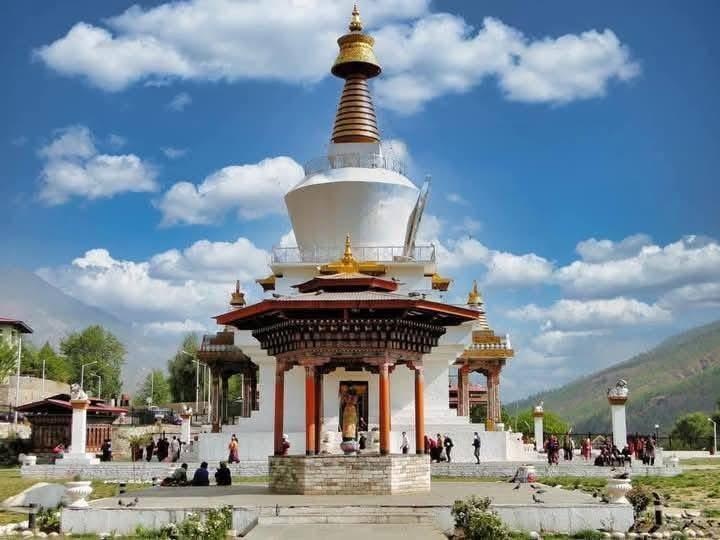
The 3 Nights / 4 Days Bhutan trip from Kathmandu to Kathmandu is a compact yet immersive journey into the heart of Bhutan’s rich culture, breathtaking landscapes, and spiritual heritage. Beginning with a scenic flight from Kathmandu to Paro, travelers are immediately greeted by the majestic Himalayas and the serene beauty of Bhutanese valleys. The journey continues with a smooth drive to Thimphu, Bhutan’s capital, offering a perfect introduction to the country’s unique blend of tradition and modernity. Strolling through Thimphu, visitors experience bustling local markets, towering monasteries, and iconic landmarks like the Buddha Dordenma Statue and Tashichho Dzong.
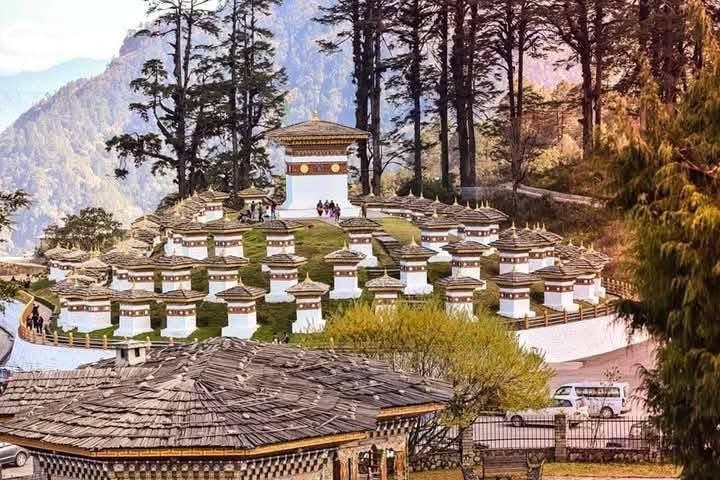
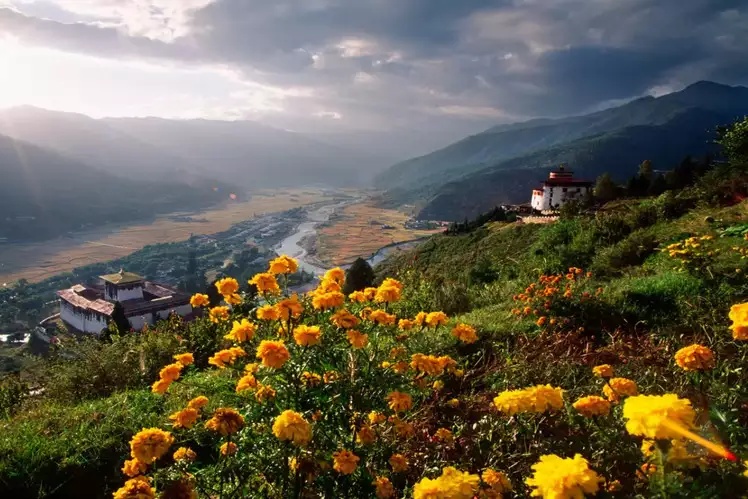
The trip moves forward with a drive to Punakha, a picturesque valley known for its fertile landscapes and historic dzongs. The Dochu La Pass, with its 108 memorial chortens and panoramic Himalayan views, serves as a stunning highlight en route. Punakha Dzong, perched at the confluence of two rivers, offers travelers a chance to admire exquisite Bhutanese architecture while soaking in the tranquil surroundings. Visitors also explore Chimi Lhakhang, a temple dedicated to fertility, giving them a glimpse into the spiritual traditions and rituals that remain integral to Bhutanese society.
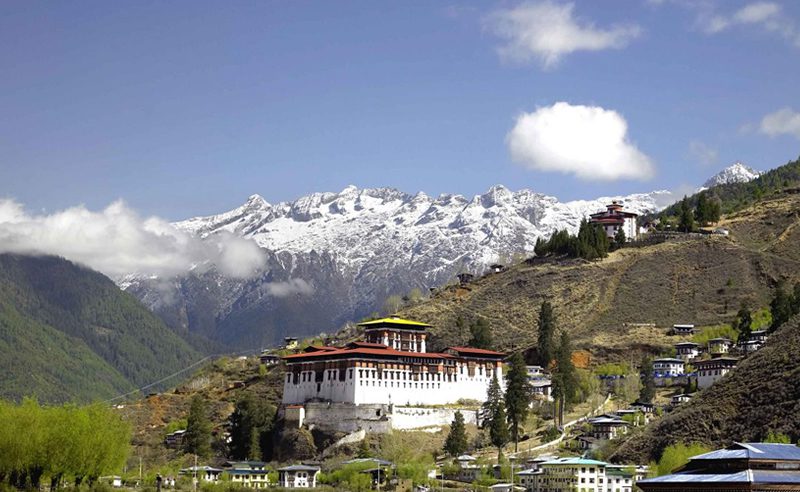
Returning to Paro, travelers are introduced to some of Bhutan’s most iconic historical sites, including Paro Rinpung Dzong and Kyichu Lhakhang, both representing centuries of religious and architectural heritage. Optional hikes and short excursions in Paro provide an intimate connection to the local culture and environment, making it possible for visitors to engage with the Bhutanese way of life beyond the major landmarks. This combination of sightseeing, short hikes, and cultural experiences ensures that each day is both enriching and enjoyable.
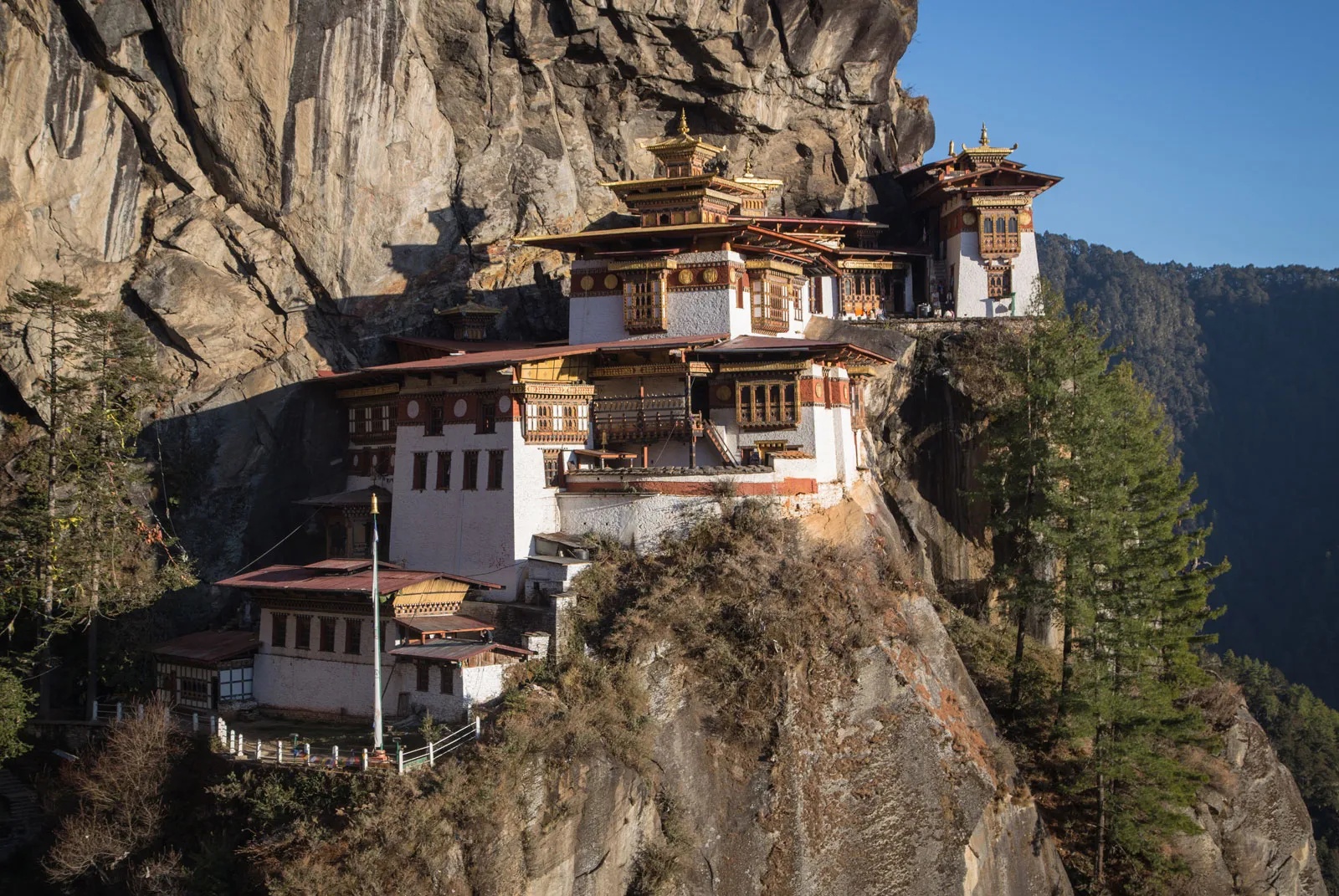
The highlight of the trip is undoubtedly the trek to Tiger’s Nest Monastery (Taktsang), a spiritual fortress perched on a cliffside over 900 meters above the Paro valley floor. This moderate yet rewarding hike allows travelers to experience the dramatic Himalayan terrain, lush forests, and cascading waterfalls along the route. Reaching the monastery provides a sense of accomplishment and offers panoramic views of the surrounding mountains and valleys. The serene atmosphere of the monastery allows visitors to reflect, meditate, and appreciate Bhutan’s deeply spiritual culture.
Organized and guided by ART Nepal Treks & Expedition, this journey balances comfort, cultural immersion, and natural exploration. Accommodations in well-maintained hotels and lodges, along with guided sightseeing and transportation, ensure a smooth and hassle-free experience. Whether you are seeking cultural insights, Himalayan landscapes, or spiritual encounters, this trip offers a concentrated taste of Bhutan’s charm, making it ideal for travelers with limited time who still wish to experience the essence of the country.
What Can You Expect from the Trip?
This 3 Nights / 4 Days Bhutan trip promises a rich combination of cultural immersion, spiritual experiences, and breathtaking natural scenery. From the moment you arrive in Paro, the pristine Himalayan landscapes set the tone for the journey ahead. You will experience scenic flights, winding mountain roads, and lush valleys that reveal the diverse topography of Bhutan. Each stop—Thimphu, Punakha, and Paro—offers unique glimpses into the country’s traditions, architecture, and lifestyle, making the trip a truly immersive cultural adventure.
Travelers can expect to explore iconic dzongs, monasteries, and temples, which are central to Bhutanese life. These sites, including Tashichho Dzong, Punakha Dzong, and Kyichu Lhakhang, provide insights into the spiritual and historical heritage of Bhutan. The Tiger’s Nest Monastery hike, perched dramatically on a cliff, is both a physical and spiritual highlight. Along the trail, you will witness waterfalls, pine forests, and valley vistas that offer numerous photo opportunities and moments of reflection, connecting deeply with the serene Himalayan environment.
Additionally, this trip combines comfort and convenience with adventure and exploration. Accommodations in well-maintained lodges or hotels allow for restful evenings after days of sightseeing and trekking. Guided tours, organized transportation, and detailed briefings ensure a smooth journey while maximizing cultural and natural experiences. Travelers will also get the chance to interact with local Bhutanese communities, explore traditional markets, and appreciate the vibrant festivals, crafts, and culinary delights that make Bhutan a truly unique destination.
Summary List – What to Expect
- Cultural Exploration – Visit historic dzongs, monasteries, and temples.
- Scenic Himalayan Views – Majestic mountains, valleys, and river landscapes.
- Spiritual Experience – Hike to Tiger’s Nest Monastery and experience serene Buddhist rituals.
- Local Life & Markets – Explore Thimphu and Paro markets, interact with locals.
- Comfortable Accommodation – Stay in well-maintained hotels and lodges.
- Guided Tours – Expert guidance by ART Nepal Treks & Expedition for seamless experience.
- Photography & Nature – Capture waterfalls, pine forests, and Himalayan panoramas.
Is the Trip Suitable for You?
This 3 Nights / 4 Days Bhutan trip is ideal for travelers who want a compact yet culturally rich Himalayan experience. The itinerary is designed to balance sightseeing, short hikes, and cultural immersion without the need for strenuous trekking experience. If you enjoy history, spirituality, and local traditions, this trip is perfectly suited for you. The moderate daily walking, including the Tiger’s Nest Monastery hike, provides just enough physical activity to feel adventurous while remaining accessible to most travelers in good health.
The trip is especially suitable for individuals or small groups seeking a seamless travel experience with organized logistics. Flights, transfers, accommodations, and sightseeing are all managed to minimize stress and maximize the enjoyment of Bhutan’s highlights. It’s a great choice for those who prefer guided exploration over independent planning, ensuring you don’t miss any cultural landmarks or scenic viewpoints. Families, couples, and solo travelers who appreciate structured itineraries will find this journey both comfortable and rewarding.
Lastly, this trip caters to travelers who value immersive cultural experiences paired with natural beauty. From walking through traditional Bhutanese towns to observing local festivals, rituals, and architecture, participants gain deep insight into Bhutanese life. The opportunity to interact with locals, explore markets, and enjoy panoramic Himalayan views makes this trip a well-rounded introduction to Bhutan, perfect for first-time visitors or those with limited time in the region.
Summary List – Is the Trip Suitable for You?
- Cultural Enthusiasts – Ideal for travelers interested in Bhutanese heritage, temples, and festivals.
- Moderate Adventurers – Suitable for those ready for short hikes like Tiger’s Nest Monastery.
- Families & Couples – Accessible itinerary for diverse age groups.
- Solo Travelers – Guided support ensures comfort and safety.
- Photography Lovers – Abundant scenic and cultural photo opportunities.
- First-Time Bhutan Visitors – Perfect introduction to the country’s landscapes and lifestyle.
- Stress-Free Travelers – Fully organized logistics for smooth travel.
How to Get Prepared for the Trip?
Preparing for a 3 Nights / 4 Days Bhutan trip involves both practical arrangements and physical readiness to ensure a smooth and enjoyable experience. First, take care of all necessary travel documents, including your passport and Bhutan visa. Bhutan requires all international visitors to have a visa arranged through a licensed tour operator, so confirm your bookings and documents well in advance. Ensure you have travel insurance covering emergencies, medical evacuation, and trip cancellations, as flights and mountain transfers can sometimes be affected by weather conditions. Familiarizing yourself with Bhutanese culture and local customs, such as dress codes in monasteries and respectful behavior in temples, will enrich your journey and help you interact comfortably with locals.
Physical preparation is also important, particularly for the Tiger’s Nest Monastery hike. Although the trail is not extremely difficult, it involves uphill walking for 3–4 hours with some steep sections. Doing regular cardio exercises, short hikes, or even daily walks before your trip will help build stamina and reduce fatigue. Make sure to pack appropriate clothing for varying weather conditions, including layers for cooler mornings and evenings in higher altitudes, and comfortable footwear for walking and trekking. Additionally, a small daypack for water, snacks, and personal items during hikes is highly recommended.
Finally, mental preparation and planning will enhance your experience. Set realistic expectations about travel times, altitude differences, and the pace of sightseeing. Bhutan’s remote locations sometimes require patience for vehicle transfers or flight schedules, particularly in Paro. Bringing a camera, journal, or travel guide can help you document and appreciate the cultural and natural beauty you’ll encounter. Preparing mentally for a blend of cultural exploration, light physical activity, and scenic immersion ensures you can enjoy every moment of this short but enriching Bhutan adventure.
Summary List – How to Get Prepared for the Trip?
- Travel Documents – Passport, Bhutan visa via licensed operator.
- Travel Insurance – Covers emergencies, medical evacuation, and trip delays.
- Cultural Awareness – Respectful clothing and behavior in temples and monasteries.
- Physical Fitness – Cardio, walking, and short hikes to prepare for Tiger’s Nest hike.
- Appropriate Clothing – Layered outfits, rainproof jacket, and comfortable walking shoes.
- Daypack Essentials – Water, snacks, camera, and personal items.
- Mental Readiness – Patience for travel logistics and altitude changes, open mindset for cultural immersion.
-
Trip Duration
4 Days / 3 Nights
-
Group Size
1–20 People
-
Maximum Altitude
3,120m
-
Trip Difficulty
Easy to Moderate
-
Activities
Cultural & Scenic Tour
-
Best Season
Spring (March–May) and Autumn (September–November)
-
Trip Start & End
Kathmandu/ Kathmandu
-
Meals
Breakfast, Lunch, Dinner
-
Accomodation
Hotels/lodges
Highlights
- Tiger’s Nest Monastery (Taktsang) – Iconic cliffside monastery perched at 3,120m, offering breathtaking Himalayan views and a spiritual experience.
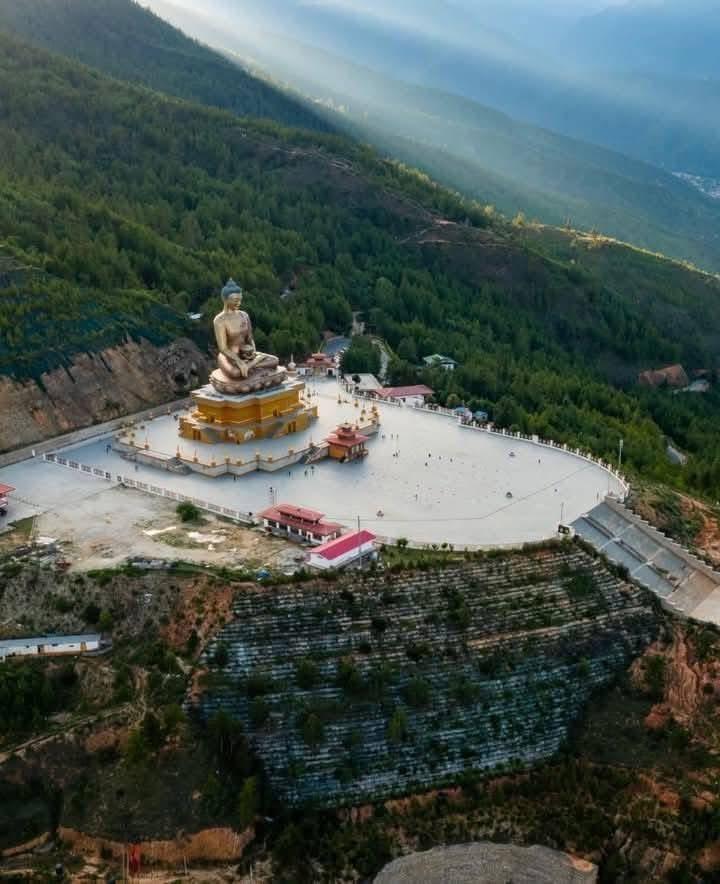
- Buddha Dordenma Statue – Massive golden Buddha overlooking Thimphu valley, symbolizing peace and enlightenment.
- Tashichho Dzong – Majestic fortress and monastery in Thimphu, blending religious, historical, and administrative significance.
- Punakha Dzong – Riverside fortress with intricate architecture, considered one of Bhutan’s most beautiful dzongs.
- Chimi Lhakhang – Fertility temple with unique rituals, attracting locals and travelers alike for blessings.
- Dochu La Pass & 108 Chortens – High mountain pass offering panoramic views of the Himalayas and stunning memorial chortens.
- Kyichu Lhakhang & Paro Rinpung Dzong – Ancient temples and fortress-monasteries showcasing Bhutanese spiritual and architectural heritage.
Itinerary
Day 01
The journey begins with a scenic flight from Kathmandu to Paro, which typically lasts about one hour. From the airplane window, travelers get their first glimpse of the Himalayan range, including snow-capped peaks and lush green valleys. Upon arrival in Paro, a comfortable drive of 1.5–2 hours takes you to Thimphu, the serene capital of Bhutan, known for blending traditional culture with modern life. The afternoon is dedicated to sightseeing, starting with the Buddha Dordenma Statue, a massive golden statue perched on a hill, offering panoramic views of the Thimphu valley.
Next, the itinerary includes a visit to Tashichho Dzong, a fortress-monastery that serves as the seat of the Bhutanese government and a religious center. Travelers explore its intricately decorated courtyards and learn about Bhutanese monastic life. In the evening, a stroll through Thimphu’s bustling markets provides a chance to shop for handicrafts, textiles, and local delicacies. Overnight accommodation is in a Thimphu hotel or lodge, offering comfort and local charm.
Trip Duration:
Flight 1 hour + 1.5–2 hours driveAltitude:
Kathmandu 1,400m → Thimphu 2,320mMeal:
Breakfast (Kathmandu) , Lunch and Dinner (Thimphu)Accomodation :
Hotel/Lodge in ThimphuDay 02
The second day begins with a morning drive from Thimphu to Punakha, which takes about 3–4 hours. The route passes through the Dochu La Pass (3,100m), a high mountain pass offering breathtaking panoramic views of the Himalayas. At the pass, travelers can admire 108 memorial chortens, beautifully constructed and symbolic of Bhutanese spiritual traditions. These chortens offer a serene spot for photography and a short refreshment break before continuing the journey.
In Punakha, the afternoon is dedicated to exploring Punakha Dzong, often considered Bhutan’s most beautiful fortress, located at the confluence of the Pho Chhu and Mo Chhu rivers. This fortress is a prime example of Bhutanese architecture and history, serving both administrative and monastic purposes. Another highlight is Chimi Lhakhang, the fertility temple famous among locals and tourists for its unique rituals. Evening walks along the Punakha River provide tranquil moments of reflection before settling into the hotel or lodge for an overnight stay.
Trip Duration:
3–4 hours driveAltitude:
Thimphu 2,320m → Dochu La Pass 3,100m → Punakha 1,200mMeal:
Breakfast, Lunch, DinnerAccomodation :
Hotel/Lodge in PunakhaDay 03
On the third day, travelers take a morning drive from Punakha to Paro, approximately 4 hours. Along the route, scenic landscapes of valleys, rivers, and terraced fields provide a continuous visual treat. Once in Paro, the day focuses on cultural and historical sightseeing. Highlights include Paro Rinpung Dzong, an impressive fortress-monastery with striking architecture and historical significance. Another notable stop is Kyichu Lhakhang, one of Bhutan’s oldest and most sacred temples, dating back over a millennium.
Optional activities for the afternoon include short hikes to local viewpoints or exploring Paro’s traditional market for handicrafts, souvenirs, and local snacks. The day concludes with overnight accommodation at a hotel or lodge in Paro, where travelers can relax and prepare for the Tiger’s Nest hike the following morning.
Trip Duration:
4 hours driveAltitude:
Punakha 1,200m → Paro 2,280mMeal:
Breakfast, Lunch, DinnerAccomodation :
Hotel/Lodge in ParoDay 04
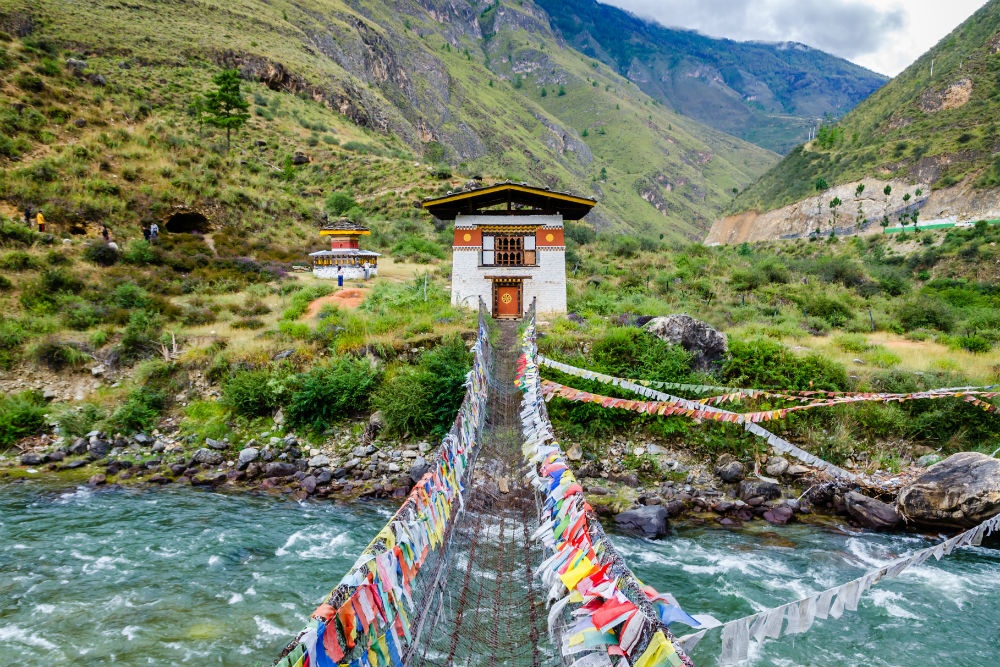
The final day begins with an early morning hike to Tiger’s Nest Monastery (Taktsang, 3,120m). This iconic cliffside monastery offers breathtaking views of the Paro Valley and a spiritual experience as travelers ascend winding trails, passing prayer flags, and small meditation spots. The hike typically takes 3–4 hours, allowing time to explore the monastery complex and enjoy the panoramic vistas.
After descending, travelers transfer to Paro Airport for their flight back to Kathmandu. The evening flight offers one last glimpse of the Himalayan peaks and lush valleys, completing an enriching and compact Himalayan journey. This concludes a well-structured trip that blends cultural exploration, scenic landscapes, and moderate trekking.
Trip Duration:
3–4 hours hike + airport transferAltitude:
Paro 2,280m → Tiger’s Nest 3,120m → Paro Airport 2,280mMeal:
Breakfast, Lunch, DinnerAccomodation :
Not included on return flight dayWhat's Included
- Airport pickup and drop in Kathmandu
- Round-trip flight: Kathmandu – Paro – Kathmandu
- All necessary Bhutan travel permits and visa arrangements
- Sustainable Development Fee (SDF) for Bhutan
- Accommodation in 3-star hotels/lodges during the trip
- All meals (Breakfast, Lunch, Dinner) during Bhutan stay
- Private transportation for all sightseeing and transfers
- Professional English-speaking Bhutanese guide
- Entrance fees to monuments, monasteries, and cultural sites
- Bottled water during sightseeing
- Government taxes and service charges
What's Excluded
- Personal expenses (shopping, laundry, phone calls, etc.)
- Beverages (soft drinks, alcohol, bottled drinks beyond provided water)
- Travel insurance (mandatory, must be arranged by the traveler)
- Tips for guide and driver (customary and appreciated)
- Extra hotel nights in Kathmandu due to early arrival or late departure
- Any additional sightseeing or activities not mentioned in the itinerary
- Expenses caused by delays (weather, flight cancellations, road conditions)
- Porters: Optional, though recommended for carrying heavy luggage ($22 per porter per day). A porter can carry up to 20 kg, and it is advisable to hire one porter for every two trekkers for comfort and convenience.
Essential Info
Add-Ons
To make your 3 Nights / 4 Days Bhutan trip more enriching and personalized, a variety of add-on experiences can be arranged before, during, or after your main itinerary. These optional services are designed to enhance comfort, deepen cultural understanding, and allow travelers to explore beyond the standard highlights. Whether you want to extend your stay, enjoy luxury upgrades, or include unique cultural and natural experiences, these add-ons provide flexibility and customization based on your interests and travel style.
One of the most popular add-ons is extended sightseeing and travel within Bhutan. While the 4-day itinerary covers Thimphu, Punakha, and Paro, travelers can choose to extend their journey to destinations like Bumthang, Phobjikha Valley, or Haa Valley. These regions offer deeper insights into Bhutanese culture, remote village life, monasteries, and untouched natural landscapes. Additional days allow for slower travel, more immersive cultural experiences, and opportunities to explore lesser-visited parts of the country. This is highly recommended for travelers who want a more complete Bhutan experience beyond the main tourist circuit.
Another valuable addition is Kathmandu sightseeing and cultural tours before or after the Bhutan trip. Since the journey begins and ends in Kathmandu, travelers can take advantage of guided tours to UNESCO World Heritage Sites such as temples, stupas, and historical squares. This allows you to combine two culturally rich Himalayan destinations into one seamless travel experience. Private transportation, professional guides, and flexible schedules make these add-ons convenient and enjoyable.
Travelers can also upgrade their experience with premium services and adventure options. Luxury hotel upgrades in Bhutan provide enhanced comfort, scenic views, and high-end hospitality. For those seeking a more adventurous touch, short hikes, nature walks, or cultural village experiences can be arranged. Helicopter services (where available) or scenic mountain flights can add a unique aerial perspective of the Himalayas, making your journey even more memorable. These premium options ensure that both comfort seekers and adventure lovers can tailor the trip to their preferences.
Additionally, special cultural experiences and local interactions can be included as add-ons. These may involve attending local festivals (if travel dates align), visiting traditional Bhutanese farmhouses, trying local cuisine, or participating in cultural activities such as archery or traditional crafts. These experiences provide a deeper connection with Bhutanese life and allow travelers to go beyond sightseeing into meaningful cultural engagement.
Add-Ons Summary List
- Extended Bhutan Travel – Add extra days to visit Bumthang, Phobjikha Valley, or Haa Valley for deeper exploration.
- Kathmandu Sightseeing Tours – Guided visits to UNESCO sites, temples, and cultural landmarks before or after the trip.
- Luxury Hotel Upgrades – Upgrade to premium or boutique hotels for enhanced comfort and scenic stays.
- Private Transportation – Flexible and comfortable travel with dedicated vehicles and drivers.
- Cultural Experiences – Village visits, traditional meals, local crafts, and festival participation.
- Short Hikes & Nature Walks – Additional trekking options around Paro, Thimphu, or Punakha valleys.
- Helicopter & Scenic Flights – Optional aerial views of the Himalayas for a unique travel experience.
- Photography Tours – Specialized guidance for capturing landscapes, monasteries, and local life.
- Wellness & Relaxation – Spa treatments, hot stone baths, and peaceful retreats in scenic locations.
- Custom Itinerary Extension – Fully personalized travel plans based on time, interest, and budget.
Best Season to Travel
Bhutan is a year-round destination, but each season offers a distinct atmosphere, landscape, and travel experience. The country’s varied elevation—from subtropical valleys to alpine regions—means that weather conditions can change significantly depending on where you are traveling. For a short and well-planned itinerary like this 3 Nights / 4 Days trip, timing your visit properly can greatly enhance your overall experience, especially for sightseeing, photography, and outdoor activities like the hike to Tiger’s Nest Monastery.
Spring (March–May)
Spring is one of the most beautiful and lively seasons to visit Bhutan. During this time, the hills and valleys come alive with blooming rhododendrons, magnolias, and wildflowers, creating a colorful and refreshing environment. The weather is generally mild, with comfortable daytime temperatures and cool evenings, making it perfect for sightseeing and outdoor exploration. The clear skies during spring also allow for good mountain visibility, enhancing the experience of visiting places like Dochu La Pass and Paro Valley. The Tiger’s Nest hike is especially enjoyable in this season due to the pleasant weather and vibrant surroundings.
Autumn (September–November)
Autumn is widely considered the best season for travel in Bhutan due to its stable weather and crystal-clear skies. This season offers excellent visibility of the Himalayan ranges, making it ideal for photography and scenic views. The air is crisp, and temperatures are comfortable, allowing travelers to explore without the discomfort of heat or heavy rainfall. Autumn is also the time for Bhutan’s famous festivals, known as Tshechus, where locals gather in colorful attire to celebrate with masked dances, rituals, and cultural performances. This adds a unique cultural dimension to your trip that goes beyond sightseeing.
Summer (June–August)
Summer in Bhutan is the monsoon season, bringing frequent rainfall, especially in lower regions like Punakha and Paro. While this might seem less ideal, it transforms the landscape into a lush green paradise with vibrant vegetation and flowing rivers. This season is quieter, with fewer tourists, making it suitable for travelers who prefer a peaceful and less crowded experience. However, rain can occasionally disrupt travel plans, especially flights and road journeys, and mountain views may be obscured by clouds. Despite this, cultural exploration remains enjoyable, and the natural beauty is at its peak.
Winter (December–February)
Winter offers a completely different but equally rewarding experience. The skies are often clear, providing stunning views of snow-capped peaks, especially in Paro and Thimphu. The weather can be cold, particularly in the mornings and evenings, but daytime temperatures are usually manageable for sightseeing. This is the least crowded season, making it ideal for travelers seeking tranquility and a more intimate travel experience. Snowfall in higher areas adds a magical charm to the landscape, although some higher passes may be chilly. The Tiger’s Nest hike is still possible and rewarding with proper clothing.
Summary – Best Season to Travel
- Spring (Mar–May):
- Blooming rhododendrons and colorful landscapes
- Mild temperatures, ideal for sightseeing and hiking
- Clear skies with good mountain visibility
- Autumn (Sep–Nov):
- Best overall weather and crystal-clear views
- Major Bhutanese festivals and cultural events
- Perfect for photography and panoramic Himalayan scenery
- Summer (Jun–Aug):
- Lush green valleys and vibrant natural beauty
- Fewer tourists and peaceful travel experience
- Possible rain and occasional travel delays
- Winter (Dec–Feb):
- Quiet season with fewer crowds
- Clear skies and snow-capped mountain views
- Cold temperatures but great for relaxed exploration
Food Availability
Food during your Bhutan trip is an important part of the cultural experience, offering both nourishment and a taste of local traditions. Bhutanese cuisine is simple yet flavorful, often centered around rice, vegetables, cheese, and chilies. Meals are carefully prepared in hotels and local restaurants, ensuring cleanliness, quality, and variety throughout your journey. Travelers will find a balance between authentic Bhutanese dishes and familiar international options, making it easy to enjoy meals regardless of dietary preferences.
Breakfast is typically served at your hotel and includes a mix of continental and local choices. You can expect items such as bread, butter, jam, eggs, pancakes, cereals, fresh fruits, and hot drinks like tea or coffee. This provides a good start to the day, especially before long drives or hikes. Lunch and dinner are more diverse, often including rice, lentils, seasonal vegetables, soups, and traditional dishes like ema datshi, Bhutan’s famous chili and cheese curry. Meals are usually hearty and designed to provide enough energy for sightseeing and light trekking activities.
In larger towns like Thimphu and Paro, restaurants also serve Indian, Chinese, and Western cuisine, giving travelers plenty of options. Vegetarian meals are widely available, and dietary restrictions can usually be accommodated with prior notice. Food is often locally sourced, fresh, and prepared using traditional cooking methods, adding authenticity to the experience. Trying local dishes not only satisfies hunger but also connects you with Bhutan’s culture and way of life.
Summary – Food Availability
- Breakfast Options: Bread, eggs, fruits, cereals, tea/coffee
- Lunch & Dinner: Rice, curries, soups, noodles, ema datshi
- Cuisine Variety: Bhutanese, Indian, Chinese, Western
- Dietary Options: Vegetarian and customizable meals available
- Local Experience: Traditional flavors and locally sourced ingredients
Accommodation
Accommodation during this Bhutan trip is designed to provide comfort, convenience, and a touch of local culture. Travelers stay in well-maintained 3-star hotels or lodges that offer clean and cozy rooms, ensuring a restful environment after daily activities. These accommodations are selected based on location, service quality, and accessibility to major attractions, making your stay both practical and enjoyable.
Rooms generally include comfortable beds, attached bathrooms, hot showers, and basic amenities. In Thimphu and Paro, hotels often provide additional facilities such as Wi-Fi, heating, and dining areas. In Punakha, accommodations are more relaxed and often surrounded by natural beauty, including rivers, rice fields, and hills. The architecture of these hotels reflects traditional Bhutanese design, with wooden structures, colorful decorations, and intricate patterns, giving travelers a sense of cultural immersion even during their stay.
For those seeking a more luxurious experience, hotel upgrades are available as add-ons. Luxury properties offer premium services, scenic views, and enhanced comfort, including spa facilities and fine dining options. Regardless of the category, Bhutanese hospitality is warm and welcoming, ensuring that every traveler feels comfortable and well cared for throughout the journey.
Summary – Accommodation
- Standard Stay: 3-star hotels and lodges
- Facilities: Clean rooms, attached bathrooms, hot showers
- Locations: Thimphu, Punakha, Paro
- Upgrade Options: Luxury and boutique hotels available
- Experience: Comfortable stay with traditional Bhutanese design
Travel Insurance
Travel insurance is an essential part of planning your Bhutan trip, even though it is short and not physically demanding. It provides financial protection and ensures that you are covered in case of unexpected events such as medical emergencies, trip cancellations, or travel delays. Since flights to Bhutan, especially to Paro, are highly dependent on weather conditions, having insurance can help cover additional costs caused by delays or rescheduling.
A comprehensive travel insurance policy should include medical coverage, emergency evacuation, and repatriation. Although the trip does not involve high-risk activities, the Tiger’s Nest hike and travel at moderate altitudes still require basic medical preparedness. Insurance also helps cover lost luggage, trip interruptions, and other unforeseen situations, giving you peace of mind during your journey.
It is recommended to arrange travel insurance before arriving in Nepal and Bhutan, ensuring all documents are valid and accessible during the trip. This allows you to travel confidently, knowing that support is available if needed.
Summary – Travel Insurance
- Medical Coverage: Treatment and emergencies
- Evacuation: Emergency rescue support
- Trip Protection: Delays, cancellations, interruptions
- Additional Coverage: Lost baggage and unforeseen expenses
- Recommendation: Strongly advised for all travelers
Altitude Sickness
Although this Bhutan trip is relatively short and does not involve extreme altitudes, travelers will still reach elevations above 3,000 meters at places like Dochu La Pass and Tiger’s Nest Monastery. At these heights, some individuals may experience mild altitude-related discomfort, especially if they ascend quickly without giving their body time to adjust. Common symptoms can include slight headaches, dizziness, shortness of breath, or fatigue. However, since the itinerary is gradual and not physically intense, the risk remains low for most travelers.
The itinerary is thoughtfully designed to allow natural acclimatization. Starting from Paro and moving gradually through Thimphu and Punakha helps the body adapt to changing elevations. The hike to Tiger’s Nest is done at a steady pace with plenty of opportunities to rest, hydrate, and enjoy the surroundings. Guides also monitor travelers during hikes and provide advice on pacing, breathing techniques, and hydration, ensuring a comfortable experience for everyone.
Preventive measures play an important role in avoiding altitude discomfort. Drinking plenty of water, avoiding alcohol during the initial days, eating light but nutritious meals, and getting enough rest are all simple yet effective strategies. Travelers are encouraged to walk slowly, especially during uphill hikes, and listen to their bodies. In rare cases where symptoms worsen, descending to a lower altitude is the best solution, but such situations are uncommon on this itinerary.
Summary – Altitude Sickness
- Risk Level: Low, due to moderate elevations and short duration
- Common Symptoms: Headache, dizziness, mild fatigue, shortness of breath
- Key Locations: Dochu La Pass (3,100m), Tiger’s Nest (3,120m)
- Prevention Tips: Hydration, slow pace, proper rest, avoid alcohol
- Support: Guides monitor health and provide advice during hikes
Guide and Safety Measures
Professional guidance is a key part of ensuring a smooth and enjoyable Bhutan trip. Throughout the journey, you will be accompanied by an experienced English-speaking Bhutanese guide who not only provides historical and cultural insights but also manages the overall logistics of the trip. From coordinating sightseeing schedules to assisting with permits and entry procedures, the guide ensures that everything runs efficiently, allowing you to focus on enjoying the experience.
Safety during travel is given high priority. All transportation is arranged with skilled drivers who are familiar with Bhutan’s mountainous terrain and road conditions. Vehicles are well-maintained and comfortable, ensuring safe travel between destinations such as Thimphu, Punakha, and Paro. During hikes, especially the Tiger’s Nest trek, guides provide instructions on pacing, route navigation, and safety precautions, helping travelers avoid fatigue or injury.
In addition, contingency measures are in place to handle unexpected situations. Guides are trained to respond to minor health concerns and can assist in accessing medical facilities if needed. Communication systems are available for coordination during travel, and emergency support can be arranged if required. This level of organization ensures that travelers feel secure and supported throughout the trip.
Summary – Guide and Safety Measures
- Professional Guides: Experienced, knowledgeable, and supportive
- Safe Transportation: Skilled drivers and well-maintained vehicles
- Hiking Assistance: Guidance for Tiger’s Nest trek and pacing
- Emergency Support: Access to medical help and communication systems
- Organized Travel: Smooth coordination of permits, entries, and logistics
Booking Procedure
Booking this Bhutan trip is a straightforward process designed to be convenient and flexible for travelers. The first step is to confirm your travel dates and itinerary with a licensed tour operator. Since Bhutan requires all visitors to travel through authorized agencies, your tour operator will handle visa processing, permits, and overall trip arrangements on your behalf. To secure your booking, a deposit is usually required, which confirms your reservation for flights, accommodations, and services.
Once your booking is confirmed, you will need to provide essential documents such as a passport copy, passport-size photographs, and travel details. These documents are necessary for processing your Bhutan visa and permits. The remaining balance can typically be paid before arrival or upon reaching Kathmandu, depending on the agency’s policy. Clear communication with your travel provider ensures that all arrangements are completed smoothly before your departure.
After completing the booking process, you will receive a detailed itinerary, travel guidelines, and preparation instructions. This includes packing recommendations, cultural guidelines, and important travel tips. The organized approach ensures that you are fully prepared for your journey, allowing you to enjoy a stress-free and well-planned Bhutan experience from start to finish.
Equipment List
- Comfortable trekking or walking pants
- Lightweight shirts and moisture-wicking tops
- Warm layers (fleece or light jacket)
- Comfortable underwear and socks
- Hat or cap for sun protection
- Small backpack or daypack
- Water bottles or hydration system
- Trekking poles (useful for Tiger’s Nest hike)
- Sunglasses with UV protection
- Rain cover or poncho
- Thermal innerwear (for colder seasons)
- Insulating jacket (down or synthetic)
- Waterproof jacket and pants
- Gloves and scarf (for winter travel)
- Personal first aid kit
- Hand sanitizer and wet wipes
- Sunscreen and lip balm
- Personal medications
- Basic toiletries
- Smartphone or camera
- Power bank
- Chargers and travel adapters
- Headlamp or small flashlight
General Equipments
- Passport and travel documents
- Travel insurance papers
- Snacks and energy bars
- Notebook or travel journal
- Reusable water bottle
FAQ
Trip Price
USD 1400 Per Person
Talk To Trip Expert
Related Trips