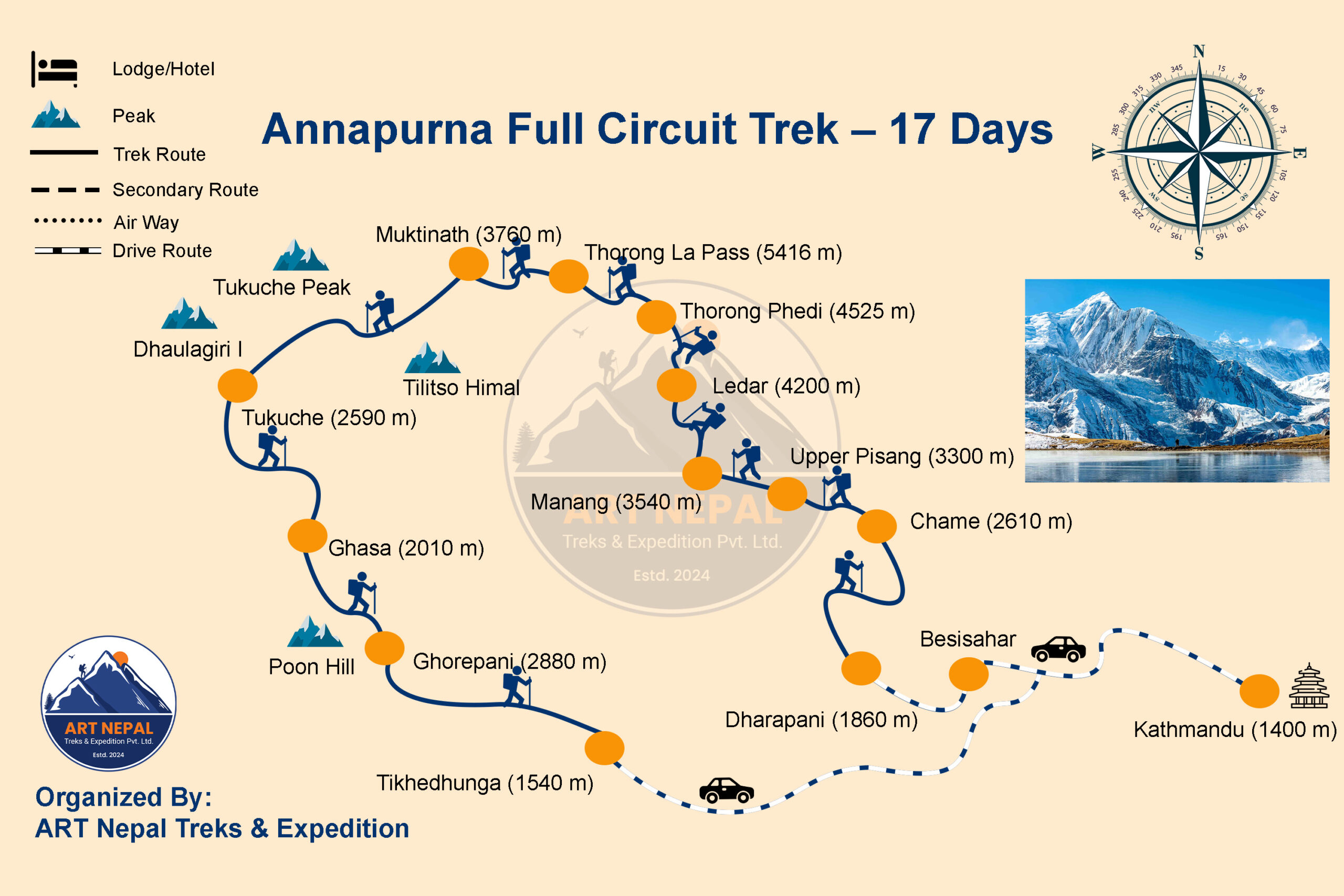
Annapurna Full Circuit Trek – 17 Days

Annapurna Circuit Trek
17Days/16 Nights
slide image
slide image
slide image
slide image
slide image

Introduction

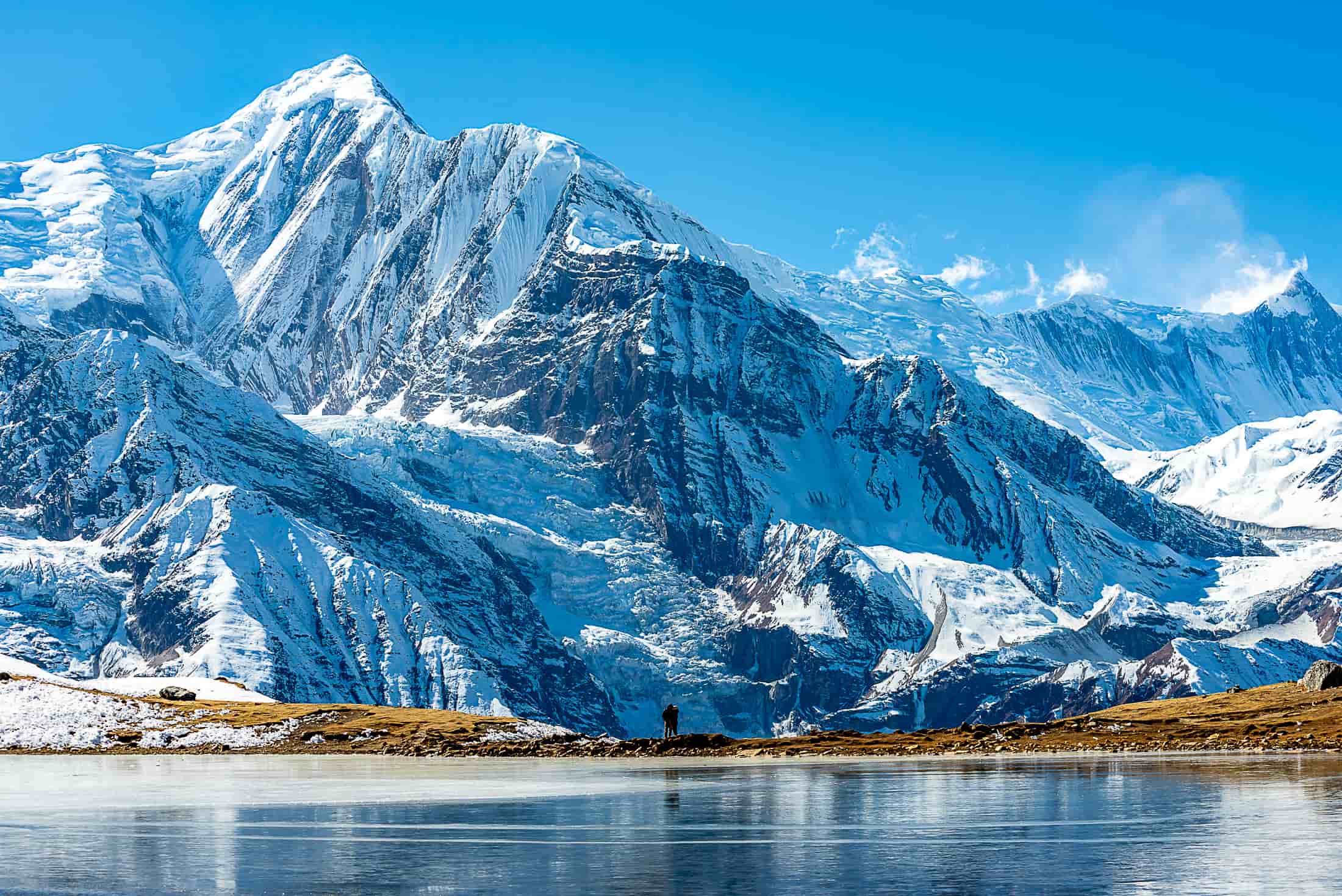
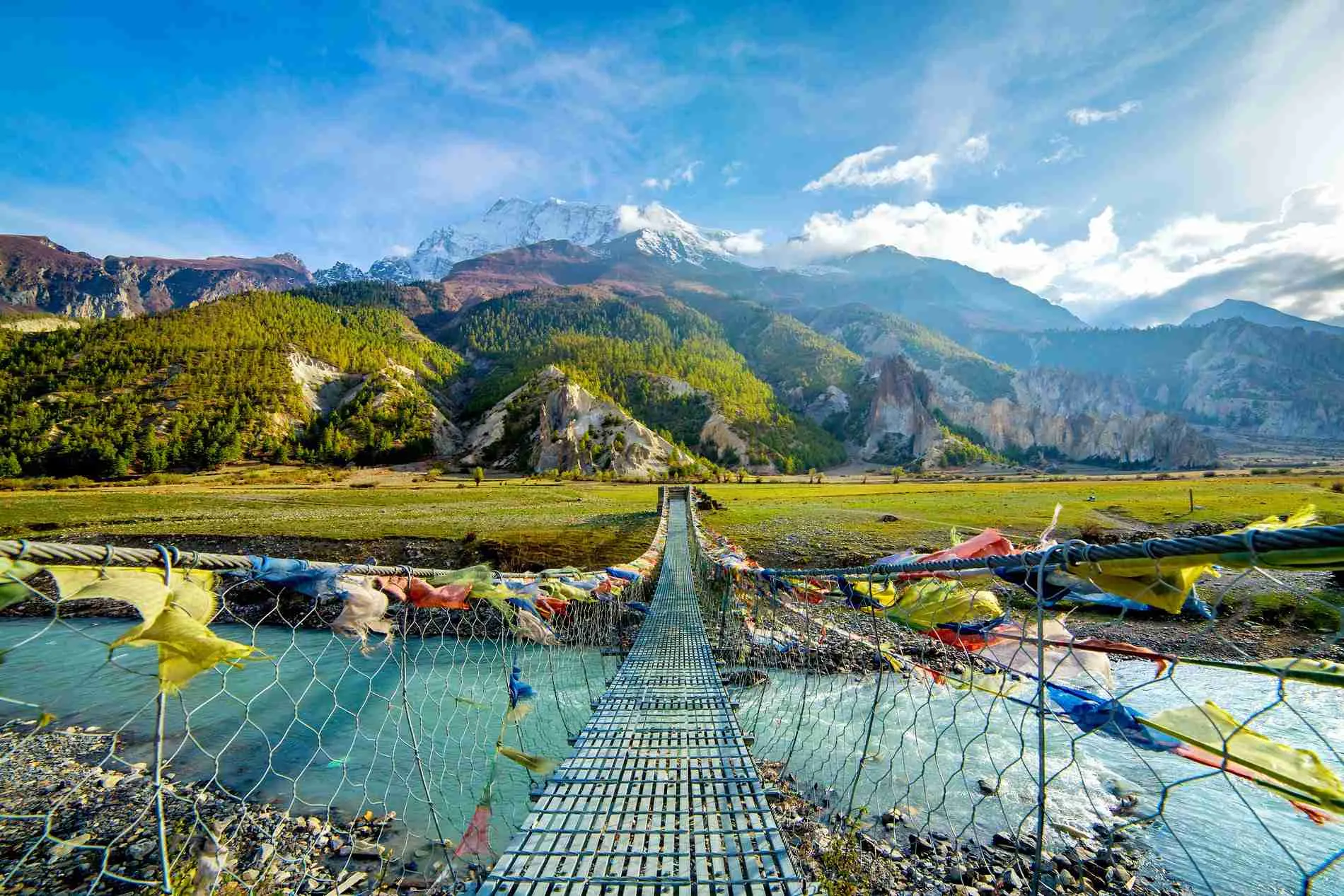
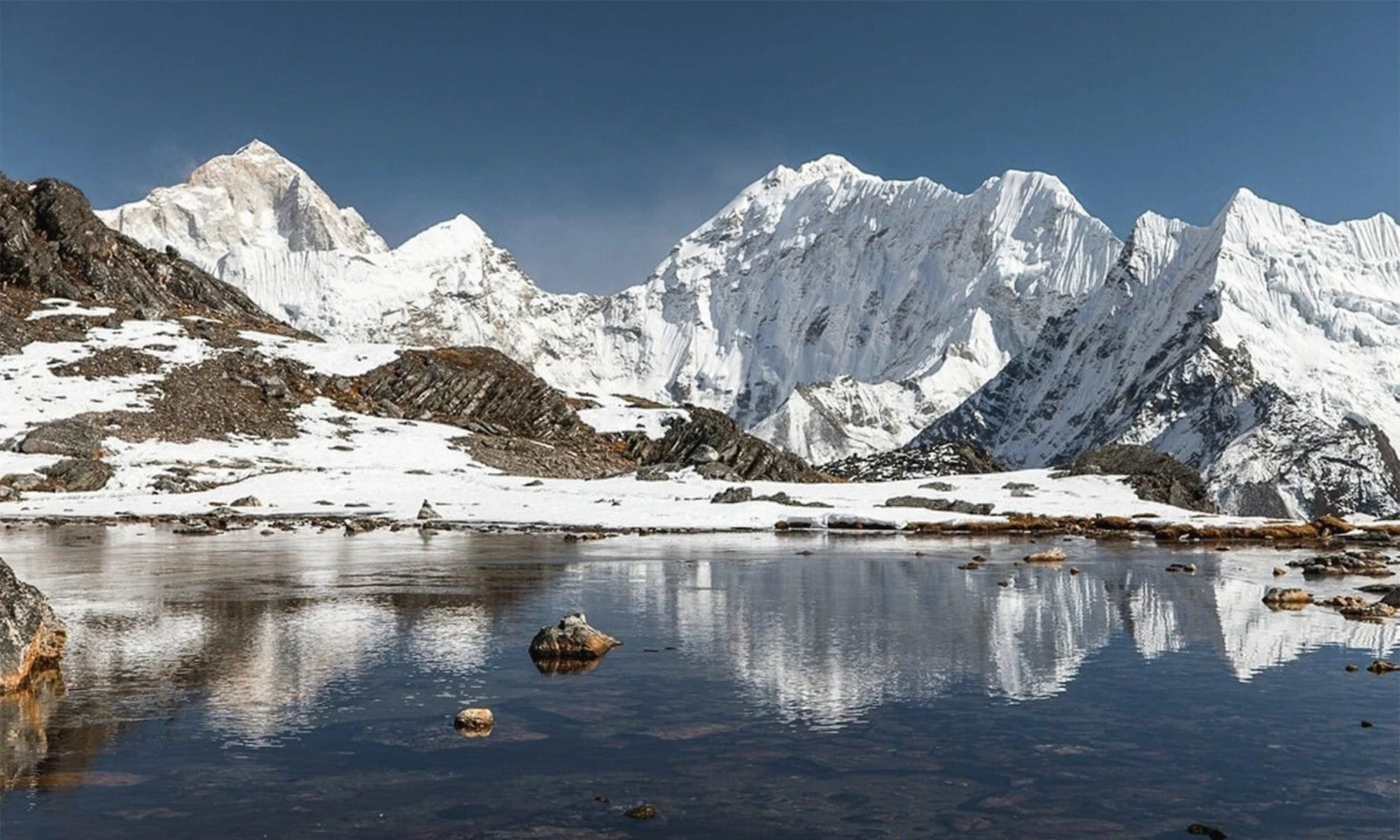
The Annapurna Circuit Trek with ART Nepal Treks & Expedition is one of the most remarkable trekking journeys in the world. Circling the Annapurna Massif, the trek offers incredible views of Annapurna South, Annapurna I, Dhaulagiri, and surrounding peaks. The trek combines natural beauty, cultural experiences, and the thrill of challenging high-altitude trekking.

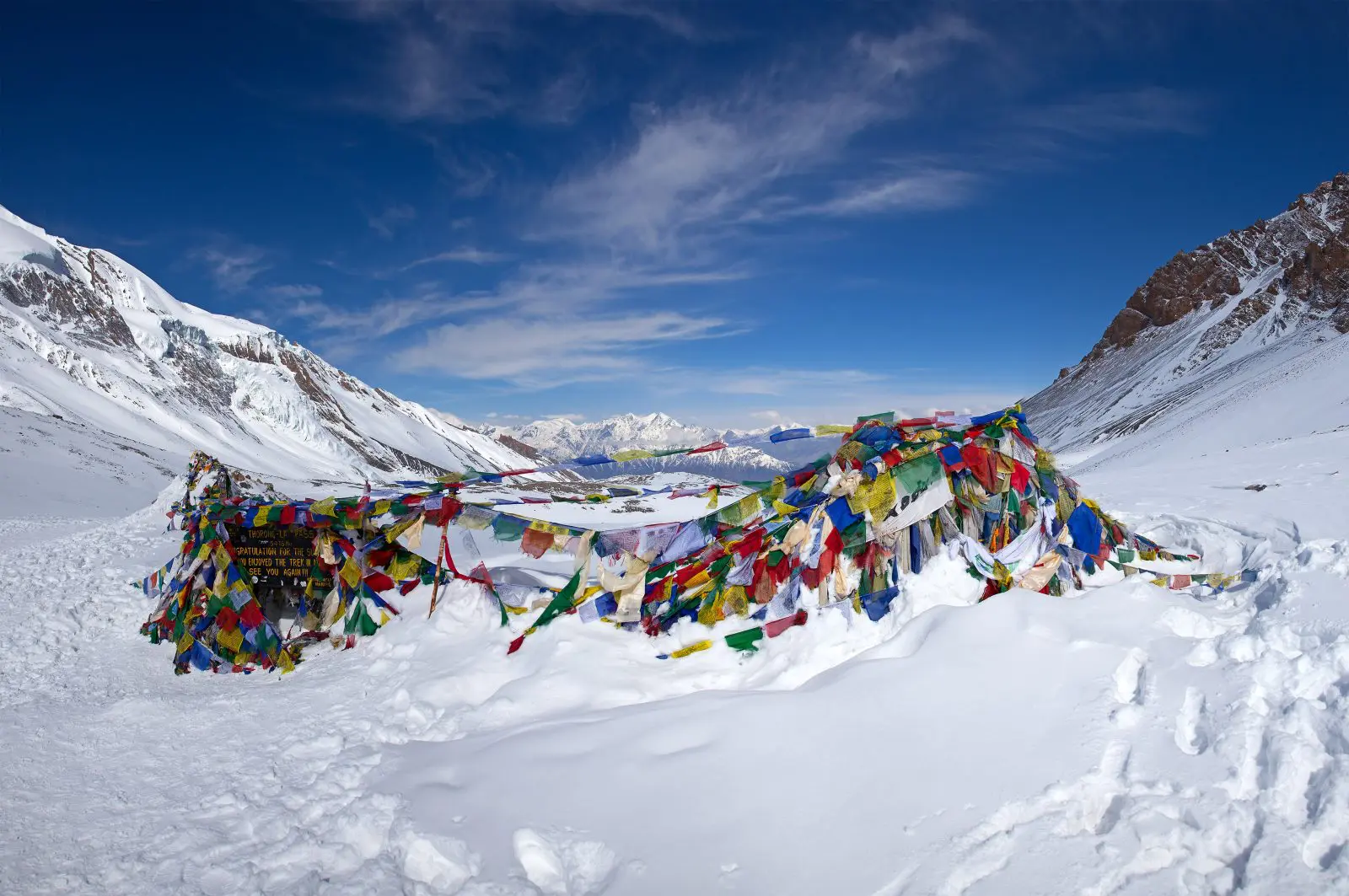
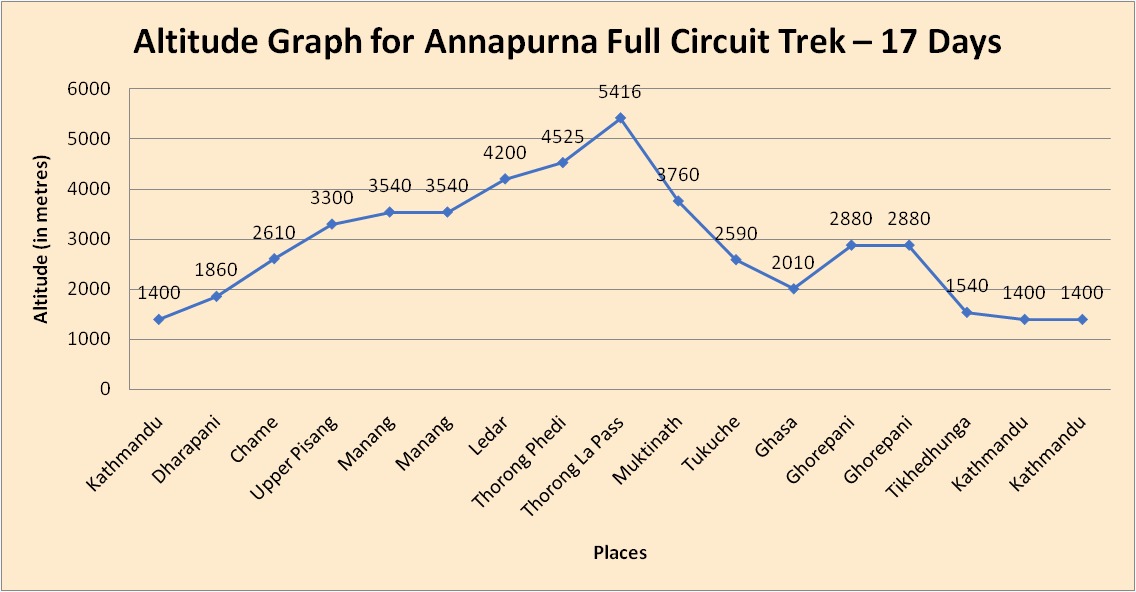
The trek’s highest point is Thorong La Pass at 5,416 meters. Although the ascent is demanding, the breathtaking views of the Kali Gandaki Valley, Dhaulagiri, and the Annapurna range make it worthwhile. Along the way, trekkers pass through traditional villages where locals welcome visitors warmly and share insights into their culture. Overnight stays are in cozy teahouses and lodges that provide meals and comfortable rest.

This trek usually takes 17 days, allowing time for acclimatization, exploration, and rest. The best times to trek are spring (March–May) and autumn (September–November), when skies are clear and weather is pleasant. The trek starts with a journey from Kathmandu to Dharapani, followed by walking through Chame, Upper Pisang, and Manang before crossing Thorong La Pass. From there, it descends to Muktinath, Tukuche, Ghasa, Tatopani, Ghorepani, and Poon Hill, ending at Nayapul and driving back to Pokhara and Kathmandu.

The Annapurna Circuit Trek is physically challenging but very rewarding. Trekkers experience dramatic landscapes, diverse flora and fauna, ancient monasteries, sacred temples, local culture, and the warm hospitality of Himalayan communities.

What to Expect from the Trek

  1. Stunning Mountain Views
  • Panoramic vistas of Annapurna Massif, Dhaulagiri, Thorong Peak, and Lamjung Himal.
  1. Diverse Landscapes
  • Trek through lush forests, terraced farms, barren high-altitude valleys, and rugged mountains.
  1. River Valleys
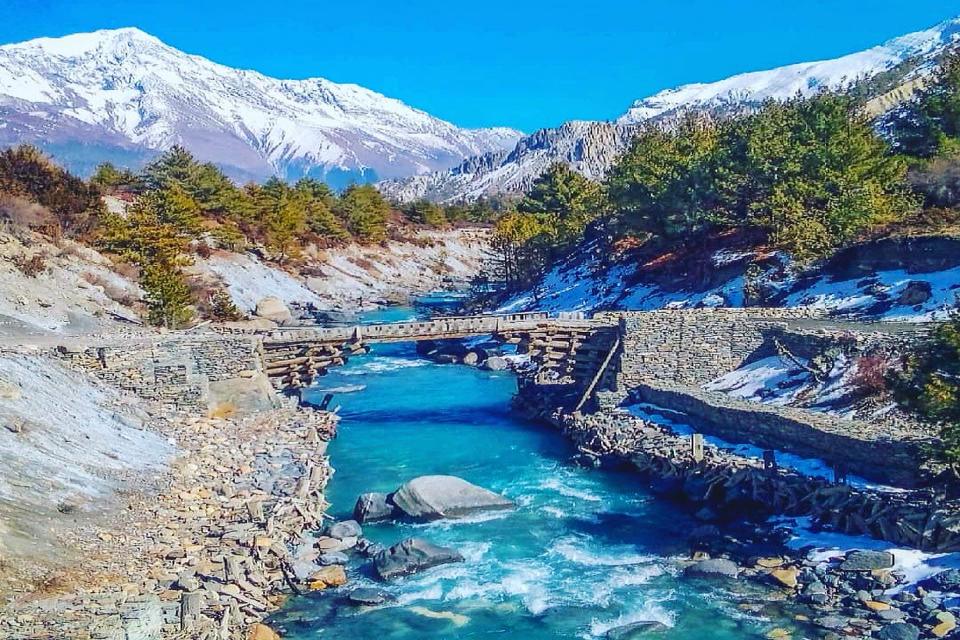
  • Scenic routes along Marshyangdi and Kali Gandaki
  1. Flora and Fauna
  • Explore oak forests, rhododendron blooms, alpine meadows, and rich Himalayan biodiversity.
  1. Thorong La Pass
  • Reach the trek’s highest point at 5,416 m, offering unforgettable mountain views.
  1. Cultural Experiences
  • Meet locals in traditional villages.
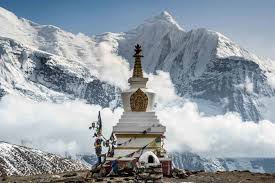
  • Visit Barge Monastery and Muktinath Temple.
  1. Guesthouses and Teahouses
  • Overnight stays with meals, even in remote areas.
  1. Tatopani Hot Springs
  • Relax in natural thermal pools believed to have healing properties.
  1. Sunrise at Poon Hill
  • Capture breathtaking views of the Himalayan peaks.
  1. Trek Duration
  • Typically 17 days, allowing gradual acclimatization and enjoyment of surroundings.

Preparation for the Trek

Physical Preparation

  • Cardio Exercises: Jogging, running, cycling, swimming to build endurance.
  • Strength Training: Squats, lunges, step-ups for legs; core exercises for balance.
  • Acclimatization: Gradual exposure to altitude; practice deep breathing exercises.

Mental Preparation

  • Study the route, villages, and culture.
  • Be prepared for challenges such as altitude sickness.
  • Maintain a positive mindset for the trek.

Gear and Clothing

  • Waterproof hiking boots and warm socks.
  • Layered clothing for changing temperatures.
  • Hats, gloves, and sun protection.
  • First aid kit and personal medications.

Logistics

  • Hire an experienced guide and porter if needed.
  • Obtain necessary permits (ACAP, TIMS) and travel insurance.
  • Familiarize yourself with emergency plans and evacuation routes.


  • Trip Duration

    17Days/16 Nights

  • Maximum Altitude

    5,416 m

  • Trip Difficulty

    Moderate

  • Activities

    Trekking, Nature photography

  • Best Season

    March–May (spring), September–November (autumn)

  • Trip Start & End

    Kathmandu/ Kathmandu

  • Meals

    BLD

  • Accomodation

    Lodge, Hotel, Tea House

Highlights

  • World-class hiking route along the Annapurna Full Circuit Trek
  • Scenic river valleys: Marshyangdi and Kali Gandaki
  • Diverse flora: oak forests, rhododendron blooms, terraced rice fields
  • Conquer Thorong La Pass at 5,416 m
  • Panoramic views of Annapurna Massif, Dhaulagiri, and Lamjung Himal
  • Visit Barge Monastery, largest in Manang region
  • Explore Muktinath Temple (sacred to Hindus and Buddhists)
  • 108 stone faucets at Muktinath Temple
  • Relax in natural hot springs at Tatopani
  • Experience local Himalayan culture and ethnic diversity
  • Sunrise from Poon Hill and explore Pokhara Valley

Itinerary

Day 01

Arrive at Tribhuvan International Airport in Kathmandu, where a representative from ART Nepal Treks & Expedition will meet you. You will be transferred to a hotel in Thamel, a lively neighborhood full of shops and restaurants. In the evening, meet your trekking guide for a briefing. This session includes an overview of the trek, checking your equipment, and answering any questions you may have.

Altitude:
1,400 m
Accomodation :
3-Star Hotel, Kathmandu

Day 02

Begin the journey with a bus ride to Besisahar, enjoying scenic mountain views along the Marshyangdi River. From Besisahar, continue by jeep to Dharapani, passing local villages, cascading waterfalls, and terraced farmland. This route introduces trekkers to the natural beauty of the region.

Trip Duration:
8–9 hours
Altitude:
1,860 m
Meal:
Breakfast, Lunch, Dinner
Accomodation :
Tea House / Lodge

Day 03

Start trekking from Dharapani through alpine terrain and traditional villages such as Bagarchhap, Danakyu, and Timang. The path winds through pine forests and apple orchards, offering stunning views of Lamjung Himal and Annapurna II. Chame is the administrative center of the Manang District and provides a comfortable first stop with cozy lodges.

Trip Duration:
5–6 hours
Altitude:
2,610 m
Meal:
Breakfast, Lunch, Dinner
Accomodation :
Tea House / Lodge

Day 04

The trek continues ascending through pine and rhododendron forests. Cross suspension bridges over rivers and pass villages like Talekhu and Bhratang before reaching Upper Pisang. Enjoy clear views of Annapurna II, Pisang Peak, Chulu Peak, and Tilicho Peak.

Trip Duration:
5–6 hours
Altitude:
3,300 m
Meal:
Breakfast, Lunch, Dinner
Accomodation :
Tea House / Lodge

Day 05

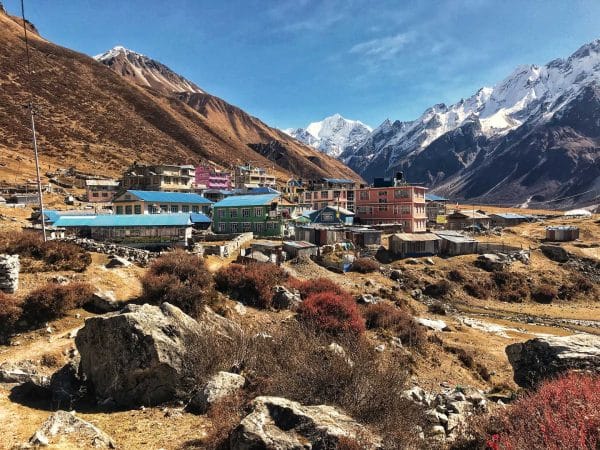
From Upper Pisang, the trail climbs through villages Ghyaru and Ngawal, rich in Tibetan-style culture and architecture. The trek passes Braga and Munchi before reaching Manang, a key acclimatization stop. Mountain views include Gangapurna, Lamjung Himal, Annapurna II, III, IV, and Khangsar Kang.

Trip Duration:
7–8 hours
Altitude:
3,540 m
Meal:
Breakfast, Lunch, Dinner
Accomodation :
Tea House / Lodge

Day 06

Spend the day resting and adjusting to the high altitude. Optional short hikes to Gangapurna Lake or surrounding trails help with acclimatization. Trekkers can also explore local culture and visit small monasteries in Manang.

Altitude:
3,540 m
Meal:
Breakfast, Lunch, Dinner
Accomodation :
Tea House / Lodge

Day 07

The route climbs gradually from Manang through meadows and juniper scrubs, passing Tengi and small villages along the Jarsang Khola valley. Spot grazing yaks and admire ancient Mani walls. The hike is shorter to allow proper acclimatization.

Trip Duration:
3–4 hours
Altitude:
4,200 m
Meal:
Breakfast, Lunch, Dinner
Accomodation :
Tea House / Lodge

Day 08

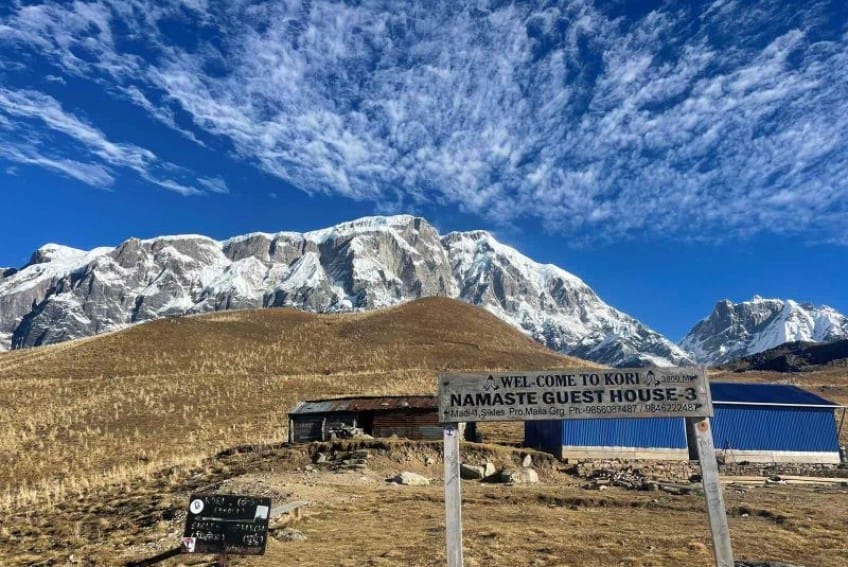
The trek climbs steadily toward Thorong Phedi, the base for Thorong La Pass. The trail may be snowy; trekkers should follow guides carefully. Scenic mountain views and occasional wildlife, like yaks and blue sheep, enhance the journey.

Trip Duration:
4–5 hours
Altitude:
4,525 m
Meal:
Breakfast, Lunch, Dinner
Accomodation :
Tea House / Lodge

Day 09

Begin early to summit Thorong La Pass (5,416 m), the highest point of the trek. Descend to Muktinath, a sacred site for Hindus and Buddhists. Explore the Muktinath Temple, the two small ponds, and 108 holy water taps. Enjoy sweeping views of the Annapurna Range, Thorong Peak, Dhaulagiri, and Nilgiri.

Trip Duration:
8–9 hours
Altitude:
3,760 m
Meal:
Breakfast, Lunch, Dinner
Accomodation :
Tea House / Lodge

Day 10

After the challenging ascent to Thorong La Pass on Day 9, Day 10 begins with a gradual descent toward the lower valleys. The trail passes through scenic villages such as Jharkot and Kagbeni, which are inhabited by Tibetan-style communities. You will then reach Jomsom, a bustling market town along the Kaligandaki River, offering panoramic mountain views. From Jomsom, the trek continues to Tukuche, a charming village known for its cultural heritage and traditional stone houses. This day provides a mix of serene riverside walking, picturesque villages, and spectacular peaks in the background.

Trip Duration:
8–9 hours
Altitude:
2,590 m
Meal:
Breakfast, Lunch, Dinner
Accomodation :
Tea House / Lodge

Day 11

The journey continues descending through the beautiful Kaligandaki Valley, surrounded by terraced fields and lush forests. You will pass small villages such as Kobang, Larjung, and Kalopani, interacting with local families and observing daily life in rural Nepal. The route offers stunning views of the surrounding peaks, including Dhaulagiri and Annapurna. Ghasa, a peaceful village, provides comfortable lodges for rest after a full day of trekking.

Trip Duration:
7–8 hours
Altitude:
2,950m- 2,010 m
Meal:
Breakfast, Lunch, Dinner
Accomodation :
Tea House / Lodge

Day 12

On Day 12, the trail enters the subtropical region, offering a warmer climate and lush greenery. Along the way, trekkers cross waterfalls, rivers, and villages such as Dana, Guithe, and Jalthale. The day’s highlight is Tatopani, famous for its natural hot springs. Relaxing in the thermal waters is a perfect reward for the strenuous trekking days, believed to soothe muscles and provide a rejuvenating experience.

Trip Duration:
4–5 hours
Altitude:
2,010m-1,190m
Meal:
Breakfast, Lunch, Dinner
Accomodation :
Tea House / Lodge

Day 13

Today, you begin a steep ascent through terraced fields and hillside villages such as Ghara, Shikha, and Phalate. The trek is physically demanding, but every step rewards you with spectacular views of the surrounding mountains. Ghorepani is a well-known trekking hub and the home of the Gurung community, offering cultural experiences along with stunning panoramic vistas.

Trip Duration:
7–8 hours
Altitude:
1,190m-2,880m
Meal:
Breakfast, Lunch, Dinner
Accomodation :
Tea House / Lodge

Day 14

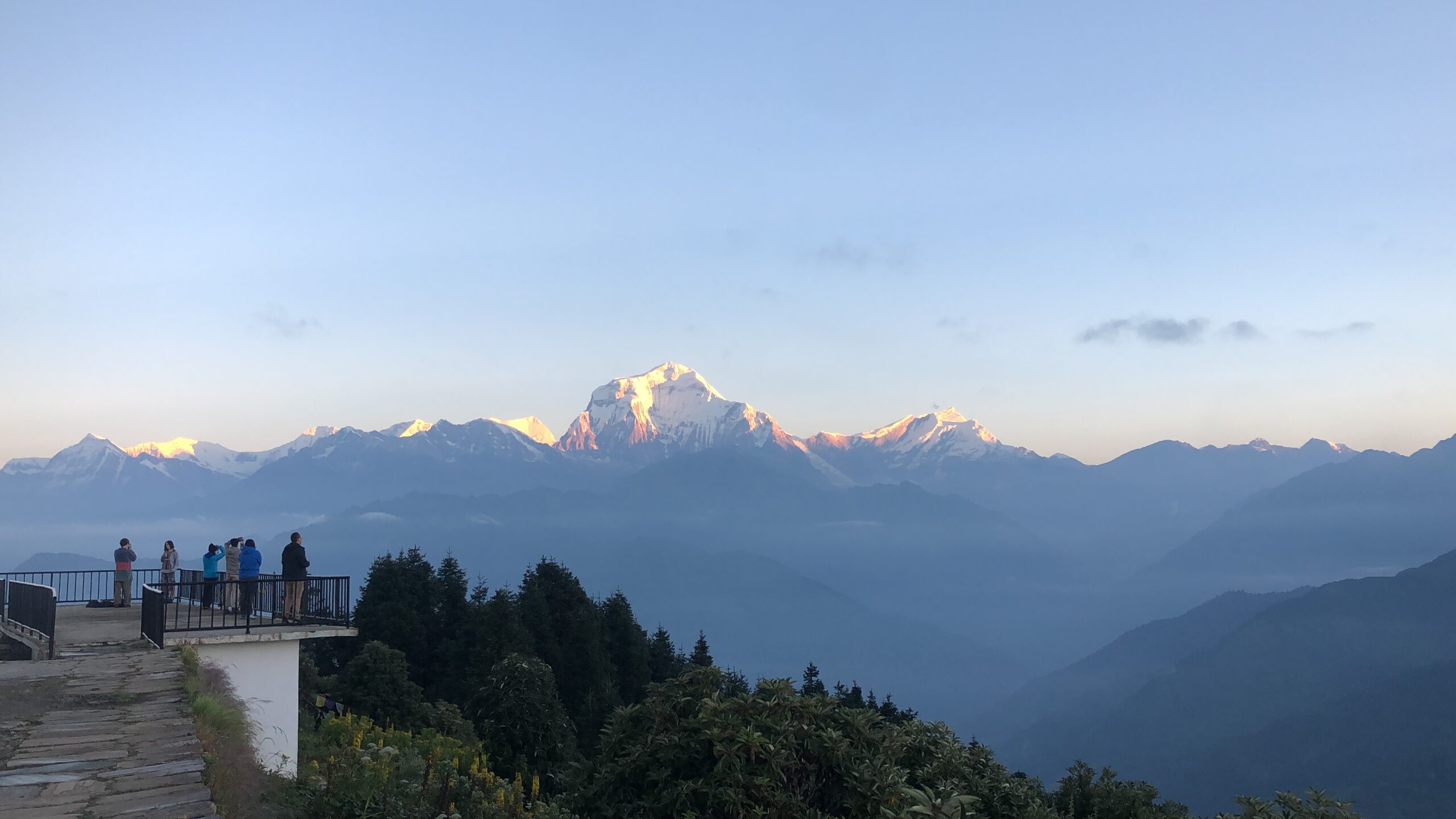
Wake up early for a sunrise hike to Poon Hill, one of the most iconic viewpoints in Nepal. From here, enjoy breathtaking panoramic views of the Annapurna and Dhaulagiri ranges. After witnessing the sunrise, descend to Ghorepani for breakfast and continue the trek downhill through villages like Nangethanti and Banthanti, finally reaching Tikhedhunga. The descent is challenging but offers lush landscapes and a sense of accomplishment.

Trip Duration:
6–7 hours
Altitude:
2,880m-1,540m
Meal:
Breakfast, Lunch, Dinner
Accomodation :
Tea House / Lodge

Day 15

This day marks the final trekking segment. Walk through scenic villages including Hile, Sudame, and Birethanti, gradually descending to Nayapul, the endpoint of the trek. From Nayapul, a private vehicle transfers you to Pokhara, a serene lakeside city. Here, trekkers can enjoy optional activities like boating on Phewa Lake, visiting Davis Falls, or shopping for souvenirs. The evening is free to relax after the long trek.

Trip Duration:
4–5 hours
Altitude:
1,540m-822m
Meal:
Breakfast, Lunch
Accomodation :
Hotel / Lodge

Day 16

After breakfast, board a tourist bus for the scenic drive back to Kathmandu, passing hills, rivers, and local villages along the way. This is an opportunity to reflect on the journey, enjoy the landscape, and prepare for departure. In the evening, a farewell dinner can be arranged to celebrate the completion of your trek with fellow travelers.

Trip Duration:
7–8 hours
Altitude:
822m-1,400m
Meal:
Breakfast
Accomodation :
Hotel in Kathmandu

Day 17

On the final day, you will be transferred to Tribhuvan International Airport at least three hours before your flight. If desired, ART Nepal Treks & Expedition can arrange optional extended tours or programs in Nepal to continue your adventure.
Meal:
Breakfast

What's Included

  • Airport pickup & drop
  • Accommodation (3-star hotels in Kathmandu/Pokhara, teahouses on trek)
  • Meals (Breakfast, Lunch, Dinner, Tea/Coffee during trek)
  • Professional Guide (food, accommodation, salary, insurance included)
  • First Aid Kit
  • All Trekking Permits
  • Public Transportation (as per itinerary)

What's Excluded

  • Personal Expenses
  • Trekking Gear & Equipment
  • Beverages & Mineral Water
  • Travel Insurance
  • Tips for Staff
  • Porter (optional, can be hired separately)
  • Sightseeing, Flights, Helicopter Services, Private Transportation

Essential Info

Best Season and Weather

The Annapurna Circuit Trek is most enjoyable during spring (March–May) and autumn (September–November).

  • Spring: Moderate temperatures, clear skies, and blooming rhododendron forests create vibrant landscapes. Rivers flow gently, and wildlife is more active. Ideal for photographers and nature enthusiasts.
  • Autumn: Clear and dry weather with stunning mountain visibility. Festivals in villages add cultural experiences. Trails are well-defined, and temperatures are comfortable for trekking.

During these seasons, the weather is stable and safer for crossing high passes like Thorong La Pass. Avoid monsoon season (June–August) due to heavy rainfall, landslides, and slippery trails. Winter (December–February) brings cold temperatures and snow at high altitudes, making some sections dangerous for trekking.

Food During the Trek

Meals on the Annapurna Circuit include both local and international options, with most provided in teahouses and lodges.

  • Breakfast: Eggs (fried, boiled, scrambled), toast, pancakes, porridge, muesli, Tibetan bread, tea, and coffee.
  • Lunch & Dinner: Soups (vegetable, tomato, garlic), dal bhat (rice with lentils), noodles, curries with rice, momos (dumplings), pizza, and occasional western dishes.
  • Snacks & Drinks: Tea, coffee, hot chocolate, energy bars, and juices are available but not included in the package cost.

Trekkers should carry personal snacks for high-altitude days when energy needs are higher. Food in remote areas can be basic but sufficient and wholesome, with fresh vegetables, eggs, and grains commonly used.

Accommodation

Accommodation varies along the trekking route but ensures comfort and safety:

  • Kathmandu & Pokhara: Standard 3-star hotels with private rooms, attached bathrooms, hot water, and meals.
  • Trekking Route: Teahouses and lodges provide twin-sharing rooms with basic bedding and blankets.
  • Facilities: Dining areas with wood-burning stoves, shared toilets (flush toilets in lower regions, squat/long-drop toilets at higher elevations), and limited Wi-Fi in some places.
  • Comfort Level: Simple but clean and warm enough for resting after long trekking days.

Accommodation in teahouses is cozy, and staying overnight in villages allows trekkers to experience local culture and interact with Himalayan communities.

Travel Insurance

Travel insurance is mandatory for the Annapurna Circuit Trek. It should cover:

  • Medical emergencies
  • Evacuation due to injury or illness
  • Trip cancellations or interruptions
  • Loss or damage of personal belongings

Insurance ensures peace of mind in remote areas, especially at high altitudes above 3,000 meters, where access to medical facilities is limited. Trekkers should carry proof of insurance at all times.

Altitude Sickness Awareness

Altitude sickness can occur above 3,000 meters. Common symptoms include headaches, nausea, dizziness, and fatigue. Preventive measures include:

  • Gradual Acclimatization: Take rest days in higher villages such as Manang before crossing Thorong La Pass.
  • Hydration: Drink plenty of water and avoid alcohol.
  • Medication: Diamox (acetazolamide) can help prevent altitude sickness.
  • Pacing: Walk slowly, avoid overexertion, and descend immediately if symptoms worsen.

Experienced guides from ART Nepal Treks & Expedition monitor trekkers daily and provide advice, ensuring safety at high altitudes.

Packing List for the Trek

Essential items for a comfortable and safe trek include:

  • Backpack – Lightweight and durable, 30–40 liters capacity
  • Sleeping Bag & Pad – Three-season sleeping bag for warmth at high altitudes
  • Clothing Layers:
  • Base layers: Moisture-wicking shirts and thermal leggings
  • Mid-layers: Fleece or wool sweaters
  • Outer layers: Waterproof and windproof jacket and pants
  • Footwear: Waterproof trekking boots with ankle support and trekking socks
  • Accessories: Gloves, warm hat, sun hat, sunglasses, sunscreen
  • Trekking Poles: For stability and reducing stress on knees
  • Headlamp: With extra batteries for early mornings or evenings
  • Personal Hygiene Items: Toothbrush, soap, hand sanitizer, toilet paper
  • First Aid Kit: Bandages, antiseptic wipes, medications for altitude, painkillers
  • Documents: Passport, travel insurance, permits, cash in local currency
  • Optional Items: Camera, binoculars, snacks, water purification tablets.

Guide and Safety Measures

ART Nepal Treks & Expedition ensures maximum safety throughout the trek:

  • Guides trained in wilderness first aid
  • Regular monitoring of altitude sickness symptoms
  • Provision of first aid kits, emergency oxygen, and equipment
  • Clean and hygienic meal and accommodation checks
  • Protocols for emergency evacuation, including helicopter services if necessary
  • Authority to modify or cancel the trek if health or weather conditions are unsafe.


Equipment List

  • Trekking Shirts: Moisture-wicking, quick-dry shirts for long hikes.
  • Trekking Pants/Shorts: Lightweight, breathable, durable pants; convertible pants are ideal.
  • Underwear: Quick-dry and comfortable for high activity levels.
  • Socks: Thick, moisture-wicking trekking socks; extra pairs recommended.
  • Hat & Cap: Sun protection during the day, warm hat for cold mornings/evenings.
  • Gloves: Lightweight for trekking, insulated for higher altitudes.
  • Backpack: 30–40 liters with rain cover, padded shoulder straps, waist belt.
  • Sleeping Bag: Three-season sleeping bag suitable for -10°C or colder nights.
  • Trekking Poles: Adjustable poles to reduce strain on knees during steep climbs/descents.
  • Water Bottle/Bladder: Minimum 1–2 liters capacity; hydration system recommended.
  • Sunglasses: UV-protected for high-altitude sun exposure.
  • Daypack: Small pack for essentials during daily hikes.
  • Base Layers: Thermal tops and leggings to retain body warmth.
  • Mid Layers: Fleece jackets or wool sweaters for insulation.
  • Outer Layer: Waterproof and windproof jacket and pants to protect from rain and wind.
  • Extra Layers: Light jacket or down vest for high-altitude cold.
  • Rain Poncho: Optional, but useful for sudden rains.
  • First Aid Kit: Bandages, antiseptic wipes, painkillers, altitude sickness medication, blister care.
  • Hand Sanitizer & Wet Wipes: For hygiene during trekking.
  • Toiletries: Toothbrush, toothpaste, soap, quick-dry towel, toilet paper.
  • Sunscreen & Lip Balm: High SPF for UV protection at altitude.
  • Personal Medications: Any regular prescriptions and emergency medicines.
  • Emergency Whistle: For safety in remote areas.
  • Headlamp: With extra batteries for early mornings or night use.
  • Camera/Smartphone: To capture memories; power banks recommended.
  • Power Bank: For charging devices in remote areas.
  • Adapters/Converters: If necessary for electronic devices.
  • GPS/Altimeter: Optional but helpful for navigation and tracking altitude.

FAQ

Yes, you can receive a refund. However, you must report your cancellation at least 7 days prior to the trek. This allows us to make the necessary adjustments and offer your spot to another adventurer. Please contact our customer service team to initiate the refund process.
Yes, you can change the travel date. However, please ensure that you make the request at least 7 days before the scheduled trek. To change your travel date, please contact our customer service team as soon as possible.
Yes, you can make changes to your accommodation. If you choose to upgrade or downgrade your accommodation, it will affect the pricing of the package accordingly. Please contact our customer service team to discuss your preferences and any associated cost adjustments.
It depends on you. If you can handle your luggage weight, then there is no need to hire a porter. However, if you prefer an easier trek without the burden of carrying your gear, we suggest hiring a porter. We offer the option to add a porter to your package for your convenience.
Yes, insurance is required for any rescue operations or medical emergencies that may arise due to high altitude or breathing problems. Having insurance ensures that you are covered in case of unforeseen circumstances and can receive the necessary assistance promptly. Please make sure to arrange appropriate travel insurance before embarking on your trek.
Trip Price

On Request

Talk To Trip Expert

expert image

Anjan Dhital

Trip Expert
Have Any Questions?
Whatsapp/Viber +977-9810271256
Share this Trip
Translate »