

Everest Region Trek – 17 Days
Everest Region
17 Days/16 Nights
Price From
View More
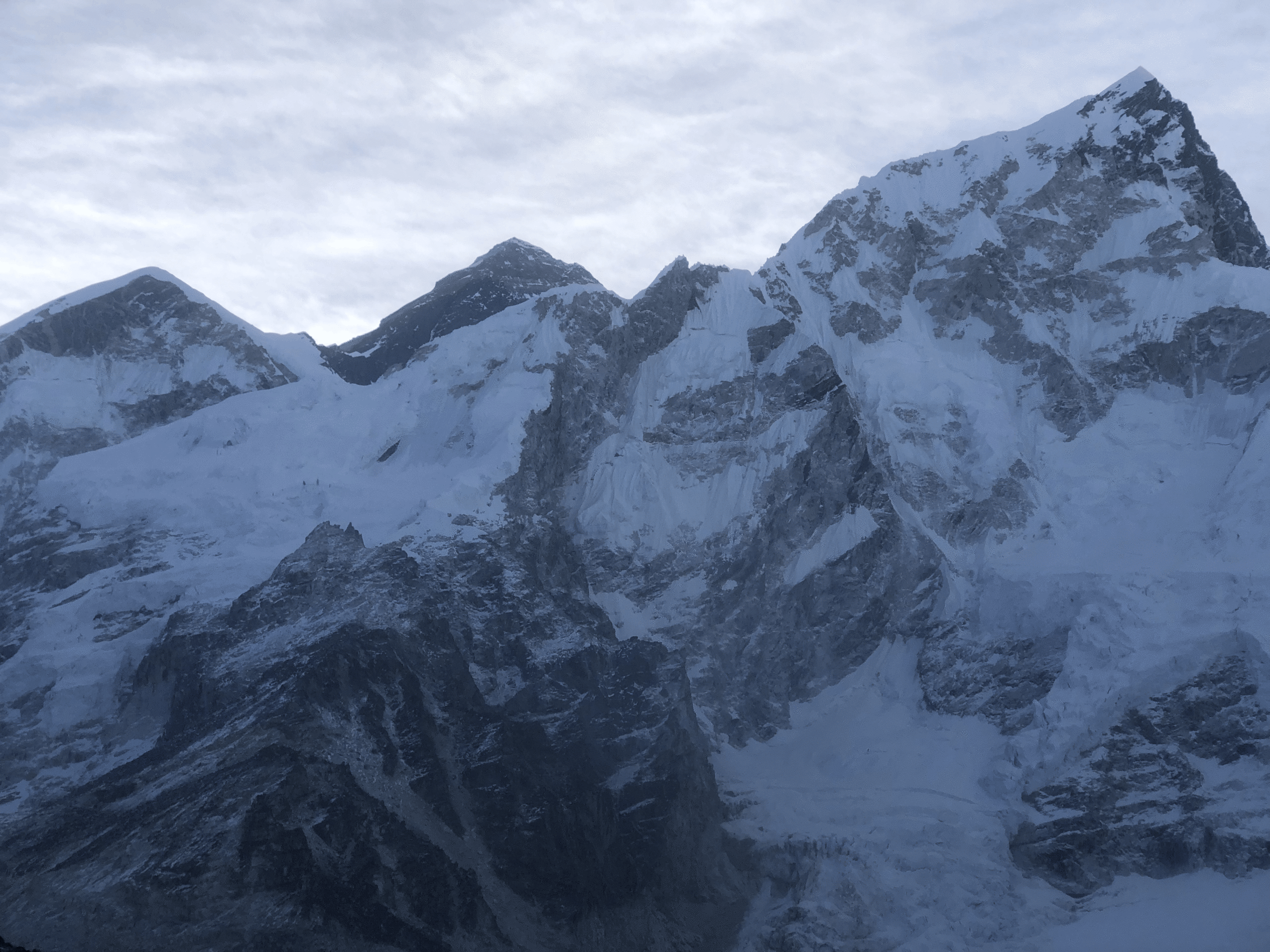
The Everest Base Camp Trek is one of the most iconic trekking journeys in the world. It offers a unique opportunity to walk in the footsteps of mountaineers and experience the beauty of the Himalayan region up close. This trek is carefully designed by ART Nepal Treks & Expedition to combine adventure, comfort, and cultural experience.
The journey starts from Kathmandu, where you will prepare for the trek and explore some cultural heritage sites. After that, you take a scenic flight to Lukla, which is known for its dramatic mountain airport. From Lukla, the trekking journey begins through the Khumbu region, which is home to the Sherpa community.
As you move along the trail, you will pass through beautiful villages, forests filled with rhododendron trees, and rivers fed by glaciers. The trail gradually climbs higher, and the environment starts to change. You will notice fewer trees and more rocky landscapes as you gain altitude. The views become more stunning, with snow-covered peaks surrounding you.
Namche Bazaar is one of the major stops during the trek. It is a lively place with shops, cafes, and great views of the mountains. You will spend time here to adjust to the altitude. Another important stop is Tengboche Monastery, which is a spiritual center of the region. From here, you can see amazing views of Everest, Ama Dablam, and other peaks.
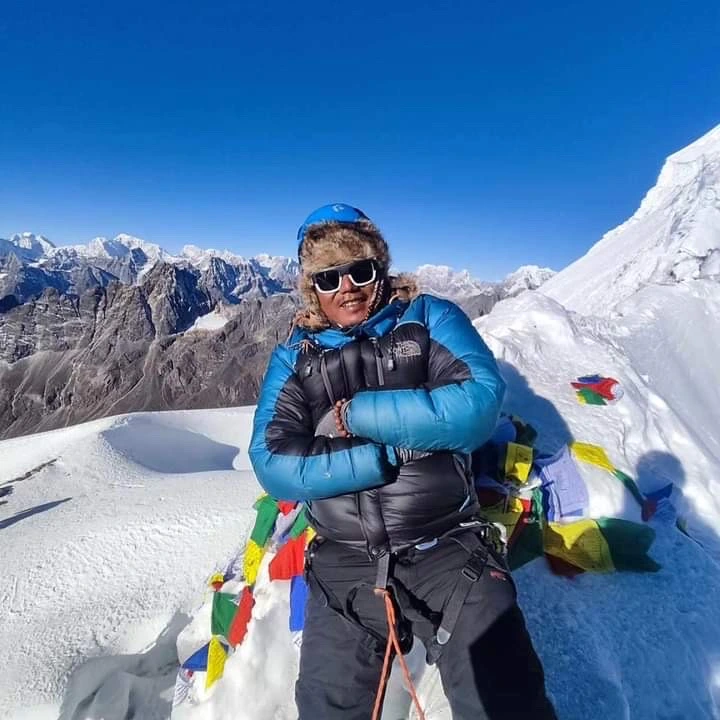
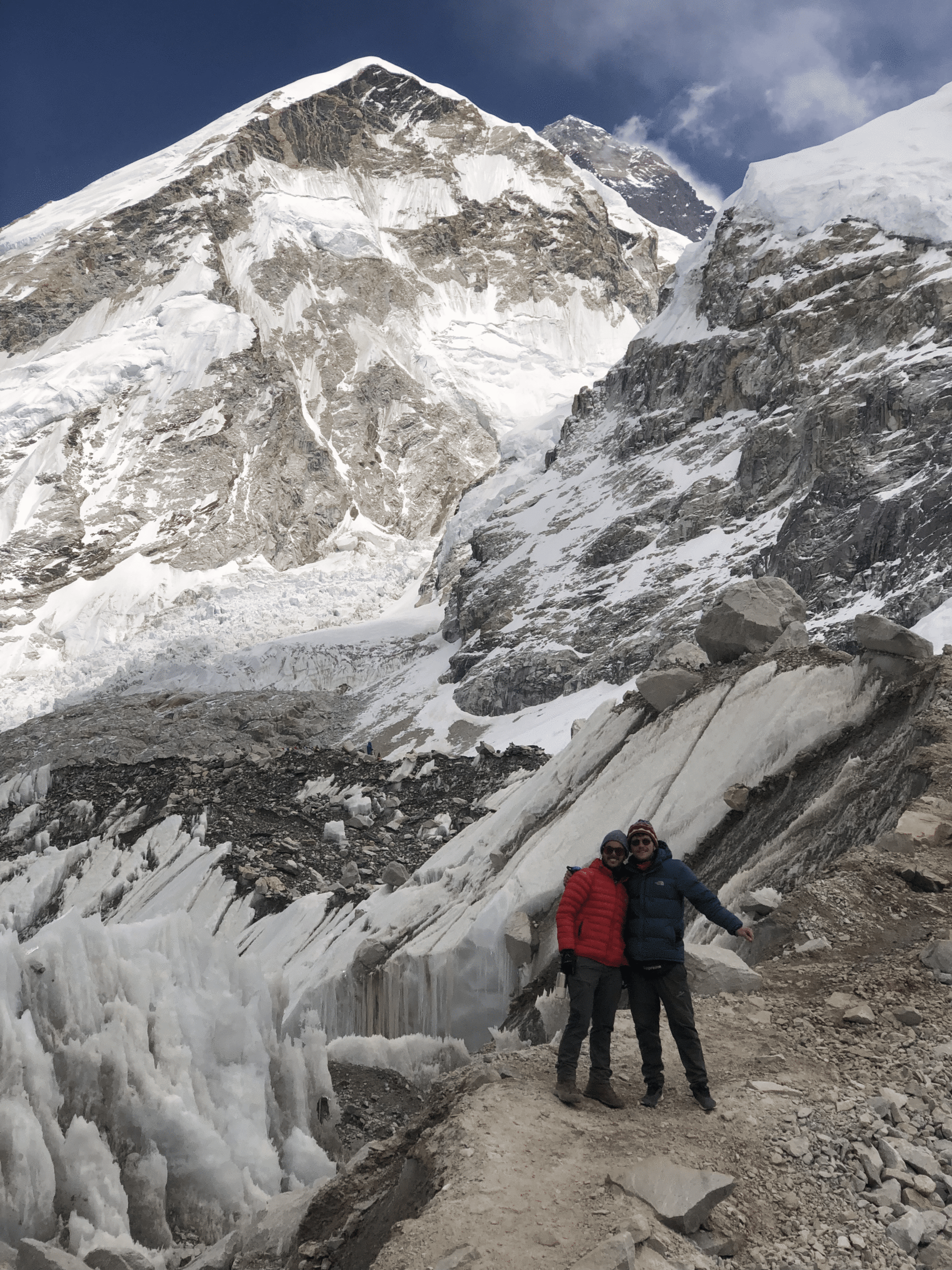
The main goal of the trek is to reach Everest Base Camp, which lies at the base of Mount Everest. Standing here is a powerful experience, as you are surrounded by glaciers and towering mountains. The trek also includes a hike to Kala Patthar, which offers one of the best viewpoints to see Mount Everest clearly.
Throughout the journey, ART Nepal Treks & Expedition ensures proper planning, experienced guides, and comfortable accommodation. This makes the trek safe and enjoyable, even though it is physically demanding. The combination of natural beauty, cultural richness, and personal achievement makes this trek truly unforgettable.
The Everest Base Camp Trek offers a complete trekking experience that includes nature, culture, and adventure. From the very beginning, you will be surrounded by stunning landscapes and peaceful environments. Each day brings new scenery and new experiences.
You can expect to walk for several hours each day, passing through villages, forests, and mountain trails. The trek is physically demanding but manageable with proper pacing and rest. The journey also includes acclimatization days to help your body adjust to high altitude.
You will stay in comfortable lodges where you can relax after long walking days. Meals are prepared fresh and provide the energy needed for trekking. You will also have opportunities to interact with local people and learn about their culture.
The Everest Base Camp Trek is suitable for people who enjoy outdoor activities and are ready for a physical challenge. It does not require technical climbing skills, but it does require good stamina and determination.
If you are someone who likes walking, exploring nature, and experiencing new cultures, this trek can be a great choice. Even beginners can complete the trek if they prepare well and follow the guidance of experienced guides.
However, since the trek reaches high altitude, it is important to be aware of altitude sickness and take proper precautions. With the right preparation and mindset, this trek can be completed successfully.
Preparing for the Everest Base Camp Trek is very important for a successful and enjoyable journey. Proper preparation helps reduce risks and increases your comfort during the trek.
Physical training should begin a few weeks before the trek. Focus on building endurance and strength. Activities like walking, hiking, running, and cycling are very helpful. It is also a good idea to practice walking with a backpack.
Mental preparation is equally important. Trekking in high altitude can be tiring, so you need patience and a positive mindset. Understanding the challenges in advance will help you stay confident during the trek.
Packing the right gear is another important part of preparation. You need clothing for both warm and cold conditions, as the weather can change quickly.
Upon your arrival at Tribhuvan International Airport in Kathmandu, you will be warmly greeted by a representative from ART Nepal Treks & Expedition. After a short introduction, you will be transferred to your hotel in a private vehicle. Once you reach the hotel, you can relax and recover from your journey. Later in the day, you will meet your trekking guide and team for a detailed briefing about the trek. During this session, you will learn about the route, daily schedule, safety measures, and important tips for high-altitude trekking.
In the evening, you will be invited to a welcome dinner where you can enjoy authentic Nepali cuisine along with a traditional cultural dance performance. This is also a great opportunity to get to know your fellow trekkers and prepare mentally for the adventure ahead.
After breakfast, you will begin a guided sightseeing tour of Kathmandu Valley. This tour gives you a deeper understanding of Nepal’s rich culture, history, and religious traditions. You will visit some of the most important UNESCO World Heritage Sites, including Swayambhunath Stupa, also known as the Monkey Temple, which offers panoramic views of the city. You will also visit Pashupatinath Temple, one of the most sacred Hindu temples, and Boudhanath Stupa, a major center of Tibetan Buddhism.
Another highlight of the day is Patan Durbar Square, known for its ancient architecture, temples, and traditional craftsmanship. After completing the sightseeing tour, you will return to your hotel and begin preparing for the trek. Your guide will assist you in checking your equipment and ensuring that everything is ready. Any missing items can be arranged at this stage.
This day helps you get familiar with the culture of Nepal while also making sure you are fully prepared for the journey ahead.
Early in the morning, you will head to the airport for a scenic flight to Lukla. This short flight is one of the highlights of the trip, offering breathtaking views of snow-capped mountains and deep valleys. Landing at Lukla airport is an exciting experience due to its unique location on a hillside.
After meeting your trekking crew in Lukla, you will begin your trek. The trail starts with a gentle descent through small villages and forested areas. You will walk alongside the Dudh Koshi River and pass through traditional settlements where you can observe the local lifestyle. The route is relatively easy on this day, allowing your body to adjust to the trekking rhythm.
You will reach Phakding by afternoon, where you can relax and enjoy the peaceful surroundings. This first day of trekking is designed to be comfortable and enjoyable.
Today’s trek is more challenging as you gradually gain altitude. The trail follows the Dudh Koshi River and includes several crossings over suspension bridges decorated with colorful prayer flags. These bridges provide stunning views of the river and surrounding landscapes.
As you continue walking, you will enter Sagarmatha National Park, a protected area known for its natural beauty and biodiversity. After crossing the park entrance, the trail becomes steeper as you climb toward Namche Bazaar. Along the way, if the weather is clear, you may catch your first glimpse of Mount Everest.
After a steady uphill climb, you will arrive at Namche Bazaar, a lively mountain town built on a hillside. It is an important trading center in the region, with shops, cafes, and basic facilities. The views from Namche are impressive, making the effort of the climb worthwhile.
This day is set aside for acclimatization, which is essential for adjusting to higher altitude. Instead of complete rest, you will take a short hike to higher points around Namche. One popular hike is to the Everest View Hotel, where you can enjoy stunning views of Mount Everest, Lhotse, and Ama Dablam.
You may also visit the Sherpa Museum and learn about the history of mountaineering and Sherpa culture. Walking around Namche Bazaar gives you a chance to explore local markets, cafes, and bakeries.
Spending an extra day here helps your body adapt to the altitude, reducing the risk of altitude sickness and preparing you for the higher sections of the trek.
Leaving Namche Bazaar, the trail offers a relatively gentle path with beautiful mountain views. You will walk along ridges with panoramic views of Everest, Lhotse, and Ama Dablam. The trail then descends to the river before climbing again toward Tengboche.
At Tengboche, you will visit the famous monastery, which is the largest in the region. The peaceful atmosphere and surrounding mountains make it a special place to rest and reflect. After spending some time here, you will descend slightly to the village of Deboche for an overnight stay.
The trail continues through beautiful landscapes with fewer trees and more open terrain. You will pass through villages like Pangboche and enjoy views of Ama Dablam. The route gradually climbs as you move into a more alpine environment.
As you approach Dingboche, the scenery becomes wider and more dramatic, with fields surrounded by stone walls to protect crops from cold winds. Dingboche is a peaceful village with stunning views of the surrounding peaks.
This is another important acclimatization day, allowing your body to adjust to the higher altitude before continuing further. Instead of staying completely inactive, you will go for a short hike to higher elevations and then return to Dingboche to sleep. This method helps your body adapt more effectively.
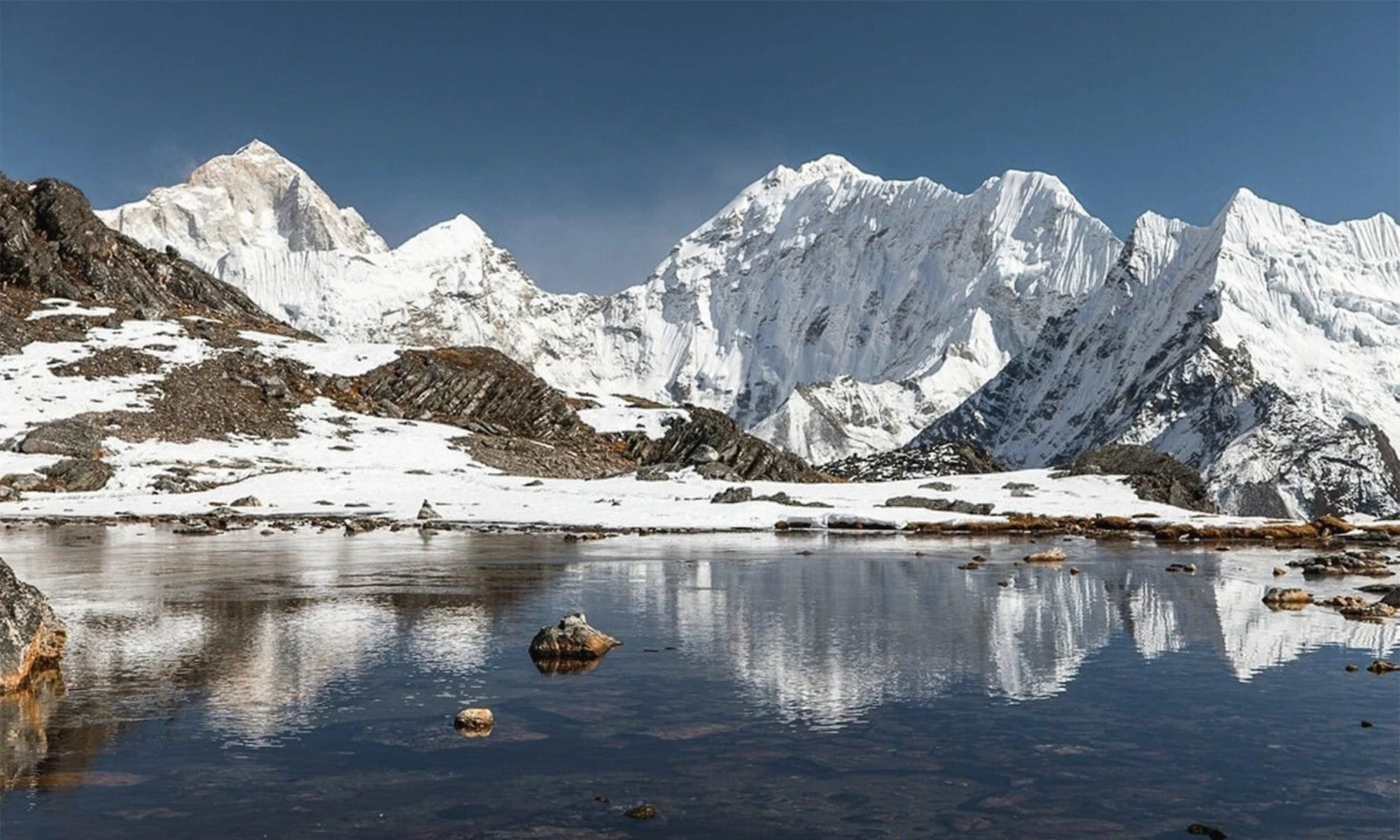
One popular option is to hike up to Nagarjuna Hill or Chhukung Ri. From these viewpoints, you can enjoy breathtaking panoramic views of peaks like Ama Dablam, Lhotse, Makalu, and Island Peak. The climb can feel challenging due to the thinner air, but taking it slowly and steadily makes it manageable. Along the way, you will also notice the changing landscape, with very little vegetation and more rocky terrain.
After the hike, you will return to Dingboche for rest. You can spend the afternoon relaxing, hydrating, and enjoying the peaceful environment. This day plays a key role in preparing your body for the higher altitudes ahead.
Today’s trek takes you deeper into the high-altitude region. The trail starts with a gradual climb and then becomes steeper as you approach Thukla Pass. Walking at this altitude requires patience, as the air is thinner and every step can feel more tiring.
One of the most emotional parts of this day is reaching the memorial area near Thukla Pass. Here, you will see stone monuments built in memory of climbers who lost their lives while attempting to summit Mount Everest. The site serves as a reminder of the challenges and risks of high-altitude mountaineering.
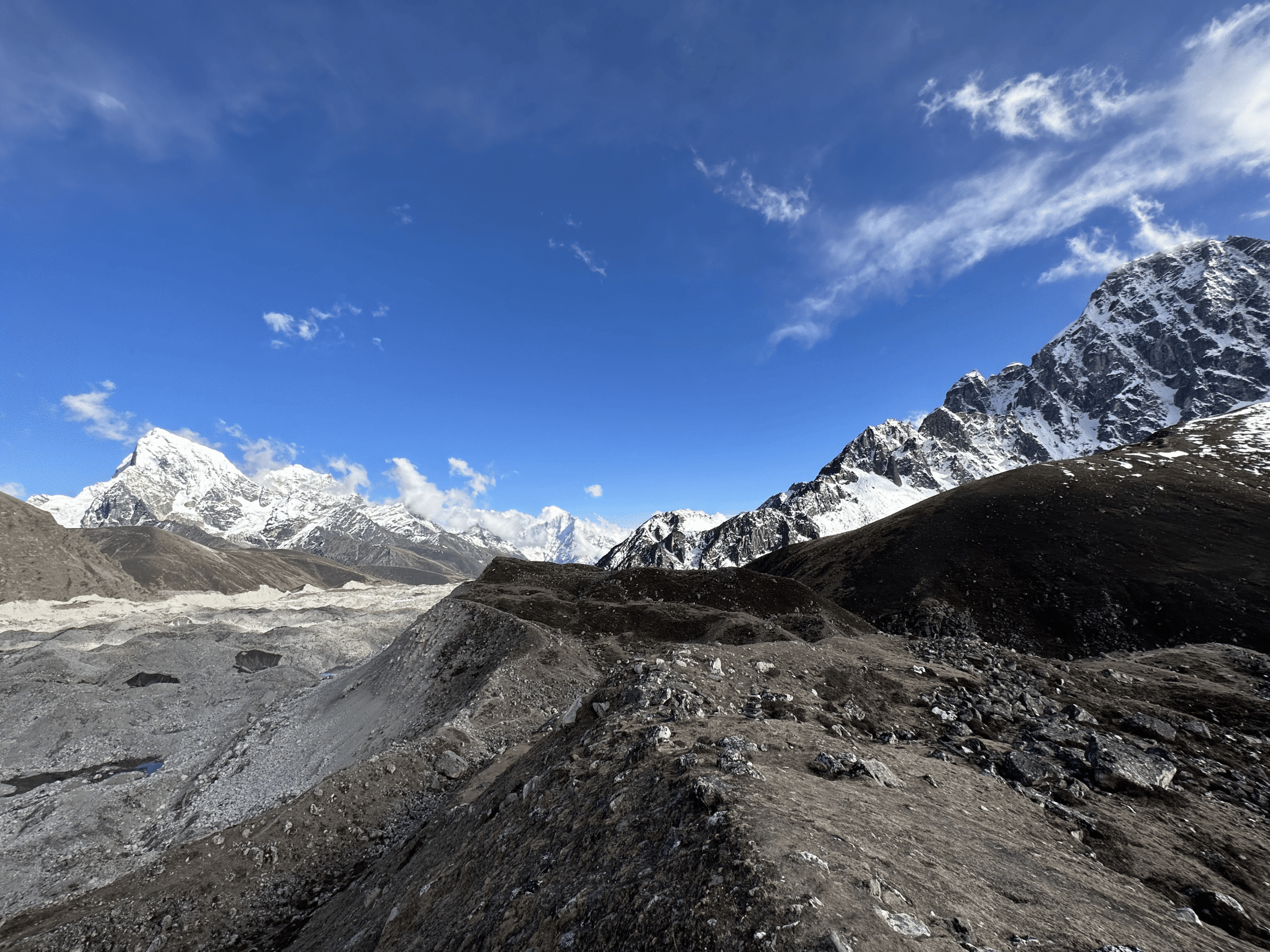
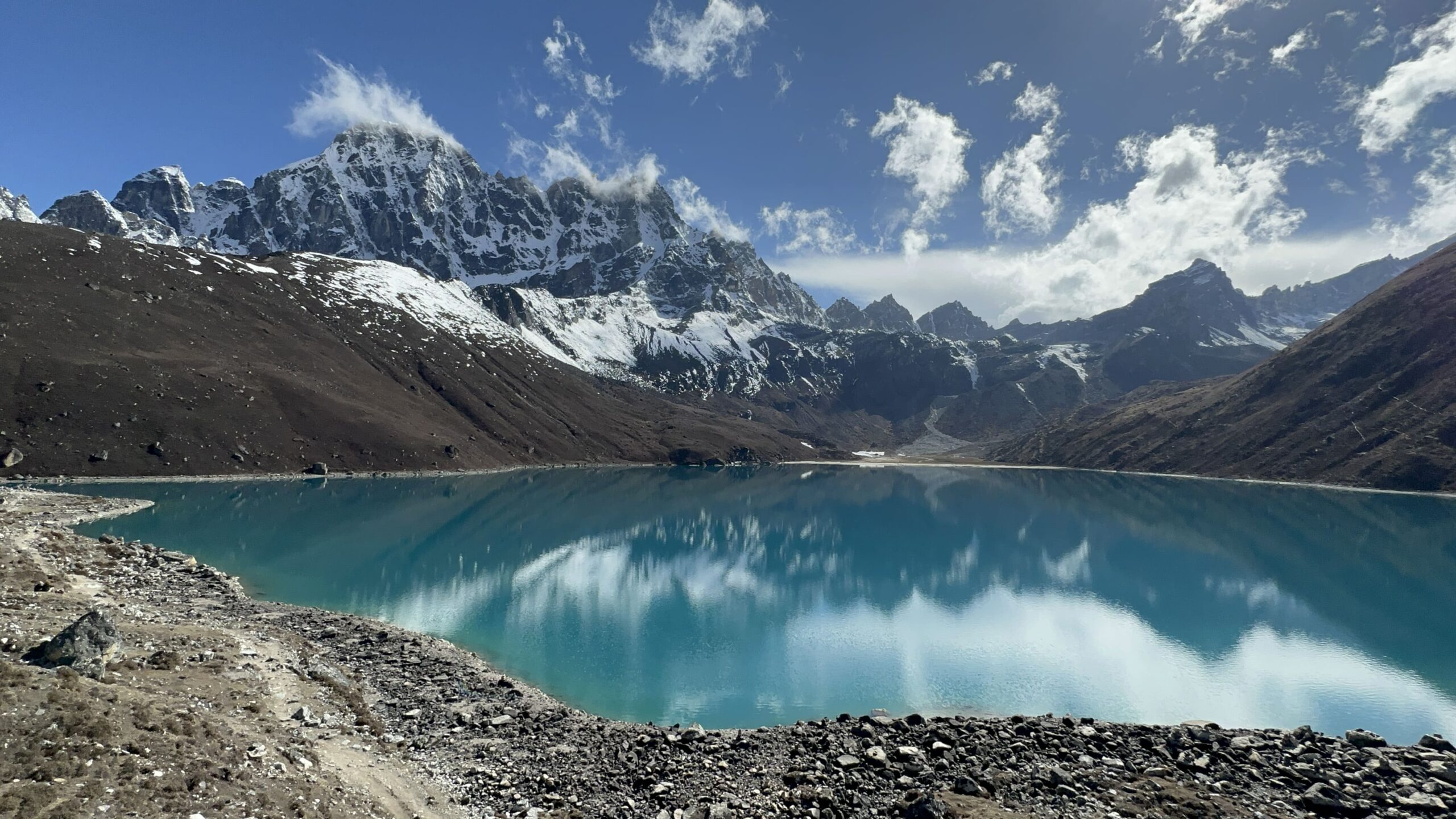
After passing this area, the trail continues along a rocky path with stunning views of surrounding peaks such as Nuptse, Pumori, and Khumbutse. The landscape becomes more barren and dramatic, with glaciers and rocky terrain dominating the scenery. You will reach Lobuche by afternoon, where you can rest and prepare for the next big day.
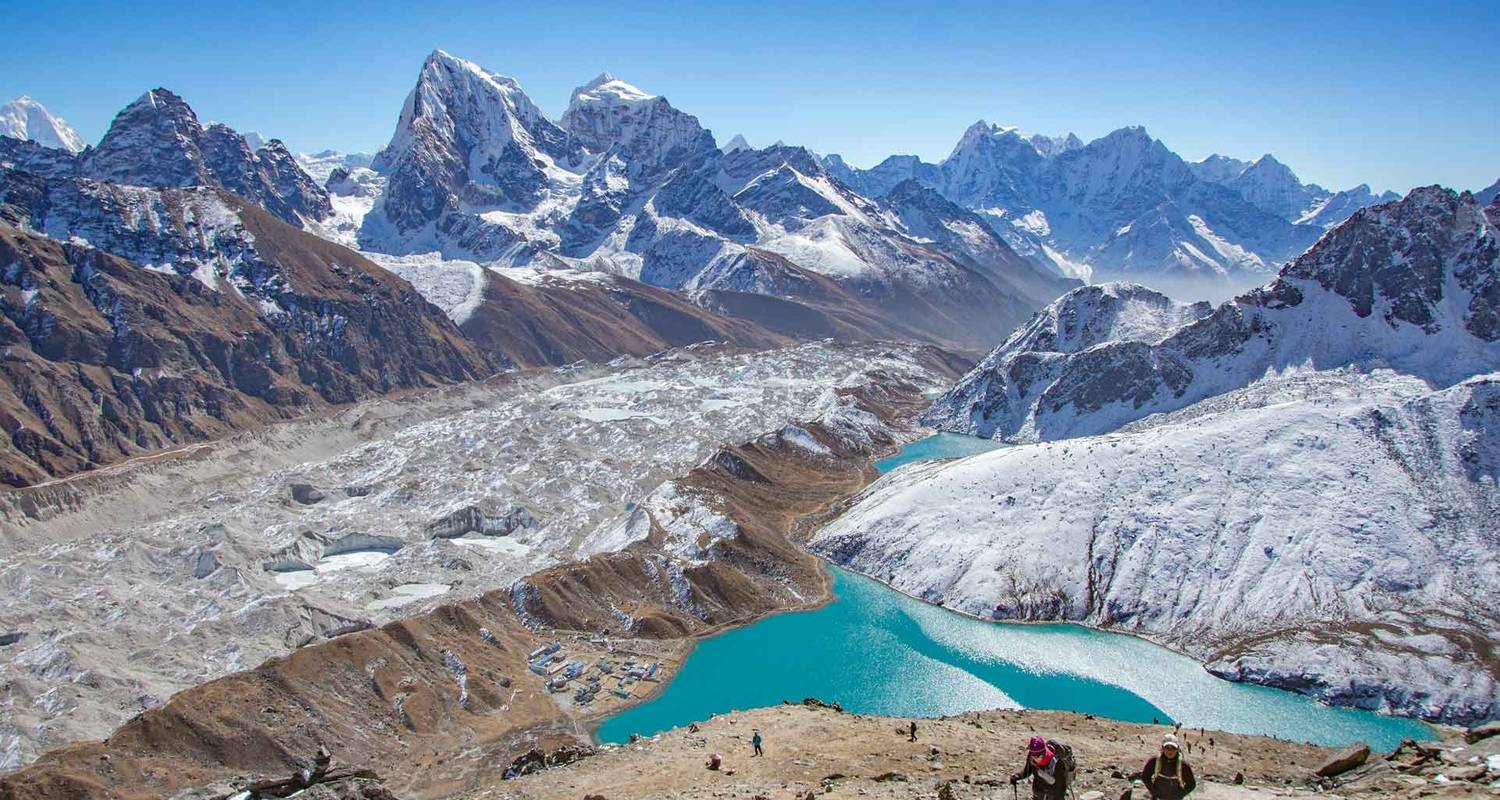
This is one of the most exciting and important days of the trek. After breakfast, you will begin your journey toward Gorakshep, the last settlement before Everest Base Camp. The trail follows the Khumbu Glacier, with uneven and rocky terrain that requires careful walking.
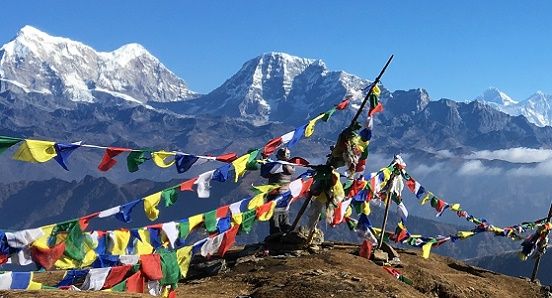
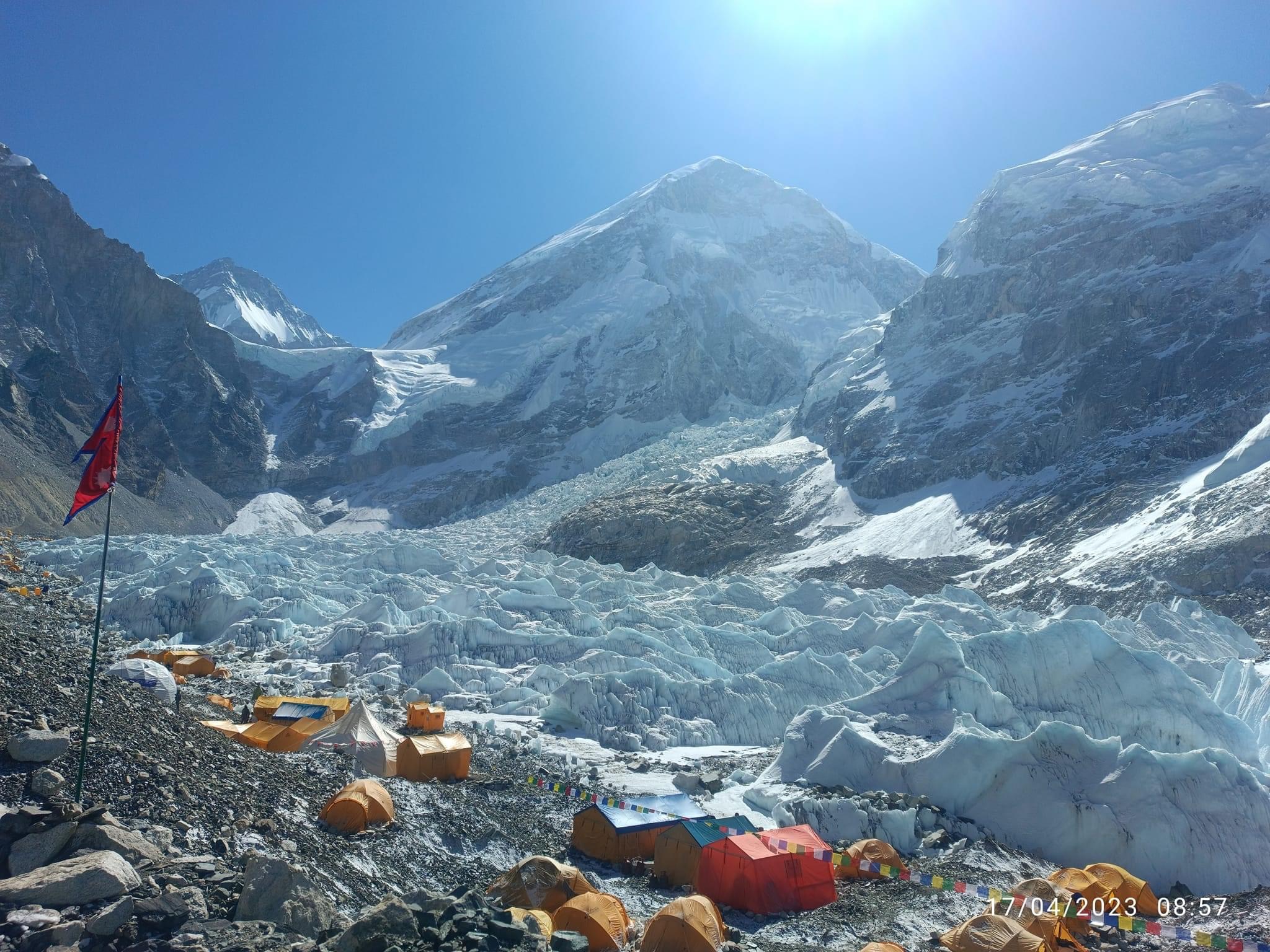
After reaching Gorakshep and taking a short rest, you will continue your trek to Everest Base Camp. The path takes you across glacier moraines and rugged landscapes. As you get closer, you will see prayer flags, tents of climbers (during peak seasons), and the vast ice formations of the Khumbu Glacier.
Reaching Everest Base Camp is a truly unforgettable moment. Standing at the base of the world’s highest mountain, surrounded by towering peaks and glaciers, gives a strong sense of achievement. After spending some time taking photos and enjoying the moment, you will return to Gorakshep for the night.
Early in the morning, before sunrise, you will start your hike to Kala Patthar. This is one of the best viewpoints in the Everest region. The climb is steep and challenging due to the altitude, but reaching the top is extremely rewarding.
From Kala Patthar, you can enjoy clear and close views of Mount Everest, along with other peaks such as Nuptse and Pumori. Watching the sunrise over the Himalayas creates a magical atmosphere, with the mountains glowing in golden light.
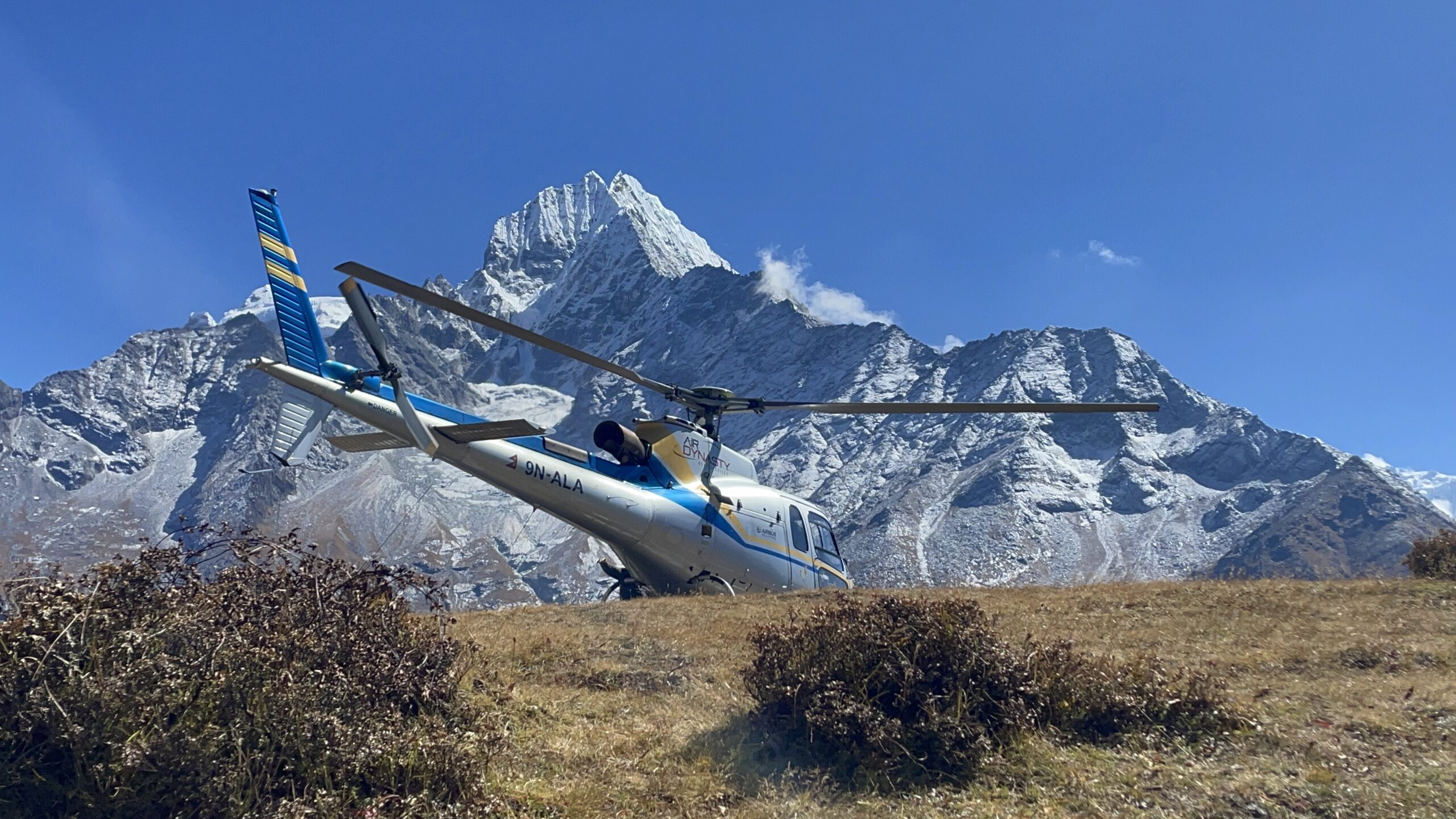
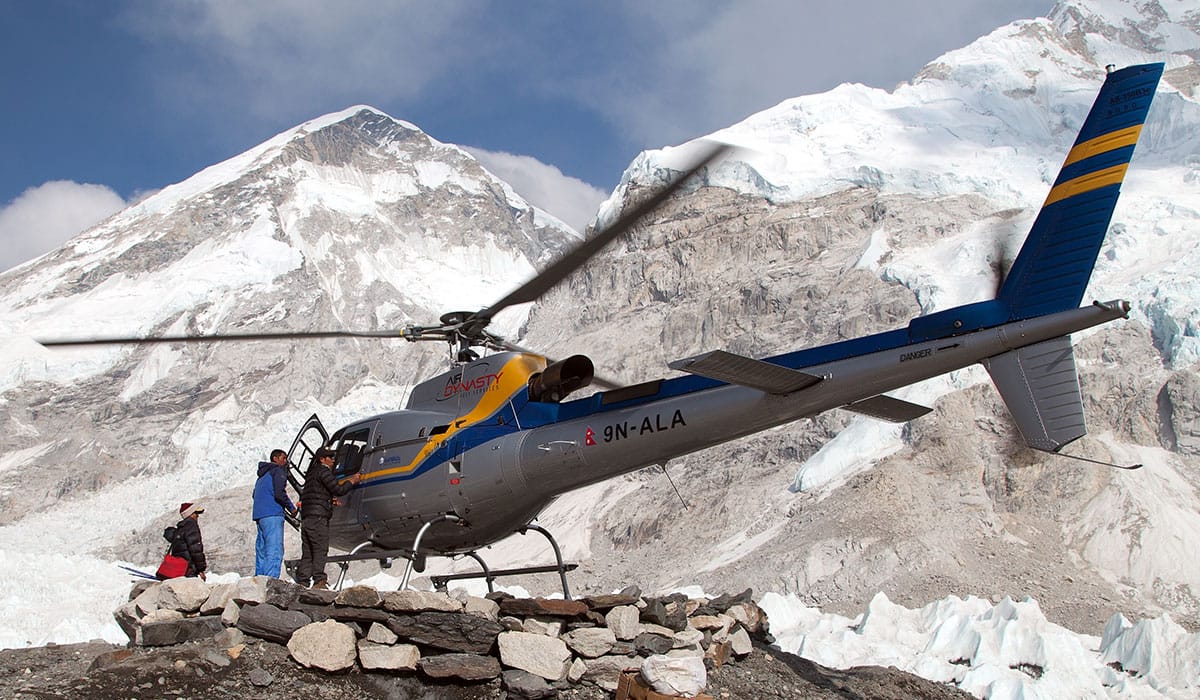
After spending time at the viewpoint, you will descend back to Gorakshep for breakfast. Later, you will take a helicopter flight back to Kathmandu. This flight offers incredible aerial views of the mountains and allows you to avoid the long return trek.
This day is kept as a buffer in case of any delays due to weather or flight changes during the trek. Mountain flights can sometimes be delayed, so having an extra day ensures that your schedule remains flexible.
If everything goes as planned, you can use this day to relax, explore Kathmandu, or do some shopping. You may visit local markets, buy souvenirs, or simply rest after the trek. It is a good opportunity to reflect on your journey and enjoy your last moments in Nepal.
On your final day, you will prepare for your departure. Depending on your flight schedule, a representative from ART Nepal Treks & Expedition will transfer you to the airport. It is recommended to arrive at the airport at least three hours before your flight.
As your journey comes to an end, you will leave Nepal with unforgettable memories of the Everest Base Camp Trek. The experience of walking through the Himalayas, reaching Everest Base Camp, and witnessing incredible landscapes will stay with you for a lifetime.
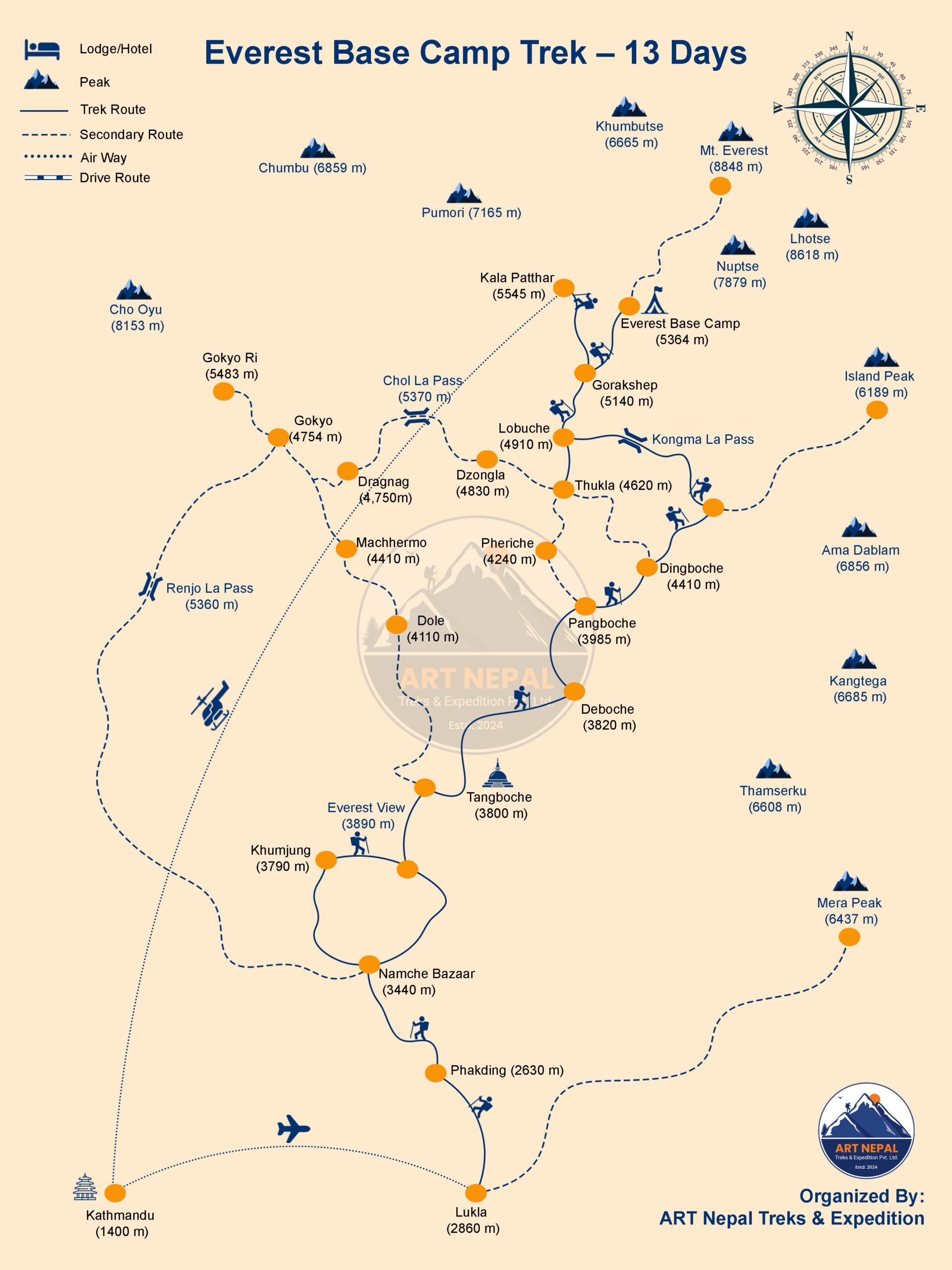
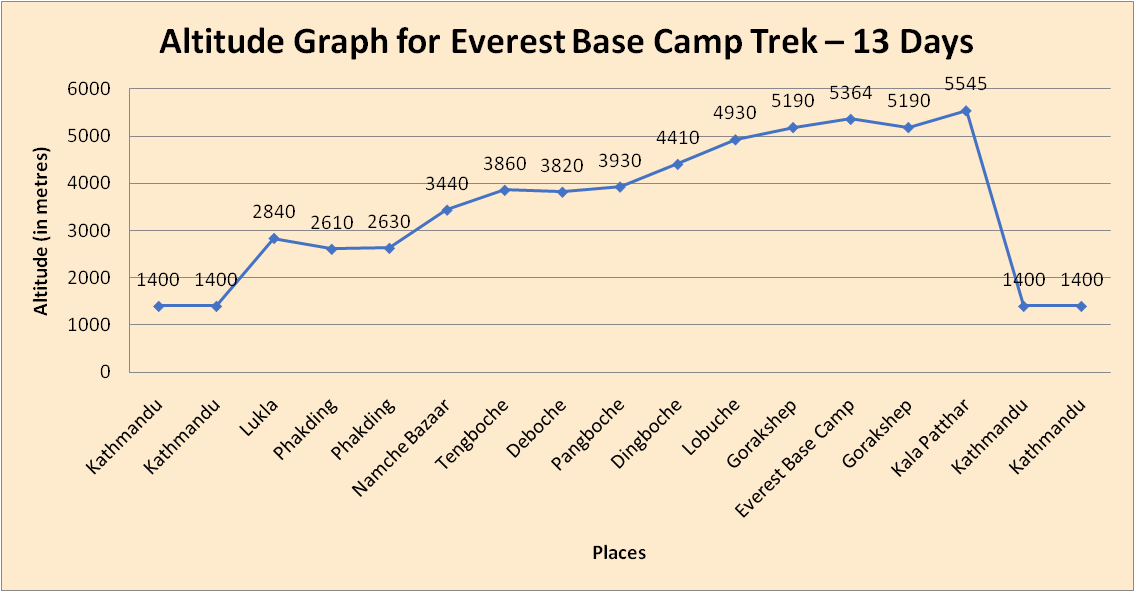
The Everest Base Camp Trek is carefully designed to allow gradual ascent, proper acclimatization, and a comfortable trekking experience. Each day offers a mix of walking, rest, and exploration, helping your body adjust to the increasing altitude while allowing you to fully enjoy the journey. The route passes through beautiful Sherpa villages, forests, rivers, and high mountain landscapes, making every day unique and rewarding.
These optional services can be added to your Everest Base Camp Trek to make your journey more comfortable and flexible.
You can add a guided sightseeing tour in Kathmandu to explore famous cultural and historical places like temples, stupas, and heritage sites. It is a great way to understand Nepal’s culture before or after the trek.
A porter can carry your heavy luggage, allowing you to walk comfortably with less weight. This makes the trek easier, especially at higher altitudes.
Flexible flight options to and from Lukla can be arranged for better convenience and time management, especially during peak seasons.
Helicopter services allow you to return quickly from the mountains or enjoy aerial views of the Himalayas. It is ideal for saving time and adding comfort.
Private vehicles are available for airport transfers and city travel, offering more comfort and flexibility compared to shared transport.
Choosing the right season for the Everest Base Camp Trek is very important for a safe and enjoyable experience. The weather in the Himalayan region can change quickly, and each season offers a different experience. Understanding the conditions of each season helps you decide the best time based on your preference, comfort level, and expectations.
Spring (March to May) is considered one of the best times for trekking. During this season, the weather is generally stable, and the skies are clear, offering excellent visibility of the mountains. The trails are decorated with blooming rhododendron flowers, adding color and beauty to the journey. The temperature is moderate, making it comfortable for trekking. This is also a popular time for climbers attempting to summit Mount Everest, so you may see expedition activities near the base camp.
Autumn (September to November) is another ideal season. After the monsoon rains, the air becomes fresh and clean, and the mountain views are very clear. The weather is stable, and temperatures are pleasant during the day, although it can be colder at night. This season is also less crowded than spring in some areas, making it a great choice for those who prefer a quieter experience.
Winter (December to February) offers a completely different experience. The trails are less crowded, and the mountains are covered with snow, creating a beautiful landscape. However, temperatures can drop significantly, especially at higher altitudes, making trekking more challenging. Some lodges may also be closed due to extreme cold.
Summer or monsoon season (June to August) is generally not recommended for trekking. Heavy rainfall can make trails slippery and increase the risk of landslides. Clouds often block mountain views, and flights to Lukla may be delayed. However, the region becomes green and fresh, which can be appealing to some trekkers.
Overall, spring and autumn are the best seasons for this trek due to favorable weather, clear views, and comfortable conditions.
Food during the Everest Base Camp Trek is designed to provide energy, nutrition, and comfort throughout the journey. While the options become simpler as you move to higher altitudes, you will still find a good variety of meals that suit different tastes.
Breakfast is usually served at the lodge where you stay overnight. It typically includes items like eggs, toast, pancakes, porridge, and sometimes traditional Nepali dishes like dal bhat. Tea and coffee are also available to help you start your day.
Lunch is usually taken at a teahouse along the trail. You can choose from a variety of dishes such as noodles, rice, soups, pasta, and local meals. Dal bhat is one of the most popular choices because it is filling and provides enough energy for trekking.
Dinner is served at your overnight lodge. It usually includes a mix of Nepali and international dishes such as rice, curry, vegetables, pasta, and soups. Meals are warm and freshly prepared, helping you recover after a long day of walking.
Hot drinks like tea, coffee, and hot chocolate are available throughout the trek. Staying hydrated is very important, so you should drink plenty of fluids during the journey.
Although the menu may become limited at higher altitudes, the food remains nutritious and sufficient for trekking needs.
Accommodation during the Everest Base Camp Trek includes a combination of hotel stays in Kathmandu and lodge stays during the trek. In Kathmandu, you will stay in a comfortable 3-star hotel with modern facilities, allowing you to relax before and after the trek.
During the trekking days, you will stay in tea houses or lodges that are available along the trail. These lodges provide basic but comfortable rooms, usually with twin beds, blankets, and pillows. Some lodges offer additional facilities such as hot showers, Wi-Fi, and charging services, although these may come at an extra cost.
As you move to higher altitudes, the facilities become simpler due to the remote location. However, the lodges are clean, well-managed, and designed to provide shelter and rest. The dining areas are usually warm and serve as a place to relax and socialize with other trekkers.
In some high-altitude areas like Gorakshep or near Everest Base Camp, accommodation may include specially arranged tents depending on the situation. These are set up to ensure safety and comfort in harsh conditions.
Overall, the accommodation is designed to provide a balance between comfort and the realities of trekking in a remote mountain region.
Travel insurance is a very important part of preparing for the Everest Base Camp Trek. Since the trek involves high-altitude walking and remote locations, having proper insurance coverage ensures your safety and peace of mind.
Your insurance policy should cover high-altitude trekking up to at least 5,500 meters. It should also include coverage for medical emergencies, accidents, and helicopter evacuation. In case of serious illness or injury, evacuation by helicopter may be required, which can be very expensive without insurance.
Trip cancellation and delay coverage are also recommended, as flights to Lukla are often affected by weather conditions. Having insurance helps protect you from unexpected financial loss.
Before starting the trek, make sure you carry a copy of your insurance policy and emergency contact details. It is also a good idea to inform your guide about your insurance coverage.
Having proper travel insurance allows you to focus on enjoying the trek without worrying about unexpected situations.
Altitude sickness is one of the main challenges during the Everest Base Camp Trek. It occurs when your body does not adjust properly to the reduced oxygen levels at higher elevations. Understanding the symptoms and taking preventive measures is very important.
Common symptoms include headache, dizziness, nausea, loss of appetite, and difficulty sleeping. These symptoms can appear as you gain altitude, especially above 3,000 meters.
The best way to prevent altitude sickness is to follow a gradual ascent and include acclimatization days in your itinerary. Drinking plenty of water, eating properly, and avoiding alcohol also help your body adjust better.
If symptoms become severe, it is important to descend to a lower altitude immediately and seek medical attention. Guides are trained to recognize symptoms and take appropriate action.
Safety is a top priority during the Everest Base Camp Trek. Experienced guides from ART Nepal Treks & Expedition accompany you throughout the journey, ensuring that everything runs smoothly and safely.
Guides are well-trained in high-altitude trekking and first aid. They monitor your health regularly and help you adjust to the altitude. They also provide important information about the trail, local culture, and safety precautions.
The trekking plan includes proper acclimatization days to reduce the risk of altitude sickness. In case of emergencies, guides are equipped with communication devices and can arrange evacuation if needed.
Porters are also available to carry your heavy luggage, allowing you to trek comfortably with a light backpack.
With professional support and careful planning, the trek becomes safer and more enjoyable.
Booking the Everest Base Camp Trek is simple and straightforward. The process is designed to ensure that everything is well-organized before your journey begins.
First, you need to contact ART Nepal Treks & Expedition through phone or email to express your interest. You can discuss your preferred travel dates, group size, and any special requirements.
Once the details are confirmed, you will need to pay a deposit to secure your booking. After that, you should prepare the required documents, including a copy of your passport and travel insurance.
Before the trek begins, you will complete the final payment and attend a pre-trek briefing. During this session, you will receive important information about the itinerary, safety measures, and trekking guidelines.
This process ensures that everything is properly arranged, allowing you to focus on enjoying your adventure.