Introduction
The Gosaikunda Lake Trek is a 7-day adventure into the stunning landscapes of Nepal’s Langtang National Park. Organized by ART Nepal Treks & Expedition, this trek combines natural beauty, cultural encounters, and moderate trekking challenges, making it ideal for trekkers seeking a balance between scenic views and manageable physical exertion.
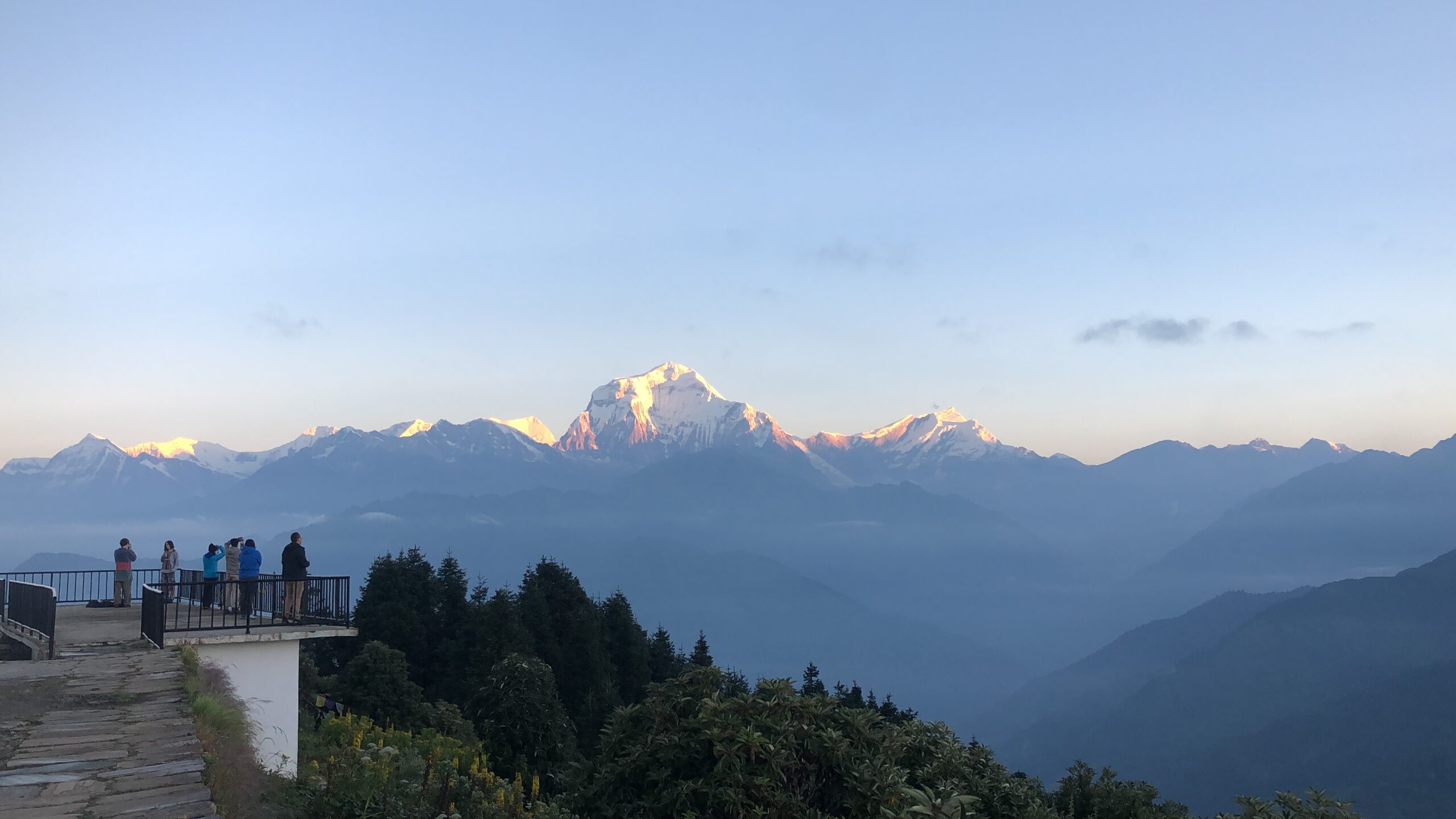
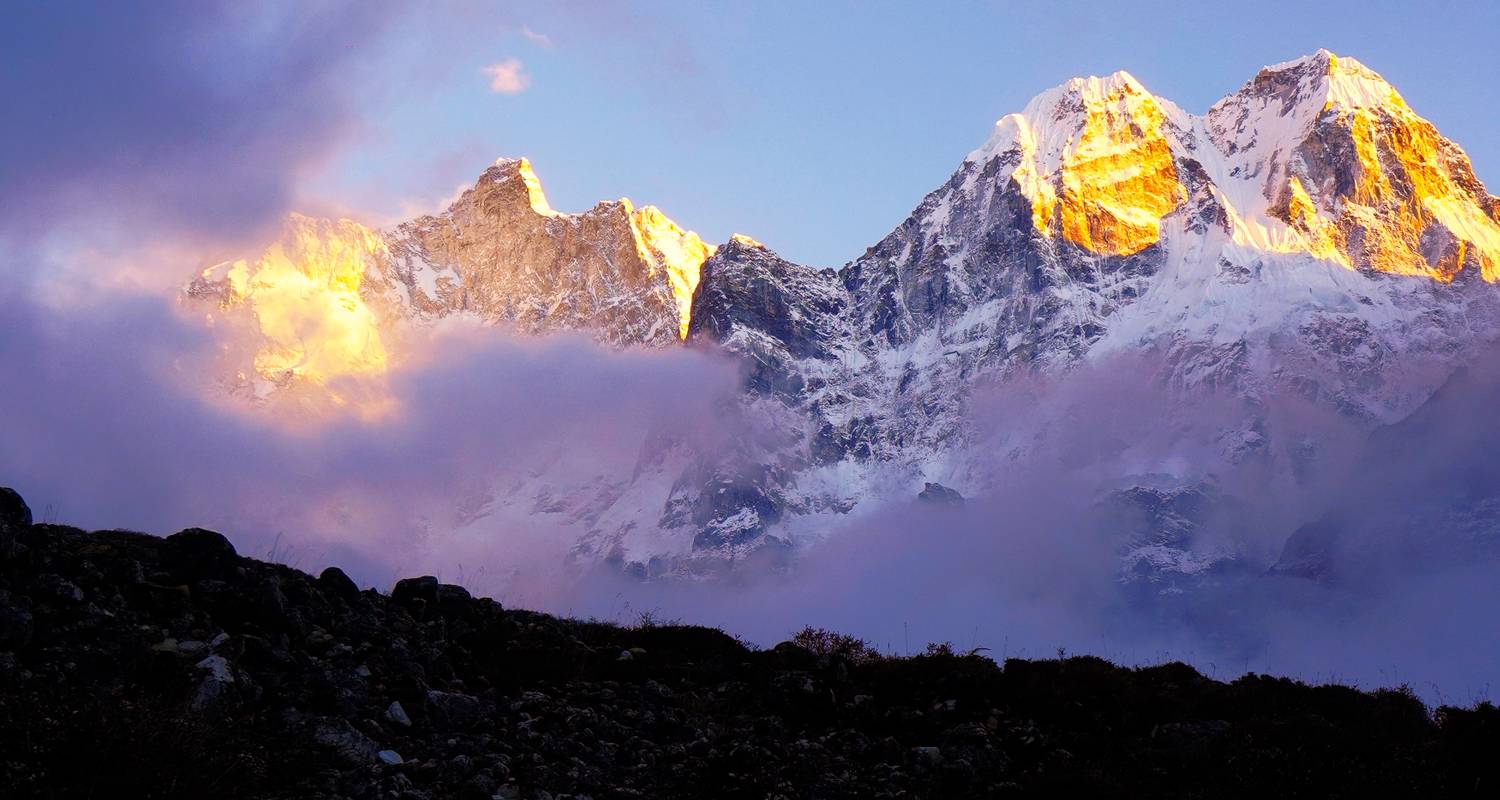
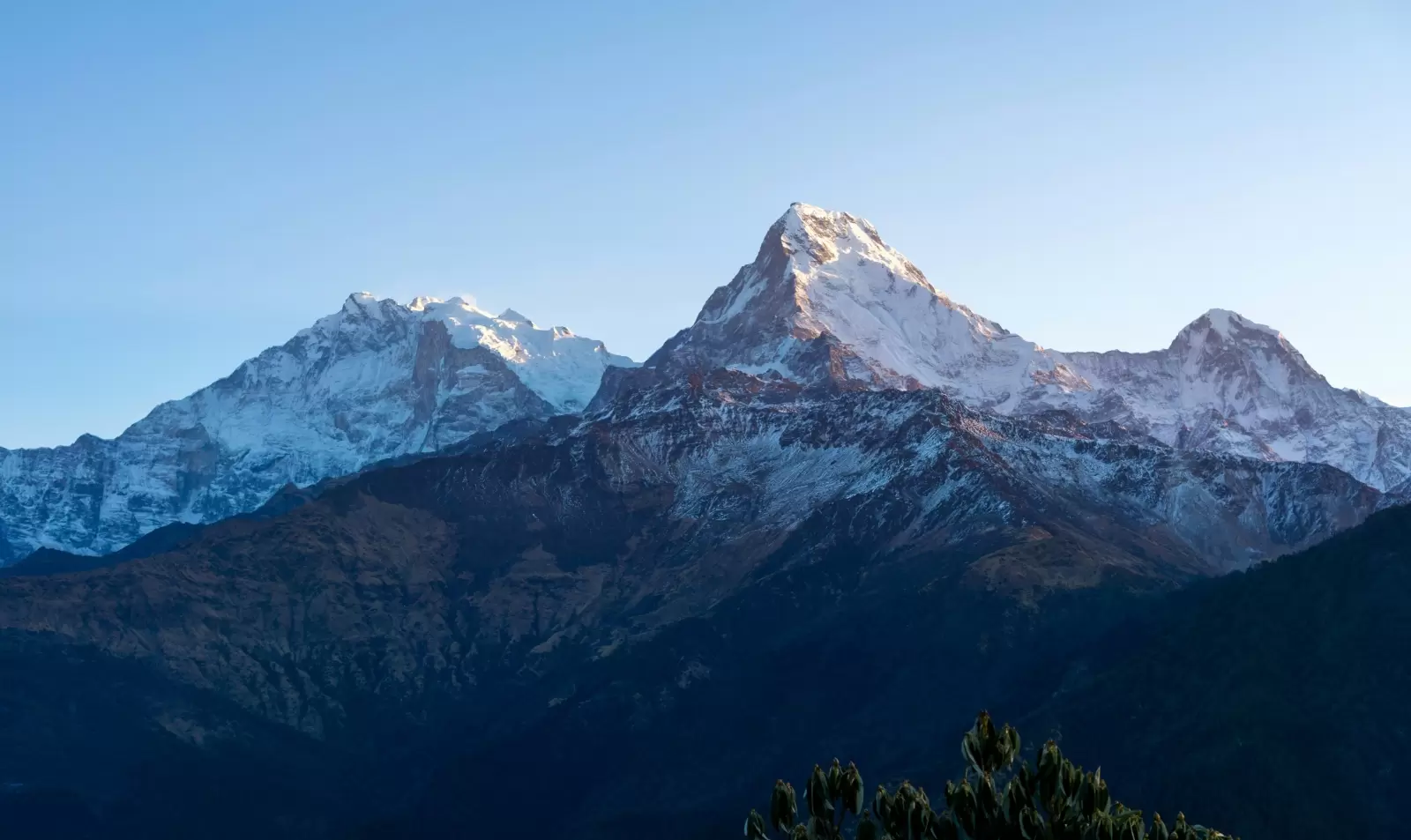
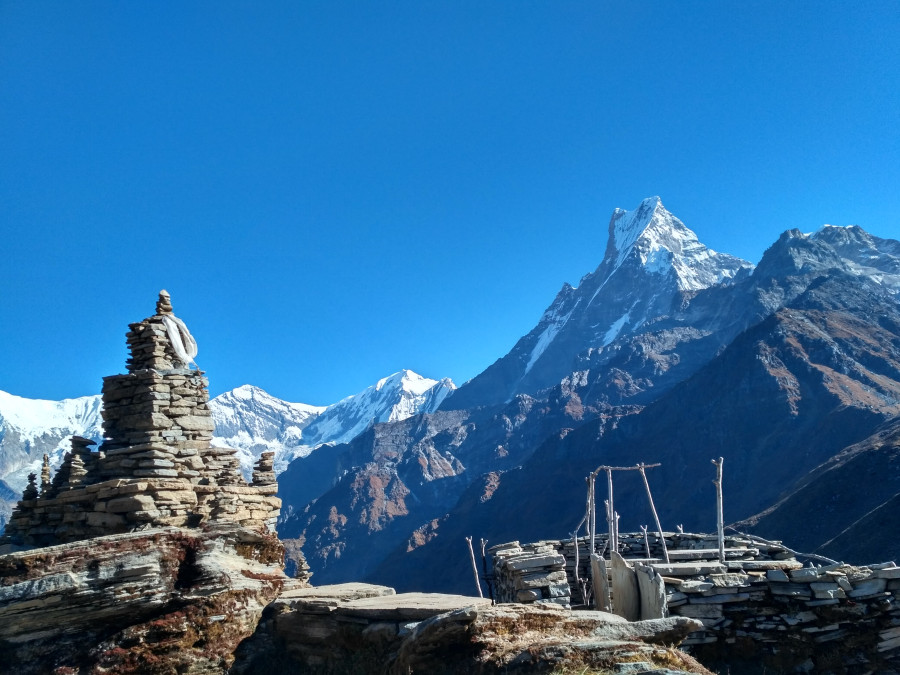
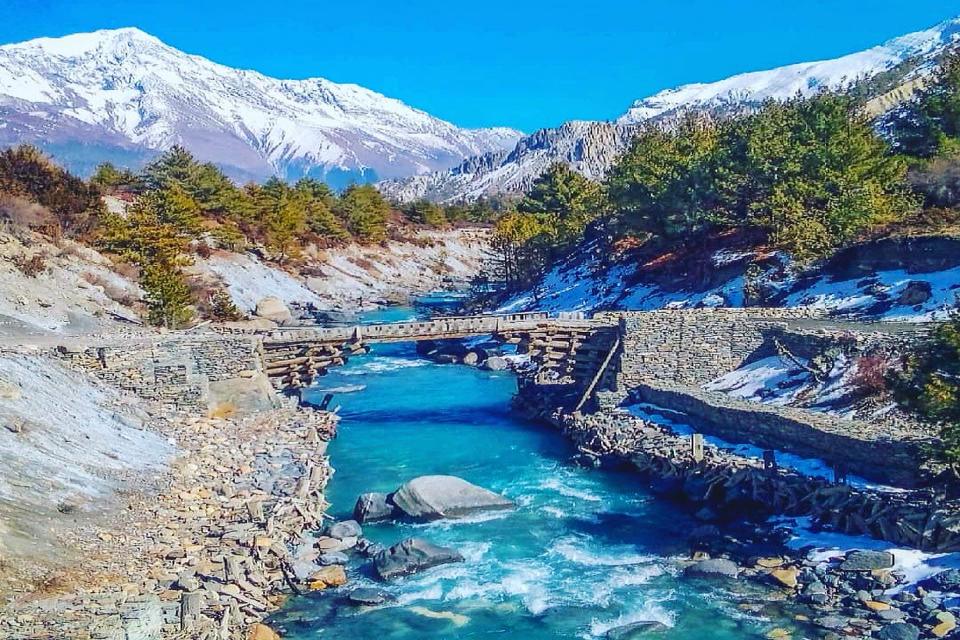
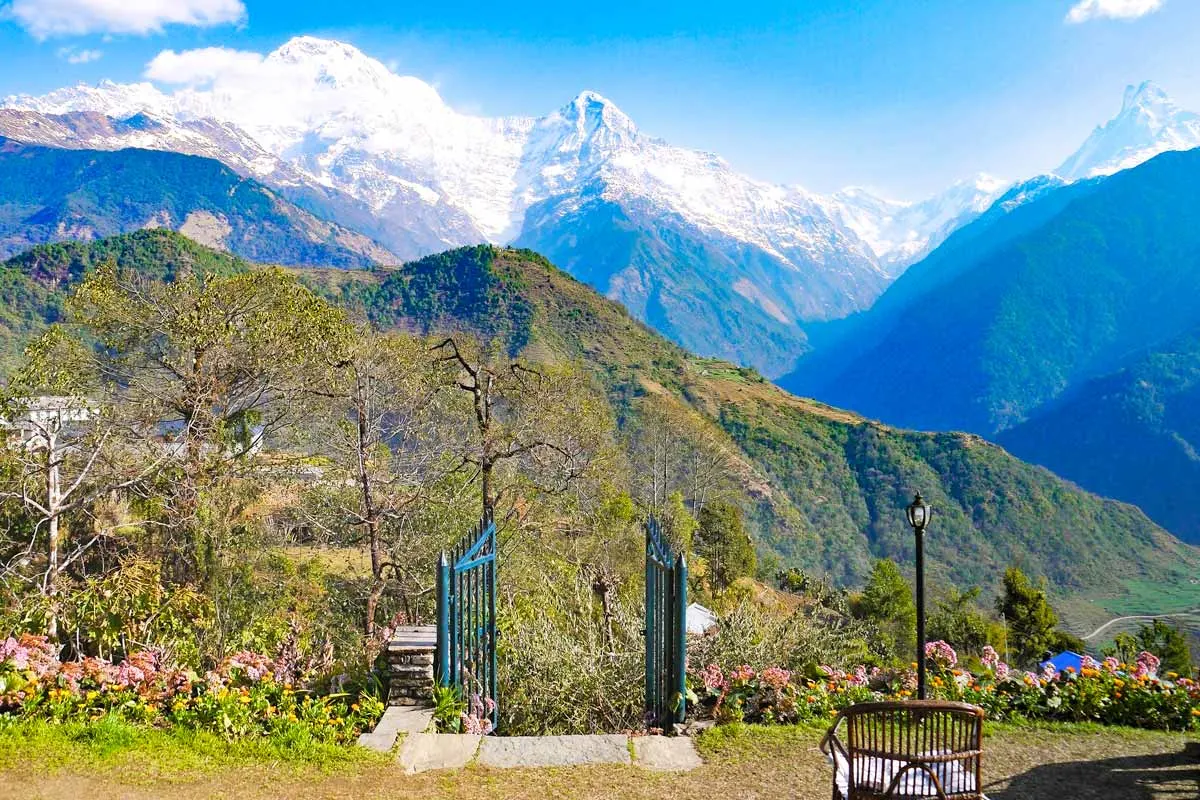
The journey begins with a scenic drive from Kathmandu to Dhunche, passing picturesque villages and terraced fields along the way. The trek gradually ascends through lush forests, rivers, and remote Tamang villages, offering an authentic glimpse into local Nepali life. Along the route, trekkers will encounter rhododendron forests in bloom, crystal-clear streams, and panoramic views of majestic Himalayan peaks including Langtang Lirung and Ganesh Himal.
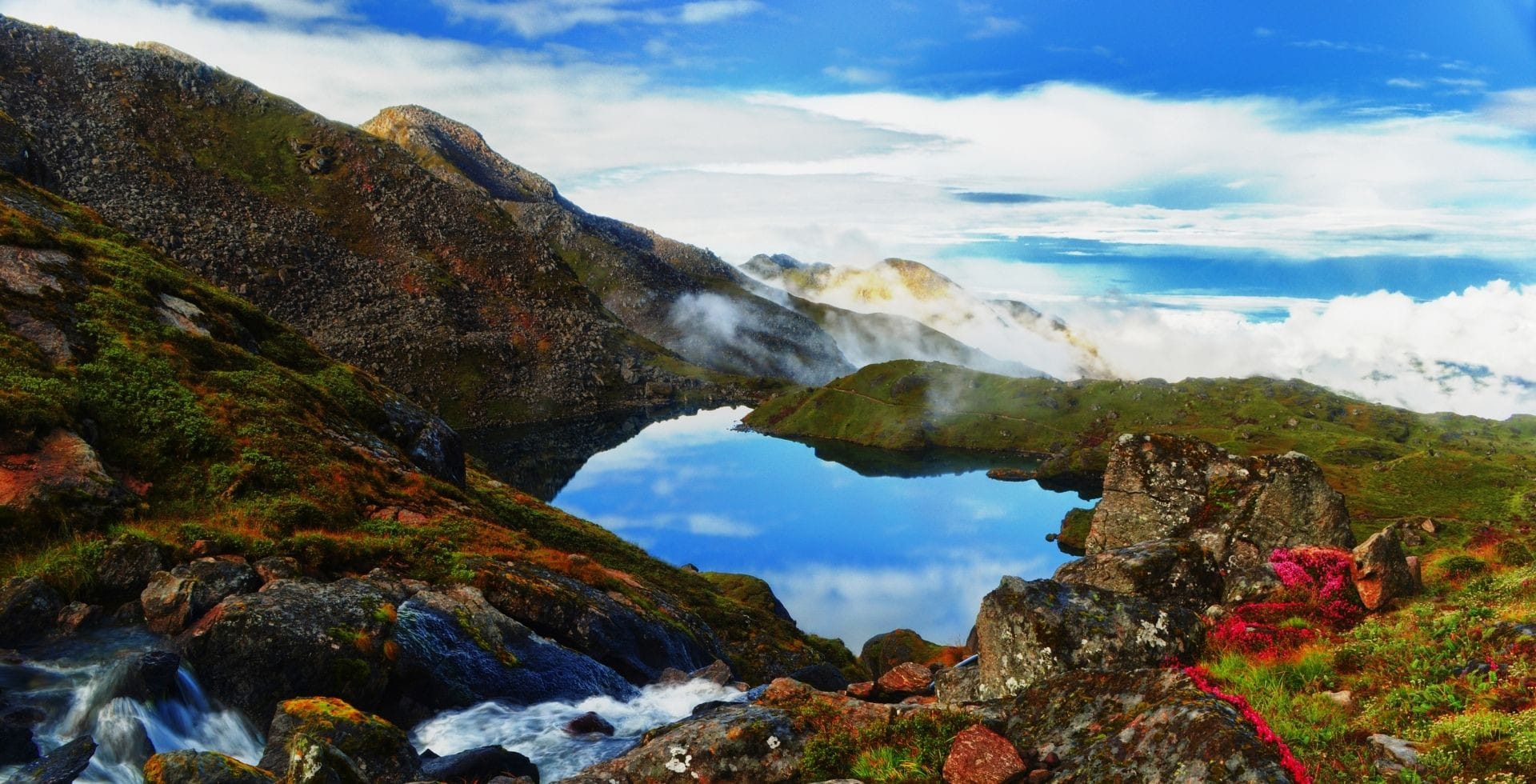
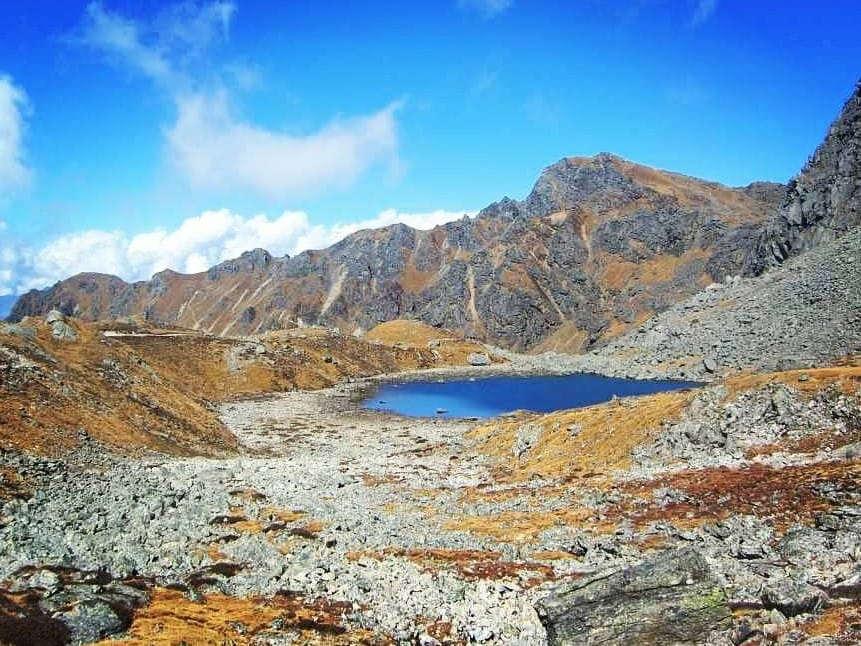
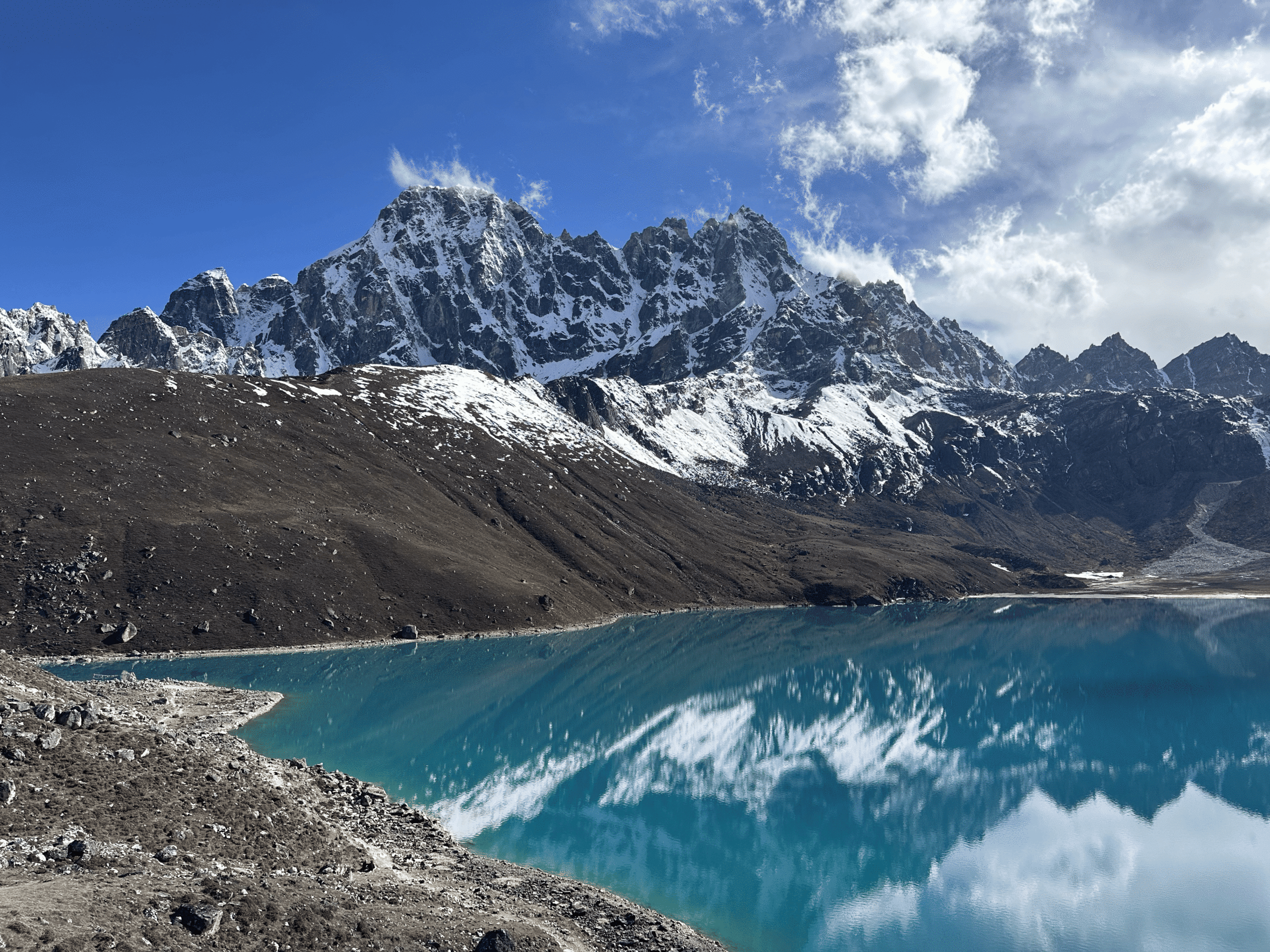
The highlight of the trek is the sacred Gosaikunda Lake, located at 4,380 meters. Pilgrims and trekkers alike are drawn to its pristine waters and spiritual significance. You will also visit nearby smaller lakes such as Saraswati Kunda and Bhairav Kunda, which are considered sacred and offer peaceful spots for reflection and photography.
This trek is suitable for those who have moderate trekking experience, are physically fit, and are prepared for high-altitude trekking. It is ideal for travelers looking for a combination of natural splendor, spiritual experiences, and cultural immersion in a short yet fulfilling adventure.
What Can You Expect from the Trek?
The Gosaikunda Lake Trek is a remarkable journey that combines spectacular natural beauty, spiritual exploration, and cultural experiences. Over seven days, you will traverse diverse landscapes that include lush forests, alpine meadows, rocky paths, and serene glacial lakes. This trek is designed to provide a well-rounded experience for trekkers seeking both adventure and immersion in Nepali culture.
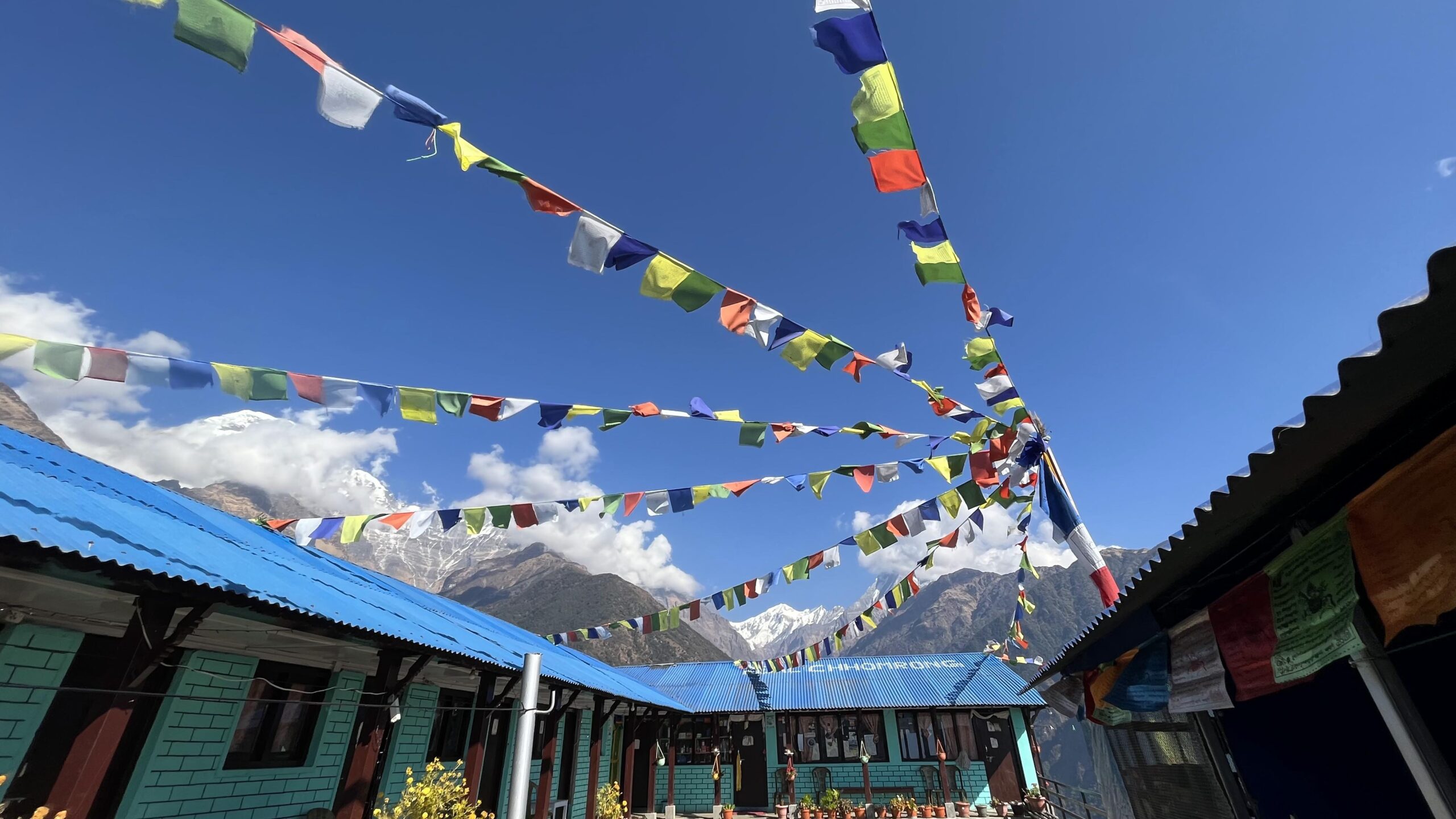
You can expect to start your trek with a scenic drive through the Trishuli Valley, offering glimpses of terraced farms, quaint villages, and local temples. As you ascend, the trail winds through Tamang and Sherpa settlements, giving you the opportunity to interact with locals, learn about their traditions, and enjoy their warm hospitality.
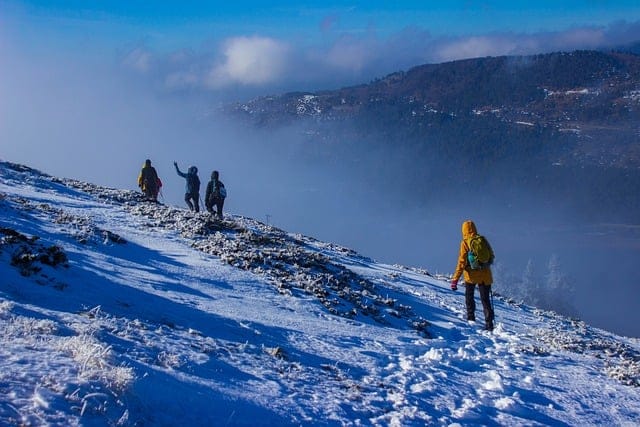
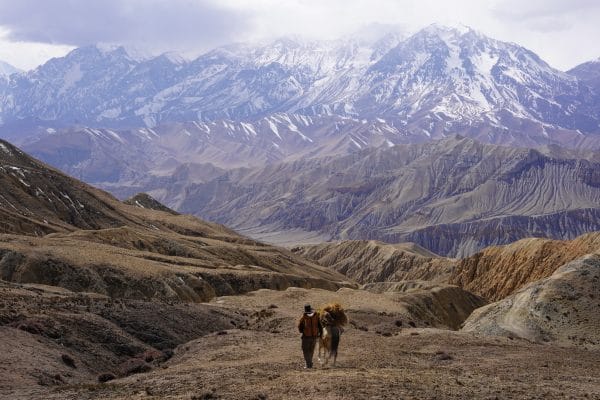
The trek gradually increases in altitude, which allows your body to acclimatize naturally. You will pass through breathtaking forests of pine and rhododendron, which bloom beautifully in spring, providing a riot of colors along the trail. Higher up, the landscape opens to snow-capped peaks, frozen lakes, and expansive alpine terrain, giving trekkers a sense of remoteness and awe-inspiring beauty.
Reaching the sacred Gosaikunda Lake, the highest point of the trek at 4,380 meters, is the highlight of this adventure. The lake is a spiritual site revered by Hindus and Buddhists, and visiting it allows trekkers to witness local rituals and connect with the region’s rich cultural heritage. Alongside Gosaikunda, you will also explore Saraswati Kunda and Bhairav Kunda, smaller but equally stunning lakes that add to the spiritual and scenic value of the trek.
Overall, you can expect a moderately challenging but immensely rewarding trek, offering a mix of physical activity, cultural encounters, spiritual experiences, and nature photography opportunities. The journey is paced to allow for acclimatization, rest, and exploration, ensuring that you enjoy the trek safely while soaking in every moment of the Himalayan adventure.
Is Trek Suitable for You?
The Gosaikunda Lake Trek is moderate in difficulty, making it suitable for trekkers who are physically active and have some experience in hiking or trekking. While it does not require technical climbing skills, it involves trekking at high altitudes, with the maximum altitude reaching 4,380 meters at Gosaikunda Lake.
This trek is ideal for:
- Adventure seekers looking for a combination of nature, culture, and spirituality.
- Moderately experienced trekkers who are comfortable walking for 5–7 hours a day on varied terrain.
- Individuals who want to explore rural Nepali life, interact with local communities, and witness traditional ceremonies.
- Trekkers who are prepared for variable weather conditions, from warm forested valleys to cold, high-altitude lake regions.
However, the trek may not be suitable for:
- People with serious medical conditions that could be affected by high-altitude trekking.
- Trekkers who are unable to walk long distances or carry personal belongings in a backpack.
- Those who are not prepared for moderately challenging terrain, including rocky trails, streams, and steep ascents.
The trek is designed to allow gradual acclimatization, with sufficient time for rest and shorter walks on higher days, making it manageable for most healthy, fit travelers.
How to Get Prepared for the Trek
Preparing for the Gosaikunda Lake Trek is essential to ensure a safe, comfortable, and enjoyable experience. Though it is a moderate trek, the high-altitude environment and changing weather conditions demand that you prepare physically, mentally, and logistically. ART Nepal Treks & Expedition recommends the following:
Physical Fitness
Cardiovascular Training: Engage in exercises like running, cycling, or swimming at least 3–4 times per week. Cardiovascular endurance is critical for walking long hours on steep and uneven trails.
Strength Training: Focus on strengthening your legs, core, and back with exercises such as squats, lunges, step-ups, planks, and weighted backpack hikes. A strong core helps maintain balance on rocky and uneven terrain.
Practice Treks: If possible, practice hiking with a backpack of 5–8 kg to simulate trekking conditions. Include uphill and downhill walking to prepare your knees and ankles.
Mental Preparation
Trekking at high altitudes can be challenging both physically and mentally. Prepare yourself for:
- Variable weather: Temperatures may vary from warm valleys to cold, windy high-altitude areas.
- Fatigue: Long trekking days may test your endurance; maintaining a positive attitude is key.
- Limited facilities: Some tea houses have basic amenities, so flexibility and patience are important.
Gear and Clothing
Layered Clothing: Dress in layers so you can adjust to changing temperatures:
- Base layers (moisture-wicking thermal tops and bottoms)
- Mid-layers (fleece jackets or wool sweaters)
- Outer layers (waterproof and windproof jackets and pants, insulated down jacket for cold)
Footwear: Waterproof trekking boots with ankle support are essential. Break in your boots before the trek to prevent blisters.
Accessories: Sunglasses, gloves, a warm hat, sun hat, and a scarf or buff for wind protection.
Acclimatization
Gradual Ascent: Follow the itinerary’s recommended pace. Avoid ascending too quickly to prevent acute mountain sickness (AMS).
Hydration: Drink 3–4 liters of water daily, and consider electrolyte supplements to maintain balance.
Rest: Listen to your body. Rest during longer stops or tea house breaks, and avoid overexertion on higher altitude days.
Health Check-up
Consult your doctor for a pre-trek health assessment. Discuss:
- Cardiovascular and respiratory fitness
- Altitude sickness prevention
- Medications to carry (e.g., Diamox)
- Vaccinations, if required
Travel Insurance
Obtain comprehensive travel insurance that covers:
- High-altitude trekking
- Emergency medical evacuation
- Accidents and injuries
- Trip cancellations or delays
With this preparation, you will be able to enjoy the trek comfortably while minimizing risks and fully immerse yourself in the beauty, spirituality, and culture of the Gosaikunda region.