


Kalinchowk Bhagwati Trek – 3 Days Adventure
Introduction
The Kalinchowk Bhagwati Trek is one of the most popular short trekking experiences in Nepal, offering a perfect blend of natural beauty, cultural significance, and adventure within a short time frame. Located northeast of Kathmandu, this 3-day journey takes you from the busy capital city to the peaceful hill village of Kuri and up to the sacred Kalinchowk Bhagwati Temple. Despite its short duration, the trek provides a complete Himalayan experience, making it ideal for both beginners and those looking for a quick escape from city life.
The journey begins with a scenic drive from Kathmandu, passing through winding mountain roads, terraced farmland, and traditional Nepali settlements. As you travel further, the environment gradually shifts from urban surroundings to fresh mountain air and open landscapes. The drive itself is an enjoyable part of the experience, offering continuous views of hills, rivers, and countryside life. Upon reaching Kuri Village, you are welcomed by a peaceful atmosphere and cool climate, setting the stage for the adventure ahead.
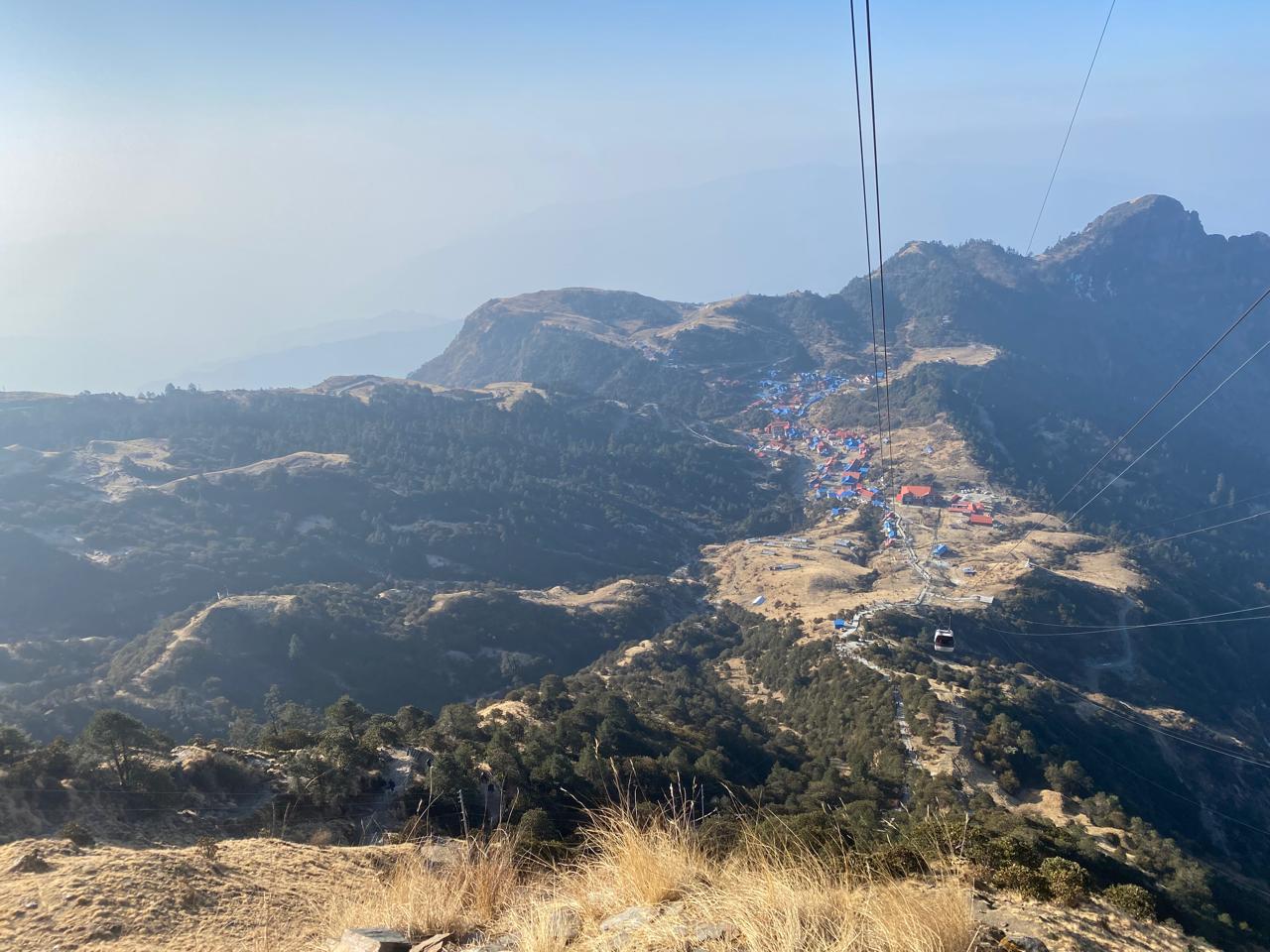
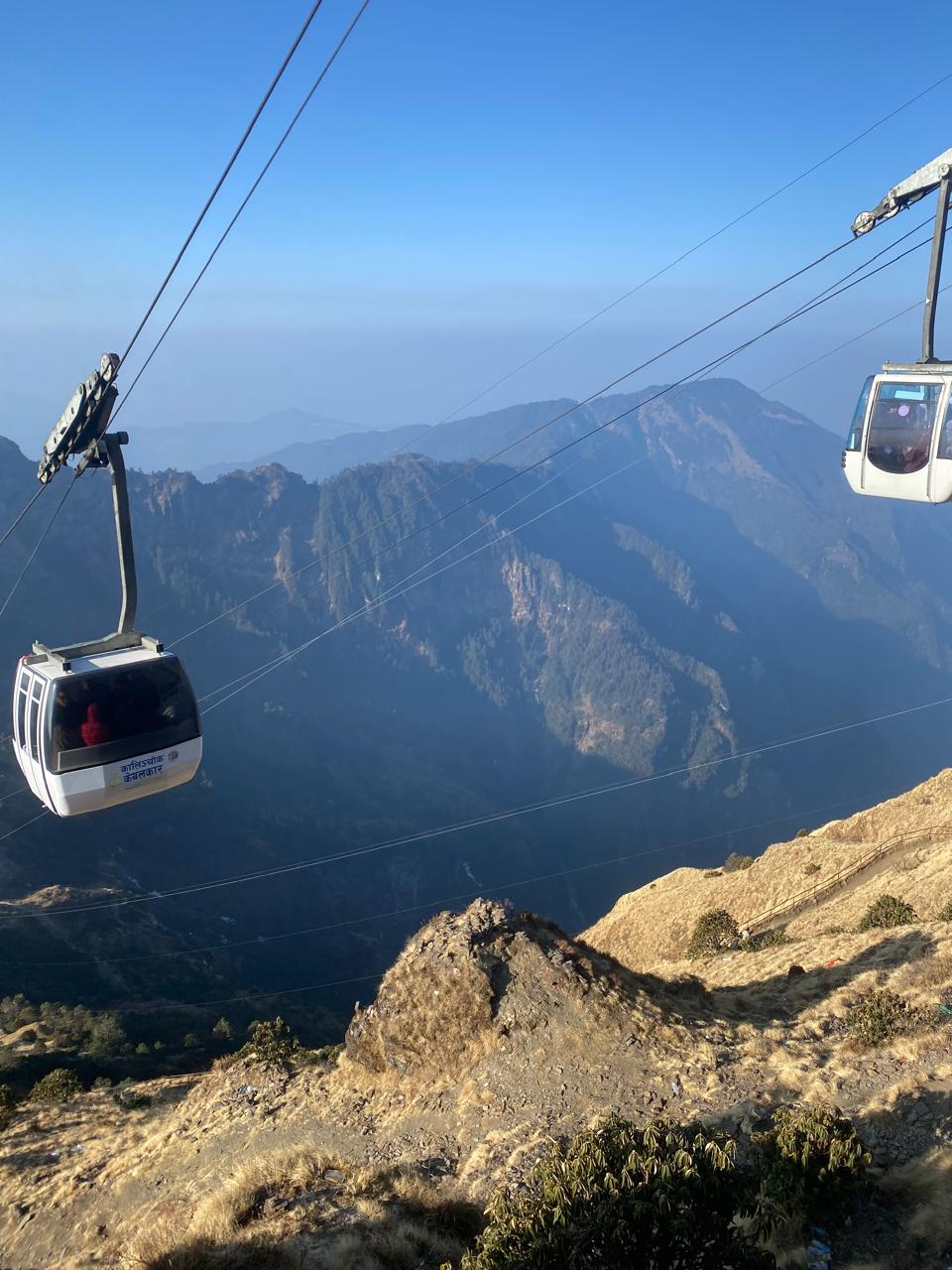
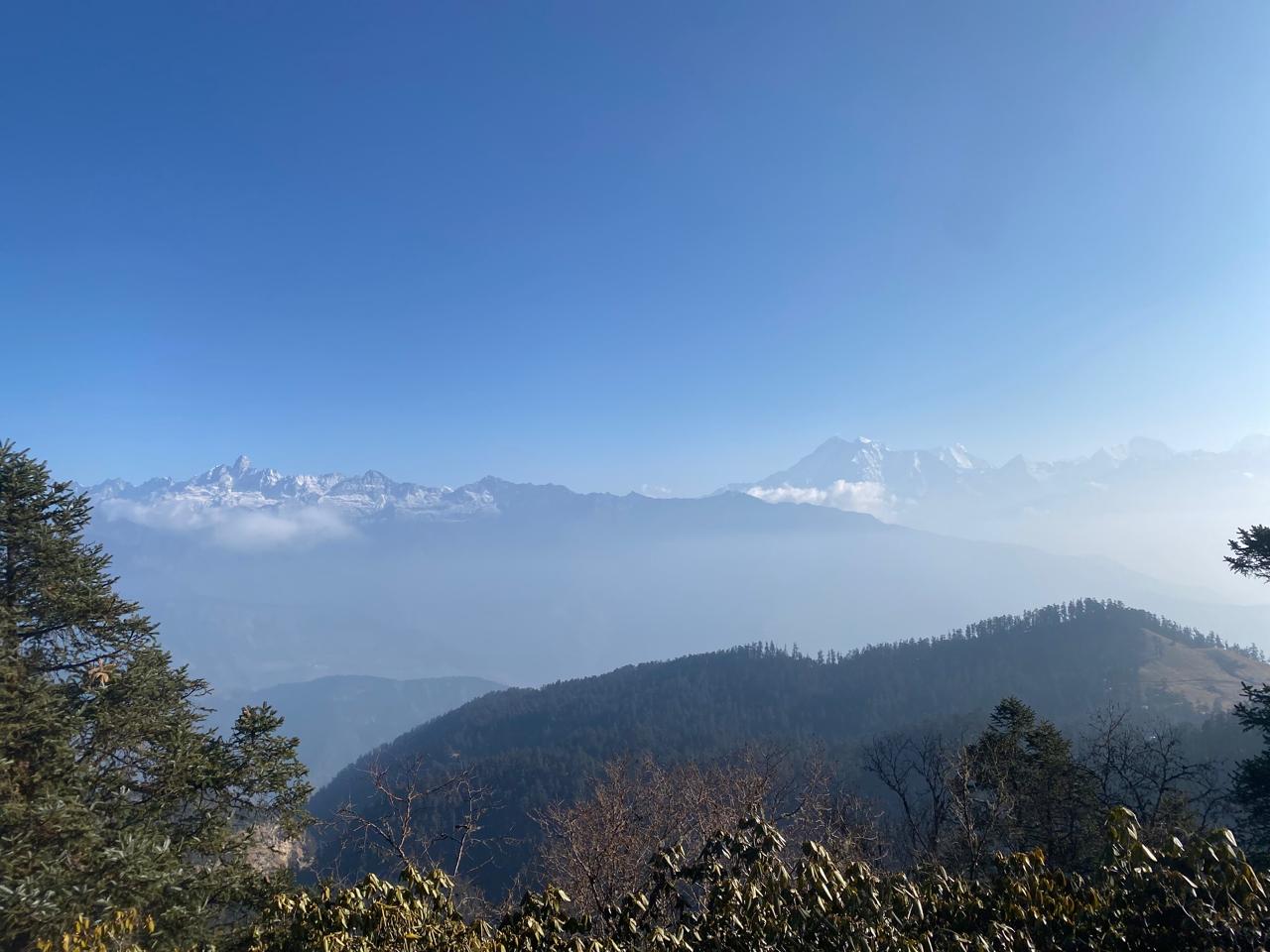
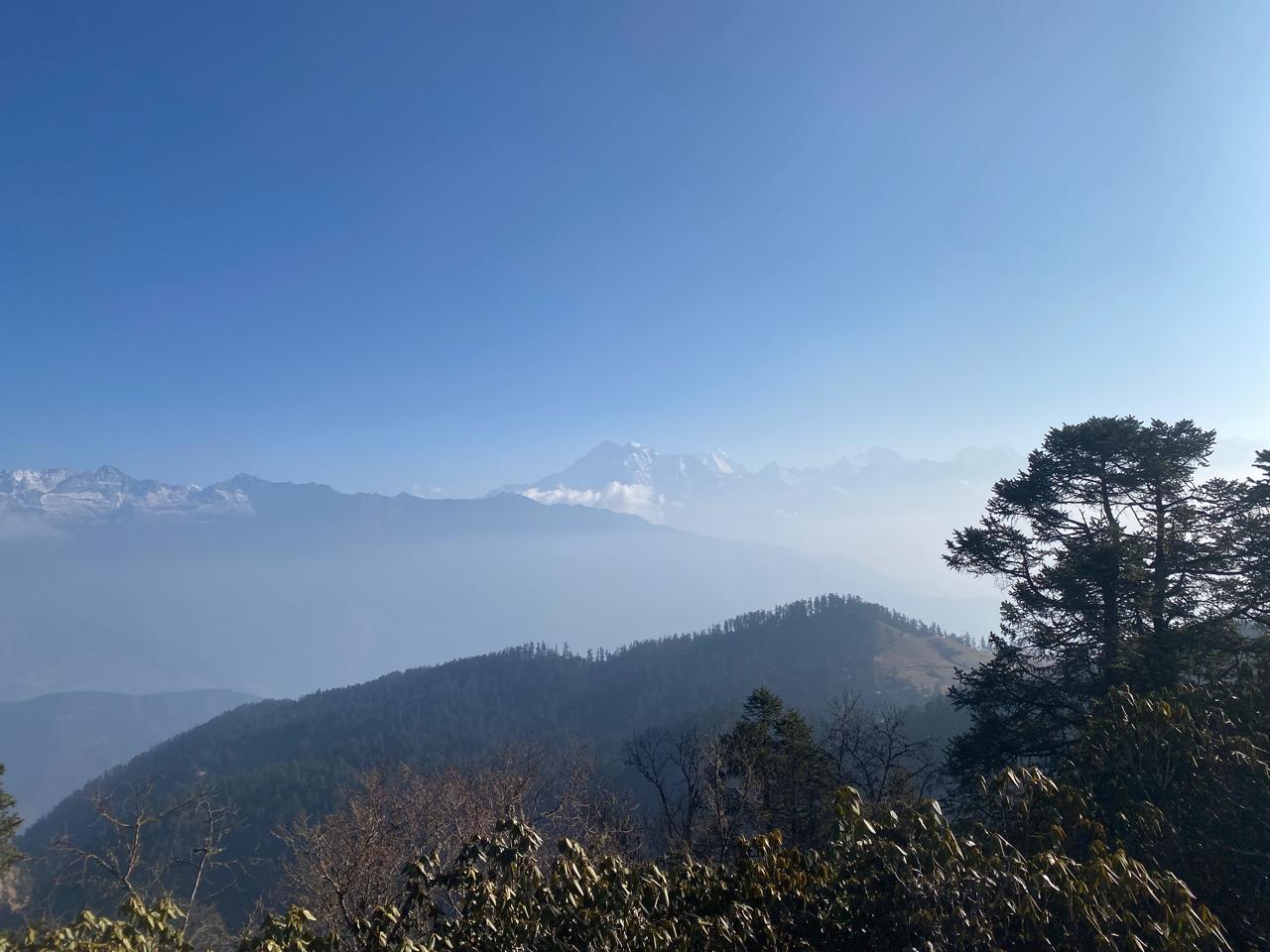
The highlight of the trek is the visit to Kalinchowk Bhagwati Temple, located at an altitude of 3,842 meters. This sacred site holds deep religious importance for both Hindu and Buddhist pilgrims. The hike to the temple is short but rewarding, offering panoramic views of the Himalayan range. For those who prefer a more relaxed experience, a cable car option is available, providing a comfortable and scenic ride to the top. At the summit, the combination of spiritual energy and breathtaking scenery creates a truly memorable experience.
The trek also offers a chance to witness one of the most beautiful sunrises in the region. Early morning views of the Himalayas glowing under golden sunlight create a magical atmosphere that leaves a lasting impression. The peaceful environment, fresh air, and natural beauty make this trek not only physically refreshing but also mentally relaxing. It is a perfect opportunity to disconnect from daily routines and reconnect with nature.
Organized by ART Nepal Treks & Expedition, this short trek ensures a comfortable and well-managed experience from start to finish. With proper planning, experienced guidance, and attention to detail, every aspect of the journey is designed to provide safety, enjoyment, and unforgettable memories. Whether you are a beginner or a seasoned traveler, this trek offers a perfect introduction to the beauty of the Himalayas.
What Can You Expect From the Trek?
The Kalinchowk Bhagwati Trek offers a refreshing and accessible Himalayan experience that combines scenic beauty, cultural exploration, and light adventure. From the moment you leave Kathmandu, you will notice a gradual shift in the environment, as the busy city is replaced by peaceful countryside and mountain landscapes. The journey is comfortable yet engaging, making it suitable for travelers who want to experience the mountains without committing to a long or physically demanding trek.
As you move through the trek, you can expect stunning natural views at every stage. The trail from Kuri Village to Kalinchowk Temple offers beautiful scenery, including forests, open hills, and distant snow-capped peaks. The hike is relatively short, making it enjoyable for trekkers of all levels. The option of a cable car adds flexibility, allowing travelers to choose between adventure and comfort based on their preference.
Culturally, the trek provides a meaningful experience through the visit to Kalinchowk Bhagwati Temple. This sacred site attracts pilgrims from across the country, offering a unique opportunity to observe local traditions, rituals, and spiritual practices. Combined with the peaceful mountain environment, the trek creates a balanced experience of nature and culture, making it both relaxing and enriching.
Key Experiences on the Trek
- Easy Himalayan Experience:
A short and accessible trek suitable for beginners. - Scenic Landscapes:
Hills, forests, and mountain views throughout the journey. - Spiritual Visit:
Explore a sacred temple with cultural significance. - Flexible Travel Option:
Choice between hiking and cable car ride. - Sunrise Views:
Beautiful early morning views of the Himalayas.
Is Trek Suitable for You?
The Kalinchowk Bhagwati Trek is suitable for a wide range of travelers, including beginners, families, and those with limited trekking experience. The overall difficulty is easy to moderate, making it accessible to most people with a basic level of fitness. The short duration and manageable walking distance make it an excellent choice for those who want to enjoy the mountains without facing extreme physical challenges.
This trek is especially ideal for individuals looking for a quick escape from the busy city life of Kathmandu. Within just a few days, you can experience fresh mountain air, scenic views, and a peaceful environment. The availability of a cable car option also makes it suitable for those who may not be comfortable with hiking at higher altitudes. This flexibility ensures that everyone can enjoy the experience at their own pace.
At the same time, the trek still offers a sense of adventure and achievement. Walking to the temple, enjoying the sunrise, and exploring the surroundings provide a fulfilling experience. Whether you are traveling solo, with friends, or with family, this trek offers a perfect balance of comfort, culture, and natural beauty.
Suitable Trekkers Should:
- Have Basic Fitness:
Able to walk for a few hours on uphill trails. - Be Open to Light Adventure:
Enjoy short hikes and outdoor activities. - Seek Short Getaway:
Perfect for quick trips from Kathmandu. - Prefer Flexible Options:
Can choose between hiking or cable car. - Enjoy Nature & Culture:
Appreciate mountain views and spiritual sites.
How to Get Prepared for the Trek
Preparing for the Kalinchowk Bhagwati Trek is simple compared to longer high-altitude treks, but a basic level of readiness can make your experience more comfortable and enjoyable. Since the trek involves travel to higher elevations and some uphill walking, it is helpful to stay active and engage in light physical activities such as walking or short hikes before the trip. This helps your body adjust more easily and reduces fatigue during the trek.
Clothing and gear are also important, especially since the weather in Kalinchowk can change quickly. Even though the trek is short, temperatures can drop significantly, particularly in the early morning and evening. Carrying warm clothing, comfortable trekking shoes, and essential items like gloves and hats ensures that you stay comfortable throughout the journey.
Mental preparation is equally important. This trek is meant to be relaxing and enjoyable, so maintaining a positive attitude and being flexible with plans will enhance your experience. Whether you choose to hike or take the cable car, the goal is to enjoy the natural beauty and peaceful environment. Proper planning, light packing, and a relaxed mindset will help you make the most of this short Himalayan adventure.
Preparation Checklist
- Light Physical Activity:
Walking or short hikes before the trip. - Warm Clothing:
Layers suitable for cold weather conditions. - Comfortable Footwear:
Good trekking shoes for walking. - Basic Essentials:
Water, snacks, and personal items. - Positive Mindset:
Be flexible and enjoy the journey.
-
Trip Duration
3 Days / 2Nights
-
Group Size
1–20 People
-
Maximum Altitude
3,842 meters
-
Trip Difficulty
Easy to Moderate
-
Activities
Trekking / Hiking / Cable Car Ride
-
Best Season
All Year Round
-
Trip Start & End
Kathmandu /Kathmandu
-
Meals
Breakfast, Lunch, Dinner
-
Accomodation
Lodge / Hotel
Highlights
- Scenic Countryside Drive:
Enjoy a beautiful journey through hills, rivers, terraced farms, and traditional villages. - Spiritual Experience:
Visit the sacred Kalinchowk Bhagwati Temple, a popular pilgrimage site. - Optional Cable Car Ride:
Experience a short and scenic cable car journey with stunning mountain views. - Panoramic Himalayan Views:
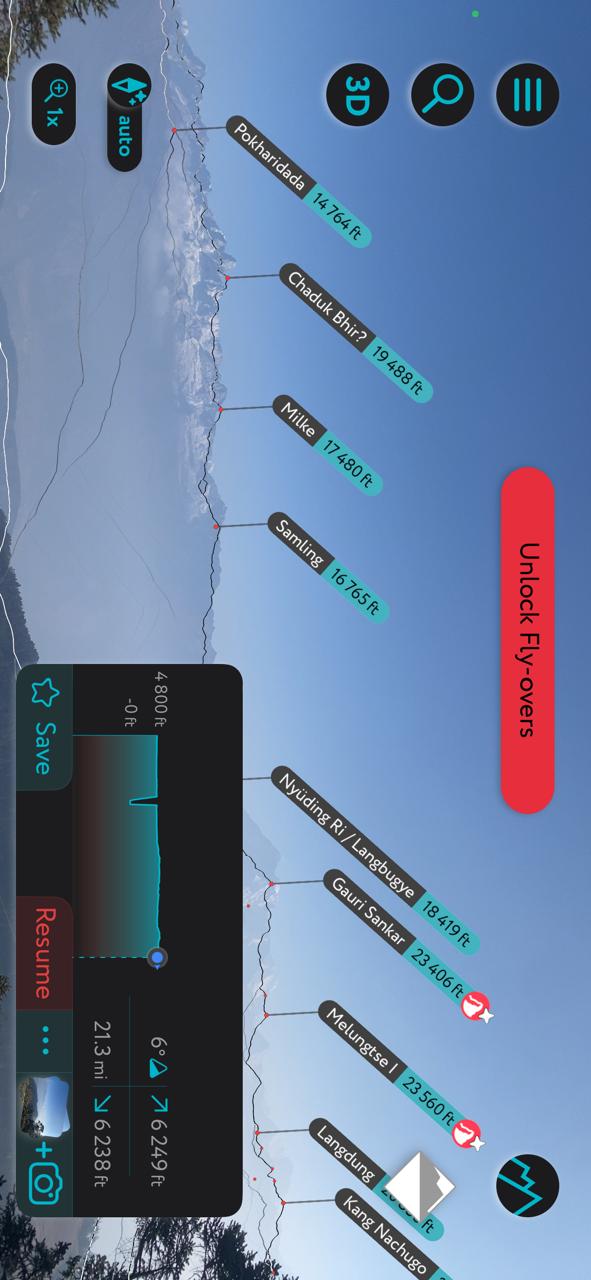
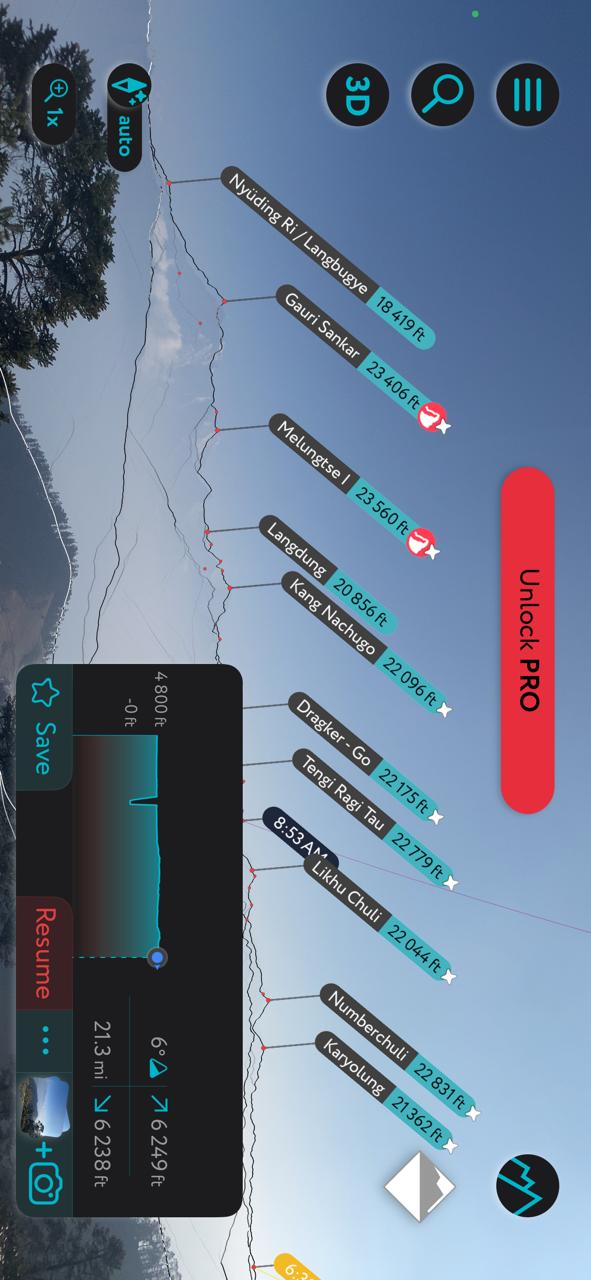
Witness breathtaking views of snow-capped peaks including Mount Gaurishankar. - Sunrise Experience:
Enjoy a magical sunrise over the Himalayas with golden mountain views. - Short Himalayan Escape:
Perfect quick getaway from Kathmandu with nature, culture, and adventure.
Itinerary
Day 01
Your adventure begins early in the morning with a drive from Kathmandu towards Kuri Village, a charming hill settlement known for its fresh mountain air and natural beauty. The drive takes approximately 7–8 hours, passing through winding mountain roads that offer continuous glimpses of terraced farmlands, rivers, and small traditional villages. You will notice how the scenery gradually transforms as you leave behind the urban bustle of Kathmandu, with lush green hills replacing concrete and asphalt. Along the way, there are opportunities to pause for photography and enjoy local snacks from roadside tea stalls, giving you a taste of rural life in Nepal.
As you approach Kuri Village, the air becomes noticeably fresher, and the surrounding mountains start to appear in the distance. Upon arrival, you will check into a cozy lodge or guesthouse, designed to provide warmth and comfort after a long day on the road. In the evening, enjoy a traditional Nepali dinner, interact with the friendly locals, and prepare for the trek to Kalinchowk Bhagwati Temple the following day. The overnight stay in Kuri Village not only allows you to rest but also gives you a chance to acclimatize to the elevation and appreciate the serene environment.
Trip Duration:
7–8 hrs driveTrip Distance:
N/A (drive day)Altitude:
1,450 mMeal:
Breakfast, Lunch, DinnerAccomodation :
LodgeDay 02
On the second day, you start early to make the most of your trek to the iconic Kalinchowk Bhagwati Temple. The hike is approximately 2–3 hours, with a steady ascent through mixed terrain, including forested trails, open hillsides, and some rocky paths near the summit. The trail is relatively gentle compared to high-altitude treks, but it rewards trekkers with magnificent views of the surrounding snow-capped peaks, including Mount Gaurishankar and other Himalayan giants. Along the way, you may spot local wildlife, birds, and traditional terraced farms, providing opportunities to connect with nature and the rural Himalayan lifestyle.
For those who prefer a more relaxed ascent, there is a cable car option available. The short cable car ride is not only convenient but also provides panoramic aerial views of the mountains, forests, and valleys below. Once at the top, spend time exploring the sacred Kalinchowk Bhagwati Temple, a significant pilgrimage site attracting devotees from all over Nepal. Take photos, enjoy the peace and spiritual energy of the temple surroundings, and soak in breathtaking 360-degree views of the Himalayas. After the exploration, descend back to Kuri Village for an overnight stay, sharing stories of the day’s adventure and enjoying a hot meal.
Trip Duration:
2–3 hrs hike or 15–20 min cable car rideTrip Distance:
6–8 kmAltitude:
3,842 mMeal:
Breakfast, Lunch, DinnerAccomodation :
LodgeDay 03
The final day of your trek begins before sunrise to capture the spectacular Himalayan sunrise from either the viewpoint near the temple or around Kuri Village. Watching the first golden rays illuminate the snow-capped peaks is an unforgettable experience that offers both serenity and a sense of accomplishment. The crisp morning air, quiet surroundings, and panoramic mountain views create a moment of reflection and beauty that stays with trekkers long after the journey.
After witnessing the sunrise, return to your lodge for breakfast and prepare for the drive back to Kathmandu. The return journey takes approximately 7–8 hours, tracing the same scenic routes with opportunities to stop for photos, refreshment, or a short walk in the villages along the way. By late afternoon or evening, you will arrive in Kathmandu with wonderful memories of your short but enriching Himalayan adventure. This trek provides an ideal combination of adventure, spiritual exploration, and relaxation, making it a perfect short escape from the city.
Trip Duration:
7–8 hrs driveTrip Distance:
Optional short morning hike to viewpointAltitude:
1,450 mMeal:
Breakfast, LunchAccomodation :
N/A (return home)What's Included
- Experienced guide and necessary permits
- Accommodation in lodges / guesthouses as mentioned
- All meals during the trek (Breakfast, Lunch, Dinner)
- Ground transportation (Kathmandu to Kuri Village and return)
- Cable car ticket (optional, if included in the package)
- ART Nepal Treks & Expedition support and logistics
What's Excluded
- Personal expenses (snacks, drinks, souvenirs)
- Travel insurance
- Tips for guide or staff
- Porters: Optional, though recommended for carrying heavy luggage ($22 per porter per day). A porter can carry up to 20 kg, and it is advisable to hire one porter for every two trekkers for comfort and convenience.
Essential Info
Add-Ons
The Kalinchowk Bhagwati Trek, though short, offers several opportunities to enhance your experience beyond the basic itinerary. These add-ons are designed to give trekkers a more immersive journey, combining adventure, culture, and photography with spiritual exploration. By taking advantage of these options, you can create a more personalized and memorable trip. Each add-on provides additional experiences that enrich your understanding of the region, its people, and the Himalayan environment.
One popular add-on is extended village exploration. While trekking, you pass through charming hill settlements and terraced farmland, where you can interact with locals and learn about their daily lives. This includes observing traditional agricultural practices, witnessing unique festivals or rituals if your visit coincides with them, and exploring homes, schools, and community spaces. Spending more time in these villages allows you to connect with the local culture, gain insights into rural Nepali life, and even participate in hands-on activities such as helping with farm chores or learning local crafts.
Another exciting option is a photography and scenic tour. The trek is filled with breathtaking landscapes, from snow-capped peaks to terraced fields and pristine rivers. By dedicating extra time to photography, you can capture these moments in different lighting conditions, such as sunrise over the mountains or golden hour reflections in the valleys. Experienced guides can help you locate the best viewpoints and provide tips for framing your shots. Some trekkers also opt for a guided photography session near Kalinchowk Bhagwati Temple to get unique perspectives of the temple with the Himalayan backdrop.
For travelers interested in spirituality, the trek offers extended spiritual experiences. You can spend additional time at the Kalinchowk Bhagwati Temple, observing rituals, participating in prayer ceremonies, or meditating in the serene temple surroundings. The temple is a significant pilgrimage site, and engaging more deeply with its spiritual environment can provide a sense of peace and personal reflection. Some travelers even choose to attend early morning or evening aarti (prayer) sessions to witness the traditional offerings and chants, which creates a unique spiritual atmosphere.
Food enthusiasts may also take advantage of a local cuisine experience add-on. Many lodges and villages along the trek offer home-cooked meals made with locally sourced ingredients. By participating in a cooking session or visiting local kitchens, you can learn how to prepare traditional Nepali dishes, such as dal bhat (lentils and rice), momo (dumplings), and sel roti (rice flour doughnuts). This provides not only a culinary adventure but also an intimate glimpse into the food culture and hospitality of the region.
For those looking for extra adventure, optional side treks and viewpoints can be included. These may involve short hikes to nearby peaks, ridgelines, or scenic viewpoints that are not part of the standard itinerary. These add-ons provide incredible panoramic views of the Himalayas, including peaks like Gaurishankar, Jugal Himal, and other lesser-known mountains. Trekkers can choose a guided short hike to these locations, making their experience more adventurous and rewarding.
Add-On Options Summary:
- Extended Village Exploration – Interact with locals, observe traditional lifestyles, and participate in community activities.
- Photography & Scenic Tours – Capture sunrise, golden hour, and panoramic Himalayan views with guided tips.
- Extended Spiritual Experiences – Participate in temple rituals, meditation, and early morning aarti sessions.
- Local Cuisine Experience – Learn to cook and taste authentic Nepali dishes with home-cooked meals.
- Side Treks & Viewpoints – Optional short hikes to nearby peaks or viewpoints for panoramic mountain views.
These add-ons are flexible and can be customized according to your preferences, time, and interests. They not only enhance the trek but also make your journey unique, combining adventure, culture, and spirituality in one short but memorable experience.
Best Season to Trek
Choosing the right season is essential for making your Kalinchowk Bhagwati Trek safe, comfortable, and visually stunning. Each season in Nepal offers a unique experience, from the snowy winter landscapes to the lush greenery of the monsoon. Understanding the seasonal variations will help you plan your trek to match your preferences, whether you are seeking clear Himalayan panoramas, vibrant cultural experiences, or quieter trails with fewer tourists.
Spring (March to May)
Spring is one of the most popular times for trekking in Nepal, and Kalinchowk is no exception. During this season, the weather is generally warm and stable, making it ideal for walking comfortably and enjoying the views. The rhododendron forests along the trails bloom in vibrant reds, pinks, and whites, creating a spectacular natural carpet that adds color to your photographs. Snow still lingers on higher peaks, offering a combination of lush green valleys and snowy mountain vistas. The days are longer, giving trekkers more daylight to explore and take in the scenery. Wildlife is also more active in spring, and you may spot various birds and small mammals along the trail.
- Temperature: Daytime 12–18°C, nighttime 3–8°C
- Highlights: Blooming rhododendrons, clear skies, long daylight hours
- Special Tip: Carry a light jacket for mornings and evenings, and sunglasses for the bright sunlight reflecting off the snow.
Summer/Monsoon (June to August)
Summer, which coincides with the monsoon, brings heavy rainfall across Nepal. While the hills around Kalinchowk receive moderate rain, the landscapes become incredibly lush and green. Rivers and waterfalls swell, creating beautiful scenes along the trek. This season is less crowded, offering a more peaceful trekking experience. However, trekkers should be prepared for muddy trails, occasional landslides, and wet conditions, which can make hiking more challenging. Trekkers choosing this season often enjoy the refreshing air, cooler temperatures at high altitudes, and the vibrant life of rural villages during the planting season.
- Temperature: Daytime 15–20°C, nighttime 7–12°C
- Highlights: Lush green valleys, fewer tourists, refreshing rain-soaked landscapes
- Special Tip: Waterproof trekking boots, raincoat, and proper rain covers for backpacks are essential.
Autumn (September to November)
Autumn is considered the best trekking season in Nepal, offering clear skies, mild temperatures, and stable weather. This is an ideal time for capturing panoramic Himalayan views, as the post-monsoon air is crisp and clean. Trails are dry, and the landscapes are at their most vibrant, with terraced fields and forests looking lush. The popularity of this season means the trails may be busier, but the breathtaking views of peaks like Gaurishankar and surrounding ranges make it worthwhile. Autumn is also festival season in Nepal, allowing trekkers to experience local celebrations in villages along the way.
- Temperature: Daytime 14–18°C, nighttime 5–10°C
- Highlights: Clear Himalayan vistas, mild weather, festive village life
- Special Tip: Early booking of accommodations is recommended due to peak season crowds.
Winter (December to February)
Winter brings snow to higher elevations and crisp, cold air, creating a magical landscape, especially around Kalinchowk Bhagwati Temple. The trails are quieter, offering solitude and peaceful trekking conditions. Snow-covered peaks create a striking contrast with the deep blue skies, providing excellent photography opportunities. However, temperatures drop significantly, particularly at higher altitudes, and some trails may be slippery or partially covered in snow. Winter trekkers should carry adequate thermal clothing, warm sleeping gear, and be prepared for shorter daylight hours.
- Temperature: Daytime 8–12°C, nighttime -5–0°C at higher altitudes
- Highlights: Snow-covered peaks, quiet trails, breathtaking winter landscapes
- Special Tip: Use trekking poles for stability on icy sections, and carry warm gloves, hats, and insulated layers.
Season Summary Table:
- Spring: Blooming rhododendrons, clear skies, mild temperatures
- Summer/Monsoon: Lush green valleys, fewer crowds, occasional rains
- Autumn: Crisp air, clear panoramic views, vibrant village festivals
- Winter: Snow-covered landscapes, peaceful trails, cold temperatures
By planning your trek according to the season, you can ensure the best possible experience. Spring and autumn are generally ideal for clear views and comfortable weather, while winter provides snow-capped scenery and solitude, and monsoon offers lush greenery and fewer trekkers.
Food Availability
Food on the Kalinchowk Bhagwati Trek is a mix of local Nepali cuisine and basic trekking fare. While the trek is short, the villages along the route and the teahouses near the temple provide sufficient meals and snacks to keep trekkers energized. Most teahouses offer freshly cooked meals, including dal bhat (lentil soup with rice), noodles, soups, and simple continental options. Fresh vegetables and seasonal fruits are often available, depending on the time of year, and warm beverages like tea, coffee, and hot chocolate are served throughout the day. The food is hearty, simple, and designed to sustain trekkers on uphill trails and colder temperatures at higher altitudes.
The trek also offers opportunities to try local flavors. Many lodges in Kuri Village and near Kalinchowk Temple serve momo (Nepali dumplings), fried rice, vegetable curry, and locally made snacks. You may also find locally made honey, yogurt, and cheese. While meals are generally prepared with basic ingredients, the hospitality of the lodge owners ensures you are comfortable and well-fed. For trekkers who prefer vegetarian or vegan diets, most places can accommodate with prior notice, though it’s always advisable to carry some snacks or energy bars for long hiking stretches or unexpected delays.
Beverages, including bottled water, tea, coffee, and soft drinks, are available along the trek, but at a slightly higher cost compared to Kathmandu due to transportation logistics. It is recommended to carry water purification tablets or a reusable water bottle with a filter to ensure safe drinking water, especially if you plan to hike to the temple early in the morning or during less crowded periods. Small snacks like biscuits, chocolates, and nuts are useful for energy between meals. The availability of food on this trek ensures that despite its short duration, trekkers remain nourished and energized, making the journey comfortable and enjoyable.
Food Availability Summary Table:
- Dal Bhat: Traditional Nepali meal with rice, lentils, and vegetables
- Momos: Steamed or fried dumplings, often with vegetable or chicken filling
- Soups & Noodles: Quick, warm, and comforting options for hikers
- Tea/Coffee/Hot Chocolate: Widely available in teahouses and lodges
- Snacks & Fruits: Local fruits, nuts, biscuits, and energy bars
Accommodation
Accommodation on the Kalinchowk Bhagwati Trek is basic but comfortable, focusing on teahouse-style lodges and guesthouses. These lodges offer simple rooms with bedding, blankets, and sometimes a shared bathroom. In Kuri Village, you will find lodges that provide a homely atmosphere, warm meals, and friendly hospitality, giving trekkers a chance to experience local culture up close. While rooms are basic, they are clean and sufficient for resting after a day of trekking.
Near the Kalinchowk Temple, accommodation is limited but sufficient, as most trekkers do not stay overnight at the temple itself. Some lodges provide small rooms or dormitory-style sleeping arrangements, while others may offer mat spaces in common areas. The lodges are designed to handle trekkers efficiently, with a focus on warmth, food, and safety. During peak seasons, it’s advisable to book in advance to secure rooms, especially if you want a private room. Despite the simplicity, the accommodation ensures trekkers have a safe, warm, and convenient place to rest.
Many lodges along the trek also provide optional facilities like charging stations, small shops for snacks and beverages, and hot showers for an additional fee. The combination of comfort, accessibility, and local hospitality makes these accommodations ideal for a short trekking trip. Staying in teahouses also allows trekkers to interact with locals, learn about the culture, and enjoy a communal environment where stories and experiences are shared over meals.
Accommodation Summary Table:
- Kuri Village Lodges: Comfortable rooms, local food, warm bedding
- Near Kalinchowk Temple: Dormitory-style or small rooms, basic facilities
- Additional Amenities: Hot showers, charging stations, snack shops
Travel Insurance
Travel insurance is essential for any trek in Nepal, including Kalinchowk, even though it is a short trek. Weather conditions, unexpected injuries, or sudden illnesses can occur, and insurance provides peace of mind for such contingencies. Most insurance plans for trekking cover medical emergencies, evacuation, trip cancellations, and lost luggage. In mountainous areas like Kalinchowk, insurance is especially important if you plan to hike early in the morning or attempt optional activities like cable car rides or extended hikes to nearby viewpoints.
Choosing an insurance plan that covers high-altitude trekking is crucial. While Kalinchowk’s highest point is 3,842 meters, some insurance policies have altitude restrictions, so it’s important to confirm coverage. Additionally, travel insurance can cover accidental slips, falls, or any minor injuries that may occur on slippery or uneven trails. It also helps cover unexpected travel disruptions, like road closures due to landslides or heavy rain, which are not uncommon in hilly regions of Nepal.
Many travel insurance providers also offer 24/7 emergency assistance, allowing trekkers to access medical advice or evacuation services if necessary. This ensures that even in remote areas, help is available if needed. Having travel insurance not only protects your health and safety but also allows you to trek with confidence, focusing on the experience rather than potential risks.
Travel Insurance Summary Table:
- Medical Emergencies: Covers accidents, illnesses, and injuries
- Trip Cancellation/Delay: Reimbursement for unexpected disruptions
- Evacuation: Emergency evacuation from remote trekking areas
- Lost Luggage: Compensation for lost or damaged belongings
Altitude Sickness
Although the Kalinchowk Bhagwati Trek is not extremely high, altitude sickness can still occur at elevations above 3,500 meters. Symptoms may include headaches, nausea, dizziness, and fatigue. It is important for trekkers to be aware of these risks and take preventive measures. Ascend gradually, avoid overexertion, and maintain hydration to reduce the likelihood of altitude-related issues.
Carrying medication such as Diamox can help prevent or alleviate symptoms, but it should be taken under medical supervision. Acclimatization is generally easier on this trek because the elevation gain is moderate and the trek is short, allowing your body to adjust naturally. Listening to your body and taking breaks as needed is essential to avoid serious complications.
In addition to medication, dietary choices can help reduce symptoms. Eating light meals, avoiding alcohol, and resting adequately can make a significant difference. If symptoms worsen, descending to a lower altitude is the safest remedy. Guides accompanying trekkers are trained to recognize signs of altitude sickness and provide advice or assistance as necessary.
Altitude Sickness Summary Table:
- Symptoms: Headache, nausea, dizziness, fatigue
- Prevention: Gradual ascent, hydration, rest, proper nutrition
- Medication: Diamox under supervision
- Action: Descend if severe, seek medical help
Guide and Safety Measures
Safety is a top priority on the Kalinchowk Bhagwati Trek, and having an experienced guide ensures a smooth and secure journey. Guides are well-trained in high-altitude trekking, first aid, and route navigation, making them essential, especially for first-time trekkers. They provide constant support in managing the pace, monitoring the weather, and advising on proper acclimatization techniques. A knowledgeable guide also shares insights into local culture, traditions, and the significance of the Kalinchowk Bhagwati Temple, enhancing the overall trekking experience.
The trails to Kalinchowk Bhagwati are generally safe, but landslides, slippery paths, and sudden weather changes can occur in hilly regions. Guides are trained to handle such situations and can advise on safe routes or provide alternate paths if needed. They also carry first-aid kits and are familiar with local health facilities in case of minor injuries or emergencies. For trekkers hiking in groups, guides help coordinate movements and ensure everyone stays together, minimizing the risk of getting lost or separated.
Safety measures also include checking weather forecasts daily, advising on proper clothing and gear, and maintaining communication with local lodges or authorities. Trekkers are encouraged to follow their guide’s instructions closely, especially when crossing potentially tricky areas near the temple or during early morning hikes. By combining experience, preparedness, and local knowledge, guides ensure that trekkers have a safe, enjoyable, and culturally rich experience.
Guide and Safety Measures Summary Table:
- Experienced Guides: Trained in first aid, trekking, and local knowledge
- Emergency Support: First-aid kits, communication with local authorities
- Trail Safety: Advice on route selection, avoiding risky paths
- Group Coordination: Keeps trekkers together and maintains pace
- Weather Monitoring: Updates and precautions for changing conditions
Booking Procedure
Booking the Kalinchowk Bhagwati Trek is straightforward, with several steps designed to ensure a smooth experience. Initially, you can contact ART Nepal Treks & Expedition via their website, email, or phone to express your interest. They will provide detailed itineraries, pricing, and available dates for the trek. It is recommended to book in advance, especially during peak trekking seasons like spring and autumn, to secure accommodation and transportation.
Once you confirm your booking, a deposit is typically required to hold your spot. The remaining balance can be paid before the trek starts or as per the company’s policy. Along with payment, you may need to submit personal details, passport copies, and any relevant medical information. This ensures that the trekking team is prepared for any health or safety considerations during the journey.
Before departure, ART Nepal Treks & Expedition provides guidance on what to pack, tips on acclimatization, and travel arrangements. They also assign your guide and, if requested, a porter for luggage support. With the booking confirmed and preparations in place, trekkers can focus on enjoying the scenic drive, the temple visit, and the Himalayas without worrying about logistics.
Booking Procedure Summary Table:
- Step 1: Contact ART Nepal Treks & Expedition for itinerary and availability
- Step 2: Confirm booking and pay deposit
- Step 3: Submit personal and medical information
- Step 4: Receive pre-trek guidance and packing list
- Step 5: Departure and trek commencement
Equipment List
- Comfortable trekking shoes with good grip
- Woolen or synthetic socks
- Trekking pants and thermal base layers
- Light jackets for daytime and insulated jackets for early mornings
- Trekking poles for uphill and downhill support
- Backpack (25–35L) with rain cover
- Water bottle or hydration system
- Sunglasses and sunscreen for UV protection
- Layered clothing for fluctuating temperatures
- Gloves, hat, and scarf for cold mornings
- Rain jacket or windproof shell
- Personal toiletries and wet wipes
- Hand sanitizer
- Basic first-aid kit (bandages, antiseptic, painkillers)
- Medication for altitude sickness if required
- Mobile phone with power bank
- Camera or action camera for capturing the scenery
- Headlamp or torch with extra batteries
General Equipments
- Snacks and energy bars for trail
- Passport, trekking permits, and ID copies
- Cash in local currency for small purchases
FAQ
Trip Price
USD 250 Per Person
Talk To Trip Expert
Related Trips
