

Tsum Valley Trek – 15 Days
Tsum Valley
15 Days/14 Nights
Price From
View More
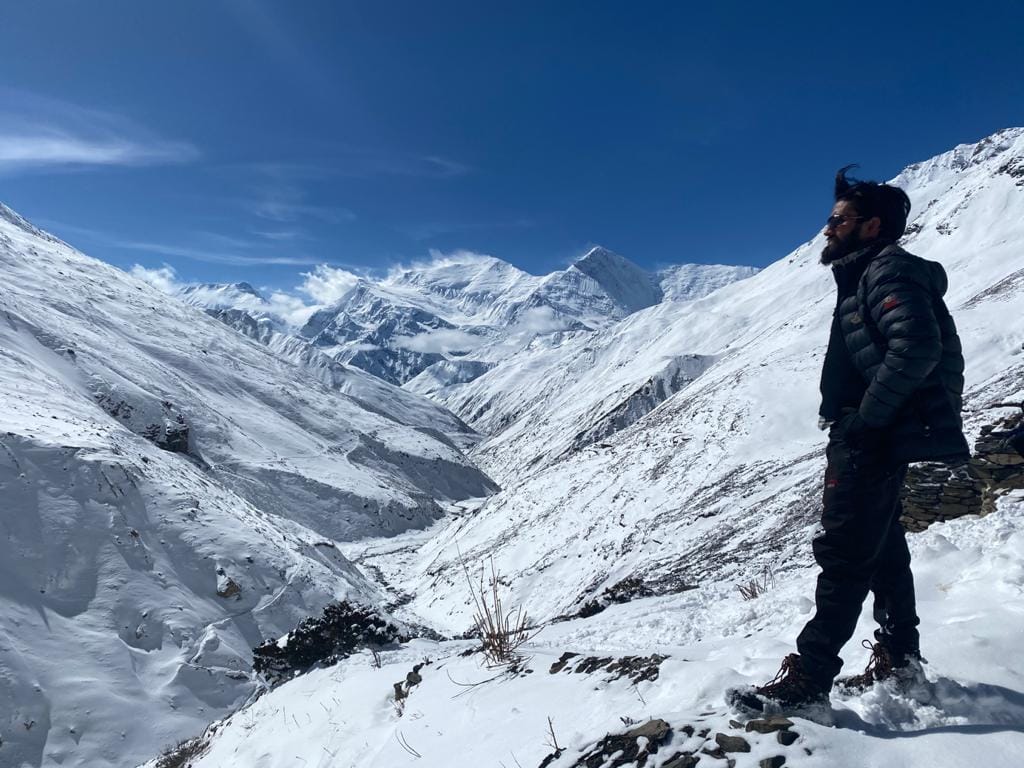
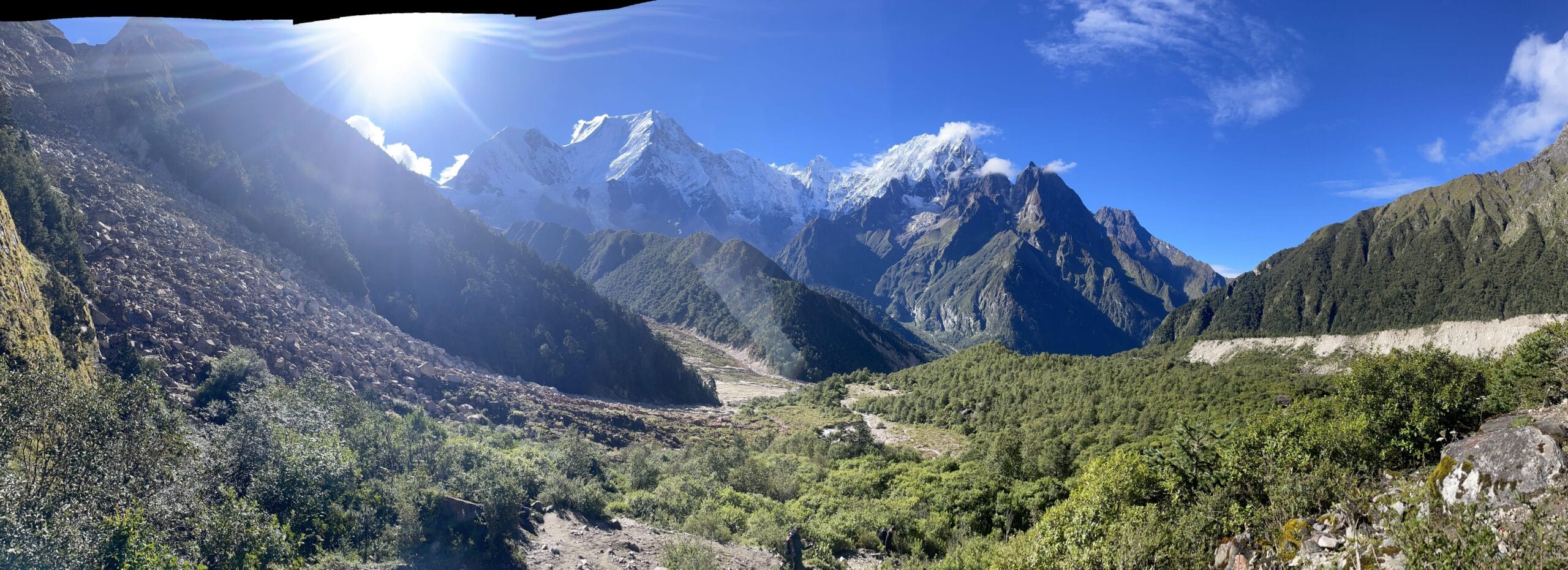
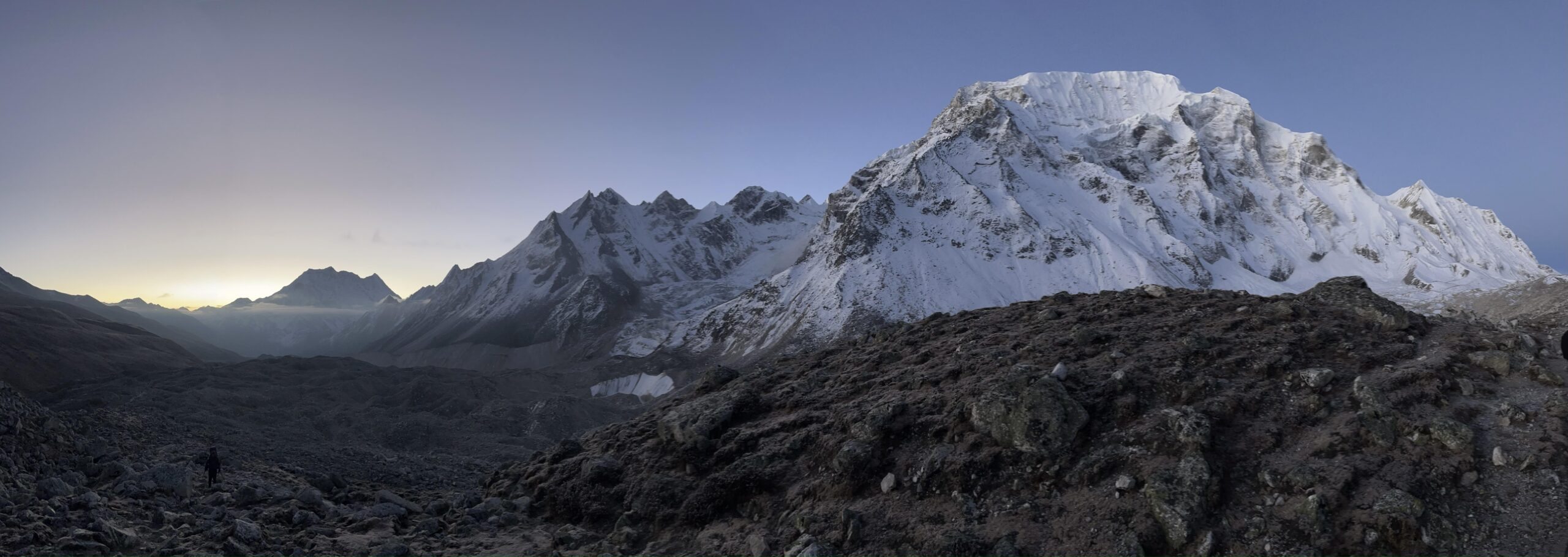
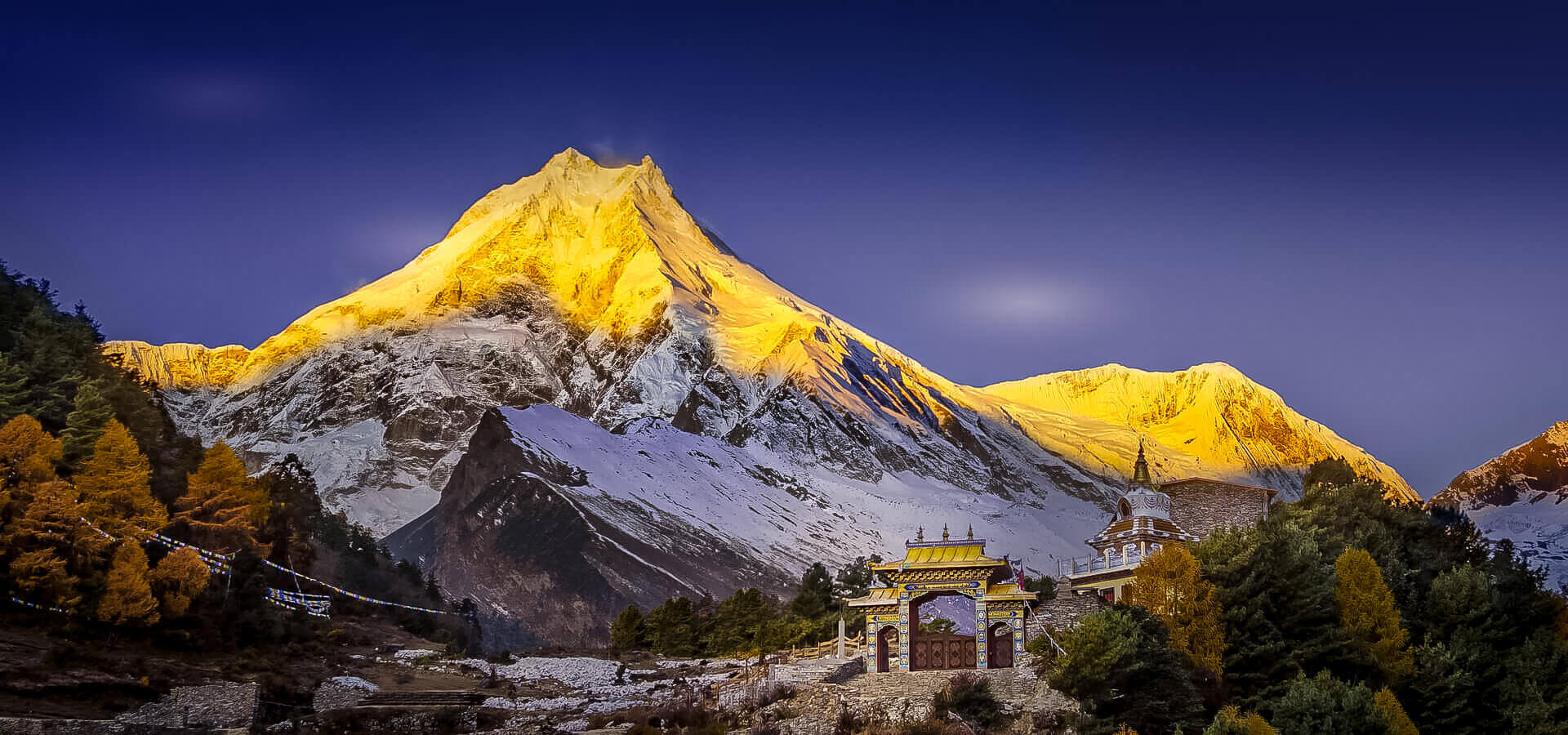
The Manaslu Circuit Trek – 11 Days is a shorter and well-planned adventure that offers the best experience of the Manaslu region within a limited time. This trek is perfect for those who want to explore remote Himalayan landscapes, local culture, and high mountain passes without committing to a longer itinerary.
The journey begins from Kathmandu and heads toward the Manaslu region, which is known for its natural beauty and cultural richness. The trail follows the Budhi Gandaki River, passing through forests, terraced fields, and small villages. As you move higher, the environment changes gradually, giving you a complete experience of different landscapes.
One of the special features of this trek is the cultural experience. The villages along the route are influenced by Tibetan culture, and you will see traditional houses, prayer flags, and monasteries. The people are friendly and welcoming, giving you a chance to learn about their lifestyle.
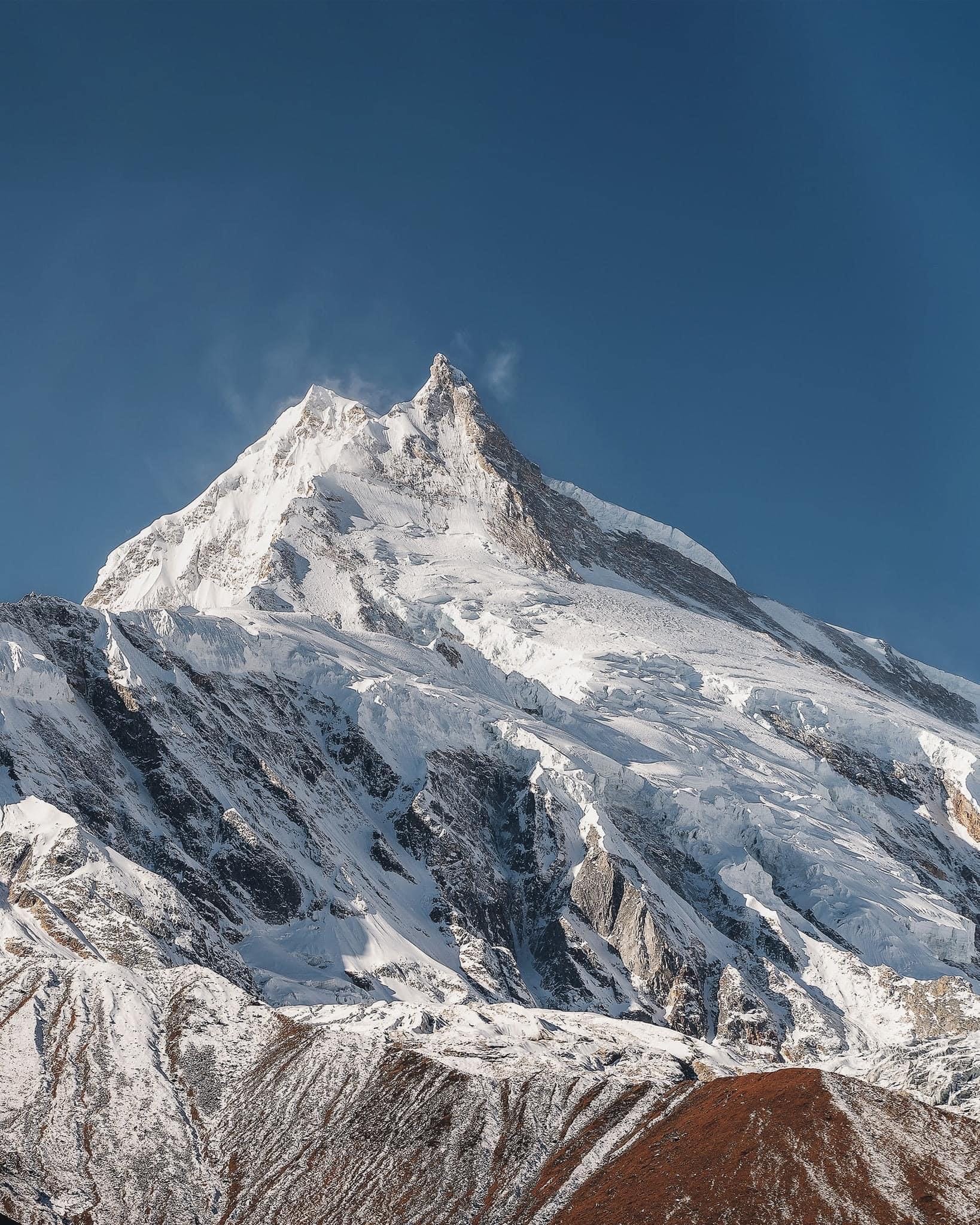
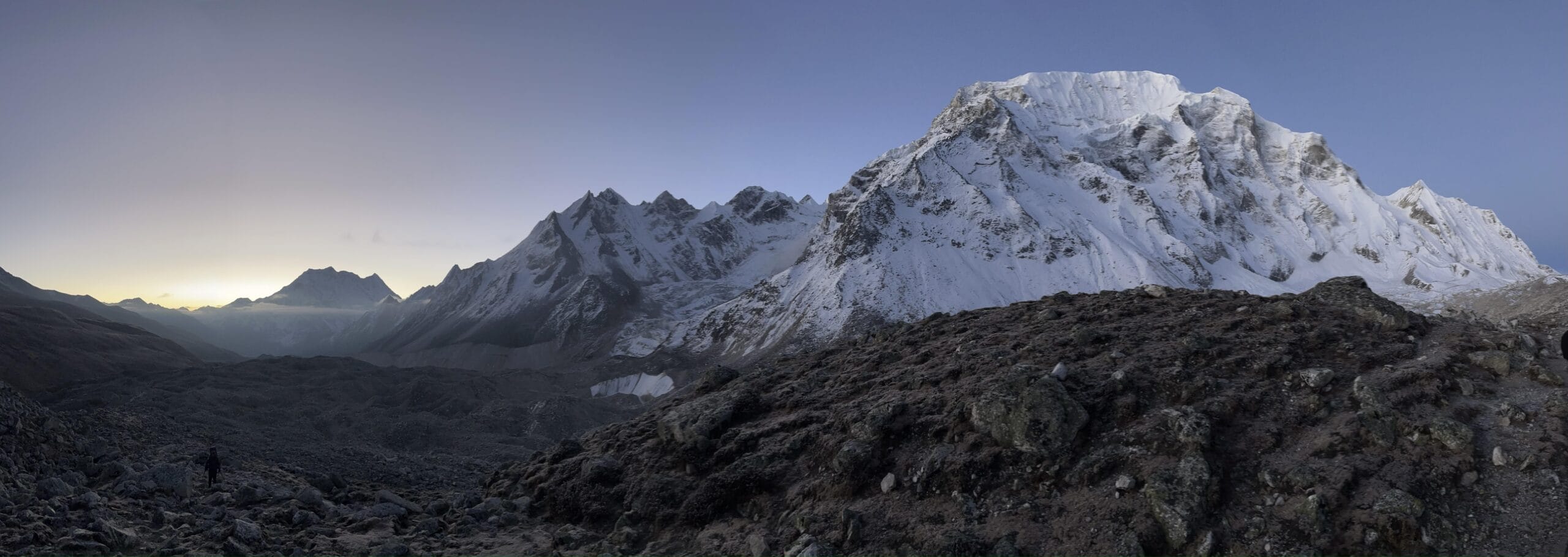
The trek also includes crossing the Larkya La Pass, which is one of the highest and most exciting points of the journey. From here, you can enjoy wide views of snow-covered peaks and glaciers. Overall, this trek offers a mix of nature, culture, and adventure in a peaceful and less crowded region.
This trek offers a balanced experience of moderate trekking with beautiful scenery and cultural exploration. You will walk through different types of terrain, including forests, riversides, rocky trails, and high-altitude landscapes. Each day brings new views and experiences.
You can expect gradual altitude gain, which helps your body adjust properly. There are also acclimatization days included to make the journey safer. The trek is not extremely difficult, but it does require physical effort and endurance.
You will stay in teahouses or camps, where you can rest and enjoy meals after long walking days. Interaction with local people and exposure to their culture make the trek more meaningful.
The Manaslu Circuit Trek is suitable for trekkers who have a reasonable level of fitness and are interested in exploring remote areas. It is less crowded compared to other popular treks, making it ideal for those who prefer a quieter experience.
Although it is considered moderate, the trek includes long walking hours and high altitude. Therefore, physical preparation is important. Beginners can also do this trek if they are well-prepared and follow proper guidance.
Preparation is important to complete the trek safely and comfortably. You should focus on improving your physical fitness before starting the trek. Regular walking, hiking, or cardio exercises can help build stamina.
You should also prepare proper trekking gear and clothing. Weather conditions can change quickly, so having the right equipment is important. Mental preparation is also needed, as trekking in remote areas can be challenging.
Your adventure begins in Kathmandu, where after breakfast you will board a public bus toward Arughat, passing through beautiful hills, rivers, and small towns. The journey to Soti Khola is scenic, offering glimpses of terraced fields and local villages. After Soti Khola, you take a shared jeep or local transport toward Machha Khola. The road becomes rougher here, and the ride itself is an experience of rural Nepal. Upon arrival in Machha Khola, you will meet your trekking guide, check into a local teahouse, and enjoy your first dinner in the trekking region. This day helps you transition from city life to the quiet, natural environment of the Manaslu region.
Today’s trek begins along the Budhi Gandaki River, with views of terraced hills and small villages. The trail passes through Khorlabesi and the natural hot springs at Tatopani, perfect for a short refreshment stop. You will cross several suspension bridges and experience gradual ascents, giving your body a gentle introduction to trekking. Jagat is the official entry point of the Manaslu Conservation Area, where you will register your permits. The village offers basic teahouse facilities and local charm. This trek is moderate in length, allowing you to enjoy the scenery without being overly fatigued.
The trail today offers both scenic and cultural highlights. You will start with gentle slopes that gradually climb alongside the river, passing villages such as Salleri and Sirdibas. The path winds through bamboo forests, rocky ridges, and river crossings via suspension bridges. You will pass Ghatta Khola and Ekle Bhatti before reaching Deng village. Along the way, enjoy views of the Sringi Himal range and experience local life in small rural settlements. This day’s trek is moderate, offering both acclimatization and exposure to traditional Himalayan villages.
Today, you will begin a steeper ascent through lush forests and picturesque villages. The trail passes through Rana and Bihi Phedi, crossing suspension bridges over the Budhi Gandaki River. You will continue to Ghap village, surrounded by dense woodlands and adorned with traditional mani stones. The path winds through forests and open areas, gradually reaching Namrung. Along the way, trekkers can enjoy views of nearby mountains and streams. Namrung provides a comfortable overnight stay with basic lodge facilities and opportunities to interact with local people.
The trail today becomes increasingly scenic, offering panoramic views of Saula Himal and surrounding peaks. You will trek through forests, terraced fields, and traditional villages such as Lihi and Sho, passing glaciers and rivers along the way. Samagaun is a culturally rich village with Tibetan influences, offering traditional teahouses and local cuisine. Optional side trips include visiting the Pungyen Gompa (monastery) or Birendra Lake. This day is moderately challenging, allowing trekkers to gradually acclimatize to higher altitude while enjoying the natural beauty and cultural heritage of the region.
The landscape today transitions to high-alpine terrain with sparse vegetation and rocky paths. You will pass Kermo Kharka, a pastureland with stunning mountain views, before reaching Samdo, a village near the Tibetan border. Along the trail, observe stone walls, prayer flags, and the characteristic Tibetan-style architecture. The trek is shorter today, providing ample opportunity to enjoy panoramic mountain views, take photographs, and adjust to higher altitude. Samdo is a peaceful village offering teahouses with basic amenities for rest.
Today is dedicated to acclimatization, which is crucial for trekking at high altitude. You can take short hikes around Samdo to help your body adjust to thinner air, or explore the nearby glaciers and the surrounding peaks. Many trekkers also choose to visit the Tibetan border via Rui La Pass or Lajyung Pass, offering unique views and cultural insights. Walking at a slower pace and resting frequently ensures that you minimize the risk of altitude sickness. Samdo itself is a traditional Himalayan village, and you can interact with locals, observe their daily routines, and enjoy the serene environment amid majestic peaks.
The trek today continues into higher alpine terrain. You will cross wooden bridges, fording streams along the trail, and gradually approach the Larkya Glacier. The landscapes become more dramatic with wide valleys, snow-covered peaks, and occasional sightings of Himalayan blue sheep. Dharamsala is a small settlement near the Larkya Glacier, offering basic teahouse accommodation. Today’s trek is shorter in distance but involves walking at high altitude, allowing further acclimatization before the challenging Larkya La Pass tomorrow. The views of Manaslu and surrounding peaks are especially breathtaking at this point.
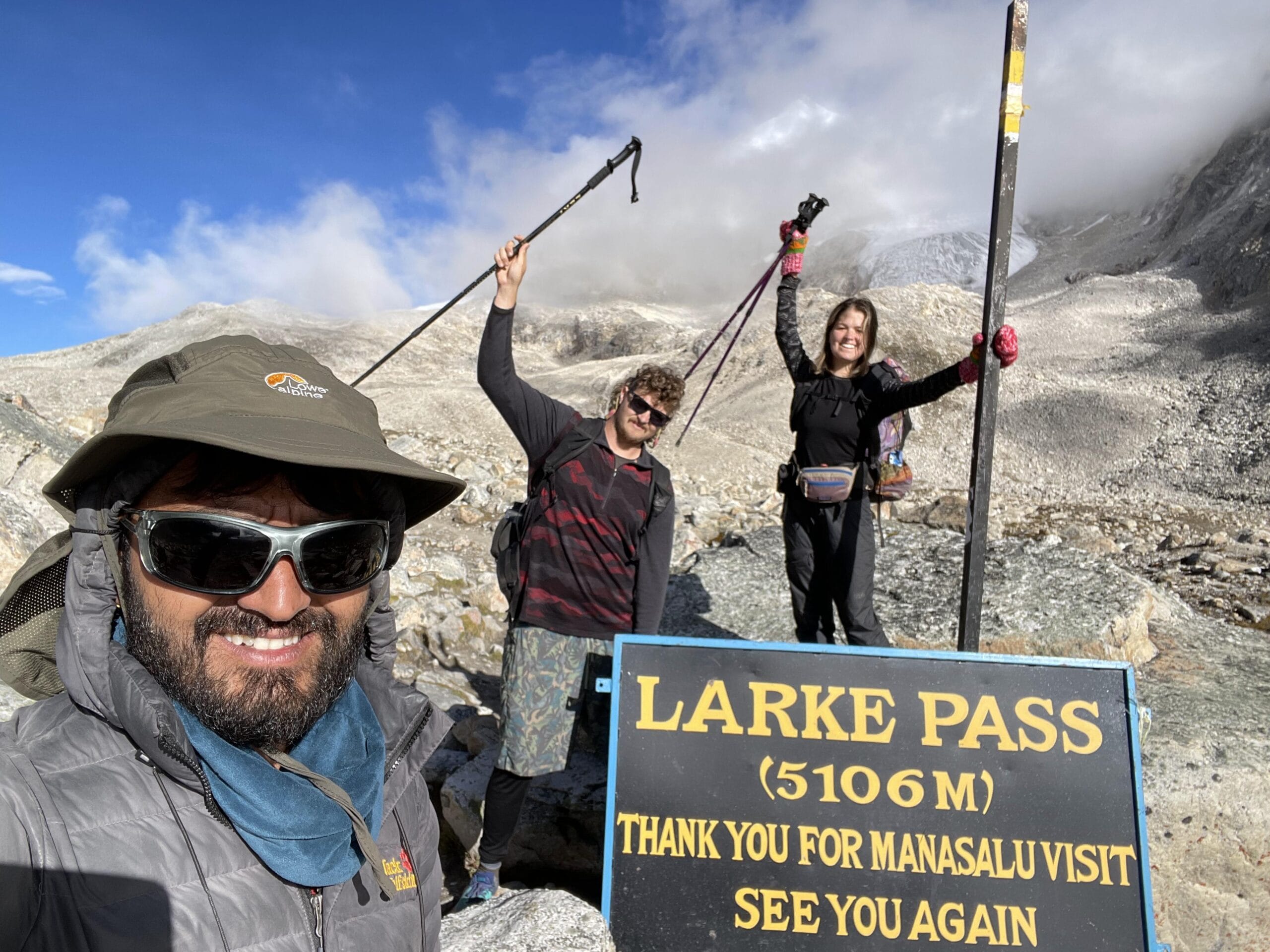
This is the most challenging and rewarding day of the trek. You begin with a steep ascent toward Larkya La Pass, the highest point of the trek at 5,106m. The climb offers spectacular panoramic views of surrounding peaks, glaciers, and valleys. After reaching the pass and taking time to enjoy the scenery, you will descend through moraines to Bhimthang. The descent passes high-altitude lakes and glacial streams, offering excellent opportunities for photographs and wildlife spotting. This day tests endurance and acclimatization, but the incredible views and sense of achievement make it unforgettable.
The trek today is primarily a long descent through alpine meadows, rhododendron forests, and traditional villages. You will follow the Marsyangdi River and cross multiple streams on the way. The scenery changes from high alpine terrain to lower forested areas, providing a sense of completion and a relaxing end to the trekking section. Dharapani is a junction connecting with the Annapurna Circuit, and the village offers teahouses for overnight stay. Today is physically long but less strenuous than the high-pass day, giving trekkers a satisfying conclusion to the mountain portion of the trek.
On the final day, you take a public bus back to Kathmandu. The journey passes through the scenic hilly landscapes of Nepal, with villages, rivers, and terraced fields along the way. Once in Kathmandu, you can enjoy a farewell dinner and reflect on your trek’s experiences, including the stunning peaks, cultural encounters, and sense of accomplishment. This marks the end of your 11-day Manaslu Circuit Trek.
Note: A porter can carry up to 25 kg and is recommended for every two trekkers for convenience and easier trekking.
These optional services can enhance your trek experience or make travel more comfortable:
Add a cultural tour in Kathmandu to visit temples, stupas, and heritage sites before or after the trek. This helps understand Nepalese culture and history.
Hire a porter to carry heavy luggage, making trekking easier and allowing you to focus on the scenery and walking comfortably.
Flexible domestic flights to and from Lukla or other points can save time and provide spectacular aerial views.
Helicopter flights can be arranged for emergency evacuation, returning quickly from high-altitude locations, or sightseeing over the Himalayas.
Private vehicles for airport transfers or city travel provide convenience and comfort over public transportation.
The Manaslu Circuit Trek can be undertaken almost year-round, but the best seasons are Spring (March–May) and Autumn (September–November). These periods offer optimal trekking conditions, ensuring clear skies, stable weather, and the most comfortable temperatures for high-altitude trekking.
Choosing the right season not only enhances your visual experience but also significantly impacts safety and overall comfort during the trek. Spring and autumn are highly recommended for first-time and experienced trekkers alike.
Food is an essential part of the trek, as it fuels your body for long trekking days and helps with acclimatization. Along the Manaslu Circuit, most meals are provided in teahouses or camping sites, offering a mix of local Nepali cuisine and international options.
Food quality generally improves at lower altitudes, while at higher altitudes, options may be more basic, and prices slightly higher due to transportation challenges.
Accommodation along the Manaslu Circuit Trek is a mix of teahouses and camping, varying depending on altitude and location.
This mix of accommodation ensures that trekkers experience the culture of the region while also resting comfortably at night, preparing for the next day’s trekking challenges.
Travel insurance is essential for trekking in the Manaslu region due to high-altitude conditions, remote terrain, and unpredictable weather. A comprehensive policy should include:
Travel insurance guarantees peace of mind and safety, ensuring that unexpected events do not disrupt your trek or put your health at risk.
Altitude sickness, or Acute Mountain Sickness (AMS), occurs when your body struggles to adjust to lower oxygen levels at high elevations. The Manaslu Circuit Trek reaches altitudes above 5,000 meters, so proper acclimatization is critical.
Symptoms: Headaches, nausea, dizziness, fatigue, shortness of breath, and loss of appetite.
Prevention & Management:
Proper planning and awareness can prevent serious altitude-related issues, allowing a safe trekking experience.
Booking the Manaslu Circuit Trek involves clear and structured steps:
A smooth booking procedure ensures all logistics, permits, and accommodations are arranged in advance.