


Mustang Cycling Tour – 10 Days
Introduction
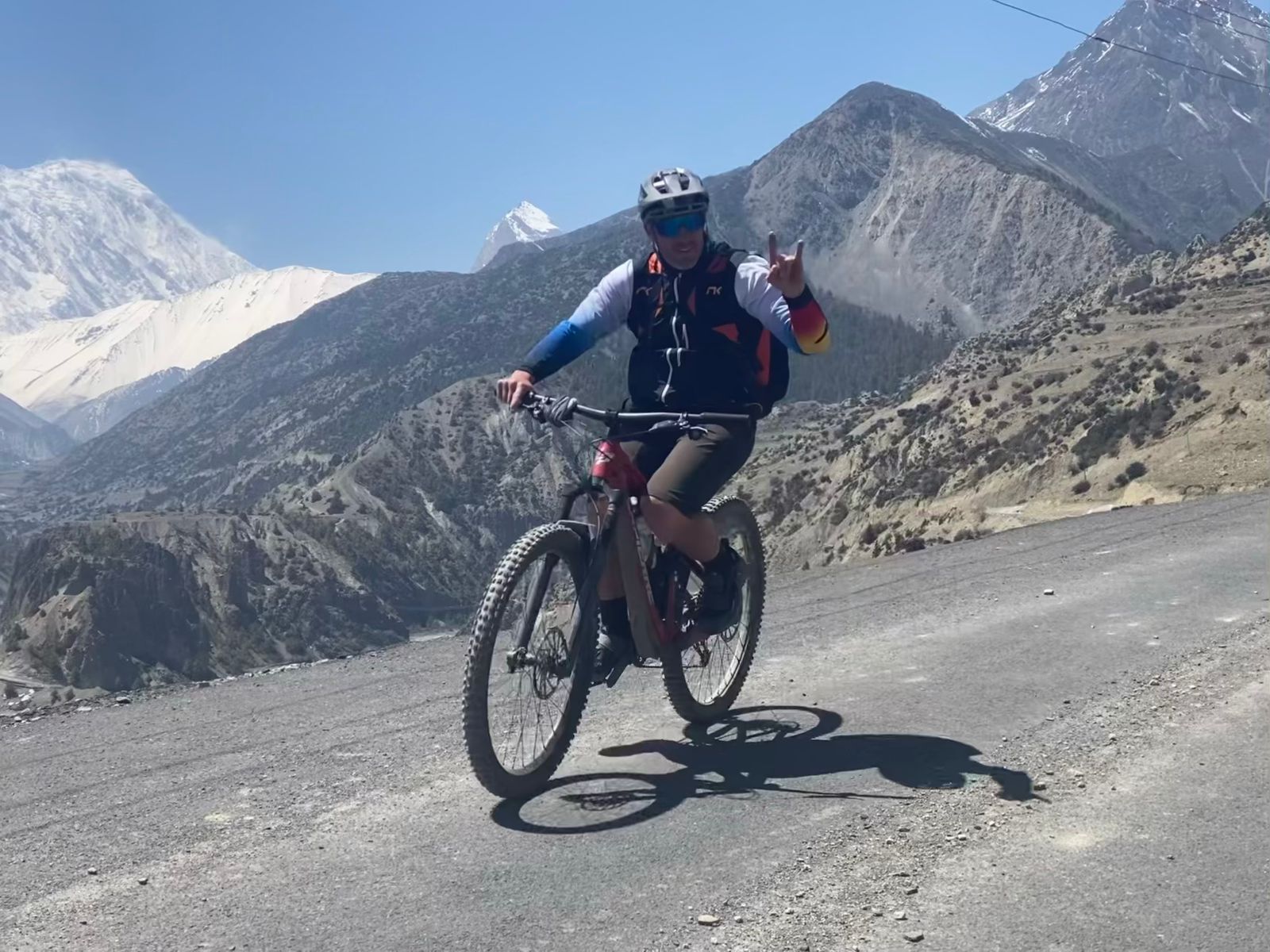
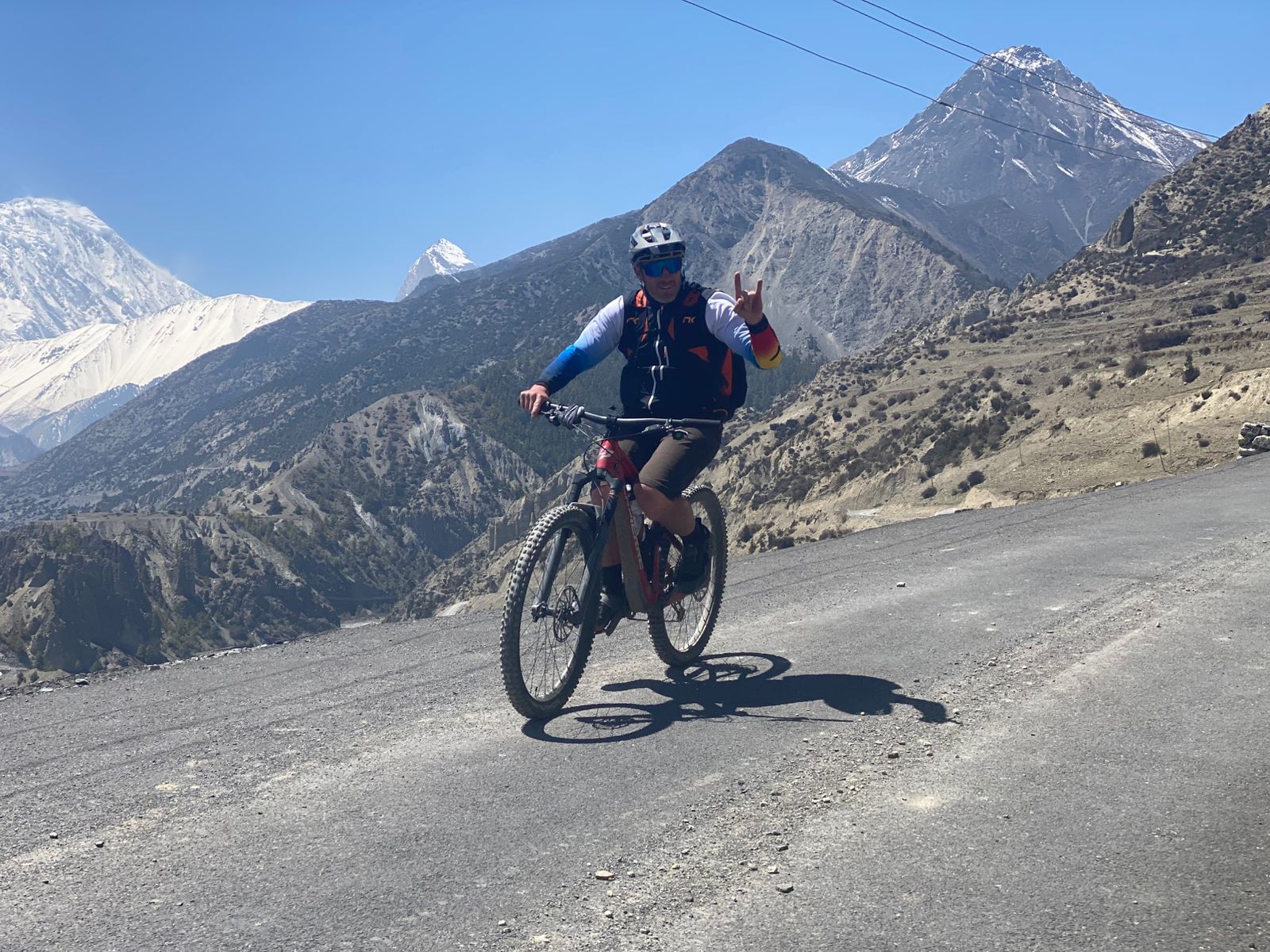
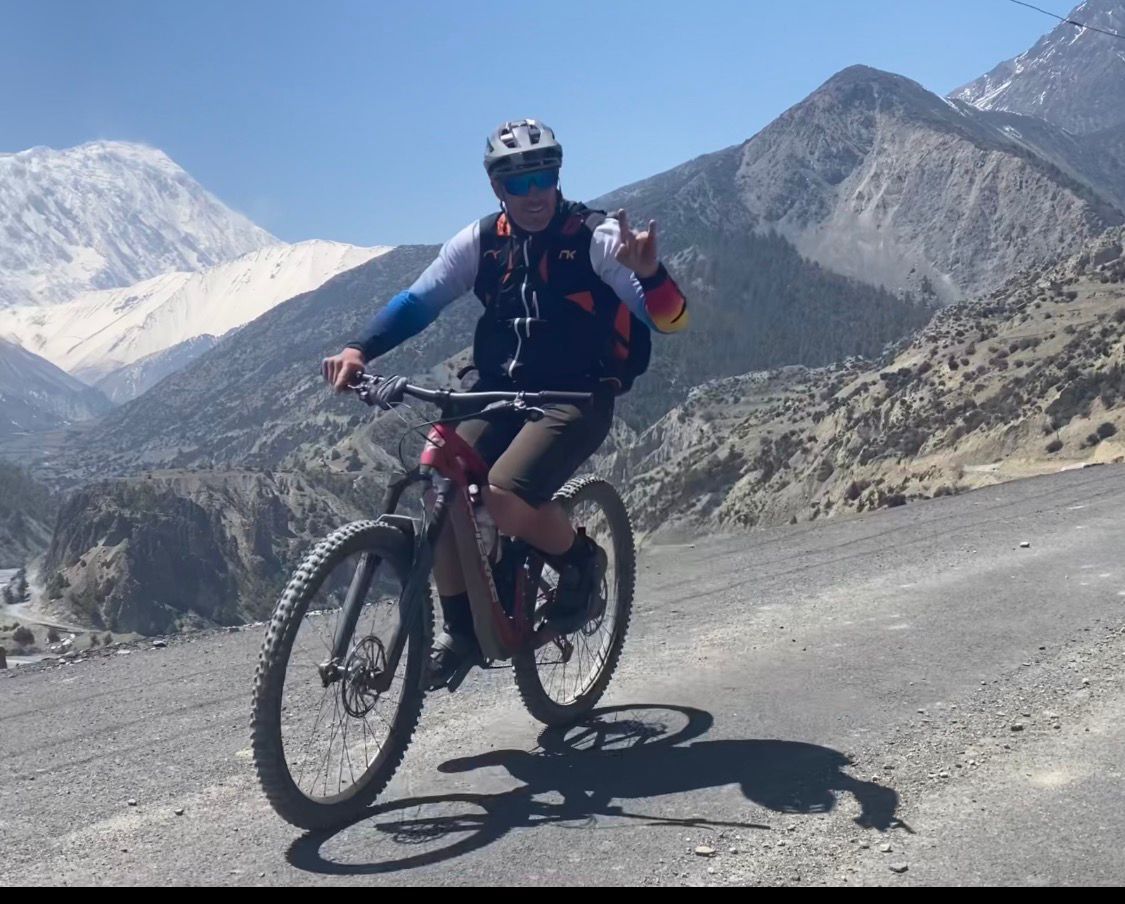
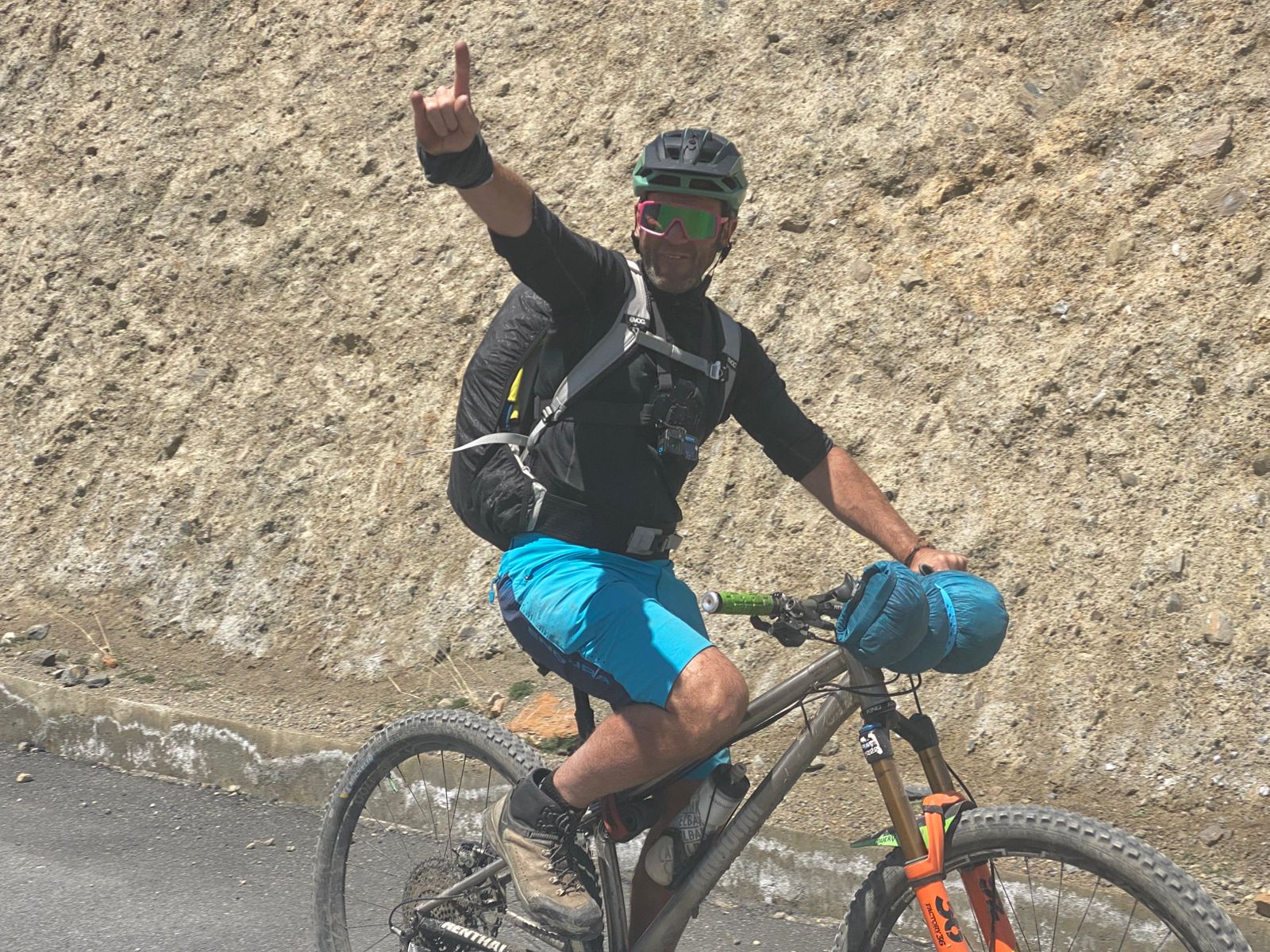
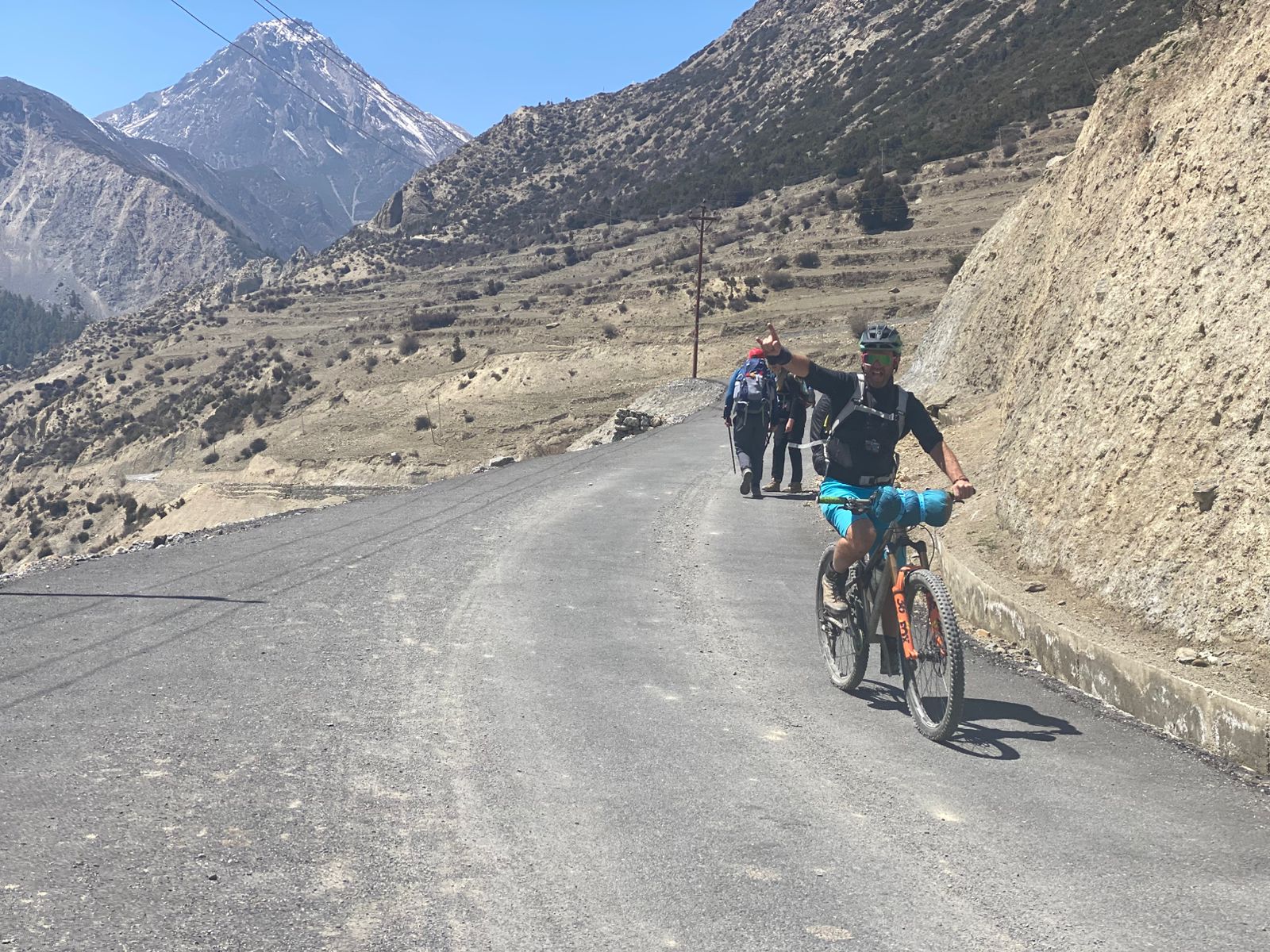
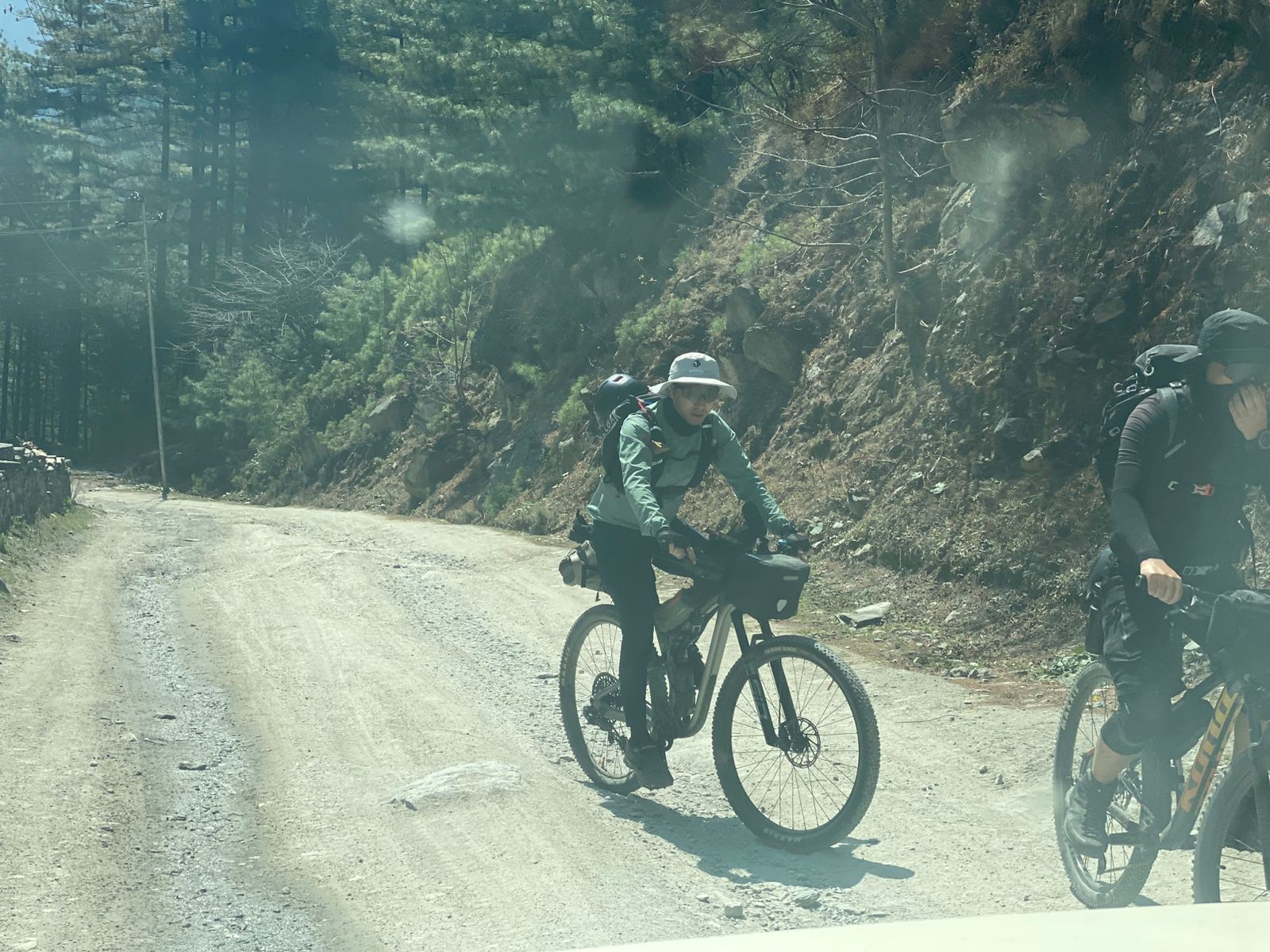
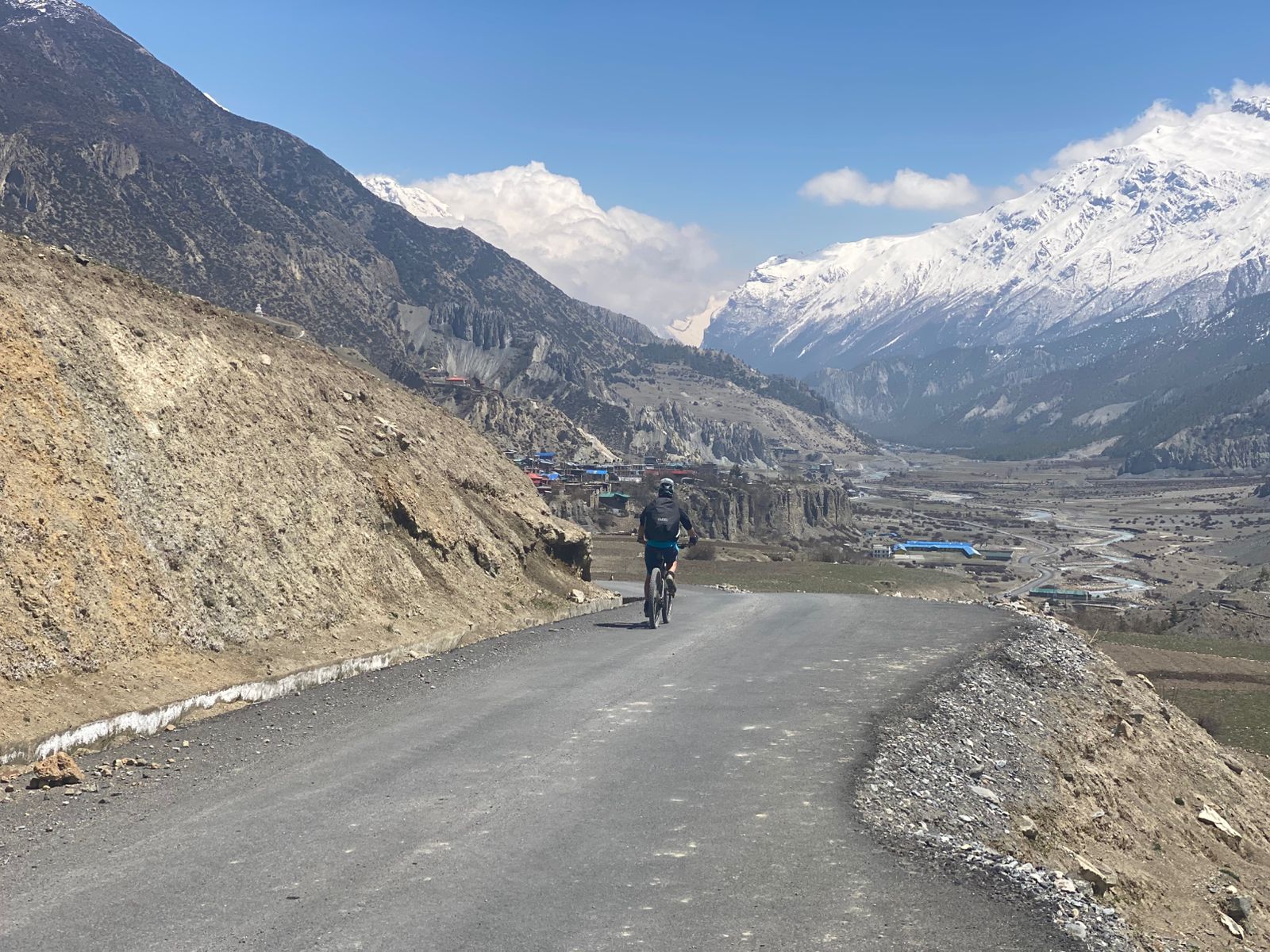
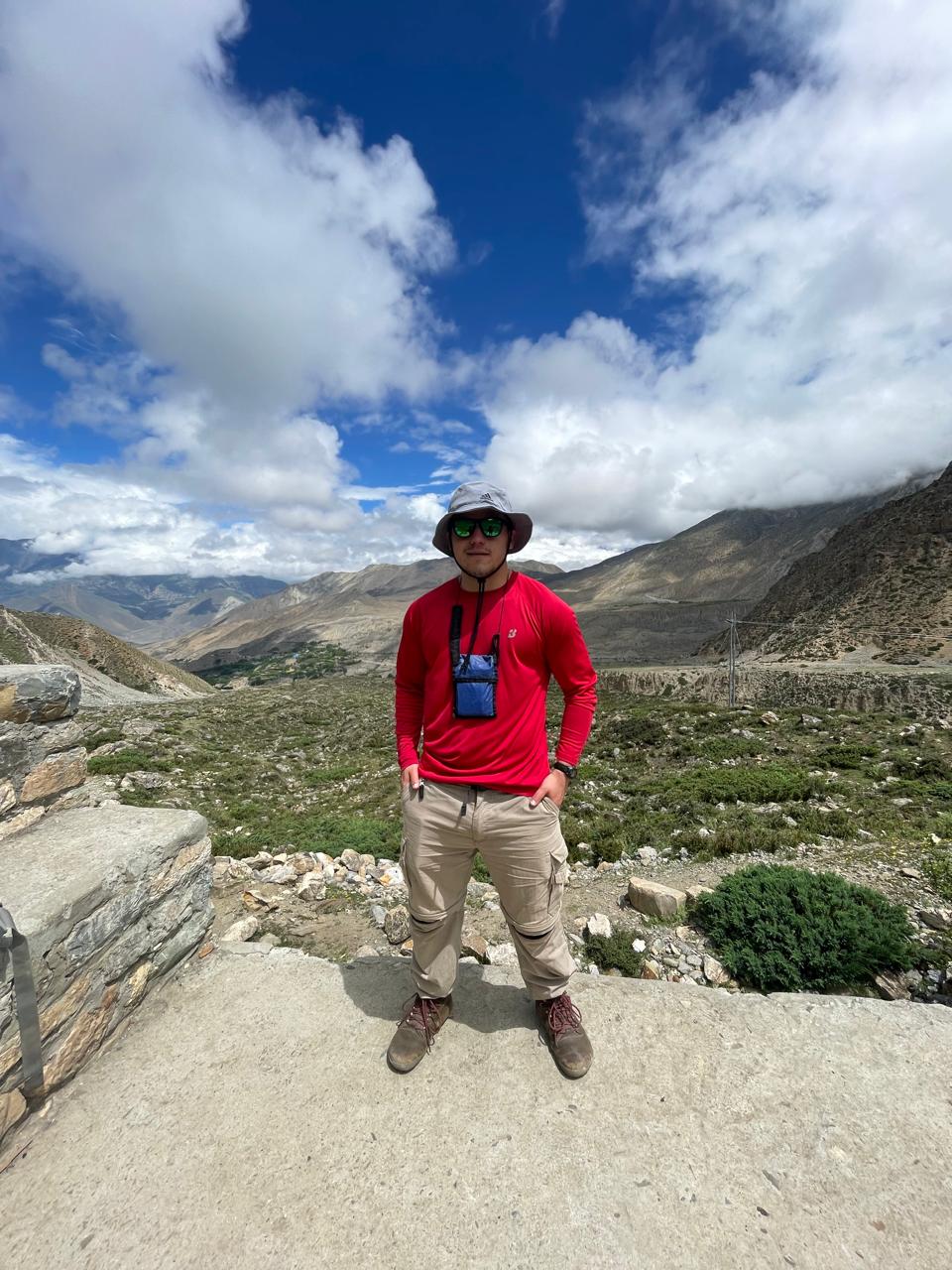
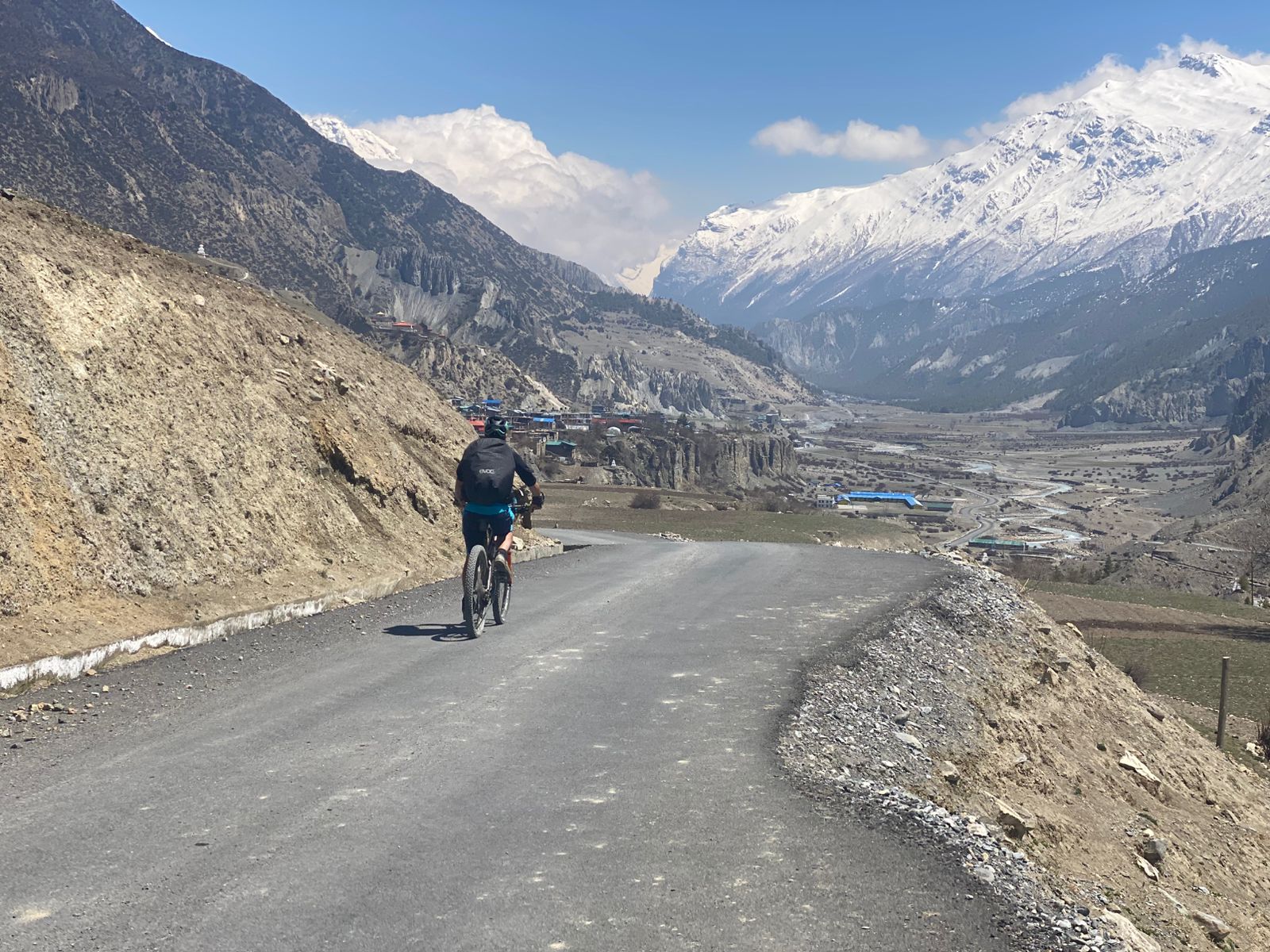
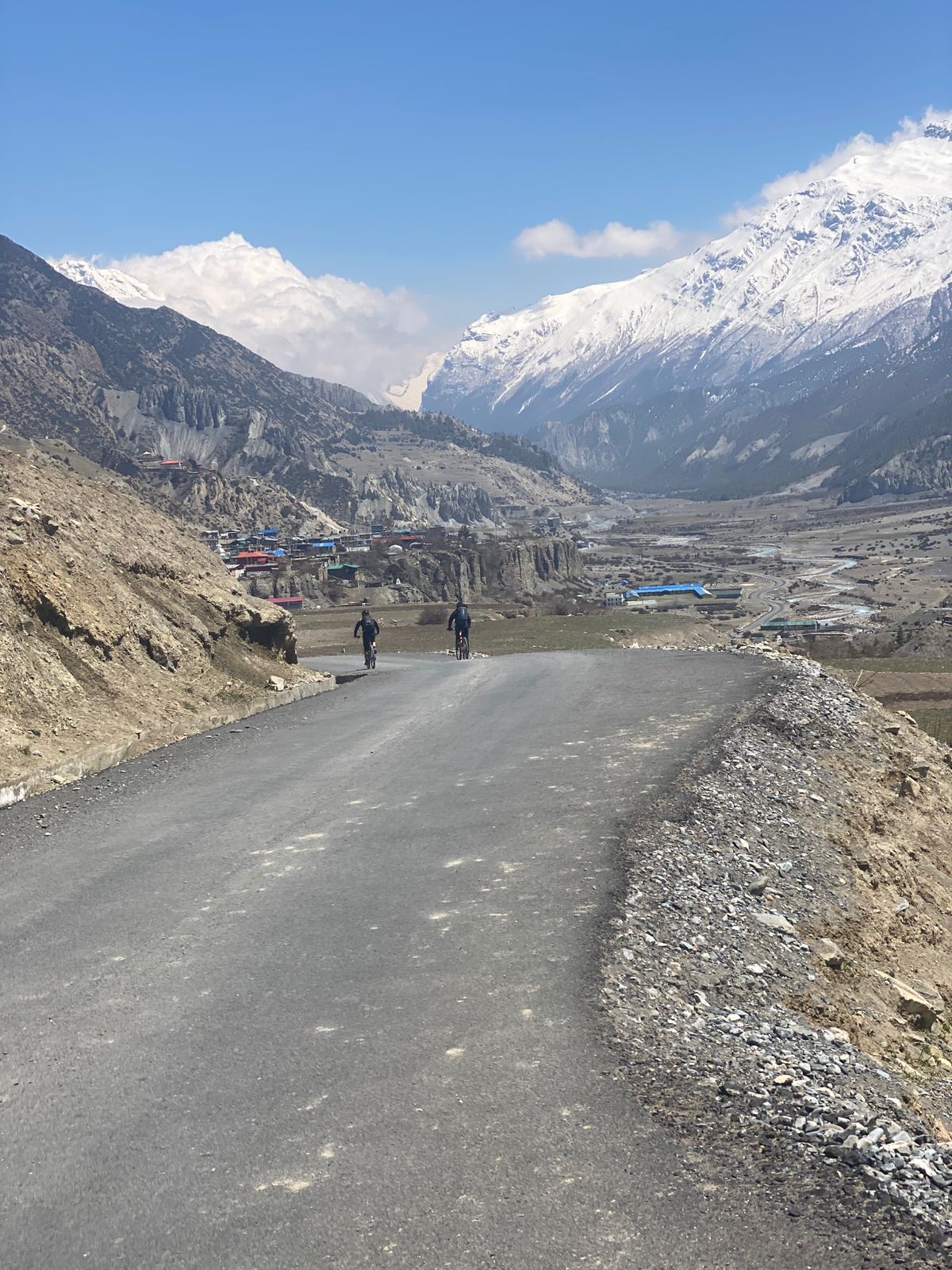
The Mustang Cycling Tour is an exhilarating journey through one of the most remote and culturally preserved regions of Nepal. Organized by ART Nepal Treks & Expedition, this adventure combines off-road mountain biking, breathtaking scenery, and encounters with Tibetan culture. The region is often referred to as the “Forbidden Kingdom” because it remained isolated from the rest of the world for centuries, preserving its traditions, architecture, and lifestyle.
From Kathmandu, you travel through picturesque valleys and rivers, gradually adjusting to the terrain and altitude. The route is carefully planned to balance challenging rides with acclimatization days, ensuring cyclists can enjoy the tour safely. Riders will experience everything from smooth roads near Pokhara to rocky desert trails in Upper Mustang, creating a mix of adventure and cultural immersion.
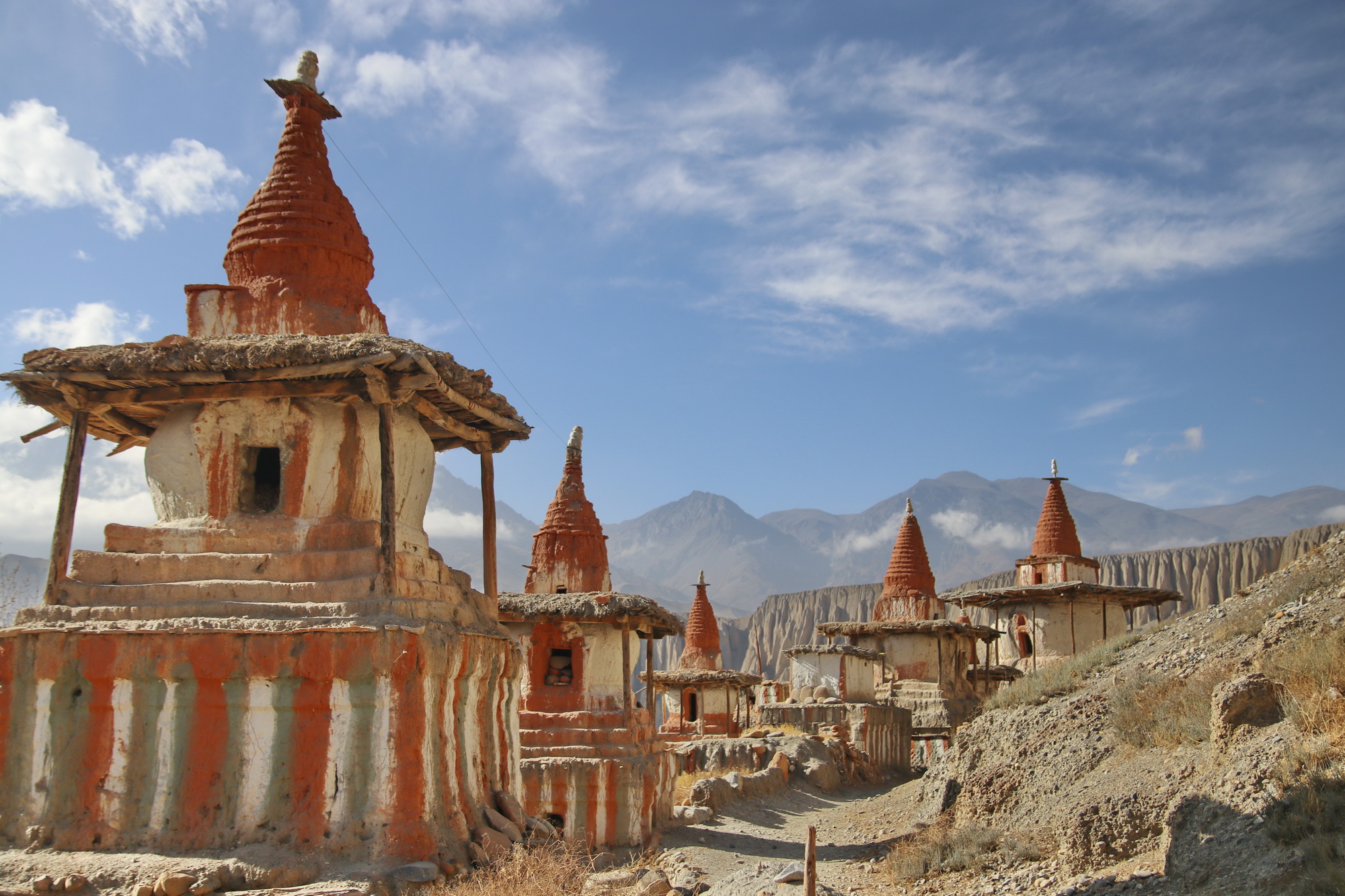
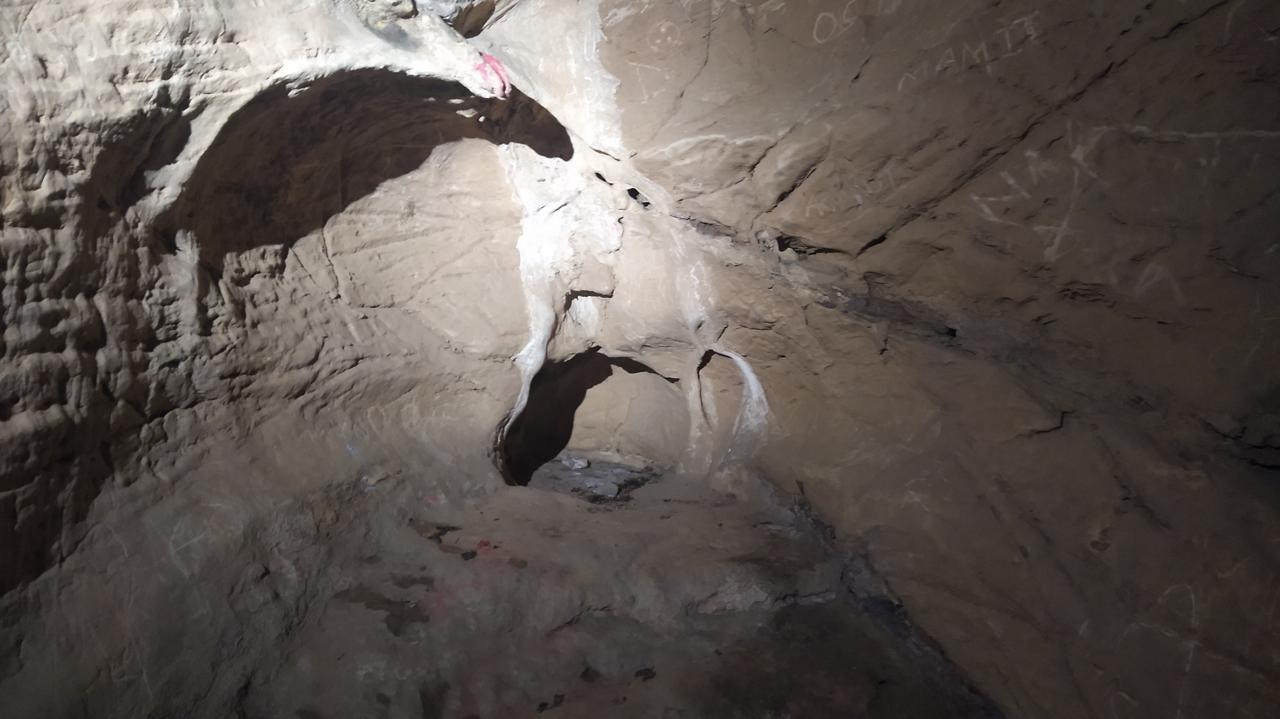
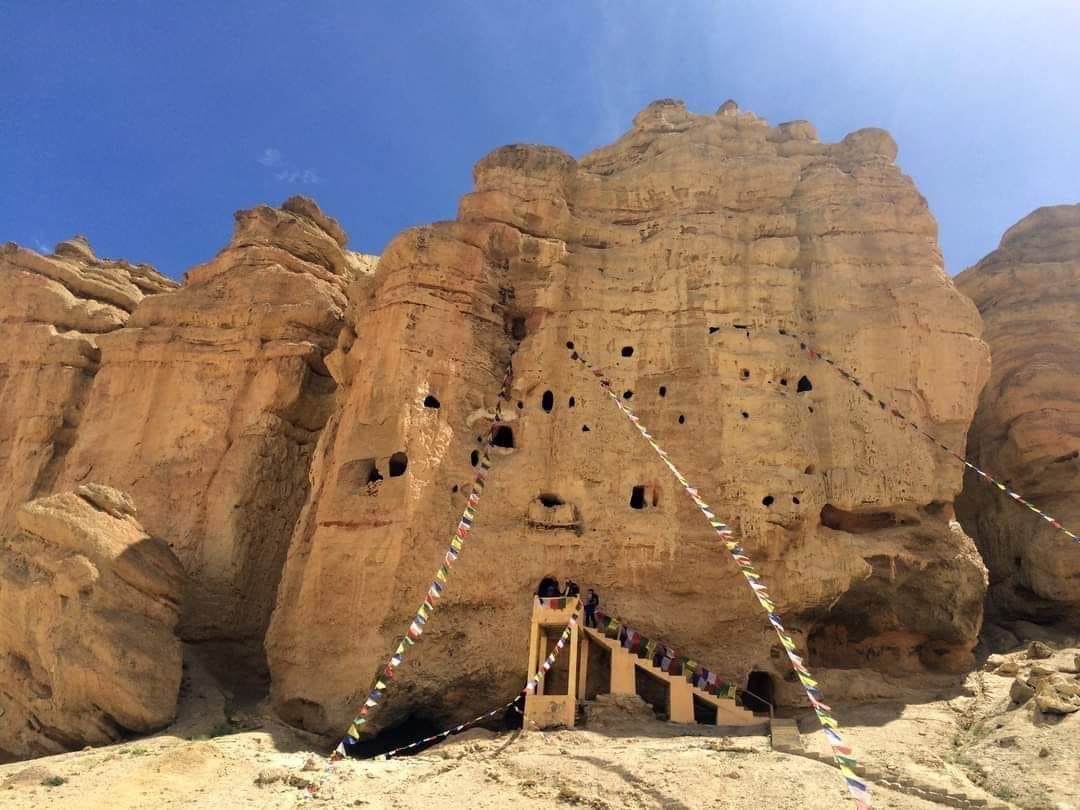
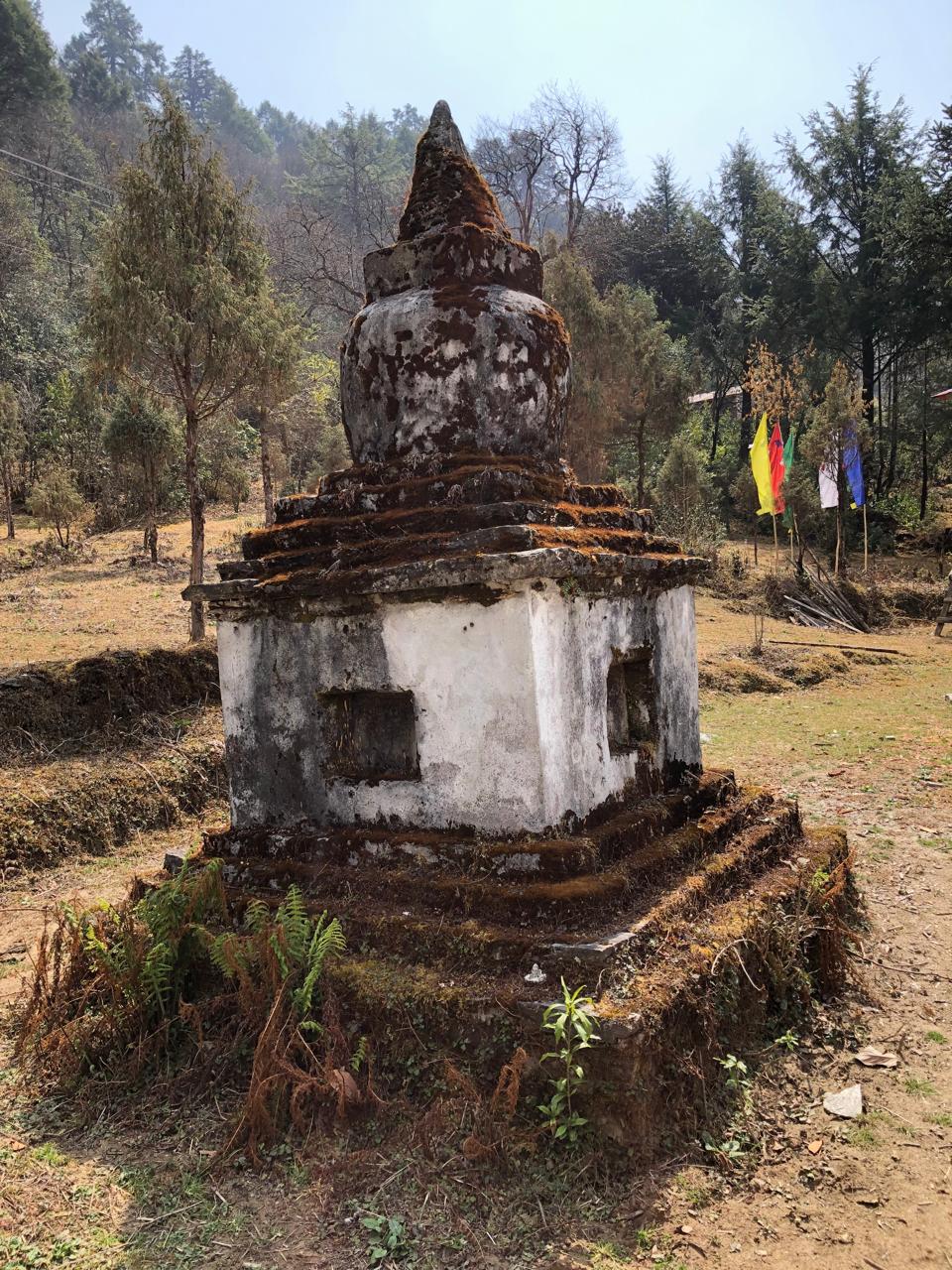
This tour is not only about biking; it is an expedition into the history, spirituality, and traditions of Mustang. You will witness ancient monasteries, royal palaces, and hidden caves tucked in the mountains. Local villagers are warm and welcoming, and their lifestyle provides a window into the past, untouched by modernization.
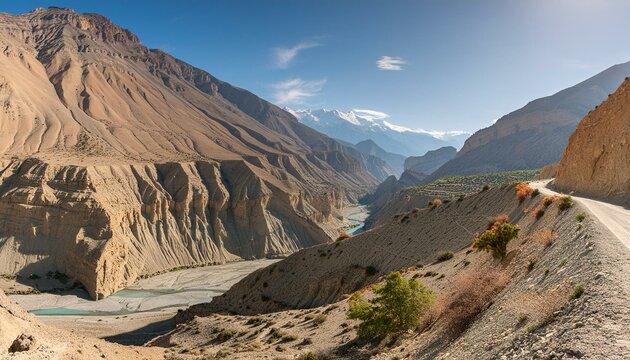
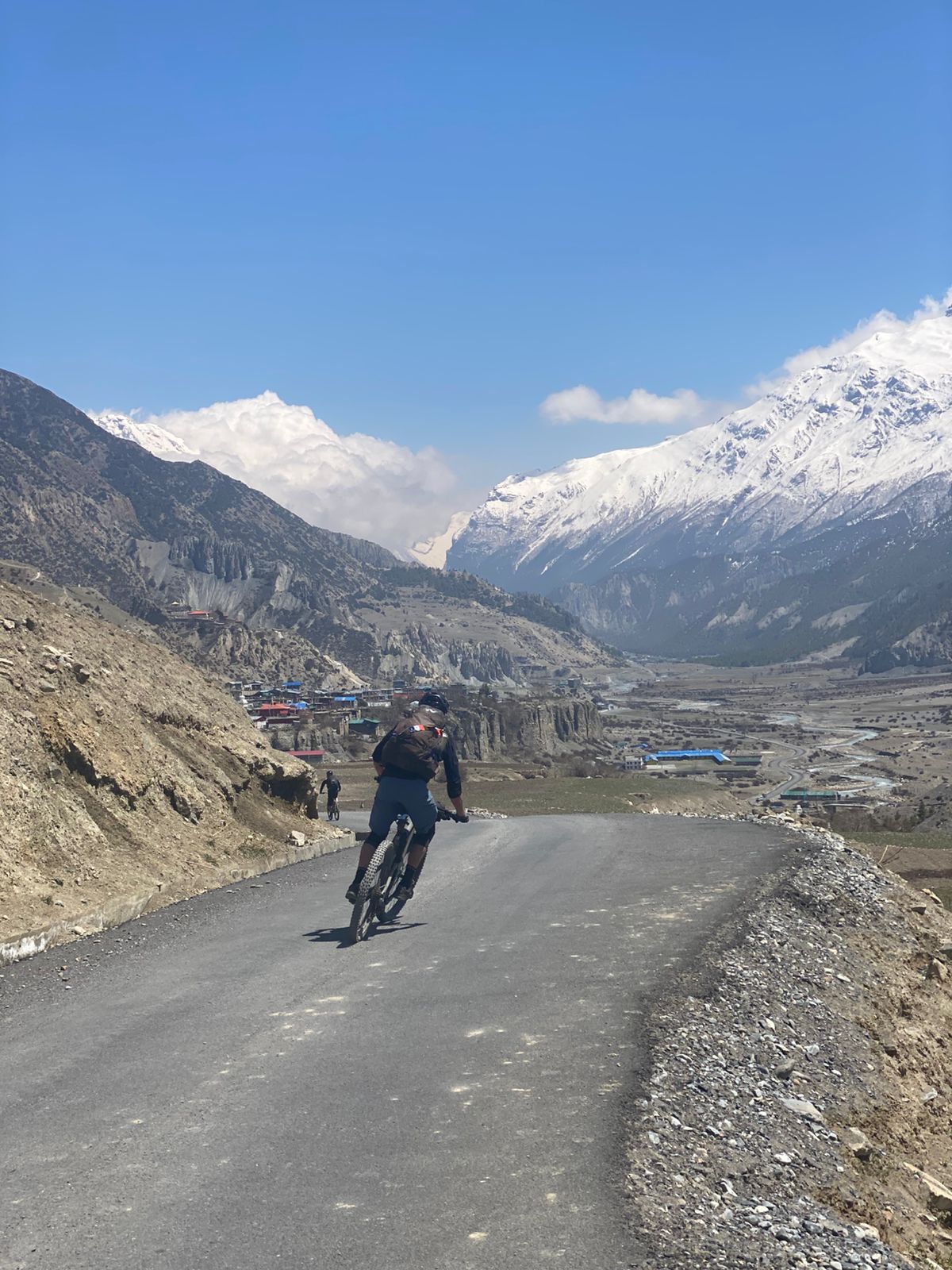
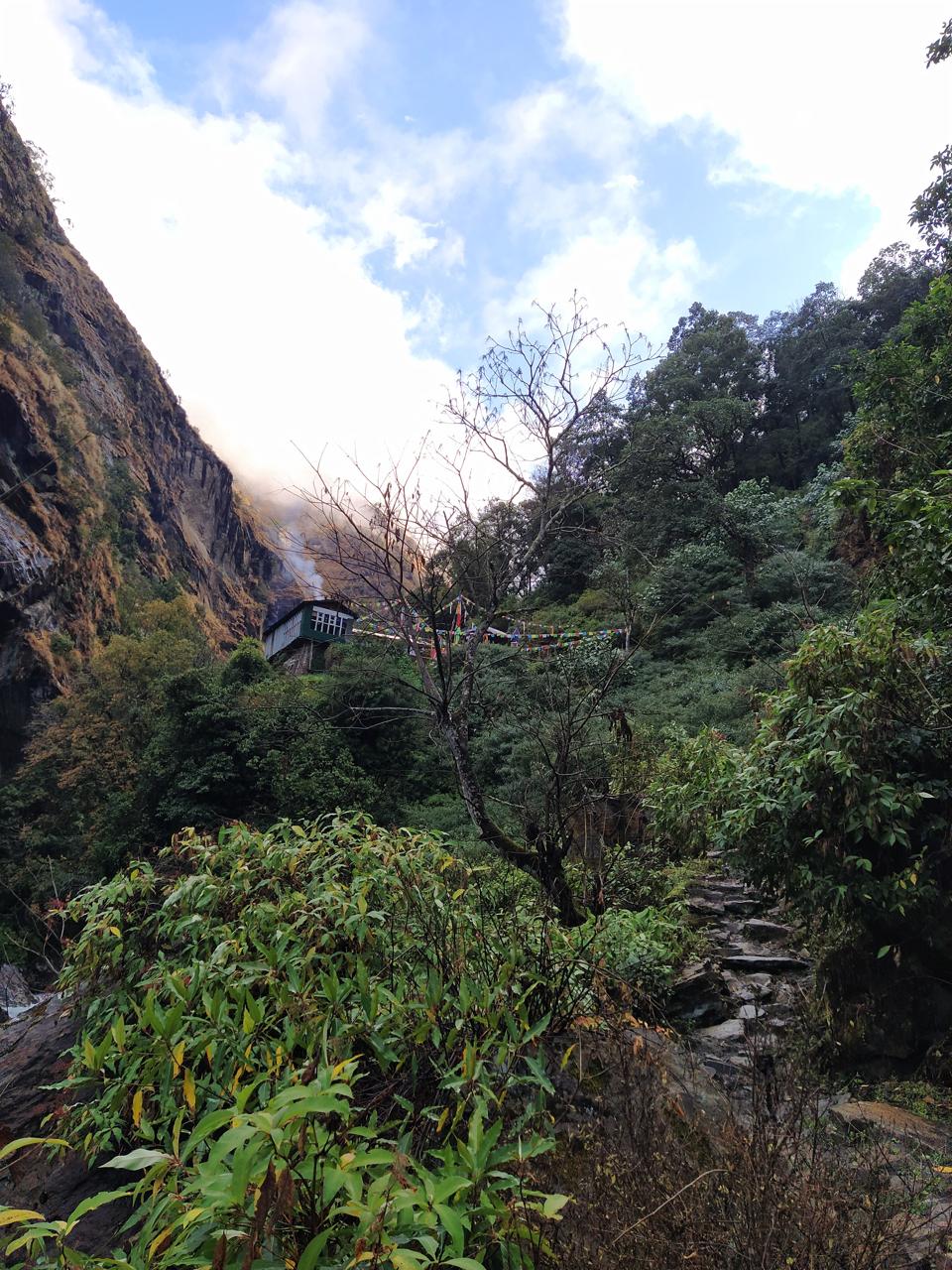
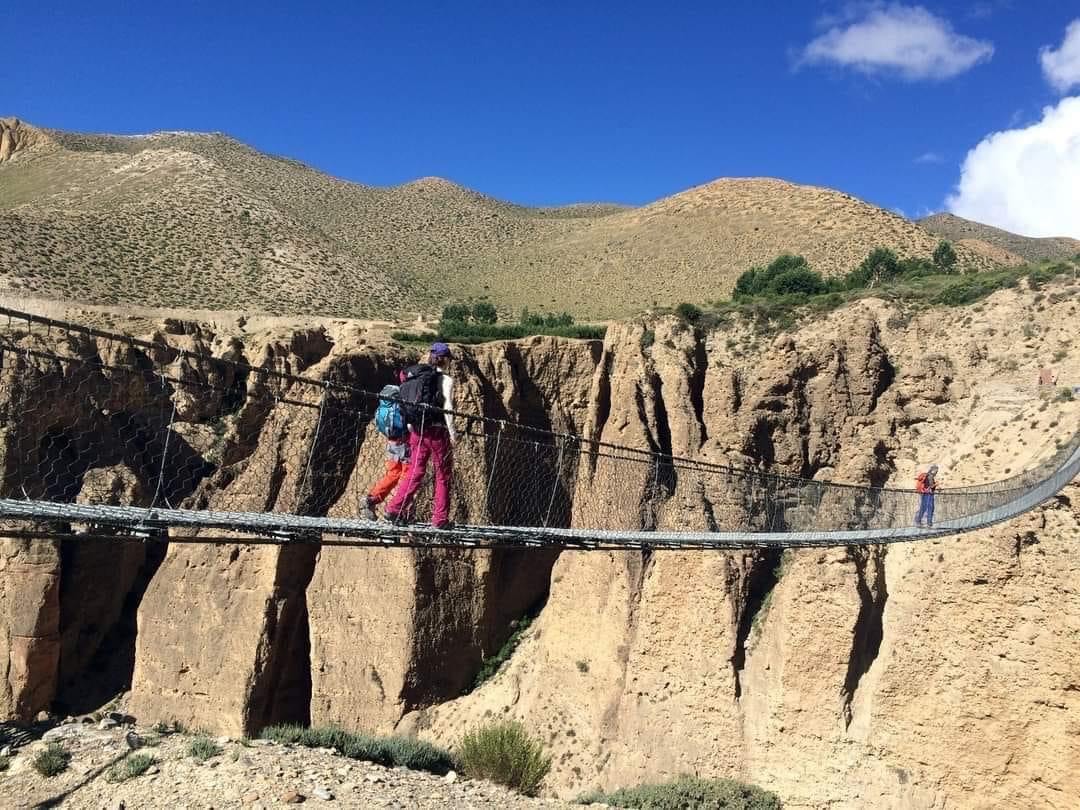
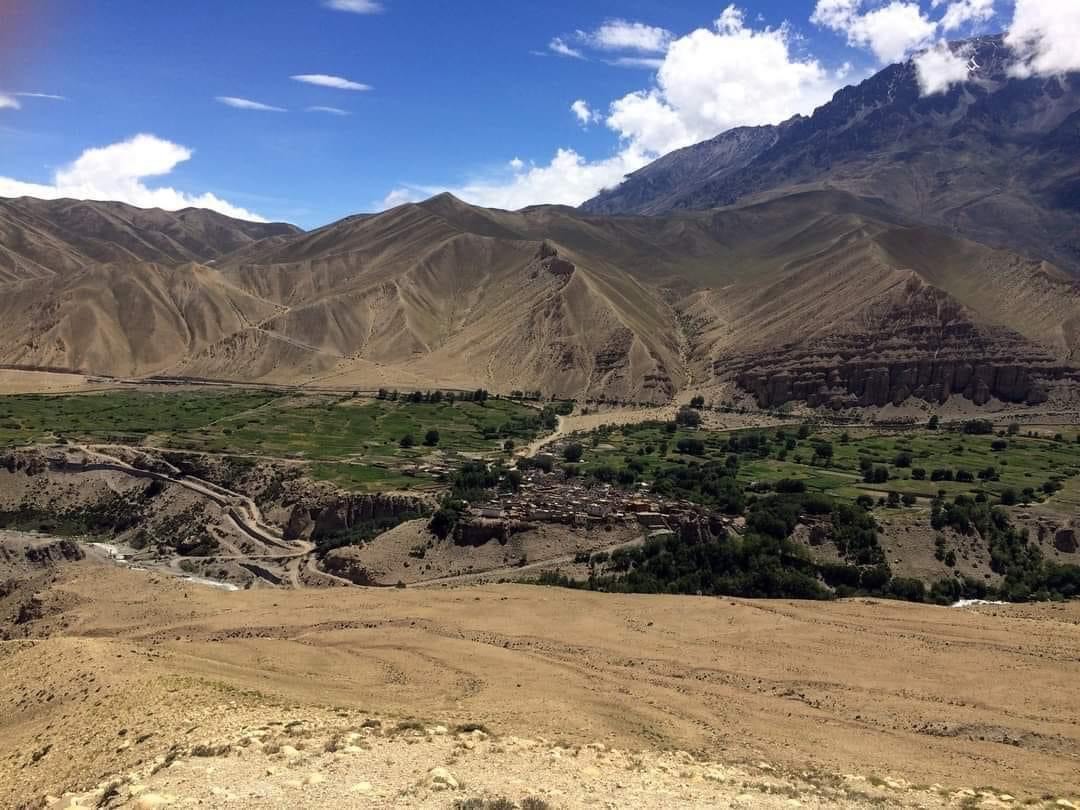
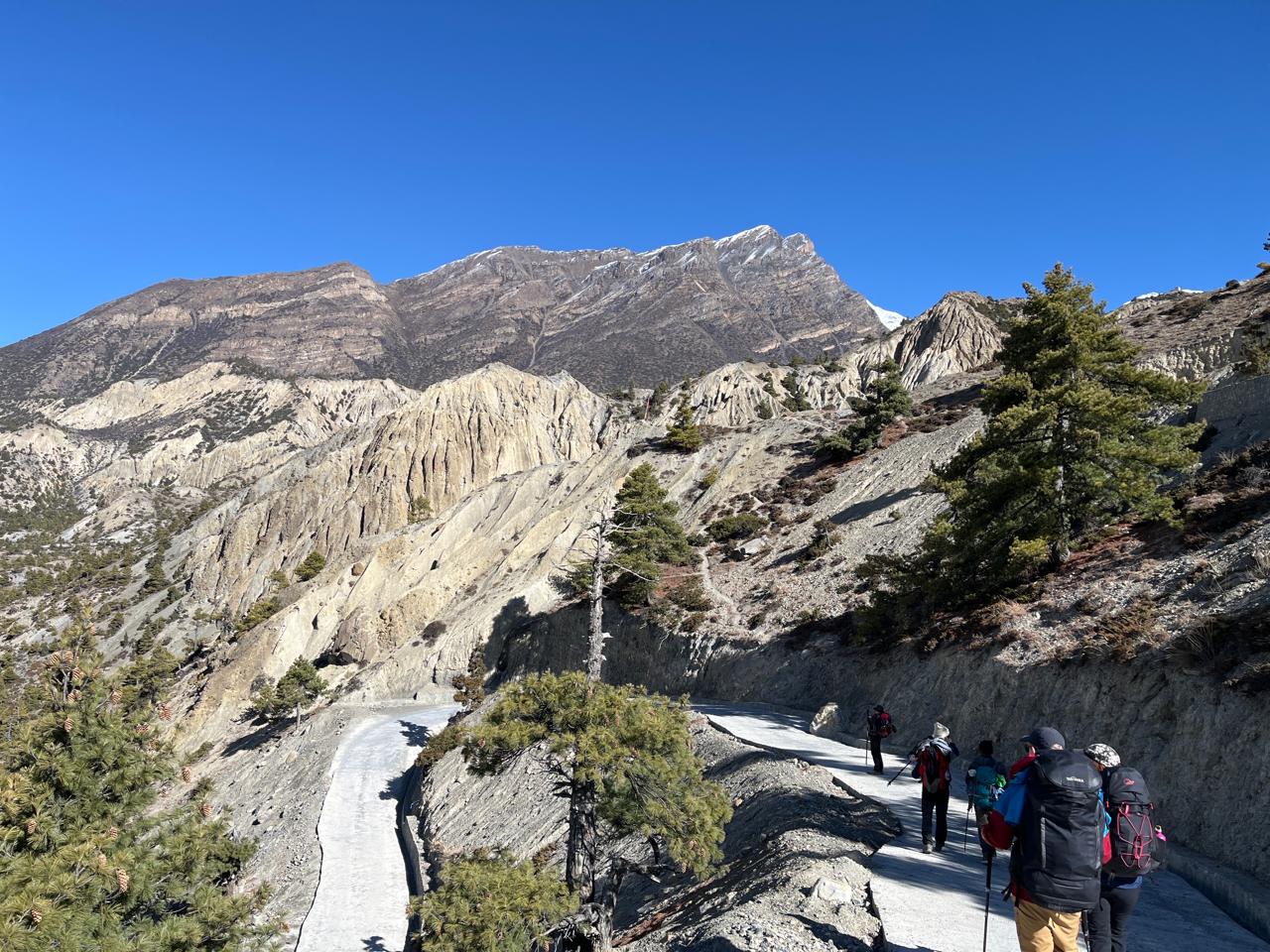
Cyclists will also experience some of the most unique natural landscapes in Nepal. The arid desert-like environment contrasts sharply with lush valleys of lower Mustang. Dramatic red cliffs, deep gorges, and wide open plains create a surreal backdrop for adventure cycling. Photographers and nature lovers will find endless opportunities to capture the beauty of this region.
With support vehicles, expert guides, and pre-planned routes, the tour ensures both safety and adventure. Whether you are an experienced cyclist seeking challenging trails or an enthusiast looking for cultural exploration, the Mustang Cycling Tour offers a complete package of excitement, learning, and personal achievement.
What Can You Expect from the Trek
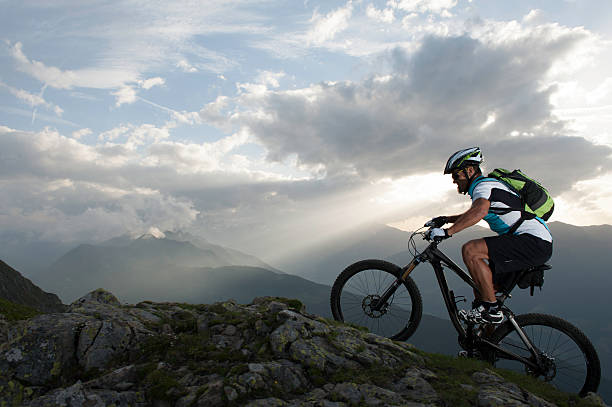
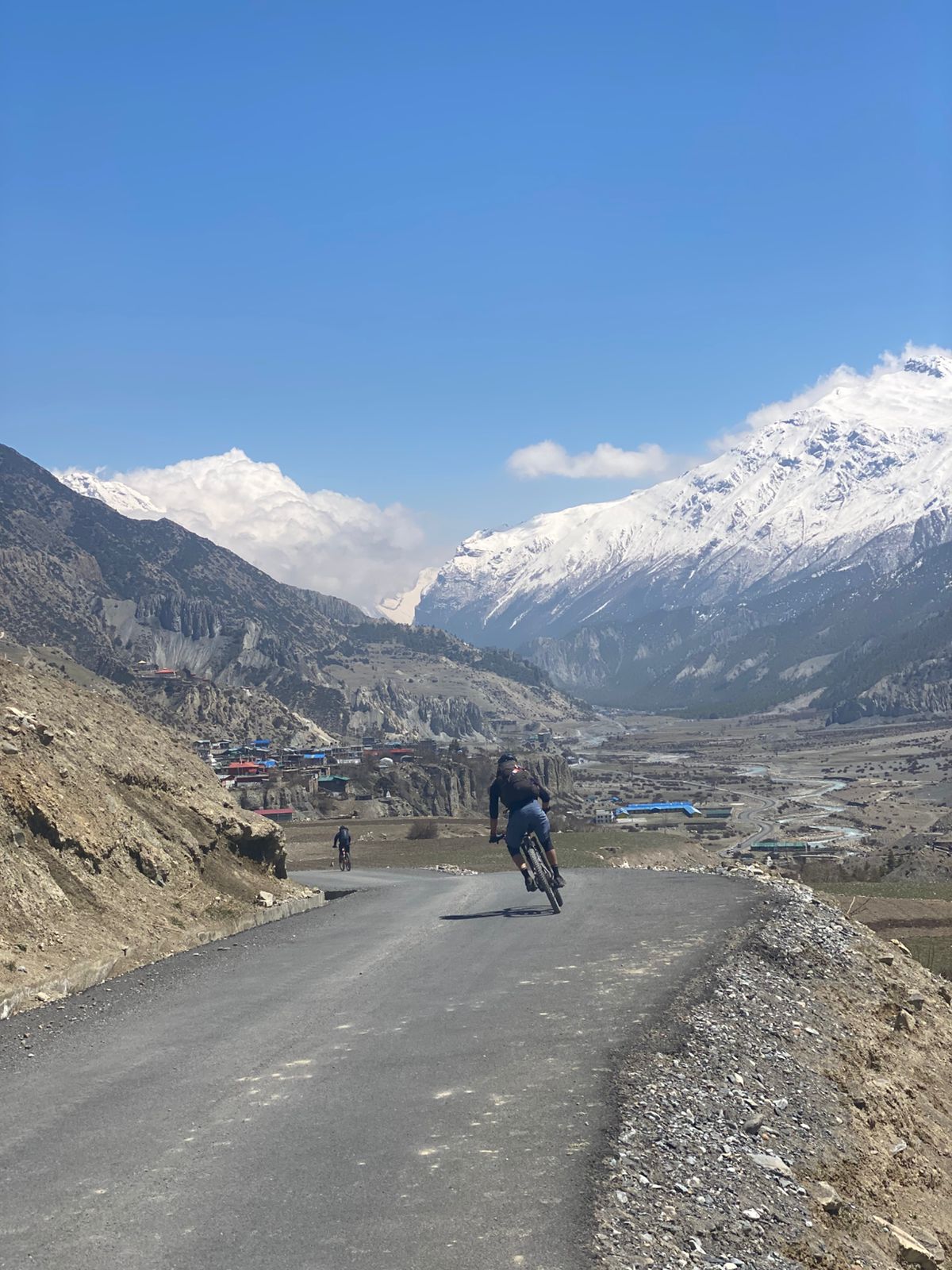
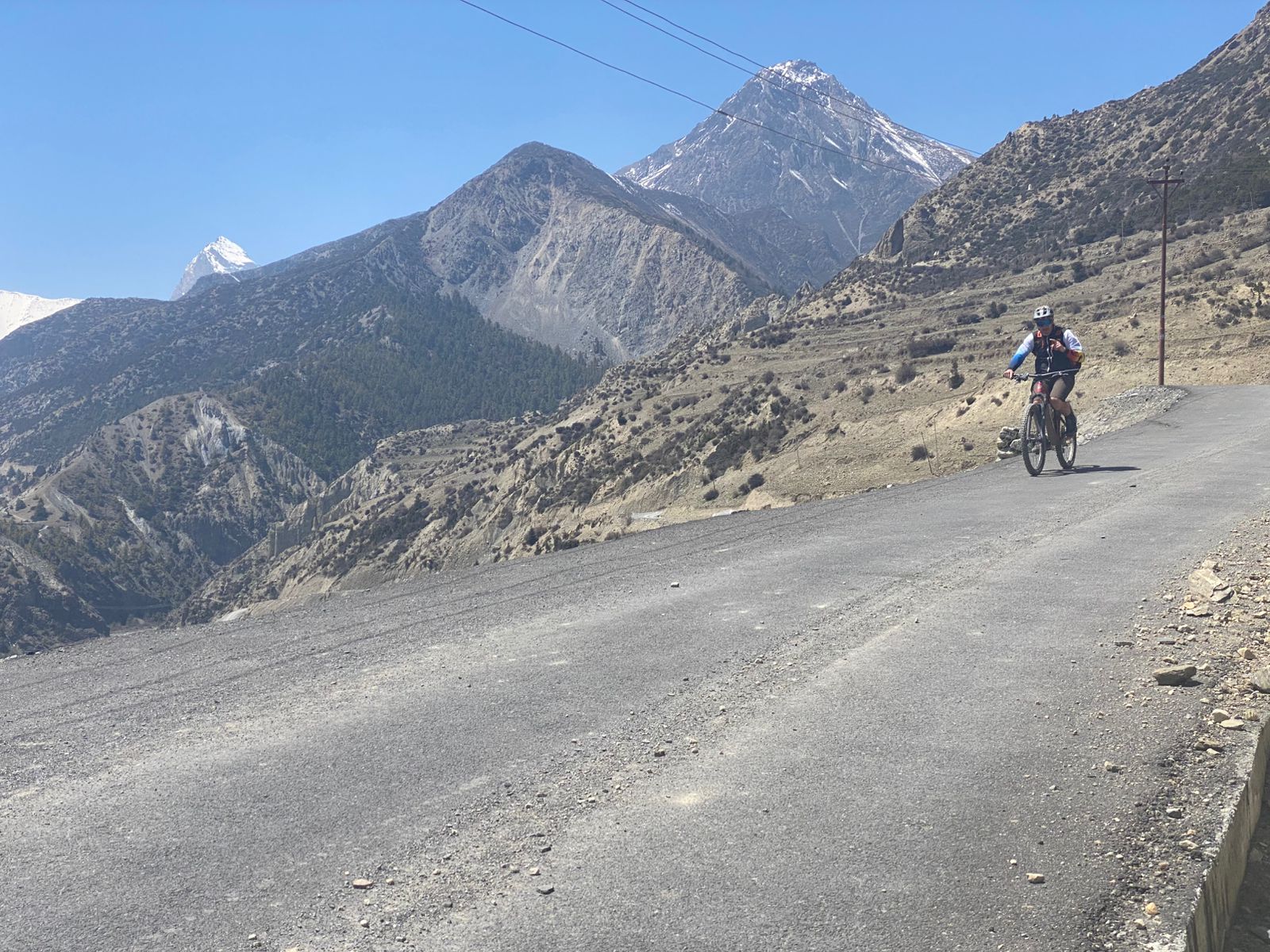
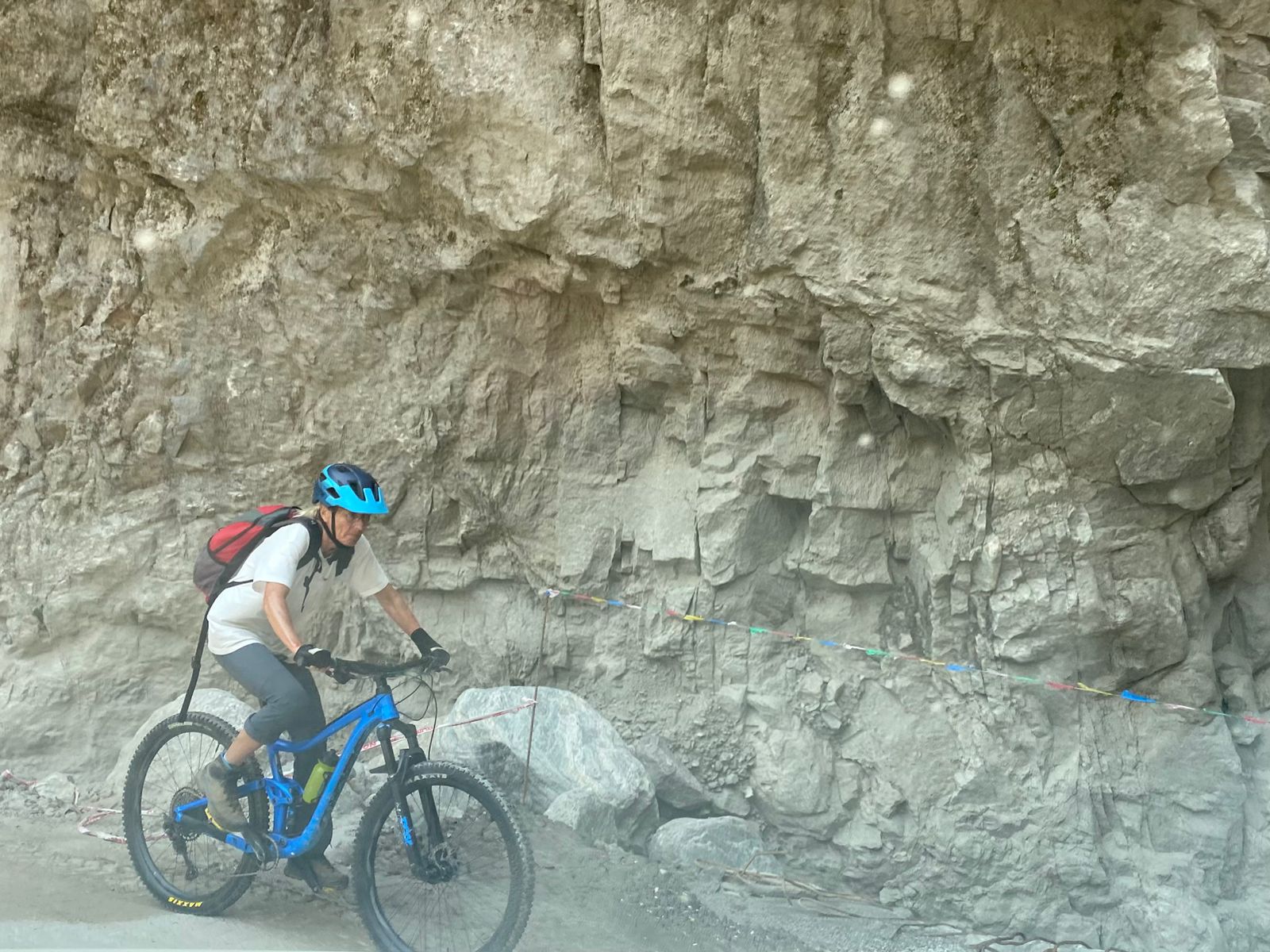
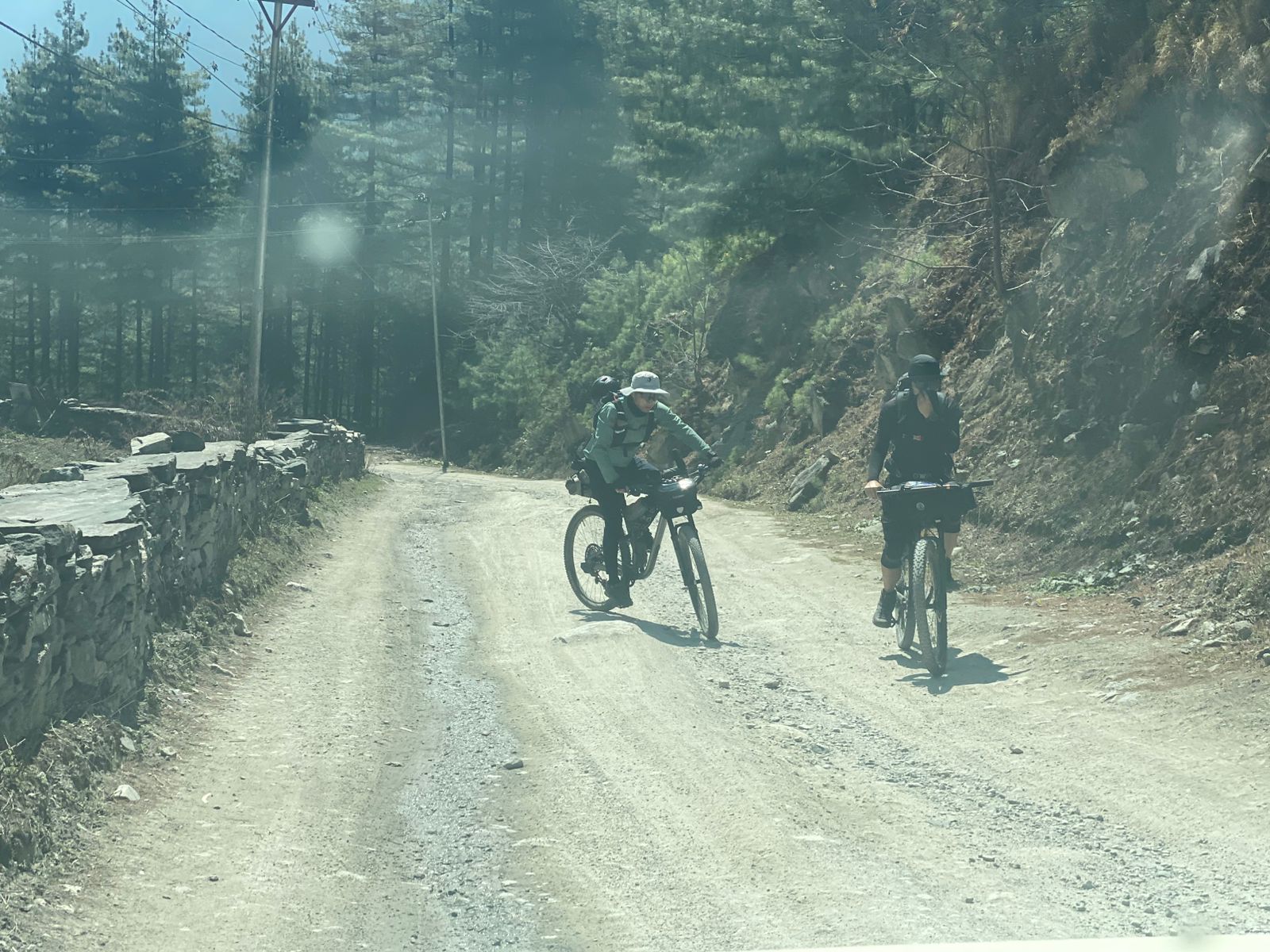
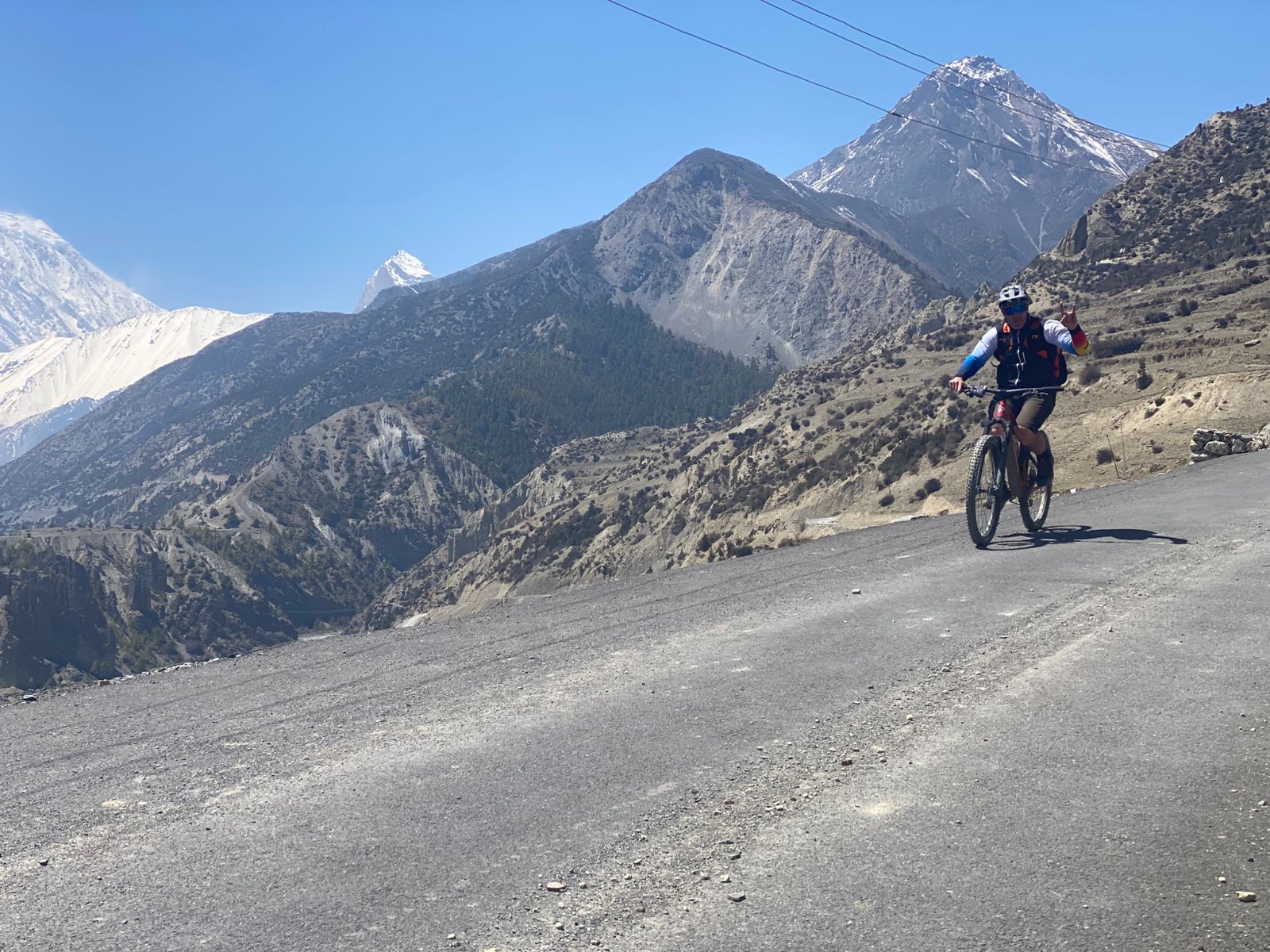
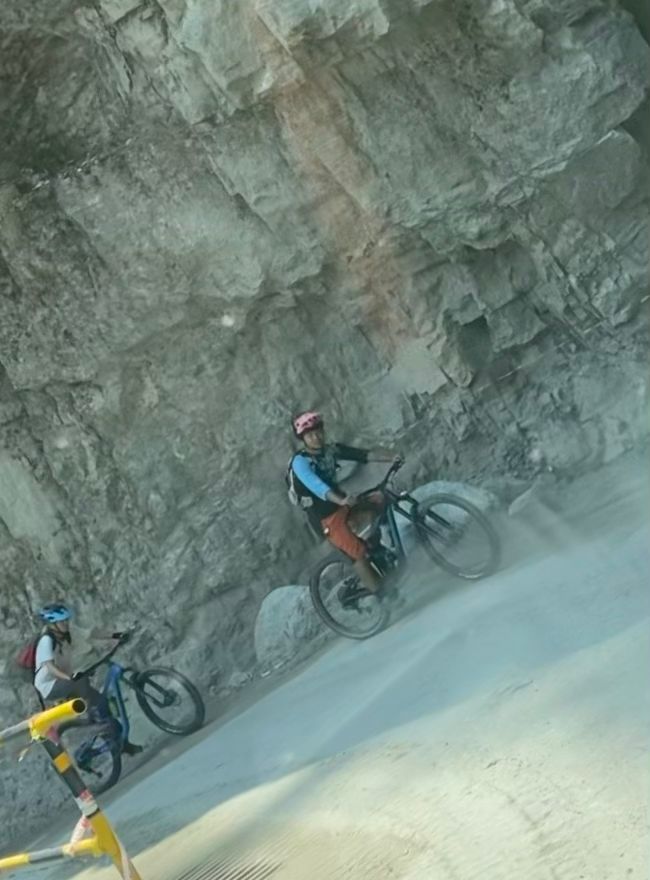
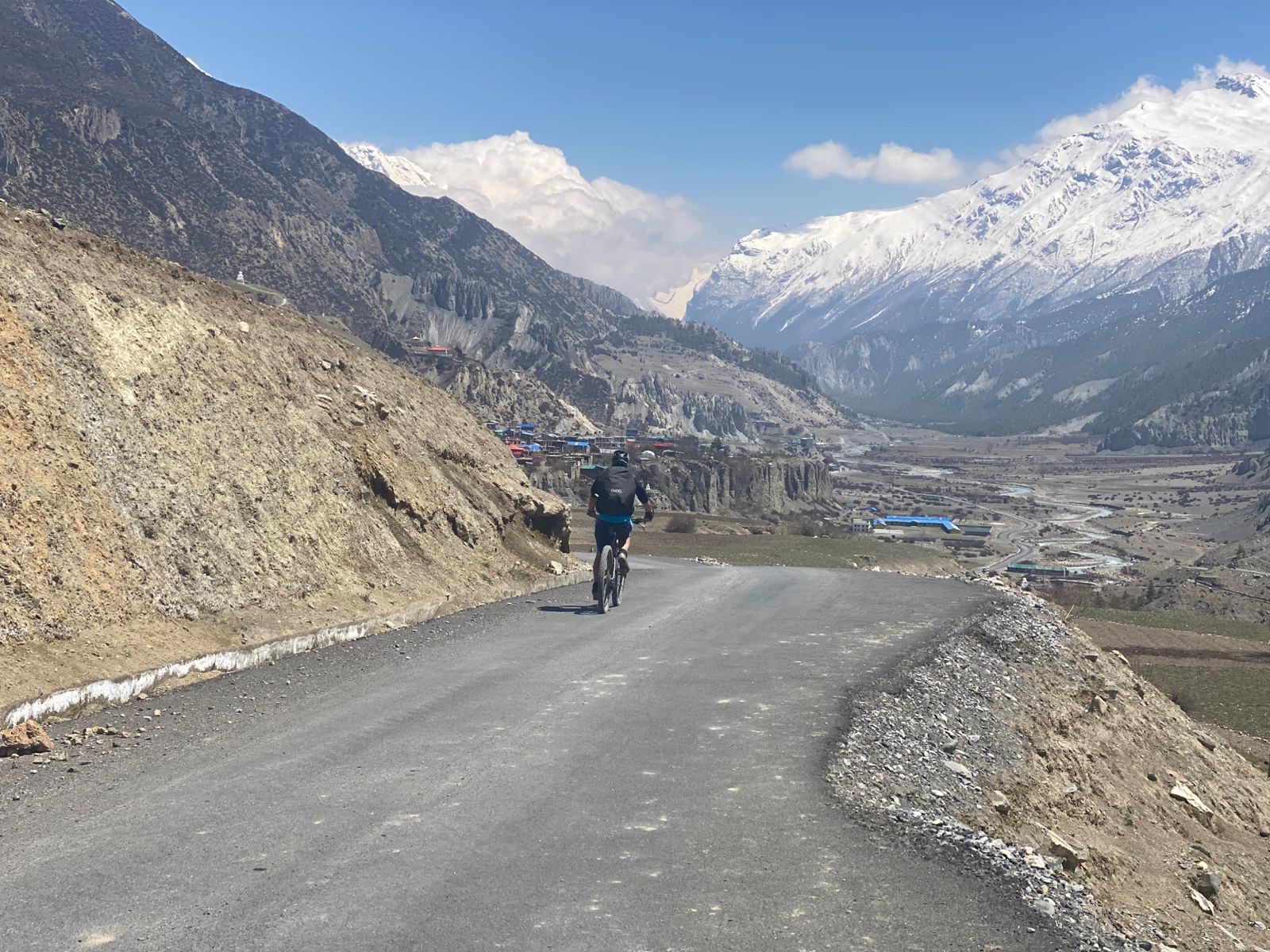
Cycling in Mustang is an experience like no other. Riders can expect long hours on bikes, with stretches that challenge both endurance and focus. The terrain is diverse, including river valleys, rocky trails, and gradual climbs to high-altitude passes. Each day presents a new visual treat, from terraced fields to barren desert landscapes.
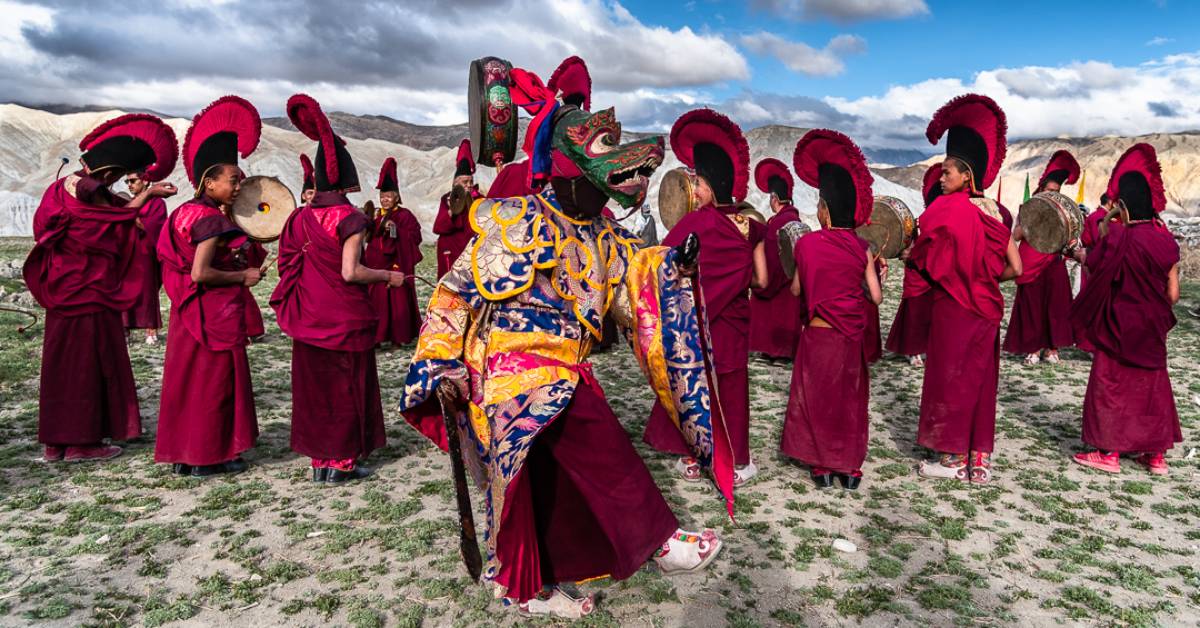
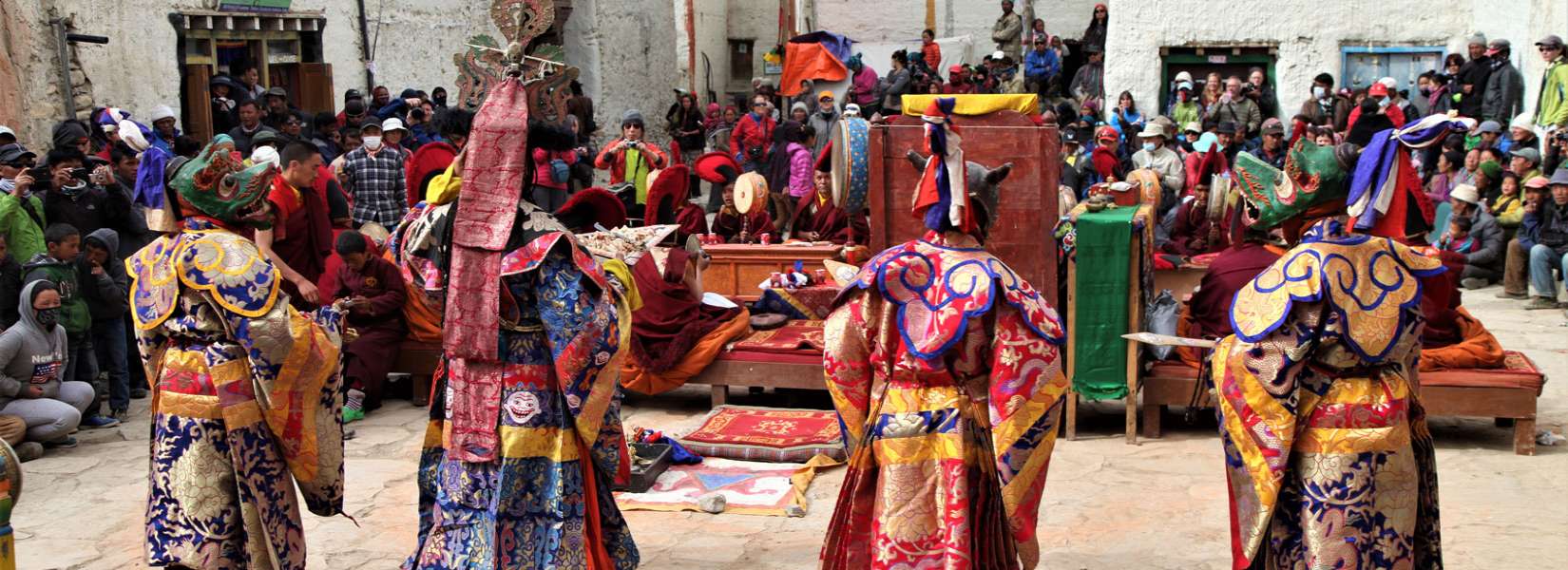
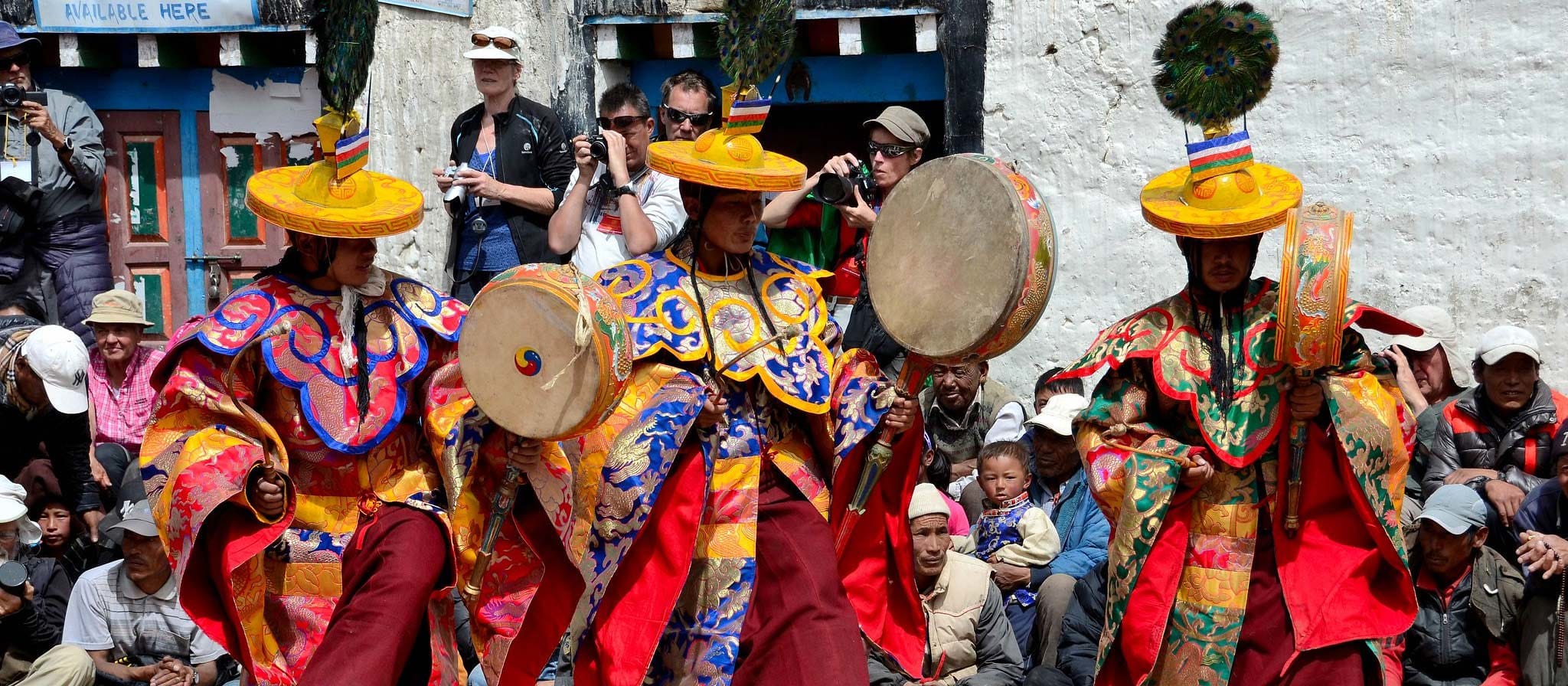
Besides adventure, the tour provides deep cultural immersion. Participants will explore ancient villages, interact with local families, and visit monasteries where monks have lived for centuries. You’ll have opportunities to learn about traditional Tibetan Buddhism, witness local rituals, and participate in community life in small villages.
Physically, the trek is demanding. Cyclists need stamina, strength, and high-altitude tolerance. However, the challenge is balanced with scenic stops, rest days in Lo Manthang, and support from guides and vehicles. Riders also gain a sense of personal achievement as they conquer long trails, high passes, and explore a region few travelers have seen firsthand.
Expectations List
- Adventure Cycling: Daily rides through varied terrain
- Cultural Exploration: Monasteries, villages, and Tibetan traditions
- Scenic Landscapes: Valleys, cliffs, gorges, and desert plains
- High-Altitude Challenge: Gradual acclimatization with expert guidance
- Support & Safety: Guides, vehicles, and pre-planned routes
Is Trek Suitable for You?
The Mustang Cycling Tour is suitable for physically fit adventure seekers who enjoy long-distance biking and high-altitude challenges. Participants should have prior cycling experience, especially on off-road trails and mixed terrain. It is ideal for those who want to combine adventure with cultural exploration in a remote Himalayan region.
While the tour is challenging, it is also flexible. Support vehicles are available for riders who need assistance, and guides provide advice on pacing, hydration, and riding technique. Riders who are open to learning and adapting to local conditions will find this journey rewarding.
The tour is not recommended for beginners or individuals with serious medical conditions that may be aggravated by high altitudes or physical exertion. Riders must be prepared for long hours of cycling, variable weather, and limited modern amenities in remote villages.
Suitability List
- Experienced Cyclists: Off-road and endurance riding
- Adventure Seekers: Remote trails and high-altitude passes
- Cultural Enthusiasts: Interest in Tibetan lifestyle and heritage
- Physically Fit Individuals: Able to handle long rides and challenging terrain
- Open-Minded Travelers: Willing to adapt to local conditions
How to Get Prepared for Trek
Preparation for Mustang cycling involves physical training, equipment readiness, and knowledge of high-altitude conditions. Begin by building endurance through long-distance cycling, running, or cardio exercises. Strength training for legs and core will help maintain balance and control on rocky trails.
Familiarize yourself with off-road biking techniques, including handling uneven terrain, uphill climbs, and descending safely. Practice riding on similar trails if possible. Ensure your bike is in excellent condition, with well-maintained brakes, gears, tires, and suspension.
Health preparation is also crucial. Stay hydrated, eat a balanced diet, and learn about altitude sickness symptoms and prevention. Consult your doctor if necessary, and carry any prescribed medications. Mental preparation is equally important, as remote areas and challenging rides require patience, resilience, and adaptability.
Preparation List
- Physical Training: Cardio, strength, and endurance exercises
- Biking Skills: Off-road handling, climbing, and descent techniques
- Equipment Readiness: Bike maintenance, protective gear, spare parts
- Health & Acclimatization: Hydration, diet, altitude awareness
- Mental Preparation: Patience, resilience, and adaptability
-
Trip Duration
10 Days / 9 Nights
-
Group Size
1–20 People
-
Maximum Altitude
3,840 m
-
Trip Difficulty
Challenging to Extremely Challenging
-
Activities
Trekking
-
Best Season
Spring (March – May) ,Autumn (September – November)
-
Trip Start & End
Kathmandu / Kathmandu
-
Meals
Breakfast, Lunch, Dinner
-
Accomodation
Hotel / Guesthouse
Highlights
- Forbidden Kingdom of Mustang: Ride through the ancient and culturally rich region of Upper Mustang.
- Lo Manthang Exploration: Visit the walled city with royal palaces, monasteries, and traditional Tibetan-style houses.
- Desert Landscapes: Witness vast arid valleys, red cliffs, and unique rock formations rarely seen elsewhere.
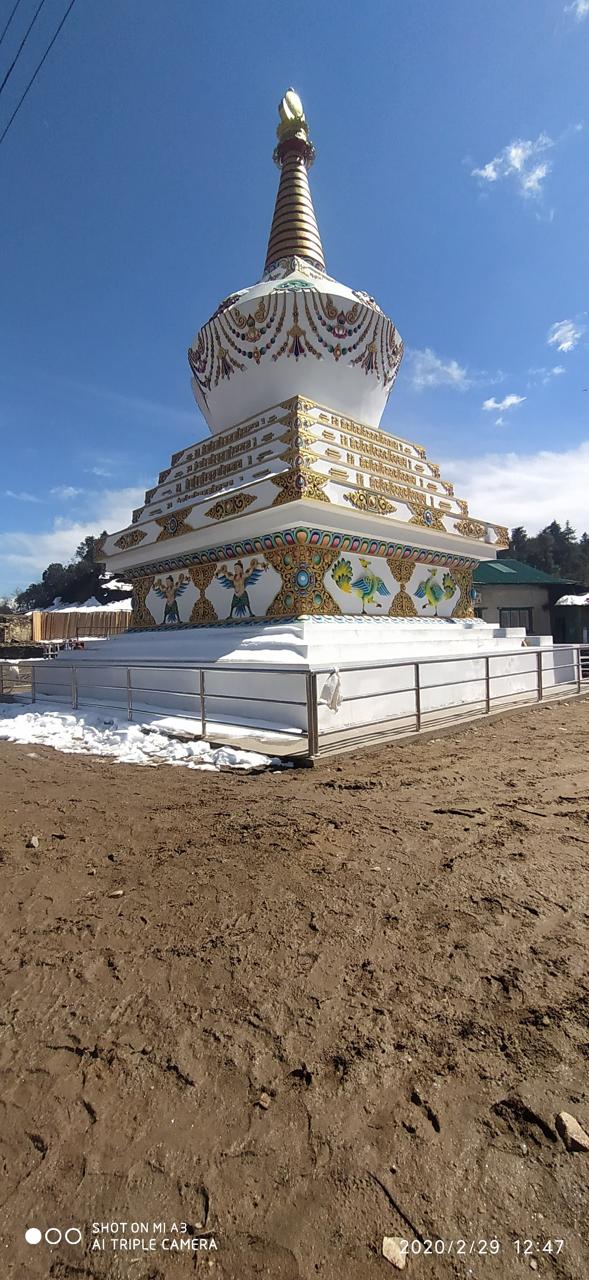
- Tibetan Culture & Monasteries: Immerse yourself in local monasteries, caves, and the Tibetan lifestyle.
- Thrilling Off-Road Riding: Experience winding trails, rocky passes, and adventurous mountain biking.
- Scenic Himalayan Views: Enjoy panoramic vistas of the Annapurna, Dhaulagiri, and Nilgiri ranges.
- Historic Villages: Stop at ancient settlements like Kagbeni, Chele, Ghami, and Dhakmar.
- Cultural Encounters: Meet local residents, try traditional food, and witness festivals if timing allows.
- Adventure & Fitness: Build endurance with cycling in high-altitude trails and varied terrains.
Itinerary
Day 01
Upon your arrival in Kathmandu, the capital city of Nepal, you will be greeted and transferred to your hotel for check-in and rest. This first day is designed to help you settle in after your journey, acclimatize to the altitude, and relax before the adventure begins. In the evening, you will meet your cycling guide and support team. This session includes a detailed briefing about the route, safety measures, cycling techniques, and emergency protocols. You’ll also get an opportunity to inspect your bikes and gear to ensure everything is ready for the days ahead.
Later, you can explore the local area around your hotel or enjoy a quiet evening preparing for the journey. Kathmandu offers a mix of traditional culture and modern amenities, so it’s an excellent place to start your adventure while taking in views of nearby hills and the distant Himalayan peaks. The night is spent in Kathmandu, allowing you to rest fully before hitting the road.
Trip Duration:
Evening briefingTrip Distance:
N/AAltitude:
1,400 mMeal:
DinnerAccomodation :
Kathmandu HotelDay 02
Start your day with an early breakfast before beginning the scenic drive to Pokhara. The route passes through lush river valleys, terraced fields, and picturesque villages, providing a gradual descent from the Kathmandu Valley. Pokhara is a tranquil lakeside city with stunning views of the Annapurna range, offering an ideal spot to relax and prepare your bike for the upcoming cycling adventure. On the way, you may stop at local towns and viewpoints to enjoy the scenery and capture photographs.
Once in Pokhara, take time to check your bicycle setup, adjust gears, and ensure brakes and tires are ready for off-road rides. The evening is free to stroll along Lakeside, enjoy the fresh mountain air, or try some local cuisine. This day is important for resting and mentally preparing for the demanding cycling days ahead. The combination of travel, preparation, and relaxation ensures a smooth start to the journey.
Trip Duration:
6–7 hrs driveTrip Distance:
N/AAltitude:
822 mMeal:
Breakfast, Lunch, DinnerAccomodation :
Lakeside Hotel, PokharaDay 03
Today begins with a scenic flight from Pokhara to Jomsom, offering breathtaking aerial views of the Annapurna and Dhaulagiri ranges. Alternatively, a jeep ride is available for those preferring a road journey. Upon arrival, you start your first cycling ride to Kagbeni, a small ancient village at the edge of Upper Mustang. The ride is relatively short and easy, allowing you to acclimatize while enjoying the majestic desert-like landscape of Mustang. Along the trail, you will witness rivers, rocky cliffs, and small Tibetan-style settlements.
Kagbeni is a cultural gem with traditional houses, narrow alleys, and ancient monasteries. After arrival, you can explore the village, meet locals, and learn about their unique lifestyle. The day is designed to gradually introduce riders to off-road cycling while offering ample time to rest and adjust to the higher altitude. Overnight in Kagbeni provides an authentic taste of Mustang’s remote charm.
Trip Duration:
1–2 hrs rideTrip Distance:
~15 kmAltitude:
2,810 mMeal:
Breakfast, Lunch, DinnerAccomodation :
Guesthouse in KagbeniDay 04
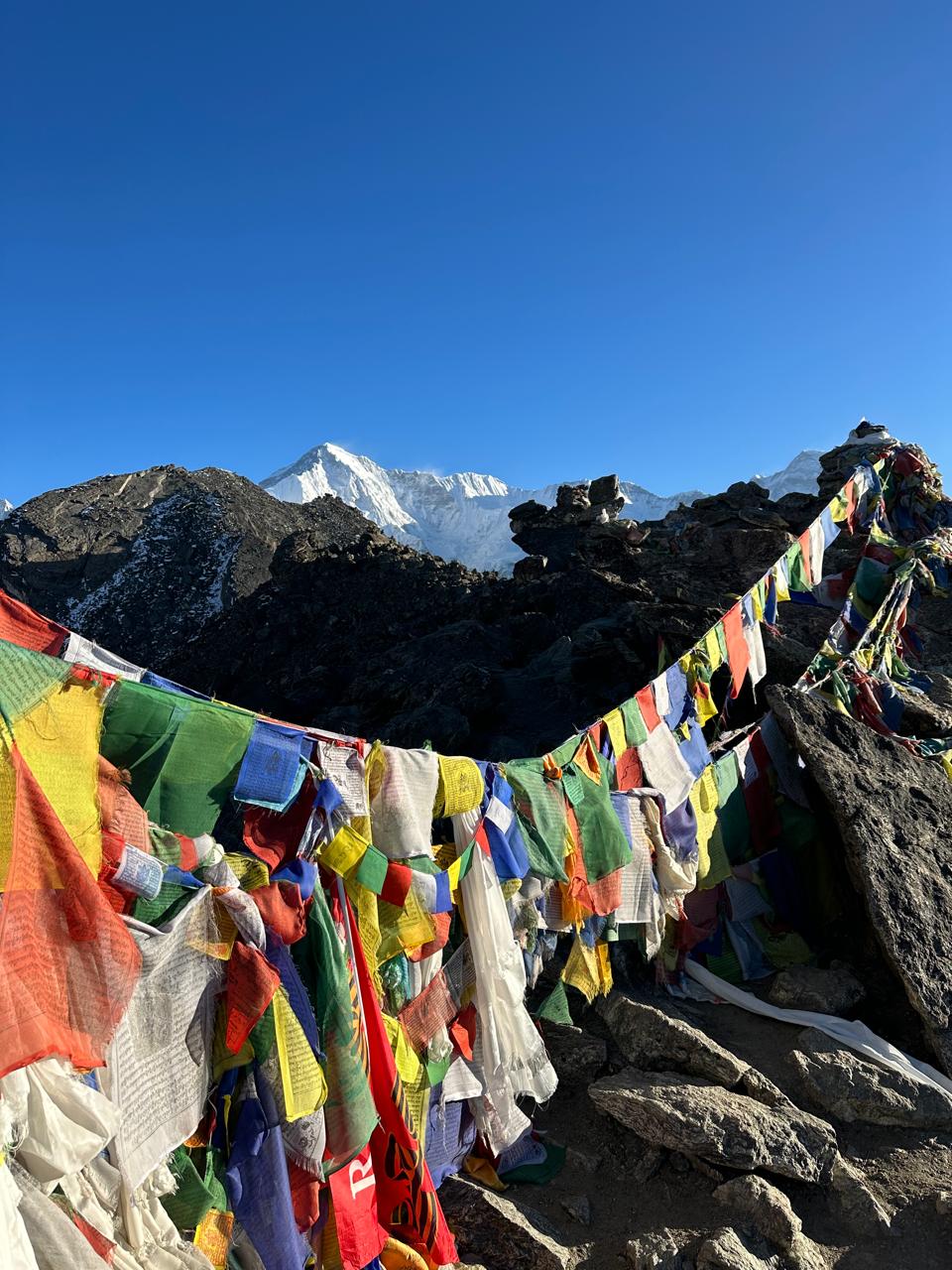
The ride from Kagbeni to Chele marks the start of your adventure into the heart of Upper Mustang. You will cycle through rocky trails, winding valleys, and occasional uphill climbs. Along the way, you will pass scattered villages, mani walls, prayer flags, and barren desert landscapes, all adding to the uniqueness of Mustang. This section is moderately challenging but extremely rewarding in terms of scenery and cultural exposure.
Chele is a small settlement nestled among hills, offering panoramic views of the surrounding cliffs and valleys. Upon arrival, you can relax, explore local monasteries, and interact with villagers. This day helps riders build confidence on off-road terrain while acclimatizing further to the altitude. The mix of physical exertion and visual reward makes this one of the most memorable rides.
Trip Duration:
5–6 hrs rideTrip Distance:
~35 kmAltitude:
3,050 mMeal:
Breakfast, Lunch, DinnerAccomodation :
Guesthouse in CheleDay 05
Today’s ride is more challenging as you cross high desert passes and ride through wide-open valleys. The landscape transforms into deep red cliffs, sandy trails, and dramatic gorges, making it a visually stunning day for photography and adventure. You will pass isolated villages, Buddhist shrines, and ancient structures reflecting Mustang’s rich cultural heritage. The day is physically demanding, requiring both strength and endurance.
Ghami is a larger village compared to Chele, with stone houses and traditional Tibetan-style courtyards. Upon arrival, enjoy the hospitality of local guesthouses and explore the village’s monasteries. Interactions with locals, witnessing traditional rituals, and experiencing the unique culture of Upper Mustang adds a cultural dimension to the physical adventure.
Trip Duration:
5–6 hrs rideTrip Distance:
~30 kmAltitude:
3,520 mMeal:
Breakfast, Lunch, DinnerAccomodation :
Guesthouse in GhamiDay 06
This is one of the most iconic rides of the tour. You cycle through wide valleys, dramatic cliffs, and undulating trails to reach Lo Manthang, the walled city and cultural heart of Mustang. The journey includes stretches of uphill climbs, rocky paths, and stunning desert views, offering both adventure and awe-inspiring scenery. Riders will encounter prayer flags, mani walls, and remote settlements along the way.
Lo Manthang, established in the 15th century, is home to monasteries, palaces, and traditional Tibetan-style houses. Upon arrival, cyclists can explore the city, visit the royal palace, and enjoy local hospitality. This day combines the thrill of mountain biking with the satisfaction of reaching a historic and culturally significant destination.
Trip Duration:
5–6 hrs rideTrip Distance:
~25 kmAltitude:
3,840 mMeal:
Breakfast, Lunch, DinnerAccomodation :
Guesthouse in Lo ManthangDay 07
Take a well-deserved rest day to explore Lo Manthang and its surroundings. Visit ancient monasteries, royal palaces, and nearby villages such as Chhoser. This day allows riders to relax, recover, and learn about the unique Tibetan culture of Upper Mustang. Walking tours and short cycling trips within the city provide insight into local life, architecture, and traditions.
The rest day also offers opportunities for photography, meditation, or enjoying the quiet desert atmosphere. Local markets and interactions with villagers offer a cultural learning experience, enhancing your understanding of this remote Himalayan region. By the end of the day, you will feel refreshed and ready for the return cycling journey.
Trip Duration:
Full dayTrip Distance:
Optional short ridesAltitude:
3,840 mMeal:
Breakfast, Lunch, DinnerAccomodation :
Guesthouse in Lo ManthangDay 08
Ride through unique desert landscapes, dramatic red cliffs, and winding trails on your way to Dhakmar. The route provides an alternative perspective of Mustang’s geological formations and offers less-traveled paths, making it a visually stunning cycling experience. Uphill and downhill stretches challenge riders, while the scenery motivates them to keep going.
Dhakmar is a small village perched on a cliff with panoramic views of the surrounding valleys. Overnight in local guesthouses allows for cultural immersion and interaction with local families. This ride combines adventure, photography, and cultural exploration in one day.
Trip Duration:
5–6 hrs rideTrip Distance:
~30 kmAltitude:
3,820 mMeal:
Breakfast, Lunch, DinnerAccomodation :
Guesthouse in DhakmarDay 09
Today’s ride descends through dramatic cliffs and river valleys back to Jomsom. Riders experience a mix of downhill fast sections and some rough off-road terrain. The views of the Kali Gandaki River and surrounding peaks make this day memorable, as the landscape transforms from arid deserts to green river valleys.
Along the way, you may stop at Ghiling or Chhusang villages to rest, explore, and take photographs. Arrival in Jomsom signals the near end of the Mustang cycling adventure. Overnight at Jomsom guesthouses allows for rest before the final day of travel.
Trip Duration:
6–7 hrs rideTrip Distance:
~60 kmAltitude:
2,700 mMeal:
Breakfast, Lunch, DinnerAccomodation :
Guesthouse in JomsomDay 10
Take an early morning flight from Jomsom to Pokhara, enjoying spectacular aerial views of the Himalayan ranges. From Pokhara, continue your journey back to Kathmandu by road or flight. This final day allows reflection on the adventure, sharing stories, and celebrating the completion of the Mustang cycling tour.
The evening in Kathmandu provides a chance to relax, enjoy a farewell dinner, and prepare for departure. The memories of remote desert valleys, walled cities, Tibetan monasteries, and off-road cycling will remain unforgettable.
Trip Duration:
Flight + Drive 6–7 hrsTrip Distance:
N/AAltitude:
1,400 mMeal:
Breakfast, Lunch, DinnerAccomodation :
Kathmandu HotelWhat's Included
- Accommodation during the trek/tour
- All meals as per itinerary (Breakfast, Lunch, Dinner)
- Transportation as mentioned in the itinerary
- Experienced guide and support staff
- Trekking/cycling permits and national park fees
- Necessary entry fees to cultural sites or monasteries
- First aid kit and emergency support
What's Excluded
- International flights to and from Nepal
- Nepal visa fees
- Personal expenses (drinks, snacks, souvenirs)
- Optional premium accommodations or meals
- Personal travel insurance
- Porters: Optional, though recommended for carrying heavy luggage ($22 per porter per day), a porter can carry up to 20 kg, and it is advisable to hire one porter for every two trekkers for comfort and convenience
Essential Info
Add-Ons
Exploring Mustang or any remote region of Nepal offers more than just the main trekking or cycling experience. Add-ons are optional experiences, excursions, and activities that can enrich your adventure, giving you deeper insights into local culture, natural landscapes, and unique attractions. These activities allow travelers to tailor their trip according to their interests and energy levels, making each journey even more memorable. From cultural immersion to thrilling adventure, the add-ons complement the main itinerary without overwhelming the schedule.
Many travelers choose to extend their stay in key locations along the route to explore nearby villages, monasteries, or scenic viewpoints. For instance, in Lo Manthang, one could spend an extra day visiting Chhoser and Ghemi villages, exploring ancient caves, and interacting with local families to experience traditional Tibetan customs. Similarly, in Jomsom or Kagbeni, guests can explore the Kali Gandaki valley further, capturing photography, visiting local markets, or enjoying short nature walks that reveal hidden corners of the region. These activities not only enrich your journey but also support local communities by promoting sustainable tourism.
Add-ons can also include adventure activities such as high-altitude photography workshops, guided cultural tours, and short hikes or side trips to remote viewpoints. For cyclists, options like off-road detours to lesser-known trails or additional loops through desert landscapes can provide both challenge and excitement. For trekkers, camping at alternative sites or visiting remote high-altitude lakes adds a new dimension to the experience. Our team ensures that all add-ons are safe, well-guided, and compatible with your main itinerary so that travelers get the maximum benefit without compromising safety or schedule.
Popular Add-Ons in Mustang Cycling/Trekking Tour
- Chhoser & Ghemi Village Visit – Explore nearby villages of Lo Manthang to witness traditional Tibetan lifestyles, ancient monasteries, and local craftsmanship.
- High-Altitude Photography Workshop – Learn tips and techniques for capturing the majestic landscapes of Mustang with guidance from professional photographers.
- Side Hikes & Scenic Viewpoints – Optional short treks to hidden viewpoints, cliffs, and unique desert landscapes that are not part of the main cycling route.
- Cultural Immersion Experiences – Participate in local festivals, rituals, or spend time with villagers to understand their daily life and traditions.
- Local Culinary Experience – Cooking sessions or tasting tours to try traditional Tibetan/Nepali cuisine, including local delicacies and refreshments along the way.
- Hot Springs & Relaxation Stops – In Tatopani or similar locations, enjoy natural hot springs to relax your muscles after long rides or treks.
Best Season to Trek / Cycle in Mustang
Choosing the right season for your Mustang adventure is crucial for maximizing enjoyment, safety, and scenic beauty. The region experiences significant variations in temperature, precipitation, and accessibility, so understanding seasonal patterns helps plan the perfect trip. Mustang’s high-altitude desert landscapes, deep gorges, and Tibetan cultural sites can be explored comfortably during specific periods when weather conditions are favorable, trails are safe, and mountain vistas are clear.
Spring (March – May)
Spring is one of the most popular times to visit Mustang. The weather is moderate, skies are mostly clear, and the valley comes alive with blooming rhododendrons, alpine flowers, and lush greenery. Days are generally warm while nights can be chilly, providing comfortable trekking or cycling conditions. Spring is ideal for photography, wildlife spotting, and enjoying panoramic mountain views.
- Clear Mountain Views – Enjoy unobstructed vistas of the Annapurna and Dhaulagiri ranges.
- Blooming Flora – Witness colorful rhododendrons and alpine flowers along the trails.
- Pleasant Weather – Moderate daytime temperatures ideal for trekking and cycling.
Autumn (September – November)
Autumn is another peak season for Mustang. The monsoon has cleared the dust and haze, leaving fresh air, crisp skies, and stunning visibility. This season offers the most stable weather, making it perfect for high-altitude cycling, trekking, and photography. Crowds are moderate, and trails are generally safe and dry.
- Crisp Clear Skies – Perfect for photography and viewing Himalayan peaks.
- Stable Weather Conditions – Reduced rainfall ensures safer trails.
- Cultural Festivals – Experience local festivals in villages like Lo Manthang.
Winter (December – February)
Winter in Mustang brings cold temperatures, especially at higher altitudes, but offers a unique experience with fewer tourists and pristine snow-capped landscapes. Cyclists and trekkers should be prepared for chilly nights and occasional snow on high passes, but the solitude and serenity make this season rewarding.
- Snow-Capped Views – Breathtaking snowy landscapes across Mustang.
- Fewer Tourists – Enjoy quieter trails and authentic local interactions.
- Crisp Fresh Air – Ideal for photography and peaceful contemplation.
Summer / Monsoon (June – August)
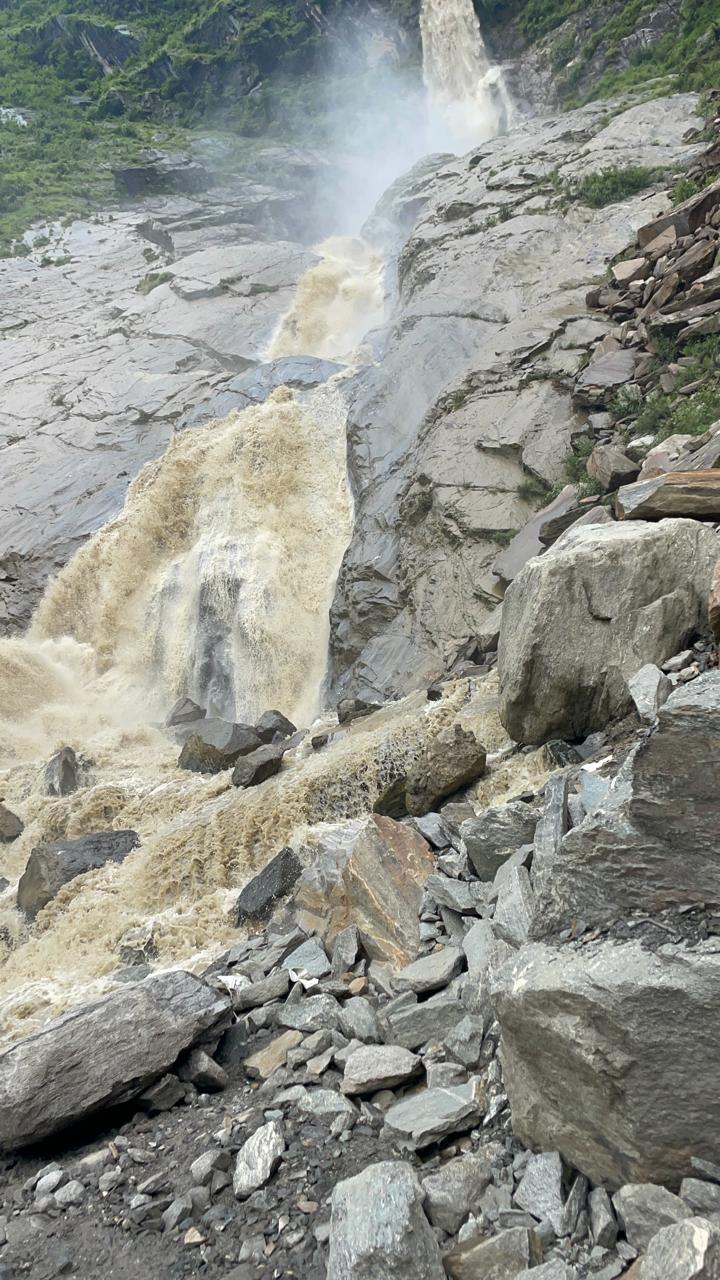
The monsoon season is less favorable for Mustang due to occasional rains and strong winds, especially in lower valleys. While high desert areas receive less rainfall than other parts of Nepal, trails can become slippery, and visibility may be reduced. Some travelers still choose summer for its lush green landscapes and fewer crowds, but extra caution is necessary.
- Lush Green Valleys – Scenic beauty with monsoon-fed rivers and flora.
- Less Crowded – Experience remote trails with minimal tourist activity.
- Challenging Trails – Some paths may be slippery or muddy; caution is advised.
Food Availability
Food in Mustang is an essential part of the journey, not only providing nourishment but also offering a glimpse into the local Tibetan and Nepali culture. Most meals are served in teahouses and lodges, where travelers can experience authentic local cuisine alongside simple, nutritious meals suited for high-altitude activities. While options may vary depending on altitude and remoteness, the variety and quality generally meet the needs of trekkers and cyclists, keeping energy levels high for long days on the trail.
Breakfast is typically the most diverse meal of the day, with options ranging from traditional Tibetan porridge, tsampa (roasted barley flour), or Nepali staples like chiura (beaten rice) with yogurt. Travelers can also enjoy western-style breakfasts, including eggs, toast, pancakes, or oatmeal, especially in larger villages like Jomsom, Marpha, or Pokhara. A hot cup of tea or coffee accompanies almost every meal, helping travelers warm up after chilly mornings and energize for the day ahead.
Lunch along the trails is often a mix of locally prepared meals that provide carbohydrates, protein, and vegetables to sustain energy. Options include dal bhat (lentils with rice), thukpa (Tibetan noodle soup), noodles, fried rice, or simple sandwiches. Most lodges also offer snacks like cookies, biscuits, instant noodles, and locally sourced fruits. It is wise to carry your own energy bars, chocolates, and nuts for mid-ride or mid-trek refueling, as some high-altitude teahouses may have limited options.
Dinners are hearty and designed to replenish calories lost during the day. Local specialties include momos (steamed or fried dumplings filled with vegetables, chicken, or yak meat), vegetable or meat stews, and various forms of fried rice or noodles. High-protein foods and warm soups are common, helping travelers recover from the long day’s exertion. Hot drinks like milk tea, cocoa, and butter tea are widely available, offering both warmth and hydration.
- Breakfast Options – Tibetan porridge, tsampa, chiura, eggs, toast, pancakes, oatmeal, tea, coffee.
- Lunch Options – Dal bhat, thukpa, noodles, sandwiches, fried rice, fresh local fruits, biscuits, energy bars.
- Dinner Options – Momos, vegetable/meat stews, fried rice/noodles, hot soups, milk tea, cocoa, butter tea.
- Snacks & Quick Energy Foods – Dry fruits, chocolate, granola/energy bars, trail mix, packaged biscuits.
- Special Dietary Needs – Most lodges can accommodate vegetarian diets; some may also offer vegan options on request.
Accommodation
Accommodation on the Mustang cycling and trekking route is designed to provide comfort, rest, and a warm environment after long days on the trails. While the region is remote, travelers can find a variety of lodging options ranging from basic teahouses to cozy guesthouses, each offering a unique local atmosphere. The lodges are typically family-run, giving visitors a chance to experience the hospitality of Mustang locals and interact with them directly. Staying in these accommodations allows trekkers and cyclists to immerse themselves in the culture, lifestyle, and traditions of the region while enjoying the necessary rest for the next day’s journey.
Most accommodations provide simple rooms with twin or single beds, blankets, and basic furnishings. In higher-altitude villages like Lo Manthang, Ghami, or Dhakmar, rooms may have limited heating and no private bathrooms, but shared washrooms are usually available. Travelers should be prepared for modest amenities, as these areas prioritize warmth and cleanliness over luxury. Staying in teahouses also allows travelers to enjoy local meals, often prepared with fresh ingredients from nearby villages, giving an authentic taste of Mustang’s culinary traditions.
In the larger villages and towns such as Jomsom, Marpha, and Pokhara, accommodations are more modern, with better facilities including hot showers, Wi-Fi, and even laundry services. These locations serve as ideal rest stops to recover from longer cycling or trekking days. Most teahouses and lodges offer comfortable common areas where travelers can socialize, share stories, or plan the next day’s route with their guides. Choosing the right accommodation based on altitude and comfort preference is important to ensure adequate rest, which is crucial for both cycling and trekking in high-altitude environments.
- Basic Lodges / Teahouses – Twin or single rooms, shared bathrooms, blankets, small common area, warm meals.
- Mid-range Guesthouses – Private or semi-private bathrooms, modest heating, common lounge, local meals, scenic views.
- Hotels in Larger Towns – Hot showers, Wi-Fi, laundry, more spacious rooms, comfortable bedding, restaurants, and souvenir shops.
- High-Altitude Settlements – Limited facilities, shared washrooms, simple heating options, authentic local experience.
- Cultural Immersion – Staying in family-run teahouses offers insights into Mustang’s lifestyle, traditions, and hospitality.
Accommodation is also strategically planned to ensure gradual acclimatization to high altitudes. Staying overnight in villages like Ghami, Lo Manthang, or Chele allows the body to adjust to elevation while offering scenic views of the Himalayan landscape. This careful balance of comfort, local culture, and altitude adaptation is essential for a safe and enjoyable Mustang cycling or trekking experience.
- Altitude Consideration – Accommodations chosen to maximize acclimatization and comfort, especially in high-altitude days.
- Interaction with Locals – Many teahouses are family-owned, allowing cultural exchanges and firsthand experience of Tibetan-influenced hospitality.
- Preparation & Planning – Booking in advance is recommended for peak seasons to secure rooms, especially in remote settlements.
Travelers should be aware that while accommodations may not match the standards of urban hotels, they provide warmth, safety, and a welcoming environment that enhances the adventure and cultural experience of Mustang. Proper planning, flexibility, and an appreciation for simplicity are key to making the most of these lodging experiences.
Travel Insurance
Travel insurance is a critical component of any adventure in Mustang, especially when cycling or trekking in remote high-altitude regions. The terrain can be unpredictable, ranging from rocky desert trails to narrow mountain passes, and sudden weather changes are common. Comprehensive travel insurance ensures that trekkers and cyclists are covered for medical emergencies, evacuation, trip cancellations, and loss of belongings. Most insurance policies for high-altitude activities include coverage for accidents, injuries, and illnesses that may occur during physically demanding activities such as mountain biking or trekking above 3,000 meters.
Selecting the right travel insurance policy is essential for peace of mind. Policies should cover high-altitude trekking, off-road cycling, and potential helicopter evacuation in case of emergencies. Accidents can happen, even to experienced adventurers, and having insurance ensures that help is available quickly without financial strain. Travel insurance also covers unexpected delays due to roadblocks, landslides, or severe weather, which are common in Mustang’s rugged terrain. For cyclists, coverage for bike damage or theft can be included to protect the expensive equipment used during the journey.
Most insurance providers recommend carrying a copy of the policy and emergency contact numbers at all times. In case of minor injuries or illnesses, local hospitals in towns like Jomsom or Pokhara can provide care. For more serious cases, helicopters may be required to evacuate trekkers to Kathmandu for advanced medical attention. Ensuring insurance coverage for these scenarios is crucial, as medical evacuation costs can be substantial. Insurance also provides coverage for trip interruption, ensuring that travelers can return home safely if unforeseen events occur.
- High-Altitude Coverage – Ensure policy covers activities above 3,000–4,000 meters.
- Emergency Evacuation – Helicopter evacuation and hospital transfer for serious medical emergencies.
- Medical Expenses – Treatment for illness, injury, and accidents during trekking or cycling.
- Trip Delay & Cancellation – Coverage for delays due to weather, road closures, or other emergencies.
- Bike Coverage – Optional coverage for theft or damage of cycling equipment.
Having robust travel insurance allows travelers to fully focus on their adventure, explore remote areas, and push personal limits with confidence, knowing that support is available in any situation.
Altitude Sickness
Altitude sickness, also known as acute mountain sickness (AMS), can occur when ascending to high elevations too quickly. Mustang, with villages like Lo Manthang at 3,840m and passes reaching above 4,000m, presents a real risk of altitude-related illnesses. Symptoms may include headaches, nausea, dizziness, fatigue, and shortness of breath. Understanding, preventing, and managing altitude sickness is essential for a safe and enjoyable experience.
The best way to prevent altitude sickness is gradual acclimatization. The Mustang itinerary is designed with rest days in key villages such as Lo Manthang to allow the body to adjust. Hydration is critical; trekkers and cyclists should drink plenty of water, avoid alcohol, and eat light, balanced meals. Slow, steady pacing during rides and hikes helps minimize strain on the body. In some cases, medications like Diamox may be recommended under medical supervision to prevent or reduce symptoms of AMS.
Recognizing early symptoms and responding promptly can prevent serious complications such as high-altitude pulmonary edema (HAPE) or high-altitude cerebral edema (HACE). Guides are trained to monitor participants, and descent to lower altitudes is the most effective treatment if symptoms worsen. Oxygen cylinders and basic first aid are available with the guide teams for emergency use. Travelers should listen to their bodies and avoid pushing themselves beyond safe limits.
- Gradual Acclimatization – Rest days in key villages for body adjustment.
- Hydration & Nutrition – Drink sufficient water, eat balanced meals, and avoid alcohol.
- Pacing – Maintain a slow, steady pace to reduce stress on the body.
- Medical Attention – Recognize early signs of AMS and consult guides immediately.
- Emergency Measures – Descent, oxygen, and first aid are available when needed.
Being informed and cautious about altitude sickness ensures a safer, more enjoyable adventure, allowing travelers to fully enjoy Mustang’s landscapes and cultural experiences.
Guide and Safety Measures
Experienced guides are an integral part of the Mustang cycling and trekking journey. Guides are well-versed in the local terrain, culture, and weather conditions, and they ensure that the group travels safely while maximizing the experience. They provide route navigation, daily briefings, cultural insights, and assistance during challenging sections of the trail. For cycling days, guides lead the ride, monitor the pace, and ensure that participants are riding safely on off-road tracks.
Safety measures extend beyond navigation. Guides carry first aid kits, oxygen cylinders, and emergency communication devices such as satellite phones. Weather and road conditions are closely monitored to avoid risks from landslides, storms, or sudden temperature drops. Participants are briefed on riding and trekking safety, including the use of helmets, proper hydration, and managing energy during long days. In high-altitude areas, guides closely observe the health of participants to prevent altitude sickness or fatigue-related incidents.
Local support staff, including cooks, porters, and sometimes horse or mule handlers, assist in carrying food, luggage, and equipment, reducing physical strain on participants. This ensures that travelers can focus on riding, trekking, and enjoying the cultural and scenic aspects of Mustang without unnecessary burdens. The combination of trained guides and support staff provides a comprehensive safety net throughout the adventure.
- Experienced Guides – Knowledgeable in terrain, culture, and safety protocols.
- Emergency Preparedness – First aid kits, oxygen, and communication devices available.
- Daily Briefings – Guidance on routes, weather, safety, and pacing.
- Local Support Staff – Assistance with luggage, meals, and logistics.
- Monitoring Health – Close observation for altitude sickness, fatigue, or injury.
Safety-focused operations, combined with cultural guidance, ensure participants enjoy a memorable and secure adventure in Mustang.
Booking Procedure
Booking your Mustang cycling or trekking adventure with ART Nepal Treks & Expedition is designed to be smooth, transparent, and tailored to your needs. The first step is to reach out to the company via email, phone, or their online inquiry form. During this stage, you can discuss your preferred travel dates, group size, activity type (cycling, trekking, or combined), accommodation preferences, and any special requirements. This initial consultation is important because Mustang is a remote region with limited infrastructure, and planning ahead ensures availability of permits, flights, or vehicles, as well as comfortable accommodations along the route.
Once your inquiry has been reviewed and a suitable itinerary has been proposed, the next step is reservation confirmation. This usually requires a deposit payment, which secures your slot for the planned dates. The deposit also allows ART Nepal Treks & Expedition to start processing permits and logistical arrangements for your journey. After the deposit, you will receive a comprehensive travel package that includes the detailed itinerary, suggested gear and equipment list, packing guidelines, and any pre-departure preparation notes.
The next stage involves the final payment, typically due a few weeks before departure. This payment ensures that all arrangements, including accommodations, transportation, local guides, and support staff, are fully secured. Travelers are encouraged to review the itinerary carefully, confirm any special dietary or medical needs, and communicate these to the company well in advance. The pre-departure stage also includes obtaining travel insurance, booking domestic flights if needed, and preparing personal documents such as passports and permits for Upper Mustang.
Upon arrival in Kathmandu, you will meet your tour leader and guides for an orientation session. During this briefing, the team reviews the full itinerary, safety protocols, cultural etiquette, daily schedules, and high-altitude precautions. Travelers are also guided on bike assembly, equipment checks, and essential navigation tips if cycling. This session provides an opportunity to ask questions, clarify doubts, and become familiar with the entire journey before leaving the city.
Throughout the booking process, ART Nepal Treks & Expedition maintains constant communication with travelers, providing updates on weather, flight schedules, or local conditions that may affect the trip. They also offer assistance with any special requests, such as arranging extra rest days, porter services, or customizing meals. The entire booking process is designed to ensure a stress-free experience so that participants can focus entirely on enjoying the adventure.
- Initial Consultation – Discuss dates, group size, preferences, and special requirements.
- Reservation Confirmation – Secure your spot with a deposit; start permit and logistics preparation.
- Travel Package & Guidelines – Receive detailed itinerary, packing list, and pre-trip instructions.
- Final Payment – Confirm remaining payment and secure all accommodations, transport, and support staff.
- Pre-Departure Preparation – Arrange travel insurance, domestic flights, permits, and health precautions.
- Orientation & Briefing – Meet guides, check equipment, and review safety and route details.
- Ongoing Support – Receive continuous communication and assistance until departure and during the trek/cycle tour.
A well-structured booking procedure ensures travelers are fully prepared, informed, and confident. It also allows ART Nepal Treks & Expedition to plan and execute a seamless, enjoyable, and safe adventure in Mustang’s remote and spectacular landscapes.
Equipment List
- Lightweight trekking/cycling clothes
- Thermal layers for high-altitude mornings/evenings
- Waterproof jacket and pants
- Gloves, hat, and scarf
- Mountain bike or trekking poles
- Helmet for cycling
- Sunglasses and sunblock
- Water bottles / hydration pack
- Layered clothing system
- Fleece jacket
- Insulated jacket for high-altitude days
- Personal first aid kit
- Wet wipes and hand sanitizer
- Trekking shoes and spare socks
- Headlamp and batteries
- Camera / GoPro
- Phone and power bank
- GPS device or maps
General Equipments
- Backpack with rain cover
- Snacks / energy bars
- Travel documents and permits
FAQ
Trip Price
USD 2450 Per Person
Talk To Trip Expert
Related Trips
