Jump in the Fun, Love Every Mile



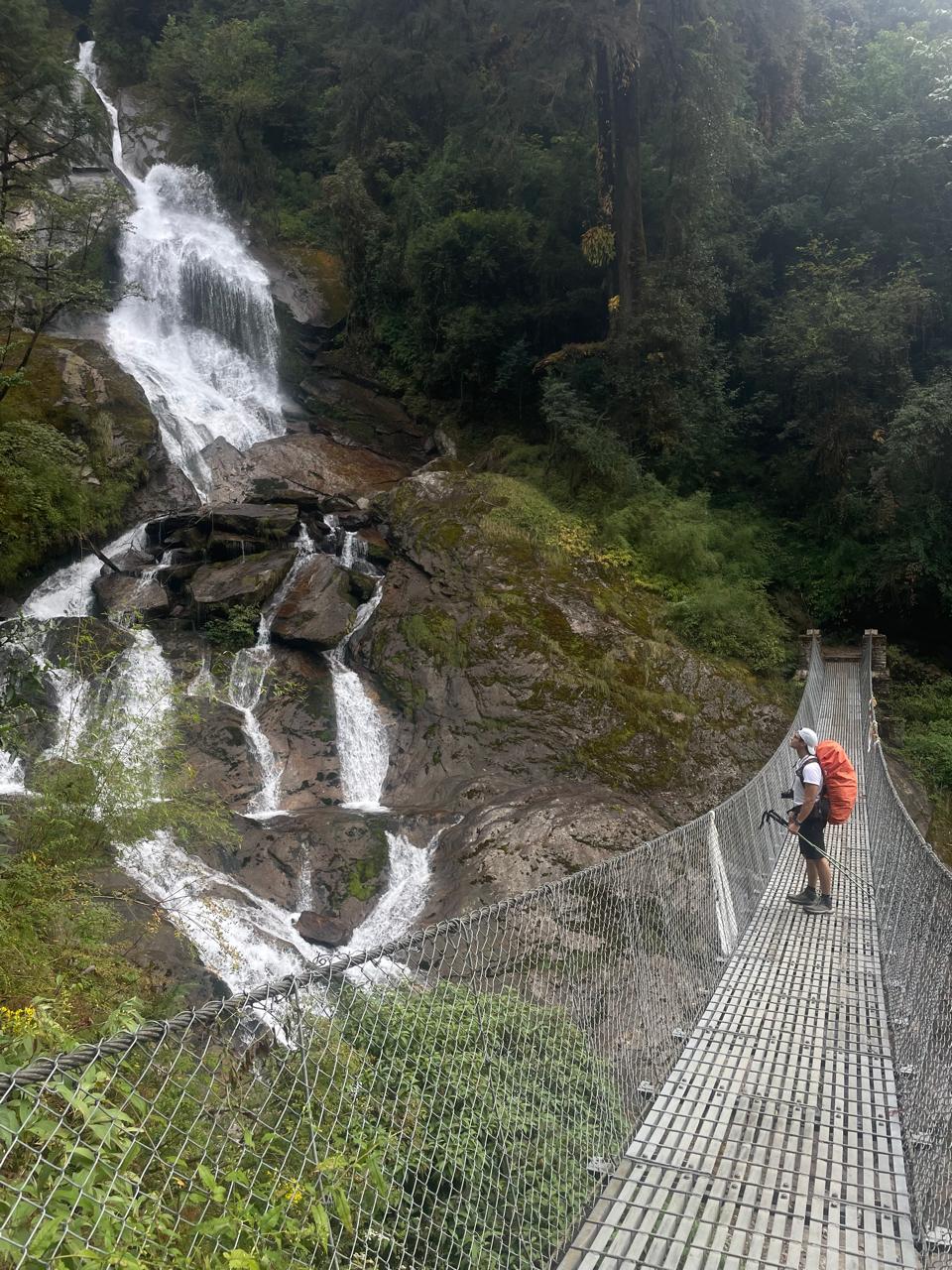
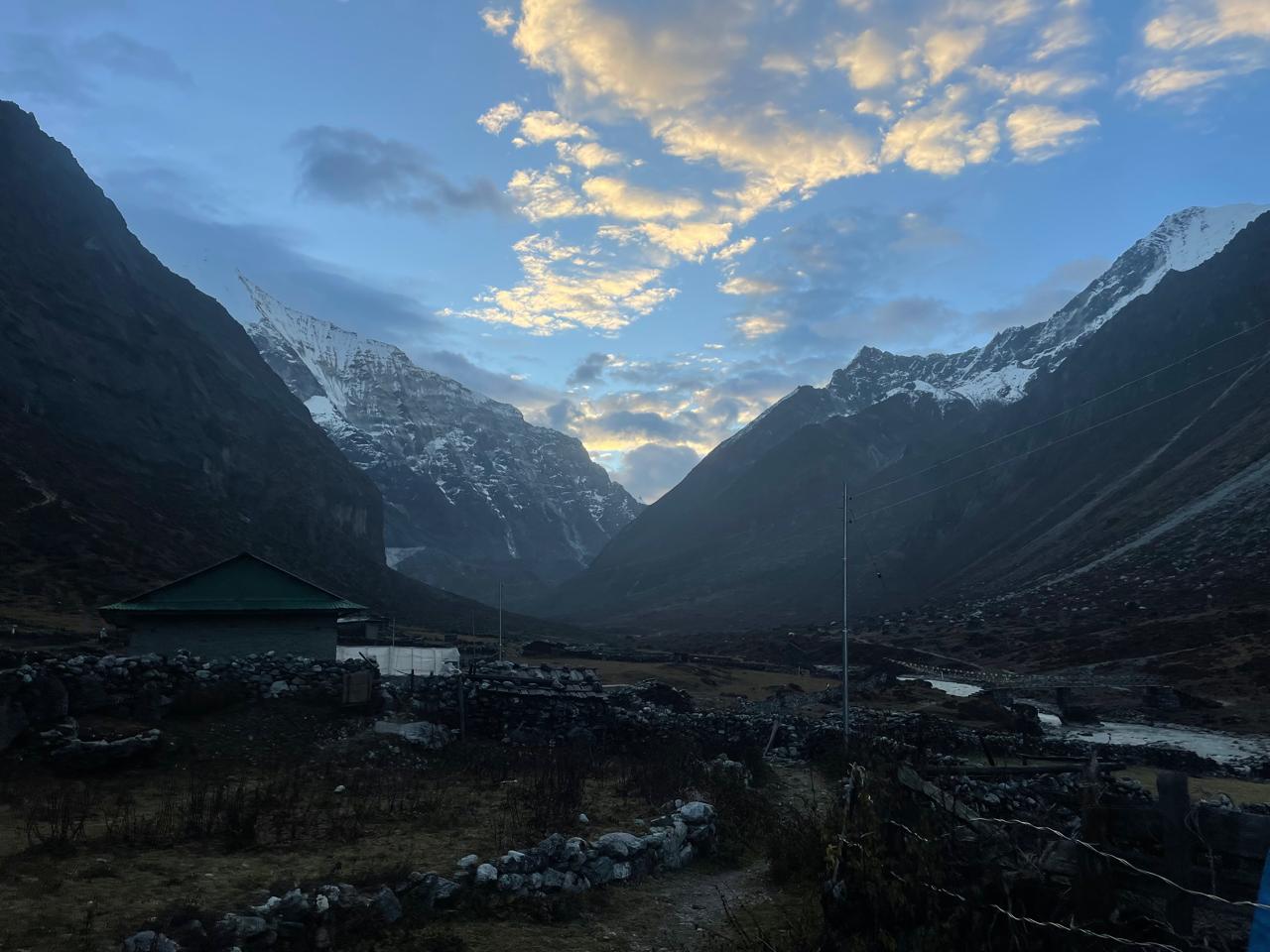
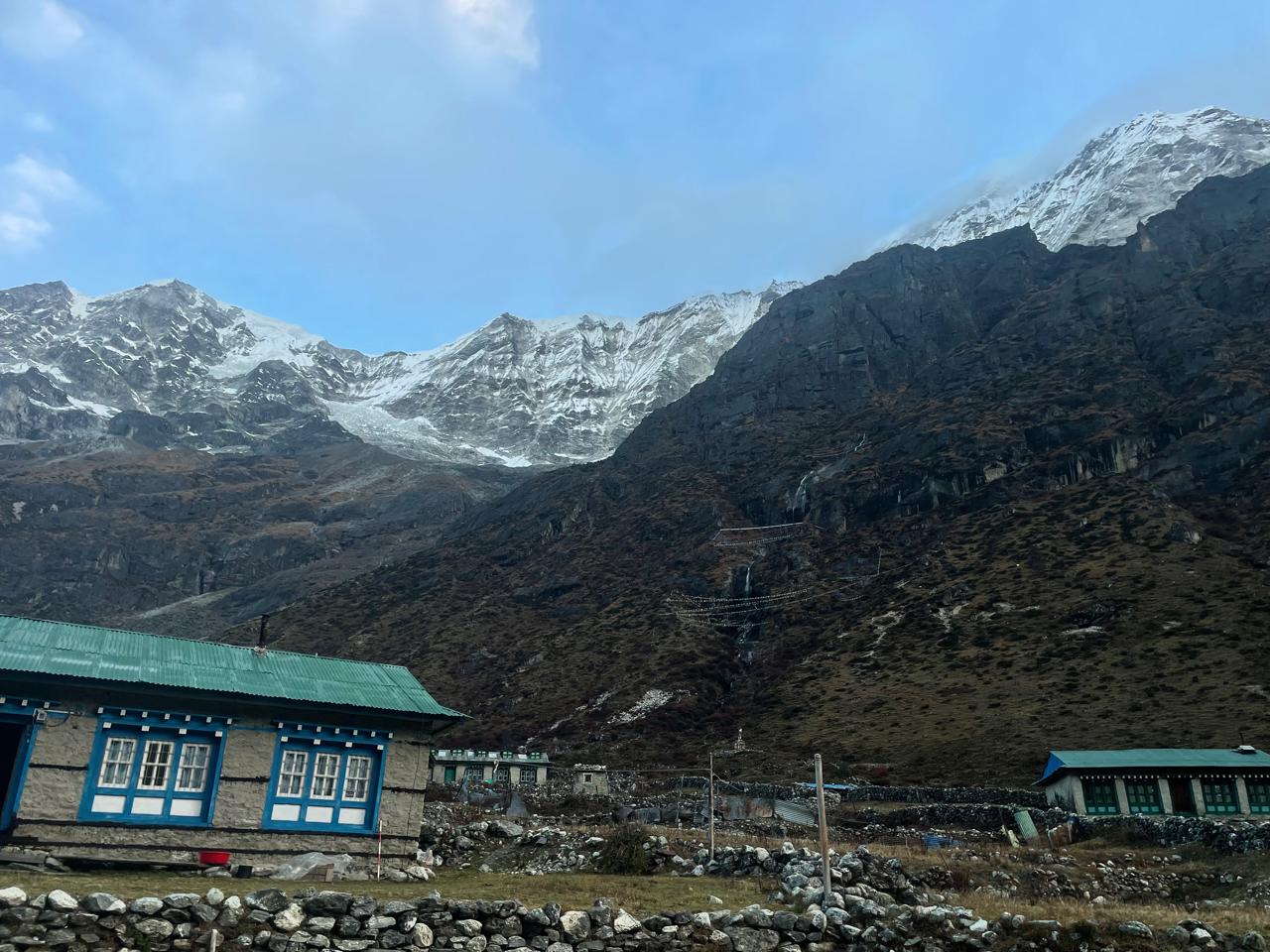
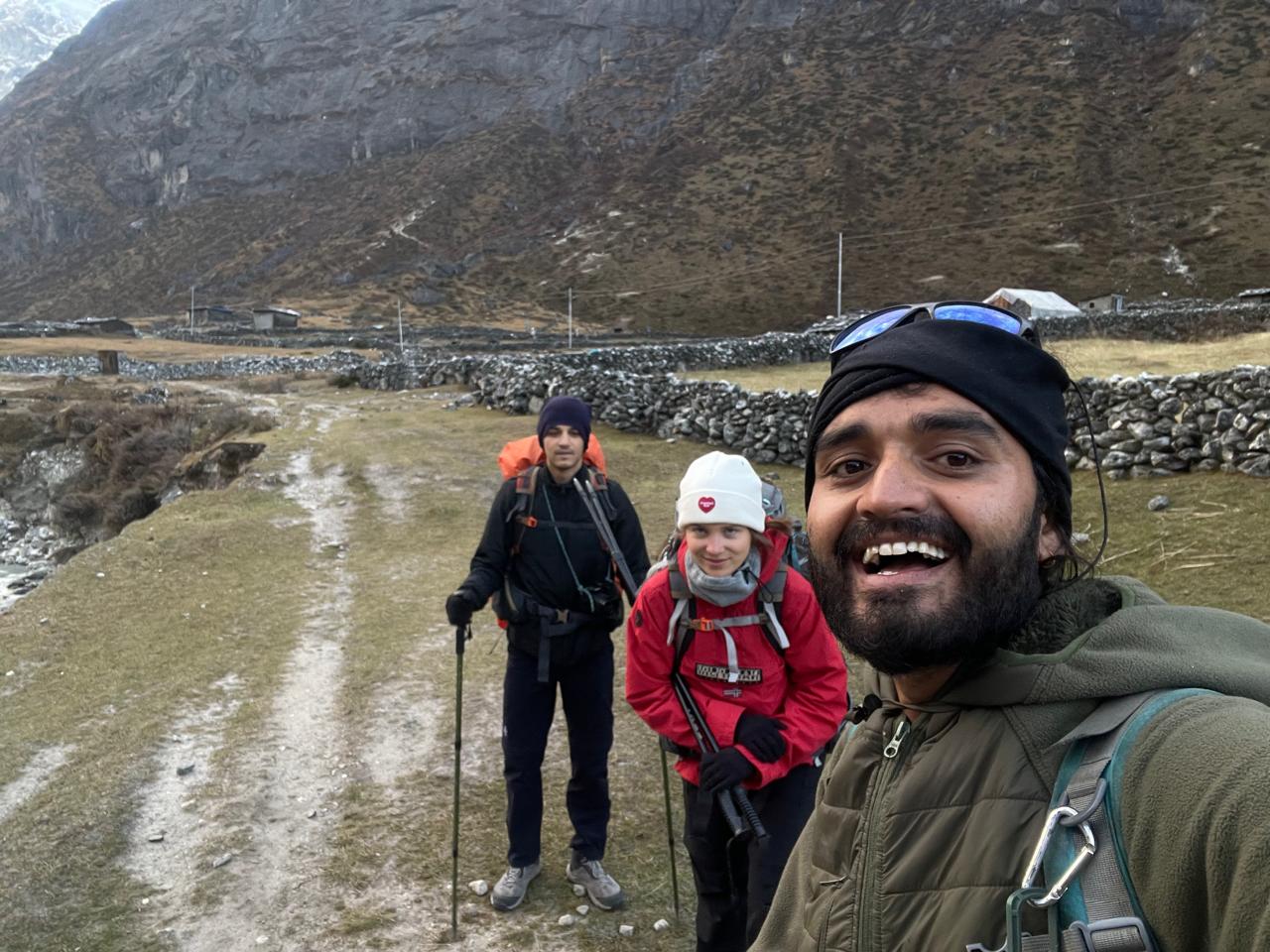
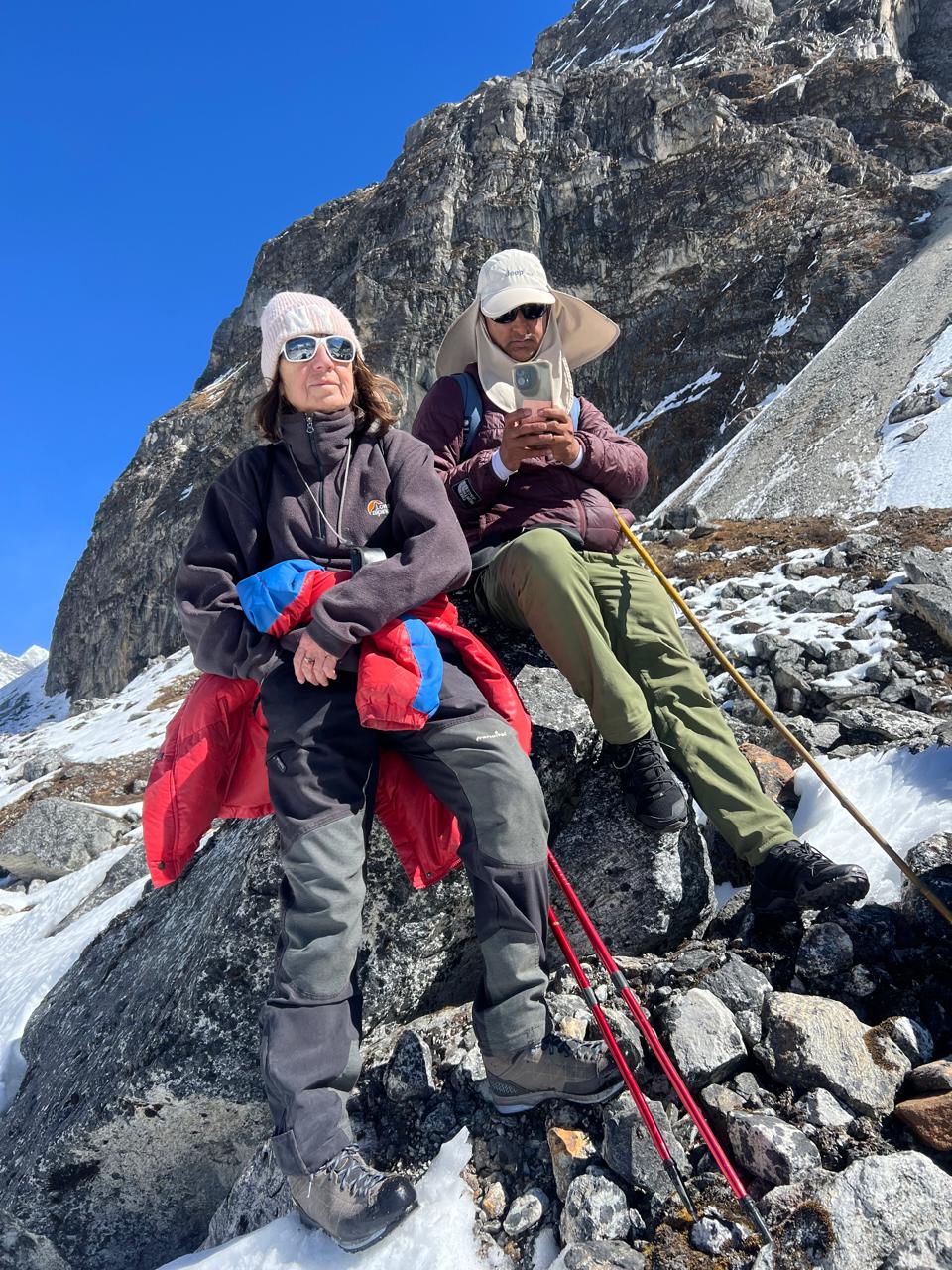
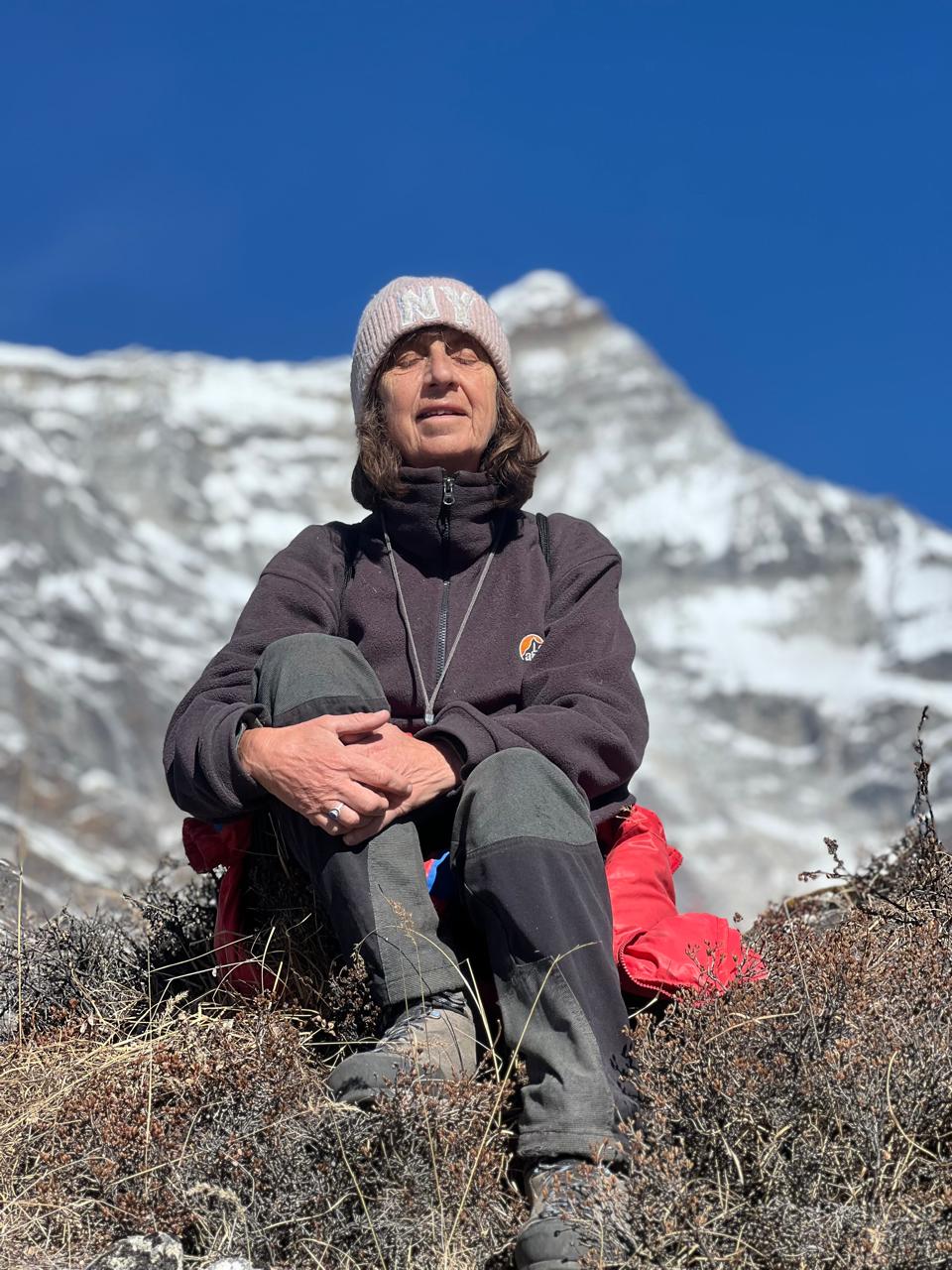
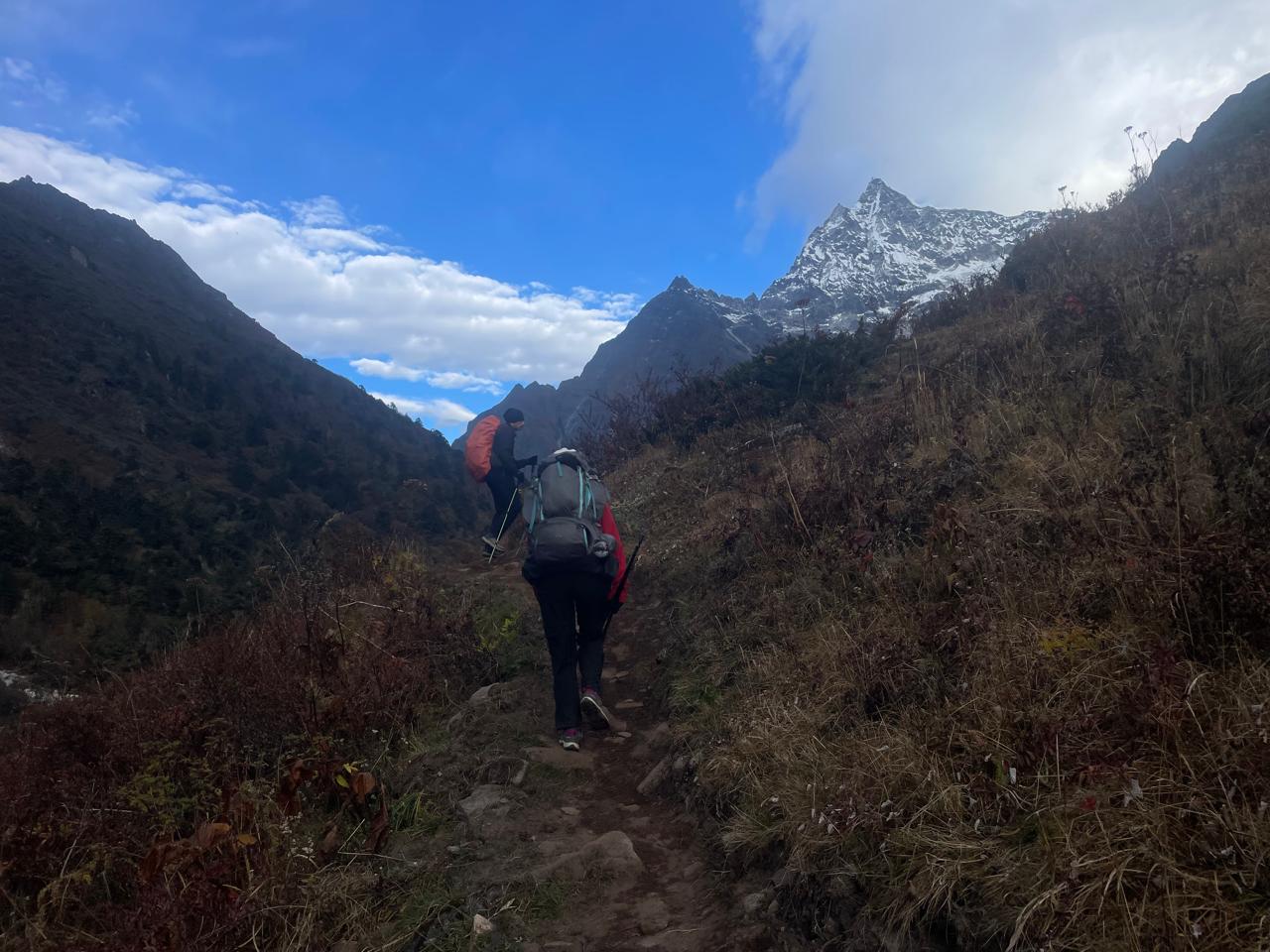
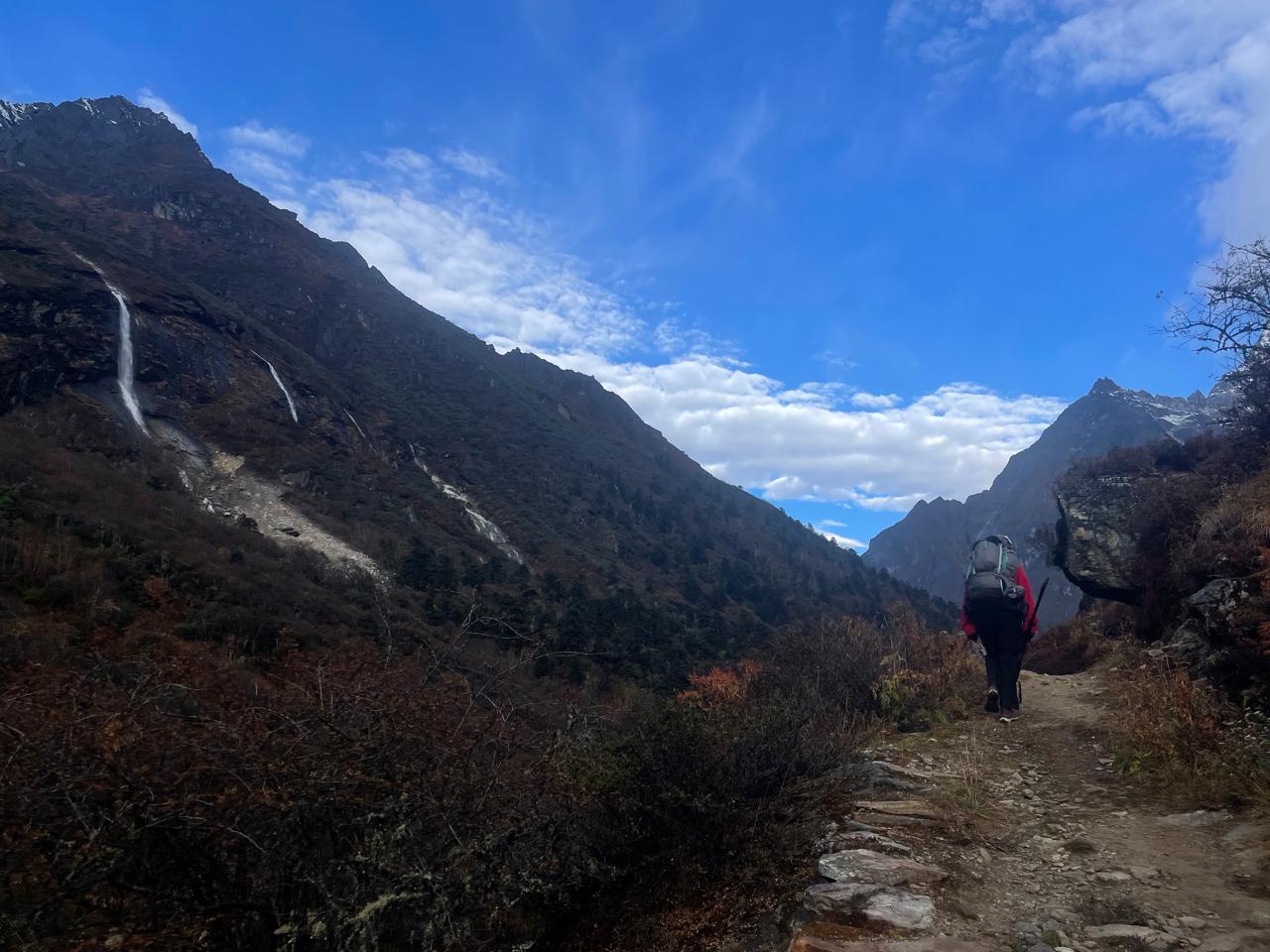
The Rolwaling Trek is a 9-day adventure that immerses trekkers in one of Nepal’s most beautiful and less-explored Himalayan valleys. Beginning from Kathmandu, the journey starts with a scenic drive to Chetchet and Simigaon, allowing you to observe rural life, terraced farmlands, and rolling hills before setting foot on the trail. The trek winds through lush forests, river valleys, and small Sherpa villages, gradually climbing towards higher altitudes. Every day offers a new perspective of the Himalayas, combining natural beauty, culture, and physical challenge.
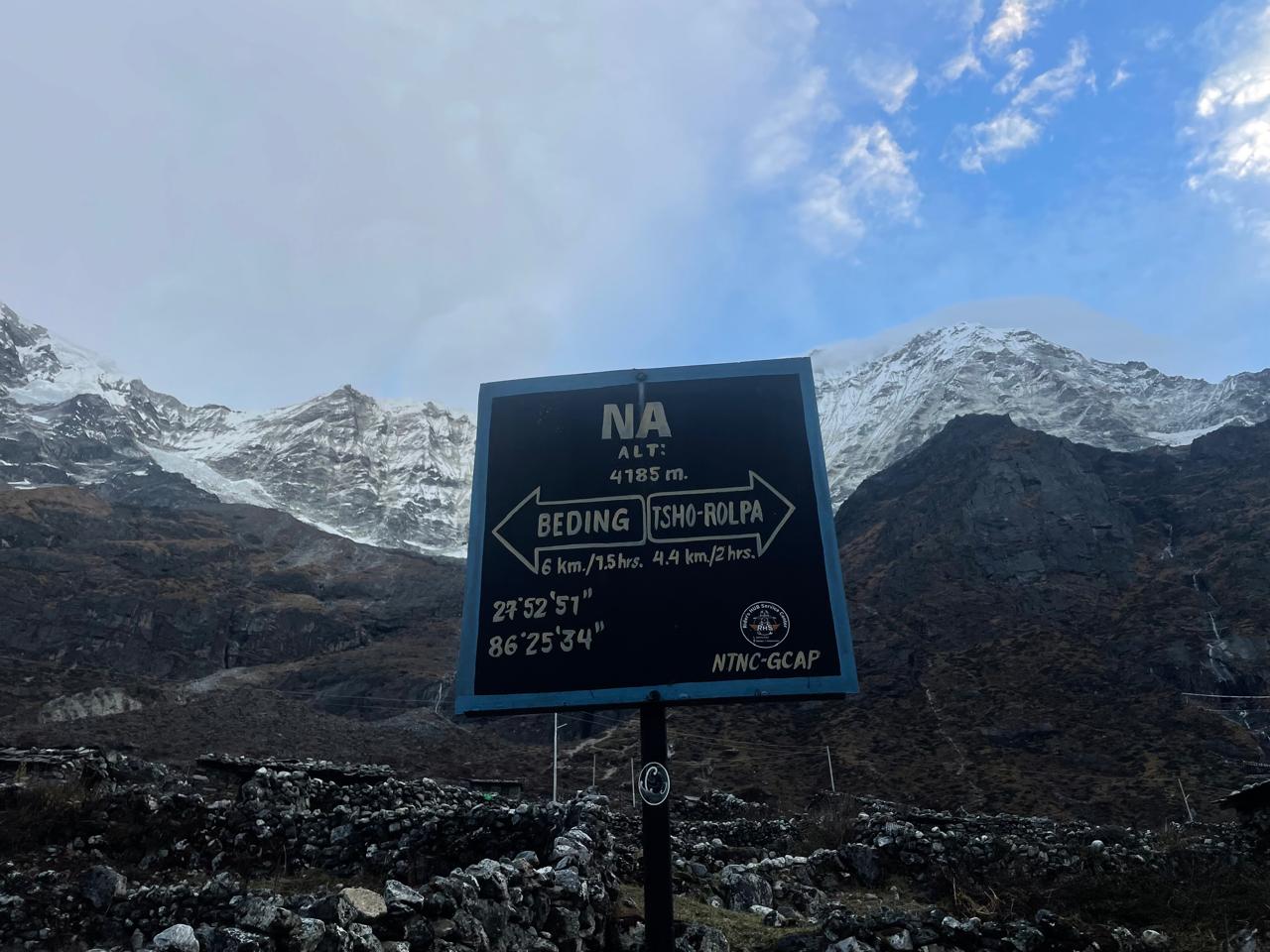
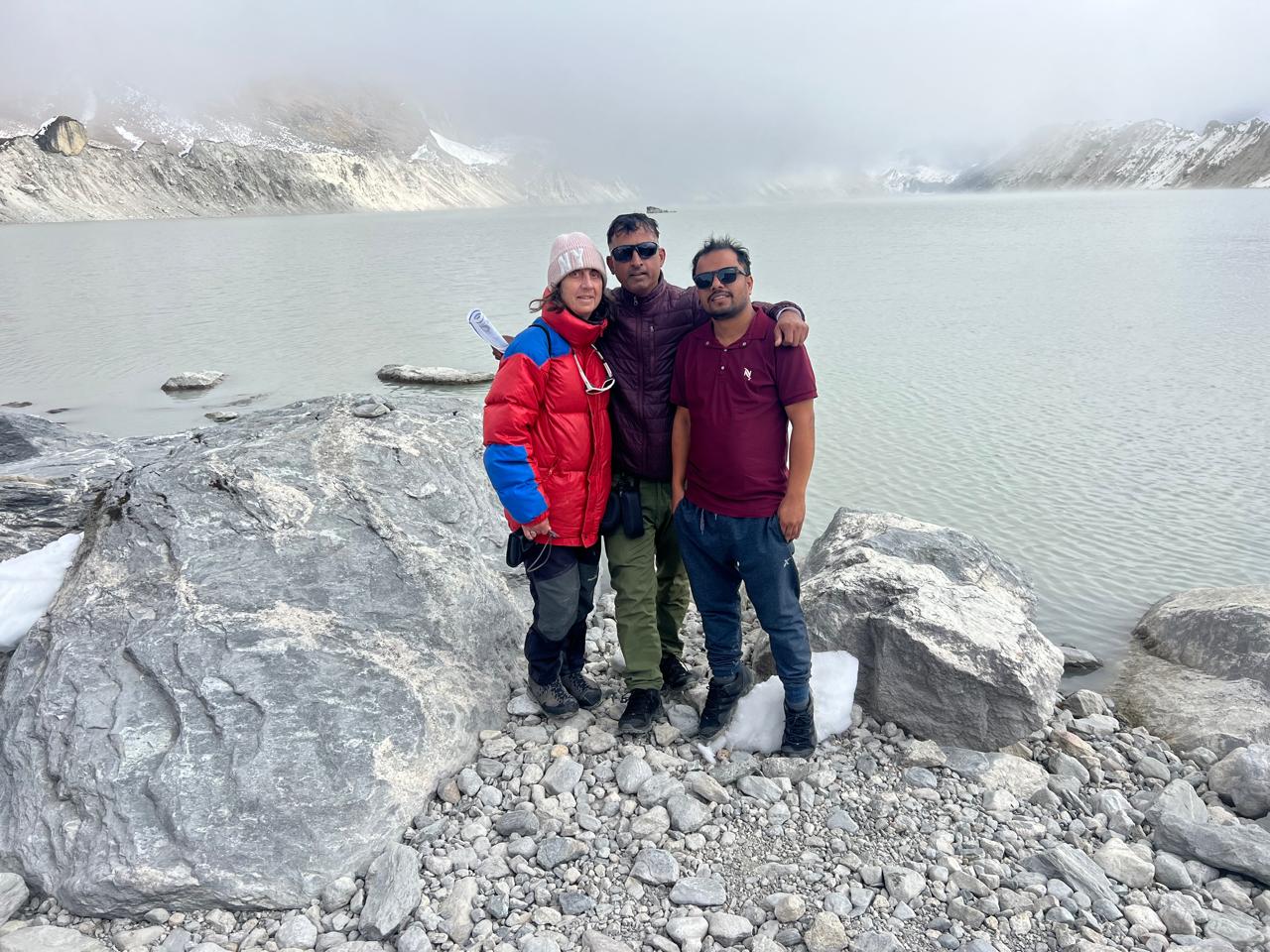
As you continue trekking, the valley unfolds into panoramic landscapes, where icy rivers carve their way through rugged terrain and glacial formations rise in the distance. Villages like Beding and Na provide a window into the daily life and spiritual practices of the Sherpa people. The trail balances moderate ascents with acclimatization days, ensuring a safe progression to high-altitude points like Tsho Rolpa Lake. Here, the pristine turquoise waters are framed by towering peaks, making it one of the highlights of the journey.
The trek is not only about breathtaking scenery but also about cultural engagement. Trekkers witness monasteries, prayer flags, and ancient traditions preserved by Sherpa communities over generations. These villages offer insight into the harmonious relationship between the local people and the challenging mountain environment, creating a journey that combines physical adventure with cultural learning. Each stop along the trail provides opportunities to interact with locals, savor regional cuisine, and enjoy the warmth of Himalayan hospitality.
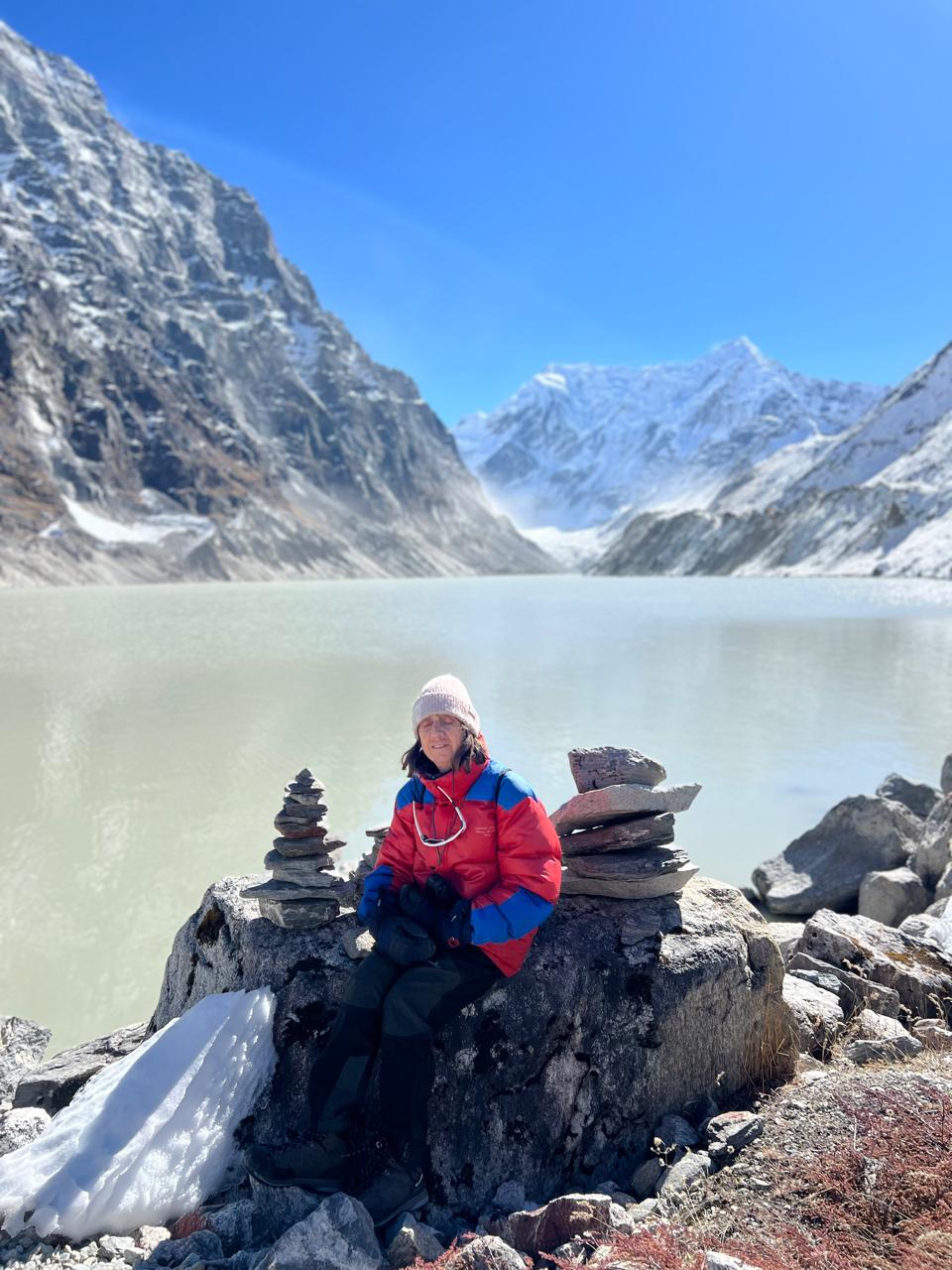
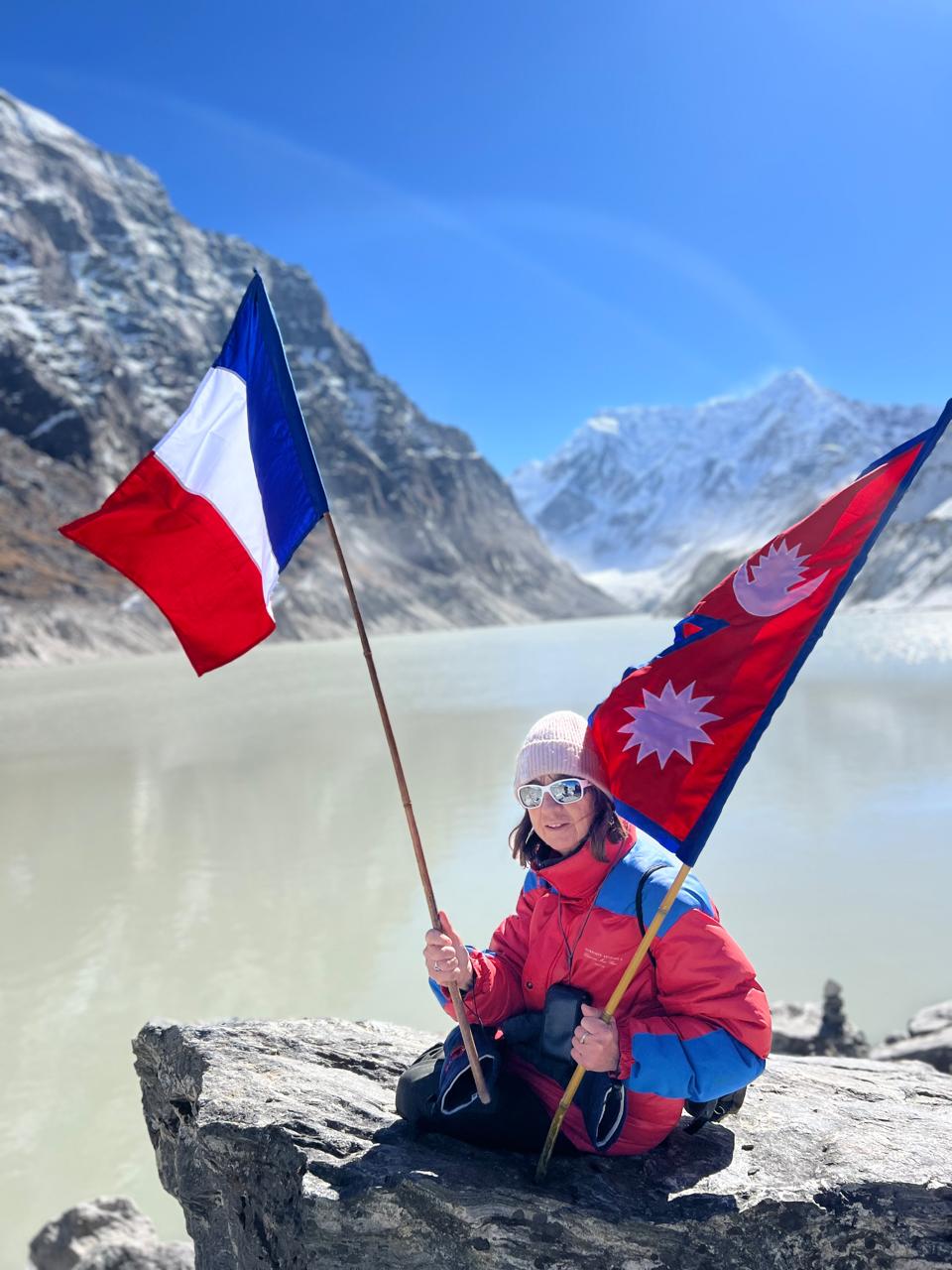
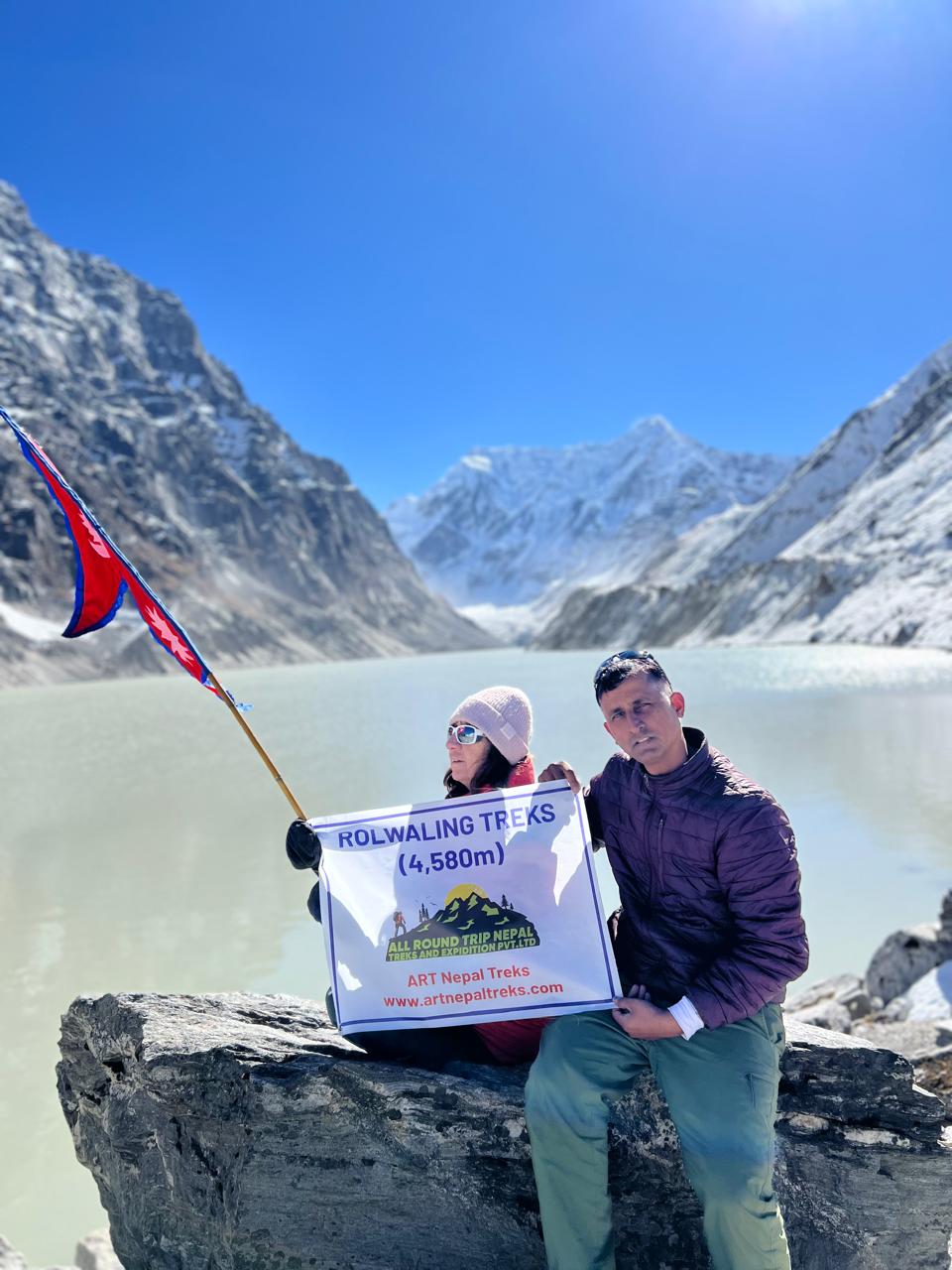
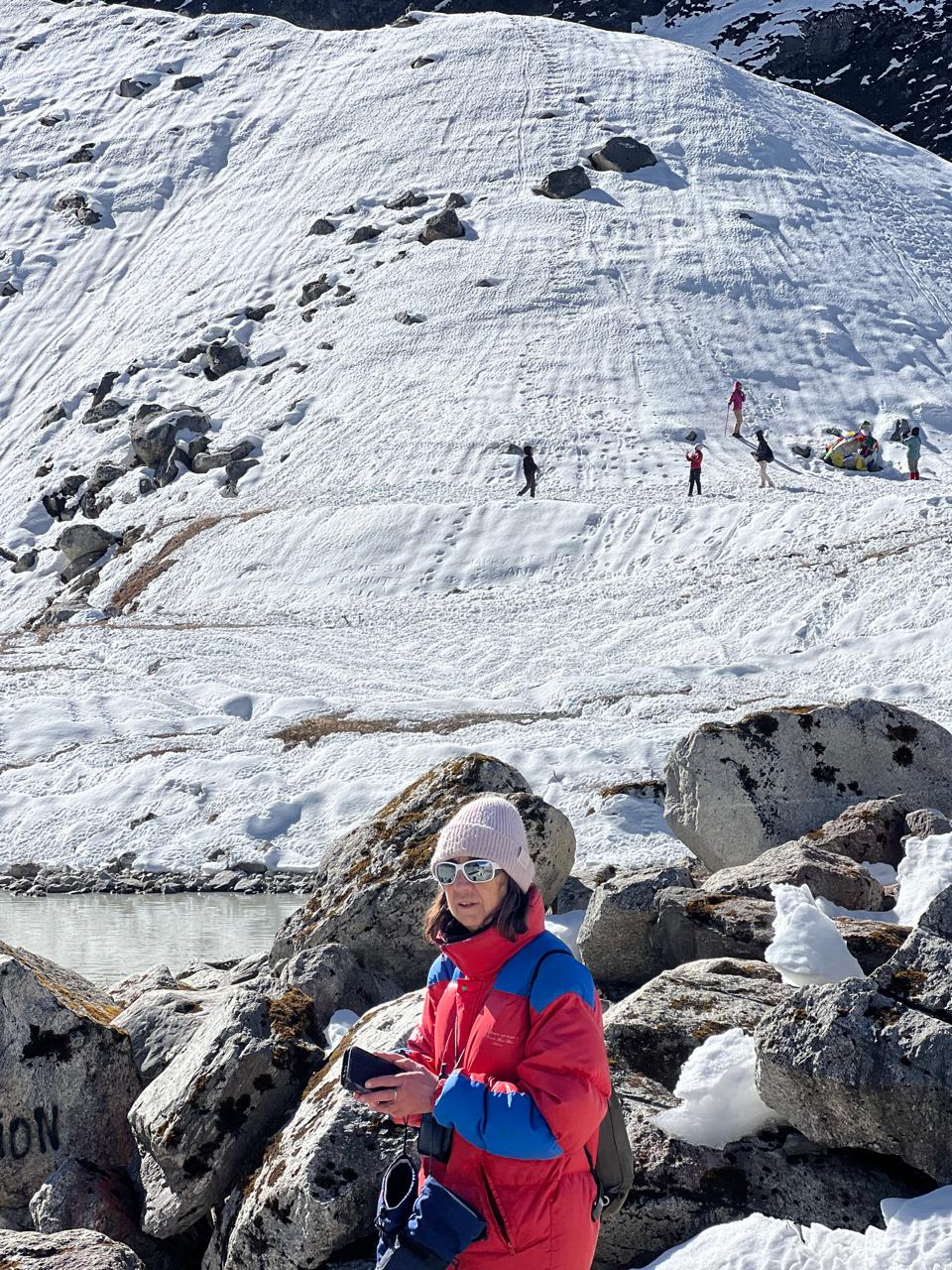
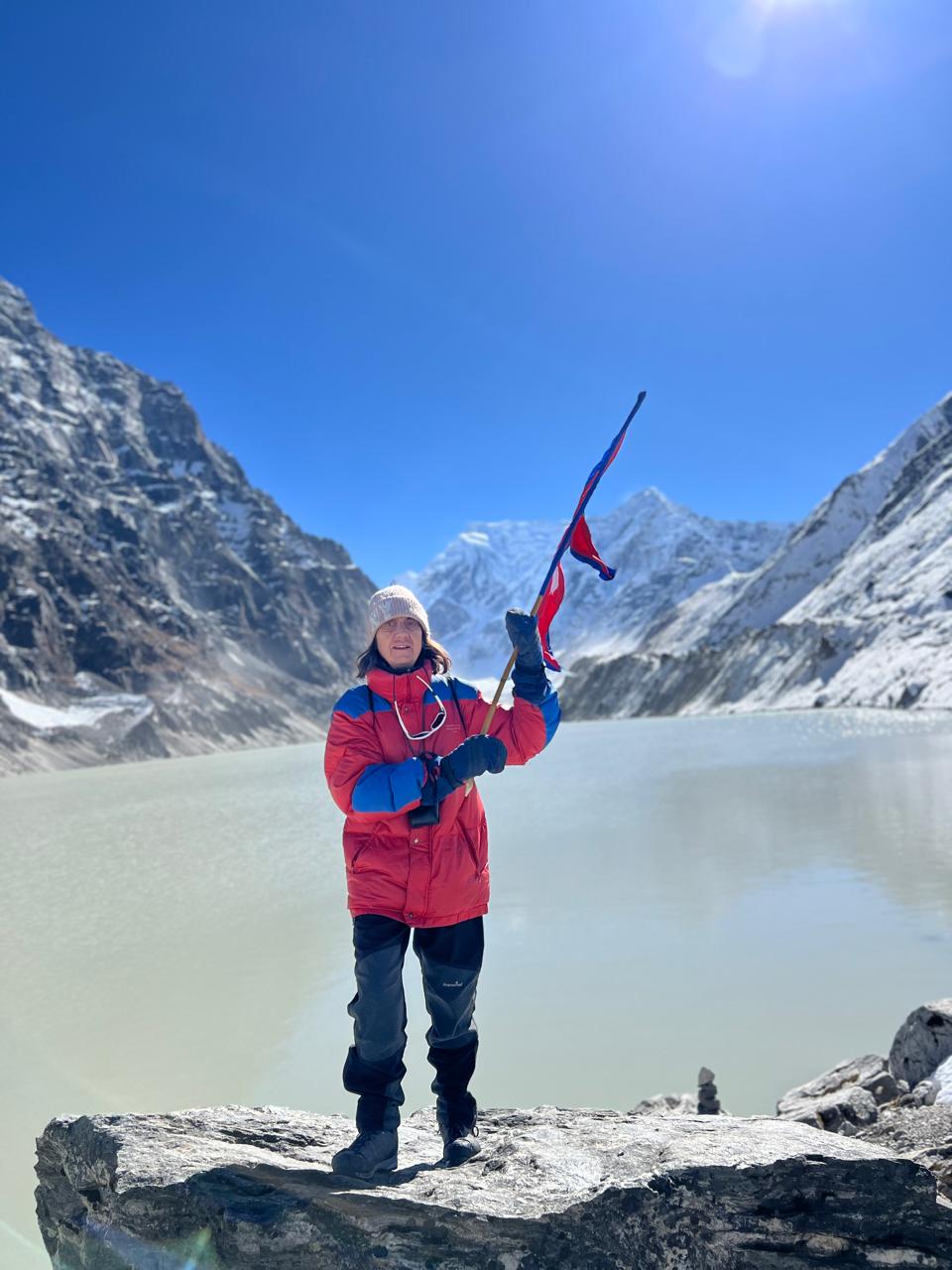
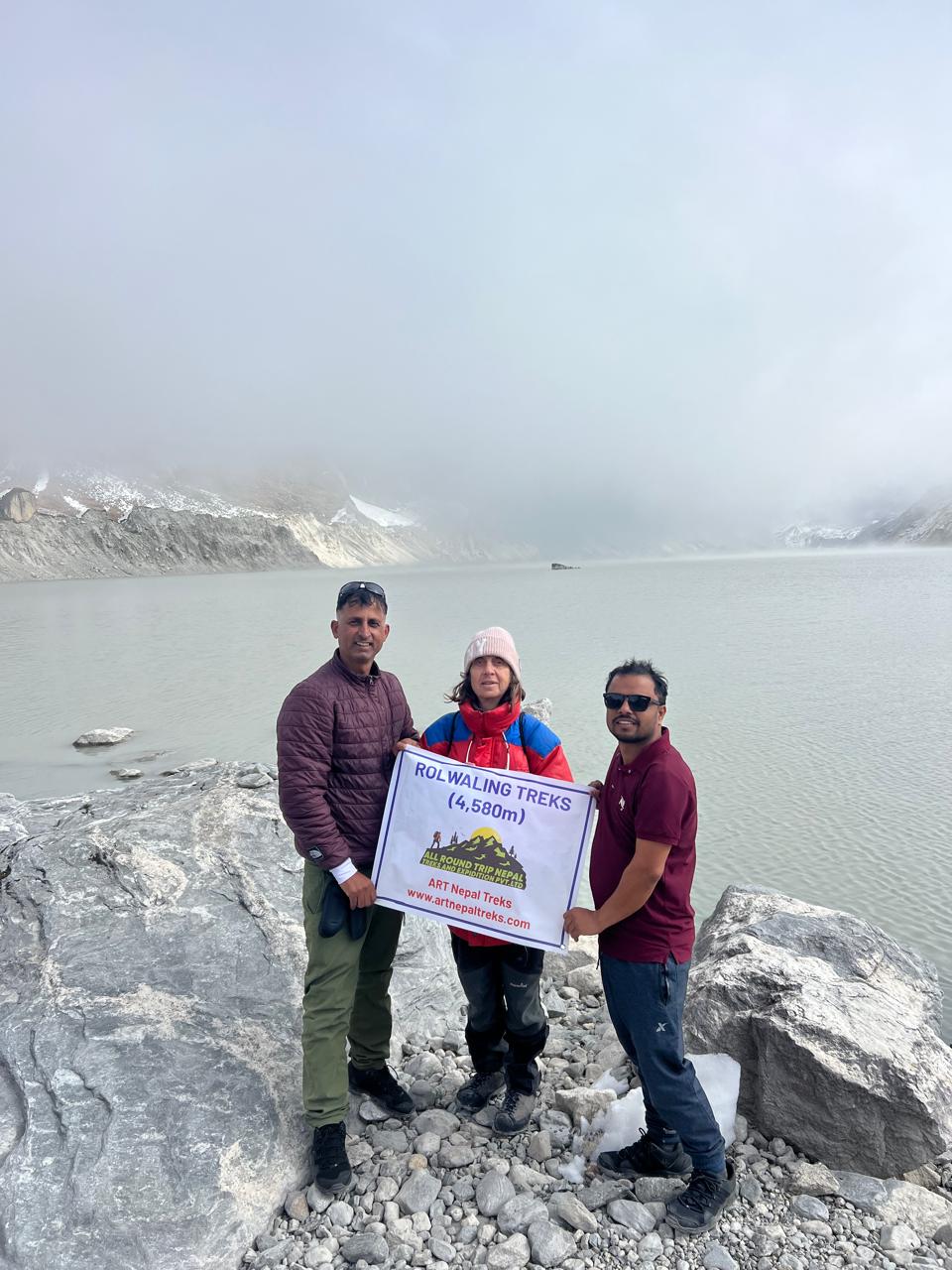
Tsho Rolpa Lake, at an altitude of 4,580 meters, is a key highlight and showcases the natural wonders of the Rolwaling region. Walking along its moraines and observing the surrounding peaks provides a unique experience rarely found on more popular trekking routes. The trek also features glacier views, steep trails, and alpine meadows, allowing adventurers to witness both serenity and the challenges of high-altitude trekking.
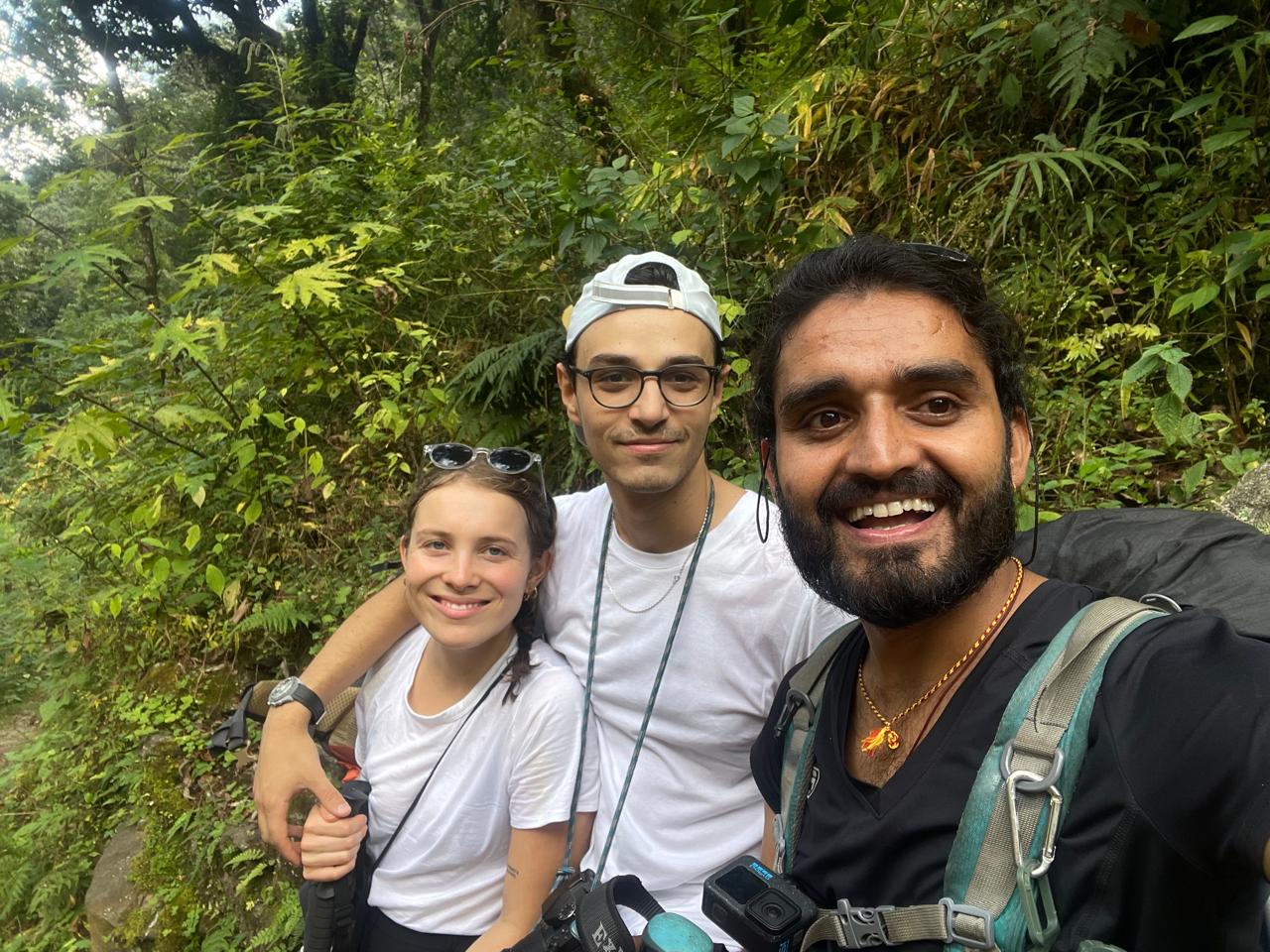
Throughout the trek, ART Nepal Treks & Expedition ensures the safety, comfort, and seamless organization of your journey. Experienced guides provide insight into local culture, monitor altitude acclimatization, and assist with logistics. This attention to detail transforms the Rolwaling Trek into a complete Himalayan experience, combining natural beauty, adventure, and cultural immersion in one unforgettable 9-day journey.
The Rolwaling Trek offers a unique combination of Himalayan adventure, cultural experiences, and natural beauty. From the moment you leave Kathmandu, you will experience quiet trails, traditional villages, and a landscape that changes from forested valleys to high alpine terrain. The trek is physically moderate to challenging, with long walking days and occasional steep sections, but it is accessible for trekkers with basic fitness and a sense of adventure.
Cultural experiences are central to this trek. You will pass through Sherpa villages such as Beding and Na, witnessing monasteries, prayer rituals, and the everyday life of high-altitude communities. The locals’ warm hospitality and the preserved traditions provide an authentic insight into a unique Himalayan culture. Combined with trekking along rivers, glaciers, and mountain passes, the journey offers a holistic Himalayan experience.
The natural environment is another highlight. You will encounter lush forests, pristine alpine meadows, and icy glacial valleys. The views of towering peaks and the massive Tsho Rolpa Lake leave lasting impressions, offering opportunities for photography, meditation, and quiet reflection. This trek allows you to experience the Himalayas without the crowds, providing solitude and connection to nature.
Key Experiences on the Trek:
The Rolwaling Trek is suitable for trekkers with moderate fitness and some experience in hiking or trekking. While it does not involve extremely high altitudes like Everest Base Camp, it still reaches over 4,500 meters, requiring careful acclimatization. The trail includes forest paths, river crossings, and steep ascents and descents, so stamina, focus, and endurance are necessary.
This trek is ideal for those who value cultural engagement, adventure, and natural beauty. You will interact with local Sherpa communities, explore remote villages, and experience authentic mountain life. While challenging in places, the trek is accessible with proper preparation, making it perfect for adventurers seeking both scenic beauty and cultural richness.
Trekkers who take this route should be prepared for varying weather conditions, moderate to long trekking days, and basic accommodation in lodges. The gradual ascent schedule allows for safe acclimatization, and the presence of guides ensures safety and support throughout the trek.
Suitable Trekkers Should:
Physical preparation is key for a safe and enjoyable Rolwaling Trek. Cardiovascular exercises, endurance hikes, and strength training for legs and core will help your body adapt to long trekking days. Hiking with a weighted backpack before the trek is strongly recommended to simulate actual trekking conditions and improve stamina.
Acclimatization is crucial for high-altitude trekking. Staying hydrated, pacing yourself on ascents, and respecting acclimatization days will reduce the risk of altitude sickness. Learning basic altitude management techniques, such as controlled breathing and awareness of early symptoms, will enhance safety.
Gear preparation is also important. Trekking boots, layered clothing, rain protection, and essentials like trekking poles are needed for comfort and safety. Familiarity with travel permits, TIMS cards, and local customs ensures a smoother experience. Nutrition and hydration plans are equally important to maintain energy during trekking days.
Preparation Checklist:
Your adventure begins with a scenic drive from Kathmandu to Chetchet, which usually takes around 8–10 hours. The route offers glimpses of terraced fields, rivers, and small villages, giving you an early taste of rural Nepal. From Chetchet, you start trekking uphill toward Simigaon. The 3–4 hour trek gradually ascends through forested paths and open clearings, allowing your body to start adjusting to higher altitudes. Along the way, you’ll witness local villagers, grazing animals, and the serene flow of small rivers, which creates a perfect Himalayan ambiance for the start of your journey.
Arriving at Simigaon, you check into a lodge and have time to relax while soaking in the surrounding natural beauty. The village sits at 2,000 meters, providing beautiful views of distant mountains and terraced landscapes. Dinner is served at the lodge, where you can enjoy local cuisine while preparing for the next day’s trekking challenges. The first day is designed to combine moderate trekking with scenic exploration, giving you a gentle introduction to the Rolwaling Valley.
Today, the trail leads you through lush forests and gradually steep trails, moving deeper into the Rolwaling Valley. The trek takes about 6–7 hours and follows the path along streams, terraced farmlands, and rhododendron forests. You’ll notice the air becoming crisper as you ascend, and small mountain ridges start to appear on the horizon. This day provides a perfect balance of physical activity and sightseeing, allowing trekkers to enjoy serene landscapes while gradually adapting to higher elevations.
Arriving at Dongang at 2,800 meters, you check into a local lodge. Dongang is a small, peaceful settlement with panoramic views of surrounding peaks and the Rolwaling River. In the evening, you can take a short walk around the village to observe local life, prayer flags, and traditional houses. This day sets the foundation for higher-altitude trekking while offering an authentic Himalayan cultural experience.
The trail today follows the Rolwaling River valley, gradually ascending through mixed terrain that includes forests, rocky paths, and open valleys. Trekking for about 5–6 hours, you will experience a combination of moderate inclines and short steep sections. The scenery transforms as you move higher: alpine meadows, cascading streams, and waterfalls decorate the route, and you may encounter local herders with yaks along the way. This day introduces you to the higher Himalayan environment, giving you an early glimpse of glaciers and rugged peaks.
Beding, the largest Sherpa village in the Rolwaling Valley, awaits you at 3,690 meters. The village is rich in culture, with gompas (monasteries), prayer flags, and traditional stone houses. Evening exploration allows you to experience Sherpa customs and interact with locals. The altitude here begins the real acclimatization process, and you are advised to rest well, hydrate, and enjoy a nutritious dinner to prepare for the optional hikes and higher-altitude trekking ahead.
This day is dedicated to acclimatization, allowing your body to adapt to the higher elevation before moving to Na Gaon and Tsho Rolpa Lake. You can explore the village, visit the local monastery, and take short walks in the surrounding area to enjoy the stunning scenery. Gentle hikes help your body adjust to thinner air while offering breathtaking views of glaciers and distant peaks. Proper acclimatization reduces the risk of altitude sickness and prepares you for more challenging treks in the following days.
For those seeking adventure, an optional hike toward Malung La provides panoramic views of the valley and nearby mountains. The rest of the day focuses on hydration, nutrition, and light walking. Evenings are spent at the lodge enjoying meals while listening to stories and guidance from your trek leaders, helping you prepare mentally and physically for higher altitudes.
On Day 5, the trek from Beding to Na Gaon is shorter but incredibly scenic, taking approximately 3–4 hours. The trail gradually ascends through alpine meadows, rocky paths, and sparse forests. Along the way, trekkers are rewarded with panoramic views of snow-capped peaks and the Rolwaling River flowing below. The path is less crowded, offering a sense of solitude and immersion in nature. The slow pace allows for easier acclimatization while providing plenty of opportunities for photography and short rests to enjoy the stunning surroundings.
Arriving at Na Village at 4,180 meters, you enter a high-altitude Sherpa settlement that provides a unique glimpse into traditional mountain life. The village is small but vibrant, with prayer flags fluttering in the wind and houses built from stone and wood. Dinner at the lodge is hearty, designed to refuel your energy for the upcoming adventure to Tsho Rolpa Lake. Evenings at Na are serene, with clear skies and breathtaking views of nearby glaciers reflecting the Himalayan peaks, setting the stage for the next day’s high-altitude hike.
Day 6 is dedicated to acclimatization with an optional yet highly recommended hike to Tsho Rolpa Lake, one of Nepal’s largest glacial lakes. The trek to the lake takes approximately 4–5 hours round trip and involves moderate climbing with rocky terrain and small river crossings. The hike rewards you with breathtaking views of the turquoise lake, surrounded by towering glaciers and snow-covered peaks. Spending time near the lake allows trekkers to marvel at its sheer size and serene beauty, making it one of the highlights of the Rolwaling Trek.
After the hike, you return to Na Village for the night. This day is critical for your body to adjust to high altitude, as you reach over 4,500 meters. Hydration, proper rest, and a nutritious diet are emphasized to minimize the risk of altitude sickness. Evenings are spent reflecting on the remarkable landscapes encountered during the day, while local Sherpa hospitality ensures a warm and comfortable stay. This acclimatization and exploration day is both rewarding and essential for preparing for the descent that follows.
The trek on Day 7 is primarily a descent, taking you back from Na to Dongang through the same scenic Rolwaling River valley. The journey takes approximately 6–7 hours and covers a combination of rocky trails, forested sections, and open landscapes. Descending allows your body to recover from high-altitude exertion while still enjoying stunning views of glaciers, peaks, and alpine meadows. The pace is moderate, and frequent stops allow you to take in the surrounding scenery and photograph the unique Himalayan flora and fauna along the way.
Arriving in Dongang for an overnight stay provides a chance to relax and rejuvenate after a long day of trekking. The village at 2,800 meters offers cozy lodges and warm meals, creating a comfortable environment for rest. This day’s descent is also mentally rewarding, allowing trekkers to reflect on the achievements of the journey to Tsho Rolpa Lake while enjoying the beauty of the Rolwaling Valley from a different perspective. Evenings are calm, with local hospitality enhancing the experience of mountain life.
Day 8 continues the descent back toward Simigaon. The trek takes 5–6 hours and traverses through forests, riverside trails, and terraced farmlands. This segment is less strenuous than previous days but offers rewarding views of the valley and surrounding peaks. Trekking downhill allows your legs to work differently and gives a sense of accomplishment as you near the end of the adventure. The path is peaceful and relatively quiet, making the day perfect for reflection, photography, and enjoying the final moments in the pristine Rolwaling environment.
Arriving in Simigaon, you check into a lodge and enjoy a well-earned rest. This is an opportunity to celebrate the journey with fellow trekkers and guides, share stories, and enjoy the final Himalayan sunset views over the valley. Meals are served at the lodge, providing hearty nourishment after a long day of trekking. The night in Simigaon marks the near completion of your 9-day trek, offering a sense of closure and achievement before the journey back to Kathmandu.
On the final day, you trek 3–4 hours from Simigaon back to Chetchet, retracing part of your initial route. The trail is gentle, providing a relaxed end to the trekking experience. Along the way, you can enjoy last views of the mountains, villages, and rivers, reflecting on the journey and the cultural experiences you’ve had in the Rolwaling Valley. The morning trek is peaceful, with fresh mountain air and quiet landscapes, giving trekkers time to savor the final moments in the high Himalayas.
After reaching Chetchet, a scenic drive of approximately 8–10 hours returns you to Kathmandu. This marks the conclusion of the 9-day Rolwaling Trek, leaving trekkers with lasting memories of remote Himalayan villages, stunning glacial landscapes, and authentic Sherpa culture. The drive back offers a chance to relax, rest, and reflect on the adventure while enjoying final glimpses of the natural beauty that makes Rolwaling Valley a unique trekking destination.
In addition to the standard trekking package, ART Nepal Treks & Expedition provides a variety of optional add-ons that can significantly enhance your trekking experience. These services are designed to give trekkers extra comfort, flexibility, and the chance to explore more of Nepal before, during, or after the trek. Whether you are looking to ease your journey, enjoy cultural experiences, or add adventure, these add-ons ensure your trek is safe, convenient, and memorable.
One of the most popular add-ons is sightseeing in Kathmandu. Trekkers often arrive a day or two earlier than the trek or stay after returning from the mountains. During this time, you can visit UNESCO World Heritage Sites, ancient temples, historic palaces, and lively markets. Your guide can arrange private or group sightseeing tours, taking you to landmarks such as Durbar Square, Swayambhunath Stupa, Pashupatinath Temple, and Bhaktapur’s old city. Sightseeing is a perfect way to immerse yourself in Nepalese culture, history, and urban life before entering the remote trails of the Rolwaling Valley.
Another highly recommended add-on is porter services. Porters are extremely helpful for carrying heavy backpacks, camping gear, or personal items, allowing you to walk comfortably, conserve energy, and focus on trekking and sightseeing. Each porter can carry up to 20 kg, and it is advisable to hire one porter for every two trekkers for maximum convenience. This is particularly useful on long trekking days or high-altitude sections where conserving energy is essential for safety and enjoyment.
Trekkers can also opt for domestic flights beyond the standard Lukla-Kathmandu route. This add-on provides additional convenience for travelers who wish to explore other regions of Nepal, shorten travel time, or reach remote starting points. Domestic flights can be arranged to nearby towns, allowing flexibility in travel planning and saving hours of road travel.
Helicopter services are another optional add-on, primarily for emergencies, high-altitude health concerns, or scenic flights. In the rare event of altitude sickness or injury, a helicopter evacuation ensures immediate medical support and safety. For adventure and photography enthusiasts, scenic helicopter flights provide breathtaking aerial views of glaciers, high peaks, and the Rolwaling Valley, offering experiences few trekkers get to enjoy.
Finally, private transportation is available for transfers between cities, tourist sites, or starting points of the trek. Private vehicles allow flexibility, comfort, and time efficiency, whether traveling to Kathmandu, from Simigaon to Chetchet, or for sightseeing trips around Nepal. This add-on is particularly useful for families, small groups, or anyone who prefers a more organized and comfortable travel experience.
These add-ons can be fully customized according to your preferences, allowing you to create a trekking experience that is safe, convenient, and tailored to your needs. By combining sightseeing, porter support, flights, helicopter services, and private transportation, trekkers can enjoy a journey that goes beyond the standard itinerary, adding both comfort and adventure to their Rolwaling Trek.
Add-On List:
The Rolwaling Trek can be undertaken in two main seasons: Spring (March to May) and Autumn (September to November). Both seasons offer unique advantages in terms of weather, landscapes, and trekking conditions, making them ideal for exploring the remote Rolwaling Valley and reaching Tsho Rolpa Lake. Choosing the right season ensures not only safety and comfort but also the most breathtaking scenery.
Spring is one of the most popular times to trek in the Rolwaling region. During this period, the weather gradually warms up, and the snow from winter begins to melt, opening trails and valleys for trekking. The mountains and lower valleys come alive with vibrant rhododendron blooms, wildflowers, and lush greenery, offering trekkers stunning natural beauty at every turn. Spring skies are generally clear, providing excellent visibility of the snow-capped peaks, glaciers, and surrounding landscapes.
Trekking in spring also means moderate temperatures during the day, ranging from 15°C to 20°C at lower elevations, while nights are slightly chilly but manageable with proper gear. Higher altitudes, especially near Na Village and Tsho Rolpa Lake, can still have snow patches, adding a sense of adventure to the trek. Wildlife is more active during this season, and hikers may spot birds, Himalayan marmots, and other native species along the trails.
Spring Advantages:
Autumn is another excellent season for trekking in Rolwaling, and it is considered the peak trekking season across Nepal. After the monsoon rains, the landscape is lush, rivers are full, and the air is clean and crisp. Trails are stable, and the monsoon wash has cleared dust and debris, making walking safer and more comfortable. Autumn offers the clearest skies of the year, with unobstructed panoramic views of the Himalayas, glaciers, and valleys.
Temperatures during autumn are slightly cooler than spring, ranging from 10°C to 18°C during the day in lower valleys, with colder nights at higher elevations. This is perfect for trekkers who enjoy cool, refreshing weather while walking. Autumn is also ideal for photography, as the crisp air enhances visibility, allowing the mountains, glaciers, and village landscapes to appear sharp and vibrant. Cultural festivals, including local Sherpa traditions, are often celebrated during this time, adding a cultural dimension to your trekking experience.
Autumn Advantages:
By planning your Rolwaling Trek during either spring or autumn, you maximize both scenic beauty and trekking safety. Each season offers unique experiences, from blooming forests and active wildlife in spring to clear skies, crisp air, and cultural insights in autumn. Choosing your season depends on whether you prefer warmer weather and flowers or cooler temperatures and festive local life.
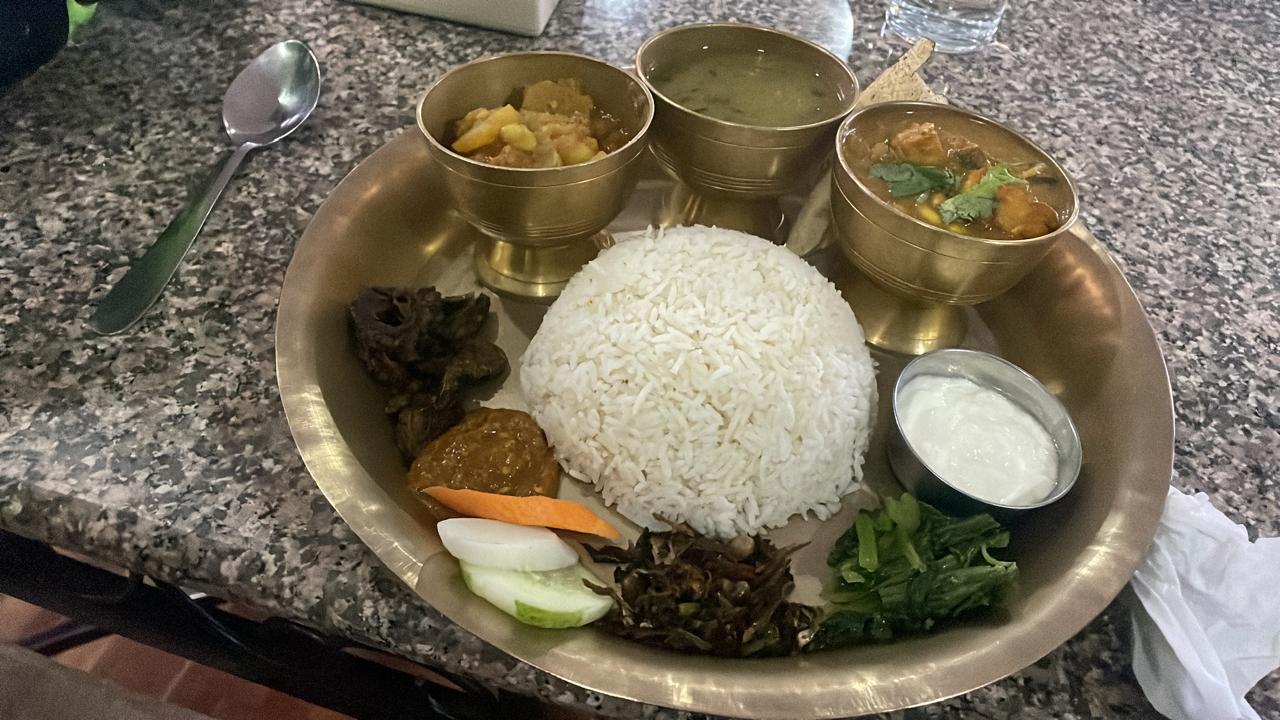
Food along the Rolwaling Trek is generally available at tea houses and lodges in the villages, but options vary depending on altitude and remoteness. In lower villages like Simigaon and Dongang, meals are diverse and include traditional Nepali dishes such as dal bhat (rice and lentils), momo (dumplings), noodles, and soups. Local vegetables and occasionally meat dishes are also available, giving trekkers a healthy balance of protein, carbohydrates, and fiber to maintain energy during the trek.
At higher elevations, such as Beding, Na, and areas near Tsho Rolpa Lake, the menu becomes more limited due to the challenges of transporting fresh food. However, teahouses provide staple meals like dal bhat, fried rice, pasta, and soups. Snacks like biscuits, chocolate, and energy bars are available at most lodges, but it’s recommended to carry some of your preferred snacks for higher-altitude days. Hot drinks like tea, coffee, and hot chocolate are widely served, which is comforting during cold nights and early morning treks.
Trekkers can also enjoy local Sherpa specialties such as Tibetan bread, butter tea, and roasted barley porridge. Many lodges cater to vegetarian and vegan diets, and some can accommodate gluten-free or other dietary restrictions with prior notice. Staying hydrated is essential, and boiled or filtered water is generally available for purchase. Using water purification tablets or portable filters is advisable as a safety precaution.
Food Options Available:
Accommodation on the Rolwaling Trek primarily consists of simple teahouses and lodges. These establishments provide basic amenities such as a bed, blanket, pillow, and shared bathrooms. In lower villages like Simigaon and Dongang, rooms are more comfortable with wooden or stone structures, heating options, and small dining areas. Staying at these lodges allows trekkers to interact with local families and experience traditional Sherpa hospitality firsthand.
As you ascend to higher altitudes such as Beding, Na, and near Tsho Rolpa Lake, lodges become more basic due to the logistical challenges of transporting materials. Rooms are generally smaller, heating is limited to small stoves, and hot showers may not be available every day. Trekkers are encouraged to carry warm sleeping bags to ensure comfort during cold nights. Despite the simplicity, teahouses provide a cozy environment, and communal dining areas create opportunities to socialize with fellow trekkers.
Most teahouses serve meals in a central dining area, and Wi-Fi may be available in some locations for a small fee. Electricity is usually provided through solar panels, and charging devices may incur an extra charge. Overall, the accommodation is functional and safe, offering a balance of comfort and traditional Himalayan experience.
Accommodation Features:
Travel insurance is an essential requirement for trekking in Rolwaling, as it covers unexpected events such as medical emergencies, evacuation, trip cancellations, or lost luggage. Given the remote nature of the region, insurance that includes high-altitude trekking coverage and helicopter evacuation is highly recommended. Many insurance providers offer packages specifically for trekking in the Himalayas, ensuring that medical and rescue needs are met.
Trekkers should ensure their insurance policy covers illnesses, injuries, altitude sickness, and evacuation from remote areas. Hospital facilities in Rolwaling are limited, so evacuation to Kathmandu or other major cities may be necessary in emergencies. Travel insurance also protects against trip interruptions, such as landslides, extreme weather, or delays due to road or trail conditions.
It is advisable to carry a copy of your insurance documents and emergency contact numbers during the trek. Additionally, informing your trekking agency of your coverage and any pre-existing conditions helps in planning for safety measures. Comprehensive insurance provides peace of mind, allowing trekkers to focus on enjoying the journey while knowing they are protected against unforeseen risks.
Travel Insurance Must-Haves:
Altitude sickness, or Acute Mountain Sickness (AMS), is a risk when trekking above 3,000 meters. Rolwaling Trek reaches elevations over 4,500 meters near Tsho Rolpa Lake, so proper acclimatization is crucial. Symptoms may include headache, nausea, dizziness, shortness of breath, or fatigue. Most cases are mild and preventable with gradual ascent, rest days, and proper hydration.
Trekkers are advised to spend acclimatization days in villages like Beding and Na to allow their bodies to adjust. Climbing too quickly increases the risk of severe altitude sickness, which may require descending immediately and seeking medical attention. Medication like acetazolamide can help prevent AMS, but should only be taken after consulting a doctor. Monitoring your body and listening to guides’ advice is vital for safety.
Hydration, a balanced diet, and avoiding alcohol or smoking help reduce symptoms. Trekkers should also be aware of the signs of more serious conditions like High Altitude Pulmonary Edema (HAPE) or High Altitude Cerebral Edema (HACE), which are life-threatening and require immediate descent. Guides are trained to identify these risks and ensure the safety of trekkers.
Altitude Sickness Prevention Tips:
ART Nepal Treks & Expedition provides trained guides for every trek in Rolwaling. Guides are experienced in navigating trails, assessing weather, identifying altitude sickness, and managing emergencies. They are also knowledgeable about local culture, history, flora, and fauna, enhancing the trekking experience.
Safety measures include pre-trek briefings on trail conditions, daily weather assessments, and monitoring trekkers’ health. Guides coordinate with local teahouses, emergency services, and, if needed, helicopter evacuation teams. Communication devices and first aid kits are always carried to handle medical emergencies or accidents.
Trekkers are also advised to follow safety guidelines such as walking in groups, adhering to the itinerary, carrying sufficient warm clothing, and listening to guides’ instructions. This ensures a safe and enjoyable trekking experience, especially in remote areas where self-sufficiency is limited.
Guide and Safety Highlights:
Booking your Rolwaling Trek with ART Nepal Treks & Expedition is designed to be simple, transparent, and stress-free. The process begins by contacting the agency through email, phone, or the official website, where you can inquire about available trek dates, group options, and customizations. Once you select your preferred dates, the team will provide a detailed itinerary, pricing, and necessary travel information. A deposit is usually required to confirm your booking and secure your spot on the trek.
During the booking process, the agency collects important information about each trekker, including fitness level, medical history, dietary restrictions, and trekking experience. This ensures that the trek is planned safely and comfortably for everyone. After the deposit is made, the remaining payment is typically required before the trek starts, and detailed instructions, such as meeting points, transportation arrangements, and pre-trek preparations, are shared with all participants.
The agency also assists with permits, insurance recommendations, and logistical arrangements such as airport transfers or sightseeing add-ons. This hands-on support ensures that you can focus entirely on enjoying the trek rather than worrying about administrative details. For trekkers wanting personalized experiences, ART Nepal Treks & Expedition can customize the itinerary, recommend acclimatization plans, or arrange additional services like porters or private transportation.
Steps to Book Your Trek: