

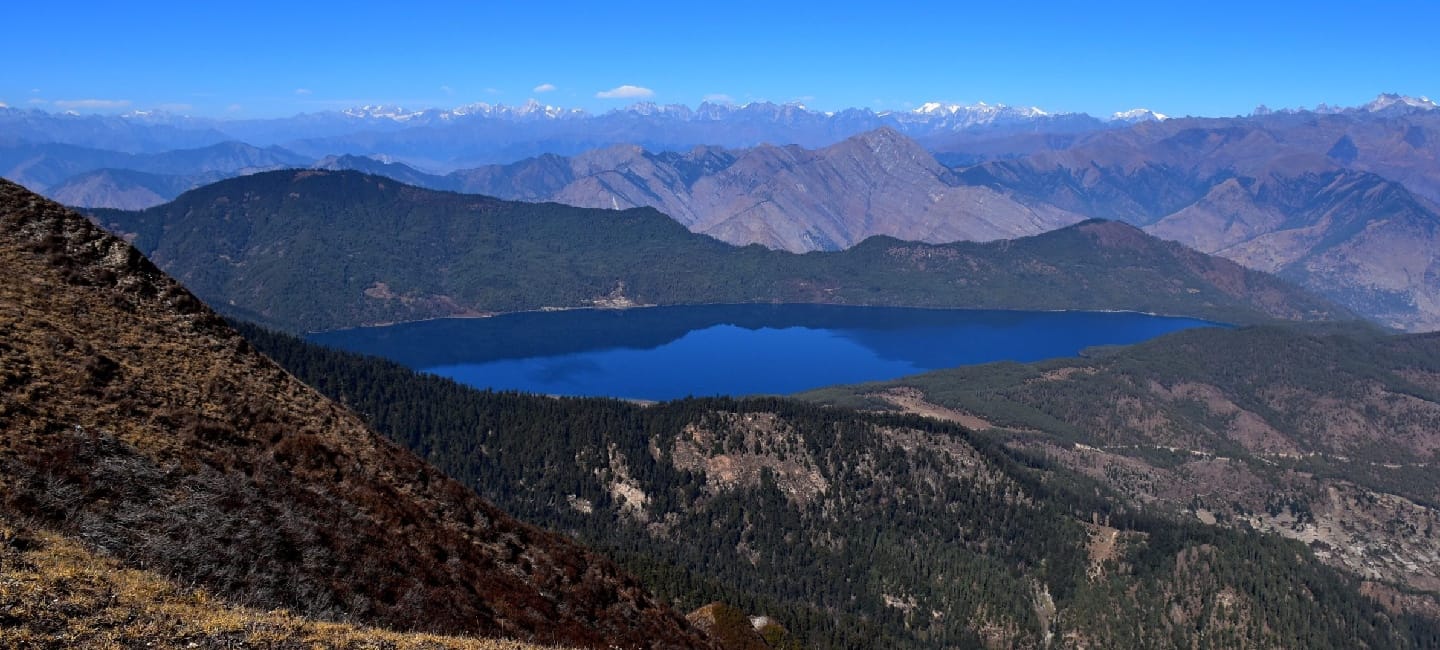
Rara Lake Trek – 12 Days
Dolpo Region
12 Days/11 Nights
Price From
View More
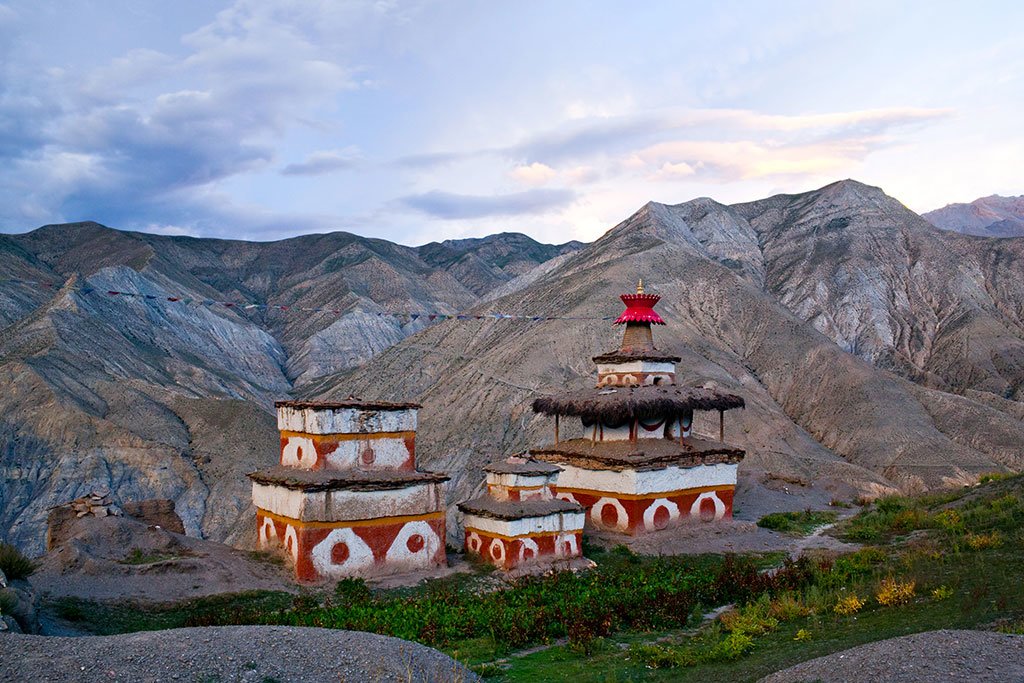
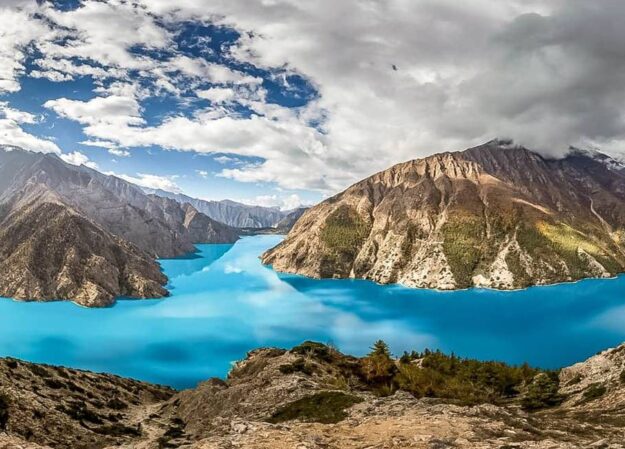
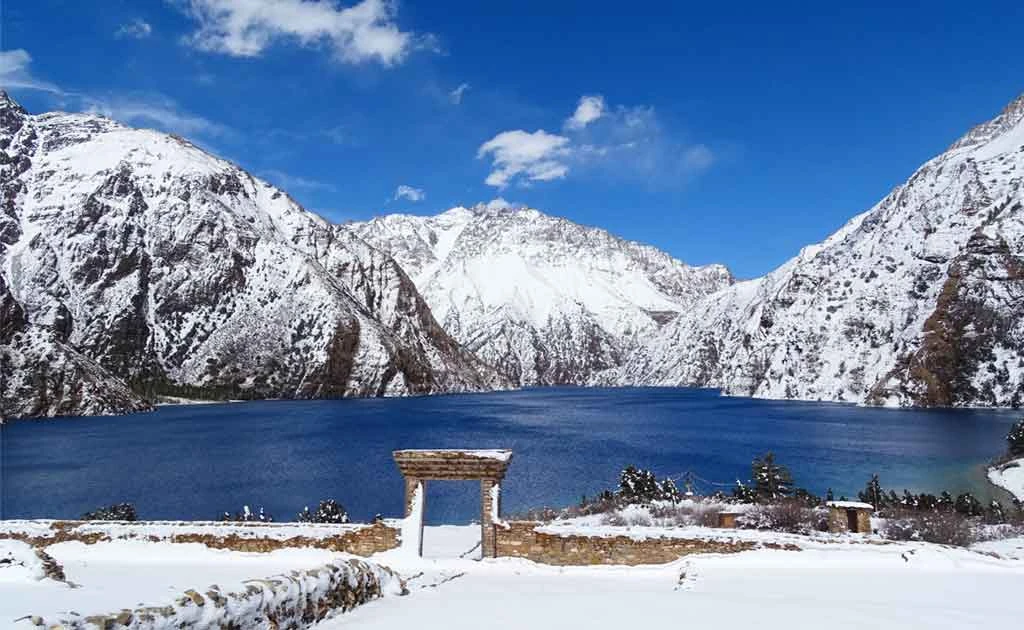
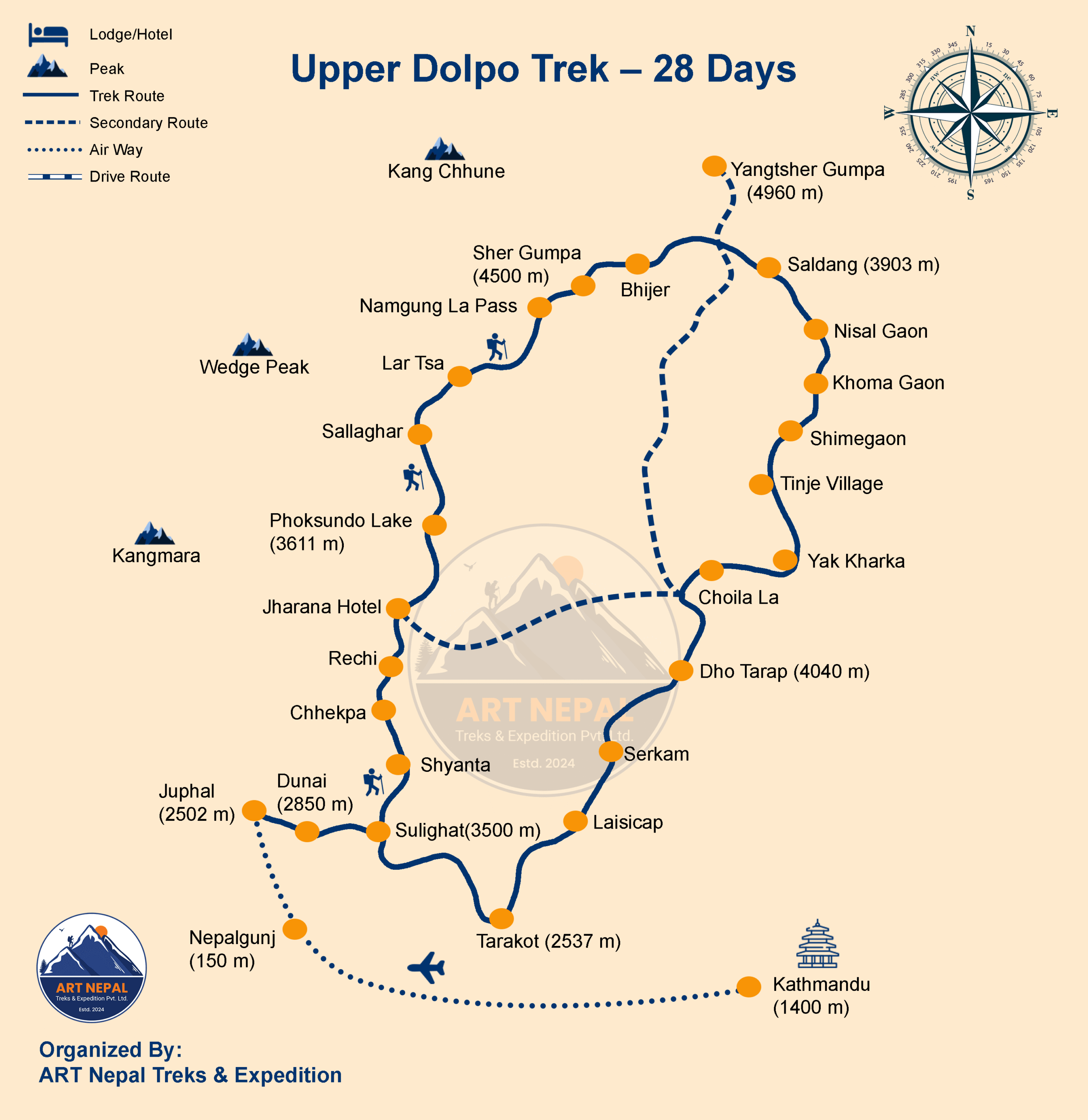
Experience the isolated beauty of Upper Dolpo with ART Nepal Treks & Expedition, one of Nepal’s leading trekking companies. This 28-day adventure takes you through untouched landscapes, Tibetan-influenced villages, and serene lakes like Phoksundo. Trekkers encounter high passes, rugged valleys, and ancient monasteries while witnessing rare Himalayan wildlife. With experienced guides, well-planned logistics, and safe accommodations, this trek offers a perfect balance of adventure, cultural immersion, and natural splendor, giving travelers a once-in-a-lifetime experience far from the usual tourist routes.
Preparation Tips
Arrive at Tribhuvan International Airport and transfer to your hotel in Thamel. Settle in and attend a briefing with your guide from ART Nepal Treks & Expedition, discussing the itinerary, trekking permits, and essential preparations. Spend the evening resting or exploring Thamel’s lively streets.
Visit Pashupatinath Temple, Boudhanath Stupa, and Swayambhunath (Monkey Temple). Prepare permits and gear for the trek, and enjoy free time to explore Thamel. This combines cultural exploration with essential logistical preparation.
Take a domestic flight to Nepalgunj, a gateway to Upper Dolpo. Explore local markets, observe town life, and rest before heading to the remote trekking region.
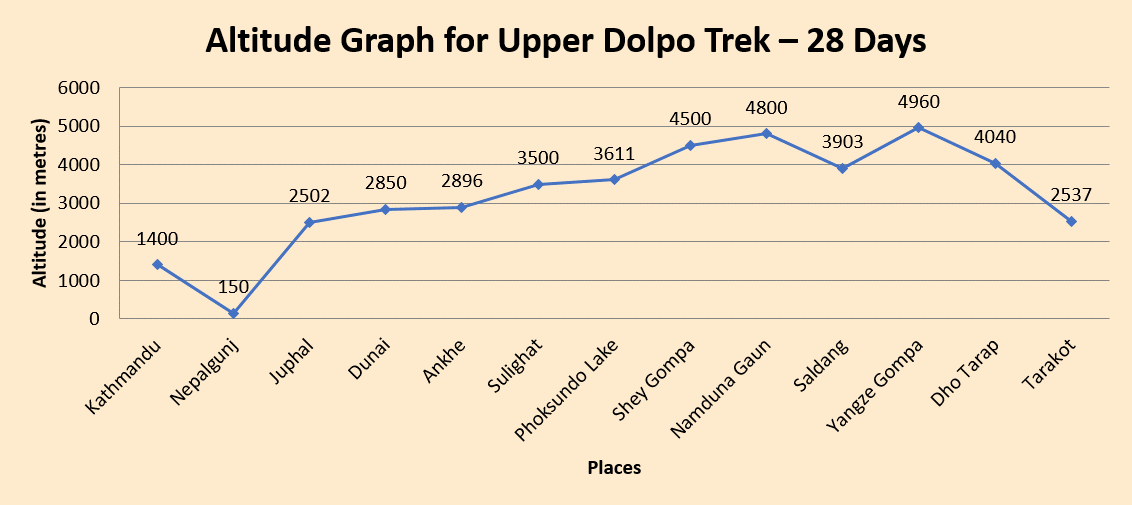
Fly to Juphal and begin trekking through terraced fields, small villages, and river crossings to reach Dunai, the administrative center of Dolpo. Enjoy your first views of the dramatic Dolpo landscape.
Cross suspension bridges and trek through walnut plantations and valleys to reach Ankhe. Meet local villagers and experience the unique architecture and culture of this remote area.
Today’s trek takes you along forested riversides with multiple ascents and descents. You will cross streams and enjoy the serenity of Dolpo’s remote wilderness while approaching Sulighat. The changing vegetation—from riverine forests to high-altitude shrubs—marks your gradual ascent into the higher Dolpo region.
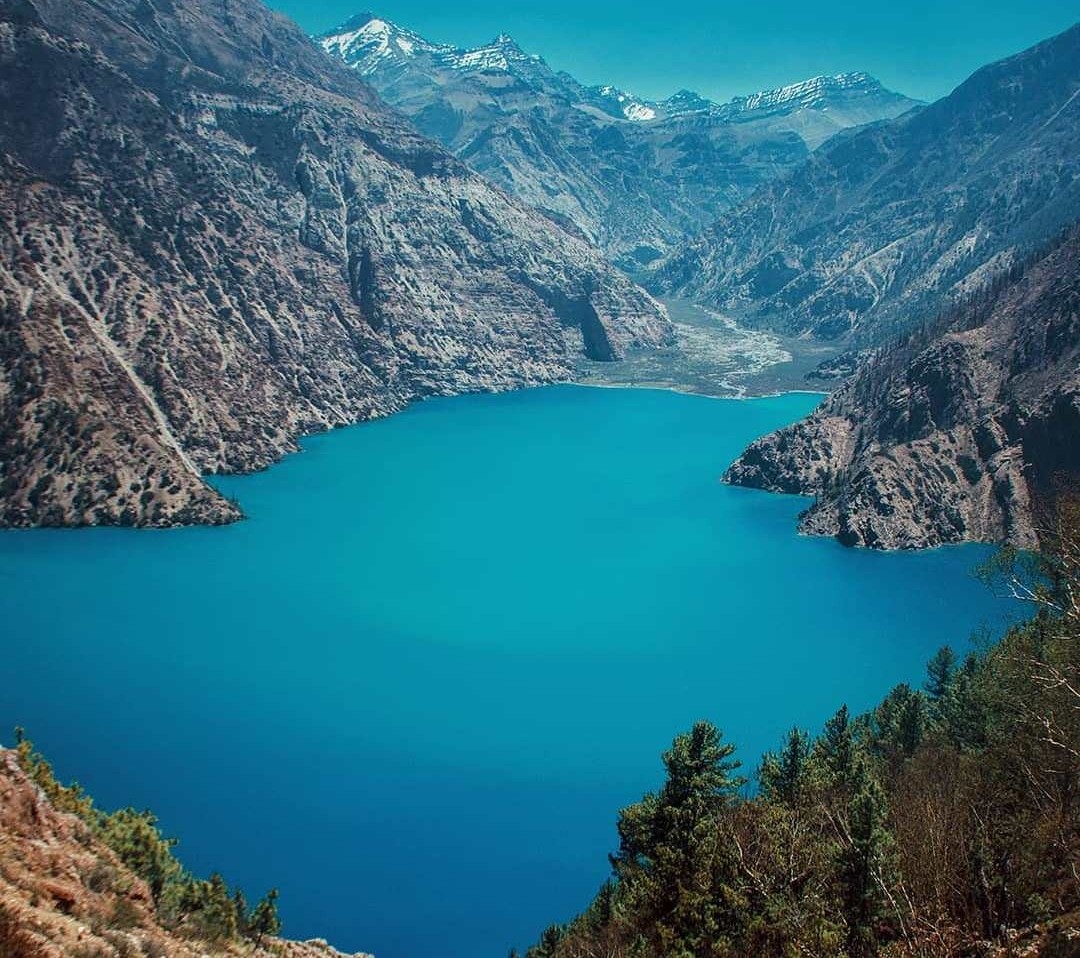
The trek today leads you to the famous Phoksundo Lake, passing through Palam settlement and Ringmo village. Enjoy stunning views of turquoise waters set against dramatic cliffs and distant snow-capped peaks. Ringmo village offers a glimpse into traditional Tibetan-influenced architecture and culture.
A rest day to allow your body to adjust to higher altitudes. Use this day to explore Ringmo village and visit the nearby monastery. Spend time appreciating the calm waters of Phoksundo Lake and the surrounding natural beauty.
Walk around Phoksundo Lake and descend into the valley towards Phoksundo Khola. Crossing meadows and rivers, you will enjoy both scenic landscapes and the local flora and fauna unique to this remote region.
Ascend through a glacier valley and open pastures to reach Phoksundo Bhanjyang. Today offers panoramic views of nearby peaks, including Kang La Pass. The terrain is rugged, with occasional snow patches at higher altitudes.
Today is a challenging but rewarding day. Early morning ascent to Kang La Pass provides breathtaking views of surrounding Himalayan peaks. Descend into the valley and reach Shey Gompa, a historic monastery where Bon Po traditions are preserved.
Rest and acclimatize while exploring Shey Gompa and the surrounding area. Visit local settlements and observe the Bon Po lifestyle, traditional rituals, and unique cultural practices in this remote Himalayan region.
Descend through a rocky canyon and then climb Saldang La Pass to reach Namduna Gaun. En route, you may encounter herds of yaks and blue sheep, and observe the natural and cultural elements of high-altitude Dolpo villages.
Begin with a climb to Saldang La Pass, enjoying expansive Himalayan views. The descent leads to Saldang, the largest village in lower Dolpo, where you can explore traditional stone houses and interact with local villagers. The change in altitude also brings more arid landscapes compared to earlier alpine meadows.
Trek through the Tarap Valley, crossing the Panzang River and passing through grazing lands. Arrive at Yangze Gompa, an ancient Bon Po monastery, where monks maintain traditional rituals. The valley offers dramatic views of surrounding peaks and high-altitude landscapes.
Today, choose between two trekking routes to Sibu, passing Namdo monastery and various alpine terrains. The journey offers panoramic views of mountains, glaciers, and high-altitude pastures, providing opportunities to spot wildlife like blue sheep.
Follow the Nam Khong Khola and ascend to grazing areas below Jeng La Pass. This section is challenging due to rocky terrain but rewards trekkers with wide vistas of Tarap Valley and distant Himalayan peaks.
Ascend Jeng La Pass early for views of Mount Dhaulagiri, then descend into Tarap Valley to Tokyu Gaon. The descent provides a dramatic contrast to previous alpine landscapes and introduces the unique cultural features of lower Dolpo settlements.
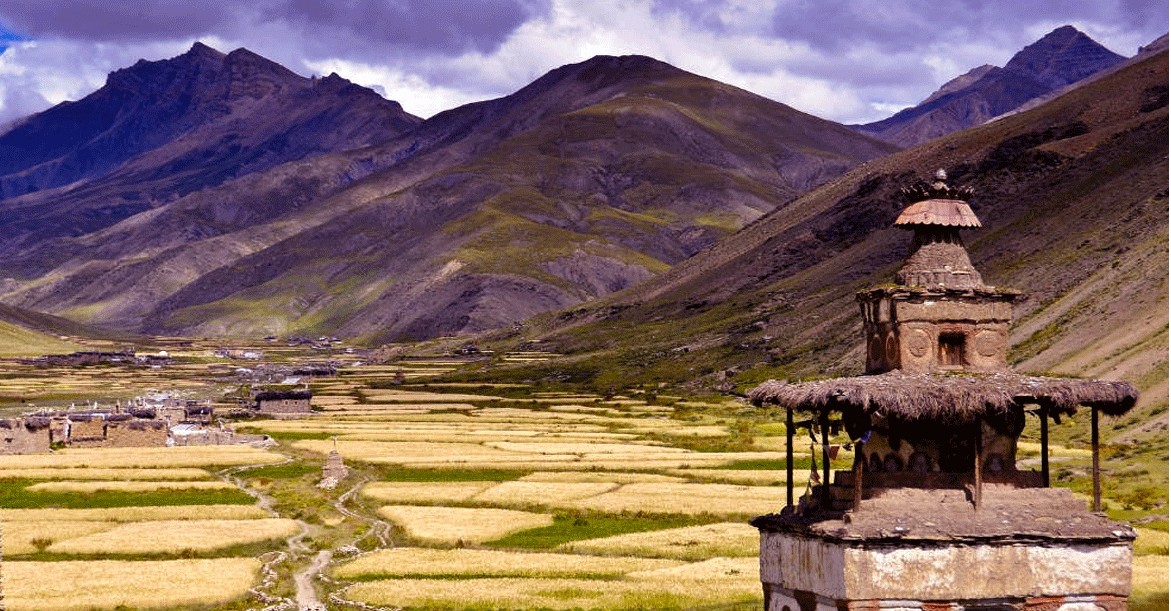
Descend through marshy plains and rocky paths to Dho Tarap, a village known for its remote culture and traditional Bon Po practices. Take time to interact with locals and observe village life at high altitude.
Rest day to recover from previous ascents. Explore Dho Tarap’s unique religious practices, visit small monasteries, and enjoy walking around the village to observe daily life in a remote Himalayan settlement.
Descend through juniper and wild rose plants along the Tarap River. Watch herds of blue sheep and enjoy the valley’s natural beauty as you approach Tarap Khola, marking a gentle descent from the high Dolpo plateau.
Trek through a narrow ravine along the Tarap River. Cross small creeks and walk through terraced farmlands, gradually descending into the more settled lower Dolpo region, observing agricultural life and local settlements.
Hike through Lalberi village and dense woodland before reaching Tarakot. Visit Sandul Gompa and enjoy panoramic views of the surrounding Dolpo hills. The region becomes warmer and greener as you descend.
Trek to Juphal and board a flight to Nepalgunj. After landing, explore local markets or relax at your hotel.
Trek to Juphal and board a flight to Nepalgunj. After landing, explore local markets or relax at your hotel.
Fly back to Kathmandu. Spend the rest of the day relaxing or doing last-minute shopping and sightseeing in the capital city.
Explore remaining cultural sites in Kathmandu or shop for souvenirs in Thamel. In the evening, enjoy a farewell dinner with your guide and fellow trekkers.
Transfer to Tribhuvan International Airport for your international departure, concluding your unforgettable Upper Dolpo adventure.
Porters:
A porter can carry up to 25 kg of luggage, making trekking easier, especially at high altitudes. For convenience, it is recommended to hire at least one porter for every two trekkers.($22 per porter per day)
Optional Add-Ons:
The Upper Dolpo Trek is best undertaken during:
During these months, trekking conditions are ideal with manageable temperatures and good visibility of the Himalayas. Avoid monsoon months (June-August) due to heavy rainfall and slippery trails, and winter months (December-February) due to extreme cold.
While trekking, you will have access to basic but nourishing meals:
Meals are simple but sufficient to maintain energy for trekking. In higher altitude areas, food options may be limited, so carrying extra snacks is recommended.
Accommodation during the trek changes based on altitude:
Travel insurance is essential for high-altitude trekking. Ensure your policy includes:
Comprehensive travel insurance ensures peace of mind and safety throughout the trek.
Trekkers may experience altitude sickness due to low oxygen at high elevations. Common symptoms include:
Prevention Tips:
If symptoms worsen, descend immediately and seek medical attention. Guides with ART Nepal Treks & Expedition are trained to recognize and manage altitude sickness emergencies.
Guide:
A professional local guide is provided for the entire trek. Their responsibilities include:
Safety Measures:
Booking your Upper Dolpo Trek with ART Nepal Treks & Expedition is simple:
Once confirmed, our team will assist with all preparations, including permits, domestic flights, and porter arrangements.