

Kailash Mansarovar Tour – 16 Days
Introduction
The Kailash Mansarovar Tour is one of the most revered and spiritually significant journeys in the world, blending adventure, high-altitude trekking, and cultural immersion. Spanning 16 days, this pilgrimage begins in Kathmandu, Nepal, where travelers are introduced to the rich cultural heritage and sacred temples of the city before embarking on the journey across the Nepal-Tibet border. The tour traverses through scenic landscapes, remote Tibetan towns, and high-altitude plateaus, offering both breathtaking views and profound spiritual experiences. It is designed for travelers seeking an authentic connection with sacred traditions and Himalayan landscapes.
As you travel through Tibet, the journey takes you to ancient towns such as Jilong, Saga, and Parayang, each offering a glimpse into Tibetan life, from monasteries and local markets to nomadic herders and centuries-old customs. These cultural interactions are an integral part of the pilgrimage, providing insight into a way of life that has remained largely untouched by modern development. Every stop along the route presents opportunities to observe traditional Tibetan architecture, sample local cuisine, and learn about spiritual practices deeply rooted in Buddhism, Bon, and Hindu beliefs.
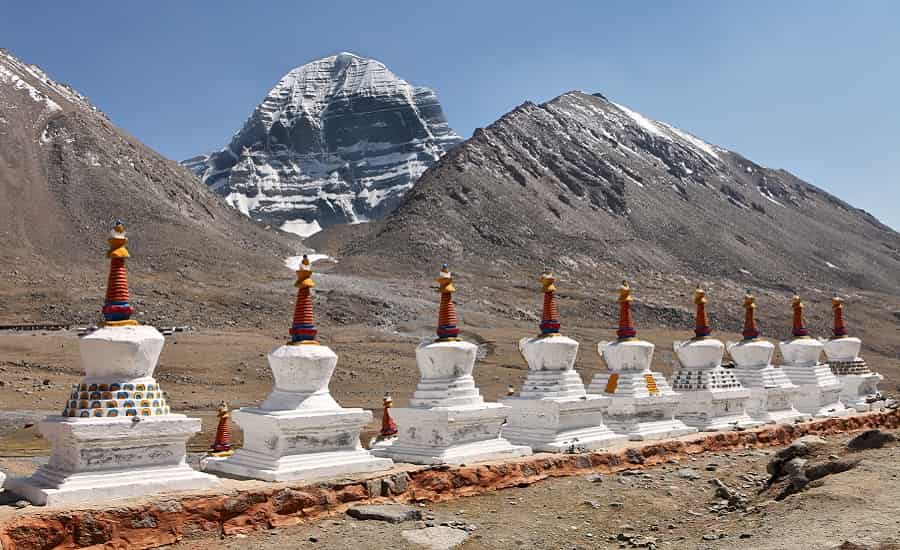
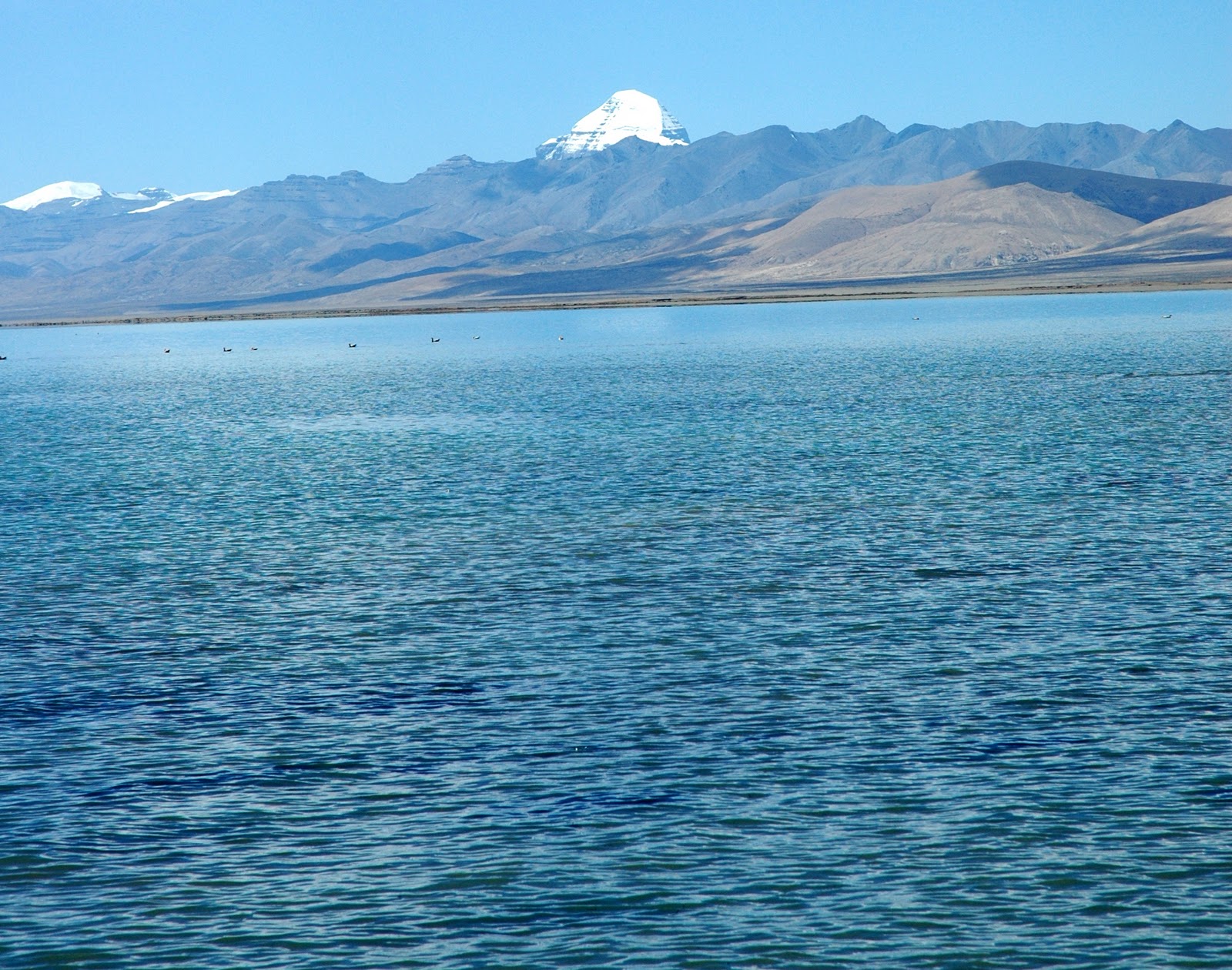
The spiritual heart of the journey is Mount Kailash, a peak revered by Hindus, Buddhists, Jains, and Bon followers alike. Pilgrims undertake the Kailash Parikrama, a circumambulation around the sacred mountain that is considered one of the most rewarding spiritual practices in the region. Along the route, travelers also visit Lake Mansarovar, a holy lake believed to cleanse sins and provide blessings. Each day of the trek is carefully planned to combine physical challenge with spiritual reflection, allowing participants to engage deeply with both the environment and the religious significance of the sites.
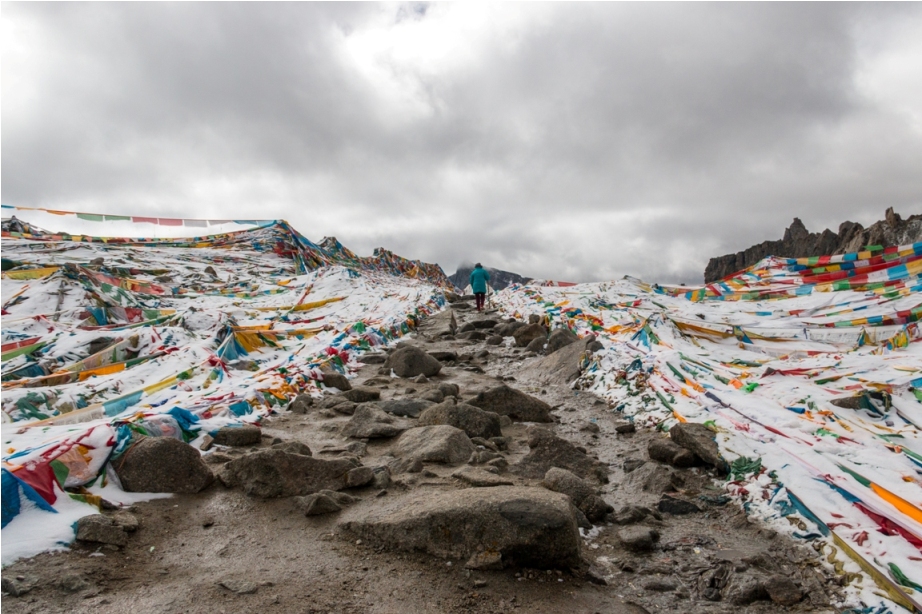
The tour also includes the physically demanding crossing of Dolma-La Pass (5,630 meters), which requires endurance, careful acclimatization, and mental preparation. While the terrain is rugged and the altitudes challenging, the reward is a panorama of high-altitude vistas, serene valleys, and the overwhelming sense of accomplishment that comes with completing a sacred journey. The trek is structured to balance exertion with rest, allowing travelers to acclimatize properly and enjoy the scenery and cultural experiences along the way.
Overall, the Kailash Mansarovar Tour is much more than a trek; it is a transformative experience that combines natural beauty, cultural discovery, and spiritual fulfillment. From the bustling streets and sacred temples of Kathmandu to the remote villages of Tibet and the awe-inspiring presence of Mount Kailash, travelers gain a deep appreciation for the region’s spiritual, historical, and natural significance. This journey leaves participants with lasting memories, a sense of inner peace, and a profound connection to one of the world’s most sacred landscapes.
What Can You Expect from the Tour?
The Kailash Mansarovar Tour offers a deeply enriching combination of spiritual, cultural, and natural experiences. From the very start in Kathmandu, travelers are immersed in sacred traditions and temples, setting the tone for a pilgrimage that is both physically challenging and spiritually rewarding. Along the journey, participants encounter the stark beauty of the Tibetan plateau, where high-altitude deserts, vast rivers, and snow-capped peaks create an awe-inspiring landscape. The experience is designed to nurture reflection, mindfulness, and a deep connection with the environment.
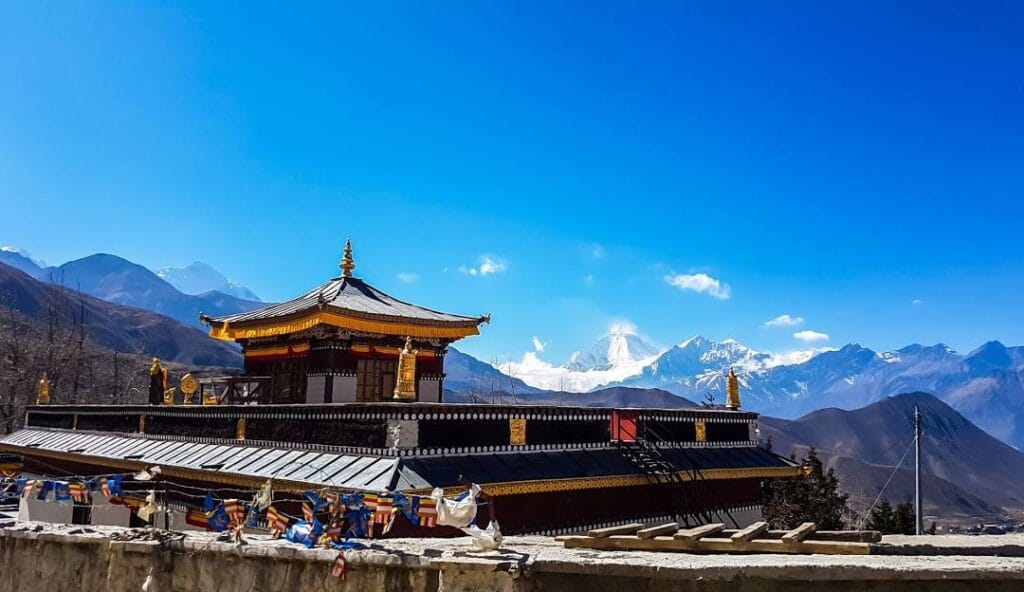
One of the highlights is the Kailash Parikrama, a circumambulation of Mount Kailash that holds immense religious significance for Hindus, Buddhists, Jains, and followers of Bon. The trek around the mountain allows pilgrims to engage in prayer, meditation, and ritual, offering a profound sense of spiritual accomplishment. At the same time, the journey provides exposure to Tibetan monastic life, with visits to remote monasteries and interactions with local monks, giving travelers insight into centuries-old religious practices.
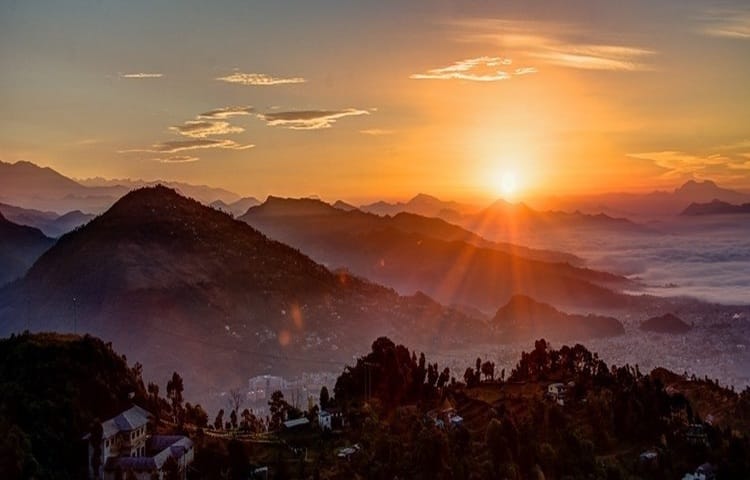
Travelers can also expect a variety of high-altitude landscapes, from the serene waters of Lake Mansarovar to rugged mountain passes like Dolma-La. Each section of the route offers unique photographic opportunities, from dramatic sunrises over the Himalayan peaks to the wide-open spaces of the plateau. The mix of jeep drives and trekking ensures that participants experience the region’s terrain in a way that balances adventure and comfort.
The tour is also a cultural immersion, with stops in towns like Jilong, Saga, and Parayang, where travelers can witness Tibetan traditions, local festivals, and nomadic lifestyles. This exposure provides context to the sacred sites and enhances understanding of the local customs, diet, clothing, and religious practices. Engaging with communities along the route adds depth and meaning to the pilgrimage, making it a fully holistic experience.
Finally, the tour challenges the body and mind, requiring endurance, careful acclimatization, and mental preparation. High-altitude trekking, unpredictable weather, and remote accommodations test resilience, but the rewards are immeasurable: a once-in-a-lifetime journey of spiritual fulfillment, cultural insight, and unforgettable Himalayan vistas. Travelers leave the Kailash Mansarovar Tour with memories that linger long after the trek concludes.
Is Kailash Mansarovar Tour Suitable for You?
The Kailash Mansarovar Tour is tailored for spiritually minded travelers and adventure seekers.
- Spiritual Seekers: If your goal is to connect with a sacred tradition and experience the profound rituals associated with Mount Kailash and Lake Mansarovar, this tour is ideal.
- Adventure Enthusiasts: The trek includes high-altitude challenges, including Dolma-La Pass at 5,630 meters. Travelers must be physically fit and prepared for rugged terrain and long days of trekking.
- Cultural Explorers: The tour offers rich cultural exposure in Tibetan towns and villages, interacting with monks, nomads, and local artisans.
This journey is perfect for those who are ready to experience physical exertion, spiritual enrichment, and cultural learning simultaneously. Patience, stamina, and a willingness to embrace remote high-altitude environments are key qualities for anyone joining this pilgrimage.
-
Trip Duration
16 Days/15 Nights
-
Group Size
Any group
-
Maximum Altitude
5,630 m (Dolma-La Pass)
-
Trip Difficulty
Challenging
-
Activities
Pilgrimage tour, Kailash Parikrama, temple visits, high-altitude trekking
-
Best Season
March–May, September–November
-
Trip Start & End
Kathmandu-Kathmandu
-
Meals
Breakfast, Lunch, Dinner
-
Accomodation
3-Star Hotel, Guesthouse, Tent
Highlights
- Sacred Sites: Visit revered temples including Pashupatinath and Doleshwornath in Kathmandu.
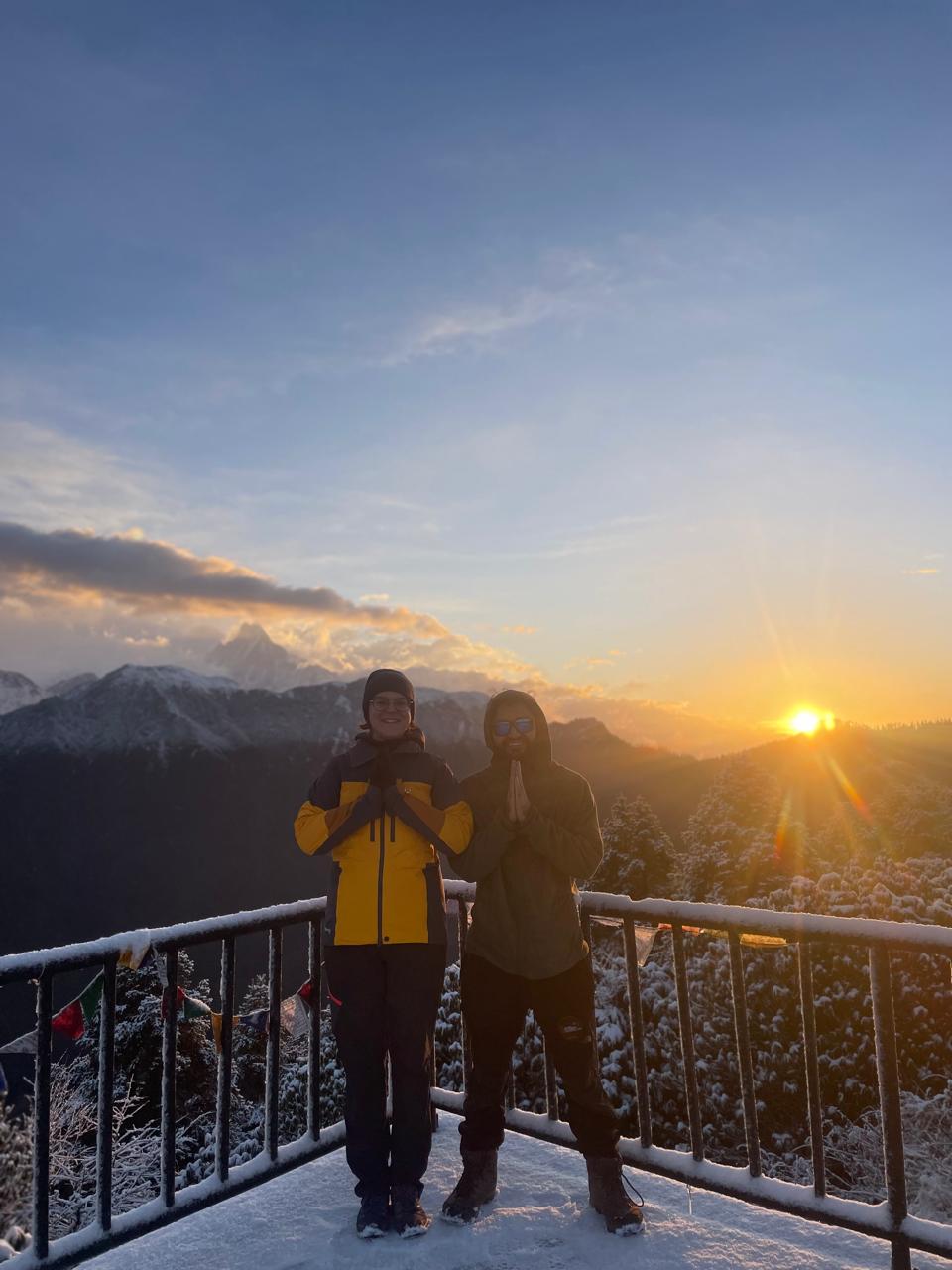
- Mountain Views: Witness stunning panoramas of Mount Shisha Pangma, Mount Kailash, and surrounding Himalayas.
- Cultural Experience: Explore Tibetan cities like Jilong and Saga, meet local communities, and experience authentic Tibetan lifestyle.
- Spiritual Journey: Perform the sacred Kailash Parikrama and take a holy dip in Mansarovar Lake.
- Challenging Trek: Cross the Dolma-La Pass at 5,630 meters, a significant high-altitude challenge.
Itinerary
Day 01
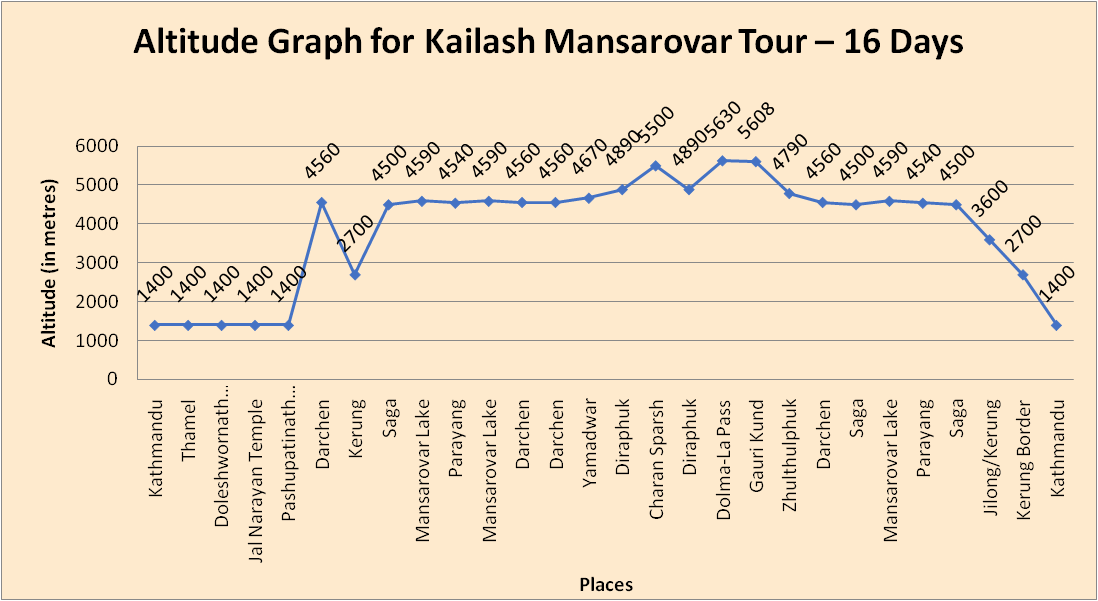
Upon arrival at Tribhuvan International Airport, you will be welcomed by our representative and transferred to your hotel in Thamel. This first day is meant for relaxation after your journey and for adjusting to the local environment. Kathmandu, the capital city of Nepal, is a hub of culture, history, and spirituality, with bustling streets, markets, and ancient temples. In the evening, you will attend a briefing session about the tour, where the guide will explain the itinerary, high-altitude precautions, spiritual significance of Mount Kailash, safety measures, and documentation requirements. This initial day ensures that travelers are mentally and physically prepared for the upcoming pilgrimage.
Trip Duration:
Full dayAltitude:
1400 mMeal:
Not includedAccomodation :
3-Star Hotel, Thamel (Kathmandu)Day 02
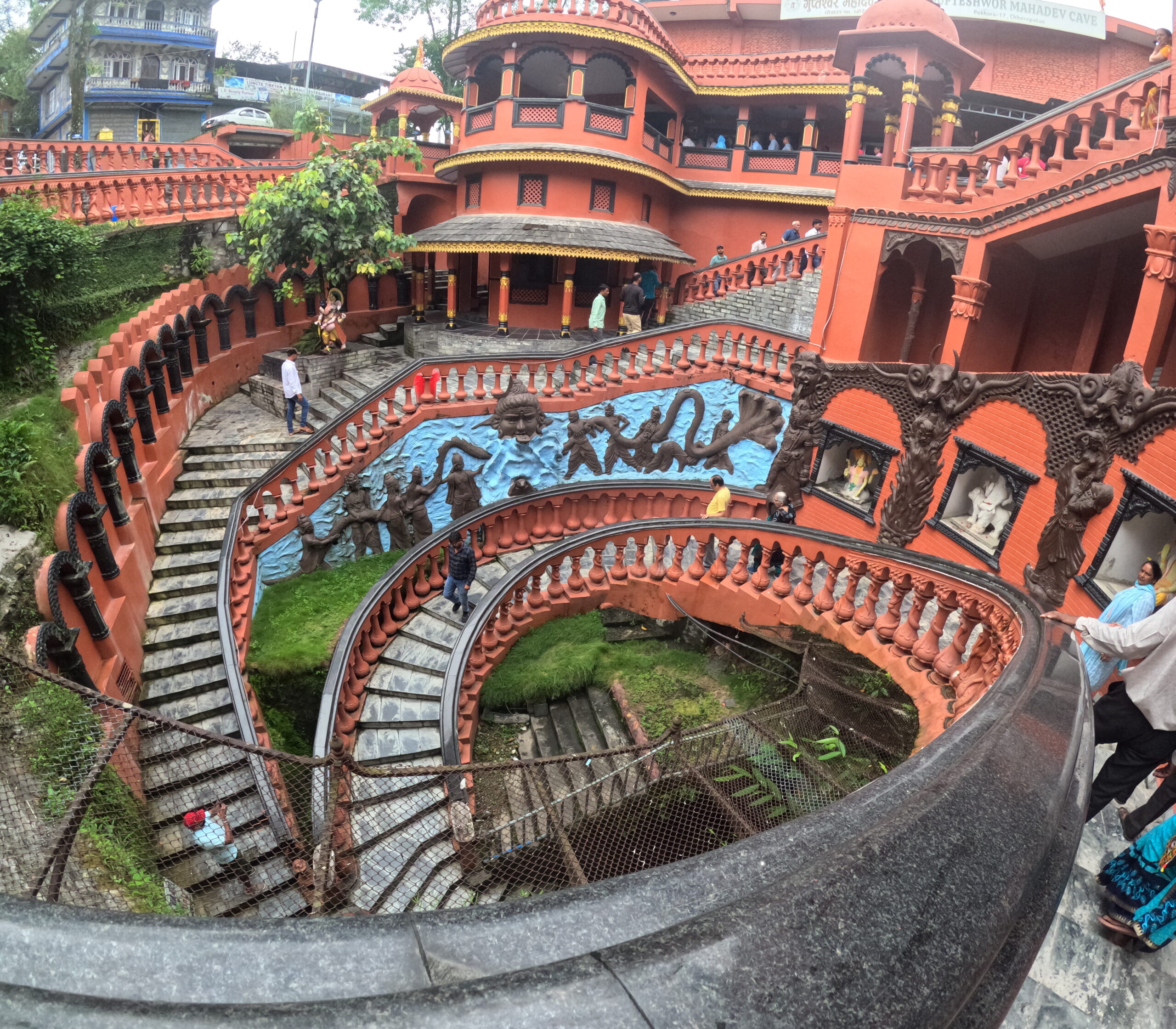
The day begins with visits to Kathmandu’s sacred sites, including Doleshwornath Temple and Jal Narayan Temple, where travelers can observe local rituals, architecture, and centuries-old traditions. In the evening, attend the Pashupatinath Aarati along the Bagmati River, witnessing the mesmerizing fire rituals, devotional music, and chanting that create an unforgettable spiritual atmosphere. This day also allows you to finalize trekking gear, check travel permits, and mentally prepare for the journey into Tibet. The combination of cultural immersion and practical preparation makes this an essential start to the pilgrimage.
Trip Duration:
Full dayAltitude:
1400 mMeal:
Breakfast, Lunch, DinnerAccomodation :
3-Star Hotel, KathmanduDay 03
Spend the morning at Pashupatinath Temple performing darshan and participating in puja ceremonies, followed by a visit to Budhanilkantha, famous for the giant reclining Vishnu statue carved out of black stone. The afternoon is reserved for organizing all necessary trekking equipment and permits for Tibet, ensuring travelers are fully prepared. This day balances spiritual experience with practical preparation, allowing participants to acclimatize and focus on the journey ahead.
Trip Duration:
Full dayAltitude:
1400 mMeal:
Breakfast, Lunch, DinnerAccomodation :
3-Star Hotel, KathmanduDay 04
Depart Kathmandu early in the morning for Kerung, the Nepal-Tibet border town. The journey spans 145 km and takes approximately six to seven hours, passing through terraced hills, flowing rivers, and scenic landscapes. Lunch is served at the Trishuli River banks, providing an opportunity to rest and enjoy local cuisine. Upon arrival in Kerung, check into a guesthouse with basic comforts, including hot showers and Wi-Fi. This first night at higher altitude is important for acclimatization and preparing for the border crossing into Tibet.
Trip Duration:
6–7 hours driveTrip Distance:
145 kmAltitude:
3600 mMeal:
Breakfast, Lunch, DinnerAccomodation :
Guesthouse, KerungDay 05
After completing immigration formalities at the Friendship Bridge, travel to Jilong, a gateway Tibetan town. The journey showcases the high-altitude plateau, local villages, monasteries, and wide-open landscapes unique to Tibet. Explore Jilong upon arrival, observing local Tibetan culture, architecture, and lifestyles. This day is key for acclimatization and for beginning to adapt to the remote environment of the Kailash region.
Trip Duration:
Full day driveTrip Distance:
40 kmAltitude:
3800 mMeal:
Breakfast, Lunch, DinnerAccomodation :
Guesthouse, JilongDay 06
After breakfast in Jilong, you will begin the long drive across the vast Tibetan plateau to Saga, covering approximately 240 km. The journey offers a spectacular introduction to the high-altitude landscapes of western Tibet, including wide barren valleys, snow-capped peaks in the distance, and meandering rivers like the Brahmaputra. Along the way, travelers can observe small Tibetan villages, prayer flags fluttering across hilltops, and ancient monasteries tucked into the mountainsides. The drive also serves as an essential acclimatization day, allowing your body to adjust gradually to the thinner air at high altitude. Upon arrival in Saga, check into a comfortable guesthouse, where you can rest, enjoy a hearty meal, and reflect on the dramatic scenery experienced during the day. This day combines endurance, observation, and preparation for entering the sacred Mount Kailash region.
Trip Duration:
7–8 hours driveTrip Distance:
240 kmAltitude:
4500 mMeal:
Breakfast, Lunch, DinnerAccomodation :
Guesthouse, SagaDay 07
Today, you will drive from Saga to Parayang, a journey of approximately 235 km through increasingly remote and rugged Tibetan landscapes. The route passes along the Brahmaputra River, offering stunning views of turquoise waters bordered by mountains and grasslands dotted with yaks and nomadic herders. Travelers will see Tibetan villages with whitewashed houses and prayer flags, offering insight into the traditional lifestyle of the region. Parayang serves as a peaceful stop before reaching Mansarovar Lake, providing travelers with a chance to rest, hydrate, and enjoy the serene Tibetan plateau. This day combines both scenic exploration and gentle acclimatization, preparing your body for the spiritual and physical challenges that lie ahead.
Trip Duration:
6–7 hours driveTrip Distance:
235 kmAltitude:
4300 mMeal:
Breakfast, Lunch, DinnerAccomodation :
Guesthouse, ParayangDay 08
The journey today takes you to Mansarovar Lake, one of the holiest lakes in the world. The 265 km drive offers unparalleled vistas of barren mountains, desert-like landscapes, and snow-capped peaks. Upon arrival, travelers are encouraged to participate in a holy dip in the pristine waters of Mansarovar, believed to cleanse sins and bring spiritual merit. A visit to Tsu Gompa Monastery provides insight into the religious and cultural practices of the region, highlighting centuries of Tibetan Buddhism. Overnight accommodation is arranged in tents or simple guesthouses near the lake, allowing travelers to experience the tranquil beauty of the area while preparing for the Kailash Parikrama. The day is a unique blend of spiritual engagement, cultural immersion, and scenic travel.
Trip Duration:
7–8 hours driveTrip Distance:
265 kmAltitude:
4500 mMeal:
Breakfast, Lunch, DinnerAccomodation :
Tent/Guesthouse, MansarovarDay 09
After breakfast, you will continue to Darchen, the base village for the sacred Kailash Parikrama. The 35 km drive offers breathtaking views of the Tibetan plateau, with distant snow peaks, winding rivers, and scattered monasteries. Darchen is a small village that serves as the spiritual gateway to Mount Kailash, attracting pilgrims from across the world. Upon arrival, travelers can rest and acclimatize, perform puja rituals, or explore the village. This day is both a physical preparation and a spiritual immersion, as you begin to connect deeply with the significance of Mount Kailash before starting the circumambulation trek.
Trip Duration:
1–2 hours driveTrip Distance:
35 kmAltitude:
4600 mMeal:
Breakfast, Lunch, DinnerAccomodation :
Guesthouse, DarchenDay 10
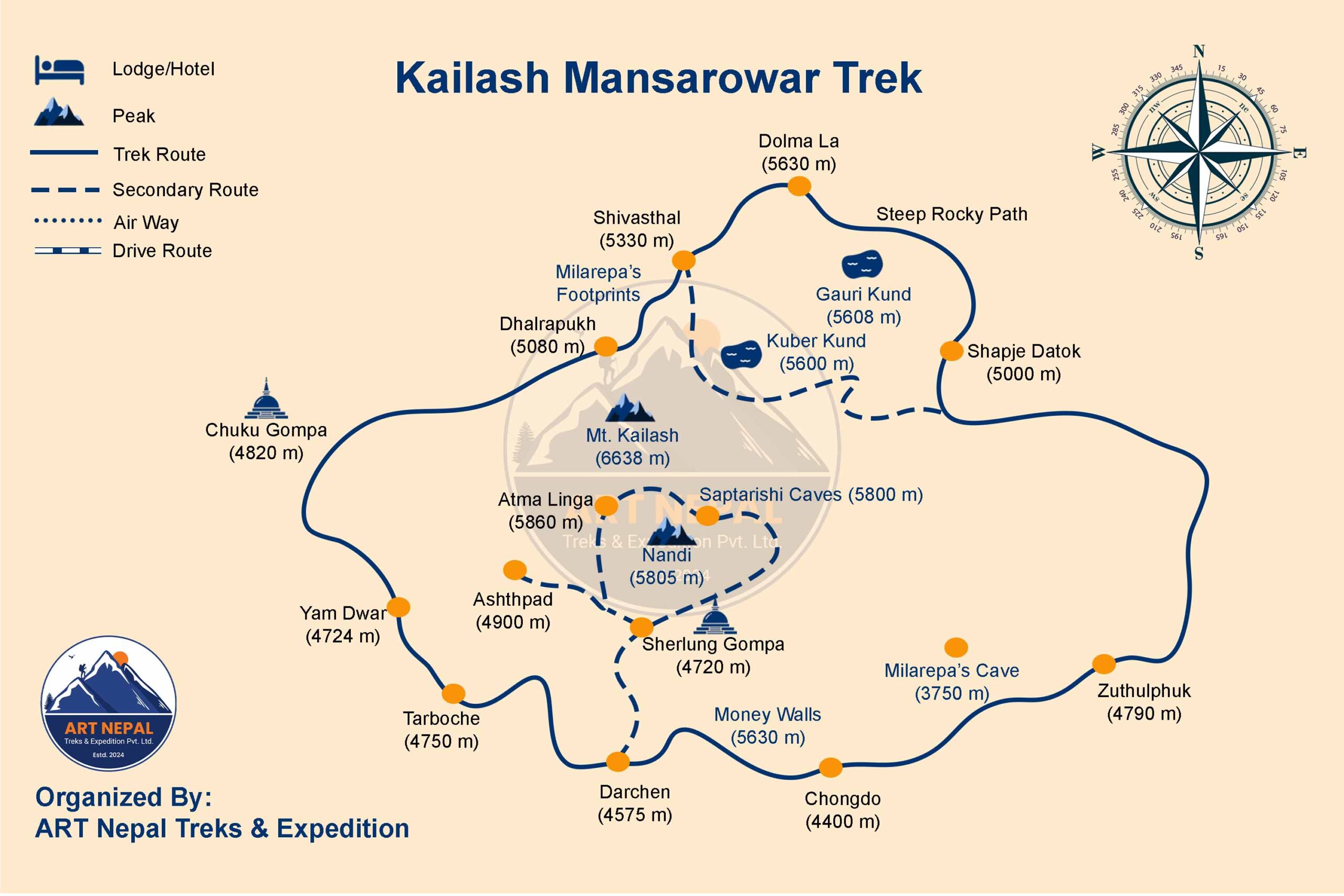
Today marks the beginning of the Kailash Parikrama, with a drive to Darboche, followed by a trek to Diraphuk, located near the northern face of Mount Kailash. The 12 km trek is challenging due to the high altitude but rewarding with panoramic views of the sacred mountain. Along the way, travelers will encounter prayer flags, Mani walls, and scattered small shrines, which create a deeply spiritual atmosphere. Diraphuk offers simple guesthouses or mud-brick accommodations, providing a base for rest and reflection. The day combines physical endurance, breathtaking landscapes, and cultural immersion, making it one of the most memorable segments of the journey.
Trip Duration:
5–6 hours trekTrip Distance:
12 kmAltitude:
4890 mMeal:
Breakfast, Lunch, DinnerAccomodation :
Guesthouse, DiraphukDay 11
On this day, you will trek to the Charan Sparsh, the sacred base of Mount Kailash where pilgrims perform rituals and prayers. The journey provides breathtaking views of Mount Kailash’s north face and surrounding peaks, instilling a deep sense of spiritual reverence. Travelers can touch the feet of Mount Kailash, perform pujas, and reflect on the spiritual significance of the mountain. Return to Diraphuk for overnight stay. This day requires physical stamina and mental focus, but the spiritual reward and panoramic vistas make it truly unforgettable.
Trip Duration:
6–7 hours trekTrip Distance:
8–10 kmAltitude:
5500 mMeal:
Breakfast, Lunch, DinnerAccomodation :
Guesthouse, DiraphukDay 12
This day marks the most physically challenging segment of the Kailash Parikrama as you cross the Dolma-La Pass, the highest point of the circumambulation at 5,630 meters. Starting early from Diraphuk, you will trek across rugged terrain, with snow patches, strong winds, and dramatically steep sections. The landscape is striking, with jagged peaks, high-altitude lakes, and endless prayer flags fluttering in the wind, creating an otherworldly spiritual ambiance. After summiting the pass, the descent leads to Zhulthulphuk, a serene village offering basic guesthouse accommodations. This day requires careful acclimatization, steady pacing, and attention to hydration. Despite the physical difficulty, the sense of spiritual achievement and the unparalleled panoramic views make it a highlight of the pilgrimage.
Trip Duration:
8–9 hours trekTrip Distance:
22 kmAltitude:
4790 mMeal:
Breakfast, Lunch, DinnerAccomodation :
Guesthouse, ZhulthulphukDay 13
After completing the Parikrama, you will trek a short distance back to Darchen and then begin the return drive to Saga. The 465 km drive retraces the journey along the Tibetan plateau, offering time to reflect on the spiritual and cultural experiences of the past days. The route passes Mansarovar Lake, Parayang, and Saga, with opportunities to capture final photographs of the awe-inspiring landscapes. Saga provides a comfortable guesthouse stay, allowing travelers to rest after the strenuous trek. This day emphasizes recovery, reflection, and appreciation of the spiritual and natural beauty encountered on the pilgrimage.
Trip Duration:
8–9 hours drive + short trekTrip Distance:
465 kmAltitude:
4500 mMeal:
Breakfast, Lunch, DinnerAccomodation :
Hotel, SagaDay 14
The journey continues from Saga to Jilong, covering 230 km across the high-altitude Tibetan plateau. Travelers will experience vast open landscapes, pastoral villages, and ancient monasteries along the way. The drive allows a final immersive experience of Tibet’s remote environment, highlighting its spiritual and cultural heritage. Upon arrival in Jilong, check into a guesthouse and enjoy a final dinner prepared by local staff. This day is also a chance to reflect on the pilgrimage, review photographs, and enjoy the quietude of the Tibetan highlands before returning to Nepal.
Trip Duration:
6–7 hours driveTrip Distance:
230 kmAltitude:
3600 mMeal:
Breakfast, Lunch, DinnerAccomodation :
Guesthouse, JilongDay 15
After crossing back into Nepal at the Kerung Border, you will drive to Kathmandu, covering approximately 185 km. The return journey offers a gradual descent, allowing your body to adjust after the high-altitude trek. Upon reaching Kathmandu, check into a 3-star hotel in Thamel, relax, and enjoy the comforts of modern amenities. This day is perfect for last-minute shopping, sightseeing, or simply resting after a demanding and spiritually rewarding journey. The evening provides an opportunity to share experiences with fellow travelers and reflect on the transformative pilgrimage to Mount Kailash and Mansarovar Lake.
Trip Duration:
7–8 hours driveTrip Distance:
185 kmAltitude:
1400 mMeal:
Breakfast, Lunch, DinnerAccomodation :
3-Star Hotel, Thamel (Kathmandu)Day 16
The final day of the tour is reserved for leisure in Kathmandu. Travelers can explore local markets, visit heritage sites, or relax at the hotel before transferring to Tribhuvan International Airport for departure or onward travel. This day allows participants to reflect on the entire pilgrimage, savor the cultural and spiritual memories, and prepare for the journey back home.
Trip Duration:
Full dayAltitude:
1400 mMeal:
BreakfastRoute Map
What's Included
- Airport pickup & drop in Kathmandu
- Accommodation throughout the tour (Hotels in Kathmandu, Guesthouses in Tibet, Tents near Mansarovar Lake)
- Meals: Breakfast, Lunch, Dinner, Tea/Coffee during the tour
- All permits and taxes for Nepal and Tibet
- Professional guide (including food, accommodation, salary, and guide’s insurance)
- First Aid Kit
- Public transportation during the tour
What's Excluded
- Personal expenses (shopping, souvenirs, extra snacks)
- Trekking and high-altitude gear
- Beverages & mineral water
- Travel insurance
- Tips for staff (expected at the end of the trip)
- Visa fees
Essential Info
Add-Ons
The Kailash Mansarovar pilgrimage offers a range of optional add-ons that allow travelers to customize their journey and make the experience more comfortable, efficient, and memorable. One popular option is sightseeing in Kathmandu, where travelers can explore historical and spiritual landmarks such as Durbar Square, Swayambhunath Stupa, Patan Durbar Square, and other cultural sites. This provides a deeper understanding of Nepalese art, architecture, and religious practices before embarking on the high-altitude pilgrimage.
For those who prefer additional support during the trek, porter services are available. Porters can carry luggage, tents, food supplies, and personal belongings, which is especially helpful during long trekking sections or when crossing the high-altitude Dolma-La Pass. This allows travelers to conserve energy and focus on the spiritual and scenic aspects of the journey.
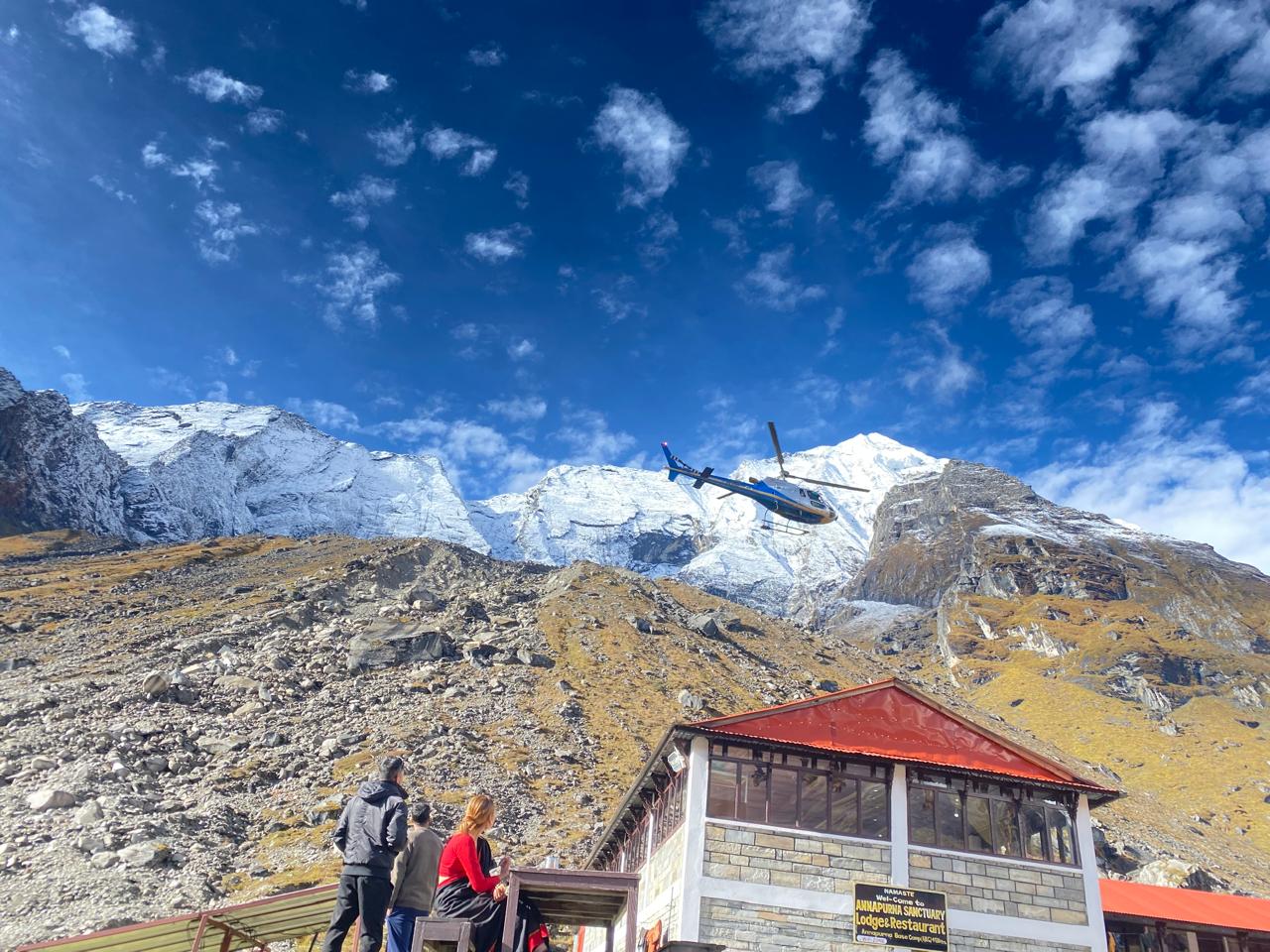
For travelers seeking flexibility or faster travel, helicopter services and private flights can be arranged for certain segments, such as remote Tibetan towns or high-altitude points along the route. This not only reduces travel time but also provides an unparalleled aerial perspective of Mount Kailash, Mansarovar Lake, and the surrounding Himalayan landscapes. Similarly, private transportation is available for groups or individuals who wish to move at their own pace, allowing unscheduled stops at monasteries, villages, or scenic viewpoints along the route.
These optional services are designed to accommodate various comfort levels, physical abilities, and personal preferences, making the pilgrimage both safer and more rewarding. Whether you choose sightseeing, porters, helicopter services, or private transport, these add-ons ensure a seamless and highly personalized experience for every traveler.
Add-Ons:
- Sightseeing in Kathmandu
- Porter services for luggage and trekking support
- Helicopter services for remote or scenic travel
- Private transportation for flexibility and comfort
Best Season to Tour
The Kailash Mansarovar pilgrimage is ideally undertaken during spring (March to May) and autumn (September to November). Spring is characterized by moderate temperatures, clear skies, and blooming flora on the Tibetan plateau. Snow on the high passes has usually melted, which makes trekking safer and ensures unobstructed views of Mount Kailash, Mansarovar Lake, and surrounding peaks. The clear weather also enhances opportunities for photography and sightseeing, allowing travelers to capture the grandeur of this sacred region in perfect conditions.
Autumn, following the monsoon, offers equally favorable conditions. The skies are bright and stable, the air is crisp, and the temperatures remain moderate, creating ideal conditions for high-altitude travel. Post-monsoon greenery contrasts beautifully with the arid landscapes of the plateau, and visibility from high vantage points is exceptional. Both seasons also coincide with local cultural events and traditional Tibetan rituals, giving travelers a chance to experience authentic spiritual practices alongside their pilgrimage. Winter months, however, are not recommended due to heavy snowfall, harsh cold, and the possibility of road closures, which could severely hinder travel and safety.
Food Availability
Nutrition and energy management are critical during the Kailash Mansarovar pilgrimage due to the high-altitude terrain, long days of trekking, and physical demands of the journey. Breakfasts typically consist of cereals, eggs, bread, fruits, and tea or coffee, providing an energizing start to the day. During travel or trekking segments, lunches usually include rice, noodles, vegetables, and a variety of Tibetan or Nepali dishes, giving travelers the necessary sustenance to endure long drives and walks.
Dinners are hearty, consisting of traditional dishes like dal bhat (rice and lentil soup), stir-fried vegetables, Tibetan noodles, and occasionally meat dishes depending on local availability. Snack options such as energy bars, fruits, biscuits, and nuts are available at guesthouses or tea houses along the route to provide quick replenishment during physically demanding days. Hydration is a major concern at high altitudes, so travelers are encouraged to carry a water bottle or hydration bladder and drink plenty of fluids throughout the day. Alcohol is discouraged, as it can exacerbate altitude sickness.
This careful planning of food availability ensures travelers remain well-nourished and energized, allowing them to fully participate in the spiritual and cultural aspects of the pilgrimage without compromise.
Accommodation
Accommodations throughout the Kailash Mansarovar pilgrimage are chosen to balance comfort, safety, and authenticity, allowing travelers to rest and recover each day. In Kathmandu, travelers stay in 3-star hotels offering private bathrooms, comfortable beds, and modern amenities, which provide a secure and restful base before and after the pilgrimage.
In Tibet, accommodation consists of guesthouses in towns such as Jilong, Saga, Parayang, and Darchen, offering clean, simple rooms with meals provided. Guesthouses allow travelers to experience authentic Tibetan hospitality while providing basic comforts. Near Mansarovar Lake and on high-altitude segments, tents are provided, offering protection from harsh weather, warmth during the night, and essential sleeping arrangements. Despite the simplicity, accommodations along the route are carefully maintained for cleanliness, hygiene, and safety, ensuring a secure and comfortable stay in remote areas.
The accommodation choices are strategically located near key pilgrimage points such as Mount Kailash, Mansarovar Lake, and high passes, allowing travelers to rest fully before each stage of the journey while staying immersed in the local culture and landscape.
Travel Insurance
Travel insurance is essential for anyone undertaking the Kailash Mansarovar pilgrimage, due to the high-altitude environment, remote locations, and physically demanding nature of the journey. A comprehensive insurance policy should cover medical emergencies, evacuation, and high-altitude trekking up to 5,500 meters. In case of unexpected illnesses, injuries, or altitude-related complications, having proper insurance ensures access to prompt medical attention or helicopter evacuation, which may be crucial in the remote areas of Tibet.
Insurance should also cover trip cancellation or interruption, providing protection if unforeseen circumstances such as illness, natural events, or political restrictions prevent participation. It is strongly recommended that travelers carry a copy of their insurance policy, including emergency contact numbers, and keep it accessible at all times during the journey. Choosing a policy that covers both medical and logistical emergencies ensures peace of mind, allowing pilgrims to focus fully on the spiritual and cultural aspects of the journey without worrying about unforeseen events.
Altitude Sickness
Although the Kailash Mansarovar itinerary is designed to include gradual acclimatization, travelers are still at risk of Acute Mountain Sickness (AMS) due to the high altitudes, particularly at points such as Dolma-La Pass (5,630 meters) and around Mansarovar Lake. Common symptoms include headache, dizziness, fatigue, nausea, and shortness of breath, and if ignored, they can become serious.
To prevent altitude sickness, travelers should ascend gradually and respect the pace of the itinerary. Staying well-hydrated, consuming balanced meals, and avoiding alcohol are critical for maintaining proper oxygen levels and energy. Rest days are built into the itinerary specifically for acclimatization, allowing the body to adjust naturally to high altitudes. Medication such as Diamox can be used if prescribed by a doctor prior to departure. In severe cases, descending to a lower altitude immediately and seeking medical assistance is essential. Travelers are advised to listen carefully to their guides, who monitor each participant’s health throughout the journey and ensure safety measures are followed at all times.
Guide and Safety Measures
The Kailash Mansarovar pilgrimage is led by highly experienced guides, whose primary responsibility is to ensure the safety, well-being, and spiritual fulfillment of every traveler. These guides are trained not only in navigation, first aid, and high-altitude trekking, but also in local customs, religious practices, and Tibetan culture. Their guidance provides both practical safety support and cultural enrichment, allowing travelers to fully appreciate the significance of sacred sites like Mount Kailash, Mansarovar Lake, and surrounding monasteries.
Safety protocols include daily health checks, monitoring for altitude sickness, and acclimatization advice, particularly for high-altitude segments such as Dolma-La Pass. Guides carry oxygen, first aid kits, and emergency communication devices to respond quickly in case of medical or logistical issues. In addition, they coordinate with porters, drivers, and local staff to ensure that meals, accommodation, and travel schedules are maintained smoothly, even in remote regions where resources are limited.
Guides also provide pre-journey briefings, outlining safety rules, cultural etiquette, and environmental practices to ensure that travelers respect the sacred nature of the sites they visit. Their knowledge allows travelers to navigate the pilgrimage with confidence, knowing that every aspect of safety—from altitude awareness to emergency response—is actively managed. This combination of professional guidance and local expertise ensures that the journey is not only spiritually transformative but also secure and worry-free.
Booking Procedure
Booking the Kailash Mansarovar pilgrimage is a straightforward process, designed to provide travelers with clarity, security, and convenience from the initial reservation to departure. To secure a spot on the tour, a deposit equal to 10% of the total package cost is required. This deposit confirms your reservation and allows the operator to begin the process of arranging permits, accommodations, and transportation.
Once the deposit is made, travelers are required to submit essential documents, including passport copies, passport-size photographs, travel insurance information, and flight details. These documents are critical for processing permits and ensuring compliance with Nepalese and Tibetan regulations. The tour operator will then provide confirmation, detailed itineraries, and pre-trip preparation instructions, including packing lists, health precautions, and travel tips.
Payments can be completed through various methods for traveler convenience, including bank transfer, Western Union, online payment, or upon arrival in Nepal via cash, credit card, or local bank transfer. Clear communication between the operator and traveler ensures that all questions, concerns, and special requests—such as dietary preferences, porter services, or private transportation—are addressed prior to the journey.
By following this booking procedure, travelers can embark on the Kailash Mansarovar pilgrimage with confidence, knowing that all logistical, safety, and cultural details have been meticulously arranged. The result is a seamless travel experience that allows participants to focus on the spiritual, scenic, and cultural aspects of the journey without unnecessary stress.
Equipment List
- Moisture-wicking T-shirts and trekking shirts
- Trekking pants and shorts
- Long-sleeve base layers for warmth and sun protection
- Thermal underwear or base layers for high-altitude nights
- Comfortable socks (preferably wool or moisture-wicking)
- Hat or cap for sun protection
- Gloves (warm and waterproof)
- Scarf or buff for dust, wind, and cold
- Trekking backpack (30–40 liters) with rain cover
- Daypack for daily essentials and high-altitude hikes
- Trekking poles (adjustable and sturdy)
- Sleeping bag rated for cold temperatures (for high-altitude tents)
- Water bottles or hydration bladder (2–3 liters capacity recommended)
- Reusable travel utensils (spoon, fork, and bowl for meals if needed)
- Lightweight rain cover or poncho
- Insulated fleece or down jacket
- Waterproof and windproof jacket and pants
- Warm inner layers (fleece or wool sweaters)
- Thermal socks for extremely cold nights
- Gaiters for snow, dust, or sand protection
- Sunglasses with UV protection for bright high-altitude sunlight
- Sunhat or wide-brimmed hat for daytime protection
- Personal first aid kit (bandages, antiseptic, blister treatment, medications)
- Hand sanitizer and wet wipes
- Toothbrush, toothpaste, and personal toiletries
- Sunscreen (high SPF) and lip balm
- Personal water purification tablets or filter
- Headlamp with extra batteries for night-time navigation
- Small travel towel
- Camera or smartphone for photography
- Extra memory cards and batteries
- Portable power bank for charging devices
- Travel adapter (for Nepal and Tibet plugs)
- GPS or offline maps (optional but useful for tracking progress)
General Equipments
- Passport, visa, permits, and TIMS card in a secure document pouch
- Travel insurance documents
- Notebook and pen for notes or journaling
- Snacks or energy bars for high-altitude days
- Lightweight trekking shoes or sneakers for lower-altitude travel
- Optional trekking sandals or flip-flops for evening use in guesthouses
FAQ
Trip Price
USD 1900 Per Person
Talk To Trip Expert
Related Trips