

Makalu Base Camp Trek – 14 Days
Introduction
The Makalu Base Camp Trek is a journey into one of the most remote corners of Nepal, offering a combination of high-altitude adventure, cultural immersion, and pristine wilderness. Starting from Kathmandu, trekkers take a scenic flight to Tumlingtar, followed by a jeep drive to Num, a quiet gateway village. From there, the trek transitions into the heart of Makalu-Barun National Park, where the landscape gradually shifts from subtropical jungles and terraced farmland to alpine meadows and glacial valleys. The trek is designed to give enough acclimatization time, ensuring safety and preparation for higher altitudes.
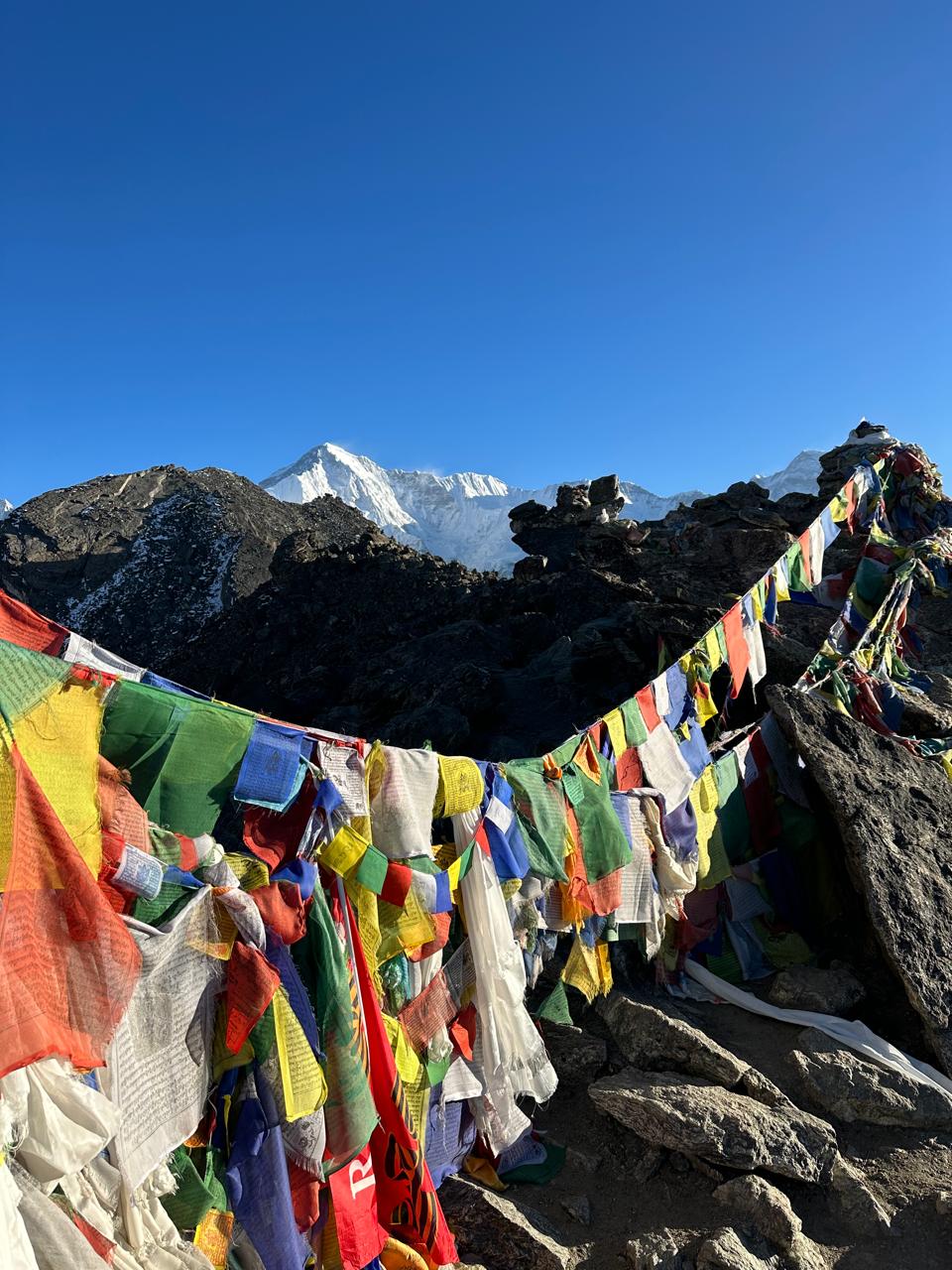
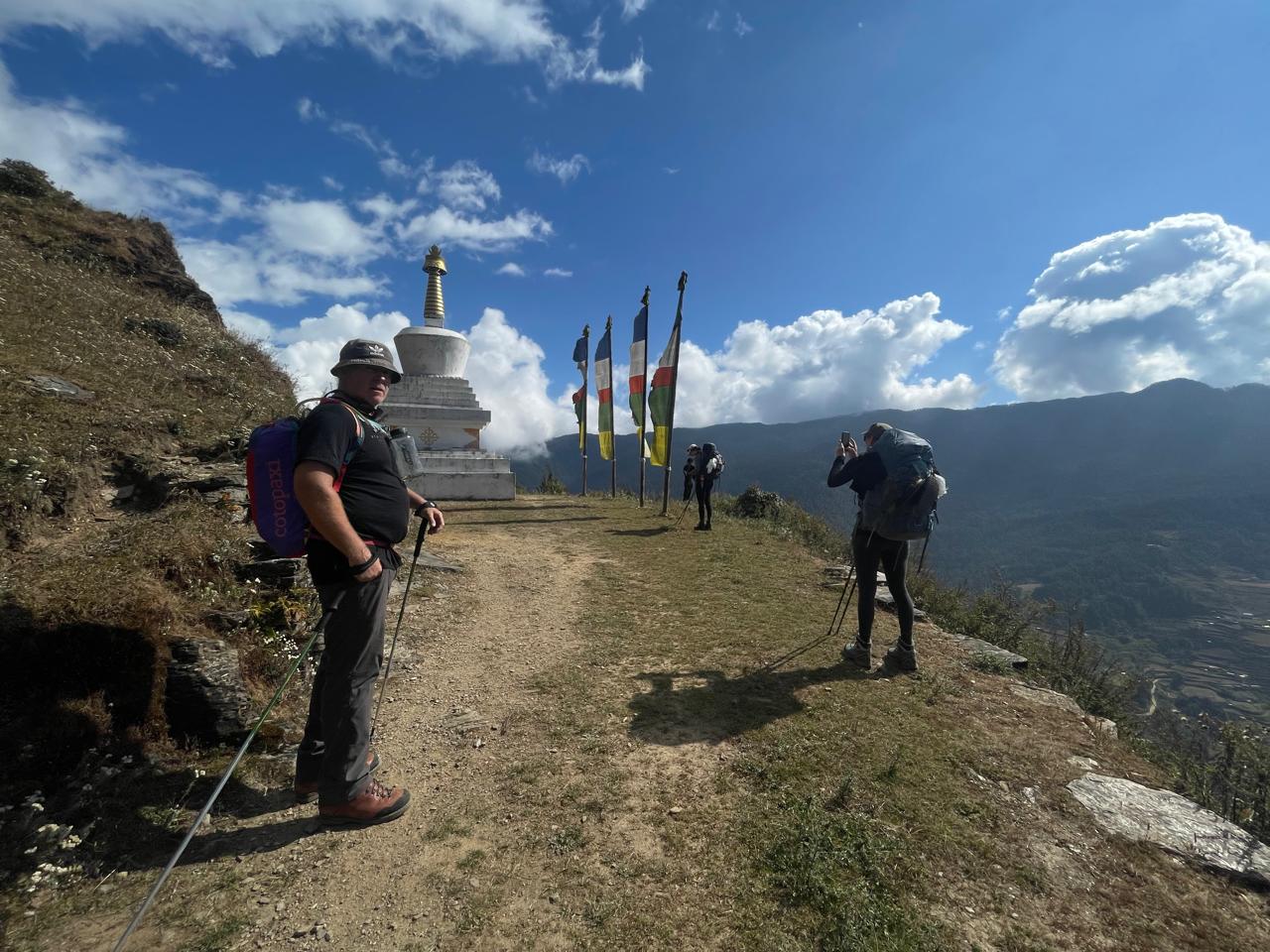
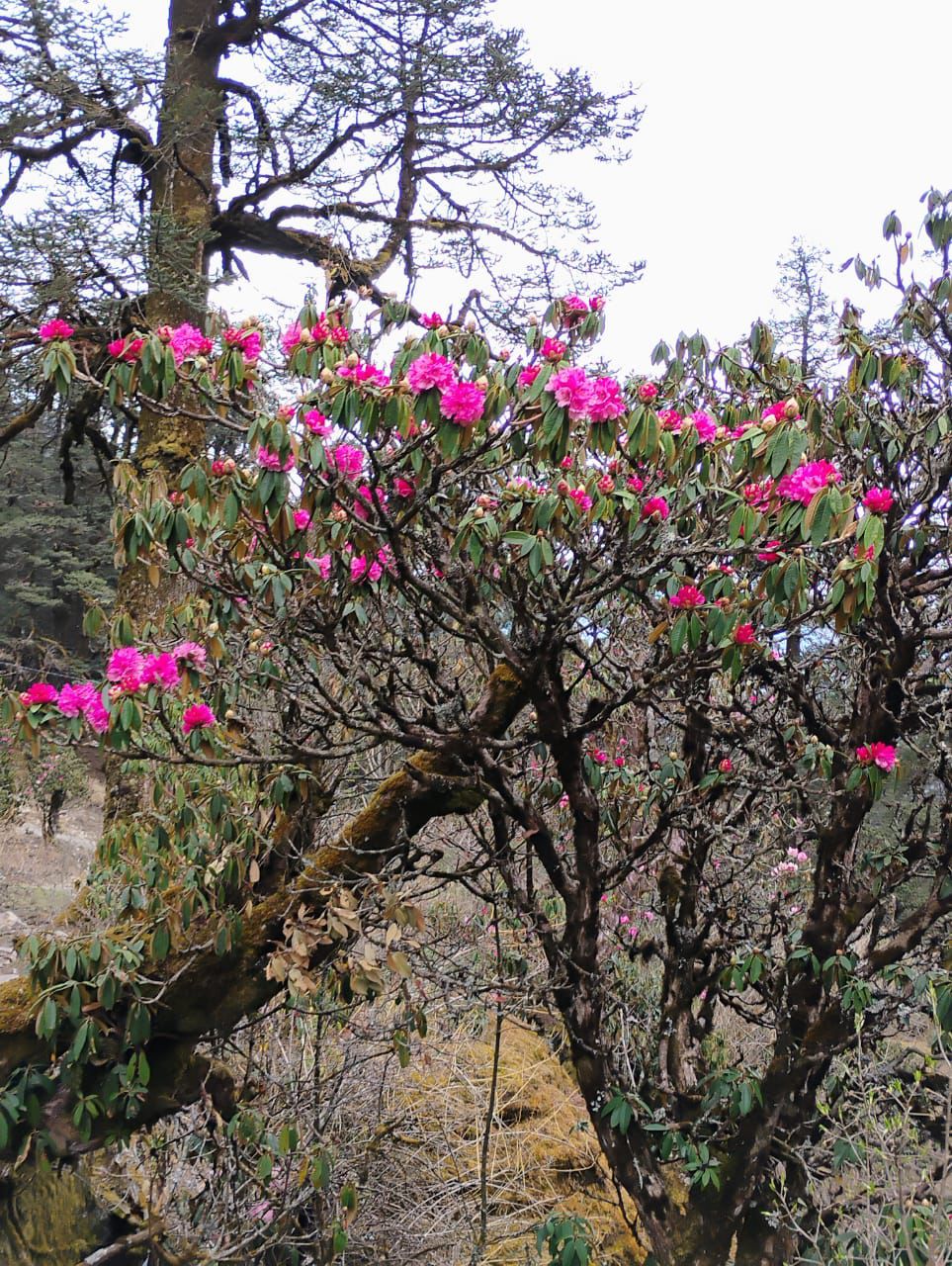
The trail passes through diverse ecological zones, providing opportunities to observe rare Himalayan flora and fauna. Dense forests, rhododendron-covered hills, and river valleys lead into the higher alpine terrain, where trekkers witness snow-capped peaks, glaciers, and dramatic mountain ridges. The Shipton La Pass, at 4,200 m, is one of the most challenging but visually rewarding parts of the trek, offering panoramic views of Makalu, Baruntse, Chamlang, and even Everest on clear days.
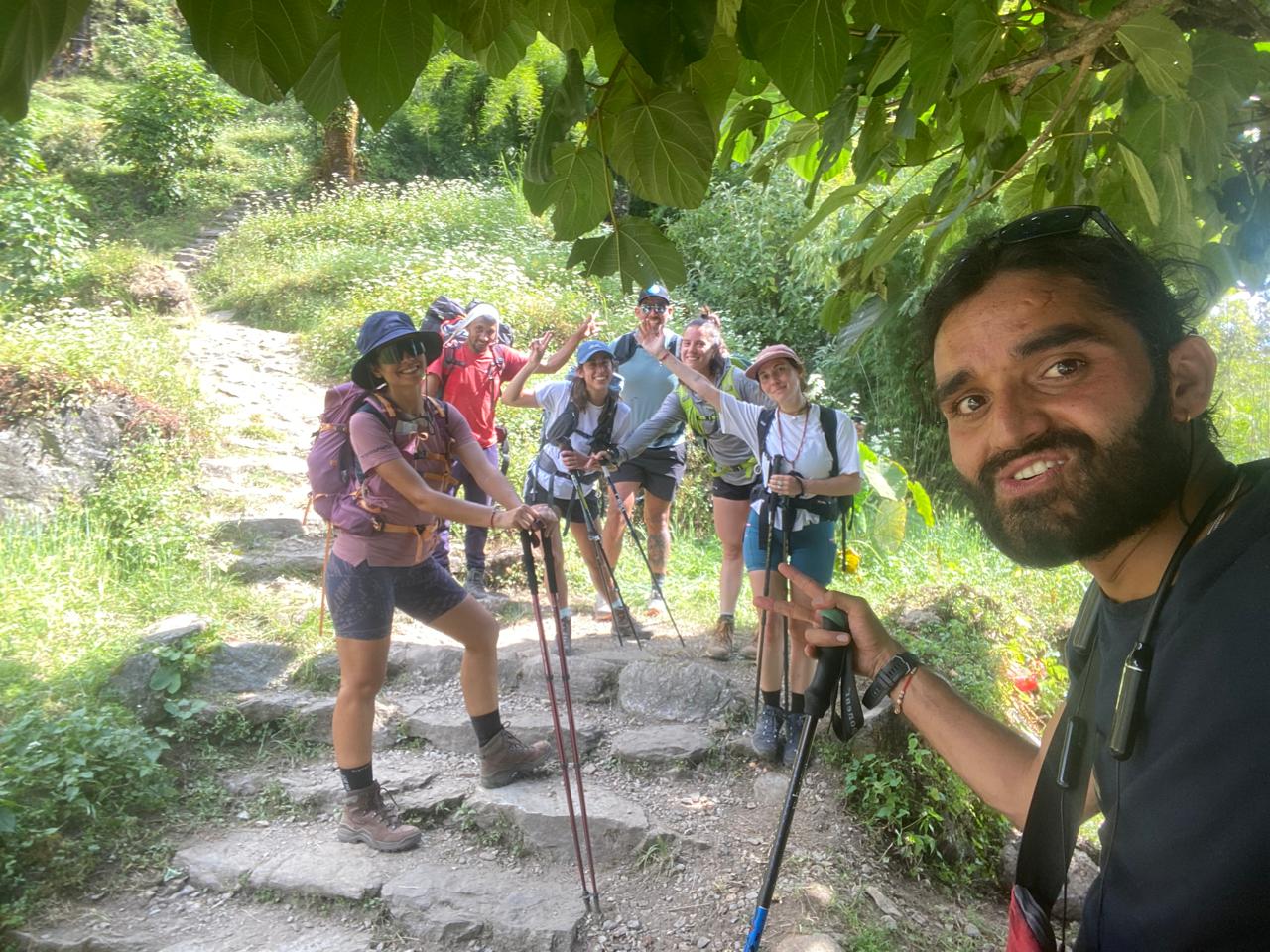
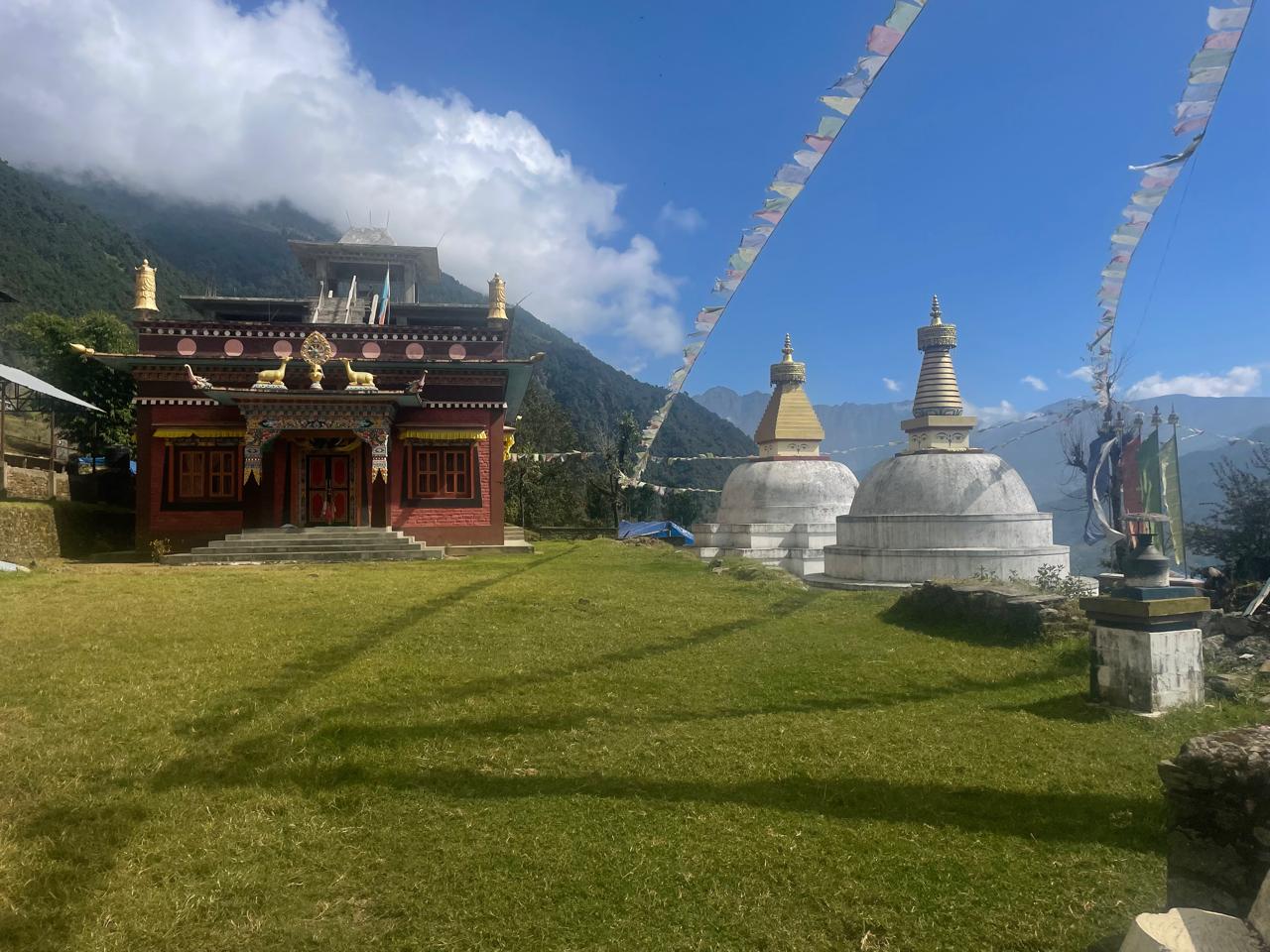
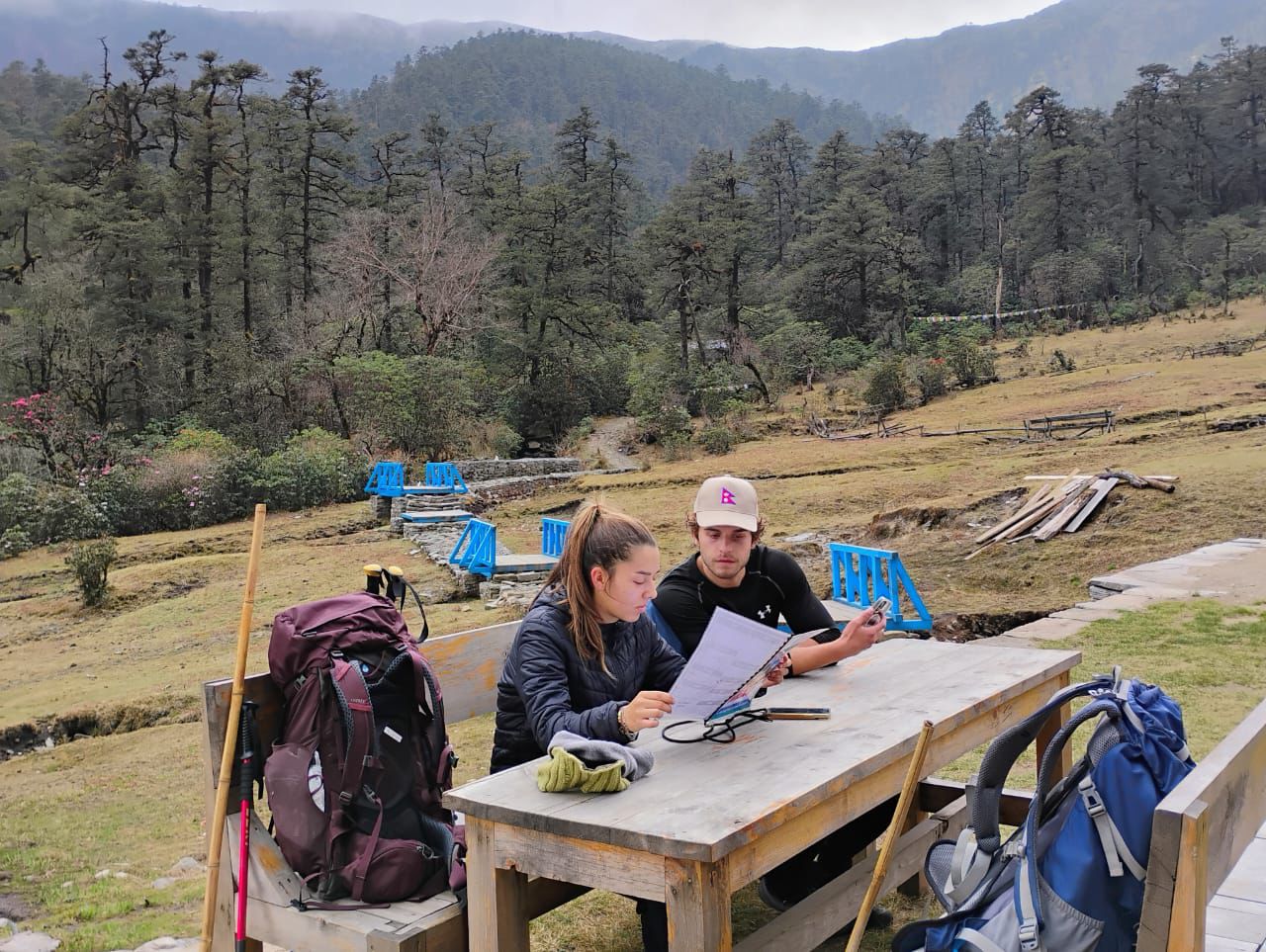
Cultural interaction is another key component. Villages along the trail offer glimpses into Rai and Sherpa traditions, from agricultural practices to local architecture and festivals. Staying in small teahouses or camps provides trekkers with opportunities to connect with locals, enjoy traditional meals, and experience authentic Himalayan hospitality.
This trek balances physical challenge with adventure. Daily walking distances vary from 4–7 hours, gradually increasing in difficulty. Rest days at Khongma Danda and Makalu Base Camp allow the body to adjust to altitude and provide time to explore surrounding peaks, glaciers, and valleys. The trek is both a test of endurance and a celebration of Nepal’s natural and cultural richness.
The Makalu Base Camp Trek is suitable for trekkers who are physically fit, mentally prepared, and ready for high-altitude adventure. It offers a remote, less crowded experience while providing opportunities for breathtaking views, wildlife encounters, and cultural immersion. Completing this trek leaves a lasting sense of achievement and unforgettable Himalayan memories.
What Can You Expect from the Trek
The Makalu Base Camp Trek is designed to combine natural beauty, cultural richness, and physical challenge. Trekkers can expect gradual ascents, carefully planned rest days, and exposure to some of the highest and most remote Himalayan terrain in Nepal. The trek moves from lush lowlands to river valleys, alpine meadows, and finally glacial landscapes, providing a dynamic experience throughout.
The journey requires mental and physical resilience. Walking long days through uneven trails, crossing suspension bridges, and adjusting to high altitudes are all part of the experience. Trekking in such a remote area means that travelers must be self-sufficient, prepared for sudden weather changes, and capable of handling the demands of wilderness travel.
This trek also offers deep cultural immersion. Visiting Rai and Sherpa villages along the trail introduces trekkers to local traditions, festivals, and daily life. Experiencing Nepal’s eastern Himalayan culture adds a meaningful dimension to the adventure, making it more than just a physical journey.
Summary of Expectations:
- Challenging High-Altitude Trek: Long days with steep ascents and descents.
- Diverse Scenery: Jungle, river valleys, alpine meadows, and glacial terrain.
- Remote Wilderness: Less crowded and untouched regions.
- Cultural Experiences: Interaction with Rai and Sherpa communities.
- Spectacular Himalayan Views: Makalu, Baruntse, Chamlang, and Everest.
- Camping & Teahouse Nights: Comfortable stays amidst wilderness.
Is Trek Suitable for You?
The Makalu Base Camp Trek is not an ordinary trek. It is designed for adventurers who have a strong interest in remote, high-altitude trekking and who are prepared to face long, physically demanding days. This trek involves walking through isolated wilderness, crossing high mountain passes, navigating rough trails, and staying in areas with limited facilities. If you enjoy exploring untouched natural landscapes, meeting local communities, and facing challenging trekking conditions, this trek is well-suited for you.
It is ideal for experienced trekkers who have previously undertaken moderate to high-altitude treks such as Annapurna Base Camp, Everest Base Camp, or Langtang. The trek demands good cardiovascular endurance, stamina, and mental resilience, as walking long hours with gradual altitude gain is a daily requirement. Even for those who have not done high-altitude treks before, preparation through fitness training, long hikes, and acclimatization experience can make this trek achievable, although caution and planning are essential.
Safety is a priority in this trek. While the trail is generally well-established, the region is remote, meaning medical facilities are scarce, and evacuation in emergencies may take time. Trekking with an experienced guide and trained support team is strongly recommended. You must also be prepared to carry personal gear, navigate suspension bridges, and endure changing weather conditions ranging from intense sun in the lowlands to snow and cold winds at higher elevations.
Summary of Suitability:
- Physical Fitness Required: Must be able to walk 5–7 hours daily on rough terrain.
- Previous Trekking Experience: Recommended, especially for high-altitude trekking.
- Mental Preparedness: Long, remote, and sometimes challenging trail conditions.
- Safety Awareness: Knowledge of altitude sickness, weather changes, and wilderness survival.
- Adventure Enthusiast: Suited for those seeking solitude and pristine landscapes.
- Flexible & Patient: Weather delays, slow walking pace, and high-altitude adaptation days.
How to Get Prepared for the Trek
Preparation for the Makalu Base Camp Trek begins months in advance. Physical conditioning is critical for handling the combination of long walking hours, steep ascents, and high-altitude exposure. Cardiovascular exercises such as running, cycling, swimming, and stair climbing are excellent for building stamina. Strength training for legs, back, and core muscles will help carry backpacks, navigate uneven trails, and endure uphill climbs. Trekking with weighted backpacks on local trails can simulate actual conditions and help identify potential weaknesses.
Altitude preparation is another crucial aspect. While acclimatization days are built into the itinerary, understanding symptoms of altitude sickness and learning preventive measures such as gradual ascent, hydration, and rest is essential. Some trekkers consult medical professionals regarding preventive medication like Diamox, but this should only be done under medical supervision. Practicing mindful walking techniques, maintaining a slow and steady pace, and listening to your body during training hikes can improve your resilience at high altitude.
Gear preparation also plays a significant role. Investing in quality trekking boots, sleeping bags, down jackets, and trekking poles can make a huge difference in comfort and safety. Layering systems for clothing are important, as temperatures vary widely between lowland forests and high alpine zones. Familiarity with camping gear, hydration systems, and lightweight backpacks will make daily trekking more manageable. Preparing mentally for remoteness, limited facilities, and long days ensures a smoother trekking experience.
Summary of Preparation:
- Physical Conditioning: Cardio, strength, endurance, and weighted hikes.
- Altitude Awareness: Gradual acclimatization, hydration, and preventive care.
- Gear Readiness: Quality boots, clothing layers, trekking poles, and sleeping systems.
- Mental Readiness: Patience, resilience, and coping with isolation.
- Practical Skills: Basic first aid, navigation, and camping skills if needed.
-
Trip Duration
14 Days / 13 Nights
-
Group Size
1–20 People
-
Maximum Altitude
~4,870 m
-
Trip Difficulty
Very Challenging
-
Activities
Trekking
-
Best Season
Spring (March–May) / Autumn (September–November)
-
Trip Start & End
Kathmandu / Kathmandu
-
Meals
Breakfast, Lunch, Dinner
-
Accomodation
Teahouse / Lodge / Hotel
Highlights
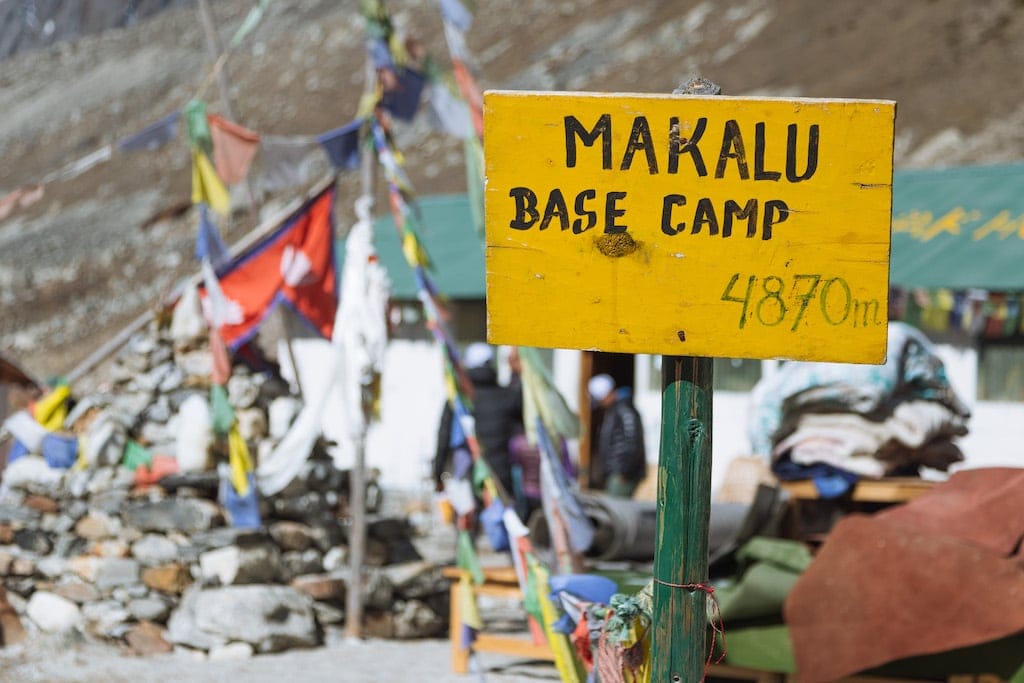
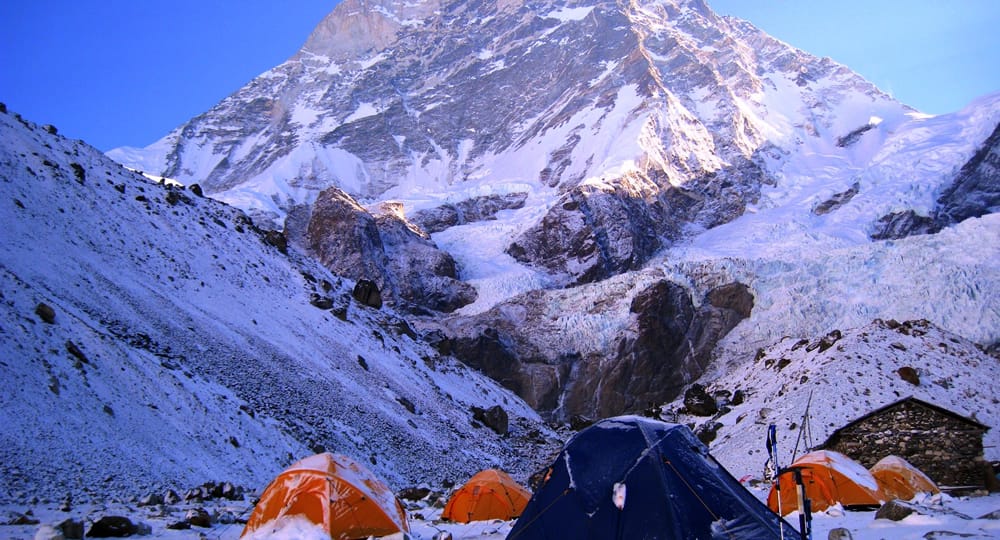
- Reach Makalu Base Camp (4,870 m): Experience standing at the base of the world’s fifth-highest mountain. The trek offers panoramic views of Makalu, Baruntse, and Chamlang. The base camp is a photographer’s dream with glaciers, rugged peaks, and dramatic mountain landscapes.
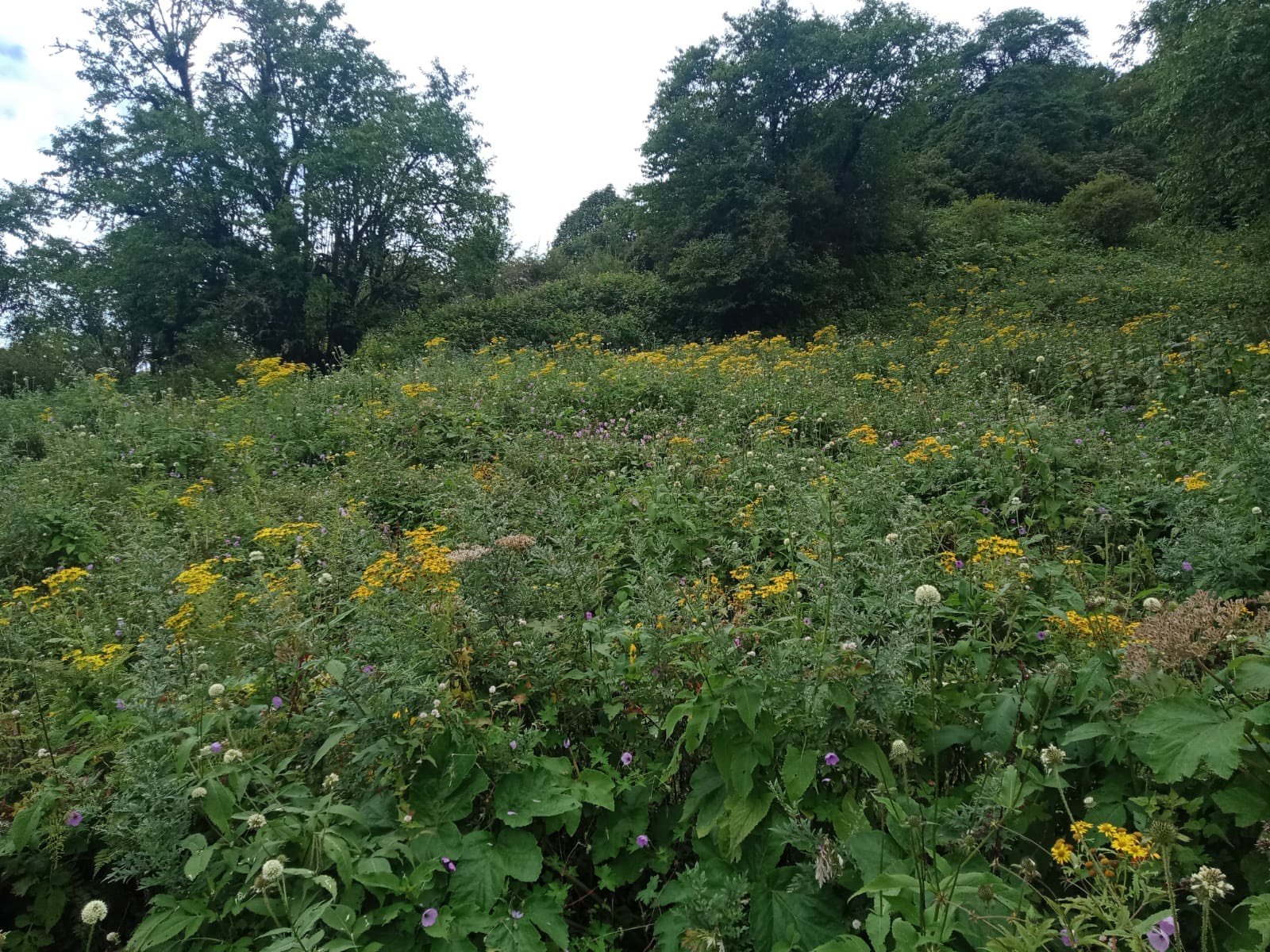
- Explore Barun Valley: Trek through one of Nepal’s most remote and pristine valleys. The Barun Valley is rich in biodiversity, featuring rhododendron forests, alpine meadows, river valleys, and glacial formations. Trekkers witness untouched wilderness rarely visited by others, creating a sense of solitude and adventure.
- Cross Shipton La Pass (~4,200 m): One of the trek’s most thrilling sections, this high pass provides an excellent opportunity to test endurance and experience awe-inspiring mountain vistas. The views from Shipton La stretch across multiple Himalayan giants, making the ascent rewarding.
- Diverse Landscapes: The trek transitions through subtropical forests, terraced villages, alpine meadows, and glacial terrain. Each section offers different flora, fauna, and topography. This ecological variety allows trekkers to enjoy both scenic diversity and gradual acclimatization.
- Cultural Encounters: Along the lower sections of the trek, visitors meet local Rai and Sherpa communities. Trekkers have the opportunity to observe traditional lifestyles, unique architecture, and local customs, making the journey culturally enriching as well as physically rewarding.
- Remote Wilderness Experience: Unlike Everest or Annapurna trekking trails, Makalu Base Camp sees fewer trekkers. This means a peaceful trekking experience with limited crowding, untouched natural beauty, and the satisfaction of exploring one of Nepal’s most isolated trekking regions.
- Adventure and Personal Growth: The trek combines physical challenge, mental endurance, and high-altitude experience. Facing long walking days, steep ascents, and camping in remote locations enhances self-confidence, resilience, and a deep connection with nature. Trekkers often leave with a sense of profound accomplishment.
Itinerary
Day 01
After arrival in Kathmandu, trekkers board a scenic flight to Tumlingtar, one of Nepal’s eastern gateways to Makalu-Barun National Park. The flight offers aerial views of terraced hills, rivers, and distant Himalayan peaks. Upon arrival at Tumlingtar, trekkers embark on a jeep drive to Num, a small settlement nestled among forested hills and cultivated terraces. The drive takes around 6–7 hours along rough, bumpy roads, giving a sense of remoteness right from the start.
Num is a tranquil village, providing the first opportunity to experience Rai community culture. The surroundings are lush, with forests and small streams that introduce trekkers to the region’s ecological diversity. Overnight stay in Num prepares you for the trekking journey ahead.
Trip Duration:
6–7 hrs (Drive)Trip Distance:
N/A (Drive ~70 km)Altitude:
1,560 mMeal:
Breakfast, Lunch, DinnerAccomodation :
Teahouse / LodgeDay 02
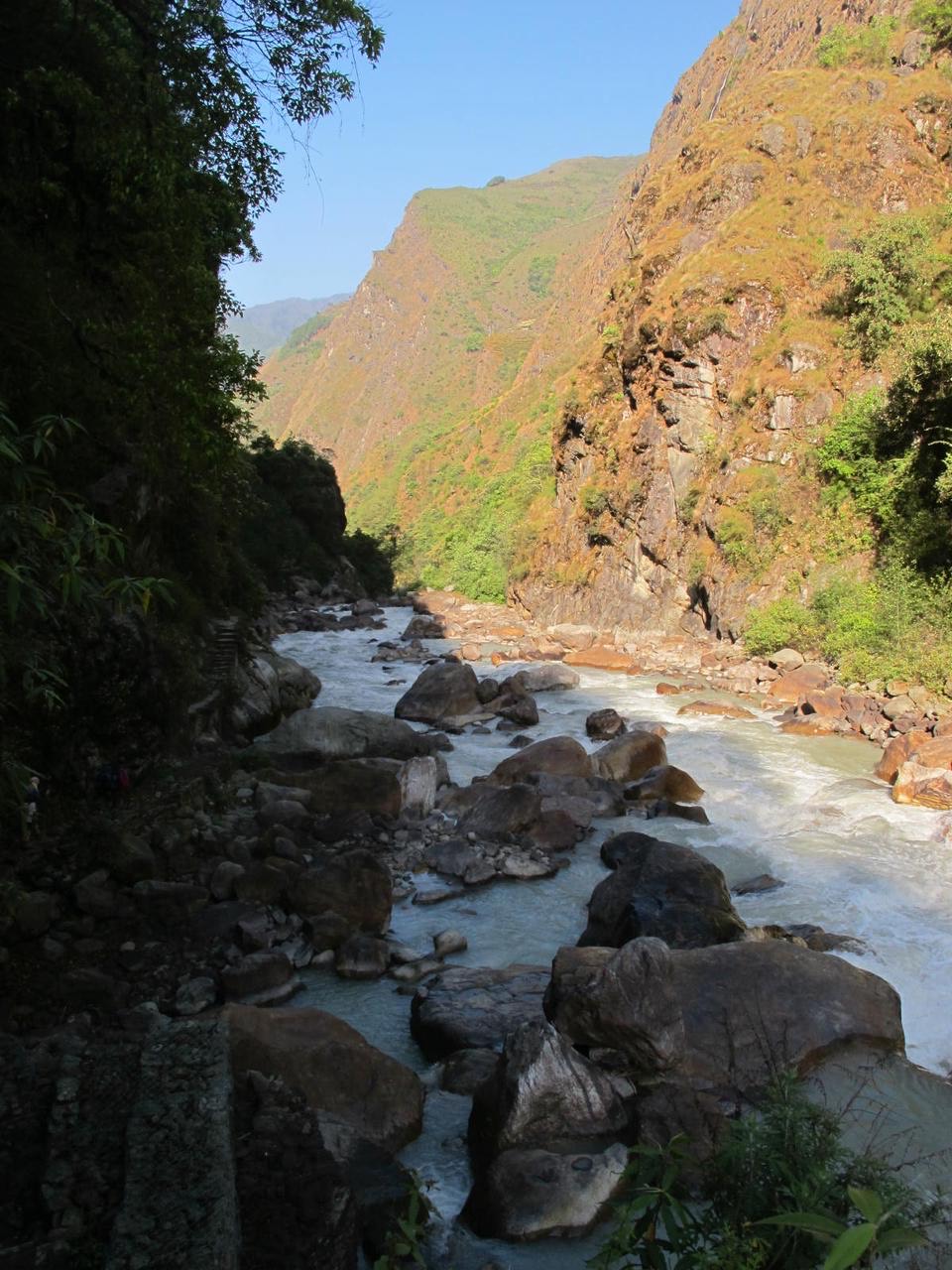
The trek begins with a steep descent to the Arun River, crossing suspension bridges that swing over crystal-clear waters. From the riverbanks, the trail gradually climbs to Seduwa, passing through terraced farmland and scattered villages. This section marks the entrance to Makalu-Barun National Park, where forested hills and wildlife habitats become visible.
Trekking through Seduwa introduces you to remote village life, traditional houses, and local agriculture. Rhododendron and oak trees line the trail, providing shade and enhancing the beauty of the trek. Seduwa is a peaceful settlement, making it an ideal spot to rest and acclimatize.
Trip Duration:
6–7 hrsTrip Distance:
~10 kmAltitude:
1,500 mMeal:
Breakfast, Lunch, DinnerAccomodation :
Teahouse / LodgeDay 03
From Seduwa, the trail moves through forested paths and terraced fields, gradually climbing higher into the hills. Tashigaon, the final major village before the higher, more remote alpine zones, offers a glimpse of Himalayan mountain life at elevations above 2,000 m.
The route provides a blend of natural beauty and cultural interaction, with small streams, traditional stone walls, and scattered farms along the way. Tashigaon is quiet, surrounded by dense forests, and sets the stage for more challenging trekking in the days ahead.
Trip Duration:
4–5 hrsTrip Distance:
~12 kmAltitude:
2,100 mMeal:
Breakfast, Lunch, DinnerAccomodation :
Teahouse / LodgeDay 04
The trek from Tashigaon to Khongma Danda is one of the first truly challenging days on this route. From the last settlement, the trail begins a steady uphill climb through dense forests of rhododendron, oak, and pine, with occasional clearings offering glimpses of distant Himalayan peaks. The path is often narrow and rugged, with rocky stretches that require careful footing, giving trekkers their first real experience of high-altitude trekking conditions. The air starts to feel thinner as you gain altitude, and the temperature drops, making layers and proper gear essential.
Khongma Danda is a strategic resting point before entering the higher alpine and glacier areas of the Makalu-Barun region. The village itself is small but offers stunning panoramic views of the surrounding mountains, including peaks like Chamlang, Baruntse, and the mighty Makalu in the distance. Staying overnight here provides a vital opportunity to acclimatize, as the following days involve crossing high passes and walking through less hospitable terrain. The cultural experience is also significant; you can observe traditional Rai and Sherpa lifestyles, local farming practices, and the simple yet welcoming hospitality of mountain communities.
Trip Duration:
6–7 hrsTrip Distance:
~14 kmAltitude:
3,500 mMeal:
Breakfast, Lunch, DinnerAccomodation :
Teahouse / LodgeDay 05
At Khongma Danda, the focus is on rest and gradual acclimatization. Trekkers are encouraged to do short hikes to nearby ridges or viewpoints to gently expose the body to higher altitude without overexertion. This helps prevent altitude sickness, which can occur even in healthy and experienced trekkers. The surrounding area provides breathtaking panoramic views of Makalu, Baruntse, and Chamlang, making the acclimatization day not only important for health but also incredibly scenic and rewarding.
Aside from physical acclimatization, this day allows trekkers to interact with local communities, understand traditional lifestyles, and observe the biodiversity of the Makalu-Barun National Park. Birds, small mammals, and colorful flora can be spotted during short hikes, making the day both educational and restorative. Staying hydrated, eating balanced meals, and taking it easy are emphasized, ensuring that the next days of challenging high-altitude trekking can be undertaken safely.
Trip Duration:
FlexibleTrip Distance:
Short hikes (~3–5 km)Altitude:
3,500 mMeal:
Breakfast, Lunch, DinnerAccomodation :
Teahouse / LodgeDay 06
This day begins with one of the most iconic experiences of the trek: crossing Shipton La, a high ridge around 4,200 m. The trail gradually ascends from Khongma Danda, leading through alpine pastures, scattered boulders, and open ridges. Trekkers are treated to uninterrupted views of towering Himalayan peaks, glaciers, and deep valleys below. The terrain becomes more exposed, so careful attention to weather and pace is essential. Trekking poles are highly recommended for stability during this long ascent.
After crossing the ridge, a gradual descent leads to Dobate, a remote highland settlement that serves as a resting point before heading deeper into the Barun Valley. Dobate is a small but significant base, providing shelter and a sense of accomplishment after a challenging day. The quiet and serene environment allows trekkers to relax, take in the crisp mountain air, and reflect on the increasing remoteness of the region. Meals here are typically hearty and warming, perfect for restoring energy after a strenuous day.
Trip Duration:
6–7 hrsTrip Distance:
~12 kmAltitude:
3,650 mMeal:
Breakfast, Lunch, DinnerAccomodation :
Teahouse / Lodge / CampingDay 07
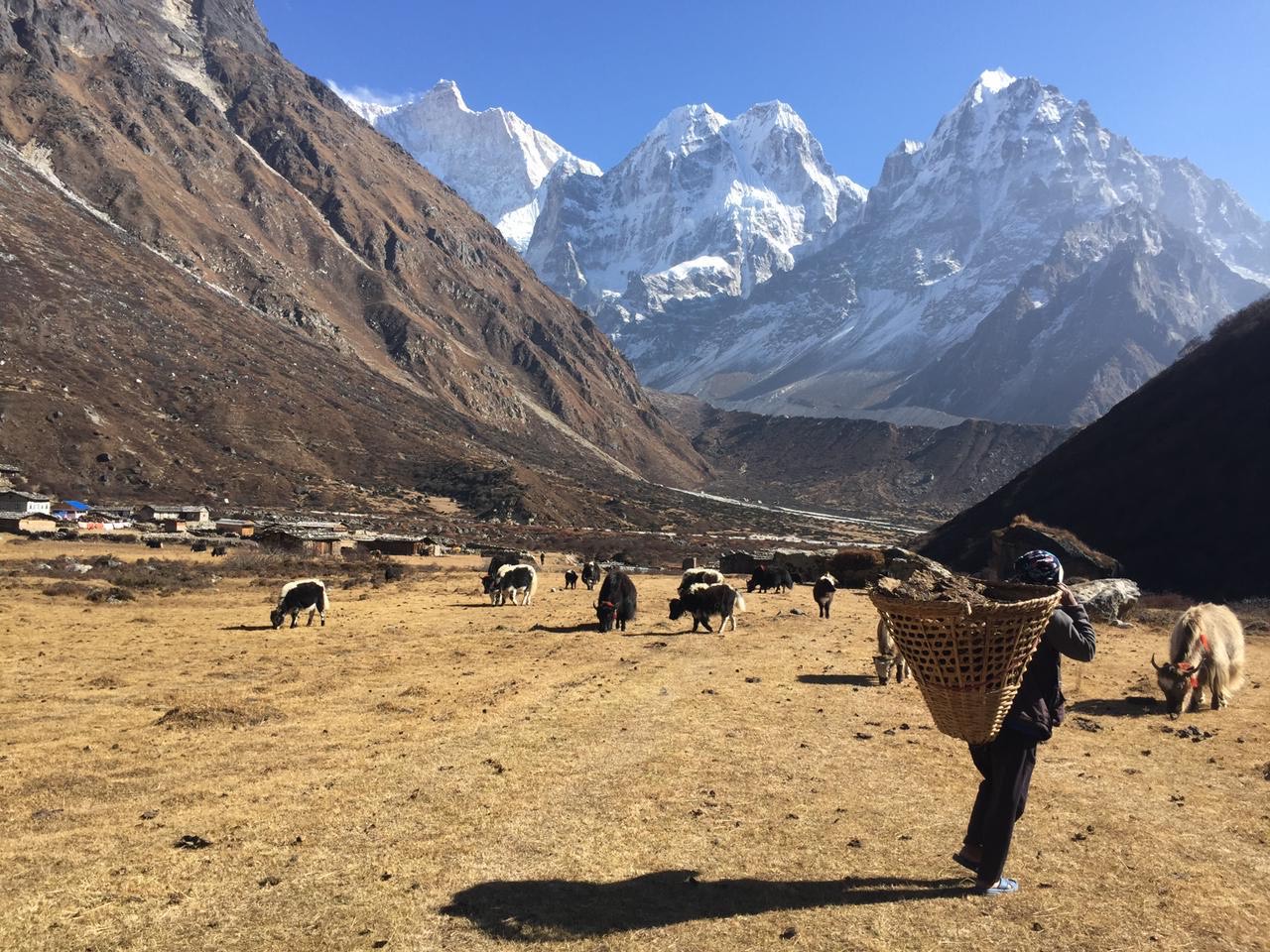
From Dobate, trekkers continue along the Barun River valley, surrounded by dense rhododendron and juniper forests. The trail alternates between gradual climbs and gentle descents, passing through scattered highland pastures (Kharkas) traditionally used by local herders. This section of the trek is quieter and less crowded, offering a true wilderness experience where trekkers can appreciate the untouched beauty of eastern Nepal.
Yangri Kharka is an open alpine plateau, providing panoramic views of glaciers and snow-capped peaks. It serves as a resting point before the more demanding trek to Langmale Kharka and Makalu Base Camp. Trekkers often use this opportunity to photograph the dramatic landscape, observe wildlife, and enjoy a sense of isolation that few other treks in Nepal can offer. The air is crisp and cool, and nights are often clear, allowing for stunning stargazing opportunities.
Trip Duration:
5–6 hrsTrip Distance:
~10 kmAltitude:
3,600 mMeal:
Breakfast, Lunch, DinnerAccomodation :
CampingDay 08
The journey from Yangri Kharka to Langmale Kharka is one of the first major transitions into true alpine terrain. The trail begins with gentle ascents through scattered meadows and rhododendron groves, gradually moving into rocky and barren high-altitude landscapes. The air feels thinner here, and trekkers begin to notice a crisp, cool climate with strong sunlight, so layering and sun protection become critical. The surroundings are spectacular, with glaciers appearing in the distance and peaks such as Makalu, Baruntse, and Chamlang dominating the skyline.
Langmale Kharka itself is an open, high-altitude pasture that provides a serene resting point before the final push to Makalu Base Camp. It is often used by local herders during the summer months, and the wide-open terrain allows trekkers to fully appreciate the scale and isolation of the eastern Himalayas. Staying overnight here is crucial for acclimatization, giving the body time to adjust to altitudes above 4,000 meters. This day is moderately challenging, with a steady climb and increasing exposure to wind and sun.
Trip Duration:
5–6 hrsTrip Distance:
~12 kmAltitude:
4,410 mMeal:
Breakfast, Lunch, DinnerAccomodation :
CampingDay 09
Reaching Makalu Base Camp is the highlight of the trek. The day begins with a steady uphill walk across rocky alpine terrain, with glaciers and snowfields coming into view. The path is narrow in sections, and trekkers must carefully navigate moraine ridges and small streams. The air is thin, making every step more strenuous, so pacing and hydration are essential. Trekkers are rewarded continuously with uninterrupted views of Makalu (8,485 m), Baruntse (7,129 m), Chamlang (7,319 m), and other surrounding peaks.
Makalu Base Camp is a remote and majestic location, surrounded by glaciers and high snow-covered peaks. Here, trekkers can explore the glacier moraines, photograph panoramic landscapes, and experience the silence and isolation of the high Himalayas. It is also an excellent spot to rest before venturing on optional short hikes to viewpoints, where the view of Everest, Lhotse, and Makalu together can be witnessed on clear days. The campsite at 4,870 m allows for proper acclimatization and provides a sense of achievement as you reach one of the most remote corners of Nepal.
Trip Duration:
4–5 hrsTrip Distance:
~8 kmAltitude:
4,870 mMeal:
Breakfast, Lunch, DinnerAccomodation :
CampingDay 10
This day is dedicated to exploration and acclimatization. Trekkers can hike short trails around the base camp, visit small glaciers, or simply enjoy the panoramic views of surrounding peaks. Optional hikes to vantage points above the base camp provide incredible photographic opportunities, capturing the grandeur of Makalu, Baruntse, Chamlang, and the distant Everest peaks. The area is quiet and remote, offering trekkers a profound sense of solitude and connection with nature.
The base camp also allows time to rest muscles and adjust to altitude, which is essential for the descent that begins the following days. Trekkers often spend time observing wildlife, noting alpine flora, and enjoying the surreal landscapes that feel untouched and wild. The day is flexible and can be tailored according to energy levels, weather, and interest in photography or short excursions.
Trip Duration:
FlexibleTrip Distance:
Short local hikes (~3–5 km)Altitude:
4,870 mMeal:
Breakfast, Lunch, DinnerAccomodation :
CampingDay 11
The descent from Makalu Base Camp to Yangri Kharka is physically demanding in a different way. While descending is less taxing on the cardiovascular system, it places strain on knees, ankles, and joints, requiring careful walking and trekking poles. The trail retraces earlier paths through alpine terrain, glaciers, and rocky ridges, offering a different perspective of the landscape, now viewed from above as you descend.
Yangri Kharka, once again, offers a peaceful campsite with stunning views of high peaks. Trekkers can enjoy a more relaxed pace, with time for reflection on the achievements of reaching Makalu Base Camp. Even on the descent, attention to hydration, energy intake, and warmth remains crucial due to the cold nights and high altitude.
Trip Duration:
6–7 hrsTrip Distance:
~12 kmAltitude:
3,600 mMeal:
Breakfast, Lunch, DinnerAccomodation :
CampingDay 12
This day continues the descent through the Barun River valley. The trail is less exposed, weaving through rhododendron forests and high pastures, gradually lowering altitude. Despite descending, trekkers must maintain attention as paths can be rocky and slippery. The environment becomes more lush and forested, and the presence of local herders and their livestock adds to the cultural richness of the trek.
Dobate serves as a comfortable resting point, allowing trekkers to recover from the high-altitude experience. Meals here are hearty, often featuring traditional dal-bhat (rice and lentils) to replenish energy. The evening provides quiet time to enjoy the remote beauty of the Makalu region, reflecting on the journey through one of the least-traveled corners of Nepal.
Trip Duration:
5–6 hrsTrip Distance:
~10 kmAltitude:
3,650 mMeal:
Breakfast, Lunch, DinnerAccomodation :
Teahouse / Lodge / CampingDay 13
The trail from Dobate to Khongma Danda is a mix of gentle climbs and gradual descents. Trekkers pass through alpine meadows, forested sections, and scattered herder settlements. The day allows reflection on the remote landscapes while maintaining a steady pace for safety. Trekkers are treated again to views of glaciers, snow-capped peaks, and the vastness of the Barun Valley.
Khongma Danda provides an opportunity for overnight rest before descending further, with teahouses offering warm meals and basic accommodation. The day is also essential for regaining strength and adjusting after high-altitude exposure, preparing the body for the final descent toward the lower villages and Tumlingtar.
Trip Duration:
6–7 hrsTrip Distance:
~12 kmAltitude:
3,500 mMeal:
Breakfast, Lunch, DinnerAccomodation :
Teahouse / LodgeDay 14
The final day is a long but rewarding descent, retracing the earlier trail through alpine forests, villages, and terraced farmlands. From Khongma Danda, trekkers descend to Tashigaon and then Seduwa, enjoying the familiar landscapes with the added perspective of journey completed. The descent requires careful pacing to avoid joint strain while maintaining energy for the final drive.
Once reaching Num, trekkers board jeeps for the rough drive to Tumlingtar. Depending on timing, the drive may take 5–6 hours through hilly terrain, rivers, and small settlements, offering one last view of the majestic Makalu region. From Tumlingtar, an afternoon or evening flight returns to Kathmandu, completing the epic 19-day journey through one of Nepal’s most remote and spectacular trekking regions.
Trip Duration:
6–7 hrs trek + 5–6 hrs driveTrip Distance:
~18 kmAltitude:
Descending from 3,500 m → 518 m → KathmanduMeal:
Breakfast, LunchAccomodation :
Hotel in KathmanduWhat's Included
- Airport pick-up and drop-off in Kathmandu
- Domestic flights (Kathmandu ↔ Tumlingtar)
- Trekking permits (Makalu-Barun National Park + TIMS)
- Professional English-speaking guide
- Trained support staff / assistant guides
- Accommodation (teahouse, lodge, camping)
- Meals during trek (Breakfast, Lunch, Dinner)
- Trekking & camping equipment (tents, sleeping bags, mats)
- Ground transport (Num → Tumlingtar)
What's Excluded
- Travel insurance (emergency evacuation, medical, high-altitude coverage)
- Personal expenses (snacks, drinks, toiletries)
- Hot shower and laundry at lodges
- Tips for guides, porters, and staff
- Porters: Optional, though recommended for carrying heavy luggage ($22 per porter per day). A porter can carry up to 20 kg, and it is advisable to hire one porter for every two trekkers for comfort and convenience.
Essential Info
Add-Ons
The Makalu Base Camp Trek can be enhanced with several optional add-ons that make your journey more memorable and immersive. These additional experiences allow trekkers to explore more remote areas, gain cultural insights, and enjoy extra adventure beyond the main itinerary. One popular add-on is an extended exploration of the Barun Valley. The Barun Valley is a pristine alpine region at the foot of Makalu, home to rare flora and fauna, including rhododendron forests, alpine meadows, and crystal-clear glacial streams. Trekkers who extend their stay here can hike to hidden viewpoints, explore smaller glaciers, and witness the untouched wilderness of one of Nepal’s least visited areas. This is ideal for nature enthusiasts and photographers seeking off-the-beaten-path experiences.
Another notable add-on is visiting the traditional villages along the lower Arun Valley during the approach trek. Villages such as Seduwa, Tashigaon, and Num offer authentic cultural encounters with Rai and Sherpa communities. Trekkers can participate in local rituals, learn about traditional farming practices, and experience homestay life if they wish. Such cultural add-ons provide a deep understanding of local life and make the trek more than just a high-altitude adventure—it becomes a journey of cultural immersion. Additionally, trekkers can include an extension to traverse nearby high-altitude ridges for spectacular panoramic views of Everest, Lhotse, and Baruntse, giving an unforgettable Himalayan experience beyond the base camp.
Adventure seekers may also choose optional side hikes to minor peaks or vantage points surrounding Makalu Base Camp. These hikes are physically demanding but reward trekkers with close-up views of Makalu (8,485 m) and its surrounding glacier-fed valleys. Such add-ons are particularly useful for photographers, mountaineering enthusiasts, and anyone looking to challenge themselves beyond the standard route. In terms of logistics, most of these add-ons can be arranged with your trekking agency in advance or during the trek itself, depending on weather conditions and your physical readiness.
Add-On List
- Barun Valley Exploration: Hike deeper into the pristine alpine valley, explore glaciers, and photograph rare wildlife.
- Cultural Village Visits: Seduwa, Tashigaon, and Num villages for homestays, local rituals, and traditional farming insights.
- High-Altitude Ridge Hikes: Optional treks to surrounding ridges for 360° panoramic views of Makalu, Everest, and neighboring peaks.
- Minor Peak Climbs: Short technical climbs for advanced trekkers seeking additional challenge and adventure.
- Extended Camping Nights: Spend extra nights at strategic campsites for acclimatization or photography opportunities.
- Wildlife Spotting: Opportunity to observe endemic Himalayan species like red pandas, Himalayan monals, and musk deer.
- Photography-Focused Itinerary: Tailor trekking pace and stops to capture sunrise, sunset, and glacier landscapes.
Best Season to Trek
Choosing the right season for the Makalu Base Camp Trek is critical to ensure safe travel, clear views, and a comfortable experience in the high Himalayas. The trek crosses remote areas, high-altitude passes, and fragile ecosystems, so understanding seasonal patterns helps in planning both logistics and daily trekking schedules. While the region can technically be trekked almost year-round, there are clear advantages and challenges in each season.
Spring (March–May): Spring is considered the most popular and favorable season for the Makalu Base Camp Trek. During this time, the weather gradually warms, and the snow on high passes begins to melt, making trails safer and easier to navigate. The landscape bursts into color as rhododendrons and alpine flowers bloom across the hills and valleys, offering breathtaking scenery and spectacular photo opportunities. Days are generally clear, with moderate temperatures in lower and mid-altitude regions, while nights at higher camps remain cold but manageable with proper gear. Spring also provides excellent visibility of surrounding peaks, including Makalu, Everest, and Lhotse, making it ideal for photographers and nature enthusiasts.
Autumn (September–November): Autumn is another prime trekking season for Makalu Base Camp. Post-monsoon skies are usually clear, providing panoramic views of the Himalayan peaks and the lush green valleys. Temperatures are mild during the day, with crisp air at night, making it comfortable for trekking. Trails are typically dry and stable after the monsoon rains, reducing the risk of landslides or slippery passages. Autumn is also culturally significant in Nepal, with local festivals happening in villages along the trekking route, offering trekkers the opportunity to witness traditional celebrations. However, higher altitude regions may experience early snowfall toward late November, so planning and timing are essential.
Winter (December–February): Winter trekking in Makalu Base Camp is less common but suitable for experienced adventurers seeking solitude and a true Himalayan challenge. The trails are quieter, and campsites are less crowded, allowing for a peaceful trekking experience. However, temperatures drop significantly, particularly above 3,500 meters, and heavy snowfall can make the passes, especially Shipton La, more difficult and risky. Trekkers must be well-prepared with high-quality winter gear, including insulated sleeping bags, down jackets, and thermal layers. Clear winter days can offer spectacular mountain vistas with crisp air and minimal haze, but mornings and nights are extremely cold, often dropping below -10°C at higher camps.
Monsoon (June–August): The monsoon season brings heavy rainfall, particularly in the lower Arun Valley and Barun region. Trails can become slippery, rivers may swell, and landslides are more common, making trekking risky. While the landscape becomes lush and verdant, visibility is often poor, and the chances of encountering clouds, fog, or thunderstorms increase. Monsoon trekking is generally recommended only for experienced adventurers with flexible schedules, as delays are likely, and some remote areas may become inaccessible. Proper rain gear, waterproof covers for equipment, and contingency plans for weather delays are essential.
Season Summary:
- Spring (Mar–May): Blooming rhododendrons, clear skies, ideal trekking conditions, excellent mountain views.
- Autumn (Sep–Nov): Post-monsoon clarity, mild temperatures, cultural festival opportunities, stable trails.
- Winter (Dec–Feb): Solitude, crisp air, spectacular vistas, extreme cold, requires winter gear.
- Monsoon (Jun–Aug): Lush landscapes, higher rainfall, slippery trails, not recommended for inexperienced trekkers.
By planning your trek in the optimal seasons, you ensure not only safety and comfort but also maximize the visual and cultural experiences along the Makalu Base Camp route. Each season has its unique charm, but spring and autumn remain the most recommended for first-time trekkers or those seeking ideal conditions and clear Himalayan panoramas.
Food Availability
Food along the Makalu Base Camp Trek is a unique blend of local Nepali cuisine, Tibetan-style dishes, and international comfort foods. While the trek passes through extremely remote regions, including Makalu-Barun National Park, trekkers will find teahouses, lodges, and camping arrangements that provide a mix of traditional and modern meals. In the lower and mid-altitude villages, you can enjoy fresh vegetables, locally grown grains, and homemade dairy products, while higher up, menus become simpler but still nutritious, often featuring staples that provide energy for the challenging trek.
In the lower villages, meals include dal bhat (rice with lentils), curries, steamed vegetables, and seasonal fruits. Alongside traditional Nepali dishes, some teahouses offer eggs, noodles, and simple pasta, catering to the tastes of international trekkers. Many lodges serve hot beverages such as tea, coffee, and local milk tea, which are essential for maintaining energy and warmth during chilly mornings. As you ascend, the availability of fresh vegetables may reduce, but dried, preserved, and locally sourced ingredients are creatively used to provide filling meals.
Higher altitude camps, especially above 3,500 meters, rely on simpler yet high-calorie meals to fuel trekkers for long days and cold nights. Options include porridge, instant noodles, soups, bread, and occasional frozen vegetables. Although fresh meat is less common, dried or frozen meat options such as yak or chicken are sometimes available. Trekkers are advised to maintain a balanced diet, combining carbohydrates for energy, proteins for muscle recovery, and fats for warmth and endurance. Hydration is also crucial, so drinking boiled or bottled water, along with hot herbal teas, is strongly recommended.
Food Availability Summary:
- Lower Villages (500–2,500m): Fresh vegetables, dal bhat, curries, eggs, noodles, seasonal fruits.
- Mid-Altitude Camps (2,500–3,500m): Dal bhat, soups, bread, noodles, hot beverages, dairy products.
- High-Altitude Camps (3,500–4,870m): Porridge, instant noodles, soups, dried/frozen vegetables, limited meat, high-calorie snacks.
- Beverages: Tea, coffee, hot chocolate, milk tea, herbal infusions.
- Snacks & Energy Foods: Chocolates, biscuits, energy bars, nuts, and dried fruits.
- Special Dietary Needs: Most lodges accommodate vegetarian diets; vegan or gluten-free options may be limited, so bringing personal supplies is recommended.
Food along the Makalu Base Camp Trek is not only about sustenance but also an integral part of experiencing local culture. Sharing meals with local guides, cooks, and fellow trekkers provides insight into Himalayan hospitality, traditional cooking methods, and communal dining practices. Trekkers often find that enjoying a warm bowl of dal bhat after a long day in the mountains becomes one of the most memorable parts of the journey, symbolizing comfort and achievement in this remote region.
Accommodation
Accommodation on the Makalu Base Camp Trek varies depending on the altitude, remoteness of the trail, and trekking season. In the lower and mid-altitude regions, trekkers stay in simple teahouses, lodges, and guesthouses that offer basic amenities such as a bed with blankets, shared or private bathrooms, and warm meals. These lodges are usually family-run, providing an authentic experience of Himalayan hospitality. Staying in these villages allows trekkers to interact with locals, observe daily life, and enjoy a comfortable environment before venturing into higher, more remote areas.
As you progress to higher altitudes, from Khongma Danda to Makalu Base Camp, accommodation becomes more basic due to the remote nature of the trail. Lodges may have limited rooms and shared facilities, and during peak trekking seasons, tents are often used for camping. Camps are set up near teahouses or designated camping areas, and trekkers sleep in sturdy tents with sleeping mats and warm blankets provided. This setup ensures safety and comfort in harsh weather conditions, while still maintaining the immersive experience of trekking in the pristine, wild regions of the Makalu-Barun National Park.
At the highest altitudes, such as Makalu Base Camp itself, accommodations are predominantly in tents, sometimes arranged by trekking agencies. These tents are insulated and weather-resistant, ensuring protection from wind, cold, and occasional snowfall. While the facilities are minimal, the emphasis is on functionality and safety. Trekkers share tents in small groups to conserve warmth and foster camaraderie. Camping here provides a unique opportunity to experience the raw beauty of the Himalayas up close, with direct views of Makalu, Baruntse, and other surrounding peaks. Nights at these altitudes can be very cold, so proper sleeping bags, thermal liners, and layered clothing are essential.
Accommodation Summary:
- Lower Villages (500–2,500m): Family-run teahouses and lodges, beds with blankets, shared or private bathrooms, warm meals, and interaction with locals.
- Mid-Altitude Camps (2,500–3,500m): Small lodges or teahouses with limited facilities, shared bathrooms, simple meals, cozy sleeping arrangements, and friendly staff.
- High-Altitude Camps (3,500–4,870m): Combination of tents and basic lodges, shared tents or small group tents, sleeping mats, warm blankets, minimal amenities, and cold weather protection.
- Makalu Base Camp (4,870m): Sturdy, insulated tents arranged by trek agency, shared accommodations, functional facilities, breathtaking mountain views, and camping experience in extreme conditions.
- Extra Comfort: Agencies may provide extra blankets, hot water bottles, or portable heaters at high camps on request.
Accommodation during the Makalu Base Camp Trek is designed to balance comfort, safety, and the experience of being in one of the most remote and pristine regions of Nepal. Trekkers will find that while the facilities are basic at higher altitudes, the experience of sleeping amidst towering peaks, watching sunrises over the Himalayas, and hearing the quiet of the mountains at night is unmatched. Staying in these remote locations creates a connection with the environment and provides a sense of accomplishment, knowing that you are part of a journey few have undertaken.
Travel Insurance
Travel insurance is an essential requirement for any trek to remote high-altitude regions like Makalu Base Camp. The trek involves challenging terrain, long days of walking, potential altitude-related risks, and unpredictable weather, making comprehensive coverage critical. A suitable travel insurance policy should include coverage for medical emergencies, high-altitude evacuation, helicopter rescue, trip cancellation, lost baggage, and delays. Without insurance, any medical emergency or unexpected incident could become extremely costly due to the remote nature of the trek and limited access to hospitals.
Trekking in Nepal, particularly in the Makalu-Barun region, involves hiking through rugged trails, rivers, forests, and glaciers, sometimes above 4,000 meters. Injuries such as slips, falls, and sprains can occur, and insurance ensures immediate medical assistance if required. Additionally, policies covering high-altitude trekking, such as up to 6,000 meters, are mandatory, as some standard travel insurance plans do not include these elevations. Trekkers should also verify that their policy covers helicopter evacuations, which are sometimes the only way to access medical care in emergencies.
Travel insurance also provides peace of mind for flight delays, missed connections, or cancellations, especially for flights to Tumlingtar, which are subject to weather conditions. Policies that include coverage for loss of personal belongings, trekking gear, or emergency accommodation are highly recommended. While insurance cannot prevent emergencies, it ensures that trekkers receive timely support and do not face financial burdens in case of unexpected events.
Travel Insurance Summary:
- Medical Coverage: Accidents, injuries, or illnesses during trekking.
- High-Altitude Coverage: Up to 6,000m, including evacuation.
- Helicopter Evacuation: Critical for remote areas like Makalu Base Camp.
- Trip Cancellation & Delays: Protection for flight or itinerary disruptions.
- Lost Luggage & Equipment: Coverage for personal belongings and trekking gear.
- Peace of Mind: Reduces stress knowing emergencies are covered.
Altitude Sickness
Altitude sickness is a common risk in high-altitude trekking, particularly above 3,500 meters. The Makalu Base Camp trek reaches 4,870 meters, exposing trekkers to lower oxygen levels and rapid changes in altitude. Symptoms of Acute Mountain Sickness (AMS) include headache, nausea, dizziness, shortness of breath, and fatigue. Recognizing symptoms early and responding appropriately is vital for safety. Trekkers must ascend gradually, take acclimatization days seriously, and communicate any discomfort to guides immediately.
Acclimatization days at Khongma Danda, Yangri Kharka, and Makalu Base Camp are crucial to allow the body to adjust. Short hikes around camp, hydration, and avoiding alcohol or heavy meals at higher altitudes help prevent sickness. Some trekkers take prescribed medications like Diamox under medical supervision, but these should complement, not replace, proper acclimatization and safe trekking practices. Rapid ascent or ignoring early symptoms can lead to more serious conditions like High Altitude Pulmonary Edema (HAPE) or High Altitude Cerebral Edema (HACE), which are life-threatening if untreated.
Monitoring your health is a continuous process throughout the trek. Guides are trained to spot early signs of altitude sickness and can recommend rest, descent, or medical intervention. Trekkers should maintain open communication, follow guidelines, and avoid pushing beyond limits. Proper planning, acclimatization, hydration, nutrition, and sleep are the best defenses against altitude-related issues.
Altitude Sickness Summary:
- Symptoms: Headache, nausea, dizziness, shortness of breath.
- Prevention: Gradual ascent, acclimatization days, hydration, rest, avoid alcohol.
- Medication: Diamox can be used under supervision.
- High-Risk Conditions: HAPE and HACE require immediate attention.
- Guided Monitoring: Guides track health and adjust plans if needed.
Guide and Safety Measures
Professional guides play a crucial role in ensuring safety during the Makalu Base Camp Trek. They are trained in high-altitude trekking, first aid, navigation, and emergency response. Guides provide essential information about trail conditions, weather updates, acclimatization, and safety protocols. Their experience significantly reduces risks, helps prevent altitude sickness complications, and ensures that trekkers can focus on enjoying the journey.
Guides are supported by trained crew members who assist with cooking, carrying supplies, setting up camps, and monitoring trekkers’ wellbeing. Emergency communication devices, such as satellite phones and radios, are used in remote regions where mobile coverage is unavailable. Weather monitoring is constant, and contingency plans are in place for early evacuation if necessary. All trekking permits, park fees, and regulations are managed by the team, allowing trekkers to focus entirely on the trek.
Safety measures also include proper briefing at the start of the trek, orientation on glacier walking, pass crossings, and use of trekking equipment. The crew ensures tents are properly secured, food hygiene is maintained, and hygiene practices are followed to prevent illness. Having an experienced team allows trekkers to explore remote areas safely, enjoy panoramic views, and immerse themselves in the pristine Himalayan environment without undue risk.
Guide and Safety Summary:
- Professional Trek Guides: High-altitude trekking, first aid, navigation.
- Support Crew: Assist with camping, cooking, carrying supplies.
- Emergency Equipment: Satellite phones, radios, medical kits.
- Weather Monitoring: Constant updates and contingency plans.
- Trekking Permits: Managed by guides for smooth trekking.
- Safety Briefings: Glacier walking, pass crossings, equipment use.
- Health Monitoring: Crew tracks symptoms and ensures proper acclimatization.
Booking Procedure
Booking the Makalu Base Camp Trek requires careful planning and coordination due to the remote nature of the trail and necessary permits. The first step is to contact a trusted trekking agency, such as ART Nepal Treks & Expedition, to confirm availability for your preferred travel dates. Early booking is highly recommended, particularly during peak trekking seasons (Spring: March–May, Autumn: September–November), as flights, accommodations, and guides are in high demand.
Once the booking is confirmed, you will receive a detailed itinerary, pre-departure checklist, and information about necessary permits such as Makalu-Barun National Park and TIMS (Trekking Information Management System). A deposit is typically required to secure your booking, with the remaining balance due prior to departure. Payment methods vary by agency but usually include bank transfer or secure online payments. After payment, the agency assists with arranging airport transfers, flights to Tumlingtar, and any additional services such as equipment rental, porters, or personalized trekking guides.
Before departure, trekkers should attend a briefing session either in person or online, covering essential information such as packing tips, safety protocols, altitude sickness awareness, and cultural guidelines. The agency also provides a copy of all permits and necessary documents to ensure smooth travel. Maintaining clear communication with your trekking agency ensures a seamless experience from Kathmandu to the remote Makalu Base Camp.
Booking Procedure Summary:
- Contact Agency: Confirm dates with a trusted provider like ART Nepal Treks & Expedition.
- Deposit & Payment: Secure booking with a deposit; pay balance before departure.
- Permits: Makalu-Barun National Park + TIMS managed by the agency.
- Pre-Departure Briefing: Packing, safety, altitude awareness, and cultural guidance.
- Flight & Transfer Arrangements: Flights to Tumlingtar and transfers handled by agency.
- Optional Services: Porters, extra guides, equipment rental available.
- Travel Documents: Receive copies of all permits and essential paperwork.
Equipment List
- Comfortable trekking pants and shirts (quick-dry recommended)
- Thermal inner layers for warmth
- Waterproof jacket and pants
- Trekking socks (wool or synthetic)
- Hat, gloves, and sun protection gear
- Sturdy trekking boots with good ankle support
- Lightweight sandals or camp shoes
- Backpack (50–65 liters) with rain cover
- Daypack (20–25 liters) for essentials on daily hikes
- Trekking poles for support on steep and uneven trails
- Water bottles and hydration system
- Sleeping bag rated for -10°C to -15°C
- Headlamp with extra batteries
- Sunglasses with UV protection
- Insulated down jacket for high-altitude nights
- Fleece jacket or pullover
- Base layers (long-sleeved tops and leggings)
- Warm hat and balaclava for cold winds
- Lightweight trekking pants for lower altitudes
- Personal first-aid kit (bandages, antiseptic, painkillers)
- Sunscreen and lip balm (high SPF)
- Toilet paper and wet wipes
- Hand sanitizer
- Trekking insurance documents
- Altitude sickness medication (if prescribed)
- Camera and extra memory cards
- Mobile phone and power bank
- Portable solar charger (optional)
- Travel adapter for Nepal (Type C, D, or M)
General Equipments
- Trekking permits and identification
- Snacks and energy bars
- Lightweight travel towel
- Notebook or journal for recording experiences
- Ziplock bags for keeping items dry