


Makalu Base Camp Trek – 19 Days


Introduction
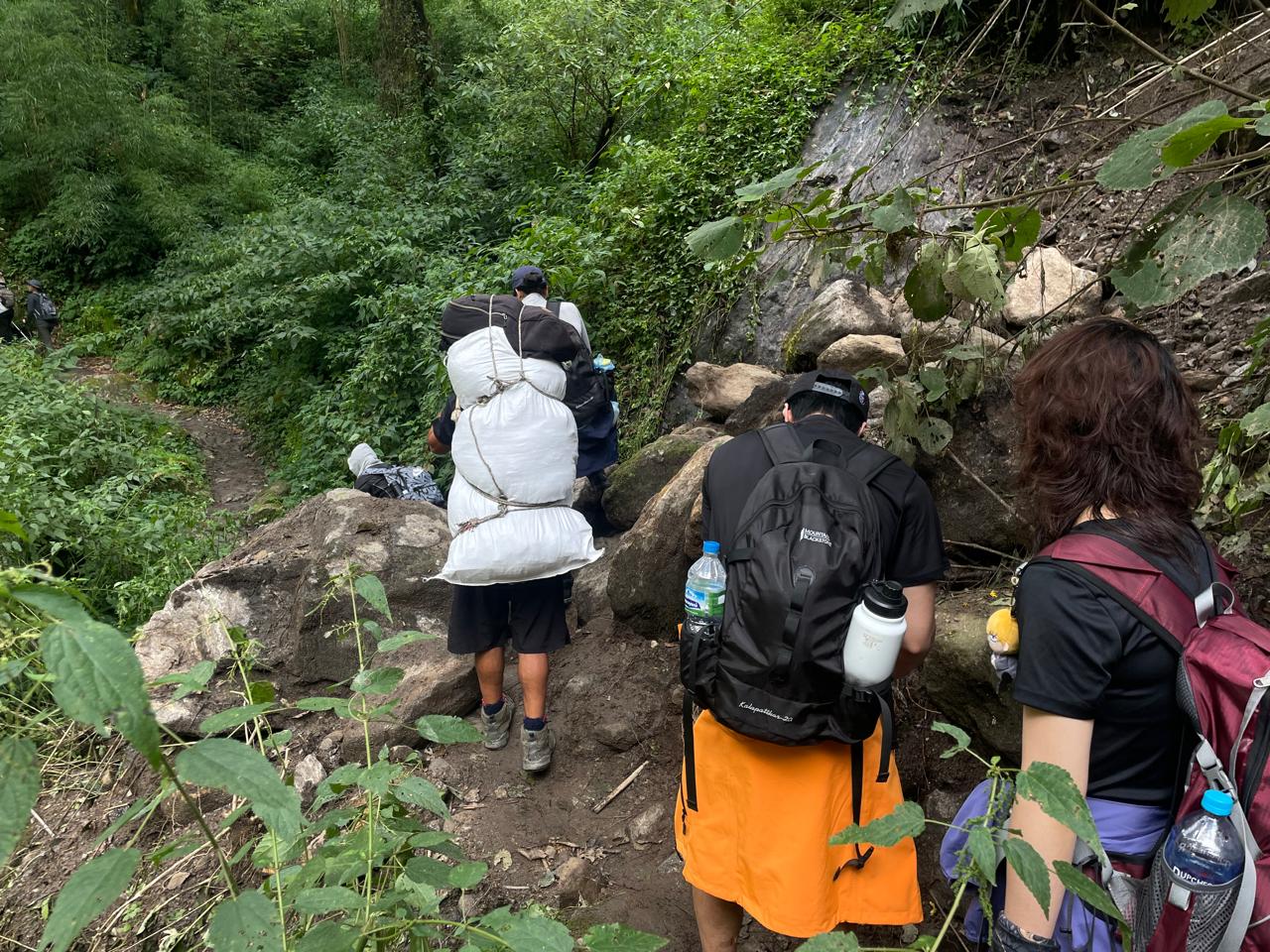
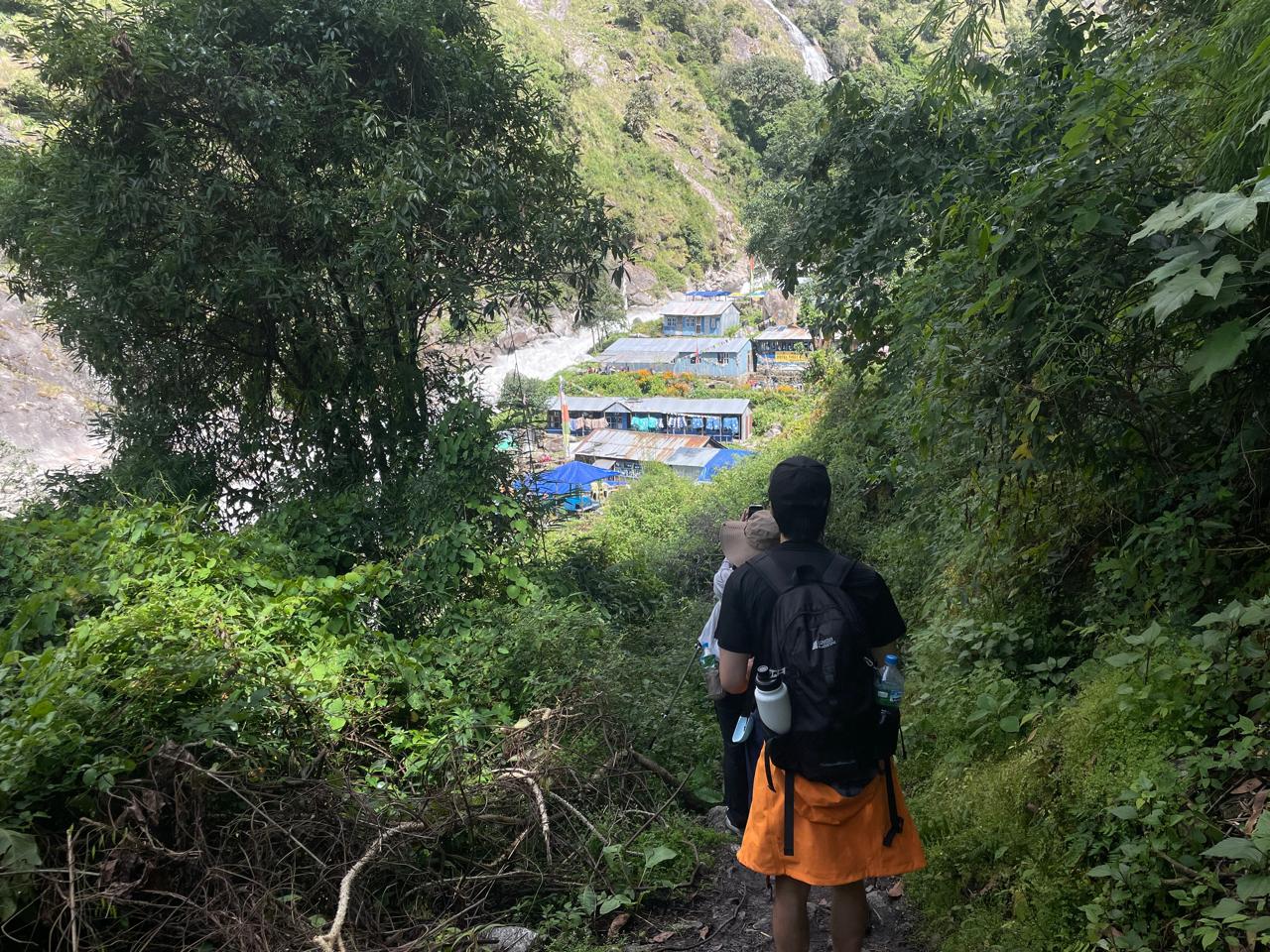
The Makalu Base Camp Trek is a journey through one of Nepal’s most remote and pristine regions, offering unparalleled natural beauty combined with adventure and cultural experiences. Beginning in Kathmandu, trekkers fly to Tumlingtar, a small airport surrounded by hills, before starting the overland journey to Num. From there, the trek gradually moves into Makalu-Barun National Park, a protected area filled with dense forests, rivers, and diverse wildlife. The trail takes trekkers through traditional villages where small-scale farming is still practiced, offering cultural insights into the local way of life.
As the trek progresses, trekkers gain altitude steadily, passing through the last villages like Tashigaon before entering the high wilderness. The ascent to Khongma Danda and further to Shipton La is physically demanding but rewards trekkers with magnificent vistas of the surrounding peaks, including Makalu, Chamlang, and Baruntse. This trek requires camping at higher elevations, particularly near Makalu Base Camp, allowing trekkers to experience the raw and untouched Himalayan environment.
Makalu Base Camp is not just a destination but a window into the grandeur of the Himalayas. The surrounding glacial valleys, alpine meadows, and high-altitude ridges provide opportunities for exploration, photography, and reflection in a serene environment. The route is rarely crowded, allowing trekkers to enjoy solitude while surrounded by some of the highest peaks in the world.
Safety and preparation are crucial on this trek due to its remoteness and altitude. Trekkers need proper acclimatization, experienced guides, and support staff to navigate difficult terrain, glacier walks, and unpredictable weather conditions. The trek combines physical challenge, natural beauty, and cultural immersion, making it a complete Himalayan adventure.
The final stages of the trek descend back through familiar villages, gradually returning to lower altitudes and eventually to Tumlingtar for the flight back to Kathmandu. This descent allows the body to recover while reflecting on the incredible journey through Nepal’s eastern highlands.
What Can You Expect from the Trek
Trekkers on the Makalu Base Camp Trail can expect a combination of high-altitude adventure, cultural immersion, and stunning natural beauty. The trek begins gently, passing through subtropical forests and local villages, providing a gradual adaptation to the Himalayan environment. As the trail climbs, trekkers encounter denser forests, cascading rivers, and the entrance to Makalu-Barun National Park, which is home to rare flora and fauna.
The journey to high passes like Shipton La tests physical endurance but rewards with panoramic views of towering peaks. The Base Camp itself is a pristine location, with glaciers, alpine meadows, and surrounding mountains creating an unforgettable setting. Each day presents new landscapes, from thick forests to open ridges, making the trek visually diverse and mentally engaging.
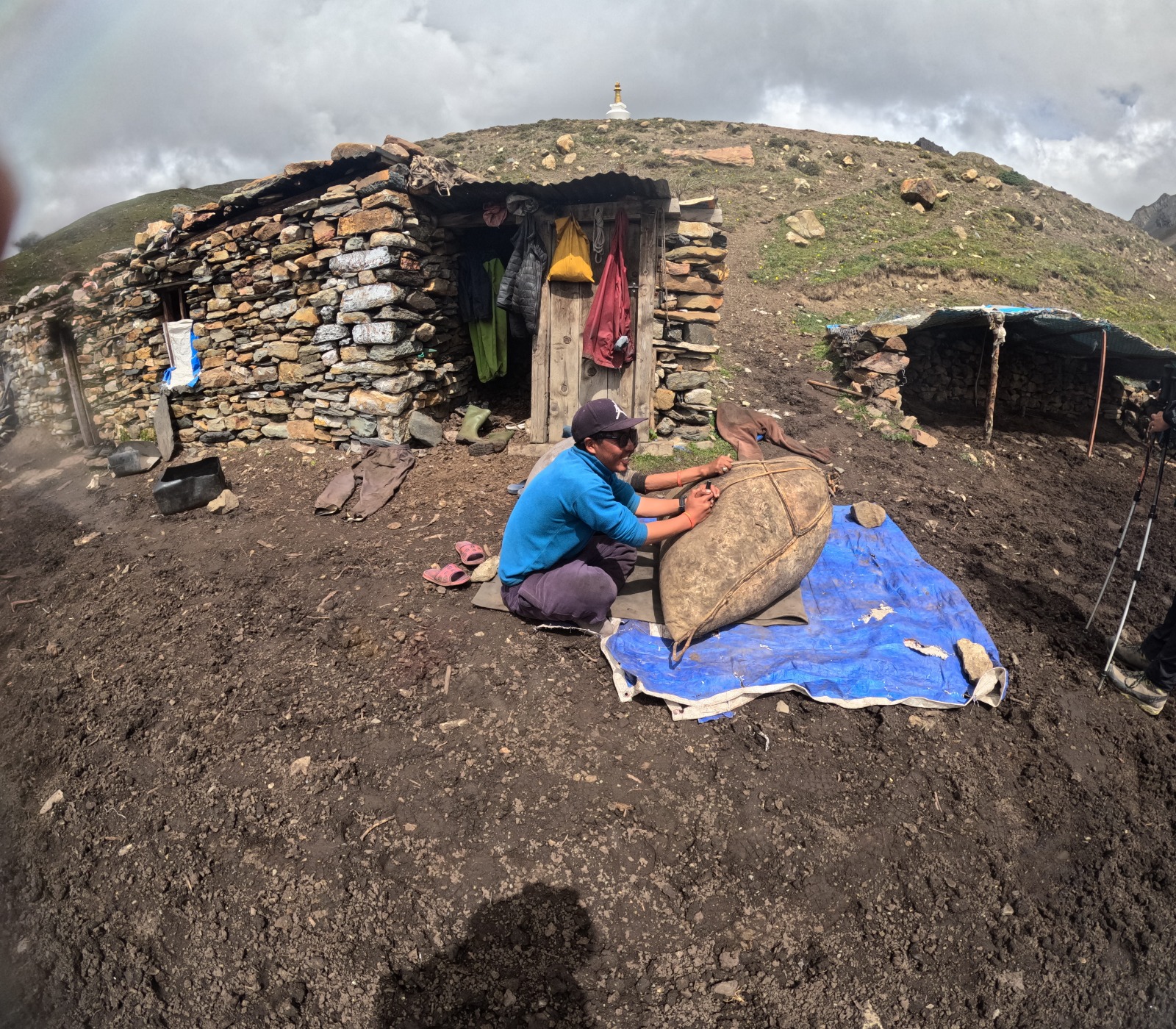
Besides natural beauty, trekkers experience small, traditional villages with rich Sherpa and Rai culture. Local homestays and tea houses offer authentic Nepalese cuisine, opportunities for interaction, and insight into the Himalayan way of life. The trek combines adventure, solitude, and cultural learning, creating a balanced and fulfilling experience.
Expectations:
- Scenic High-Altitude Views – Majestic Himalayan peaks and glaciers.
- Cultural Immersion – Sherpa and Rai village experiences.
- Wildlife & Nature – Encounter unique flora and fauna in Barun Valley.
- Physical Challenge – High passes and gradual altitude gain.
- Remote Wilderness – Solitude and less crowded trails.
Is Trek Suitable for You
The Makalu Base Camp Trek is designed for trekkers who have a solid level of fitness and previous trekking experience in the Himalayas. It is a physically demanding journey due to the high altitudes, long walking hours, and rugged terrain. Trekkers should be prepared for daily hikes ranging from 5 to 7 hours, with steep ascents and descents, particularly when crossing Shipton La and reaching Makalu Base Camp. Patience and mental resilience are equally important because the trek involves remote areas with limited access to amenities.
This trek is ideal for those seeking adventure beyond the popular trails of Everest or Annapurna. It offers the chance to experience solitude in some of Nepal’s most untouched landscapes. Trekkers who enjoy wilderness, photography, and connecting with nature will find the Makalu trek extremely rewarding. The route passes through small villages where trekkers can observe traditional Himalayan lifestyles and engage with local communities. This makes the journey not just a physical challenge but also a cultural and emotional experience.
While the trek is demanding, proper preparation, an experienced guide, and adequate acclimatization make it achievable for moderately experienced trekkers. Those who wish to attempt this trek should be aware of the high-altitude risks and prepared for camping at remote locations. If you enjoy pushing your limits, witnessing untouched Himalayan landscapes, and exploring culturally rich villages, the Makalu Base Camp Trek is perfectly suited for you.
Suitability:
- Fitness Level: Moderate to high; prior trekking experience recommended.
- Adventure Seekers: Ideal for those who love remote and challenging trails.
- Cultural Experience: Opportunities to engage with Sherpa and Rai communities.
- Nature Lovers: Explore pristine wilderness and unique wildlife.
- High-Altitude Prepared: Comfortable with long hikes above 4,000 m.
How to Get Prepared for Trek
Preparation is key for a successful Makalu Base Camp Trek. Physical fitness should focus on endurance, strength, and cardiovascular capacity. Trekking with a loaded backpack during practice hikes will help condition your body. Regular aerobic exercises such as running, swimming, or cycling, combined with leg-strengthening workouts, can significantly improve stamina. Additionally, practicing uphill and downhill walking will make mountain trails easier to navigate.
Mental preparation is equally important. The trek involves remote camping, unpredictable weather, and occasional communication limitations. Trekkers should develop patience, adaptability, and self-sufficiency to handle challenging situations. Familiarity with map reading, using trekking poles, and basic first-aid knowledge can be valuable during the journey. Practicing mindfulness or meditation can also help maintain mental clarity during long days at high altitude.
Gear preparation is another crucial aspect. A well-packed backpack with layered clothing, sturdy hiking boots, warm sleeping bags, and personal hygiene items ensures comfort and safety. Trekking poles, crampons for icy patches, and headlamps are recommended for challenging terrain and early starts. Ensuring all gear is tested and comfortable before departure will reduce stress during the trek.
Preparation Checklist:
- Physical Fitness: Endurance training (running, cycling, swimming), strength exercises for legs and core, long hikes with backpacks.
- Acclimatization: Plan gradual ascents and rest days to adapt to altitude safely.
- Trekking Gear: High-quality trekking boots, layered clothing, waterproof jacket, trekking poles, and backpack with rain cover.
- Health & Safety: Travel insurance, personal first aid kit, consultation with a doctor about altitude sickness prevention.
- Local Knowledge: Familiarize yourself with trekking permits, TIMS card, local customs, and etiquette in Sherpa villages.
-
Trip Duration
19 Days/18 Nights
-
Group Size
1–20 people
-
Maximum Altitude
4,870 m
-
Trip Difficulty
Very challenging
-
Activities
Trekking, camping, cultural exploration, photography
-
Best Season
March–May, September–November
-
Trip Start & End
Kathmandu-Kathmandu
-
Meals
Breakfast, Lunch, Dinner
-
Accomodation
Tea houses, lodges, camping
Highlights
The Makalu Base Camp trek is one of the most spectacular and remote trekking adventures in Nepal. It combines high-altitude challenges with incredible wilderness, offering trekkers experiences rarely found on more popular routes. Here are the main highlights:
- Makalu Base Camp (4,870m) – Witness the base of the world’s fifth-highest peak.
- Barun Valley Exploration – Walk through untouched forests, rivers, and meadows in a pristine national park.
- Shipton La Pass (3,900m) – A challenging yet rewarding high pass with panoramic Himalayan views.
- Mount Makalu Views (8,485m) – Breathtaking scenery of the towering peak from multiple vantage points.
- Diverse Landscapes – From dense subtropical forests to alpine terrain and glacial valleys.
- Less Crowded Trails – Experience solitude and tranquility away from the busy Everest and Annapurna routes.
- Cultural Encounters – Interact with small local communities and experience the lifestyle of Sherpa and Rai people.
Itinerary
Day 01
Your adventure begins with your arrival at Tribhuvan International Airport in Kathmandu. Upon landing, you will be warmly welcomed by your trekking team and transferred to your hotel for check-in. Kathmandu, the capital city of Nepal, is a bustling metropolis filled with rich culture, historic temples, vibrant streets, and friendly locals. This first day is primarily for rest and recovery after your journey, allowing you to acclimatize to the local environment before embarking on the physically demanding trek ahead. In the evening, you will meet your guide and support staff for a detailed briefing about the trek, including routes, daily schedules, safety measures, and equipment checks. This orientation ensures that you are fully prepared for the journey into the remote Makalu-Barun region.
Exploring Kathmandu is also an opportunity to get a glimpse of Nepalese culture. If time allows, you can visit nearby sites such as Pashupatinath Temple, Boudhanath Stupa, or the Thamel district, famous for trekking gear shops and local handicrafts. Make sure your gear is organized, permits are ready, and you have all essentials packed. Proper hydration, light meals, and early rest will help your body adjust to the altitude and get you ready for the next day’s early flight. This day sets the foundation for the journey, blending cultural experiences, practical preparation, and rest.
Trip Duration:
Half dayAltitude:
1400 mMeal:
DinnerAccomodation :
Hotel in KathmanduDay 02
Early in the morning, you will board a scenic flight to Tumlingtar Airport, which takes you over the lush green hills and river valleys of eastern Nepal. The aerial view of the Arun Valley, dotted with terraced fields, rivers, and forested slopes, is breathtaking and provides a preview of the natural beauty that awaits. Upon landing, you will begin a rugged jeep ride through small hill settlements, river valleys, and unpaved roads to reach Num, the starting point for the trekking trail. The drive itself is an immersive experience as you pass through villages, witness daily rural life, and enjoy the dramatic views of distant Himalayan peaks emerging from the horizon. Num is a small settlement, offering a peaceful atmosphere and a glimpse of traditional village life, which contrasts sharply with the bustling city of Kathmandu.
After arrival in Num, you will have time to relax, explore the surrounding area, and interact with local villagers. This is your first introduction to the warm hospitality of the Makalu-Barun region. As the starting point of the trek, Num provides access to trails leading deeper into pristine forests and high-altitude terrain. This day allows you to settle in, adjust to the environment, and prepare mentally for the trekking challenges ahead. The combination of scenic flight, road travel, and exposure to local culture makes this day an essential part of the overall journey.
Trip Duration:
5–6 hoursTrip Distance:
~60 kmAltitude:
1560 mMeal:
Breakfast, Lunch, DinnerAccomodation :
Lodge in NumDay 03
The trek officially begins as you leave Num and head toward Seduwa. The trail initially descends steeply toward the Arun River, offering dramatic views of the river cutting through deep valleys. After crossing the river, the path gradually ascends through lush forests and terraced fields. Along the way, you will pass small rural villages, witnessing local farming practices and traditional homes. The forests are alive with the sounds of birds and occasional wildlife, providing a serene start to the trekking adventure. This day’s hike introduces you to the rhythm of mountain trekking, balancing scenic exploration with moderate physical exertion.
Seduwa is a small settlement nestled along the river valley, offering tea houses and local hospitality. Here, trekkers can relax, share experiences, and interact with local families. The evening is a time for rest and reflection, with opportunities to enjoy the quiet natural surroundings and spectacular sunset views over the hills. Seduwa serves as an ideal first stop, helping you adjust to trekking conditions and allowing your body to acclimatize to gradual altitude changes. The trail from Num to Seduwa sets the tone for the remote, less-crowded experience that defines the Makalu Base Camp Trek.
Trip Duration:
6–7 hoursTrip Distance:
~12 kmAltitude:
1500 mMeal:
Breakfast, Lunch, DinnerAccomodation :
Lodge in SeduwaDay 04
Leaving Seduwa, the trail gently ascends through a mix of forests and cultivated land, gradually immersing you deeper into the remote Makalu-Barun National Park. The path meanders along the hillside, revealing spectacular views of the surrounding hills, terraced fields, and the Arun River far below. You will pass through small villages where locals practice traditional farming, giving you insight into their daily lives. The dense forested areas are home to rhododendron, bamboo, and oak, providing shade and fresh mountain air, making the trek pleasant even as you gain altitude. This day is relatively moderate, allowing your body to adapt to the increasing elevation while letting you enjoy the peaceful surroundings.
Tashigaon is a charming settlement, smaller than Seduwa, with rustic tea houses and welcoming local hosts. Here, trekkers can experience the serenity of a high-altitude village and prepare for the more challenging climbs ahead. The evening offers a perfect opportunity to walk around the village, observe local traditions, and enjoy stunning views of snow-capped peaks in the distance. Staying overnight in Tashigaon helps maintain a gradual ascent profile, reducing the risk of altitude sickness while letting you soak in the unspoiled Himalayan environment.
Trip Duration:
4–5 hoursTrip Distance:
~10 kmAltitude:
2100 mMeal:
Breakfast, Lunch, DinnerAccomodation :
Lodge in TashigaonDay 05
Today’s journey is more physically demanding as you leave the lower forested terrain and ascend through steep hills toward Khongma Danda. The trail winds through dense pine and rhododendron forests, occasionally opening to offer panoramic views of distant peaks and deep river valleys. You will notice the terrain changing as altitude increases, with lush forests giving way to alpine vegetation and rocky landscapes. Small streams along the route provide refreshing stops, and the sound of flowing water adds a tranquil ambiance to the trek. The hike is a mix of gradual uphill paths and short steep sections, challenging yet rewarding as you approach higher altitudes.
Khongma Danda is a small, isolated settlement located at the edge of the national park, surrounded by magnificent alpine scenery. The tea houses here provide basic amenities, allowing trekkers to rest and prepare for the next day’s acclimatization. The evening is ideal for short exploratory walks nearby to admire sunsets over the Himalayan ridges. Reaching this altitude marks a significant step in the trek, as your body begins to adapt to higher elevations. This stop also gives an early taste of the more rugged and remote terrain that characterizes the Makalu Base Camp route.
Trip Duration:
6–7 hoursTrip Distance:
~14 kmAltitude:
3500 mMeal:
Breakfast, Lunch, DinnerAccomodation :
Lodge in Khongma DandaDay 06
Acclimatization is essential at this stage of the trek to prepare your body for higher altitudes. Today, you will take short hikes to nearby ridges, exploring the surroundings while allowing your body to adjust to the thinner air. This day is an excellent opportunity to enjoy the magnificent Himalayan panorama, with views of peaks like Makalu, Chamlang, and Baruntse. Gentle walks, breathing exercises, and rest form the core activities of the day, helping to prevent altitude sickness. You can also interact with local villagers and learn about their high-altitude lifestyle, including traditional farming and yak herding.
The acclimatization day also allows time to organize gear, check equipment, and mentally prepare for the more strenuous climbs ahead. Enjoying a quiet evening surrounded by pristine forests and snow-capped peaks enhances your connection with the natural environment. Meals are leisurely, and hydration is emphasized to aid adaptation. This day is vital for the success of the trek, as it ensures that your body is ready for the challenging journey through high passes and base camps that lie ahead.
Trip Duration:
Full dayTrip Distance:
~5 kmAltitude:
3500 mMeal:
Breakfast, Lunch, DinnerAccomodation :
Lodge in Khongma DandaDay 07
Today marks a significant step in the trek as you cross the Shipton La, one of the scenic high passes along the Makalu route. The trail starts with gradual ascents through dense forests and terraced farmlands, slowly giving way to rocky alpine terrain as you approach the pass. Along the way, trekkers are rewarded with breathtaking views of the surrounding Himalayan peaks, including glimpses of Makalu, Chamlang, and Baruntse, framed by valleys carved by the Arun River. You will notice the landscape shifting from lush forests to open ridges, where the wind carries the crisp mountain air and the terrain demands careful footing on rocky paths. Small streams and springs offer refreshing stops, and the quiet environment allows you to fully immerse yourself in the solitude and beauty of this remote region.
Crossing Shipton La is both a physical and mental achievement, offering panoramic vistas that make every step worthwhile. Once over the pass, the trail gradually descends toward Dobate, a small campsite nestled in a picturesque valley. The descent allows your body to recover while still adjusting to higher altitudes. Dobate is a quiet settlement, perfect for relaxing after a challenging day. In the evening, trekkers can explore the immediate surroundings, witness stunning sunsets over the snow-capped peaks, and enjoy a hot meal while sharing stories with fellow trekkers. This day sets the stage for the more demanding sections of the trek as you move closer to Makalu Base Camp.
Trip Duration:
6–7 hoursTrip Distance:
~13 kmAltitude:
3650 mMeal:
Breakfast, Lunch, DinnerAccomodation :
Lodge/Camp in DobateDay 08
From Dobate, the trail continues through undulating terrain with moderate ascents and descents, passing through mixed forest and open valleys. The path is lined with rhododendron and pine trees, offering occasional clearings with spectacular views of surrounding peaks. Trekkers will notice the terrain becoming more rugged, signaling entry into the higher alpine zone. Along the way, streams and small waterfalls provide natural stopping points, allowing for hydration and photo opportunities. The route is relatively quiet, giving trekkers a sense of remoteness and the feeling of trekking in an untouched wilderness.
Yangri Kharka, your destination for the day, is a small high-altitude pastureland surrounded by snow-capped mountains. The location provides excellent opportunities to enjoy sunset and sunrise views over towering peaks. The tea houses here are simple yet cozy, providing a comfortable place to rest and acclimatize further before the higher altitude sections. Evenings can be spent preparing for the next day’s gradual ascent to Langmale Kharka, reviewing the route and appreciating the unique flora and fauna of the region. The day’s trek is moderately challenging but essential for acclimatization and building strength for the trek to Makalu Base Camp.
Trip Duration:
5–6 hoursTrip Distance:
~12 kmAltitude:
3600 mMeal:
Breakfast, Lunch, DinnerAccomodation :
Lodge in Yangri KharkaDay 09
The trail from Yangri Kharka to Langmale Kharka is a steady climb through alpine meadows and high pastures, gradually approaching the rugged terrain that characterizes the upper Barun Valley. Trekkers will notice sparse vegetation, with hardy shrubs and grasses adapting to the high altitude environment. Along the way, the scenery becomes increasingly dramatic as massive snow-capped peaks dominate the horizon, creating an unforgettable Himalayan panorama. The terrain is a combination of narrow ridges, rocky trails, and open slopes, requiring careful attention and a steady pace. Small glacial streams cross the trail, offering refreshing stops to hydrate and enjoy the pristine environment.
Langmale Kharka is a vast, open pasture surrounded by towering mountains, providing a sense of isolation and connection with nature. The tea houses and campsites are basic but sufficient for resting and acclimatizing before the final approach to Makalu Base Camp. From here, trekkers can take short exploratory walks to nearby ridges to admire panoramic views of Makalu and other nearby peaks. The calm, serene environment also allows for mental preparation for the high-altitude challenge ahead. Reaching 4,410 meters is a milestone, as your body adapts to thinner air while enjoying one of the most pristine alpine settings in Nepal.
Trip Duration:
5–6 hoursTrip Distance:
~11 kmAltitude:
4410 mMeal:
Breakfast, Lunch, DinnerAccomodation :
Lodge/Camp in Langmale KharkaDay 10
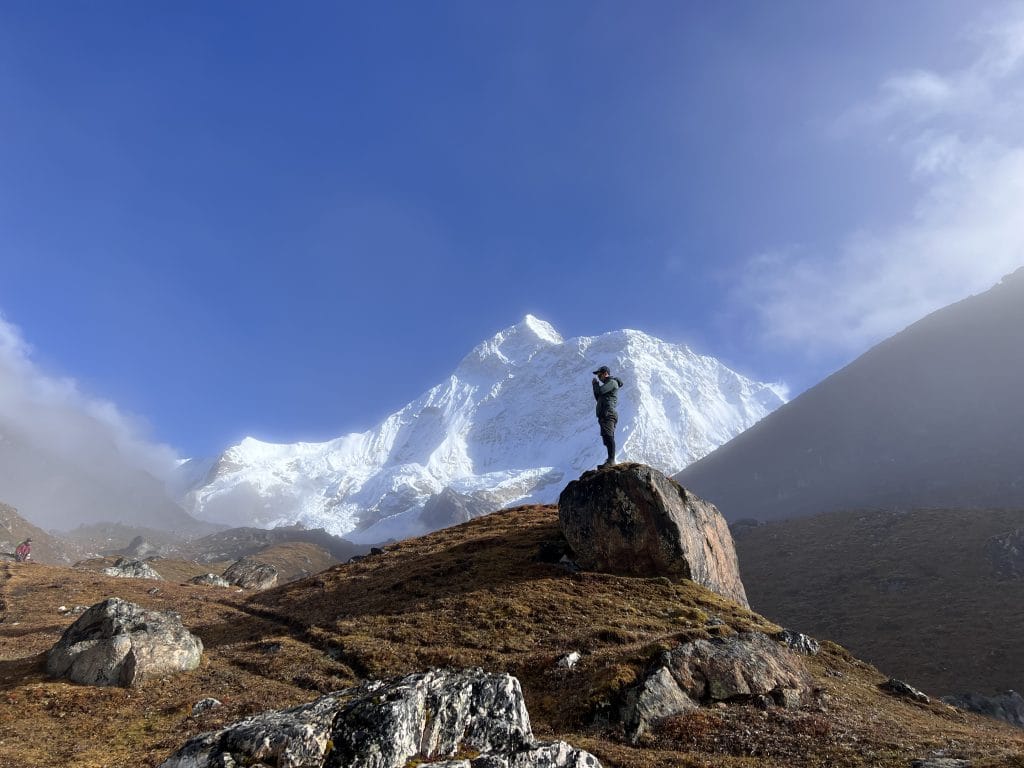
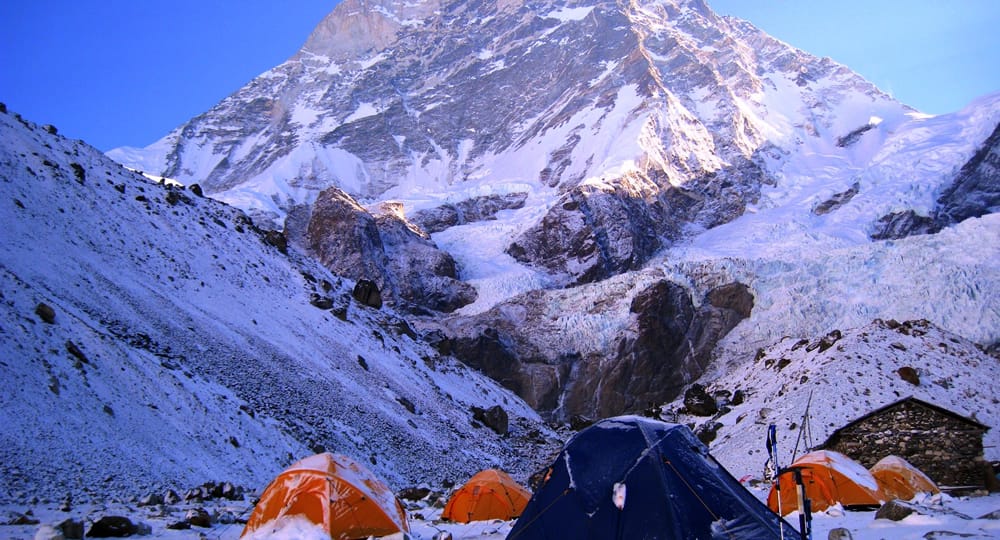
Today is the pinnacle of your trek as you move from Langmale Kharka toward Makalu Base Camp, the ultimate destination for this journey. The trail climbs steadily through rocky terrain and glacial moraine, passing small streams and crevices that mark the edge of the massive glaciers feeding the region. The air becomes thinner and cooler, making a slow and steady pace essential. Along the way, trekkers witness panoramic views of Mount Makalu (8,485m), Chamlang, and Baruntse, which dominate the skyline with their sheer grandeur. This final approach offers an unparalleled sense of remoteness, where the silence of the Himalayas is only broken by wind and occasional water flow from melting ice.
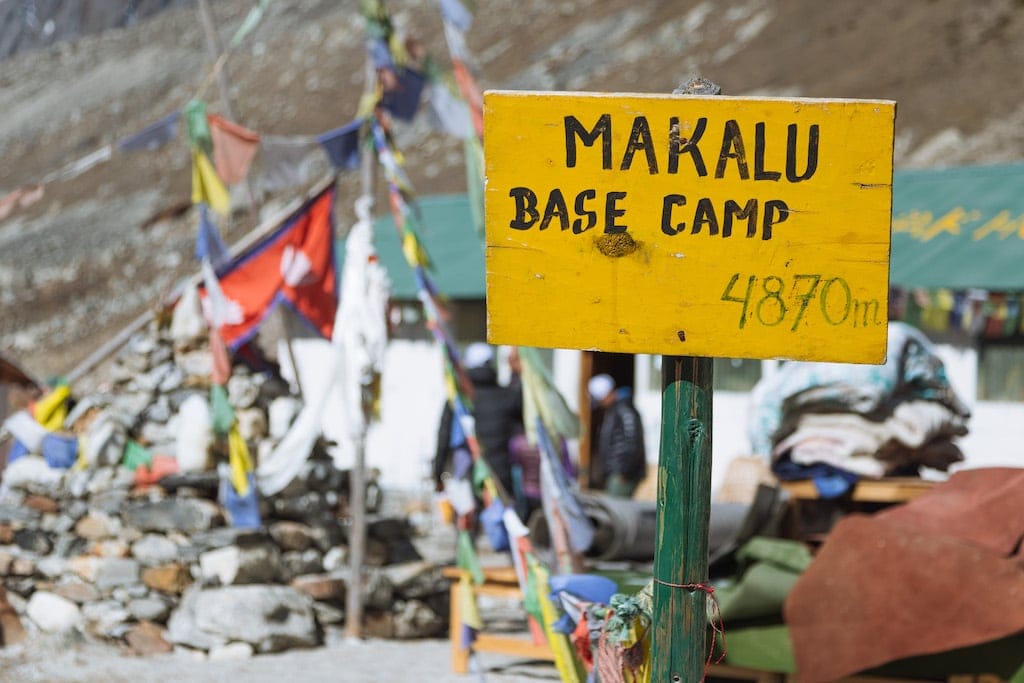
Makalu Base Camp sits in a dramatic amphitheater of towering peaks, surrounded by glaciers and rocky ridges. The campsite itself is simple but provides a perfect base to explore the surrounding region. Trekkers can wander nearby moraines, photograph spectacular ice formations, or simply rest and soak in the breathtaking environment. Evenings are crisp and cold, but the sense of achievement and the clear views of the sun setting behind towering peaks make it an unforgettable experience. This day is the highlight of the trek, marking both a physical and mental accomplishment after days of high-altitude trekking.
Trip Duration:
4–5 hoursTrip Distance:
~9 kmAltitude:
4870 mMeal:
Breakfast, Lunch, DinnerAccomodation :
Camp in Makalu Base CampDay 11
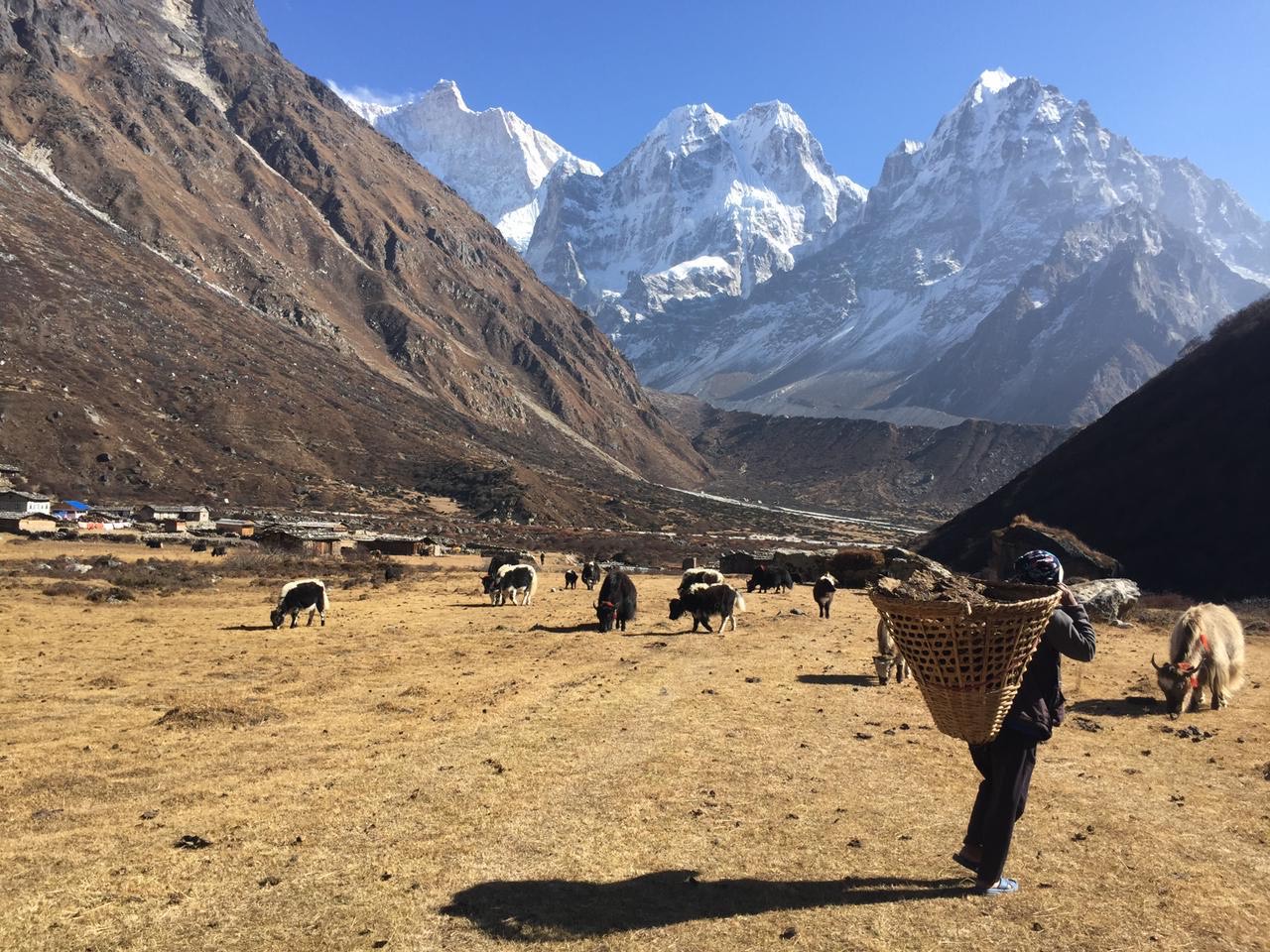
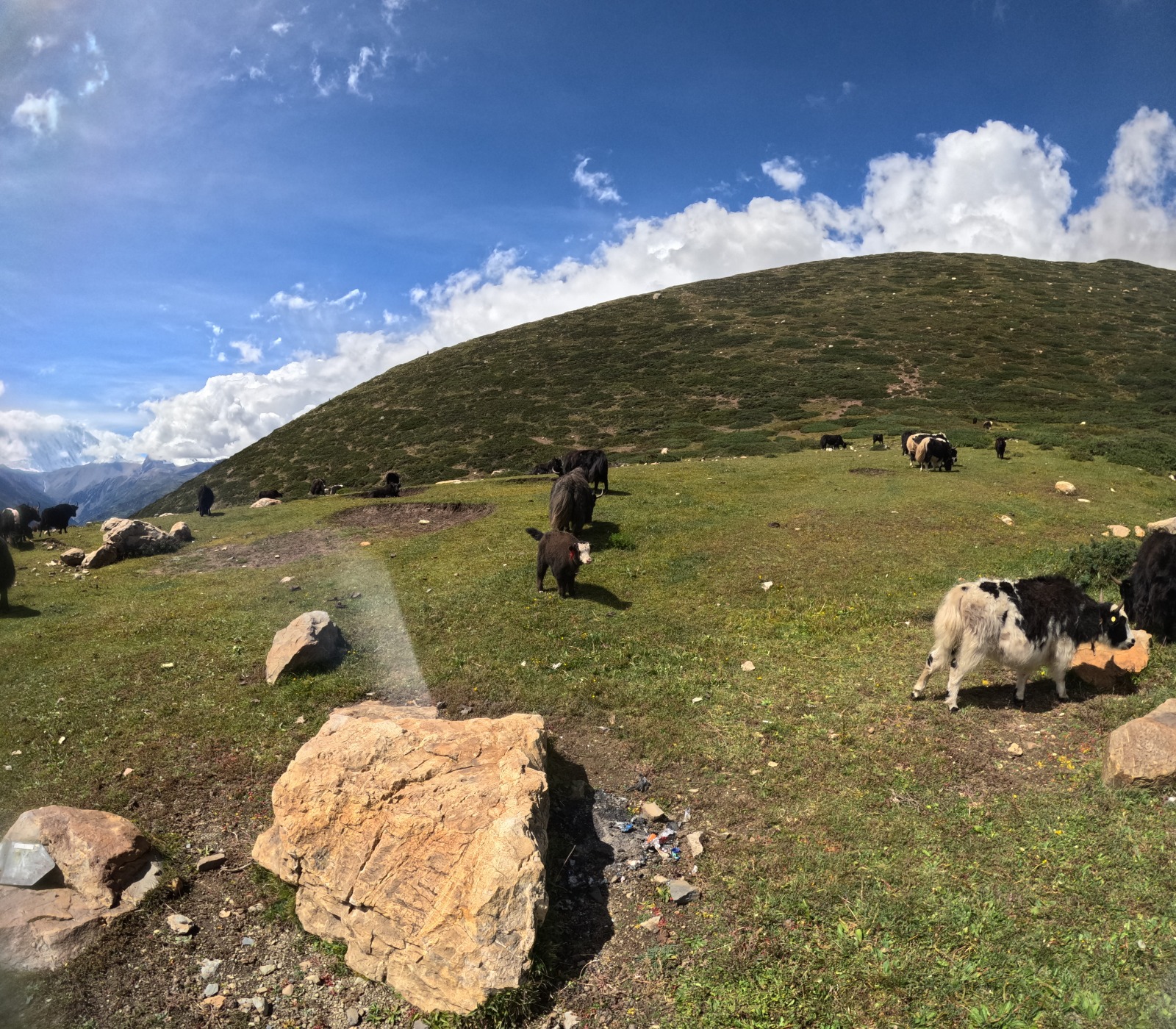
After the strenuous climb to base camp, today is a rest and exploration day. Trekkers can take short hikes to nearby glaciers, moraine ridges, and the Barun Valley while enjoying up-close views of the massive peaks. The calm environment offers an opportunity to observe alpine wildlife, including yaks and Himalayan birds, as well as the unique flora that thrives in high-altitude conditions. Walking slowly around the base camp helps the body further acclimatize and allows you to appreciate the geological and natural wonders of the region.
This day also provides time to interact with fellow trekkers, photographers, or researchers who occasionally visit the base camp. The glacier-fed streams and ice formations around Makalu create excellent conditions for landscape photography, and the silence at dawn or dusk can be a meditative experience. Evening meals around the campsite provide an opportunity to reflect on the journey so far, preparing mentally for the descent over the coming days. For many trekkers, this day is the highlight of the entire expedition, combining physical accomplishment with the sheer beauty of untouched Himalayan wilderness.
Trip Distance:
~2–3 kmAltitude:
4870 mMeal:
Breakfast, Lunch, DinnerAccomodation :
Camp in Makalu Base CampDay 12
The descent from Makalu Base Camp to Yangri Kharka begins the return journey. Descending is physically less taxing than ascending, but careful footing is essential due to rocky and sometimes slippery paths along glacial streams. Trekkers retrace part of the trail, enjoying the same stunning views of Makalu and neighboring peaks but from a different perspective. The trail passes through moraine ridges and past high-altitude pastures, giving trekkers a chance to observe the region’s unique geology and alpine ecosystems one last time.
Yangri Kharka welcomes trekkers with its open pastures and cozy tea houses. Even on the return journey, the trail provides ample opportunities to spot wildlife, take photographs, and enjoy the mountain environment. This descent also helps the body recover from high-altitude exposure while still maintaining acclimatization. Evening at Yangri Kharka offers a chance to relax, share stories, and prepare for the continued journey down through forests and valleys.
Trip Duration:
6–7 hoursTrip Distance:
~15 kmAltitude:
3600 mMeal:
Breakfast, Lunch, DinnerAccomodation :
Lodge in Yangri KharkaDay 13
From Yangri Kharka, the trail gently descends to Dobate, passing alpine meadows, ridges, and smaller streams. The environment changes subtly as altitude decreases, with more vegetation appearing and temperatures becoming milder. Trekkers enjoy panoramic views of surrounding peaks, while the trail provides a moderate challenge with some ups and downs that keep the body active. The day is also mentally satisfying as you recognize the journey’s return phase, giving a sense of accomplishment and relief.
Dobate provides a quiet and comfortable resting spot for the night. Tea houses and camping areas offer warm meals and a chance to interact with local guides and fellow trekkers. The peaceful evening allows for reflection on the trek, packing gear for the next day, and preparing for the steady descent toward Khongma Danda. This day balances trekking effort with acclimatization and rest in a picturesque alpine setting.
Trip Duration:
5–6 hoursTrip Distance:
~13 kmAltitude:
3650 mMeal:
Breakfast, Lunch, DinnerAccomodation :
Lodge/Camp in DobateDay 14
The trail from Dobate to Khongma Danda involves steady uphill and downhill sections through mixed forest and alpine meadows. Trekkers experience more villages and settlements along the way, offering glimpses of rural mountain life. The trail also provides occasional viewpoints of Makalu, Chamlang, and Baruntse, giving trekkers rewarding photographic opportunities. Wildlife sightings, including Himalayan birds and grazing yaks, are common along this route.
Khongma Danda is an ideal place to rest and enjoy panoramic mountain vistas. Tea houses and lodges offer warm meals and simple accommodation for trekkers. This leg of the trek is crucial to maintain acclimatization while preparing for lower altitude descents over the next days. Evenings provide time for relaxation, journaling, or enjoying the quiet of the high mountains before heading down to Tashigaon.
Trip Duration:
6–7 hoursTrip Distance:
~14 kmAltitude:
3500 mMeal:
Breakfast, Lunch, DinnerAccomodation :
Lodge in Khongma DandaDay 15
The descent continues toward Tashigaon, with paths winding through forested hillsides and past small streams. Trekkers gradually return to more vegetated zones, with rhododendrons, oaks, and bamboo adding color and life to the trail. The air becomes warmer and more humid, signaling a return to lower altitudes and more populated areas. This section is less strenuous but still requires careful navigation over uneven trails and small ridges.
Tashigaon is a quaint village offering a peaceful overnight stay. The tea houses provide comfortable lodging and locally prepared meals. The village itself gives trekkers insight into local farming practices and mountain village life, adding cultural value to the trek. Evening walks around the settlement allow trekkers to enjoy the natural environment and reflect on the journey from Makalu Base Camp.
Trip Duration:
5–6 hoursTrip Distance:
~12 kmAltitude:
2100 mMeal:
Breakfast, Lunch, DinnerAccomodation :
Lodge in TashigaonDay 16
Today’s trek leads further down toward Seduwa, crossing rivers and walking along terraces carved into the hillsides. The environment becomes warmer, and trekkers witness local flora and fauna typical of the mid-hill regions of eastern Nepal. The trail features moderate descents, with occasional short uphill sections, making for a comfortable day of trekking. Villages along the way offer insights into local Rai and Sherpa cultures, with friendly interactions adding a human dimension to the journey.
Seduwa provides a restful overnight stop. Tea houses and local lodges offer meals and a warm place to recover from the journey. The descent helps the body readjust to lower altitudes, and trekkers often feel rejuvenated after days in high-altitude zones. This day also provides a chance to share experiences with fellow trekkers and guides, making it a memorable leg of the journey back to Tumlingtar.
Trip Duration:
5–6 hoursTrip Distance:
~13 kmAltitude:
1500 mMeal:
Breakfast, Lunch, DinnerAccomodation :
Lodge in SeduwaDay 17
The trek continues through gentle trails down to Num, where you will reconnect with vehicles for the drive to Tumlingtar. The trail passes through villages, forests, and river valleys, providing a scenic and culturally rich descent. Trekkers can enjoy the lush green landscapes, flowering plants, and glimpses of local wildlife, making the final trekking day a peaceful and reflective experience.
After reaching Num, a jeep or bus ride brings the group to Tumlingtar, a small town with basic amenities and lodging. This marks the end of the trekking portion of the journey. Evenings can be spent relaxing, celebrating the successful trek, and preparing for the scenic flight back to Kathmandu the next day.
Trip Duration:
6–7 hoursTrip Distance:
~25 kmAltitude:
1560 mMeal:
Breakfast, Lunch, DinnerAccomodation :
Lodge in TumlingtarDay 18
A scenic morning flight from Tumlingtar to Kathmandu offers aerial views of the Arun Valley, Makalu, and other towering Himalayan peaks. Trekkers can enjoy the beauty of Nepal’s eastern region from above, capturing photos and appreciating the vast landscapes. Upon arrival in Kathmandu, you are transferred to your hotel. The rest of the day is free for relaxation, shopping, or sightseeing in the vibrant capital city.
Trip Duration:
~1 hourAltitude:
1400 mMeal:
BreakfastAccomodation :
Hotel in KathmanduDay 19
Your journey concludes with a transfer to Tribhuvan International Airport for your onward flight. Trekkers reflect on the adventure, the breathtaking landscapes, the high passes, glaciers, and the remote villages experienced along the trek. Memories of Makalu Base Camp, Barun Valley, and the Himalayan peaks accompany you home.
Meal:
BreakfastWhat's Included
Your Makalu Base Camp Trek package covers all essentials to ensure a safe, comfortable, and memorable journey through this remote Himalayan region. The inclusions are designed to relieve trekkers of logistical burdens while providing quality services throughout the trek.
- Airport pickup and drop in Kathmandu
- Domestic flights (Kathmandu ↔ Tumlingtar)
- Trekking permits and Makalu Barun National Park entry fees
- Experienced English-speaking guide and local support staff
- Porters to carry communal equipment (see exclusions for personal luggage)
- All meals during trekking (breakfast, lunch, dinner)
- Accommodation in Kathmandu and Tumlingtar (hotel)
- Camping during the trek with tents, sleeping mats, and dining facilities
- Transportation by jeep/bus during road segments (Num ↔ Tumlingtar)
- First-aid kit and emergency oxygen (provided by trekking company)
These inclusions ensure that trekkers can focus entirely on the experience, rather than the logistics, with all accommodations, meals, and safety arrangements handled professionally.
What's Excluded
Some items are not included in the standard package, giving trekkers flexibility to manage personal preferences and additional services. It is important to prepare for these separately.
- International airfare to and from Nepal
- Travel insurance (mandatory)
- Personal equipment (clothing, sleeping bags, trekking poles, etc.)
- Personal snacks, drinks, or alcoholic beverages
- Tips for guides, porters, and drivers
- Visa fees for Nepal
- Optional sightseeing, cultural activities, or personal tours
- Porters: Optional, though highly recommended for carrying personal luggage. The cost is approximately $22 per porter per day. A porter can carry up to 20 kg, and it is advisable to hire one porter for every two trekkers to ensure comfort and convenience.
Essential Info
Add-Ons
Beyond the standard trekking package, there are additional experiences and services that can enhance your journey through the Makalu region. These add-ons provide opportunities to explore more, enjoy cultural experiences, and make the trek even more memorable. Many travelers opt for these extras to deepen their connection with the landscape and local communities.
One popular add-on is cultural village tours, where you can meet Rai and Sherpa communities, learn about traditional lifestyles, and experience local hospitality. These guided visits provide insight into indigenous architecture, farming techniques, and cultural rituals. Some trekkers also choose photography tours led by local guides familiar with the best viewpoints, lighting, and hidden spots in the Barun Valley and surrounding highlands.
Other optional experiences include helicopter tours for panoramic views of Mount Makalu, Everest, and other peaks of the region. These flights offer a bird’s-eye perspective of glaciers, rivers, and alpine forests that would take days to traverse on foot. Similarly, rafting or river excursions on the Arun River or other nearby streams can provide adventure for those seeking a break from trekking.
Add-Ons:
- Cultural Village Tours: Experience Rai and Sherpa lifestyle, traditional architecture, and local rituals.
- Photography Tours: Guided exploration of the best viewpoints for stunning Himalayan photography.
- Helicopter Scenic Flights: Aerial views of Mount Makalu, surrounding peaks, and glacier valleys.
- River Excursions/Rafting: Adventure on Arun River or nearby streams for extra thrill.
- Guided Nature Walks: Learn about alpine flora, fauna, and ecosystems along the trail.
- Extra Acclimatization Hikes: Optional short hikes to higher ridges for better acclimatization and panoramic views.
These add-ons provide flexibility for trekkers, allowing each participant to tailor the experience to personal interests, whether cultural, adventurous, or photographic.
Best Season to Trek
Makalu Base Camp Trek can be attempted almost year-round, but spring (March–May) and autumn (September–November) are considered the most favorable periods for trekking. Each season offers a unique experience in terms of weather, scenery, and trekking conditions.
Spring (March–May):
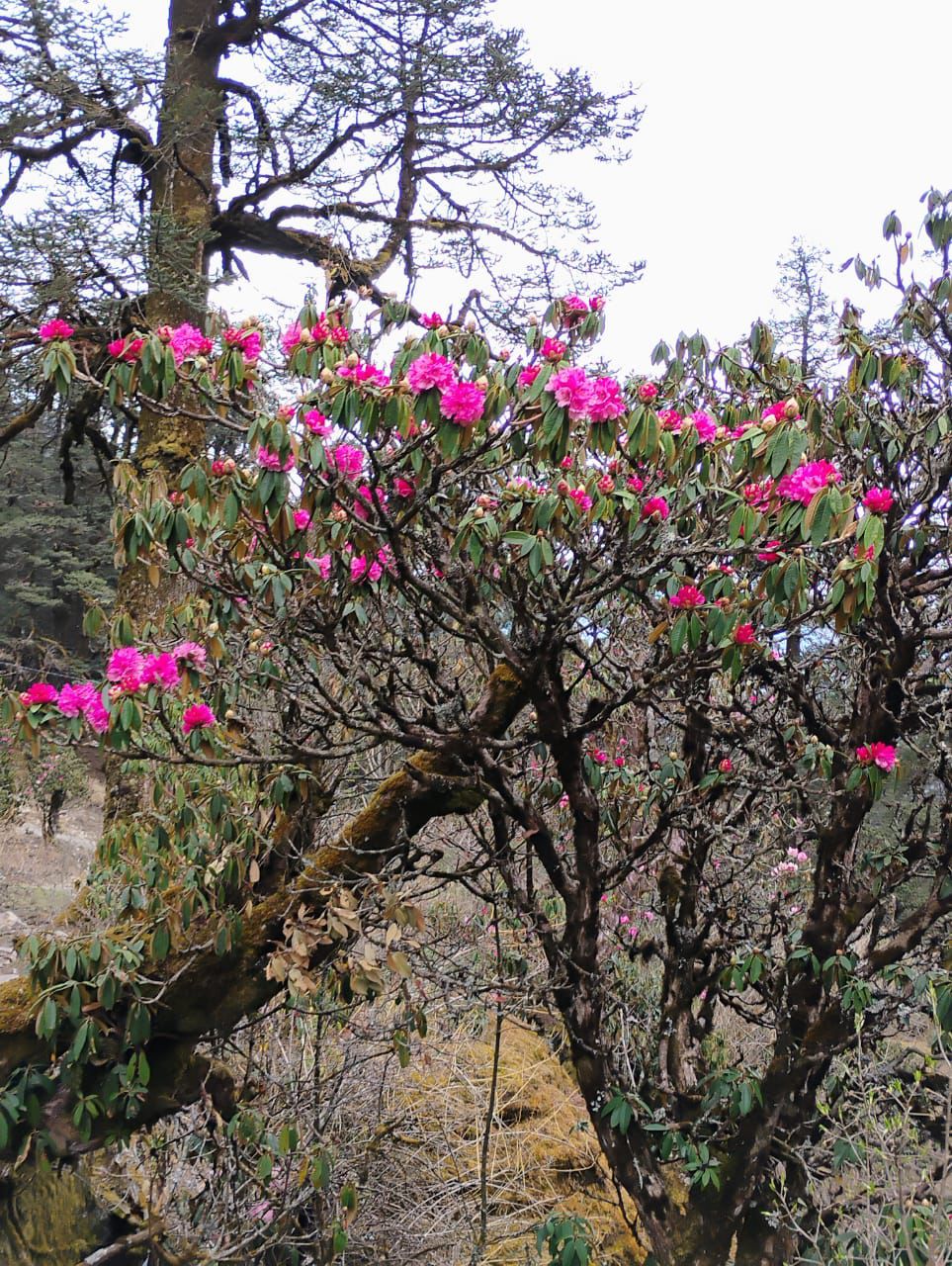
During spring, the valley comes alive with rhododendrons and alpine flowers. Trails are generally dry and the weather is mild, making it perfect for trekking. Snow begins to melt at higher altitudes, allowing safer passage over passes like Shipton La. Clear skies and moderate temperatures make this season ideal for photography and panoramic mountain views.
Autumn (September–November):
Autumn is the most popular trekking season in Nepal. Post-monsoon clear skies offer unobstructed views of Makalu and surrounding peaks. Temperatures are comfortable, and the trail conditions are excellent, with minimal snow at high passes. The visibility and stable weather make it the best season for both first-time and experienced trekkers.
Winter (December–February):
Winter trekking is possible, but temperatures drop significantly at high altitudes. Snow can cover trails, particularly above 4,000m, making pass crossings more challenging. Trekkers need specialized winter gear. However, the trails are less crowded, and the crisp air offers clear mountain views.
Monsoon (June–August):
Monsoon brings heavy rainfall, slippery trails, and the risk of landslides. Many trekkers avoid this season due to difficult trekking conditions. That said, the forests are lush, waterfalls are at their peak, and some valleys remain accessible for adventurous trekkers.
Season:
- Spring (Mar–May): Flower blooms, moderate weather, best visibility.
- Autumn (Sep–Nov): Clear skies, stable weather, most popular trekking season.
- Winter (Dec–Feb): Cold but less crowded, requires winter gear.
- Monsoon (Jun–Aug): Lush greenery, higher landslide risk, limited trail access.
Food Availability
During the Makalu Base Camp Trek, food availability is generally good, but it varies depending on altitude and remoteness. In lower settlements, you can find a wide range of options including traditional Nepali meals like dal bhat, momos, and fried rice. As you move higher, menus simplify to accommodate limited supplies and the difficulty of transporting fresh ingredients.
Trekkers can expect fresh meals at tea houses up to Tashigaon and Dobate. Beyond these points, most meals are prepared at the campsites by your trekking crew. Camping meals usually include rice, noodles, soups, and occasionally meat, depending on availability. Vegetarian options are widely available, and trekkers are encouraged to communicate dietary restrictions in advance.
It’s essential to carry personal snacks for high-altitude days, particularly energy bars, nuts, and chocolate. These provide quick calories during long treks and help maintain energy. Water purification tablets or portable filters are recommended, as drinking water from streams and rivers without treatment is unsafe.
Food:
- Dal Bhat (Rice & Lentils): Traditional Nepali meal, available at lower settlements.
- Momos (Dumplings): Steamed or fried, widely available in villages.
- Noodles & Soups: Popular at campsites and tea houses.
- Vegetarian Options: Available on request at most tea houses.
- Energy Snacks: Personal supply recommended (nuts, chocolate, bars).
- Water Treatment: Tablets or filters recommended at high altitude.
Accommodation
Accommodation along the Makalu Base Camp Trek is a combination of tea houses, lodges, and high-altitude campsites, each providing a unique experience while catering to the remote nature of the trail. In the lower regions, including places like Num, Seduwa, and Tashigaon, trekkers will stay in cozy tea houses or lodges. These are small, family-run establishments that offer basic rooms, warm blankets, and shared bathrooms. Tea houses provide a comfortable stop at the end of a day’s trek, allowing trekkers to relax and enjoy home-cooked Nepali meals. Staying in these villages also offers a chance to interact with locals, observe their daily lifestyle, and experience authentic cultural interactions with communities such as the Rai and Sherpa people who inhabit this region. The rooms are simple but functional, usually with wooden floors, modest beds, and thick duvets, ensuring warmth during cool nights.
As trekkers move deeper into the Makalu Barun National Park, the accommodation shifts to camping at higher altitudes. These camping sites are meticulously arranged by the trekking company, providing tents for sleeping, communal dining areas, and essential facilities like portable toilets and washing stations. Campsites are strategically placed near rivers, alpine meadows, or ridgelines to give trekkers breathtaking views of the surrounding peaks. The tents are insulated and equipped with thermal mats or sleeping pads, while trekking staff handle all logistical tasks including meal preparation, water supply, and setting up tents. This ensures that even in remote and harsh environments, trekkers have a comfortable and safe place to rest. The experience of sleeping under the stars, surrounded by some of the world’s tallest mountains, adds a sense of adventure and immersion that cannot be found in lower-altitude trekking routes.
For those trekking closer to Makalu Base Camp and surrounding high camps, the nights can be extremely cold, often dipping below freezing. The camping gear provided is designed to withstand these conditions, but it is strongly recommended that trekkers carry a high-quality sleeping bag rated for sub-zero temperatures and additional layers to ensure comfort. Meals are typically served in large communal tents where trekkers gather to enjoy hot soups, rice, noodles, and locally sourced vegetables. These meals not only provide the necessary calories for high-altitude trekking but also encourage social interaction among trekkers and support staff, creating a warm and friendly atmosphere after long, physically demanding days.
Accommodation:
- Tea Houses/Lodges (Lower Regions): Basic rooms, shared bathrooms, blankets, and warm beds; opportunity to interact with local communities.
- Camping (Higher Regions): Insulated tents, thermal mats, communal dining tents, cooking and logistic support from trekking staff.
- Dining Facilities: Meals include Nepali staples and sometimes continental options, served in lodges or dining tents; nutritious and high-calorie meals for energy.
- Blankets & Sleeping Gear: Provided in tea houses; in high-altitude camps, additional high-quality sleeping bags and warm layers are recommended.
- Scenic Campsites: Located near rivers, meadows, or strategic vantage points for panoramic mountain views.
- Remote Base Camp Areas: Overnight stays in tents provide complete immersion in Himalayan wilderness; excellent for photography and observing local flora and fauna.
- Support Staff: Guides, porters, and cooks ensure comfort, safety, and smooth camp setup at every high-altitude stop.
Travel Insurance
Travel insurance is an essential requirement for the Makalu Base Camp Trek due to the remote nature of the region, high altitudes, and physically demanding trekking conditions. While many travelers may see insurance as optional, it becomes critical in ensuring safety and financial protection in the event of accidents, medical emergencies, or unexpected travel disruptions. Trekking insurance should cover emergency evacuation, high-altitude trekking, hospitalization, and trip cancellations. Given that the trail reaches elevations above 4,800 meters at Makalu Base Camp, evacuation by helicopter may sometimes be necessary for severe illness or injury, and insurance that covers such high-cost rescues is invaluable.
In addition to emergency coverage, travel insurance also protects against loss or damage to personal belongings, including trekking gear, cameras, and electronics. Insurance policies often cover delays, missed flights, or cancellations caused by weather or political events, which is especially relevant for flights to and from Tumlingtar or remote mountain airstrips. Before purchasing a policy, trekkers should carefully check that the insurance explicitly includes high-altitude trekking above 5,000 meters, as some standard travel plans may exclude activities at extreme elevations. Comprehensive insurance gives trekkers peace of mind, allowing them to focus on enjoying the trek and immersing themselves in the stunning Himalayan scenery.
Travel Insurance:
- High-Altitude Coverage: Ensure policy includes trekking above 5,000 meters.
- Emergency Evacuation: Helicopter rescue in case of serious illness or injury.
- Medical Expenses: Hospitalization, treatments, medications, and emergency care.
- Trip Cancellation/Delay: Covers missed flights, extreme weather, or political disruptions.
- Lost or Damaged Belongings: Insurance for equipment, luggage, and personal items.
- Peace of Mind: Focus on trekking without worrying about unforeseen financial risks.
Altitude Sickness
Altitude sickness is a common challenge on high Himalayan treks like Makalu Base Camp. The human body needs time to adjust to reduced oxygen levels, and ascending too quickly can cause symptoms such as headaches, nausea, dizziness, and fatigue. The trek is carefully designed with acclimatization days at Khongma Danda, Makalu Base Camp, and other strategic locations to help prevent Acute Mountain Sickness (AMS). Trekkers are advised to follow a slow and steady pace, stay hydrated, and avoid alcohol or smoking, which can exacerbate symptoms at high altitudes.
Preventing altitude sickness involves gradual exposure, adequate rest, and monitoring your body closely. Guides are trained to recognize early signs and will often advise taking extra rest days if necessary. Some trekkers use medications like Diamox under medical supervision to aid acclimatization, though lifestyle measures remain the safest approach. Maintaining physical fitness, eating balanced meals, and sleeping well at lower altitudes before the trek can also reduce the risk of AMS. Awareness and preparation are key, as untreated altitude sickness can escalate to serious conditions such as High-Altitude Pulmonary Edema (HAPE) or High-Altitude Cerebral Edema (HACE), which require immediate evacuation.
Altitude Sickness:
- Gradual Ascent: Follow the itinerary pace to let the body adapt.
- Hydration: Drink plenty of water to maintain circulation and oxygenation.
- Avoid Alcohol & Smoking: Reduces risk of worsening symptoms.
- Medication: Diamox can be used under medical supervision.
- Rest Days: Acclimatization days at high camps like Khongma Danda or Base Camp.
- Symptom Awareness: Headache, nausea, dizziness, fatigue – inform your guide immediately.
- Emergency Plan: Evacuation protocols for HAPE or HACE.
Guide and Safety Measures
Experienced guides and proper safety measures are critical for a safe Makalu Base Camp Trek. The region is remote, with challenging trails, glacial terrain, and unpredictable weather. Guides are highly trained in route navigation, altitude management, first aid, and emergency evacuation procedures. They provide continuous support, including advising on pacing, monitoring trekkers for signs of altitude sickness, and coordinating with porters and cooks to ensure smooth logistics. Guides also share knowledge about the local culture, flora, and fauna, enriching the trekking experience with educational insights.
Safety measures include daily briefings, careful route planning, and use of well-established camping sites at higher elevations. Guides coordinate communication with nearby villages or helicopters in case of emergencies. Trekkers are encouraged to carry a personal first aid kit, follow guide instructions, and respect natural hazards such as slippery glacier terrain, loose rocks, and steep descents. Trekking in groups under professional supervision significantly reduces risks, and the team ensures that all members are accounted for, especially during critical sections like Shipton La or Makalu Base Camp approaches. The combination of professional guidance and preventive safety measures allows trekkers to fully enjoy the adventure while minimizing risk.
Guide and Safety Measures:
- Experienced Guides: Trained in navigation, first aid, and altitude management.
- Daily Briefings: Informing trekkers of weather, route conditions, and risks.
- Emergency Protocols: Communication, evacuation, and medical response plans.
- Support Staff: Porters and cooks assist with logistics and camp setup.
- Group Management: Ensures pacing and safety for all trekkers.
- Personal Safety Gear: Carry first aid kits, trekking poles, and layered clothing.
- Cultural & Environmental Awareness: Respect local traditions and minimize ecological impact.
Booking Procedure
Booking your Makalu Base Camp Trek is an essential first step to ensure a smooth, safe, and well-organized adventure. The process begins with contacting a reliable trekking agency, such as ART Nepal Treks & Expedition, which specializes in high-altitude expeditions in Nepal. A booking can be made via email, website inquiry, or in-person at the agency office in Kathmandu. Once your initial interest is received, the trekking company provides a detailed itinerary, cost breakdown, and guidance on necessary permits and gear.
After confirming your booking, you’ll be asked to provide personal details, passport copies, and emergency contacts. It’s important to communicate your health conditions, trekking experience, and fitness level, as these details help guides plan a suitable pace and manage potential health risks. Payment is typically structured in installments: a deposit at booking confirmation and the remaining balance before your departure or on arrival in Kathmandu. Agencies also provide information on optional services, including extra porters, customized acclimatization days, and additional sightseeing trips in the region.
Before finalizing, ensure that your trekking permits and TIMS card (Trekker Information Management System) are arranged. The booking process also covers logistics such as airport pickups, domestic flights to Tumlingtar, and transfers to starting points of the trek. A comprehensive briefing is given to all trekkers regarding gear, safety protocols, and altitude preparation. By booking through a professional agency, you not only secure your trek but also gain the advantage of experienced support staff, local knowledge, and guaranteed accommodations and meals along the trail.
Booking Procedure:
- Contact Agency: Email, website, or in-person consultation.
- Submit Details: Passport, emergency contacts, health info.
- Confirm Itinerary: Receive detailed plan, duration, and difficulty.
- Pay Deposit & Balance: Structured payment to secure booking.
- Permits Arrangement: TIMS card, Makalu Barun National Park permit.
- Pre-Trek Briefing: Safety, gear, altitude preparation, and travel guidance.
- Optional Services: Additional porters, sightseeing, extra rest/acclimatization days.