

Kanjirowa Himal Base Camp Trek – 16 Days
Introduction
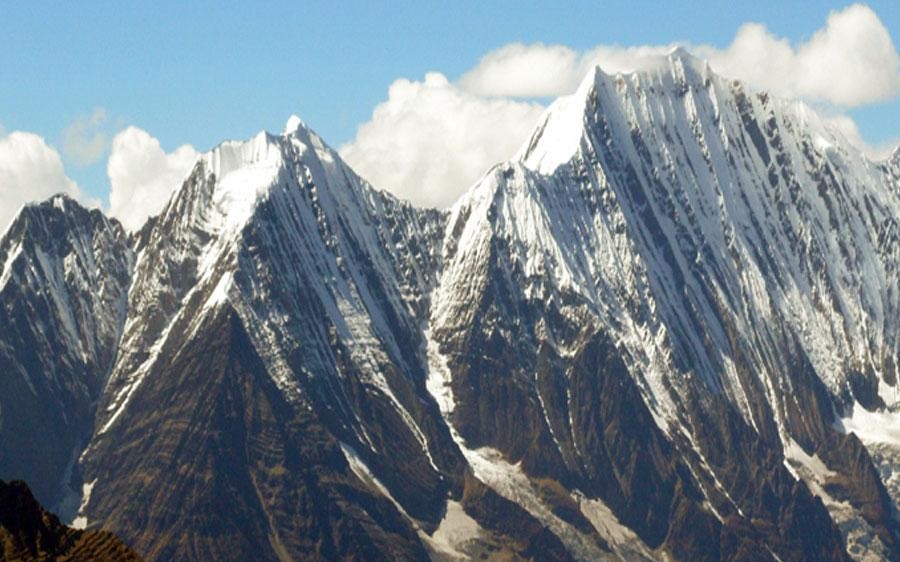
The Kanjirowa Himal Base Camp Trek is a journey into one of Nepal’s most remote and pristine regions, the Karnali area. Organized by ART Nepal Treks & Expedition, this trek allows travelers to experience untouched landscapes, quiet trails, and authentic local culture far from the usual tourist routes. The trek is designed for those looking for adventure combined with cultural exploration, showcasing a perfect blend of natural beauty and human heritage.
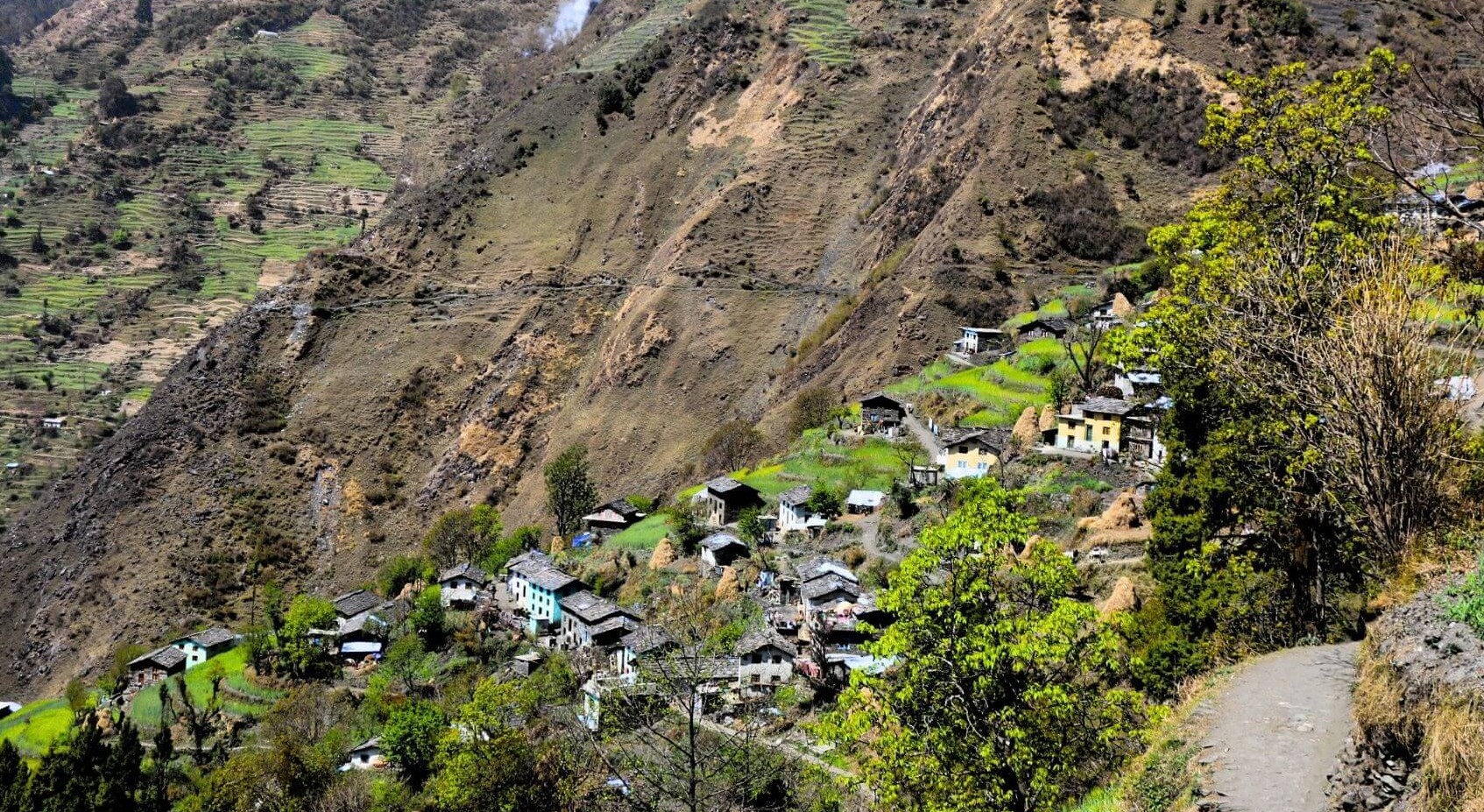
This trek begins in the capital city of Kathmandu, where you prepare for the highland flights and trekking permits. The journey takes you to Nepalgunj, a gateway to western Nepal, followed by a short flight to Jumla. From here, the trek gradually ascends through pine forests, small villages, and meadows, allowing for proper acclimatization and exposure to the region’s serene environment.
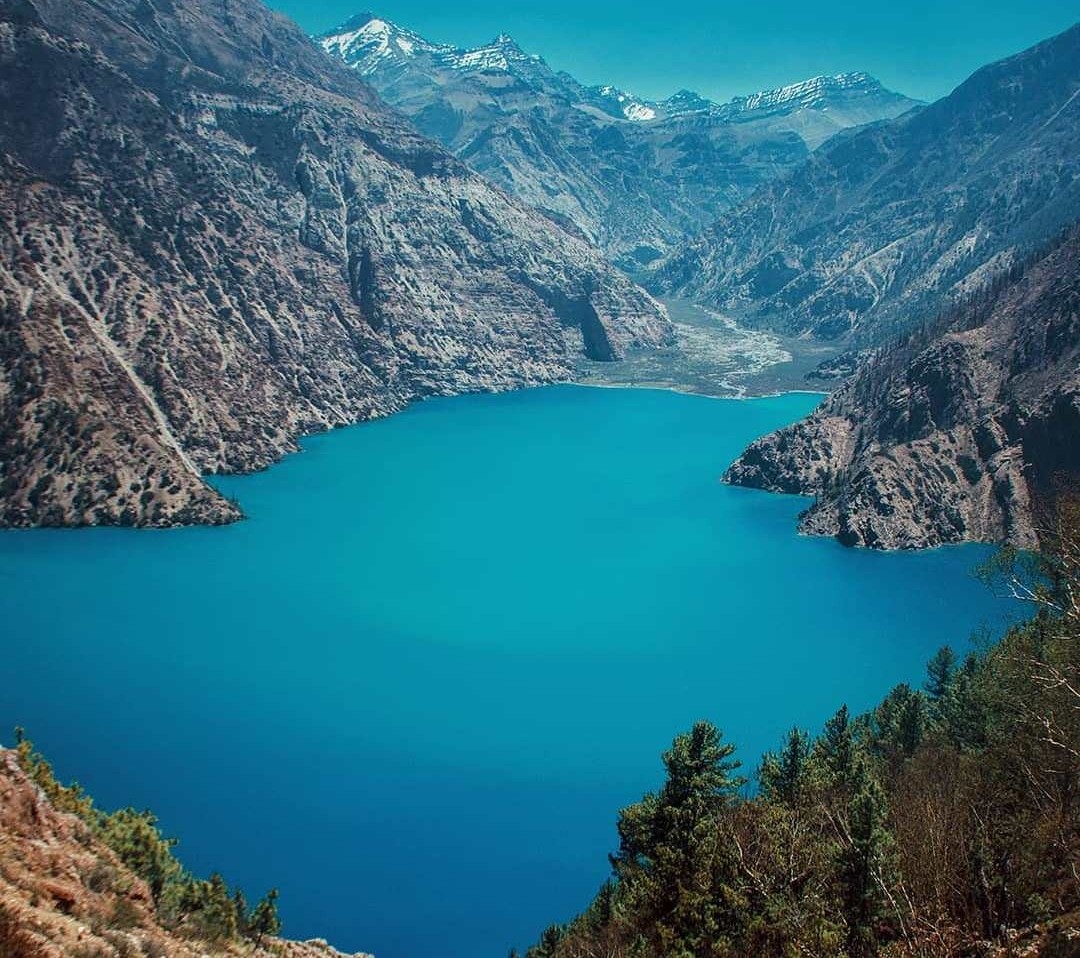
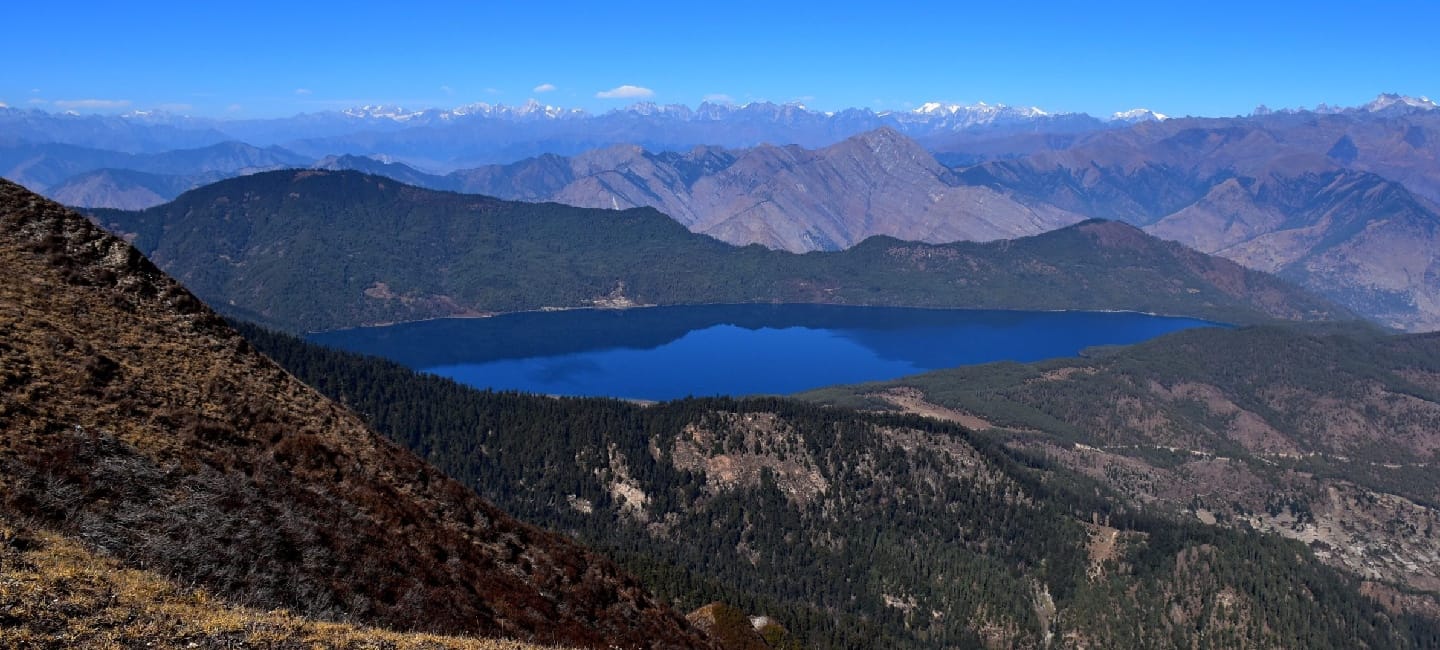
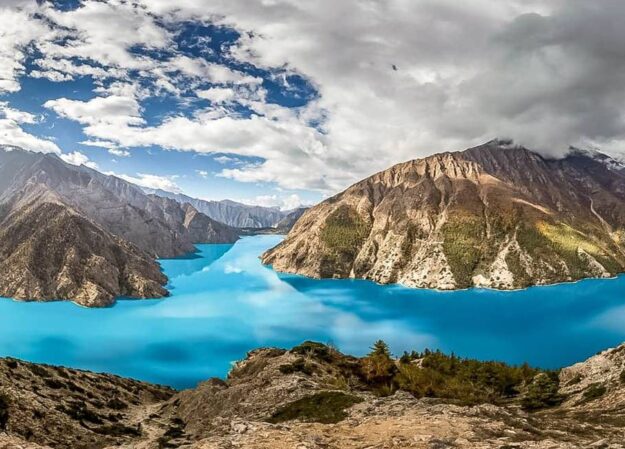
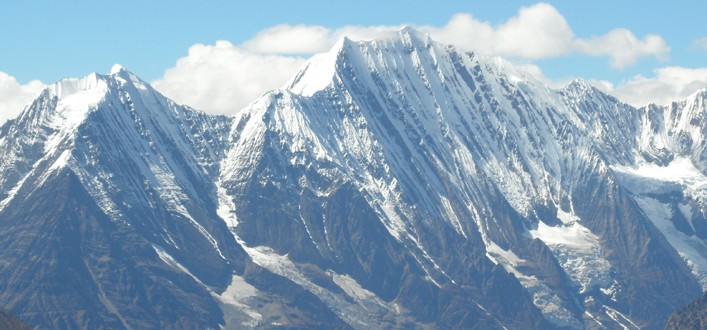
Along the trek, you will explore the historic Sinja Valley, which is the birthplace of the Nepali language and home to ancient ruins. The trails then lead you to the majestic Rara Lake, the largest lake in Nepal, where the tranquil waters reflect the surrounding snow-capped peaks. Beyond Rara, the trek moves further into the wild as you approach the Kanjirowa Himal Base Camp. The landscape here is rugged, remote, and breathtaking, offering trekkers a true off-grid experience.
The trek is suitable for adventurous travelers looking for solitude, cultural immersion, and high-altitude trekking. It is moderately challenging, requiring good fitness levels, but offers rewards in the form of spectacular scenery, rich local culture, and an experience few tourists get to have. Lodges along the way are simple but comfortable, allowing you to rest after long trekking days.
With expert guides and support staff from ART Nepal Treks & Expedition, trekkers can expect a safe and organized journey. Guides provide insights into local culture, history, and environmental conservation while ensuring safety and proper acclimatization. The trek combines cultural exploration with physical challenge, offering a once-in-a-lifetime Himalayan adventure for those seeking something truly unique.
Finally, the return journey allows travelers to retrace some of the beautiful trails back to Rara Lake and then fly via Nepalgunj to Kathmandu. This allows for a smooth exit without the fatigue of a long road journey, ensuring the trip ends on a high note with plenty of time to reflect on the unforgettable experiences.
What Can You Expect from the Trek?
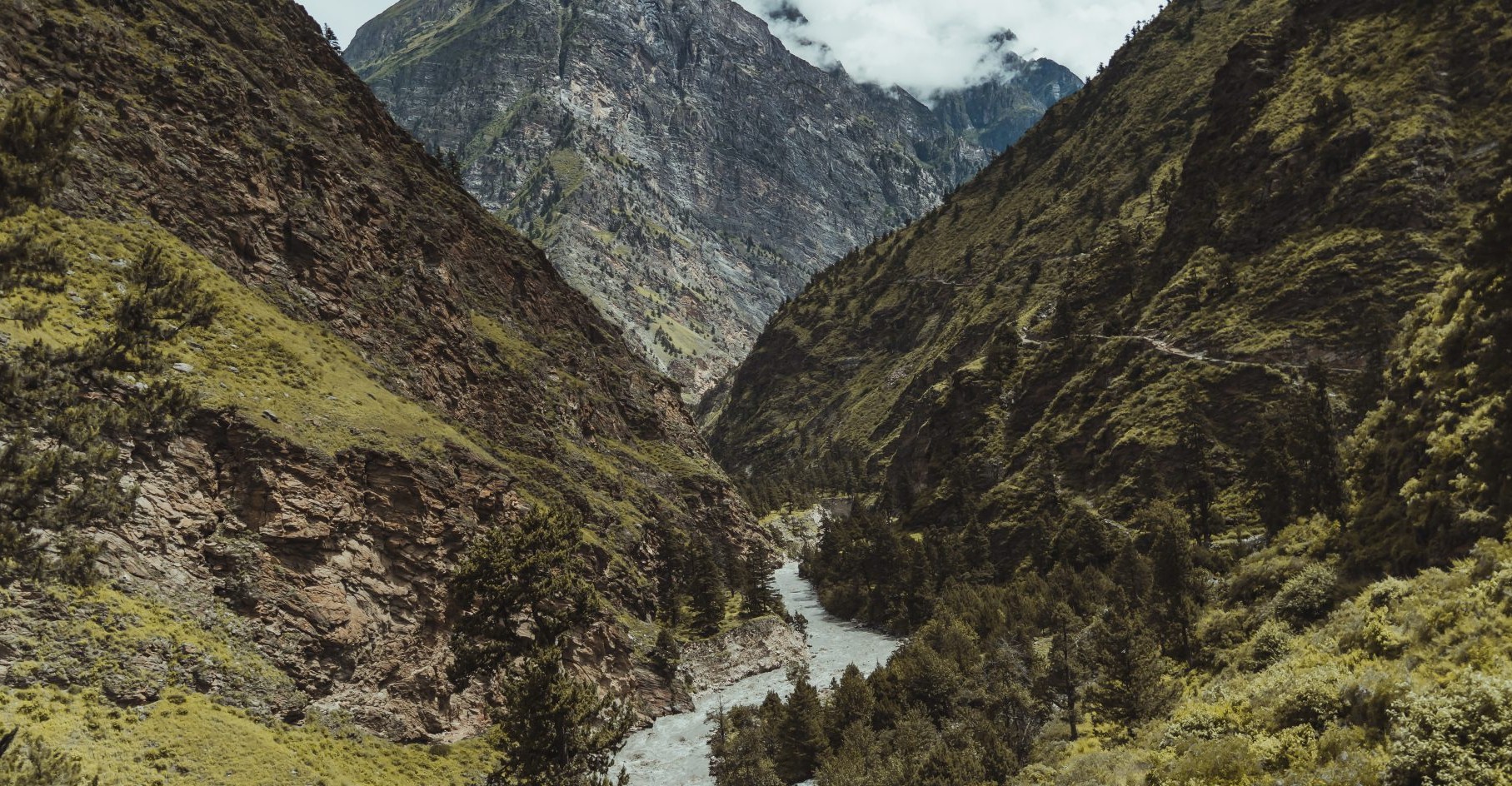
Trekkers on the Kanjirowa Himal Base Camp route can expect a combination of remote wilderness, cultural immersion, and high-altitude trekking. You will encounter quiet trails that wind through pine forests, grasslands, and high mountain passes, offering unmatched views of the Himalayas. Unlike more popular trekking regions, this area remains largely untouched, giving a sense of solitude and discovery.
Along the way, trekkers will interact with local communities, visiting small villages that have preserved their traditional lifestyles. The Sinja Valley, Rara Lake, and Kanjirowa Base Camp are highlights for those interested in culture, photography, and unique landscapes. Trekkers will also experience the challenges of altitude and remoteness, requiring both mental and physical preparation.
Finally, the trek is rewarding for those who enjoy adventure without the crowds. It provides opportunities for wildlife observation, photography, and personal reflection amid serene landscapes. Proper guidance, well-planned itineraries, and local expertise make this journey both safe and deeply enriching.
Expectations:
- Remote Experience: Explore rarely visited villages and highland trails.
- Cultural Immersion: Visit Sinja Valley, interact with locals, and witness traditional lifestyles.
- Nature & Adventure: Trek through forests, meadows, lakes, and high passes.
- Photography & Scenery: Capture untouched landscapes and Himalayan vistas.
- High-Altitude Trekking: Experience gradual acclimatization and challenging trails.
Is Trek Suitable for You?
This trek is designed for trekkers seeking a mix of adventure, culture, and solitude. While not for complete beginners, it is accessible to those with good physical fitness and basic trekking experience. The trails are moderately challenging, including uphill climbs and remote paths, but with guidance from professional trekking staff, the experience is manageable and safe.
Those who appreciate quiet trails, authentic cultural experiences, and off-the-beaten-path trekking will find this journey particularly rewarding. The trek is ideal for travelers who enjoy nature, photography, and the serenity of untouched landscapes.
Trekkers should be prepared for high-altitude environments and variable weather conditions. Proper acclimatization and pacing are critical to enjoying the full experience while minimizing risks. The combination of remote trekking, cultural exploration, and natural beauty makes it an ideal adventure for those ready for a unique Himalayan journey.
Is Trek Suitable for You?:
- Adventure Seekers: Suitable for those looking for remote and less-traveled routes.
- Cultural Enthusiasts: Ideal for learning about local traditions and Sinja Valley history.
- Nature Lovers: Perfect for enjoying unspoiled landscapes, lakes, and mountain views.
How to Get Prepared for the Trek?
Preparing for the Kanjirowa Himal Base Camp Trek requires careful attention to both physical fitness and logistical arrangements. Since this trek involves high-altitude trekking, it is essential to gradually build stamina through cardiovascular exercises, hiking on varied terrains, and strength training. Regular trekking or long walks with a loaded backpack before your trip can significantly improve endurance and reduce fatigue on trail days. Fitness preparation ensures that you can comfortably manage uphill climbs, long trekking hours, and multiple days in remote terrain.
Apart from physical fitness, mental preparation is equally important. Trekking in remote areas requires patience, flexibility, and adaptability. Trekkers should be ready to handle unexpected changes in weather, simple lodging conditions, and long walking days. Developing a positive mindset and resilience can make the experience enjoyable and rewarding, even when challenges arise. Additionally, understanding basic first aid, altitude awareness, and proper hydration techniques helps ensure safety and well-being throughout the journey.
Logistically, preparing your gear and clothing is critical. Layered clothing, durable trekking boots, rain protection, and high-quality backpacks will make your trek comfortable and safe. Organizing necessary permits, travel insurance, and personal medications ahead of time is also essential. Consult with your trekking agency or guide to ensure that all required documents, equipment, and local arrangements are in order.
Preparation Checklist:
- Physical Fitness: Endurance training (running, cycling, swimming), strength exercises for legs and core, long hikes with backpacks.
- Acclimatization: Plan gradual ascents and rest days to adapt to altitude safely.
- Trekking Gear: High-quality trekking boots, layered clothing, waterproof jacket, trekking poles, and backpack with rain cover.
- Health & Safety: Travel insurance, personal first aid kit, consultation with a doctor about altitude sickness prevention.
- Local Knowledge: Familiarize yourself with trekking permits, TIMS card, local customs, and etiquette in Sherpa villages.
-
Trip Duration
16 Days/15 Nights
-
Group Size
1–20 people
-
Maximum Altitude
~4,200 m (Kanjirowa Base Camp)
-
Trip Difficulty
Challenging
-
Activities
Trekking
-
Best Season
March–May, September–November
-
Trip Start & End
Kathmandu-Kathmandu
-
Meals
Breakfast, Lunch, Dinner
-
Accomodation
Hotels and tea houses/lodges
Highlights
- Remote Karnali Exploration: Experience one of Nepal’s least visited regions with untouched landscapes and cultural richness.
- Rara Lake Visit: Relax by Nepal’s largest lake and enjoy its serene environment.
- Kanjirowa Himal Base Camp: Reach a rarely visited base camp with incredible mountain vistas.
- Cultural Immersion: Experience local traditions, villages, and historic sites in the Sinja Valley.
- Adventure & Solitude: Perfect for trekkers seeking off-the-beaten-path experiences with minimal crowds.
Itinerary
Day 01
Upon your arrival in Kathmandu, you are transferred to your hotel where you can relax after your international journey. This day allows you to acclimatize, recover from travel fatigue, and mentally prepare for the trek ahead. In the evening, meet your trekking guide and team, check your trekking permits, and go over your gear. This briefing is crucial to understand the logistics of the trek, including daily schedules, safety procedures, and emergency protocols. Kathmandu itself offers vibrant street life, traditional markets, and rich cultural landmarks, giving you a glimpse of Nepal’s heritage before heading into the remote Himalayas.
The evening is a perfect opportunity to socialize with fellow trekkers and ask your guide any questions about the trek. Make sure your equipment is ready, including hiking boots, warm clothing, and trekking poles. Light walking in the hotel area or nearby streets helps adjust your body to the local environment. Dinner is usually arranged at the hotel, allowing you to enjoy Nepali cuisine such as dal bhat or vegetable curry while preparing for the adventure ahead.
Trip Duration:
Arrival dayAltitude:
1400 mMeal:
DinnerAccomodation :
Hotel in KathmanduDay 02
Today, you take a short domestic flight to Nepalgunj, located in the Terai plains near the Indian border. The flight passes over the flat expanses of the Terai, dotted with rivers, forests, and small settlements. Upon arrival, you will transfer to your hotel, rest, and prepare for the mountain flight to Jumla the next day. This day is essential for acclimatization and for reviewing trekking gear, permits, and essential supplies. Nepalgunj offers a completely different environment compared to the hills and mountains, with warmer weather and vibrant local culture.
Use this day to double-check your trekking equipment, ensure all bags are packed efficiently, and make any last-minute adjustments. The evening can be spent exploring local markets, enjoying traditional Nepali or Indian-influenced cuisine, and soaking in the atmosphere of this lively town. Rest is crucial today, as the next flight to Jumla involves a mountain landing and the beginning of the trekking portion of your journey.
Trip Duration:
30-40 min flightAltitude:
150 mMeal:
Breakfast, Lunch, DinnerAccomodation :
Hotel in NepalgunjDay 03
A scenic mountain flight takes you to Jumla, a remote district surrounded by terraced hills and snowy peaks. The aerial views of hills, rivers, and traditional villages offer a first glimpse of Nepal’s rugged beauty. Upon landing, you will begin a short trek to Khalanga village. The trail passes through terraced fields, small hamlets, and pine forests, giving you a gradual introduction to high-altitude trekking. The village life, traditional architecture, and friendly locals provide cultural insight into this rarely visited region.
The trek to Khalanga is not overly strenuous but requires attention to pacing and hydration. Along the trail, you may encounter livestock, terraced farmlands, and locals tending to their fields. This first trekking day is an excellent opportunity to get used to walking at higher altitudes and enjoy the peaceful environment of remote Himalayan villages. The evening in Khalanga includes a warm dinner and preparation for the longer trekking days ahead.
Trip Duration:
3-4 hoursTrip Distance:
8 kmAltitude:
2540 m → 2720 mMeal:
Breakfast, Lunch, DinnerAccomodation :
Tea house in KhalangaDay 04
Today’s trek gradually ascends through lush pine and rhododendron forests. The trail winds past small villages, stone houses, and terraced farmland, giving trekkers a glimpse into the traditional lifestyle of the Jumla region. The walking pace is moderate, allowing you to adapt to the higher altitude while enjoying the scenic surroundings. You’ll notice snow-capped peaks appearing in the distance, hinting at the rugged terrain ahead. The interaction with locals, occasional farm animals, and traditional stone bridges add to the cultural experience of this relatively untouched region.
As you reach Chere Chaur, the views of the surrounding hills and valleys become more dramatic. The village itself is quaint, with a handful of tea houses and lodges where you can rest for the night. Evening activities usually include preparing for the next day’s trek, enjoying local cuisine, and sharing stories with fellow trekkers. This section of the trail emphasizes the beauty of the mid-Himalayan villages and the serene environment that sets the tone for the more challenging days ahead.
Trip Duration:
5-6 hoursTrip Distance:
12 kmAltitude:
2720 m → 3055 mMeal:
Breakfast, Lunch, DinnerAccomodation :
Tea house in Chere ChaurDay 05
Today’s route is slightly downhill in sections, taking you through meadows, small streams, and mixed forests of oak, pine, and rhododendron. The trail passes by terraced fields where villagers grow barley and maize, and you’ll witness daily rural life in the Karnali region. This day allows trekkers to build strength and enjoy a relatively relaxed pace while soaking in panoramic views of the distant Kanjirowa and surrounding peaks. Along the way, you may spot local wildlife such as Himalayan birds or small mammals.
Chala Chaur is a small village with basic lodges and a warm, hospitable atmosphere. The evening provides an opportunity to rest, hydrate, and prepare for the more strenuous treks that follow. Trekkers often take short walks around the village, interacting with locals, and enjoying the serene, off-the-beaten-path environment. This section showcases Nepal’s untouched beauty and gives a sense of isolation that makes the journey feel like a true Himalayan adventure.
Trip Duration:
5-6 hoursTrip Distance:
10 kmAltitude:
3055 m → 2980 mMeal:
Breakfast, Lunch, DinnerAccomodation :
Tea house in Chala ChaurDay 06
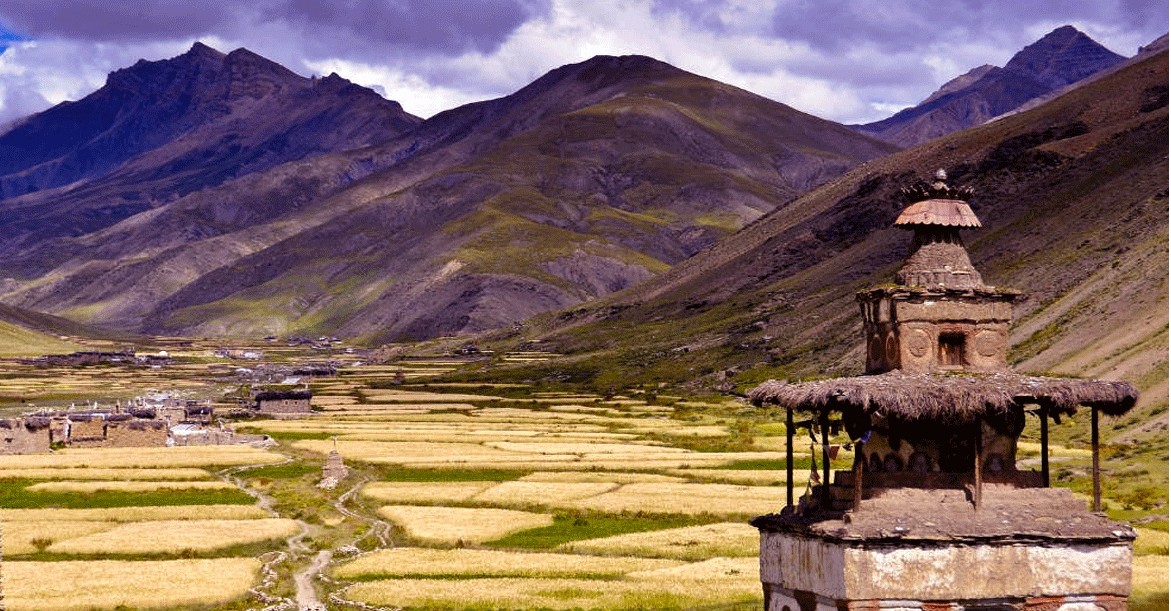
The trail today gradually descends into the historic Sinja Valley, widely regarded as the origin of the Nepali language. Along the way, you’ll pass terraced fields, streams, and forested hillsides. The walk is moderate, allowing trekkers to appreciate the valley’s cultural significance and natural beauty. You’ll encounter stone bridges, ancient pathways, and small hamlets that seem frozen in time. This area is rich in history, with ruins and traditional architecture that tell stories of the valley’s past as an important political and cultural center.
Sinja Valley offers a peaceful environment to rest and explore. You can visit archaeological sites, observe local customs, and enjoy interactions with friendly villagers who have lived in this remote region for generations. Evening activities typically include organizing trekking gear, enjoying local cuisine, and sharing trekking experiences with your companions. This day allows you to combine cultural exploration with light trekking, providing a unique blend of history and nature.
Trip Duration:
5-6 hoursTrip Distance:
12 kmAltitude:
2980 m → 2440 mMeal:
Breakfast, Lunch, DinnerAccomodation :
Tea house in Sinja ValleyDay 07
Today’s trek is longer and involves gradual uphill climbs through forested trails and open meadows. You’ll notice increasing views of high Himalayan peaks as you gain elevation. The path passes by traditional villages where locals tend to livestock and farm terraces, giving trekkers a glimpse into rural Nepali life. This is a more physically demanding day, requiring steady pacing, proper hydration, and frequent short breaks to enjoy the scenery.
Jaljala Chaur is a quiet, remote settlement with lodges offering basic amenities. The evening allows trekkers to relax, have dinner, and prepare for the ascent toward Rara Lake the next day. The surrounding landscapes are pristine, with panoramic views of snow-capped peaks reflecting the untouched wilderness of this region. This day highlights the sense of isolation and adventure that defines the Kanjirowa Himal Base Camp Trek.
Trip Duration:
6-7 hoursTrip Distance:
14 kmAltitude:
2440 m → 3270 mMeal:
Breakfast, Lunch, DinnerAccomodation :
Tea house in Jaljala ChaurDay 08
The trail today descends gently toward the stunning Rara Lake, the largest lake in Nepal. The trekking route passes through thick pine forests, rivers, and small villages, offering a mix of scenic natural beauty and cultural insight. Trekkers can enjoy birdwatching, local flora, and occasional glimpses of wildlife as they approach the lake. Rara Lake is surrounded by hills and offers calm, reflective waters that create a serene atmosphere perfect for rest and contemplation.
Upon arrival at Rara Lake, you’ll be mesmerized by the turquoise water and surrounding snow-capped mountains. The lakeside area offers simple lodges where you can relax, take photographs, and enjoy the peaceful environment. Evening activities typically include a walk along the lake, interacting with locals, and observing traditional lifestyles. Spending time at Rara Lake is rejuvenating and sets the stage for the more challenging trek toward Kanjirowa Himal Base Camp.
Trip Duration:
5-6 hoursTrip Distance:
12 kmAltitude:
3270 m → 2990 mMeal:
Breakfast, Lunch, DinnerAccomodation :
Tea house near Rara LakeDay 09
Today is a rest and exploration day. You can enjoy the calm environment of Rara Lake, walk around its perimeter, or take a short boat ride if available. The area is rich in biodiversity, and trekkers can spot Himalayan birds, local wildlife, and unique plants. It’s also an opportunity to relax, recover, and enjoy the tranquility of this remote Himalayan location.
This rest day allows trekkers to acclimatize further before continuing toward Kanjirowa Himal Base Camp. Local villages around the lake provide cultural insight, and you can interact with friendly residents. Evening activities include preparing trekking gear for the following days, enjoying a lakeside dinner, and soaking in the serene ambiance. The day combines leisure with a unique connection to nature and culture.
Altitude:
2990 mMeal:
Breakfast, Lunch, DinnerAccomodation :
Tea house near Rara LakeDay 10
Today, the trail starts with a gentle ascent out of the Rara Lake area and enters quieter, more remote terrain. The path passes through forests of pine and rhododendron, interspersed with open meadows and occasional streams. You’ll notice the trail becoming narrower as you progress, giving a sense of true wilderness and isolation. Along the way, interactions with local shepherds and glimpses of traditional settlements make this trek culturally enriching. Trekkers must keep hydrated and take regular breaks, as this section begins to introduce the gradual strain of higher altitudes.
Gorosingha is a small village with basic lodges offering modest amenities. Arriving here, trekkers will appreciate the peaceful surroundings and panoramic mountain views. The evening is spent preparing gear for the upcoming challenging days and enjoying warm meals in a cozy environment. This section emphasizes the untouched beauty of the Kanjirowa region, where the landscape feels remote and adventurous, setting the stage for the trek to the base camp.
Trip Duration:
5-6 hoursTrip Distance:
13 kmAltitude:
2990 m → 3190 mMeal:
Breakfast, Lunch, DinnerAccomodation :
Tea house in GorosinghaDay 11
This is one of the most physically demanding days of the trek. The trail ascends steeply through rocky terrain, glaciers, and alpine meadows, requiring strong stamina and focus. Trekkers are rewarded with ever-expanding views of towering peaks, glacial formations, and pristine wilderness. You may spot snow leopards or Himalayan blue sheep at a distance, adding an element of excitement to the trek. Altitude awareness is crucial today, as you approach over 4,000 meters.
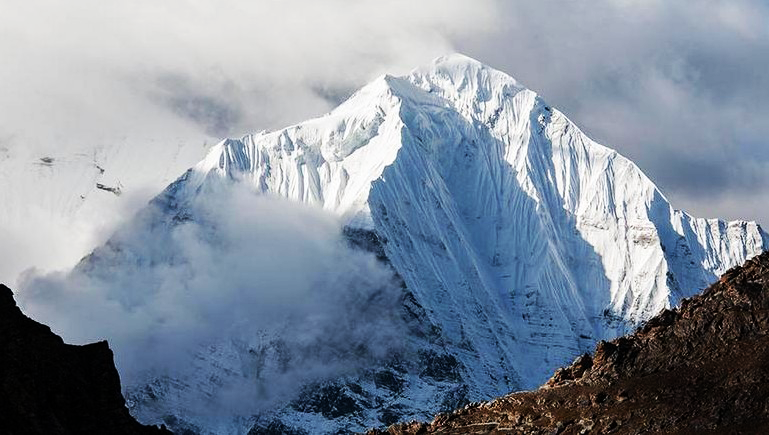
Kanjirowa Base Camp is a remote, high-altitude haven surrounded by snow-capped peaks and glaciers. Reaching the base camp is a rewarding accomplishment, offering trekkers a sense of adventure and solitude rarely experienced. The evening is spent enjoying the breathtaking views, taking photographs, and reflecting on the challenging journey. Base camp offers basic lodges and tents for overnight stay, emphasizing the raw and untamed nature of this trek.
Trip Duration:
6-7 hoursTrip Distance:
14 kmAltitude:
3190 m → 4200 mMeal:
Breakfast, Lunch, DinnerAccomodation :
Tea house/Tent at Kanjirowa Base CampDay 12
Today is dedicated to exploring the surrounding landscapes of Kanjirowa Base Camp. You can walk along glaciers, observe ice formations, and take in views of surrounding peaks like Kanjirowa Himal. The area is quiet and pristine, offering a rare opportunity to connect deeply with nature and experience the Himalayas away from crowds. Trekkers can take short hikes around the camp to fully appreciate the rugged terrain and snow-capped panoramas.
Evening activities include reviewing the journey so far, sharing stories with fellow trekkers, and preparing for the return trek. Base camp life is simple, but the spectacular scenery and sense of isolation make it an unforgettable experience. This day also allows for acclimatization, ensuring you are comfortable with the high altitude before descending.
Trip Duration:
Full dayTrip Distance:
Optional walksAltitude:
4200 mMeal:
Breakfast, Lunch, DinnerAccomodation :
Tea house/Tent at Kanjirowa Base CampDay 13
Today, the trek begins descending back toward Gorosingha, retracing the route through alpine meadows, forests, and small settlements. Descending at a steady pace is crucial to avoid muscle strain and enjoy the stunning scenery along the trail. You’ll notice previously unseen viewpoints and details on the way down, making the return journey just as memorable as the ascent.
Arriving in Gorosingha, trekkers can relax at the lodges, enjoy a warm meal, and interact with locals. This day emphasizes recovery and reflection, allowing trekkers to appreciate how far they’ve come while preparing mentally and physically for the remaining journey back toward Rara Lake.
Trip Duration:
5-6 hoursTrip Distance:
13 kmAltitude:
4200 m → 3190 mMeal:
Breakfast, Lunch, DinnerAccomodation :
Tea house in GorosinghaDay 14
The trail today gently descends back to the scenic Rara Lake. As you approach, the landscape transforms with lush pine forests, sparkling streams, and open meadows surrounding the lake. Trekkers can enjoy the pristine beauty and serenity of this Himalayan gem, reflecting on the adventure that brought them here. Wildlife and birdwatching opportunities abound, adding to the richness of the experience.
Upon reaching Rara Lake, spend the evening relaxing by the calm waters, capturing the reflections of snow-capped mountains, and taking photographs. The lodges here provide simple yet comfortable amenities, perfect for a restful night. This final leg of the trekking section allows for reflection, leisure, and appreciation of the natural beauty that defines the Kanjirowa region.
Trip Duration:
5-6 hoursTrip Distance:
12 kmAltitude:
3190 m → 2990 mMeal:
Breakfast, Lunch, DinnerAccomodation :
Tea house near Rara LakeDay 15
Take a scenic flight from Talcha or Rara Lake to Nepalgunj, enjoying aerial views of the Himalayan ranges. Upon arrival, transfer to a connecting flight to Kathmandu. This is an exciting day as you return from the remote wilderness to the capital city. The flights provide an opportunity to reflect on the trek and enjoy sweeping panoramas of Nepal’s diverse landscapes.
In Kathmandu, transfer to your hotel for an evening of relaxation. Trekkers can enjoy a comfortable meal, stroll around Thamel if desired, and celebrate the successful completion of their Kanjirowa Himal Base Camp adventure. The contrast between remote wilderness and city life makes this day memorable, bridging the journey between nature and culture.
Trip Duration:
Flight & transferAltitude:
150 m → 1400 mMeal:
Breakfast, LunchAccomodation :
Hotel in KathmanduDay 16
On the final day, transfer to Tribhuvan International Airport for your onward flight. This marks the end of your extraordinary trek through the remote Kanjirowa Himal region. You depart with unforgettable memories of high mountains, pristine lakes, glaciers, and the warm hospitality of the local people.
This day allows time for last-minute shopping, packing, and reflecting on your journey. The experience of trekking in one of Nepal’s most untouched and off-the-beaten-path regions leaves a lasting impression, inspiring future adventures in the Himalayas.
Altitude:
1400 mMeal:
BreakfastWhat's Included
- Airport pick-up and drop-off in Kathmandu
- All necessary permits and trekking fees
- Experienced English-speaking trekking guide and local staff
- Accommodation in lodges/tea houses during the trek
- All meals during the trekking period (Breakfast, Lunch, Dinner)
- Trekking maps and necessary information
- First-aid kit and emergency evacuation support by guide
- Transportation for flights (Kathmandu–Nepalgunj–Jumla/Talcha)
- Transportation for final return from Rara/Nepalgunj to Kathmandu
- Arrival and departure transfers in Kathmandu
What's Excluded
- International and domestic airfare not mentioned in the itinerary
- Nepal entry visa fee
- Travel and personal insurance (highly recommended)
- Personal expenses such as snacks, drinks, laundry, tips, and souvenirs
- Optional activities not included in the itinerary
- Porters: Optional, though recommended for carrying heavy luggage ($22 per porter per day), a porter can carry up to 20 kg, and it is advisable to hire one porter for every two trekkers for comfort and convenience.
Essential Info
Add-Ons
During the Kanjirowa Himal Base Camp Trek, there are several optional experiences and extensions that can make your journey even more memorable and immersive. One of the most popular add-ons is an extended stay at Rara Lake. Spending an extra day or two around the lake allows trekkers to fully appreciate its pristine beauty and tranquility. You can hike to nearby viewpoints to witness breathtaking sunrises and sunsets over the turquoise waters, photograph the surrounding snow-capped peaks reflecting in the lake, and explore small lakeside villages where life moves at a peaceful, slow pace. This additional time also provides a chance to relax and soak in the serenity that makes Rara Lake one of the most enchanting destinations in Nepal.
Another exciting add-on is cultural village visits along the trekking route. The Kanjirowa Himal region is dotted with remote villages such as Khalanga, Sinja, and Jaljala Chaur, each offering a unique glimpse into local traditions and lifestyle. By spending extra time in these villages, trekkers can engage with local families, observe traditional farming practices, and participate in cultural ceremonies if the timing aligns. You may also witness ancient crafts, traditional dances, and local festivals, creating a richer understanding of Nepal’s heritage. These visits allow you to step beyond the trekking trail and experience the real life of mountain communities, which is often missed on standard itineraries.
For photography enthusiasts, specialized photography excursions can be arranged as an add-on. A local guide with knowledge of the terrain can take you to the best vantage points to capture dramatic landscapes, glacial formations, and wildlife unique to the Kanjirowa Himal region. The early morning and late evening light creates perfect conditions for stunning photographs, especially when the golden sunlight hits snow-capped peaks. Whether you are a professional photographer or an enthusiastic hobbyist, these excursions provide opportunities to bring home images that truly capture the spirit and beauty of this remote Himalayan area.
Other optional add-ons include helicopter or scenic flights. These flights offer a bird’s-eye view of the Kanjirowa Himal range, Rara Lake, and surrounding valleys. This is ideal for trekkers with limited time or those who want a dramatic aerial perspective of the mountains. Additionally, local workshops can be arranged in villages along the route, where travelers can learn traditional crafts, cooking techniques, or participate in folklore storytelling sessions. These experiences allow you to engage deeply with the local culture, making your trek not just an adventure in nature but also a cultural exploration of one of Nepal’s least-visited regions.
- Extended Rara Lake Exploration: Spend an extra day around Rara Lake to fully soak in its tranquility. Hike to nearby viewpoints, photograph sunrise and sunset reflections, and explore small lakeside settlements.
- Cultural Village Visits: Add visits to remote villages like Khalanga, Sinja, and Jaljala Chaur to learn about local culture, festivals, and ancient traditions. Interact with locals, watch traditional crafts, and try authentic Nepali food.
- Photography Excursions: Hire a local guide for specialized photography tours to capture sunrise, sunset, glacial landscapes, and rare wildlife like Himalayan blue sheep.
- Helicopter/Scenic Flight: Optional helicopter or scenic flight from Talcha/Rara back to Nepalgunj or Kathmandu for a bird’s-eye view of the Kanjirowa Himal range.
- Local Workshops: Participate in workshops to learn traditional crafts, cooking, or folklore storytelling with local communities.
Best Season to Trek
The Kanjirowa Himal Base Camp Trek is best experienced during specific seasons that offer clear skies, pleasant temperatures, and safe trekking conditions. The region sees a mix of alpine weather, monsoon rains, and cold winters, so choosing the right season is key to enjoying the trek fully.
Spring (March–May): Spring is one of the most popular trekking seasons. The weather is generally warm, skies are clear, and the rhododendron forests are in full bloom, adding vibrant colors along the trails. Snow in the high mountains begins to melt, opening up paths toward Kanjirowa Base Camp. Wildlife such as Himalayan birds and mountain goats become more visible. Spring also provides excellent opportunities for photography with fresh greenery, colorful flowers, and bright blue skies.
Autumn (September–November): Autumn is another ideal season for trekking. After the monsoon, the air is fresh, humidity is low, and visibility is excellent, offering panoramic mountain views. Trails are stable, and villages are lively after harvest season. This season is particularly suited for photographers and trekkers who want crisp, clear mountain scenery. The daytime temperatures are moderate, making it comfortable for trekking while nights can be chilly at higher altitudes.
Winter (December–February): Winter trekking in Kanjirowa Himal is possible but more challenging due to cold temperatures and snow accumulation at higher altitudes. The lower regions are relatively mild, but Base Camp can be extremely cold, requiring proper winter gear. The advantage of winter trekking is that the trails are less crowded, providing a serene and peaceful experience. Clear skies in winter offer spectacular sunrise and sunset views over Kanjirowa and surrounding peaks.
Monsoon (June–August): Monsoon season is generally not recommended due to heavy rainfall, slippery trails, and potential landslides in mid-hill areas. However, trekking is possible in the higher regions if precautions are taken. The landscape becomes lush and green, rivers swell, and waterfalls are at their peak, which can be mesmerizing for adventurous trekkers who are prepared for wet conditions.
- Spring (March–May)
Warm weather, blooming rhododendrons, clear skies, excellent for photography, wildlife sightings. - Autumn (September–November)
Crisp, clear air, post-monsoon trails, panoramic mountain views, comfortable daytime temperatures. - Winter (December–February)
Cold at higher altitudes, serene and less crowded trails, clear sunrise and sunset views. - Monsoon (June–August)
Lush green landscapes, flowing rivers, waterfalls, challenging slippery trails, adventurous trekking conditions.
Food Availability
Food availability along the Kanjirowa Himal trek is generally good, though it varies with altitude and remoteness. At lower elevations in Kathmandu, Nepalgunj, and Jumla, you will find a wide range of restaurants offering Nepali, Indian, Chinese, and continental dishes. Traditional Dal Bhat (rice, lentils, and vegetables) is widely available and provides high-energy nutrition suitable for trekking.
As you progress into mid-hill villages like Chere Chaur, Chala Chaur, and Jaljala Chaur, tea houses provide basic meals, including rice, noodles, soups, and locally grown vegetables. Most lodges offer hot beverages, including tea, coffee, and herbal drinks, which are essential to keep warm during colder trekking days. Meals are freshly prepared by the lodge owners and often include locally sourced ingredients, giving trekkers a taste of authentic mountain cuisine.
At higher altitudes, near Rara Lake, Gorosingha, and Kanjirowa Base Camp, food options become simpler but still nutritious. Trekking lodges provide Dal Bhat, noodles, pasta, soups, porridge, and occasional dried meat or eggs. Because supplies must be carried from lower regions, meals can take longer to prepare. Trekkers are encouraged to carry energy bars, snacks, and instant foods as backups, especially during longer trekking days or for high-altitude energy requirements.
- Lower Altitudes
Wide variety of restaurants, Nepali and international cuisines, Dal Bhat for energy. - Mid-Hill Villages
Tea houses with rice, noodles, soups, locally grown vegetables, and hot beverages. - Higher Altitudes
Simple but nutritious meals, Dal Bhat, porridge, noodles, and occasional dried meat or eggs. - Snacks & Energy Food
Carry energy bars, nuts, and instant meals for long or high-altitude trekking days.
Accommodation
Accommodation along the Kanjirowa Himal trek varies depending on elevation and remoteness. In Kathmandu, Nepalgunj, and Jumla, hotels offer comfortable rooms with hot showers, Wi-Fi, and restaurants, providing a restful environment before starting the trek. These hotels allow trekkers to recover from flights and prepare gear for the journey.
Mid-hill villages such as Chere Chaur, Chala Chaur, and Jaljala Chaur offer simple lodges and tea houses. These accommodations are typically family-run, offering basic rooms with shared bathrooms. Staying here allows trekkers to interact with locals, experience Nepali hospitality, and enjoy home-cooked meals that energize for the next trekking day. Even though the facilities are basic, warmth, and friendliness make up for the simplicity.
At higher altitudes near Rara Lake, Gorosingha, and Kanjirowa Base Camp, accommodation is more rustic. Rooms may have mats, blankets, or simple cots. Some lodges provide common areas for dining and resting. Trekkers must bring good sleeping bags and layers for warmth. Despite the simplicity, these high-altitude accommodations provide a unique opportunity to experience the remote Himalayan environment up close.
- Lower Altitudes
Comfortable hotels with hot showers, Wi-Fi, restaurants. - Mid-Hill Villages
Family-run tea houses, shared bathrooms, home-cooked meals, local interaction. - Higher Altitudes
Rustic lodges with mats, blankets, and common areas for dining and rest. - Warm Hospitality
Experience local culture, traditional meals, and the friendliness of villagers.
Travel Insurance
Travel insurance is one of the most critical preparations for trekking in remote regions like Kanjirowa Himal. Given the unpredictable nature of mountain environments, comprehensive insurance ensures that you are protected from emergencies, medical issues, or logistical challenges. Whether it’s a sudden illness, minor injury, or an unexpected cancellation, insurance provides financial coverage and peace of mind. Without it, even small medical emergencies or delays can become costly and stressful, particularly in high-altitude, remote areas where medical facilities are limited.
Trekking in Nepal presents unique risks, from sudden weather changes, difficult trails, and altitude-related illnesses to potential accidents on rocky paths. Having a reliable insurance policy allows trekkers to access proper medical care, evacuation services, or hospitalization when required. Most trekking companies, including ART Nepal Treks & Expedition, require proof of travel insurance before the trek begins, ensuring that each participant is adequately covered. For treks like Kanjirowa Himal Base Camp, it is essential to select a policy that covers high-altitude trekking, emergency evacuations by helicopter, and any unforeseen trip interruptions.
When choosing insurance, make sure the policy clearly covers high-altitude trekking up to at least 5,000 meters. Check for medical coverage that includes hospitalization, consultations, and necessary treatments. Also, ensure it covers loss of baggage, trekking equipment, or personal items. Emergency helpline availability, 24/7 assistance, and easy claims procedures are important features for trekkers in remote regions. Careful selection of insurance prevents unnecessary stress and allows trekkers to focus fully on the adventure ahead.
- Emergency Medical Coverage
Comprehensive coverage for doctor visits, hospital stays, and medications during the trek. - Evacuation and Rescue
Includes helicopter evacuation or transport to medical facilities if required. - Trip Cancellation or Interruption
Compensation for sudden cancellations due to emergencies, natural disasters, or personal issues. - Lost or Delayed Luggage
Coverage for trekking equipment, personal items, and baggage lost or delayed en route. - High-Altitude Trekking Coverage
Insurance must explicitly cover trekking above 4,000–5,000 meters to ensure base camp safety. - 24/7 Assistance
Emergency hotlines and support for medical, travel, or logistical needs during the trek. - Natural Disaster Coverage
Protection against floods, landslides, or extreme weather affecting the trek.
Altitude Sickness
Altitude sickness is a major consideration for trekkers visiting Kanjirowa Himal Base Camp, as the trek ascends from around 2,500 meters to over 4,200 meters. Altitude sickness occurs when your body struggles to adjust to lower oxygen levels, and symptoms can include headaches, dizziness, nausea, fatigue, shortness of breath, or even severe conditions such as HAPE (High-Altitude Pulmonary Edema) or HACE (High-Altitude Cerebral Edema). Recognizing the symptoms early and taking preventive measures is essential for safety.
To reduce the risk of altitude sickness, follow a gradual ascent schedule. Take rest days at intermediate locations such as Jaljala Chaur, Rara Lake, or Gorosingha to allow your body to acclimatize properly. Staying well-hydrated, consuming nutritious meals, and avoiding alcohol or smoking are key preventive strategies. Maintaining a slow and steady pace, listening to your body, and avoiding overexertion help your body adjust more comfortably.
In severe cases, descending immediately is the most effective treatment. Some trekkers may take medication such as Diamox under medical supervision to aid acclimatization, but it should not replace proper acclimatization. Guides play a crucial role in monitoring trekkers’ health and providing advice if symptoms appear. Awareness, preparation, and a cautious approach ensure a safe trekking experience.
- Gradual Ascent
Avoid rapid altitude gain; follow the trek itinerary for safe progression. - Hydration and Nutrition
Drink plenty of water and eat high-energy meals to maintain proper oxygenation and energy levels. - Rest Days
Use acclimatization days to allow your body to adjust before tackling high-altitude sections. - Medication
Diamox or other prescribed medication can be used under supervision for acclimatization. - Symptom Monitoring
Regularly check for headaches, dizziness, nausea, and fatigue; descend immediately if symptoms worsen. - Avoid Alcohol and Smoking
Both can interfere with acclimatization and exacerbate altitude-related symptoms. - Slow and Steady Pace
Trekking too fast can increase the risk of altitude sickness; maintain a manageable pace.
Guide and Safety Measures
Hiring an experienced trekking guide is essential for Kanjirowa Himal Base Camp due to the remoteness of the region and challenging terrain. Guides provide valuable support, from navigation through unmarked trails and cultural interpretation to monitoring your health and responding to emergencies. Their experience ensures trekkers are safe, informed, and able to enjoy the journey without unnecessary risks.
Guides are trained to recognize symptoms of altitude sickness, assess weather patterns, and make critical decisions about route adjustments, timing, and emergencies. They coordinate with local lodges for accommodation, meals, and logistical support, which is particularly important in remote regions where facilities may be limited. In addition, guides enhance the cultural experience by explaining local traditions, customs, and history, making the trek educational as well as adventurous.
Safety during trekking involves carrying a first-aid kit, following trail markings, wearing appropriate gear, and adhering to the guide’s pace. Group trekking enhances safety, while mobile phones or communication devices provide an additional safety net. Sudden weather changes, difficult river crossings, or landslide-prone areas require immediate attention from experienced guides. By following their instructions and safety measures, trekkers can focus on the stunning scenery, wildlife, and cultural experiences without worry.
- Experienced Guides
Navigate trails, provide cultural knowledge, and ensure safety at all times. - Emergency Response
Handle altitude sickness, injuries, and sudden weather changes efficiently. - Group Safety
Trekking in groups reduces risk and allows mutual support during emergencies. - Trail & Gear Preparedness
Use appropriate clothing, boots, trekking poles, and follow guide recommendations. - Communication & Weather Monitoring
Guides maintain contact with base camps or local authorities for emergency updates. - Cultural Interpretation
Guides explain local traditions, customs, and heritage to enrich the trekking experience. - Health Monitoring
Guides continuously check the well-being of each trekker, ensuring timely action if problems arise.
Booking Procedure
Booking the Kanjirowa Himal Base Camp Trek with ART Nepal Treks & Expedition is designed to be straightforward while ensuring your safety, comfort, and preparedness. The process begins with contacting our office via email, phone, or the website. Once your inquiry is received, our trekking specialists will provide a detailed itinerary, including daily schedules, accommodation, meals, difficulty level, and cost breakdown. This helps you understand exactly what to expect and allows you to customize the trek according to your preferences.
After confirming your interest, you are required to submit personal details, passport information, and preferred trekking dates. ART Nepal Treks & Expedition will then prepare trekking permits, TIMS cards, and any necessary local approvals. A deposit or full payment is requested based on the package selection, and the remaining balance is collected prior to departure. Upon successful booking, you receive a confirmation, a pre-trek preparation guide, packing checklist, and contact information for your assigned trekking guide and support team.
Our team also offers optional pre-trek consultations to discuss altitude acclimatization, fitness preparation, and any special needs or requests. This ensures that each trekker is fully informed and confident before the journey begins. With this organized approach, ART Nepal Treks & Expedition guarantees a smooth booking experience while prioritizing safety, convenience, and personalized service.
- Contact ART Nepal Treks & Expedition via email, phone, or website.
- Receive a detailed itinerary and cost breakdown.
- Submit personal details, passport, and trekking dates.
- Obtain trekking permits, TIMS cards, and local approvals.
- Make a deposit or full payment as per package requirements.
- Receive booking confirmation, pre-trek guide, and packing checklist.
- Optional consultation for fitness, acclimatization, and special requirements.
- Assigned guide and support team contact provided before departure.
Equipment List
- Comfortable trekking shirts and T-shirts (moisture-wicking recommended)
- Long-sleeve thermal tops for cold mornings and evenings
- Trekking pants and shorts suitable for layered dressing
- Insulated jacket and down jacket for higher altitudes
- Fleece jacket or sweater for warmth
- Trekking poles for balance and support
- High-quality backpack (30–40L for day use)
- Waterproof rain cover for backpack
- Sunglasses with UV protection
- Headlamp with extra batteries
- Thermal underwear (top and bottom)
- Waterproof and windproof outer shell jacket
- Warm gloves, inner liner gloves, and woolen socks
- Beanie, balaclava, or hat for sun protection
- Personal first-aid kit (bandages, antiseptics, pain relievers)
- Hand sanitizer and wet wipes
- Sunscreen and lip balm with SPF
- Trekking boots (sturdy, broken-in, waterproof)
- Water bottle or hydration system (minimum 2 liters)
- Mobile phone with power bank
- Camera and extra memory cards
- Travel adapter and charger
- GPS device or trekking watch (optional)
General Equipments
- Passport, trekking permits, TIMS card, and travel insurance copy
- Notebook and pen for journaling
- Snacks and energy bars
- Lightweight trekking towel and toiletries
FAQ
Trip Price
USD 2250 Per Person
Talk To Trip Expert
Related Trips