

Dhaulagiri Base Camp Trek – 15 Days Adventure
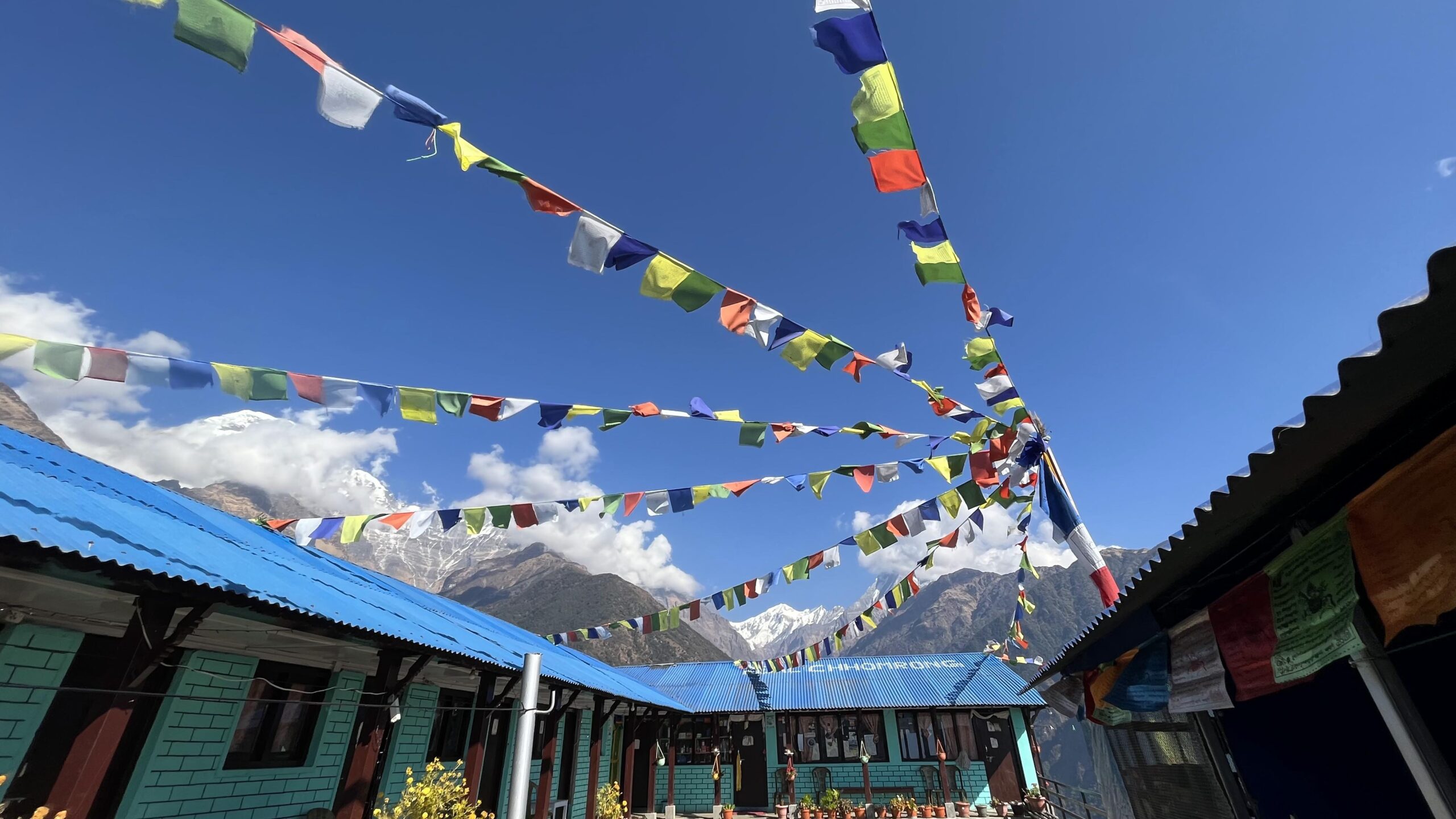
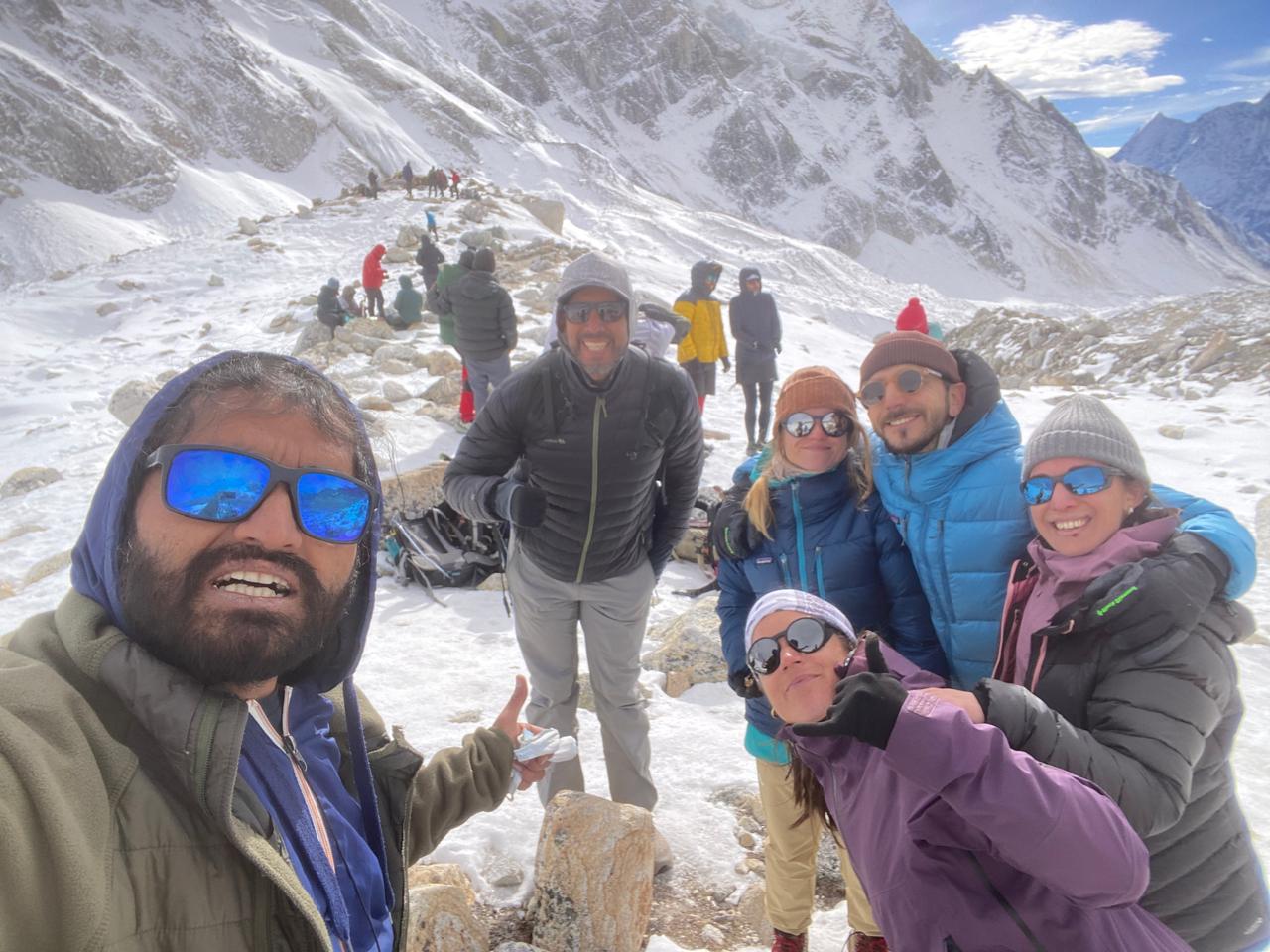
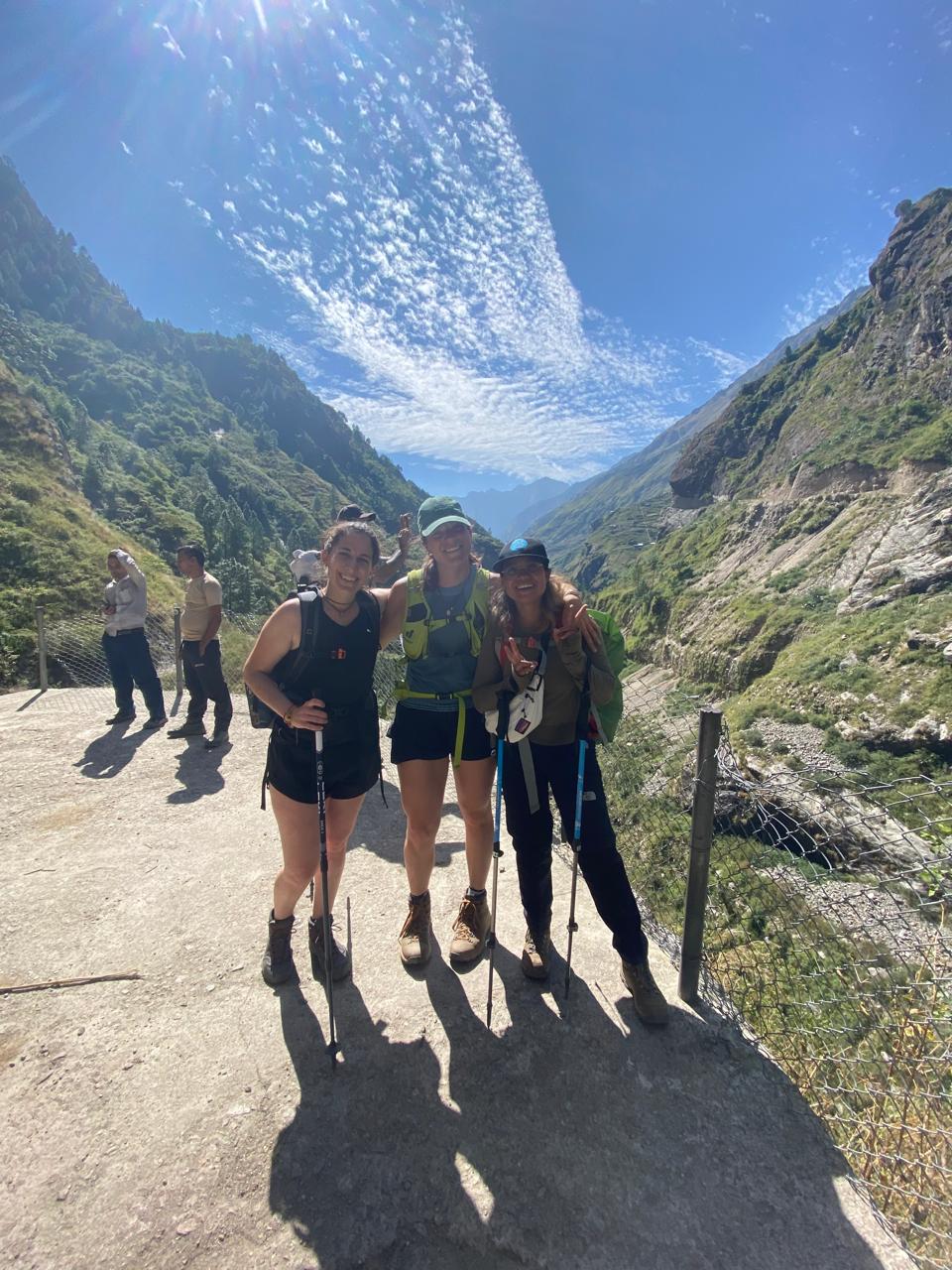
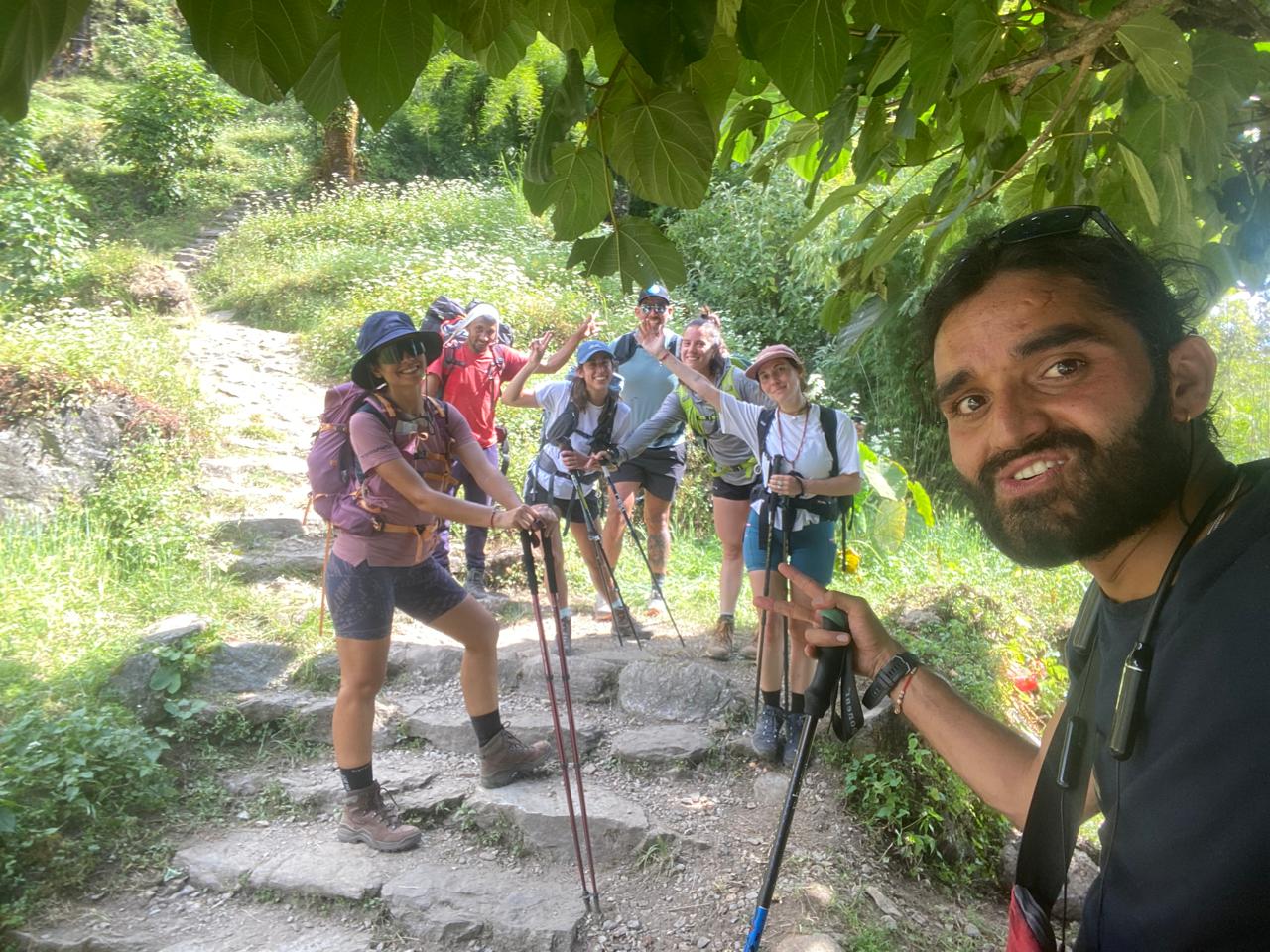
Introduction
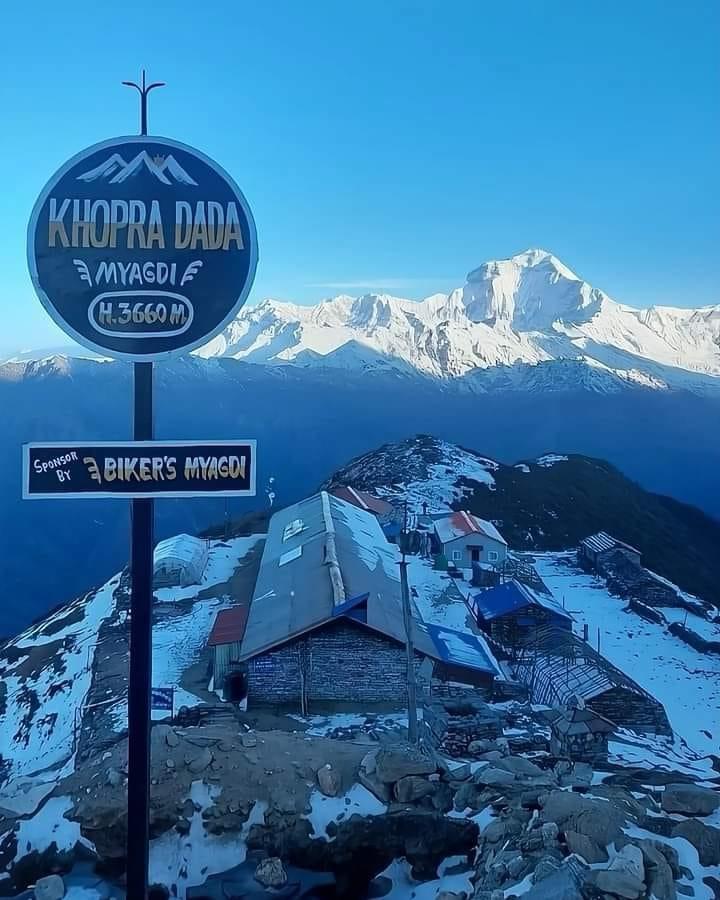
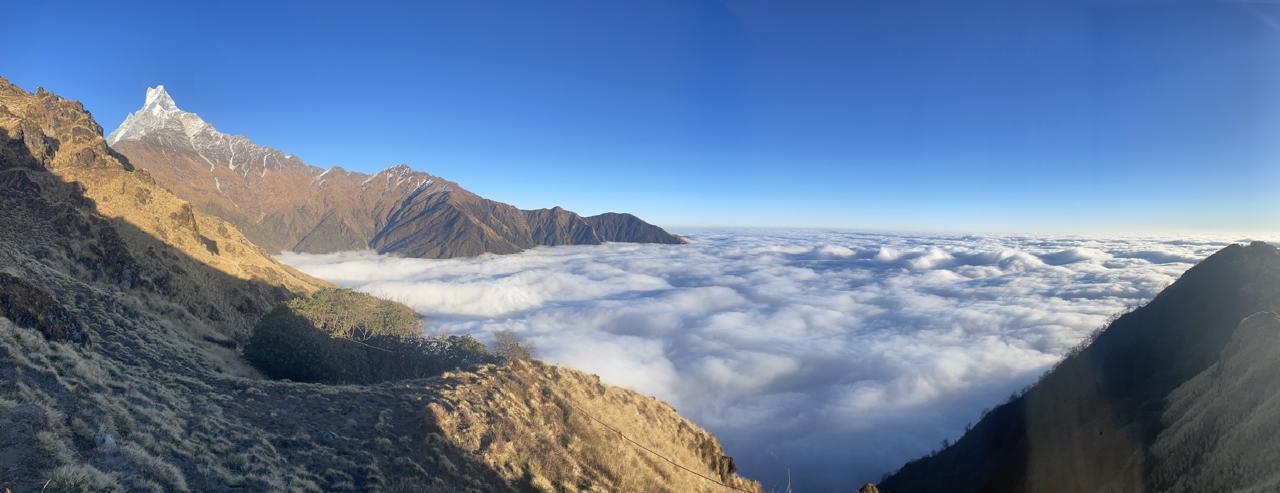
The Dhaulagiri Base Camp Trek is one of Nepal’s most exhilarating high-altitude journeys, offering adventurers a combination of raw wilderness, remote villages, and towering Himalayan peaks. Starting from the cultural hub of Kathmandu, the journey quickly transitions from urban life to rugged mountain landscapes. The drive to Beni introduces trekkers to the beautiful Kali Gandaki valley, dotted with terraced fields, small settlements, and traditional temples. From here, the trek gradually leads into the heart of the Dhaulagiri region, where nature’s grandeur dominates every step.
This trek offers a rare opportunity to explore remote trails that are less frequented by mainstream tourists, providing an authentic Himalayan experience. Along the route, trekkers traverse rivers, dense forests, and wild gorges, gradually approaching the high alpine regions where vegetation thins and the massive peaks dominate the horizon. The trek also introduces cultural interactions, passing through villages inhabited by Magar, Gurung, and other ethnic communities. Each village offers a glimpse of traditional Himalayan lifestyles, from farming and livestock rearing to unique local festivals and rituals.
By the time trekkers reach Italian Base Camp and Dhaulagiri Base Camp, they are surrounded by a staggering amphitheater of snow-capped peaks, glaciers, and sheer rock walls. These sections provide a true mountaineering experience, testing balance, endurance, and high-altitude trekking skills. The French Pass crossing and Hidden Valley further push the limits, rewarding trekkers with unmatched panoramic views and a deep sense of achievement.
The journey back is equally spectacular, descending through apple orchards, terraced fields, and familiar villages, creating a balanced blend of adventure, culture, and natural beauty. The trek is not only physically rewarding but mentally enriching, offering moments of reflection amid some of the most dramatic scenery in the world.
What Can You Expect from the Trek?
Trekkers on the Dhaulagiri Base Camp Trail should prepare for a combination of physical challenge, cultural immersion, and high-altitude adventure. From the very first walking day, you encounter rivers, dense forests, and village trails that gradually transition to rugged alpine terrain. Expect long trekking days on uneven trails, occasional river crossings, and steep ascents that demand steady pacing and endurance.
The trek also provides unique cultural experiences, with opportunities to interact with Magar and Gurung communities. From observing daily agricultural practices to enjoying local hospitality, these interactions add depth to the adventure. Trekkers gain insight into traditional Himalayan life, which is starkly different from urban living in Kathmandu or Pokhara.
Finally, the high-altitude sections, including Italian Base Camp, Glacier Camp, Dhaulagiri Base Camp, and French Pass, challenge even experienced trekkers. Exposure to thin air, cold temperatures, and steep trails requires proper acclimatization, physical fitness, and mental preparedness.
Summary of Key Expectations:
- Physical Challenge: Long trekking days, steep ascents, and uneven terrain.
- Cultural Immersion: Village interactions, observing traditional practices.
- High-Altitude Adventure: Glacier walks, base camps, and high passes.
- Scenic Views: Panoramic vistas of Dhaulagiri I, Annapurna ranges, and Hidden Valley.
Is Trek Suitable for You?
This trek is suitable for those who have prior trekking experience or good physical fitness. While it is accessible to moderately experienced trekkers, the high-altitude segments require careful pacing and preparation. Those with heart or respiratory conditions should consult a doctor before attempting this trek.
The Dhaulagiri Base Camp Trek is perfect for adventurers seeking a combination of natural beauty, high-altitude challenge, and cultural exposure. It’s ideal for individuals who enjoy long trekking days, remote landscapes, and mountain photography.
Lastly, trekkers should be prepared for basic accommodation, limited connectivity, and potential weather changes. Patience, adaptability, and respect for local culture enhance the overall experience.
Summary of Suitability:
- Fitness Level: Moderate to High
- Experience: Preferably previous trekking experience
- Age: Suitable for 16+ with good health
- Mental Preparedness: Patience, adaptability, and resilience
- Weather Adaptability: Must handle cold, rain, and snow conditions
How to Get Prepared for Trek?
Preparing for the Dhaulagiri Base Camp Trek requires a combination of physical training, gear preparation, and mental readiness. Start with cardiovascular exercises, strength training, and long-distance walks or hikes to build endurance. Focus on leg strength, balance, and stamina to handle steep ascents and descents.
Acclimatization is critical for high-altitude trekking. Consider shorter high-altitude hikes before this trek or allocate extra days on the itinerary to adjust to thin air. Proper hydration, nutrition, and sleep patterns help in preventing altitude sickness.
Finally, preparation includes arranging quality trekking gear, from clothing layers and boots to trekking poles and sleeping bags. Understanding basic navigation, first aid, and weather awareness further ensures a safe and enjoyable trekking experience.
Summary of Preparation:
- Physical Training: Cardiovascular, strength, endurance
- Acclimatization: Gradual ascent, rest days, hydration
- Gear Preparation: Clothing, boots, trekking poles, sleeping bag
- Mental Preparation: Patience, resilience, adaptability
- Health Measures: First aid knowledge, medications if necessary
-
Trip Duration
15 Days / 14 Nights
-
Group Size
1-20 People
-
Maximum Altitude
5,360 m (French Pass)
-
Trip Difficulty
Challenging
-
Activities
Trekking / High-Altitude Expedition
-
Best Season
Spring (Mar–May), Autumn (Sep–Nov)
-
Trip Start & End
Kathmandu-Kathmandu
-
Meals
Full Board (Breakfast, Lunch, Dinner)
-
Accomodation
Teahouses and Tented Camps
Highlights
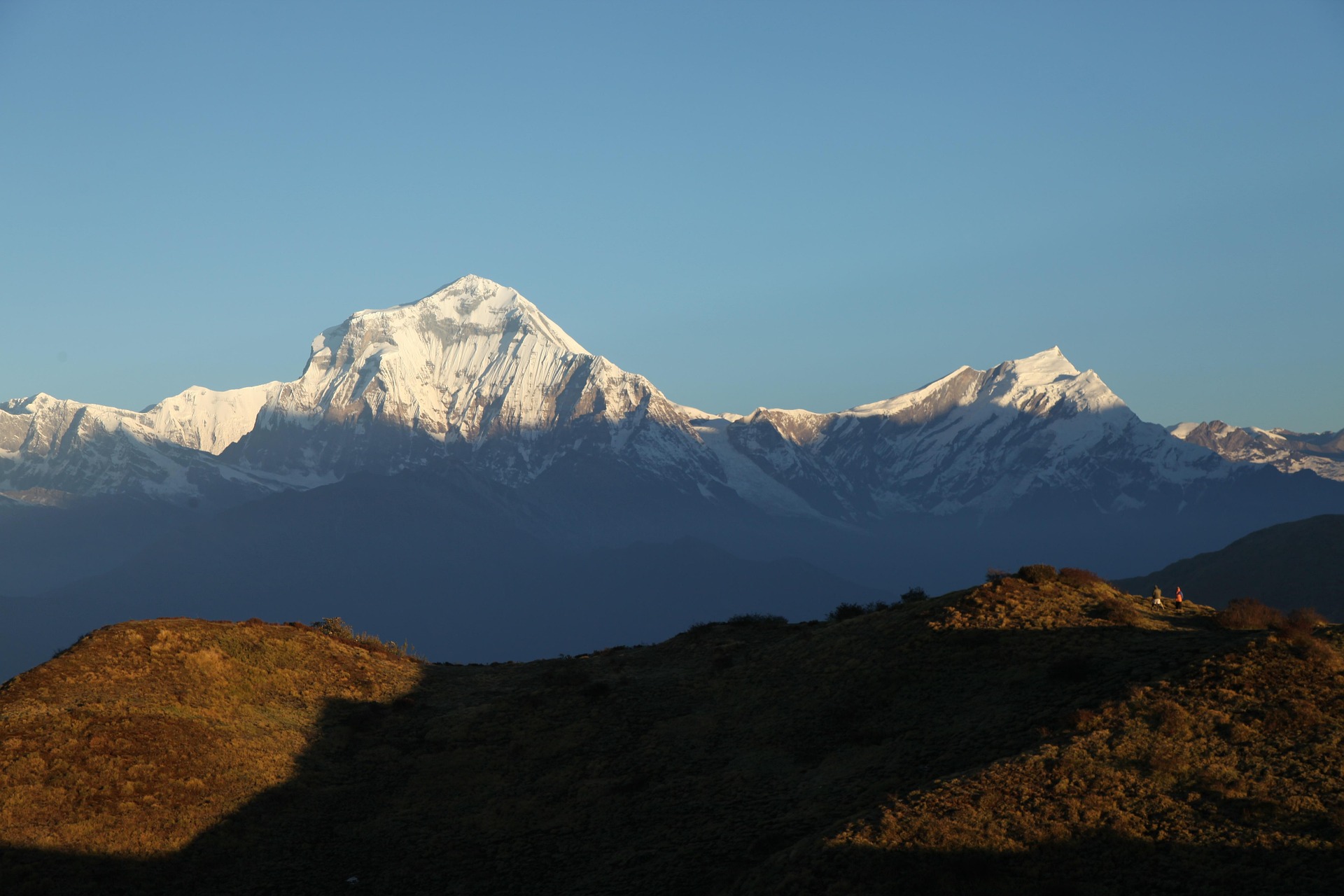
- Dhaulagiri I Views: Witness the towering 8,167 m Dhaulagiri I from multiple vantage points along the trek.
- French Pass & Hidden Valley: Cross high passes offering dramatic Himalayan panoramas and challenging trekking experiences.
- Remote Villages: Explore traditional Magar and Gurung settlements, experiencing authentic rural Himalayan life.
- Glacier and High Mountain Trails: Walk across glacial moraine and rugged alpine terrain.
- Cultural Immersion: Observe local customs, farming methods, and traditional architecture along the Kali Gandaki Valley.
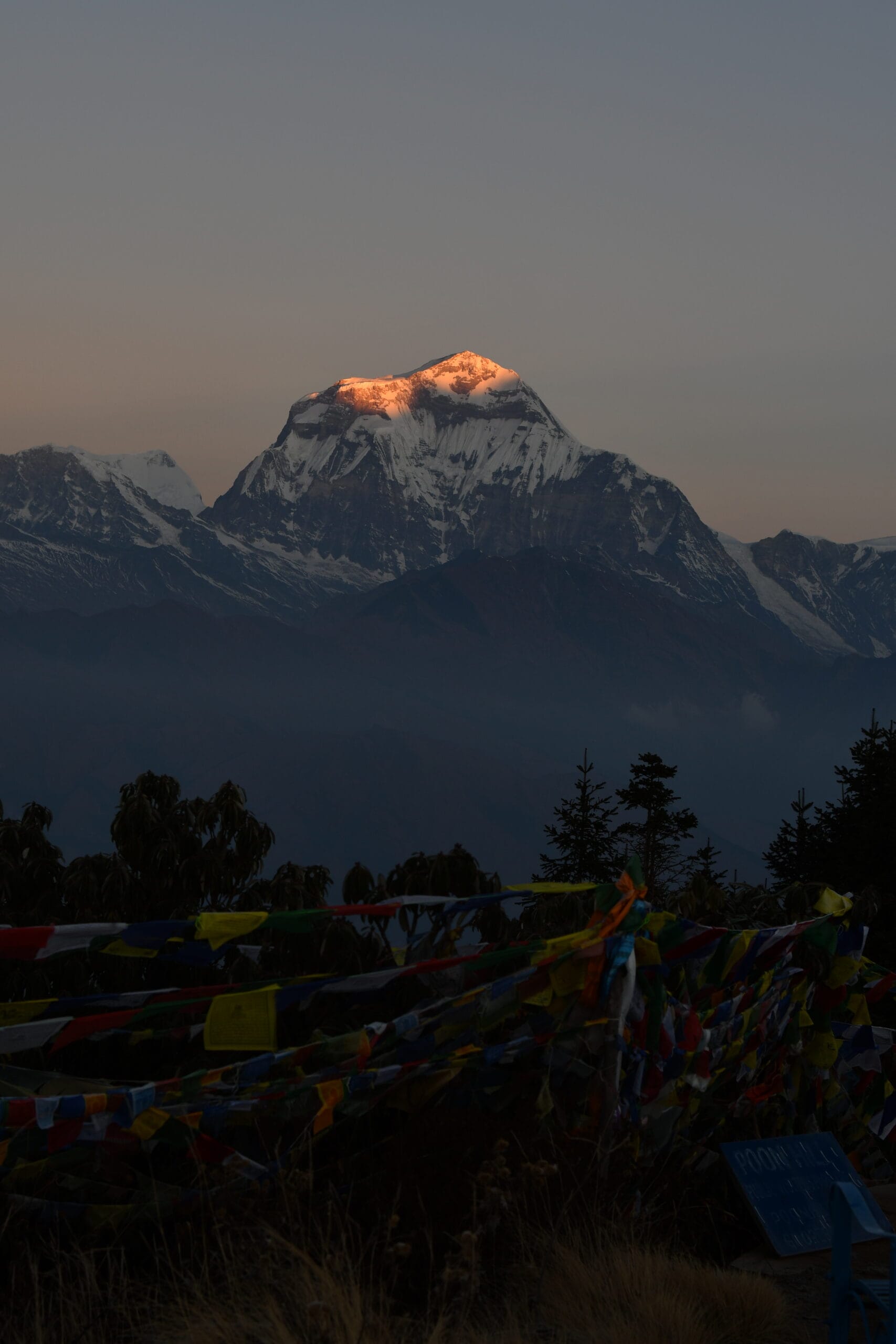
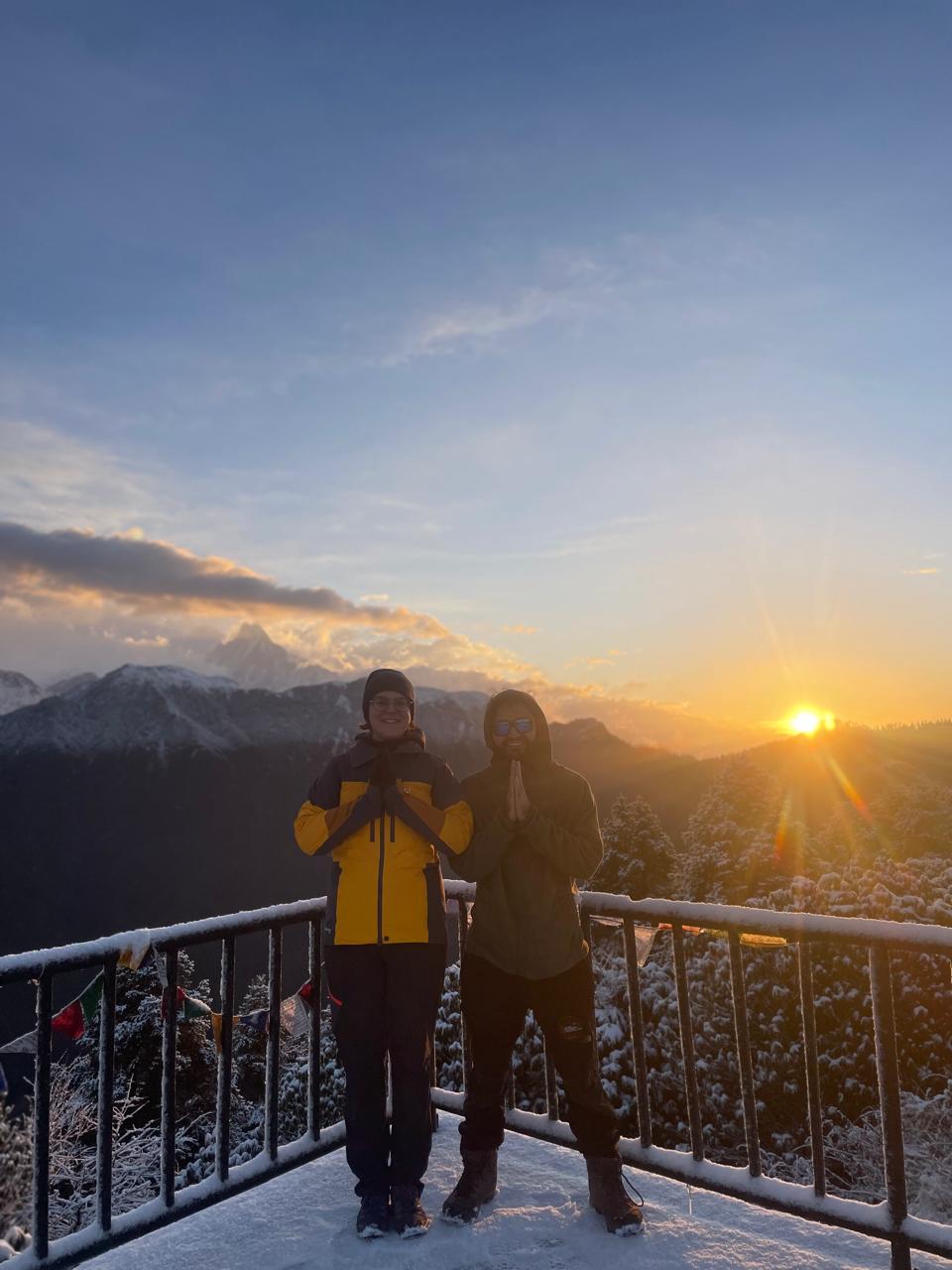
- Sunrise & Sunset Peaks: Enjoy breathtaking sunrises and sunsets behind Himalayan giants.
Itinerary
Day 01
The journey begins with an exciting drive from Kathmandu into the heart of the Kali Gandaki Valley. Leaving behind the bustling city life, trekkers are immediately immersed in Nepal’s diverse landscapes. The drive takes you past winding rivers, terraced hills, and quaint rural settlements, offering glimpses of traditional village life and terraced farmlands where locals cultivate rice and millet. As you ascend and descend along the hilly terrain, the views of distant Himalayan peaks start to appear on the horizon, signaling the adventure ahead. Along the way, small roadside teahouses and local villages provide perfect spots to stretch, take photos, and observe the everyday rhythm of life in rural Nepal.
Upon reaching Beni, the gateway to the Dhaulagiri region, trekkers can feel the first whispers of the mountains calling. The air becomes cooler and fresher, carrying the scent of pine forests and rivers. The transition from city to remote mountain environment is striking, offering a sense of anticipation for the days ahead. Trekkers can explore the small bazaar area, interact with locals, and prepare for the trek by reviewing maps and equipment. The evening provides a peaceful opportunity to enjoy the quiet surroundings, dine with fellow trekkers, and rest before the challenging but rewarding journey begins the following day.
Trip Duration:
7–8 hours (by road)Trip Distance:
~210 kmAltitude:
820 mMeal:
Lunch, DinnerAccomodation :
Guesthouse / Lodge in BeniDay 02
The adventure officially begins with the drive from Beni to Darbang, followed by the first trekking day to Dharapani. The morning drive along the Kali Gandaki river valley showcases some of Nepal’s most dramatic landscapes, with deep gorges and terraced hills rising on either side. Once the trek starts, you are immediately immersed in the sounds of nature — flowing rivers, chirping birds, and rustling leaves. Walking through small villages, trekkers experience authentic Magar culture and witness traditional stone houses, prayer flags fluttering in the wind, and children playing in the fields. The trek gradually ascends through a mix of farmland and forested paths, offering excellent views of Dhaulagiri and Nilgiri peaks in the distance, giving trekkers a tangible sense of accomplishment with every step.
By the time you reach Dharapani, the scenery becomes more alpine, with denser forest and cooler air signaling that the trek is moving toward higher altitudes. The village serves as the first major stop for trekkers to rest and acclimatize slightly. Tea houses here provide simple but hearty meals, while warm rooms offer comfort after the first day of trekking. This day gives trekkers a taste of the rhythm and pace required for high-altitude trekking — balancing effort with observation, pace, and frequent hydration. The combination of stunning vistas, cultural encounters, and gradual altitude gain sets the tone for the adventure ahead.
Trip Duration:
6–7 hoursTrip Distance:
14 kmAltitude:
1,660 mMeal:
Breakfast, Lunch, DinnerAccomodation :
Tea House / Lodge in DharapaniDay 03
Today’s trek begins with a steady ascent through terraced fields and traditional villages, offering trekkers a deeper immersion into the rural life of the Dhaulagiri region. The trail winds uphill alongside streams, crossing wooden suspension bridges that sway gently over flowing waters. As you climb higher, the air becomes crisper, and views of the surrounding mountains — including the snow-capped peaks of Dhaulagiri and Annapurna ranges — become more prominent. The villages you pass through, inhabited by Magar and Gurung communities, provide a glimpse into the local culture, with stone houses, prayer flags, and people tending to their livestock. The combination of natural beauty, cultural insights, and moderate physical challenge makes this day a rewarding start to acclimatization.
Reaching Muri, trekkers are greeted by a small but welcoming village nestled on the hillside, surrounded by panoramic mountain vistas. The evening provides an opportunity to rest, enjoy local cuisine, and reflect on the first few days of trekking. Staying in simple lodges or tea houses, trekkers can mingle with locals, observe their traditions, and mentally prepare for the increasing altitude and longer trekking days ahead. This day also allows the body to adjust gradually, setting the foundation for higher passes and more demanding trails in the coming days. The views at sunset, with the mountains glowing in soft orange hues, offer an unforgettable Himalayan experience.
Trip Duration:
6–7 hoursTrip Distance:
12 kmAltitude:
2,100 mMeal:
Breakfast, Lunch, DinnerAccomodation :
Tea House / Lodge in MuriDay 04
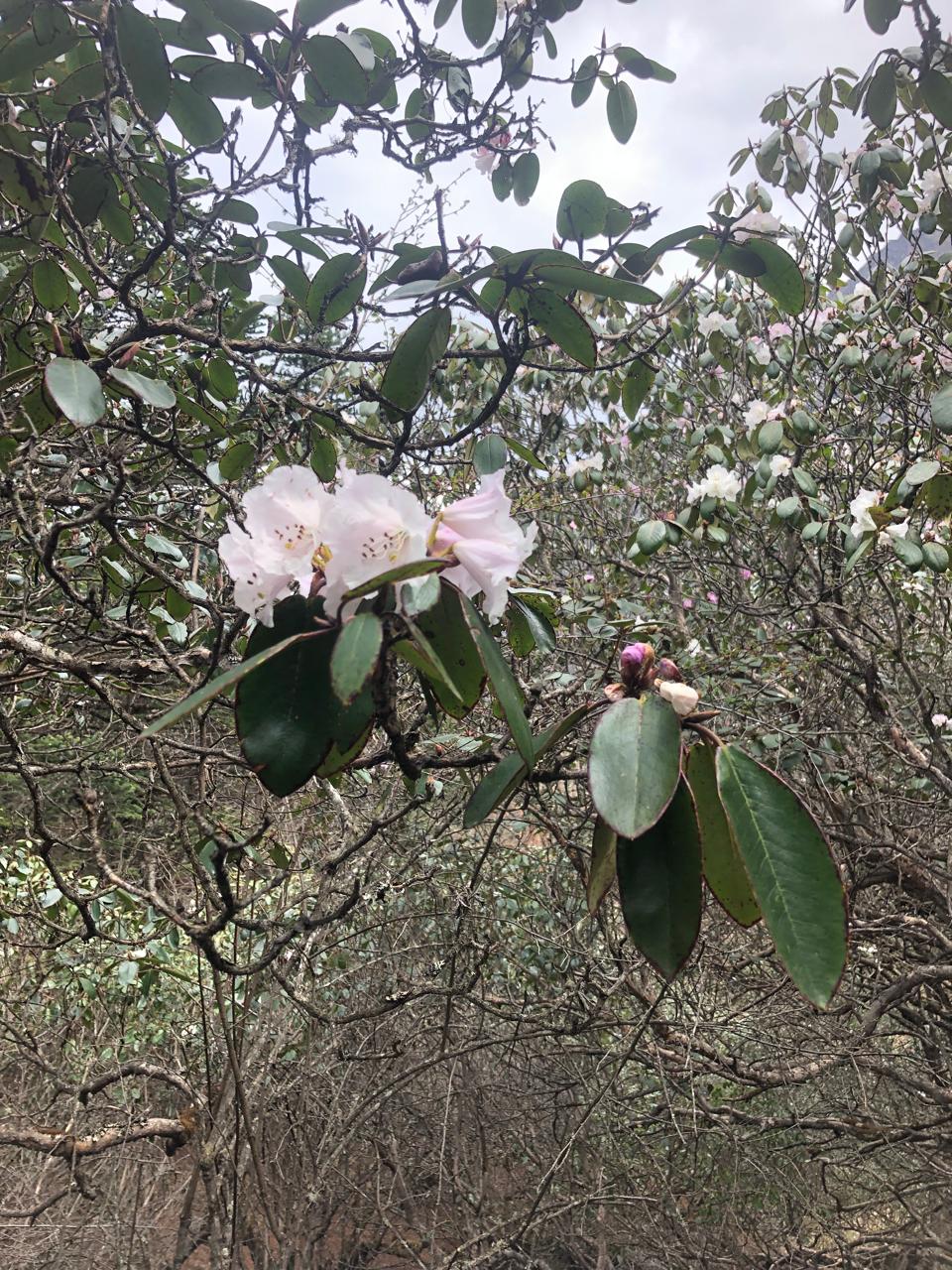
The trek from Muri to Boghara presents a combination of steep ascents and descents, weaving through dense forests and open fields. This day challenges both stamina and focus, as the terrain varies from slippery trails during river crossings to rocky uphill sections. The trail is lined with wildflowers and rhododendron trees, and trekkers often catch glimpses of Himalayan birds and small wildlife. Along the way, local shepherds with their flocks and traditional farmsteads enrich the cultural experience, while the distant snow peaks offer constant motivation. The interplay between rugged terrain and breathtaking scenery makes the trek both demanding and immensely rewarding.
Upon arrival in Boghara, trekkers find a peaceful village that serves as a base for acclimatization. Lodges here provide basic amenities and hearty meals, perfect for replenishing energy after a challenging day. The evening is ideal for observing village life, photographing traditional architecture, and preparing mentally for the next stage of trekking through denser forests and remote valleys. As the trail gradually moves higher, trekkers begin to sense the increasing altitude and the wilderness that lies ahead, enhancing both the adventure and the sense of achievement with each step.
Trip Duration:
6–7 hoursTrip Distance:
13 kmAltitude:
2,600 mMeal:
Breakfast, Lunch, DinnerAccomodation :
Tea House / Lodge in BogharaDay 05
The journey from Boghara to Dobang introduces trekkers to denser forests and narrower gorges, where the roar of the river nearby becomes a constant companion. The trail meanders through moss-covered trees, wooden bridges, and occasional landslide-prone paths, requiring careful footing and full attention. Along the way, trekkers witness small waterfalls, terraced fields, and isolated farmsteads, emphasizing the remote wilderness feel. The gradual climb ensures continued acclimatization while offering uninterrupted views of snow-capped peaks that loom over the valley, inspiring both awe and motivation. Wildlife sightings, including Himalayan birds and occasionally langurs, enhance the connection with nature and the sense of being far from crowded trails.
Arriving in Dobang, trekkers find simple tea houses and lodges nestled alongside the river, offering a quiet and peaceful rest spot. The village is tiny, and the atmosphere is serene, providing the perfect environment to recover energy for the challenging days ahead. Evenings can be spent sharing stories with fellow trekkers, enjoying home-cooked meals, and observing local cultural practices. The continuous presence of towering peaks reinforces the grandeur of the Dhaulagiri region, creating an unforgettable experience that combines natural beauty, adventure, and cultural immersion.
Trip Duration:
6–7 hoursTrip Distance:
14 kmAltitude:
2,950 mMeal:
Breakfast, Lunch, DinnerAccomodation :
Tea House / Lodge in DobangDay 06
From Dobang to Choriban Khola, trekkers move deeper into the valley, where settlements become sparse and the trail increasingly wild. The terrain varies between forested paths, rocky ridges, and occasional river crossings, demanding concentration and balance. The rising altitude allows for breathtaking views of Dhaulagiri’s lower ridges and surrounding peaks. Trekkers feel a growing sense of remoteness, as the combination of pristine nature, rugged trail, and minimal human presence makes this leg feel like a true expedition. Each step brings the experience of Himalayan wilderness alive, with the constant backdrop of snow-capped mountains and flowing rivers.
Upon reaching Choriban Khola, trekkers find an essential base for camping or staying in small tea houses. This village serves as a critical point before heading toward Italian Base Camp, as it allows for rest and further acclimatization. The peaceful environment, combined with roaring river sounds, provides an opportunity for reflection and preparation. The evening sky, often illuminated with stars above the mountains, offers a spectacular visual treat, reminding trekkers of the vastness and beauty of the Dhaulagiri region.
Trip Duration:
5–6 hoursTrip Distance:
12 kmAltitude:
3,400 mMeal:
Breakfast, Lunch, DinnerAccomodation :
Tea House / Lodge in Choriban KholaDay 07
The trek from Choriban Khola to Italian Base Camp marks a dramatic shift in scenery, moving from forested valleys to open, grassy plains with panoramic mountain vistas. The towering Dhaulagiri I comes into clear view, inspiring trekkers with its sheer magnitude. The trail becomes less vegetated and more rocky, with gentle undulations leading to the first “wow” moments of the expedition. Trekkers cross small streams and navigate uneven terrain while observing the grandeur of surrounding peaks. Photography opportunities are abundant, and each step brings a stronger connection to the Himalayan environment and the sense of adventure.
Arriving at Italian Base Camp (~3,660 m), trekkers are greeted by a grassy plateau surrounded by dramatic peaks, providing one of the most iconic views of the Dhaulagiri region. This base camp offers camping facilities and is an excellent location to rest, acclimatize, and prepare for higher glacier trekking ahead. Evenings at the camp are filled with camaraderie among trekkers, shared meals, and discussions about the technical challenges of glacier terrain and high passes. The sheer scale of Dhaulagiri and neighboring peaks reinforces the expedition’s purpose and the achievement of reaching this spectacular location.
Trip Duration:
6–7 hoursTrip Distance:
13 kmAltitude:
3,660 mMeal:
Breakfast, Lunch, DinnerAccomodation :
Camp at Italian Base CampDay 08
Day 8 is dedicated to acclimatization at Italian Base Camp, where trekkers perform short hikes uphill and then return to sleep low, following the principle of “climb high, sleep low.” This practice helps the body adjust to thinner air and reduces the risk of altitude sickness. Trekkers can explore nearby ridges, take in close-up views of the glacier moraines, and photograph the peaks surrounding the plateau. It’s a day to rest the legs while preparing mentally for the technical challenges of glacier travel and higher altitude trekking.
Evening at the base camp allows for interaction with guides and fellow trekkers, reviewing techniques for safe glacier navigation, ice walking, and preparation for tent life in colder conditions. The calm environment, with wind-whipped peaks in the distance and open skies overhead, offers a rare Himalayan experience that few trekkers encounter. The combination of rest, acclimatization, and light exploration ensures that trekkers are physically and mentally prepared for the demanding stages ahead.
Trip Duration:
Short hikes (3–4 hours)Trip Distance:
5 km (combined acclimatization hikes)Altitude:
3,800 mMeal:
Breakfast, Lunch, DinnerAccomodation :
Camp at Italian Base CampDay 09
Leaving Italian Base Camp, trekkers enter the challenging glacier terrain, navigating rocky moraine and occasional ice patches. The trail becomes more technical and requires careful steps over uneven surfaces. Trekkers are rewarded with panoramic views of Dhaulagiri’s towering walls and adjacent peaks. Along the way, the serene sounds of melting ice streams and the sight of rugged snowfields reinforce the sense of venturing deep into the high Himalayas. The day demands focus, balance, and energy, but each step offers an unforgettable connection to the wild beauty of this remote region.
Glacier Camp (~4,200 m) provides a temporary home amid the stark, high-altitude landscape. Camp life here is simple, with tents offering basic shelter, and evenings spent acclimatizing, enjoying warm meals, and reviewing the route for the next day. Trekkers begin to feel the true expedition experience, surrounded by glaciers, ridges, and the immensity of Dhaulagiri’s mountains. Observing the sun rise and set over ice-strewn terrain highlights the majesty and isolation of the area, a memory that lasts a lifetime.
Trip Duration:
5–6 hoursTrip Distance:
10 kmAltitude:
4,200 mMeal:
Breakfast, Lunch, DinnerAccomodation :
Camp at Glacier CampDay 10
Trekking from Glacier Camp to Dhaulagiri Base Camp (~4,740 m), the trail moves directly over glacier terrain. Trekkers must navigate ice and snow patches while using trekking poles and crampons if necessary. The surrounding peaks close in, creating a dramatic amphitheater of snow-capped mountains. The journey is physically demanding but visually rewarding, with each step providing closer encounters with Dhaulagiri I and neighboring summits. Trekkers often pause for photography and to admire the panoramic mountain vistas, capturing the essence of Himalayan wilderness.
Reaching Dhaulagiri Base Camp, trekkers are enveloped by the immensity of the peaks and glaciers surrounding the site. The camp area offers tents and space to rest while observing the spectacular environment, with streams, rock ridges, and snowfields around. Evenings are spent acclimatizing further and enjoying camaraderie among trekkers and guides. The Base Camp is the highlight of the trek so far, marking the deepest penetration into the Dhaulagiri massif and providing a sense of achievement and connection with the high Himalayas.
Trip Duration:
4–5 hoursTrip Distance:
8 kmAltitude:
4,740 mMeal:
Breakfast, Lunch, DinnerAccomodation :
Camp at Dhaulagiri Base CampDay 11
Day 11 is the most challenging day of the trek. Starting early at 3–4 AM, trekkers cross French Pass (~5,360 m), one of the highest points of the trek. The trail is technical, involving ice, snow, and rocky sections. The thin air makes every step laborious, requiring slow, steady pacing and careful attention. The panorama of Dhaulagiri and surrounding peaks is breathtaking, with vast snowfields, ridges, and glaciers stretching in every direction. Crossing the pass is a major accomplishment, giving trekkers a true sense of high-altitude adventure and the achievement of expedition trekking.
Descending to Hidden Valley (~5,200 m) after the pass, trekkers are greeted with a unique Himalayan landscape of rocky terraces, isolated glaciers, and a quiet, almost surreal atmosphere. Camp life here is essential for rest and recovery after the strenuous pass. The location is remote, offering a rare experience of solitude amidst the grandeur of the mountains. Evenings at Hidden Valley are often spent sharing experiences, enjoying meals with fellow trekkers, and observing the vastness of the surrounding peaks under clear night skies.
Trip Duration:
8–10 hoursTrip Distance:
14 kmAltitude:
5,200 mMeal:
Breakfast, Lunch, DinnerAccomodation :
Camp at Hidden ValleyDay 12
Continuing from Hidden Valley, trekkers tackle the second high pass (~5,240 m), the Dhampus Pass. While less technical than French Pass, it remains challenging due to altitude and rugged terrain. The trail involves moderate climbs, rocky sections, and careful descents, testing both stamina and determination. The scenery is mesmerizing, with distant glaciers, sharp ridges, and high Himalayan peaks visible in every direction. This day solidifies the expedition feel, as trekkers move through landscapes that few visitors experience.
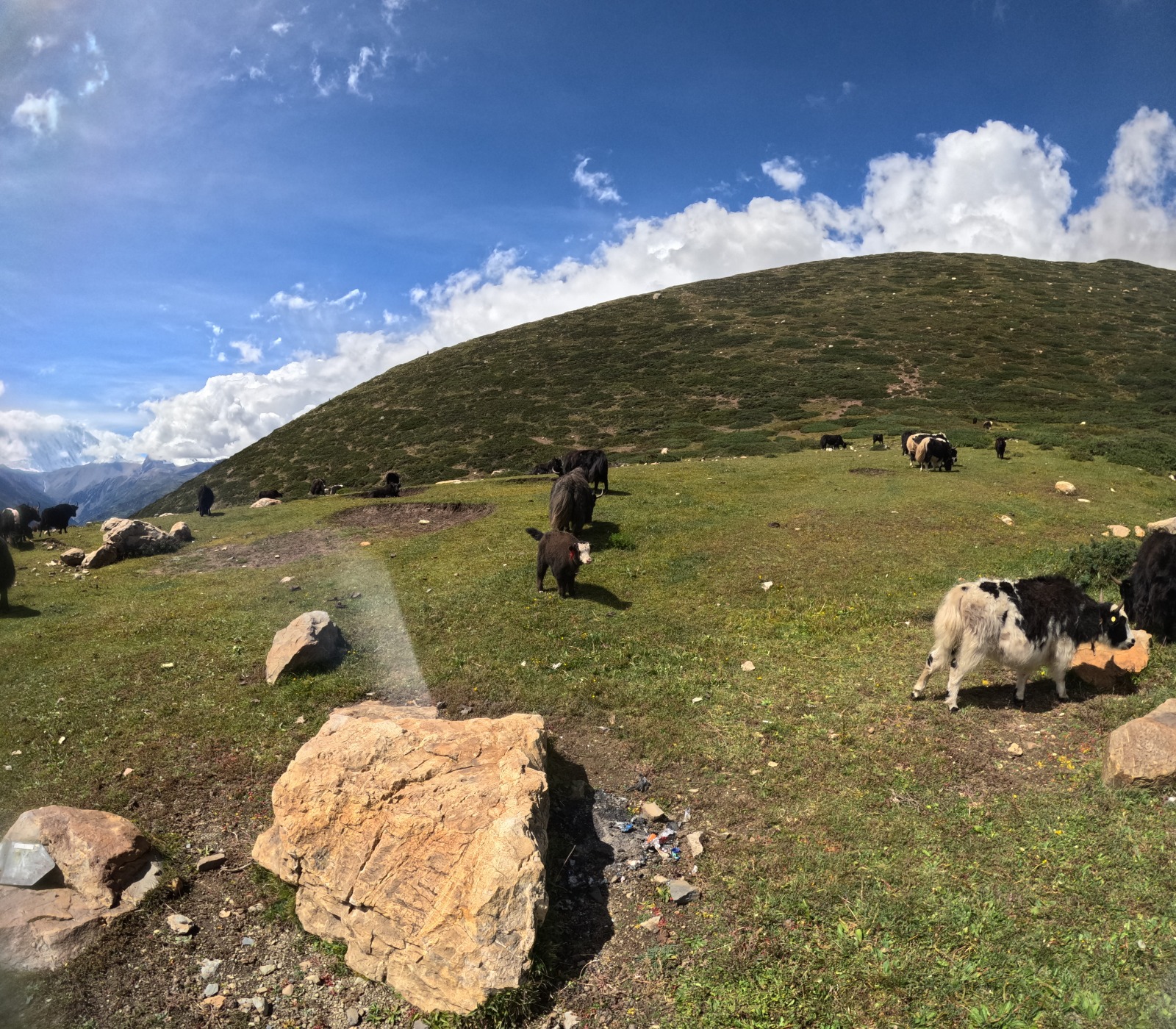
Descending from the pass, the trail leads to Yak Kharka, a small settlement that offers tea houses and basic lodging. After the exertion of two high passes, the environment provides welcome relief and the chance to recover. Evenings are spent enjoying warm meals, acclimatizing, and observing local wildlife, including yaks grazing nearby. The combination of physical challenge and rewarding scenery makes this day a memorable highlight of the Dhaulagiri expedition.
Trip Duration:
7–8 hoursTrip Distance:
12 kmAltitude:
4,100 mMeal:
Breakfast, Lunch, DinnerAccomodation :
Tea House / Lodge in Yak KharkaDay 13
From Yak Kharka, trekkers gradually return to more populated areas, moving through rolling hills, farmland, and apple orchards. The terrain is gentler, allowing for a more relaxed pace while still offering glimpses of snow-capped peaks in the distance. The villages are culturally rich, giving trekkers a chance to observe traditional lifestyles and interact with local residents. The trail is scenic, with terraced fields, stone houses, and flowing streams creating an idyllic landscape reminiscent of classic Himalayan trekking routes.
Arriving in Marpha or Jomsom, trekkers reconnect with civilization. Tea houses and lodges offer comfort, hot meals, and spaces to rest after the challenging expedition segment. The area is famous for its apple orchards, and the welcoming villages provide a contrast to the remote high camps experienced earlier. This stage allows trekkers to reflect on the incredible journey, sharing stories of glacier camps, high passes, and the grandeur of Dhaulagiri with fellow adventurers.
Trip Duration:
6–7 hoursTrip Distance:
15 kmAltitude:
2,700 mMeal:
Breakfast, Lunch, DinnerAccomodation :
Tea House / Lodge in Marpha / JomsomDay 14
Trekkers now take a jeep or bus ride from Jomsom to Pokhara, transitioning from rugged wilderness to the comforts of city life. The route follows the Kali Gandaki River, offering striking views of canyon walls and river gorges. Trekkers witness the dramatic change from remote mountain villages to more developed towns. The drive itself provides opportunities to relax, rest, and absorb the natural beauty along the route.
Arriving in Pokhara, trekkers enjoy comfort and amenities such as hotels, restaurants, and scenic lakeside views. Evenings can be spent strolling along Phewa Lake, visiting local markets, or simply reflecting on the adventure of the past two weeks. The contrast between the wild Dhaulagiri region and the serene lakeside city enhances the sense of accomplishment and provides a gentle reintroduction to urban life.
Trip Duration:
6–7 hoursTrip Distance:
115 kmAltitude:
820 mMeal:
Breakfast, Lunch, DinnerAccomodation :
Hotel in PokharaDay 15
The final day involves a comfortable drive back to Kathmandu, winding through valleys, rivers, and occasional towns. The journey allows trekkers to unwind, reflect, and share stories from the expedition. Scenic stops along the way provide photography opportunities and a chance to experience rural Nepali life.
Arriving in Kathmandu, trekkers conclude the Dhaulagiri Base Camp Trek. The city offers
Trip Duration:
6–7 hoursTrip Distance:
200 kmAltitude:
1,400 mMeal:
Breakfast, LunchAccomodation :
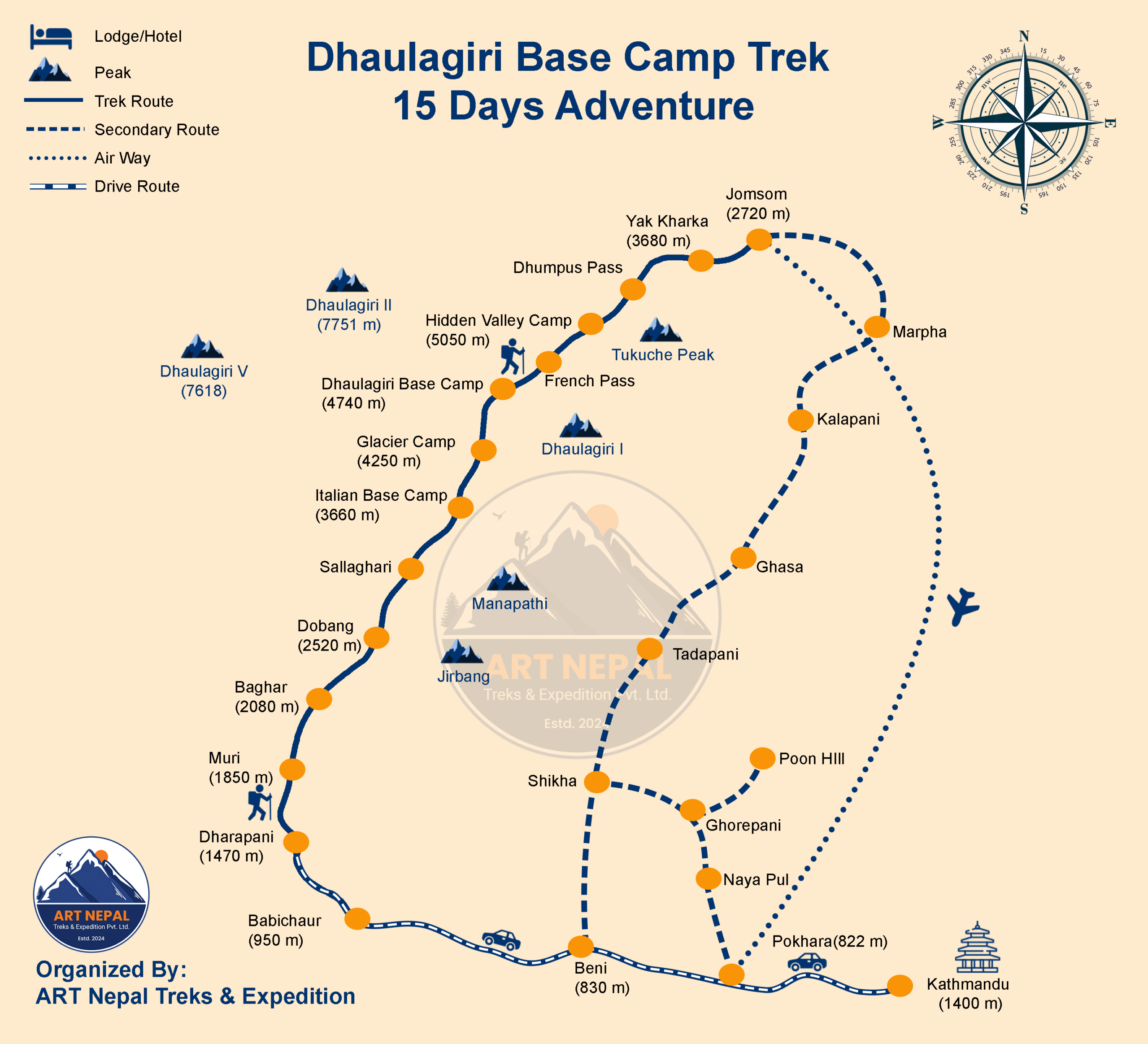
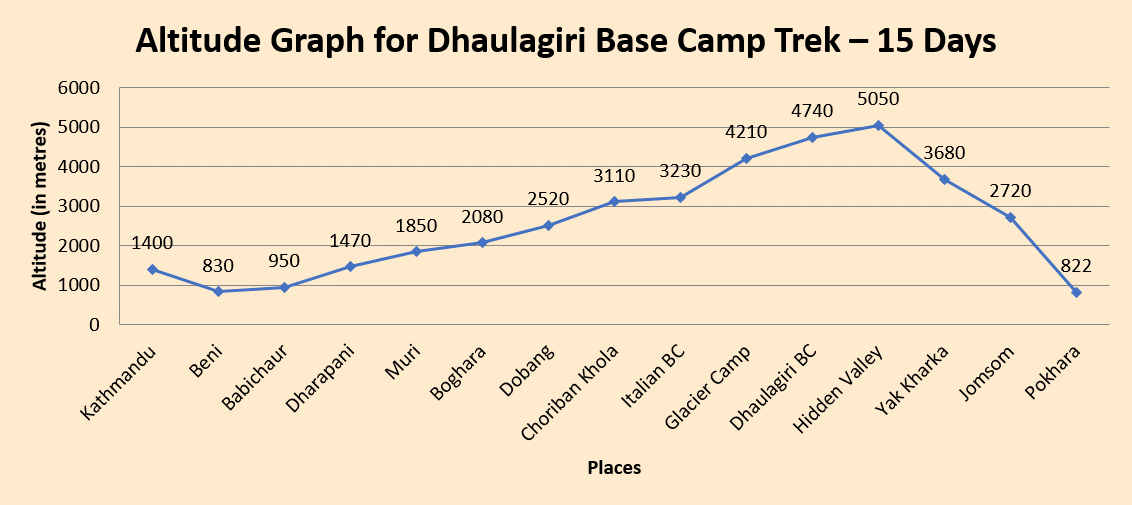
Hotel in KathmanduRoute Map
What's Included
- Airport pickup and drop-off in Kathmandu
- Accommodation in hotels, tea houses, and camping as per itinerary
- Meals during the trek (Breakfast, Lunch, Dinner)
- Trekking permits, national park fees, and local taxes
- Professional guide services
- Trekking support staff
- Internal transportation (jeep, bus, flights as per itinerary)
- Emergency support and evacuation arrangements
What's Excluded
- International flights to/from Nepal
- Nepal visa fees
- Travel insurance
- Personal expenses (drinks, snacks, souvenirs, phone/internet)
- Tips for guides and porters
- Porters: Optional, though recommended for carrying heavy luggage ($22 per porter per day), a porter can carry up to 20 kg, and it is advisable to hire one porter for every two trekkers for comfort and convenience.
- Extra activities outside the itinerary (rafting, paragliding, cultural excursions)
- Personal trekking gear
Essential Info
Add-Ons
During your trek, there are several additional experiences and excursions you can include to enhance your journey and make it more memorable. These add-ons are optional but highly recommended for those who want to explore beyond the standard itinerary. They allow travelers to experience local culture, panoramic landscapes, and unique Himalayan activities, making your adventure even more enriching. Some of these add-ons are culturally immersive, such as visiting traditional villages, while others are adventurous, like short hikes to hidden viewpoints. Planning these add-ons in advance ensures a smooth experience without disrupting your main trek schedule.
Additionally, these add-ons offer opportunities for photography, wildlife observation, and interaction with local communities. Depending on the region, you might visit monasteries, small local markets, or natural landmarks along the route. Adding these excursions often requires only minimal extra time but can greatly enhance your understanding of the region’s culture and environment. Experienced guides will accompany you during these excursions to provide context, history, and safety guidance, making sure you gain the full benefit of these experiences.
Some popular add-ons include short helicopter tours to view distant peaks, side trips to local monasteries or sacred sites, and extended stays in villages to participate in cultural events or festivals. Each add-on is designed to be flexible, allowing trekkers to customize their experience according to their interests and fitness level. Incorporating these extra experiences not only creates unforgettable memories but also provides an opportunity to support local communities economically through tourism.
Add-On List:
- Helicopter Scenic Flight – Enjoy an aerial view of the Himalayas, including Everest, Dhaulagiri, and Annapurna peaks, offering a unique perspective not possible from the ground.
- Cultural Village Visit – Explore remote Sherpa, Gurung, or Magar villages to observe traditional lifestyles, interact with locals, and learn about their customs and festivals.
- Monastery Excursion – Visit ancient monasteries, attend prayer sessions, and experience Tibetan Buddhist rituals to understand the spiritual side of the Himalayas.
- Photography Trek – Short detours to viewpoints and lesser-known trails ideal for capturing sunrise, sunset, and panoramic mountain shots.
- Wildlife Observation – Optional early morning walks or side hikes in national parks or protected areas to spot Himalayan wildlife such as snow leopards, red pandas, or Himalayan tahrs.
- Festival Participation – Depending on the season, join local festivals and celebrations to experience traditional dances, music, and community rituals.
Best Season to Trek
The Himalayas offer incredible trekking experiences year-round, but each season has unique advantages and challenges. Understanding the climate and weather patterns helps you plan the trek for maximum enjoyment and safety. The seasons in Nepal, Tibet, and the Everest-Dhaulagiri regions can be broadly categorized into Spring, Summer/Monsoon, Autumn, and Winter. Each season provides different landscapes, cultural experiences, and trekking conditions. Choosing the right season is essential to enjoy clear views, pleasant temperatures, and manageable trail conditions.
Spring is considered one of the best trekking seasons due to moderate temperatures and the blooming of rhododendrons, magnolias, and other Himalayan flora. Trails are more vibrant with color, villages are lively, and wildlife sightings are frequent. It is ideal for both high-altitude climbs and moderate treks. Autumn offers similarly clear skies with cooler temperatures and stable weather, perfect for long summit days and capturing spectacular photographs of mountain panoramas.
Summer or monsoon season brings lush green landscapes, waterfalls, and vibrant rivers, but heavy rain can make trails slippery and unpredictable. Trekkers should be prepared for wet conditions and occasional flight delays, especially on mountain airstrips. Winter offers cold, crisp air and fewer trekkers, but high passes may be snow-covered, making some routes challenging or inaccessible without technical climbing gear.
Seasons and Highlights:
- Spring (March–May) – Blooming rhododendrons, moderate temperatures, clear mountain views, and abundant wildlife.
- Summer/Monsoon (June–August) – Lush green landscapes, flowing rivers, waterfalls, fewer trekkers, but trails may be slippery.
- Autumn (September–November) – Stable weather, crisp air, excellent visibility, ideal for photography and high-altitude treks.
- Winter (December–February) – Clear skies, cold temperatures, quiet trails, some high passes may be snow-covered and require technical skills.
Food Availability
Food plays a significant role during long treks in the Himalayas. Most trekking routes have tea houses or lodges offering local and Western-style meals, but the variety and quality vary depending on altitude and remoteness. In lower villages, you can enjoy freshly prepared Dal Bhat (rice and lentils), noodles, and local vegetables. As you ascend, ingredients become limited, so menus may be simpler, focusing on high-energy meals such as soups, pasta, porridge, and eggs.
Trekkers can expect three main meals per day in most lodges, but snacks like energy bars, chocolate, and nuts are essential for high-altitude days or long summit pushes. Hot beverages such as tea, coffee, and soups are widely available, helping maintain warmth and hydration. Special dietary needs, including vegetarian or vegan preferences, can generally be accommodated, but it is recommended to communicate in advance with your guide or trekking agency.
Drinking water is crucial at high altitudes. While most tea houses provide boiled water, carrying purification tablets or a water filter is recommended. It’s also common for trekkers to supplement meals with protein bars or packed dry fruits to ensure adequate calories for long walking days. Sharing meals with fellow trekkers often creates a social experience, enhancing the overall journey.
Food Options:
- Local Cuisine – Dal Bhat (lentils and rice), momo (dumplings), noodles, and vegetable curries.
- Western Meals – Pasta, soups, pancakes, eggs, sandwiches, and porridge.
- Beverages – Tea, coffee, hot chocolate, and soups.
- Snacks & Energy Food – Chocolate, energy bars, nuts, biscuits, and dried fruits.
- Special Dietary Needs – Vegetarian, vegan, and gluten-free options usually available in main trekking lodges.
Accommodation
Accommodation during Himalayan treks ranges from basic tea houses to simple lodges. Facilities vary according to altitude, location, and remoteness, and most accommodations focus on warmth, rest, and safety rather than luxury. At lower elevations, rooms are comfortable with shared or private bathrooms, electricity, and sometimes Wi-Fi. In higher areas, rooms are smaller, often with shared bathrooms and limited electricity, so expectations should be realistic.
Staying in these lodges offers cultural immersion. Many are family-run, providing a glimpse into local lifestyles and traditions. Trekkers can experience local hospitality, enjoy home-cooked meals, and often participate in evening gatherings, where guides or locals share stories about the mountains and villages. It’s also a chance to interact with fellow trekkers, exchanging experiences and trekking tips.
Higher altitude accommodations often include mats, blankets, or sleeping bags, but personal sleeping gear is highly recommended for comfort and hygiene. Warm clothing, headlamps, and small toiletries make a big difference during stays. Despite limited facilities, the serene environment and breathtaking mountain views more than compensate for the simplicity of the lodges.
Accommodation Options:
- Lower Elevation Lodges – Comfortable rooms, shared or private bathrooms, electricity, sometimes Wi-Fi.
- Mid-Elevation Tea Houses – Simple rooms, basic facilities, shared bathrooms, local meals, family-run lodges.
- High-Altitude Camps – Small rooms or tents, limited amenities, shared bathrooms, limited electricity, blankets or sleeping bags provided.
- Cultural Experience – Family-run lodges, local hospitality, interactions with Sherpa, Gurung, or Tibetan hosts.
- Essential Gear for Comfort – Sleeping bag, warm clothes, headlamp, and personal toiletries.
Travel Insurance
Travel insurance is a mandatory requirement for trekking in high-altitude regions. It should cover medical emergencies, evacuation, and trip interruption. Accidents, altitude sickness, and weather-related delays are common risks in the Himalayas, and a good insurance policy provides peace of mind. Policies specifically for trekking often cover helicopter evacuation from remote areas, which can be lifesaving during emergencies.
Ensure that the insurance also covers high-altitude trekking, glacier travel, and optional mountaineering if your itinerary includes summits like Mera Peak or technical passes such as Amphu Lapcha. Standard travel insurance often does not cover such activities, so confirm the coverage details carefully before purchasing. Some providers also offer coverage for lost or delayed luggage, which is helpful in regions with limited transport options.
Carrying a printed copy of the insurance policy, emergency contact numbers, and policy ID is crucial during the trek. Guides and agencies usually check insurance before high-altitude climbs, especially on passes or summits. In addition to insurance, it is recommended to carry a first-aid kit, altitude medication, and a personal communication device for emergencies.
Insurance Considerations:
- Medical Coverage – Accidents, altitude sickness, emergency treatment.
- Evacuation – Helicopter or road evacuation from remote areas.
- Trip Interruption – Weather delays, route closures, or unexpected events.
- Trekking & Mountaineering – Coverage for high passes, glacier travel, and optional peaks.
- Luggage & Personal Items – Protection against loss, theft, or damage of gear.
Altitude Sickness
High-altitude trekking exposes the body to lower oxygen levels, which can lead to altitude sickness if proper precautions are not taken. Symptoms may include headache, nausea, dizziness, fatigue, and shortness of breath. The severity varies depending on altitude, rate of ascent, individual health, and hydration. It is important to recognize early signs and adjust trekking pace to prevent complications. Trekkers should never ascend too quickly and must allow their bodies to acclimatize at intermediate elevations.
Preventive measures are critical. Gradual ascent, staying hydrated, and resting at designated acclimatization stops are essential to reduce the risk. Some trekkers use medication like Diamox under medical supervision to help acclimatization, but it is not a substitute for proper trekking practices. Listening to your body is vital; ignoring symptoms can result in severe altitude illness, including High Altitude Pulmonary Edema (HAPE) or High Altitude Cerebral Edema (HACE), which require immediate medical attention and evacuation.
Guides play an important role in monitoring health at high altitude. They are trained to recognize early warning signs, administer oxygen if needed, and arrange evacuation for serious cases. Trekkers should always communicate openly about how they feel, maintain a slower walking pace on steep climbs, and avoid alcohol or smoking, which can worsen altitude sickness. Proper acclimatization, careful planning, and awareness of symptoms make high-altitude treks safe and enjoyable.
Altitude Sickness Awareness:
- Symptoms – Headache, nausea, dizziness, fatigue, shortness of breath.
- Prevention – Gradual ascent, rest days, hydration, and monitoring body response.
- Medication – Diamox or other medications under medical supervision.
- Emergency Response – Oxygen administration, descent, or evacuation if severe.
- Lifestyle Precautions – Avoid alcohol and smoking, maintain a slow and steady pace.
Guide and Safety Measures
A professional guide is essential for trekking in remote Himalayan regions. Guides provide route guidance, cultural insights, and emergency support. Their knowledge of local terrain, weather patterns, and altitude adaptation is critical for a safe and smooth trekking experience. In addition, guides often assist with permits, liaise with lodge owners, and coordinate logistics such as transport or helicopter evacuations in emergencies.
Safety is prioritized throughout the trek. Guides are trained in first aid, altitude sickness management, and high-altitude rescue techniques. They conduct regular health checks, monitor acclimatization progress, and adapt itineraries when necessary. Trekking in remote areas also requires adherence to safety measures such as crossing rivers cautiously, using ropes for steep ascents, and following instructions on glacier travel.
Guides enhance the trekking experience by providing cultural and historical context for villages, monasteries, and natural landmarks. They introduce trekkers to local customs, festivals, and traditional cuisine, creating a deeper understanding of the region. Guides are also critical in group coordination, ensuring all trekkers maintain pace, stay hydrated, and receive support during challenging sections.
Guide & Safety Highlights:
- Professional Guides – Experienced in navigation, high-altitude trekking, and cultural insights.
- Health Monitoring – Regular checks for altitude sickness and general health.
- Emergency Preparedness – First aid, oxygen support, and evacuation arrangements.
- Trail Safety – Instruction on river crossings, glacier travel, and rope-assisted sections.
- Cultural Guidance – Explanation of local customs, festivals, and historical sites.
Booking Procedure
Booking a Himalayan trek involves several important steps to ensure a smooth experience. First, contact a trusted trekking agency and confirm availability for your desired dates. Provide necessary personal details, fitness levels, and special requirements to help the agency customize the itinerary and support services.
After confirming the trek, pay a deposit to secure your spot. Complete documentation, including passports, permits, and insurance, is required before departure. The trekking agency will assist with Tibet permits, Everest region TIMS cards, and Nepal entry requirements if applicable. Confirm all inclusions, such as guide services, accommodation, meals, and emergency support.
Closer to departure, the agency will provide detailed pre-trek instructions covering gear, packing tips, acclimatization strategies, and daily schedules. Upon arrival in Nepal or Tibet, the local team will brief you, check your equipment, and arrange transport for the trek. Clear communication and timely preparation help ensure a safe, comfortable, and memorable adventure.
Booking Steps:
- Inquiry & Customization – Discuss itinerary, fitness, and special requirements.
- Deposit & Confirmation – Secure booking with initial payment.
- Documentation – Passports, visas, trekking permits, and travel insurance.
- Pre-Trek Briefing – Gear check, packing tips, and acclimatization advice.
- Arrival Assistance – Airport pickup, guide introduction, and orientation.
Equipment List
- Thermal base layers
- T-shirts and long-sleeve shirts
- Trekking pants and shorts
- Fleece jacket or mid-layer
- Waterproof jacket and pants
- Warm hat, gloves, and scarf
- Trekking socks and extra pairs
- Hiking boots and camp shoes
- Backpack with rain cover
- Trekking poles
- Headlamp with extra batteries
- Sleeping bag suitable for high altitude
- Water bottles or hydration system
- Sunglasses and sunscreen
- Personal first-aid kit
- Multi-tool or knife
- Down jacket or insulated jacket
- Windproof and waterproof outer layers
- Lightweight shirts for base layer
- Convertible pants
- Thermal underwear
- Warm hat and gloves
- Buff or neck gaiter
- Toiletries (toothbrush, toothpaste, soap)
- Quick-dry towel
- Hand sanitizer
- Toilet paper and tissues
- Personal medications
- Water purification tablets
- Whistle or safety signaling device
- Mobile phone and charger
- Power bank
- Camera and memory cards
- GPS or trekking watch
- Adapter and voltage converter if needed
General Equipments
- Snacks and energy bars
- Dry bags for waterproof storage
- Guidebook or maps
- Notebook and pen
- Travel insurance documents
- Trekking permits and ID
FAQ
Trip Price
USD 1950 Per Person
Talk To Trip Expert
Related Trips