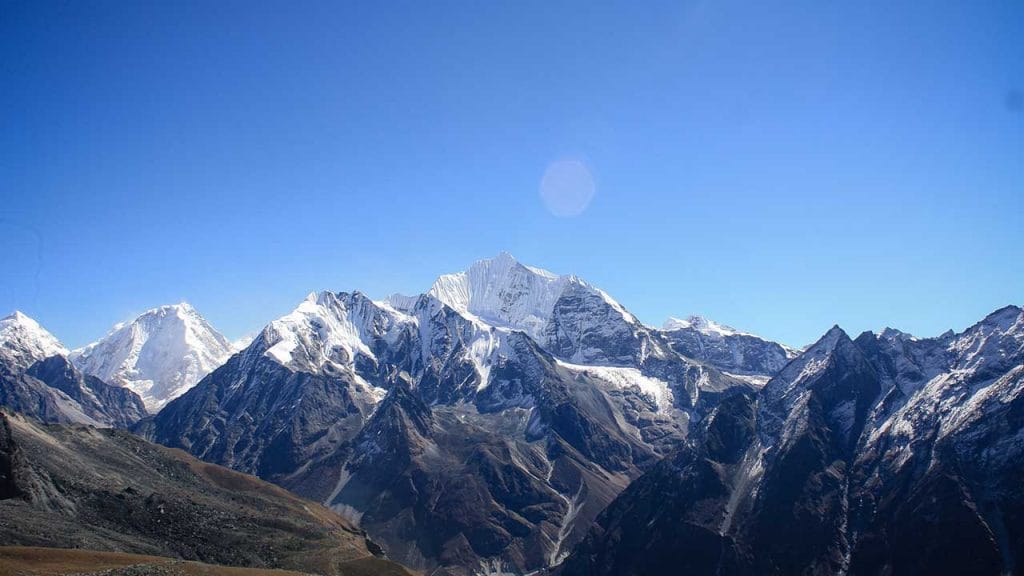
Tsum Valley Trek – 15 Days

Tsum Valley
15 Days/14 Nights
slide image
slide image
slide image
slide image

Introduction

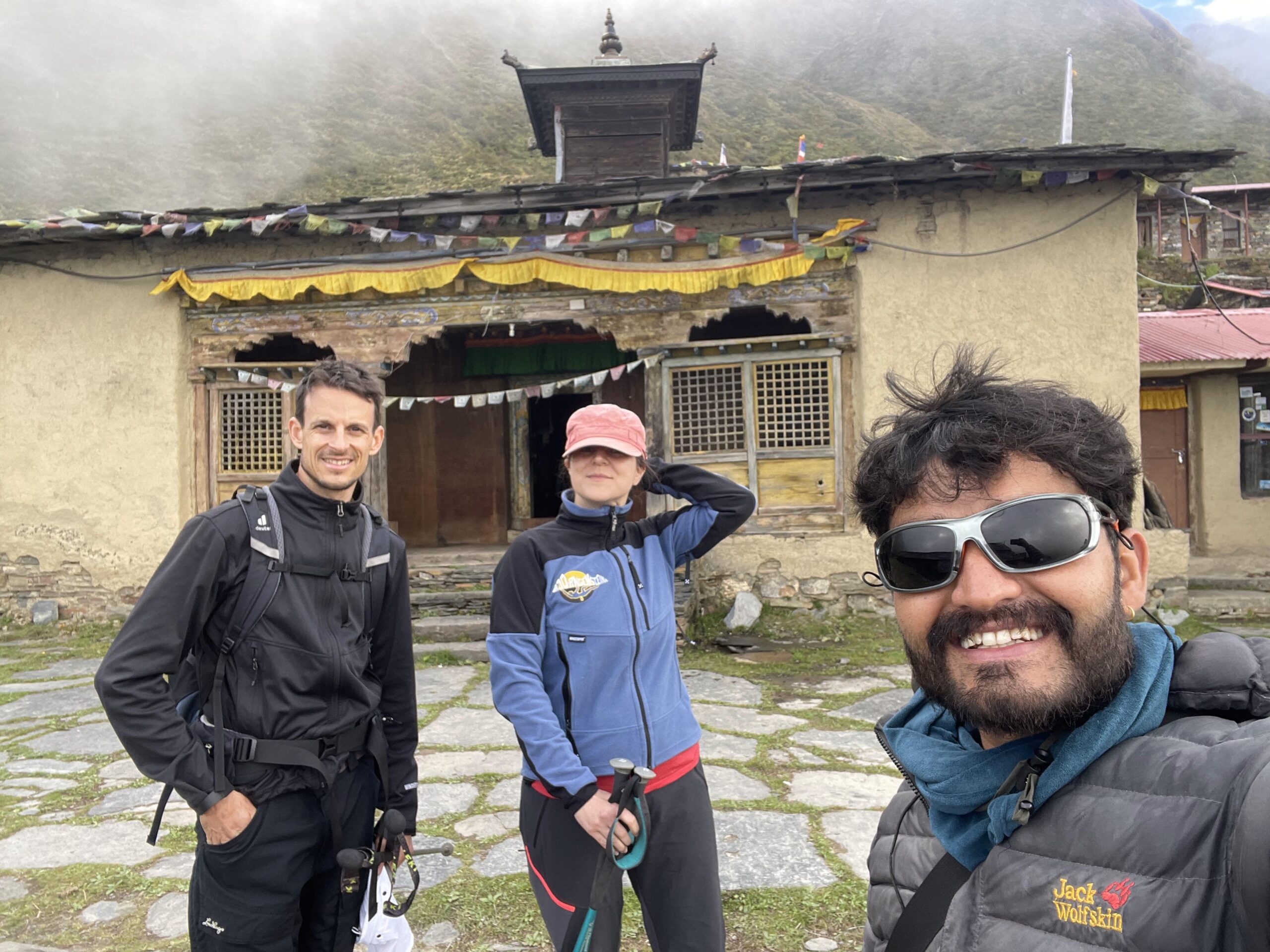
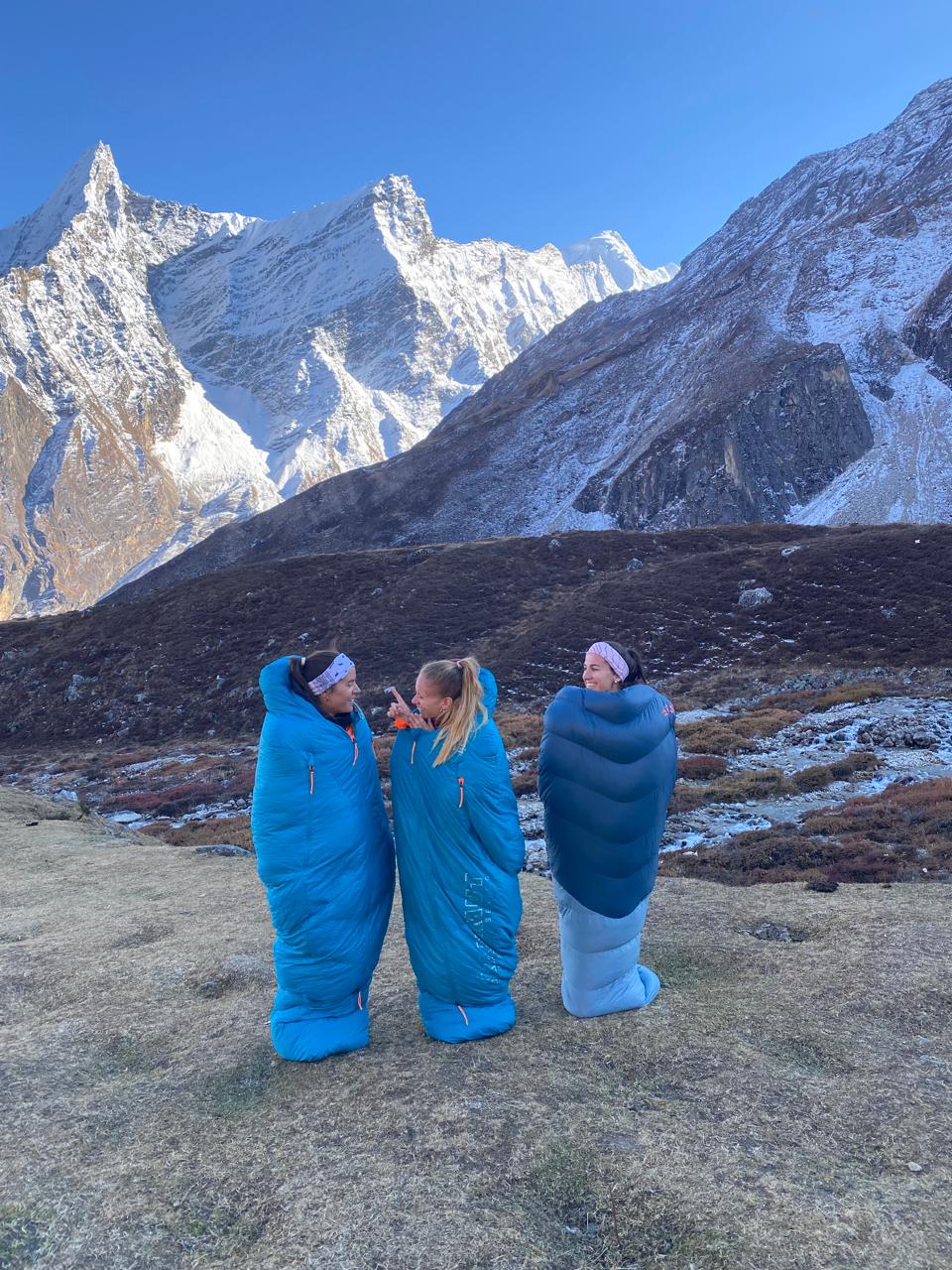
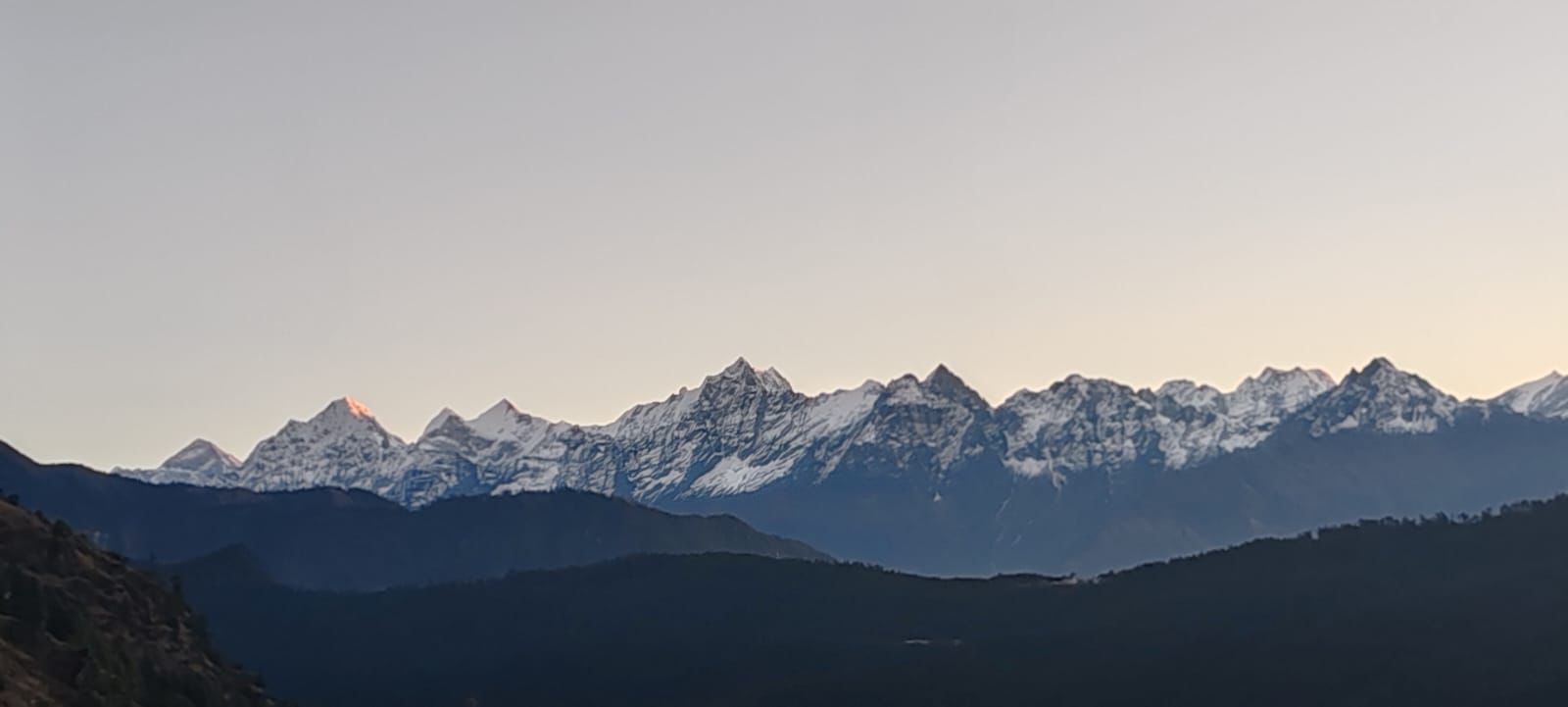
The Tsum Valley Trek is a 15-day adventure organized by ART Nepal Treks & Expedition into one of Nepal’s most hidden and culturally preserved regions. Nestled between Ganesh Himal and Sringi Himal, this valley has remained isolated for centuries, maintaining its pristine environment and Tibetan-influenced way of life. This trek provides travelers with a rare chance to witness untouched landscapes, interact with traditional communities, and explore ancient monasteries in a tranquil Himalayan setting.

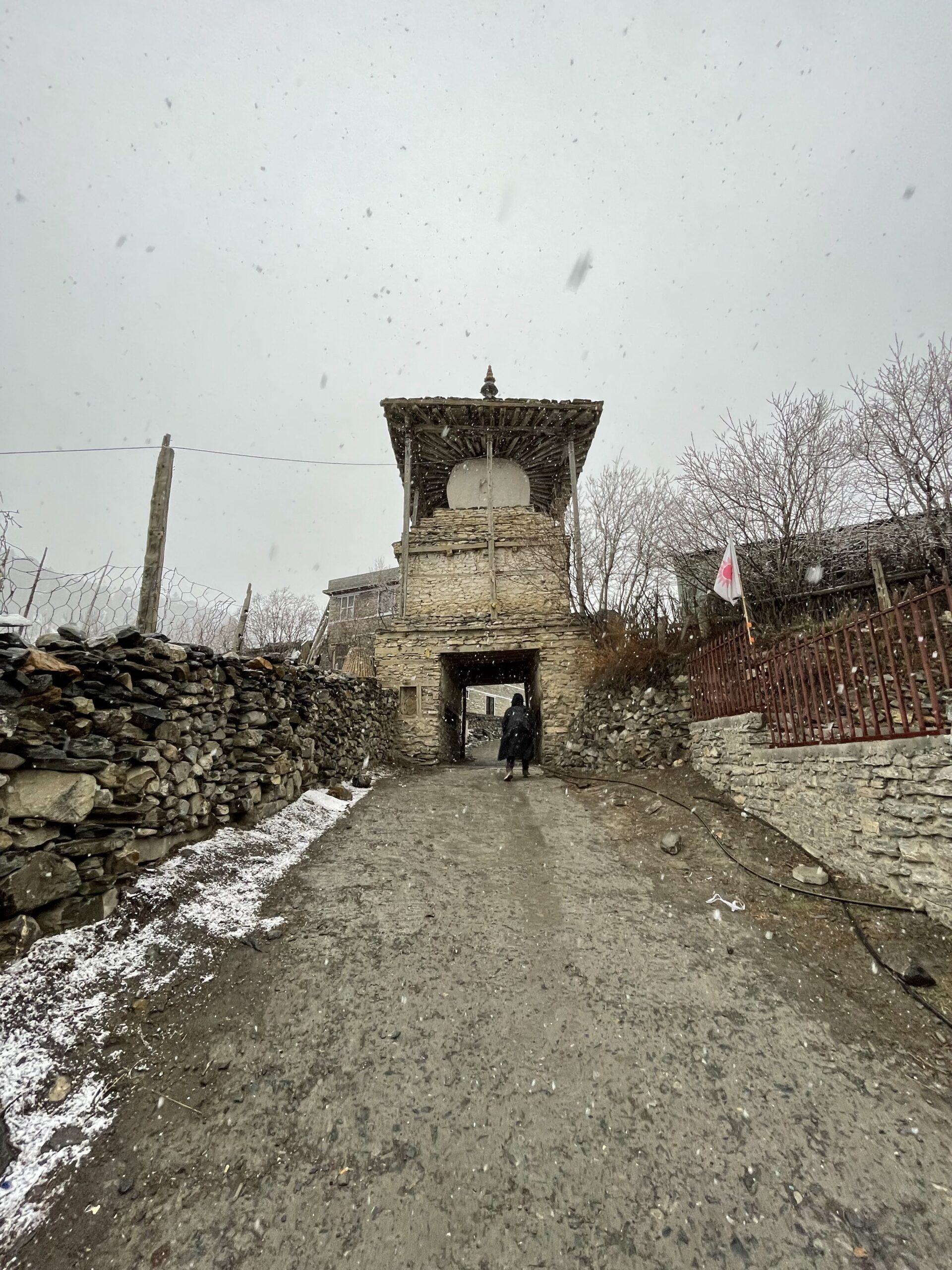
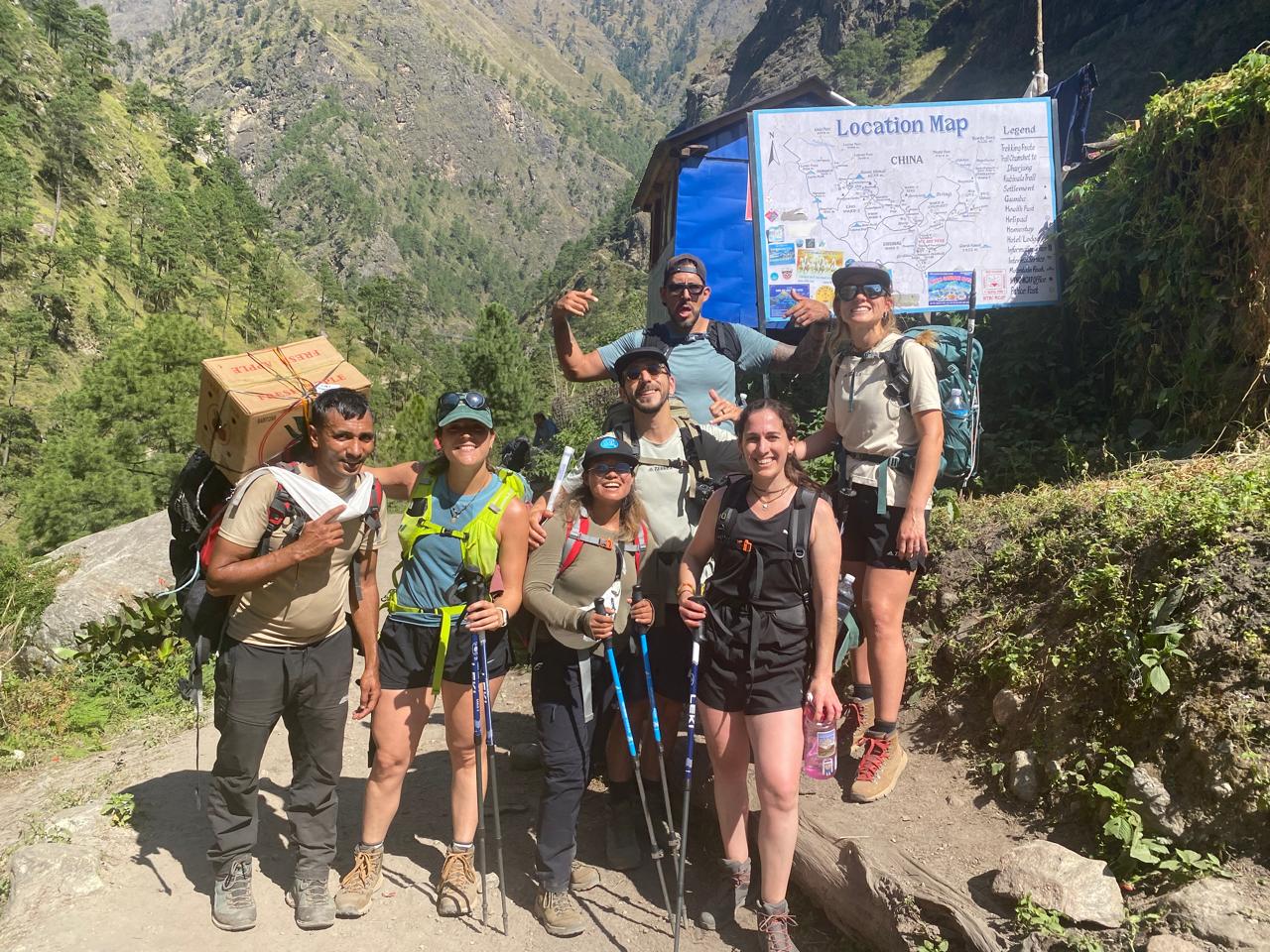
From the first day of the journey, the scenery evolves from lush forests and terraced farmland to high-altitude meadows and river valleys. Trekkers walk through charming villages, cross suspension bridges, and follow trails along the Budhi Gandaki River, all while absorbing the natural beauty and serenity of the region. The local villages, like Jagat, Lokpa, Chumling, and Nile, provide unique opportunities to observe daily routines, festivals, and religious rituals that have been practiced for generations.

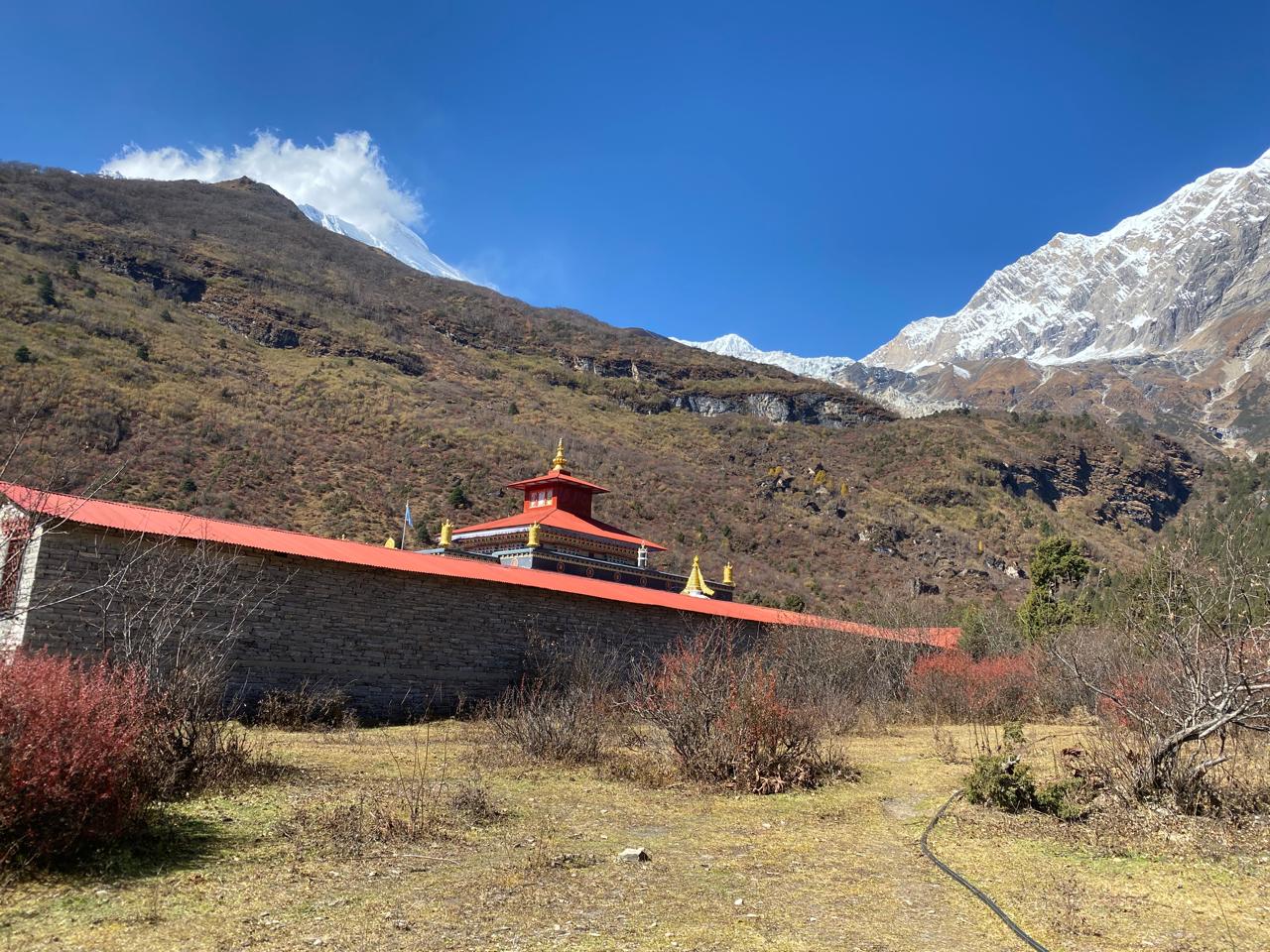
A major highlight is Mu Gompa, the trek’s highest point at 3,700 meters. Perched amidst stunning peaks, the monastery offers panoramic views and a glimpse into the spiritual life of the valley’s residents. Other historic monasteries like Rachen Gompa and Gumba Lungdang allow trekkers to experience local customs and ceremonies, enhancing the cultural richness of the journey.

The trek combines moderate physical challenge with deep cultural and natural exploration. The trail includes gentle ascents and descents, forested paths, river crossings, and high-altitude sections. Each day provides fresh perspectives, whether from a viewpoint, a monastery visit, or an encounter with local people. Accommodation along the route ranges from cozy teahouses to tents in remote areas, ensuring comfort even in secluded locations. In Kathmandu, modern 3-star hotels provide a relaxing start and finish to the trek. Meals are wholesome and designed to sustain trekkers through long days at altitude, while guides from ART Nepal Treks & Expedition ensure safety, organization, and cultural insight throughout the journey.

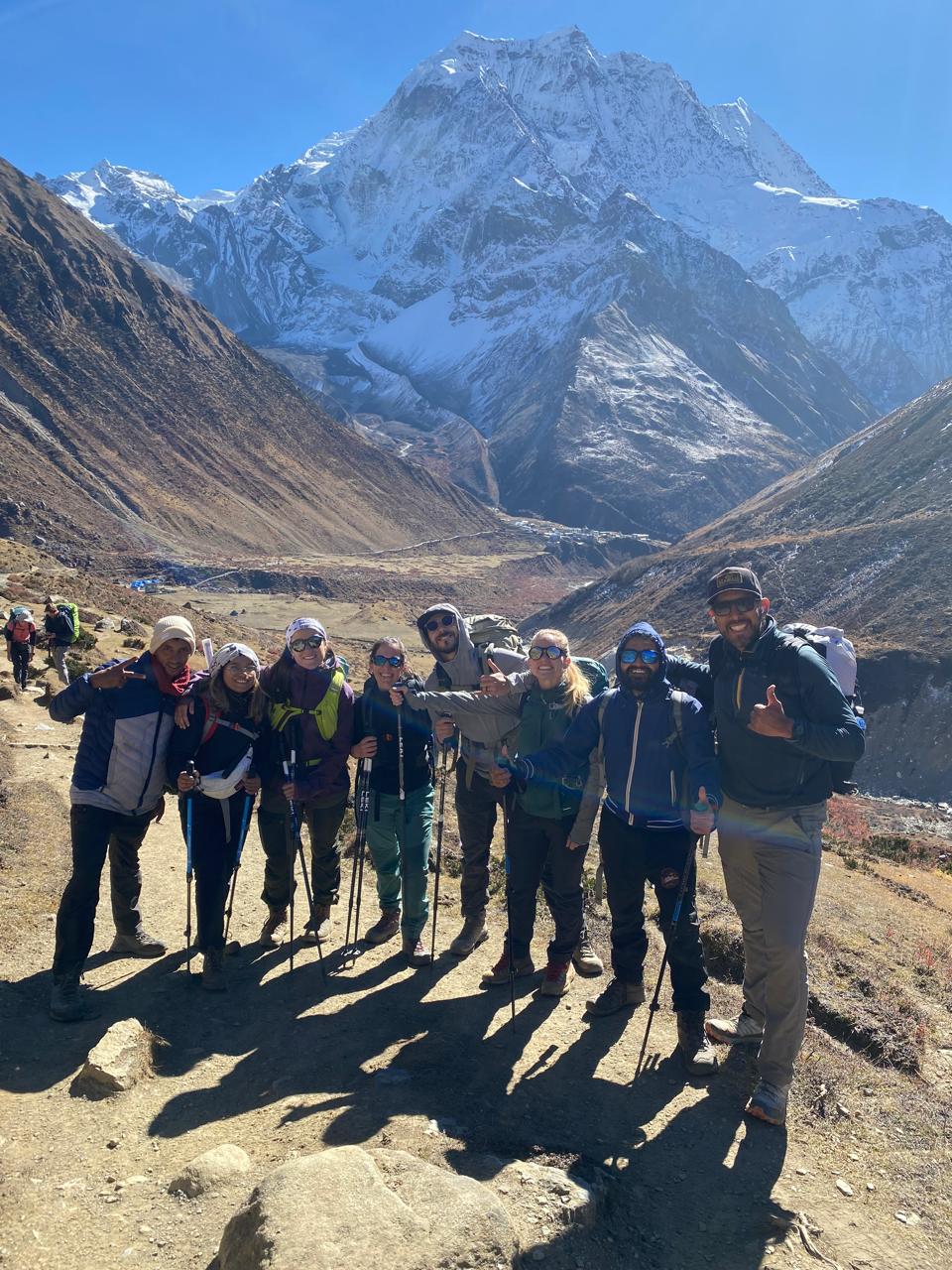
The Tsum Valley Trek is more than a trek; it’s an immersive experience in a hidden Himalayan kingdom, offering breathtaking scenery, spiritual enrichment, and a deep connection with nature and local culture. From the lush lower valleys to the sacred peaks and monasteries, every step is a journey into the heart of a truly unique region.

What You Can Expect from the Trek

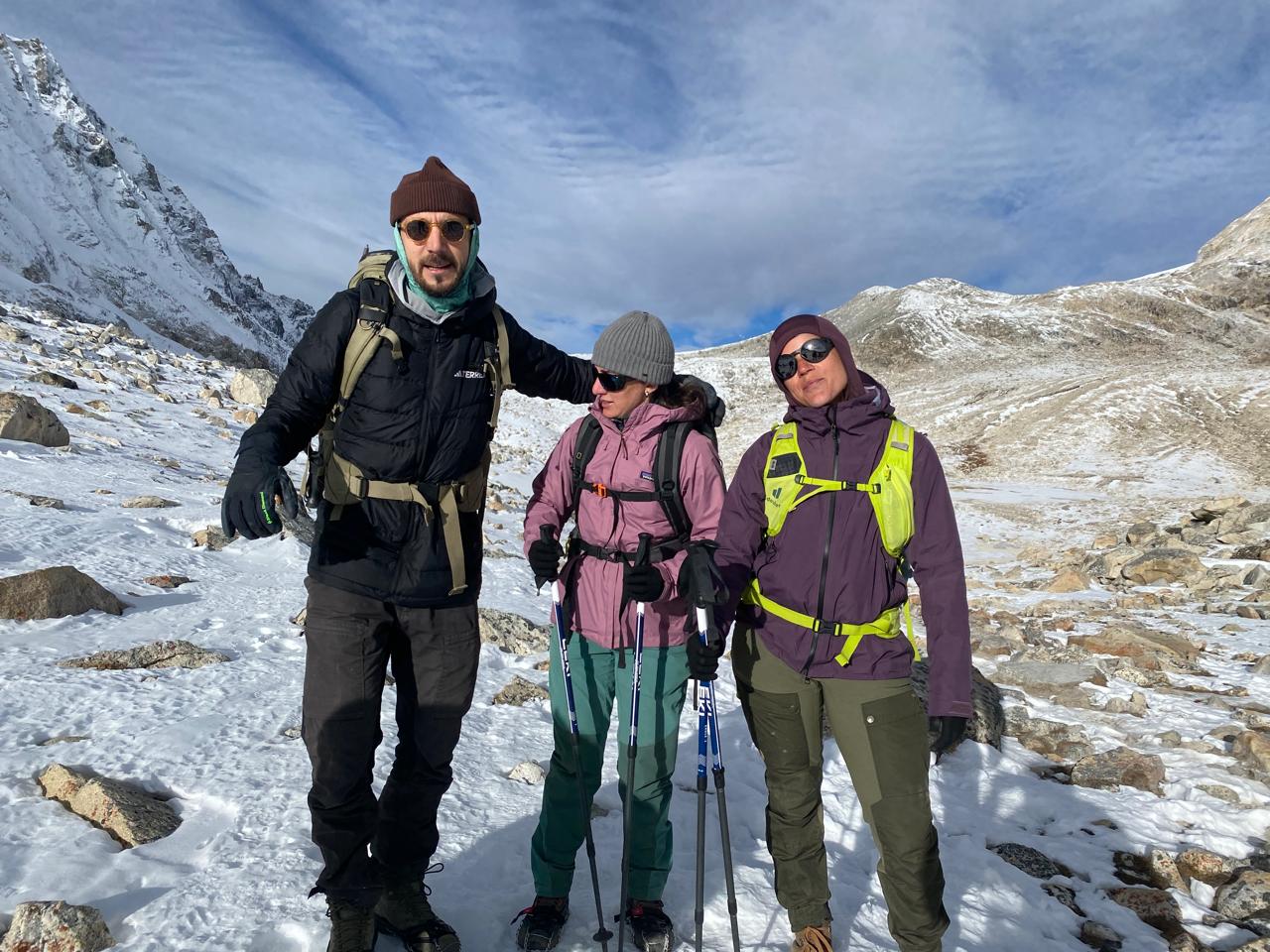
  • Trek through a secluded valley largely untouched by modern tourism, where traditional Tibetan culture thrives.
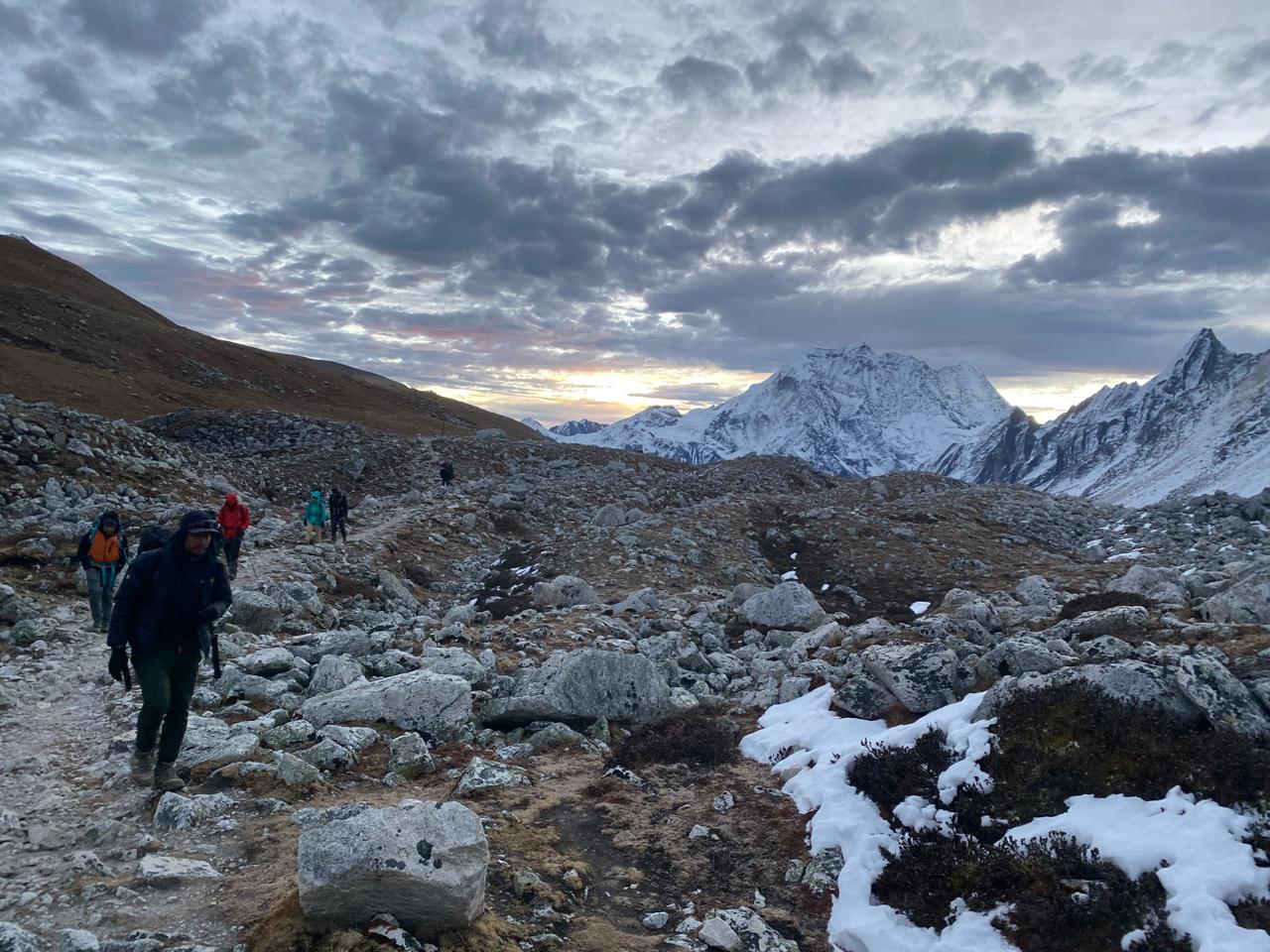
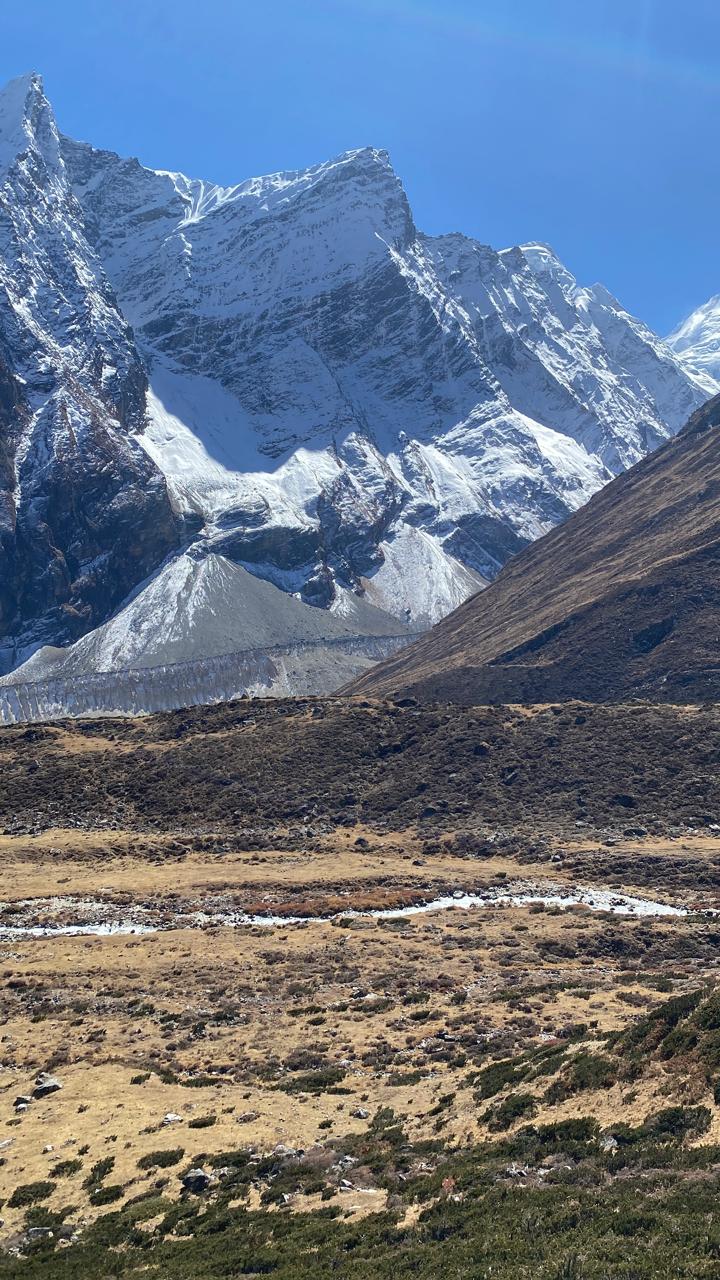
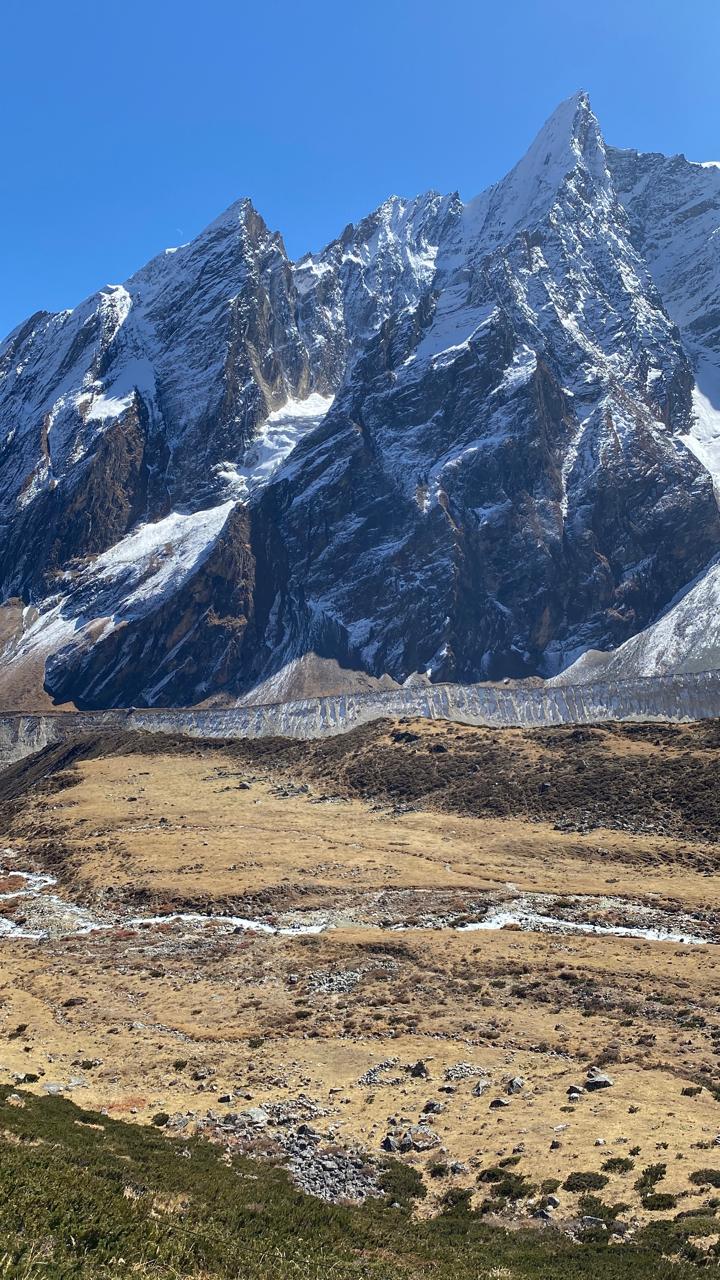
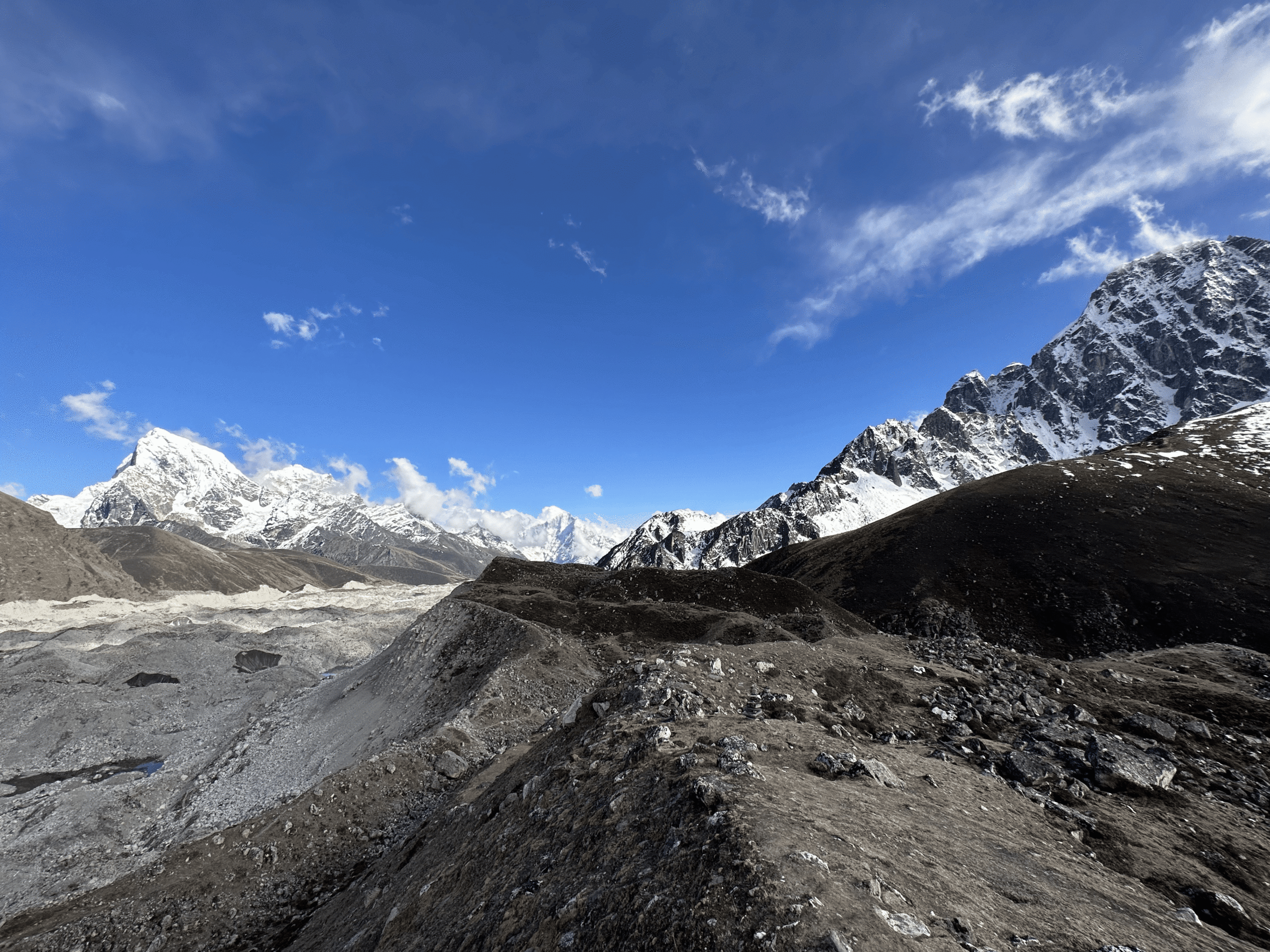
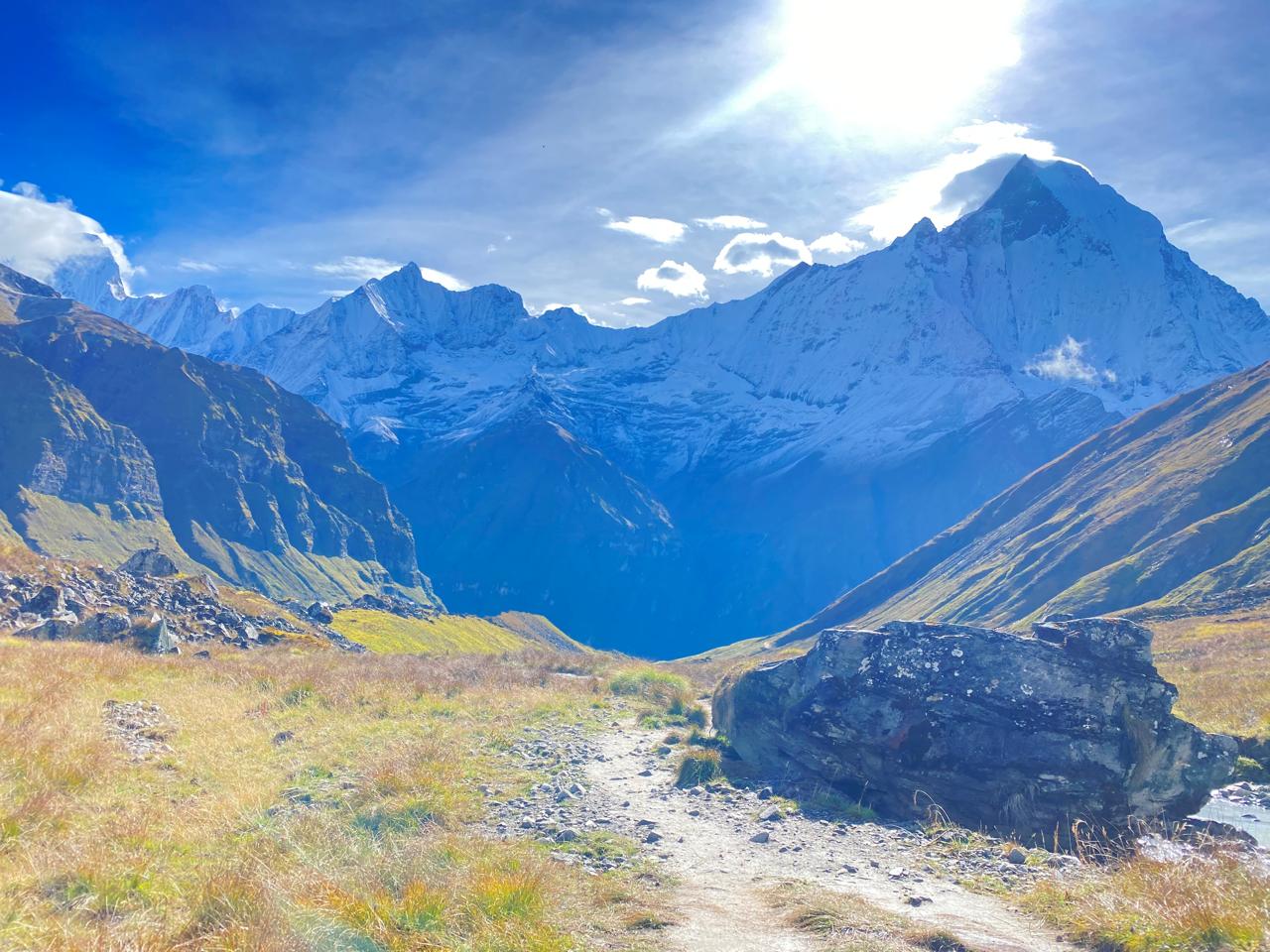
  • Witness snow-capped Himalayan peaks, lush forests, alpine meadows, and river valleys along the way.
  • Experience ancient monasteries and religious ceremonies at Mu Gompa, Rachen Gompa, and Gumba Lungdang.
  • Engage with welcoming locals, learning about their customs, lifestyle, and festivals.
  • Moderate to challenging terrain with gradual ascents and descents suitable for fit trekkers.
  • Panoramic viewpoints and photo opportunities at nearly every stage of the trek.
  • A balance of physical activity, cultural immersion, and spiritual exploration in a serene Himalayan environment.

How to Prepare for the Trek

  • Physical Fitness:
    Engage in regular cardiovascular exercises, strength training, and long hikes. Build stamina for long trekking days and varying altitude conditions.
  • Gear and Clothing:
    Invest in quality trekking equipment: waterproof jackets, thermal layers, sturdy trekking boots, and accessories suitable for warm and cold weather.
  • Acclimatization:
    Follow a gradual ascent schedule to reduce the risk of altitude sickness. Take rest days and drink plenty of water.
  • Mental Preparation:
    Prepare for long trekking days, varying weather conditions, and remote settings. Keep a flexible mindset and embrace the adventure.
  • Health Check-up:
    Consult your doctor to confirm fitness for high-altitude trekking. Discuss vaccinations, altitude sickness prevention, and medications if needed.
  • Travel Insurance:
    Secure comprehensive insurance covering trekking, high-altitude travel, medical emergencies, and evacuation.
  • Permits and Documentation:
    Ensure your Tsum Valley Restricted Area Trek Permit is ready, and carry passport copies and insurance documents.
  • Trip Duration

    15 Days/14 Nights

  • Group Size

    1–15 People

  • Maximum Altitude

    4,200 m (Ganesh Himal Base Camp)

  • Trip Difficulty

    Moderate to Challenging

  • Activities

    Trekking

  • Best Season

    March–May, September–November

  • Trip Start & End

    Kathmandu-Kathmandu

  • Meals

    Breakfast, Lunch, Dinner

  • Accomodation

    3-Star Hotel, Teahouses, Camping

Highlights

  • Remote Wilderness: Experience the secluded beauty of Tsum Valley, a hidden Himalayan gem largely untouched by modern development.
  • Scenic Views: Admire spectacular panoramas of Ganesh Himal, Sringi Himal, and other surrounding snow-capped peaks.
  • Cultural Experience: Engage with traditional Tibetan Buddhist communities and witness centuries-old customs preserved in remote villages.
  • Ancient Monasteries: Visit sacred sites including Mu Gompa and Rachen Gompa, centers of spiritual practice and meditation.
  • Unique Flora and Fauna: Discover rich biodiversity along trails from lush forests to high-altitude meadows.
  • Friendly Locals: Meet warm and welcoming residents, gaining insight into their daily lives and Tibetan-influenced culture.
  • Trekking Adventure: Enjoy a balanced trek combining physical challenge, breathtaking landscapes, and cultural immersion.

Itinerary

Day 01

Your Himalayan adventure begins with your arrival at Tribhuvan International Airport in Kathmandu. Upon arrival, a representative from ART Nepal Treks & Expedition will transfer you to your hotel in Thamel, a lively area of Kathmandu known for its shops, restaurants, and vibrant atmosphere. Take the rest of the day to relax, recover from your flight, and explore the local surroundings. In the evening, meet your trek guide for a briefing about the upcoming journey and to review your itinerary.

Altitude:
1400 m
Meal:
None
Accomodation :
3-Star Hotel, Thamel (Kathmandu)

Day 02

Spend the morning with your guide preparing the required Restricted Area Trek Permits for Tsum Valley. Submit necessary documents including your passport, passport-size photos, and proof of travel insurance. You can also take some free time to enjoy the cultural sights of Kathmandu or relax at your hotel. Your guide will explain important safety tips, packing suggestions, and trekking expectations for the journey ahead.

Altitude:
1400 m
Meal:
Breakfast
Accomodation :
3-Star Hotel, Thamel (Kathmandu)

Day 03

Depart Kathmandu early in the morning for a scenic journey to Arughat by public bus. From Arughat, a shared jeep will take you along winding roads to Machha Khola, passing through Soti Khola along the way. The route showcases Nepal’s verdant valleys, terraced farms, and cascading waterfalls. This long travel day prepares you for the trekking ahead, offering a gentle introduction to the Himalayan terrain.

Trip Duration:
9–10 hours
Trip Distance:
150.2 km
Altitude:
860 m
Meal:
Breakfast, Lunch, Dinner
Accomodation :
Tea House/Lodge, Machha Khola

Day 04

Begin your trek along gentle trails following the flowing Budhi Gandaki River, crossing several suspension bridges. Pass through picturesque villages and enjoy glimpses of lush forests and farmland. Stop at Tatopani, famous for its natural hot springs, for a refreshing experience. At Jagat, register your Tsum Valley Trek Permit and settle into your teahouse for the night.

Trip Duration:
6–7 hours
Trip Distance:
15 km
Altitude:
1340 m
Meal:
Breakfast, Lunch, Dinner
Accomodation :
Tea House/Lodge, Jagat

Day 05

The trail climbs steadily through dense forests of rhododendron and pine. Along the way, cross Nepal’s longest suspension bridge and trek through traditional Tibetan Buddhist villages. Enjoy scenic views of Mount Sringi as you ascend to Lokpa, a peaceful village nestled in the forested slopes. The combination of cultural encounters and natural beauty makes this section both rewarding and invigorating.

Trip Duration:
6–7 hours
Trip Distance:
17 km
Altitude:
2240 m
Meal:
Breakfast, Lunch, Dinner
Accomodation :
Tea House/Lodge, Lokpa

Day 06

Continue through mixed forests with moderate ascents and descents. Pass through Ripchet before reaching Chumling, a small village where you can observe traditional Tibetan-style homes. From this point, trekkers get glimpses of Ganesh Himal and surrounding peaks. Enjoy the serene environment as you settle into your lodge for the night.

Trip Duration:
4–5 hours
Trip Distance:
6.3 km
Altitude:
2386 m
Meal:
Breakfast, Lunch, Dinner
Accomodation :
Tea House/Lodge, Chumling

Day 07

Today, cross a suspension bridge over the Syar River and trek uphill towards Chhokang Paro, enjoying panoramic views of Himalchuli and Ganesh Himal. Reach Rachen Gompa, a historic monastery nestled in the mountains, where you can observe spiritual practices and enjoy peaceful surroundings. This day combines cultural exploration with moderate trekking.

Trip Duration:
6–7 hours
Trip Distance:
10.2 km
Altitude:
3240 m
Meal:
Breakfast, Lunch, Dinner
Accomodation :
Tea House/Lodge, Rachen Gompa

Day 08

Trek to Nile while leaving heavy luggage behind. From Nile, embark on a day hike to Mu Gompa, the highest point of the trek at 3,700 meters. Explore the monastery, learn about local rituals, and take in spectacular views of surrounding peaks. Return to Nile in the evening to rest.

Trip Duration:
6–7 hours
Trip Distance:
12 km
Altitude:
3361 m
Meal:
Breakfast, Lunch, Dinner
Accomodation :
Tea House/Lodge, Nile

Day 09

Descend from Nile along scenic trails, passing through Domje and pristine forests. Arrive at Gumba Lungdang, a monastery known for its puja ceremonies and stunning mountain backdrop. Take time to explore the area and enjoy the tranquil environment.

Trip Duration:
7–8 hours
Trip Distance:
20 km
Altitude:
3200 m
Meal:
Breakfast, Lunch, Dinner
Accomodation :
Tea House/Lodge, Gumba Lungdang

Day 10

A challenging yet rewarding day, trekking uphill to Ganesh Himal Base Camp for breathtaking panoramic views of snow-capped peaks and glaciers. After soaking in the scenery, descend back to Gumba Lungdang for overnight stay.

Trip Duration:
7–8 hours
Altitude:
4200 m
Meal:
Breakfast, Lunch, Dinner
Accomodation :
Tea House/Lodge, Gumba Lungdang

Day 11

Descend through forests, cross suspension bridges, and follow well-marked trails back to Lokpa. Enjoy forest scenery and occasional village views along the way.

Trip Duration:
6–7 hours
Trip Distance:
15 km
Altitude:
2240 m
Meal:
Breakfast, Lunch, Dinner
Accomodation :
Tea House/Lodge, Lokpa

Day 12

Retrace your steps along the Budhi Gandaki River, trekking downhill to Jagat. The terrain is gentler, allowing you to enjoy the scenery and reflect on the trek so far.

Trip Duration:
6–7 hours
Trip Distance:
10 km
Altitude:
1340 m
Meal:
Breakfast, Lunch, Dinner
Accomodation :
Tea House/Lodge, Jagat

Day 13

Continue descending through small villages and forested paths back to Machha Khola. Cross suspension bridges and enjoy the peaceful river valley on your final day of trekking.

Trip Duration:
7–8 hours
Trip Distance:
15 km
Altitude:
860 m
Meal:
Breakfast, Lunch, Dinner
Accomodation :
Tea House/Lodge, Machha Khola

Day 14

Board a jeep and drive back to Kathmandu via Arughat, enjoying the scenic valley roads along the way. In the evening, join a farewell dinner with your trekking team and guides from ART Nepal Treks & Expedition to celebrate the completion of your Tsum Valley journey.

Trip Duration:
2–3 hours
Trip Distance:
160 km
Altitude:
1400 m
Meal:
Breakfast, Lunch, Dinner
Accomodation :
3-Star Hotel, Thamel (Kathmandu)

Day 15

After breakfast, transfer to Tribhuvan International Airport for your flight home. If you have time before departure, explore Kathmandu, shop for souvenirs, or extend your trip with another package from ART Nepal Treks & Expedition.

What's Included

  • Airport pickup and drop in Kathmandu
  • Accommodation in 3-Star Hotels in Kathmandu and Pokhara (or similar)
  • Accommodation in teahouses/lodges/camping along the trek route
  • All meals during the trek (Breakfast, Lunch, Dinner, Tea/Coffee)
  • Domestic flights required for the trek (e.g., Kathmandu–Jomsom, Nepalgunj–Juphal)
  • Trekking permits and National Park/Restricted Area permits
  • Experienced English-speaking trek guide (food, accommodation, salary, insurance included)
  • Porter services (if requested; one porter recommended for every two trekkers, carrying up to 25 kg each)
  • First aid kit and emergency medical support during the trek
  • Public transportation required on trekking route (buses, jeeps)
  • Sightseeing and cultural visits in Kathmandu or Pokhara (if mentioned in itinerary)

What's Excluded

  • Personal expenses (souvenirs, snacks, drinks, shopping)
  • Trekking gear or personal equipment (boots, jackets, sleeping bag, etc.)
  • Beverages, bottled/mineral water, and soft drinks
  • Travel insurance (mandatory for high-altitude trekking)
  • Tips for guides, porters, and other staff (expected at the end of the trek)
  • Helicopter services (optional rescue or sightseeing flights)
  • Private transportation (outside of included itinerary)
  • Optional activities or sightseeing not mentioned in the itinerary

Essential Info

Add-Ons / Optional Services

  • Sightseeing tours in Kathmandu Valley
  • Additional porters or pack animals
  • Helicopter flights for sightseeing or emergency evacuation
  • Private vehicles for transportation between trekking sections
  • Extra nights in hotels before or after the trek

Best Season to Trek

  • Spring (March to May): This is one of the most popular times for trekking. The weather is generally mild, skies are clear, and the rhododendrons and other flowers are in bloom.
  • Autumn (September to November): Offers stable weather, crisp mountain views, and comfortable temperatures. Ideal for clear visibility of the Himalayas.
  • Winter (December to February): Cold conditions with possible snow at higher altitudes. Best suited for experienced trekkers seeking quiet trails.
  • Monsoon (June to August): Heavy rain may make trails slippery and increase the risk of landslides. Not recommended for trekking.

Food Availability

  • Breakfast: Commonly includes eggs, toast, porridge, pancakes, tea or coffee.
  • Lunch: Typically rice, dal, vegetables, noodles, soups, sandwiches, or local specialties.
  • Dinner: Hearty meals such as dal bhat (rice and lentils), pasta, curries, and other traditional dishes.
  • Snacks: Available at teahouses and lodges, including fruits, biscuits, energy bars, and chocolate.
  • Special dietary needs can usually be accommodated with advance notice.

Accommodation

  • Hotels in Kathmandu and Pokhara: Comfortable 3-star hotels with modern amenities, clean rooms, and hot showers.
  • Teahouses / Lodges along the trail: Basic but clean facilities with beds and shared bathrooms. Some teahouses offer small shops and refreshments.
  • Camping at higher altitudes: Provided with tents, sleeping bags, and dining equipment. Staff help set up and manage camps.
  • Accommodation is arranged to maximize comfort while trekking in remote areas.

Travel Insurance

  • Travel insurance is mandatory for all trekkers.
  • Ensure your policy covers high-altitude trekking, medical emergencies, and evacuation.
  • Recommended coverage includes trekking accidents, altitude sickness, and unforeseen emergencies.

Altitude Sickness

  • Can occur due to lower oxygen levels at high elevations.
  • Common symptoms: Headaches, nausea, dizziness, shortness of breath.
  • Prevention: Gradual ascent, regular acclimatization days, staying hydrated, avoiding alcohol, and following the guide’s recommendations.
  • Treatment: Descend immediately if symptoms worsen, rest, and consult a doctor. Carry medication for altitude sickness as prescribed.

Guide & Safety Measures

  • A professional guide leads the trek, providing navigation, cultural insights, and emergency assistance.
  • Guides are trained in first aid and high-altitude safety.
  • Regular check-ins are conducted to monitor health and ensure safety.
  • Safety protocols include altitude sickness prevention, emergency evacuation plans, and proper management of trekking conditions.

Booking Procedure

  1. Contact: Reach out to ART Nepal Treks & Expedition to check availability and gather detailed trek information.
  2. Deposit: Pay the required deposit to secure your booking.
  3. Final Payment: Complete the remaining payment before the trek begins.
  4. Documentation: Submit copies of passport, visa, and travel insurance, and provide necessary photographs for trekking permits.

Equipment List

  • Lightweight trekking shirts (quick-dry, moisture-wicking)
  • Long-sleeve shirts for sun protection and warmth
  • Trekking pants (convertible pants recommended for flexibility)
  • Shorts (for lower altitude days)
  • Thermal base layers (top and bottom)
  • Comfortable innerwear and socks (preferably moisture-wicking)
  • Trekking gloves (lightweight for lower altitudes, insulated for higher altitudes)
  • Sun hat or cap for daytime
  • Warm beanie or fleece hat for cold mornings and evenings
  • Buff or scarf (for wind, dust, and sun protection)
  • Rain jacket and waterproof overpants
  • Sturdy trekking boots (well-broken-in, waterproof, and ankle support)
  • Trekking poles (collapsible, adjustable)
  • Daypack (25–35 liters for carrying water, snacks, and personal items)
  • Rain cover for daypack
  • Sleeping bag (rated for -10°C to -15°C, depending on season)
  • Headlamp or flashlight with spare batteries
  • Sunglasses (UV protection, preferably glacier glasses for high altitudes)
  • Water bottles or hydration system (minimum 2–3 liters capacity)
  • Energy snacks (nuts, protein bars, chocolates)
  • Personal trekking map or GPS device (optional but useful)
  • Lightweight trekking stove (optional for camping sections)
  • Insulated down jacket or synthetic jacket (essential for high-altitude areas like Mu Gompa)
  • Fleece jacket or warm sweater for layering
  • Waterproof and windproof shell jacket
  • Trekking pants with insulation (optional for higher altitudes)
  • Lightweight trekking shirts for layering
  • Thermal underwear sets
  • Extra sets of socks and underwear for daily change
  • Sleepwear or comfortable clothing for evenings in teahouses
  • Personal toiletries (toothbrush, toothpaste, soap, shampoo, wet wipes)
  • Quick-dry towel
  • Sunscreen (SPF 50+) and lip balm with UV protection
  • First aid kit (bandages, antiseptic cream, painkillers, blister treatment)
  • Altitude sickness medication (consult your doctor before trek)
  • Hand sanitizer and tissues
  • Insect repellent (for lower-altitude sections)
  • Personal medications (if required)
  • Water purification tablets or portable filter (optional but recommended)
  • Travel towel or small microfiber towel
  • Mobile phone and charger
  • Power bank (minimum 10,000 mAh recommended)
  • Camera with extra batteries and memory cards
  • Travel adapter (Nepal uses Type D, M, and C plugs; 230V, 50Hz)
  • GPS tracker or watch (optional for tracking daily progress)
  • E-book reader or tablet (optional for leisure in evenings)
General Equipments
  • Light trekking sandals (for rivers and relaxing at lodges)
  • Notebook and pen (to document your trekking experiences)
  • Small lock for daypack or tent storage
  • Plastic bags for waterproofing clothing or electronics
  • Binoculars for wildlife and mountain viewing

FAQ

Yes, you can receive a refund. However, you must report your cancellation at least 7 days prior to the trek. This allows us to make the necessary adjustments and offer your spot to another adventurer. Please contact our customer service team to initiate the refund process.
Yes, you can change the travel date. However, please ensure that you make the request at least 7 days before the scheduled trek. To change your travel date, please contact our customer service team as soon as possible.
Yes, you can make changes to your accommodation. If you choose to upgrade or downgrade your accommodation, it will affect the pricing of the package accordingly. Please contact our customer service team to discuss your preferences and any associated cost adjustments.
It depends on you. If you can handle your luggage weight, then there is no need to hire a porter. However, if you prefer an easier trek without the burden of carrying your gear, we suggest hiring a porter. We offer the option to add a porter to your package for your convenience.
Yes, insurance is required for any rescue operations or medical emergencies that may arise due to high altitude or breathing problems. Having insurance ensures that you are covered in case of unforeseen circumstances and can receive the necessary assistance promptly. Please make sure to arrange appropriate travel insurance before embarking on your trek.
Trip Price

On Request

Talk To Trip Expert

expert image

Anjan Dhital

Trip Expert
Have Any Questions?
Whatsapp/Viber +977-9810271256
Share this Trip
Translate »