


Discovering the flora and fauna of NEPAL : CHITWAN NATIONAL PARK
- April 19, 2026
The scenic and a breathtaking adventurous subtropical lowland of southern Nepal , Chitwan National Park stands as one of the interesting site for wildlifes conservation in whole asia. In recogonition of its unique biological resources of outstanding universal value, UNESCO designated Chitwan National Park as a World Heritage Site in 1984.
Travellers seeking for exploring nature except snowcapped mountains and thrilling jungle safaris, vibrant cultural immersion and canoe rides ; Chitwan National Park may be the best eco-tourism destination.
Prolouge of the wondering Chitwan National Park :
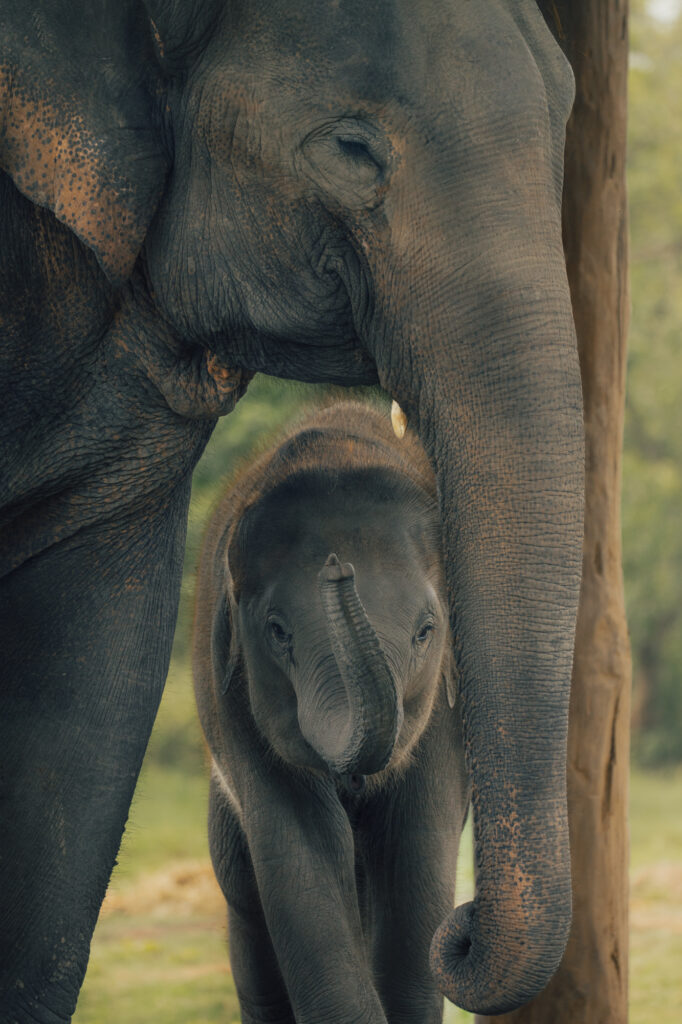
Chitwan National Park is where Nepal’s conservation journey began. Established in 1973 as the country’s first national park, it covers a vast stretch of subtropical lowlands in south-central Nepal. The landscape is a stunning mix of river valleys and rolling hills, creating a perfect sanctuary for wildlife.
This park is a crucial refuge for some of the world’s most endangered species also designated among the most precious natural treasures on Earth. It holds the distinction of being Nepal’s first national park, a pioneering step in the nation’s commitment to conservation. World-renowned as one of Asia’s best wildlife viewing destinations, it is a realm where the impossible becomes probable, where the shadows reveal the rarest creatures on the planet. It is famous for protecting the endangered one-horned rhinoceros ghariyal-gohi ,Bengal tiger, offering a refuge to these majestic beasts against the encroaching tide of modernity.This is a place where the subtropical lowlands of the Terai burst forth in a riot of life. Here, the air is alive with the calls of over 600 bird species, the ground trembles under the weight of giants, and the rivers glide silently through ancient forests. Join us as we unravel the mysteries of Chitwan, exploring every facet of its existence, from the smallest insect to the mightiest predator, and from the logistics of your journey to the depths of its cultural heart.
The Monarchs of the Jungle: A Wildlife Odyssey
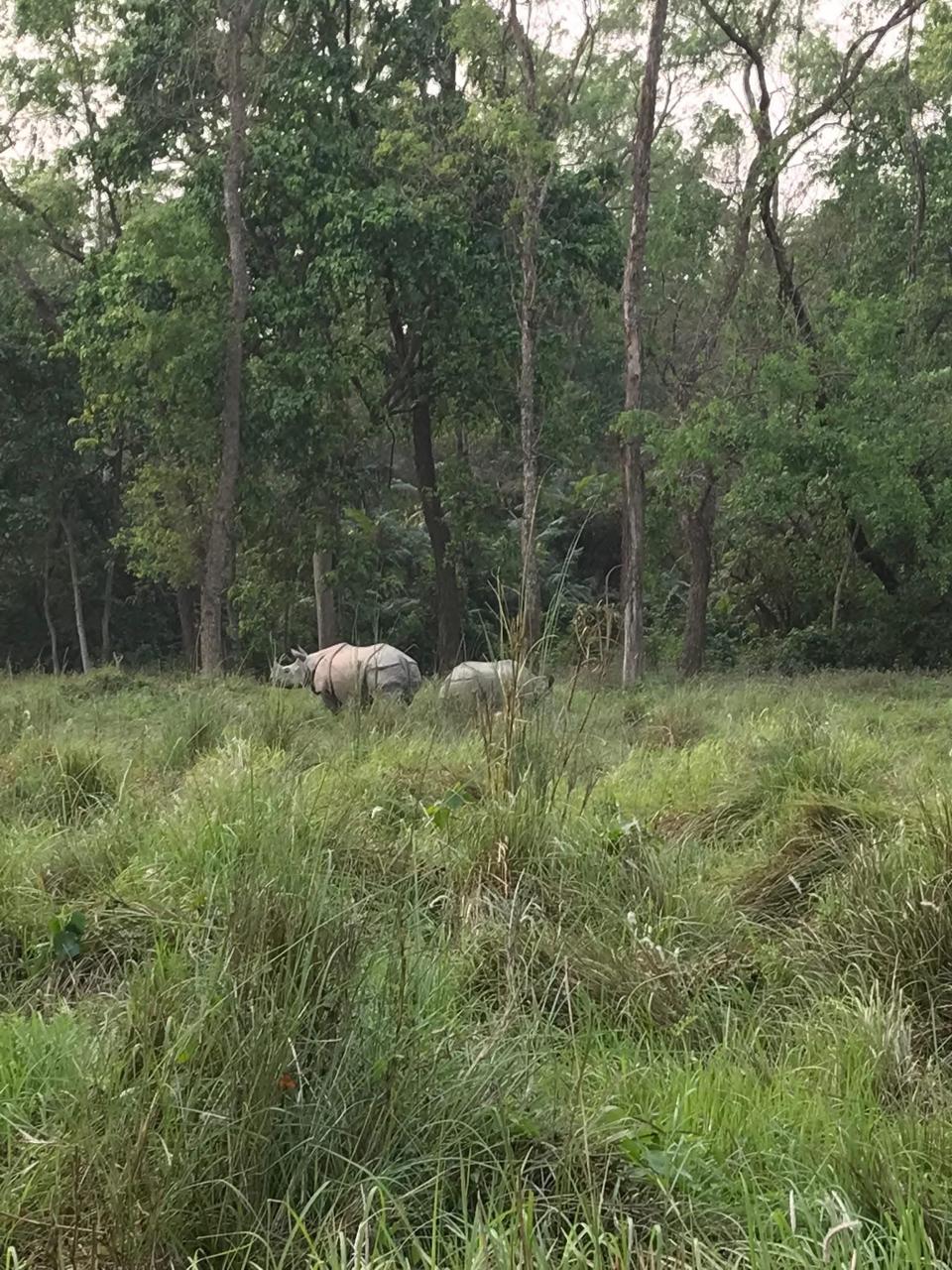
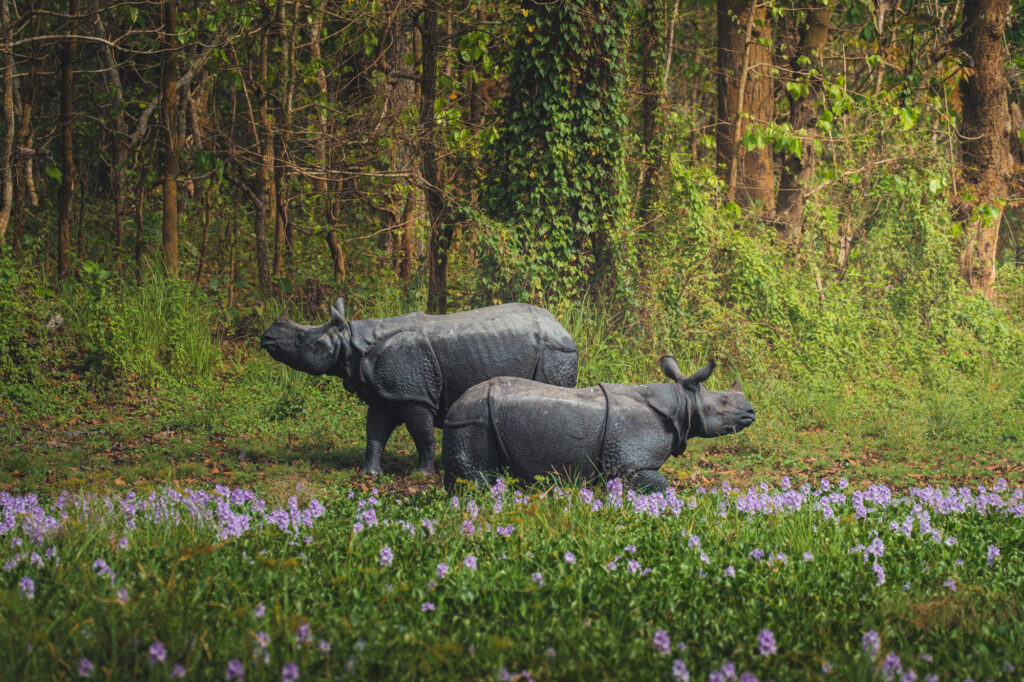
To speak of Chitwan is to speak of its rulers. The park is a sanctuary for the second-largest population of Greater One-horned Rhinoceros in the world. Seeing these prehistoric-looking beasts, with their armor-plated skin and singular horn, grazing peacefully in the tall elephant grass is a sight that etches itself into the memory forever. They are the tanks of the Terai, symbols of a bygone era, thriving here in numbers that offer hope for their species’ survival.
But the rhino shares its throne with another, more elusive sovereign. Chitwan stands as a beacon of hope for the Bengal tiger. It is one of the National Parks in the world that has more than 128 adult tigers in the same habitat. This statistic is monumental. It signifies a density of predators that is rare in the modern world. As we detailed in our previous chronicles, the park’s alluvial floodplains provide the perfect cover for these striped phantoms. The resurgence of the tiger here—from a precarious population of just 25 individuals decades ago to the robust numbers we see today—is a story of resilience and rigorous protection.
Beyond these two icons, the park is a haven for a multitude of other species. It is home to the formidable Gaur Bison, the world’s largest wild cattle, often spotted descending from the Churia Hills. The rivers are the domain of the Gharial Crocodile, a bizarre and fascinating reptile with a long, slender snout, fighting for survival against the currents of time. Furthermore, the park is a global hotspot for avifauna, harboring more than 6% of the world’s bird species. From the critically endangered Bengal Florican to the vibrant Indian Paradise Flycatcher, the skies and trees of Chitwan are a perpetual symphony of color and sound.
The Landscape: Hills, Valleys, and Wetlands
The geography of Chitwan is a masterpiece of natural architecture. The rugged Churia Hills rise like the spine of a sleeping dragon, covered in dry scrub and pine, providing a stark contrast to the lush valleys below. Nestled within this topography is the serene Madi Valley, a landscape of tranquil beauty that complements the dense jungles.
A jewel in this crown is the Bishajari Lake, a magnificent wetland complex. Recognized as a Ramsar site, it is a Wetland of international importance. This designation is not given lightly; it marks the lake as a crucial habitat for waterfowl, marsh mugger crocodiles, and countless aquatic species. The shimmering waters of Bishajari, surrounded by dense forests, offer a reflective pause in the frantic energy of the jungle, a place where nature breathes in stillness.
The park’s ecosystem is a delicate balance of riverine forests, sal trees, and expansive grasslands. This diversity is what allows it to support such a high density of life. The buffer zone with an area of 729.37 sq km acts as a transitional shield, connected by four districts: Chitwan, Parsa, Makwanpur, and Nawalparasi. This buffer zone is vital, allowing the local communities to coexist with the wildlife, creating a model of harmony between man and nature.
Conservation in Action: Breeding Centers
Chitwan is not just a park; it is a laboratory of life. The dedication to preserving its inhabitants is evident in the specialized facilities located within its boundaries. The park hosts a specialized Elephant Breeding Center, where these gentle giants are raised and cared for. Visiting the center offers a unique glimpse into the lives of the elephants and the mahouts who dedicate their lives to them.
Similarly, the Gharial Crocodile Breeding Center is a hub of herpetological conservation. Here, eggs are hatched, and young reptiles are reared to a size where they have a fighting chance in the wild rivers. But the circle of conservation is complete only when all links are protected. Recognizing the critical decline of scavengers, the park also features a Vulture Breeding Center. Vultures are nature’s sanitation crew, and their survival is essential for the health of the ecosystem. These centers represent the proactive, scientific approach that defines Chitwan’s management.
Accessibility: The Gateway to the Wild
One of the most compelling aspects of Chitwan is its accessibility. Unlike remote wildernesses that require arduous days of trekking, Chitwan National Park is easily accessible from most of the cities of Nepal.
The journey itself is part of the adventure. The recently constructed road at the landslide occurring Mugling-Naranghad section of the East-West highway has made Chitwan more accessible than before. This engineering feat has smoothed out the journey, reducing travel time and enhancing safety.
For those starting their journey in the capital, every morning many tourist buses leave from Kathmandu to Sauraha, which is near the park entrance. It is a comfortable ride through winding hills and along the Trishuli River. For those seeking speed and aerial views, a flight to Bharatpur from Kathmandu followed by a 45-minute drive to Sauraha is also an option. The flight whisks you from the chaotic valley to the flat plains in a matter of minutes.
Travelers coming from other hubs will find the park equally convenient. From the scenic city of Pokhara and the birthplace of the Buddha, Lumbini, the protected area is within a driving distance of 4 to 5 hours. This connectivity makes Chitwan a perfect anchor for any Nepal itinerary, linking the mountains, the cities, and the plains in a seamless loop.
Entrances and Logistics: Gateway to Adventure
To manage this vast expanse of wilderness, the park authorities have established multiple entry points. There are 12 entrance gates to the park, each serving as a portal to a different facet of the jungle.
- Ghatgain via Patihani
- Bhimle via Meghauli
- Khagendramalli via Bhandara
- Sauraha via Tandi (Ratna Nagar) – This is the most popular entry point for tourists.
- Laukhani via Pragatinagar
- Amaltari via Danda
- Sanachuri
- Bankatta via Madi
- Kasara via Jagatpur – Often used for deeper jungle excursions.
- Kujauli via Rajahar
- Nandabhauju
- Bagai
Each gate offers a slightly different perspective of the park, and your choice may depend on the specific activities or zones you wish to explore. ART Nepal Treks handles all these logistics, ensuring you enter through the gate best suited for your wildlife aspirations.
Planning Your Visit: Fees and Permits
To preserve the sanctity of the park and fund conservation efforts, entry fees are mandatory. It is important to be aware of the current rates to plan your budget effectively. For the year 2026, the Chitwan National Park entry fees are structured as follows:
- Foreigners: 2,000 NPR per person per day.
- SAARC Nationals: 1,000 NPR per person per day.
- Nepalis: 150 NPR per person per day.
- Children under 10: Free entry.
These fees grant you access to the pristine wilderness, but they are just the beginning. Mandatory permits are required, and separate fees apply for activities like jeep safaris, canoeing, and guides. Navigating this fee structure can be complex for a solo traveler, but with ART Nepal Treks, all permits and logistical hurdles are handled seamlessly, leaving you free to immerse yourself in the experience.
Things to Do: Exploring Nature’s Beauty at its Finest
Chitwan is a playground for the spirited traveler. The array of activities available ensures that there is never a dull moment. Here is a curated list of experiences that ART Nepal Treks highly recommends:
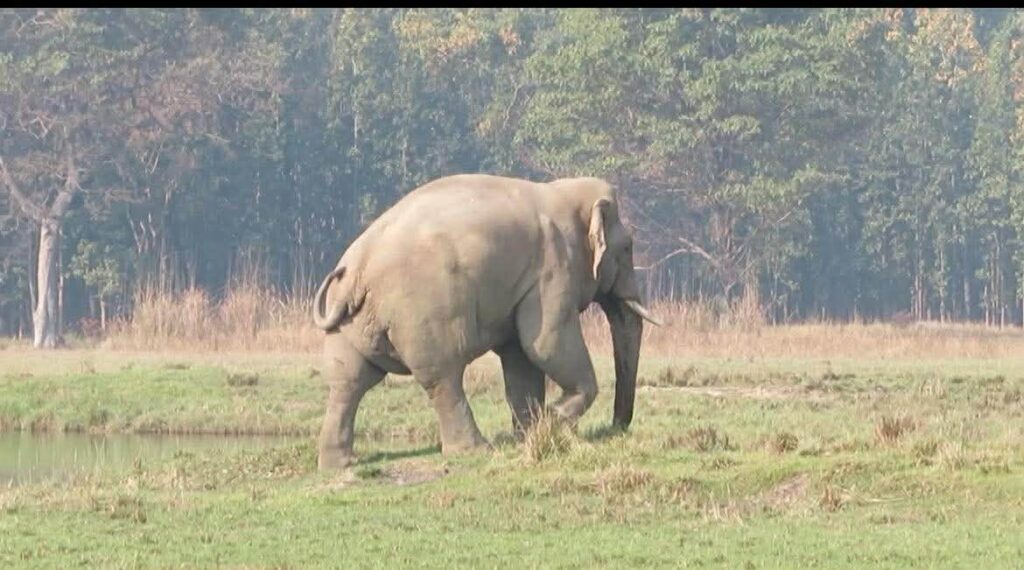
- Go on a Jungle Safari This is the quintessential Chitwan experience. Whether in a sturdy 4WD jeep or atop a trained elephant (where permitted), venturing into the heart of the jungle is a thrill like no other. The jeep safari allows you to cover vast distances, penetrating deep into the grasslands where the tigers roam.
- Go Canoeing in the Rapti River Drifting silently down the Rapti River in a traditional dugout canoe is a study in patience and observation. It is the best way to see the mugger crocodiles basking on the banks and the vibrant water birds hunting in the shallows. The silence of the water allows you to hear every rustle in the trees.
- Go Bird Watching With over 543 species recorded, Chitwan is a birder’s paradise. The early morning chorus is deafening in its beauty. Guided walks can help you spot rare species like the Great Hornbill or the elusive Bengal Florican.
- Enjoy a Scrumptious Breakfast in the Jungle Imagine sitting by the riverbank or in a clearing, surrounded by the morning mist, as a freshly prepared breakfast is laid out. It is a sensory delight, combining the taste of local cuisine with the ambiance of the wild.
- Visit the Gharial and Elephant Breeding Centers Educational and inspiring, these visits offer insight into the conservation efforts that keep the park alive. Watching the baby elephants play or the juvenile gharials splash is a heartwarming experience.
- Walk Through the Jungle For the adrenaline junkie, a guided jungle walk is incomparable. Accompanied by experienced naturalists, you will track wildlife on foot, learning to read the signs of the forest—the pugmarks, the droppings, the broken branches. It brings you face-to-face with the raw reality of nature.
- Spend a Night in a Watchtower To truly understand the rhythm of the jungle, one must stay the night. Spending a night in a machan (watchtower) offers a nocturnal symphony of sounds—the chirping of crickets, the alarm calls of deer, and perhaps the roar of a tiger under the starlit sky.
- Watch the Sunset Over the Jungle As the day ends, the sky over the Rapti River turns into a canvas of orange and purple. Watching the sun dip below the horizon while elephants bathe in the river is a soul-soothing spectacle.
- Explore Local Villages and Tharu Culture The natural heritage of Chitwan is intertwined with its cultural heritage. Visiting the local villages allows you to meet the indigenous Tharu people. Their unique culture, traditional stick dances, and resilient lifestyle offer a profound connection to the land.
- Walk or Cycle Around Sauraha The tourist hub of Sauraha is charming in its own right. Renting a bicycle or taking a leisurely walk through its streets offers a closer look at local life and the vibrant atmosphere of the tourist town.
- Visit Beesh Hajari Taal A trip to the Ramsar site is a must for nature lovers. The tranquility of the lake and the abundance of birdlife make it a perfect spot for reflection and photography.
The Rhythm of the Seasons: Best Time to Visit
Timing your visit is crucial for a successful expedition. Most trips to Chitwan National Park run from late September to May, specifically designed to avoid the monsoon rains that fall between mid-June and mid-September. During the monsoon, 80 percent of Nepal’s rain falls in this period, turning the rivers into raging torrents and the roads into mud, while the leeches emerge in force.
The post-monsoon period is magical. October to early March is the best time to visit Chitwan for pleasant 25°C temperatures. The air is fresh, the humidity is low, and the jungle is lush and green after the rains. This is the perfect time for comfortable safaris and long walks.
However, the brave and the dedicated might prefer the heat. If you can stand the heat, come in April and May, the end of the dry season. This is when wildlife gathers at waterholes, making sightings more predictable as animals are forced out of the dense cover to drink. Be prepared, though, for meltingly hot temperatures in the mid-40°Cs. It is a challenging environment, but the rewards in terms of wildlife photography are immense.
Winter has its own charm. January is the coldest month, skimming freezing at night. Packing warm clothes for the evenings and early morning safaris is essential. The days, however, are crisp and clear.
The air quality also plays a role in your experience. There is high humidity from late November until the monsoon, but November, December, and January offer good visibility and clear views of the Himalayas. Imagine seeing the snow-capped peaks of the Annapurna range rising like a mirage above the jungle plains. At other times, haze and pollution from traffic, industry, brick kilns, and waste burning can obscure the view, reminding us of the proximity of civilization to this wild haven.
Conclusion: A Call to the Wild
Chitwan National Park is not just a destination; it is an emotion. It is the thrill of the chase, the serenity of the river, the heat of the day, and the chill of the night. It is the roar of the tiger and the song of the bird. It is a story of survival and success.
At ART Nepal Treks (Expedition Pvt Ltd), we are committed to curating an experience that goes beyond the ordinary. We weave together the threads of adventure, comfort, and deep ecological understanding. Whether you are a solo traveler seeking solace, a family looking for adventure, or a photographer chasing the perfect shot, Chitwan awaits with open arms. Come, let us tread softly through the tall grass, and let the jungle reveal its secrets to you
Frequently Asked Questions (FAQs) about Chitwan National Park
- Why is Chitwan National Park considered a World Heritage Site? A: Chitwan was designated a World Heritage Site (Natural site) by UNESCO due to its outstanding universal value. It is recognized for its unique ecosystem, the alluvial floodplains of the Terai, and its exceptional biodiversity. It plays a critical role in conserving key species like the Greater One-horned Rhinoceros and the Bengal Tiger, hosting the second-largest population of Greater One-horned Rhinoceros in the world.
- Q: What makes the tiger population in Chitwan special? A: Chitwan is a global stronghold for the Bengal tiger. It is one of the National Parks in the world that has more than 128 adult tigers in the same habitat. This high density allows for significant genetic diversity and offers visitors one of the best chances in Asia to spot this elusive predator in the wild.
- Q: How do I get to Chitwan National Park? A: The park is easily accessible from most of the cities of Nepal. You can take a tourist bus from Kathmandu to Sauraha, which is a popular option. Alternatively, you can fly from Kathmandu to Bharatpur and drive for 45 minutes. It is also a 4 to 5-hour drive from Pokhara and Lumbini. The recently constructed road at the landslide occurring Mugling-Naranghad section has significantly improved access.
- Q: What are the entry fees for Chitwan National Park in 2026? A: The entry fees are set at 2,000 NPR for foreigners, 1,000 NPR for SAARC nationals, and 150 NPR for Nepalis per person per day. Children under 10 are free. Remember that mandatory permits are required, and separate fees apply for activities like jeep safaris, canoeing, and guides.
- When is the best time to visit the park? A: The ideal time depends on your preference. October to early March offers pleasant 25°C temperatures. If you want to see wildlife gathering at waterholes, visit in April and May, though expect heat in the mid-40°Cs. Avoid the monsoon season (mid-June to mid-September) when 80 percent of Nepal’s rain falls. November, December, and January offer the best visibility and clear views of the Himalayas.
- What activities are available inside the park? A: There is a wealth of things to do, including going on a Jungle Safari, Canoeing in the Rapti River, Bird Watching, and visiting the Elephant, Gharial Crocodile, and Vulture Breeding Centers. You can also Walk Through the Jungle, Spend a Night in a Watchtower, visit the Ramsar site (Bishajari Lake), and experience the Tharu culture in local villages.
- Q: What is the significance of the Bishajari Lake? A: The Bishajari Lake is a Ramsar site, signifying it is a Wetland of international importance. It is a crucial habitat for aquatic life and birds, adding to the rich biodiversity of the park.
- How many entrance gates does the park have? A: There are 12 entrance gates to the park, including Sauraha via Tandi (Ratna Nagar), Kasara via Jagatpur, and Bhimle via Meghauli, among others. Each gate provides access to different zones of the park.