

Gokyo Valley Trek – 11 Days
Gokyo Valley, Everest Region, Nepal
11 Days/12 Nights
Price From
View More
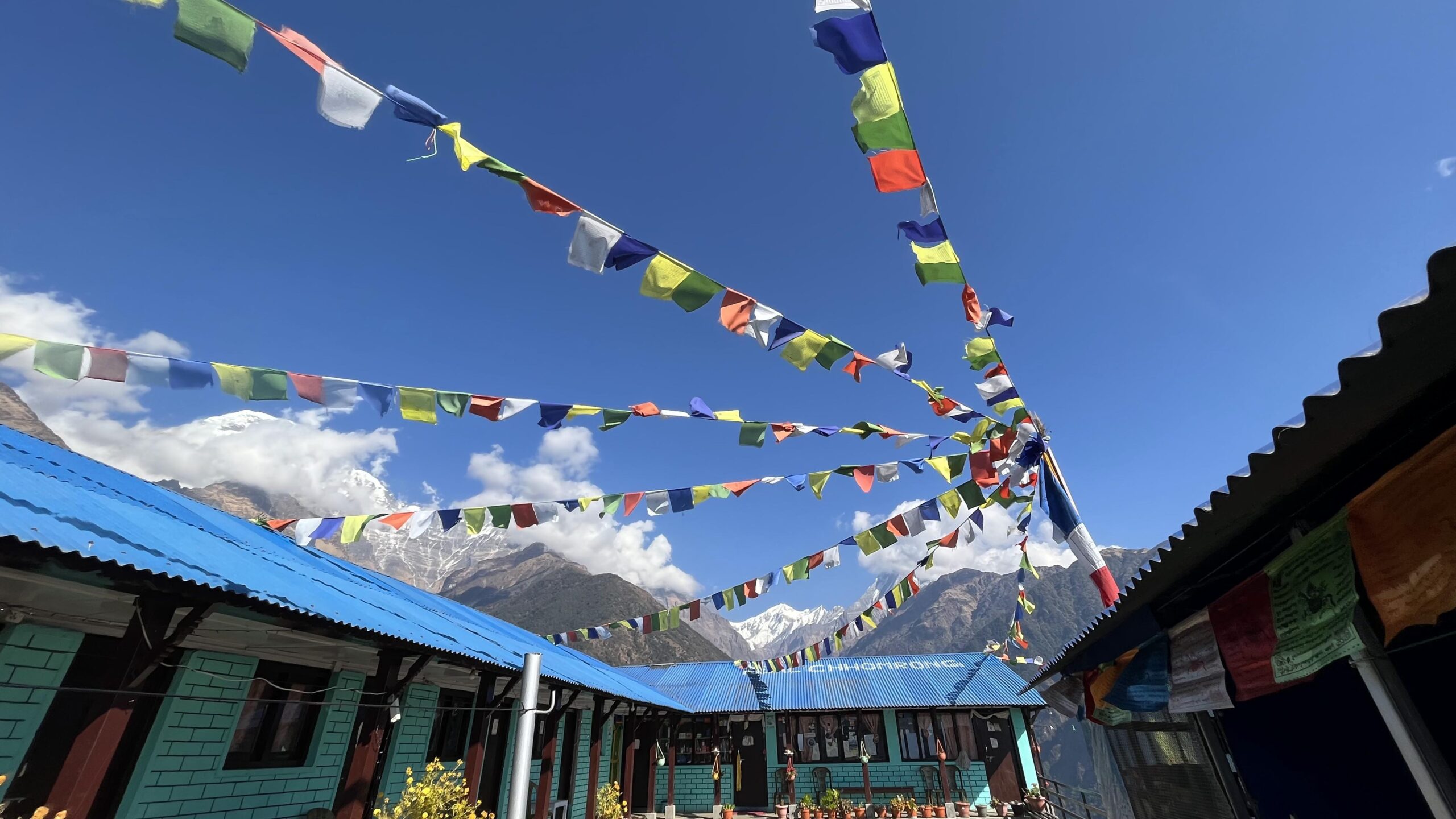
The Annapurna Seven Passes Trek is one of Nepal’s most adventurous and culturally enriching trekking routes. Spanning 23 days, it takes you across seven high mountain passes, including four above 5,000 meters, offering a perfect mix of physical challenge, stunning scenery, and cultural immersion.
Starting from Kathmandu, you drive to Dharapani along the scenic Marshyangdi River, passing through small villages and terraced fields. The trek progresses through charming settlements such as Tilche, Tache, and Shongle, allowing you to interact with local communities and witness traditional Himalayan lifestyles.
The trek crosses challenging high passes: Kuchumro Pass, Yarcha Pass, Meta Pass, Phu Pass, Naar Pass, Kangla Pass, and concludes at Thorong La Pass, offering breathtaking Himalayan panoramas at every step. The route also leads to the Nar Phu Valley, previously restricted and now a treasure trove of Tibetan culture, monasteries, and remote settlements.
Descending from Thorong La, trekkers visit Muktinath Temple, a sacred site, and continue to Jomsom, where optional flights allow travelers to experience aerial views of the Annapurna Range and the deepest valley in the world. The journey concludes in Pokhara and finally returns to Kathmandu.
This trek is ideal for adventurous trekkers seeking a combination of natural beauty, high-altitude challenges, and cultural experiences. The spring and autumn seasons are particularly rewarding due to clear skies, pleasant temperatures, and blooming rhododendrons in alpine zones.
At ART Nepal Treks & Expedition, we carefully plan every detail of your Annapurna Seven Passes Trek to ensure a safe, memorable, and enriching adventure. We offer customizable itineraries, expert guides, and full logistical support for a hassle-free journey.
The Annapurna Seven Passes Trek is challenging but incredibly rewarding. Expect a journey full of mountain passes, hidden valleys, cultural immersion, and wildlife encounters.
Key Experiences:
This trek provides a full Himalayan experience—from the natural landscapes and high passes to cultural and spiritual immersion.
The Annapurna Seven Passes Trek is suitable for:
It is rewarding yet demanding, so preparation in advance is essential. Mental readiness is as important as physical fitness due to altitude challenges, long trekking hours, and variable weather conditions.
Preparation is key for the Annapurna Seven Passes Trek. Consider these areas:
Your journey begins as you arrive at Tribhuvan International Airport in Kathmandu. Upon landing, a friendly representative from ART Nepal Treks & Expedition will welcome you and escort you to your hotel in Thamel, the bustling tourist hub of the capital. After check-in, you will have time to relax, enjoy the lively streets of Thamel, and prepare mentally for the trek ahead. In the evening, you will attend a briefing session where the trek guide will go over the route, safety protocols, and gear checks. This day is essential to recover from your flight, adjust to the local environment, and ensure that all your trekking permits and documents are ready.
Today begins with a scenic drive from Kathmandu to Besisahar, the gateway to the Annapurna region. From Besisahar, you continue by shared jeep or private vehicle along winding mountain roads to Dharapani, a small village nestled in the lush Marshyangdi River valley. Along the way, you will pass terraced fields, traditional villages, and roadside teahouses, witnessing the charm of rural Nepal. The drive itself is picturesque, with views of rolling hills, rivers, and distant snow-capped peaks. Upon arrival, you can take a short walk around Dharapani to stretch your legs and enjoy the fresh mountain air.
The trekking adventure officially begins today as you follow the Marshyangdi River, walking past small villages, terraced farms, and cascading waterfalls. The trail is well-trodden but challenging in sections, offering a perfect warm-up for the high passes ahead. You may notice local Gurung and Manangi communities, their traditional houses, and Buddhist shrines along the way. The walk is filled with sights of lush pine forests, rhododendron blooms (in spring), and dramatic mountain backdrops, which are ideal for photography and acclimatization.
Today’s trek is relatively gentle, walking through fields of corn and potatoes, as well as small villages with traditional stone houses. You will cross suspension bridges over clear rivers, adding a sense of adventure to the scenic journey. Tache is known for its hot springs, where trekkers can relax and soothe tired muscles. The village offers an authentic glimpse into local life, with friendly villagers and a chance to experience Tibetan-influenced culture in the high Himalayas.
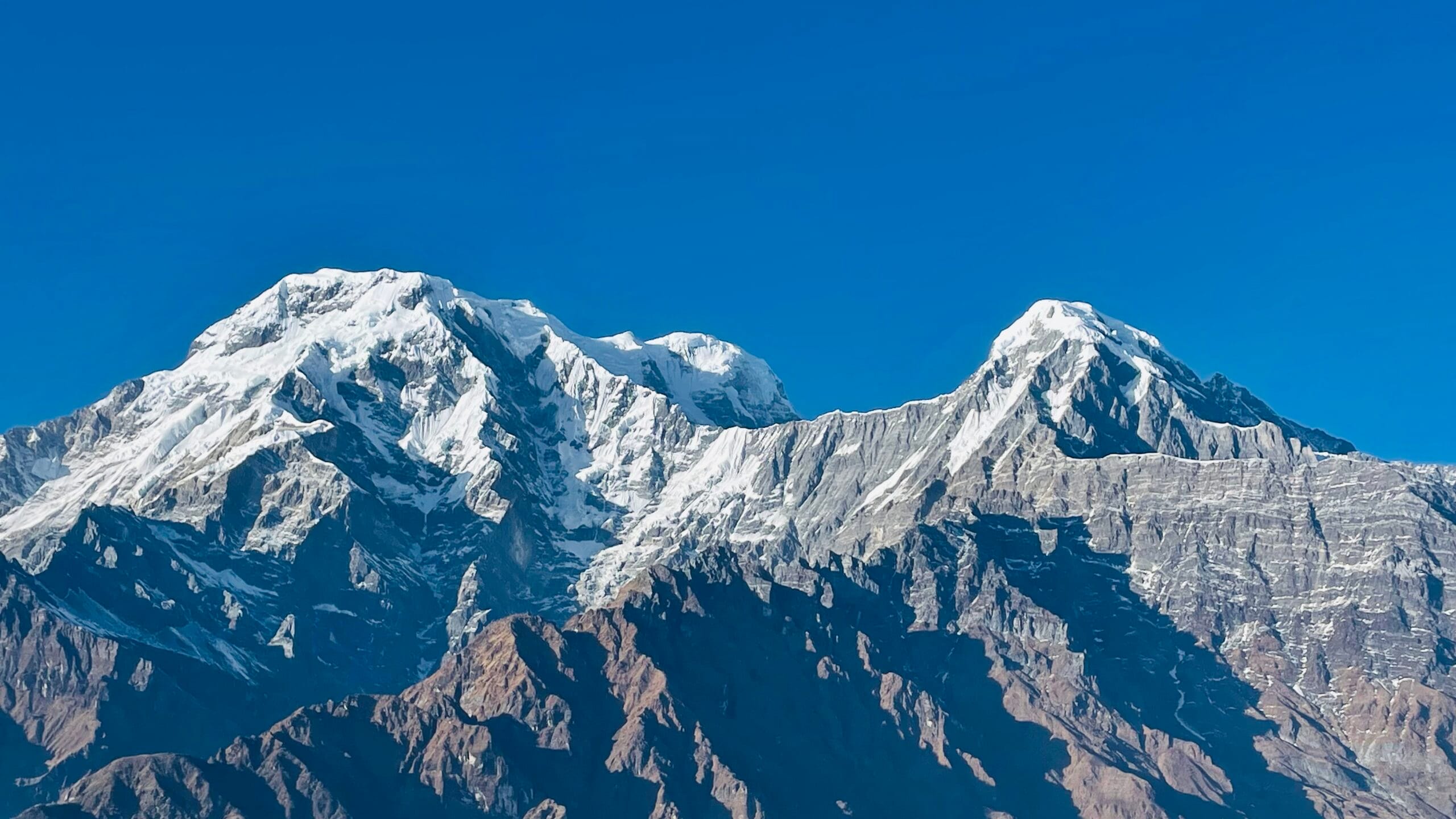
The trail becomes more challenging as you start ascending gradually through pine and rhododendron forests. The trek offers clear views of Ghelinchowk Peak and surrounding ridges. Crossing the Chonga Dada saddle, you will experience more isolated terrain, far from crowds. Wildlife sightings, such as Himalayan birds and small mammals, are common along this route. Shongle is a serene village offering spectacular views of Annapurna II and Lamjung Himal, making it a perfect place to rest before the high passes.
The trek becomes steep as you climb toward Kuchumro Phedi, the base of Kuchumro Pass. The terrain here is rocky with occasional snow patches, requiring careful footing. The views of Annapurna II, Lamjung Himal, and Manaslu dominate the horizon, creating a sense of awe as you ascend. This stage helps your body adapt to the altitude gradually, preparing you for the challenging passes ahead.
Today is one of the most demanding days of the trek. You will cross two high passes, experiencing the full force of the Himalayas. Kuchumro Pass provides panoramic views of Manaslu and surrounding peaks, while Yarcha Pass offers a glimpse of the remote valleys below. After descending from the passes, you arrive at Namakyu village, where you are rewarded with warmth, food, and rest. This day is both physically demanding and mentally rewarding, giving a sense of accomplishment.
The trek continues as you traverse Meta Pass, surrounded by dramatic rock faces and glacial streams. Along the way, you may encounter yaks, grazing in high pastures, and local shepherds. Meta Village itself is small but rich in cultural heritage, with traditional stone houses and monasteries like Pisang Monastery, which reflect centuries of Tibetan influence. The serene environment of Meta Village provides a much-needed rest day for acclimatization.
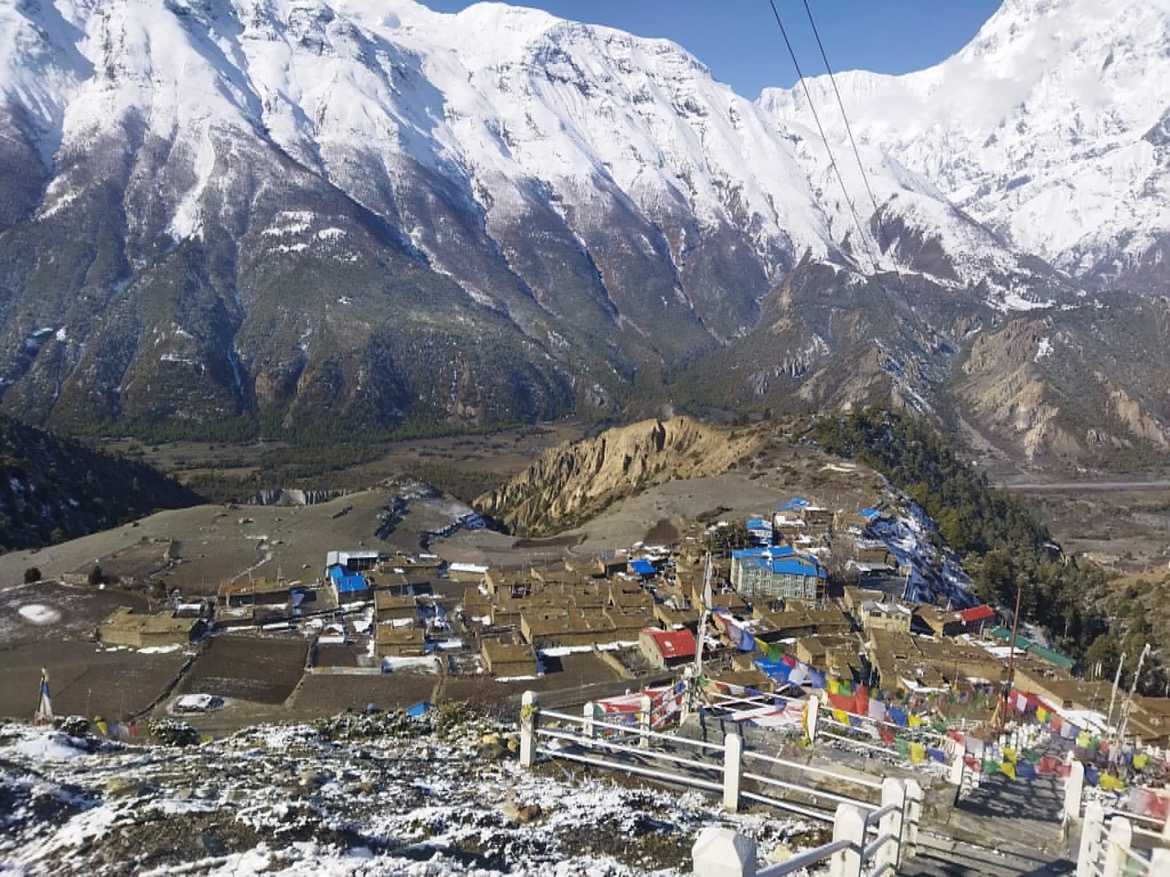
Descending slightly from Meta Pass, you enter Phu Valley, an area previously isolated and now a hidden gem for trekkers. The trek passes small monasteries, Tibetan-style homes, and terraced fields, offering insight into the ancient way of life. The valley is culturally rich, and you may witness traditional Tibetan festivals or rituals, depending on the season. Phu Gaon is an excellent spot for rest and photography, with its panoramic Himalayan backdrop.
A full day to acclimatize and explore the village. Optional hikes to nearby ridges provide stunning views of Kangaru Himal and Himlung Himal. Visiting Tashi Lhakhang Monastery, you can observe local Buddhist practices and engage with villagers. This day is critical for preparing your body for higher passes ahead.
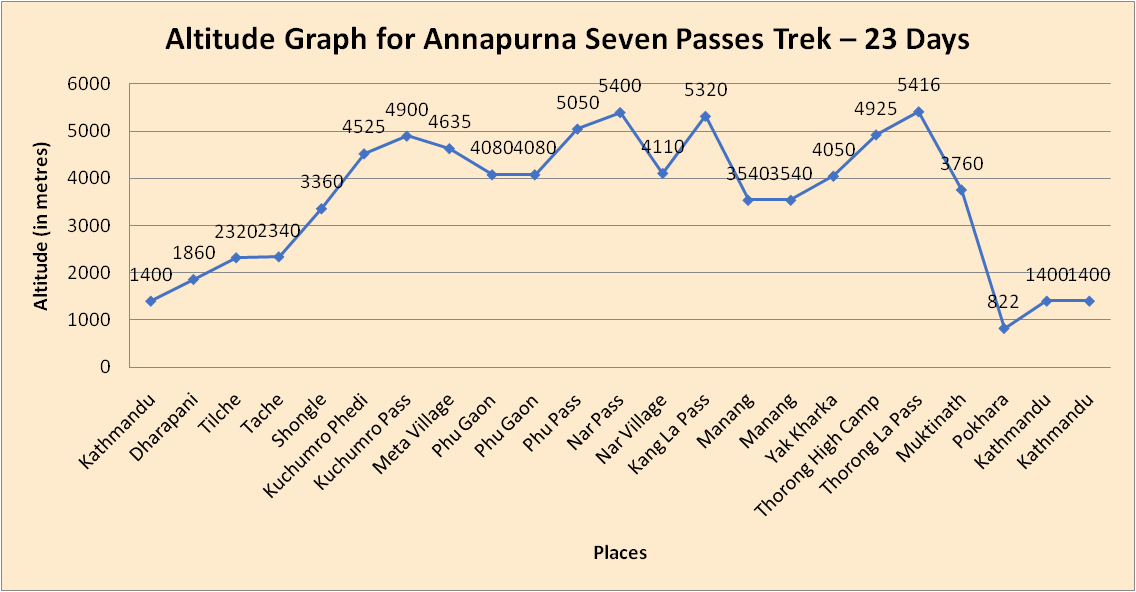
Today marks another challenging day of high-altitude trekking. Leaving Phu Gaon, you ascend gradually towards Phu Pass, which sits at an impressive 5,050 meters. The trail is a combination of rocky paths, moraine ridges, and occasional snow, requiring careful footing and stamina. As you climb, you are treated to panoramic views of Kangaru Himal, Himlung Himal, and other towering peaks, creating a truly Himalayan atmosphere. Descending from the pass, the trail leads you into Loang, a quaint settlement known for its traditional Tibetan-style houses and ancient monastery perched on a hill. Loang provides a peaceful resting point where trekkers can reflect on the day’s achievement.
The journey today takes you across Nar Pass, one of the highest and most spectacular passes of the trek at 5,400 meters. The ascent is steep and demands endurance, but the views of the Annapurna Range and surrounding valleys make the effort worthwhile. Crossing Nar Pass, you witness vast snow-capped peaks, icy ridges, and alpine landscapes stretching into the horizon. After descending, you arrive at Nar Village, a traditional settlement known for its stone houses, Tibetan-influenced culture, and welcoming locals. This stop is ideal for resting and acclimatizing before tackling Kang La Pass in the coming days.
Today is a rest and acclimatization day to ensure your body adapts to the high altitude. Trekkers can explore Nar Village, visiting local monasteries, walking through terraced fields, and interacting with villagers to learn about their centuries-old traditions. Optional short hikes around the village provide breathtaking mountain views and help your body adjust for the upcoming Kang La Pass crossing. This day also gives trekkers a chance to photograph the unique landscapes, enjoy local food, and relax before continuing the challenging trek.
Leaving Nar Village, you start the ascent to Kang La Pass (5320m), considered one of the most scenic and demanding passes. The climb features rocky paths, steep ridges, and panoramic views of Annapurna II, Gangapurna, and Tilicho Peak. Crossing the pass, you descend into Ngawal Village, a charming settlement surrounded by green meadows and traditional stone houses. Ngawal offers stunning views of the valley below, and the evening is perfect for relaxing and sharing stories with fellow trekkers. The day is physically demanding, but the natural beauty and cultural immersion make it unforgettable.
Today’s trek descends gently to Manang, a key hub for trekkers in the Annapurna region. The trail passes Braga Village, known for its ancient monastery and stone mani walls, reflecting the Tibetan culture. En route, trekkers can admire Gangapurna and Annapurna II peaks, as well as traditional villages surrounded by terraced fields. Manang offers a wider range of amenities, including teahouses with hot showers, cozy lodging, and small shops. This village is a good place for rest, acclimatization, and preparation for Thorong High Camp.
Another acclimatization day to ensure safe passage through Thorong La Pass. Trekkers can take short hikes to nearby viewpoints, such as Gangapurna Lake or Ice Lake, providing stunning panoramas of surrounding peaks. The day also allows interaction with locals, visiting small monasteries, and learning about traditional Himalayan lifestyles. Staying hydrated, resting, and moderate activity ensures your body adjusts to the higher altitudes.
Today, you start ascending toward Yak Kharka, named for the yak pastures found in the area. The trail passes through rugged landscapes, small streams, and rocky terrain. Views of Annapurna Range peaks dominate the horizon, creating a surreal high-altitude environment. Yak Kharka serves as a resting place before the final climb to Thorong High Camp, and the village is famous for its yak cheese and butter tea, giving trekkers a taste of traditional mountain life.
This is a crucial day for altitude acclimatization, as you ascend to Thorong High Camp (4925m). The trail includes rocky paths, glacial streams, and open alpine terrain, offering incredible views of snow-capped peaks. Wildlife like blue sheep and Himalayan birds may be spotted. Reaching Thorong High Camp, trekkers rest and prepare for the early morning ascent to Thorong La Pass, the highest point of the trek.
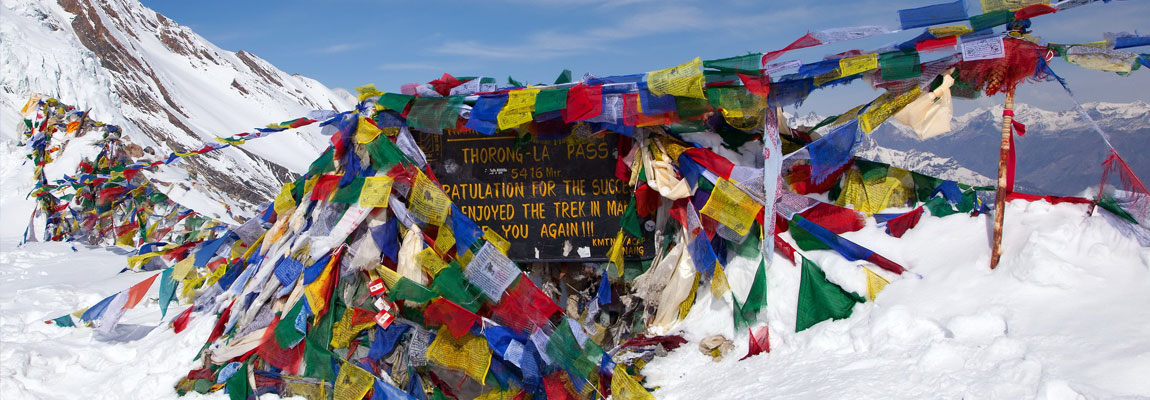
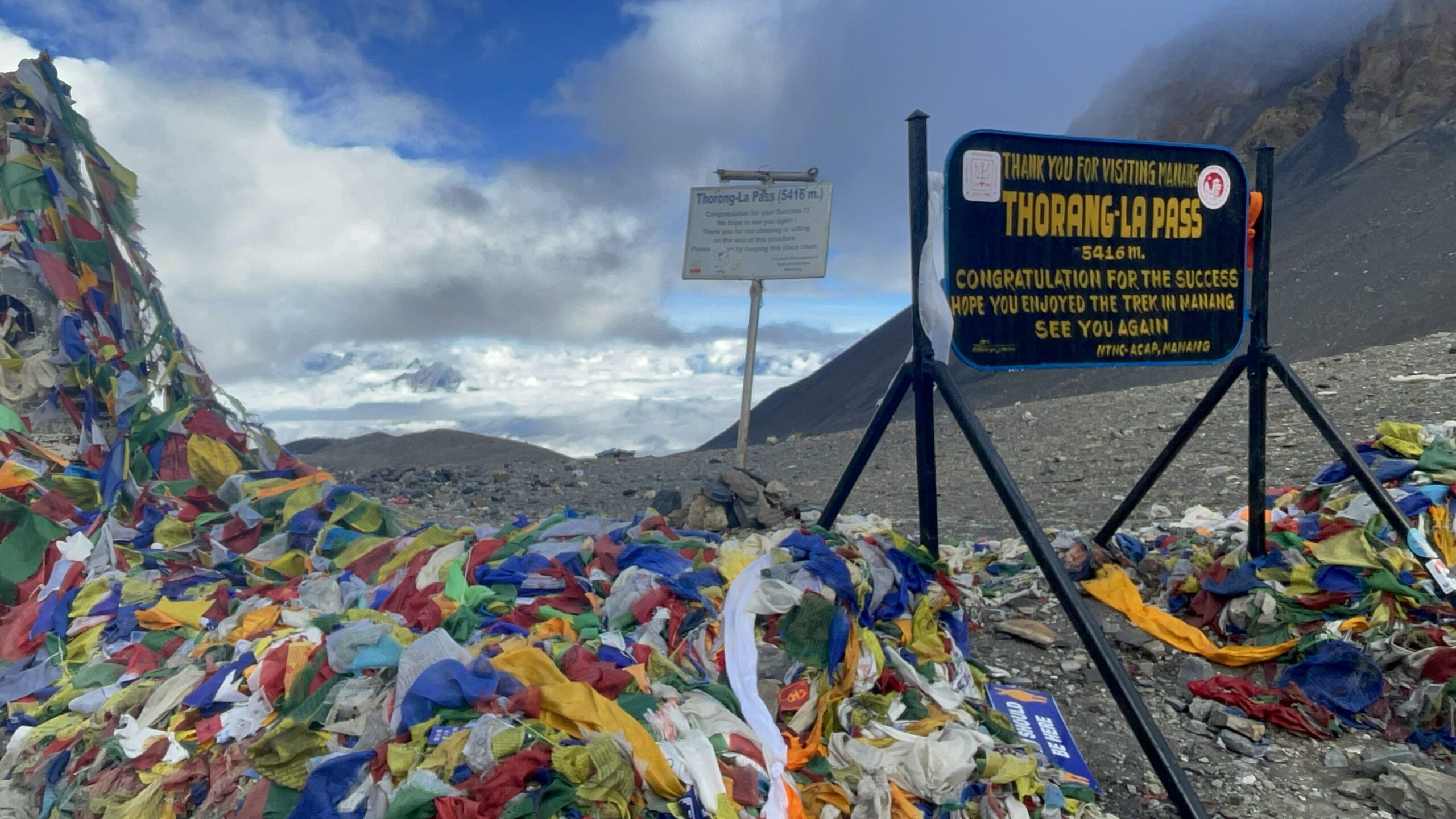
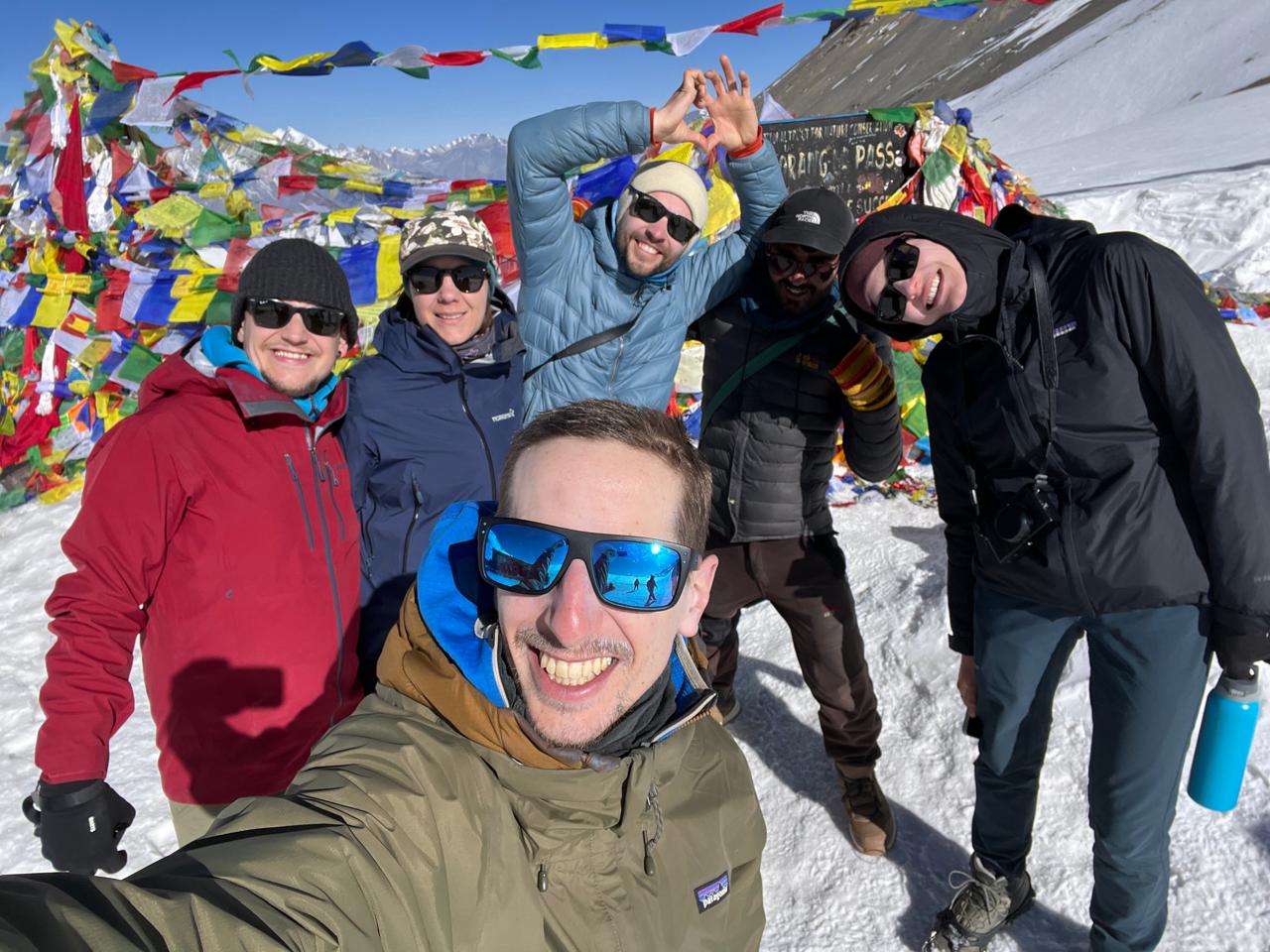
Today is the highlight of the trek, crossing Thorong La Pass (5416m), the highest point of your journey. The ascent begins before sunrise to reach the pass in time to witness the magnificent Himalayan panorama. The descent leads to Muktinath, a sacred site for Hindus and Buddhists, famous for its 108 water spouts and temples. The village is culturally rich, offering a spiritual experience alongside natural beauty.
Today, you descend through the Kali Gandaki Valley, passing Kagbeni and Ekle Bhatti, enjoying lush valley landscapes and Thakali culture. The trail is less challenging but long, providing opportunities to relax and absorb the valley’s serene atmosphere. Jomsom, the gateway to Upper Mustang, has amenities for trekkers and offers a stunning view of Dhaulagiri and Nilgiri peaks.
Enjoy a short but breathtaking 30-minute flight from Jomsom to Pokhara, flying over the Annapurna Himalayan Range, Kali Gandaki Valley, and deep gorges. The aerial views are unforgettable and provide an entirely new perspective of the Himalayas. Upon arrival, transfer to your hotel and relax after the high-altitude trekking.
Drive back from Pokhara to Kathmandu through scenic highways, passing rivers, forests, and traditional Nepali villages. This provides a relaxed conclusion to your trekking adventure, allowing you to reflect on the past three weeks of Himalaya exploration.
After breakfast, you will be transferred to Tribhuvan International Airport for your onward flight. This marks the end of an epic journey through the Annapurna Seven Passes, filled with memories of high passes, pristine valleys, Himalayan vistas, and rich cultural experiences.
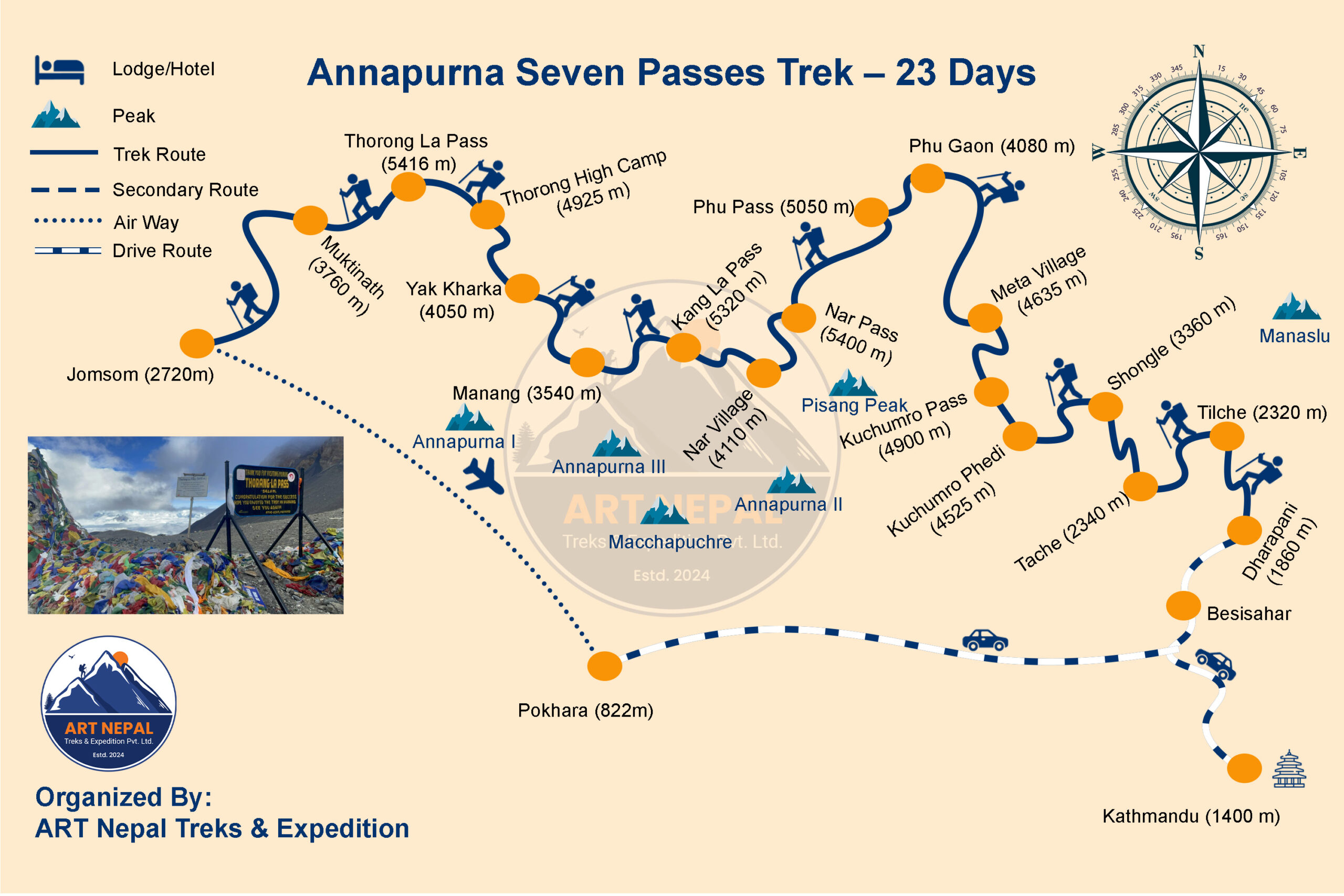
ART Nepal Treks & Expedition offers several optional services to enhance your trekking experience:
These add-ons provide flexibility, comfort, and convenience, especially for those who prefer a less physically demanding trek or want additional cultural exploration.
Timing your trek is crucial for weather, visibility, and overall experience. The Annapurna Seven Passes Trek is best enjoyed during two primary seasons:
Avoid trekking in the monsoon (June to August) due to heavy rains, slippery trails, and landslide risks, and winter (December to February) if unprepared for cold conditions and snow-covered high passes.
Nutrition is vital for endurance trekking. Most tea houses along the route provide a variety of meals to suit different tastes and dietary requirements:
High-altitude trekking requires high-energy meals, so it is recommended to eat carbohydrates for energy, protein for muscle recovery, and fats for warmth. Water is available in most villages, but purification tablets or filters are advisable for safety.
Your overnight stays range from modern hotels in Kathmandu and Pokhara to teahouses along the trail:
Accommodation along the trek may be basic at higher altitudes, but it provides warmth, shelter, and meals, essential for high-altitude trekking.
Travel insurance is mandatory for high-altitude trekking. It should cover:
A copy of your insurance certificate is required before the trek begins. Ensure your policy covers trekking up to 6,000 meters for safety.
Due to trekking at altitudes above 5,000 meters, altitude sickness is a serious consideration. Symptoms include:
To minimize risks:
Your guide will monitor your condition closely and recommend actions to ensure your safety.
Your trek is guided by experienced professionals trained in high-altitude trekking and first aid:
Advance Payment:
Payment Upon Arrival:
ART Nepal Treks & Expedition ensures a smooth booking process, providing guidance and support every step of the way.