

Kanchenjunga Circuit Trek – 22 Days
Introduction
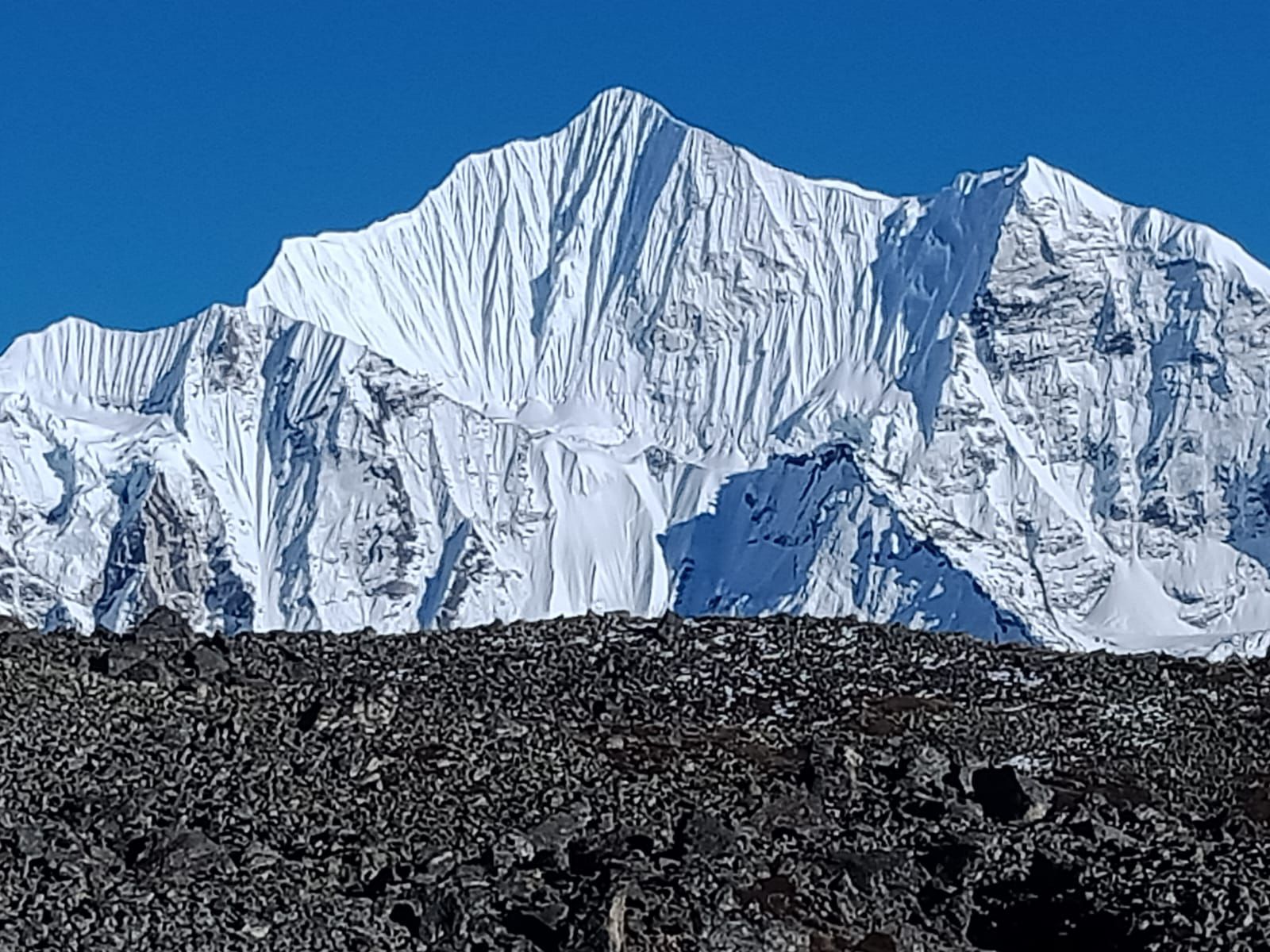
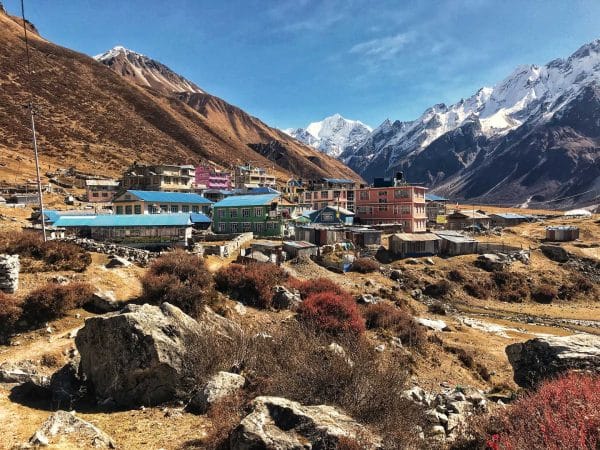
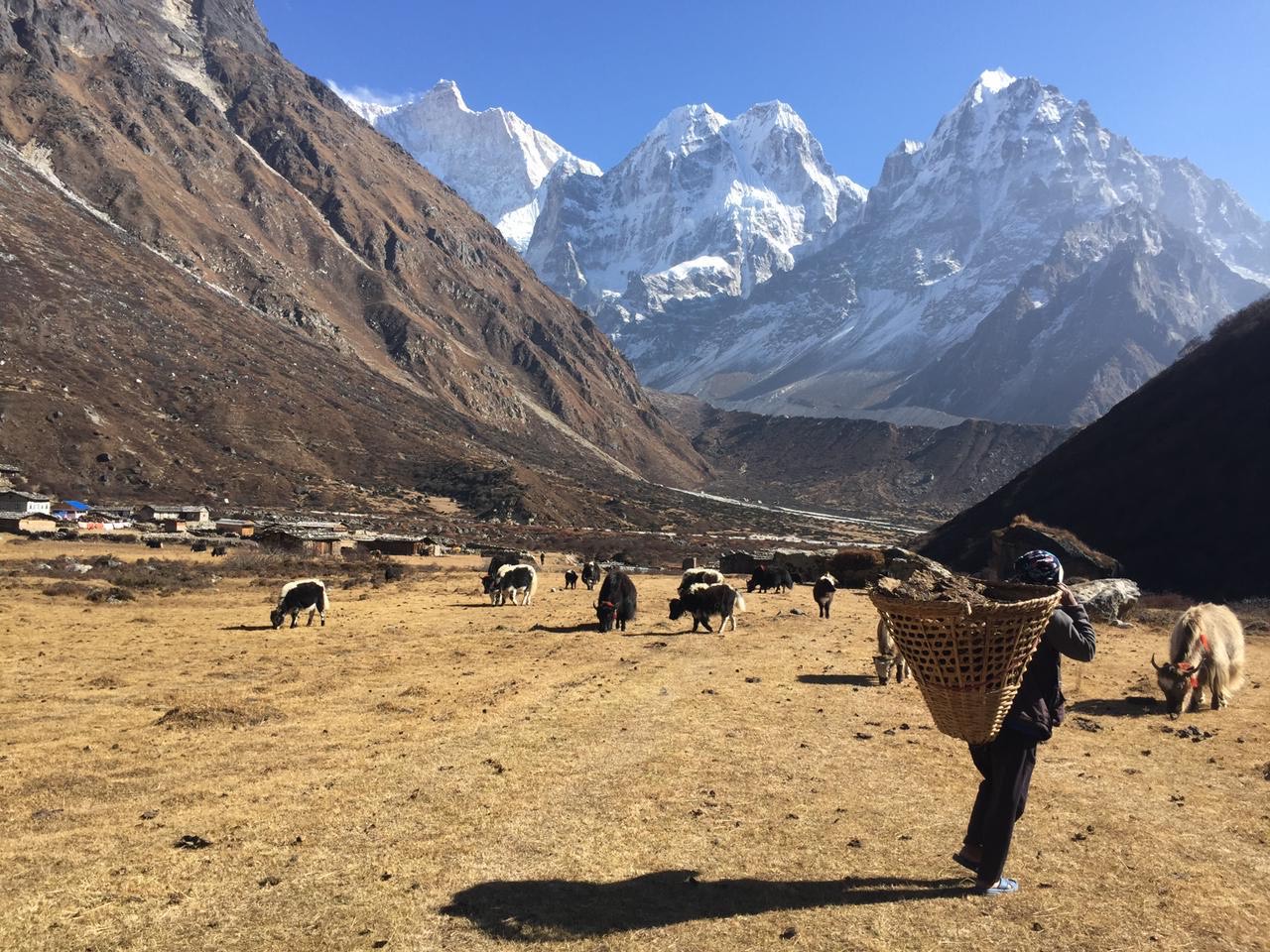
The Kanchenjunga Circuit Trek is one of the longest and most adventurous treks in Nepal. This 22-day journey takes you around the world’s third-highest mountain, Mount Kanchenjunga (8,586m). Located in far eastern Nepal near the border with India, the Kanchenjunga region is remote, peaceful, and less crowded compared to Everest and Annapurna regions.
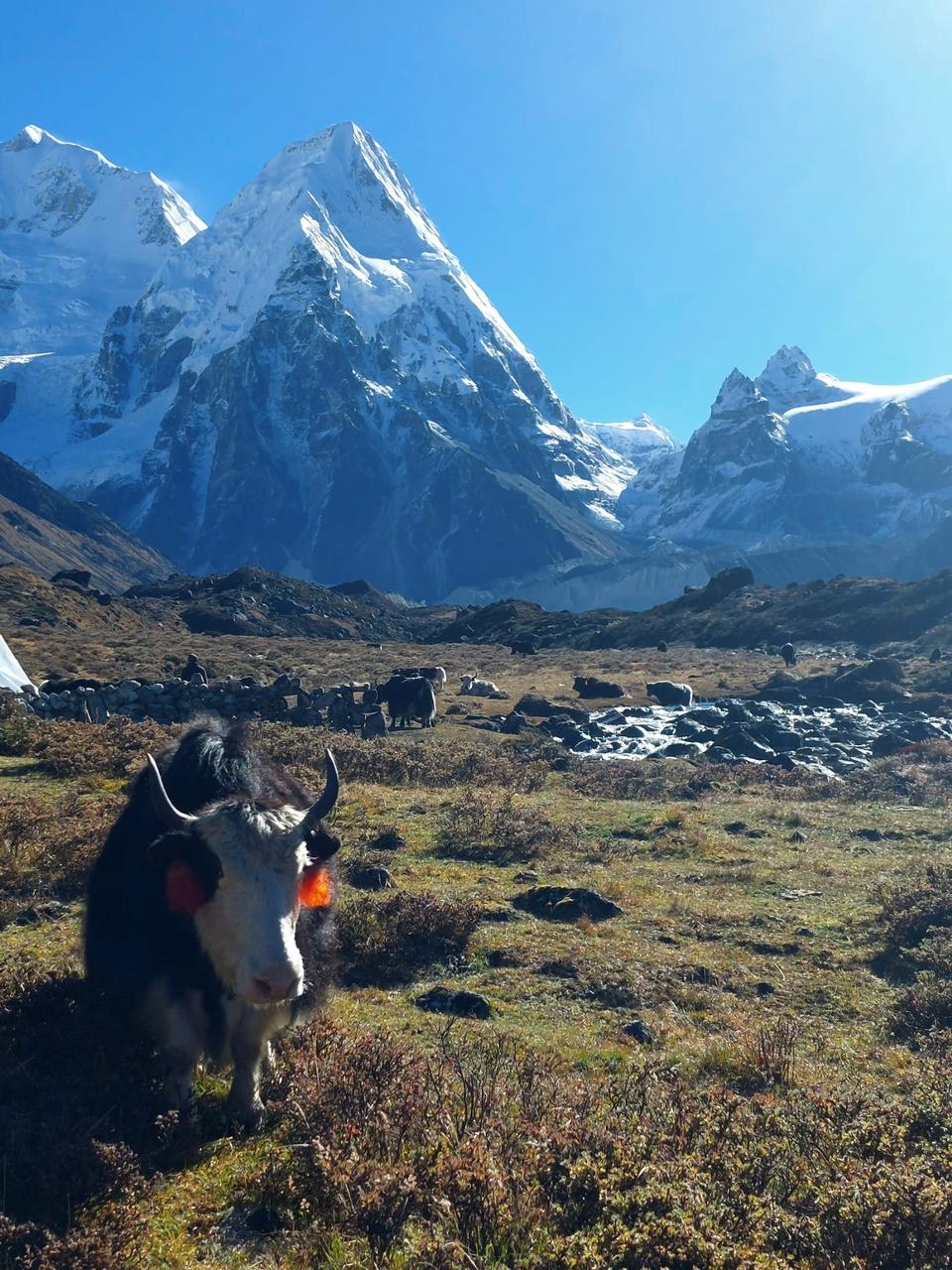
Organized by ART Nepal Treks & Expedition, this trek is designed for experienced trekkers who want a true Himalayan adventure. The trail circles the entire Kanchenjunga massif, covering both North Base Camp (Pangpema) and South Base Camp (Oktang). This makes it one of the few full mountain circuit treks in Nepal.
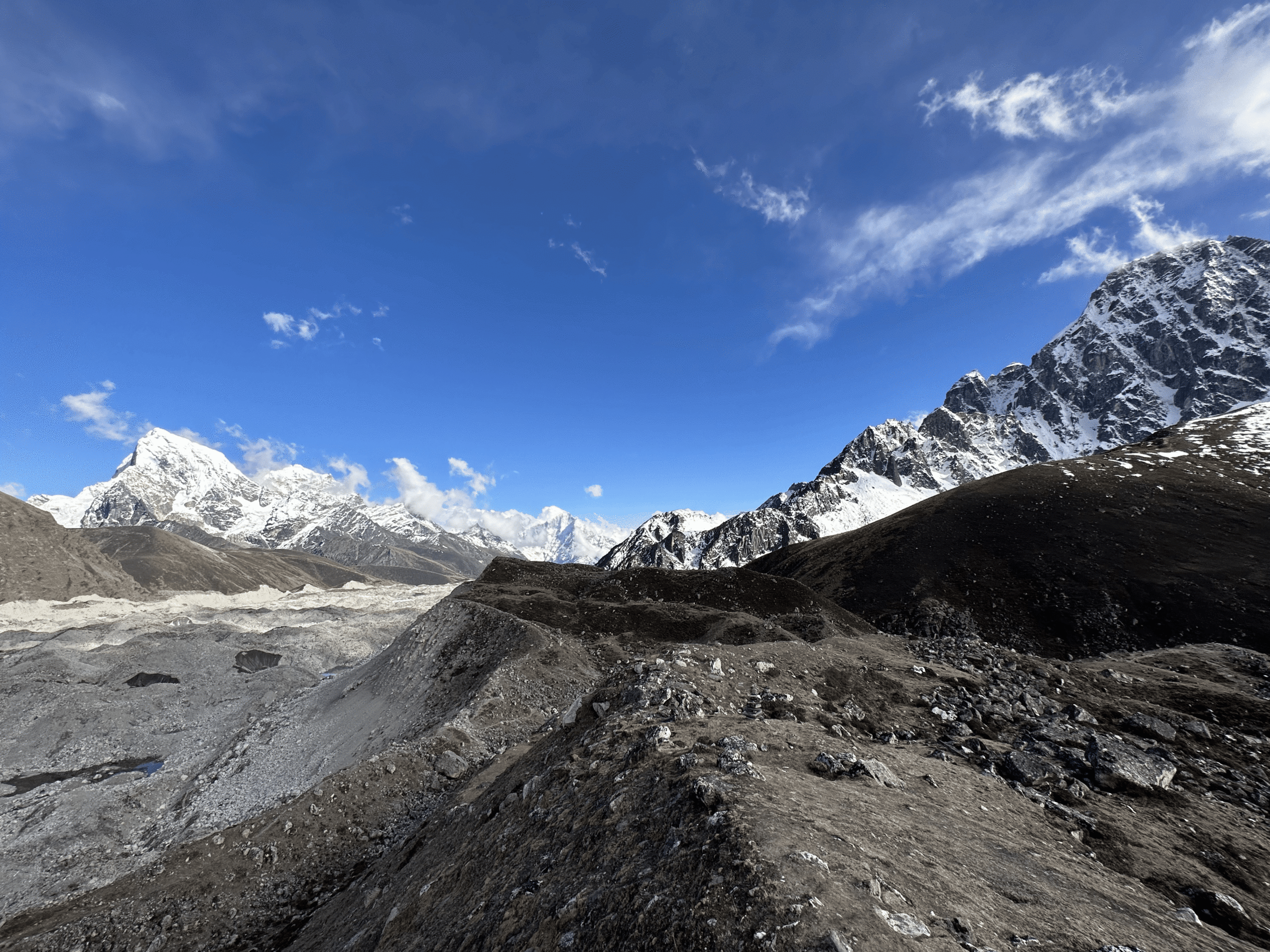
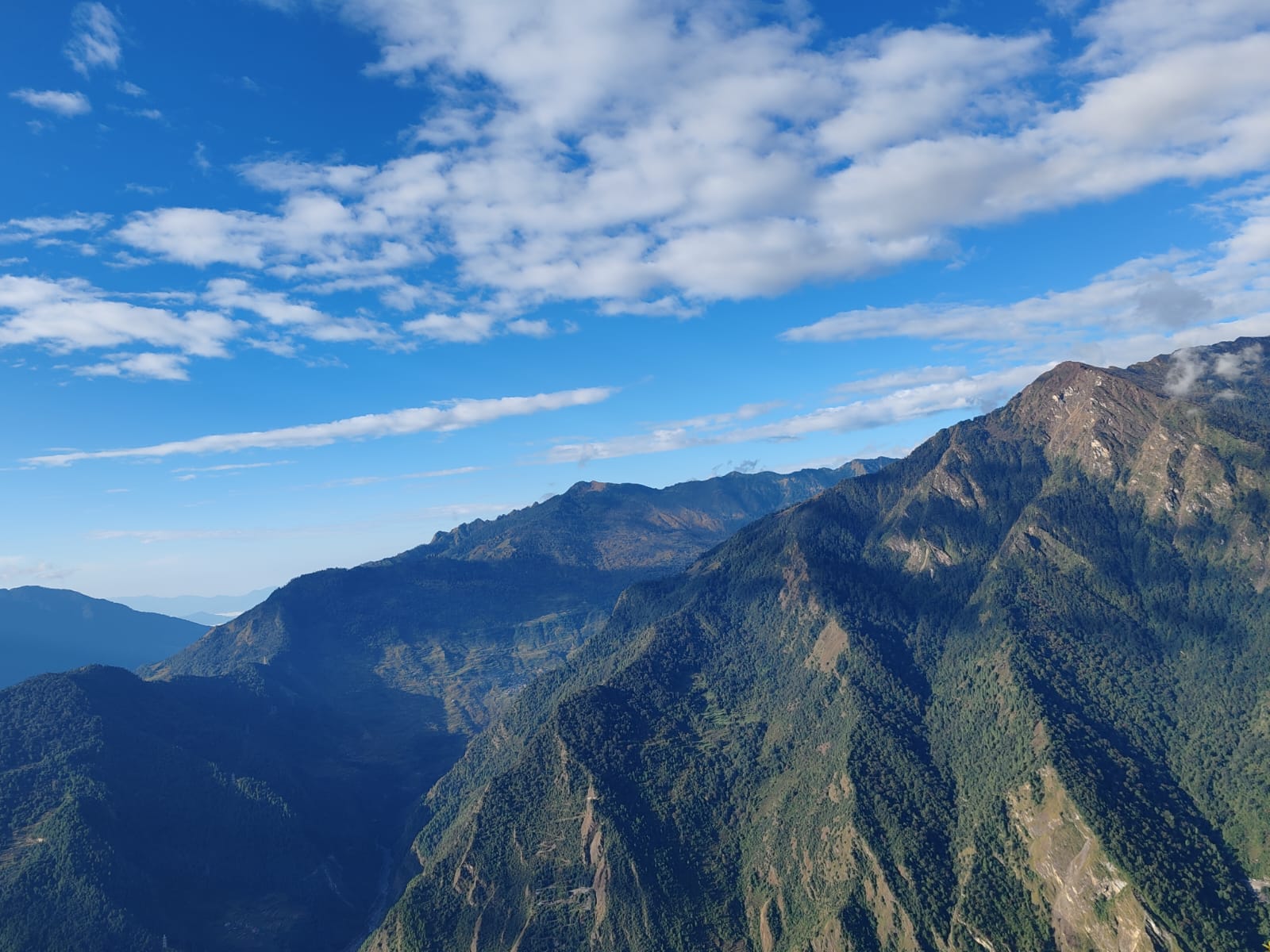
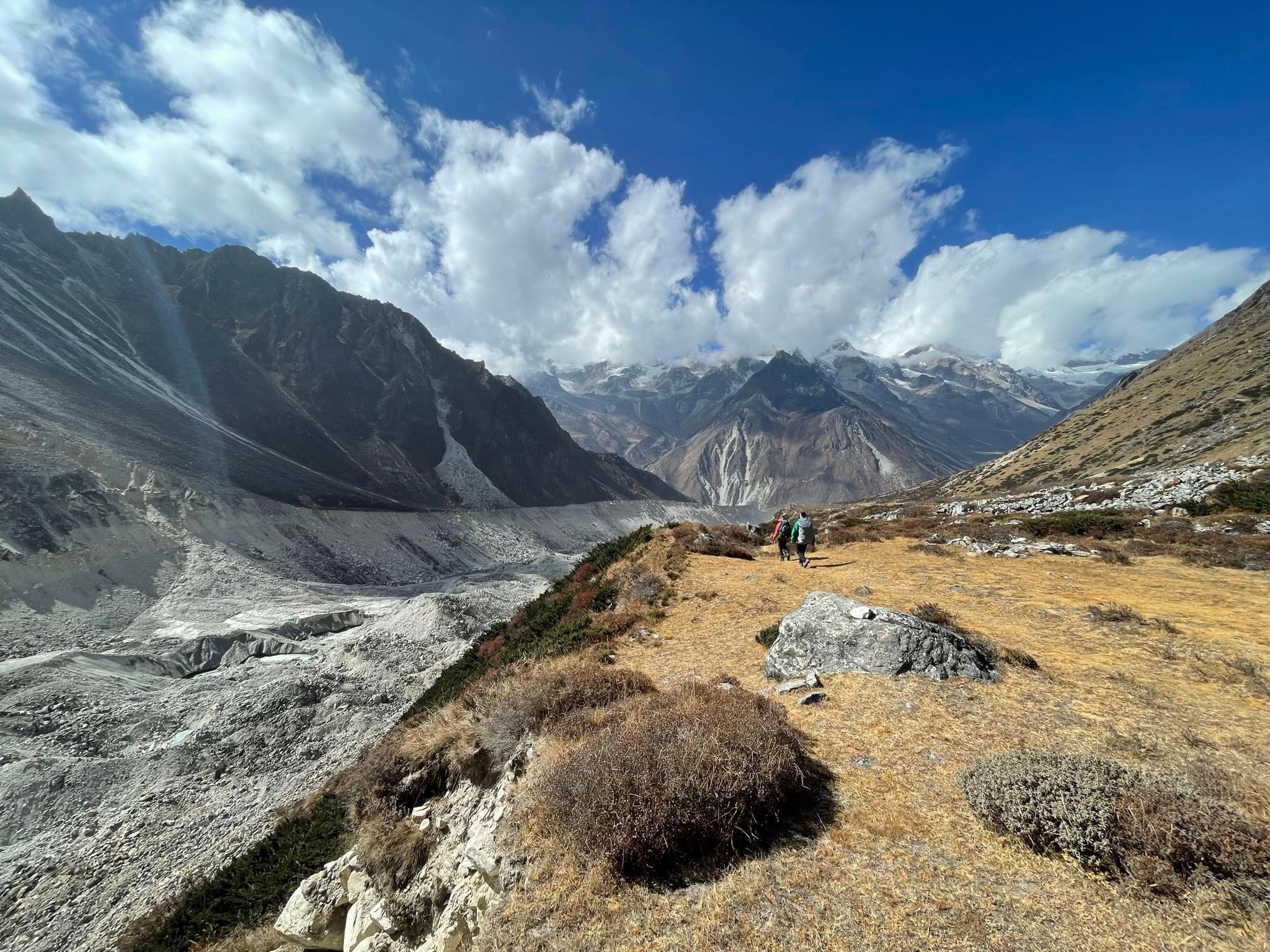
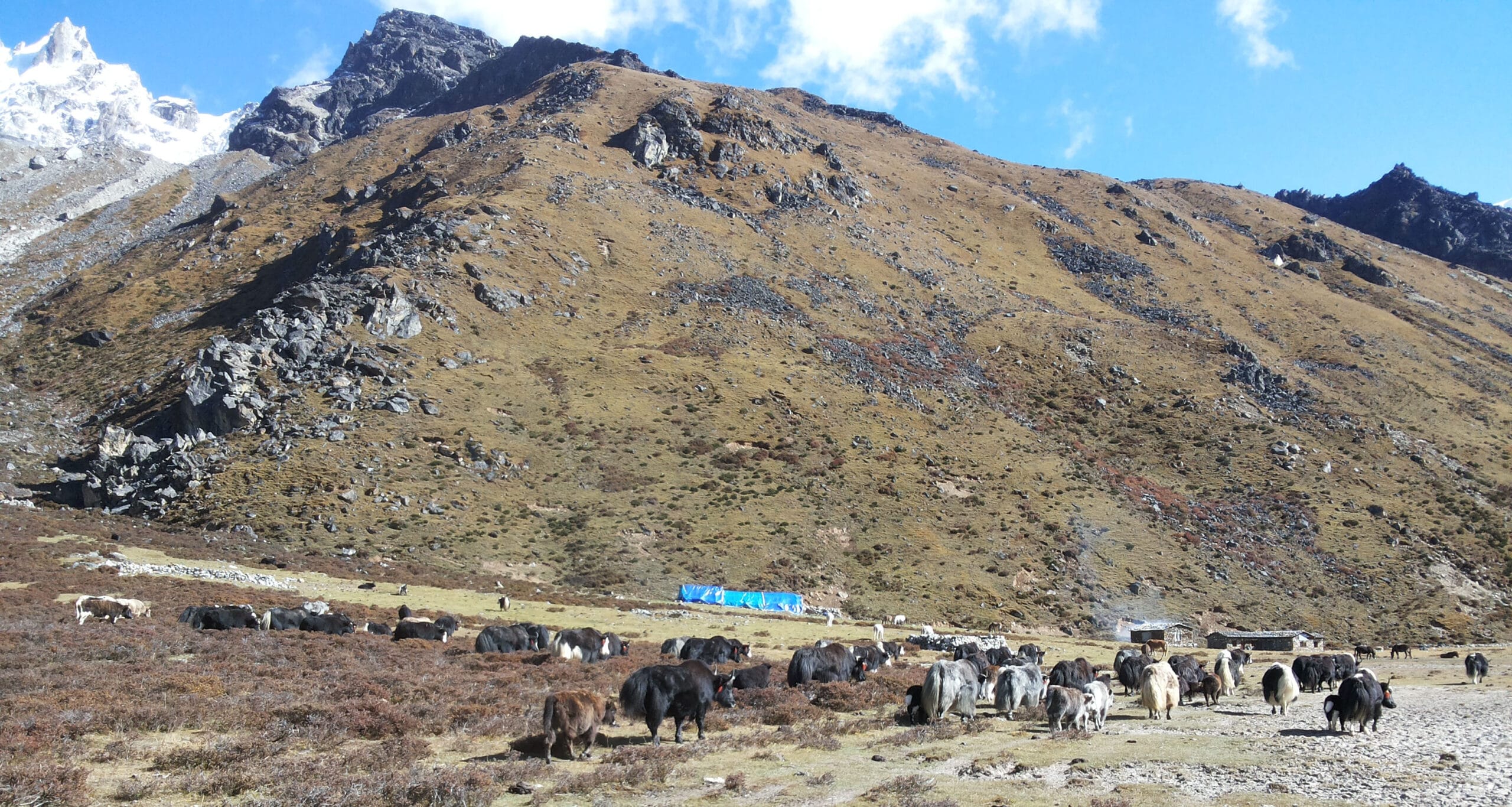
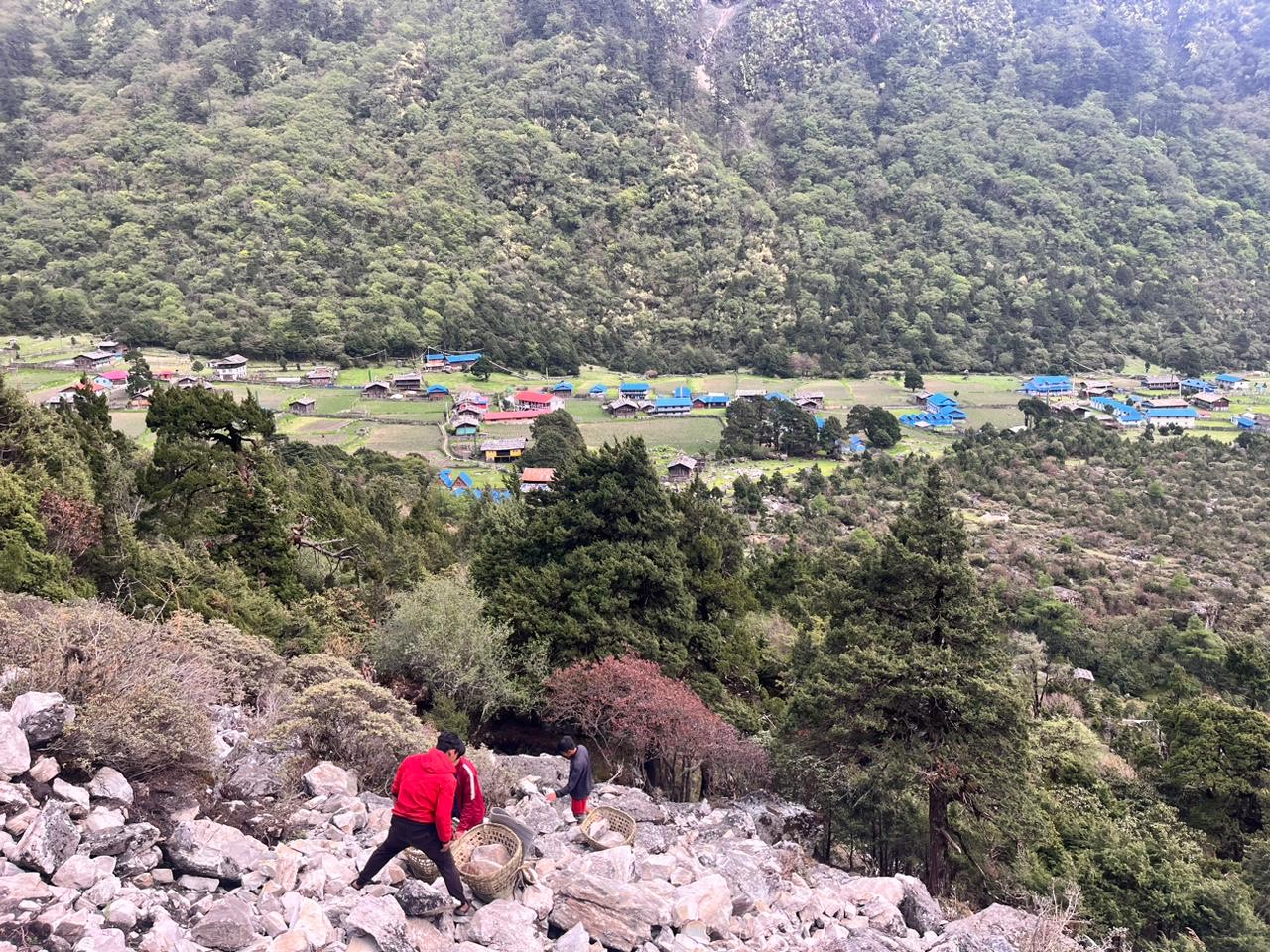
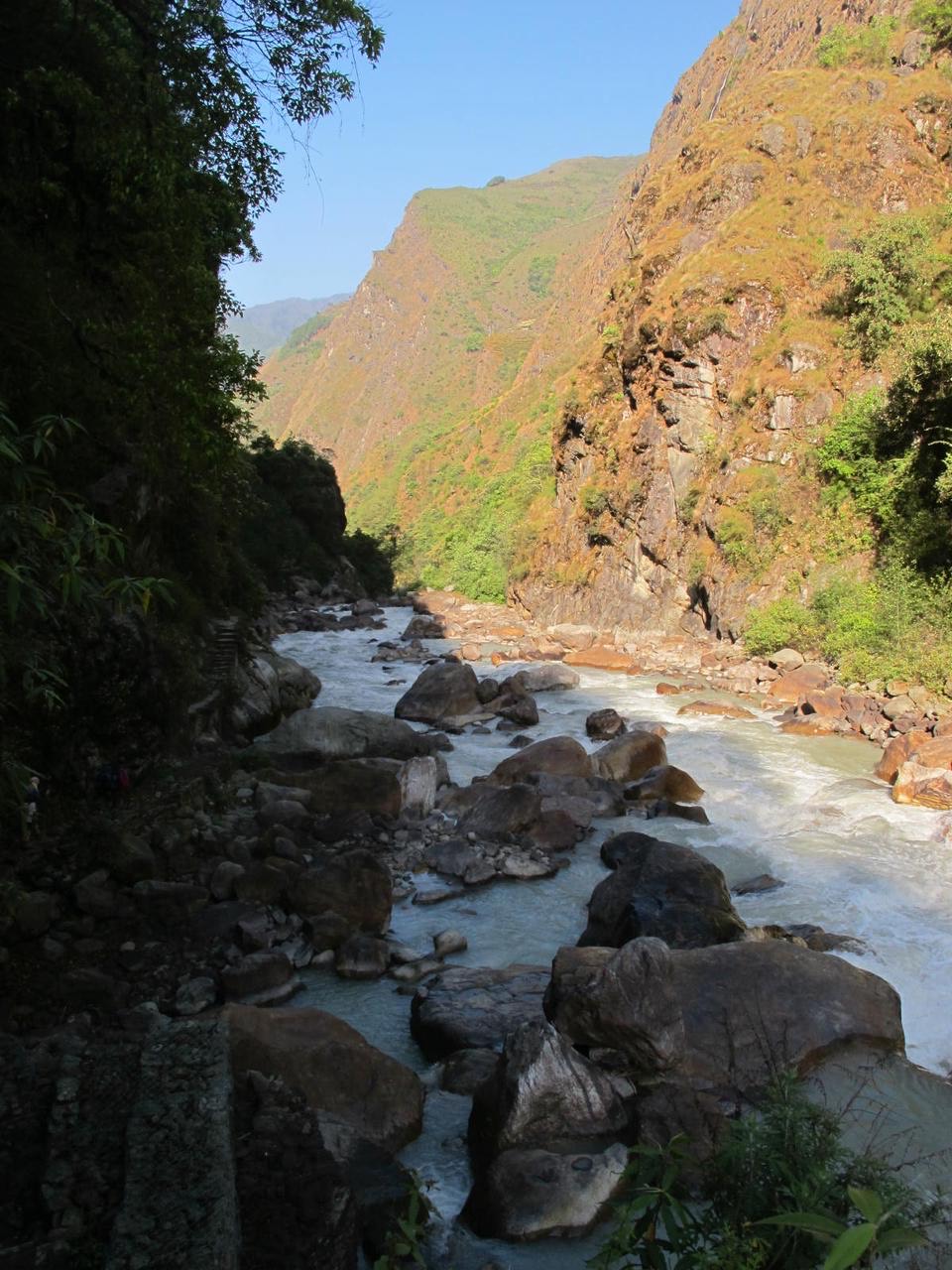
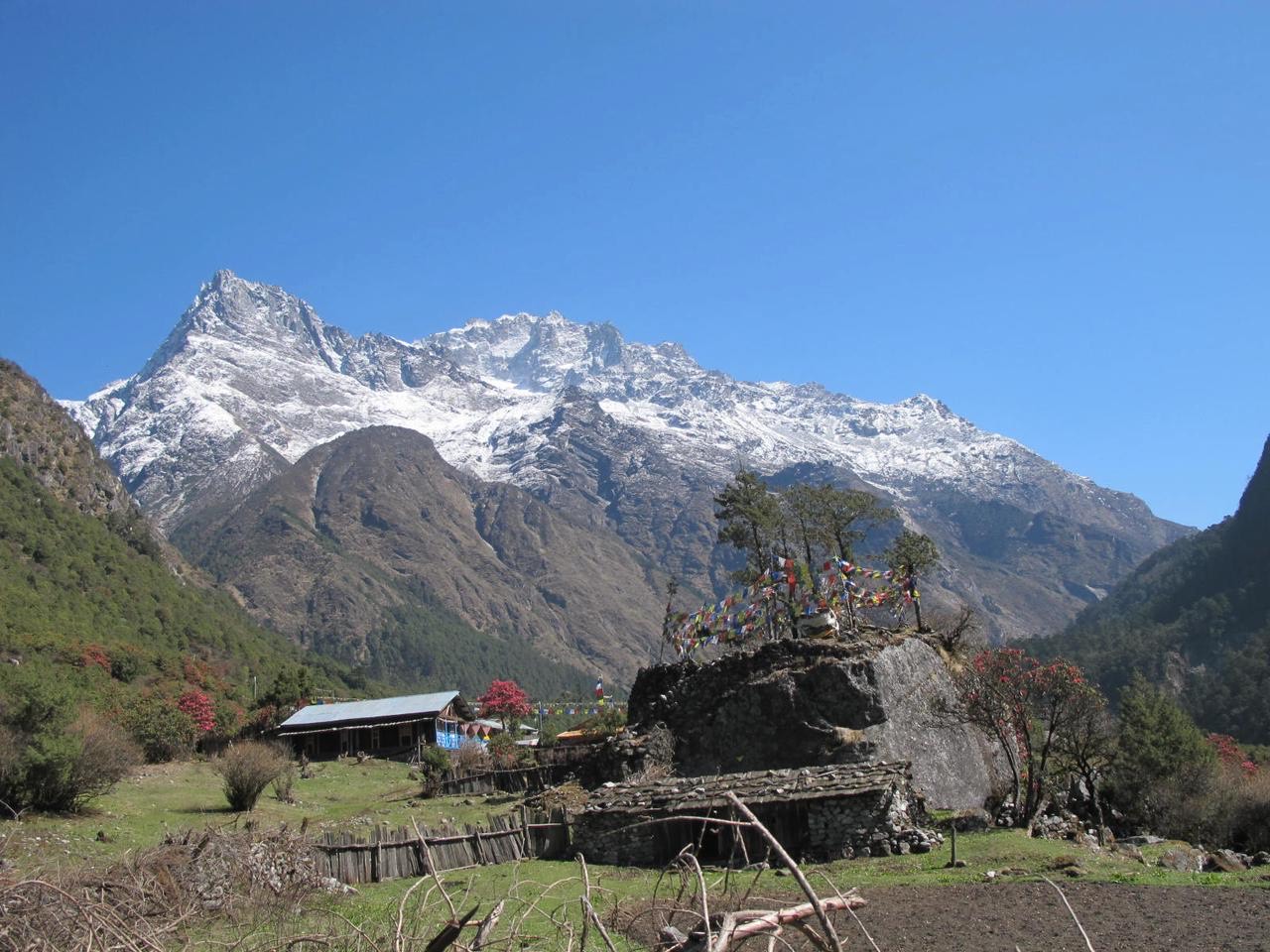
The journey begins with a flight from Kathmandu to Bhadrapur, followed by long scenic drives to Taplejung and Sekathum. From there, trekking begins through lush subtropical forests, terraced fields, and traditional villages. As you ascend, the landscape changes dramatically — forests turn into alpine meadows, rocky paths, glaciers, and snow-covered terrain.
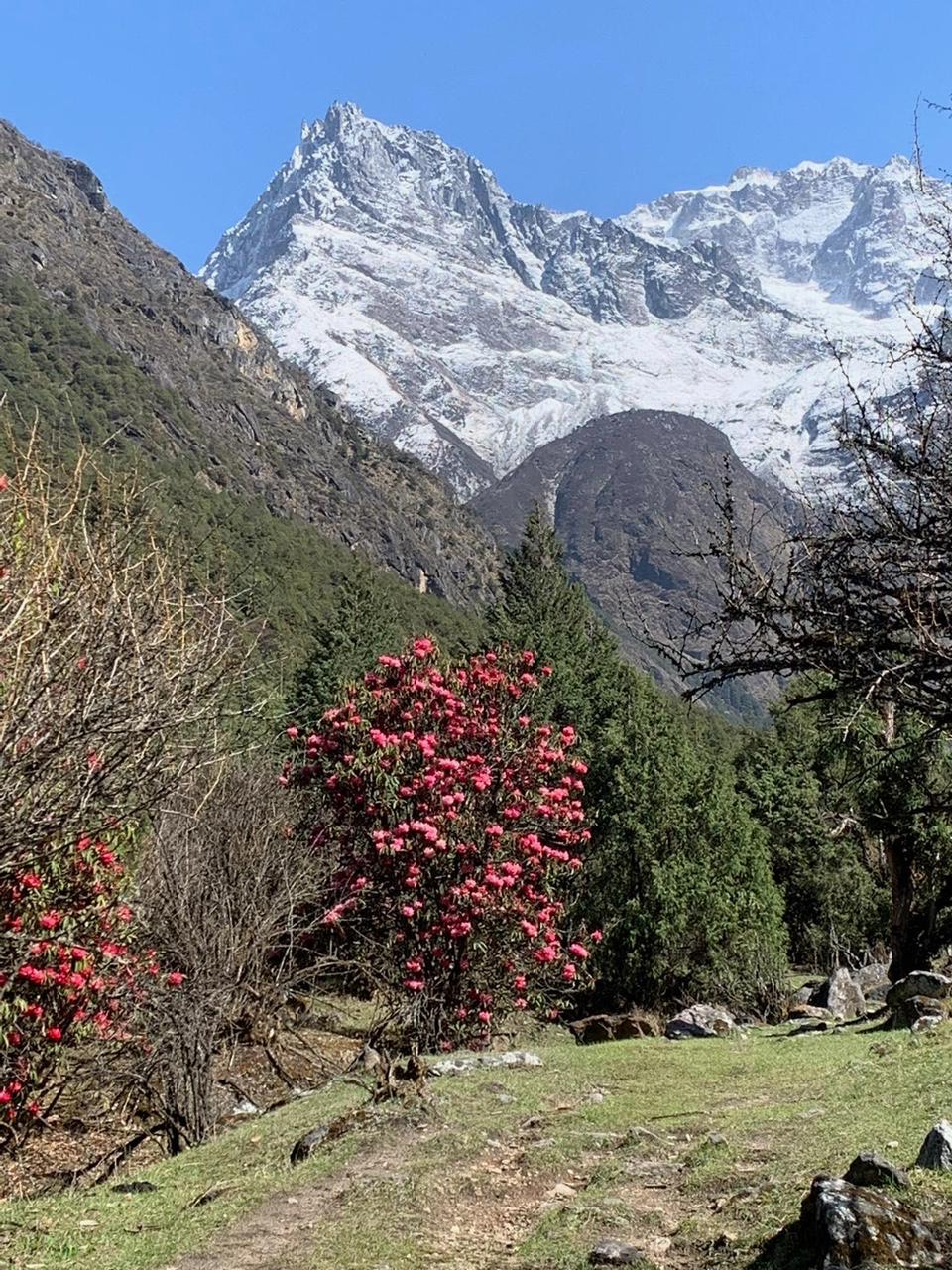
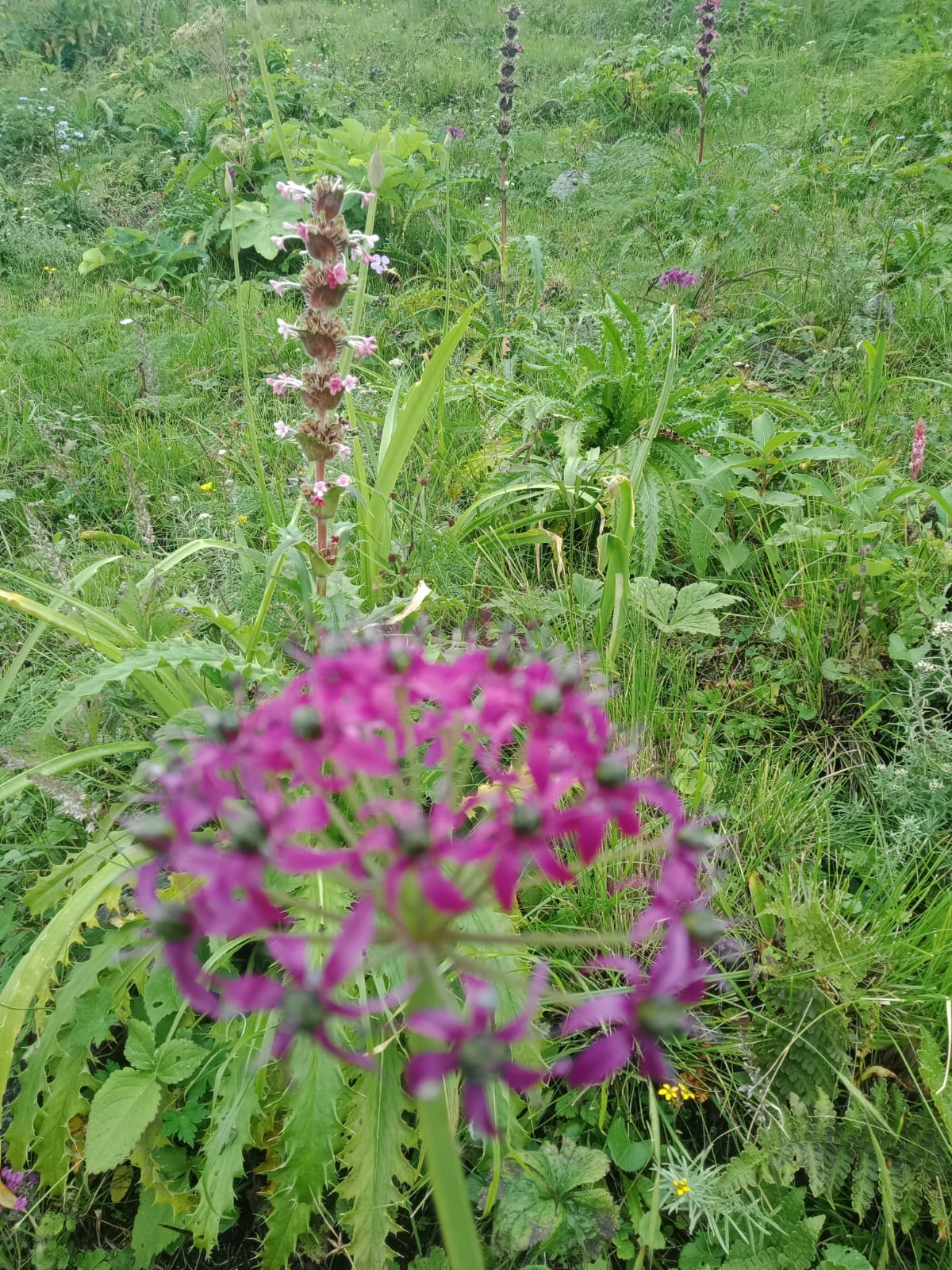
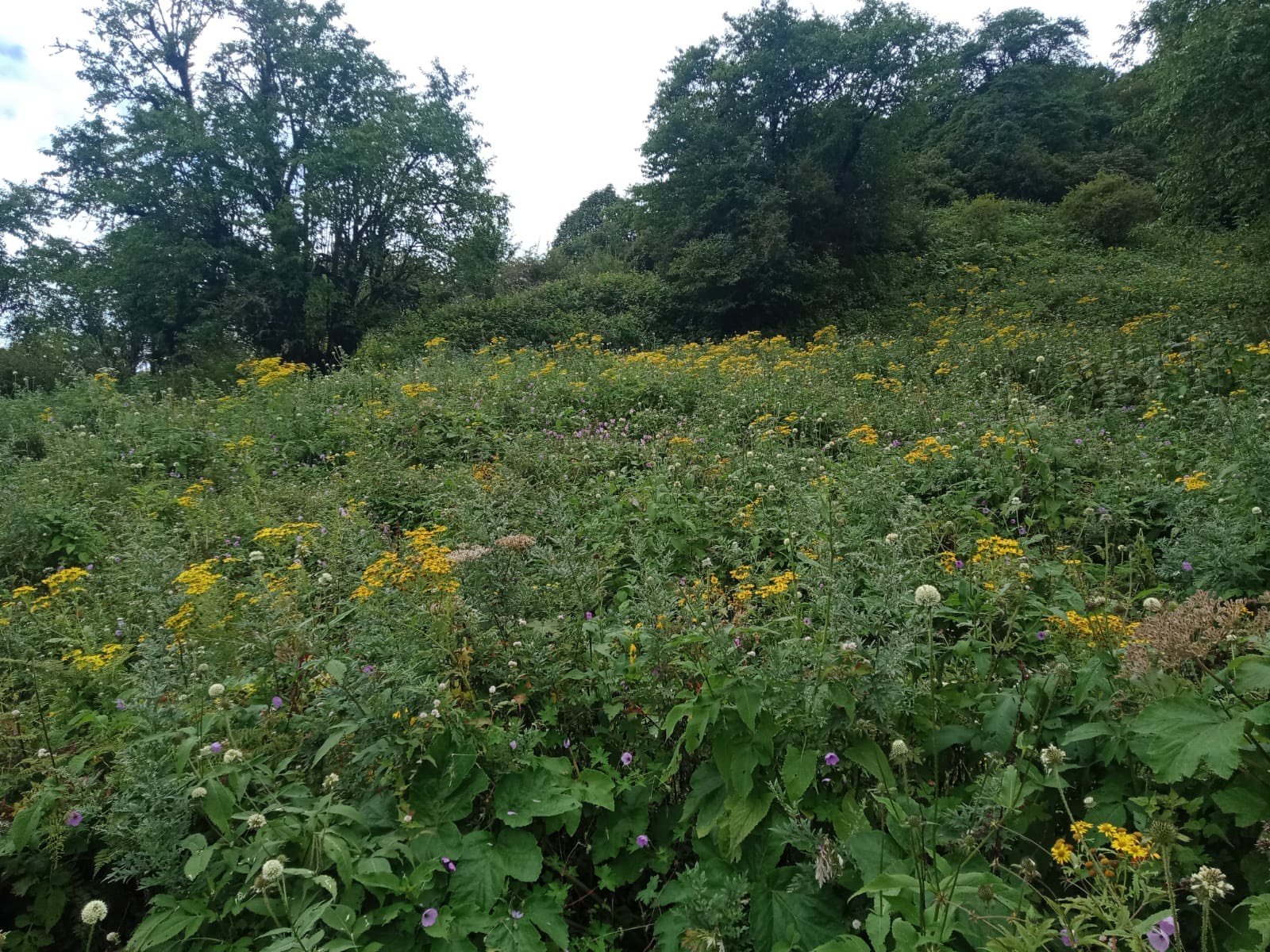
The trek enters the protected area of Kanchenjunga Conservation Area, home to rare wildlife such as red pandas and snow leopards. The biodiversity of this region is rich, with rhododendron forests, bamboo groves, and high-altitude vegetation.
What makes this trek special is its combination of:
- Extreme mountain scenery
- Cultural diversity
- Physical challenge
- Remote wilderness
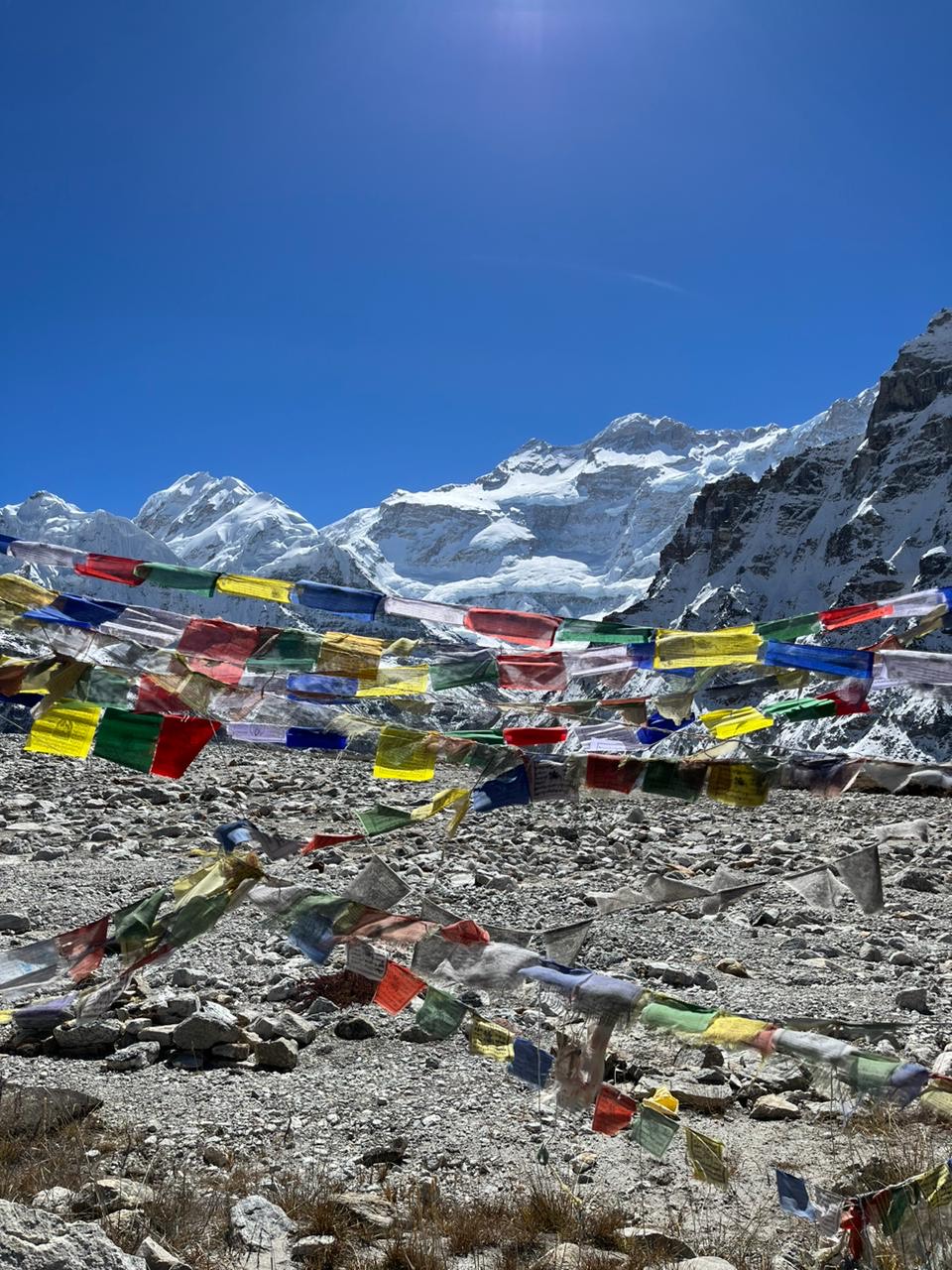
You will walk through villages of Limbu, Rai, and Tibetan-influenced communities. Their traditions, architecture, and Buddhist monasteries add cultural depth to the journey.
The Kanchenjunga Circuit Trek is not a luxury trek. It requires strong physical fitness, mental determination, and readiness for basic facilities in remote areas. However, for those who seek a true off-the-beaten-path adventure, this trek offers unmatched beauty and achievement.
What Can You Expect From the Trek?
This trek offers a complete Himalayan experience filled with challenge and reward.
Remote Wilderness
Unlike busy trekking areas, Kanchenjunga remains quiet and untouched. You may walk for hours without meeting other trekkers. The peaceful environment allows you to truly connect with nature.
Extreme Mountain Views
You will see breathtaking views of:
- Mount Kanchenjunga
- Mount Makalu
- Mount Everest
- Jannu (Kumbhakarna Peak)
- Other surrounding Himalayan peaks
Changing Landscapes
The trek passes through:
- Subtropical forests
- Bamboo and rhododendron forests
- Glacial valleys
- High mountain passes
- Snow-covered base camps
Cultural Experience
You will interact with local communities, observe traditional farming, and visit monasteries. The local hospitality in remote villages is warm and genuine.
Physical Challenge
This trek includes:
- Long walking days (5–8 hours)
- High altitude above 5,000 meters
- Steep ascents and descents
- Remote trails
It is ideal for experienced trekkers seeking adventure.
Is Trek Suitable for You?
The Kanchenjunga Circuit Trek is suitable for:
- Experienced trekkers
- Physically strong individuals
- Adventure seekers
- Those comfortable with remote travel
- People who can walk 6–8 hours daily
It may not be suitable for:
- Beginners with no trekking experience
- People with serious medical conditions
- Travelers seeking luxury accommodation
Proper preparation is essential for this challenging trek.
How to Get Prepared for Trek?
Physical Preparation
Start training at least 2–3 months before departure:
- Long-distance hiking
- Stair climbing
- Cardio exercises (running, cycling)
- Strength training for legs and core
Mental Preparation
Be prepared for:
- Basic accommodation
- Limited communication
- Changing weather conditions
- Long trekking days
Health Check
Consult your doctor before high-altitude trekking. Discuss altitude medication if necessary.
Travel Insurance
Insurance must cover:
- Trekking above 5,000 meters
- Emergency helicopter evacuation
- Medical treatment
- Trip cancellation
-
Trip Duration
22 days/21 nights
-
Group Size
1–20 people
-
Maximum Altitude
5,143 meters (Kanchenjunga North Base Camp)
-
Trip Difficulty
Challenging
-
Activities
Trekking
-
Best Season
March–May, September–November
-
Trip Start & End
Kathmandu-Kathmandu
-
Meals
Breakfast, Lunch, Dinner
-
Accomodation
3-Star Hotel, Teahouses / Camping
Highlights
- Complete the full Kanchenjunga Circuit, visiting both North and South Base Camps.
- Trek in one of Nepal’s most remote and untouched regions.
- Enjoy close views of Kanchenjunga, Makalu, and Everest.
- Walk through forests, glaciers, rivers, and high mountain passes.
- Experience local culture of Limbu and Rai communities.
- Cross challenging high passes for a real adventure.
- See rare wildlife and unique Himalayan plants.
Itinerary
Day 01
Upon arrival at Tribhuvan International Airport, our representative will welcome you and transfer you to your 3-star hotel in Thamel, Kathmandu. After check-in, you can relax or explore the lively streets of Thamel. In the evening, there will be a welcome dinner and a detailed trek briefing covering route, safety, and logistics.
Trip Duration:
Arrival DayAltitude:
1400 mMeal:
Welcome DinnerAccomodation :
3-Star Hotel, KathmanduDay 02
Today is reserved for trek preparation and permit arrangements. You will meet your trek leader for a full briefing and gear check. If time allows, you may explore UNESCO heritage sites such as Swayambhunath, Boudhanath Stupa, Pashupatinath Temple, and Kathmandu Durbar Square.
Trip Duration:
Preparation DayAltitude:
1400 mMeal:
BreakfastAccomodation :
3-Star Hotel, KathmanduDay 03
Early morning scenic flight (40–45 minutes) to Bhadrapur in eastern Nepal. Upon arrival, transfer to your hotel and rest. This marks the beginning of your journey toward the remote Kanchenjunga region.
Trip Duration:
40–45 mins flightAltitude:
1400 mMeal:
Lunch, DinnerAccomodation :
Standard Hotel, BhadrapurDay 04
A long but scenic jeep drive (8–9 hours) along the Mechi Highway through tea gardens, cardamom farms, rivers, and hills. Gradual ascent brings you into the Himalayan foothills at Taplejung.
Trip Duration:
8–9 hours driveAltitude:
1820 mMeal:
Breakfast, Lunch, DinnerAccomodation :
Tea House, TaplejungDay 05
Another jeep journey (5–6 hours) through villages such as Mitlung, Chirwa, Thapethok, and Lelep. Permits are checked at the entrance of Kanchenjunga Conservation Area before reaching Sekathum.
Trip Duration:
5–6 hours driveAltitude:
1650 mMeal:
Breakfast, Lunch, DinnerAccomodation :
Tea House, SekathumDay 06
Your trekking adventure officially begins. The trail follows the river valley, crossing suspension bridges and passing through dense forests and small settlements like Jonggim and Ghaiyabari before reaching Amjilosa.
Trip Duration:
4–5 hours trekAltitude:
2498 mMeal:
Breakfast, Lunch, DinnerAccomodation :
Tea House, AmjilosaDay 07
Gradual ascent through bamboo and rhododendron forests. This area is habitat for red pandas and diverse birdlife. The peaceful village of Gyabla offers beautiful mountain surroundings.
Trip Duration:
4–5 hours trekAltitude:
2725 mMeal:
Breakfast, Lunch, DinnerAccomodation :
Tea House, GyablaDay 08
The trail climbs steadily through forests and passes Phale village, a Tibetan refugee settlement. Arrive at Ghunsa, a large Sherpa village with monasteries and traditional houses.
Trip Duration:
5 hours trekAltitude:
3415 mMeal:
Breakfast, Lunch, DinnerAccomodation :
Tea House, GhunsaDay 09
To adjust to altitude, hike to Ghunsa Ri or nearby viewpoints for panoramic Himalayan views. This rest day is crucial for proper acclimatization before moving higher.
Trip Duration:
5 hours hikeAltitude:
4000 mMeal:
Breakfast, Lunch, DinnerAccomodation :
Tea House, GhunsaDay 10
Follow the glacial river valley with views of snowy peaks. Cross landslide sections and waterfalls before reaching Kambachen, surrounded by dramatic mountain scenery.
Trip Duration:
4 hours trekAltitude:
4145 mMeal:
Breakfast, Lunch, DinnerAccomodation :
Tea House, KambachenDay 11
The trail becomes more rugged and alpine. Pass Ramtang Monastery and cross rocky glacial terrain before reaching Lhonak.
Trip Duration:
5 hours trekAltitude:
4792 mMeal:
Breakfast, Lunch, DinnerAccomodation :
Tea House, LhonakDay 12
A long and rewarding day to Pangpema, the North Base Camp of Mount Kanchenjunga. Enjoy breathtaking glacier and mountain views before returning to Lhonak.
Trip Duration:
7–8 hours trekAltitude:
5143 mMeal:
Breakfast, Lunch, DinnerAccomodation :
Tea House, LhonakDay 13
Retrace your route via Kambachen and descend back to Ghunsa.
Trip Duration:
6 hours trekAltitude:
3415 mMeal:
Breakfast, Lunch, DinnerAccomodation :
Tea House, GhunsaDay 14
Climb through forested trails toward Sele La Camp. This section prepares you for crossing high passes.
Trip Duration:
5 hours trekAltitude:
4240 mMeal:
Breakfast, Lunch, DinnerAccomodation :
Tea House, Sele La CampDay 15
Cross Sinion La and Sinelapche La passes with dramatic mountain views before descending to Cheram.
Trip Duration:
6–7 hours trekAltitude:
3868 mMeal:
Breakfast, Lunch, DinnerAccomodation :
Tea House, CheramDay 16
Gradual ascent along Yalung Glacier, passing Simbua River and Lapsang village.
Trip Duration:
4 hours trekAltitude:
4580 mMeal:
Breakfast, Lunch, DinnerAccomodation :
Tea House, RamcheDay 17
Explore the South Base Camp area with incredible views of Kanchenjunga’s southern face.
Trip Duration:
5 hours hikeAltitude:
4730 mMeal:
Breakfast, Lunch, DinnerAccomodation :
Tea House, RamcheDay 18
Long descent through rhododendron and juniper forests.
Trip Duration:
6 hours trekAltitude:
2995 mMeal:
Breakfast, Lunch, DinnerAccomodation :
Tea House, TortangDay 19
Follow the Simbuwa Khola valley, crossing suspension bridges and villages.
Trip Duration:
7 hours trekAltitude:
1576 mMeal:
Breakfast, Lunch, DinnerAccomodation :
Tea House, SekathumDay 20
Scenic 9-hour jeep ride back toward lower hill regions.
Trip Duration:
9 hours driveAltitude:
1820 mMeal:
Breakfast, Lunch, DinnerAccomodation :
Tea House, TaplejungDay 21
Fly back to Kathmandu. Free time for shopping or relaxation. Farewell dinner in the evening.
Trip Duration:
Flight (45 mins)Altitude:
1400 mMeal:
Breakfast, DinnerAccomodation :
3-Star Hotel, KathmanduDay 22
Transfer to the airport for your onward journey or optional program extension.
Trip Duration:
Departure DayMeal:
BreakfastWhat's Included
- Airport pickup and drop at Tribhuvan International Airport
- 3 Nights in 3-Star Hotel in Kathmandu before to after
- 2 Breakfasts in Kathmandu
- All required permits and government taxes (Kanchenjunga Restricted Area Permit & Conservation Area Permit)
- Domestic flights as per itinerary (Kathmandu–Bhadrapur–Kathmandu)
- All accommodation during the trek (Teahouse / Camping as required)
- Full Board Meals during the trek (Breakfast, Lunch, Dinner, Tea/Coffee)
- Licensed professional trekking guide (salary, food, accommodation, insurance)
- First Aid Medical Kit
- Public transportation as mentioned in the itinerary
What's Excluded
- International airfare
- Nepal entry visa fee
- Personal expenses (laundry, phone calls, Wi-Fi, hot showers, charging, etc.)
- Trekking gears and equipment
- Beverages and bottled/mineral water
- Travel insurance (mandatory)
- Tips for guide and support staff (expected at the end of the trek)
- Porter service($22 per porter per day)
Note: A porter can carry up to 25 kg. It is recommended to have one porter for every two trekkers for better comfort during high-altitude sections.
Essential Info
Add-ons
- Guided sightseeing tour in Kathmandu
- Porter service
- Domestic flight upgrades
- Helicopter charter services (emergency or luxury return)
- Private jeep transportation
Best Season to Trek
The Kanchenjunga Circuit Trek is best undertaken during Spring (March to May) and Autumn (September to November).
Spring (March–May)
Spring brings mild temperatures, stable weather, and blooming rhododendron forests along the lower trails. The skies are generally clear, offering excellent mountain visibility. Wildlife activity is also higher during this season.
Autumn (September–November)
Autumn is the most popular trekking season in Nepal. Post-monsoon clarity ensures breathtaking views of the Himalayan peaks. The weather remains dry and stable, making high-pass crossings safer and more enjoyable.
Winter is extremely cold at higher elevations, while monsoon season brings heavy rainfall and slippery trails.
Food Availability
Food during the Kanchenjunga Circuit Trek is simple, nutritious, and designed to provide sufficient energy for long trekking days.
Breakfast
Options typically include eggs (boiled, fried, omelet), toast or Tibetan bread, porridge, pancakes, and tea or coffee. In higher regions, choices may become limited but remain filling.
Lunch
Lunch usually consists of dal bhat (rice, lentils, vegetables), fried rice, noodles, pasta, soups, and seasonal vegetable dishes. Dal bhat is highly recommended as it provides sustained energy and unlimited refills in many teahouses.
Dinner
Dinner includes hearty meals such as rice with curry, pasta, potatoes, soups, momos (dumplings), and traditional Nepali dishes. Hot meals are essential at higher altitudes to maintain body warmth.
Snacks
Teahouses and small shops offer biscuits, chocolate bars, energy bars, nuts, and sometimes fresh fruits in lower villages. It is advisable to carry extra energy snacks from Kathmandu.
Accommodation
Accommodation varies depending on altitude and remoteness.
In Kathmandu
Stay in a comfortable 3-star hotel with modern amenities, attached bathrooms, Wi-Fi, and breakfast service.
During the Trek
In lower and mid-altitude villages, accommodation is in basic teahouses offering twin-sharing rooms with shared bathrooms. Facilities are simple but clean.
At higher elevations, due to limited infrastructure, camping may be required. Tents, sleeping arrangements, and cooking equipment are arranged by the trekking crew when necessary.
Electricity and charging facilities may be limited and available at extra cost.
Travel Insurance
Travel insurance is mandatory for the Kanchenjunga Circuit Trek. Your insurance policy must cover:
- High-altitude trekking above 5,000 meters
- Emergency helicopter evacuation
- Medical treatment and hospitalization
- Trip cancellation or interruption
Due to the remoteness of the region, evacuation can only be done by helicopter, making proper coverage essential.
Altitude Sickness
Altitude sickness can occur above 2,500 meters due to reduced oxygen levels. Common symptoms include headache, nausea, dizziness, fatigue, and shortness of breath.
Prevention Measures:
- Gradual ascent with proper acclimatization days
- Drinking plenty of fluids
- Avoiding alcohol and smoking
- Walking at a steady pace
If symptoms worsen, immediate descent is necessary. Our guides are trained to monitor health conditions and take quick action if required.
Guide and Safety Measures
A professional and experienced guide is the backbone of any high-altitude trek, especially on a challenging route like Kanchenjunga Circuit. Guides not only ensure your safety but also enrich your experience with cultural insights and local knowledge.
Role of the Guide:
- Route Navigation: Guides are experts in trail navigation and know the safest and quickest paths through forests, high passes, and rugged terrain.
- Altitude Management: They help monitor symptoms of altitude sickness and adjust trekking pace accordingly.
- Cultural Interpretation: Guides provide insights into local Limbu, Rai, and Sherpa cultures, including traditional rituals, festivals, and lifestyles.
- Problem Solving: From sudden weather changes to route obstacles, guides manage emergencies efficiently.
- Group Coordination: Ensure that trekkers remain together, manage logistics, and handle porters and accommodation arrangements.
Safety Measures:
- Emergency Protocols: Guides carry first aid kits, oxygen cylinders, and communication devices. In case of injury or severe altitude sickness, they coordinate evacuation by helicopter or road.
- Acclimatization Plans: Guides enforce a gradual ascent plan, rest days, and high-altitude hikes to reduce the risk of acute mountain sickness (AMS).
- Weather Monitoring: They track weather patterns to avoid dangerous conditions such as snowstorms, heavy rainfall, or landslides.
- Daily Health Check-ups: Guides regularly check trekkers’ pulse, oxygen saturation, and overall condition to prevent health issues.
Booking Procedure
Booking the Kanchenjunga Circuit Trek with ART Nepal Treks & Expedition is straightforward. Careful planning and timely arrangements ensure a smooth trekking experience.
Step-by-Step Guide:
- Contact the Company: Reach out via phone, email, or the official website to express interest and receive detailed trek information.
- Select Dates: Choose your preferred trek dates based on your schedule and the best trekking seasons (spring or autumn).
- Pay a Deposit: Secure your booking with a deposit. The amount is usually a percentage of the total cost.
- Provide Documents: Submit essential documents, including passport copy, visa information, health details, and travel insurance.
- Confirm Arrangements: The company will provide confirmation of flights, accommodation, and trekking permits.
- Final Payment: Complete the remaining payment before the trek departure date.
- Pre-Trek Briefing: Attend an optional briefing session in Kathmandu or online to understand the trek, equipment, and safety protocols.
Equipment List
- Trekking Shirt / Base Layer Tops: Breathable, moisture-wicking shirts made of synthetic or merino wool. Helps regulate body temperature and reduces sweat-related discomfort.
- Trekking Pants / Bottoms: Lightweight, durable, and quick-drying pants. Convertible pants with zip-off legs are useful in warmer sections.
- Thermal Base Layers: Essential for high-altitude days; top and bottom thermal layers keep body warm during cold mornings and evenings.
- Warm Fleece / Mid-layer: A fleece jacket or woolen pullover is ideal for layering; provides insulation without restricting movement.
- Waterproof Jacket: A breathable rainproof jacket is critical for sudden rain, snow, or wind at higher elevations.
- Trekking Socks: High-quality wool or synthetic socks to prevent blisters and keep feet warm. Always carry multiple pairs.
- Innerwear: Comfortable underwear and thermal leggings for cold nights.
- Hat / Cap: A wide-brimmed hat for sun protection and a warm woolen hat for cold conditions.
- Gloves: Insulated gloves for cold weather and lighter gloves for lower-altitude trekking.
- Trekking Boots: Sturdy, waterproof, and broken-in boots with ankle support to navigate rugged terrain.
- Camp Shoes / Sandals: Lightweight shoes to use inside lodges or teahouses after trekking.
- Backpack: A strong, comfortable backpack (40–60L) for daily essentials, with a rain cover.
- Trekking Poles: Adjustable poles help reduce strain on knees and maintain balance, especially on steep descents.
- Sleeping Bag: A high-quality, warm sleeping bag rated for temperatures below –10°C, especially needed for high-altitude camps.
- Headlamp / Flashlight: Essential for early starts, evening walks in camp, or power outages. Include spare batteries.
- Water Bottle / Hydration System: Reusable water bottles or hydration bladders to stay hydrated during trekking.
- Down Jacket / Insulated Jacket: Lightweight but highly insulated jacket for extremely cold mornings and nights.
- Windproof Pants: Protect legs against wind and snow in higher altitudes.
- Poncho / Rain Pants: Extra layer to stay dry during rain or wet snow.
- Gaiters: Protect lower legs and shoes from snow, mud, and debris.
- Buff / Scarf: Protects neck and face from cold wind, dust, and sun exposure.
- Personal Toiletries: Toothbrush, toothpaste, biodegradable soap, shampoo, hand sanitizer.
- Quick-dry Towel: Lightweight and fast-drying for showers and washing.
- Sunscreen / Lip Balm: High SPF to prevent sunburn and chapped lips at high altitudes.
- Sunglasses: UV-protection sunglasses to protect eyes from harsh sunlight and snow glare.
- First Aid Kit: Include bandages, antiseptic wipes, painkillers, diarrhea medicine, altitude sickness medication, blister treatment, and personal medications.
- Hand Gloves: Light gloves for daily wear, plus insulated gloves for cold.
- Mosquito Repellent: Useful in lower altitudes or forested areas.
- Face Masks / Buffs: Protect from dust, pollen, or sudden cold wind.
- Camera / GoPro: For capturing memories of mountains, landscapes, and cultural experiences.
- Power Bank: Essential for charging electronics in remote areas where electricity is limited.
- Phone / Satellite Phone: For communication; satellite phones may be necessary in very remote sections.
- Adapters / Chargers: Nepal uses Type C, D, and M plugs; carry an adapter compatible with your devices.
- GPS Device / Map: Helpful for tracking your route and staying oriented on remote trails.
General Equipments
- Snacks / Energy Bars: Quick nutrition for long trekking days.
- Dry Bags / Ziploc Bags: Keep clothes, electronics, and important documents dry.
- Notebook / Pen: For journaling your trek experiences.
- Trekking Guidebooks / Maps: Reference for terrain, culture, and safety.
- Plastic Bags: For separating dirty clothes or garbage.
- Travel Pillow: Optional but useful for comfort during long flights or jeep rides.
- Trekking Permit Copies: Always keep copies of Kanchenjunga National Park permits.
FAQ
Trip Price
USD 2700 Per Person
Talk To Trip Expert
Related Trips