

Tamang Heritage Trekking – 10 Days
Introduction
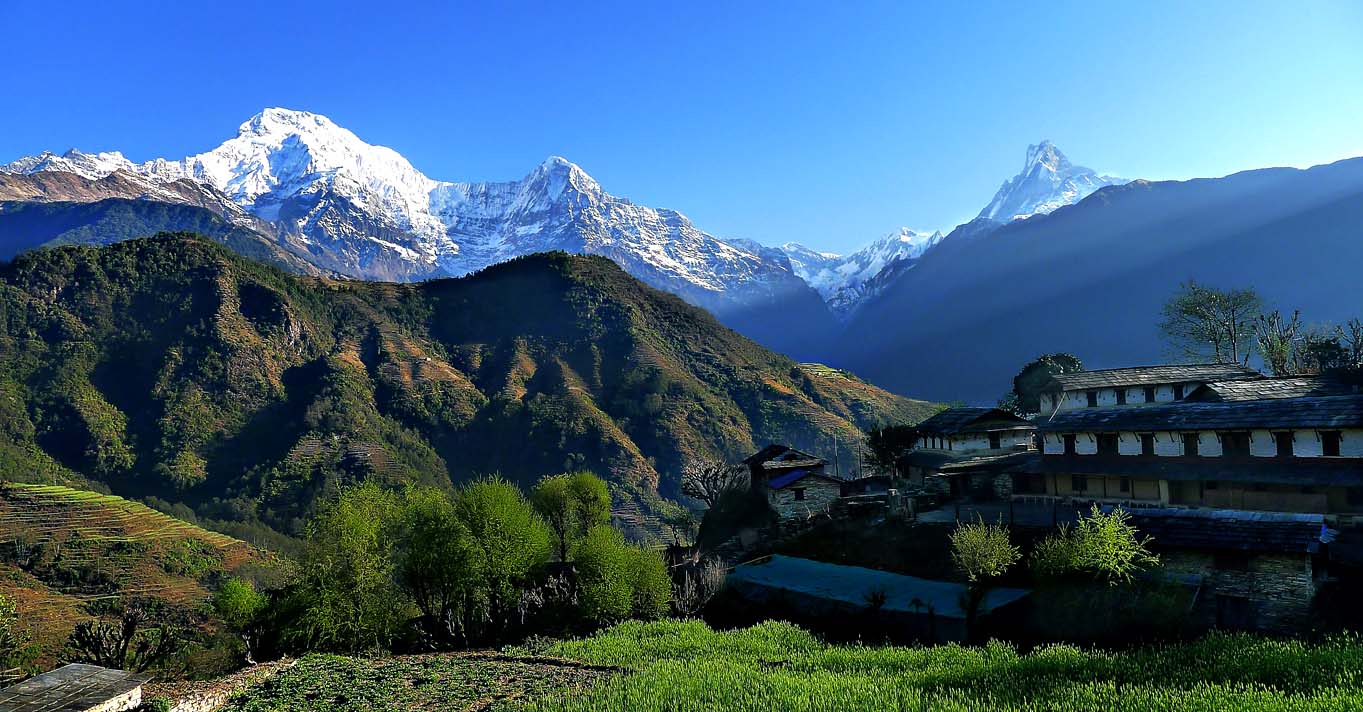
The Tamang Heritage Trek is a culturally rich and naturally beautiful journey in the northern part of Nepal, close to the Tibetan border. This 10-day trekking experience is designed to introduce travelers to the traditional lifestyle, culture, religion, and hospitality of the Tamang people who have lived in this region for centuries. The trail lies between the famous Langtang region and the Ganesh Himal range, offering spectacular Himalayan scenery combined with authentic village experiences.
Organized by ART Nepal Treks & Expedition, this trek is ideal for travelers who want to explore something less crowded but equally rewarding. Unlike busier trekking routes, the Tamang Heritage Trail remains peaceful and untouched, allowing trekkers to connect deeply with local communities and nature.
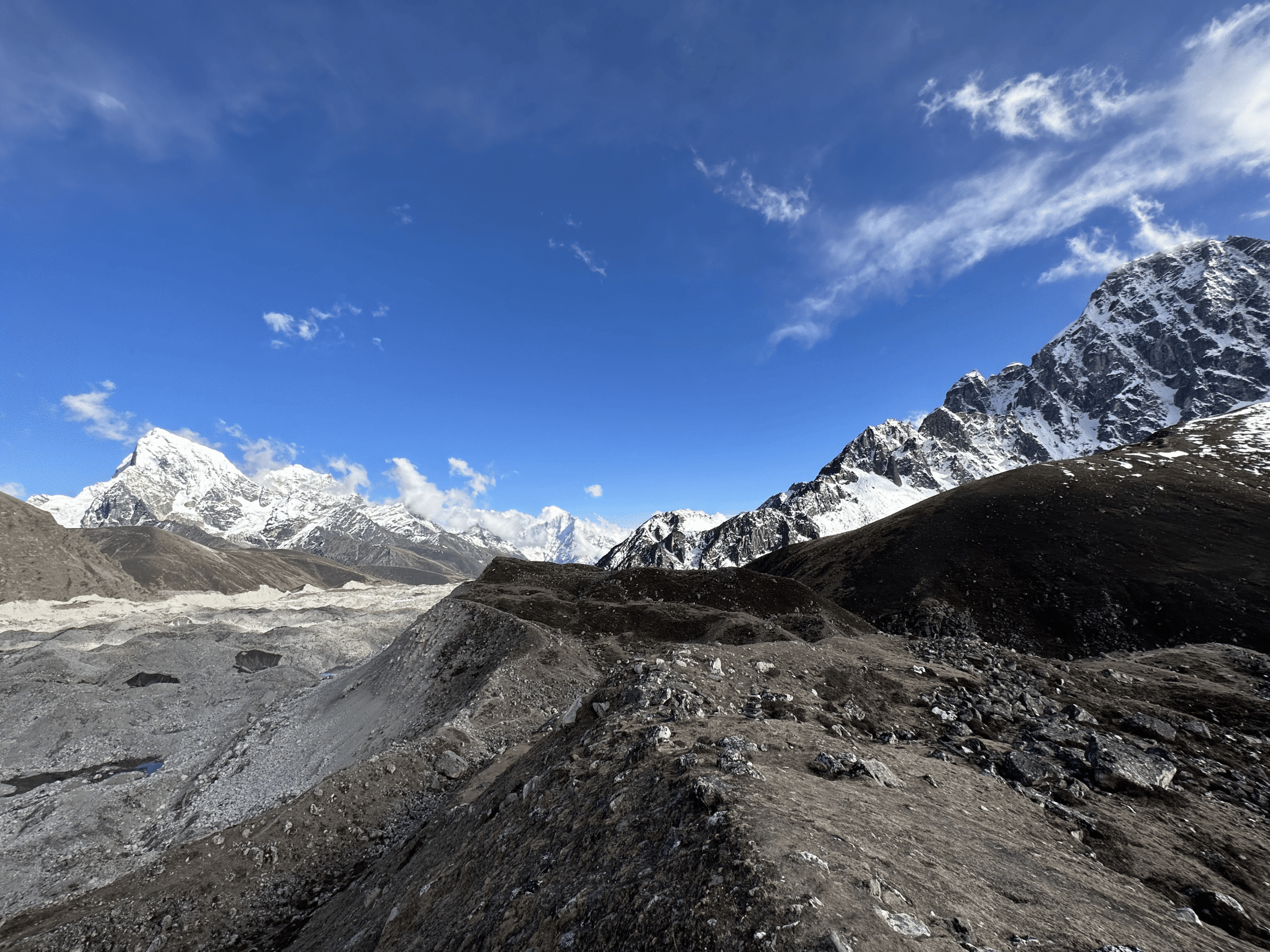
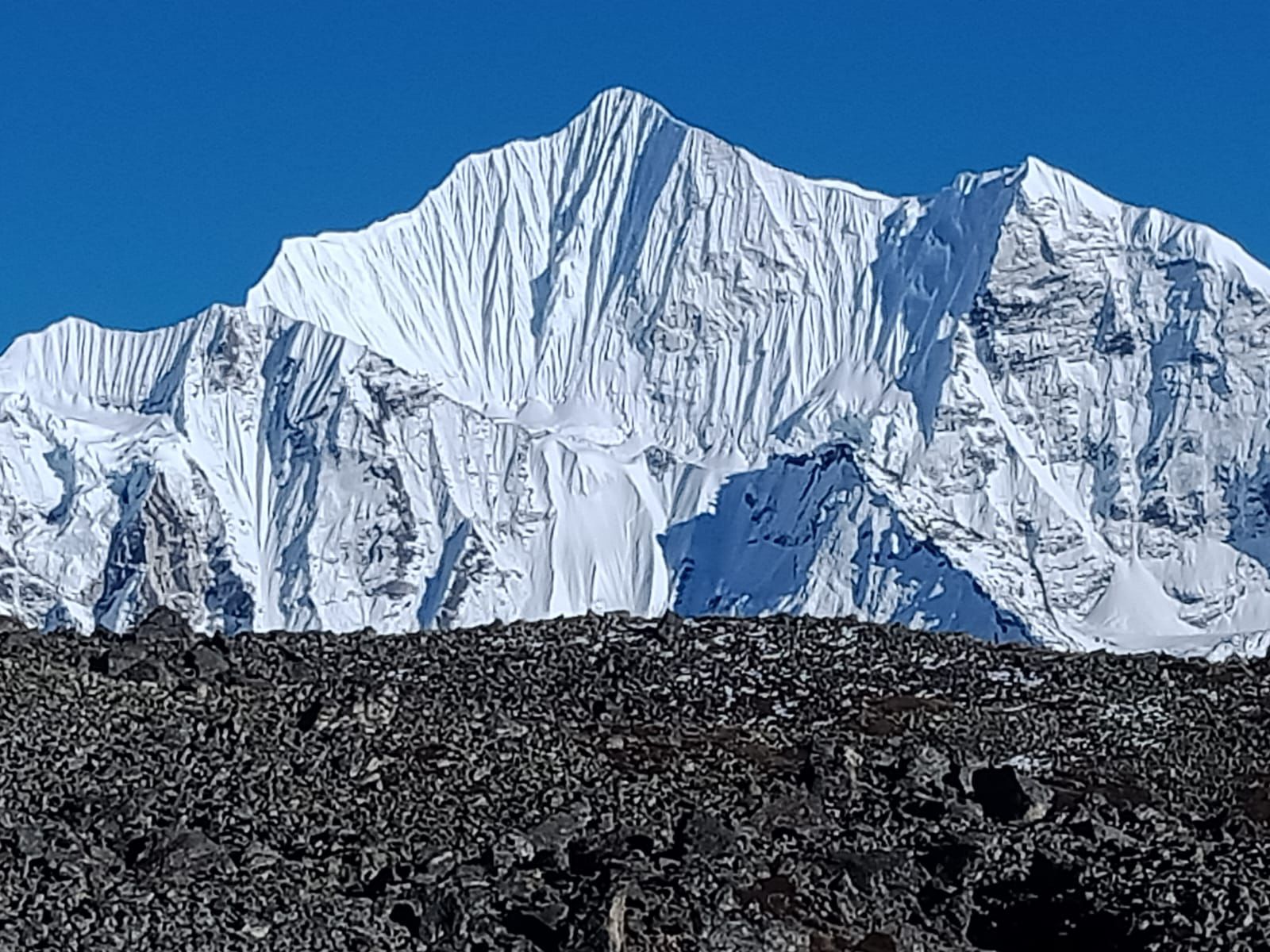
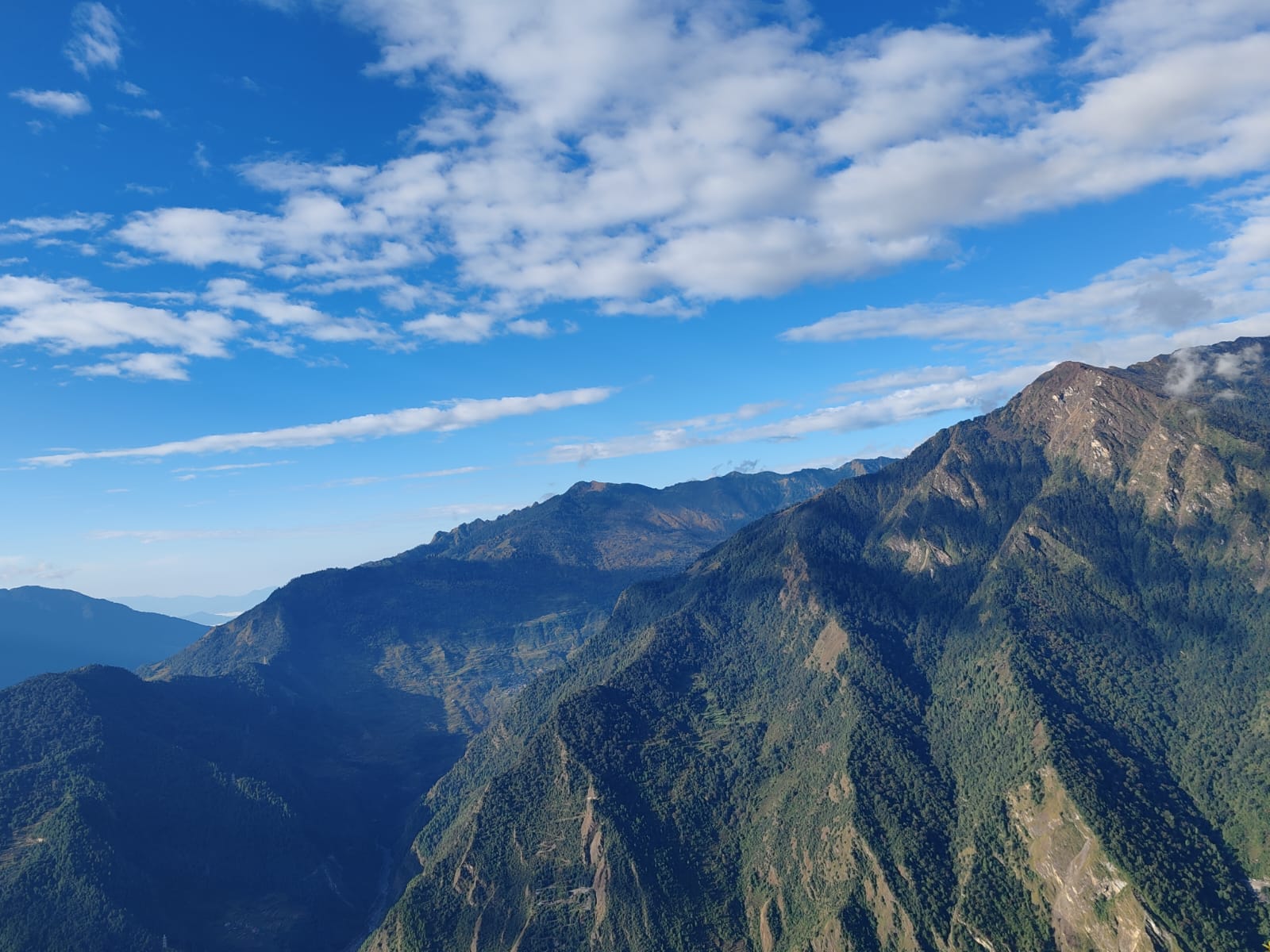
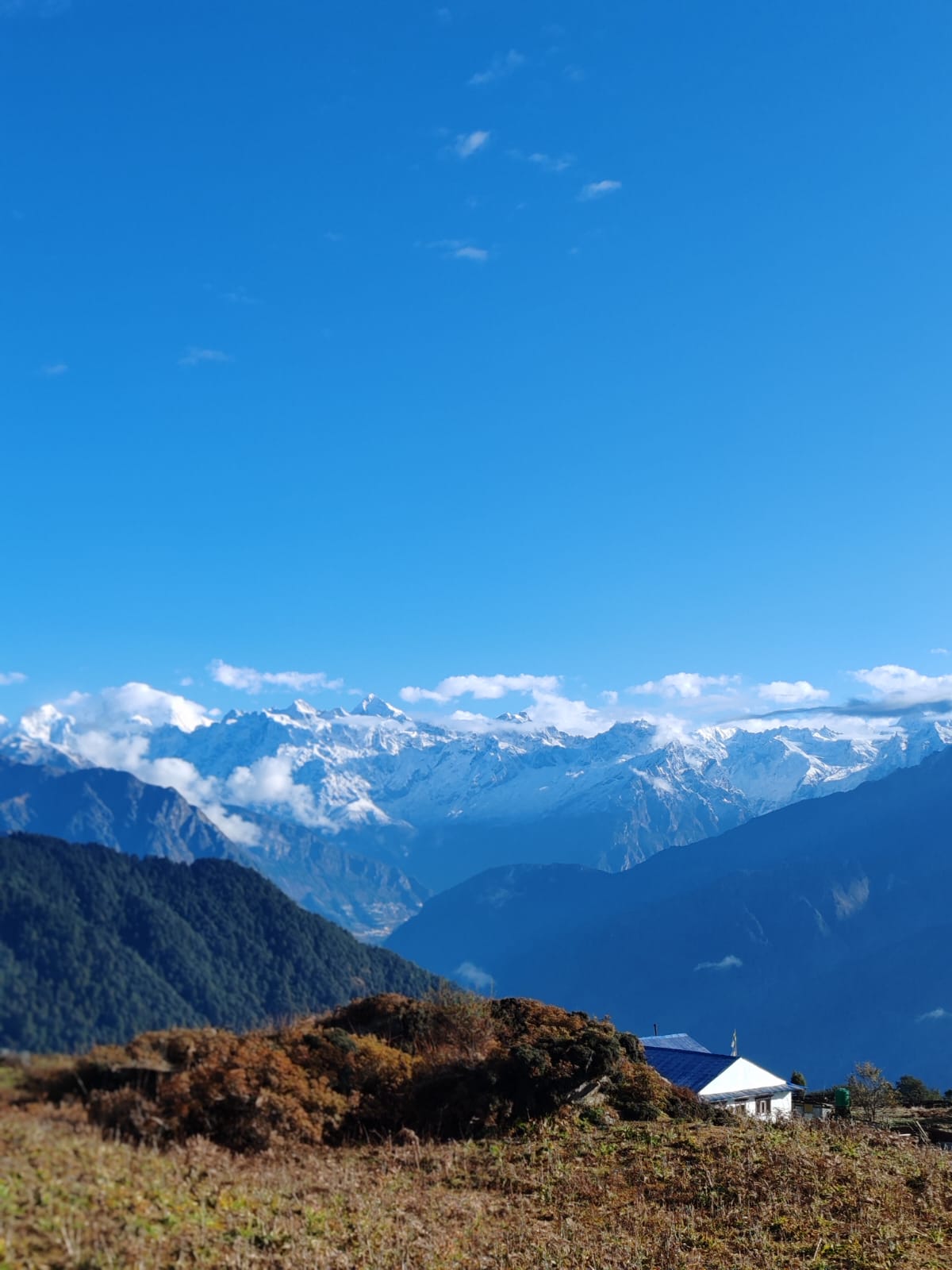
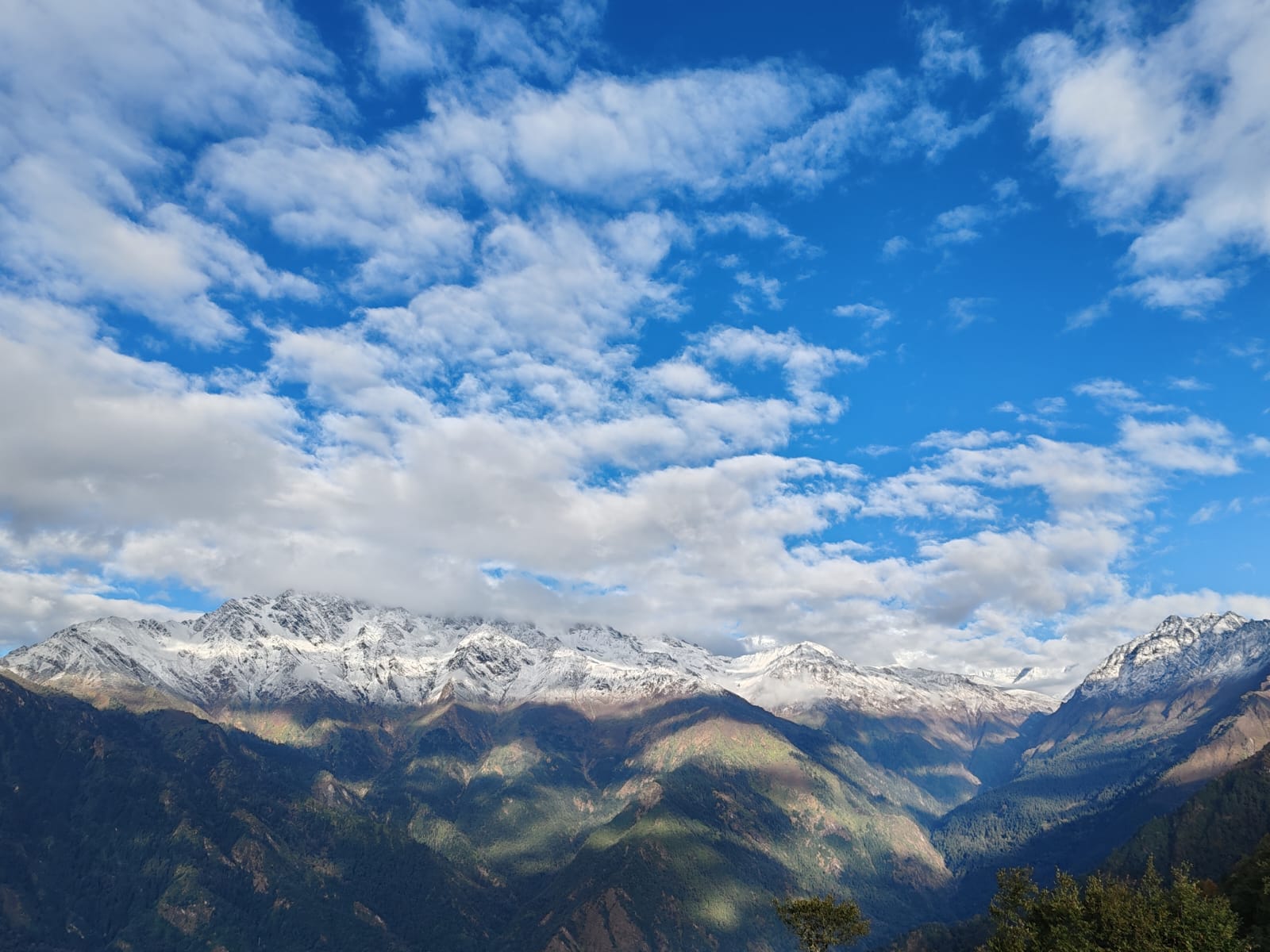
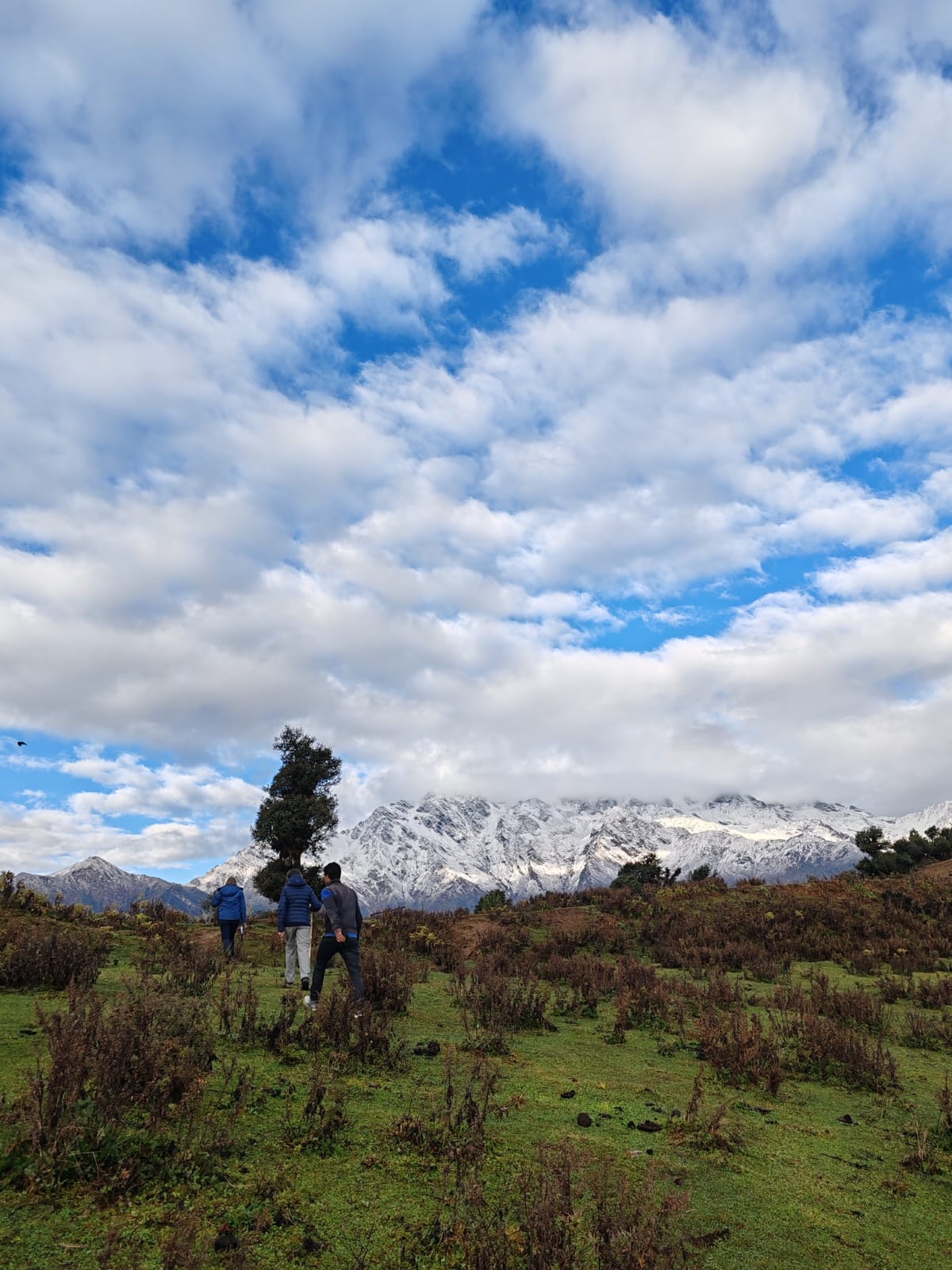
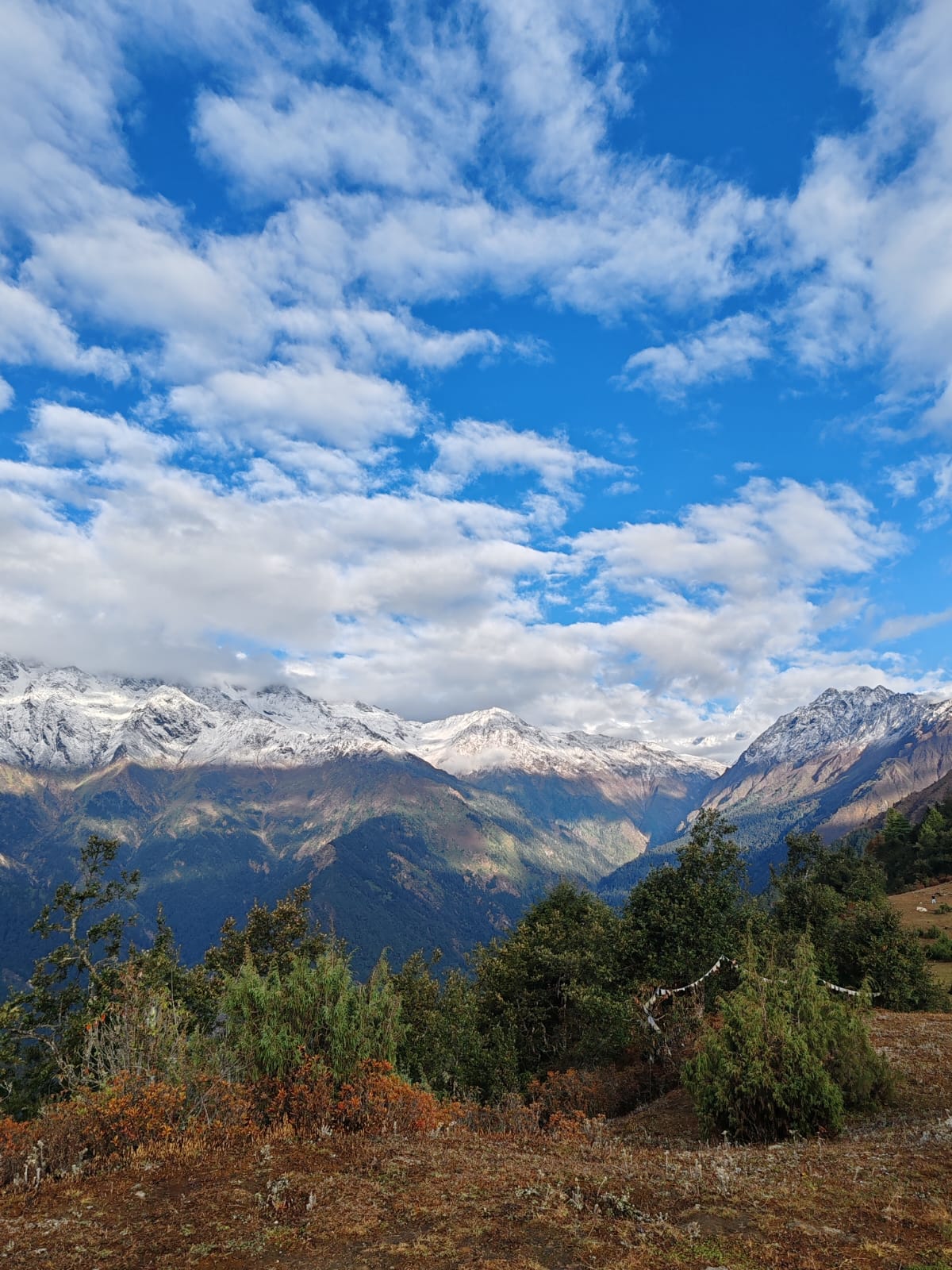
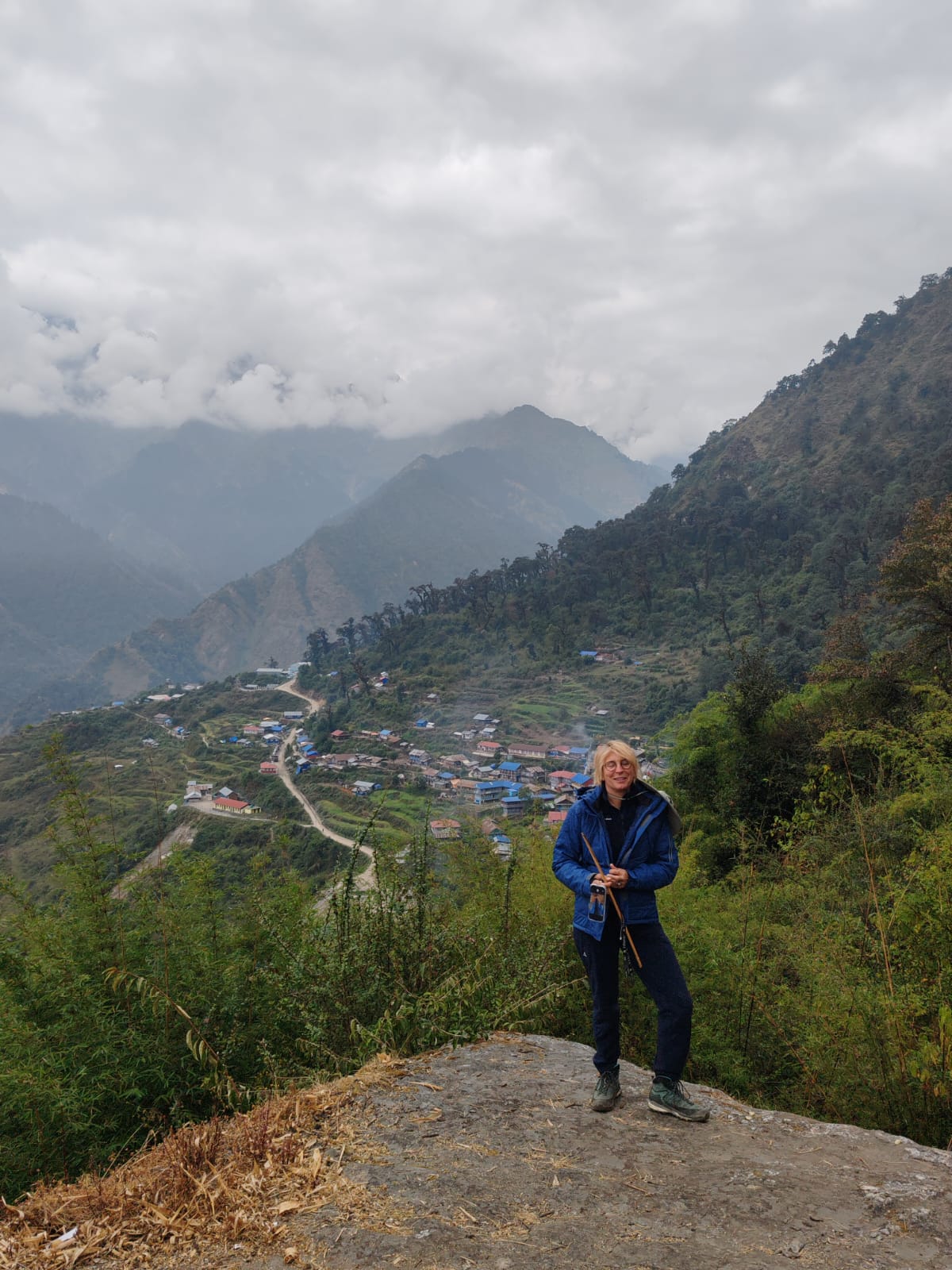
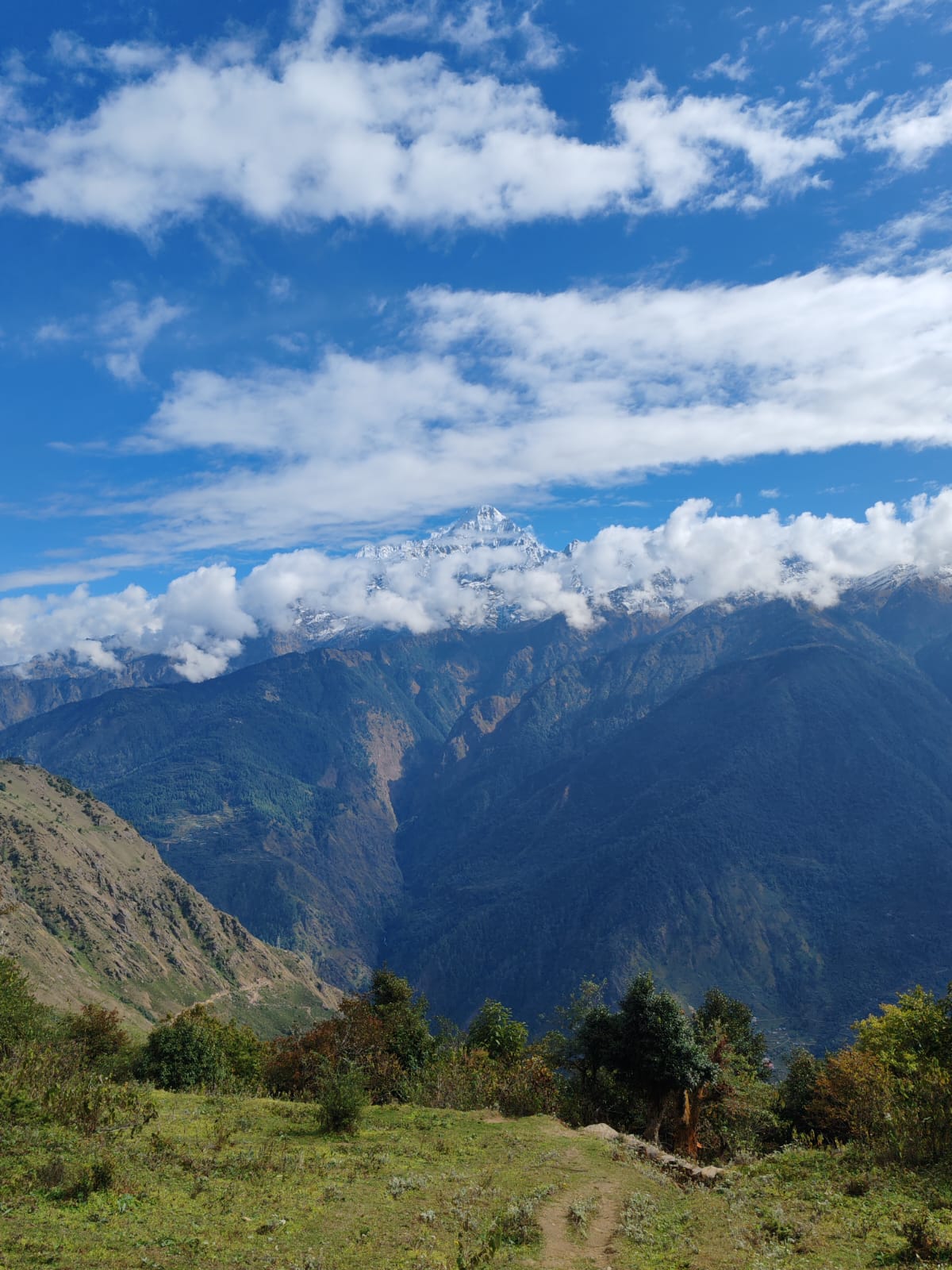
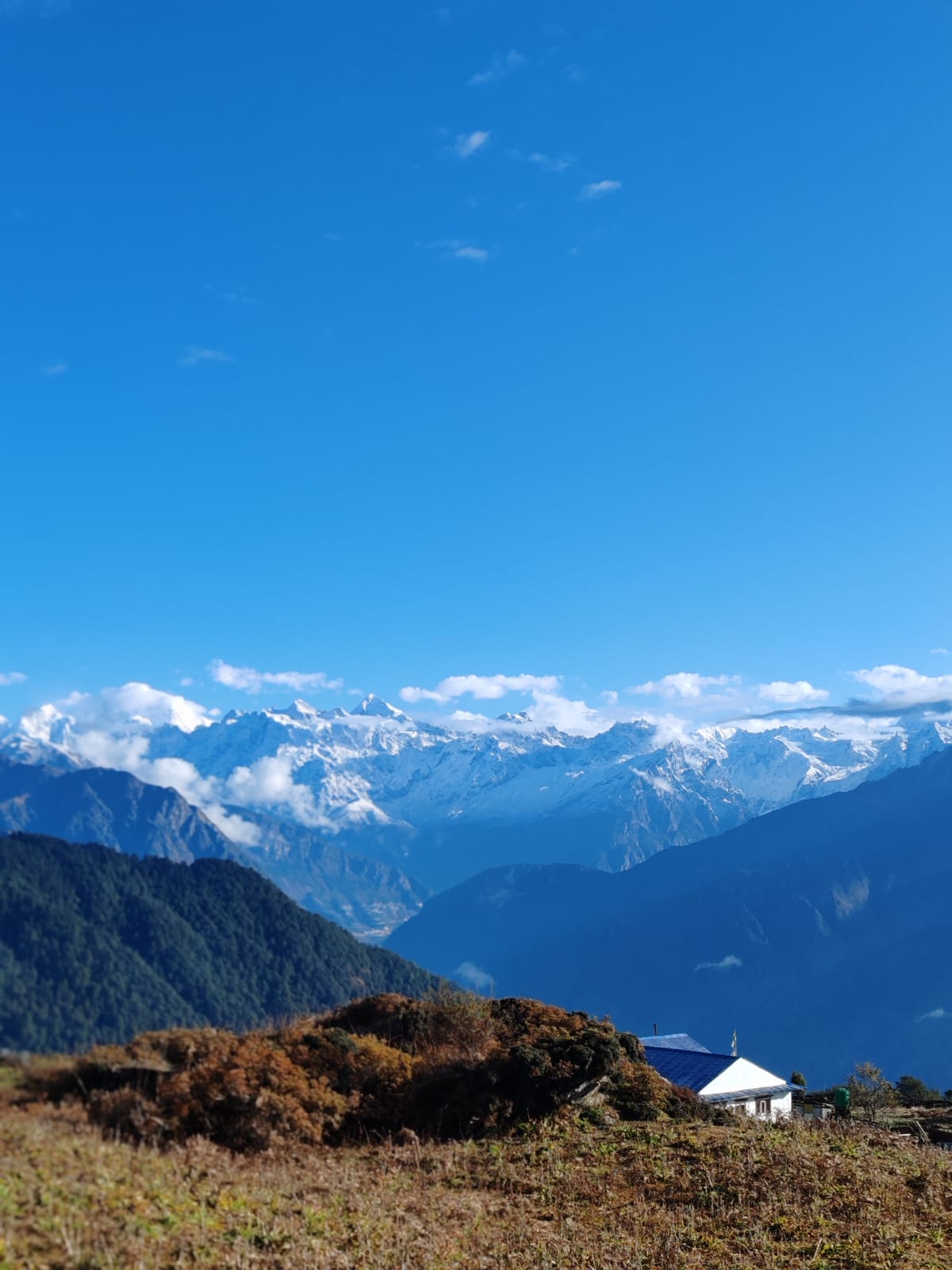
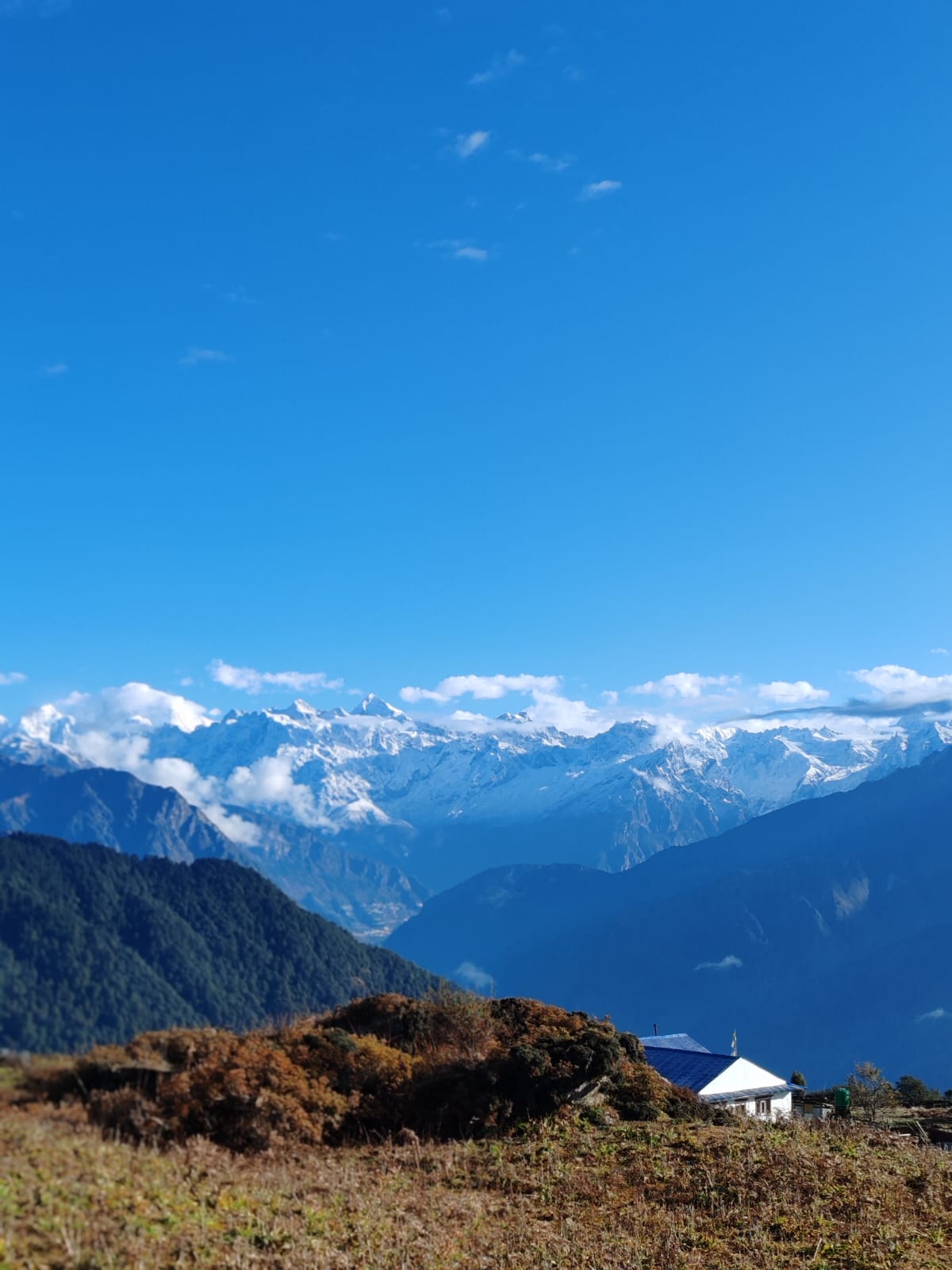
Throughout the journey, you will walk through terraced farmlands, dense forests of rhododendron and pine, suspension bridges, riversides, and hillside villages. The trail reaches its highest point at Nagthali (around 3,300 meters), which offers a wide panoramic view of snow-covered peaks including Ganesh Himal, Langtang Lirung, and even Tibetan mountains.
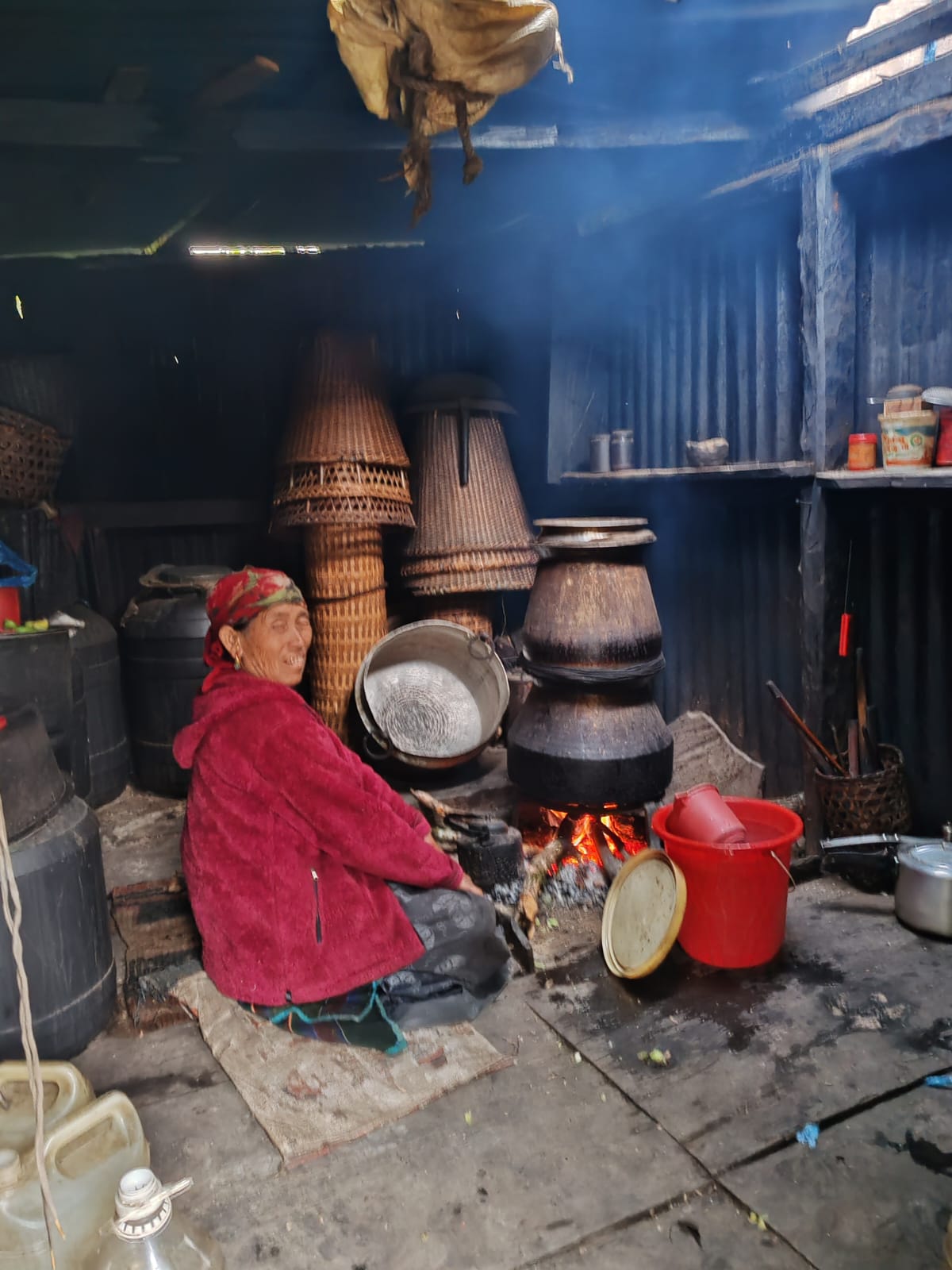
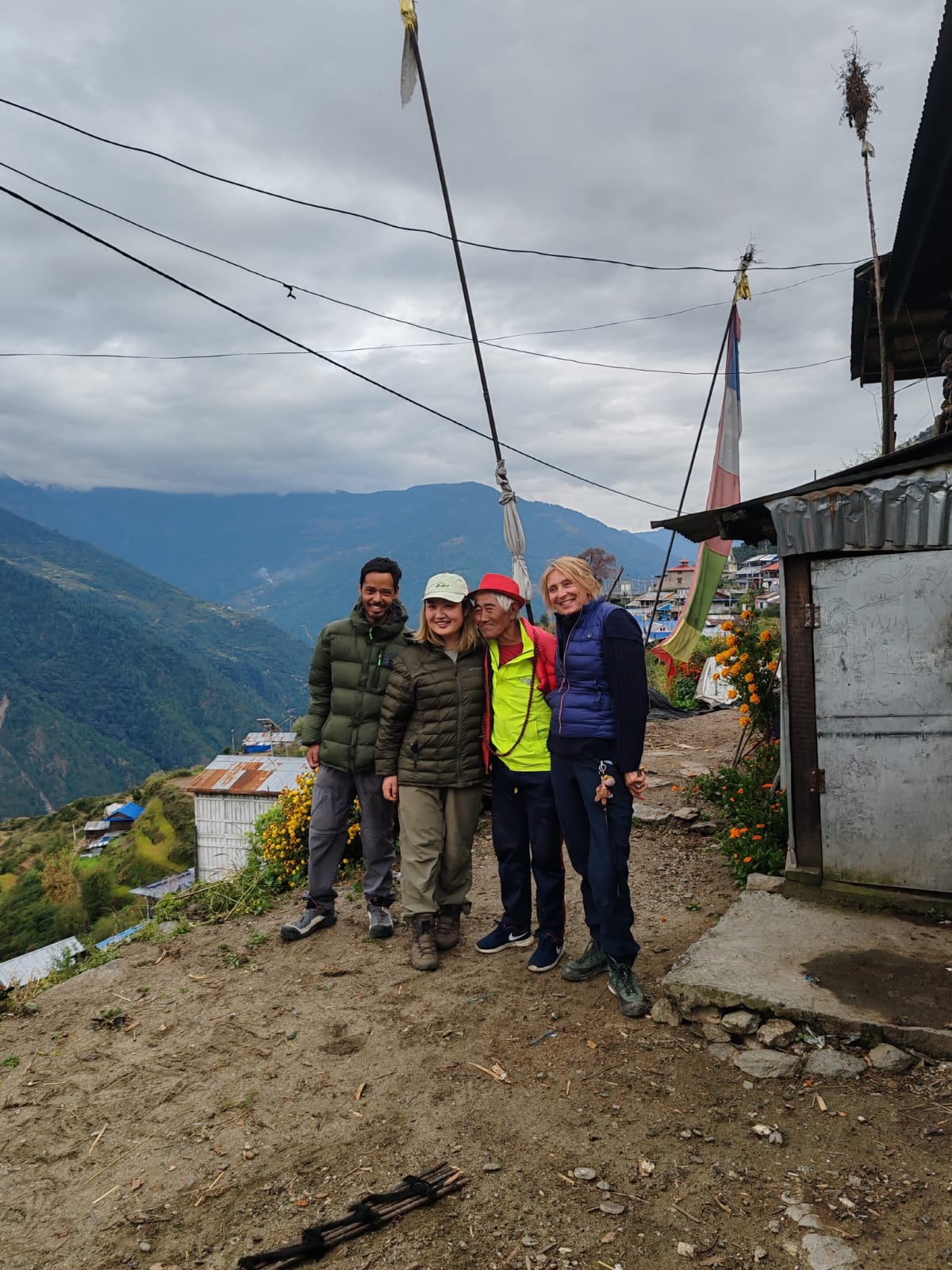
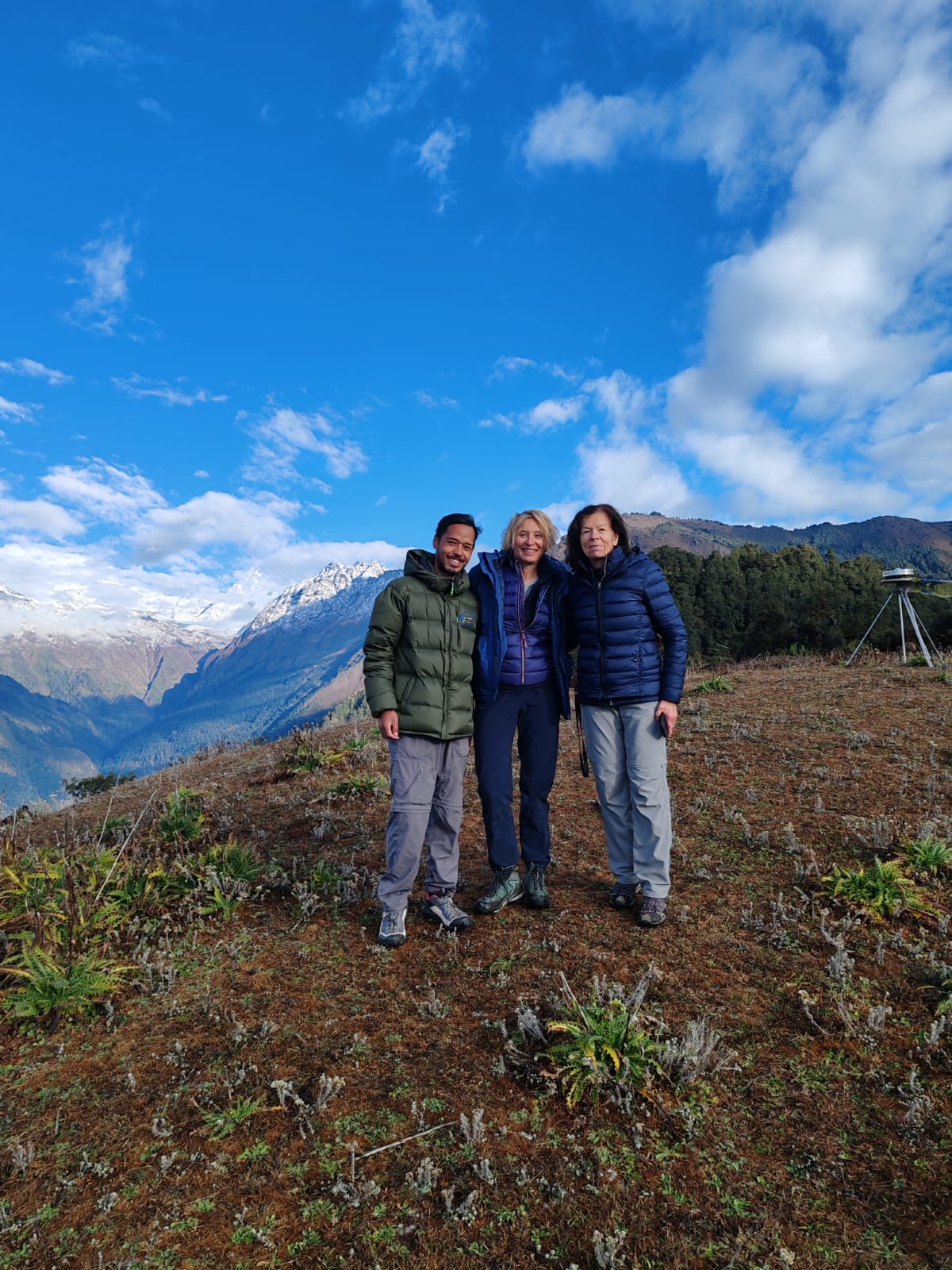
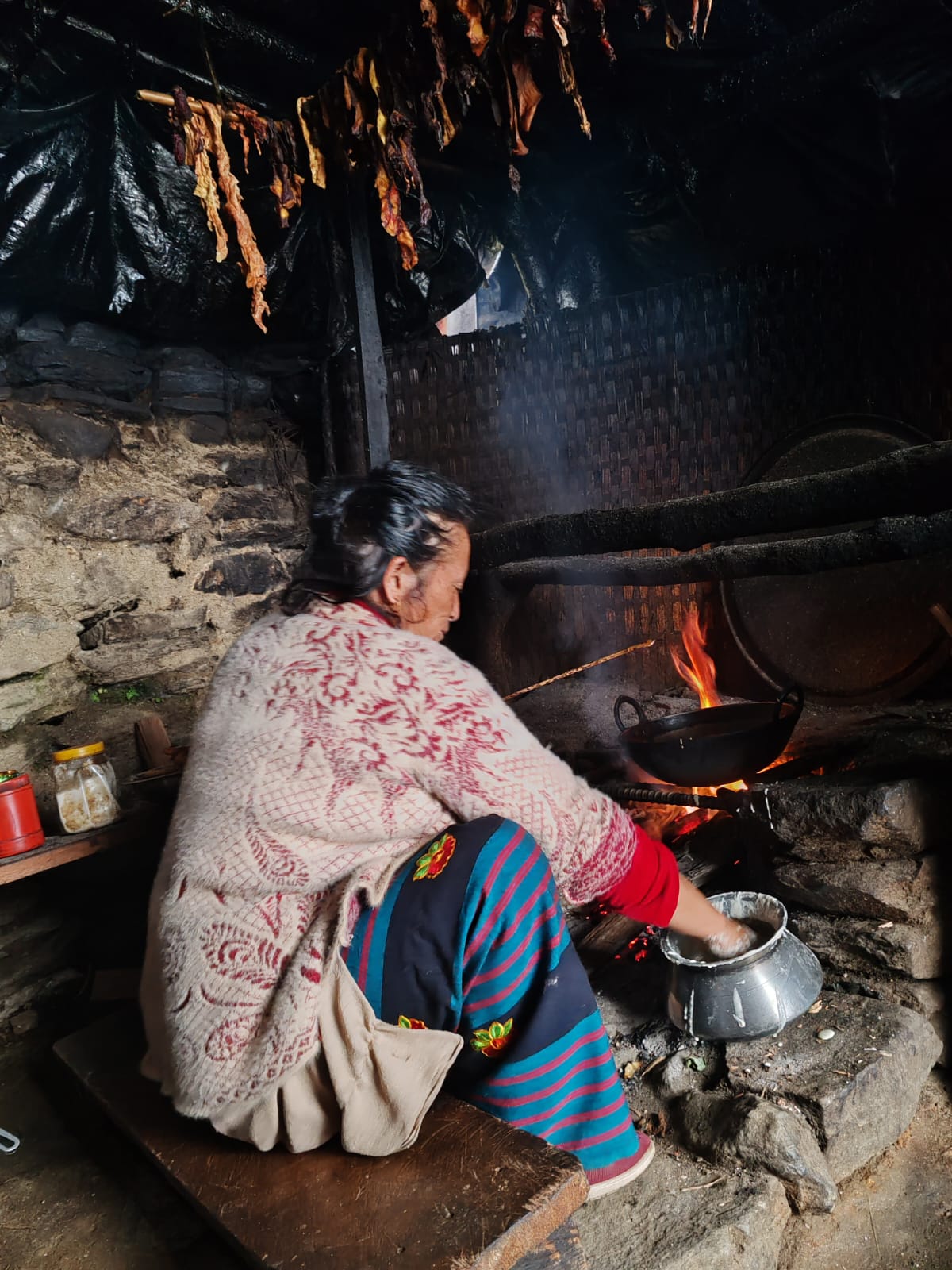
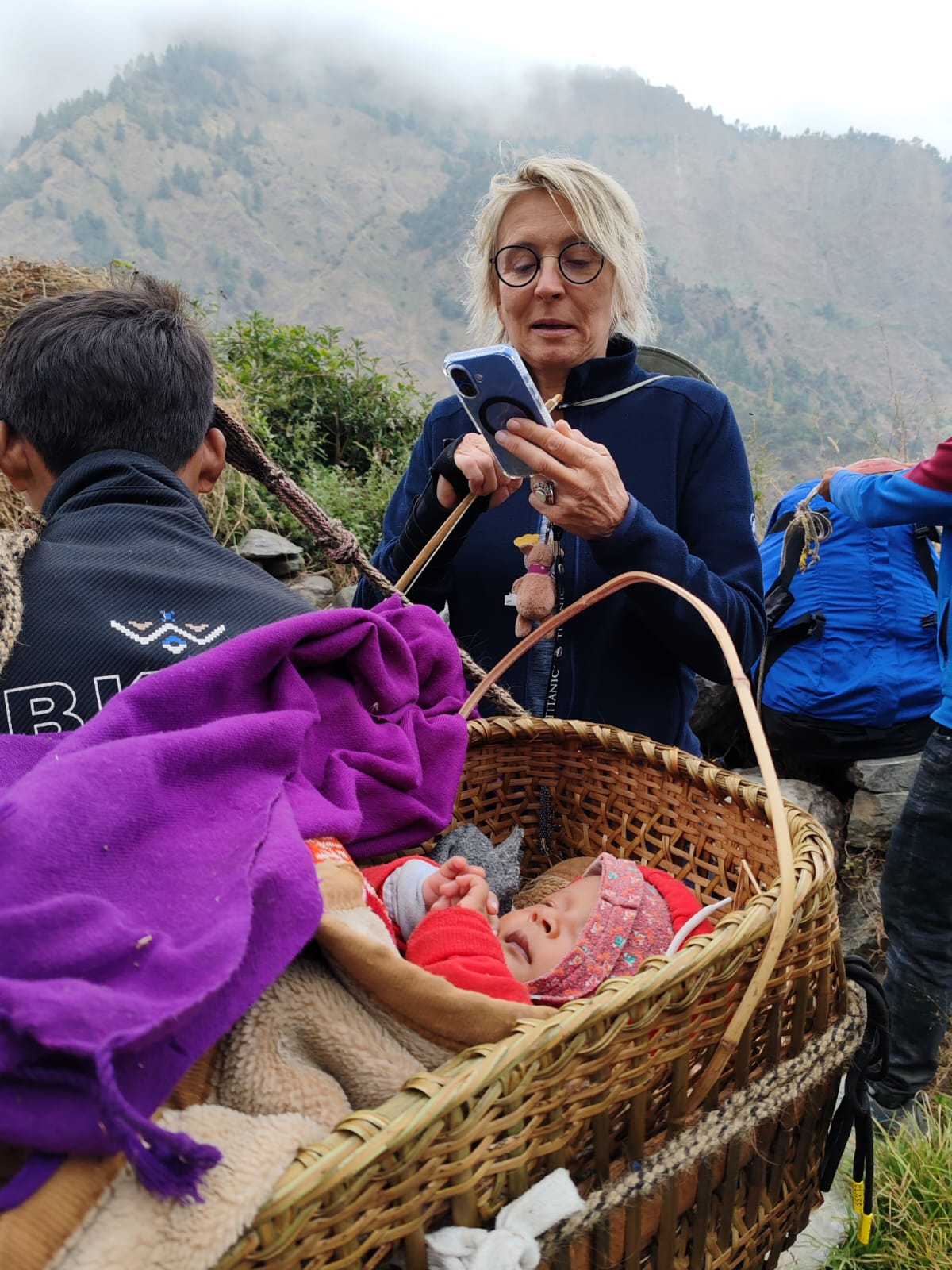
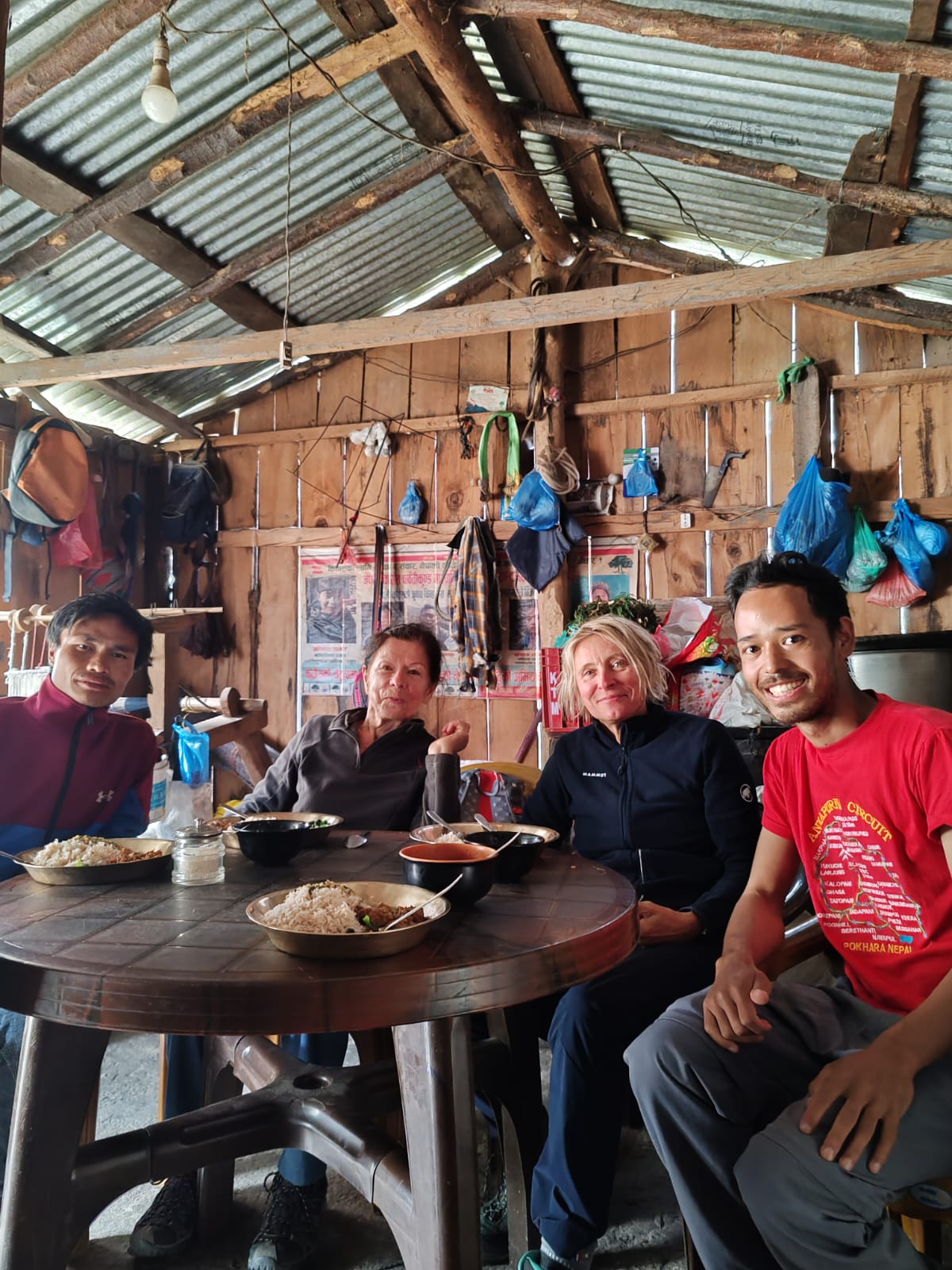
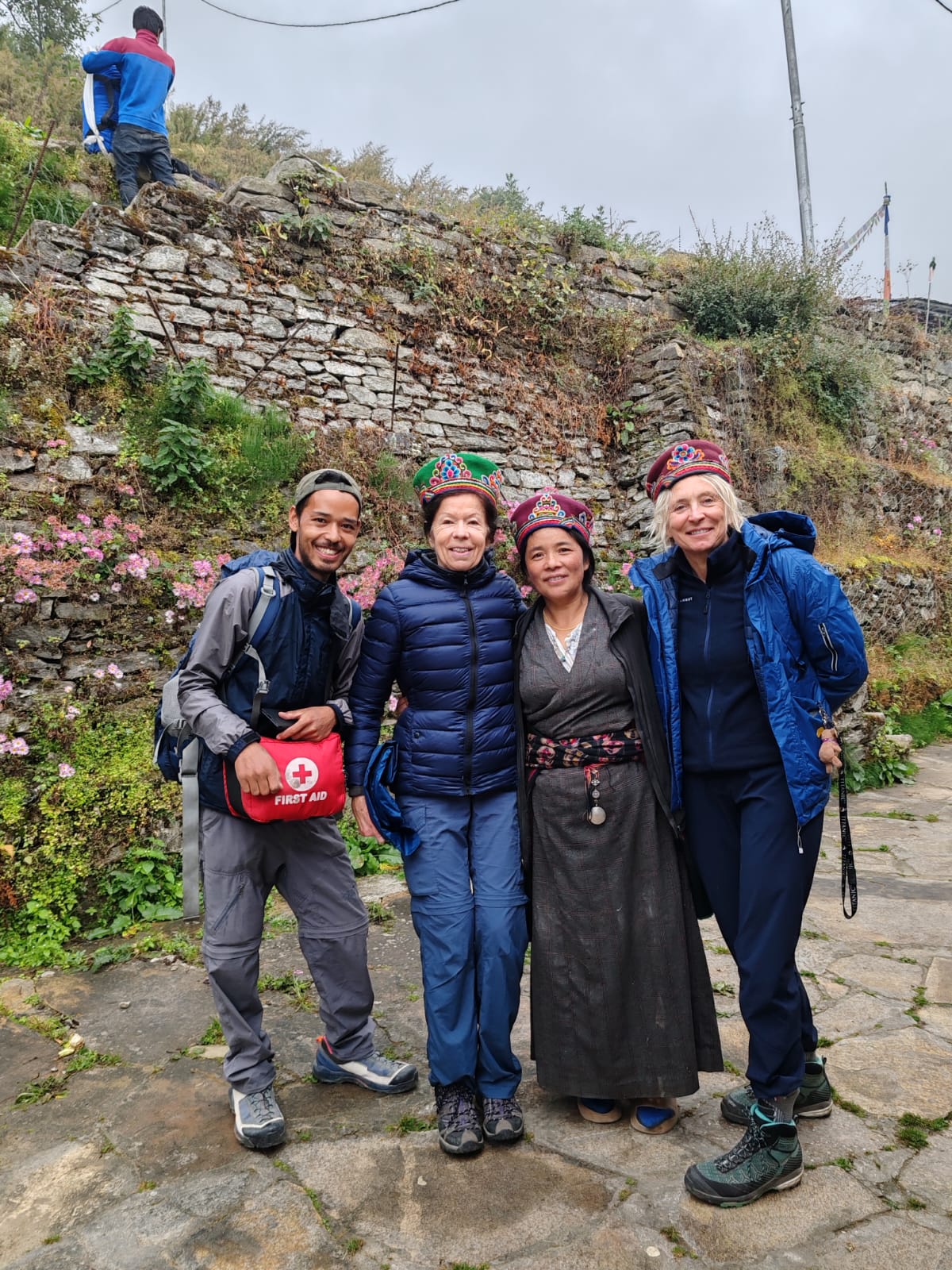
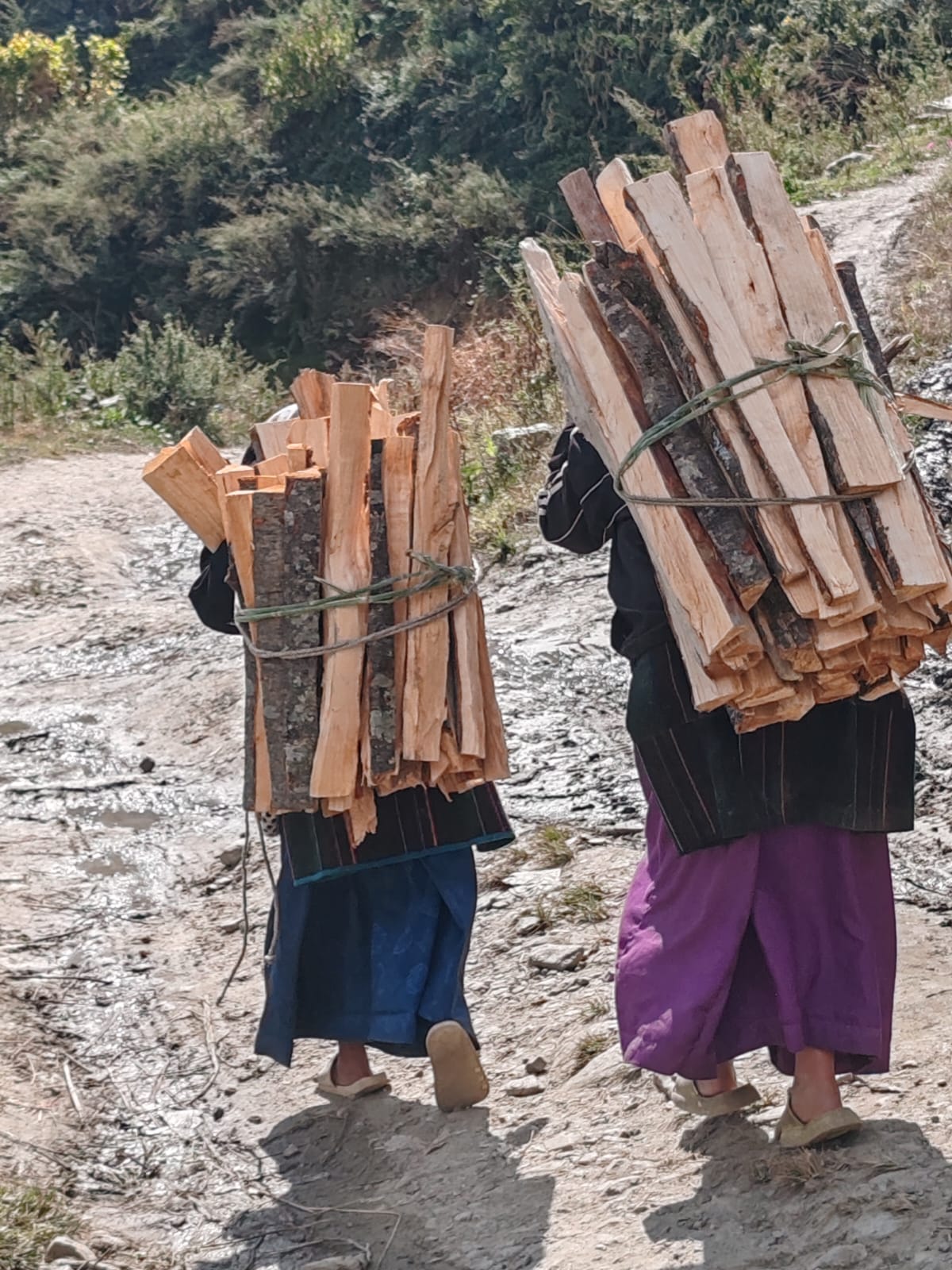
One of the most special aspects of this trek is cultural immersion. You will stay in local teahouses, interact with Tamang families, observe their traditional dress, language, and daily life, and visit monasteries that reflect strong Tibetan Buddhist influence. The warm hospitality of the Tamang people makes this trek emotionally enriching as well as visually stunning.
The trek also includes a relaxing experience in the natural hot springs at Tatopani, believed by locals to have healing properties. Walking along ancient trade routes that once connected Nepal and Tibet adds historical importance to the journey.
Overall, the Tamang Heritage Trek offers a perfect combination of culture, moderate adventure, mountain scenery, and meaningful travel experiences.
What Can You Expect from the Trek?
During this trek, you can expect a balanced experience of culture, nature, and moderate physical challenge.
You will walk approximately 4–7 hours daily on varied terrain. Some days involve uphill climbs, while others include gentle descents through forests and villages. The trails are well-defined but can be rocky in some sections.
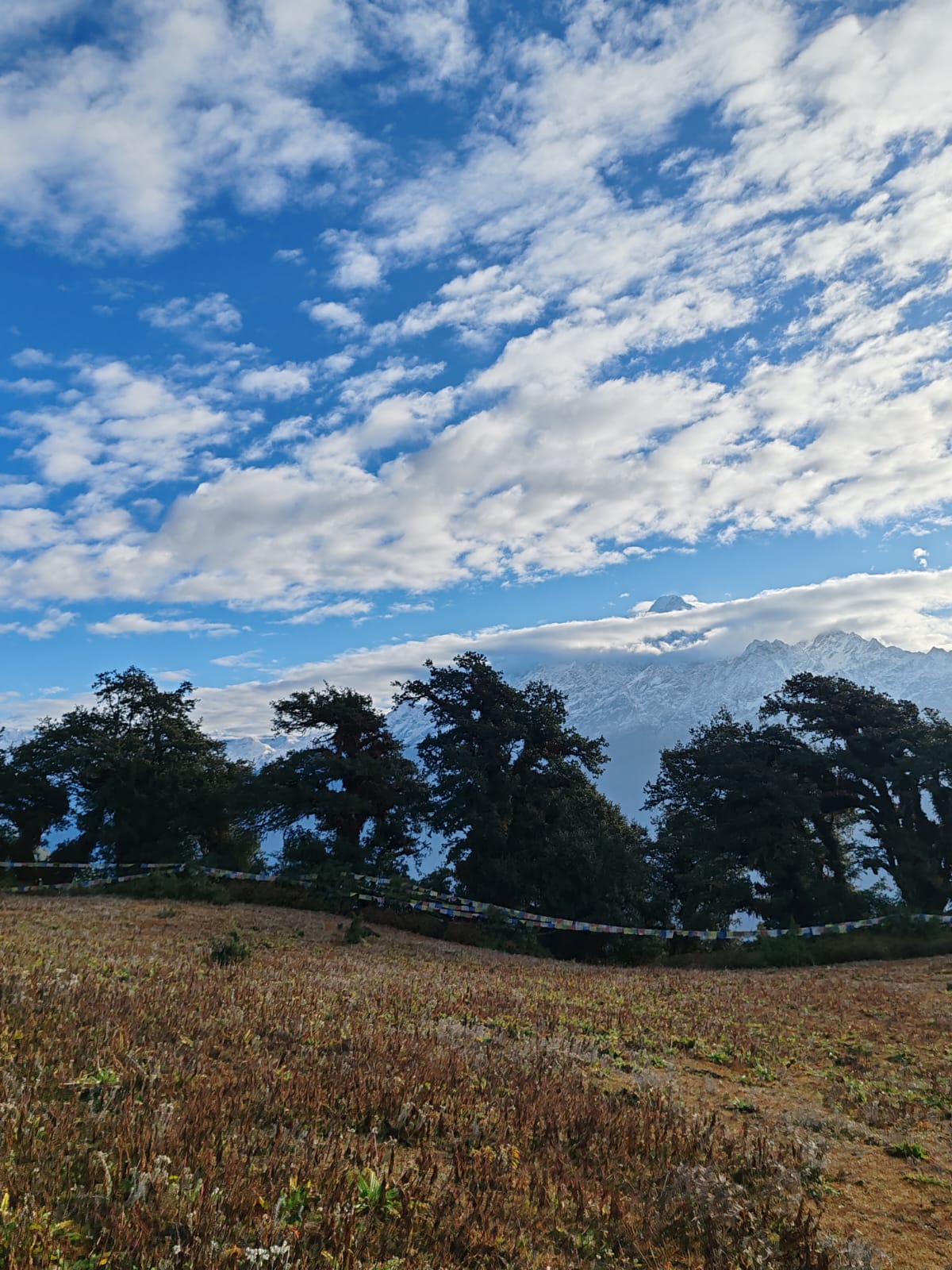
Culturally, expect close interaction with Tamang communities. You will see prayer flags, mani walls, chortens, spinning prayer wheels, and monasteries. The Tamang people follow Tibetan Buddhism, and their traditions are deeply connected to their spiritual beliefs.
Scenic beauty is another highlight. From Nagthali viewpoint, you will enjoy breathtaking views of Ganesh Himal and Langtang ranges. Along the way, forests, rivers, waterfalls, and terraced farms provide constantly changing landscapes.
You can also expect simple but comfortable teahouse accommodation and freshly prepared local meals. Hospitality is genuine and welcoming.
This trek is not extremely high in altitude, making it suitable for many travelers, but it still provides a true Himalayan trekking experience.
Is This Trek Suitable for You?
The Tamang Heritage Trek is suitable for:
- First-time trekkers wanting Himalayan experience
- Travelers interested in culture and village life
- Moderate-level hikers
- Families with older children
- Small groups and private trekkers
Since the maximum altitude is around 3,300 meters, the risk of severe altitude sickness is lower compared to higher Himalayan treks. However, basic physical fitness is necessary. If you can walk 5–6 hours a day comfortably, you can complete this trek successfully.
If you are looking for extreme adventure or very high mountain passes, this trek may feel moderate. But if you want culture, scenery, and peaceful trails, it is an excellent choice.
How to Get Prepared for the Trek?
Physical Preparation
Start light exercise at least one month before the trek. Walking, jogging, cycling, and stair climbing improve stamina. Strength training for legs is helpful.
Gear Preparation
Invest in good trekking boots. Bring layered clothing for changing weather conditions. A waterproof jacket is essential.
Mental Preparation
Mountain weather can change quickly. Roads may be bumpy. Teahouse facilities are simple. Keeping a flexible and positive mindset makes the journey enjoyable.
Health Check-Up
Consult your doctor before traveling, especially if you have medical conditions.
Travel Insurance
Ensure your insurance covers trekking up to 3,500 meters, emergency evacuation, and medical treatment.
-
Trip Duration
10 Days/9 Nights
-
Group Size
1 - 15 Members
-
Maximum Altitude
3,300 meters (Nagthali)
-
Trip Difficulty
Moderate
-
Activities
Trekking
-
Best Season
Spring (March to May), Autumn (September to November)
-
Trip Start & End
Kathmandu-Kathmandu
-
Meals
Breakfast, Lunch, Dinner
-
Accomodation
Teahouses / Lodges
Highlights
- Experience the unique culture and lifestyle of the Tamang community
- Enjoy beautiful mountain views of Ganesh Himal and Langtang range
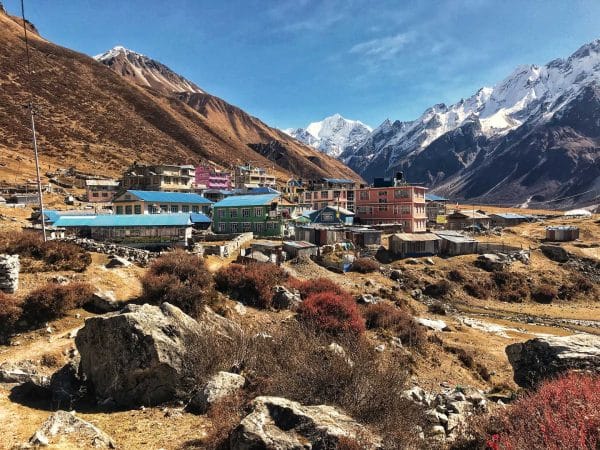
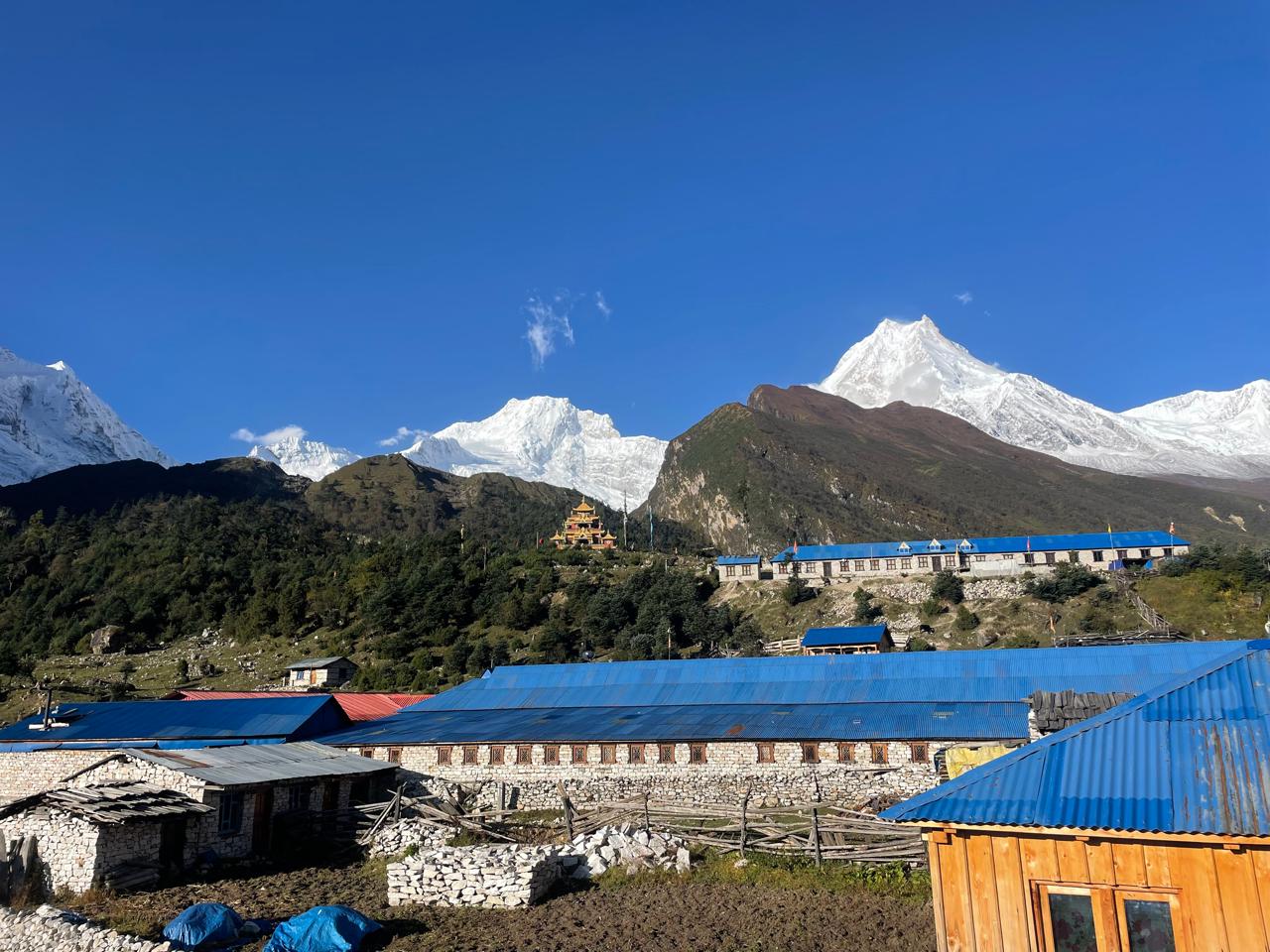
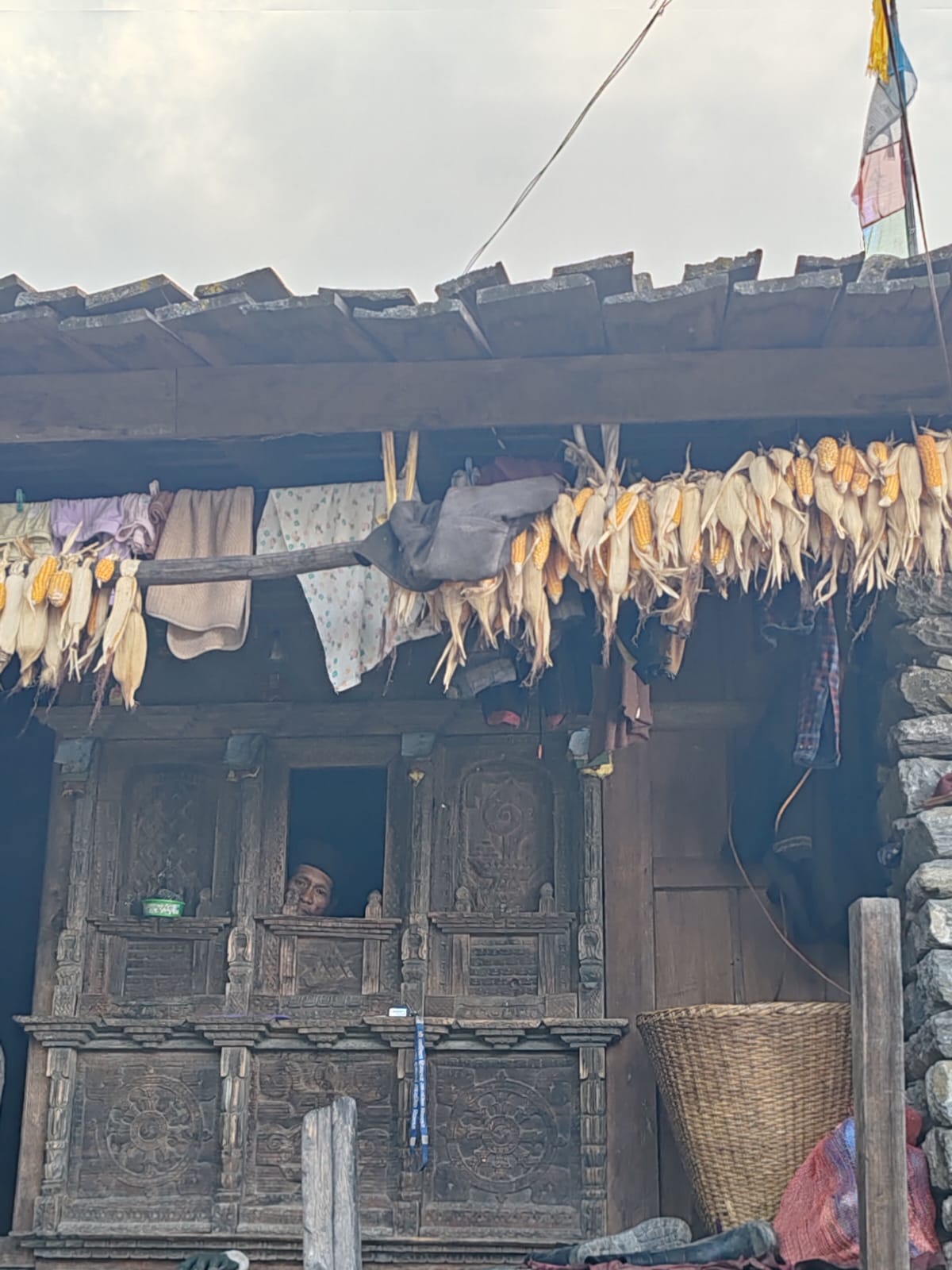
- Walk through traditional villages with stone houses
- Visit ancient Buddhist monasteries and prayer walls
- Trek through colorful rhododendron forests
- Taste authentic local Tamang food
- Relax in natural hot springs at Tatopani
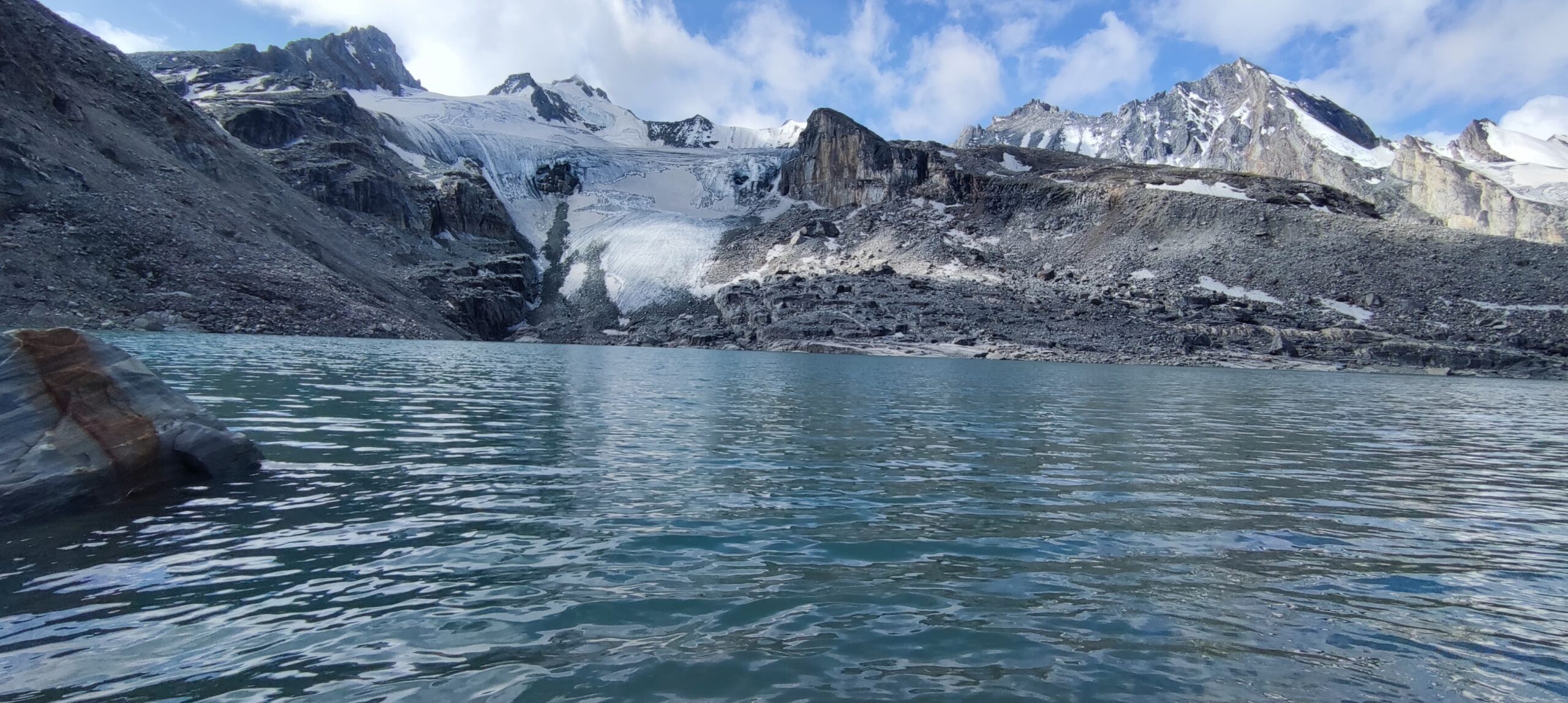
- Explore peaceful landscapes with rivers and terraced fields
Itinerary
Day 01
Upon arrival at Tribhuvan International Airport in Kathmandu, a representative from ART Nepal Treks & Expedition will welcome you and transfer you to your hotel in Thamel. After check-in, you can rest or explore nearby streets filled with shops, cafes, and cultural sites. In the evening, there will be a pre-trek briefing about the Tamang Heritage Trail.
Trip Duration:
Arrival dayAltitude:
1400mMeal:
Not includedAccomodation :
3-Star Hotel in ThamelDay 02
Today, you drive north from Kathmandu toward Syabrubesi. The road follows the Trishuli River, passing terraced fields, rural villages, and green hills. On clear days, distant Himalayan views appear along the way. After 7–8 hours, you arrive at Syabrubesi, the starting point of your trek.
Trip Duration:
7–8 HoursAltitude:
1460mMeal:
Breakfast, Lunch, DinnerAccomodation :
Tea House or LodgeDay 03
Your trekking journey begins with an uphill climb through forests and small settlements. From Ronga Bhanjyang, enjoy views of Ganesh Himal and Langtang range. Continue to Gatlang, a beautiful Tamang village with stone houses and narrow paths.
Trip Duration:
6–7 HoursAltitude:
2238mMeal:
Breakfast, Lunch, DinnerAccomodation :
Tea House or LodgeDay 04
Descend through forests and cross a suspension bridge over Bhote Koshi River. After lunch in Chilime, climb gently to Tatopani. Relax in the natural hot springs in the evening.
Trip Duration:
6–7 HoursAltitude:
2607mMeal:
Breakfast, Lunch, DinnerAccomodation :
Tea House or LodgeDay 05
Climb steadily to Nagthali viewpoint, the highest point of the trek. Enjoy panoramic Himalayan views before descending to Thuman village, rich in Tibetan culture.
Trip Duration:
5–6 HoursAltitude:
3165m (Highest)Meal:
Breakfast, Lunch, DinnerAccomodation :
Tea House or LodgeDay 06
Walk along ancient trade routes near the Tibetan border. Visit Rasuwagadhi Fort before continuing to Briddhim village, known for home-stay experiences.
Trip Duration:
5–6 HoursAltitude:
2229mMeal:
Breakfast, Lunch, DinnerAccomodation :
Tea House or LodgeDay 07
Trek through forests of bamboo and birch along Bhote Koshi valley. Wildlife such as red pandas may be seen. Reach Lama Hotel by evening.
Trip Duration:
5–6 HoursAltitude:
2470mMeal:
Breakfast, Lunch, DinnerAccomodation :
Tea House or LodgeDay 08
Descend back to Syabrubesi through green forests and villages. Celebrate completion of the trek.
Trip Duration:
4–5 HoursAltitude:
1460mMeal:
Breakfast, Lunch, DinnerAccomodation :
Tea House or LodgeDay 09
Return drive to Kathmandu with scenic countryside views.
Trip Duration:
7–8 HoursAltitude:
1400mMeal:
BreakfastAccomodation :
3-Star Hotel in ThamelDay 10
Transfer to airport for international departure.
Trip Duration:
Departure DayAltitude:
1400mMeal:
BreakfastAccomodation :
Not IncludedWhat's Included
- Airport pickup & drop
- 2 Nights at Kathmandu 3 Star Hotel
- 2 Breakfast in Kathmandu
- All Permits and Taxes During Trek **Refer to permit section for more info
- Accomodation
- Breakfast, Lunch, Dinner, Tea/Coffee
- Guide (food and accomodation, salary, guide’s insurance)
- First Aid Kit
- Public Transportation
What's Excluded
- Personal Expenses
- Gears
- Beverages & Mineral Water
- Travel Insurance
- Tips for staff (Expected at the end of the trip)
- Potter ($22 per porter per day, carrying up to 20 kg)
Note: A porter can carry up to 20 kg and is helpful for high-altitude treks. It’s recommended to have at least one porter for every two trekkers for better convenience.
Essential Info
Best Season to Trek
Choosing the right season plays a very important role in making your Tamang Heritage Trek comfortable, safe, and enjoyable. Although this trek is possible throughout the year, certain seasons offer better weather, clearer mountain views, and more stable trail conditions. Since the maximum altitude of this trek is around 3,300 meters at Nagthali, it remains accessible in multiple seasons compared to higher Himalayan treks.
Below is a detailed explanation of each season so you can decide which time suits you best.
Spring (March to May)
Spring is one of the most popular seasons for the Tamang Heritage Trek. During this time, the weather becomes warmer after winter, and nature starts to bloom beautifully. The forests along the trail are filled with colorful rhododendron flowers, especially in red, pink, and white shades. Walking through these blooming forests adds a magical feeling to the journey.
The skies are usually clear in the morning, offering excellent views of the Ganesh Himal and Langtang ranges. Daytime temperatures are comfortable for trekking, while nights are cool but not extremely cold. This season is ideal for photographers, nature lovers, and first-time trekkers.
Advantages:
- Blooming rhododendron forests
- Stable weather conditions
- Clear mountain views
- Moderate temperatures
Autumn (September to November)
Autumn is considered the best trekking season in Nepal. After the monsoon rains wash away dust and pollution, the skies become crystal clear. This season offers the best visibility of snow-covered peaks and surrounding landscapes.
Temperatures during autumn are pleasant during the day and cool at night. The trails are dry and safe, making walking easier. This season also coincides with major Nepali festivals like Dashain and Tihar, allowing trekkers to experience local celebrations in Tamang villages.
Advantages:
- Clear skies and excellent visibility
- Comfortable trekking temperatures
- Dry and stable trails
- Cultural festival experiences
Winter (December to February)
Winter trekking on the Tamang Heritage Trail is possible but requires preparation for cold temperatures. Since the altitude is not extremely high, heavy snowfall is rare but possible around Nagthali.
Days are usually sunny and clear, but mornings and nights can be quite cold. Fewer trekkers travel during winter, so the trails are peaceful and quiet. This season is suitable for those who prefer solitude and do not mind colder conditions.
Challenges:
- Cold mornings and nights
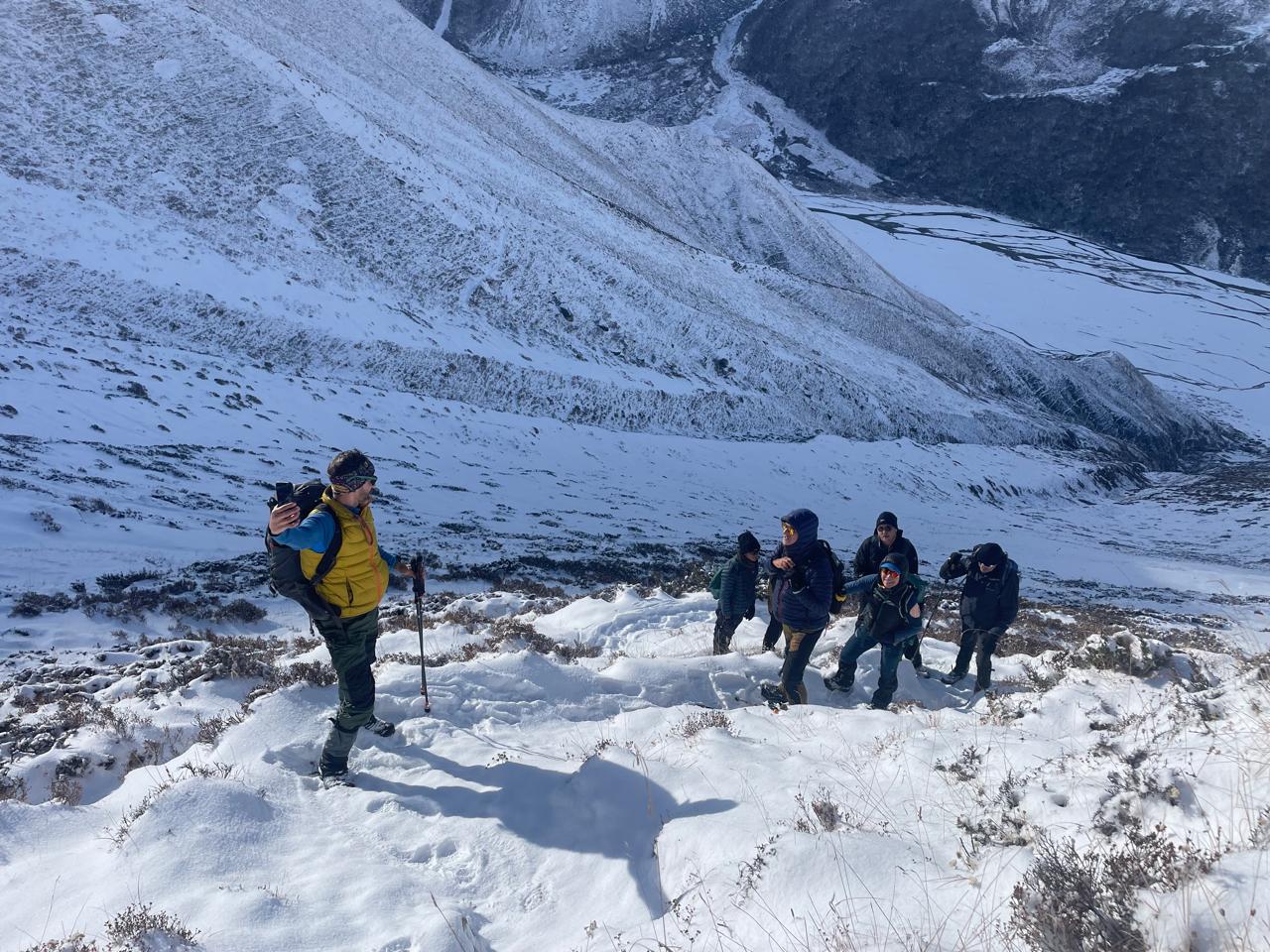
- Possible snow at higher points
- Limited crowds and quieter villages
Summer / Monsoon (June to August)
Summer in Nepal is also the monsoon season. During this period, rainfall is frequent, making trails muddy and slippery. Landslides may affect road travel to Syabrubesi. Clouds often cover mountain views.
However, the landscapes become extremely green and fresh. Farmers are active in terraced fields, offering a glimpse of rural life. This season is less crowded, but trekkers must be prepared for rain and leeches in forested areas.
Challenges:
- Heavy rainfall
- Slippery trails
- Limited mountain visibility
Overall Recommendation:
Spring and Autumn are the best seasons for the Tamang Heritage Trek due to favorable weather, clear mountain views, and comfortable walking conditions.
Food Availability
Food plays a very important role in maintaining energy during trekking. On the Tamang Heritage Trail, teahouses and lodges provide freshly prepared meals that are simple, hygienic, and filling. While menus may not be luxurious, they offer enough variety to meet trekkers’ nutritional needs.
Breakfast
Breakfast usually includes:
- Porridge (oats or Tibetan-style)
- Eggs (boiled, fried, omelet)
- Toast or Tibetan bread
- Pancakes
- Muesli or cereals
- Tea or coffee
Breakfast is designed to provide energy for several hours of walking.
Lunch
Lunch is usually taken at a teahouse along the trail. Common options include:
- Dal Bhat (rice, lentil soup, vegetables, pickles)
- Fried rice
- Noodles
- Vegetable curry
- Soups (vegetable, garlic, noodle)
Dal Bhat is the most popular and recommended meal because it provides carbohydrates, protein, and vegetables in balanced portions. It is often served with unlimited refills in many places.
Dinner
Dinner is warm and filling, helping your body recover after a long day of trekking. Options often include:
- Rice and curry
- Pasta or spaghetti
- Momos (dumplings)
- Potatoes (boiled, fried, curried)
- Seasonal vegetables
- Meat dishes (in lower villages)
Beverages
Hot drinks are widely available:
- Black tea
- Milk tea
- Ginger tea
- Lemon tea
- Coffee
- Hot chocolate
Staying hydrated is important. Boiled water is available at teahouses, and water purification tablets are recommended.
The food along the Tamang Heritage Trail reflects local culture and simplicity. While choices may reduce at higher elevations, you will always find enough healthy and warm meals to maintain your strength.
Accommodation
Accommodation during the Tamang Heritage Trek is mainly in local teahouses and lodges. These are simple but comfortable establishments run by local families.
During the Trek
Rooms are usually twin-sharing with basic beds, mattresses, pillows, and blankets. Bathrooms are generally shared, and hot showers may be available for an extra charge.
Teahouses typically have:
- A communal dining hall with a heating stove
- Shared bathrooms
- Simple wooden furniture
- Charging facilities (sometimes with extra cost)
The environment is warm and welcoming. Staying in teahouses allows direct interaction with local Tamang families and supports the local economy.
In Kathmandu
Accommodation in Kathmandu is provided in a 3-star hotel in Thamel. The hotel offers:
- Comfortable beds
- Private bathrooms
- Wi-Fi
- Hot showers
- Breakfast service
The contrast between city comfort and village simplicity adds depth to your overall travel experience.
Travel Insurance
Travel insurance is mandatory for trekking in Nepal. Even though the Tamang Heritage Trek does not reach extreme altitude, unexpected situations can still occur.
Your insurance policy should cover:
- High-altitude trekking (up to 3,500 meters minimum)
- Emergency medical treatment
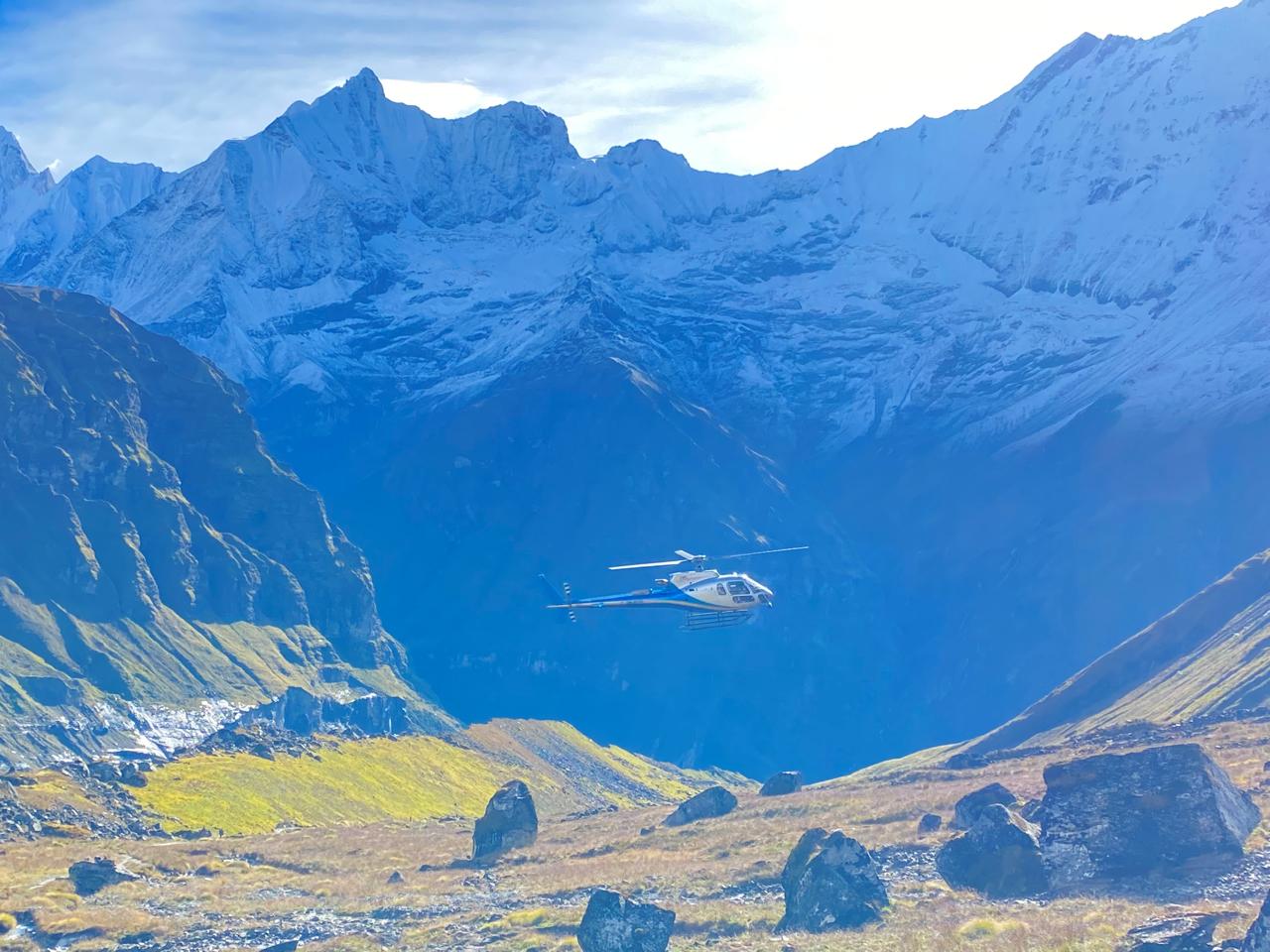
- Helicopter evacuation
- Trip cancellation or delays
- Lost or damaged belongings
In remote areas, medical facilities are limited. In serious cases, helicopter evacuation to Kathmandu may be necessary. Insurance ensures you receive quick assistance without financial burden.
Before traveling, carefully read your policy details and confirm coverage for trekking activities.
Altitude Sickness
Altitude sickness, also known as Acute Mountain Sickness (AMS), occurs when the body struggles to adapt to lower oxygen levels at higher altitudes. Although the Tamang Heritage Trek’s maximum altitude is around 3,300 meters, mild symptoms can still occur in sensitive individuals.
Common Symptoms
- Headache
- Dizziness
- Nausea
- Loss of appetite
- Fatigue
- Difficulty sleeping
Prevention Tips
- Walk slowly and maintain a steady pace
- Drink at least 3–4 liters of water daily
- Avoid alcohol during the trek
- Eat balanced meals
- Inform your guide immediately if you feel unwell
Descending to a lower altitude is the most effective treatment if symptoms worsen. Our guides are trained to recognize symptoms early and take appropriate action.
Guide and Safety Measures
Your safety is the highest priority during the Tamang Heritage Trek. ART Nepal Treks & Expedition provides experienced, licensed trekking guides who are familiar with the region’s terrain, weather patterns, and local culture.
Our Safety Approach Includes:
- Professional licensed guides
- First aid training
- Carrying medical kits
- Monitoring altitude symptoms
- Maintaining safe walking pace
- Regular health checks
- Emergency communication arrangements
Guides also help with cultural understanding, language translation, and coordination with teahouses.
Booking Procedure
Booking your Tamang Heritage Trek with ART Nepal Treks & Expedition is simple and secure.
Step 1: Contact Us
Reach out through email, website inquiry form, or phone to express your interest.
Step 2: Confirm Dates
Select your preferred trekking dates and confirm availability.
Step 3: Deposit Payment
Pay a deposit to secure your booking. This confirms guide and accommodation arrangements.
Step 4: Submit Documents
Provide passport copy and travel details.
Step 5: Final Payment
Complete the remaining payment before arrival or upon arrival in Kathmandu.
Step 6: Pre-Trek Briefing
Attend a detailed briefing in Kathmandu covering itinerary, safety measures, packing checks, and final preparations.
Equipment List
- Moisture-wicking t-shirts
- Trekking pants
- Thermal innerwear
- Comfortable underwear
- Lightweight hiking socks
- Sun hat or cap
- Trekking backpack (30–40L for day use)
- Duffel bag (if using porter)
- Sleeping bag (suitable for cold temperatures)
- Trekking poles
- Rain cover for backpack
- Water bottles or hydration system
- Down jacket
- Fleece jacket
- Waterproof and windproof jacket
- Waterproof trekking pants
- Warm gloves
- Woolen hat
- Neck gaiter or scarf
- Personal first aid kit
- Sunscreen (SPF 30+)
- Lip balm
- Hand sanitizer
- Wet wipes
- Towel
- Toothbrush and toothpaste
- Nail clipper
- Mobile phone
- Camera
- Power bank
- Extra batteries
- Headlamp with spare batteries
- Charging cables
Electricity may not always be reliable in remote villages, so carrying backup power is helpful.
General Equipments
- Passport copies
- Travel insurance documents
- Snacks (energy bars, nuts)
- Reusable water bottle
- Sunglasses (UV protection)
- Notebook and pen
Packing light but smart is key to enjoying the trek comfortably.
FAQ
Trip Price
USD 950 Per Person
Talk To Trip Expert
Related Trips