Annapurna Trek from Pokhara – 6 Days

Annapurna Base Camp
6 Days/5 Nights
slide image
slide image
slide image
slide image

Introduction

The Annapurna Trek from Pokhara, offered by ART Nepal Treks & Expedition, is a short but unforgettable trekking adventure that provides travelers a chance to explore the Annapurna region without long durations. This trek is suitable for those who want easy to moderate trekking experience, spectacular mountain views, and cultural interactions.

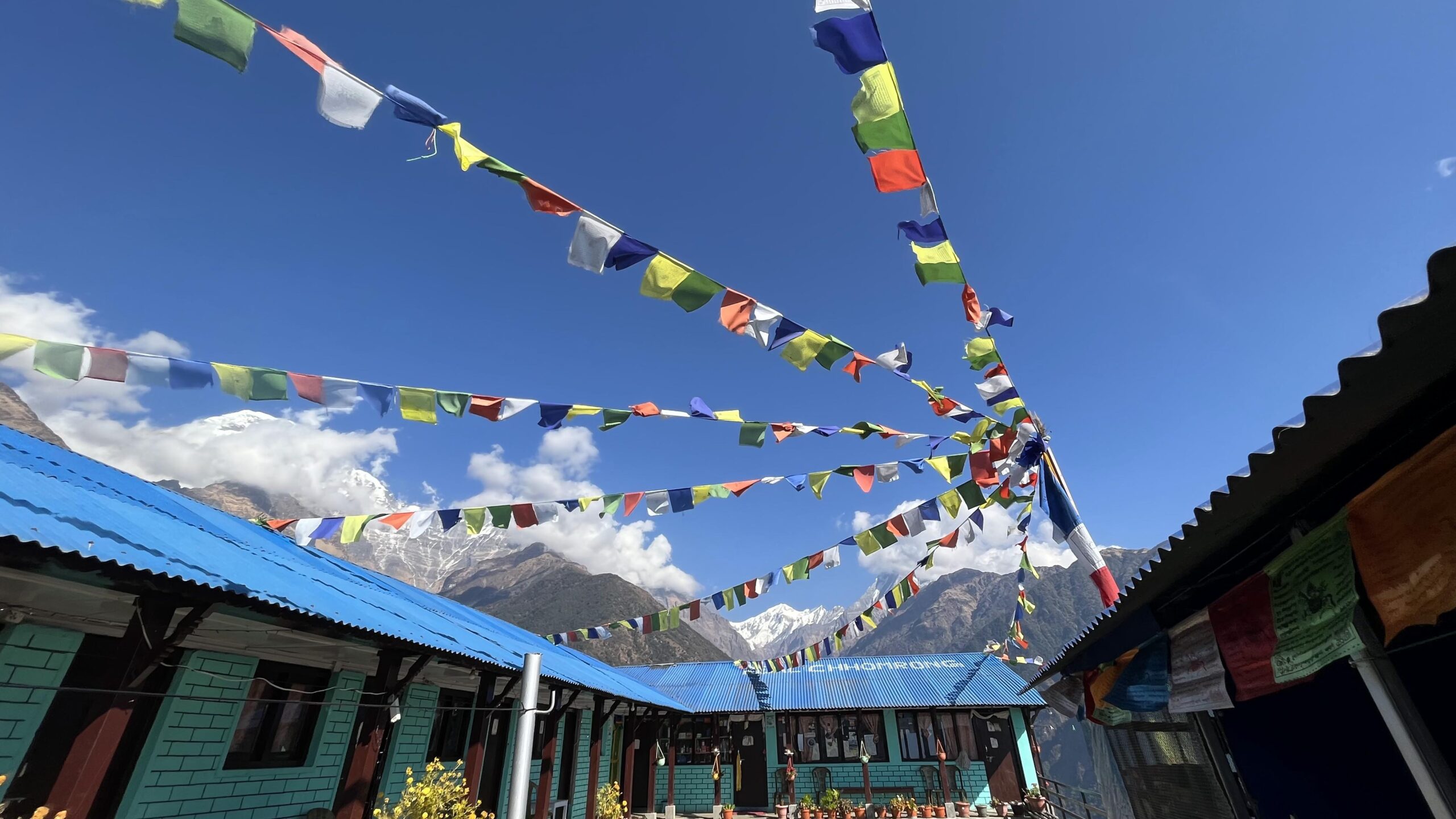
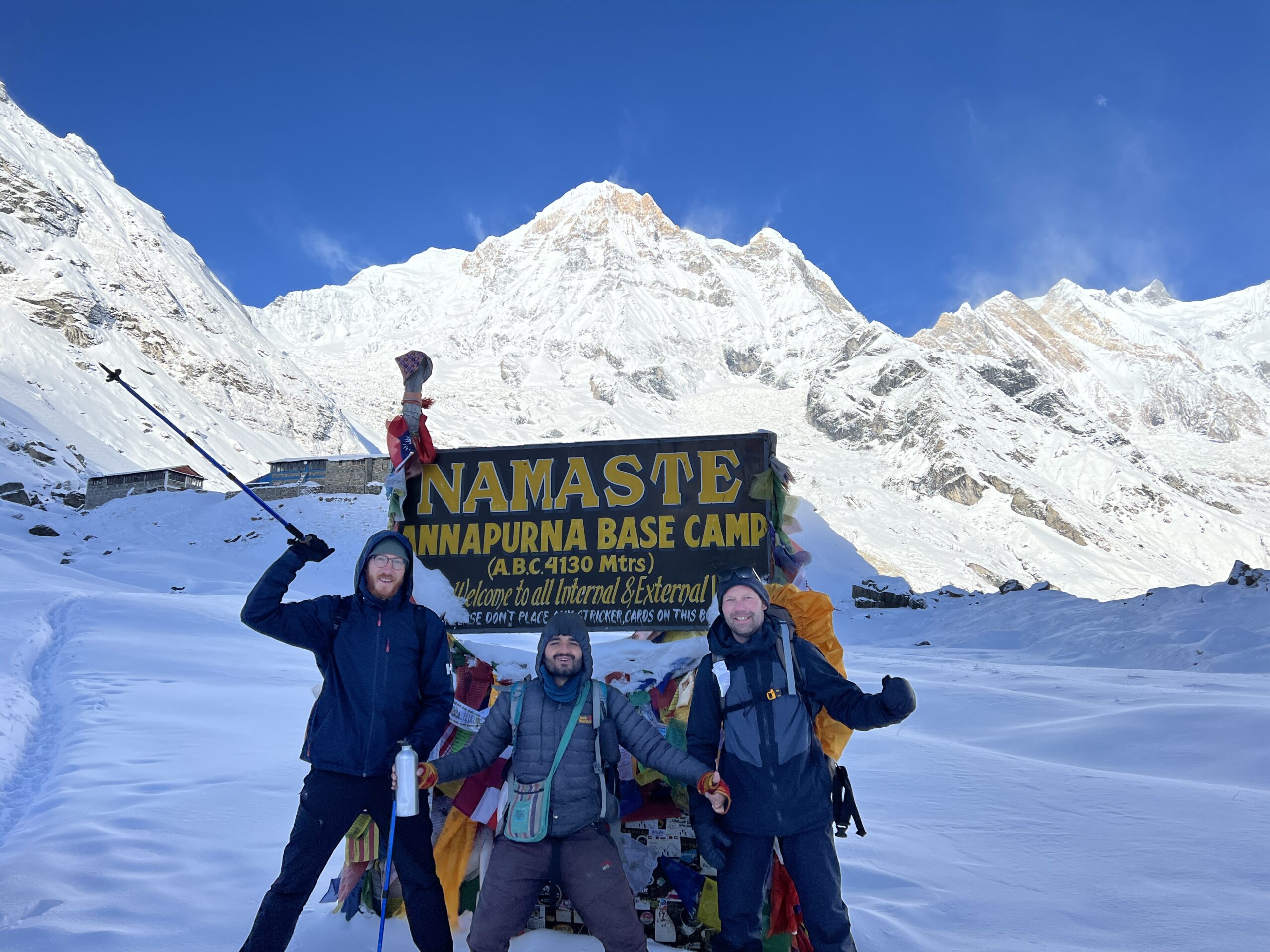
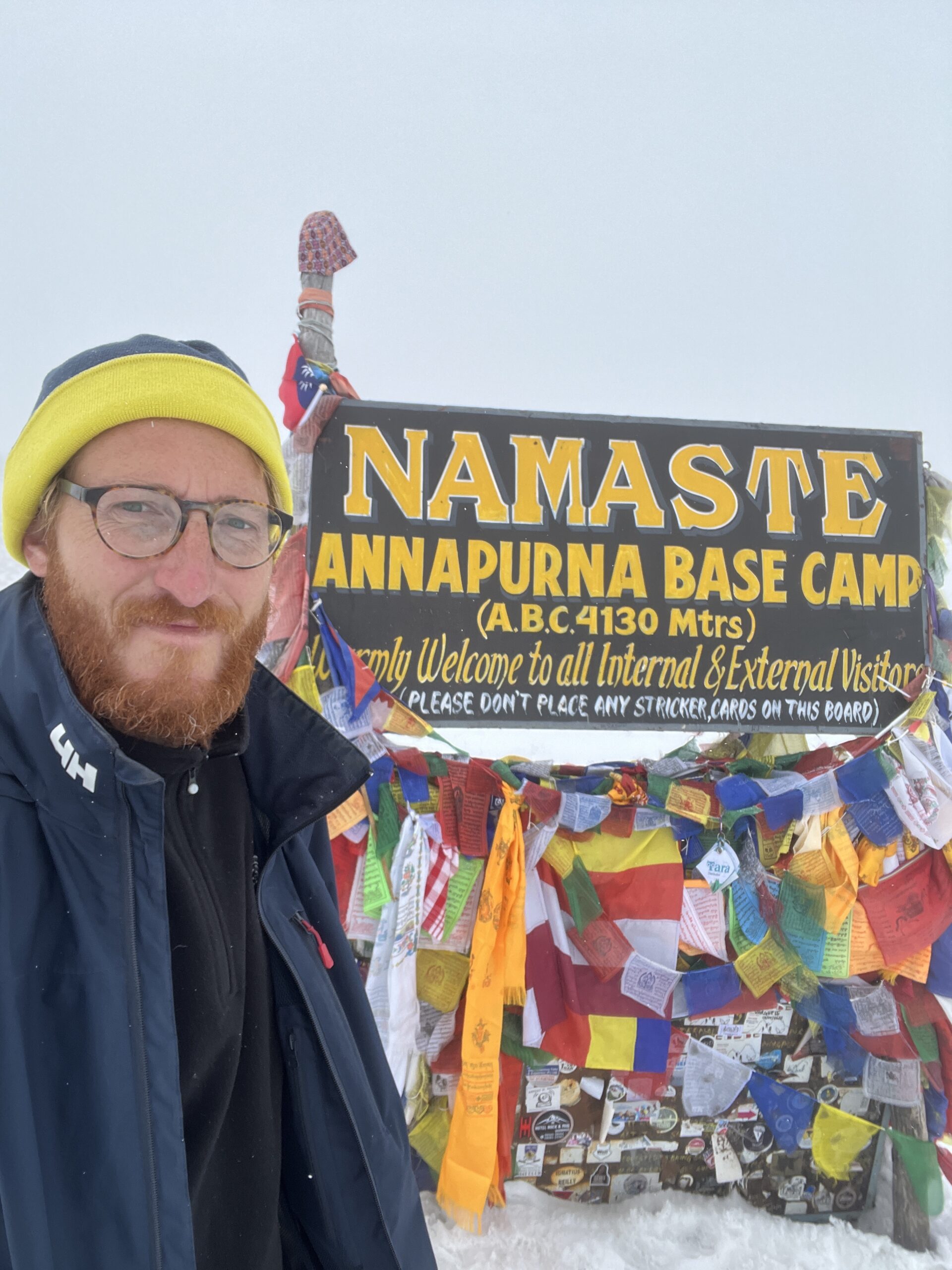
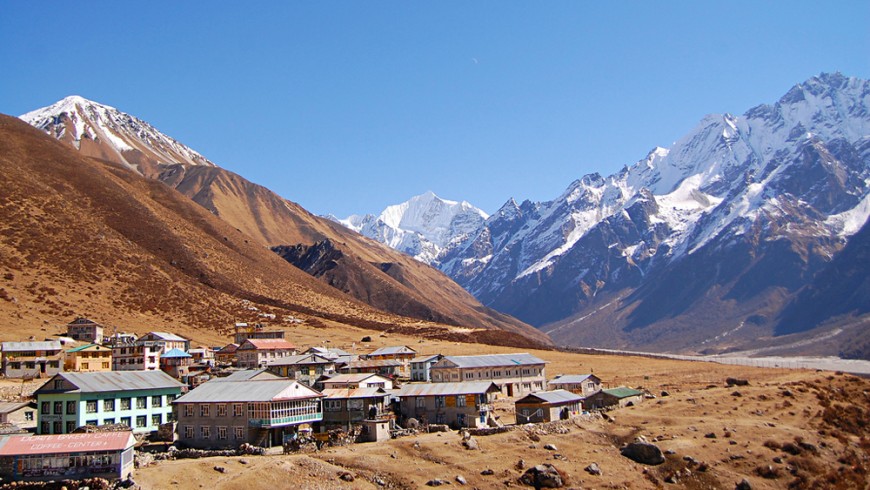
The journey takes you from Pokhara through lush terraced farms, rhododendron forests, bamboo groves, and serene rivers, finally reaching the Annapurna Base Camp (4,130m). Along the route, trekkers pass through the Chomrong and Dovan villages, offering interactions with Gurung and Magar communities.

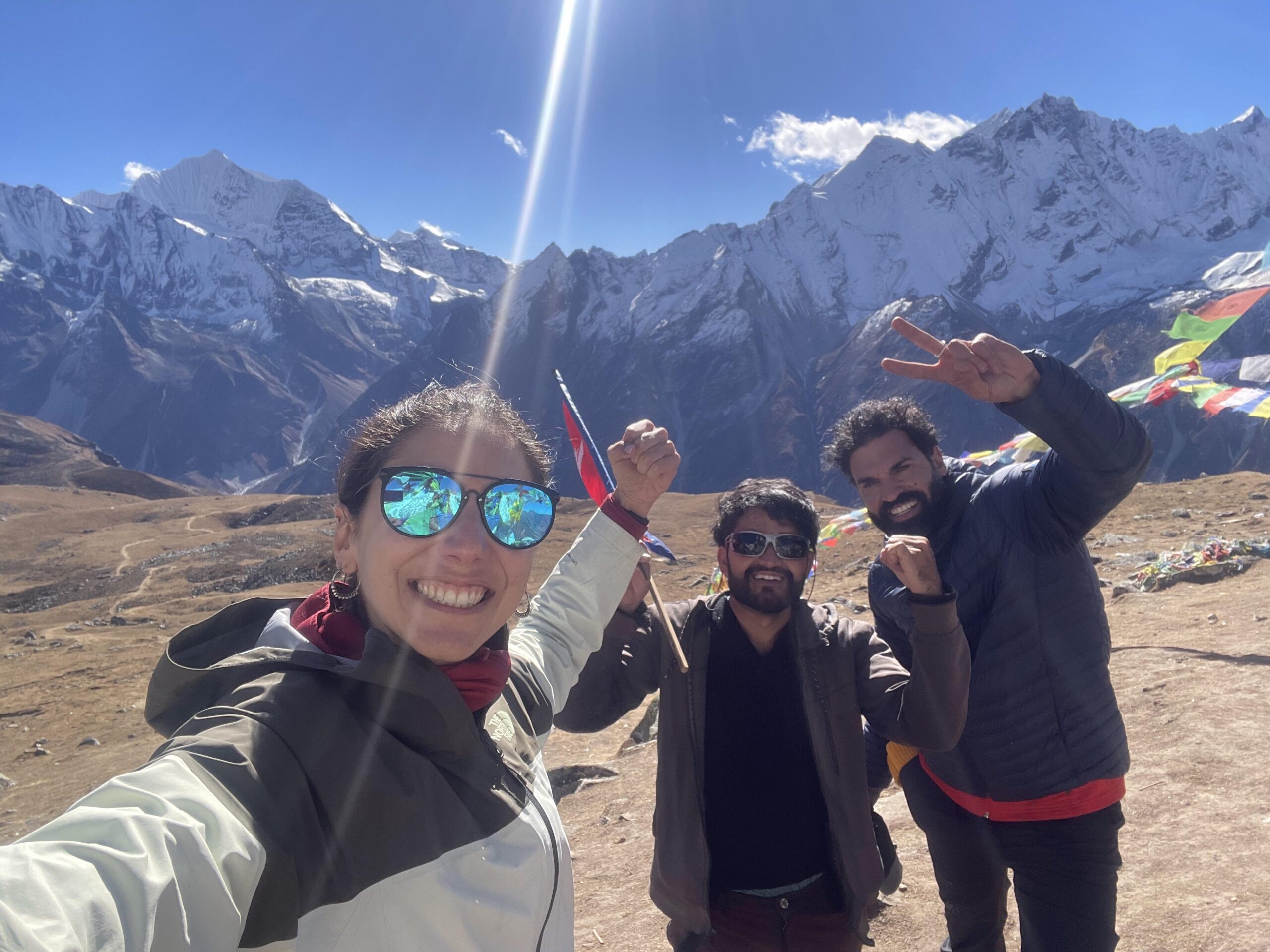
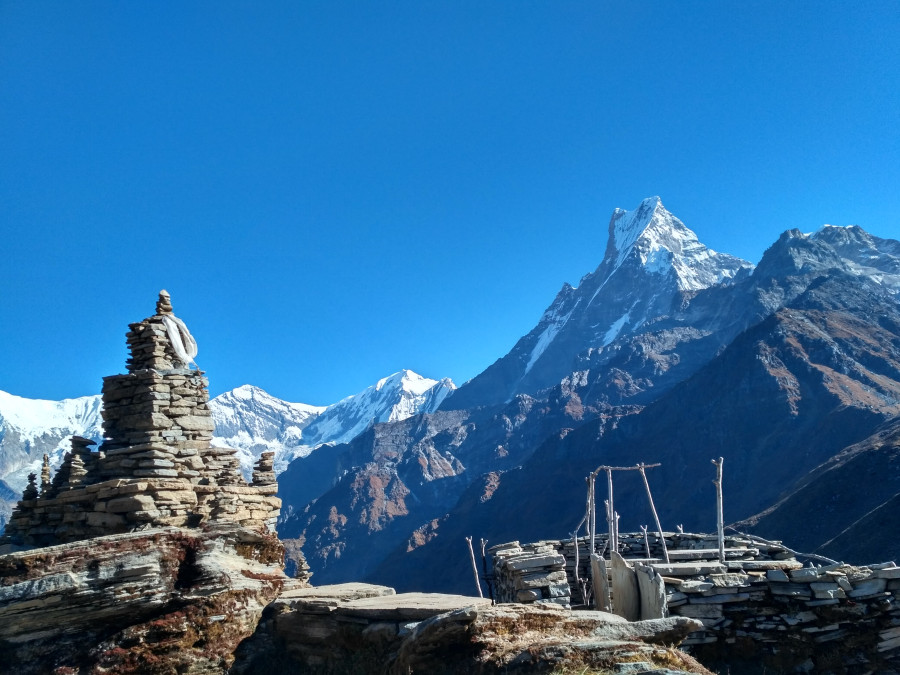
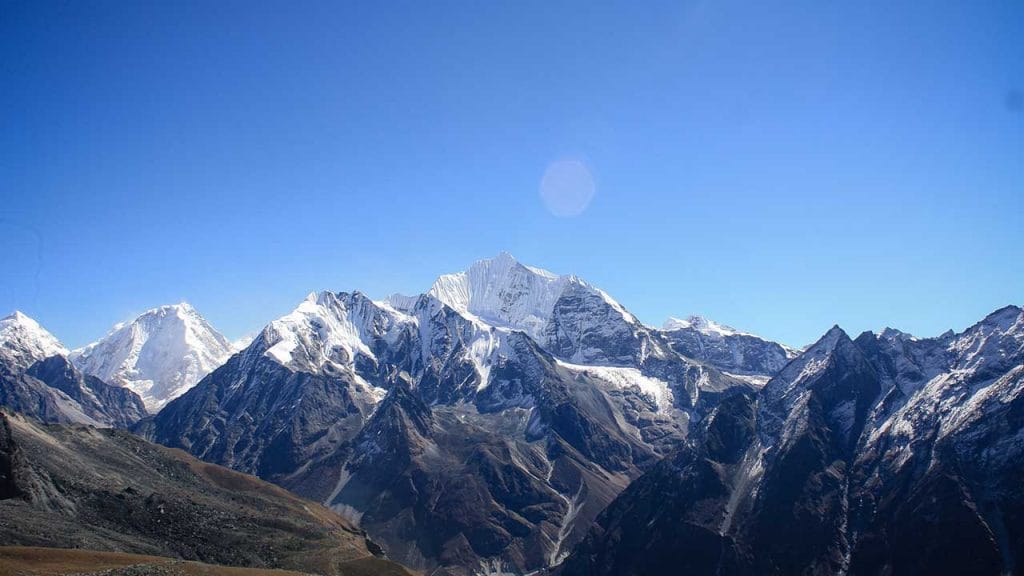
While the trek is shorter, it provides amazing vistas of Annapurna I, Machhapuchhre, Hiunchuli, Gangapurna, and Khangsar Kang, giving travelers a compact Himalayan adventure with a blend of nature, culture, and adventure. Trekking via the Machhapuchhre Base Camp allows you to witness glacial valleys, alpine meadows, and snow-clad peaks, making this journey truly memorable.

What Can You Expect from the Trek?

  • Compact yet fulfilling trek: A short trek that still delivers Himalayan grandeur.
  • Mountain and valley scenery: Cross rivers, forests, and terraced fields with beautiful landscapes.
  • Cultural interactions: Experience the lifestyle, traditions, and warm hospitality of local Gurung and Magar people.
  • Dual Base Camp Experience: Visit both Machhapuchhre Base Camp and Annapurna Base Camp.
  • Tea house stays: Comfortable accommodations with local meals and opportunities to interact with other trekkers.
  • Adventure with ease: Moderate trekking suitable for beginners or those with limited time.

Is Trek Suitable for You?

This trek is ideal for:

  • Individuals or small groups looking for a short Annapurna adventure.
  • Travelers wanting easy to moderate trekking without long high-altitude challenges.
  • Anyone eager to experience Nepalese culture, Himalayan scenery, and base camp adventure.
  • Trekkers who prefer private tours and guided experiences.

How to Get Prepared for the Trek?

Physical Preparation:

  • Engage in cardio exercises like running, cycling, swimming, or gym workouts.
  • Practice trekking with a daypack for 2–3 hours to simulate trek conditions.
  • Focus on leg strength and endurance using stairs or hilly walks.

Mental Preparation:

  • Prepare for long walking hours, possible altitude changes, and variable weather.
  • Stay positive, flexible, and resilient for a stress-free trek.

Gear and Equipment:

  • Hiking boots with grip
  • Warm layered clothing, down jackets
  • Waterproof jacket and pants
  • Backpack, sleeping bag liner, daypack
  • Headlamp, water bottles, sunscreen, lip balm
  • First aid kit and personal medications

Acclimatization:

  • Spend at least one night in Pokhara before starting.
  • Ascend gradually to prevent altitude sickness.

Research:

  • Familiarize yourself with the route, distances, altitudes, and accommodations.
  • Check weather, best trekking seasons, and local culture insights.
  • Trip Duration

    6 Days/5 Nights

  • Group Size

    1–5 people

  • Maximum Altitude

    4,130 m (Annapurna Base Camp)

  • Trip Difficulty

    Easy

  • Activities

    Trekking

  • Best Season

    March to May, September to November

  • Trip Start & End

    Pokhara-Pokhara

  • Meals

    Breakfast, Lunch, Dinner

  • Accomodation

    Lodge and Guest House

Highlights

  • Discover Pokhara: Explore this beautiful lakeside city, enjoy Phewa Lake, vibrant nightlife, and iconic landmarks before the trek.
  • Authentic Nepali Cuisine: Savor traditional meals in Ghandruk and other villages, experiencing local Gurung flavors.
  • Annapurna Base Camp Views: Witness the stunning Himalayan panorama at Annapurna Base Camp and Machhapuchhre Base Camp.
  • Local Interactions: Engage with friendly Himalayan communities, learn about their lifestyle and traditions.
  • Scenic Trekking Route: Trek through rhododendron forests, cross suspension bridges, admire waterfalls, and enjoy breathtaking landscapes.
  • Comfortable Accommodations: Stay in well-maintained lodges and tea houses offering clean rooms and warm hospitality.
  • Dual Base Camp Exploration: Experience both Annapurna Base Camp and Machhapuchhre Base Camp in a compact yet rewarding journey.

Itinerary

Day 01

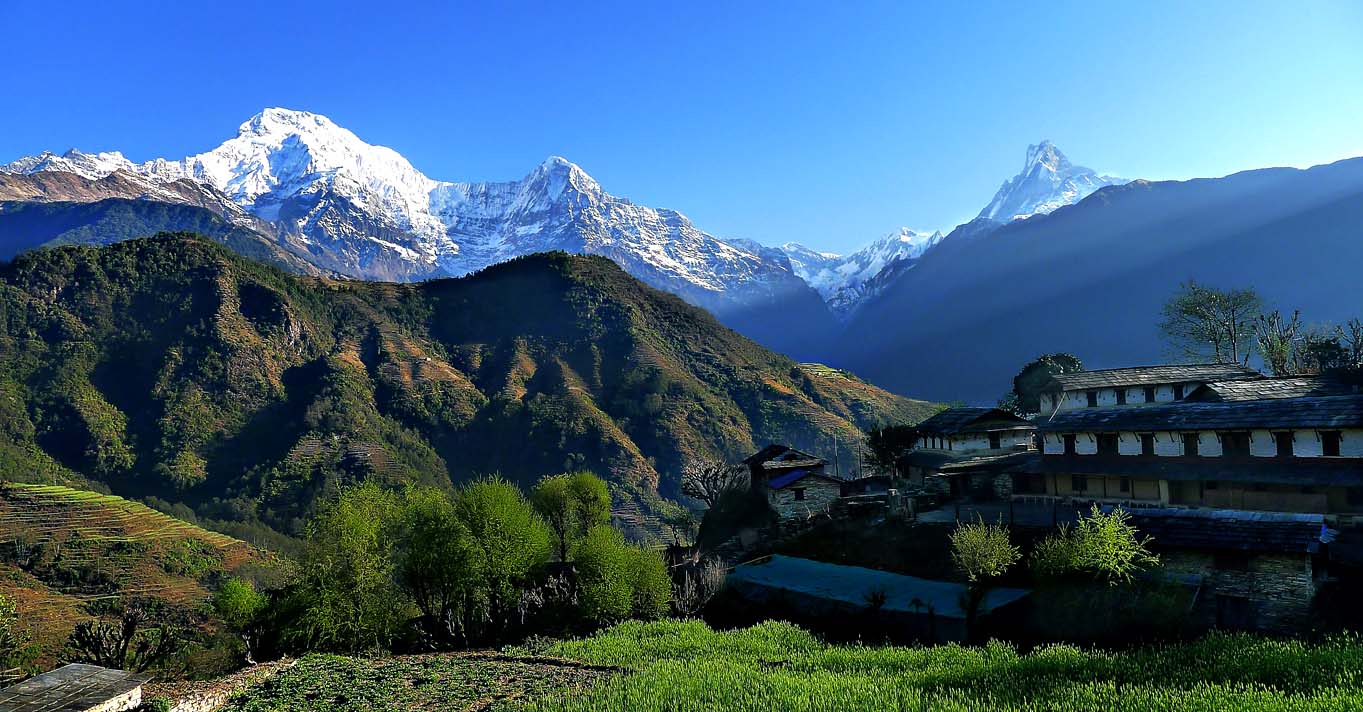
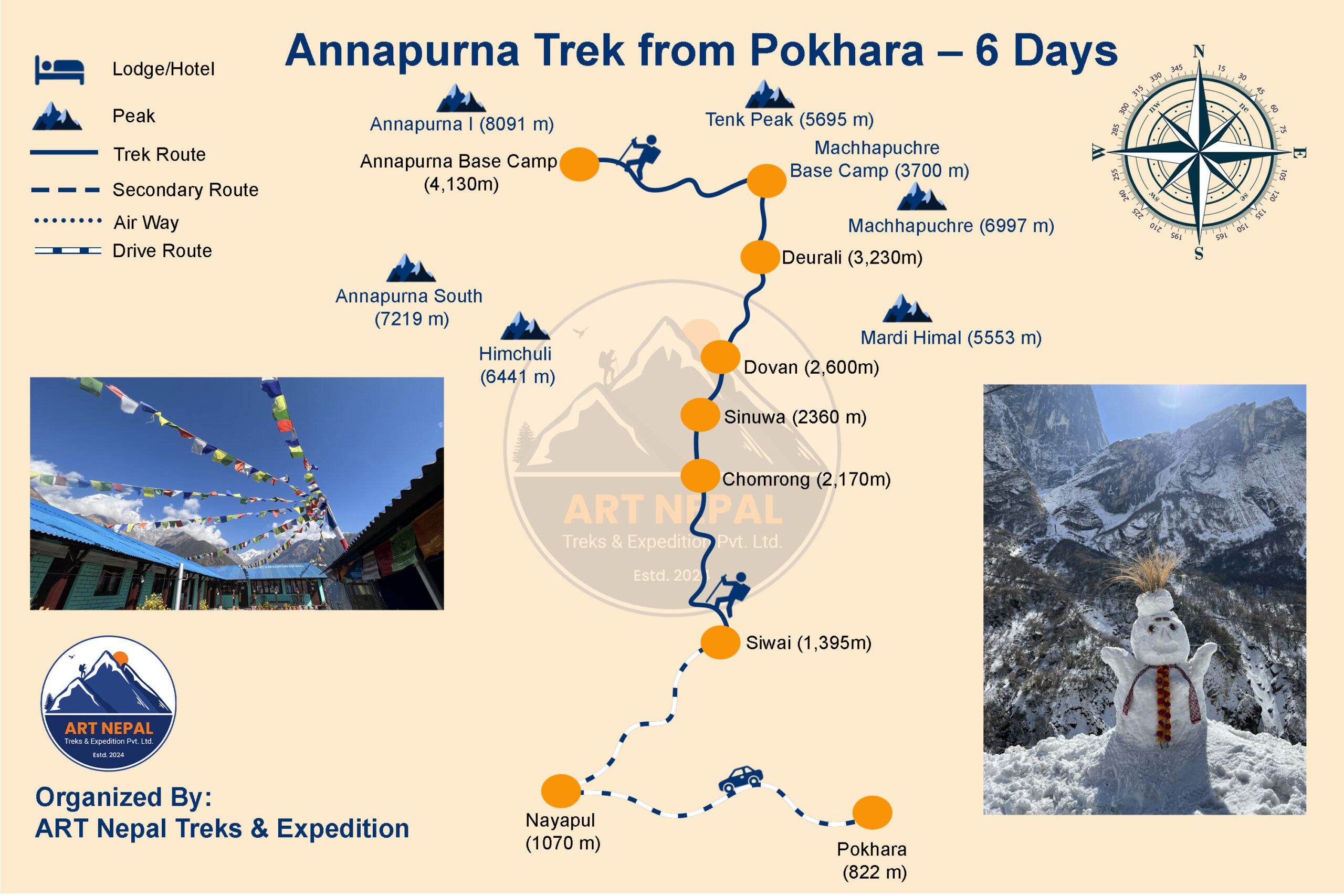
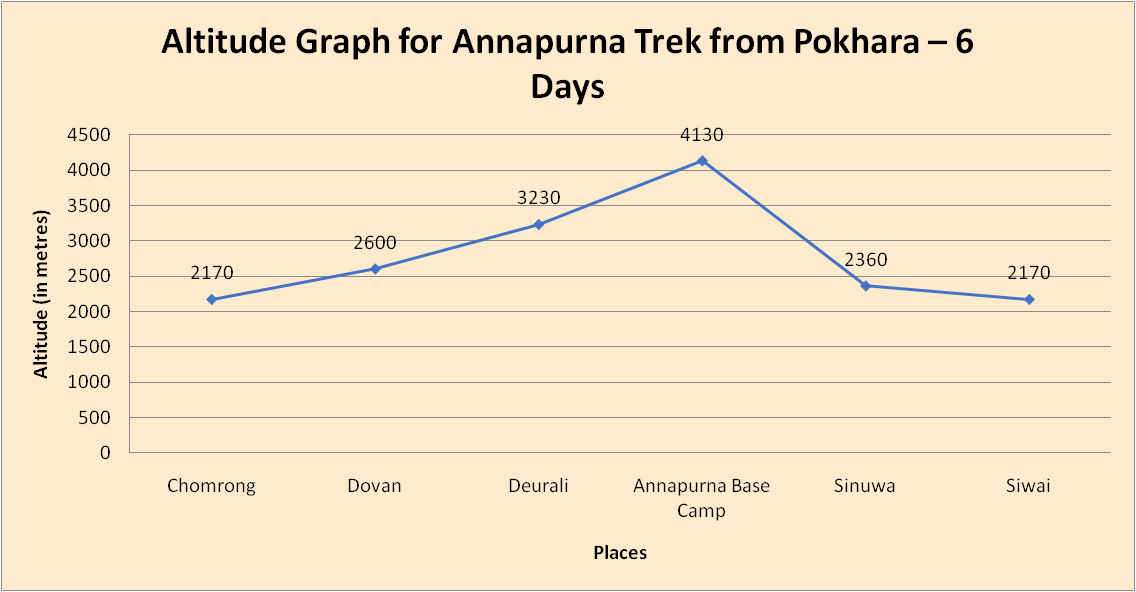
The adventure begins with a scenic drive from Pokhara to Siwai, taking approximately 1.5 hours. The journey itself offers glimpses of terraced farms, small rivers, and the peaceful countryside. From Siwai, you begin your trek toward Chomrong, following stone paths and trails lined with beautiful vegetation and farm fields. As you walk through local villages, you will notice traditional Gurung houses and friendly villagers going about their daily routines. The trek gradually ascends, providing panoramic views of Machhapuchhre and the Annapurna ranges. Upon arrival at Chomrong, you will check in to a cozy tea house and relax after the first day of trekking, soaking in the natural beauty and fresh mountain air.

Trip Duration:
2–3 hours
Trip Distance:
5 km
Altitude:
2170 m
Meal:
Lunch, Dinner
Accomodation :
Tea House in Chomrong

Day 02

On this day, the trail leads you deeper into the Annapurna region, passing suspension bridges over gushing rivers and walking through lush bamboo and rhododendron forests. You will cross the Chomrong Khola and gradually ascend through Sinuwa and Khuldighar. The journey is filled with natural sounds from birds and flowing rivers, offering a serene trekking experience. Along the way, you will witness glimpses of the high peaks above and interact with local communities that showcase the region’s traditional lifestyle. Reaching Dovan, a peaceful settlement nestled amid forests, you will spend the night at a tea house, enjoying local food and warm hospitality.

Trip Duration:
6–7 hours
Trip Distance:
8.6 km
Altitude:
2600 m
Meal:
Breakfast, Lunch, Dinner
Accomodation :
Tea House in Dovan

Day 03

The trek today gradually climbs toward Deurali through bamboo and rhododendron forests, offering refreshing natural landscapes and cooler mountain air. The trail passes the famous Hinku Cave and several glacial streams along the way, giving trekkers opportunities to pause and enjoy the serene surroundings. Wildlife, such as birds and occasional small mammals, can be spotted in these dense forests. The final approach to Deurali provides magnificent views of Machhapuchhre, Annapurna South, and surrounding peaks. Upon arrival, check into a tea house and prepare for the next day’s ascent to Annapurna Base Camp.

Trip Duration:
5–6 hours
Trip Distance:
7.7 km
Altitude:
3230 m
Meal:
Breakfast, Lunch, Dinner
Accomodation :
Tea House in Deurali

Day 04

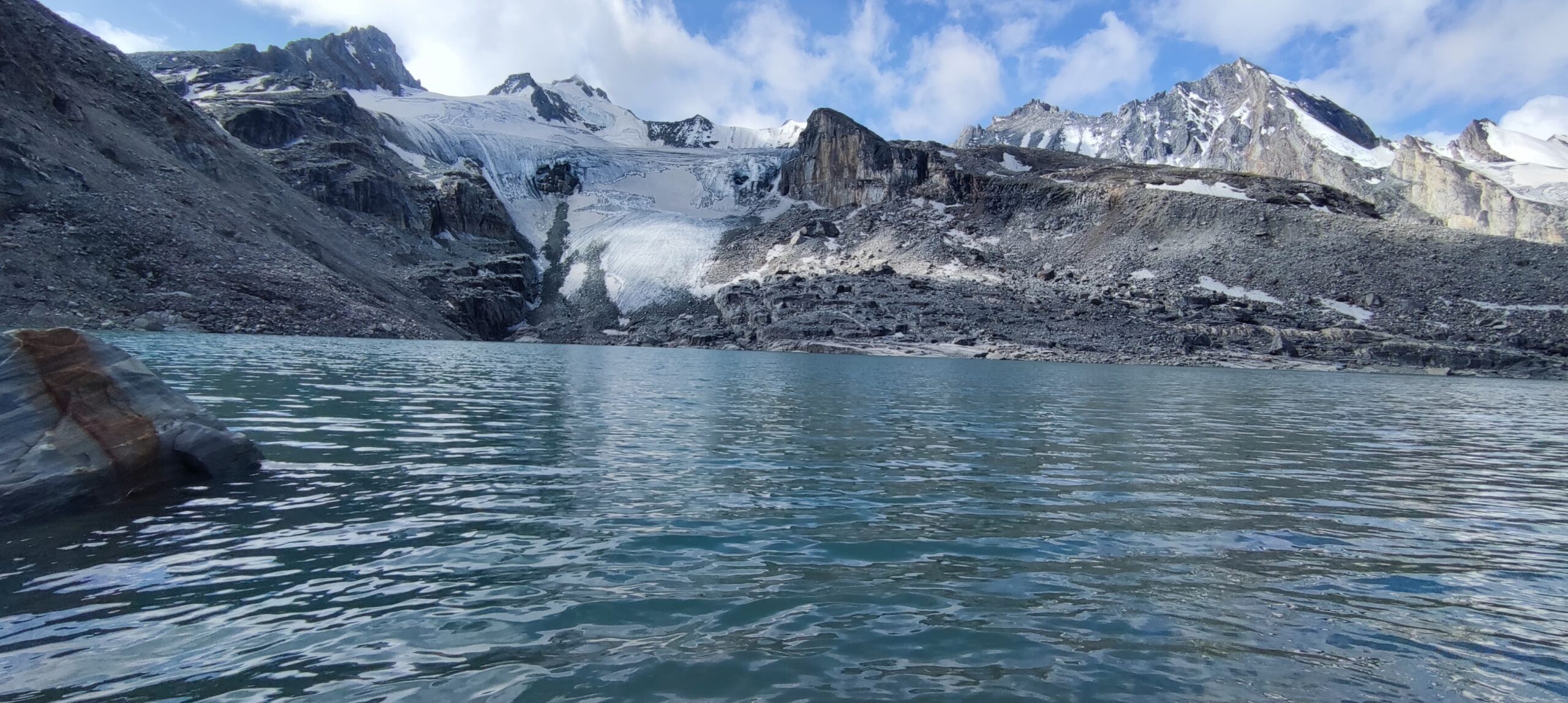
This is the highlight of the trek, as you ascend to Machhapuchhre Base Camp and continue toward the Annapurna Base Camp (ABC). The trail passes through glacial valleys and high alpine terrain, with snow-capped peaks towering around you. You will enjoy breathtaking panoramic views of Annapurna, Machhapuchhre, Gangapurna, Hiunchuli, and other peaks, creating unforgettable photographic moments. At ABC, the landscape is dramatic, with rugged snowfields and the tranquil Modi Khola Glacier nearby. Spend time exploring the camp area, absorbing the grandeur of the Himalayas, and interacting with other trekkers along the trail.

Trip Duration:
4–5 hours
Trip Distance:
6.9 km
Altitude:
4130 m
Meal:
Breakfast, Lunch, Dinner
Accomodation :
Tea House at Annapurna Base Camp

Day 05

After soaking in the majestic views at ABC, the trek begins descending toward Sinuwa. The route passes through the same valleys but with a different perspective, offering insights into the terrain you conquered during ascent. Along the way, you traverse bamboo and rhododendron forests, cross small streams, and enjoy glimpses of the peaks from new angles. This descent is also a chance to reflect on your journey and appreciate the natural beauty surrounding the Annapurna Massif. Arriving at Sinuwa, you will check in to a tea house for dinner and rest, preparing for the final leg of the trek.

Trip Duration:
7–8 hours
Trip Distance:
19 km
Altitude:
2360 m
Meal:
Breakfast, Lunch, Dinner
Accomodation :
Tea House in Sinuwa

Day 06

On the final day, you descend from Sinuwa to Siwai, passing by Jhinu Danda where you can enjoy natural hot springs and relax your tired muscles. This is a rejuvenating way to end your trek, soaking in warm waters surrounded by spectacular mountains. Afterward, you will take a drive back to Pokhara, reflecting on your 6-day adventure through some of Nepal’s most iconic trekking trails. Upon arrival in Pokhara, the trek concludes, and you can enjoy the city’s lakeside beauty or local cuisine before departing.
Trip Duration:
4–5 hours trek + drive
Trip Distance:
10 km
Altitude:
2170 m
Meal:
Breakfast, Lunch

What's Included

  • Meals in Pokhara
  • All Permits and Taxes during trek
  • Accommodation
  • Breakfast, Lunch, Dinner, Tea/Coffee
  • Guide (food and accommodation, salary, guide’s insurance)
  • First Aid Kit
  • Public Transportation

What's Excluded

  • Personal Expenses
  • Gears
  • Beverages & Mineral Water
  • Travel Insurance
  • Tips for staff (Expected at the end of the trip)
  • Porter($22 per porter per day)
    Note: A porter can carry up to 25 kg and is helpful for high-altitude treks. It’s recommended to have at least one porter for every two trekkers for better convenience.

Essential Info

Add-Ons for Annapurna Trek from Pokhara

During your Annapurna Trek from Pokhara, you can enhance your adventure with optional services and experiences. These add-ons allow you to customize your trek and enjoy extra comfort or convenience:

  1. Sightseeing in Kathmandu – Before or after the trek, explore Nepal’s capital city. Visit iconic landmarks such as Pashupatinath Temple, Boudhanath Stupa, Swayambhunath (Monkey Temple), and the vibrant streets of Thamel. Sightseeing can include guided tours, cultural experiences, and traditional Nepalese cuisine tastings.
  2. Porter Services – Hiring a porter can make your trek significantly easier. A porter can carry up to 25 kg of luggage, allowing you to trek lightly with only a daypack. For high-altitude or longer treks, it’s recommended to hire at least one porter for every two trekkers. Porters are experienced, know the trails, and add safety and convenience to your journey.
  3. Flight Options – Though the trek starts from Pokhara, some trekkers prefer a scenic mountain flight between Pokhara and Jomsom (or nearby destinations) to save time or add an adventurous aerial experience. Flights offer panoramic views of the Annapurna and Dhaulagiri ranges.
  4. Helicopter Services – For urgent emergencies, sightseeing, or a faster return, helicopter services are available. Helicopters can transport you from high-altitude points back to Pokhara, ensuring safety and convenience during unexpected events.
  5. Private Transportation – For maximum comfort and flexibility, private vehicles can be arranged to travel between Pokhara and Siwai or other trailheads. This is especially useful for families, senior trekkers, or those with limited time. Private transportation allows you to start your trek at your own pace.

Best Season to Enjoy the Trek

The Annapurna Trek from Pokhara can technically be attempted year-round, but the best times for trekking are spring (March–May) and autumn (September–November). These seasons offer the most favorable weather conditions, clear skies, and stunning views of the Himalayan peaks.

  • Spring (March to May):
    • Lush vegetation and blooming rhododendron forests create a vibrant landscape.
    • Days are generally sunny, while mornings and evenings can be chilly at higher altitudes.
    • Wildlife is active, and rivers are flowing after the winter melt.
  • Autumn (September to November):
    • Crisp and clear weather with excellent visibility of the mountains.
    • Trails are busier with trekkers, creating a lively atmosphere.
    • Post-monsoon conditions ensure green landscapes, flowing waterfalls, and safe trekking paths.

Avoid monsoon season (June–August) due to heavy rainfall, leeches, slippery trails, landslides, and poor mountain visibility. Winter (December–February) is possible but very cold, and some high-altitude routes may be covered in snow.

Food Availability

Along the Annapurna Trek from Pokhara, tea houses and lodges provide a variety of meals. You will enjoy traditional Nepali dishes as well as some international options:

  • Breakfast: Eggs, toast, pancakes, porridge, muesli, French toast, and Tibetan bread. Hot beverages such as tea, coffee, and hot chocolate are commonly available.
  • Lunch: Dal Bhat (rice and lentil curry), Thukpa (noodle soup), momos (dumplings), vegetable curries, noodles, pasta, sandwiches, and occasional meat dishes.
  • Dinner: Similar to lunch, with additional soups, stews, and desserts. Some lodges offer continental dishes like spaghetti, macaroni, or pizza at higher altitudes.
  • Snacks & Drinks: Energy bars, biscuits, chocolates, juices, soft drinks, and bottled water can be purchased along the trail. Note that prices slightly increase at higher altitudes.

Food along the trail is mostly fresh and homemade, giving you a taste of the local flavors while supporting small communities.

Accommodation

Accommodation along the Annapurna Trek from Pokhara consists mainly of tea houses and lodges. These provide safe, clean, and comfortable places to rest after long trekking days:

  • Facilities: Wooden beds with blankets, mattresses, pillows, and sometimes attached bathrooms. Hot showers may be available in some lodges, often for a small extra fee.
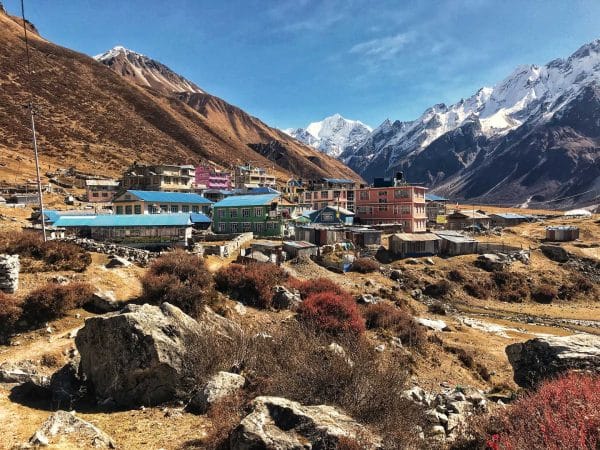
  • Room Sharing: Most rooms are twin-sharing, but single rooms are possible depending on availability. At higher altitudes like Deurali and ABC, rooms are simpler, with basic facilities.
  • Dining Areas: Communal dining rooms provide meals and a warm place to socialize with fellow trekkers.

Tea house lodges are generally safe, with friendly owners and an authentic local experience.

Travel Insurance

Travel insurance is mandatory for the Annapurna Trek from Pokhara due to high-altitude conditions and unpredictable situations. Your insurance should cover:

  • High-altitude trekking up to 4,500 meters.
  • Emergency medical evacuation, including helicopter rescue.
  • Trip cancellation or interruption due to unforeseen circumstances.
  • Medical treatment for illness or injury during trekking.

Always provide a copy of your insurance policy before starting the trek.

Altitude Sickness

Altitude sickness (Acute Mountain Sickness, AMS) can occur above 3,000 meters, especially at Annapurna Base Camp (4,130 m). Symptoms include headaches, fatigue, dizziness, nausea, and shortness of breath.

Prevention Tips:

  • Ascend gradually and allow your body to acclimatize.
  • Stay hydrated and maintain a healthy diet.
  • Avoid alcohol and heavy meals at high altitudes.
  • Carry Diamox if recommended by a doctor.
  • Descend immediately if symptoms worsen.

Guide and Safety Measures

Experienced trekking guides ensure your safety, comfort, and smooth journey. Their responsibilities include:

  • Leading the group and monitoring trail conditions.
  • Conducting altitude checks and acclimatization advice.
  • Managing first aid kits and emergency communications.
  • Evaluating accommodation and meal hygiene.
  • Making decisions on the continuation or modification of the trek based on weather or health conditions.

Guides are trained in wilderness first aid and are knowledgeable about local culture, ensuring both safety and an enriching trekking experience.

Booking Procedure

  1. Inquiry: Contact the trekking agency to check availability and receive detailed information about the Annapurna Trek from Pokhara.
  2. Booking Form: Complete the booking form and submit it with a deposit.
  3. Confirmation: Receive confirmation, itinerary details, and travel guidance.
  4. Payment: Pay the remaining balance according to the agreed schedule (bank transfer, cash, or online payment).
  5. Pre-Trek Briefing: Attend a briefing session covering trek preparation, safety, and travel tips.
  6. Trek Day: Begin your adventure from Pokhara, enjoying a professionally guided trek with full support.

Equipment List

  • Warm layers (fleece, down jacket, thermal innerwear)
  • Waterproof jacket and pants
  • Hiking boots with good traction
  • Gloves, hat, scarf
  • Daypack for daily essentials
  • Water bottles or hydration system
  • Trekking poles
  • Sleeping bag liner (optional)
  • Toiletries, sanitizer, tissue paper
  • First aid kit and medications
  • Sunscreen, lip balm with SPF
  • Camera or smartphone
  • Power bank, chargers
  • Travel documents, cash, permits

FAQ

AMS is possible above 3,000 m. Follow gradual ascent, hydration, and rest guidelines.
Tea houses and lodges with twin-sharing rooms. Hot showers and attached bathrooms are available at selected locations
Not required, but recommended for carrying heavy luggage, especially for comfort and safety.
Passport, trekking permits, TIMS card, travel insurance, and any visa documents if applicable.
Trip Price

On Request

Talk To Trip Expert

expert image

Anjan Dhital

Trip Expert
Have Any Questions?
Whatsapp/Viber +977-9810271256
Share this Trip
Translate »