


Arun Valley Trek – 12 Days


Introduction
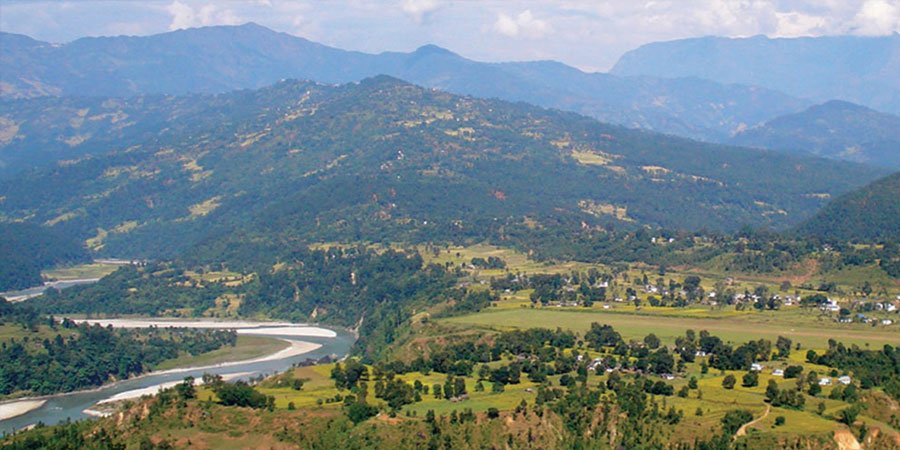
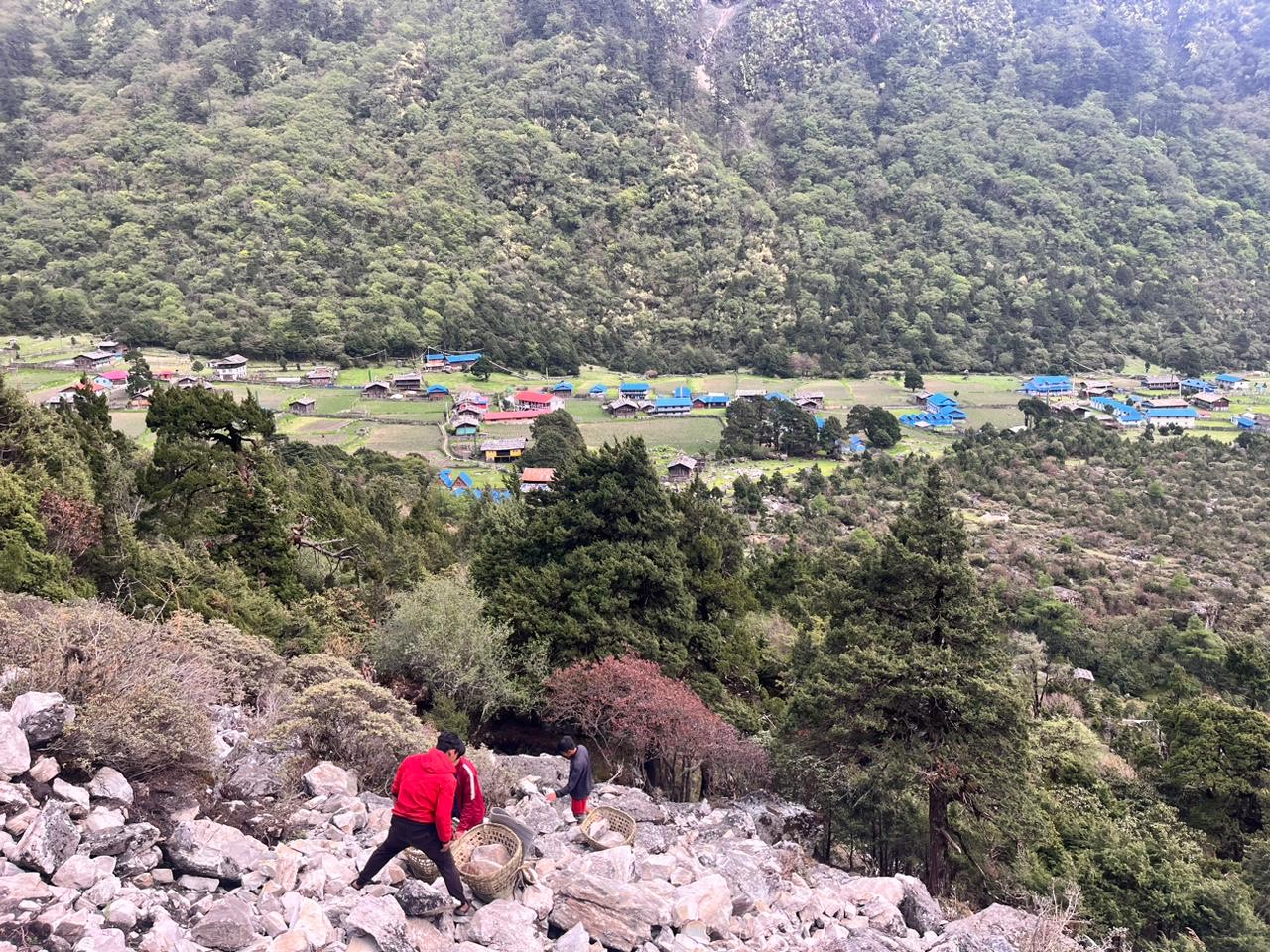
The Arun Valley Trek is one of Nepal’s most captivating and least-explored trekking routes, offering a unique combination of cultural immersion and high Himalayan landscapes. Starting from the lowlands of eastern Nepal and gradually climbing to alpine heights, this trek provides an incredible transition from warm river valleys to high mountain passes. Unlike popular trekking routes such as Everest or Annapurna, the Arun Valley remains off the beaten path, allowing trekkers to enjoy tranquil trails, authentic village life, and unspoiled nature. Trekkers will pass through traditional Rai and Sherpa settlements, experiencing local hospitality, festivals, and unique customs that have remained largely unchanged for generations.
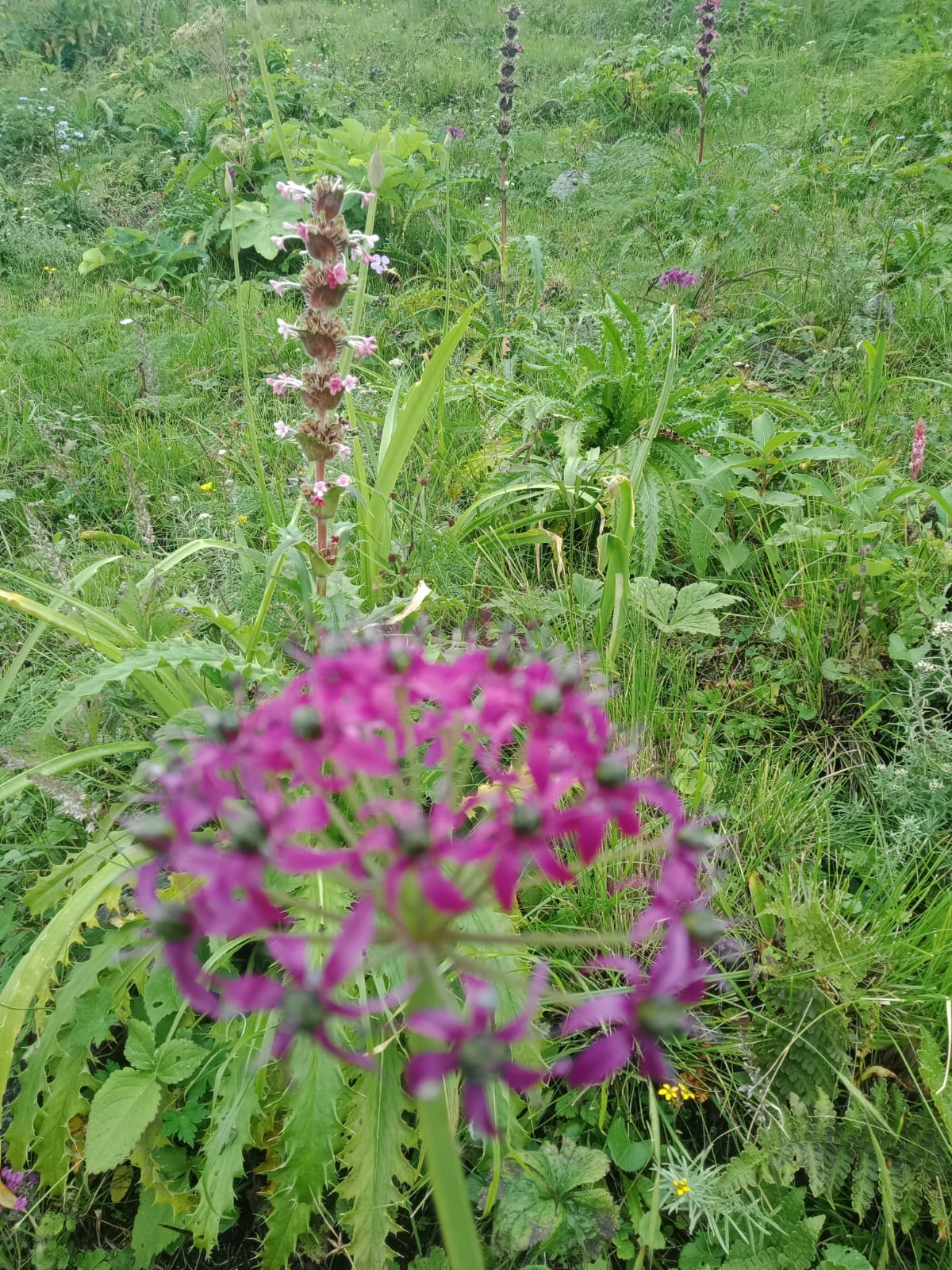
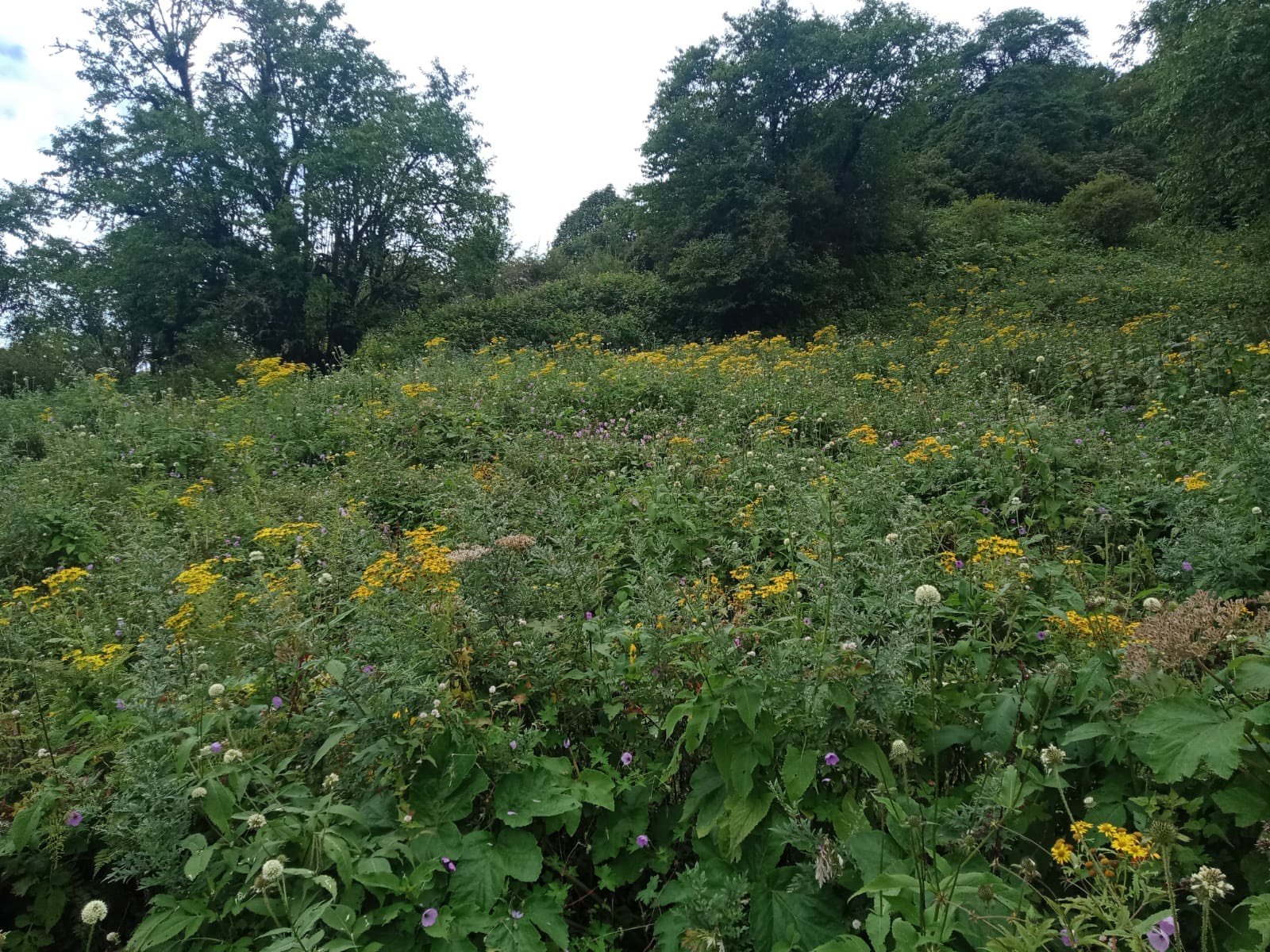
The trek begins with a short scenic flight to Tumlingtar, followed by a gradual ascent through lush lowland villages, terraced fields, and subtropical forests. As you progress, the trail climbs steadily into the mid-hills, where rhododendron forests, colorful wildflowers, and cascading streams create a serene environment for trekking. The journey is designed to provide ample acclimatization opportunities, ensuring that trekkers can comfortably adjust to the increasing altitude. Each day’s trek is a balanced combination of walking, rest, and cultural exploration, making it suitable for moderately experienced hikers looking for adventure with manageable challenges.
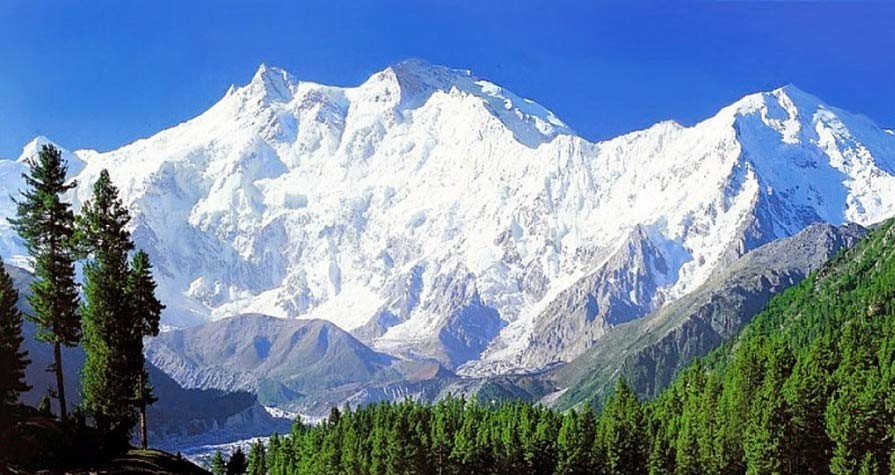
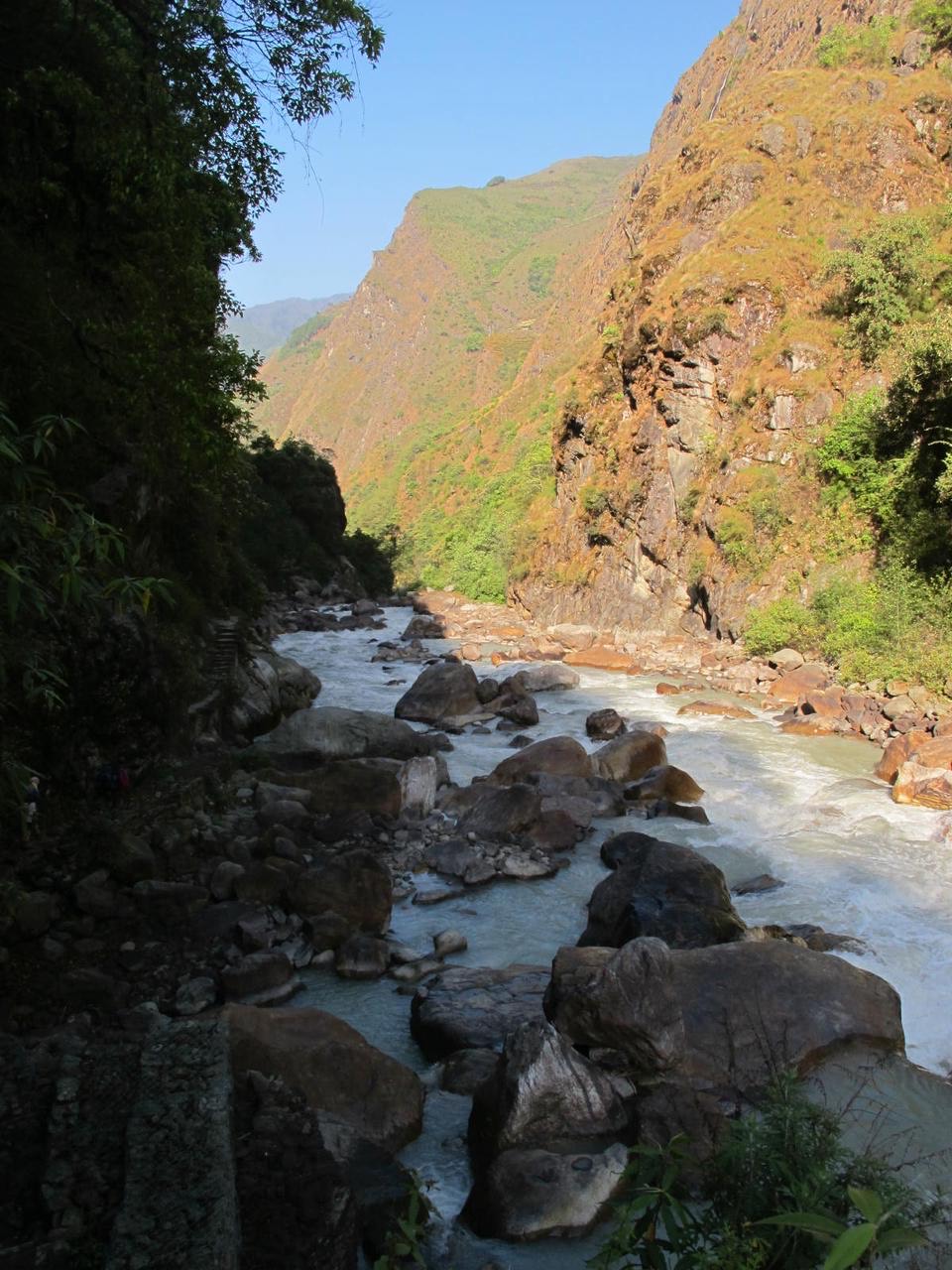
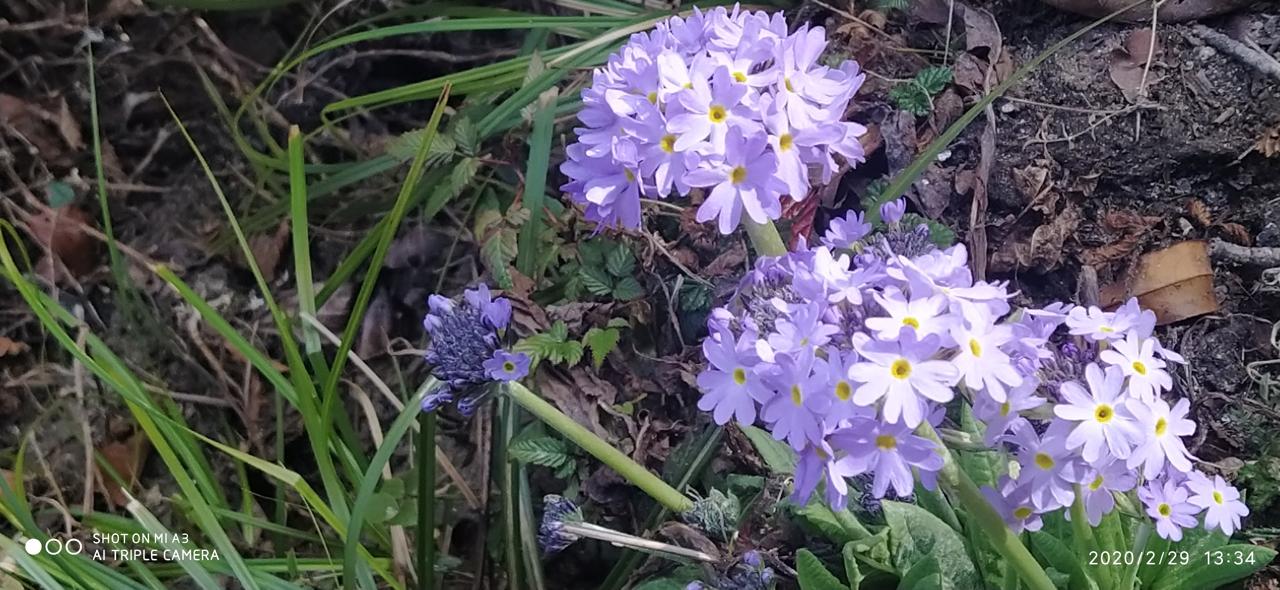
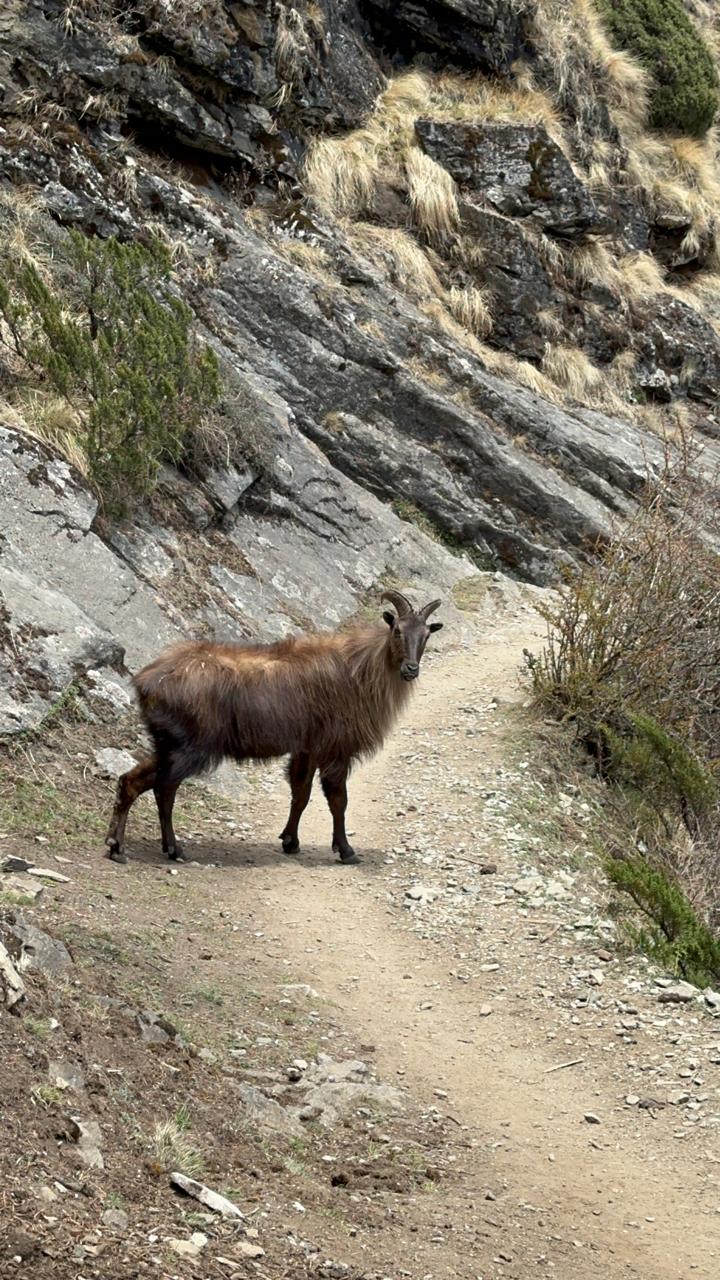
One of the main highlights of this trek is the crossing of the Salpa Pass (3,350 m), which offers unparalleled panoramic views of the surrounding Himalayan giants, including Makalu, Kanchenjunga, and other prominent peaks. The pass serves as a gateway between two distinct ecological zones, transitioning from temperate forests to alpine meadows. Along the way, trekkers will also witness waterfalls, terraced farmland, and traditional suspension bridges that reflect the ingenuity and resilience of the local communities. The trek is rich in biodiversity, and keen nature lovers may spot rare bird species, Himalayan flora, and even small mammals inhabiting the forests.
Cultural encounters form an integral part of the Arun Valley Trek. The trail passes through several Rai and Sherpa villages, where trekkers can interact with locals, experience traditional rituals, and even participate in local festivals if the timing aligns. Staying in teahouses or community lodges provides a closer connection to village life, and meals often include local dishes made with fresh ingredients sourced from nearby fields. Trekkers will gain insight into the lifestyle, farming practices, and spiritual beliefs of these communities, making the journey not just a physical adventure but also a cultural exploration.
Finally, the Arun Valley Trek offers a sense of solitude and peace that is increasingly rare in Nepal’s more popular trekking regions. The trails are less crowded, allowing trekkers to connect with nature, capture stunning photography, and enjoy moments of reflection amid the majestic Himalayas. From the vibrant lowlands to the serene highlands, every step of this trek is filled with breathtaking scenery, challenging yet rewarding climbs, and memorable cultural interactions. ART Nepal Treks & Expedition ensures that this journey is well-organized, safe, and tailored to provide an unforgettable adventure for all trekkers seeking a combination of natural beauty, cultural immersion, and Himalayan exploration.
What Can You Expect from the Arun Valley Trek?
The Arun Valley Trek is a journey that combines adventure, nature, and cultural richness. Trekkers can expect a gradual progression through diverse landscapes, starting from warm subtropical valleys, passing through lush mid-hill forests, and finally entering high alpine zones with panoramic Himalayan views. The trail is moderately challenging, offering a mix of uphill climbs, descents, and level walking, making it suitable for those with some trekking experience or good physical fitness. Every day brings new scenery, from terraced farmland and village settlements to dense forests filled with rhododendron and pine, as well as sparkling streams and cascading waterfalls. The trail’s remoteness ensures that you experience a more serene and authentic trekking environment compared to heavily trafficked routes.
Along the trek, you will encounter traditional Rai and Sherpa communities, where local culture, architecture, and lifestyle remain largely untouched by tourism. These interactions provide an enriching experience, allowing trekkers to observe and participate in daily village activities, witness local festivals, and enjoy homemade meals in community lodges or teahouses. The journey is not just about reaching high altitudes but also about connecting with people, understanding their traditions, and appreciating the harmony of life in these Himalayan settlements. Trekkers often find that the cultural immersion is as memorable as the mountain views, providing a holistic adventure experience.
From a trekking perspective, the route offers opportunities for both physical and mental challenge. Crossing the Salpa Pass (3,350 m) is a highlight, requiring determination, stamina, and careful acclimatization. However, the trail is designed with safety and gradual progression in mind, allowing trekkers to enjoy spectacular views while minimizing altitude-related risks. Alongside the physical challenge, trekkers will enjoy moments of peace and reflection in pristine natural surroundings, with chances for photography, wildlife spotting, and quiet contemplation of the majestic peaks. The combination of scenery, culture, and moderate adventure makes this trek a rewarding experience for those looking to explore a less crowded yet incredibly beautiful region of Nepal.
What to Expect
- Diverse Landscapes: From subtropical valleys to alpine meadows with Himalayan panoramas.
- Cultural Immersion: Interaction with Rai and Sherpa communities, observing local traditions.
- Moderate Trekking Challenge: Daily walking of 5–7 hours with gradual ascents and descents.
- Scenic Highlights: Crossing Salpa Pass, waterfalls, terraced farmland, and dense forests.
- Peaceful Trails: Less crowded routes allowing solitude and reflection in nature.
- Wildlife & Flora: Opportunities to spot Himalayan birds, plants, and small mammals.
- Authentic Local Experiences: Staying in teahouses and community lodges with home-cooked meals.
Is Trek Suitable for You?
The Arun Valley Trek is ideal for trekkers who are physically fit and have some prior experience with moderate-level trekking. The trail involves daily walking of 5–7 hours with gradual uphill climbs and descents, so basic stamina and endurance are necessary. While the trek is not extremely technical, there are sections, especially around Salpa Pass, that require careful footing and attention. If you enjoy walking through nature, appreciate cultural encounters, and are motivated by scenic Himalayan landscapes, this trek will suit your interests and abilities. Trekkers should also be comfortable with remote lodging conditions, as many tea houses are simple and basic, reflecting the traditional mountain way of life.
Mentally, this trek is excellent for those who are patient and enjoy exploration at a natural pace. The journey is not rushed, and the remoteness of the Arun Valley provides opportunities to disconnect from the hustle of modern life. You should be prepared for quiet trails, fewer tourist facilities, and limited communication options in some areas. The ability to adapt to changing weather, unpredictable trail conditions, and the slower rhythm of mountain life is essential. Trekking in a group with a guide is recommended, as local knowledge enhances safety and enriches the experience through cultural insights and route management.
The trek is suitable for both solo trekkers and small groups who enjoy adventure combined with cultural exploration. Families with older children, friends, and couples can all find value in the Arun Valley experience, provided they are physically ready and prepared for remote trekking conditions. Those looking for luxury lodges or extensive facilities may find the experience basic, but for the adventurous spirit, the simplicity adds to the charm. Ultimately, this trek is perfect for anyone seeking a blend of natural beauty, traditional culture, and moderate Himalayan adventure in a relatively less-traveled region.
Trek Suitability
- Fitness Level: Moderate; daily 5–7 hours walking with some steep ascents and descents.
- Trekking Experience: Recommended for those with prior trekking experience or good endurance.
- Mental Preparedness: Patience and adaptability for remote trails and slower pace of life.
- Accommodation Comfort: Simple teahouses and community lodges, authentic but basic.
- Group Flexibility: Suitable for solo travelers, small groups, or families with older children.
- Adventure & Culture: Ideal for those seeking cultural immersion and off-the-beaten-path trekking.
- Weather & Trail Conditions: Preparedness for unpredictable mountain weather and trail challenges.
How to Get Prepared for Trek?
Preparation for the Arun Valley Trek involves physical training, gear readiness, and mental preparation. Trekking in the Himalayas requires a combination of endurance, strength, and cardiovascular fitness. Ideally, trekkers should engage in regular aerobic exercises such as hiking, running, or cycling several months prior to the trek. Strengthening exercises for legs, core, and back muscles help manage uphill climbs, descents, and carrying a daypack. Additionally, practicing with weighted backpacks on local trails can simulate trekking conditions and help prevent fatigue or injuries during the trek.
Proper gear is another crucial aspect of preparation. Trekkers should have high-quality hiking boots, layered clothing for varying temperatures, a warm sleeping bag if camping, and rain protection. Personal items such as trekking poles, a water bottle, headlamp, and a first aid kit are recommended. Electronics such as power banks and cameras should also be arranged in advance. Understanding the region’s climate and terrain allows you to pack appropriately, ensuring comfort and safety. Consulting your guide or trekking company in advance can provide guidance on essential gear and trekking tips specific to Arun Valley.
Mental preparation is equally important. Trekking in remote regions with limited access to modern facilities can be challenging for some. Trekkers must cultivate patience, flexibility, and a positive mindset to fully enjoy the journey. Being open to cultural experiences, simple living conditions, and the slower pace of life in mountain villages enhances the adventure. It is also helpful to familiarize yourself with basic first aid, altitude sickness symptoms, and self-care practices to ensure your trek is both safe and enjoyable. A well-prepared trekker will experience the Arun Valley Trek as a rewarding, memorable, and enriching adventure.
Preparation for Trek
- Physical Training: Aerobic exercises, strength training, and practice hikes with a backpack.
- Gear & Equipment: Layered clothing, hiking boots, trekking poles, sleeping bag, rain gear.
- Health & Safety: First aid kit, water purification, knowledge of altitude sickness prevention.
- Mental Preparation: Patience, adaptability, and cultural openness for remote trekking.
- Pre-Trek Planning: Consult guides for route specifics, weather, and equipment recommendations.
- Packing Strategy: Light and functional packing to manage comfort and mobility.
- Trek Awareness: Learn about trail conditions, village culture, and local customs.
-
Trip Duration
12 Days/11 Nights
-
Group Size
1–20 people
-
Maximum Altitude
3,350 m
-
Trip Difficulty
Moderate
-
Activities
Trekking
-
Best Season
March–May, September–November
-
Trip Start & End
Kathmandu-Kathmandu
-
Meals
Breakfast, Lunch, Dinner
-
Accomodation
Tea houses, lodges, guesthouses
Highlights
- Explore Remote Arun Valley: Journey through one of Nepal’s least-visited regions with pristine landscapes and untouched villages.
- Cross Salpa Pass (3,350 m): Experience panoramic Himalayan views from this scenic high point.
- Experience Rai & Sherpa Culture: Walk through traditional villages, interact with locals, and learn about their customs and lifestyle.
- Diverse Natural Landscapes: From lowland forests and terraced farmland to alpine meadows and river valleys.
- Less Crowded Trails: Enjoy peaceful trekking far from the popular Everest routes.
- Spectacular Mountain Views: Witness breathtaking panoramas of peaks including Makalu, Kanchenjunga, and surrounding ridges.
- Cultural & Photography Opportunities: Capture the essence of Himalayan life, vibrant local festivals, and beautiful sunrise/sunset scenes.
Itinerary
Day 01
Upon your arrival in Kathmandu, you will be warmly welcomed at the airport by your guide and transferred to your hotel. The bustling city of Kathmandu, with its vibrant streets, rich culture, and historic architecture, provides a gentle introduction to Nepal. This day allows you to relax, recover from your journey, and prepare mentally for the trek ahead. You can take some time to explore nearby local markets, enjoy traditional Nepali cuisine, or simply rest at your hotel. Your guide will meet you in the evening to discuss the upcoming trek, check your gear, and handle necessary trekking permits. This ensures that you are fully ready and confident before heading to the Arun Valley.
The first day is also important for acclimatization, even at this relatively low altitude. Hydrating well, eating lightly, and adjusting your sleep schedule can help your body prepare for the gradual changes in altitude over the coming days. While there is minimal physical exertion on this day, it is an opportunity to understand the cultural context of your journey, familiarize yourself with local customs, and build rapport with your guide and trekking team.
Trip Duration:
ArrivalTrip Distance:
N/AAltitude:
1400 mMeal:
Lunch, DinnerAccomodation :
Hotel in KathmanduDay 02
After an early breakfast, you will take a scenic domestic flight from Kathmandu to Tumlingtar Airport, a gateway to the Arun Valley. The flight offers stunning aerial views of the eastern Himalayan range, terraced farmlands, and winding rivers. Upon arrival, the trek officially begins as you follow trails through the warm, lush lowlands. The route passes through villages where you can observe the daily life of local communities, including farming, traditional houses, and small market areas. The trail gradually ascends toward Khandbari, a lively town that serves as a hub for trekkers in the region.
The trek on this day is relatively gentle, allowing you to ease into walking after your flight. You will pass through fields of rice and maize, and local children may wave as you pass by. This section also introduces you to the Arun Valley’s unique ecology, with subtropical forests, bamboo groves, and river crossings along the trail. Arriving in Khandbari, you will have the evening to rest, enjoy dinner with your team, and prepare for the gradual ascent over the coming days.
Trip Duration:
4–5 hoursTrip Distance:
~12 kmAltitude:
1040 mMeal:
Breakfast, Lunch, DinnerAccomodation :
Tea house in KhandbariDay 03
Today begins a steady ascent into the Arun Valley, moving from the warm lowlands into higher elevations. The trail climbs gradually through forested paths, terraced farmlands, and small villages inhabited by the Rai ethnic community. You will pass traditional houses made of stone and wood, with prayer flags fluttering in the wind, giving a strong sense of local culture. The views expand as you gain elevation, revealing terraced hillsides, deep valleys, and distant snow-capped peaks.
The trekking pace is moderate, allowing you to adjust to the increasing altitude. Along the way, you may encounter small streams, local wildlife, and dense forests of rhododendron and oak trees. The village of Bhotebas offers a warm welcome with basic tea houses where you can rest, enjoy local meals, and interact with villagers. The evening is perfect for reflecting on the journey so far and preparing for the gradual climb to higher elevations.
Trip Duration:
5–6 hoursTrip Distance:
~14 kmAltitude:
1740 mMeal:
Breakfast, Lunch, DinnerAccomodation :
Tea house in BhotebasDay 04
The trek today is slightly undulating, with minor ascents and descents through picturesque villages and forest trails. The area is rich in cultural encounters, as you pass through settlements where locals cultivate vegetables, tend livestock, and practice traditional crafts. The path meanders along ridges, offering stunning panoramic views of the surrounding hills and glimpses of distant Himalayan peaks. Walking through this region, you experience a sense of remoteness while still having access to basic facilities along the trail.
Salpa Phedi, your destination for the day, is nestled amidst verdant landscapes and surrounded by forested hills. It provides an ideal resting point with tea houses offering simple yet nourishing meals. The community here is welcoming, and you may have the opportunity to interact with villagers, learn about their customs, and enjoy the serene environment far from bustling tourist routes. This day allows for both physical exercise and cultural immersion, setting the tone for higher elevations in the next stages of the trek.
Trip Duration:
5–6 hoursTrip Distance:
~13 kmAltitude:
1680 mMeal:
Breakfast, Lunch, DinnerAccomodation :
Tea house in Salpa PhediDay 05
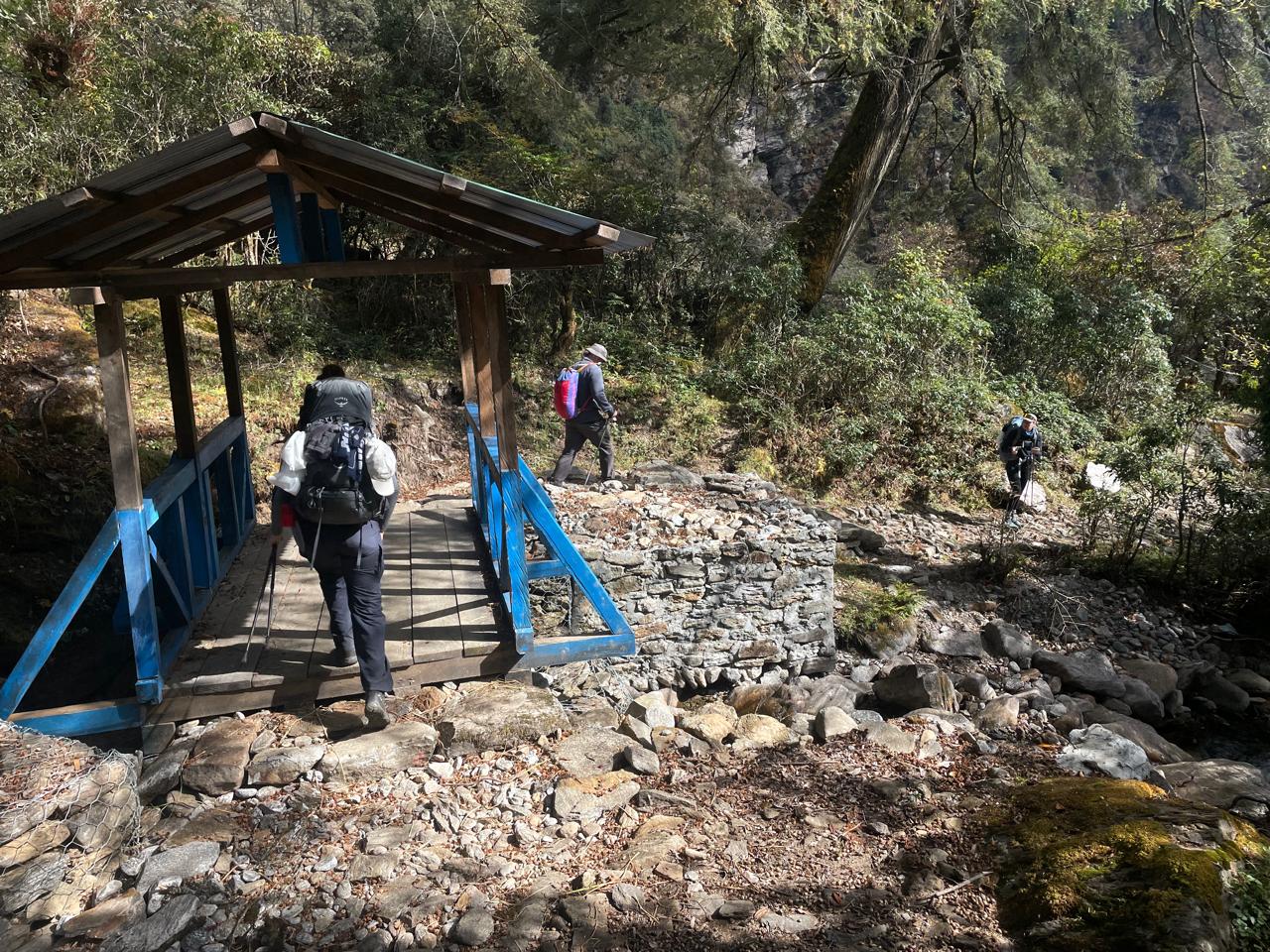
Today’s trek is more physically demanding as you steadily ascend through dense rhododendron and oak forests, offering spectacular views of the surrounding valleys and distant Himalayan peaks. The trail winds through small settlements where you can observe Rai communities carrying out traditional farming activities, terracing steep hillsides for maize, millet, and vegetables. Walking along the path, you may also cross small wooden bridges over sparkling streams, creating a picturesque trekking experience. The gradual climb allows your body to adjust to higher altitudes while you soak in the serene natural beauty.
Guranse, situated at 2,600 meters, is a quaint village that acts as a gateway to higher Himalayan terrain. Here, local tea houses provide a comfortable resting place after the day’s climb, with opportunities to enjoy local cuisine such as dal bhat, vegetable curries, and freshly brewed tea. The village setting is peaceful, surrounded by forests and mountain ridges, giving trekkers a sense of immersion in the untouched Himalayan environment. Evening conversations with guides or fellow trekkers allow for cultural exchanges, sharing stories about the local lifestyle, folklore, and trekking experiences.
Trip Duration:
6–7 hoursTrip Distance:
~15 kmAltitude:
2600 mMeal:
Breakfast, Lunch, DinnerAccomodation :
Tea house in GuranseDay 06
Day 6 is the highlight of the Arun Valley trek, featuring the Salpa Pass, a scenic high point at 3,350 meters that offers panoramic views of the surrounding Himalayan peaks, including Makalu and Kanchenjunga in the distance. The ascent to the pass is challenging yet rewarding, with trails cutting through alpine forests, past high-altitude meadows, and along ridgelines that reveal dramatic vistas of the Arun Valley. This section is also rich in biodiversity, and trekkers may spot Himalayan birds or small wildlife along the way.
After reaching the Salpa Pass, the trail begins a descent to Dudhkund, a tranquil resting area surrounded by forests and streams. The descent allows your legs to recover after the challenging ascent while keeping your heart rate active. Dudhkund provides basic tea house facilities where you can enjoy warm meals, rest, and soak in the serene mountain environment. The day’s trek combines the thrill of high-altitude crossing with cultural and natural immersion, making it one of the most memorable segments of the Arun Valley journey.
Trip Duration:
6–7 hoursTrip Distance:
~14 kmAltitude:
2950 mMeal:
Breakfast, Lunch, DinnerAccomodation :
Tea house in DudhkundDay 07
After the high point at Salpa Pass, today’s trek involves a long descent into the beautiful valley of Gudel. The trail gradually winds down through forests, terraced fields, and small settlements, giving trekkers an opportunity to observe traditional Rai villages, their wooden houses adorned with prayer flags, and local farming practices. The descent is physically easier than previous days but requires careful footing on some rocky sections and narrow trails.
Gudel, located at 1,800 meters, is a scenic village surrounded by lush greenery and farmlands. Tea houses provide welcoming hospitality and a chance to rest after the day’s trek. The environment is peaceful, with the sound of streams and birds enhancing the Himalayan experience. Evening discussions with locals offer insight into traditional farming, religious practices, and seasonal festivals of the Rai community, further enriching your cultural understanding. The day blends physical activity with cultural discovery, a key feature of Arun Valley trekking.
Trip Duration:
5–6 hoursTrip Distance:
~13 kmAltitude:
1800 mMeal:
Breakfast, Lunch, DinnerAccomodation :
Tea house in GudelDay 08
Today, the trail becomes more challenging with ups and downs through dense forests and remote trails. You climb steadily, passing through isolated settlements where traditional stone and wood houses stand among terraced hills. Forested paths are interspersed with open meadows, providing magnificent views of the Arun Valley and distant snow-capped peaks. The journey to Pangum involves a blend of physical endurance and mental focus, especially on steeper sections.
Pangum, situated at 2,850 meters, offers a serene setting with tea houses providing comfortable accommodation. The village is known for its peaceful environment, making it a perfect spot to rest, reflect, and prepare for higher-altitude trekking in the final stages. From here, trekkers can enjoy breathtaking sunsets over the Himalayan ridges and immerse themselves in the quietude of the remote mountains. Evenings are ideal for photography, journaling, or sharing experiences with fellow trekkers and guides.
Trip Duration:
6–7 hoursTrip Distance:
~14 kmAltitude:
2850 mMeal:
Breakfast, Lunch, DinnerAccomodation :
Tea house in PangumDay 09
The trek today gradually transitions toward trails connecting with the Everest region, featuring peaceful paths through forests, terraced farmland, and scattered settlements. While there are minor ascents and descents, the day is manageable and allows trekkers to enjoy the changing landscape, with subtropical vegetation giving way to more alpine flora as you gain altitude. The trail remains remote, providing a sense of adventure and solitude far from crowded trekking routes.
Paiya, at 2,730 meters, offers basic lodges and tea houses where you can relax after the day’s journey. The village provides a scenic backdrop with surrounding hills, forests, and mountain views. The atmosphere is tranquil, ideal for reflecting on the trek so far, interacting with locals, and preparing for the final days toward Lukla. The day’s moderate pace also helps with acclimatization as you adjust to higher elevations before entering busier trekking zones.
Trip Duration:
5–6 hoursTrip Distance:
~12 kmAltitude:
2730 mMeal:
Breakfast, Lunch, DinnerAccomodation :
Tea house in PaiyaDay 10
The final trekking day leads to Lukla, the gateway to the Everest region. The trail passes through quieter forested paths, small villages, and scenic viewpoints offering glimpses of high Himalayan peaks. While relatively gentle, the day involves steady walking, and the anticipation of reaching Lukla adds a sense of accomplishment and excitement. This is also a day to reflect on the remote landscapes, cultural immersion, and experiences accumulated over the past week.
Upon arrival in Lukla, you can enjoy the small town’s amenities, celebrate the completion of your trek with your team, and prepare for the onward flight to Kathmandu. Lukla offers simple accommodations and tea houses, providing a comfortable setting to rest after the long journey through the Arun Valley. The evening is perfect for enjoying local meals, exchanging stories with fellow trekkers, and appreciating the blend of natural beauty and cultural richness that defines the Arun Valley trek.
Trip Duration:
5–6 hoursTrip Distance:
~12 kmAltitude:
2840 mMeal:
Breakfast, Lunch, DinnerAccomodation :
Tea house in LuklaDay 11
After an early breakfast, you will take a scenic morning flight from Lukla back to Kathmandu, enjoying aerial views of the Himalayan range, deep valleys, and terraced landscapes below. Upon arrival, you will be transferred to your hotel for rest. The remainder of the day is free to explore Kathmandu’s cultural landmarks, markets, or simply relax and recover from the trek. This transition day allows your body to adjust back to urban life while reflecting on the adventure through remote Arun Valley trails.
Trip Duration:
1–2 hoursAltitude:
1400 mMeal:
BreakfastAccomodation :
Hotel in KathmanduDay 12
On your last day, you will be transferred to Tribhuvan International Airport for your onward journey. This marks the conclusion of your Arun Valley Trek adventure. You can take back memories of pristine landscapes, cultural encounters, Himalayan vistas, and the sense of achievement from completing a remote and rewarding trek.
Trip Duration:
~1 hourAltitude:
1400 mMeal:
BreakfastWhat's Included
The Arun Valley Trek package is designed to provide a seamless and comfortable trekking experience with all essential services covered. The costs include:
- Airport transfers in Kathmandu – Pick-up upon arrival and drop-off for departure.
- Domestic flights – Round-trip flight from Kathmandu to Tumlingtar and return.
- Accommodation – Comfortable lodges and tea houses throughout the trek as specified in the itinerary.
- Meals during trek – Breakfast, lunch, and dinner included in tea houses and lodges.
- Experienced trekking guide – Certified guide familiar with local terrain, culture, and safety protocols.
- Support staff – Kitchen staff and porters for group gear (if applicable).
- Permits and TIMS – Necessary trekking permits and fees required by the Nepal government.
- Medical kit – First aid kit available with the guide for minor emergencies.
- All transportation within the trek – Jeep or local transport as per the itinerary.
These inclusions ensure that you focus on enjoying the trek without worrying about logistics, meals, or permits. Experienced guides and support staff make the journey safer, more enjoyable, and culturally enriching.
What's Excluded
While the Arun Valley Trek package covers most essentials, certain items are the responsibility of the trekkers. These include:
- International airfare to and from Nepal – Flights to Kathmandu from your home country are not included.
- Travel insurance – Comprehensive insurance covering medical emergencies, evacuation, and trip cancellation.
- Personal expenses – Snacks, drinks, souvenirs, laundry, and other personal purchases.
- Tips – Optional gratuity for guides, porters, and support staff.
- Beverages and alcohol – Drinks like tea, coffee, soda, or alcohol not included in meal costs.
- Emergency evacuation – Helicopter or other emergency transport in case of altitude sickness or medical conditions.
- Optional activities – Sightseeing tours or cultural visits outside the standard itinerary.
- Porters: Optional, though recommended for carrying heavy luggage ($22 per porter per day). A porter can carry up to 20 kg, and it is advisable to hire one porter for every two trekkers for comfort and convenience.
Essential Info
Add-Ons
For trekkers who want to make their Arun Valley journey even more memorable, a variety of add-on experiences are available. These add-ons allow you to explore local culture, natural beauty, and adventure beyond the standard itinerary. You can include visits to traditional villages, cultural workshops, or scenic spots along the route. Many travelers opt for short guided tours in Tumlingtar or Khandbari before the trek begins, giving a deeper understanding of the region’s history and daily life.
Another popular add-on is cultural interaction with local Rai and Sherpa communities. Trekkers can participate in traditional cooking classes, festivals, and rituals that provide a unique insight into the Himalayan lifestyle. Photography enthusiasts often take advantage of sunrise and sunset spots around Salpa Pass or Pangum, capturing breathtaking vistas of the surrounding mountains. These add-ons not only enrich your trekking experience but also support local communities through responsible tourism.
Lastly, adventure add-ons like bird watching, short side treks to hidden waterfalls, and natural hot springs can be included. Each experience is designed to be optional, allowing trekkers to tailor their trip according to fitness levels and interests. These activities also offer moments of rest and recreation during the trek, balancing physical exertion with relaxation and cultural immersion.
Add-Ons:
- Village Cultural Visit – Engage with Rai and Sherpa communities to learn local traditions and lifestyles.
- Photography Tours – Capture sunrise, sunset, and panoramic mountain views.
- Bird Watching & Nature Walks – Explore rich biodiversity along forest trails.
- Side Treks – Short treks to waterfalls, scenic viewpoints, or hidden valleys.
- Cooking Classes – Learn traditional Nepalese meals from local families.
- Festivals & Rituals – Participate in seasonal events with villagers.
Best Season to Trek
The Arun Valley Trek can be undertaken in both spring and autumn, each offering distinct experiences and conditions.
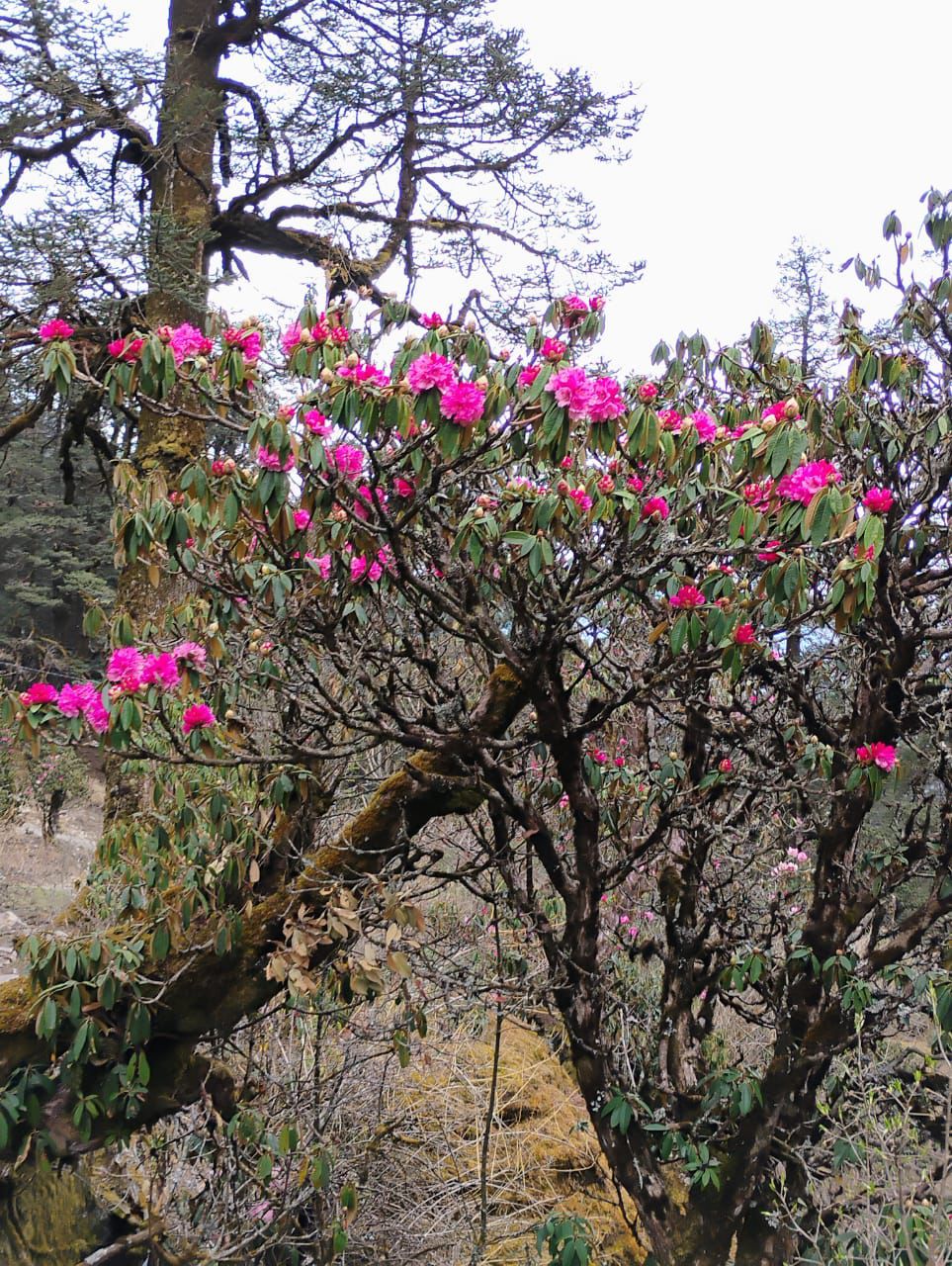
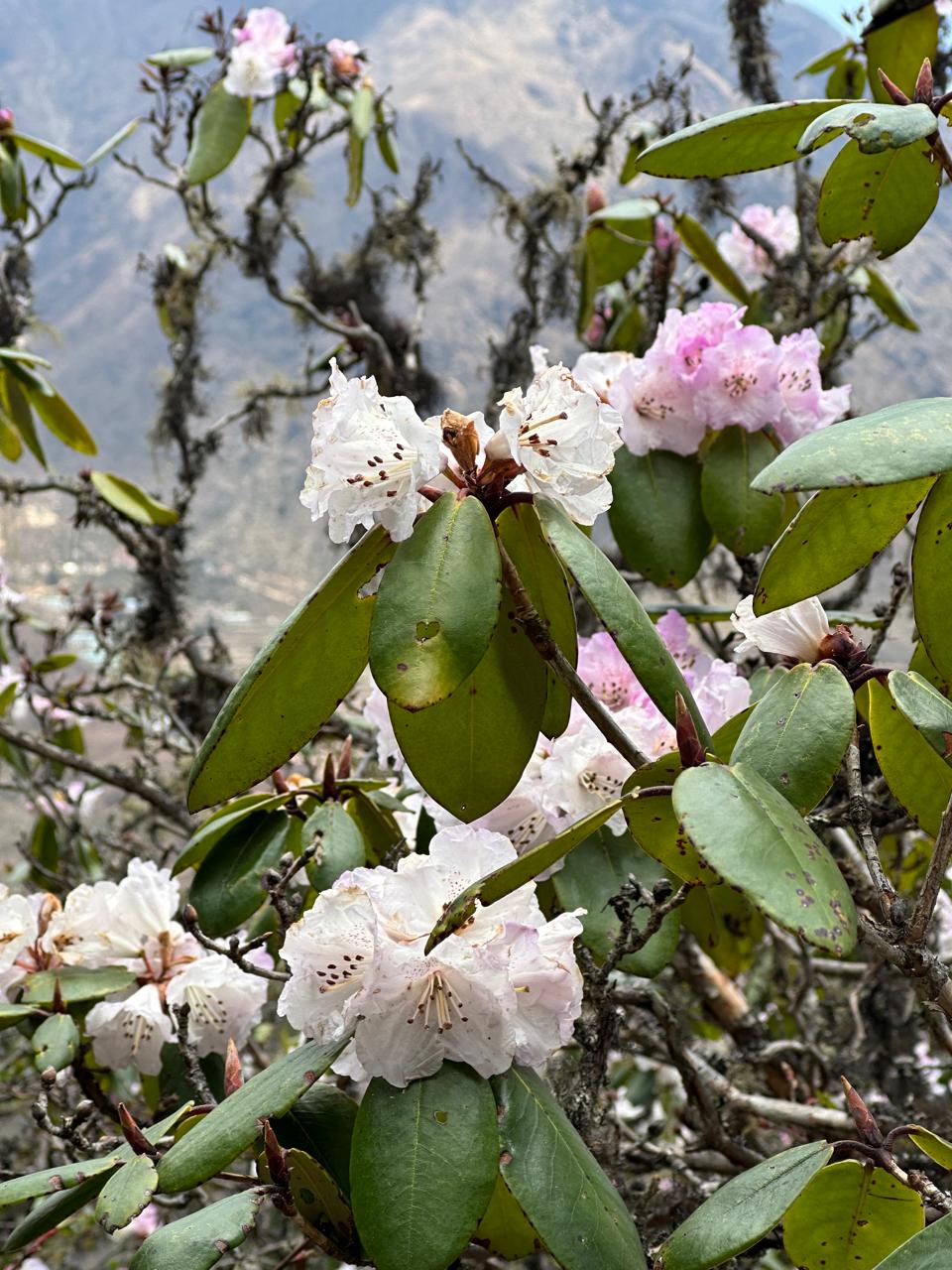
Spring (March–May): Spring is ideal for trekking as the weather is mild, and the rhododendron forests are in full bloom, painting the trails with vibrant reds, pinks, and oranges. Temperatures are warmer in lower valleys, making trekking comfortable without extreme cold. Visibility is generally excellent, providing clear views of the Himalayan peaks throughout the trek. Spring also offers a lively cultural experience, as many local festivals and rituals occur during this season.
Autumn (September–November): Autumn is another excellent season for trekking in the Arun Valley. After the monsoon, the air is crisp and clear, offering stunning panoramic views of the high Himalayas. Trails are generally dry and safe, reducing the risks of landslides or slippery paths. The temperature is cooler compared to spring, especially at higher altitudes, but still manageable with proper clothing. Autumn is a favorite among photographers because of the clear skies and vibrant landscapes.
Winter (December–February): While trekking in winter is possible, it is less common due to cold temperatures, especially at higher elevations like Salpa Pass. Snow may block certain trails, making trekking more challenging. Lower valleys remain accessible, but overnight stays require warm accommodations and extra preparation.
Monsoon (June–August): The monsoon season is generally not recommended due to heavy rainfall, slippery trails, and higher risk of landslides. River crossings can become dangerous, and visibility may be limited by clouds and fog. Only highly experienced trekkers with proper gear should consider this season.
Best Season:
- Spring (Mar–May) – Rhododendron blooms, mild temperatures, cultural festivals.
- Autumn (Sep–Nov) – Clear skies, panoramic mountain views, dry trails.
- Winter (Dec–Feb) – Cold but possible for experienced trekkers.
- Monsoon (Jun–Aug) – High rainfall, risky, generally avoided.
Food Availability
During the Arun Valley Trek, trekkers will experience a wide variety of meals that reflect both Nepalese culture and the trekking environment. In most tea houses and lodges, breakfast typically consists of porridge, eggs, toast, and tea or coffee. These meals provide sufficient energy for morning treks and are easy to digest. Lunch is often packed or served at stops along the trail and usually includes rice, lentils, vegetables, and sometimes meat or local snacks. Dinner in lodges is generally hearty and filling, including dal bhat (rice and lentil curry), noodles, or local vegetable dishes.
Vegetarian and vegan options are widely available, though it is advisable to confirm with lodge owners in advance. For trekkers with dietary restrictions, carrying supplemental snacks like energy bars, nuts, or instant noodles is recommended. Along the trail, local fruits such as apples, bananas, and oranges can be purchased at village markets, adding variety and freshness to the diet.
Hydration is critical at higher altitudes. Clean drinking water is available in most lodges, but many trekkers prefer to use water purification tablets or filters to avoid waterborne illnesses. Hot beverages like tea, coffee, or ginger tea are not only refreshing but also help maintain body warmth in colder areas. Sharing meals with local families during cultural add-ons can also enhance the culinary experience, offering authentic traditional recipes that are rarely found outside the valley.
Food Availability:
- Breakfast – Porridge, eggs, toast, tea/coffee.
- Lunch – Rice, lentils, vegetables, occasional meat.
- Dinner – Dal bhat, noodles, vegetable curry.
- Snacks – Energy bars, nuts, fruits.
- Beverages – Tea, coffee, hot chocolate, local drinks.
- Special Meals – Options for vegetarian/vegan diets.
Accommodation
During the Arun Valley Trek, accommodation is primarily in teahouses and lodges, which offer a comfortable and homely environment for trekkers. These lodges are simple but provide clean rooms, warm bedding, and basic amenities, making them ideal for resting after a long day of trekking. Most lodges have attached or shared bathrooms, and hot showers are available in larger villages, though sometimes at an extra cost. In remote areas, camping may be arranged, providing a more adventurous and close-to-nature experience.
Lodges are strategically located along the trekking route, ensuring that trekkers have reliable places to stay each night. Many of them serve as community hubs, where trekkers can interact with local people, enjoy cultural performances, and learn about the daily life of Rai and Sherpa communities. Staying in local lodges supports the local economy and helps sustain traditional livelihoods. Rooms usually accommodate 2–4 people, and some lodges offer private rooms for families or small groups.
For trekkers who prefer more comfort, a few lodges along the Arun Valley route provide upgraded facilities such as Wi-Fi, battery charging, and lounge areas. While these are not as luxurious as hotels in Kathmandu or Pokhara, they offer a welcome break from the rustic trekking environment. Booking in advance is advisable during peak trekking seasons, especially spring and autumn, to ensure availability.
Accommodation:
- Teahouses/Lodges – Simple, clean rooms with bedding.
- Shared Bathrooms – Basic sanitation, hot water available in some areas.
- Camping – Remote areas with tents provided.
- Private Rooms – Available in larger villages.
- Cultural Experience – Stay with local families for authentic interaction.
- Upgraded Facilities – Wi-Fi, charging, lounge areas in select lodges.
Travel Insurance
Travel insurance is essential for the Arun Valley Trek, covering emergencies such as illness, accidents, or evacuation. Medical facilities in remote areas are limited, so having comprehensive insurance ensures that trekkers are prepared for unexpected situations. It is highly recommended that the policy includes high-altitude trekking coverage, helicopter evacuation, and emergency medical treatment. Many insurance providers also cover trip cancellations or delays caused by natural events or political unrest.
Trekkers should carefully review the policy to ensure all activities planned are included. For example, crossing Salpa Pass and high-altitude trekking above 3,000 meters must be explicitly covered. Insurance can also cover lost or damaged gear, providing financial security and peace of mind during the trek. Keep a copy of your insurance details in both digital and hard copy formats for easy access in emergencies.
Having insurance also helps in building confidence during the trek, allowing trekkers to focus on the experience rather than worrying about potential risks. Guides and trekking agencies often check insurance coverage before the journey begins, ensuring that all trekkers are adequately prepared. In addition, local travel insurance providers can assist with claims and medical referrals if required.
Travel Insurance:
- High-Altitude Coverage – Essential for passes above 3,000m.
- Medical Emergencies – Hospitalization and treatment costs included.
- Helicopter Evacuation – Critical for remote areas.
- Trip Cancellation/Delay – Covers unforeseen events.
- Lost/Damaged Gear – Provides compensation for personal equipment.
- Documentation – Carry digital and hard copies for reference.
Altitude Sickness
The Arun Valley Trek reaches elevations above 3,000 meters, so altitude sickness is a potential concern. Acute Mountain Sickness (AMS) can occur if the body does not acclimatize properly. Symptoms include headaches, nausea, dizziness, and fatigue. To reduce the risk, trekkers should follow a gradual ascent plan, drink plenty of water, and avoid overexertion during the first few days at higher altitudes.
Acclimatization days are included in the itinerary to allow the body to adapt to decreasing oxygen levels. Short hikes during these days help improve circulation and oxygenation without overstraining. Trekkers should also be aware of their physical limits and report any severe symptoms immediately to guides. Mild AMS can often be managed by resting, hydrating, and taking medication such as acetazolamide (Diamox), but professional guidance is necessary.
Environmental factors, such as weather and exertion levels, can also influence susceptibility to altitude sickness. Cold, windy, or rainy conditions may exacerbate symptoms, making layered clothing and proper nutrition essential. Guides are trained to recognize early warning signs and can adjust the itinerary or arrange evacuation if required, ensuring safety remains the top priority.
Altitude Sickness:
- Symptoms – Headache, nausea, dizziness, fatigue.
- Prevention – Gradual ascent, hydration, rest.
- Acclimatization – Short hikes and rest days to adjust.
- Medication – Diamox under medical supervision.
- Environmental Awareness – Weather and exertion affect symptoms.
- Guided Monitoring – Guides can adjust itinerary or evacuate if necessary.
Guide and Safety Measures
Trekkers in Arun Valley are accompanied by experienced local guides who are well-versed in navigation, altitude safety, and local culture. Guides play a crucial role in ensuring that the trek is conducted safely and efficiently. They assist with route planning, monitor health, and provide valuable insights into the landscape, flora, fauna, and local customs. Their presence significantly enhances the overall trekking experience, offering reassurance and expert advice.
Safety measures are rigorously followed during the trek. This includes proper acclimatization schedules, early starts on challenging days, and contingency plans for emergencies. All trekking groups carry first aid kits, communication devices, and emergency supplies. Guides are trained in basic first aid and altitude sickness management, which is vital for remote sections of the Arun Valley. Regular check-ins and group briefings ensure everyone is informed about potential hazards, trail conditions, and weather forecasts.
Trekkers are encouraged to follow the guidance of their guides, including pacing, hydration, and rest. Local porters and support staff also contribute to safety by managing luggage, assisting with river crossings, and monitoring trail conditions. The combination of professional guides, organized logistics, and adherence to safety protocols ensures that trekkers can enjoy the journey with minimal risk.
Guide and Safety Measures:
- Experienced Guides – Navigation, safety, cultural insights.
- Acclimatization Planning – Monitored to reduce AMS risks.
- Emergency Supplies – First aid kits, communication devices.
- Weather Monitoring – Adjust plans based on forecasts.
- Porter Support – Assists with heavy luggage and trail safety.
- Health Check-ins – Regular monitoring of all group members.
Booking Procedure
Booking the Arun Valley Trek is straightforward but requires careful planning to ensure a smooth experience. Trekkers typically begin by selecting a reputable trekking agency that offers comprehensive packages, including guides, accommodation, meals, permits, and emergency support. Booking well in advance, especially during peak trekking seasons in spring and autumn, guarantees availability of flights, lodges, and guides, avoiding last-minute complications.
Once a trekking agency is chosen, the process generally involves providing personal details, passport copies, and travel dates. Agencies will also request medical information to ensure that trekkers are fit for high-altitude trekking. Some agencies may require a partial or full deposit to confirm the booking, with the balance payable before the trek begins. Communication via email, phone, or in-person meetings allows trekkers to clarify itinerary details, special requirements, and equipment needs.
Before departure, trekkers receive a detailed itinerary, emergency contacts, and guidelines about what to bring, how to prepare physically, and what to expect during the trek. Agencies often conduct a pre-trek briefing in Kathmandu, covering acclimatization tips, safety procedures, and cultural etiquette. Following the booking procedure ensures that all logistics are managed professionally, leaving trekkers free to enjoy the journey.
Booking Procedure:
- Select Agency – Choose a reputable trekking company.
- Provide Personal & Medical Details – Passport, health info.
- Confirm Dates & Deposit – Secure flights, accommodation, and guides.
- Receive Itinerary – Detailed plan and emergency contacts.
- Pre-Trek Briefing – Safety, cultural tips, preparation guidance.
- Special Requirements – Dietary, equipment, or medical needs.
Equipment List
- Trekking boots – sturdy, waterproof, well-broken-in.
- Trekking socks – moisture-wicking and warm.
- Lightweight pants and shirts – suitable for layering.
- Insulating layers – fleece or down jackets for cold mornings/evenings.
- Rain jacket and pants – waterproof for sudden showers.
- Trekking poles – reduce strain on knees during steep ascents/descents.
- Daypack – for essentials like water, snacks, and extra clothing.
- Sleeping bag – suitable for temperatures below freezing in higher regions.
- Headlamp with extra batteries – essential for early starts or dark evenings.
- Warm hat and gloves – for high-altitude mornings.
- Sunglasses – UV protection for snow and bright sun.
- Buff or scarf – versatile protection against wind and dust.
- Thermal innerwear – helps maintain core warmth.
- Personal toiletries – biodegradable soap, toothbrush, towel.
- First aid kit – basic medications, bandages, blister pads.
- Sunscreen and lip balm – high SPF for strong mountain sun.
- Water purification tablets or filter – for safe drinking water.
- Camera or smartphone – for capturing scenic landscapes.
- Power bank or solar charger – electricity may be limited in remote lodges.
- Adapter/converter – compatible with Nepalese plugs.
General Equipments
- Trekking permits – TIMS and local area permits.
- Passport copy – required for registration at airports and permits.
- Snacks – energy bars or trail mix for long trekking days.
- Notebook and pen – optional for journaling or recording experiences.
FAQ
Trip Price
USD 1200 Per Person
Talk To Trip Expert
Related Trips
