

Australian Camp Trek – 5 Days
Introduction
The Australian Camp Trek by ART Nepal Treks & Expedition is a short, scenic trek that perfectly combines natural beauty, cultural exploration, and stunning mountain panoramas. This trek is ideal for beginners, families, and anyone looking for a peaceful Himalayan adventure without long or physically demanding hikes.
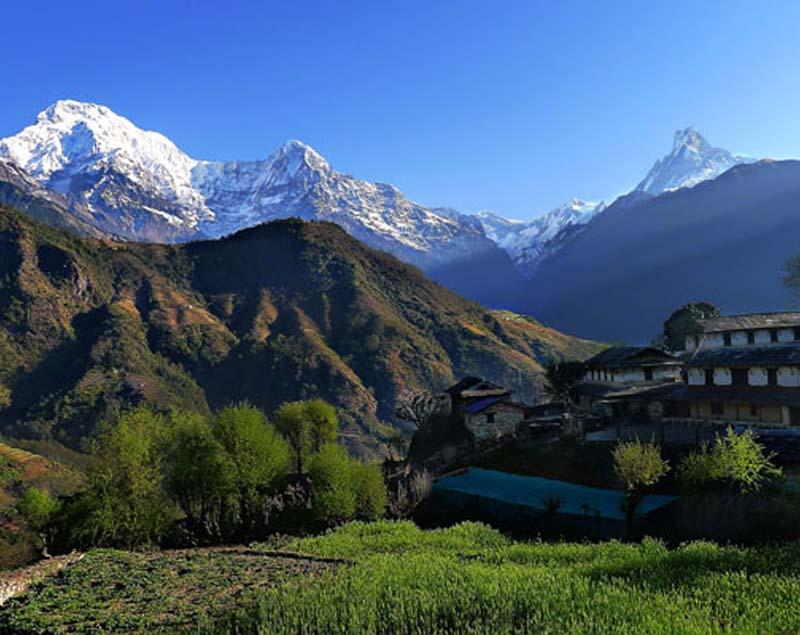
The journey begins with a scenic flight from Kathmandu to Pokhara, followed by a drive to Kande, the starting point of the trek. From here, the trail gently ascends through dense forests of rhododendron, oak, and pine, offering a refreshing escape into nature. Along the route, trekkers pass through terraced farmland and charming villages, giving a glimpse into traditional rural life in Nepal.
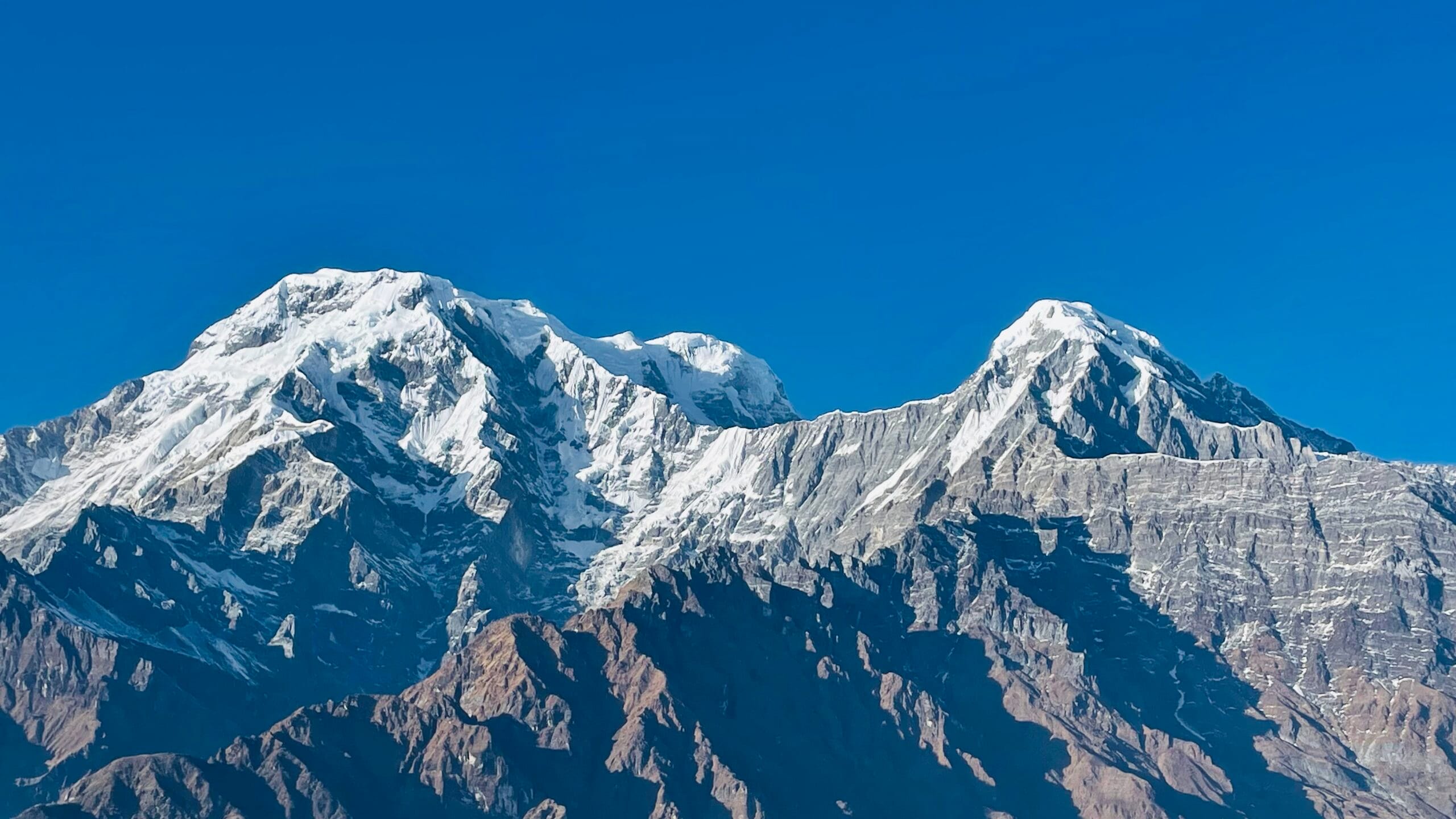
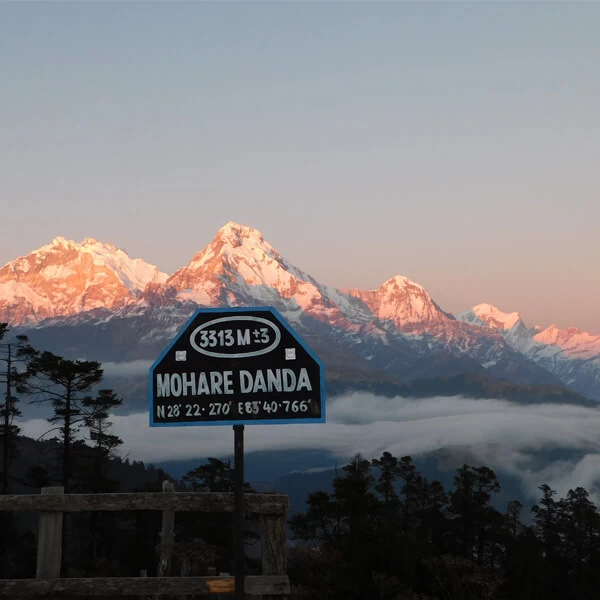
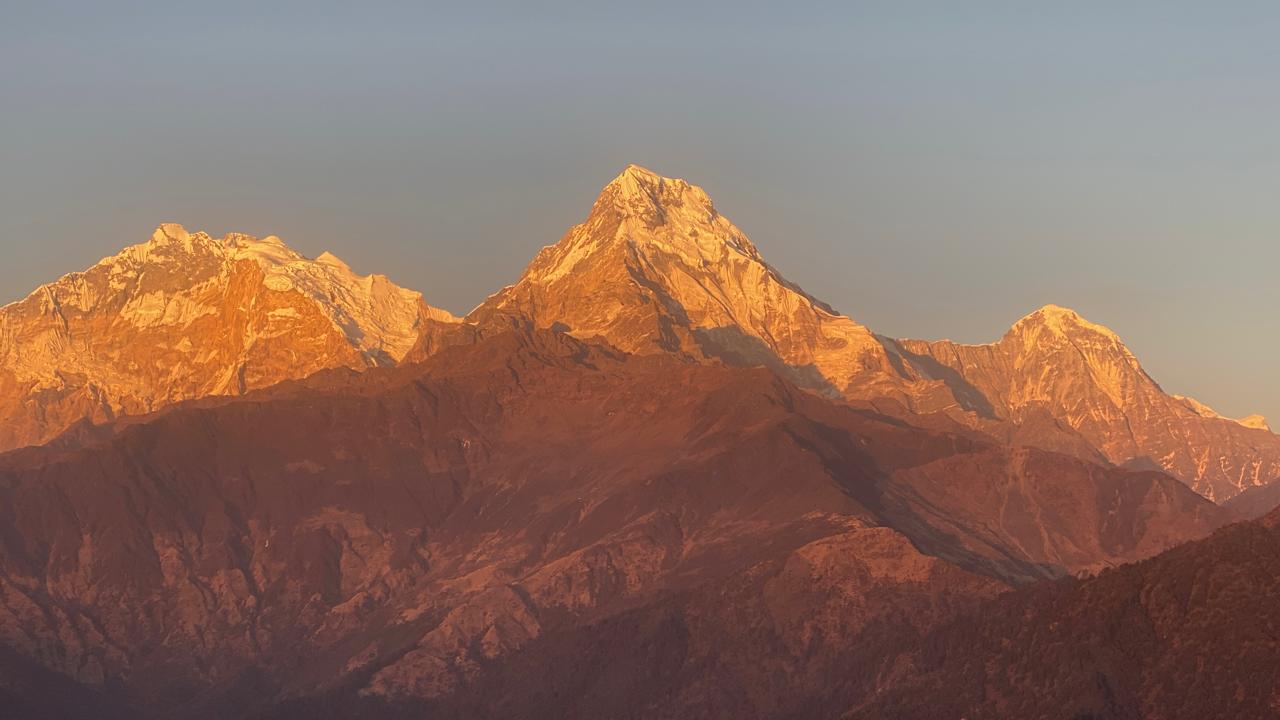
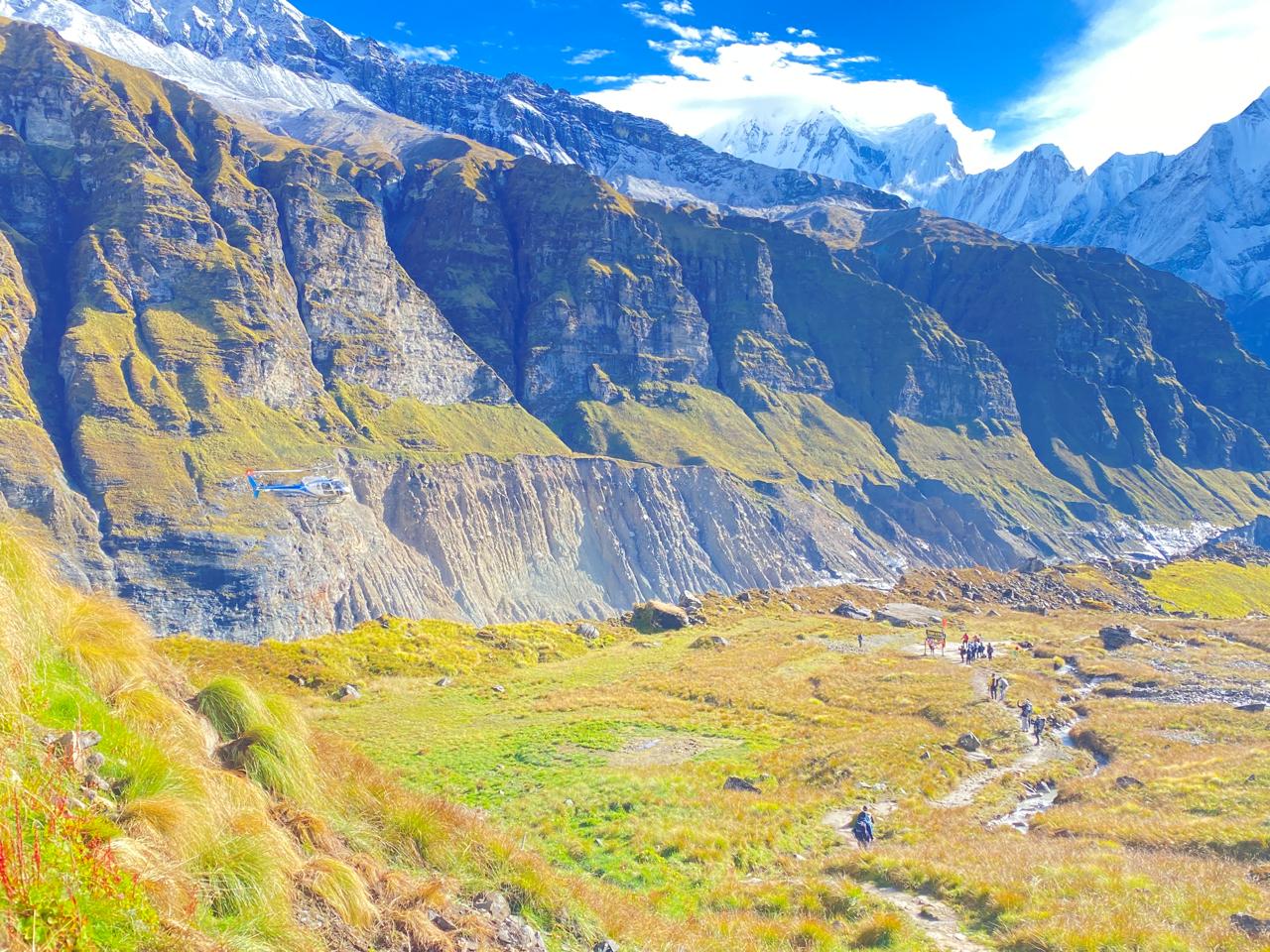
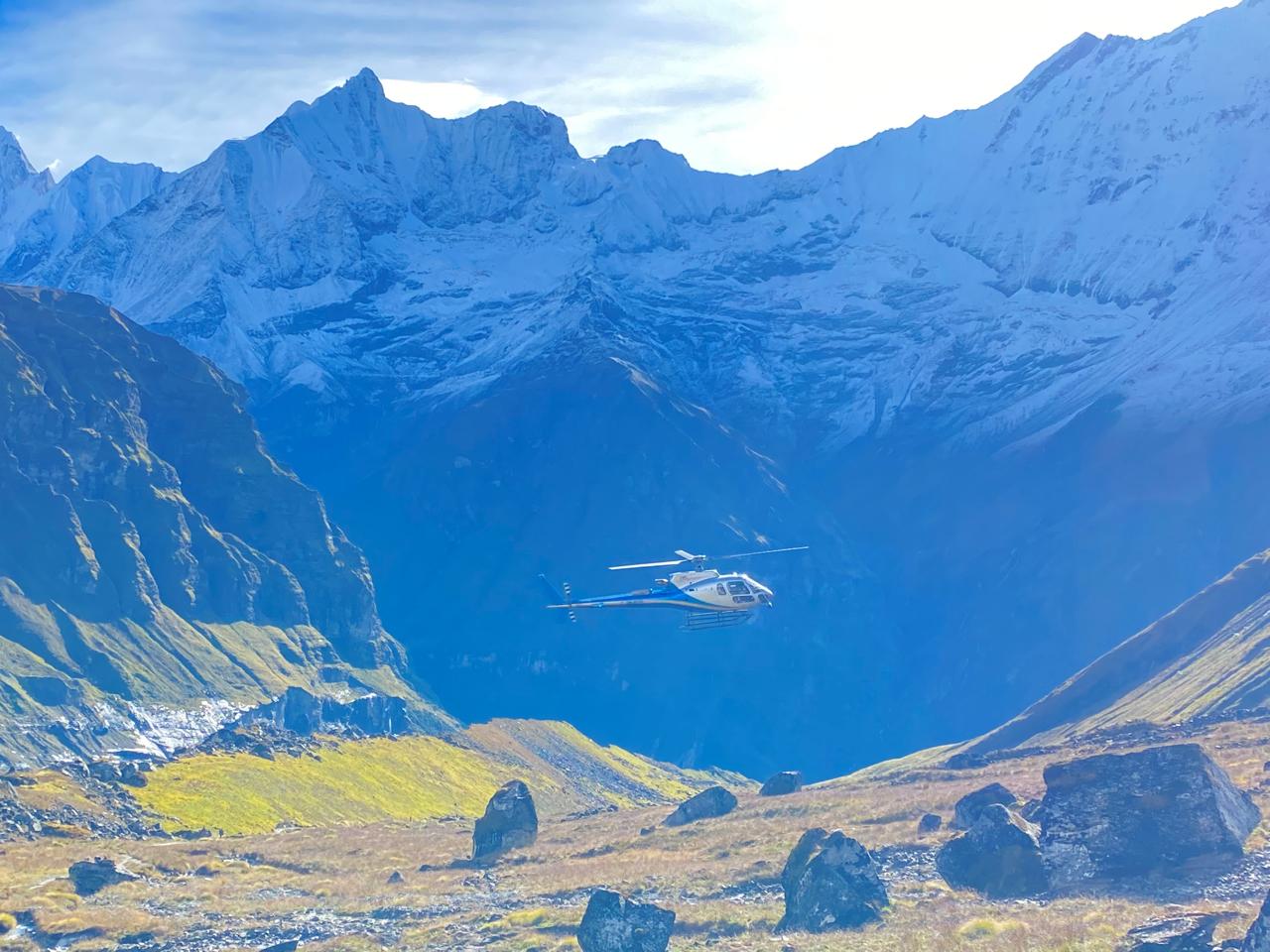
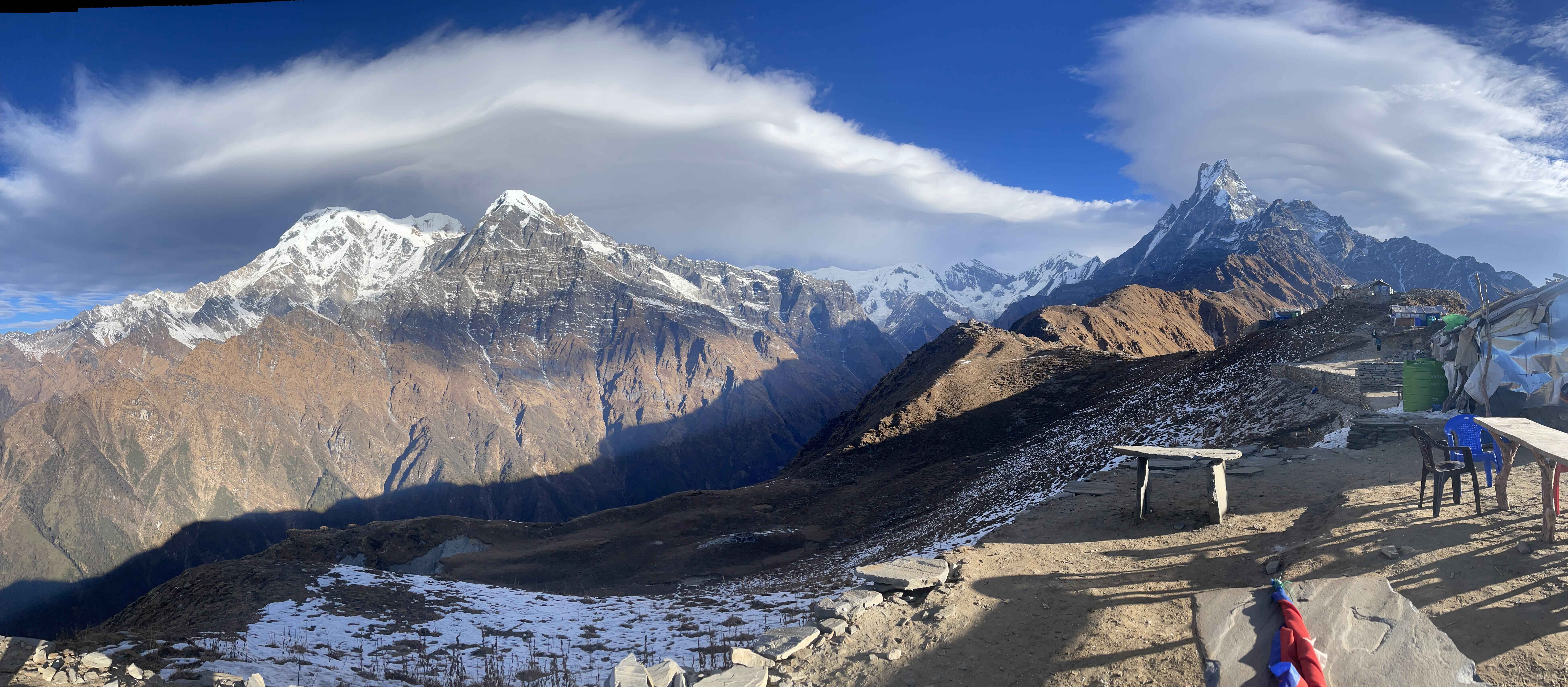
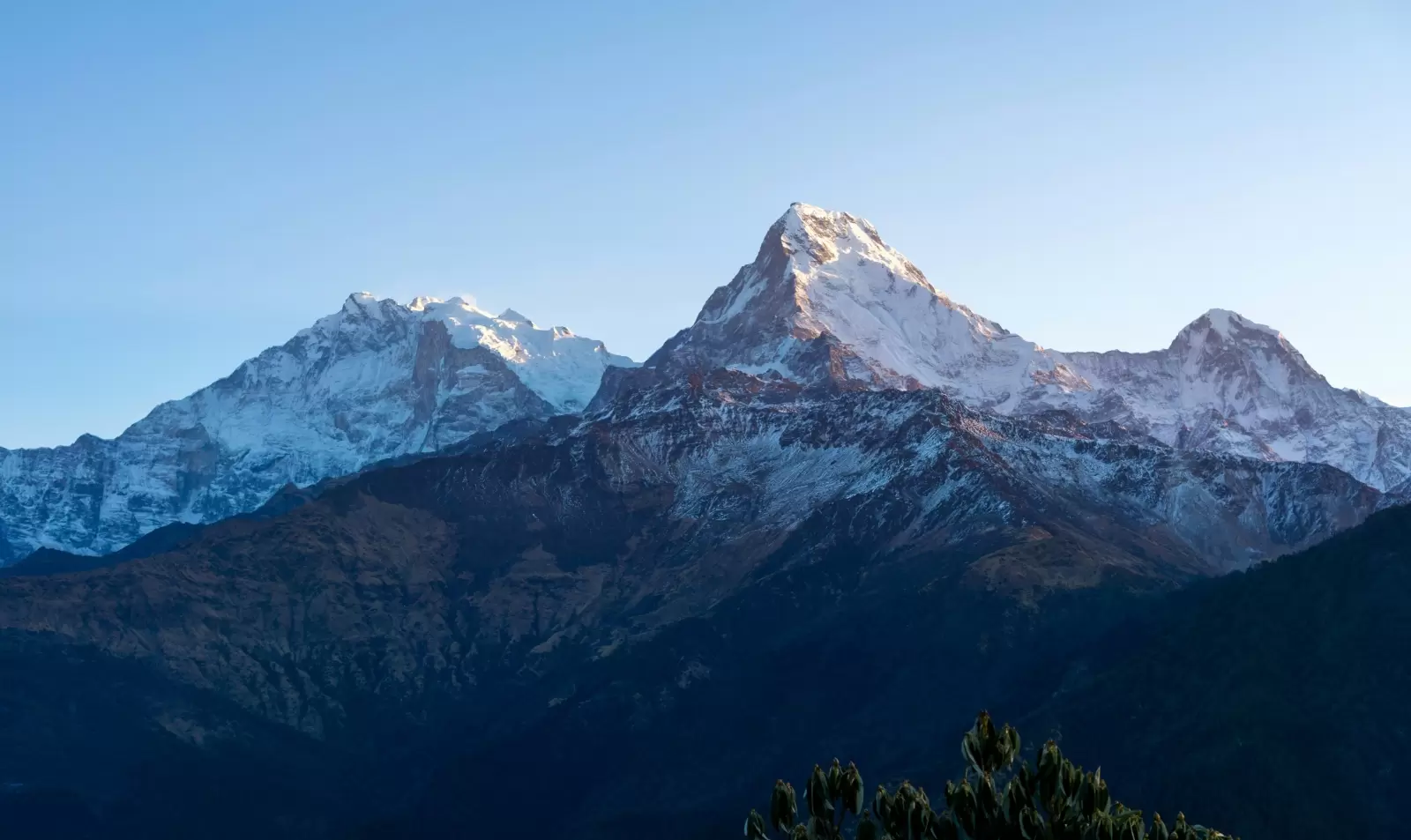
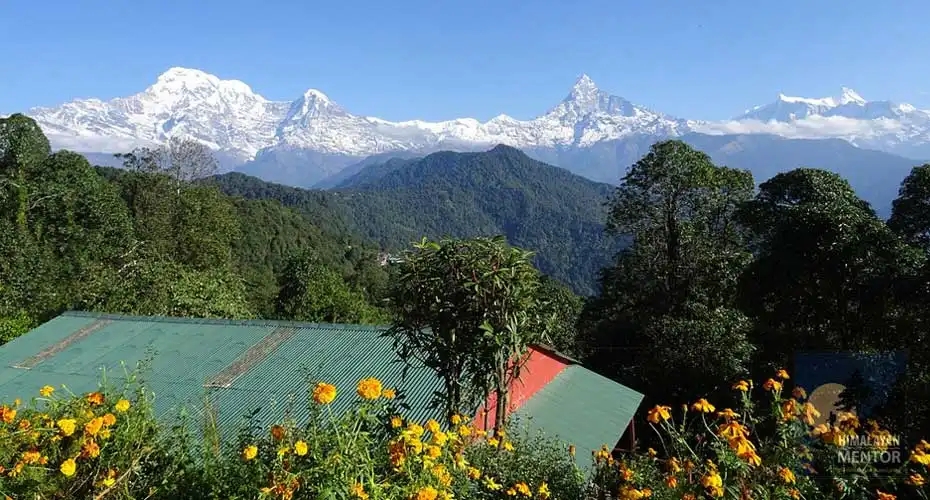
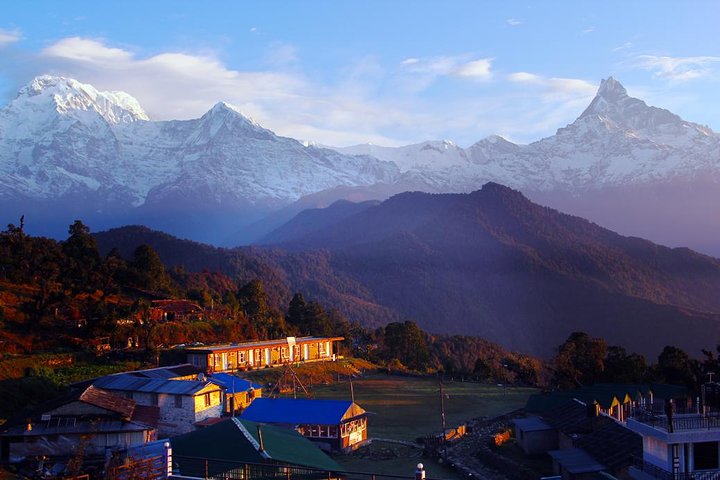
The highlight is Australian Camp, a vantage point providing breathtaking panoramic views of Annapurna South, Dhaulagiri, Hiunchuli, and Machhapuchhre (Fishtail). You can enjoy sunrise and sunset views that paint the mountains in gold and pink hues. The trek also includes a visit to Dhampus, a Gurung village where you can immerse yourself in local culture, experience hospitality, and learn about traditional lifestyles.
Descending from Dhampus leads you back to Pokhara, a picturesque city known for its serene Phewa Lake, vibrant markets, and the famous Peace Pagoda. This trek offers the perfect balance of nature, culture, and relaxation, making it an ideal short Himalayan adventure.
What Can You Expect from the Trek?
The Australian Camp Trek offers a rich combination of natural scenery, cultural encounters, and authentic Himalayan experiences:
Scenic Beauty:
- Panoramic views of Annapurna, Dhaulagiri, Hiunchuli, and Machhapuchhre
- Dense rhododendron and pine forests along the trails
- Terraced farmlands and scenic mountain vistas
Cultural Experience:
- Interaction with Gurung and Magar communities
- Learn about traditional practices, festivals, and daily village life
- Visit local schools and community centers
Sunrise & Sunset:
- Watch the first rays of sunlight illuminate snow-capped peaks from Australian Camp
- Experience the stunning mountain glow at sunset
Teahouse Experience:
- Stay in local teahouses offering basic comfort
- Enjoy traditional Nepalese meals and warm hospitality
Summary in List:
- Mountain panoramas
- Forest and farmland trekking
- Cultural immersion
- Sunrise and sunset views
- Authentic teahouse stays
Is the Trek Suitable for You?
If you are looking for a short, enjoyable trek that combines breathtaking scenery with cultural experiences, the Australian Camp Trek is ideal.
Scenic & Accessible:
- Moderate difficulty suitable for beginners and casual hikers
- Ideal for travelers with limited time
- Offers spectacular mountain views without high-altitude challenges
Short Yet Rewarding:
- 5-day itinerary perfect for a quick Himalayan getaway
- Provides a balance of adventure, comfort, and relaxation
Cultural Immersion:
- Trek through villages, interact with locals, and experience Nepalese culture firsthand
Summary in List:
- Easy to moderate difficulty
- Ideal for beginners and families
- Short, manageable trek with scenic rewards
- Cultural and natural exploration
How to Get Prepared for the Trek
Preparation ensures your trek is safe, enjoyable, and comfortable.
Physical Fitness:
- Engage in regular walking, jogging, or cycling
- Strengthen leg muscles for uphill and downhill trails
Mental Preparation:
- Maintain a positive attitude and readiness for changes in weather or trail conditions
Hydration & Nutrition:
- Drink plenty of water before and during the trek
- Eat balanced meals to keep energy levels high
Trekking Gear:
- Comfortable trekking boots and socks
- Layered clothing suitable for changing weather
- Backpack with essentials
Travel Documentation:
- Passport, visa, travel insurance
- Trekking permits (TIMS card and national park permits)
Health Check:
- Consult your doctor to ensure fitness for moderate trekking
Summary in List:
- Build physical stamina
- Pack appropriate clothing and gear
- Keep all documents ready
- Stay healthy and hydrated
-
Trip Duration
5Days/4 Nights
-
Group Size
1-20 people
-
Maximum Altitude
2,060 meters
-
Trip Difficulty
Easy to Moderate
-
Activities
Trekking
-
Best Season
Spring (March to May), Autumn (September to November)
-
Trip Start & End
Kathmandu/ Kathmandu
-
Meals
All meals during the trek
-
Accomodation
Teahouses or lodge
Highlights
- Stunning views of Annapurna and Dhaulagiri ranges from Australian Camp
- Trek through lush rhododendron, oak, and pine forests
- Experience traditional Gurung villages
- Short, accessible trek suitable for all
- Explore Pokhara Valley, including Phewa Lake and Peace Pagoda
Itinerary
Day 01
Your adventure begins upon arrival at Tribhuvan International Airport in Kathmandu, where a representative from ART Nepal Treks & Expedition will welcome you and transfer you to your hotel in Thamel. This vibrant neighborhood is the perfect place to get your first glimpse of Nepal, with bustling streets, shops, and local cafes. In the evening, you will attend a trek briefing where guides explain the route, safety measures, and essential information about the trek. This day allows you to rest and prepare for the journey ahead.
Altitude:
1,400 metersMeal:
Not includedAccomodation :
3-Star Hotel in ThamelDay 02
After breakfast, take a scenic morning flight to Pokhara, offering aerial views of the Himalayas and the picturesque Pokhara Valley. From Pokhara, a short drive brings you to Kande, the starting point of your trek. From here, the trail ascends gradually through dense forests of rhododendron, oak, and pine. You will pass small villages and terraced fields, experiencing the charm of rural life in Nepal. The day concludes at Australian Camp, a hilltop viewpoint providing stunning panoramic views of the Annapurna, Dhaulagiri, Hiunchuli, and Machhapuchhre peaks. Enjoy the sunset over the mountains, a highlight of the trek.
Trip Duration:
4–5 hoursTrip Distance:
8 kmAltitude:
2,060 metersMeal:
Breakfast, Lunch, DinnerAccomodation :
Teahouse or LodgeDay 03
Wake up early to enjoy a spectacular sunrise over the snow-capped peaks. Today, the trek descends gently through forested trails and terraced farmlands to reach the traditional Gurung village of Dhampus. This village offers a unique cultural experience, where you can interact with local families, learn about traditional lifestyles, and enjoy breathtaking mountain views from the village vantage points. The trek is relatively easy, allowing plenty of time to explore Dhampus and take photographs.
Trip Duration:
3–4 hoursTrip Distance:
7 kmAltitude:
1,750 metersMeal:
Breakfast, Lunch, DinnerAccomodation :
Teahouse or LodgeDay 04
After breakfast, continue trekking downhill through a forested trail toward Phedi, where a vehicle awaits to take you back to Pokhara. The descent offers scenic views of terraced fields and the valley below. Upon arrival in Pokhara, you have free time to explore the city. Visit Phewa Lake, enjoy a boat ride, or hike up to the Peace Pagoda for sweeping views of the Annapurna range and Pokhara city. This day blends trekking with leisure, allowing for relaxation after two days on the trail.
Trip Duration:
3–4 hoursTrip Distance:
7 kmAltitude:
822 metersMeal:
Breakfast, LunchAccomodation :
3-Star Hotel in PokharaDay 05
On the final day, take a morning flight back to Kathmandu. Depending on your schedule, you can explore local markets, relax at your hotel, or enjoy a farewell meal with the ART Nepal Treks & Expedition team. This marks the end of your trek and a memorable journey through the Annapurna region, leaving you with panoramic mountain views, cultural experiences, and unforgettable memories.
Trip Duration:
7–8 hours including flightTrip Distance:
205 km (flight + drive)Altitude:
1,400mMeal:
BreakfastAccomodation :
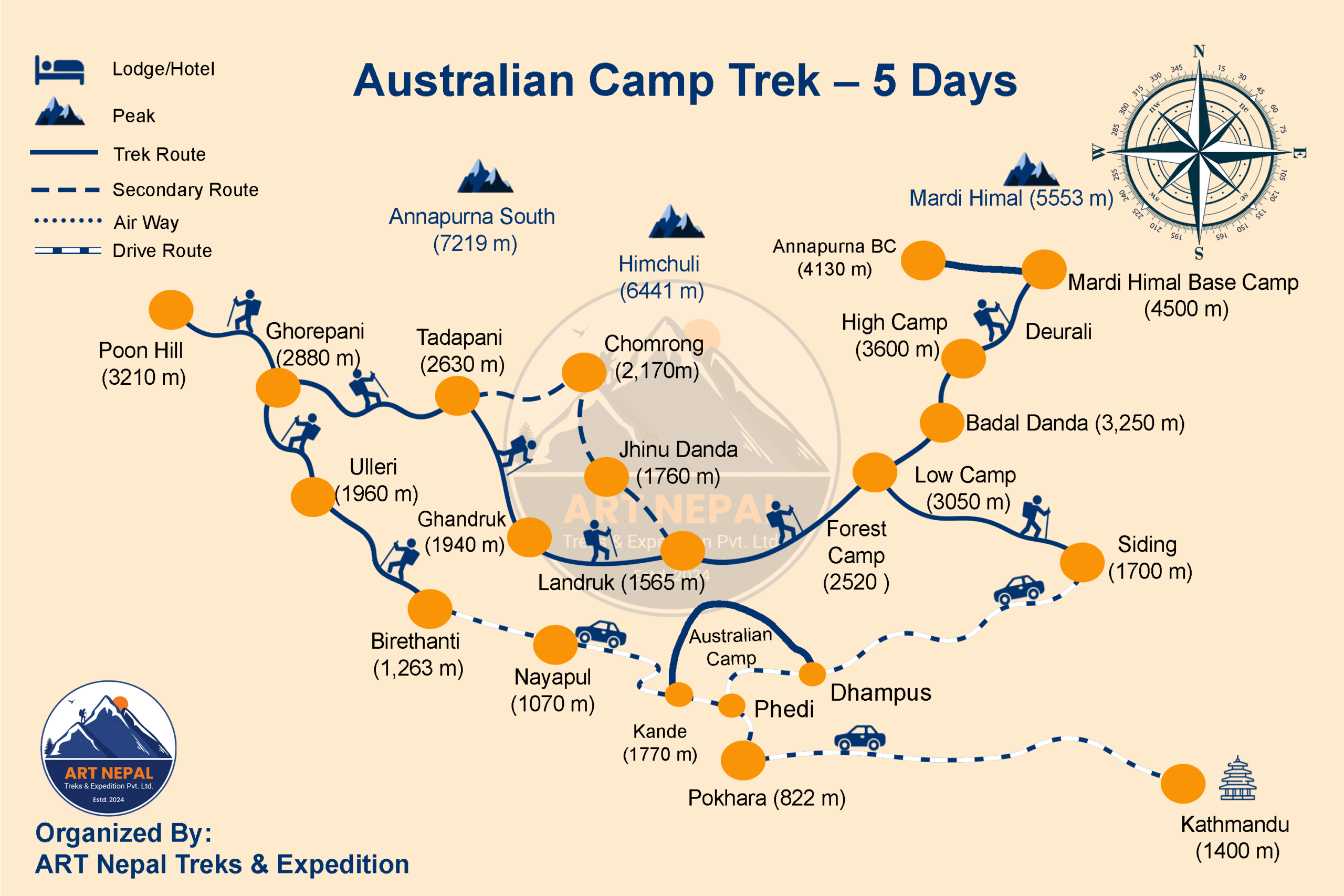
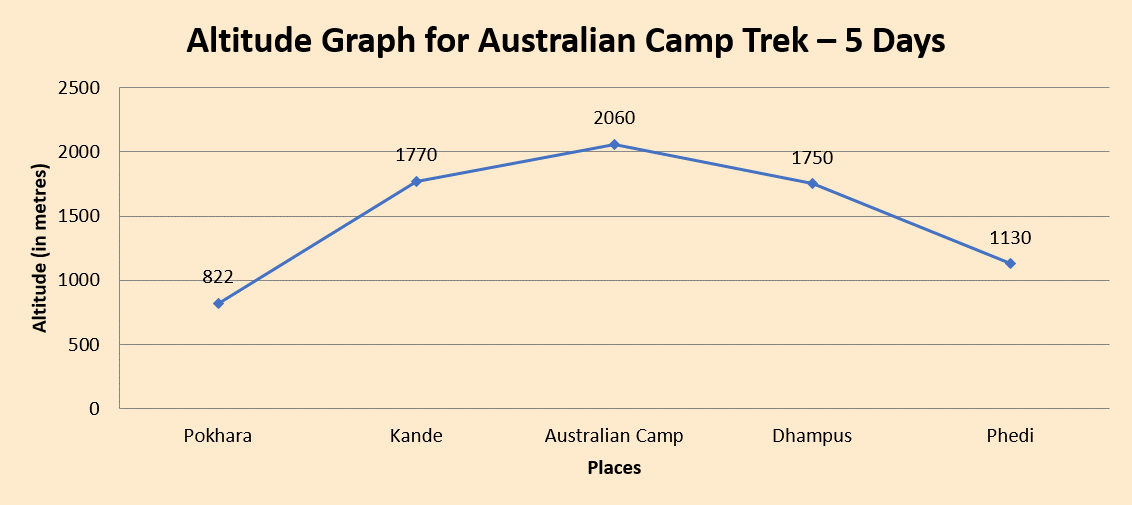
3-Star Hotel in KathmanduRoute Map
What's Included
The package price for the Australian Camp Trek with ART Nepal Treks & Expedition covers almost all essentials to ensure a comfortable and worry-free experience. You don’t need to worry about the basics because everything is arranged in advance.
- Airport pickup & drop – Safe transfers to and from Kathmandu’s airport.
- Accommodation: 3 nights at 3-star hotels in Kathmandu and Pokhara, plus teahouse or lodge stays during the trek.
- Meals: All breakfasts at hotels, and breakfast, lunch, and dinner during the trek. Tea/coffee included.
- Permits & Taxes: All necessary trekking permits and national park fees.
- Domestic Flights: Flights between Kathmandu and Pokhara.
- Guides: Professional trekking guide provided, including their food, accommodation, salary, and insurance.
- First Aid Kit: Basic medical supplies available throughout the trek.
- Public Transportation: Any local transportation included during the itinerary.
What's Excluded
Some personal and optional expenses are not included in the package, giving trekkers flexibility to customize their experience:
- Personal expenses (souvenirs, extra snacks, etc.)
- Trekking gears and equipment (boots, jackets, etc.)
- Tips for trekking staff (encouraged at the end of the trek)
- Beverages & mineral water
- Travel insurance (mandatory to arrange before the trek)
- Porter services (optional, recommended for convenience; each porter can carry up to 25 kg) ($22 per potter per day)
Add-Ons
To enhance your trek experience, you can choose from several optional add-ons:
- Sightseeing in Kathmandu: Visit temples, markets, and historical sites before or after the trek.
- Porter Services: Hire a porter to carry your luggage for a more relaxed trekking experience.
- Flights: Private or extra flights for flexible schedules.
- Helicopter Services: For emergency evacuation or sightseeing flights.
- Private Transportation: Private vehicles for transfers or sightseeing in Pokhara and Kathmandu.
Essential Info
Best Season to Trek
The Australian Camp Trek offers an incredible Himalayan experience year-round, but the best seasons to undertake this trek are Autumn (September to November) and Spring (March to May). These periods are ideal because of the weather, visibility, and natural scenery.
Autumn Season (September – November)
Autumn is considered the most popular trekking season in Nepal. After the monsoon rains of summer, the skies are typically clear, giving trekkers crystal-clear views of the Annapurna and Dhaulagiri ranges. Temperatures are moderate, making trekking comfortable without extreme cold or heat.
During this season, the landscape is vibrant, and the air is fresh. Forests and terraced fields are green and lush after the monsoon, providing a beautiful contrast with the snow-capped peaks. Sunrise and sunset views from Australian Camp are especially breathtaking during autumn, as the clean, clear atmosphere enhances the golden and pink hues over the mountains.
Advantages of trekking in autumn:
- Clear and stable weather with minimal rainfall.
- Excellent visibility for photography and mountain panoramas.
- Comfortable temperatures for trekking and sightseeing.
- Lush green landscapes after the monsoon season.
Spring Season (March – May)
Spring is another ideal season for trekking. The main attraction during this time is the blooming rhododendrons, which color the hillsides with shades of red, pink, and white. The weather is generally mild, and the days are longer, giving trekkers ample daylight to explore and enjoy the trails.
This season also offers fresh greenery across the forested trails, adding vibrancy to your journey. Wildlife is more active, and the rivers and streams are lively from the melting snow. Spring provides an excellent balance of comfortable trekking conditions, scenic beauty, and cultural immersion.
Advantages of trekking in spring:
- Colorful rhododendron forests in full bloom.
- Pleasant daytime temperatures, cooler nights.
- Longer daylight hours for trekking and sightseeing.
- Clear visibility for panoramic mountain views.
- Ideal for beginners and families due to mild weather.
Other Seasons:
- Summer (June – August): Monsoon season with heavy rainfall, slippery trails, and limited visibility. Not recommended.
- Winter (December – February): Cold temperatures and occasional snow can make trekking challenging, though the skies are clear. Suitable for those who enjoy cold-weather trekking.
Food Availability
Food along the Australian Camp Trek is both delicious and sufficient to keep trekkers energized throughout their journey. Meals are mostly prepared in local teahouses and lodges, providing a mix of traditional Nepali dishes and familiar international options.
Breakfast
Breakfast is usually served at teahouses and hotels and offers a variety of options:
- Eggs (boiled, fried, or omelet)
- Toast or bread with jam or butter
- Porridge or oatmeal
- Pancakes or local flatbreads
- Tea, coffee, and hot chocolate
Breakfast is designed to provide energy for the day ahead, especially before the morning ascent to Australian Camp.
Lunch
Lunch is often enjoyed mid-trek and includes hearty meals to refuel your body:
- Dal-bhat: A traditional Nepalese dish of rice and lentils served with vegetables or meat curry
- Noodles or pasta dishes
- Momos (Nepalese dumplings, steamed or fried)
- Seasonal vegetables and soups
Lunch can be eaten at teahouses along the trail or packed for those who prefer a picnic-style meal.
Dinner
Dinner is typically served at the teahouse where you stay for the night. It usually includes:
- Dal-bhat (rice and lentils) with vegetables or meat curry
- Soups and stews
- Noodles, fried rice, or local flatbreads
- Dessert options like seasonal fruit or simple sweets
Tea, coffee, and hot chocolate are available to warm you after a day of trekking.
Additional Notes:
- Vegetarian and non-vegetarian options are available in most teahouses.
- Snacks like energy bars, biscuits, chocolates, and fruits can be purchased along the trek.
- Drinking water should be boiled, filtered, or treated with purification tablets for safety.
Accommodation
Accommodation during the Australian Camp Trek is carefully arranged to provide comfort while giving trekkers an authentic Himalayan experience.
Teahouses & Lodges (On Trek)
- Comfort Level: Simple but cozy, with basic furniture including a bed, mattress, pillow, and blanket.
- Bathrooms: Most teahouses have shared bathroom facilities. Some may have hot showers available for a small additional fee.
- Dining: Teahouses provide meals and a place to rest after a day of trekking. Many are family-run, offering warm hospitality.
- Atmosphere: Staying in teahouses allows you to experience local mountain life, interact with other trekkers, and enjoy the Himalayan environment.
Hotels (Kathmandu & Pokhara)
- Kathmandu & Pokhara: 3-star hotels with modern amenities such as Wi-Fi, hot water, comfortable beds, and clean rooms.
- Purpose: These hotels provide a comfortable start and end to your trek, ensuring relaxation before and after the Himalayan adventure.
Summary: Accommodation on this trek balances comfort and authenticity, offering a true Nepali trekking experience.
Travel Insurance
Travel insurance is mandatory for all trekkers in Nepal and is an essential safety measure for the Australian Camp Trek. A proper policy ensures that you are covered for medical emergencies, evacuation, and unforeseen situations.
Essential Coverage
- High-altitude trekking: Insurance should cover trekking up to at least 2,060 meters.
- Emergency evacuation: Coverage for helicopter rescue or medical evacuation in remote areas.
- Trip cancellation or interruption: Protects you in case of emergencies, flight cancellations, or unforeseen events.
- Medical expenses: Covers illness, injury, or accidents during the trek.
Having travel insurance provides peace of mind and ensures that unexpected situations do not ruin your trekking experience.
Altitude Sickness
Although the Australian Camp Trek reaches a relatively moderate altitude (maximum 2,060 meters), trekkers should still be aware of altitude sickness, which can occur when your body takes time to adjust to elevation.
Symptoms to Watch For
- Headache
- Nausea or vomiting
- Dizziness or lightheadedness
- Shortness of breath or fatigue
Prevention & Management
- Gradual Ascent: Ascend slowly to allow your body to acclimatize.
- Stay Hydrated: Drink plenty of water throughout the trek.
- Avoid Alcohol: Alcohol can increase dehydration and affect acclimatization.
- Medication: Diamox or other prescribed medications may help prevent symptoms (consult your doctor before use).
- Rest: Include short rest breaks and acclimatization days if needed.
- Immediate Action: If symptoms worsen, descend to a lower altitude and seek medical help immediately.
The moderate elevation of this trek makes severe altitude sickness unlikely, but being cautious ensures a safe journey.
Guide and Safety Measures
The Australian Camp Trek is guided by experienced trekking professionals from ART Nepal Treks & Expedition to ensure your journey is safe, smooth, and memorable.
Role of the Guide
- Lead the trek and navigate trails safely
- Provide insights into local culture, flora, and fauna
- Assist with language and communication with local communities
- Monitor your health and acclimatization to prevent altitude-related issues
Safety Measures
- Regular altitude checks and guidance for acclimatization
- Access to first aid kits and basic medical care
- Emergency communication devices for remote areas
- Detailed pre-trek briefing covering route, weather, and safety protocols
- Constant monitoring of weather conditions to adjust the itinerary if necessary
The presence of a professional guide ensures both safety and a richer trekking experience by sharing local knowledge and stories along the way.
Booking Procedure
Booking your Australian Camp Trek with ART Nepal Treks & Expedition is simple and straightforward:
Step 1: Reservation Deposit
- Pay a deposit of 10% of the total cost to reserve your trekking package.
Step 2: Submission of Essential Documents
Within a week of reservation, email the following documents:
- Copy of your passport
- Passport-size photos
- Travel insurance details
- Flight arrival and departure information
Step 3: Payment Methods
Advance Payment Options:
- Bank transfer
- Western Union
- Online payment via the company website
Payment Upon Arrival:
- Cash in Nepali Rupees
- Bank transfer at local branches
- Credit card payment
Step 4: Confirmation
- You will receive a detailed itinerary, permit details, and contact information for your guide.
- Any queries or special requests can be communicated at this stage.
Booking with ART Nepal Treks & Expedition ensures professional service, safety, and personalized support throughout your trek.
Equipment List
- Moisture-wicking base layers (shirts, t-shirts)
- Trekking pants or lightweight trousers
- Insulating layers (fleece jacket or light down jacket)
- Warm hat, gloves, and scarf
- Trekking socks (several pairs)
- Sunglasses with UV protection
- Comfortable trekking boots with good grip
- Trekking poles (highly recommended for uneven trails)
- Backpack with rain cover
- Water bottles or hydration bladder
- Sleeping bag (for cold nights in teahouses)
- Headlamp with extra batteries
- Waterproof jacket and pants
- Thermal innerwear (especially for early mornings and evenings)
- Extra warm layers for higher altitudes or cooler nights
- Personal toiletries (toothbrush, toothpaste, soap, towel)
- Hand sanitizer and wet wipes
- First aid kit with bandages, antiseptic cream, blister pads
- Sunscreen and lip balm with SPF
- Camera or smartphone for photos
- Chargers and power bank
- Adapters if required
General Equipments
- Passport, visa, trekking permits (TIMS card & National Park permit)
- Travel insurance documents
- Snacks and energy bars for mid-trek boosts
- Notebook or journal (optional)
FAQ
Trip Price
USD 600 Per Person
Talk To Trip Expert
Related Trips