

Mardi Himal Trek – 6 Days
Introduction
The Mardi Himal Trek – 6 Days is one of the most scenic short treks in Nepal, offering a perfect combination of natural beauty, mountain adventure, and cultural exposure within a limited timeframe. Beginning from Kathmandu and heading toward the picturesque city of Pokhara, this trek is designed for travelers who want to experience the Himalayas without committing to a long and physically demanding expedition. Despite its shorter duration, the trek delivers a complete Himalayan experience, making it an excellent option for both beginners and experienced trekkers.
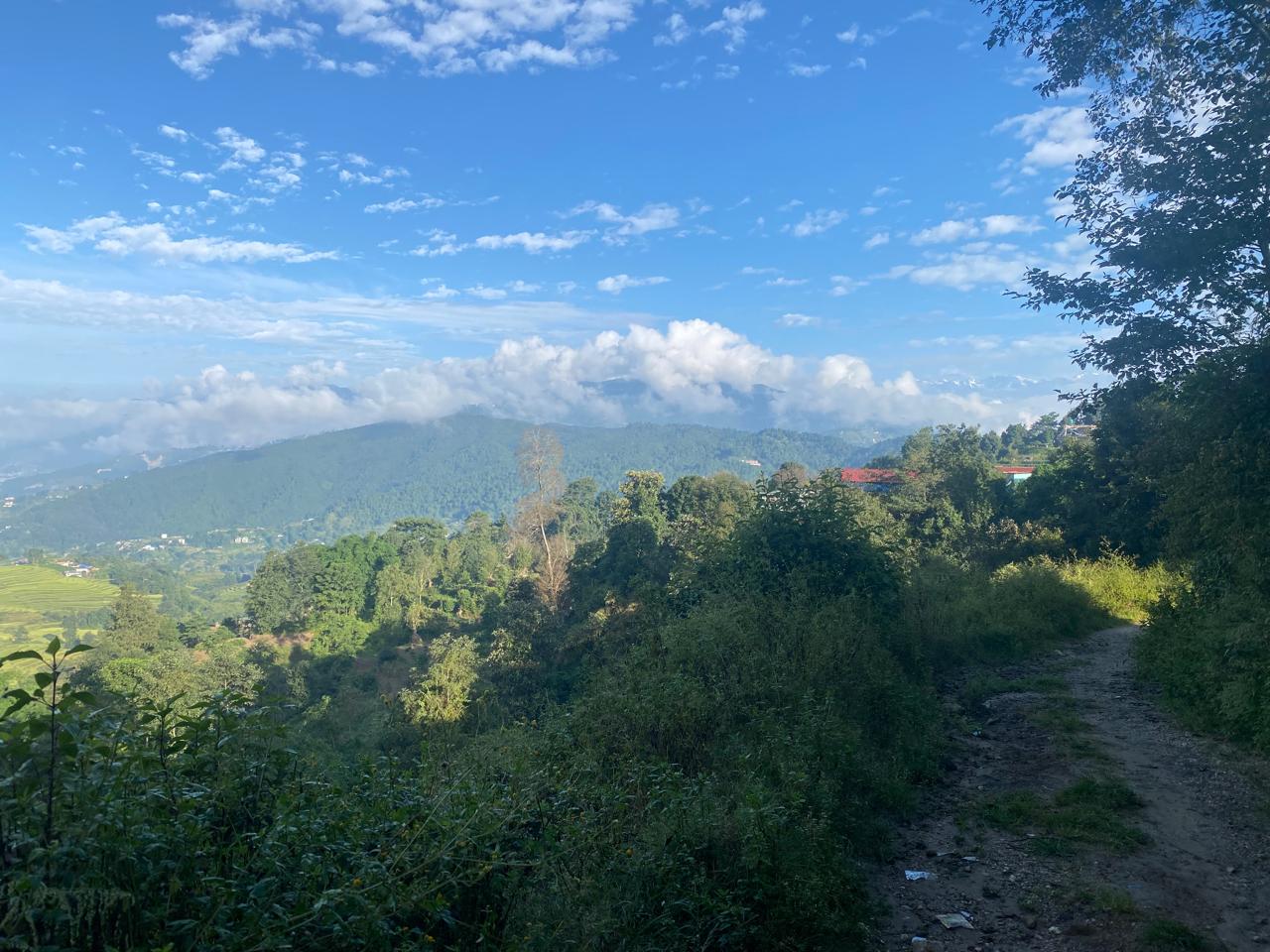
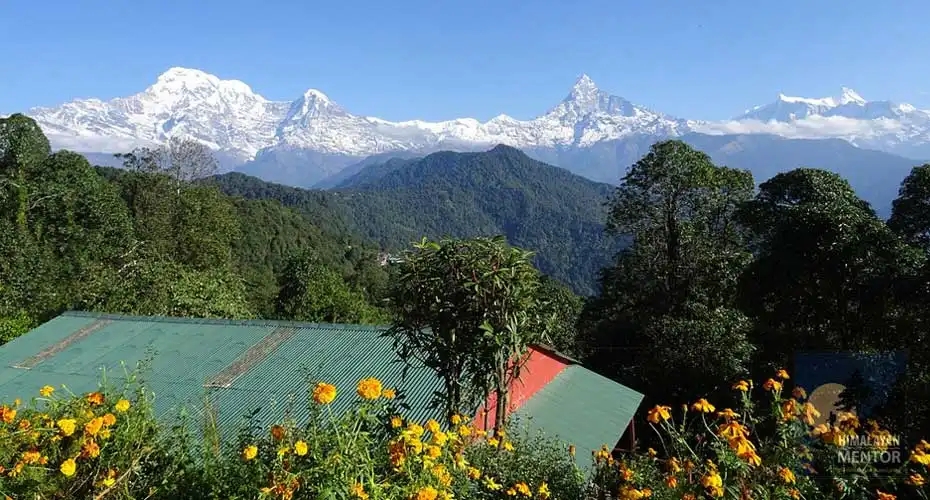
The journey starts with a drive or flight to Pokhara, a city known for its peaceful lakes and stunning mountain views. From here, the trek begins at Kande, where the trail quickly enters a dense forest filled with rhododendron, oak, and pine trees. The forest environment is calm and refreshing, providing a gradual introduction to trekking in the Himalayas. As you walk through these trails, you are surrounded by nature, with birdsong and the sound of wind through the trees creating a peaceful atmosphere.
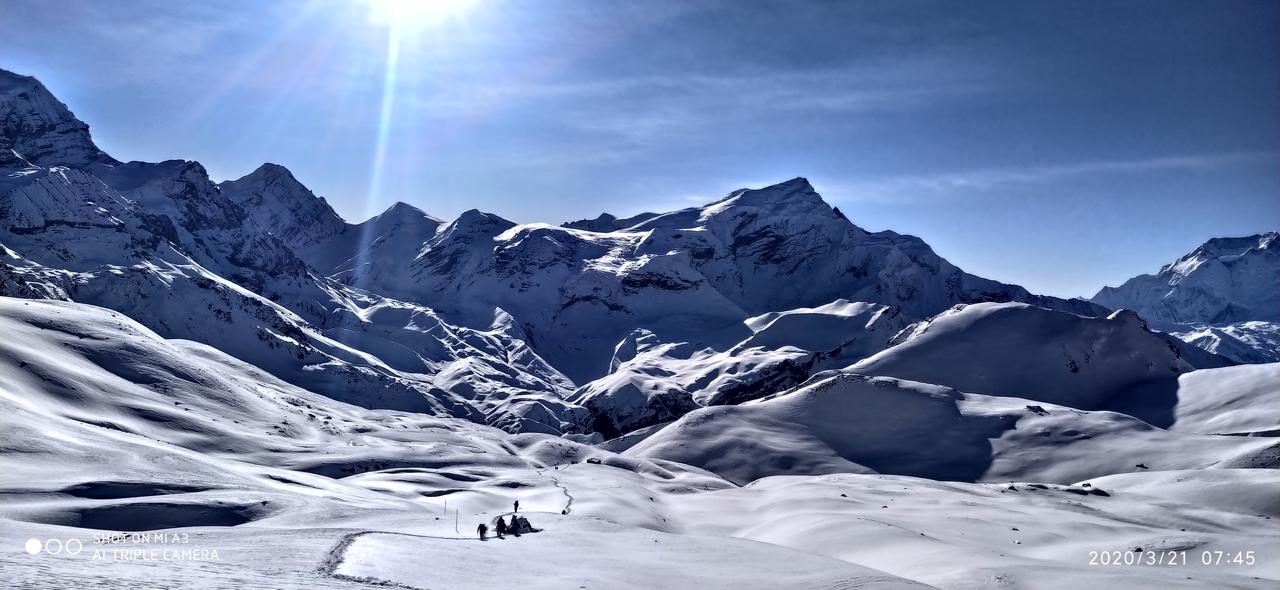
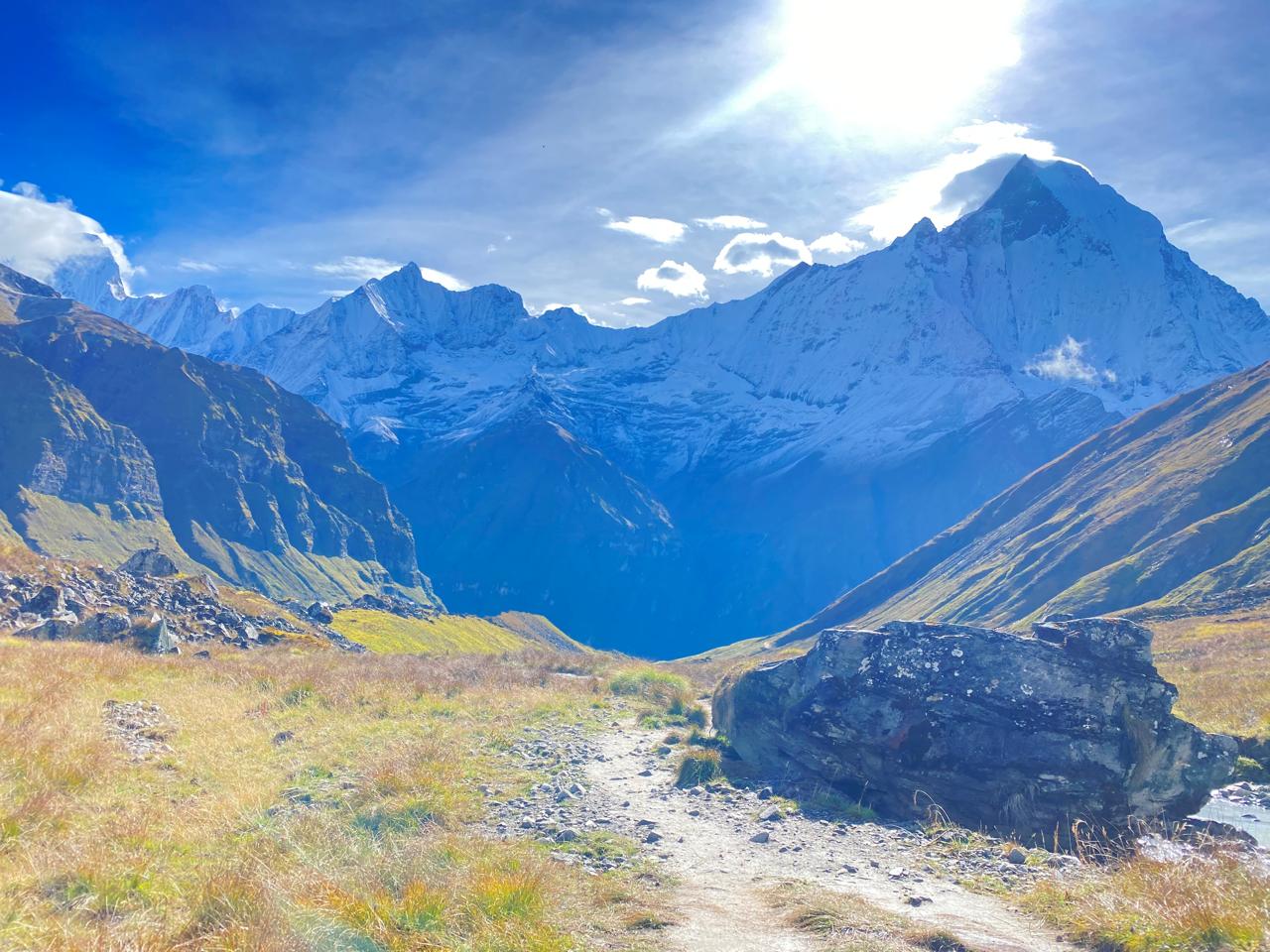
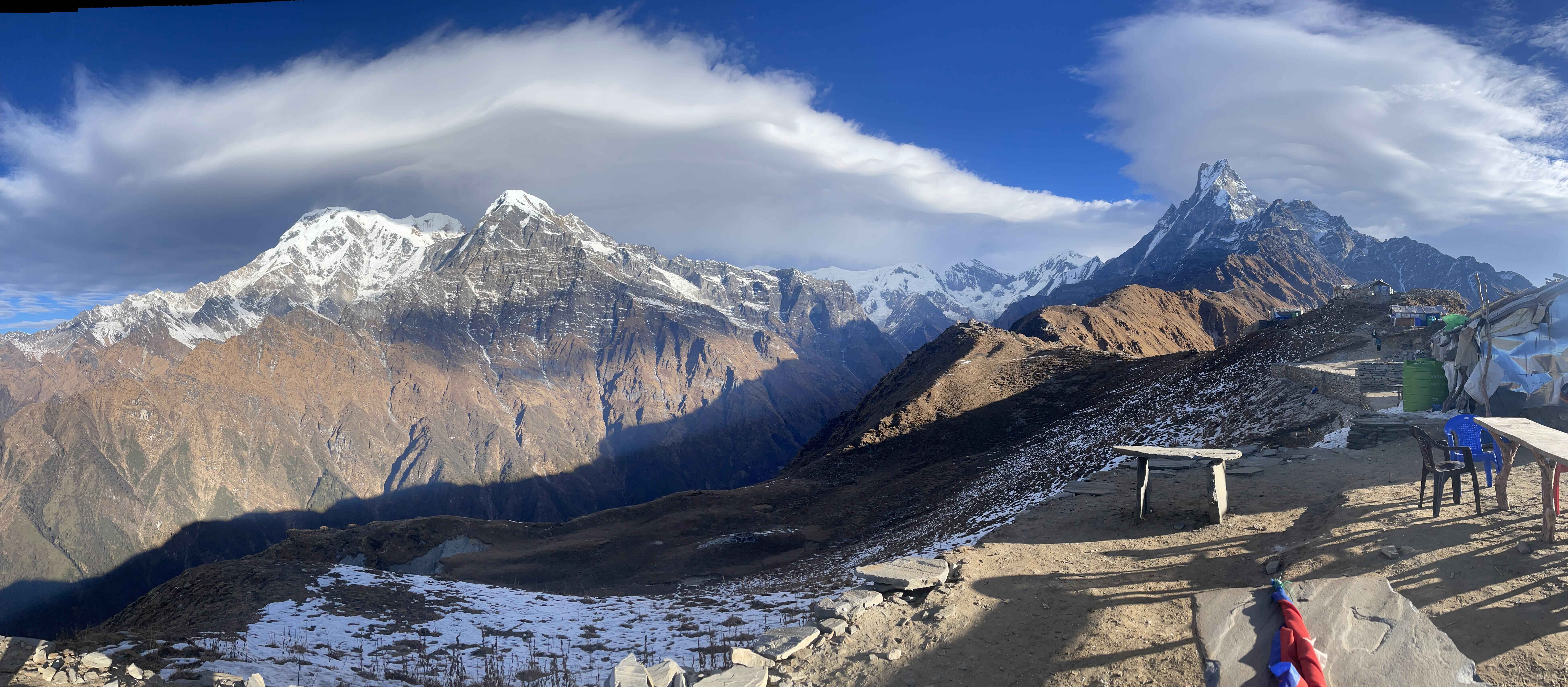
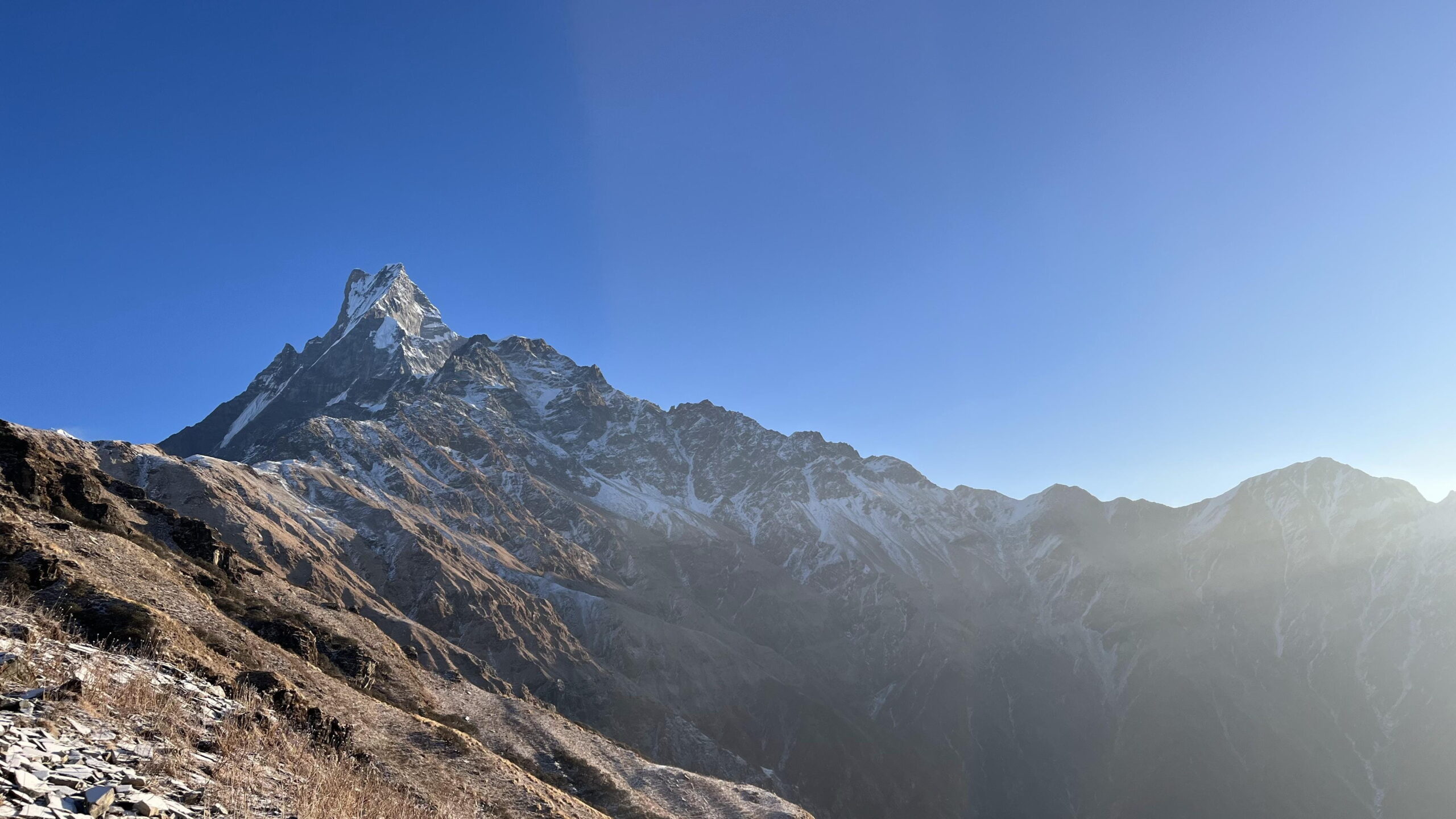
As the trek progresses, the landscape changes significantly, offering a dynamic and engaging experience. The dense forests slowly give way to open ridges and alpine terrain, revealing spectacular views of snow-covered peaks. The transition from green hills to high mountain landscapes happens over just a few days, allowing trekkers to experience multiple ecosystems in a short period. The ridge walk toward High Camp is particularly breathtaking, with panoramic views on both sides that showcase the beauty of the Annapurna region.
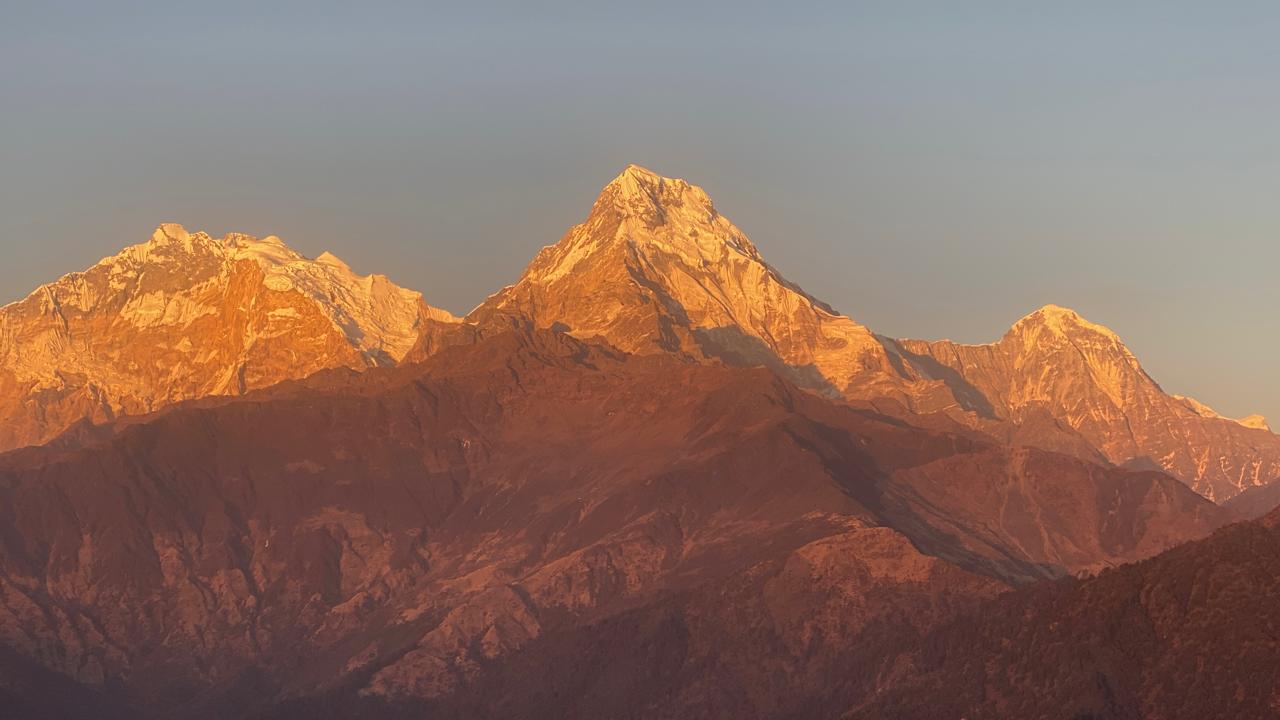
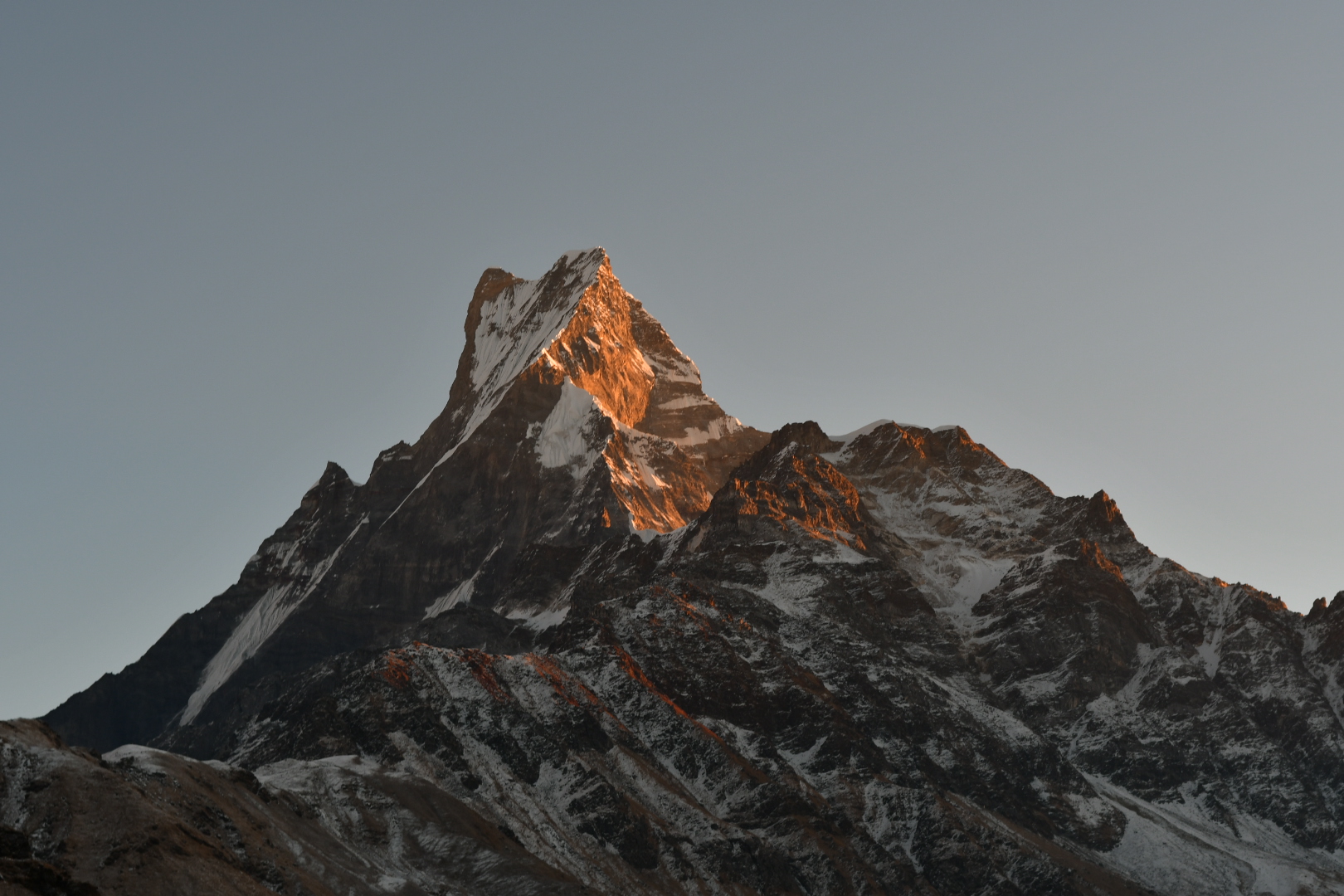
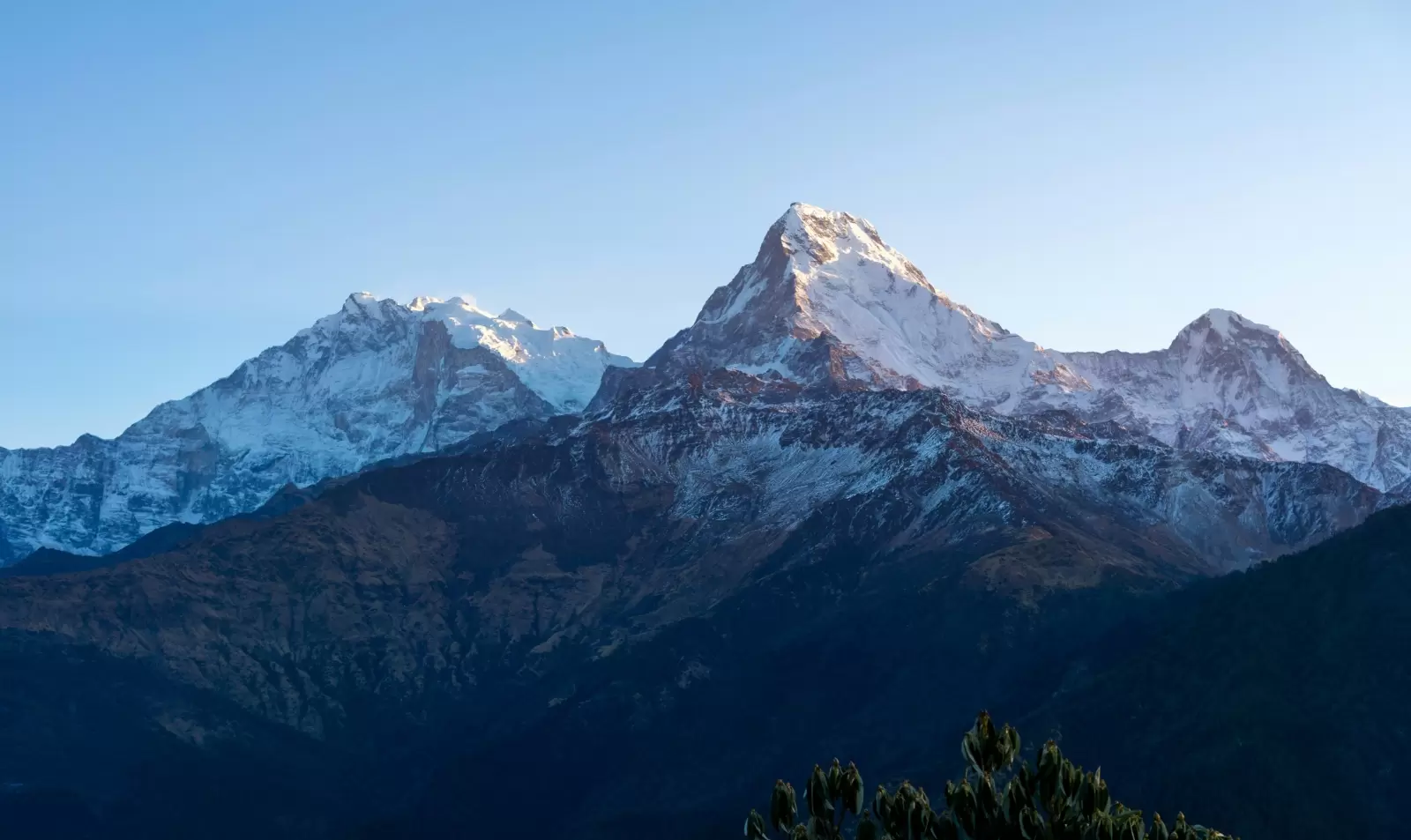
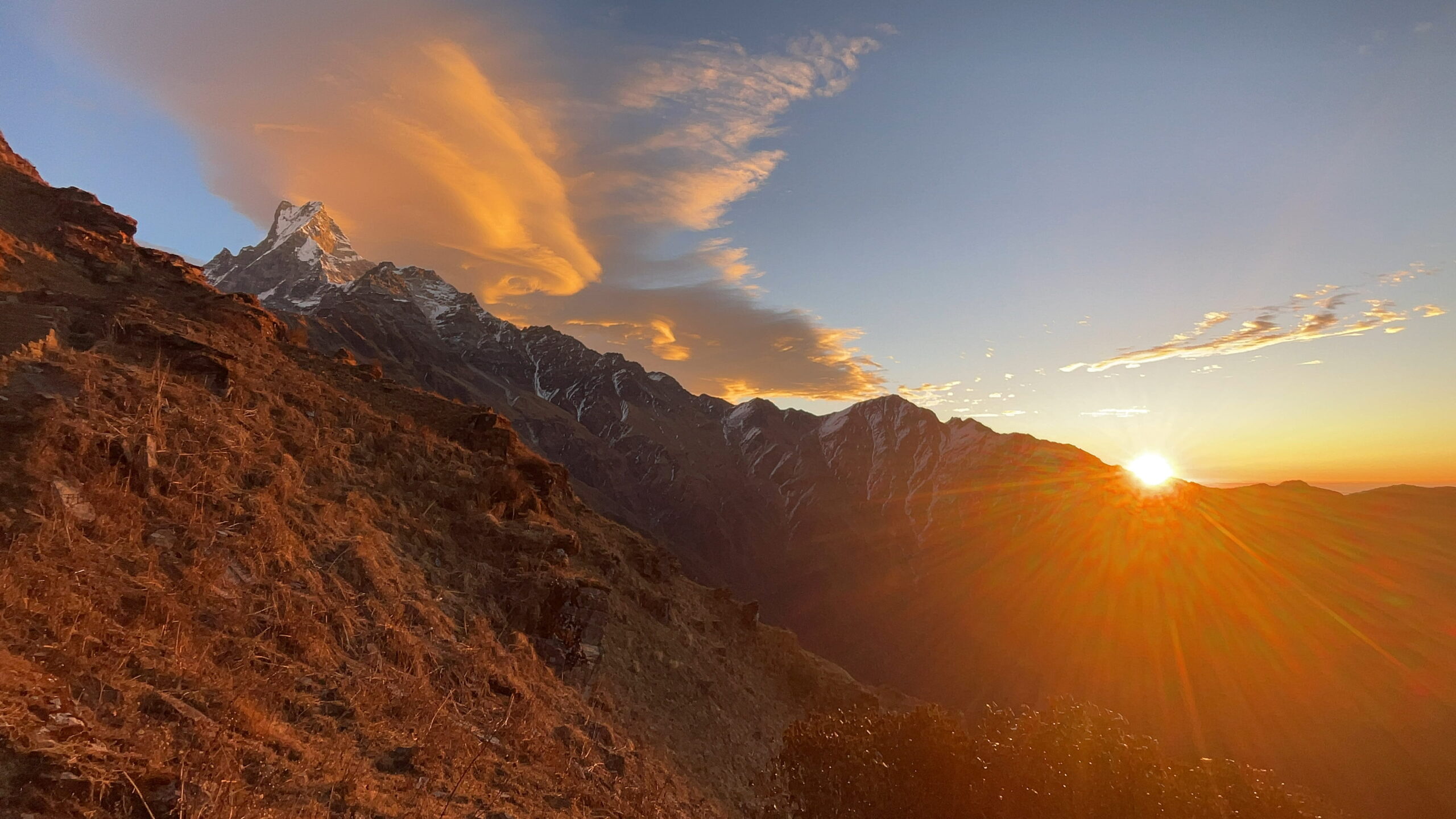
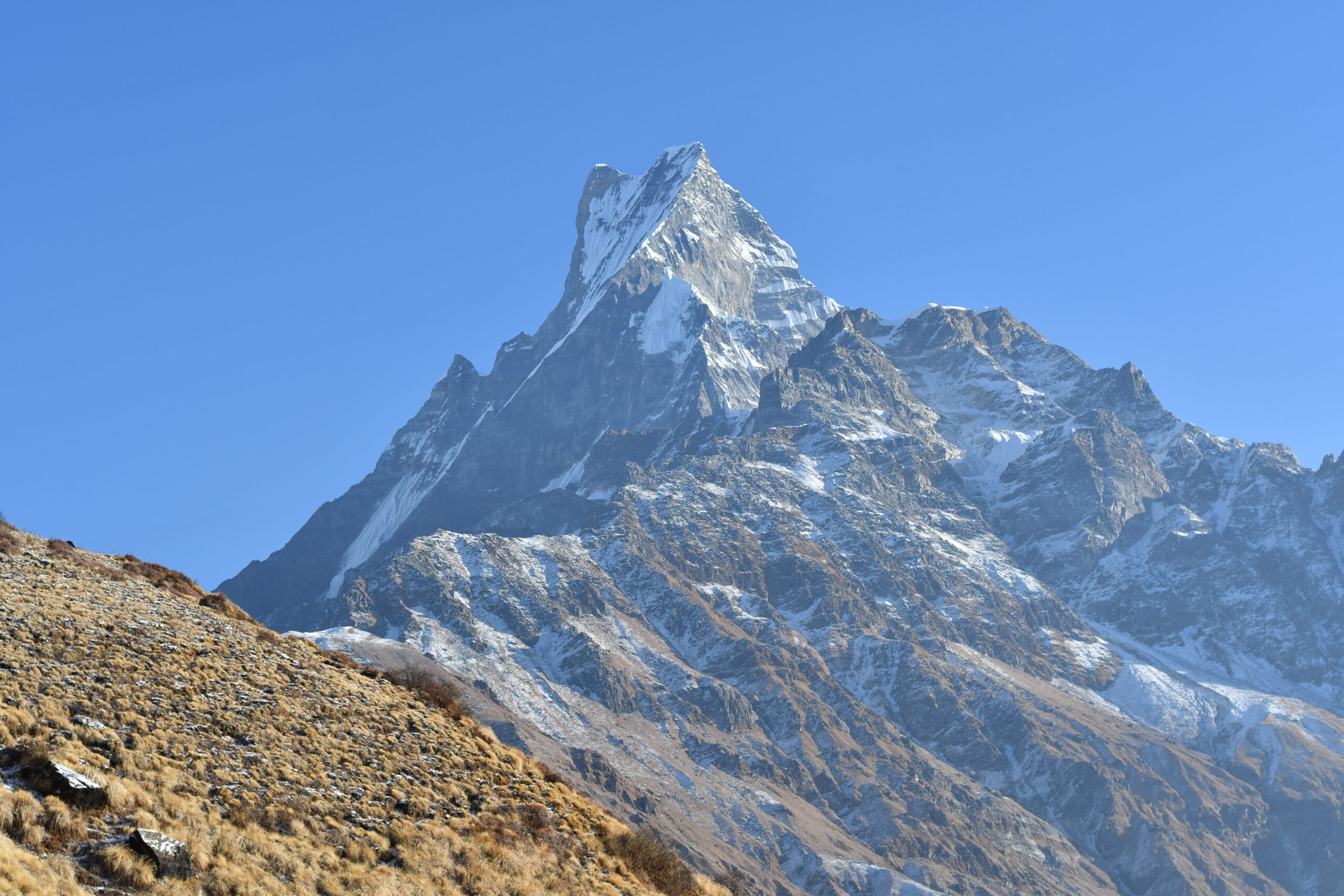
The highlight of the trek is the early morning hike to Mardi Himal Base Camp. This part of the journey offers a truly unforgettable experience, as trekkers witness the sunrise over the Himalayas. The golden light illuminating the peaks of Mardi Himal and Machhapuchhre creates a magical moment that remains etched in memory. Standing at the base camp, surrounded by towering mountains and vast landscapes, provides a deep sense of achievement and connection with nature.
This trek is organized by ART Nepal Treks & Expedition, ensuring that all logistics, including transportation, accommodation, permits, and experienced guides, are handled professionally. This allows trekkers to focus entirely on enjoying their journey while feeling safe and well-supported throughout the trek.
What Can You Expect from the Trek?
The Mardi Himal Trek offers a rich and varied experience, making it one of the most rewarding short treks in Nepal. One of the most impressive aspects of this trek is the rapid change in scenery. Within just a few days, trekkers move from lush green forests to high-altitude landscapes with panoramic mountain views. This constant change keeps the journey exciting and ensures that each day feels unique and memorable.
Another major highlight is the proximity to the mountains. Unlike many other trekking routes where peaks may appear distant, the Mardi Himal trail brings you very close to the mountains. As you ascend, the views of Machhapuchhre and Annapurna South become more dramatic and detailed. The ridge walk and the final ascent to Base Camp provide uninterrupted views of these majestic peaks, creating a powerful visual experience.
The trek also offers a peaceful and less crowded environment compared to more popular trekking routes. This allows trekkers to enjoy nature in its purest form, without the distractions of large groups. The quiet trails, combined with the beauty of the landscape, create a sense of calm and relaxation that is difficult to find in busier trekking regions.
In addition, the trek provides opportunities for cultural interaction. Along the way, you will pass through small villages where local people live traditional lifestyles. These encounters offer insight into the culture, traditions, and daily life of mountain communities, adding depth to the overall experience.
Summary
- Rapid transition from forest to alpine landscapes
- Close-up views of major Himalayan peaks
- Peaceful and less crowded trekking route
- Memorable sunrise and ridge walking experience
- Cultural interaction with local communities
Is Trek Suitable for You?
The Mardi Himal Trek is suitable for a wide range of trekkers, including those who are new to trekking but have a reasonable level of physical fitness. The trail does not require technical climbing skills, but it does involve several hours of walking each day, often on uphill terrain. If you are comfortable with moderate physical activity and enjoy spending time in nature, this trek can be a great choice.
This trek is particularly ideal for travelers who have limited time but still want a complete Himalayan experience. In just six days, you can explore forests, mountain ridges, and high-altitude viewpoints, making it a highly efficient way to experience the beauty of Nepal. The relatively short duration also makes it easier to fit into a busy travel schedule.
However, it is important to be mentally prepared for the challenges of trekking. Weather conditions in the mountains can change quickly, and facilities at higher altitudes are basic. The trail can also be steep in certain sections, requiring stamina and determination. With proper preparation and a positive mindset, these challenges can be managed effectively.
Summary
- Suitable for beginners with good fitness
- Ideal for short-duration trekking plans
- Requires moderate stamina and endurance
- Best for those seeking quiet and scenic trails
- Mental readiness for basic conditions is important
How to Get Prepared for Trek?
Preparing for the Mardi Himal Trek involves both physical and mental readiness. Although the trek is relatively short, it still requires a good level of stamina. Engaging in regular physical activities such as walking, jogging, hiking, or cycling can help improve your endurance. It is also beneficial to practice walking uphill or climbing stairs, as this will prepare your body for the conditions on the trail.
In addition to physical fitness, having the right gear is essential for a comfortable trekking experience. Proper trekking shoes with good grip are important for walking on uneven and sometimes slippery trails. Layered clothing allows you to adjust to changing temperatures, especially as you move to higher altitudes. Carrying a lightweight backpack with essentials such as water, snacks, and a rain jacket will help you stay prepared throughout the trek.
Mental preparation is equally important. Trekking involves long walking hours, changing weather conditions, and basic facilities. Being mentally prepared for these challenges will help you stay positive and enjoy the journey.
Summary
- Build basic fitness before the trek
- Focus on endurance and uphill walking
- Pack appropriate trekking gear
- Stay hydrated and maintain energy
- Be mentally prepared for challenges
-
Trip Duration
6 Days / 5 Nights
-
Group Size
1-20 People
-
Maximum Altitude
4500 m (Mardi Himal Base Camp)
-
Trip Difficulty
Moderate
-
Activities
Trekking
-
Best Season
Spring (March–May), Autumn (September–November)
-
Trip Start & End
Kathmandu - Kathmandu
-
Meals
Breakfast, Lunch, Dinner
-
Accomodation
Teahouses / Hotel
Highlights
- Close-up views of Mardi Himal
- Stunning panorama of the Annapurna Range
- Spectacular sunrise over Machhapuchhre
- Peaceful and less crowded alternative trekking route
- Walk through dense rhododendron and oak forests
- Scenic ridge trails with dramatic mountain backdrops
- Short yet complete Himalayan trekking experience
Itinerary
Day 01
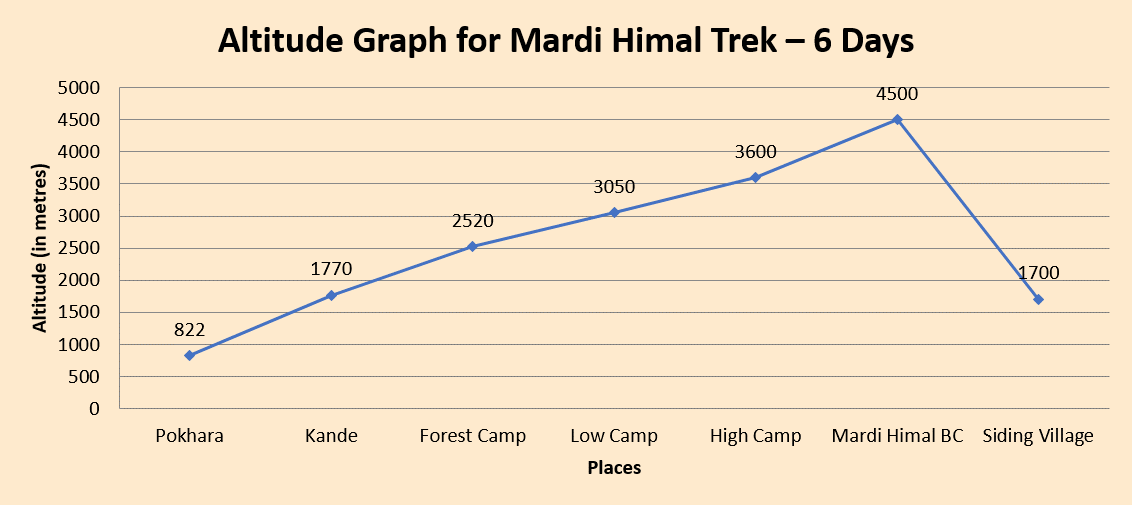
The journey begins with your travel from Kathmandu to Pokhara, which can be done either by a scenic drive or a short flight. The drive takes around 6 to 7 hours and follows winding roads along rivers, terraced fields, and small towns, giving you a glimpse of rural Nepalese life. It is a beautiful journey that slowly transitions from the busy capital city into the peaceful landscapes of western Nepal. Alternatively, the 25-minute flight offers a quick and comfortable option, with stunning aerial views of the Himalayan range, making it a great choice for those who prefer to save time.
Upon arrival in Pokhara, you will check into your hotel and have time to relax and recover from your journey. Pokhara is known for its calm atmosphere, lakeside views, and surrounding mountains. You can spend the evening walking along Phewa Lake, enjoying the reflection of the mountains in the water, or simply resting and preparing mentally and physically for the trek ahead. This day serves as an important transition point, allowing you to adjust before starting your trekking adventure.
Trip Duration:
6–7 hours drive or 25 min flightAltitude:
800 mMeal:
Not includedAccomodation :
HotelDay 02
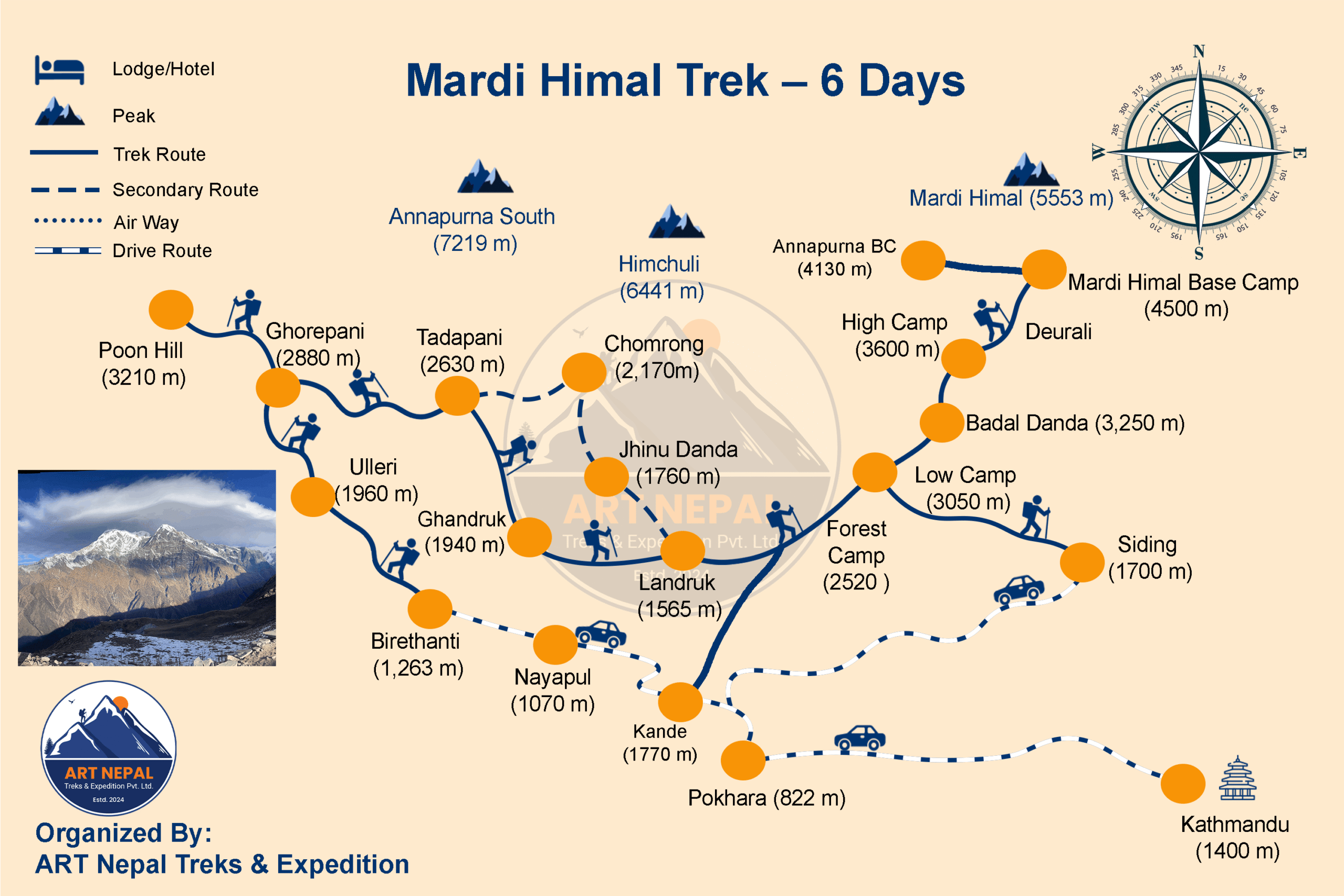
After breakfast, you will take a short drive from Pokhara to Kande, which takes about one hour. Kande is the starting point of your trekking journey. From here, the trail begins with a gradual ascent through stone steps and forested paths. As you start walking, you will immediately notice the fresh mountain air and the peaceful surroundings, which provide a refreshing contrast to city life.
The trail passes through small villages and dense forests filled with rhododendron, oak, and pine trees. During spring, the rhododendron forests are especially beautiful, blooming in vibrant colors. The path gradually climbs uphill, offering occasional glimpses of the mountains through the trees. After several hours of steady trekking, you will reach Forest Camp, a quiet location surrounded by dense woodland. This peaceful setting makes it an ideal place to rest and enjoy the natural beauty of the Himalayas.
Trip Duration:
5–6 hoursTrip Distance:
Approx. 9–10 kmAltitude:
2500 mMeal:
Breakfast, Lunch, DinnerAccomodation :
TeahouseDay 03
This day involves a steady climb through dense forest as you continue your journey toward higher elevations. The trail remains shaded by rhododendron and oak trees for most of the day, creating a cool and comfortable trekking environment. As you gain altitude, the vegetation begins to change, and the forest gradually becomes thinner.
Upon reaching Low Camp, you will start to notice the first clear views of the surrounding mountains. After a short rest, you will continue toward High Camp. This section of the trail becomes more open and scenic, offering stunning views of Machhapuchhre and the southern face of the Annapurna range. The final stretch to High Camp follows a ridge, providing panoramic views on both sides. Reaching High Camp feels like a major achievement, as you are now surrounded by towering peaks and vast landscapes.
Trip Duration:
6–7 hoursTrip Distance:
Approx. 10–12 kmAltitude:
3580 mMeal:
Breakfast, Lunch, DinnerAccomodation :
TeahouseDay 04
This is the most important and rewarding day of the trek. You will start early in the morning, often before sunrise, to hike toward Mardi Himal Base Camp. The trail follows a narrow ridge, with dramatic views on both sides. As you ascend, the sky begins to change colors, and the first rays of sunlight illuminate the peaks.
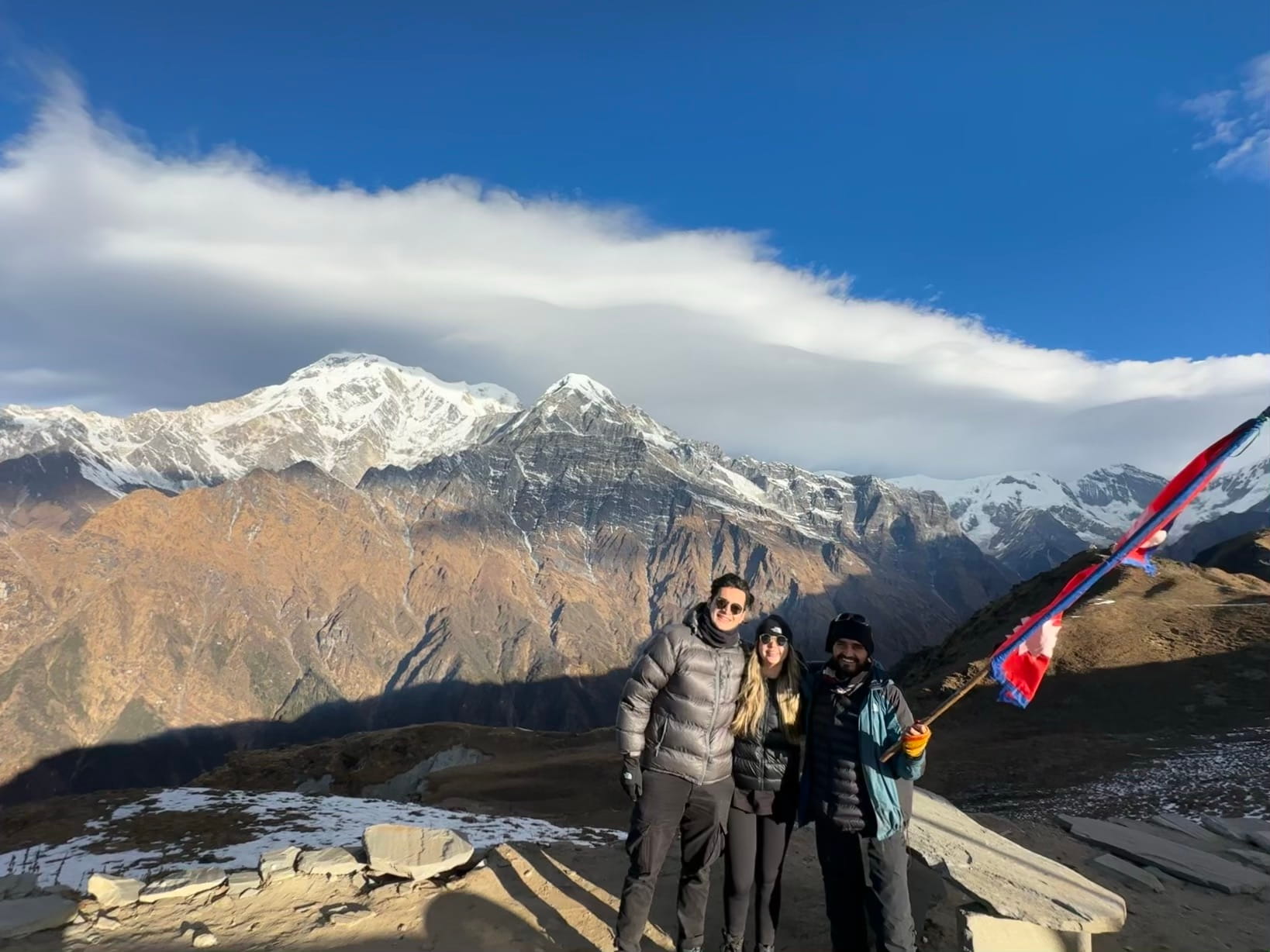
Reaching Base Camp is a truly unforgettable experience. From here, you can enjoy close-up views of Mardi Himal, Machhapuchhre, and other surrounding peaks. The sunrise over the Himalayas creates a magical atmosphere, with golden light reflecting off the snow-covered mountains. After spending some time at Base Camp, taking photos and enjoying the scenery, you will descend back to High Camp. The return journey allows you to experience the landscape from a different perspective and gives you time to reflect on the achievement.
Trip Duration:
5–6 hoursTrip Distance:
Approx. 6–8 kmAltitude:
4500 m (Base Camp)Meal:
Breakfast, Lunch, DinnerAccomodation :
TeahouseDay 05
After breakfast, you will begin your descent from High Camp toward Siding Village. The trail leads down through forests and small settlements, offering a quieter and more relaxed trekking experience. As you descend, you will notice the gradual change in vegetation and climate, moving back into greener and warmer areas.
Siding Village provides a glimpse into local rural life, with traditional houses and farming practices. From here, you will take a drive back to Pokhara. After reaching Pokhara, you can relax at your hotel, enjoy a hot shower, and reflect on your trekking experience. The evening can be spent exploring the lakeside area or simply resting after several days of trekking.
Trip Duration:
4–5 hours trek + driveTrip Distance:
Approx. 7–8 kmAltitude:
800 mMeal:
Breakfast, LunchAccomodation :
HotelDay 06
On the final day, you will travel back from Pokhara to Kathmandu by drive or flight. The journey marks the end of your trekking adventure, but the memories of the mountains, forests, and peaceful trails will stay with you long after the trip is over.
If you choose to drive, you can once again enjoy the scenic landscapes along the way. If you take a flight, you will have a final opportunity to view the Himalayan range from above. Upon arrival in Kathmandu, your trek officially concludes.
Trip Duration:
6–7 hours drive or 25 min flightAltitude:
1400 mMeal:
BreakfastAccomodation :
Not includedRoute Map
What's Included
- Airport pickup & drop in Kathmandu
- 2 Nights at Kathmandu 3-Star Hotel
- 2 Breakfasts in Kathmandu
- All Permits and Taxes
- Domestic Flights (if required during the trek)
- Accommodation during the trek (Tea Houses / Camping)
- Full Board Meals: Breakfast, Lunch, Dinner, and Tea/Coffee
- Guide (salary, food, accommodation, insurance included)
- First Aid Kit for emergencies
- Public Transportation as required during the trek
What's Excluded
- Personal expenses (shopping, souvenirs, etc.)
- Trekking gears (boots, down jackets, sleeping bags, etc.)
- Beverages & mineral water
- Travel insurance covering high-altitude trekking
- Tips for guides, porters, or staff (expected at the end of the trek)
- Porter service ($22 per porter per day)
Note: A porter can carry up to 25 kg and is recommended for every two trekkers for convenience and easier trekking.
Essential Info
Add-Ons
To make your Mardi Himal trekking experience more comfortable and personalized, ART Nepal Treks & Expedition offers several optional add-ons. Sightseeing tours in Pokhara or Kathmandu can be arranged before or after the trek. In Pokhara, you can explore Phewa Lake, the World Peace Pagoda, Davis Falls, or Bindhyabasini Temple. In Kathmandu, you may visit Swayambhunath Stupa, Boudhanath, Pashupatinath, and Durbar Square. These guided excursions give you an enriching cultural experience and help you understand Nepal’s rich history and traditions.
Additional porters can be hired to carry your luggage during the trek, reducing physical fatigue. This is especially useful for travelers who prefer to trek light or focus more on photography and enjoying the scenery rather than carrying heavy backpacks. Domestic flight upgrades or private flights between Kathmandu and Pokhara can also be arranged for trekkers who want flexibility or wish to avoid road travel. For high-altitude emergencies, helicopter services are available, ensuring safety and peace of mind. Private transportation, including jeeps or vehicles, can also be booked for more convenience and comfort during drives.
Summary of Add-Ons
- Guided sightseeing tours in Pokhara and Kathmandu
- Extra porters for luggage
- Domestic flight upgrades or private charters
- Helicopter services for emergencies or sightseeing
- Private vehicle hire for flexibility and comfort
Best Season to Trek
Choosing the right season is crucial for a safe and enjoyable Mardi Himal Trek. The trek is accessible in spring and autumn, with moderate temperatures, stable weather, and clear skies.
Spring (March to May): Spring is considered one of the best times to trek because of blooming rhododendrons, fresh greenery, and pleasant temperatures. Days are warm while mornings and evenings remain slightly cool. The trails are less slippery as winter snow melts, and the flowers create stunning photography opportunities. Clear skies allow for unobstructed views of Machhapuchhre, Mardi Himal, and Annapurna South. Wildlife is more active, and the forests are alive with birdsong, enhancing the trekking experience.
Autumn (September to November): Autumn is another ideal trekking season due to stable weather and excellent visibility. After the monsoon, trails are dry, and mountain views are sharp and breathtaking. Cooler temperatures reduce fatigue during the climb, and the crisp air makes photography exceptional. This season is also culturally vibrant, as local festivals may be observed in villages along the trail, allowing trekkers to experience authentic Nepali traditions.
Other Seasons: Winter (December–February) brings heavy snowfall and cold temperatures at higher altitudes, making the trek more challenging and suitable only for experienced trekkers with proper winter gear. Monsoon (June–August) is generally avoided due to slippery trails, leeches, and clouded mountain views.
Food Availability
Food along the Mardi Himal Trek is simple, nutritious, and designed to fuel trekkers for long hiking days. Most meals are provided in teahouses along the trail, though options become more limited at higher altitudes.
Breakfast: Teahouses serve a hearty breakfast to start the day. Common options include eggs (boiled, fried, or scrambled), porridge, toast, pancakes, and local items like sel roti (rice doughnuts). Hot beverages such as tea, coffee, or hot chocolate help keep you warm in the morning chill.
Lunch: Lunch is typically served as a light yet filling meal. Popular dishes include rice with lentils (dal bhat), vegetable curries, noodles, momos (dumplings), and sometimes eggs or meat dishes. Fresh fruit or biscuits may be available in lower villages. Packed lunches can also be arranged if preferred.
Dinner: After a long day of trekking, dinners are more substantial to replenish energy. Common meals include rice, dal, vegetables, and meat curries. Soups, pasta, or noodle dishes like thukpa or chowmein are available in some teahouses. High-altitude lodges may have limited options, so bringing energy bars or snacks as backup is recommended.
Special Considerations: Vegetarian options are widely available, but vegans may need to confirm in advance. High-carbohydrate meals are emphasized to maintain energy. Trekkers can also try local delicacies such as gundruk (fermented leafy greens), kinema (fermented soybean), and yak cheese.
Summary of Food Availability
- Breakfast: Eggs, porridge, toast, local items, tea/coffee
- Lunch: Dal bhat, noodles, momos, vegetable/egg dishes
- Dinner: Rice, dal, curries, soups, pasta, noodles
- Snacks: Energy bars, biscuits, chocolate
- Special local foods: Gundruk, kinema, yak cheese
Accommodation
Accommodation along the Mardi Himal Trek varies depending on altitude and remoteness. Teahouses and lodges provide a safe and comfortable stay for trekkers while maintaining a rustic mountain atmosphere.
Lower and Mid-Altitude Teahouses: These are found in villages and offer basic rooms with beds, blankets, and sometimes hot showers. Bathrooms are often shared. Most teahouses have dining areas where meals are served, providing a social environment to relax and meet fellow trekkers.
High Camp Teahouses: At higher elevations, facilities are more basic. Rooms may be smaller, with limited heating and water supply. Despite the simplicity, these teahouses offer warmth, food, and shelter—enough to rest comfortably after long trekking days.
Hotels in Pokhara: Before and after the trek, accommodation is in comfortable hotels in Pokhara with modern amenities, including hot showers, Wi-Fi, and comfortable beds. These hotels provide a relaxing environment to prepare for the trek or recover after returning from the mountains.
Summary of Accommodation
- Lower and mid-altitude teahouses: beds, blankets, shared bathrooms
- High Camp teahouses: basic facilities, meals provided
- Hotels in Pokhara: modern amenities, hot showers, comfortable rooms
Travel Insurance
Travel insurance is mandatory for the Mardi Himal Trek due to its high-altitude and remote environment. Comprehensive insurance ensures coverage for medical emergencies, evacuation, and unexpected events.
Coverage Requirements: Your insurance should explicitly cover trekking up to 4,500 meters, emergency medical treatment, evacuation by helicopter, trip cancellations, and loss or delay of baggage.
Selection Tips: Compare policies from multiple providers to choose one suitable for Himalayan trekking. Keep a digital and printed copy of your insurance policy with you. Understand the process for claiming emergency evacuation or medical care in Nepal.
Importance: Insurance provides peace of mind, ensuring that any unforeseen medical or logistical issues can be addressed promptly. In remote locations, immediate medical assistance may not always be available, so insurance is critical for safety and well-being.
Summary of Travel Insurance
- Coverage for trekking up to 4,500 m
- Emergency medical and evacuation coverage
- Trip cancellation protection
- Lost or delayed baggage coverage
- Keep policy copies (digital and printed)
Altitude Sickness
Altitude sickness, also known as Acute Mountain Sickness (AMS), is a condition that can affect trekkers when ascending to high elevations like Mardi Himal Base Camp (4,500 m). The primary cause is reduced oxygen levels at higher altitudes, which can affect your body’s ability to function properly. While the Mardi Himal Trek is moderate in altitude compared to Everest or Annapurna Base Camp treks, symptoms of altitude sickness may still occur, especially if proper acclimatization is not followed.
Common symptoms of altitude sickness include headaches, dizziness, nausea, shortness of breath, loss of appetite, fatigue, and difficulty sleeping. These signs usually appear within 6–12 hours of reaching higher altitudes and can vary from mild to severe. Ignoring symptoms can lead to more serious conditions such as High Altitude Pulmonary Edema (HAPE) or High Altitude Cerebral Edema (HACE), which require immediate descent and medical attention.
Preventing altitude sickness is crucial for a safe and enjoyable trekking experience. Trekkers should follow a gradual ascent, take rest days when recommended, stay hydrated, and avoid alcohol or excessive exertion at high altitudes. Eating a balanced diet rich in carbohydrates and taking recommended medications like Diamox (acetazolamide) under a doctor’s supervision can also help. If symptoms persist or worsen, it is essential to stop ascending and descend to a lower altitude immediately.
Summary of Altitude Sickness
- Causes: Reduced oxygen, rapid ascent, physical exertion
- Symptoms: Headache, nausea, dizziness, fatigue, shortness of breath
- Prevention: Gradual ascent, hydration, light diet, rest days, medication if necessary
- Response: Stop ascent, descend if symptoms worsen, seek medical attention
Guide and Safety Measures
Having an experienced guide is one of the most important aspects of trekking safely on the Mardi Himal Trail. The region involves varying terrain, including dense forests, steep ridges, and high-altitude sections that can be physically challenging. ART Nepal Treks & Expedition ensures that every trekking group is accompanied by professional, licensed local guides who have extensive knowledge of the trail, weather conditions, and high-altitude trekking. These guides are trained to navigate difficult paths, anticipate potential hazards, and provide constant support to all trekkers.
Beyond navigation, the guides play a vital role in monitoring the health and well-being of trekkers. They carefully watch for signs of altitude sickness, dehydration, fatigue, or any other medical issues that may arise along the trail. If a trekker shows symptoms of altitude sickness, the guide immediately implements safety protocols, including resting at the same altitude, providing oxygen if necessary, or arranging a gradual descent. The guides also ensure that trekkers maintain a comfortable pace, take necessary breaks, and follow proper acclimatization schedules to reduce the risk of altitude-related problems.
Guides enrich the trekking experience by offering cultural insights and connecting trekkers with the local communities. As the Mardi Himal Trek passes through small villages inhabited by Gurung and other ethnic groups, guides explain the customs, traditions, and daily life of these communities. They may also introduce trekkers to local monasteries, prayer walls, and community centers, providing a deeper understanding of Himalayan culture. This guidance not only enhances the trekking experience but also ensures respectful interactions with locals.
Safety measures extend beyond health monitoring and cultural guidance. ART Nepal Treks & Expedition emphasizes preparedness for emergencies. Guides carry fully equipped first aid kits, satellite phones, and coordinate with rescue services if required. They also ensure that high-altitude camps and teahouses are chosen for safety, hygiene, and shelter from extreme weather conditions. Environmental responsibility is strictly followed, with trekkers encouraged to minimize their impact on trails, forests, and villages. The combination of professional guidance, emergency preparedness, and environmental mindfulness makes the Mardi Himal Trek a secure and responsible adventure.
Summary of Guide & Safety Measures
- Experienced, licensed local guides accompany the trek
- Guides provide navigation, health monitoring, and pace management
- Cultural insights into local communities and monasteries
- Emergency preparedness with first aid kits and satellite communication
- Safe selection of campsites and environmental responsibility
Booking Procedure
Booking the Mardi Himal Trek with ART Nepal Treks & Expedition is a smooth, secure, and organized process designed to provide trekkers with peace of mind from the moment they confirm their trip. The first step is to contact the company via phone, email, or the official website to inquire about availability, cost, and any customized options you might need. At this stage, you can discuss preferences such as private trekking groups, sightseeing add-ons, or porter services, ensuring the trek matches your exact expectations.
Once you decide on your preferred trek dates, you are required to pay a deposit to secure your booking. This deposit allows ART Nepal Treks & Expedition to arrange permits, accommodations, and other logistics in your name. You will receive a booking confirmation along with a detailed pre-trek guide, which includes packing recommendations, physical preparation tips, and the full itinerary.
The remaining balance is usually paid before the trek departure, either via bank transfer, online payment, or in person at the company office in Kathmandu. Travelers must also provide essential documents, including passport copies, visa information, and proof of travel insurance covering high-altitude trekking. Before the trek begins, a pre-trek briefing is held at the ART Nepal Treks & Expedition office or at your hotel in Kathmandu. This session introduces the trekking team, explains the route, discusses safety protocols, and offers advice on weather conditions, cultural etiquette, and high-altitude precautions.
During the trek, ART Nepal Treks & Expedition manages all logistics, including teahouse bookings, meal arrangements, transportation, and communication with local authorities. Guides are available at all times for assistance, whether it’s a health concern, unexpected weather, or route changes. This ensures that trekkers can focus entirely on enjoying the journey, while safety, organization, and comfort are fully taken care of by the experienced team.
Equipment List
- Trekking pants
- Moisture-wicking shirts
- Thermal inner layers
- Fleece jackets
- Waterproof jackets
- Hats and gloves
- Trekking socks
- Sunglasses
- Trekking poles
- Backpack (30–40L)
- Water bottles / hydration system
- Water purification tablets or filter
- Headlamp with extra batteries
- Trekking map
- First aid kit
- Base layers (for sweat-wicking)
- Mid-layers (for insulation)
- Down or insulated jacket (for high-altitude warmth)
- Extra warm clothes for evenings
- Toothbrush and toothpaste
- Biodegradable soap
- Wet wipes and hand sanitizer
- Sunscreen and lip balm with SPF
- Trekking shoes
- Optional gaiters for snow/mud protection
- Camera
- Smartphone
- Power banks
- Chargers
- Optional GPS device
General Equipments
- Passport and copies
- Visa documents
- Trekking permits and insurance papers
- Cash in Nepali Rupees for teahouses and small expenses
- Snacks and energy bars
- Lightweight daypack for personal items
FAQ
Trip Price
USD 550 Per Person
Talk To Trip Expert
Related Trips