


Dhaulagiri Base Camp Trek – 15 Days Adventure
Dhaulagiri Region, Nepal
15 Days / 14 Nights
Price From
View More
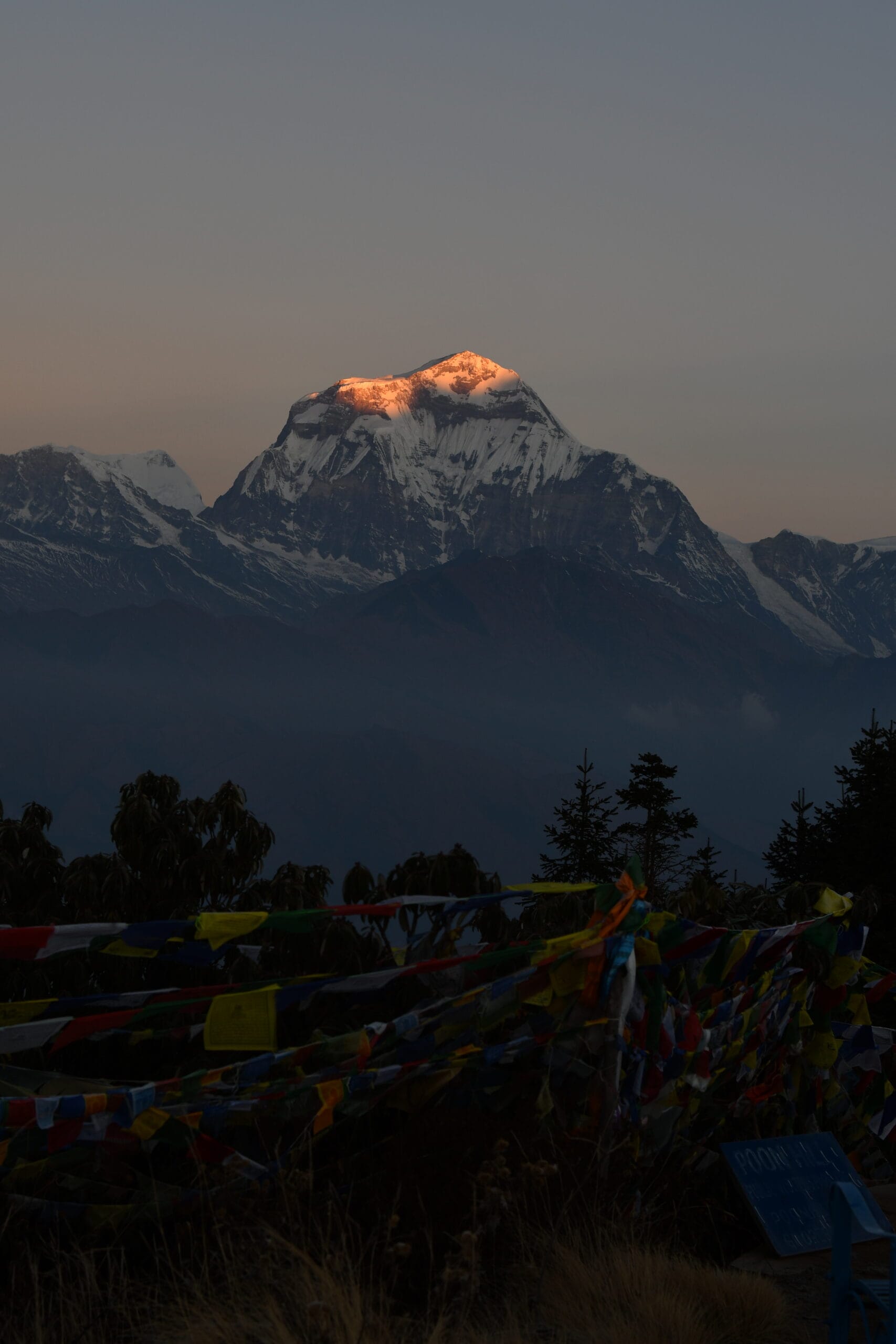
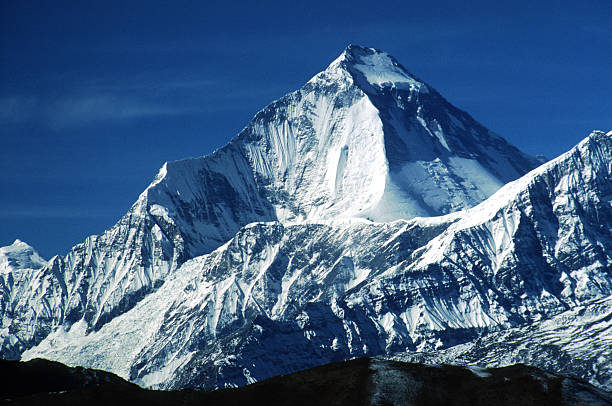
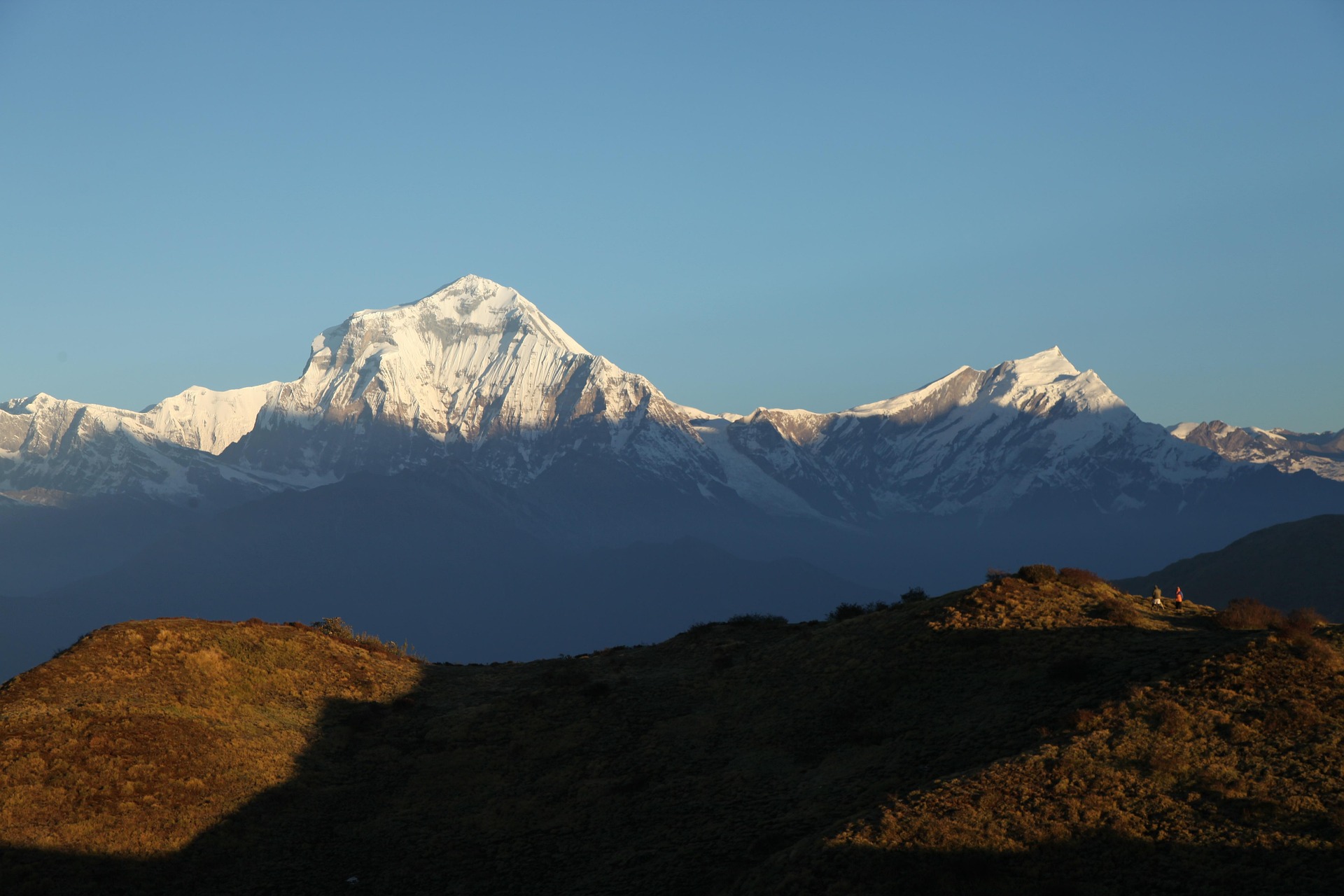
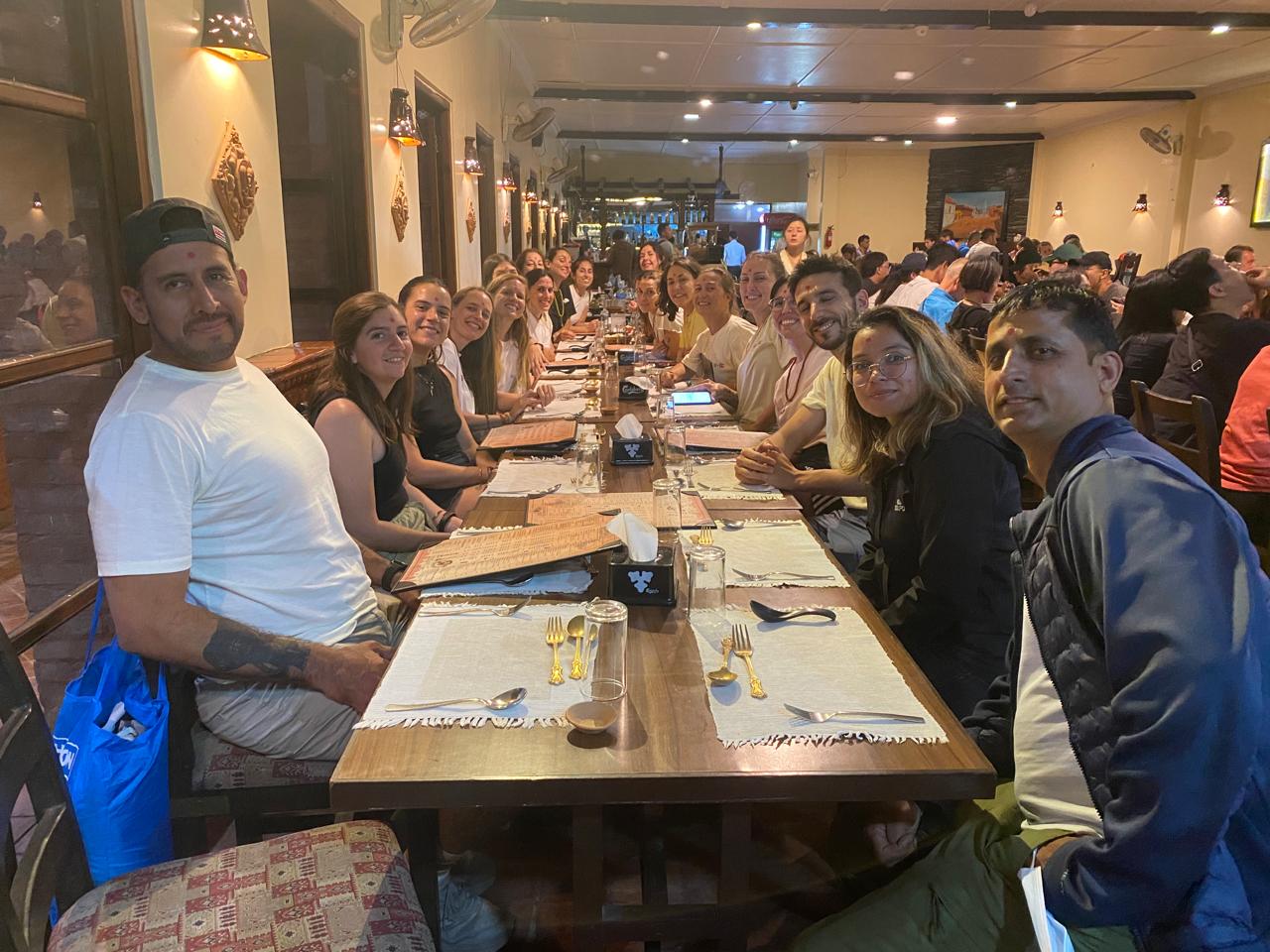
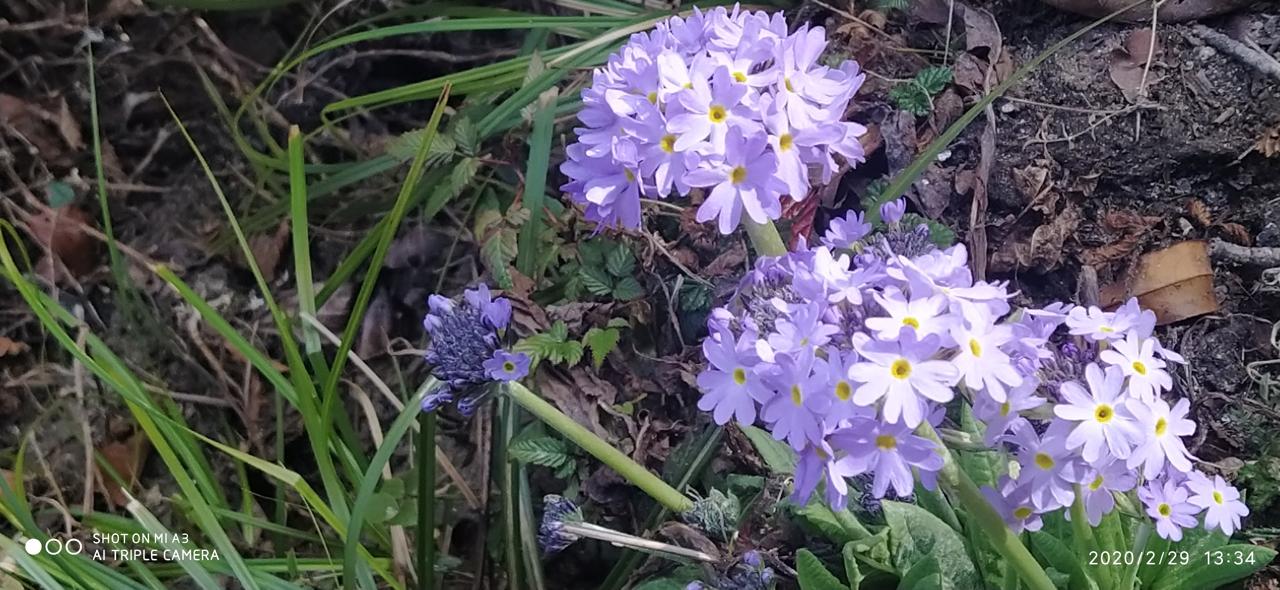
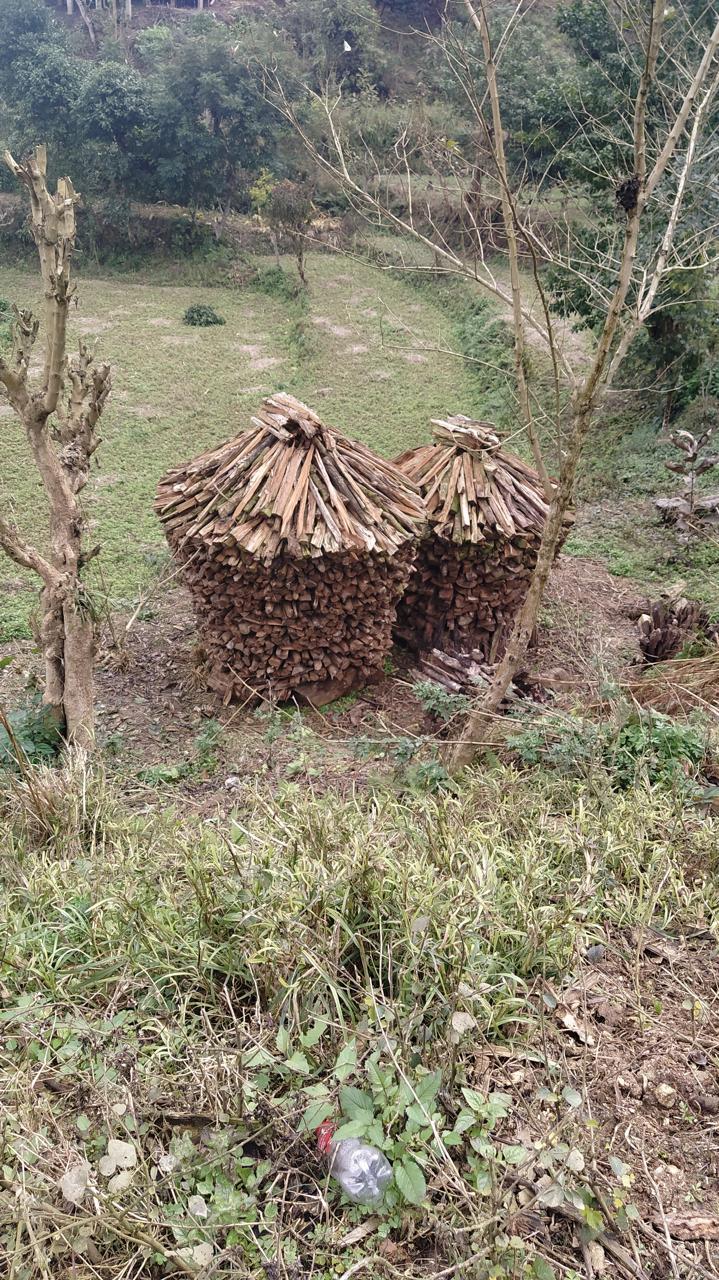
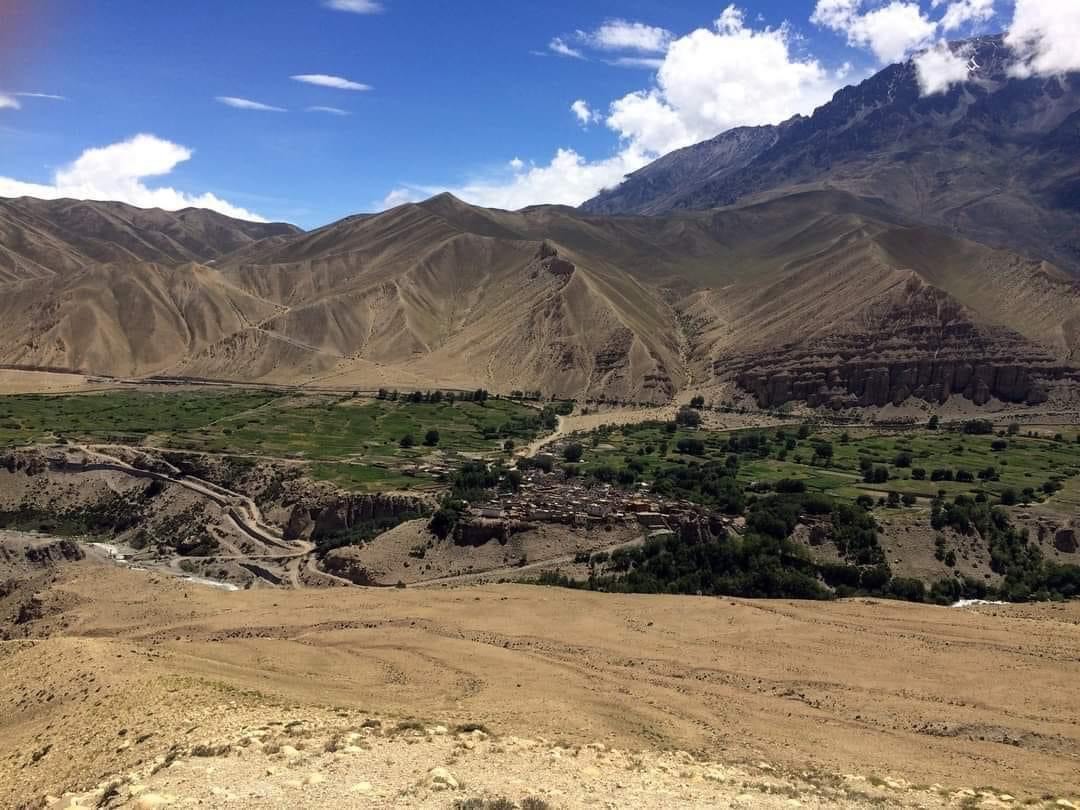
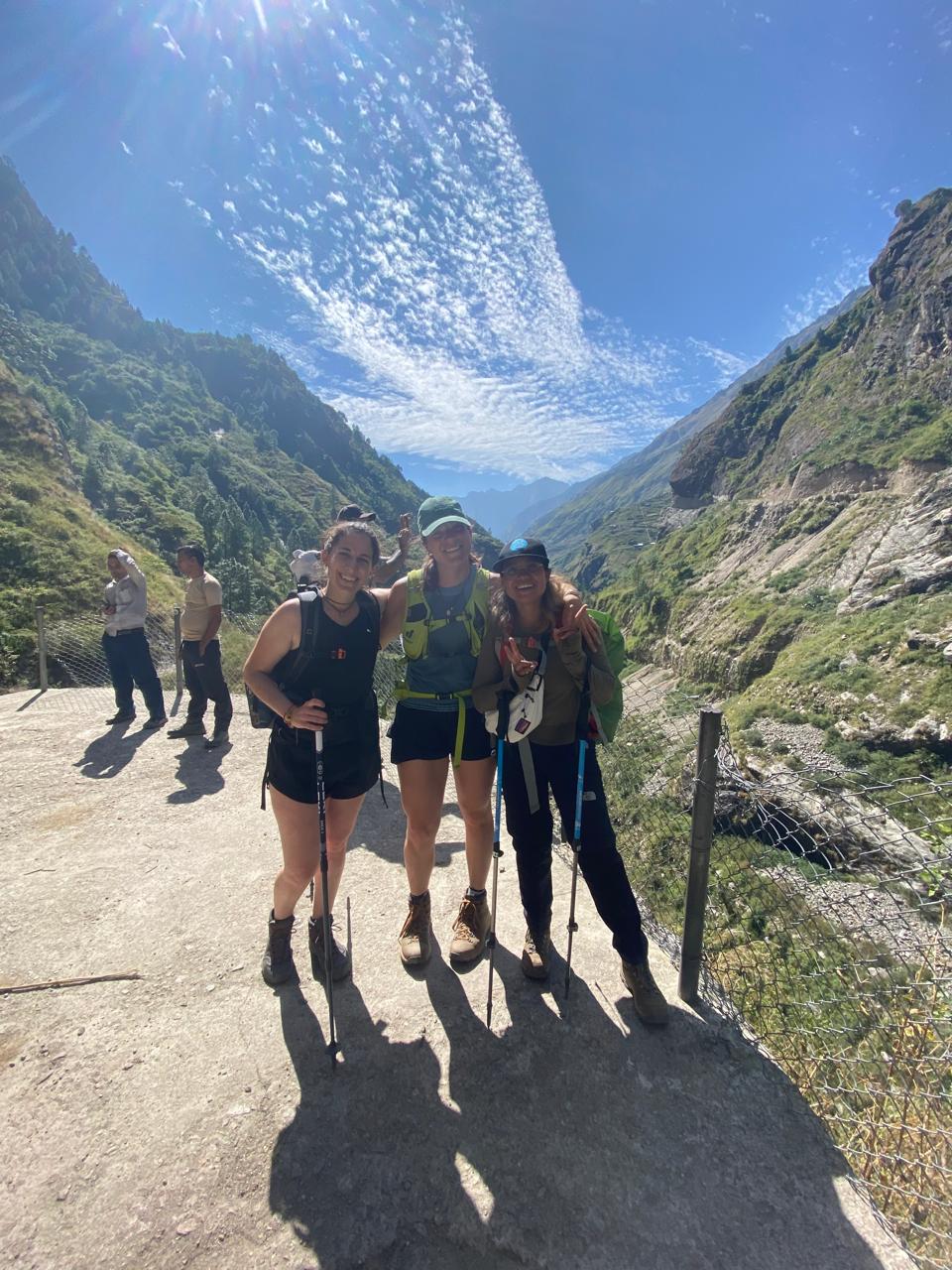
The Dhaulagiri Base Camp Trek is one of Nepal’s most challenging and rewarding high-altitude trekking adventures. The trail takes trekkers deep into the remote Dhaulagiri region, a rugged wilderness full of dramatic peaks, glacial valleys, and pristine alpine scenery. Unlike popular routes such as Annapurna or Everest, this trek offers solitude, raw nature, and a sense of true adventure. Organized by ART Nepal Treks & Expedition, the trek follows a carefully designed itinerary that balances adventure, safety, and cultural immersion.
The journey begins with a scenic drive from Kathmandu to Beni, passing through hills, rivers, and traditional villages. From here, trekkers gradually enter the Dhaulagiri region, moving through small villages, terraced farmland, and dense forests. Each day offers new scenery, from river gorges to high meadows, allowing trekkers to slowly acclimatize to increasing altitudes. Camping along the trail provides the flexibility to experience wilderness areas far from tourist crowds while enjoying professional trekking support.
The trek features two high passes: French Pass (~5,360 m) and Dhampus Pass. Crossing these passes requires early starts, careful pacing, and attention to weather conditions. These crossings reward trekkers with extraordinary panoramic views of Dhaulagiri, Annapurna, Nilgiri, and other surrounding peaks. Beyond the passes, Hidden Valley offers a sense of isolation and discovery, showcasing landscapes untouched by mass tourism.
Dhaulagiri Base Camp itself is a highlight of the trek. Located at approximately 4,740 meters, the base camp sits below the massive Dhaulagiri I, surrounded by glaciers, moraine fields, and jagged ridges. Trekkers can explore the surrounding area, take photographs of dramatic mountain vistas, and feel the thrill of standing in the shadow of one of the world’s tallest mountains. The route also includes Italian Base Camp, which provides an essential acclimatization stop and excellent views of nearby peaks.
This trek is not just about mountains; it also offers cultural experiences along the trail. Traditional Gurung, Magar, and Thakali villages allow trekkers to witness local customs, architecture, and daily life. You may meet villagers who still rely on yak caravans, terrace farming, and ancient irrigation systems. ART Nepal Treks & Expedition ensures that the trek combines adventure with safety, expert guidance, and opportunities to experience the culture and natural beauty of Nepal’s hidden regions.
Embarking on the Dhaulagiri Base Camp Trek means preparing for a physically demanding yet incredibly rewarding journey. You can expect long trekking days, remote camping, and high-altitude challenges. Every day brings a new perspective of the mountains, whether it is walking along ridges, crossing rivers, navigating glacier terrain, or climbing steep ascents. Trekkers should anticipate changing weather, from warm valley days to freezing nights at high camps.
Acclimatization is a key focus, with rest days at Italian Base Camp and Base Camp. These breaks allow trekkers to adjust gradually, reducing the risk of altitude sickness and enabling longer, more comfortable walks at higher altitudes. The trek also includes challenging glacier walking and high pass crossings, requiring careful planning and attention to safety. With the guidance of experienced guides, trekkers can safely navigate these technical sections while enjoying stunning mountain scenery.
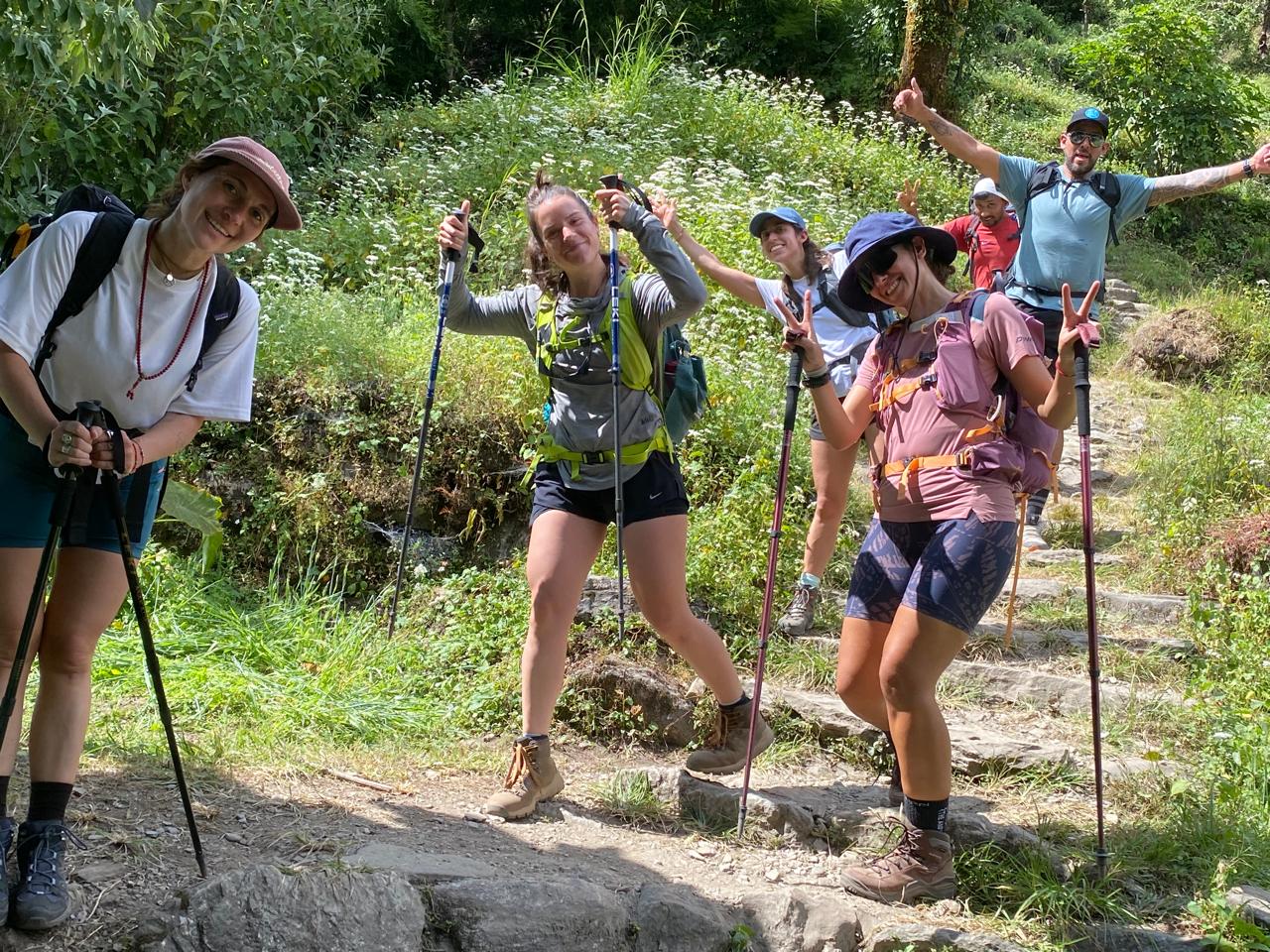
The trek provides a deep sense of accomplishment and adventure. You will cross high passes, see glaciers up close, and experience remote valleys with very few trekkers. Along the way, trekking in small groups enhances camaraderie and allows for a more personalized experience. The mixture of physical challenge, natural beauty, and cultural encounters makes this trek an unforgettable Himalayan adventure.
Summary of Trek Expectations:
The Dhaulagiri Base Camp Trek is categorized as very challenging, and it is suitable mainly for trekkers who are physically fit, mentally prepared, and eager for high-altitude adventure. Trekkers must be comfortable with long hours of walking on uneven terrain, steep ascents and descents, and variable weather conditions. If you enjoy remote wilderness, camping under the stars, and exploring areas rarely visited by tourists, this trek will be deeply rewarding.
For beginners or casual trekkers, this trek may be overwhelming due to the technical sections such as glacier walks and high pass crossings. It is not a trek for those who are uncomfortable with heights or cold temperatures. The route involves sleeping in tents at high altitudes, sometimes exposed to cold winds and unpredictable weather. Trekking with an experienced guide and crew is essential for safety and logistical support.
However, if you are a moderately experienced trekker with some prior trekking or hiking experience, and you maintain good fitness, this trek can be manageable. Mental resilience is equally important, as the trek requires patience, discipline, and the ability to adapt to changing trail conditions and altitude challenges.
Summary – Is the Trek Suitable for You?
Preparation is crucial for a successful Dhaulagiri Base Camp Trek. Physical training should begin at least 2–3 months before departure. Cardiovascular exercises such as running, swimming, cycling, and stair climbing help build endurance. Strength training for legs, core, and back muscles is equally important to manage steep climbs, long descents, and carrying backpacks.
Mental preparation also plays a role. Trekkers should familiarize themselves with high-altitude conditions, practice pacing during hikes, and plan for potential delays due to weather or trail conditions. Packing correctly, understanding altitude sickness symptoms, and having confidence in navigating wilderness conditions are all part of mental readiness.
Finally, organizing logistics in advance, including permits, travel insurance, and proper equipment, ensures a smooth trekking experience. Trekking with an experienced company like ART Nepal Treks & Expedition provides additional support with guides, camping setups, meals, and emergency arrangements, making the preparation process more manageable and ensuring safety in remote regions.
Summary – How to Get Prepared for Trek:
The adventure begins as you leave the bustling city of Kathmandu behind, embarking on a long yet scenic drive towards Beni, the gateway to the Dhaulagiri region. The journey takes you through winding mountain roads carved into steep hillsides, crossing numerous rivers and passing through charming villages where traditional Nepali life thrives. As you drive, you will witness terraced fields stretching along the slopes, small local markets, and children playing near their homes, offering an authentic glimpse of rural Nepal. The route gradually ascends from the lowland plains into the serene mid-hills, with occasional glimpses of snow-capped Himalayan peaks on the horizon. This journey is not just about covering distance—it’s an immersion into Nepal’s natural beauty and culture, and it helps your body begin adjusting gently to higher altitudes before the trek begins.
Upon arrival in Beni, you will settle into a cozy guesthouse or hotel and enjoy a well-deserved dinner. Beni sits at the confluence of the Myagdi and Kaligandaki rivers, offering panoramic views of the surrounding hills and serving as a crucial hub for trekkers heading into the Dhaulagiri region. Here, you can take a short walk along the riverside, explore the local markets, and interact with friendly locals, which provides a soft introduction to Nepali culture. Beni is an ideal place to rest and recharge after a long drive, while enjoying the serene atmosphere and preparing for the trekking adventure that lies ahead. Dinner typically includes traditional Nepali dishes, such as dal-bhat (lentil soup with rice), fresh vegetables, and sometimes meat, giving you the energy needed for the long journey ahead.
After breakfast in Beni, the journey begins with a combination of driving and trekking as you head towards Dharapani. The initial part of the day involves a scenic drive along the winding roads that follow the Kali Gandaki River, passing through small villages, terraced fields, and lush greenery. The landscape gradually transforms as you gain altitude, with towering cliffs and cascading waterfalls creating breathtaking scenery. Along the way, your guide will point out local cultural highlights, including small temples, traditional stone bridges, and communities that have lived in harmony with the mountains for generations. This blend of driving and trekking allows your body to start adjusting to higher elevations gradually while giving you ample opportunity to enjoy the peaceful surroundings.
The trekking portion starts near Darbang, where the roads end and the trail begins. Here, you will follow narrow paths through forests, small streams, and terraced farms. The trail is gentle but steady, providing the first taste of Himalayan trekking without being overly strenuous. Villagers you pass along the way often greet trekkers warmly, and you may spot yaks and goats grazing on the slopes. As you approach Dharapani, the valley narrows, and the forested slopes start to open up, offering your first glimpses of distant snow-capped peaks. Upon arrival in Dharapani, you will settle into a teahouse or guesthouse, enjoy dinner, and rest for the night while taking in the serene mountain environment.
The trek from Dharapani to Muri is your first real taste of Himalayan hiking. Leaving the village early in the morning, the trail climbs gradually through a series of terraced fields, dense pine forests, and small settlements. The local villages are home to farmers who cultivate barley, maize, and potatoes, and the sight of their colorful prayer flags fluttering in the wind adds a serene charm to the landscape. The trail passes over several small streams and wooden bridges, giving you a sense of adventure while still being manageable. Along the way, the majestic peaks of the Annapurna and Dhaulagiri ranges begin to peek over the ridges, offering fantastic photo opportunities and a sense of motivation to continue your ascent.
As you approach Muri, the terrain becomes slightly steeper with rocky paths and occasional steps carved into the hillsides. The air is fresher and cooler here, a reminder that you are steadily gaining altitude. Muri itself is a quiet settlement with a few simple teahouses that provide a cozy place to rest. This day is ideal for acclimatization, as the trek is moderately challenging without being exhausting. In the evening, enjoy the local cuisine and the peaceful ambiance while preparing for the more challenging sections ahead.
Today, the trail takes you through some of the most scenic sections of the trek, featuring steep ups and downs that test your stamina while rewarding you with panoramic mountain views. The path winds through lush forests, terraced farmland, and along the edges of cliffs, providing a mix of sunlight and shade throughout the day. Birdsong and the occasional glimpse of Himalayan wildlife add to the experience, while small villages along the route allow insight into local life. This section demands focus and steady pacing, as some parts are narrow and uneven, requiring careful footing.
By the afternoon, the valley opens up, offering sweeping views of Dhaulagiri I in the distance. Boghara is a small, tranquil village where you will camp or stay in a teahouse, depending on the arrangements. The evening is perfect for soaking in the views, relaxing, and preparing mentally and physically for the next day’s climb. The combination of natural beauty, village life, and increasing altitude makes this a memorable day of trekking.
As you leave Boghara, the trail starts entering deeper forested gorges, and the surroundings become increasingly remote. Towering rhododendron trees, bamboo groves, and the occasional cascading waterfall make the trek visually spectacular. The terrain alternates between gradual ascents and short steep sections, and the trail crosses several small streams, often over wooden planks or stone paths. This day allows you to experience the raw beauty of the Dhaulagiri region while still following a defined path.
Dobang is a peaceful campsite or teahouse village nestled along the valley floor. The remoteness of the location emphasizes the sense of adventure, and you will feel far from the hustle of towns and cities. This day is moderately long and offers great opportunities to observe local wildlife and interact with villagers who live in these high-altitude settlements. Rest and hydration are essential, as the trail continues to gain altitude over the next days.
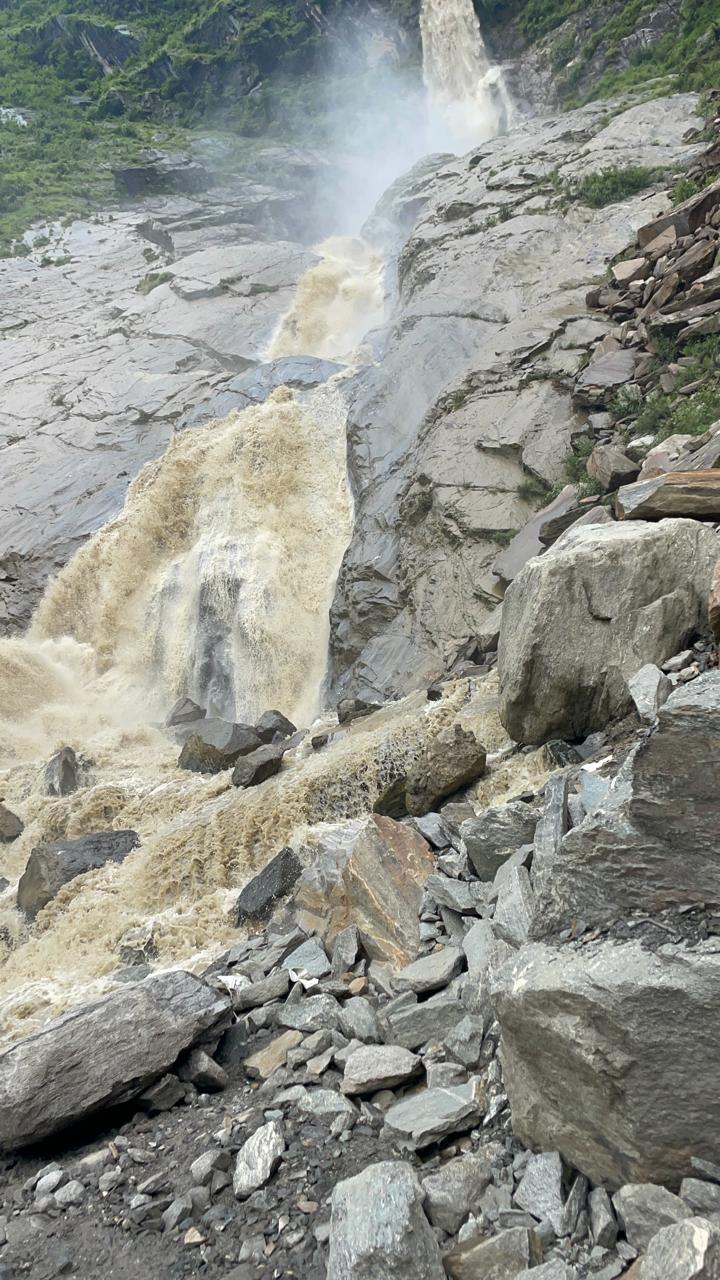
Today marks the beginning of true high-mountain trekking as you enter narrow valleys with steep cliffs on either side. The path passes through areas affected by landslides, requiring extra caution and slow, steady steps. Dense forests gradually give way to open slopes, and you will notice the air becoming crisper and cooler. Small streams and waterfalls add scenic beauty, and the occasional yak caravan reminds you of the traditional trade routes that have existed here for centuries.
Camping officially begins today, giving you a sense of life in the high Himalayas. Choriban Khola is a remote site along the riverbank, where the surrounding cliffs amplify the sounds of flowing water and the wind. As evening falls, the sun sets over the distant peaks, creating a magical atmosphere. This day is important for building endurance, preparing your body for the higher altitudes and glacier sections ahead.
The trek today opens up into a breathtakingly wide valley, revealing the massive grandeur of Dhaulagiri I dominating the skyline. The path becomes more exposed, with fewer trees and more rocky terrain, giving you uninterrupted views of surrounding peaks and glaciers. Crossing streams and small ridges, you will notice the air becoming thinner and cooler, signaling your approach to high-altitude trekking. This section is visually spectacular, with morning sunlight illuminating snow-capped peaks and the river glistening below. It’s an ideal day for photography, as the contrast of green valleys with the looming white giants provides dramatic and memorable vistas.
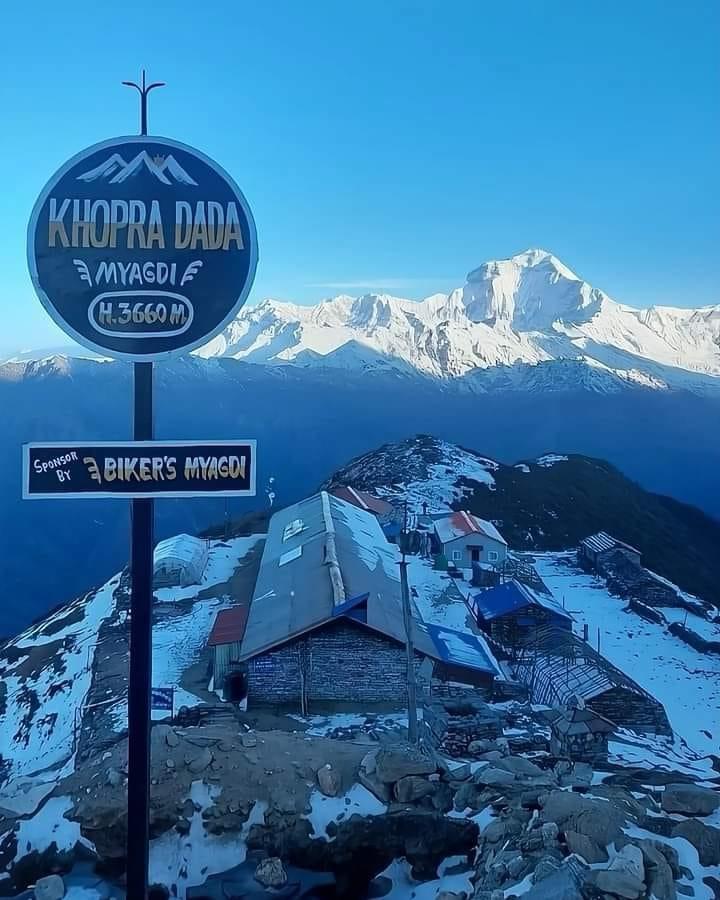
Italian Base Camp sits at 3,660 meters and serves as your first proper high-altitude stop. It’s a well-known campsite among trekkers, offering a safe and relatively flat area for tents. Here, you can enjoy the panoramic spectacle of Dhaulagiri’s massive slopes while resting for the next day’s acclimatization hike. Evenings are serene, with the sun setting behind the peaks, casting long shadows across the valley floor. The campsite also allows for some light exploration, such as short walks along adjacent ridges, helping your body adjust gradually to thinner air and reduced oxygen levels.
Today is reserved entirely for acclimatization, which is essential to prepare your body for higher altitudes. Trekkers usually do short hikes uphill to nearby ridges or small peaks and then return to camp to rest. These excursions allow your body to adjust gradually to the thinner air while also providing opportunities to explore surrounding glaciers, moraines, and icefalls. You can spend the day observing the movement of the small streams, the texture of glacial ice, and the activity of local wildlife, which is often more noticeable in the quieter early morning or late afternoon hours.
Acclimatization days also give you a chance to take stock of your equipment and ensure tents, sleeping bags, and clothing are in order for colder, windier conditions. Meals are lighter, and hydration is emphasized, as water helps your body cope with the high-altitude environment. In the afternoon, you can relax while soaking in the spectacular mountain views and perhaps journal or photograph your journey. This is a critical day to prevent altitude sickness, making your trek safer and more enjoyable.
Leaving Italian Base Camp, the trek begins to enter glacial terrain, which is more technical and requires careful navigation. The route traverses rocky debris, glacial moraines, and narrow ice paths. This section is slower, demanding careful attention to footing and the use of trekking poles for stability. The surrounding landscape becomes stark, with the white expanse of ice contrasting against the rugged, dark rocks. It’s a thrilling day for trekkers who enjoy challenging terrain, as every step brings you closer to Dhaulagiri Base Camp itself.
Glacier Camp, at around 4,200 meters, sits near the base of the main glacier leading up to Dhaulagiri Base Camp. The campsite provides a dramatic view of the glacier, where ice crevasses and towering seracs dominate the landscape. As you settle into camp, the evening brings chilly winds and stunning sunsets reflecting off the ice. This day emphasizes both physical endurance and mental preparation, as glacier trekking requires heightened awareness and careful pacing. Resting well and staying hydrated is essential for coping with the cold and high-altitude exertion.
Today is one of the highlights of the trek: walking across the glacier to reach Dhaulagiri Base Camp at 4,740 meters. The trail winds through ice ridges, snow patches, and rocky debris, demanding slow and careful navigation. The surrounding amphitheater of mountains is awe-inspiring, with Dhaulagiri I towering directly above, flanked by other peaks like Tukuche and Nilgiri. The air is thin, making regular breaks and hydration essential. Photographers will find endless opportunities for dramatic shots, from ice formations to distant peaks shimmering under the sun.
Dhaulagiri Base Camp itself is a flat, open area perfect for camping, with the sheer grandeur of surrounding mountains making it feel almost surreal. This is a place to soak in the magnitude of the Himalayas, appreciate your progress, and prepare mentally for the upcoming high passes. Evenings are quiet except for the occasional sound of wind across the ice, and the dark sky offers incredible stargazing opportunities. This day marks a significant achievement and provides a well-earned sense of accomplishment for all trekkers.
Today is a rest and buffer day at Base Camp, allowing trekkers to acclimatize fully before attempting the French Pass. You can choose to do short hikes to nearby ridges or explore around the camp area, which helps your body adjust while keeping the muscles active. The scenery is unparalleled, with surrounding peaks forming a natural amphitheater, glaciers glinting under the sun, and occasional clouds weaving through the valleys. Mental preparation is also key today, as crossing high passes requires focus, confidence, and careful planning.
Evening activities at Base Camp involve hydrating adequately, checking gear, and preparing meals with your crew. Trekkers often use this time to rest, journal, and review the upcoming route. The buffer day also provides flexibility in case of adverse weather, ensuring a safer crossing of the French Pass.
Today marks one of the most challenging yet rewarding days of the trek. You will start very early, often around 3–4 AM, to ensure you cross the French Pass (~5,360 m) safely before the sun warms the snow and ice, which can make the trail more dangerous. The ascent is steep and physically demanding, with narrow ledges and occasional snow patches. The higher you climb, the thinner the air becomes, so frequent breaks and careful pacing are essential. The views along the way are breathtaking, with glaciers flowing like frozen rivers and peaks towering on all sides.
After crossing the French Pass, you enter the Hidden Valley (~5,200 m), a high-altitude plateau surrounded by jagged peaks. This area is remote and pristine, giving a sense of being in the heart of the Himalayas, far from the usual trekking crowds. The valley is ideal for camping, with flat areas suitable for tents and spectacular views of the surrounding glaciers and mountains. Evenings are cold but peaceful, perfect for reflection and photography. This day is physically intense but highly rewarding, offering one of the most dramatic high-altitude experiences of the trek.
Today’s trek begins with crossing the second major pass of the trek, Dhampus Pass, which provides panoramic views of Dhaulagiri, Nilgiri, and Annapurna ranges. The trail descends gradually into Yak Kharka after the pass, giving you some relief after the challenging climb. The terrain varies from rocky high-altitude trails to grassy slopes, and the descent is long but scenic, passing small streams, highland meadows, and yak grazing areas.
Yak Kharka, a small pastoral settlement, offers a chance to interact with local shepherds and observe traditional Himalayan lifestyles. The village is surrounded by lush meadows, ideal for setting up camp. The atmosphere here is tranquil, with the occasional distant sound of yaks or bells adding to the alpine charm. This day combines the thrill of high-pass trekking with the serenity of high-altitude valleys, providing a unique Himalayan experience.
Today you gradually descend towards the Annapurna region, returning to more accessible trekking trails. The path winds through beautiful alpine forests, terraced hillsides, and small villages, offering glimpses of traditional Himalayan culture. You will feel the air becoming warmer and richer in oxygen as you descend, which is a welcome relief after days above 4,000 meters. Along the way, you will also enjoy views of the Kali Gandaki valley and the surrounding peaks from a different perspective.
By the afternoon, you reach Marpha or Jomsom, where the trails merge with those of the popular Annapurna circuit. Marpha is known for its apple orchards and traditional stone houses, while Jomsom is a small town with basic facilities, cafes, and small shops. The evening is ideal for exploring the local culture, sampling apple brandy, and preparing for the jeep transfer the next day.
After completing the trekking portion, you take a jeep or bus ride from Jomsom to Pokhara, traveling along the Kali Gandaki river valley. The drive is scenic, passing deep gorges, terraced fields, small villages, and occasional waterfalls. It offers a chance to relax your legs after weeks of trekking and enjoy the changing landscapes from high mountains to subtropical forests. Pokhara, the tourist hub of western Nepal, is a welcome stop with comfortable hotels, lakeside restaurants, and breathtaking views of the Annapurna and Dhaulagiri ranges from afar.
The evening in Pokhara is relaxing and perfect for rest, enjoying lakeside walks, and indulging in local cuisine. This day marks the end of high-altitude trekking and the beginning of recuperation before returning to Kathmandu.
Today you return to Kathmandu by either road or domestic flight, depending on your preference and schedule. The drive is long but scenic, passing through rolling hills, farmland, and rural towns. This is a chance to reflect on the trek, review photos, and enjoy the transition from tranquil Pokhara to the bustling capital. The flight option is quicker, offering stunning aerial views of the Himalayas, including glimpses of Dhaulagiri and Annapurna peaks.
Upon arrival in Kathmandu, you will be transferred to your hotel. The rest of the day is free for relaxation, shopping, or exploring cultural sites in the city. This day marks the official end of your trekking adventure, providing time to rest, celebrate your achievement, and prepare for departure or further travel in Nepal.
The final day of the itinerary is reserved as a buffer or rest day. This day is extremely useful in case of any unforeseen delays during the trek, such as bad weather, road issues, or minor health concerns. Alternatively, it can be used to rest after the long journey, explore Kathmandu, visit famous landmarks like Swayambhunath, Pashupatinath, or Durbar Square, or shop for souvenirs and trekking gear.
A buffer day ensures that your trek concludes smoothly without rush or stress. It also provides flexibility to accommodate flights, travel adjustments, or just some well-deserved relaxation. Ending the trip with a calm day in Kathmandu allows trekkers to reflect on the adventure, organize photos, and mentally prepare for departure or further exploration of Nepal.
For those looking to make the Dhaulagiri Base Camp Trek more than just a high-altitude adventure, several optional add-ons can be included before, during, or after your trek. These experiences allow travelers to immerse themselves in the culture, nature, and adventure of Nepal beyond the primary trail. Each add-on is designed to enrich your journey, offering flexibility and variety depending on personal interests.
Many trekkers prefer to spend extra time in Pokhara, the gateway to the Annapurna and Dhaulagiri regions. Beyond being a base for travel, Pokhara offers scenic lakeside relaxation, panoramic mountain views, and a range of cultural and adventure activities. You can take a boating tour on Phewa Lake, hike up to the World Peace Pagoda for a stunning sunset, or explore Devis Fall and Gupteshwor Cave, combining natural beauty with spiritual significance. Spending a day or two here can help your body recover after trekking while allowing you to experience Nepalese city life in a relaxed environment.
For travelers fascinated by culture and history, the Kathmandu Valley offers an extensive range of sightseeing options. Visiting Swayambhunath Stupa, also known as the Monkey Temple, provides both spiritual insight and panoramic views of Kathmandu. The ancient palaces of Kathmandu Durbar Square and the sacred Pashupatinath Temple reveal Nepal’s rich religious and royal heritage. Similarly, Boudhanath Stupa, one of the largest Buddhist stupas in the world, allows trekkers to experience vibrant local rituals and festivals, adding a profound cultural layer to the trekking adventure.
Adventure enthusiasts can opt for high-adrenaline activities, such as white water rafting on Trishuli or Kali Gandaki rivers. These rivers run through dramatic gorges and valleys, offering an exciting combination of rapids and breathtaking landscapes. This is a popular add-on for trekkers seeking adventure beyond walking trails. Likewise, paragliding in Pokhara gives an aerial view of the Himalayan panorama, combining thrills with unforgettable photography opportunities.
For those who want to enhance their trekking experience or explore more of Nepal before or after the trek, several add-ons are available. These optional experiences provide cultural immersion, adventure, and relaxation.
The Dhaulagiri Base Camp Trek can be attempted in multiple seasons, but timing your trek properly is crucial to ensure safety, accessibility, and the best scenic experiences. Each season in Nepal has unique characteristics—ranging from clear skies and stable trails to lush green valleys and snow-capped peaks—so understanding the advantages and challenges of each helps in planning your journey.
Spring (March–May) is widely regarded as the most popular season for trekking. During this time, the weather is generally stable, skies are clear, and daytime temperatures are comfortable for hiking. Spring brings the Himalayan rhododendrons into full bloom, painting the trails with bright red, pink, and white blossoms. This makes the trek visually stunning and highly rewarding for nature enthusiasts and photographers alike. The snow at higher altitudes begins to melt, making the trail safer and more accessible, especially for crossing the French Pass. Spring is also ideal for spotting local wildlife in the lower valleys, including colorful birds and small mammals.
Autumn (September–November) is another peak trekking season, favored for its crystal-clear skies and excellent visibility of the Himalayan peaks. After the monsoon, the air is fresh and clean, offering unobstructed views of Dhaulagiri, Tukuche, and other surrounding mountains. Temperatures are moderate during the day, though nights at higher altitudes can be cold. Trails are generally dry and stable, reducing the risk of landslides or slippery paths. Autumn is also festival season in Nepal, so trekkers might witness local cultural celebrations in villages along the trail, adding a vibrant cultural dimension to the journey.
Winter (December–February) is suitable for experienced trekkers who are comfortable with cold temperatures and snow-covered trails. During winter, the Dhaulagiri region is much quieter, with fewer trekkers on the trails, allowing for a more solitary and serene experience. However, temperatures can drop significantly, especially at French Pass and Base Camp, and snow may increase the technical difficulty of trekking. Adequate winter gear is essential, and trekkers should be prepared for potential delays due to heavy snow or icy paths. Winter offers unparalleled views of pristine snow-capped peaks and a sense of adventure that is unmatched in other seasons.
Monsoon (June–August) is generally not recommended for this trek. Heavy rainfall can make trails slippery, increase the risk of landslides, and reduce visibility due to clouds and fog. River crossings may become dangerous, and camping areas can become waterlogged. However, for trekkers who enjoy solitude and lush green landscapes, monsoon can provide a unique perspective of the region. Extra caution, proper rain gear, and guidance from an experienced trekking team are essential for safety during this season.
List of Best Seasons:
Food along the Dhaulagiri Base Camp Trek is surprisingly diverse, especially considering the remote nature of the region. While the trek primarily relies on teahouses and campsites, the menus have evolved over the years to cater to both local and international trekkers. In the lower regions and villages such as Dharapani, Muri, and Boghara, you will find a mix of traditional Nepali dishes and simple continental meals. Dal Bhat (lentil soup with rice and vegetables) is the staple, providing balanced nutrition and energy essential for trekking. Fresh vegetables, eggs, and locally sourced meat are often available, allowing trekkers to enjoy protein-rich meals that sustain energy for long hiking days.
As you ascend higher into the Italian Base Camp, Glacier Camp, and Dhaulagiri Base Camp, food options gradually shift to more preserved and easy-to-cook items due to logistics challenges. At these altitudes, teahouses and campsites typically offer noodles, soups, porridge, and instant meals alongside fresh bread and boiled eggs. While meat options may be limited, vegetarian meals remain widely available. Trekkers should be prepared for higher prices at these elevations, as all ingredients must be carried up the trail or flown in. The warmth and comfort of a hot meal after a long day of trekking cannot be overstated, and it is often one of the highlights of the day for many adventurers.
Beverage availability is also notable. Tea, coffee, hot chocolate, and local drinks such as butter tea can be found throughout the trek. Drinking water is generally available but should always be boiled, treated, or filtered to avoid waterborne illnesses. In lower regions, fresh juices and fruits are often accessible, but at higher altitudes, fresh produce becomes limited. Many trekkers also carry their own snacks, energy bars, or trail mixes to supplement meals and maintain energy between camps. Maintaining proper hydration, combined with balanced meals, is crucial for acclimatization and overall endurance.
List of Food Options:
Accommodation on the Dhaulagiri Base Camp Trek varies according to the region and altitude. In the lower villages such as Beni, Darbang, and Dharapani, you will find small lodges and teahouses with comfortable rooms and basic amenities such as bedding, attached or shared bathrooms, and warm meals. These accommodations are ideal for rest and recovery at the beginning of your trek, providing a familiar and cozy environment after traveling from Kathmandu. Staying in villages also offers an opportunity to interact with local communities, observe their daily life, and enjoy traditional hospitality.
As you progress into more remote regions like Dobang, Choriban Khola, and Italian Base Camp, accommodation transitions to camping-style setups. Tents are provided by trekking agencies and usually include sleeping mats and basic bedding. Campsites are often strategically located near water sources and scenic viewpoints. Despite the simplicity, these camping nights are memorable due to the proximity to snow-capped peaks and the serene environment. Trekkers often gather around a communal dining tent in the evenings to share stories, meals, and plan the next day’s trek, creating a strong sense of camaraderie.
At the highest camps near Dhaulagiri Base Camp and Hidden Valley, accommodation is entirely dependent on tents due to the absence of permanent structures. Weather conditions can be harsh, with cold temperatures, wind, and occasional snowfall, so having high-quality sleeping bags and warm clothing is essential. Camps are usually organized in clusters with separate tents for dining, kitchen, and sleeping. Despite the challenging environment, waking up to panoramic views of Dhaulagiri I and surrounding peaks is an unforgettable experience that makes every hardship worthwhile.
List of Accommodation Options:
Travel insurance is an essential component of planning the Dhaulagiri Base Camp Trek. Given the trek’s very challenging nature, high-altitude passes, glacier walking, and remote locations, having comprehensive insurance ensures coverage for medical emergencies, evacuation, and trip interruptions. Trekking insurance should include helicopter evacuation, high-altitude sickness treatment, and coverage for lost or damaged equipment. Without proper insurance, any medical situation or logistical issue can become extremely costly and complicated due to the remoteness of the area.
Medical emergencies at higher altitudes can escalate quickly, particularly with conditions like Acute Mountain Sickness (AMS), hypothermia, or injuries caused by falls. Insurance provides peace of mind, knowing that professional rescue services and hospital care are accessible if needed. Many trekking agencies require proof of travel insurance before confirming bookings, so it is important to arrange this well in advance. Policies should also cover delays, as bad weather can frequently disrupt the trek schedule, especially at French Pass or Base Camp.
Apart from medical coverage, travel insurance can also assist with lost baggage, canceled flights, and unforeseen emergencies. It is advisable to choose a policy that allows claims in Nepal and includes 24/7 assistance. Reviewing policy details thoroughly and understanding what is covered at high altitudes ensures you are adequately prepared. Insurance is not just a precaution but a crucial part of trekking responsibly in extreme environments.
List of Travel Insurance Features:
Altitude sickness, also known as Acute Mountain Sickness (AMS), is a common concern for trekkers on the Dhaulagiri Base Camp Trek due to the rapid ascent and very high altitudes, including French Pass (~5,360 m). It occurs when your body struggles to adapt to the lower oxygen levels at high elevations. Symptoms can include headache, nausea, dizziness, shortness of breath, and insomnia. While most cases are mild and manageable, severe AMS can be dangerous and requires immediate descent or medical attention. Proper acclimatization is essential, which is why the itinerary includes acclimatization days at Italian Base Camp and Base Camp.
Prevention strategies are key to a safe trek. Trekkers should ascend gradually, following the “climb high, sleep low” principle whenever possible. Staying hydrated is critical, as dehydration worsens altitude sickness symptoms. Avoid alcohol and overexertion, and take rest breaks to allow the body to adjust. Some trekkers use medications like Diamox (acetazolamide) under medical supervision to help speed up acclimatization. Listening to your body is crucial; ignoring early symptoms can lead to serious complications such as High Altitude Pulmonary Edema (HAPE) or High Altitude Cerebral Edema (HACE).
Monitoring symptoms and maintaining communication with guides is vital. Guides are trained to recognize early signs of AMS and can suggest adjustments in pace, rest, or emergency evacuation if needed. Acclimatization days not only reduce the risk of sickness but also allow trekkers to enjoy short hikes around camps, providing scenic views and an opportunity to adapt comfortably. Proper planning, awareness, and adherence to altitude guidelines make trekking at these elevations both safe and rewarding.
List of Altitude Sickness Tips:
Hiring an experienced guide is essential for the Dhaulagiri Base Camp Trek. The trek passes through remote, rugged terrain with high-altitude challenges, glacier crossings, and unpredictable weather. Guides ensure that you follow a safe route, manage time efficiently, and adjust the pace according to the team’s capabilities. A well-trained guide also assists with altitude acclimatization, monitors health conditions, and handles emergency situations. They are the first line of defense against potential risks such as landslides, river crossings, or sudden snowstorms.
Safety measures go beyond guidance. Trekking agencies provide porters, high-quality tents, communication devices, and cooking facilities, especially for the camping sections. Camp locations are carefully selected near water sources and safe terrain to minimize risks. Guides carry first-aid kits, oxygen cylinders, and radios or satellite phones to coordinate in case of emergencies. Weather conditions can change rapidly in the Dhaulagiri region, and experienced guides monitor forecasts daily to adjust the itinerary for safety.
Communication and preparedness are vital components of safety. Guides brief trekkers each morning about the day’s trail, altitude changes, and potential hazards. Group management ensures that no one falls behind, and pacing is adjusted to match everyone’s physical condition. In high-pass crossings such as French Pass, guides lead the way and assist trekkers with ropes or trekking poles if required. These measures not only prevent accidents but also enhance the trekking experience, allowing adventurers to focus on the stunning landscapes and accomplishment rather than worry about risks.
List of Guide & Safety Measures:
Booking the Dhaulagiri Base Camp Trek is straightforward, but proper planning ensures a smooth experience. Initially, choose a reliable trekking agency like ART Nepal Treks & Expedition, providing detailed itineraries, experienced guides, and quality equipment. Early booking is recommended, especially for peak seasons (Spring and Autumn), to secure flights, permits, and camping arrangements.
The process usually begins with contacting the agency to confirm availability and discuss preferences such as group size, special requirements, and any prior medical conditions. After agreeing on dates and services, a deposit is made to secure your spot. Agencies then arrange permits, insurance requirements, and any necessary flights, such as the drive or flight to Pokhara or Jomsom depending on the trek start point.
Before departure, trekkers receive a comprehensive briefing including packing lists, safety instructions, and acclimatization advice. Agencies also provide contact information for emergencies and updates during the trek. Final payments are usually made before the trek begins or upon arrival in Kathmandu. This step-by-step process ensures that everything is organized, allowing trekkers to focus solely on the adventure without logistical worries.
List of Booking Steps:
