

Island Peak Climb via Gokyo and Everest Base Camp- 21 Days
Everest Region
21 days/20 nights
Price From
View More
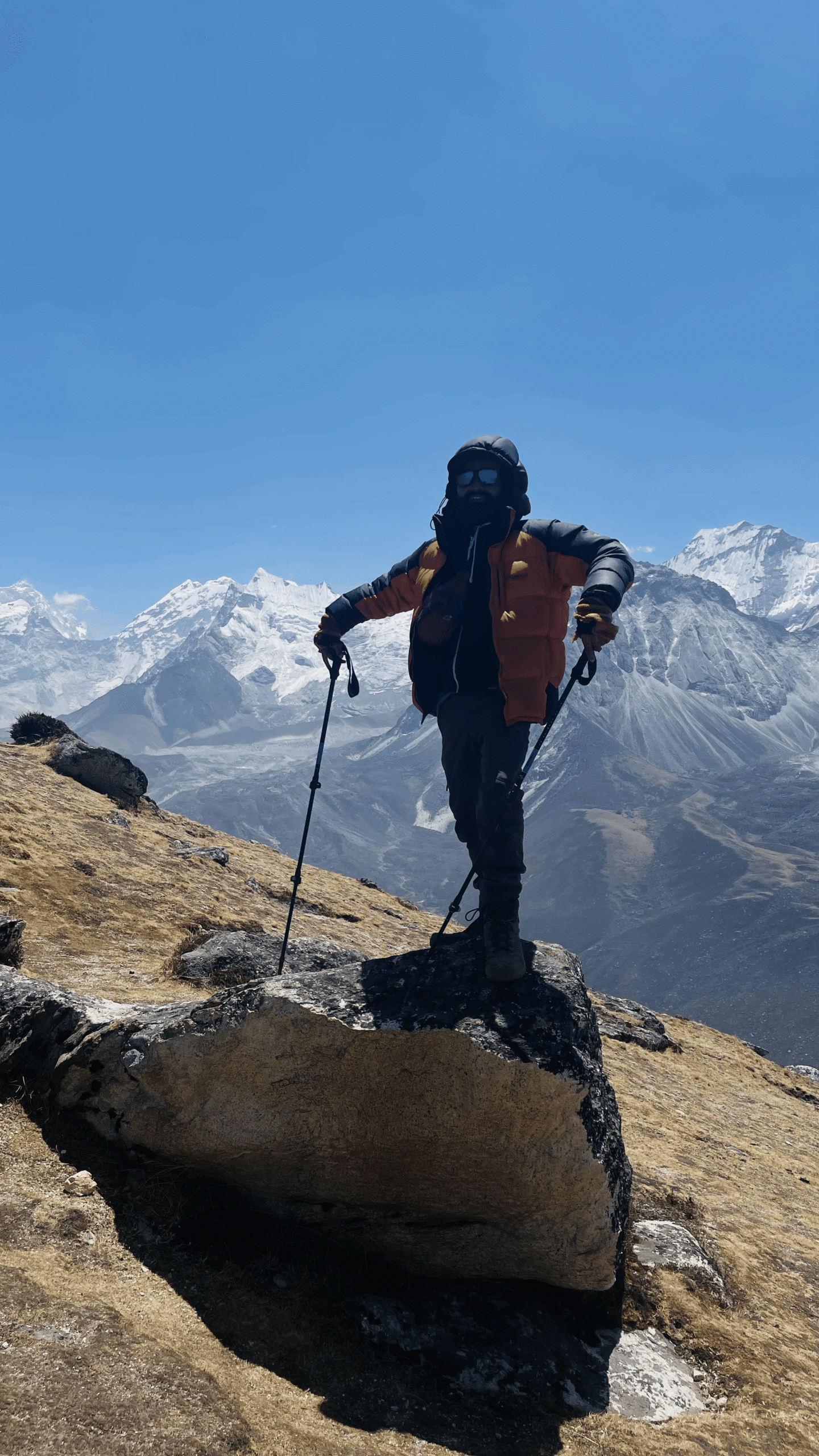
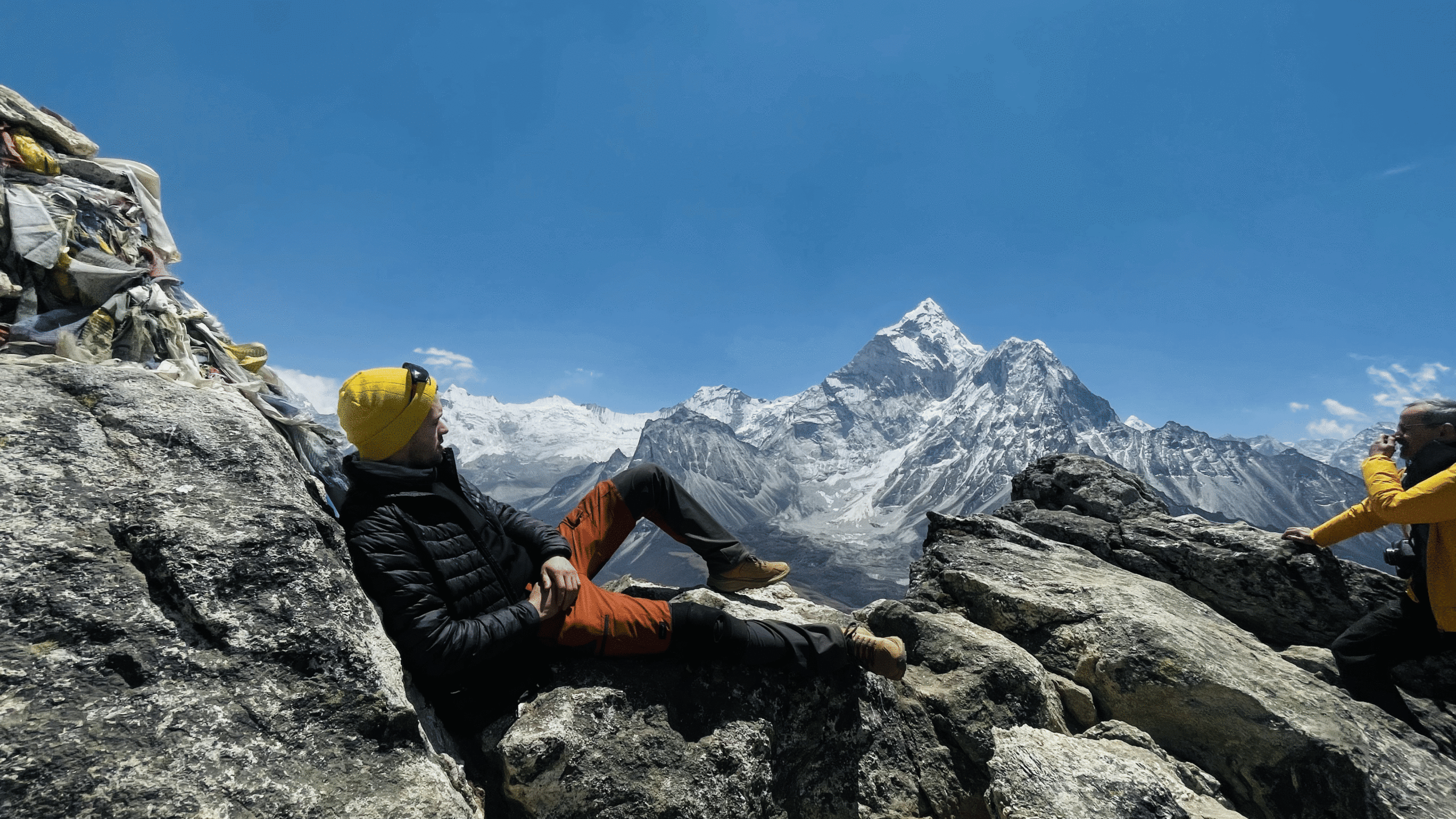
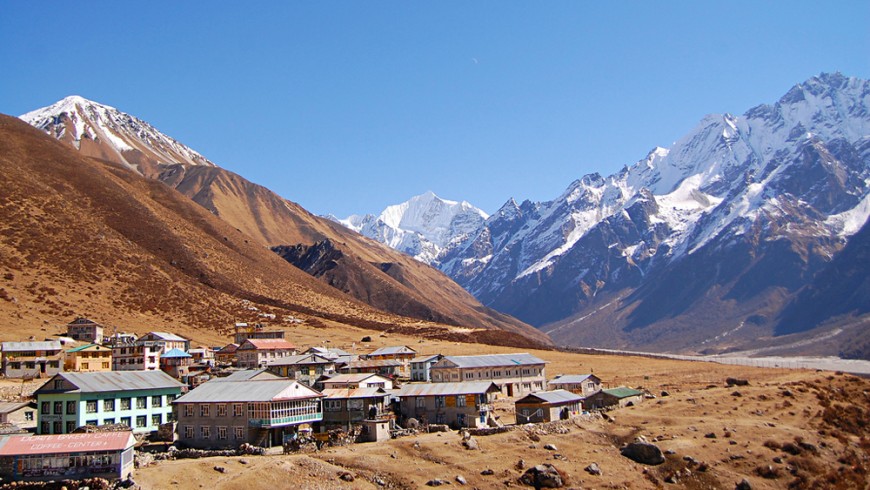
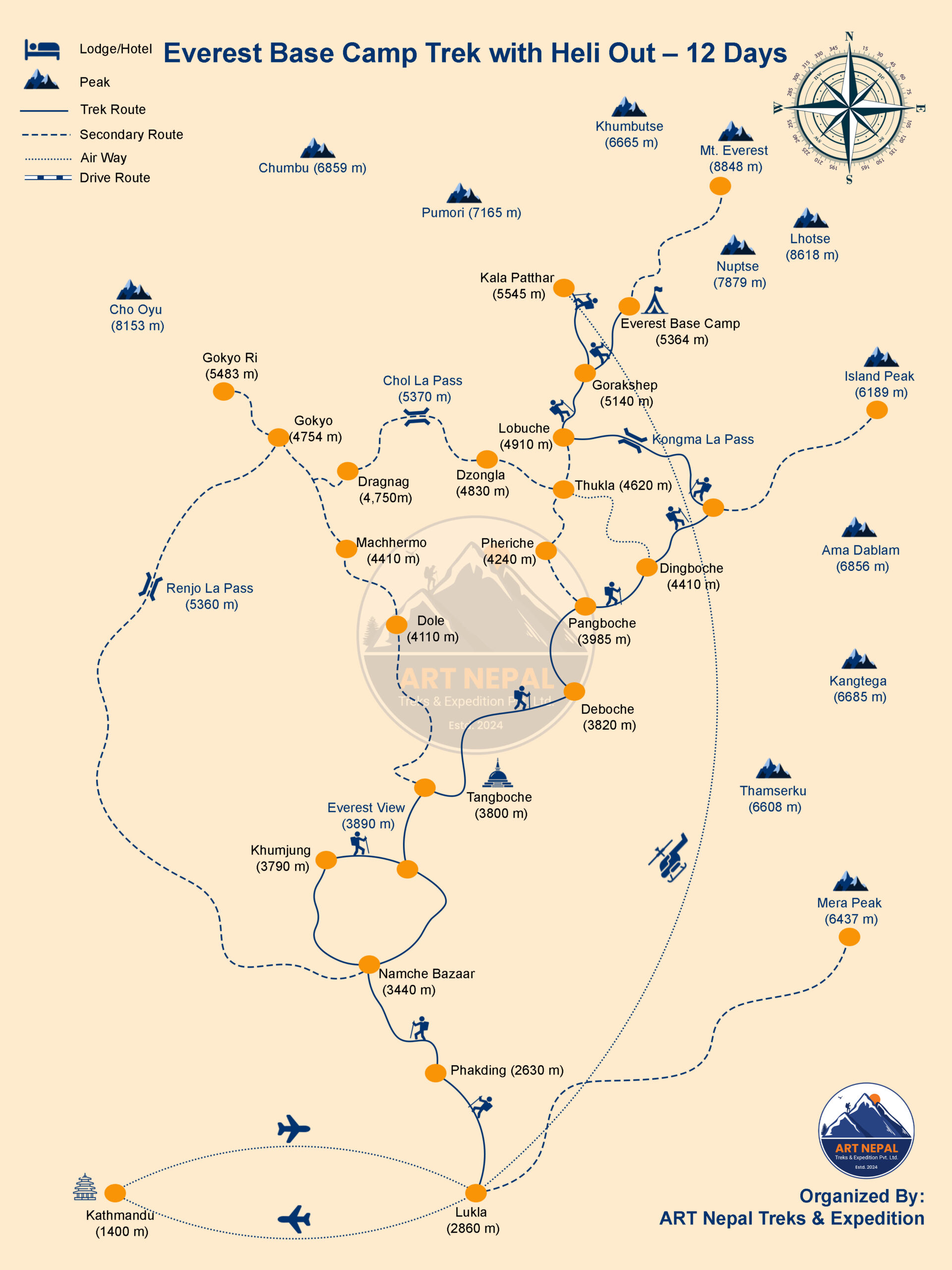
The Everest Base Camp Trek with Heli Out is one of the most exciting and rewarding trekking experiences in the world. Over 12 days, this trek takes you through the heart of the Khumbu region in Nepal, home to Mount Everest and several other towering Himalayan peaks. The journey begins with a flight from Kathmandu to Lukla, where the trek officially starts, and continues through traditional Sherpa villages, dense pine and rhododendron forests, alpine meadows, and high-altitude rocky landscapes.
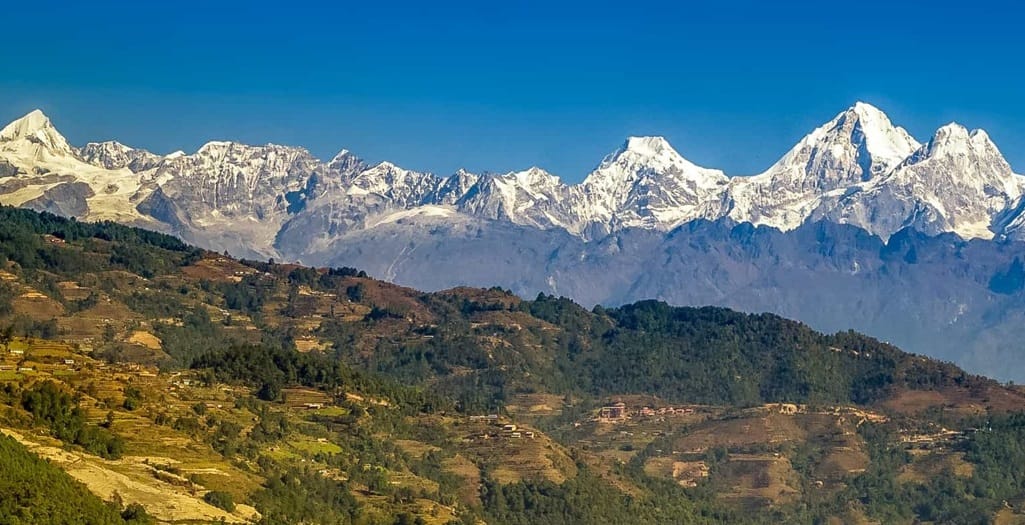
Along the way, trekkers will visit famous towns like Namche Bazaar, a lively Sherpa market hub, and cultural landmarks like Tengboche Monastery, offering a glimpse into local Buddhist traditions. The trek provides stunning views of mountains such as Everest, Lhotse, Nuptse, Ama Dablam, and Thamserku, with several spots perfect for photography and reflection.
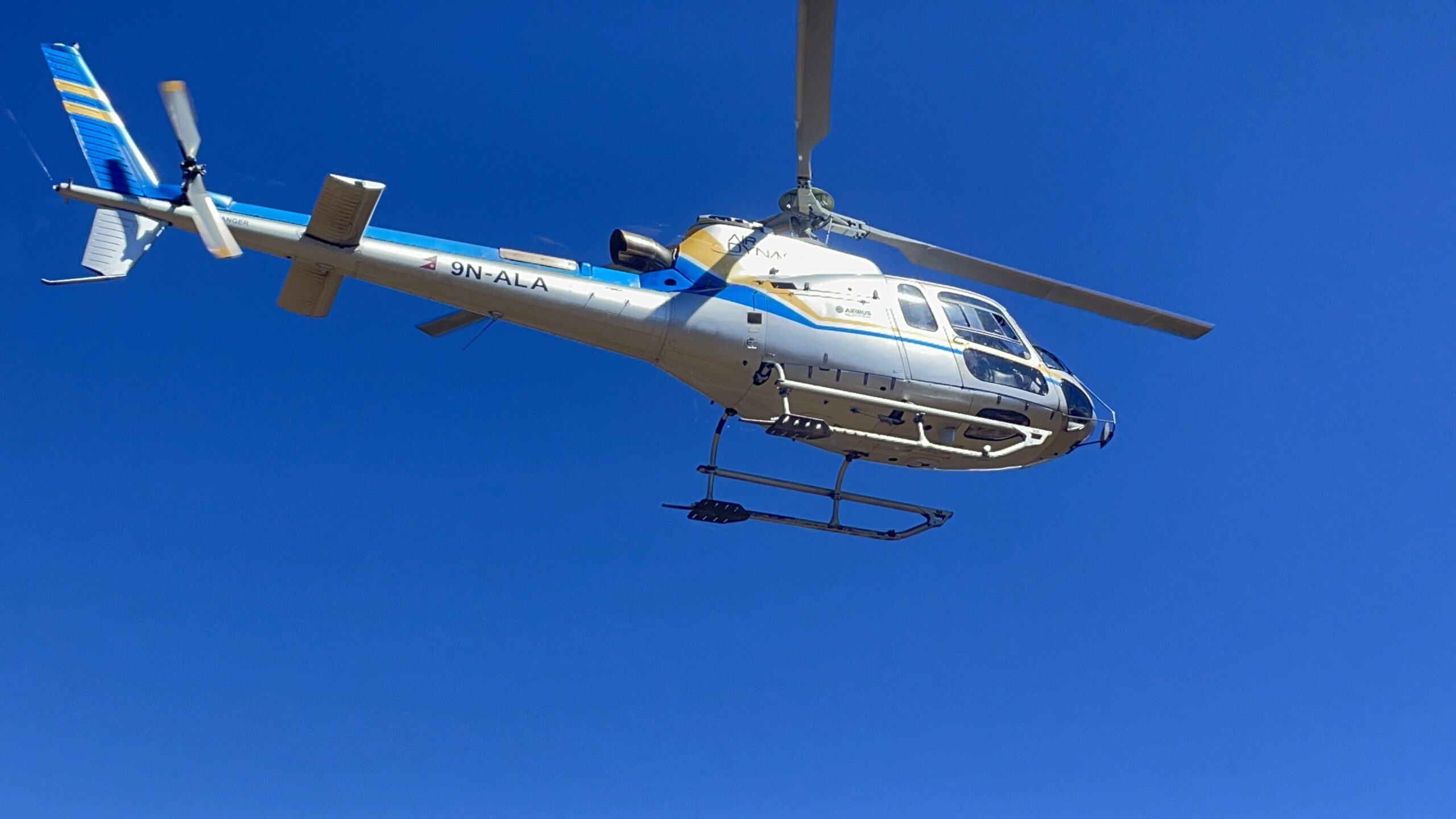
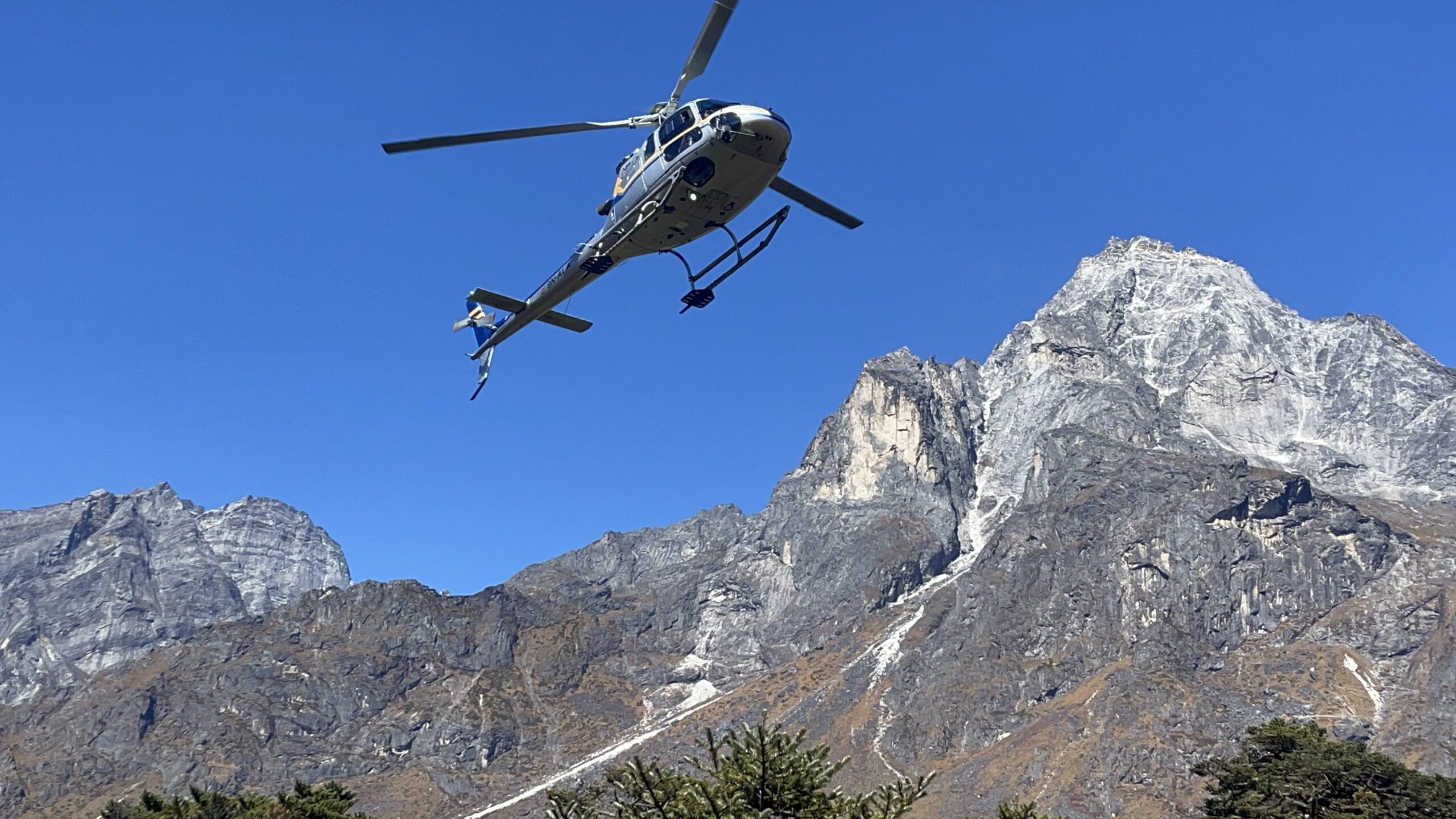
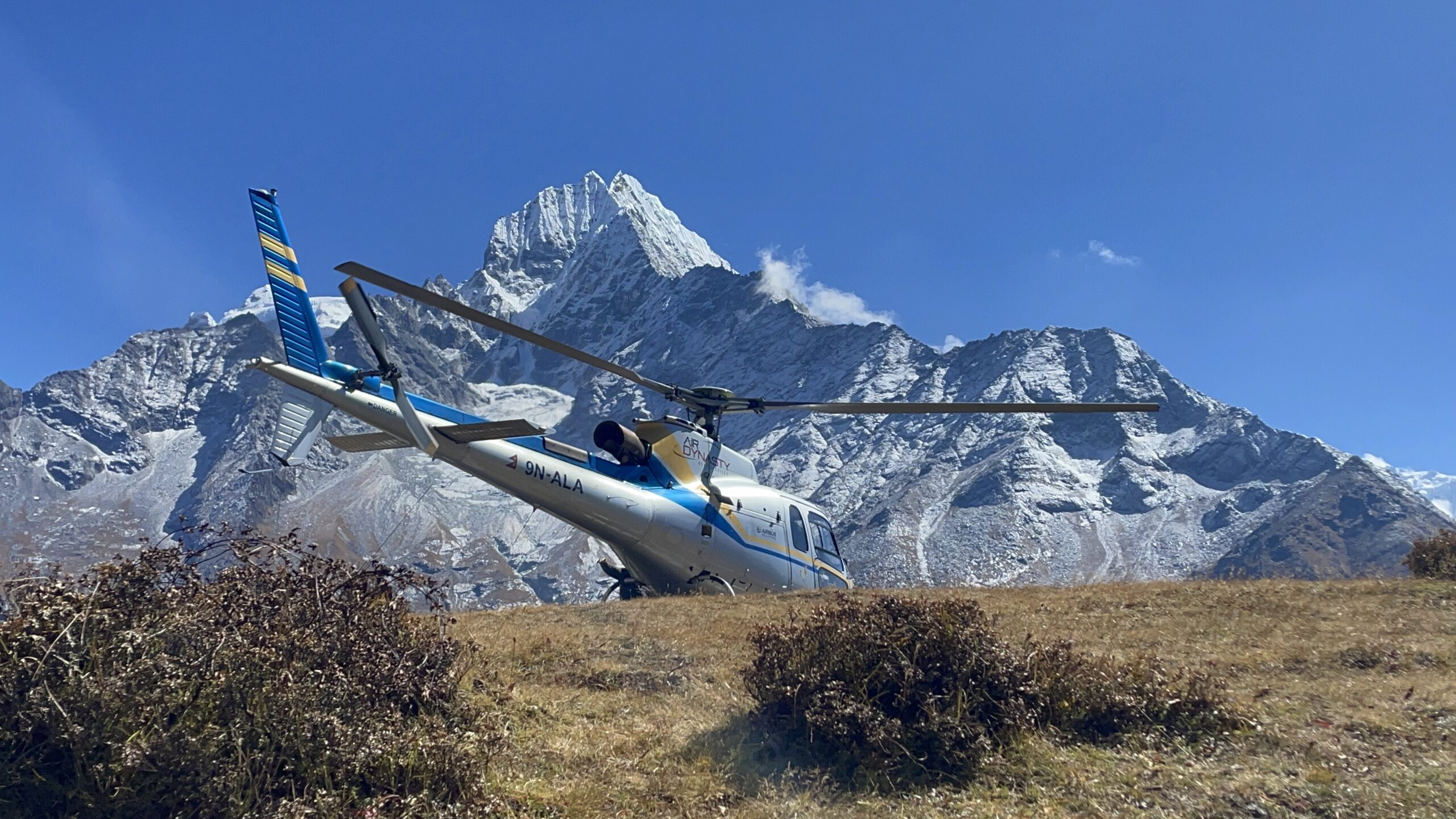
One of the unique features of this trek is the helicopter return from Gorak Shep to Lukla, which saves time and energy while offering a spectacular aerial view of the Himalayas. This means you get to experience the high-altitude adventure without the long and tiring descent to Lukla.
The trek also emphasizes safety and acclimatization, with planned rest days to help your body adjust to the altitude, reducing the risk of altitude sickness. Lodges and tea houses along the route provide basic but comfortable accommodations, with warm meals and local hospitality adding to the experience.
Overall, this trek combines adventure, culture, and natural beauty. It is suitable for trekkers who want a challenging high-altitude journey but prefer a slightly quicker return. You will experience the thrill of standing at Everest Base Camp, the serene beauty of the mountains, and the rich culture of the Khumbu region—all in one incredible adventure.
The Everest Base Camp Trek with Heli Out is a combination of adventure, cultural immersion, and breathtaking natural beauty. Trekkers can expect a journey through diverse landscapes, starting from the lowland forests near Lukla and gradually moving into high-altitude alpine zones. Along the way, you will witness snow-capped peaks, glacial rivers, rocky trails, and panoramic views of the Himalayas.
This trek is physically demanding, with several long trekking days and steep climbs, especially when ascending to Gorak Shep, Everest Base Camp, and Kala Patthar. However, the gradual ascent and planned rest days allow your body to acclimatize, helping you enjoy the journey safely.
Cultural experiences are also a highlight. You will pass through traditional Sherpa villages, interact with friendly locals, and learn about their customs and lifestyle. Visiting monasteries, prayer walls, and local markets adds depth to the adventure, giving trekkers insight into the spiritual and cultural life of the Khumbu region.
The helicopter return is an extraordinary experience. Flying over the Himalayas, you will enjoy a unique perspective of the mountains, glaciers, and valleys—a perfect way to conclude the trek after the physical challenge of reaching Everest Base Camp.
The Everest Base Camp Trek with Heli Out is suitable for trekkers who are physically fit, mentally prepared, and excited for high-altitude adventure. While the helicopter ride reduces the long return trek from Gorak Shep to Lukla, the journey to Everest Base Camp and Kala Patthar still requires stamina and endurance.
This trek is ideal for:
This trek may not be suitable for individuals with serious health conditions such as heart or lung problems due to the high altitudes. Pregnant women or those unaccustomed to hiking for several hours a day should consult a healthcare professional before attempting the trek.
With proper physical preparation, acclimatization, and mental readiness, most healthy adults can enjoy this trek safely and gain an unforgettable Himalayan experience.
Preparation is key to making your Everest Base Camp experience safe and enjoyable. Here’s a detailed guide:
Your adventure begins as you arrive at Tribhuvan International Airport in Kathmandu. A representative will meet you and transfer you to your hotel in Thamel. You can relax after your flight or take a stroll around Thamel, exploring the bustling streets filled with shops, cafés, and trekking gear outlets. Later, attend a pre-trek briefing at the trek operator’s office, where you will review the itinerary, get your permits, and discuss safety measures for the upcoming trek.
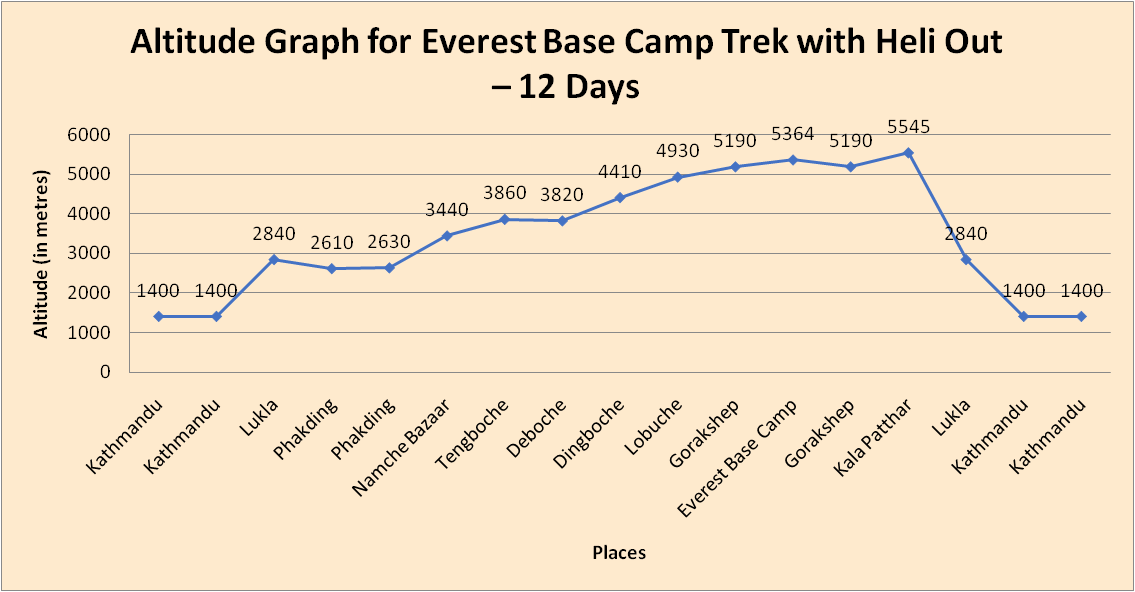
Enjoy an early morning scenic flight to Lukla, witnessing the Himalayan peaks from the airplane. Upon landing, begin the trek to Phakding, walking through pine forests along the Dudh Koshi River. Cross small suspension bridges, enjoy glimpses of the snow-capped mountains, and take in the fresh mountain air. The trekking pace is moderate to help your body adjust gradually to the altitude. Reach Phakding, where you stay overnight in a cozy teahouse.
Trek through a picturesque landscape of forests and rivers, crossing multiple suspension bridges along the way. The trail gradually climbs, leading to the vibrant town of Namche Bazaar, the cultural and trading hub of the Khumbu region. Here, you will find shops, bakeries, and local markets selling souvenirs, trekking supplies, and traditional Sherpa crafts. The climb to Namche is moderately steep, making this an ideal day to begin acclimatization.
Spend a rest day in Namche Bazaar to allow your body to adjust to higher altitude. You can take a short hike to a nearby viewpoint for a panoramic view of Everest, Lhotse, and Ama Dablam, or explore the town and visit the Sherpa Cultural Museum and the Tourist Visitor Center. This day also allows you to shop for any last-minute trekking essentials and enjoy the local culture.
Trek through forests and small villages, enjoying the sight of Ama Dablam rising in the distance. Cross the Dudh Koshi River and continue the climb to Tengboche Monastery, one of the most famous monasteries in the Khumbu region. After visiting the monastery, trek further to Deboche, surrounded by spectacular peaks and prayer flags fluttering in the wind. This day combines moderate trekking with cultural exploration.
The trail now enters alpine terrain, moving past Pangboche village and rhododendron forests. You will notice the vegetation thinning as you ascend, signaling the high-altitude environment. Dingboche is a picturesque village with stone houses and fields carved into the mountainside. Take the evening to rest, enjoy the crisp mountain air, and prepare for acclimatization.
Take a rest day to acclimatize. Optional short hikes to nearby ridges, such as Chhukung Valley, provide excellent views of Ama Dablam, Island Peak, and Lhotse. Rest, hydrate, and enjoy the peaceful surroundings. This day helps your body prepare for the higher elevations ahead.
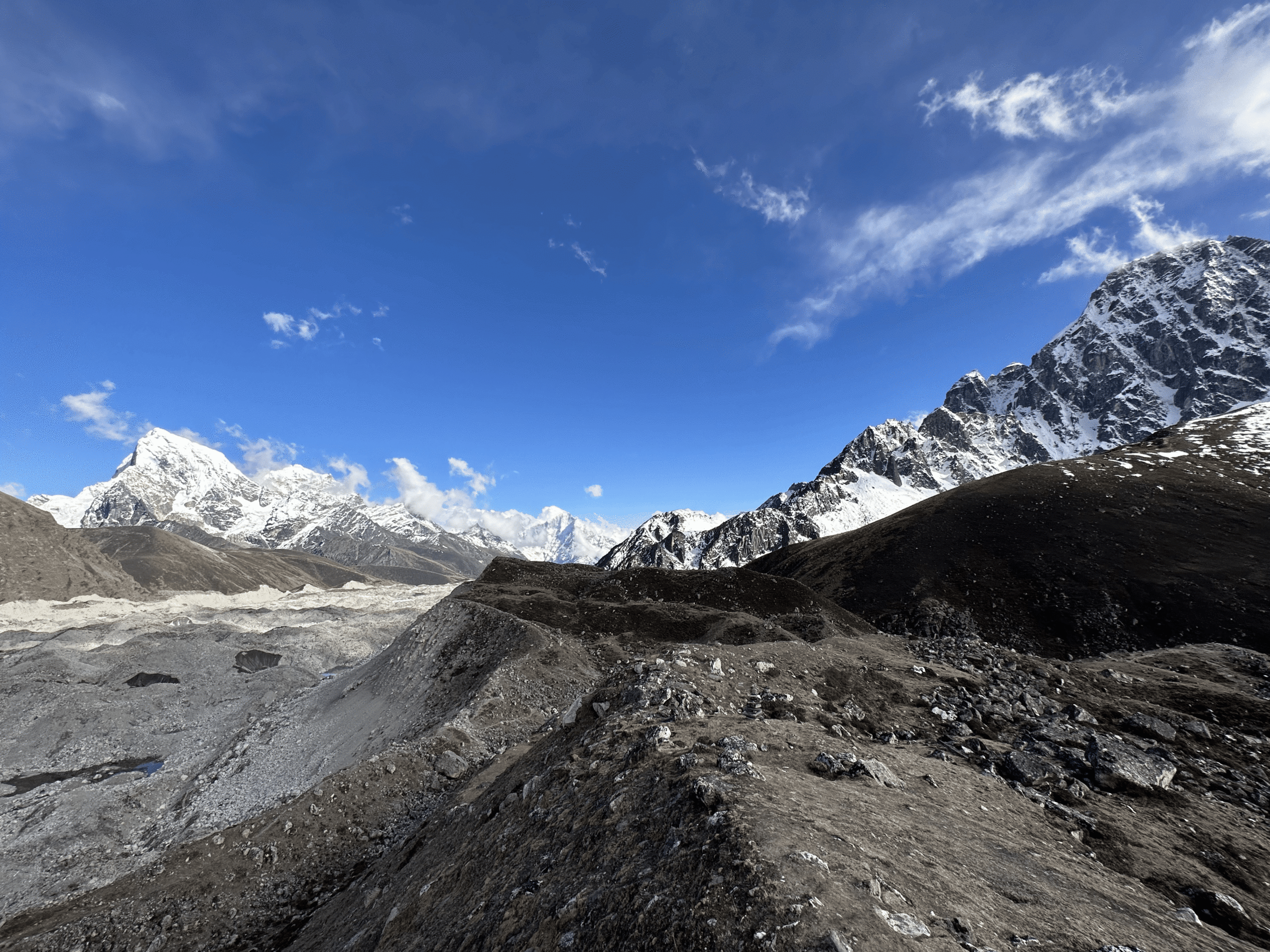
Continue ascending through the high-altitude desert landscape, passing Thukla Pass and the memorial stupas honoring climbers who lost their lives on Everest. Enjoy breathtaking views of surrounding peaks as you reach Lobuche, a small settlement with teahouses for trekkers. The terrain becomes rockier, requiring careful footing.
Begin the day trekking to Gorak Shep, where you drop your main luggage before heading to Everest Base Camp. Walk over moraine trails, glacial landscapes, and frozen streams. Stand at the foot of the world’s highest mountain and absorb the majesty of Everest, Nuptse, and Lhotse. Return to Gorak Shep for an overnight stay.
Start early with a sunrise hike to Kala Patthar, the highest viewpoint for panoramic Everest views. After capturing the stunning scenery and photographs, return to Gorak Shep for breakfast. Then, take a helicopter flight to Lukla, enjoying aerial views of the Himalayas. This helicopter ride eliminates the long trek back and adds a thrilling highlight to your journey.
Take an early morning flight back to Kathmandu. Enjoy aerial views of snow-capped peaks, glacial rivers, and forested valleys. Upon arrival, transfer to your hotel and celebrate your successful trek with fellow trekkers. Spend the evening shopping or relaxing in Thamel.
Depending on your flight schedule, enjoy a final breakfast and do last-minute shopping or sightseeing before being transferred to Tribhuvan International Airport for your onward journey. Reflect on the incredible memories, breathtaking scenery, and cultural experiences of the Everest Base Camp trek.
Trekking packages can be enhanced with additional services to improve comfort and experience:
The timing of your trek plays a crucial role in your experience, both for comfort and safety. While Everest Base Camp is technically accessible year-round, the most ideal times are spring (March to May) and autumn (September to November).
Spring is the most popular season for trekking in the Everest region. During this period, the weather is generally stable, and the temperatures are moderate, making trekking more comfortable. Snow from winter has mostly melted on the lower trails, reducing difficult icy patches. One of the highlights of spring trekking is the blooming of rhododendron forests, which paint the trail with vibrant red, pink, and white flowers. This season also offers excellent visibility of the surrounding peaks such as Everest, Lhotse, Nuptse, Ama Dablam, and Thamserku, giving trekkers unbeatable photography opportunities. Days are long and warm, while nights can still be chilly at higher altitudes.
Autumn is another peak trekking season due to clear skies and stable weather following the monsoon rains. The trails are lush and green, rivers are full, and the air is crisp, providing unmatched visibility of the Himalayas. Temperature ranges are comfortable for walking during the day, though it may be cold in the mornings and evenings. Autumn treks offer a sense of serenity since the monsoon has washed the trails, reducing dust and enhancing the overall beauty of the landscape. This season is also ideal for those who want to combine trekking with cultural experiences in Namche Bazaar, Tengboche, and Lukla, as local festivals and celebrations often take place in autumn.
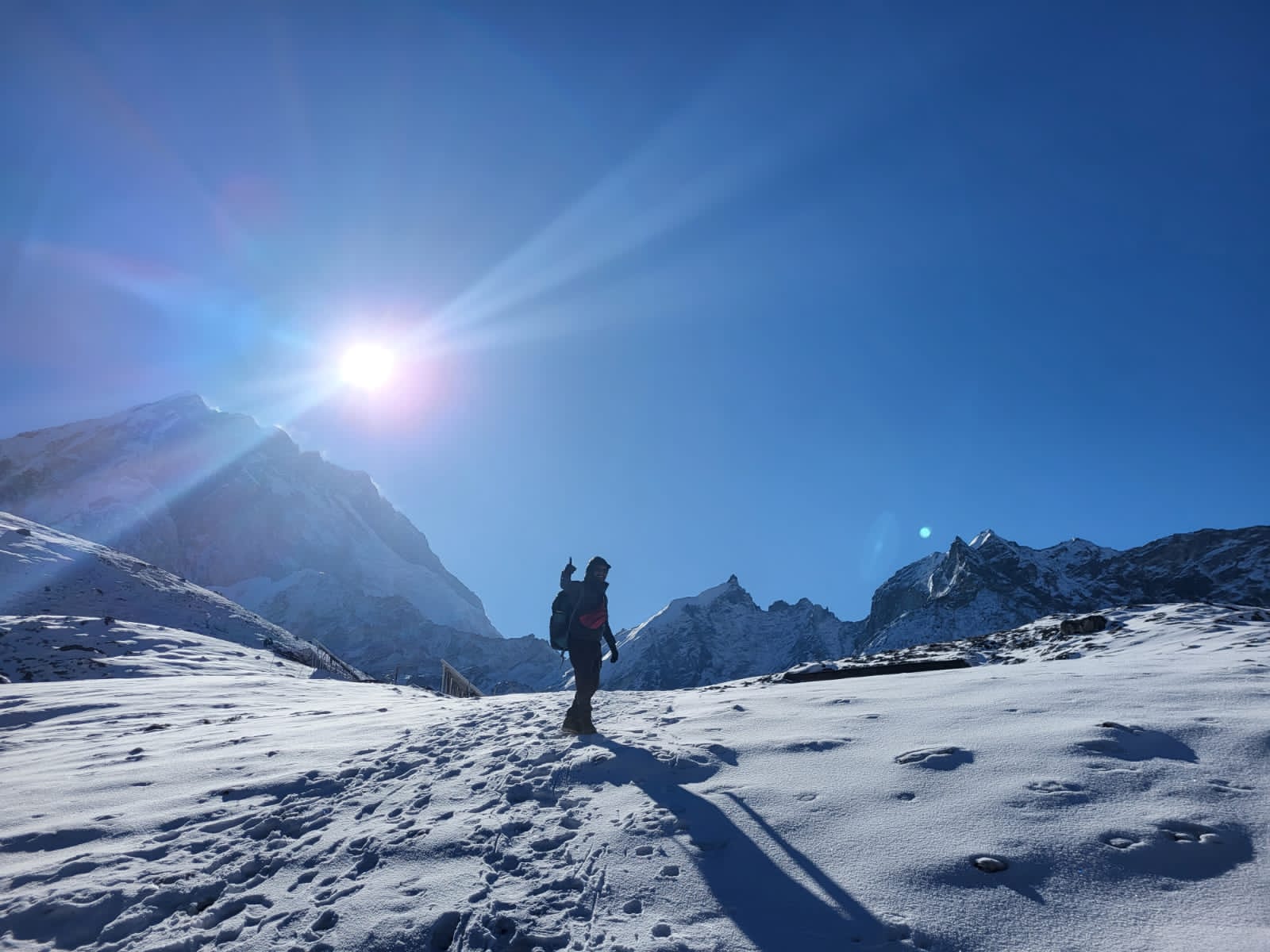
Winter trekking is for the more adventurous. The temperatures drop significantly, especially above 4,000 meters, where snow and icy conditions can make trails more difficult. On the positive side, winter offers uncrowded trails and an incredible sense of isolation, giving trekkers the chance to experience the Everest region in peace. The skies are usually clear, offering spectacular sunrise and sunset views, especially from Kala Patthar and Everest Base Camp. However, winter treks require excellent preparation, high-quality gear, and prior experience in cold-weather trekking.
The summer months coincide with the monsoon season, bringing heavy rainfall, high humidity, and the risk of landslides on mountain trails. Trekking during this season is not recommended for most travelers, especially for high-altitude areas. The monsoon can obscure mountain views with clouds and mist, and the trails can become slippery and challenging. Some lower routes may still be passable, but the high routes to Everest Base Camp can be risky. Only experienced trekkers familiar with monsoon conditions should attempt trekking in this season.
Summary:
Eating well is crucial during high-altitude trekking to maintain energy, warmth, and stamina. The Everest region offers a surprising variety of foods, from traditional Nepali meals to international dishes, especially at teahouses and lodges along the trail.
Most teahouses provide a hearty breakfast to start your day. Options usually include:
A good breakfast ensures you have enough energy for the first half of your trekking day, especially as the morning involves uphill stretches.
Lunch is usually a mix of local and simple international foods:
Lunch is usually taken mid-day during the trek, often in a small lodge or along the trail. It’s important for replenishing energy before continuing your hike.
After a long day of trekking, dinner is warm and filling. Options usually include:
Most lodges also serve tea, coffee, and hot chocolate throughout the day. Snacks like biscuits, energy bars, chocolate, and fruit are available at higher altitude stops, though prices may be higher due to transport costs.
Accommodation along the Everest Base Camp trail ranges from basic teahouses in villages to comfort lodges at busier stops like Namche Bazaar. At higher altitudes, small guesthouses provide basic amenities, and the quality can vary due to remoteness.
Travel insurance is mandatory for high-altitude trekking. It ensures that you are protected against unexpected emergencies, medical issues, or evacuation needs.
At high elevations, reduced oxygen levels can cause altitude sickness, which ranges from mild discomfort to serious health risks.
Guides play a critical role in ensuring a safe and enjoyable trek in the Everest region. Their experience, knowledge, and vigilance help trekkers navigate challenging trails and high-altitude environments.
Booking a trek through a reliable operator ensures a smooth and well-organized experience. Here is a step-by-step guide:
Tips for Packing: