

Gosaikunda Trek via Langtang – 15 Days
Introduction
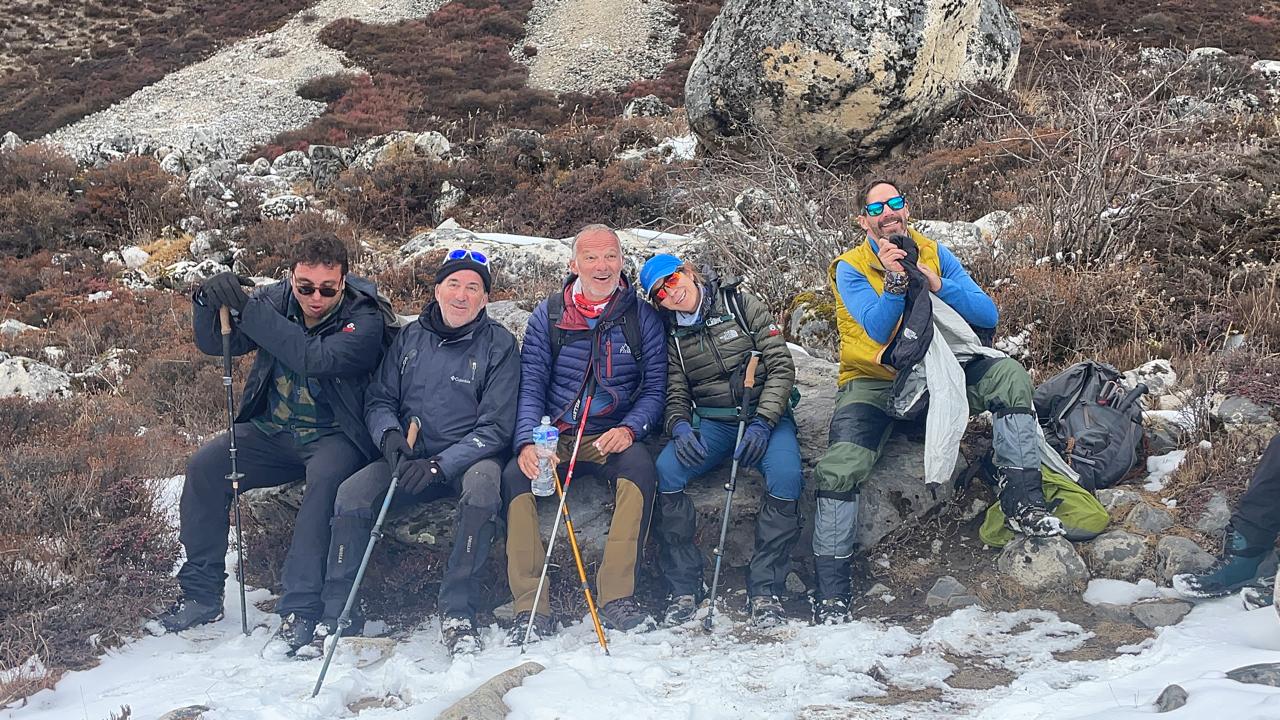
The Gosaikunda Trek via Langtang is one of the most rewarding trekking journeys in Nepal, combining stunning Himalayan scenery, sacred alpine lakes, high mountain passes, and deep cultural experiences. This 15-day adventure takes you through two remarkable regions — the Langtang Valley and the Gosaikunda Lake area — offering a complete exploration of nature and spirituality.
Organized by ART Nepal Treks & Expedition, this trek begins with a scenic drive from Kathmandu to Syabrubesi, the gateway to the Langtang region. From there, the trail gradually climbs through dense forests, riverside paths, traditional Tamang settlements, yak pastures, and alpine landscapes.
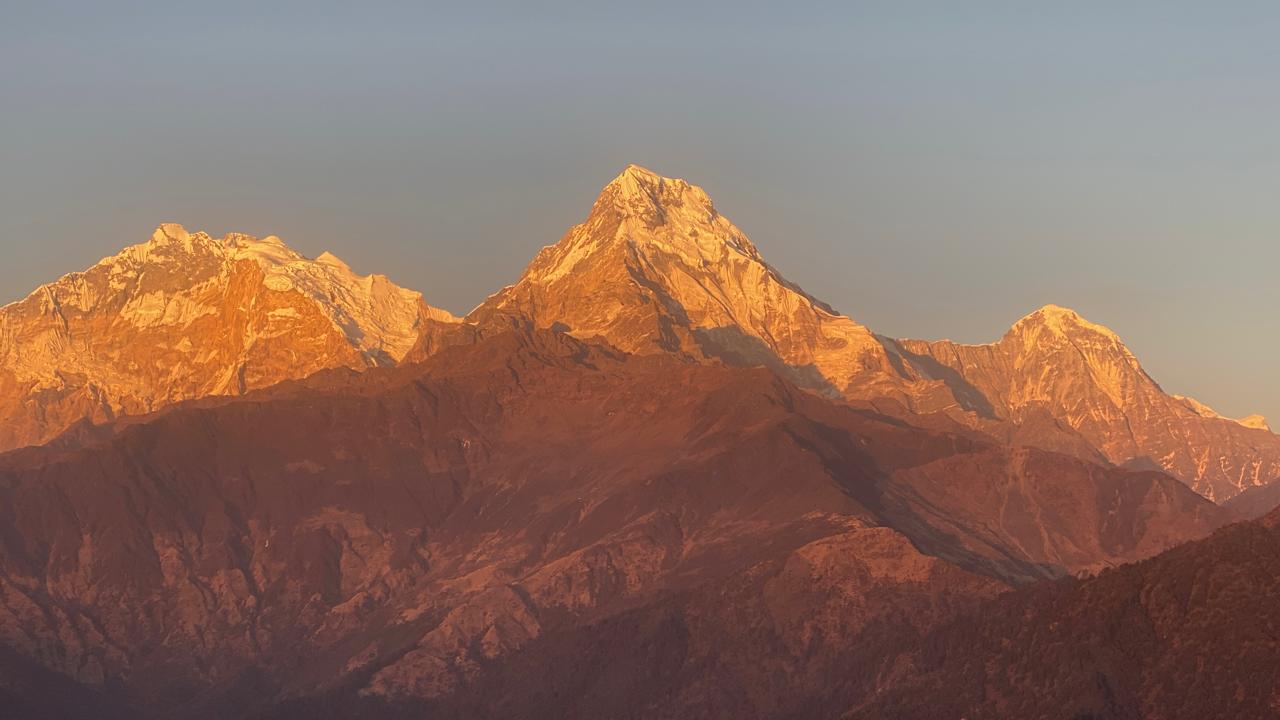
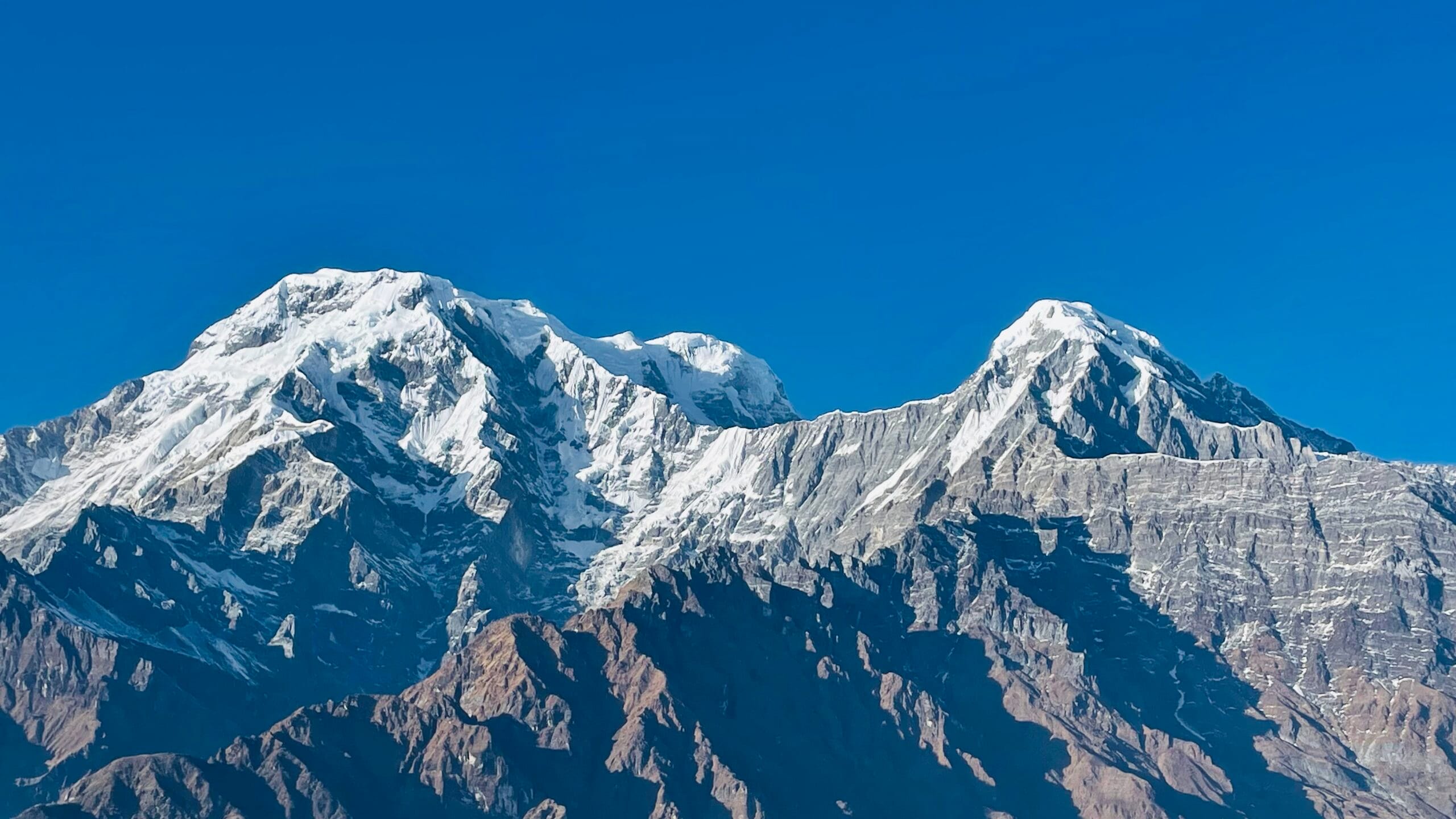
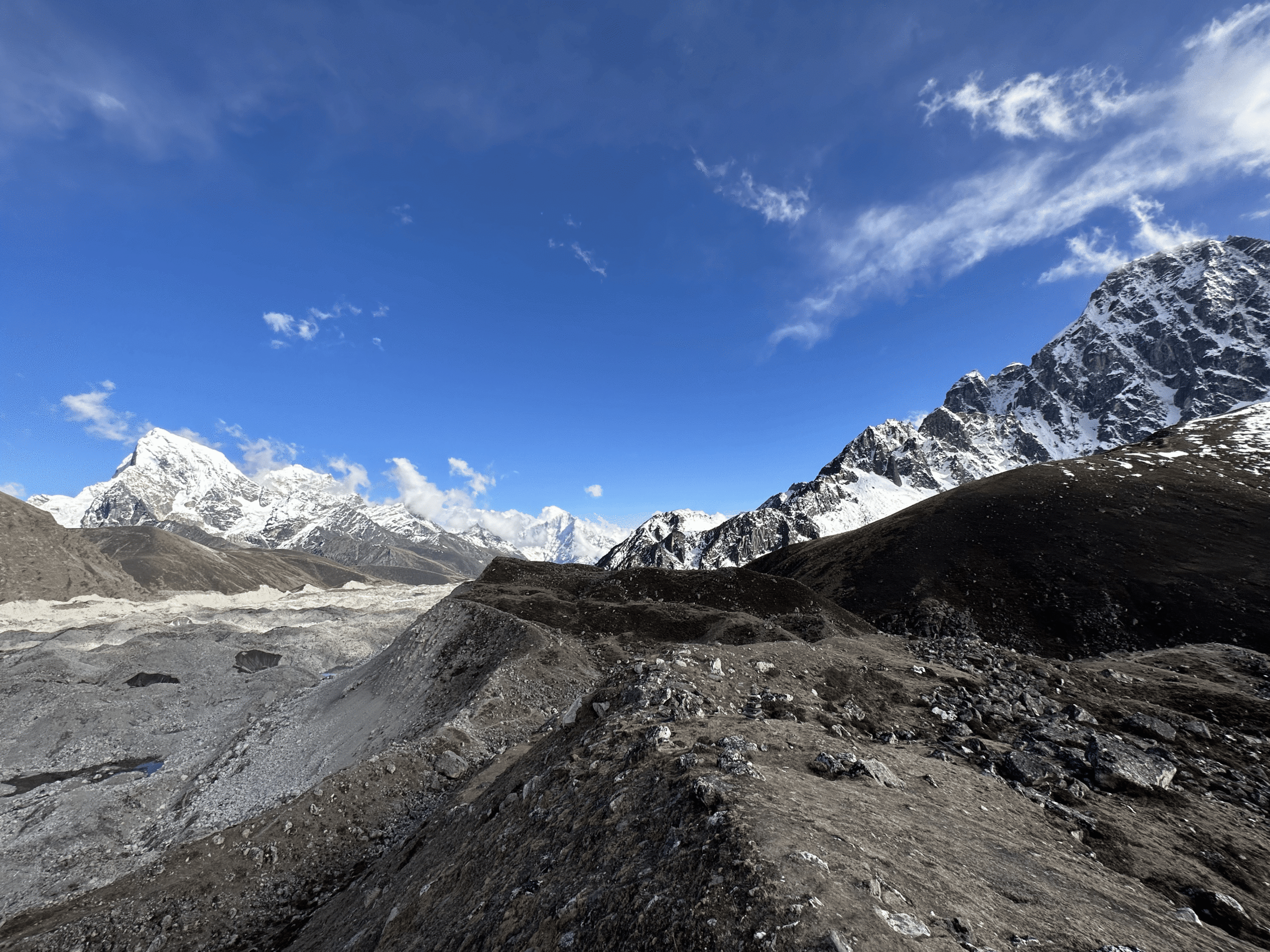
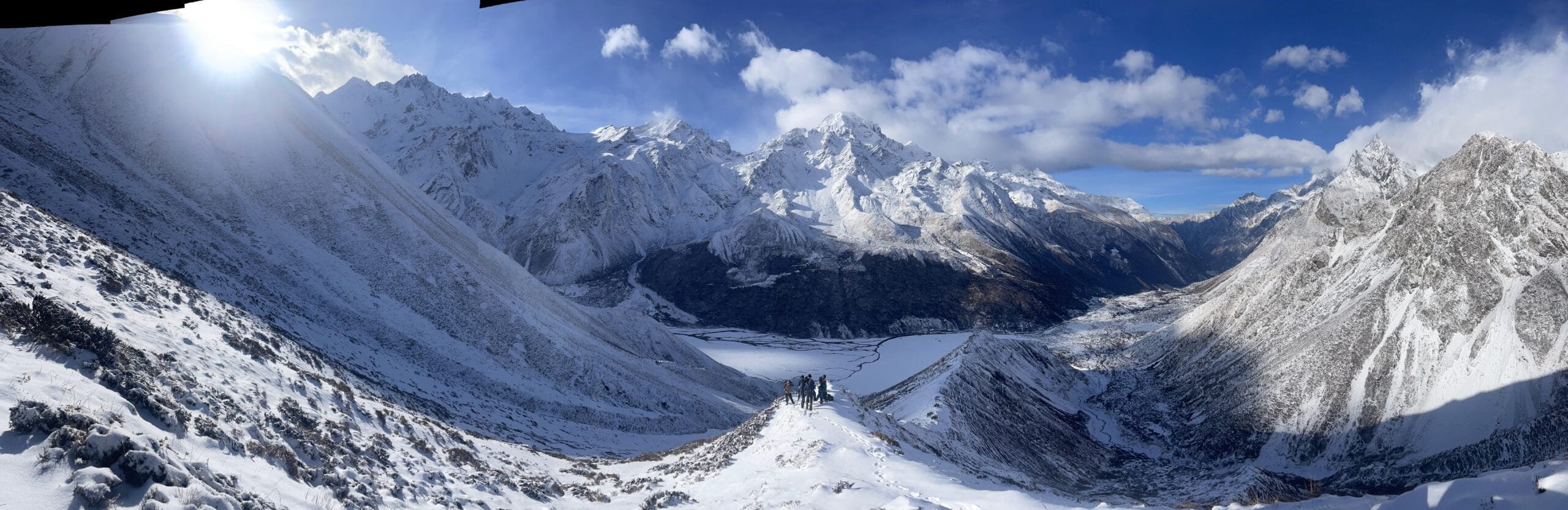
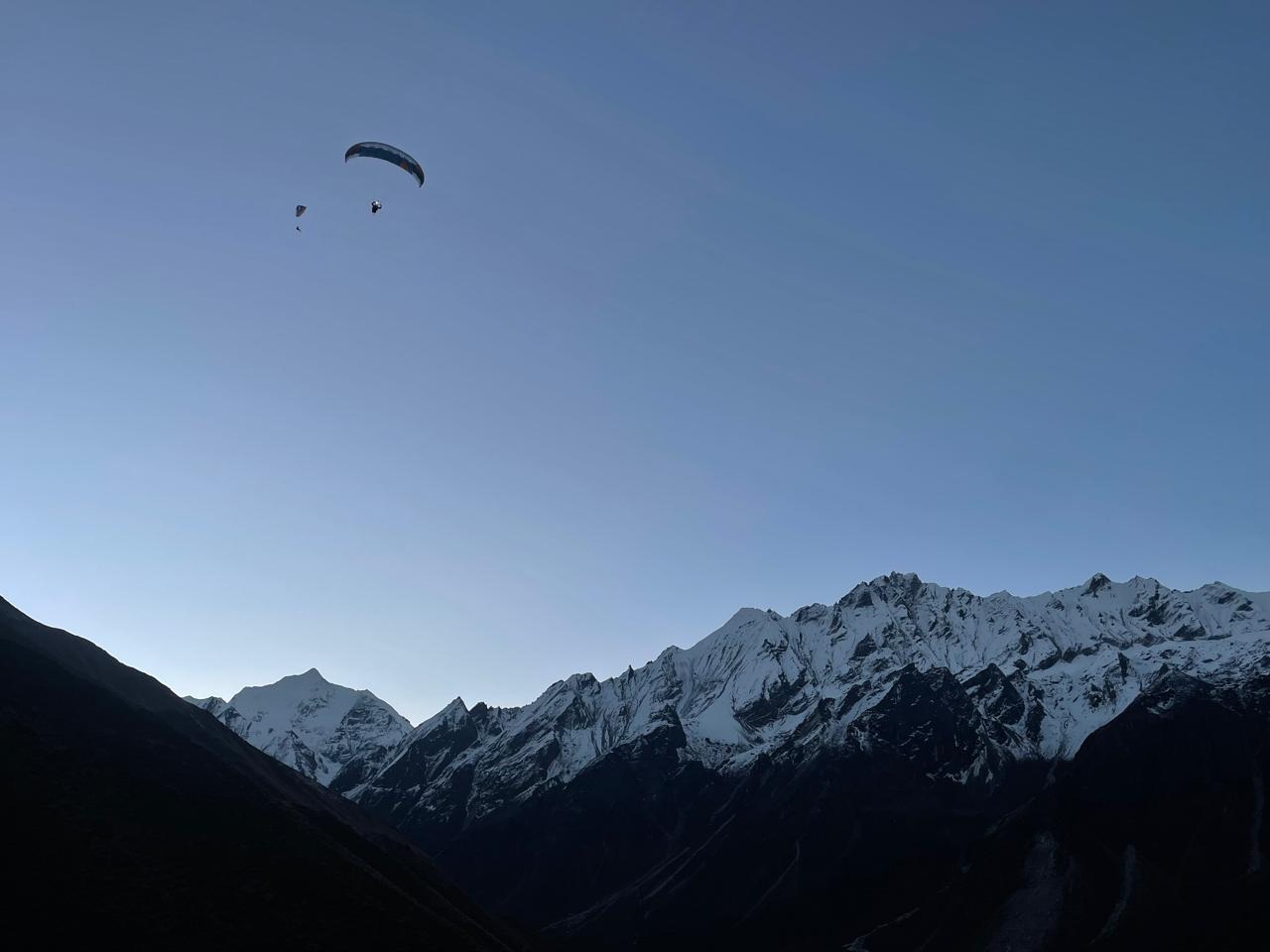
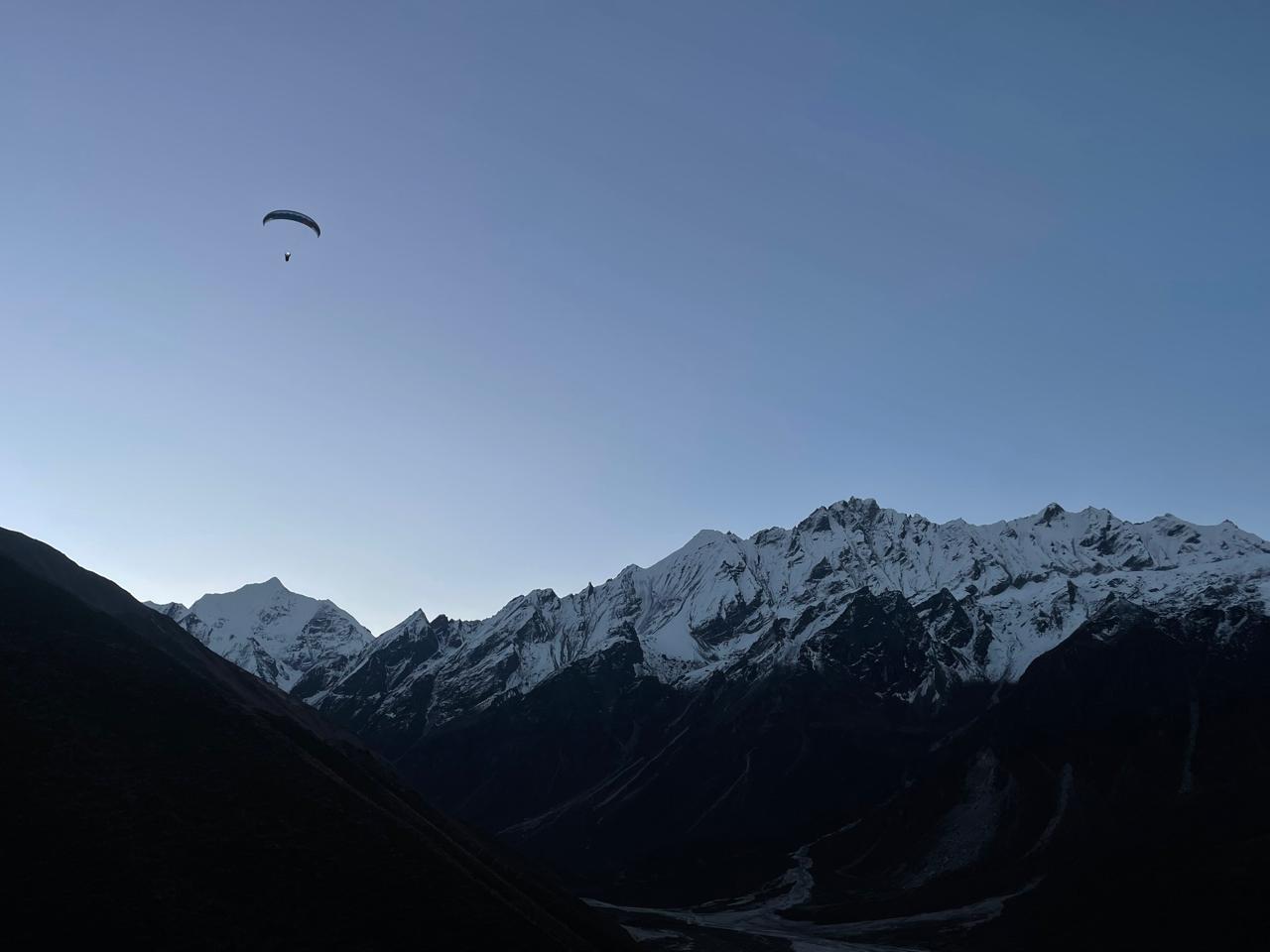
The first part of the journey focuses on the Langtang Valley. You will trek along the Langtang River, pass through Lama Hotel, and reach Langtang Village, which was rebuilt after the 2015 earthquake. Continuing onward, you arrive at Kyanjin Gompa, a beautiful mountain settlement surrounded by towering peaks. Here, you can hike to Kyanjin Ri or Tsergo Ri for breathtaking views of the Langtang Himalayas and the Langtang Glacier.
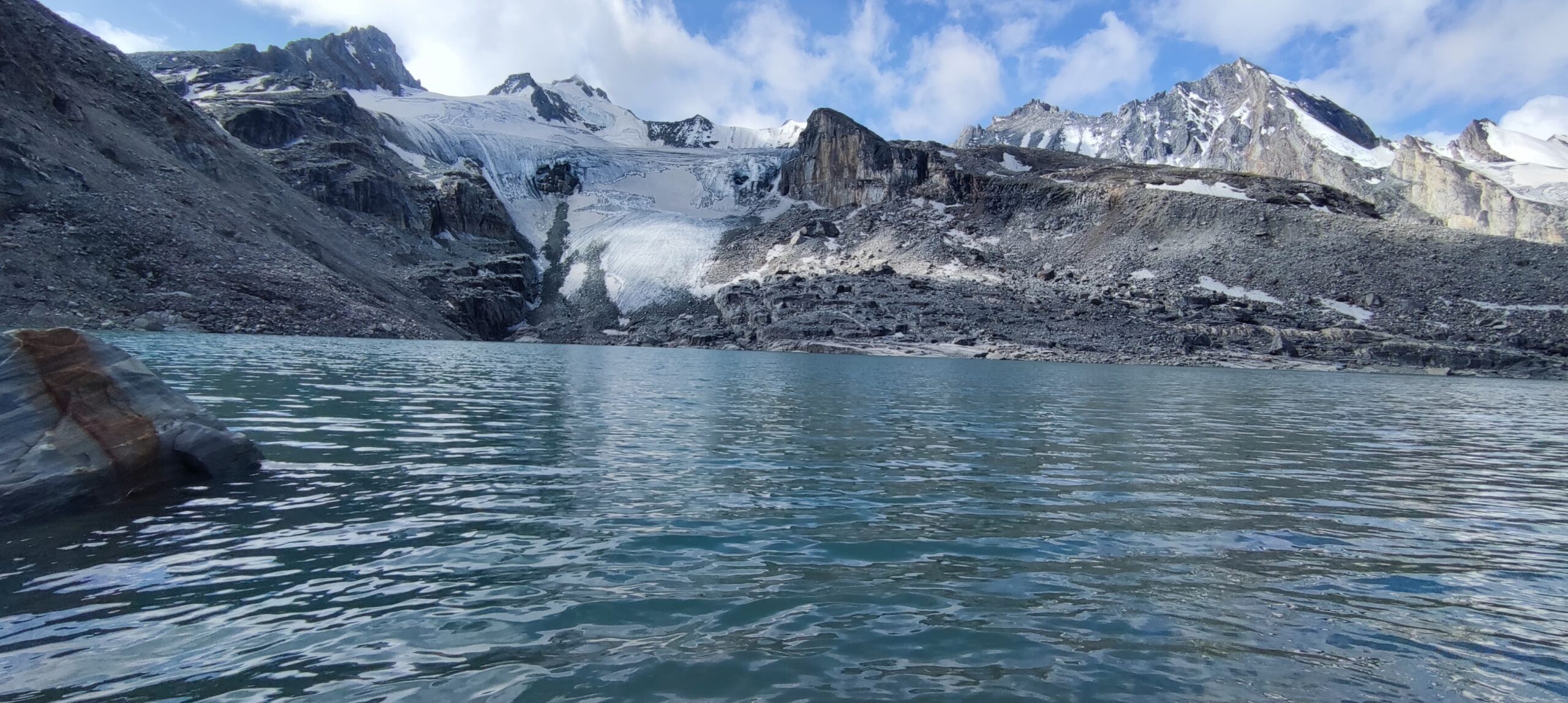
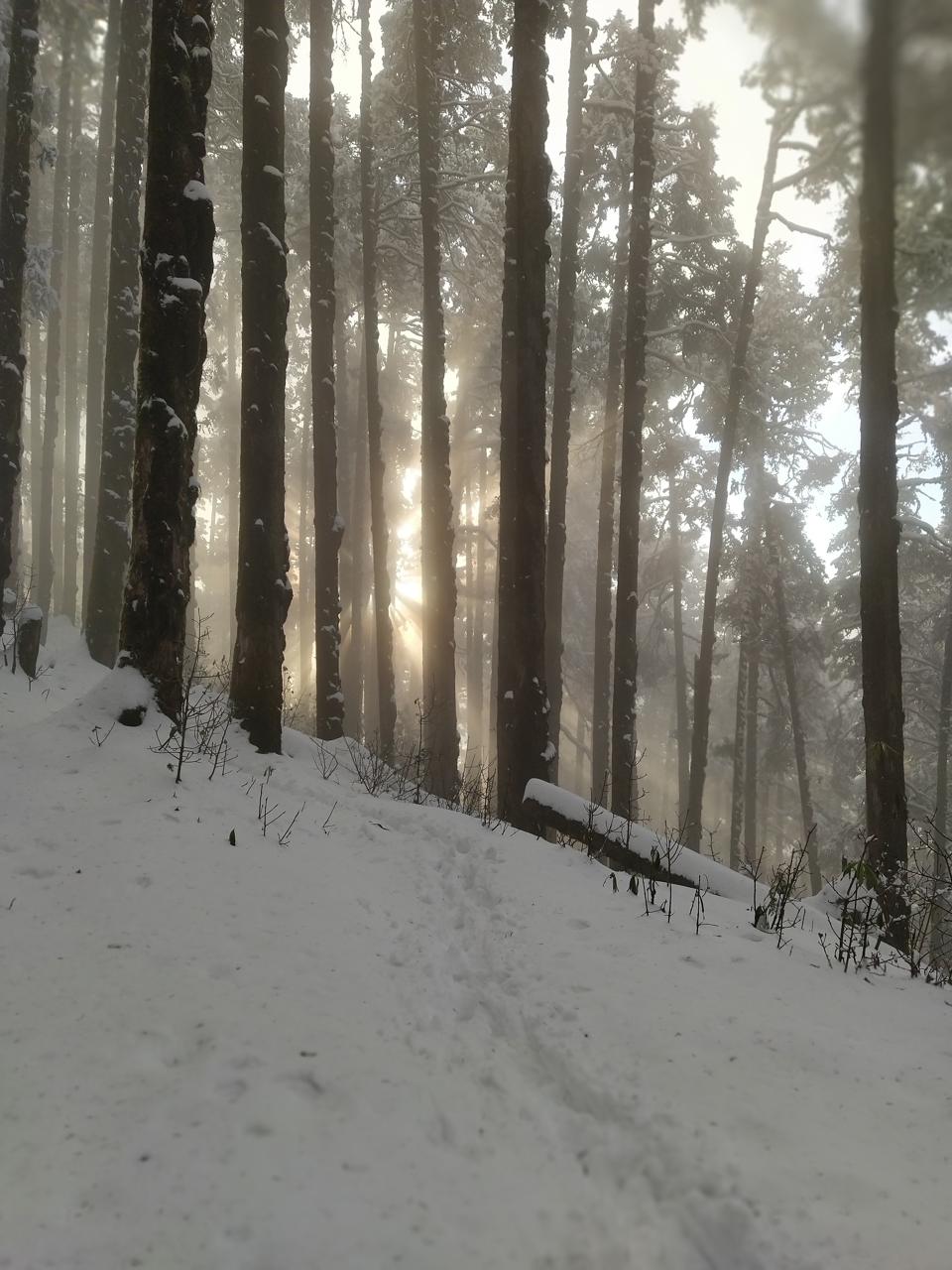
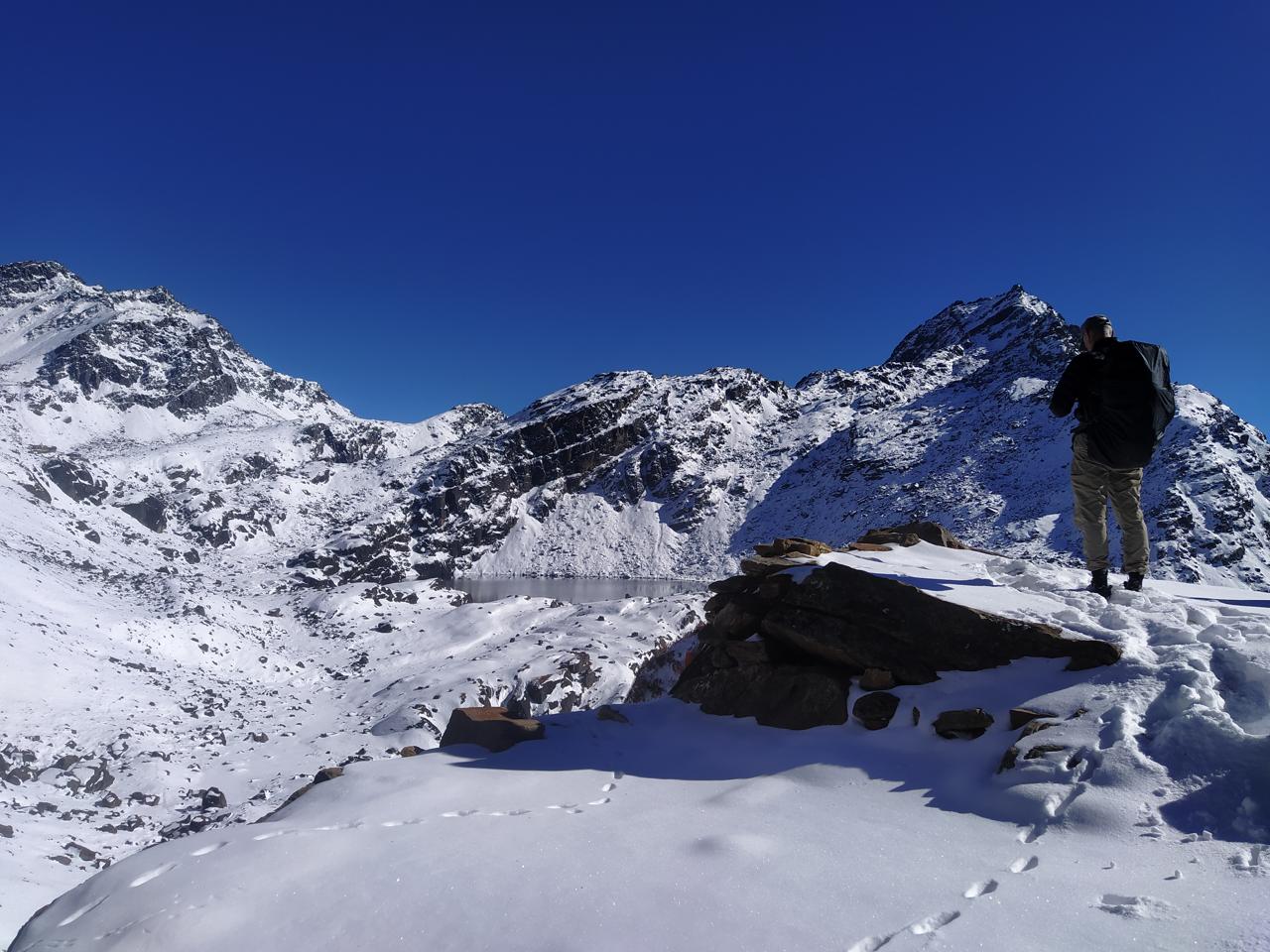
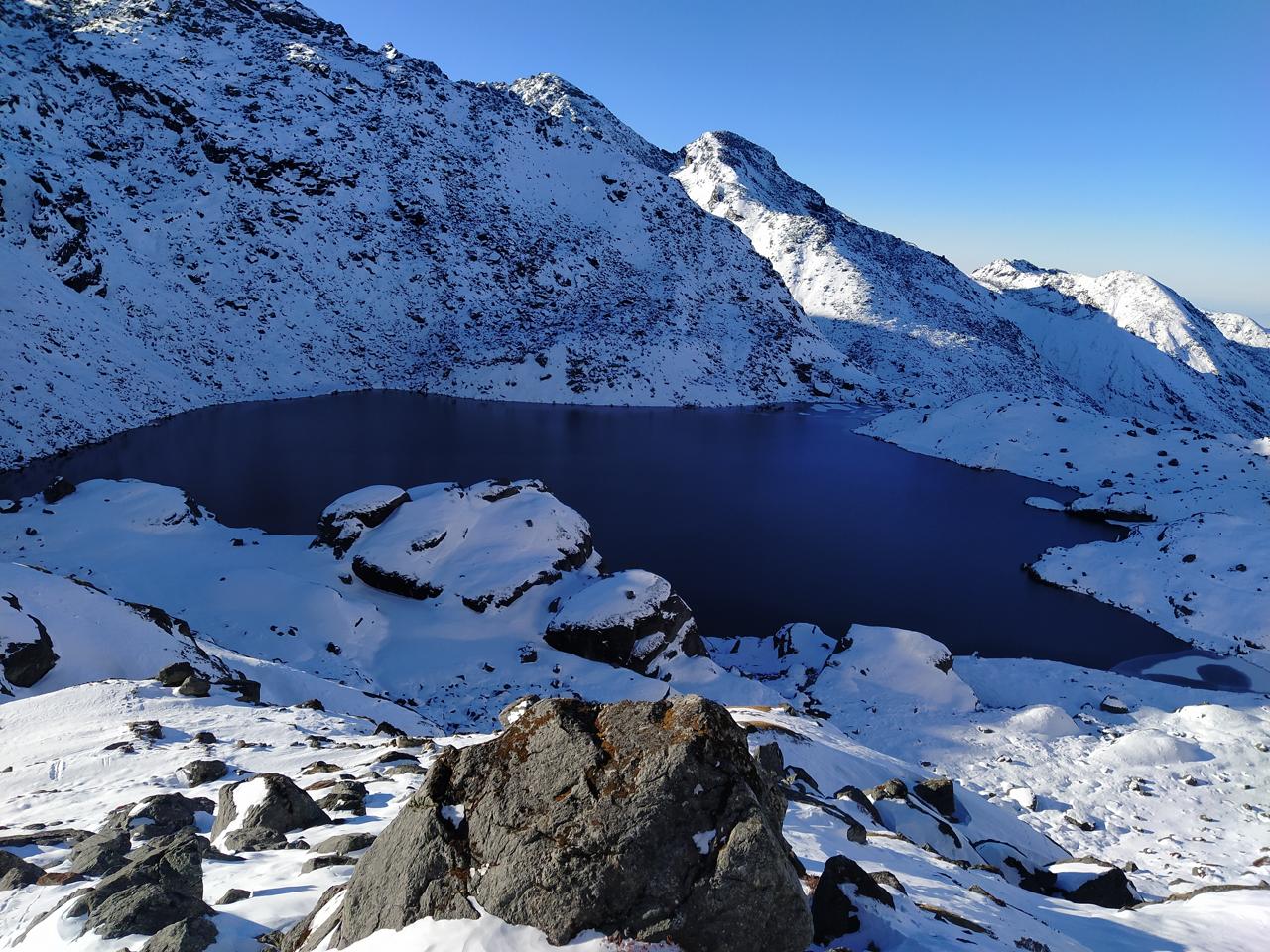
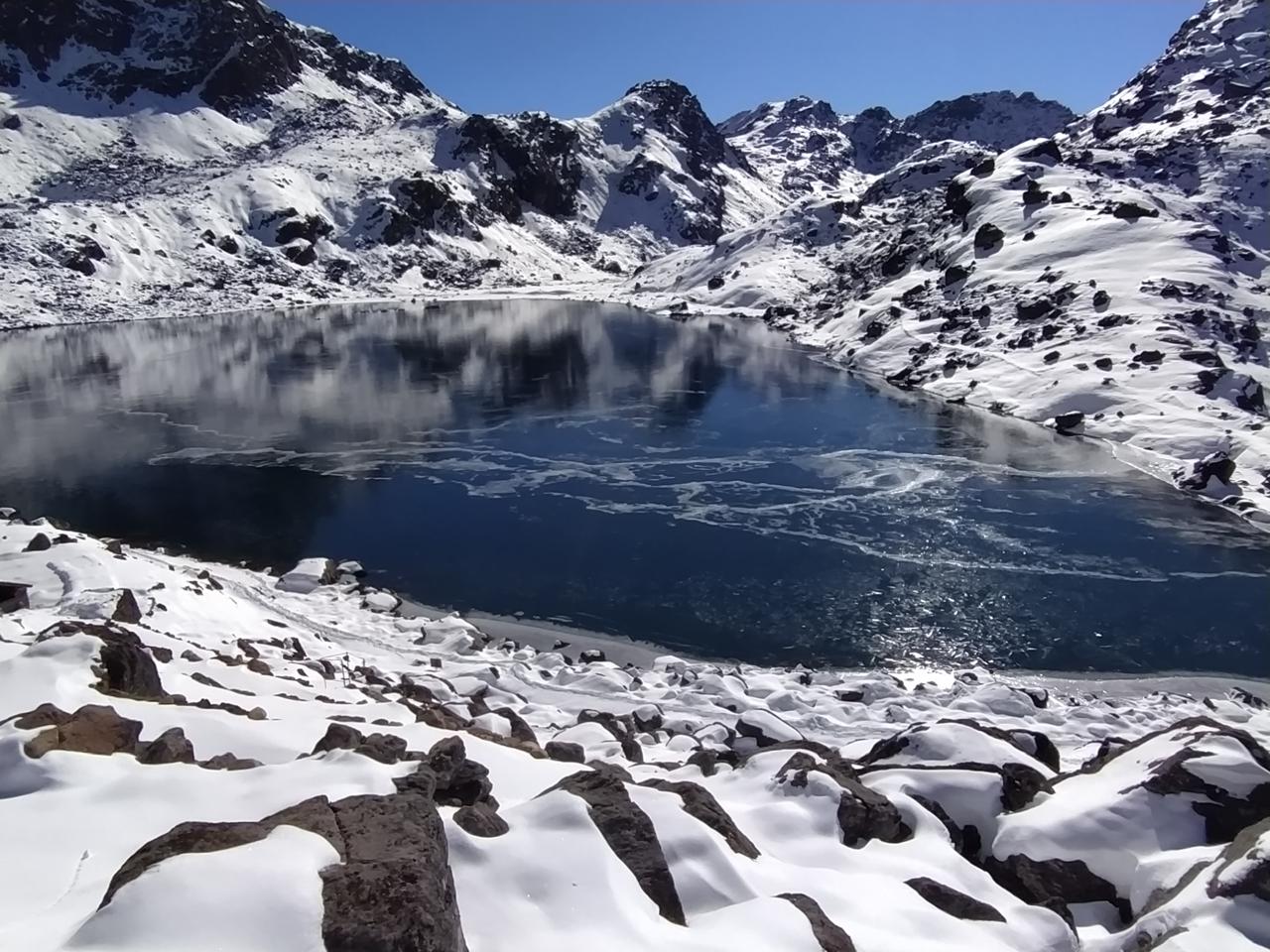
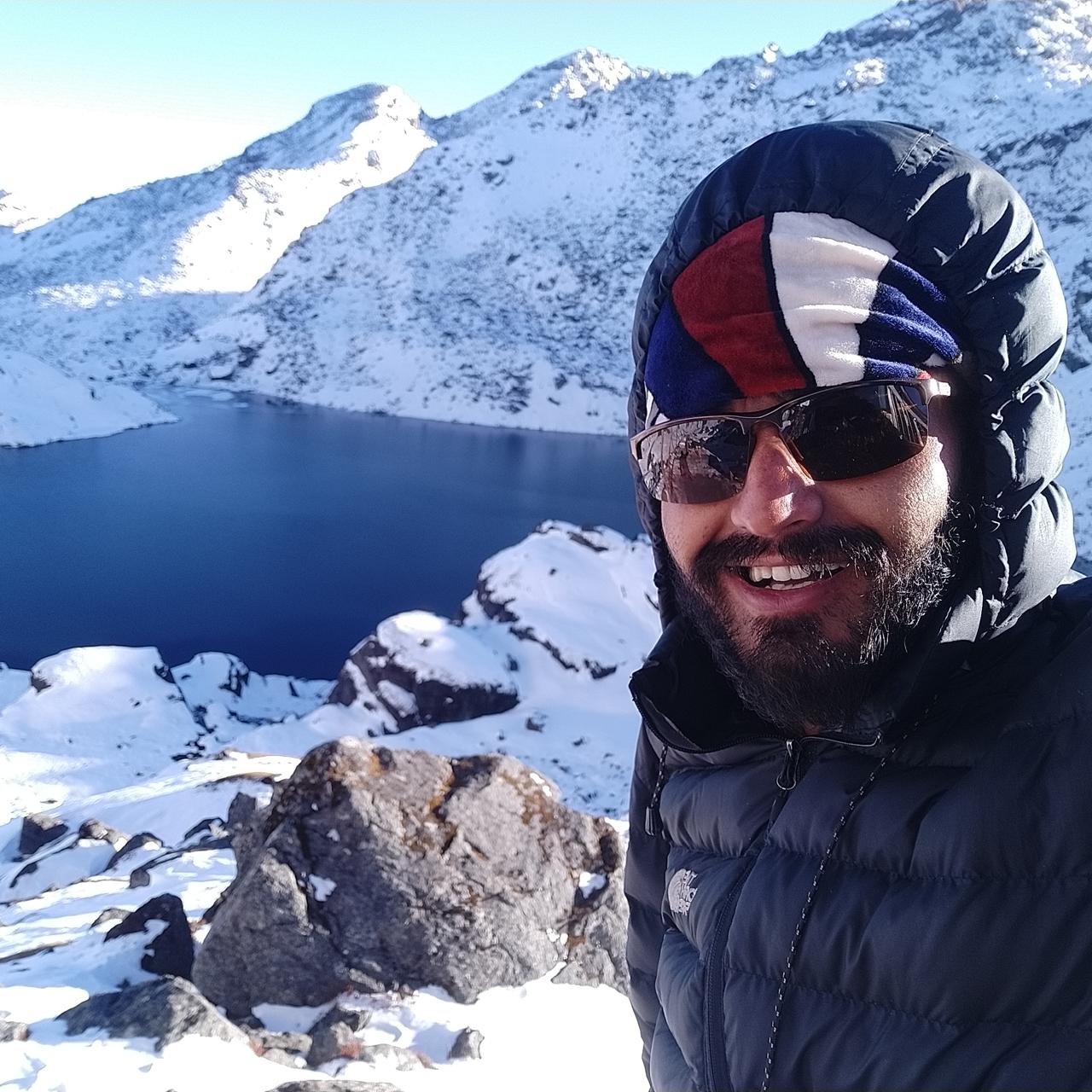
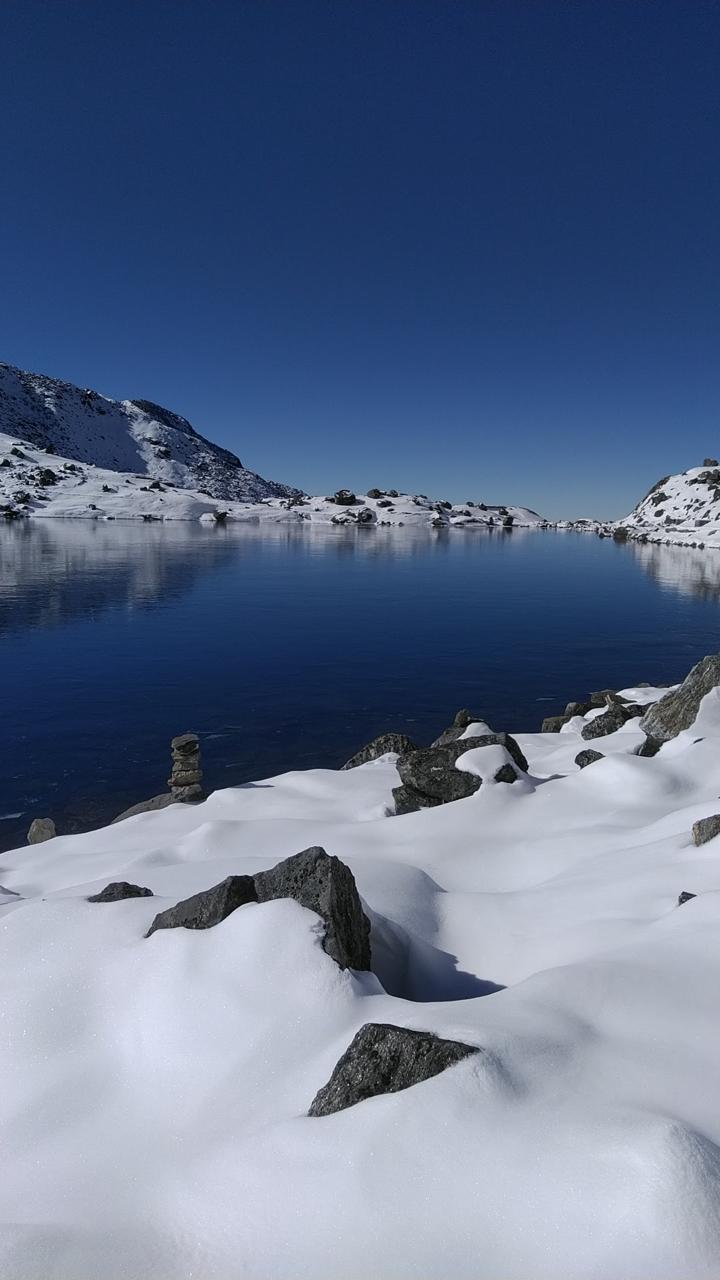
After exploring Langtang, the route shifts toward the sacred Gosaikunda region. You will ascend through forests of rhododendron, oak, and pine toward Shin Gompa and Lauribina. Eventually, you reach Gosaikunda Lake (4,380m), one of the most sacred lakes for Hindus and Buddhists. The lake is believed to have been created by Lord Shiva and attracts thousands of pilgrims each year, especially during the Janai Purnima festival.
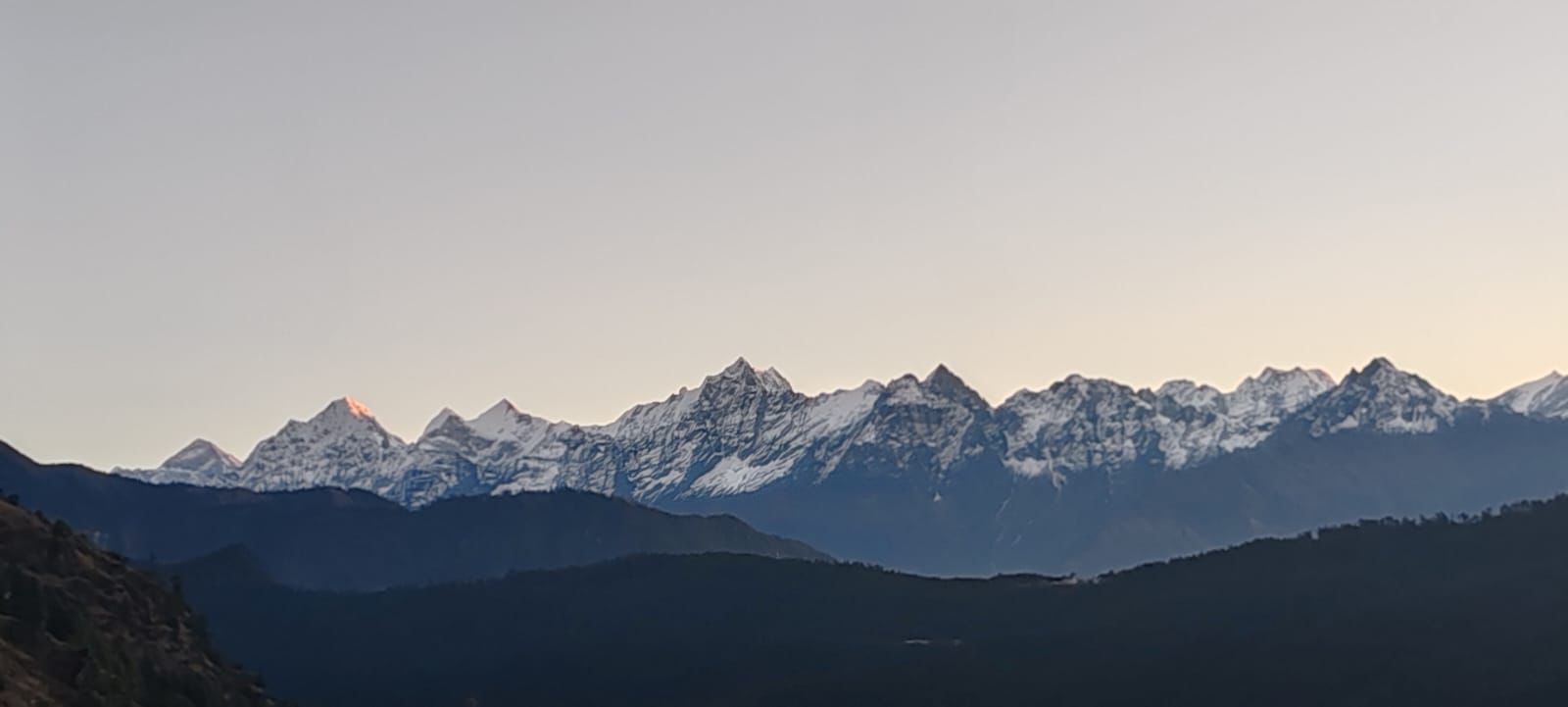
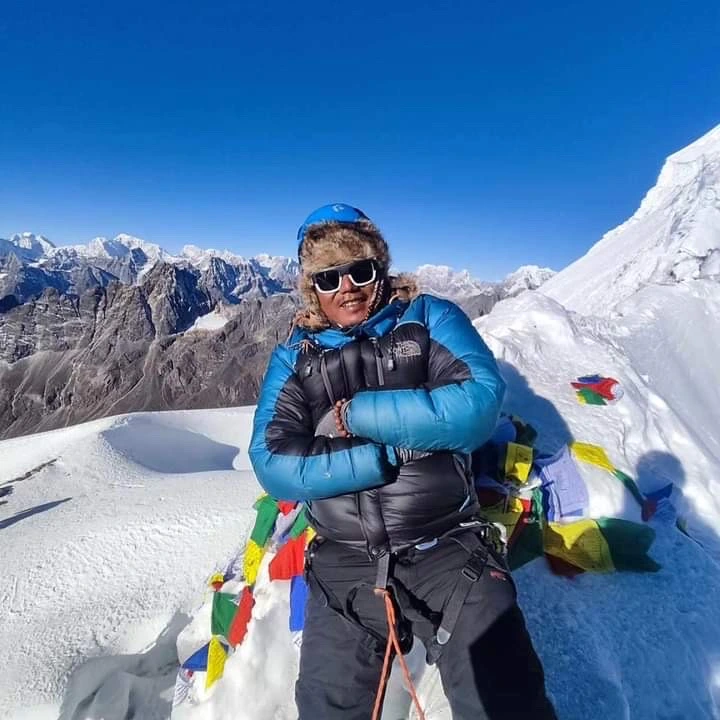
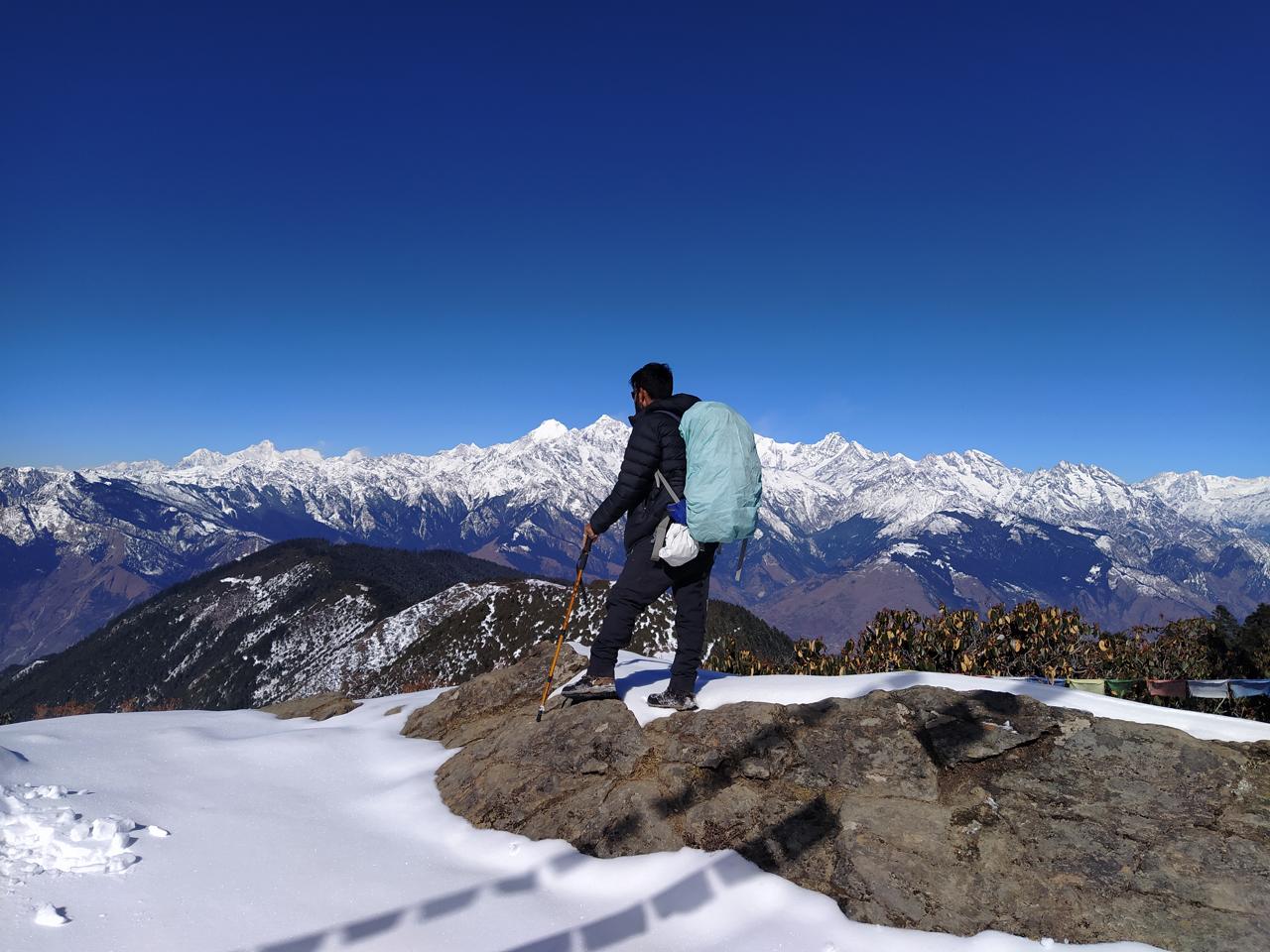
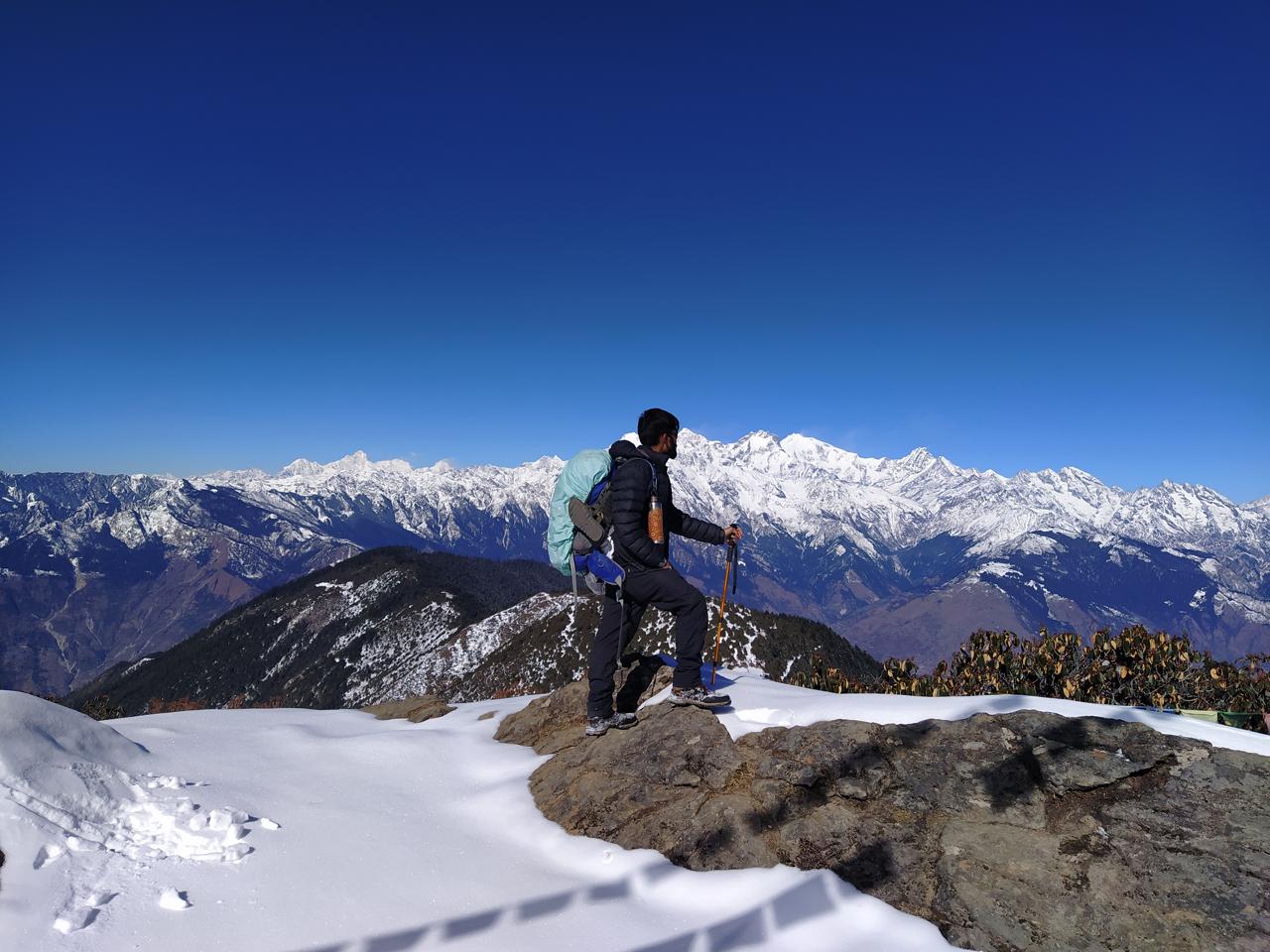
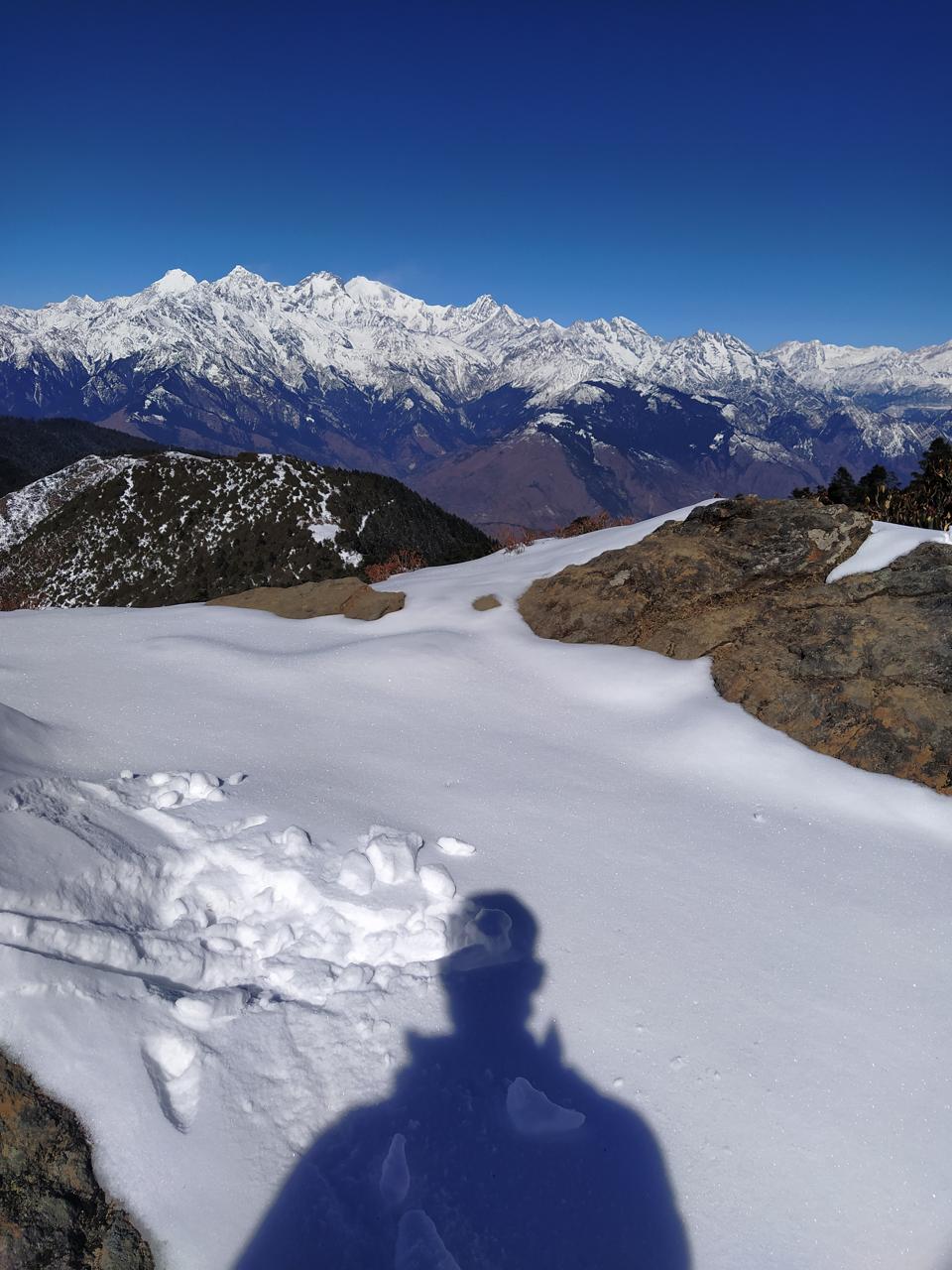
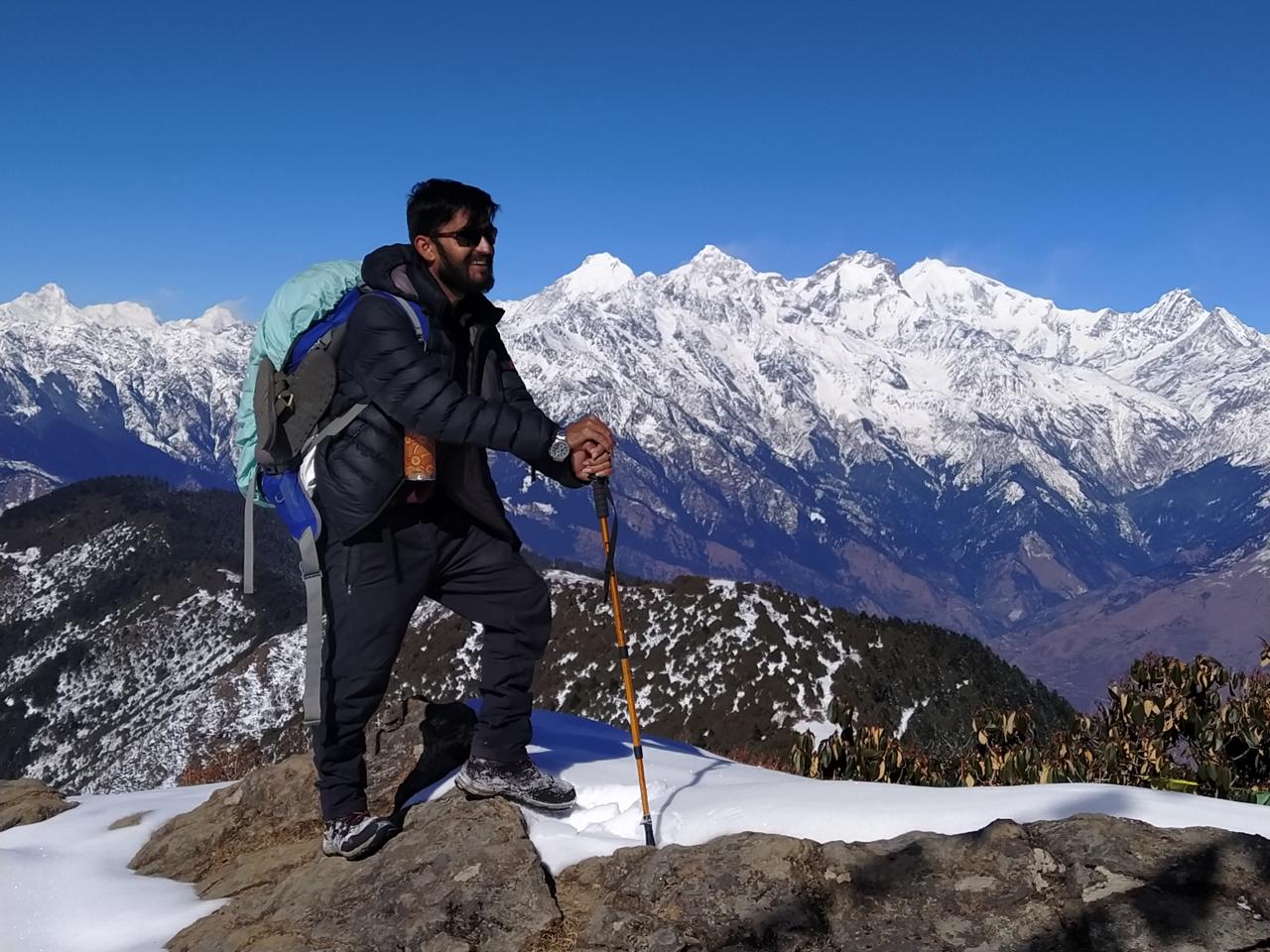
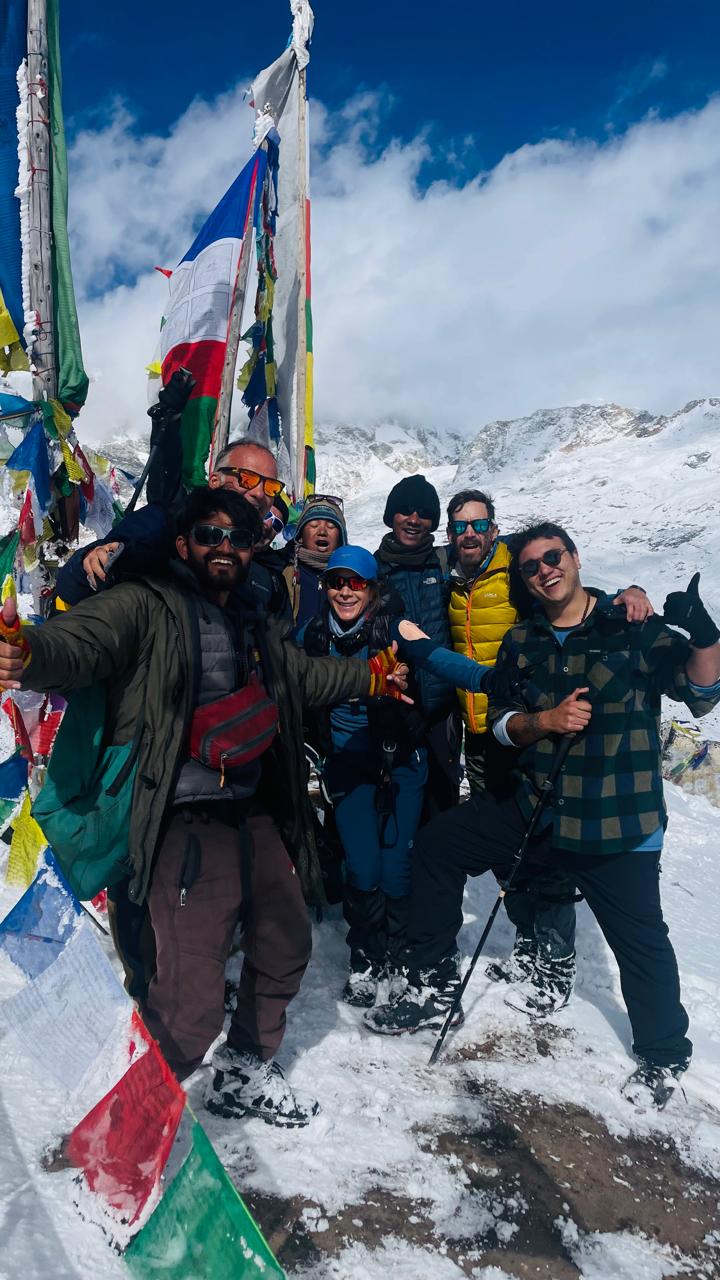
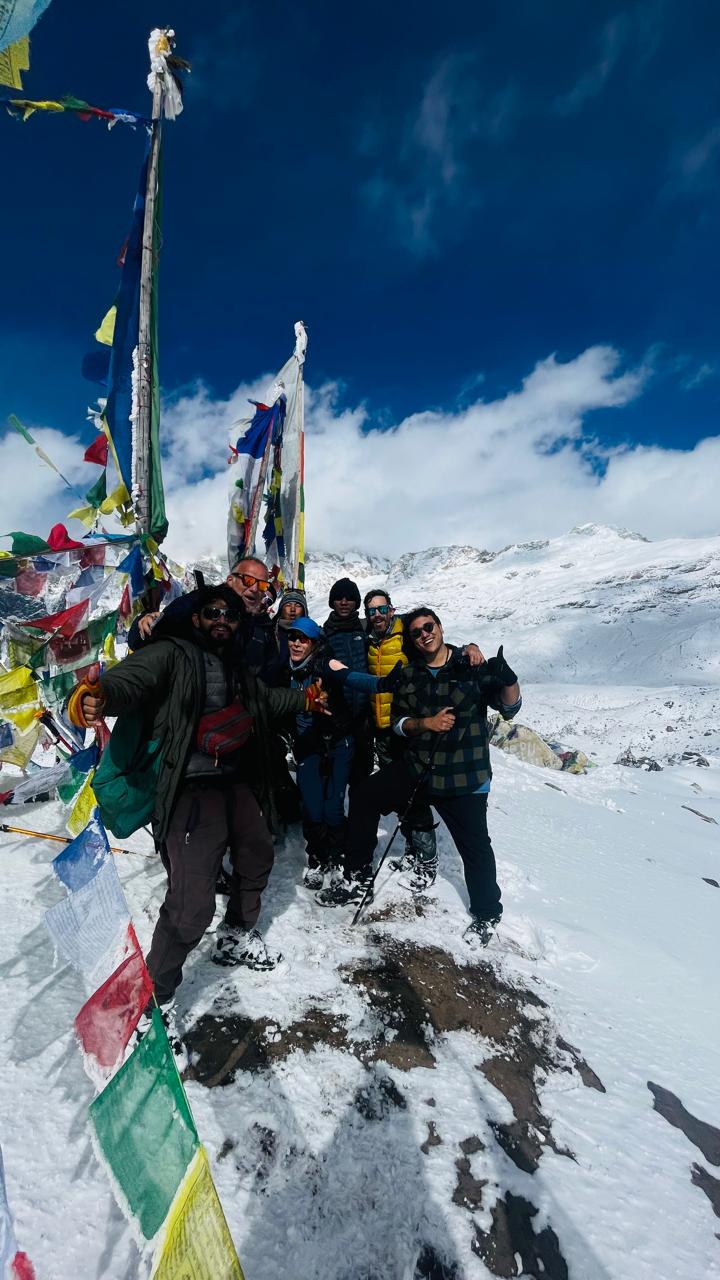
The trek then crosses Laurebina Pass (4,610m), the highest point of the journey. From the top, the views are wide and dramatic, stretching across snow-covered peaks and deep valleys. The descent continues through remote villages and forests toward Chisapani and Sundarijal before returning to Kathmandu.
This trek is moderate to challenging due to its altitude, long walking days, and high pass crossing. However, it offers one of the most complete trekking experiences in Nepal, combining glacier views, sacred lakes, mountain passes, cultural villages, and diverse landscapes in a single journey.
What Can You Expect from the Trek?
This trek offers a mix of adventure, culture, spirituality, and natural beauty.
You can expect:
- 5–7 hours of walking per day
- Gradual altitude gain with proper acclimatization
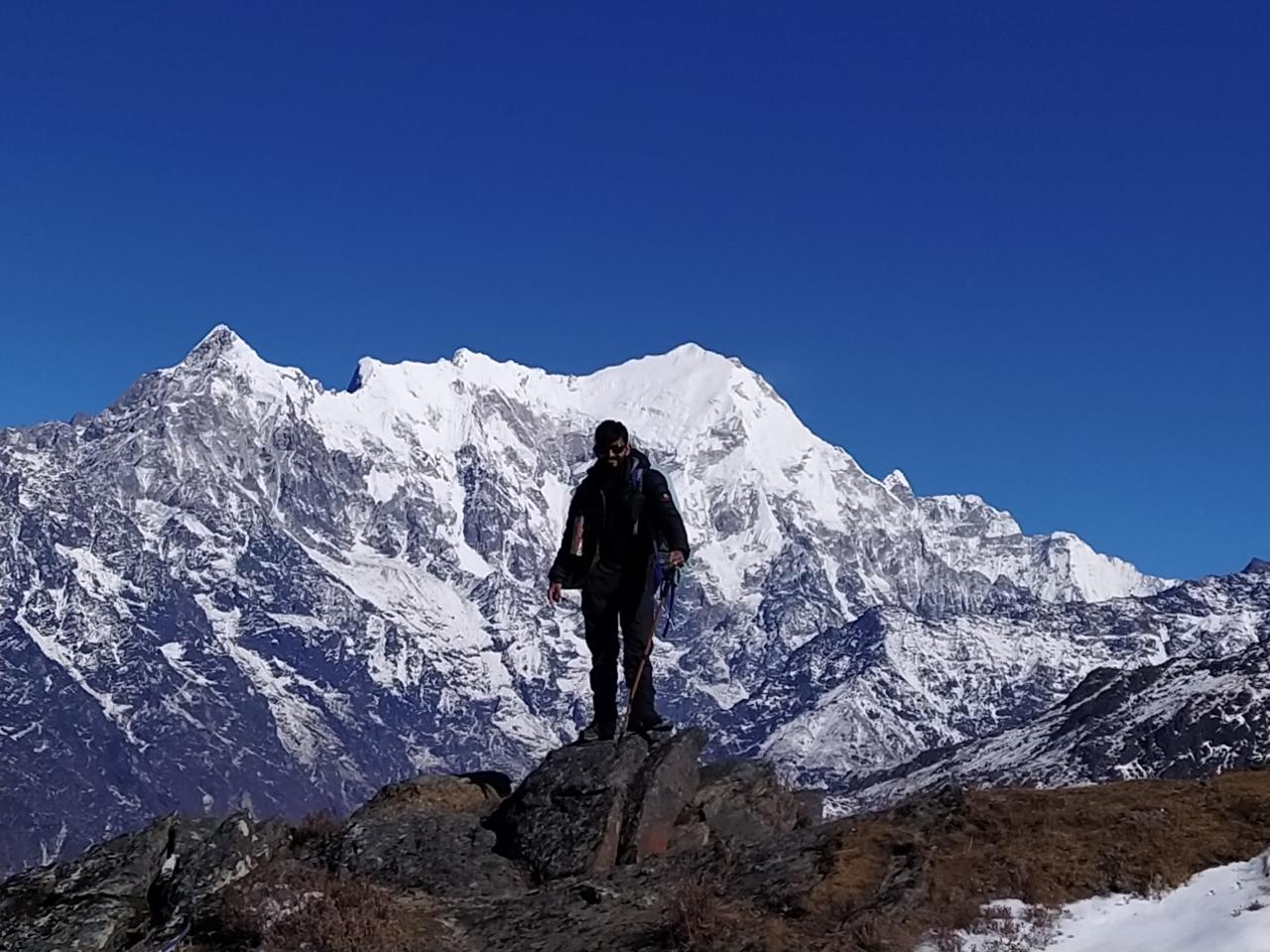
- Stunning views of Langtang Lirung, Ganesh Himal, and other peaks
- High-altitude trekking above 4,000 meters
- Basic but comfortable teahouse accommodation
- Interaction with Tamang communities
- Spiritual experience at Gosaikunda Lake
- A challenging but rewarding crossing of Laurebina Pass
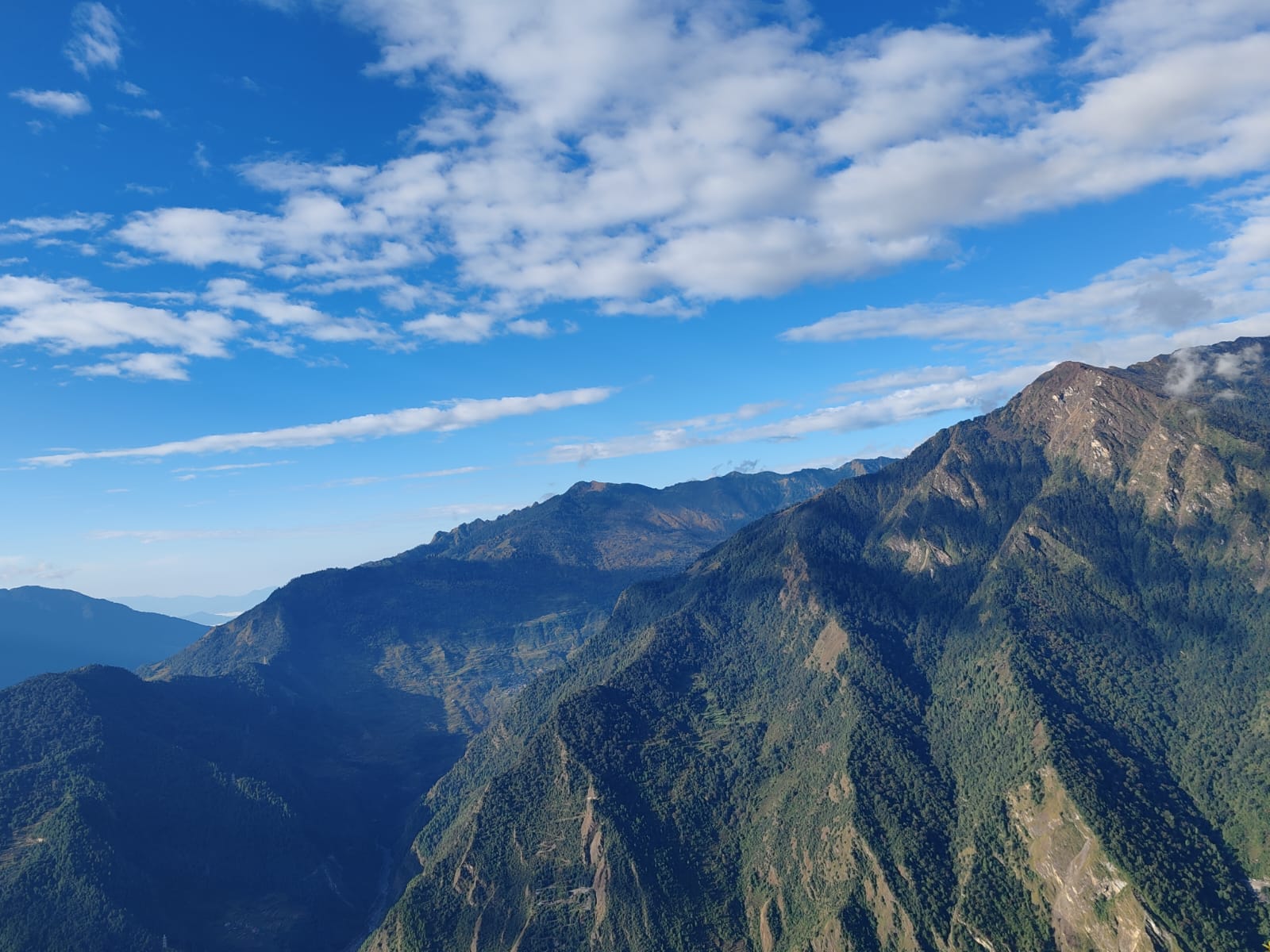
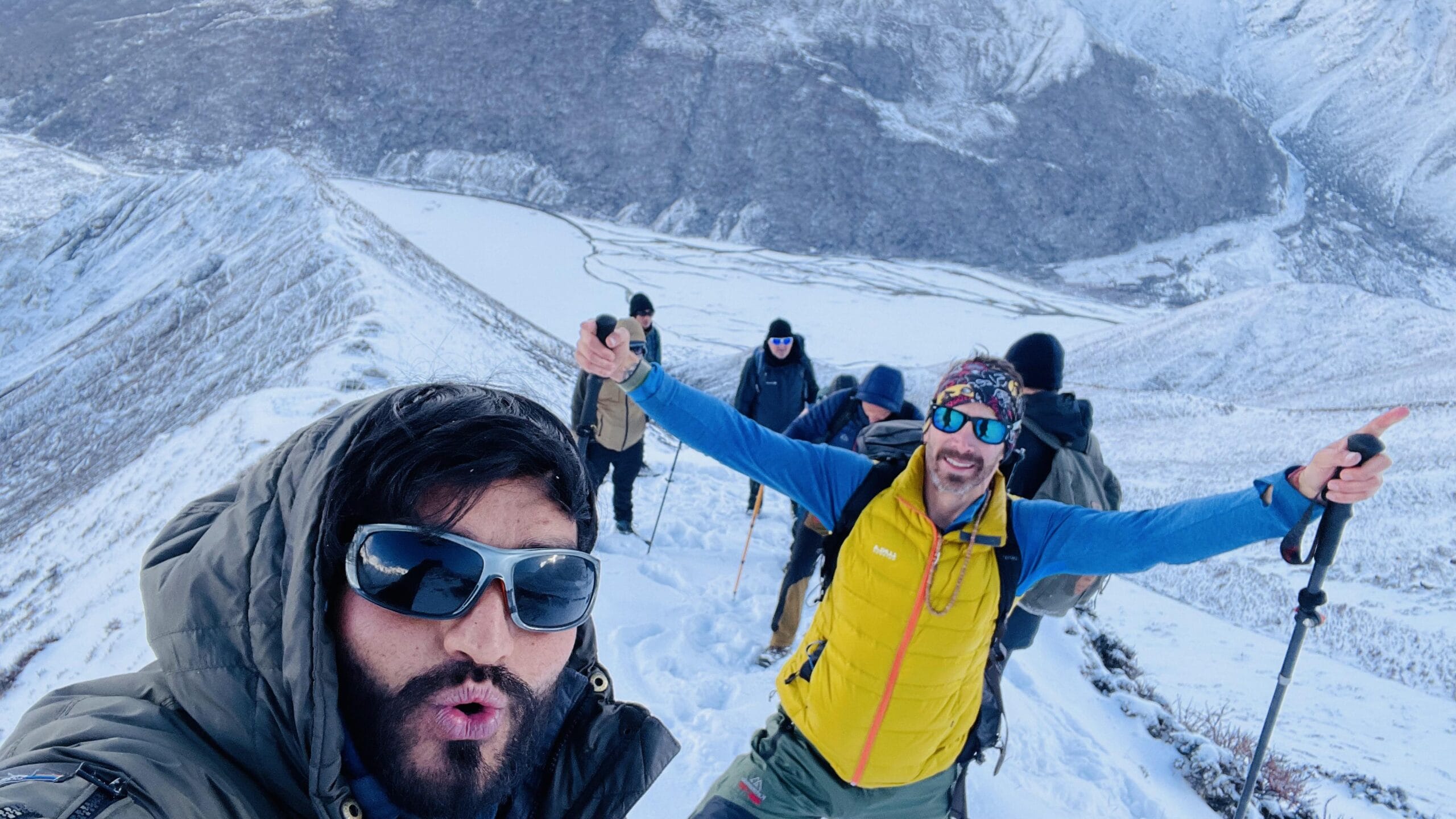
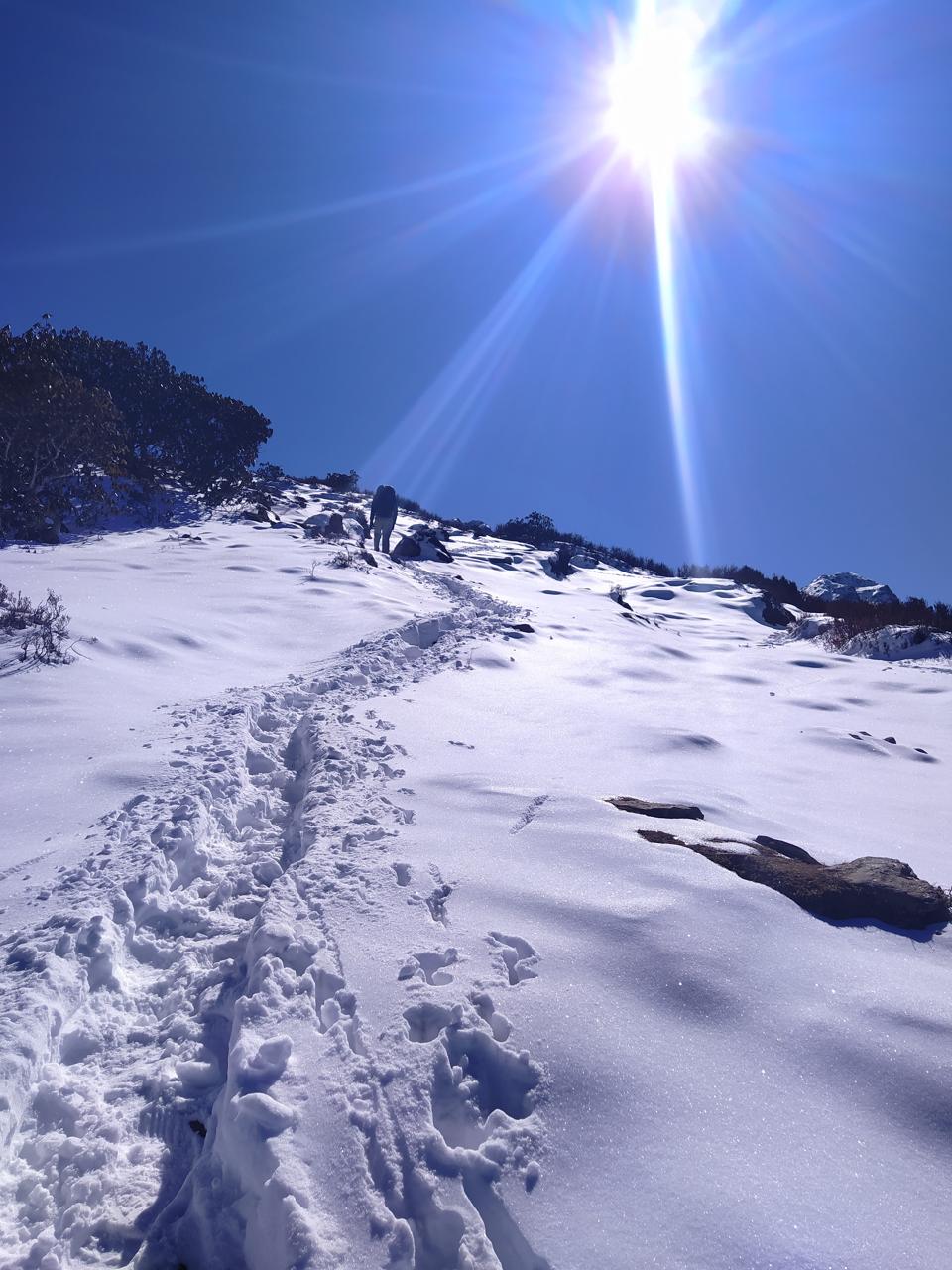
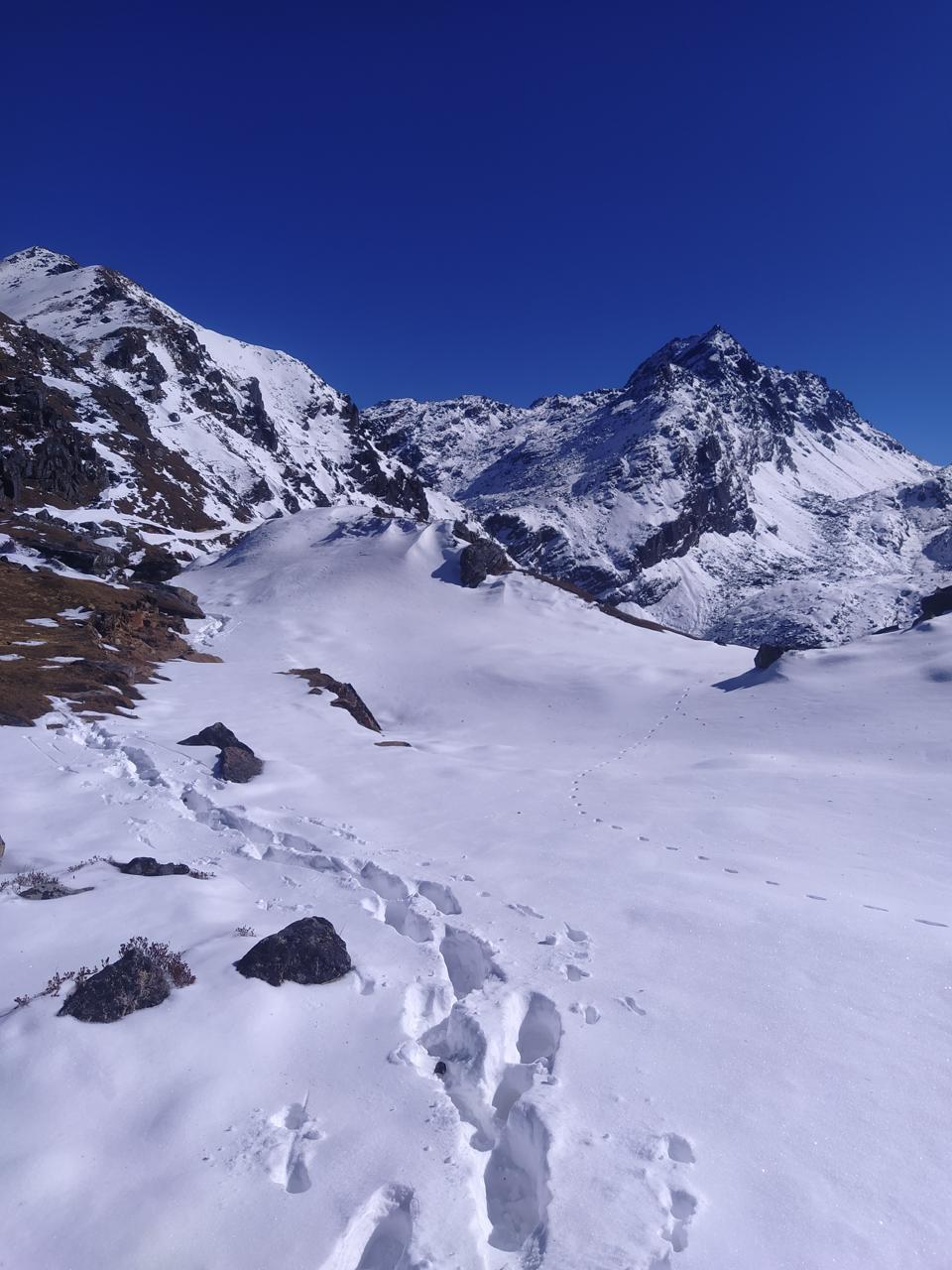
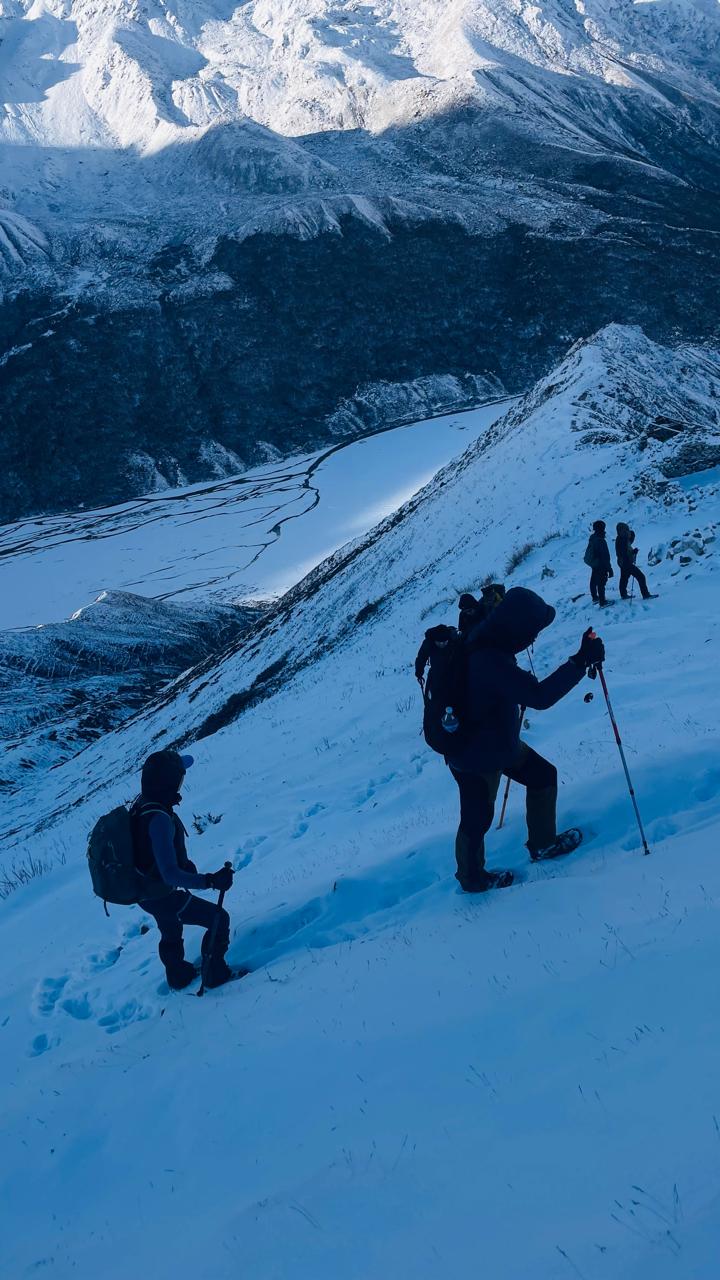
The terrain varies from forest trails and river valleys to rocky alpine paths and snow-covered sections near the pass (depending on season).
Is This Trek Suitable for You?
This trek is suitable for:
- Trekkers with good physical fitness
- Adventurers who want high-altitude experience
- Travelers interested in culture and sacred sites
- Those looking for a less crowded alternative to Everest and Annapurna
Because the trek reaches 4,610 meters, prior trekking experience is helpful but not mandatory. You should be able to walk 6–7 hours daily on uneven terrain.
If you prefer short, easy hikes, this trek may feel demanding. But if you are prepared for altitude and enjoy longer mountain journeys, it is highly rewarding.
How to Get Prepared for the Trek?
Physical Preparation
Start preparing at least 4–6 weeks before departure. Focus on:
- Cardio exercises (running, cycling, swimming)
- Stair climbing
- Leg strength training
- Long walks with a backpack
Gear Preparation
Pack proper trekking boots, warm layers, waterproof clothing, gloves, and a good sleeping bag. Temperatures at Gosaikunda can drop below freezing at night.
Acclimatization Awareness
Understand the importance of gradual ascent and hydration. Follow your guide’s instructions carefully.
Mental Preparation
High-altitude trekking requires patience and determination. Weather conditions can change quickly, and flexibility is essential.
Health & Insurance
Consult a doctor before travel. Obtain travel insurance covering trekking above 4,500 meters and emergency evacuation.
-
Trip Duration
15 Days/14 Nights
-
Group Size
1 - 15 Members
-
Maximum Altitude
4,610 meters (Gosaikunda)
-
Trip Difficulty
Moderate to Challenging
-
Activities
Trekking
-
Best Season
Spring (March to May), Autumn (September to November)
-
Trip Start & End
Kathmandu-Kathmandu
-
Meals
Breakfast, Lunch, Dinner
-
Accomodation
Teahouses / Lodges
Highlights
- Explore the beautiful Langtang Valley surrounded by snow-capped mountains
- Visit the sacred Gosaikunda Lake at high altitude
- Hike to Kyanjin Ri for panoramic Himalayan views
- Experience Tamang culture and traditional mountain villages
- Walk near the impressive Langtang Glacier
- Cross the scenic Laurebina Pass (4,610m)
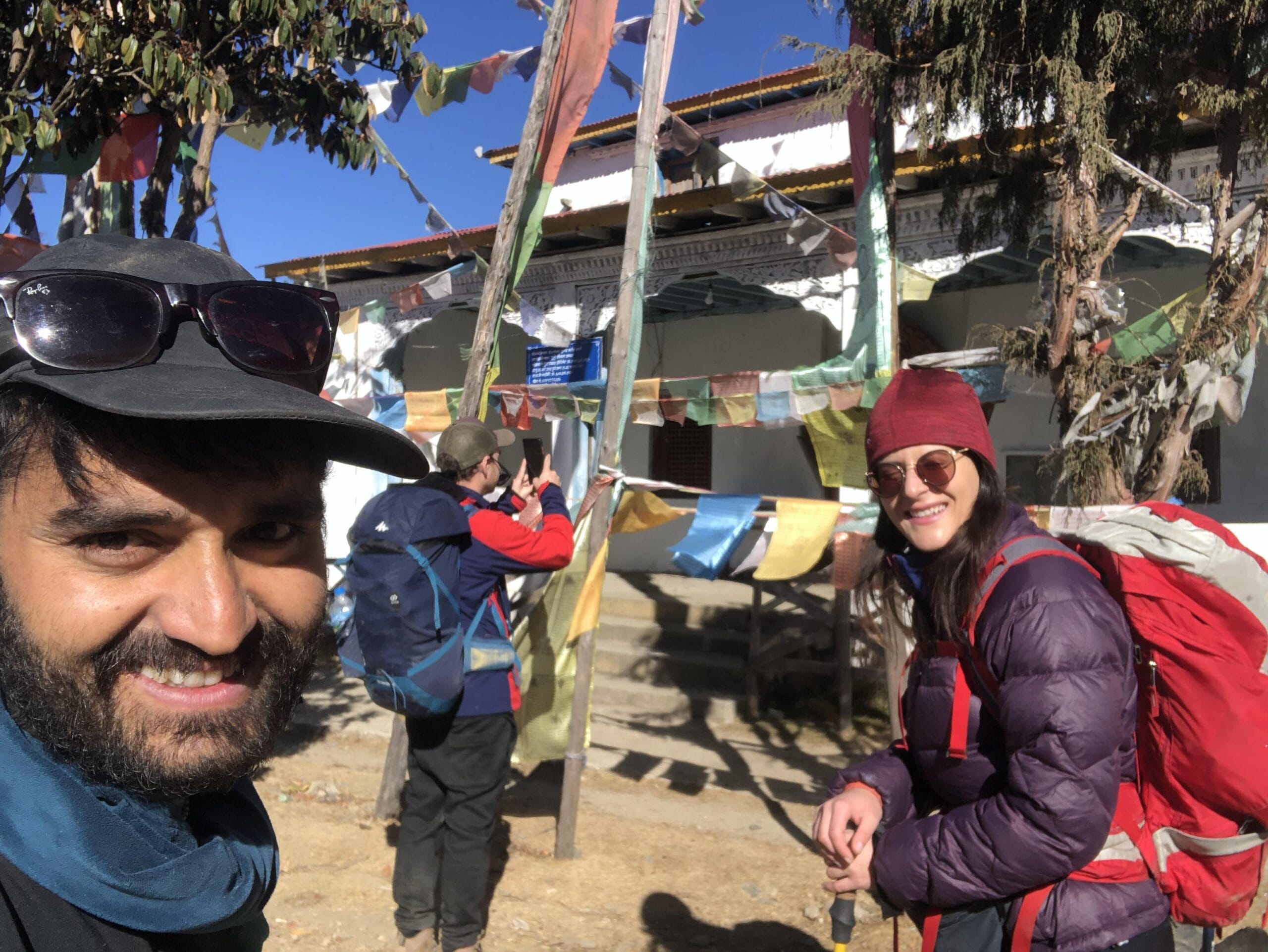
- Visit ancient monasteries and Buddhist landmarks
- Enjoy peaceful alpine forests, meadows, and high mountain trails
Itinerary
Day 01
Upon your arrival at Tribhuvan International Airport in Kathmandu, a representative from ART Nepal Treks & Expedition will warmly welcome you and transfer you to your hotel in Thamel, the main tourist hub of the city. After check-in, you can rest from your journey or explore the lively streets filled with restaurants, trekking shops, and cultural landmarks. In the evening, you will attend a detailed pre-trek briefing where your guide will explain the full itinerary, safety measures, altitude awareness, and equipment checklist. This meeting ensures that you are fully prepared for the adventure ahead into the Langtang and Gosaikunda regions.
Trip Duration:
Arrival DayAltitude:
1400 mMeal:
Not IncludedAccomodation :
3-Star Hotel, Thamel (Kathmandu)Day 02
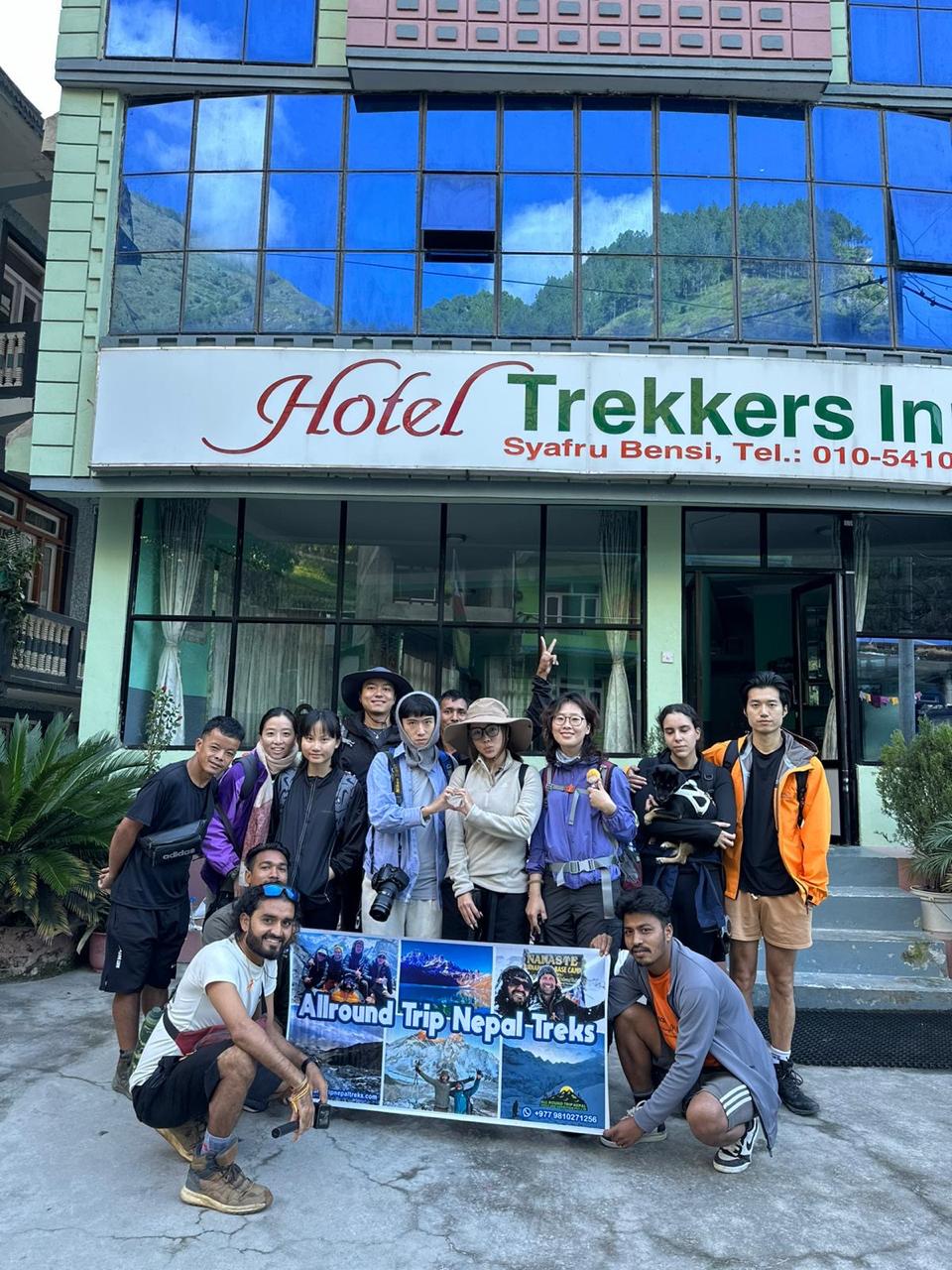
After breakfast, you begin a scenic drive northward toward Syabrubesi, the gateway to the Langtang region. The road follows the Trishuli River, passing terraced farmlands, rural villages, waterfalls, and green hills. On clear days, you may catch distant views of snow-capped peaks. The drive takes approximately 7–8 hours depending on road conditions. As you approach Syabrubesi, the mountain atmosphere becomes more noticeable. Upon arrival, you check into a teahouse and prepare for the trekking journey starting the next morning.
Trip Duration:
7–8 hours driveAltitude:
1460 mMeal:
Breakfast, Lunch, DinnerAccomodation :
Tea House/Lodge, SyabrubesiDay 03
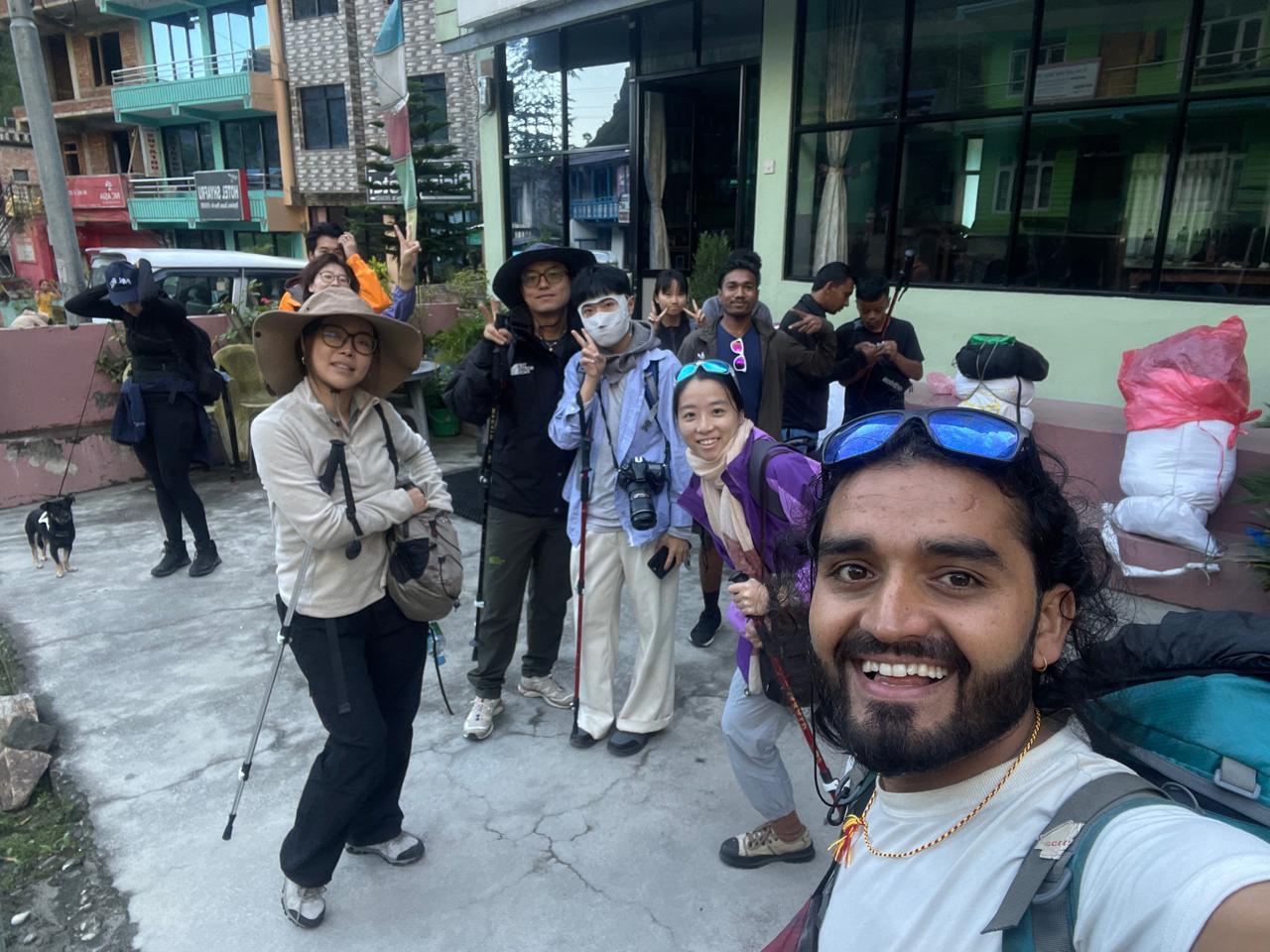
Your trekking journey officially begins today. The trail starts by crossing a suspension bridge over the Bhote Koshi River and gradually follows the Langtang River upstream. You walk through lush subtropical forests filled with oak, bamboo, and rhododendron trees. The sound of the river accompanies you throughout the day. The path includes both gentle ascents and steeper uphill sections. Wildlife such as monkeys and various birds may be seen along the way. After several hours of steady walking, you reach Lama Hotel, a small settlement surrounded by forested hills.
Trip Duration:
6–7 hoursAltitude:
2460 mMeal:
Breakfast, Lunch, DinnerAccomodation :
Tea House/Lodge, Lama HotelDay 04
Today’s trek involves a steady ascent through dense forests before the landscape begins to open up into wider valleys. As you gain altitude, the vegetation changes and mountain views start to appear. You pass prayer wheels, mani walls, and small settlements that reflect Tibetan-influenced culture. The valley becomes broader as you approach Langtang Village. This village was rebuilt after the 2015 earthquake and stands as a symbol of resilience. The surrounding snow-covered peaks create a dramatic setting.
Trip Duration:
5–6 hoursAltitude:
3450 mMeal:
Breakfast, Lunch, DinnerAccomodation :
Tea House/Lodge, Langtang VillageDay 05
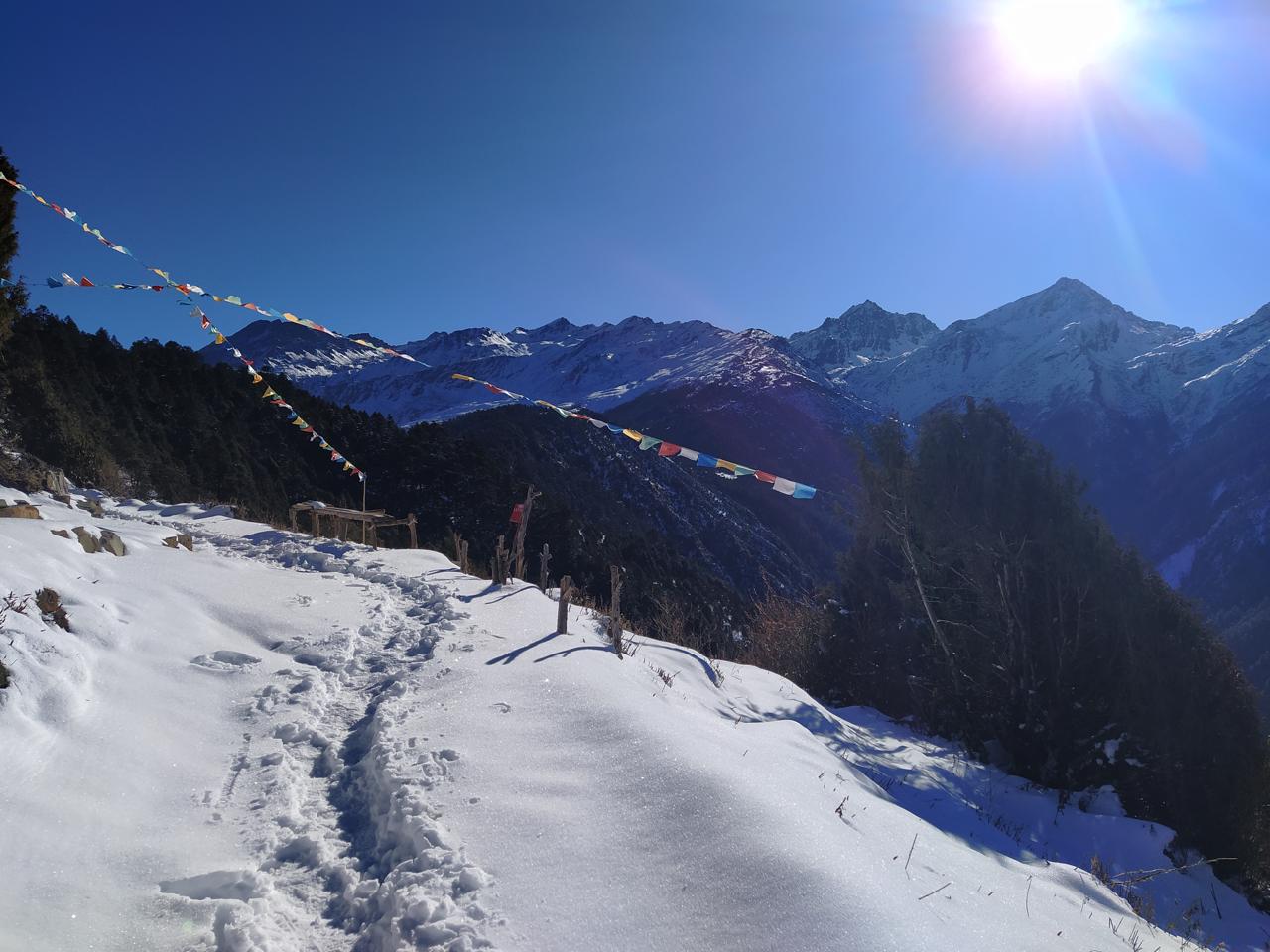
This is a shorter but scenic trekking day. The trail gradually climbs through yak pastures and alpine landscapes. Colorful prayer flags flutter in the wind as you approach Kyanjin Gompa, a peaceful settlement surrounded by towering peaks. After lunch, you can explore the monastery and visit the local cheese factory, which is famous in the region. The Langtang Glacier is visible from here, offering impressive views of ice formations and high mountain terrain.
Trip Duration:
3–4 hoursAltitude:
3870 mMeal:
Breakfast, Lunch, DinnerAccomodation :
Tea House/Lodge, Kyanjin GompaDay 06
This day is dedicated to acclimatization and exploration. You can hike early in the morning to Kyanjin Ri (4773m) or Tsergo Ri (4984m). Both viewpoints offer spectacular panoramic views of the Langtang Himalayas, including Langtang Lirung and surrounding glaciers. The climb is challenging but rewarding. After spending time enjoying the mountain scenery and taking photographs, you return to Kyanjin Gompa for rest.
Trip Duration:
5–6 hours hikeAltitude:
4984 mMeal:
Breakfast, Lunch, DinnerAccomodation :
Tea House/Lodge, Kyanjin GompaDay 07
After breakfast, you begin descending back through the Langtang Valley. The return journey offers a different perspective of the landscape. Walking downhill through forests and villages is generally easier, though long. You retrace your steps past Langtang Village and continue down to Lama Hotel for an overnight stay.
Trip Duration:
5–6 hoursAltitude:
2460 mMeal:
Breakfast, Lunch, DinnerAccomodation :
Tea House/Lodge, Lama HotelDay 08
Today, the trail diverts from the main Langtang Valley route and heads toward Thulo Syabru. You cross suspension bridges and walk through forested sections before climbing uphill to reach the village. Thulo Syabru is a traditional Tamang village offering beautiful views of Ganesh Himal. The cultural atmosphere and stone houses reflect the region’s Tibetan heritage.
Trip Duration:
6–7 hoursAltitude:
2250 mMeal:
Breakfast, Lunch, DinnerAccomodation :
Tea House/Lodge, Thulo SyabruDay 09
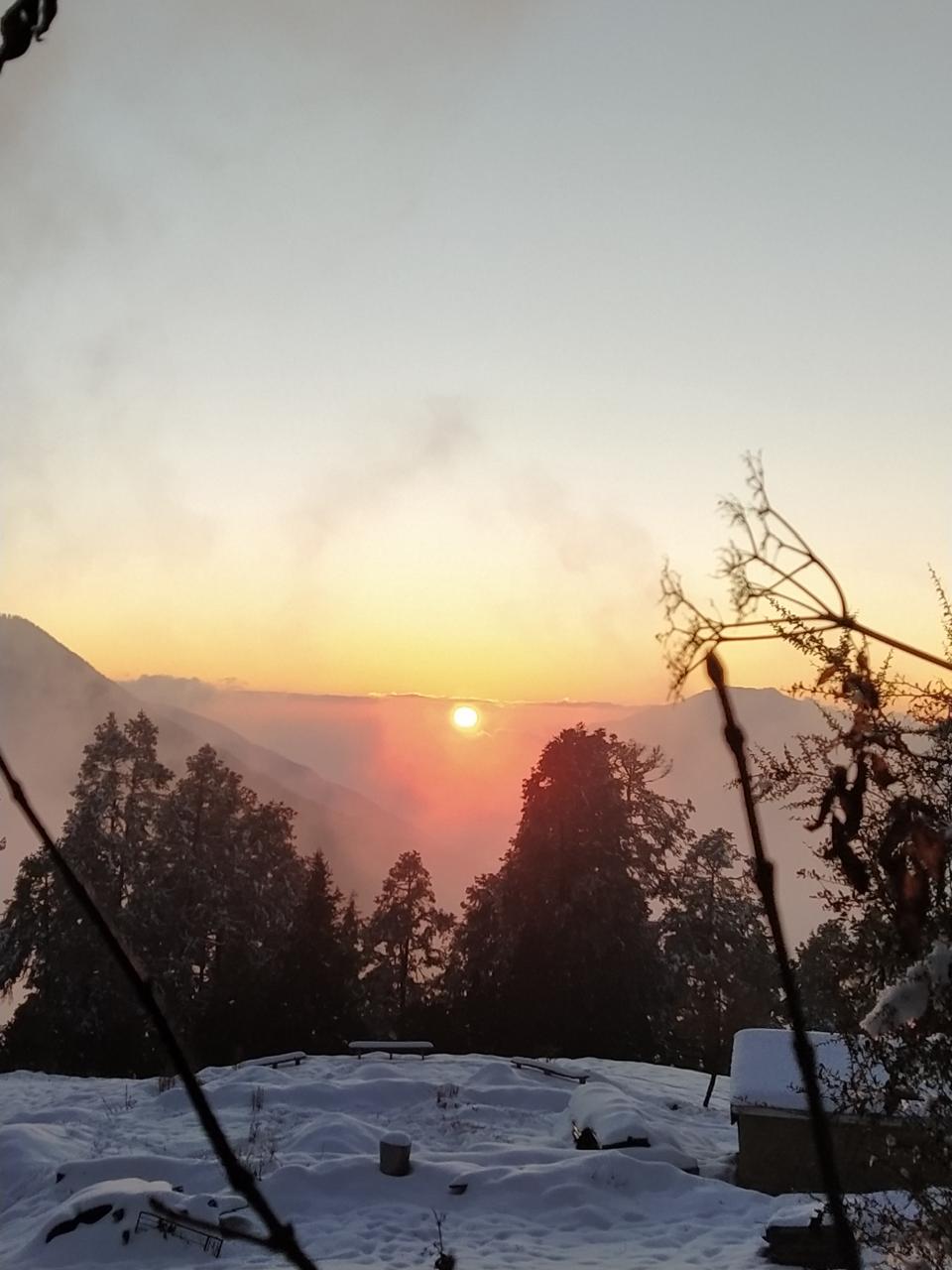
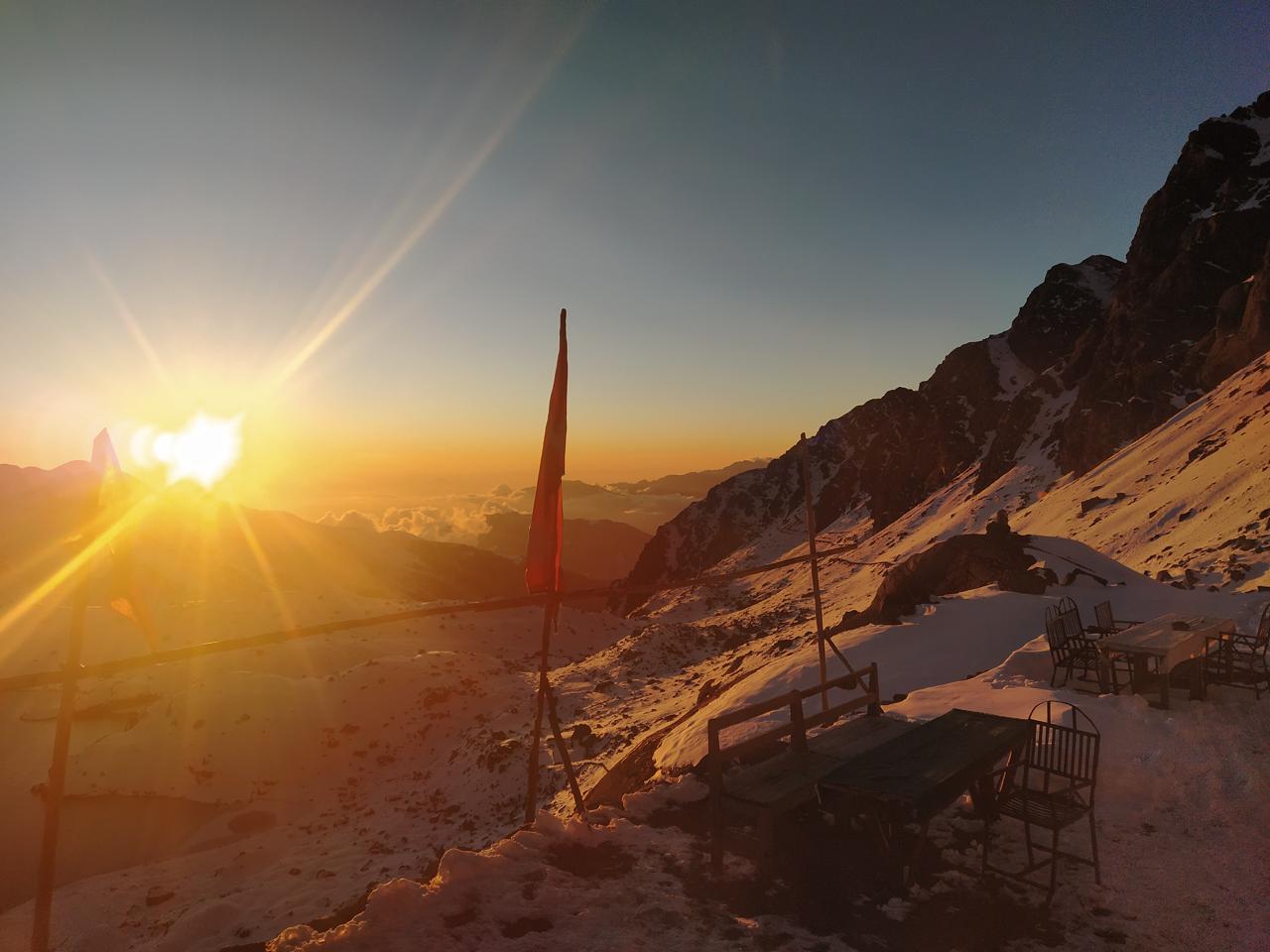
The day begins with a steady uphill climb through rhododendron, oak, and pine forests. The path offers scenic mountain views as you gain elevation. After several hours, you reach Shin Gompa, a small monastery settlement known for its peaceful surroundings. You can visit the monastery and enjoy sunset views over the Himalayas.
Trip Duration:
5–6 hoursAltitude:
3330 mMeal:
Breakfast, Lunch, DinnerAccomodation :
Tea House/Lodge, Shin GompaDay 10
Today is a significant and challenging day as you ascend toward the sacred Gosaikunda Lake. The trail becomes steeper and more rugged as you climb above the tree line into alpine terrain. You pass Cholangpati and Lauribina before reaching the stunning Gosaikunda Lake. The crystal-clear waters of the lake sit peacefully among high mountains, creating a spiritual and serene environment.
Trip Duration:
5–6 hoursAltitude:
4380 mMeal:
Breakfast, Lunch, DinnerAccomodation :
Tea House/Lodge, GosaikundaDay 11
This is the most challenging day of the trek. Early in the morning, you climb to Laurebina Pass at 4,610 meters, the highest point of the journey. The pass offers dramatic views of surrounding peaks and deep valleys. After crossing the pass, you descend through rocky trails and alpine landscapes to reach Ghopte for overnight rest.
Trip Duration:
7–8 hoursAltitude:
4610 mMeal:
Breakfast, Lunch, DinnerAccomodation :
Tea House/Lodge, GhopteDay 12
The trail descends gradually through forests and meadows. You pass Thadepati ridge and continue through scenic landscapes filled with pine and rhododendron trees. The walking is long but rewarding as you reach Kutumsang village by evening.
Trip Duration:
6–7 hoursAltitude:
2470 mMeal:
Breakfast, Lunch, DinnerAccomodation :
Tea House/Lodge, KutumsangDay 13
Today’s walk includes both ascents and descents through small villages and terraced farmland. You pass Gul Bhanjyang and Thorong Danda before arriving at Chisapani. From here, you can enjoy panoramic views of the Himalayan range and surrounding hills.
Trip Duration:
6–7 hoursAltitude:
2165 mMeal:
Breakfast, Lunch, DinnerAccomodation :
Tea House/Lodge, ChisapaniDay 14
This is the final trekking day. You walk through forest trails inside Shivapuri area before descending to Sundarijal. From there, a short drive takes you back to Kathmandu. In the evening, you can relax, shop for souvenirs, or celebrate the successful completion of your trek.
Trip Duration:
4–5 hours trek + 1 hour driveAltitude:
1400 mMeal:
Breakfast, LunchAccomodation :
3-Star Hotel, Thamel (Kathmandu)Day 15
Your unforgettable Langtang and Gosaikunda journey comes to an end today. After breakfast, you will be transferred to the airport for your international flight. If you have extra time, optional sightseeing or additional activities can be arranged.
Trip Duration:
Departure DayAltitude:
1400 mMeal:
BreakfastAccomodation :
Not IncludedWhat's Included
- Airport pickup & drop
- 2 Nights at Kathmandu 3 Star Hotel
- 2 Breakfast in Kathmandu
- All Permits and Taxes During Trek **Refer to permit section for more info
- Accomodation
- Breakfast, Lunch, Dinner, Tea/Coffee
- Guide (food and accomodation, salary, guide’s insurance)
- First Aid Kit
- Public Transportation
What's Excluded
- Personal Expenses
- Gears
- Beverages & Mineral Water
- Travel Insurance
- Tips for staff (Expected at the end of the trip)
- Potter ($22 per porter per day)
Note: A porter can carry up to 25 kg and is helpful for high-altitude treks. It’s recommended to have at least one porter for every two trekkers for better convenience.
Essential Info
Add-Ons:
To make your trekking journey more comfortable, flexible, and personalized, ART Nepal Treks & Expedition offers several optional add-on services. These services are not included in the standard package cost, but you can request them during booking or even before your arrival in Nepal.
Private Transportation
Instead of using public transportation, you can upgrade to a private jeep or car for airport transfers and road travel. This option is more comfortable, faster, and convenient, especially if you are traveling with family or prefer privacy.
Additional Hotel Nights in Kathmandu
If you arrive earlier or plan to stay longer after the trek, we can arrange extra hotel nights in Kathmandu. You can choose from standard, deluxe, or luxury hotels based on your preference and budget.
Porter Service Upgrade
The standard package may include shared porter service. If you prefer a dedicated personal porter for your luggage, you can request this service. This makes the trek easier and more comfortable, especially at higher altitudes.
Helicopter Return Option
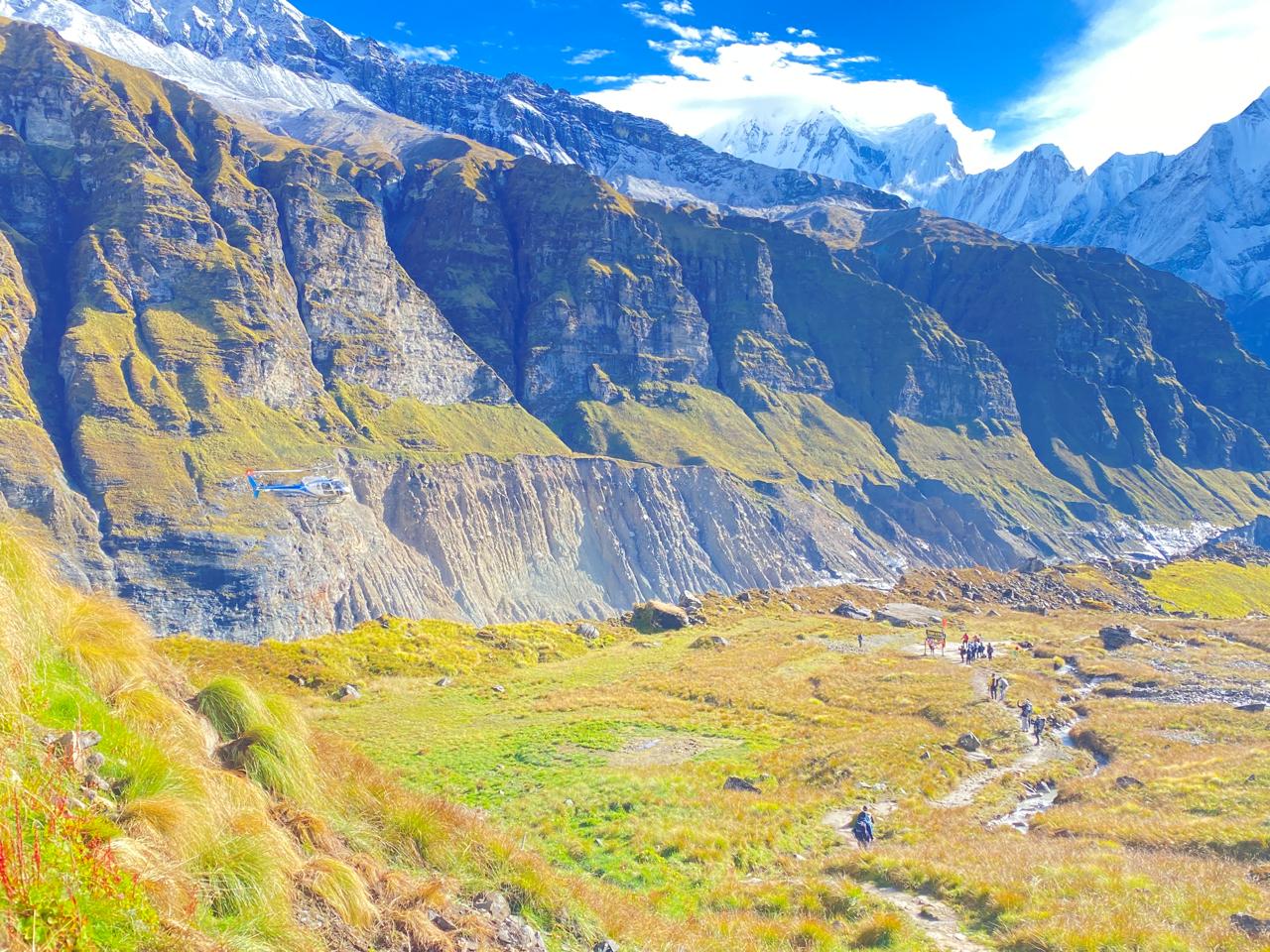
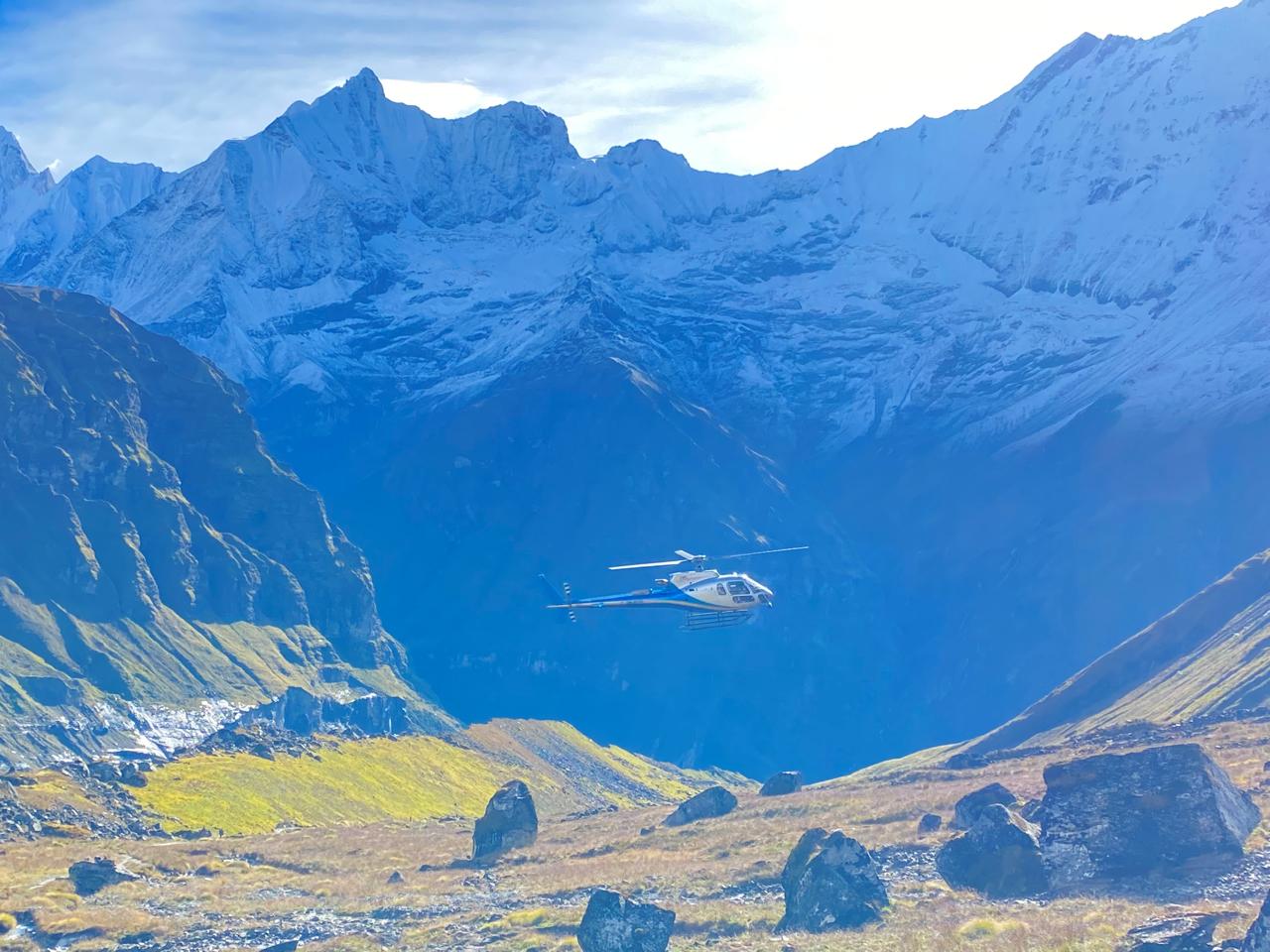
If you want to shorten the trekking days or avoid long descents, you can choose a helicopter return option (weather permitting). This also gives you a stunning aerial view of the Himalayan range.
Kathmandu Sightseeing Tour
You can add a guided sightseeing tour in Kathmandu before or after your trek. Popular UNESCO World Heritage Sites include:
- Pashupatinath Temple
- Boudhanath Stupa
- Swayambhunath
- Kathmandu Durbar Square
This is a great way to experience Nepal’s rich culture and history.
Trekking Equipment Rental
If you do not want to buy expensive trekking gear, we can arrange rental services for:
- Down jackets
- Sleeping bags
- Trekking poles
- Duffle bags
Travel and Medical Insurance Assistance
Although travel insurance is mandatory, we can help guide you in selecting the right policy that covers high-altitude trekking and emergency evacuation.
Extra Trek Days
If you wish to explore more villages, viewpoints, or take acclimatization days, we can customize the itinerary according to your schedule.
Best Season to Trek
Choosing the right season is very important for a safe and enjoyable trekking experience in Nepal. Weather, mountain views, trail conditions, and overall comfort depend heavily on the season.
Spring Season (March – May)
Spring is one of the best times to trek in Nepal. The weather is stable, and temperatures are moderate. During this season:
- Days are warm and pleasant.
- Skies are usually clear with excellent mountain views.
- Rhododendron forests bloom beautifully, covering hills with red, pink, and white flowers.
- Trails are lively with trekkers from around the world.
At higher altitudes, mornings and nights can still be cold, but daytime trekking is comfortable. This season is highly recommended for most trekking routes.
Autumn Season (September – November)
Autumn is considered the most popular trekking season in Nepal. After the monsoon rains:
- The air becomes fresh and clean.
- Mountain views are very clear and sharp.
- Weather is dry and stable.
- Trails are in excellent condition.
Temperatures are moderate at lower elevations and cold at higher altitudes. This season is ideal for both beginners and experienced trekkers.
Winter Season (December – February)
Winter trekking is possible, especially at lower altitudes. However:
- High passes may be closed due to snow.
- Nights are very cold, especially above 3,000 meters.
- Fewer trekkers are on the trails, offering peaceful experiences.
Winter is suitable for those who can handle cold temperatures and prefer quieter routes.
Monsoon Season (June – August)
This is the rainy season in Nepal. Trekking during this time has challenges:
- Heavy rainfall makes trails muddy and slippery.
- Leeches are common in lower forested areas.
- Clouds may block mountain views.
However, some rain-shadow areas like Upper Mustang remain suitable during monsoon.
Food Availability
Food during the trek is simple, fresh, and energy-rich. While trekking in the Himalayas, your body needs more calories because of long walking hours and higher altitude. That is why meals are designed to provide enough energy and warmth.
In most trekking routes, meals are served in teahouses and lodges. The menu may look simple, but you will find a good variety of local and international dishes.
Breakfast
Breakfast is usually served at the lodge where you stay overnight. It normally includes:
- Tibetan bread or chapati
- Toast with butter and jam
- Pancakes
- Eggs (boiled, fried, omelet)
- Porridge (oats or muesli)
- Tea, coffee, or hot chocolate
Hot drinks are very important in the mountains because mornings can be cold.
Lunch
Lunch is taken at a teahouse along the trail. Popular lunch options include:
- Dal Bhat (rice, lentil soup, vegetables)
- Fried rice (vegetable, egg, or chicken)
- Noodles
- Momos (dumplings)
- Pasta or spaghetti
- Thukpa (noodle soup)
Dal Bhat is the most recommended meal because it is healthy, filling, and comes with free refills in many places.
Dinner
Dinner is served at the lodge after reaching your destination for the day. It is similar to lunch but often includes soup before the main meal. Garlic soup is popular because many believe it helps with altitude adaptation.
Drinking Water
You can buy bottled water in lower regions, but prices increase at higher altitudes. To reduce plastic waste, it is better to:
- Use water purification tablets
- Carry a reusable water bottle
- Fill boiled water from lodges
Staying hydrated is very important during the trek.
Accommodation
Accommodation during the trek is mainly in teahouses and mountain lodges. These are simple but comfortable enough for trekking conditions.
Teahouses
Teahouses are small guesthouses run by local families. They usually provide:
- Twin-sharing rooms
- Wooden beds with mattresses
- Pillow and blanket
- Shared bathroom (mostly common toilets)
At lower elevations, you may find rooms with attached bathrooms, but at higher altitudes, facilities become basic.
Dining Area
Every teahouse has a common dining hall with a heater (often fueled by wood or yak dung). This is the warmest place in the lodge and where trekkers gather to eat, talk, and relax.
Electricity and Charging
Electricity is available in most villages. However:
- Charging electronic devices may cost extra.
- Wi-Fi is available in some areas with additional charges.
- Network signal may be weak at high altitude.
In Kathmandu
Before and after the trek, accommodation is provided in a comfortable hotel in Kathmandu. Rooms are generally twin-sharing with private bathrooms.
Travel Insurance
Travel insurance is mandatory for high-altitude trekking in Nepal. It is very important for your safety and peace of mind.
Your insurance must cover:
- High-altitude trekking (up to the maximum altitude of your trek)
- Emergency helicopter evacuation
- Medical treatment
- Trip cancellation or delay
- Lost luggage
Helicopter rescue in the mountains can be expensive. Without insurance, the cost can be very high. Therefore, make sure your insurance clearly mentions high-altitude coverage.
You should carry a copy of your insurance policy during the trek.
Altitude Sickness
Altitude sickness, also called Acute Mountain Sickness (AMS), can occur when trekking above 2,500 meters. As you climb higher, the air becomes thinner, and oxygen levels decrease.
Common Symptoms
- Headache
- Nausea
- Dizziness
- Loss of appetite
- Difficulty sleeping
- Shortness of breath
Prevention
- Walk slowly and maintain a steady pace
- Drink plenty of water
- Avoid alcohol and smoking
- Take proper acclimatization days
- Inform your guide immediately if you feel unwell
If symptoms become serious, descending to a lower altitude is the best solution.
Professional guides from ART Nepal Treks & Expedition are trained to handle altitude-related problems and monitor your health throughout the trek.
Guide and Safety Measures
The safety and well-being of trekkers are the top priority on the Gosaikunda Trek via Langtang. ART Nepal Treks & Expedition ensures that every trek is led by highly experienced guides trained in mountain safety, first aid, and local knowledge.
Experienced Guides
- All guides are licensed and have extensive experience in trekking and high-altitude expeditions.
- They are familiar with the Langtang region, including trails, weather patterns, and emergency evacuation routes.
- Guides provide cultural insights, explain the history of villages, monasteries, and local traditions, enhancing the trekking experience.
Safety Protocols
- Guides strictly follow acclimatization schedules to reduce the risk of altitude sickness.
- Daily briefings on trail conditions, weather, and safety are conducted.
- Emergency evacuation plans are in place for any medical or weather-related situations.
Health Monitoring
- Guides regularly monitor trekkers for early signs of altitude sickness.
- Adequate rest, hydration, and pacing are encouraged to maintain health and stamina.
- First aid kits and necessary medical supplies are carried by guides at all times.
Emergency Preparedness
- Guides carry communication devices such as satellite phones or radios to contact rescue teams if needed.
- Evacuation procedures are pre-planned, including helicopter rescue options for severe emergencies.
- Trekkers are advised to report any discomfort immediately to avoid complications.
Local Support
- The trek involves staying in local teahouses, which are familiar with mountain safety and can assist in emergencies.
- Trekkers are encouraged to respect local customs and maintain environmental hygiene to ensure safety for themselves and the community.
Booking Procedure
Booking the Gosaikunda Trek via Langtang is straightforward and fully supported by ART Nepal Treks & Expedition. Here is the step-by-step process:
Step 1: Contact Us
Reach out to us via:
- Phone
- Official website contact form
Specify your preferred trekking dates, group size, and any special requests.
Step 2: Confirm Dates
Our team checks availability for your selected dates. After confirmation, you can proceed with securing your trek.
Step 3: Pay Deposit
A deposit is required to confirm your booking. This ensures your spot is reserved, especially during peak trekking seasons (Spring and Autumn).
Step 4: Submit Documents
Provide necessary documents, including:
- Passport copy
- Visa information (if applicable)
- Travel insurance details
- Medical information or special requirements
Step 5: Final Payment
The remaining payment is made before departure. Payment can usually be completed via bank transfer, online payment, or in-person at our office in Kathmandu.
Step 6: Pre-Trek Briefing
Before the trek, attend a pre-trek briefing at our office or hotel. Topics include:
- Full itinerary and daily plan
- Safety guidelines and acclimatization tips
- Altitude sickness awareness
- Equipment checklist
- Cultural etiquette and environmental responsibility
Step 7: Trek Commencement
On the first day of the trek, our team provides transportation to the trailhead, introduces your guide and porter, and ensures all arrangements are in place for a smooth start to your adventure.
FAQ
Trip Price
USD 1350 Per Person
Talk To Trip Expert
Related Trips