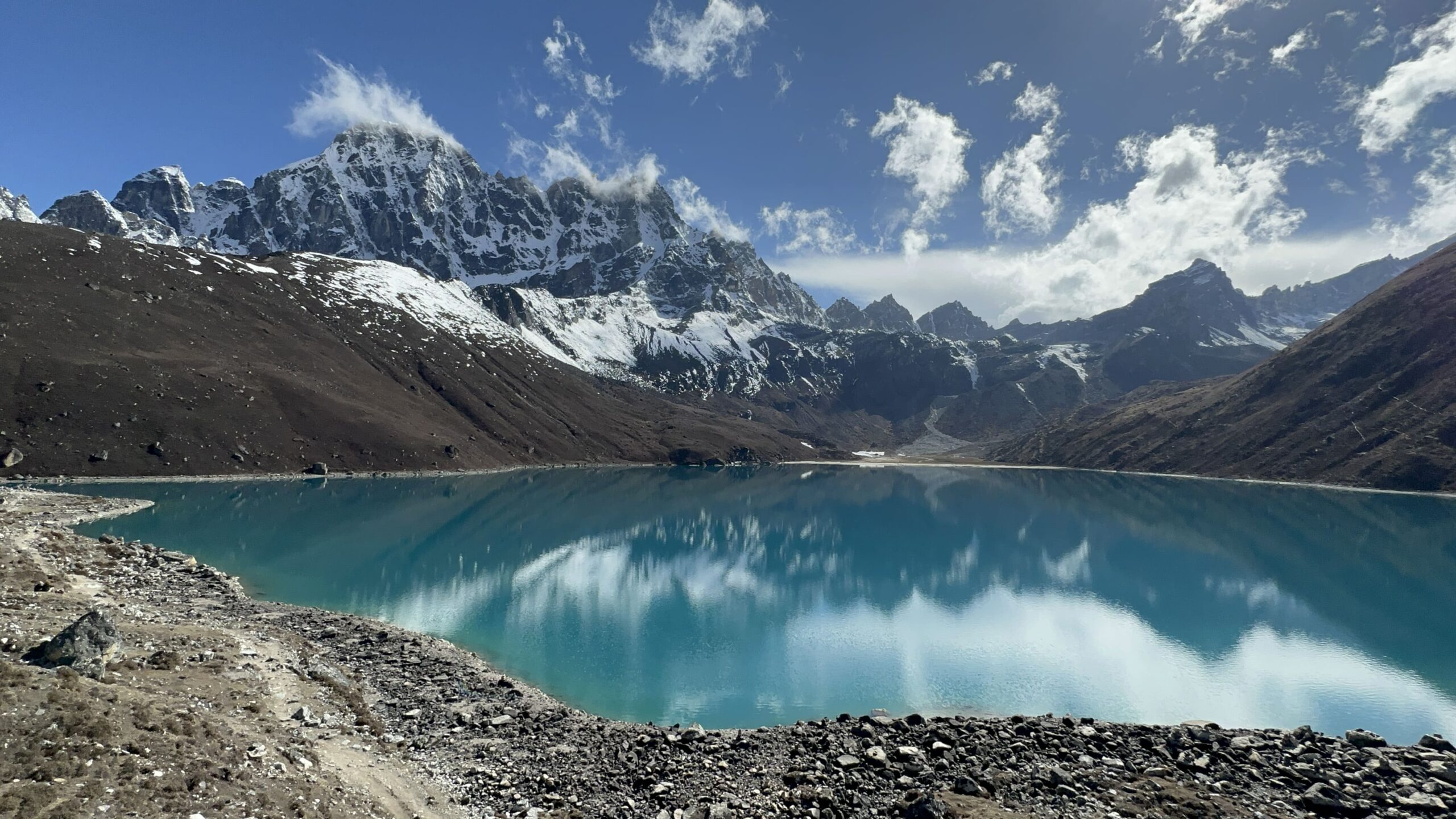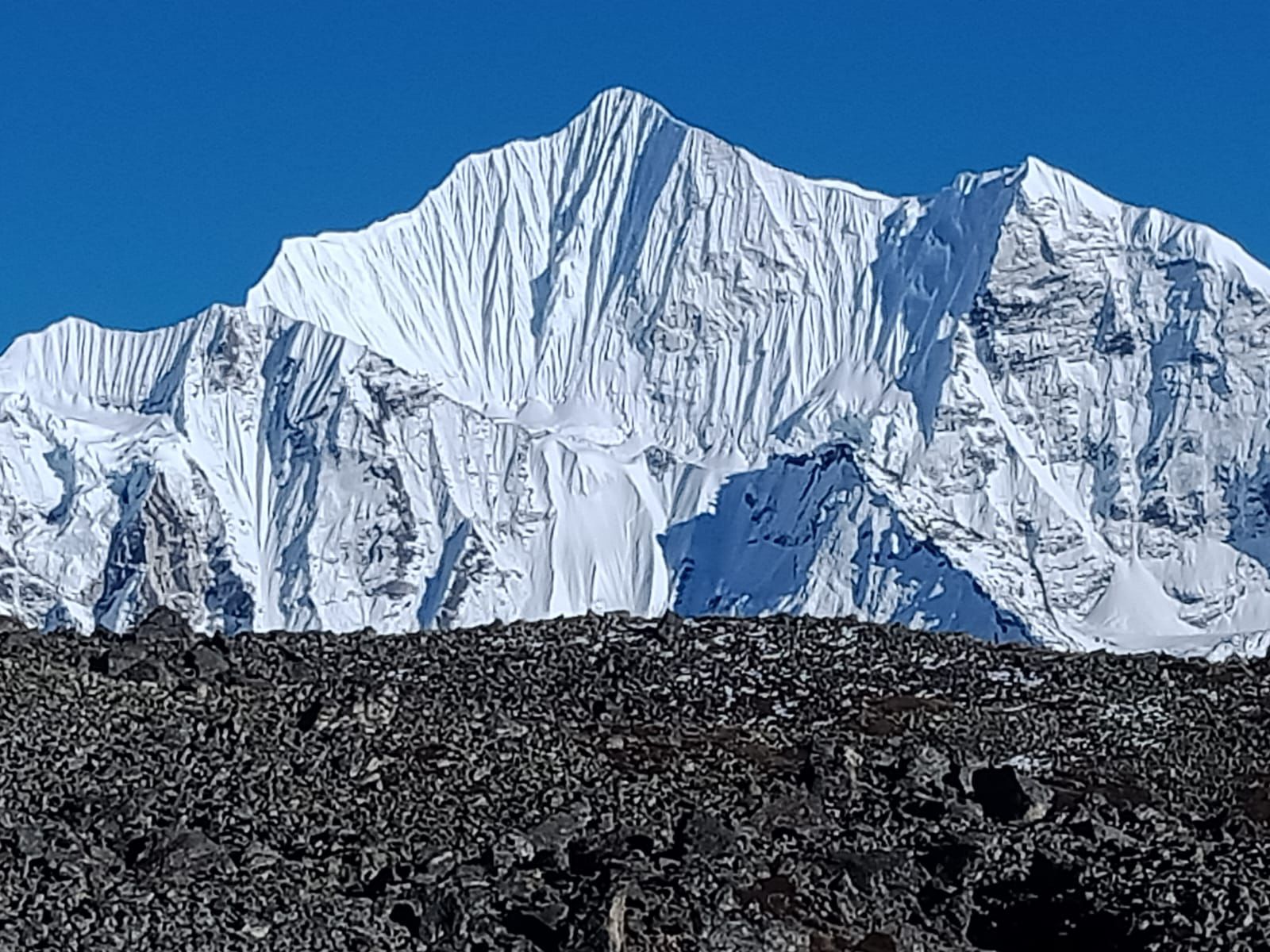


Island Peak Climbing – 3 Days from Chhukung
Introduction
The Island Peak Climbing expedition is one of the most popular trekking peaks in Nepal, attracting climbers who wish to experience technical Himalayan climbing without committing to a full expedition. Starting from the village of Chhukung, the trek takes you through serene landscapes, moraine trails, and glaciers, culminating in the breathtaking summit of Island Peak at 6,189 meters. This climb provides both adventure and the opportunity to witness some of the most iconic mountains in the world.
This 3-day climb is designed for those who are already acclimatized in the Everest region. ART Nepal Treks & Expedition ensures that climbers receive full support, including equipment guidance, experienced guides, and a structured plan for both safety and enjoyment. From Base Camp to High Camp and finally to the summit, climbers experience varied terrain, including rocky moraines, ice ridges, and snow-covered slopes.
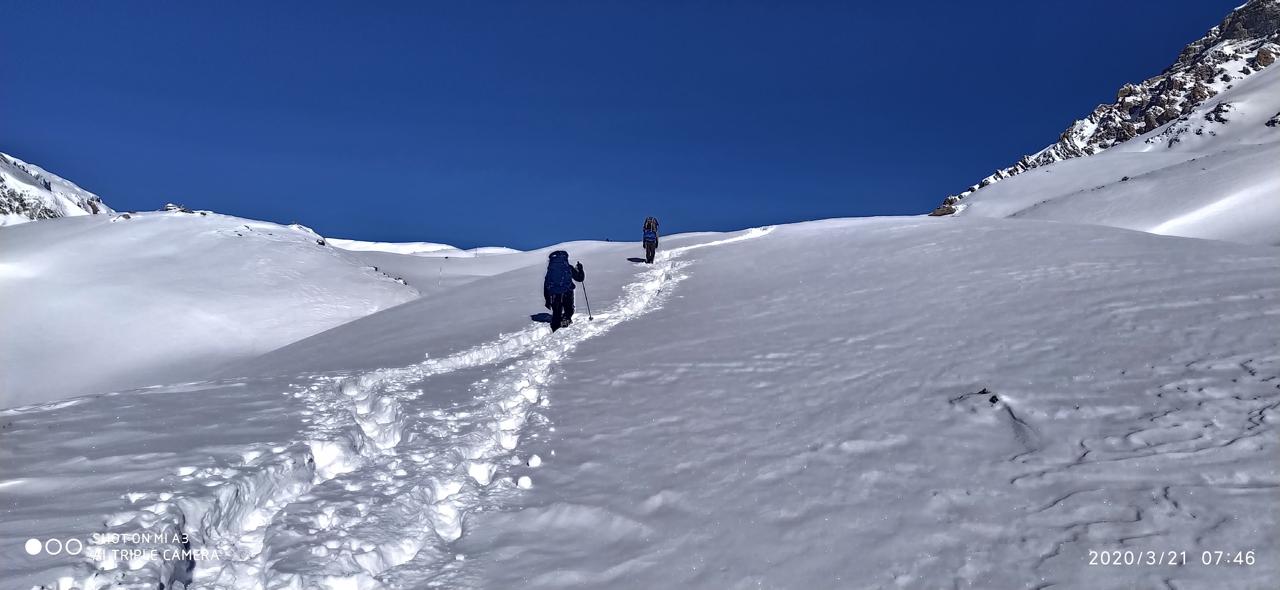
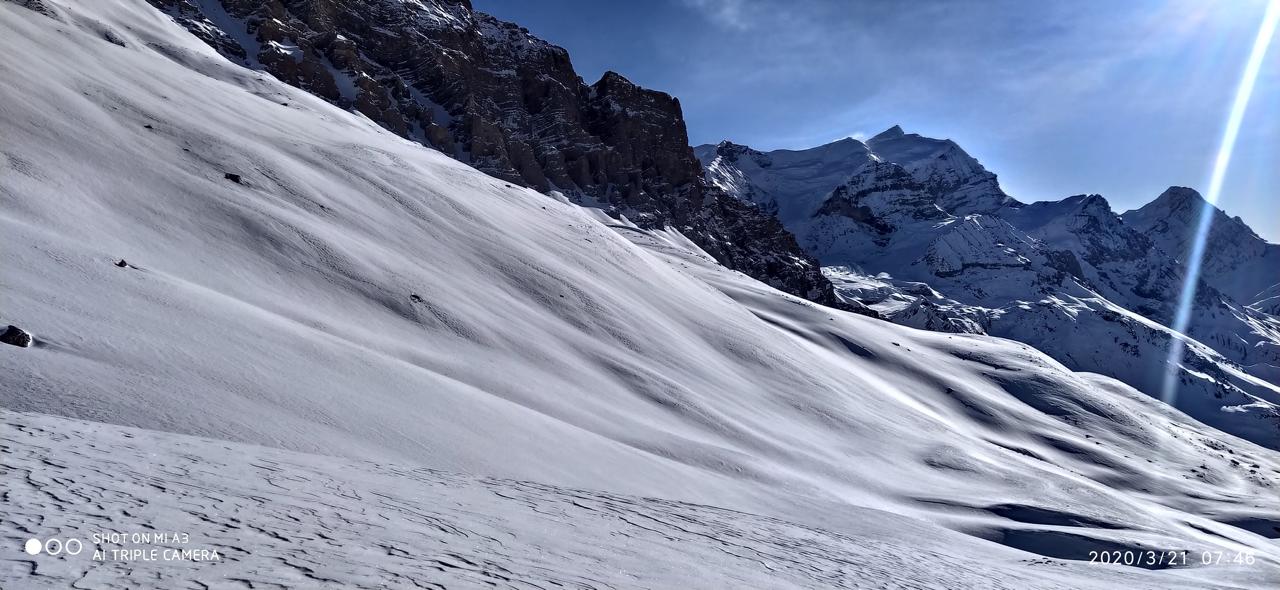
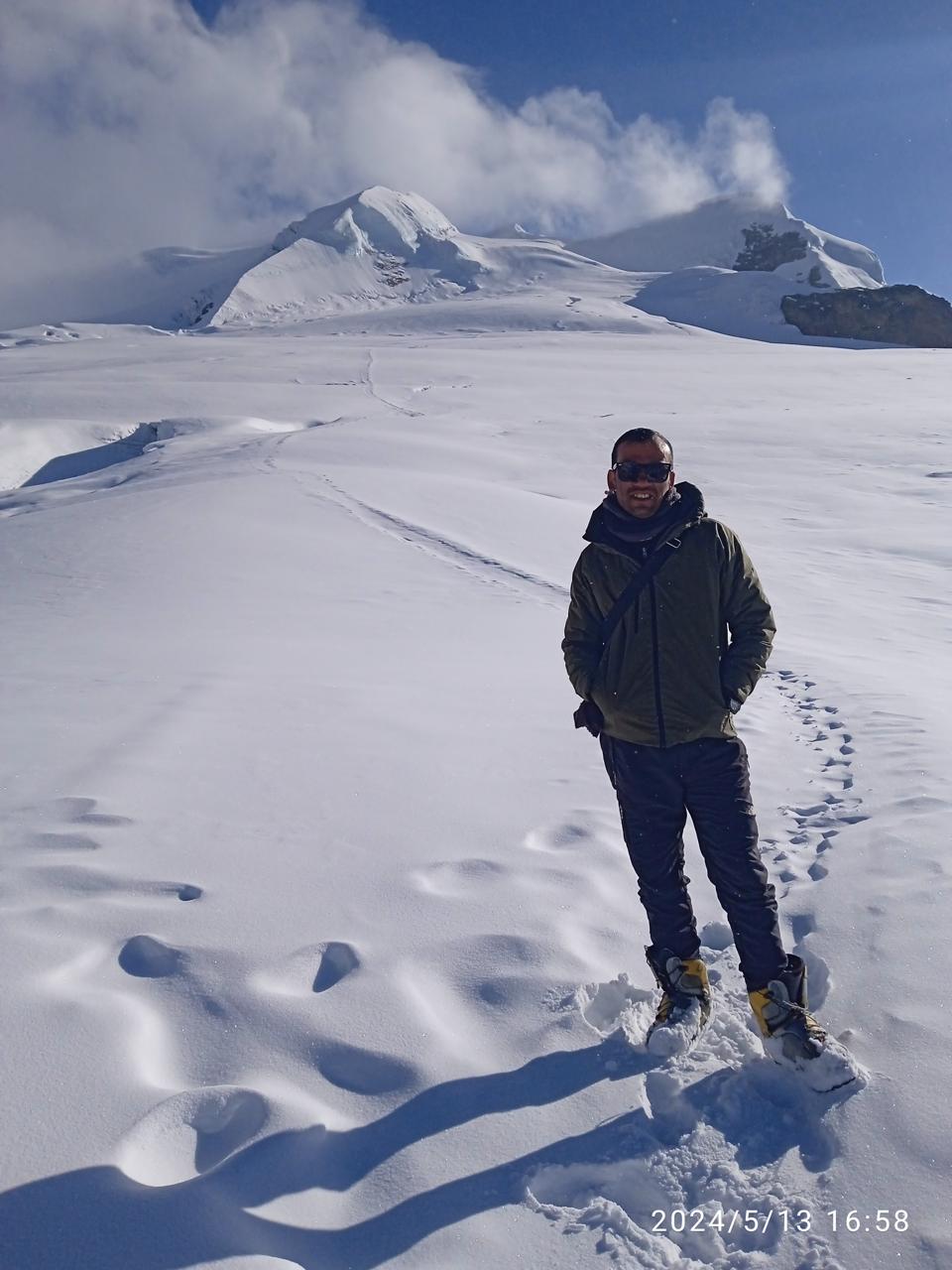
The trek begins with a gentle hike from Chhukung to Island Peak Base Camp, a 3–4 hour trek suitable for getting used to the terrain while enjoying stunning mountain views. The Base Camp offers a panoramic look at Imja Glacier and the surrounding peaks, providing climbers an excellent opportunity to study the route and prepare mentally and physically for the climb ahead.
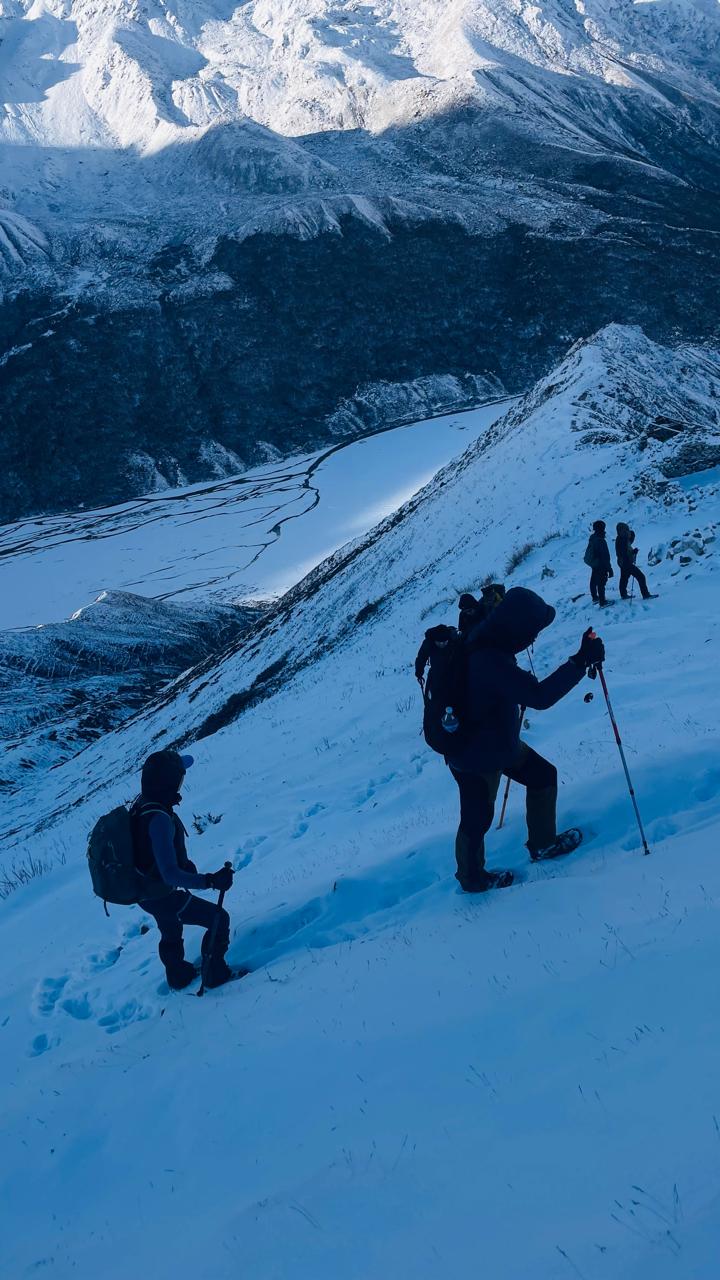
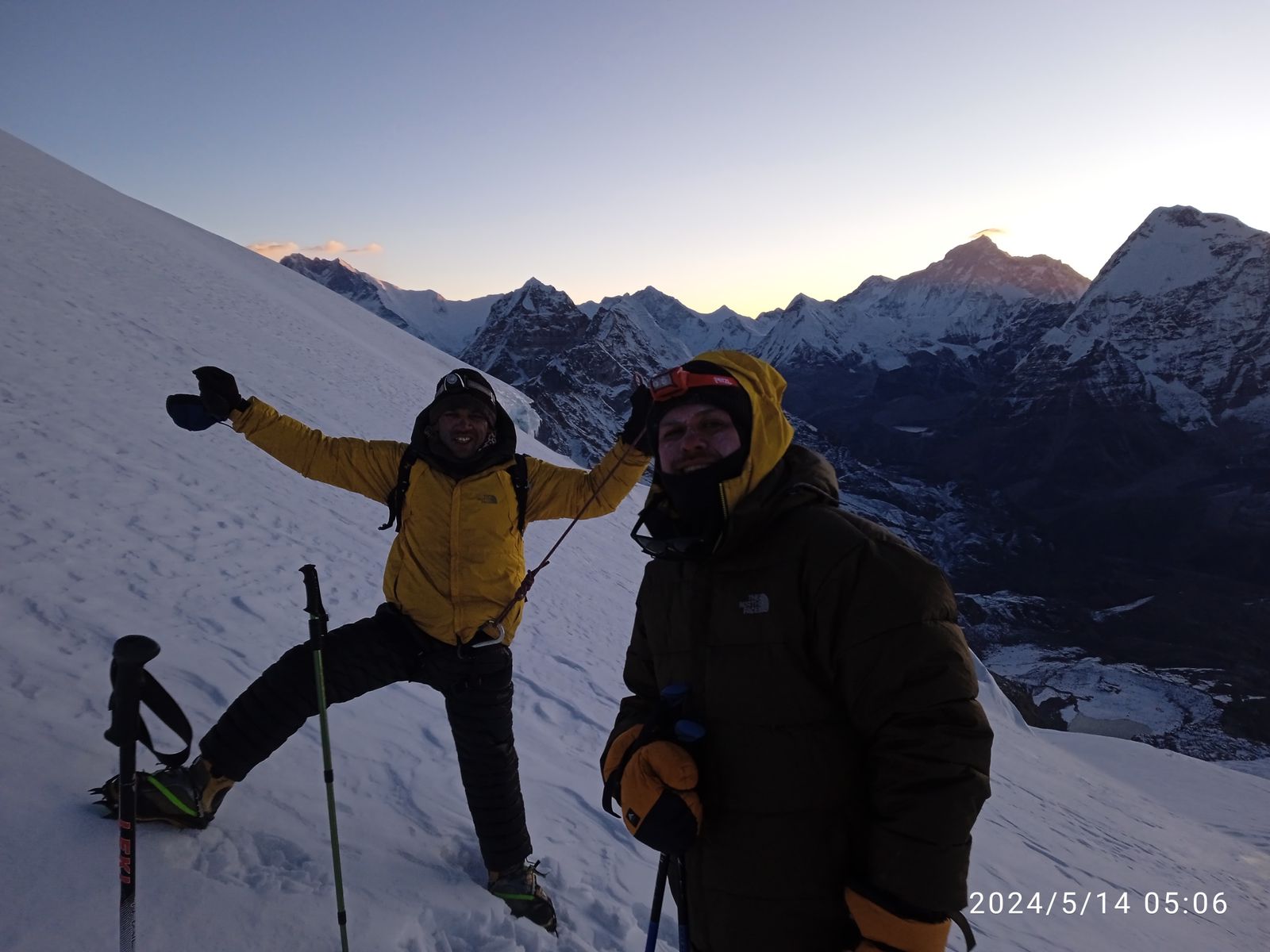
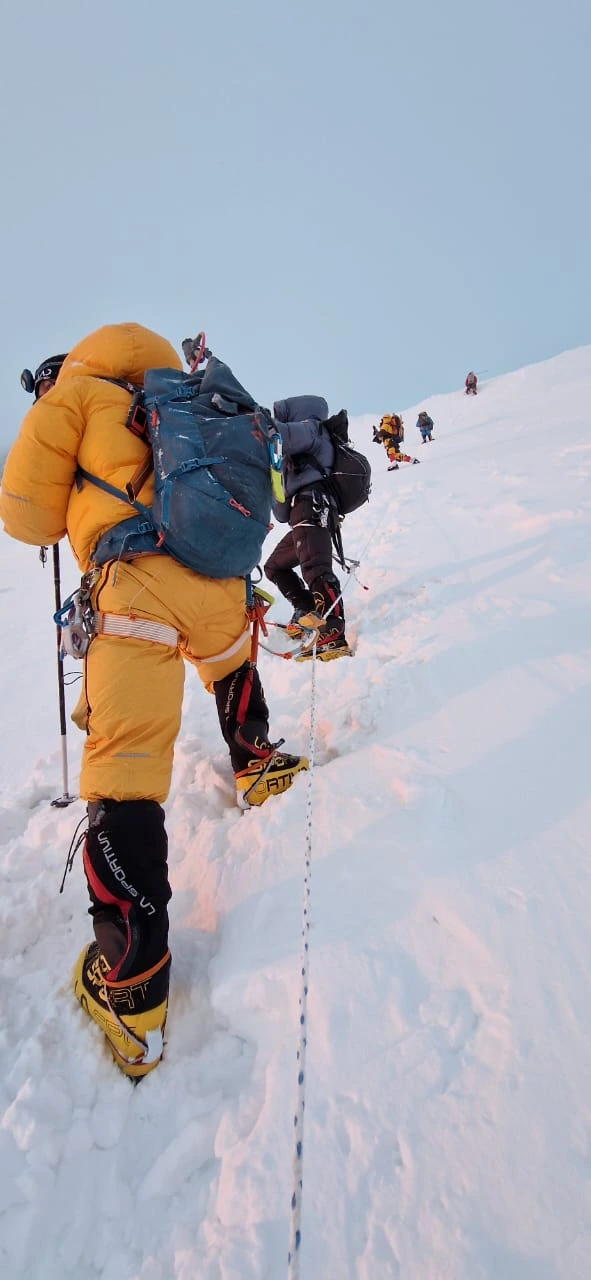
From Base Camp, climbers move to High Camp, navigating icy slopes with the help of crampons and ropes. This segment is both challenging and rewarding, as it allows climbers to practice technical skills in a controlled environment. The evening before the summit is crucial for rest, hydration, and a briefing on glacier safety, climbing techniques, and weather conditions.
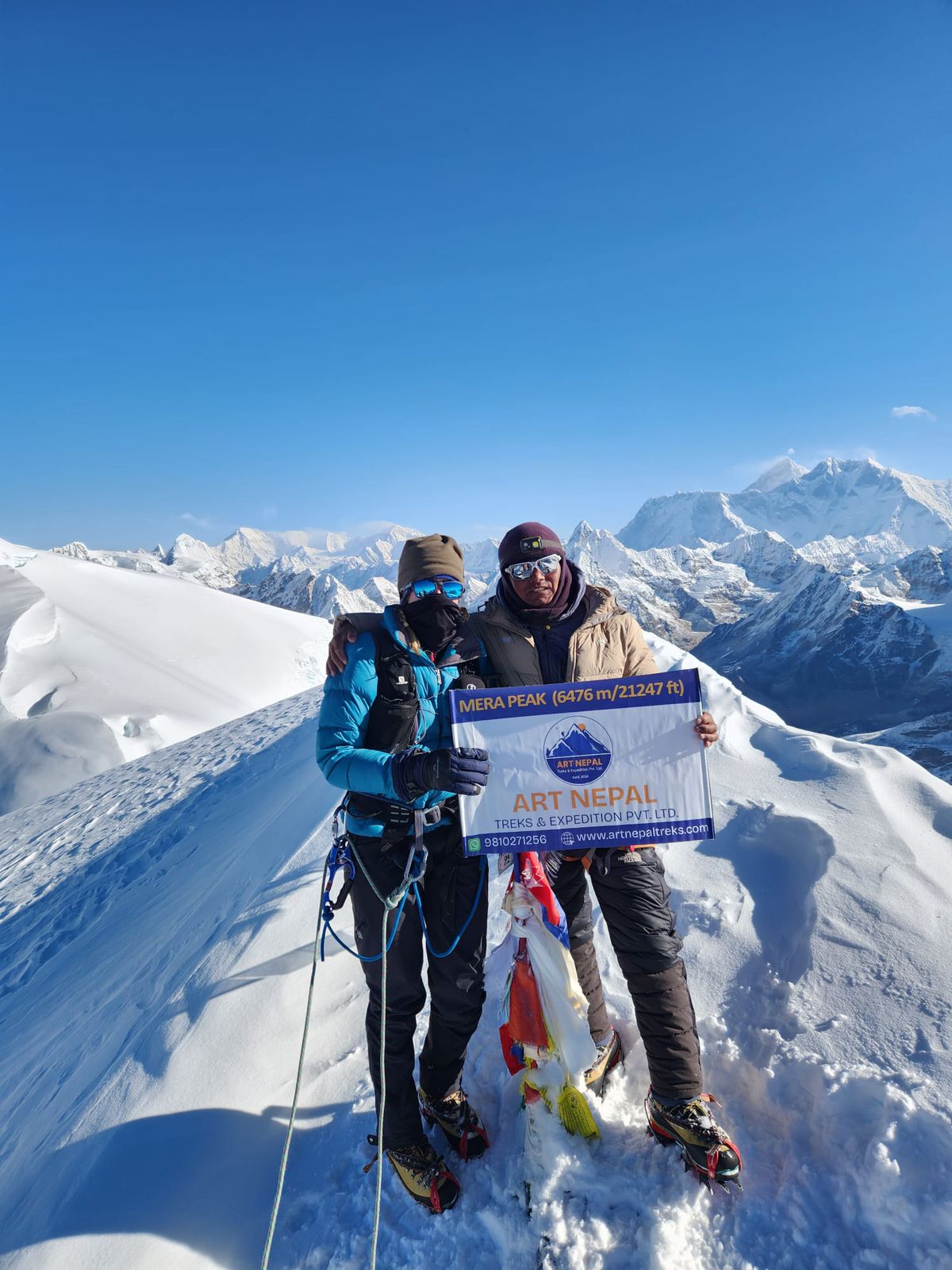
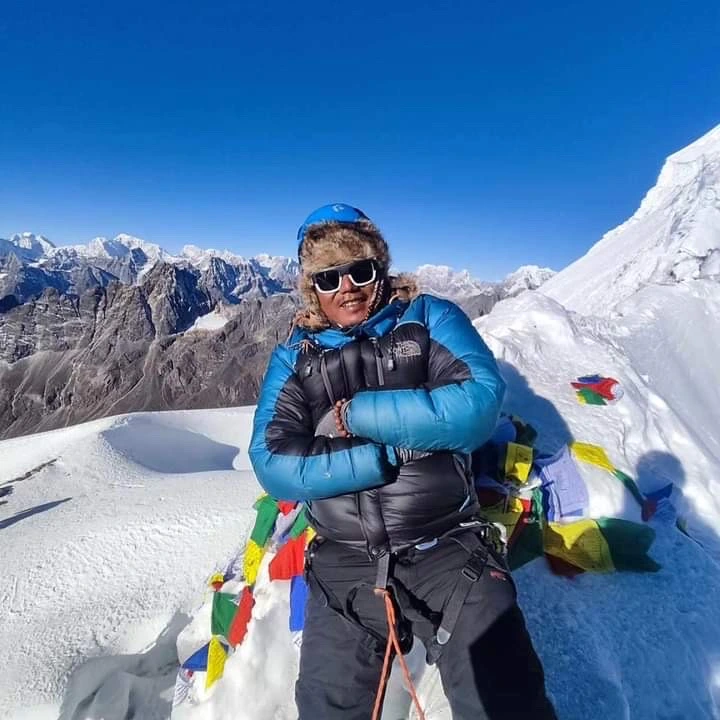
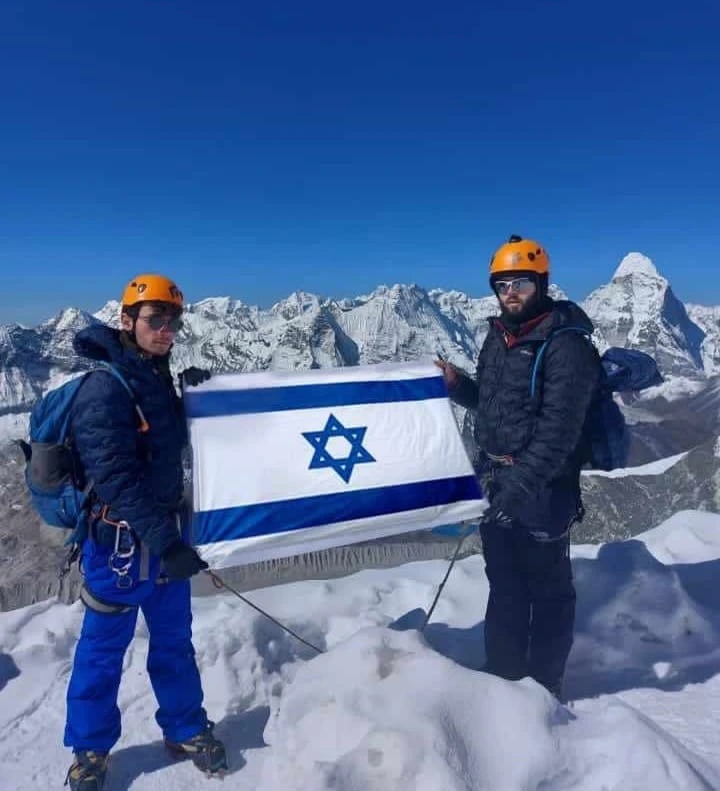
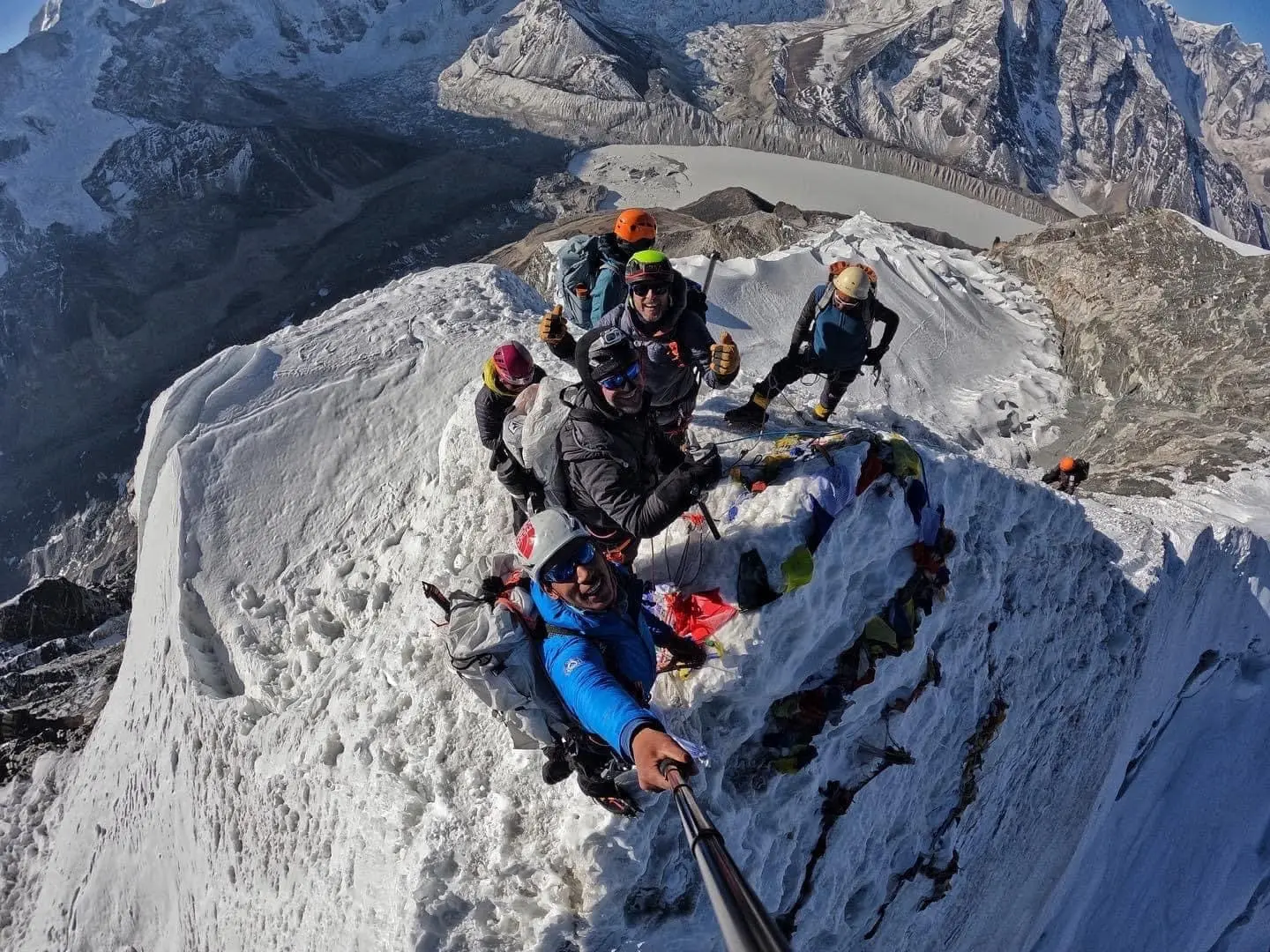
The summit day is an early start, typically around 2–3 AM, to take advantage of firmer snow conditions and favorable weather. The technical section requires careful use of crampons, ice axes, and rope techniques. Reaching the top of Island Peak is a thrilling moment, offering 360° views of Everest, Lhotse, Makalu, Ama Dablam, Nuptse, and the entire Imja Glacier. The descent follows the same route, bringing climbers back to Chhukung with a profound sense of
accomplishment and satisfaction. The Island Peak climb is not just a physical challenge but also a journey of mental endurance, testing perseverance, focus, and teamwork. Every step toward the summit is rewarded with stunning natural beauty, making it an unforgettable Himalayan adventure.
ART Nepal Treks & Expedition organizes this climb with careful planning, prioritizing climber safety while maximizing exposure to the incredible landscapes of the Everest region. From the preparation at Base Camp to the technical challenges on the glacier, every stage is structured to give climbers both confidence and skill-building experiences.
The trek also offers an opportunity to immerse yourself in Sherpa culture. Chhukung village, where the trek begins, is home to friendly locals who provide insights into traditional Himalayan life. This cultural interaction adds another layer to the adventure, making it more than just a climb—it’s a holistic experience of nature, culture, and adventure in one of the most stunning corners of the world.
Finally, this expedition is suitable for adventurers who have already spent time at high altitudes, such as in nearby Everest Base Camp treks. Acclimatization is essential, as the summit reaches above 6,000 meters. With proper preparation, guidance from professional climbing teams, and the support of ART Nepal Treks & Expedition, climbers can safely enjoy one of the most thrilling trekking peak experiences in Nepal.
What Can You Expect From the Trek?
Embarking on the Island Peak climb means experiencing a blend of trekking and technical mountaineering. The journey is challenging yet incredibly rewarding, offering breathtaking Himalayan scenery at every stage. Trekkers will encounter moraine paths, icy glaciers, and steep snow slopes that test both endurance and technical skills.
This trek emphasizes hands-on climbing experience. Climbers learn to use crampons, ice axes, and ropes, while also practicing glacier safety. High Camp provides the perfect environment to prepare for the summit with guidance from experienced mountaineering instructors. Each day is carefully planned to allow time for acclimatization, rest, and skill development, ensuring that climbers are physically and mentally ready for the final push to the summit.
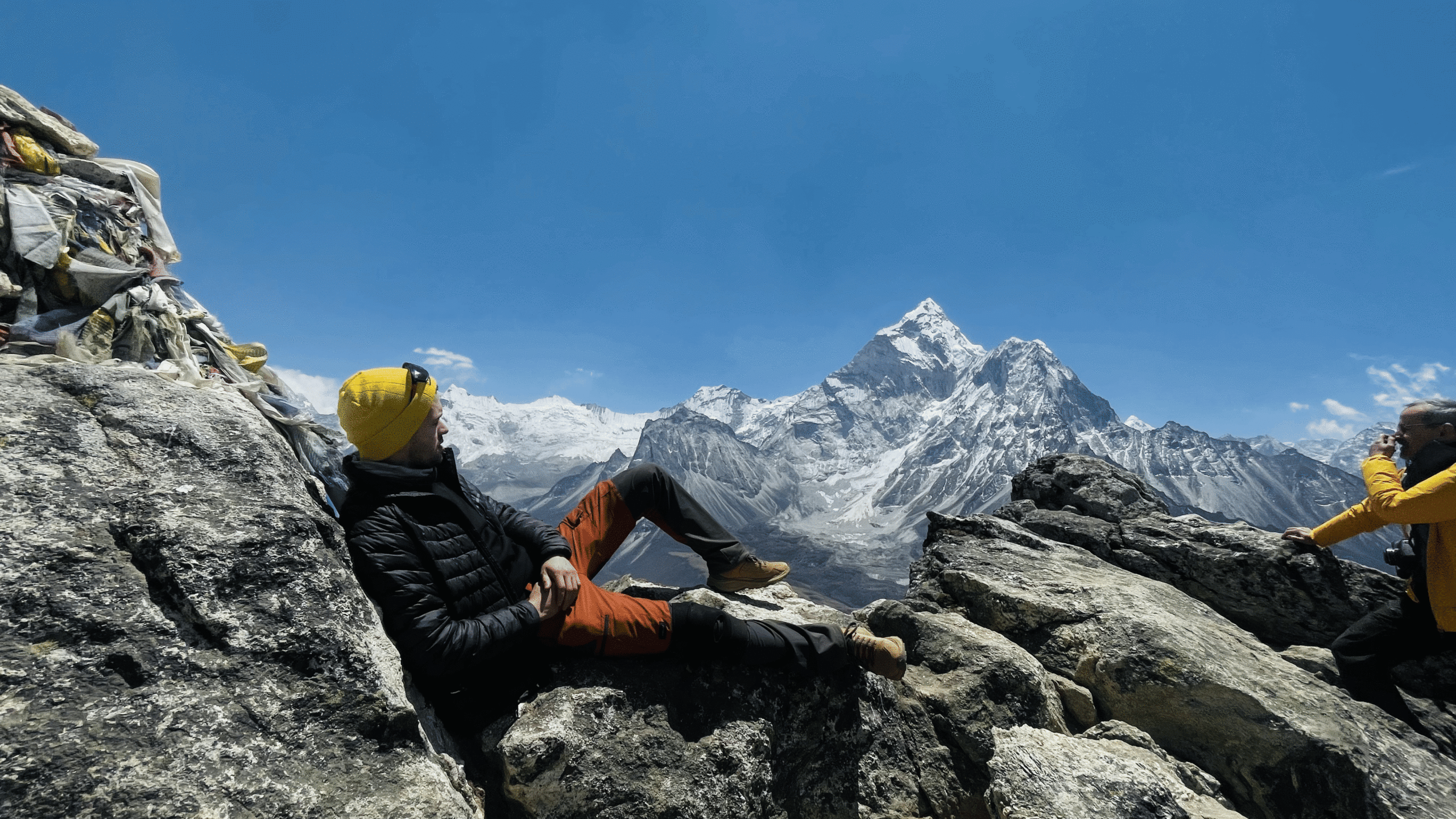
Beyond the technical climb, trekkers are treated to sweeping views of some of the highest peaks in the world. From the base of Island Peak, the panorama includes Everest, Lhotse, Makalu, Ama Dablam, and Nuptse. The summit day rewards climbers with a 360° perspective of the Himalayas, making every moment of effort worthwhile. This combination of adventure, scenery, and skill-building makes Island Peak an ideal peak for those seeking a challenging yet accessible Himalayan climb.
Summary of What to Expect:
- Technical Climbing: Learn ice-axe, crampon, and rope techniques.
- Glacier Experience: Walk on Imja Glacier and practice safety skills.
- Stunning Panoramas: Everest, Lhotse, Makalu, Ama Dablam, Nuptse, and surrounding peaks.
- Acclimatization Support: Structured climb to prepare for high-altitude summit.
- Adventure and Achievement: Challenging climb culminating in the reward of reaching 6,189 meters.
Is Trek Suitable for You?
The Island Peak climb is designed for those with prior trekking experience, particularly at high altitudes. Climbers should be comfortable walking for multiple hours at elevations above 4,500 meters and have experience with physical endurance activities. A moderate to high level of fitness is essential to handle steep ascents, icy terrain, and long days of trekking.
Technical skills, though not mandatory for beginners, significantly improve the success rate. Familiarity with crampon and ice-axe use, rope handling, and basic glacier navigation is beneficial. For those without previous mountaineering experience, ART Nepal Treks & Expedition provides guidance and support, including on-the-spot training and supervision by expert guides.
Mental preparation is equally important. Climbers must be ready for early starts, long days, cold nights at Base and High Camps, and the mental challenge of climbing steep, icy slopes. Patience, focus, and determination are key to enjoying the experience safely and successfully.
Summary of Trek Suitability:
- Fitness Required: Moderate to high endurance and stamina.
- Technical Skills: Beneficial to know crampon, ice-axe, and rope usage.
- Mental Preparedness: Ability to handle cold, high-altitude challenges, and long days.
- Experience: Prior trekking above 4,500 m recommended.
- Guided Support: Expert guides ensure safety and skill development.
How to Get Prepared for Trek?
Physical training is crucial before attempting Island Peak. Cardiovascular endurance exercises, strength training for legs and core, and balance exercises prepare the body for long days on rocky and icy terrain. Hiking with weighted backpacks in preparation is highly recommended to simulate real conditions.
Equally important is mental preparation. Climbers should familiarize themselves with high-altitude conditions, learn about altitude sickness symptoms, and practice stress management techniques. Confidence in using climbing gear such as crampons, ice axes, and ropes can significantly enhance both safety and enjoyment.
Packing the right gear is essential. Layered clothing, proper trekking boots, gloves, helmets, harnesses, and other mountaineering equipment are crucial. ART Nepal Treks & Expedition usually provides climbing-specific gear like ropes and helmets, but personal gear must meet high-altitude safety standards.
Summary of Preparation:
- Physical Training: Cardio, strength, and balance exercises.
- Mental Preparation: Understanding altitude effects and stress management.
- Gear Readiness: Quality layered clothing, trekking boots, climbing gear.
- Acclimatization: Prior trekking at high altitude recommended.
- Guided Support: Guidance for first-time climbers to ensure safety.
-
Trip Duration
3 Days / 4Nights
-
Group Size
1–20 People
-
Maximum Altitude
6,189 m
-
Trip Difficulty
High
-
Activities
Challenging technical climb
-
Best Season
Spring (March–May) and Autumn (September–November)
-
Meals
Breakfast, lunch, and dinner
-
Accomodation
Tents at Base Camp and High Camp
Highlights
- Breathtaking Summit Views – Enjoy 360° panoramic views of Everest, Lhotse, Makalu, Ama Dablam, Nuptse, and surrounding Himalayan peaks from the top of Island Peak (6,189 m).
- Glacier Trekking Experience – Walk across the Imja Glacier and navigate moraine paths, learning basic glacier travel skills.
- High Camp Adventure – Experience the thrill of camping at 5,600 m, with incredible sunrise and sunset views over the Himalayas.
- Technical Climbing Challenge – Test your skills using crampons, ice axes, and ropes on steep snow and ice sections under expert guidance.
- Cultural Insights – Explore Chhukung and nearby Sherpa villages, witnessing traditional Himalayan lifestyle and warm local hospitality.
- Acclimatization Opportunity – Structured trekking route ensures proper high-altitude adaptation, preparing you for the summit safely.
- Unforgettable Achievement – Complete one of the most iconic trekking peaks in Nepal, combining adventure, skill development, and personal accomplishment.
Itinerary
Day 01
The Island Peak Climbing journey begins in the serene Sherpa village of Chhukung, nestled in the Khumbu region of Nepal. The trek from Chhukung to Island Peak Base Camp is approximately 3–4 hours, following a trail that winds along moraines, rocky paths, and small glacial streams. This first day is primarily aimed at acclimatization, allowing climbers to gradually adjust to higher altitudes while enjoying spectacular Himalayan scenery. As you trek, you are surrounded by towering peaks, including Ama Dablam, Lhotse, Nuptse, and Island Peak, providing breathtaking photo opportunities and moments of reflection amidst pristine nature. The Base Camp itself sits at 5,200 meters, offering an ideal location to rest, hydrate, and take in the majestic mountain views after the day’s hike.
Once at Base Camp, trekkers set up their tents and can take a short walk around the surrounding area to familiarize themselves with the glacier and identify the route to High Camp. This exploration helps climbers build confidence with the terrain and understand the glacier’s layout, ice formations, and potential challenges. The evening is dedicated to resting, having a nutritious meal, and attending a briefing led by guides from ART Nepal Treks & Expedition, covering glacier safety, climbing strategies, and preparation for the following day. Camping at Base Camp is a unique experience, with the crisp Himalayan air, the sounds of distant icefalls, and the clear view of surrounding peaks making it an unforgettable first night on the trek.
Trip Duration:
3–4 hoursTrip Distance:
6 km / 3.7 milesAltitude:
5,200 mMeal:
Breakfast, Lunch, DinnerAccomodation :
Camping at Base CampDay 02
On the second day, climbers begin their ascent from Island Peak Base Camp toward High Camp, gaining crucial elevation and preparing for the summit attempt. The trek usually starts early in the morning to take advantage of stable weather conditions and firmer snow on the glacier. The route leads across the lower slopes of the Imja Glacier, requiring careful navigation over moraine ridges, snowfields, and icy patches. Here, climbers use technical equipment such as crampons and ropes, guided by experienced instructors from ART Nepal Treks & Expedition, to ensure safety while moving through steep and challenging terrain. The climb from Base Camp to High Camp typically takes 3–4 hours, depending on pace, snow conditions, and the team’s acclimatization status. Along the way, panoramic views of Ama Dablam, Lhotse, Nuptse, and Makalu provide motivation and constant reminders of the Himalayan grandeur.
Arriving at High Camp, situated at 5,600 meters, climbers set up tents and focus on resting, hydrating, and preparing for the technical summit push scheduled for the following day. Evening activities include an essential summit briefing, where guides review safety procedures, ice and rope techniques, and acclimatization reminders. Spending the night at High Camp is a unique Himalayan experience, with the cold air, clear skies, and the surrounding peaks creating a magical atmosphere. This day is crucial not only for physical preparation but also for mental readiness, as climbers learn to respect the mountain, understand glacier dynamics, and build confidence for the challenging ascent to the Island Peak summit.
Trip Duration:
3–4 hoursTrip Distance:
4 km / 2.5 milesAltitude:
5,600 mMeal:
Breakfast, Lunch, DinnerAccomodation :
Camping at High CampDay 03
The final day of Island Peak Climbing begins with a very early morning start, usually around 2–3 AM, to take advantage of optimal snow conditions and maximize safety on the technical sections. The climb to the summit involves a combination of steep snow slopes, ice walls, and rocky ridges, requiring climbers to use ice axes, crampons, and harnesses. Guides from ART Nepal Treks & Expedition lead the team, ensuring proper rope techniques and safety measures are observed. Reaching the summit at 6,189 meters offers an unparalleled 360° panorama of the Himalayas, including Everest, Lhotse, Nuptse, Makalu, Ama Dablam, and the Imja Glacier. This moment is often described as the highlight of the trek, rewarding climbers with the ultimate sense of achievement and breathtaking photographic opportunities.
After enjoying the summit views, climbers descend carefully back to High Camp and then continue to Base Camp, retracing the glacier route. From Base Camp, the trek continues down to Chhukung village, completing the three-day expedition. The descent requires caution and focus, as fatigue from the summit attempt can affect balance and energy levels. Returning to Chhukung, climbers celebrate their successful ascent, often reflecting on the technical skills learned, personal resilience, and the incredible natural beauty experienced along the way. This day combines physical challenge, mental satisfaction, and the thrill of achieving a major Himalayan peak, making it a truly memorable conclusion to the Island Peak Climbing adventure.
Trip Duration:
10–12 hoursTrip Distance:
7 km / 4.3 milesAltitude:
6,189 mMeal:
Breakfast, Lunch, DinnerAccomodation :
Camping at High Camp (early morning), return to lodge/tent at ChhukungWhat's Included
- Experienced English-speaking climbing guide and support staff
- All necessary climbing equipment: ropes, harness, ice axes, crampons, helmets
- Accommodation in lodges/teahouses before and after the climb, and tents at Base and High Camp
- All meals during trekking and climbing (breakfast, lunch, dinner)
- Trekking permits, national park entry fees, and Island Peak climbing permit
- Airport transfers and local transportation as per itinerary
- Medical kit and oxygen cylinder for emergencies
- Pre-trip briefing and training on climbing techniques, safety, and acclimatization
What's Excluded
- International airfare to and from Nepal
- Nepal visa fees
- Personal gear (clothing, boots, gloves, sleeping bag, etc.)
- Personal expenses (hot showers, laundry, snacks, drinks, souvenirs)
- Tips for guides and support staff (recommended)
- Travel insurance, including coverage for high-altitude trekking and helicopter evacuation
- Porters: Optional, though recommended for carrying heavy luggage ($22 per porter per day). A porter can carry up to 20 kg, and it is advisable to hire one porter for every two trekkers for comfort and convenience.
Essential Info
Add-Ons
Island Peak Climbing is a thrilling and challenging adventure, and while the standard package covers all essential trekking and climbing services, several add-ons are available to make your experience even richer. These optional services allow climbers to customize their journey according to their preferences, making the trek more comfortable, memorable, and unique. ART Nepal Treks & Expedition provides these add-ons to enhance your adventure, whether you want extra comfort, technical support, or additional exploration before or after the climb.
One of the most requested add-ons is the porter service. Although climbers can carry their own gear, hiring a porter significantly reduces physical strain, especially at high altitudes where fatigue can affect safety and performance. A porter can carry up to 20 kg of personal luggage, allowing climbers to focus on trekking and technical sections without being weighed down. For optimal comfort, it is recommended to hire one porter for every two climbers. Similarly, hiring a climbing sherpa is highly recommended for glacier navigation, ice wall climbs, and summit support. Sherpas bring decades of experience in high-altitude mountaineering, provide technical guidance, manage equipment, and increase the likelihood of a successful summit.
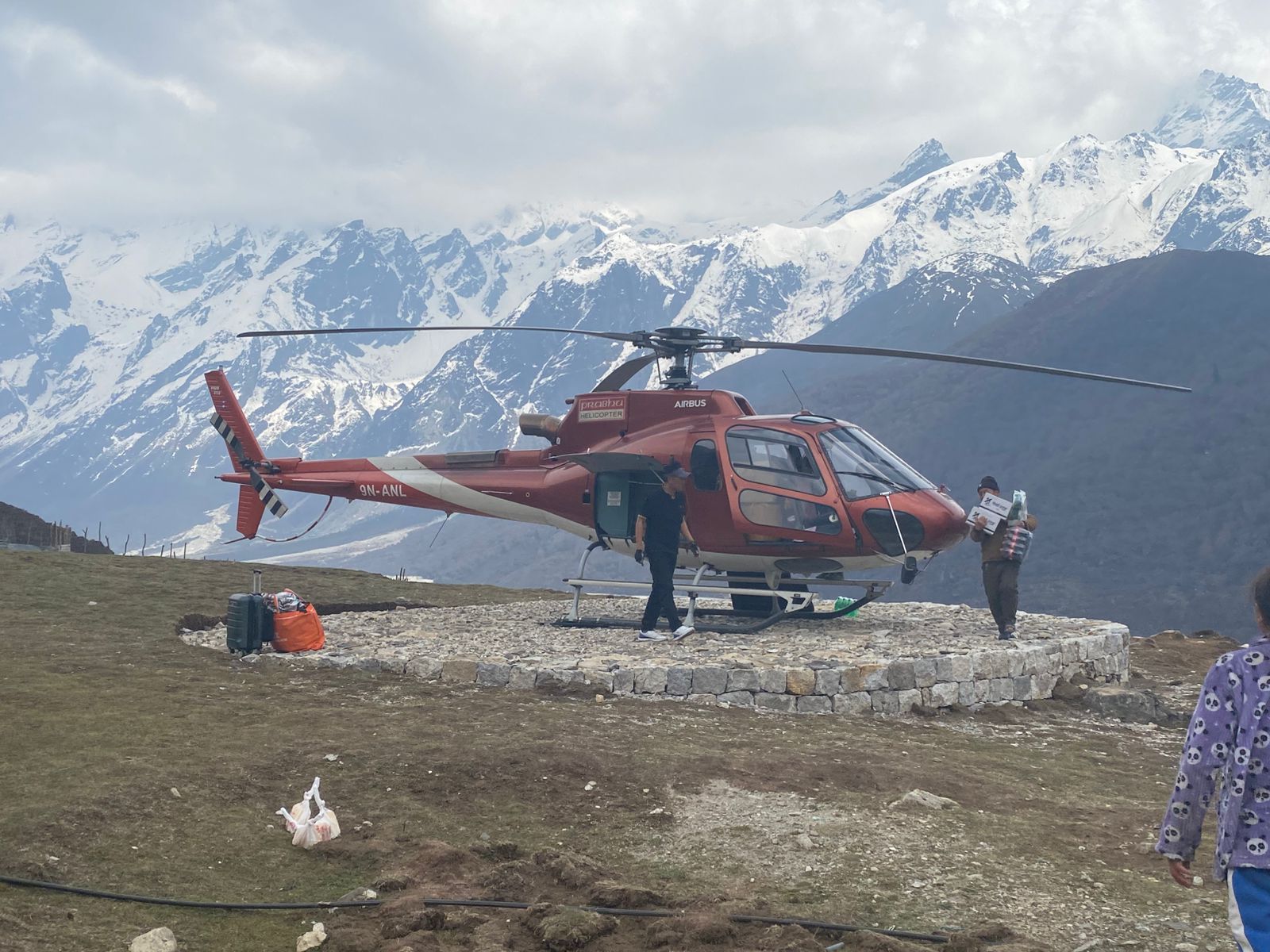
Another popular add-on is professional photography and videography. Capturing your journey from the lush trails to the towering summit ensures that your memories last a lifetime. Skilled photographers and videographers accompany the trek, documenting every stage with high-quality images and videos. For those with limited time or who prefer convenience, helicopter transfers are available, offering quick transport between Lukla, Chhukung, and Kathmandu. These transfers save time and can also serve as an emergency evacuation option if needed.
Beyond technical support and comfort, several add-ons focus on extra travel and exploration. Trekkers can opt for side trips to nearby cultural and natural sites, including visits to Dingboche, Tengboche Monastery, and Namche Bazaar. These excursions provide insight into Sherpa culture, local festivals, and Himalayan traditions, making your journey not just an adventure but also a cultural experience. Additionally, post-trek options include extended travel to Everest Base Camp, Gokyo Lakes, or scenic helicopter flights over Everest and surrounding peaks. These experiences allow climbers to see the region from unique perspectives, offering panoramic views and unforgettable memories. Some trekkers also choose to combine their Island Peak climb with a tour of Kathmandu Valley, exploring historic sites like Bhaktapur Durbar Square, Pashupatinath Temple, and Swayambhunath Stupa.
For climbers who prioritize comfort during high-altitude stays, private camping gear upgrades are available. This includes insulated tents, high-quality sleeping mats, and portable stoves for better warmth and shelter at Base Camp and High Camp. Combined with other add-ons, these services allow climbers to balance adventure with comfort while making the journey more personalized. ART Nepal Treks & Expedition ensures that all add-ons meet international safety standards and are seamlessly integrated into the itinerary.
Add-On Options:
- Porter Service: Optional support for carrying up to 20 kg of personal luggage; recommended one porter per two trekkers.
- Climbing Sherpa: Technical guidance on glacier navigation, ice wall climbs, and summit support; increases safety and success rate.
- Professional Photography/Video: High-quality photos and videos documenting the trek and summit.
- Helicopter Transfer: Quick transport between Lukla, Chhukung, and Kathmandu; useful for time-saving or emergency evacuation.
- Private Camping Gear: Upgraded tents, insulated sleeping mats, and portable stoves for better comfort at Base and High Camp.
- Extra Meals or Special Dietary Requirements: Customized meal plans for climbers with specific preferences or health needs.
- Extra Acclimatization Days: Optional extension of the itinerary for additional rest and altitude adjustment before summit push.
- Cultural and Scenic Side Trips: Visits to Tengboche Monastery, Namche Bazaar, Dingboche, or nearby villages to experience local culture and traditions.
- Extended Trekking or Travel Packages: Optional trips to Everest Base Camp, Gokyo Lakes, or panoramic helicopter flights over Everest and surrounding peaks.
- Kathmandu Valley Sightseeing: Tours to historic and cultural landmarks such as Bhaktapur Durbar Square, Pashupatinath Temple, and Swayambhunath Stupa.
Best Season to Trek
Trekking and climbing Island Peak is an extraordinary experience, but the timing of your journey significantly affects the scenery, weather, and overall success. While Island Peak can technically be climbed year-round, certain seasons are much more favorable due to stable weather, clear skies, and safer trail conditions. ART Nepal Treks & Expedition recommends considering the natural advantages and challenges of each season to plan a safe and rewarding trek.
Spring (March – May) 🌸
Spring is one of the most popular seasons for Island Peak climbing. During this period, the weather is generally stable, with warm days and cool nights, providing excellent trekking conditions. Snowfall at higher elevations starts melting, making glacier routes accessible and reducing avalanche risks. The rhododendron forests along the trail bloom in vibrant shades of red, pink, and white, adding spectacular color to the valleys. Wildlife activity increases during spring, offering glimpses of Himalayan birds, musk deer, and other native species.
This season is also ideal for climbers seeking clear mountain vistas. Peaks like Everest, Lhotse, Nuptse, Makalu, and Ama Dablam are highly visible against the bright blue sky. Due to favorable weather, spring allows a smoother summit attempt and extended daylight for trekking. However, it is also a busy season, so early booking is essential to secure accommodations and climbing permits.
Spring Highlights:
- Warm days and cool nights, perfect trekking weather.
- Blooming rhododendron forests along the trail.
- Clear visibility of major Himalayan peaks.
- Lower avalanche risk compared to winter.
- Increased wildlife sightings in the valleys.
Autumn (September – November) 🍁
Autumn is considered the peak trekking season for Island Peak and most Himalayan treks. Following the monsoon season, the skies are exceptionally clear, providing breathtaking panoramic views of snow-covered peaks and glaciers. Temperatures are moderate, with crisp, dry air that makes long hikes more comfortable. Trails are stable, as the monsoon has washed away loose rocks and mud, reducing slipping hazards.
Autumn also offers vibrant local festivals and cultural experiences. Sherpa villages celebrate various ceremonies, and trekkers can witness traditional dances, local markets, and monastery rituals. The combination of clear skies, dry trails, and cultural immersion makes autumn ideal for both trekking and summit attempts. Like spring, it is a high-demand season, so securing permits, guides, and accommodation early is strongly advised.
Autumn Highlights:
- Clear skies and panoramic mountain views.
- Moderate temperatures and stable trail conditions.
- Lush greenery and post-monsoon freshness in valleys.
- Cultural festivals and village rituals for immersive experience.
- Ideal season for summit success due to dry and predictable conditions.
Winter (December – February) ❄️
Winter in the Himalayas is quieter, offering solitude and a unique trekking experience. Cold temperatures dominate, especially at high altitudes, and snowfall can make trails more challenging. Despite the harsher conditions, winter provides crystal-clear skies, making mountain vistas spectacular. The snow-covered peaks create a pristine and almost magical landscape.
Trekkers during winter must be well-prepared for freezing temperatures, icy trails, and shorter daylight hours. Acclimatization is even more critical during this season, as the cold can impact energy levels and hydration. Winter is suitable for experienced climbers who enjoy solitude, crisp air, and less crowded trails.
Winter Highlights:
- Crisp, clear skies with unbeatable views of Himalayan peaks.
- Minimal crowds and a peaceful trekking environment.
- Snow-covered landscapes and serene valleys.
- Opportunity for technical winter climbing experience.
- Shorter daylight requires careful planning for trekking and summit attempts.
Monsoon (June – August) 🌧️
The monsoon season brings heavy rainfall to the region, making trails slippery and increasing the risk of landslides and avalanches. Cloud cover often limits visibility of the surrounding peaks, and rivers can swell, making river crossings challenging. While the lush green scenery is beautiful, trekking and climbing are generally not recommended during this period.
However, adventurous trekkers who do choose to explore during monsoon can experience a unique perspective of the Himalayas. The valleys are filled with waterfalls, and the flora is at its most vibrant. ART Nepal Treks & Expedition strongly recommends having proper rain gear, experienced guides, and flexible itineraries for monsoon trekking.
Monsoon Highlights:
- Lush green landscapes with flowing waterfalls.
- Fewer trekkers, offering a more secluded experience.
- Opportunities to witness monsoon wildlife and plant growth.
- Trails can be slippery and challenging, requiring extra caution.
- Limited mountain visibility due to cloud cover.
Food Availability
Trekking in the Everest region and during Island Peak climbing offers a variety of food options, but it’s important to understand what to expect at different elevations. In lower villages such as Chhukung, Lobuche, and Dingboche, tea houses and lodges serve a mix of local Nepali cuisine and familiar international dishes. You can enjoy staples like dal bhat (lentil soup with rice), momo (dumplings), and simple vegetable or noodle soups. These meals provide the energy necessary for trekking and acclimatization. While food is generally safe, it’s advisable to choose cooked meals and bottled water to avoid stomach problems.
As you ascend toward Base Camp and High Camp, options become more limited due to the remote location. Most lodges and camps provide a menu of high-calorie meals designed for climbers. Pasta, rice, soups, and porridge are commonly available, and hot drinks such as tea, coffee, and hot chocolate help combat the cold. Carrying some high-energy snacks like chocolate, nuts, or energy bars is recommended for quick energy during long trekking or climbing days. ART Nepal Treks & Expedition also suggests bringing personal hydration packs, as water is usually boiled or filtered at camps, but supply can sometimes be limited.
In the higher regions, especially at Island Peak High Camp and summit day, food availability is basic but sufficient. Lightweight, easy-to-digest meals are served to keep climbers fueled without causing discomfort. Tea house owners and guides often prepare extra portions for climbers on summit day. Proper nutrition is critical to maintain energy, avoid altitude sickness, and ensure safe climbing. For vegetarian, vegan, or other dietary needs, it’s best to inform your agency in advance to ensure appropriate meal planning.
Food Availability Summary:
- Local Cuisine: Dal bhat, momo, soups, and simple vegetables.
- High-Calorie Meals: Pasta, rice, porridge, and hot drinks at higher camps.
- Snacks & Energy Food: Chocolate, nuts, energy bars for trekking days.
- Hydration: Bottled water, boiled, or filtered water.
- Dietary Needs: Inform guides in advance for vegetarian/vegan options.
Accommodation
Accommodation along the Island Peak trek varies from traditional tea houses in villages to tents at high-altitude camps. At villages like Chhukung and Dingboche, tea houses provide comfortable lodging with basic amenities such as mattresses, blankets, and private or shared bathrooms. Heating is limited, so warm sleeping bags are necessary, especially during early morning or night hours. Staying in tea houses also allows trekkers to interact with locals, enjoy home-cooked meals, and learn about Sherpa culture.
As you approach Base Camp and High Camp, accommodation shifts primarily to tented camps. These camps are set up by guides or agencies like ART Nepal Treks & Expedition, with dining tents and sleeping tents provided. Tents are designed to withstand high-altitude weather conditions, including wind and snow. While amenities are minimal, the focus is on safety, warmth, and comfort during the challenging climb. Experienced guides ensure tents are properly set up, and climbers are briefed on sleeping arrangements and campsite safety.
For summit day and the nights just before, climbers stay in high-altitude tents equipped with sleeping pads and sleeping bags rated for extreme temperatures. Despite limited facilities, proper rest is crucial to maintain energy and focus for the technical climb. Most camps also have hot water available for washing, though cold showers are rare. The combination of tea house and tented accommodation offers a balance of comfort and practicality while climbing Island Peak.
Accommodation Summary:
- Village Lodging: Tea houses with basic bedding, blankets, and shared or private bathrooms.
- High Camps: Tented camps with sleeping tents and dining tents.
- Sleeping Comfort: Sleeping pads and high-altitude sleeping bags recommended.
- Cultural Experience: Interact with locals and experience Sherpa hospitality.
- Safety & Setup: Camps prepared by guides for extreme weather conditions.
Travel Insurance
Travel insurance is highly recommended for anyone trekking or climbing in the Himalayas. High-altitude treks involve physical exertion, unpredictable weather, and technical climbing, which can lead to emergencies such as injury, illness, or evacuation needs. Insurance should cover medical emergencies, hospitalizations, helicopter evacuations, and trip cancellations. Some agencies, including ART Nepal Treks & Expedition, require proof of travel insurance before departure.
For Island Peak, climbers should ensure their insurance specifically covers high-altitude trekking and mountaineering up to 6,500 meters. Standard travel insurance may not cover rescue operations or high-altitude complications, so it’s essential to verify the fine print. Accidents involving ice falls, crevasses, or sudden altitude sickness are possible, and proper insurance ensures access to timely medical support.
Additionally, travel insurance can provide peace of mind during long treks and remote climbs. Unexpected delays, weather changes, or lost equipment can disrupt itineraries, and insurance often covers costs associated with these contingencies. Preparing insurance in advance allows climbers to focus on enjoying the trek and safely achieving the summit.
Travel Insurance Summary:
- Medical Emergencies: Hospitalization and treatment coverage.
- Evacuation & Rescue: Helicopter evacuation for emergencies.
- High-Altitude Coverage: Ensure mountaineering coverage up to 6,500 meters.
- Trip Disruptions: Weather delays, lost luggage, or cancellations covered.
- Required Proof: Agencies often require insurance confirmation before departure.
Altitude Sickness
Altitude sickness is a serious risk during high-altitude treks like Island Peak. The body requires time to adjust to lower oxygen levels, especially above 3,500 meters. Symptoms may include headache, nausea, dizziness, fatigue, and shortness of breath. Proper acclimatization, hydration, and gradual ascent are essential to minimize risk. Guides from ART Nepal Treks & Expedition monitor climbers closely and adjust schedules if necessary to prevent complications.
Climbers should be aware that altitude sickness can affect anyone, regardless of fitness level. Even experienced mountaineers can experience symptoms if ascent is too rapid. Spending extra nights in villages like Chhukung or Dingboche before the summit helps the body adjust to altitude changes. Taking medications like acetazolamide may be recommended by a healthcare professional, but prevention through gradual acclimatization remains the most effective method.
In severe cases, descent is the safest treatment. Guides are trained to recognize early warning signs and implement emergency evacuation if required. Oxygen cylinders are sometimes available at higher camps as a precaution, and climbers are briefed on recognizing dangerous symptoms. Awareness and preparation are crucial to safely completing the Island Peak climb.
Altitude Sickness Summary:
- Symptoms: Headache, nausea, dizziness, fatigue, shortness of breath.
- Prevention: Gradual ascent, proper hydration, and rest days.
- Monitoring: Guides ensure safety and adjust schedules if needed.
- Emergency Measures: Descent or oxygen support in severe cases.
- Medication: Acetazolamide may be recommended under medical supervision.
Guide and Safety Measures
Climbing Island Peak is a challenging high-altitude endeavor, and the presence of experienced guides is critical for both safety and success. Guides from ART Nepal Treks & Expedition are professionally trained in mountaineering techniques, glacier travel, and high-altitude first aid. They provide hands-on instruction in using crampons, ice axes, ropes, and harnesses, ensuring that climbers feel confident during technical sections. Experienced guides also make real-time decisions regarding weather, route selection, and emergency response, which is especially crucial in the unpredictable Himalayan environment.
Safety measures start even before the trek begins. Guides conduct briefings on acclimatization schedules, weather assessment, and emergency procedures. While on the trail, they continuously monitor climbers for signs of altitude sickness, fatigue, or dehydration. At high camps, guides perform safety checks on tents, cooking areas, and climbing equipment. They also organize training sessions at Base Camp to familiarize climbers with ropes, crevasse rescue, and glacier navigation. Their proactive approach minimizes risks and ensures that climbers are prepared for every eventuality.
The safety of climbers is further enhanced by modern communication devices, GPS tracking, and satellite phones carried by guides. These tools allow immediate contact with lower camps or emergency services if required. Additionally, guides advise climbers on proper hydration, nutrition, and rest to maintain physical and mental readiness. Beyond physical safety, guides also provide psychological support, helping climbers stay motivated and confident, which is especially important during summit day.
Guide and Safety Measures Summary:
- Experienced Guides: Trained in mountaineering, glacier travel, and high-altitude first aid.
- Technical Training: Hands-on instruction with crampons, ice axes, and ropes.
- Emergency Preparedness: Monitoring altitude sickness and using rescue equipment.
- Safety Briefings: Acclimatization schedules, weather assessment, and emergency procedures.
- Communication Tools: GPS, satellite phones, and radio for remote support.
- Psychological Support: Motivation and guidance during challenging sections.
- Camp Safety: Tents, cooking areas, and equipment checked by guides.
Booking Procedure
Booking your Island Peak expedition through ART Nepal Treks & Expedition is straightforward, yet it involves careful planning to ensure a safe and successful climb. The first step is to contact the agency via email, phone, or their official website to discuss available dates, itinerary preferences, and specific requirements. Once details are finalized, a booking confirmation is issued along with a deposit, which secures your place on the expedition.
After booking confirmation, the agency provides a detailed pre-trek guide including equipment lists, acclimatization plans, and health advisories. This preparation stage is crucial, as Island Peak is a technical climb that requires both physical and mental readiness. Next, climbers must submit necessary documents such as passport copies, travel insurance proof, and any required permits, including the Sagarmatha National Park entry and climbing permits for Island Peak.
Closer to the trek date, ART Nepal Treks & Expedition coordinates flights, airport pickups, and logistics to ensure a smooth start. Guides and porters are assigned, and final briefings on climbing safety and route plans are conducted. The agency remains in contact throughout the trek, providing updates, support, and contingency planning if weather or health issues arise. This structured booking procedure ensures that climbers can focus on their journey with confidence.
Booking Procedure Summary:
- Initial Contact: Discuss dates, itinerary, and special requirements.
- Deposit & Confirmation: Secure your spot with advance payment.
- Pre-Trek Preparation: Receive equipment lists, health advisories, and acclimatization plans.
- Required Documents: Passport, travel insurance, permits, and climbing registration.
- Logistics Coordination: Flights, airport transfers, guides, and porters arranged.
- Final Briefing: Safety, route plan, and climbing techniques discussed.
- Ongoing Support: Agency available for assistance throughout the trek.
Equipment List
- Lightweight trekking pants and shirts for lower elevations.
- Insulated jackets and fleece layers for high-altitude warmth.
- Waterproof and windproof outer layers for snow and rain protection.
- Thermal base layers for summit day.
- Climbing harness, helmet, carabiners, and ropes (usually provided by guide).
- Crampons and ice axe for glacier and technical climbing sections.
- Trekking poles for support during steep or uneven terrain.
- Headlamp with extra batteries for early starts and night safety.
- Down jacket for high-altitude cold protection.
- Gloves (inner and outer waterproof layers) and mittens.
- Wool or thermal socks suitable for cold temperatures.
- Sun hat and balaclava for wind and sun protection.
- Personal first aid kit, including medications for altitude sickness.
- Sunscreen, lip balm, and sunglasses with UV protection.
- Wet wipes and hand sanitizer.
- High-altitude water purification tablets or filters.
- Camera and spare batteries.
- Mobile phone with international roaming or local SIM card.
- Power bank or solar charger.
General Equipments
- Backpack with 40–50L capacity for daily trekking.
- Duffel bag for gear carried by porter.
- Sleeping bag rated for -15°C or lower for high camps.
- Water bottles or hydration bladder (2–3L capacity).
FAQ
Trip Price
USD 900 Per Person
Talk To Trip Expert
Related Trips