Introduction
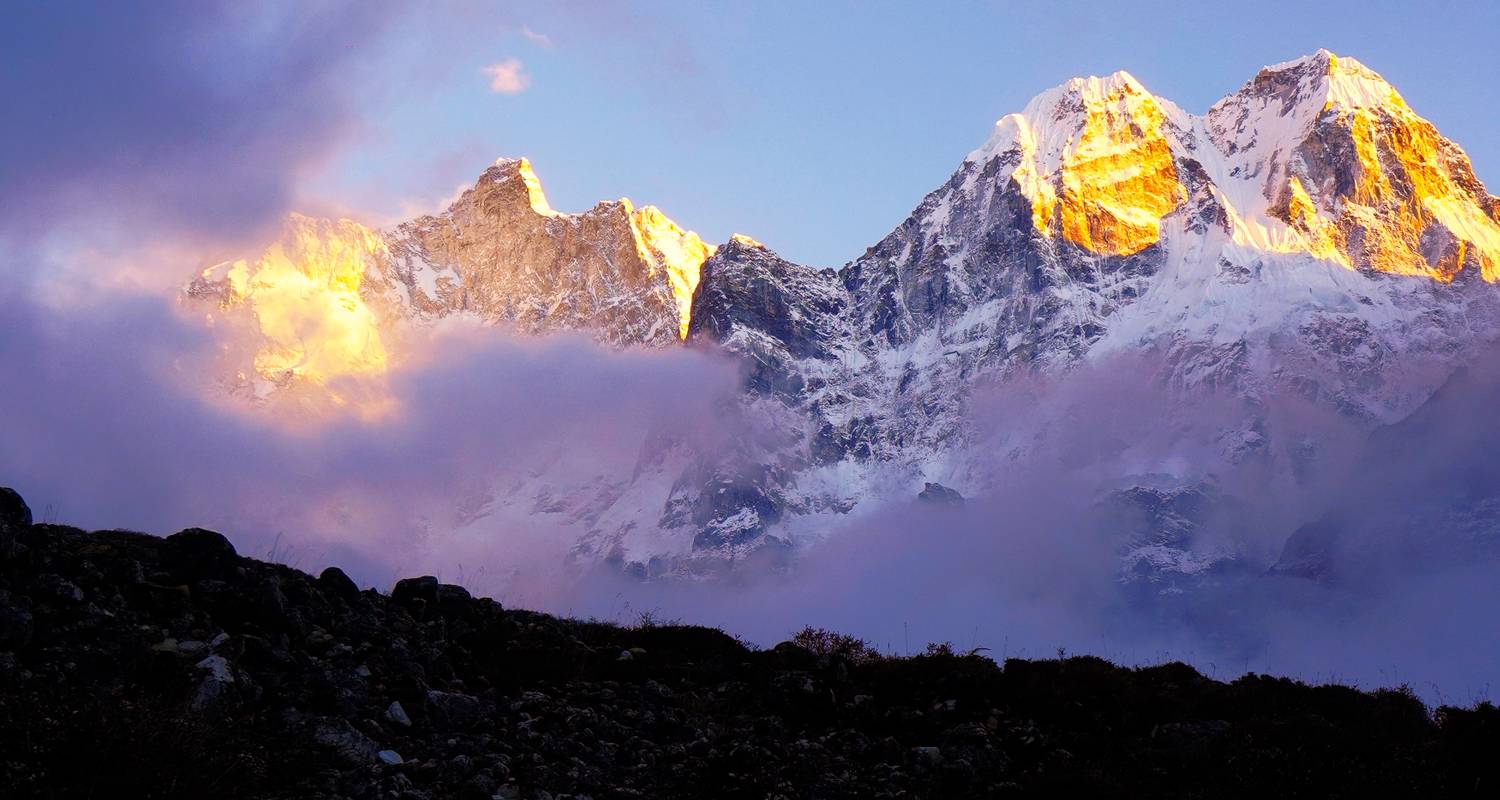
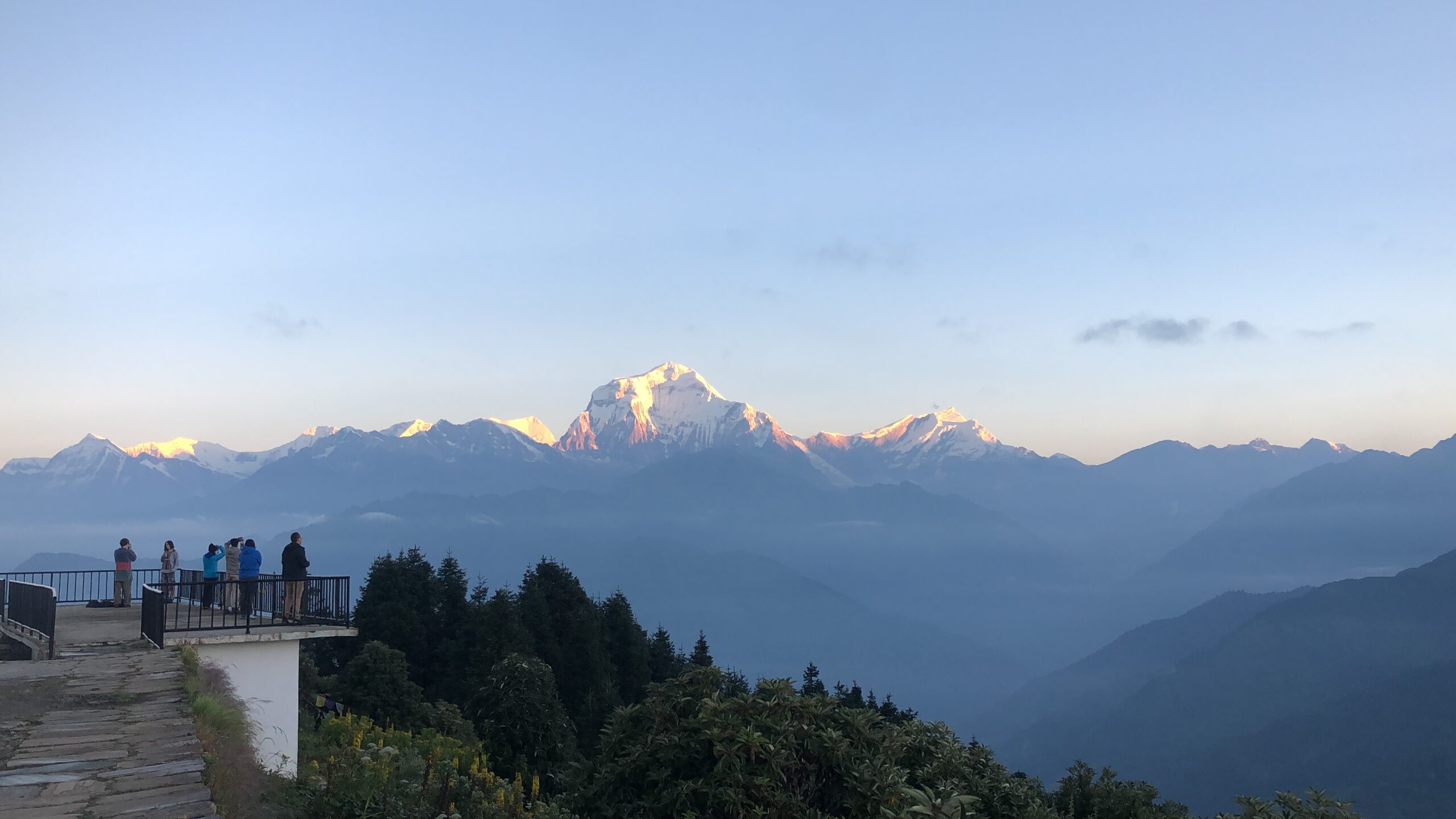
The Kanchenjunga South Base Camp Trek is a 13-day adventure that takes you deep into one of Nepal’s most remote and pristine regions. It focuses on the southern side of Kanchenjunga, the world’s third highest peak, offering trekkers a chance to experience untouched landscapes, high-altitude passes, and authentic Himalayan culture.
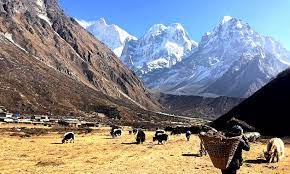
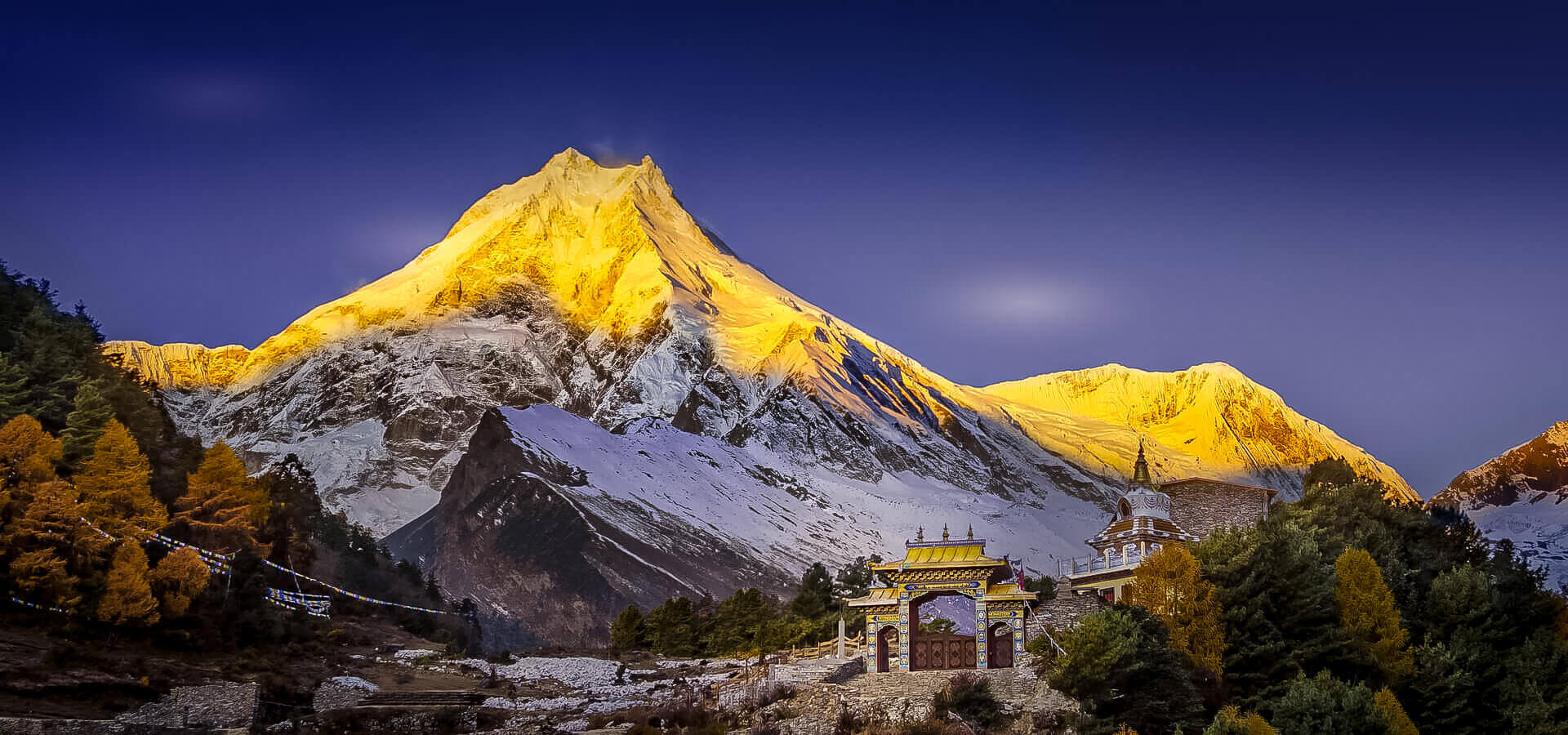
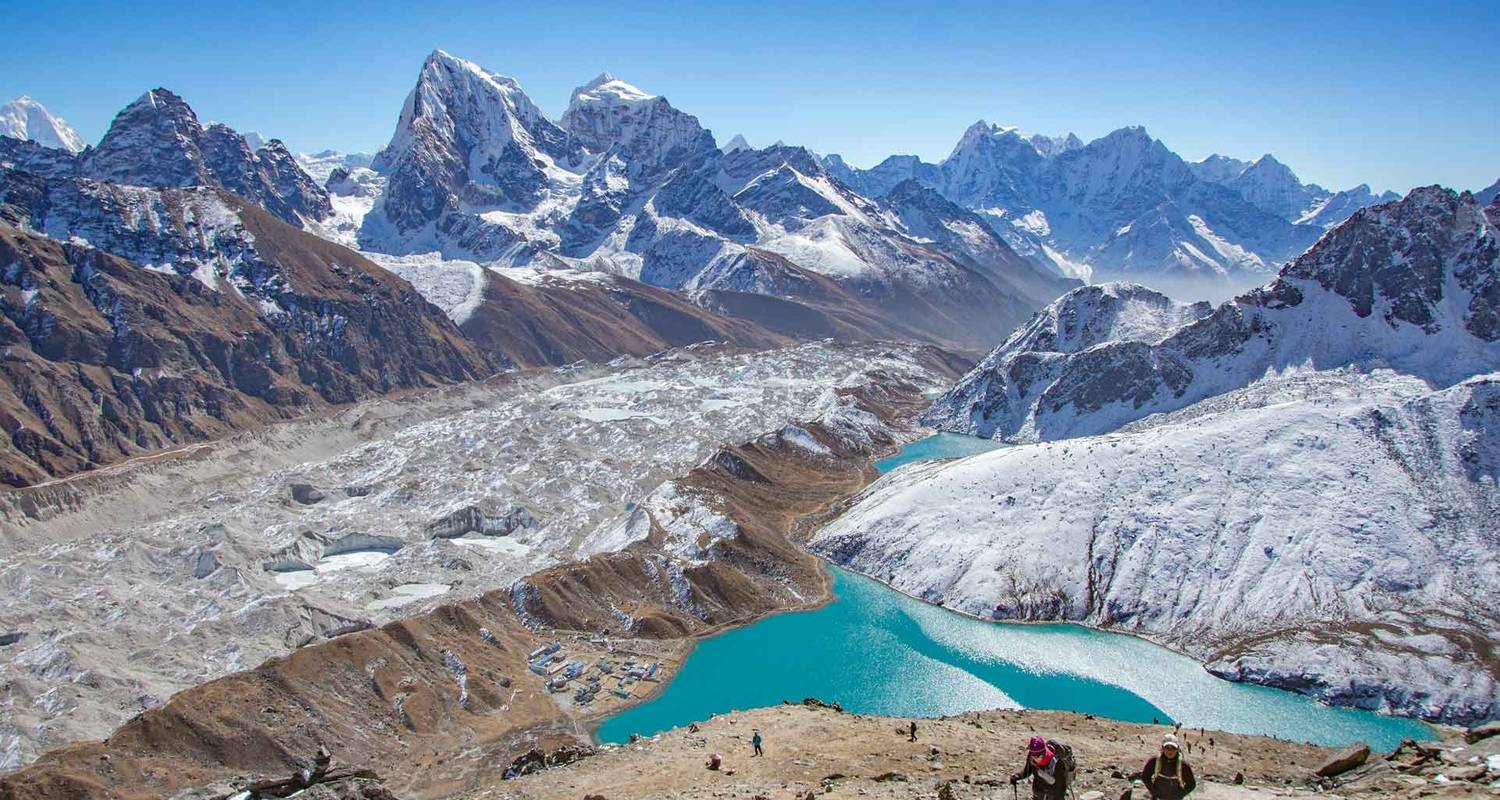
Organized by ART Nepal Treks & Expedition, the trek ensures safe guidance, proper logistics, and opportunities to immerse yourself in both natural and cultural beauty. The journey starts from Kathmandu, followed by a short domestic flight and jeep ride into the Kanchenjunga region. The trail passes through dense forests, terraced fields, alpine meadows, yak pastures, and glacier-fed streams, culminating at the South Base Camp at 5,160 meters, where spectacular views of Kanchenjunga and surrounding peaks await.
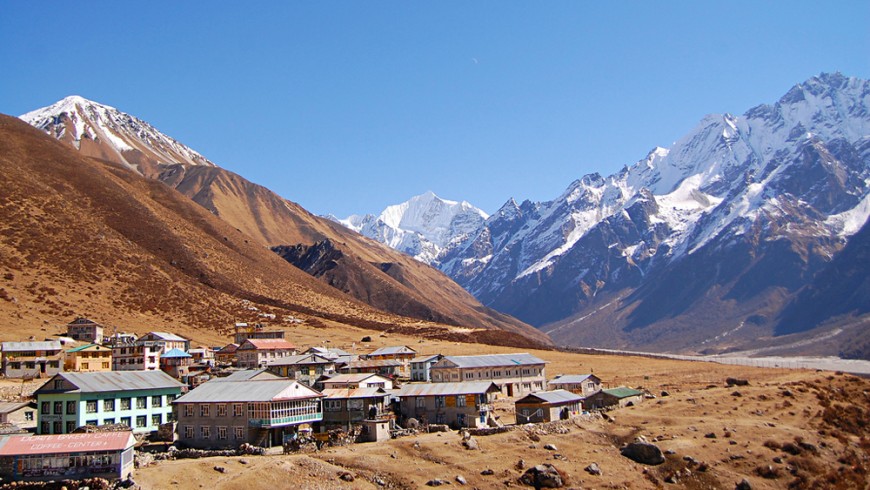
Along the route, trekkers encounter traditional villages, ancient monasteries, and ethnic communities like the Limbu and Rai, providing a unique cultural experience alongside the physical challenge of high-altitude trekking. The trail includes challenging passes, steep ascents, and rugged terrain, making it ideal for seasoned trekkers who are comfortable with multi-day treks in remote wilderness.
This trek combines scenic beauty, cultural encounters, and adventure, giving a sense of true Himalayan exploration far from crowded trails. With guidance from experienced local ART Nepal Treks & Expedition staff, trekkers enjoy comfort, safety, and authentic experiences throughout their journey.
What Can You Expect from the Trek?
On this trek, you can expect:
- Physically demanding trekking: Prepare for 5–8 hours of walking daily on steep, uneven terrain.
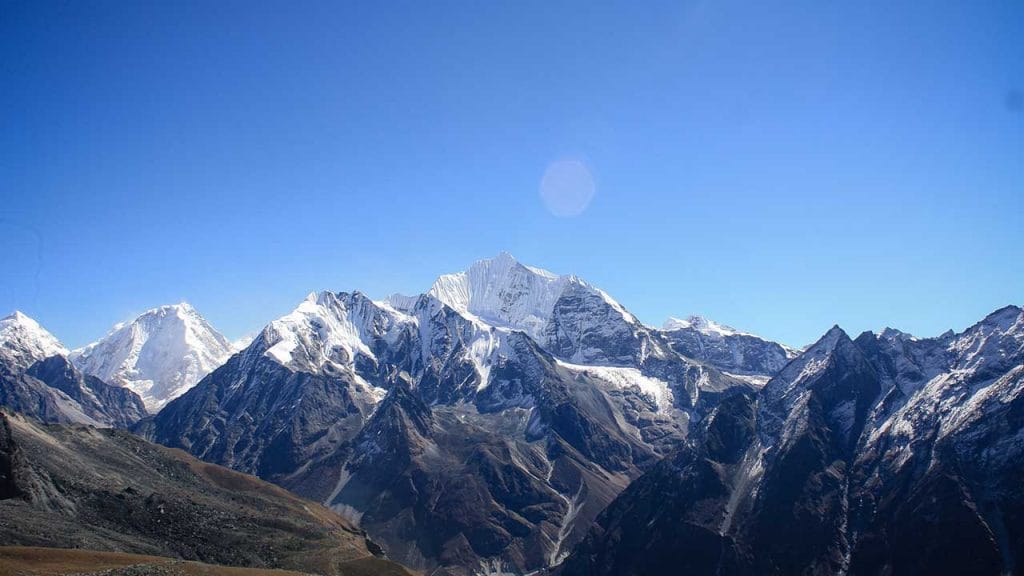
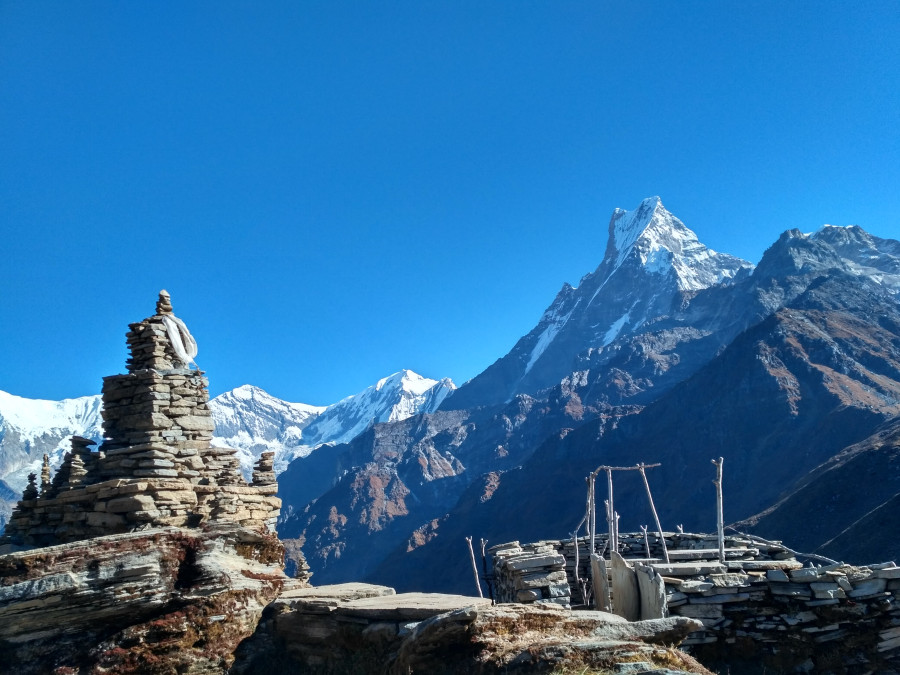
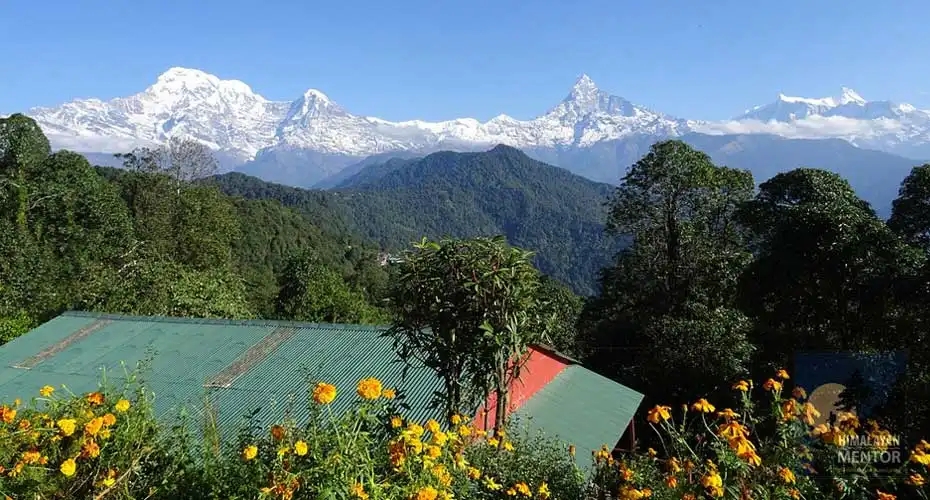
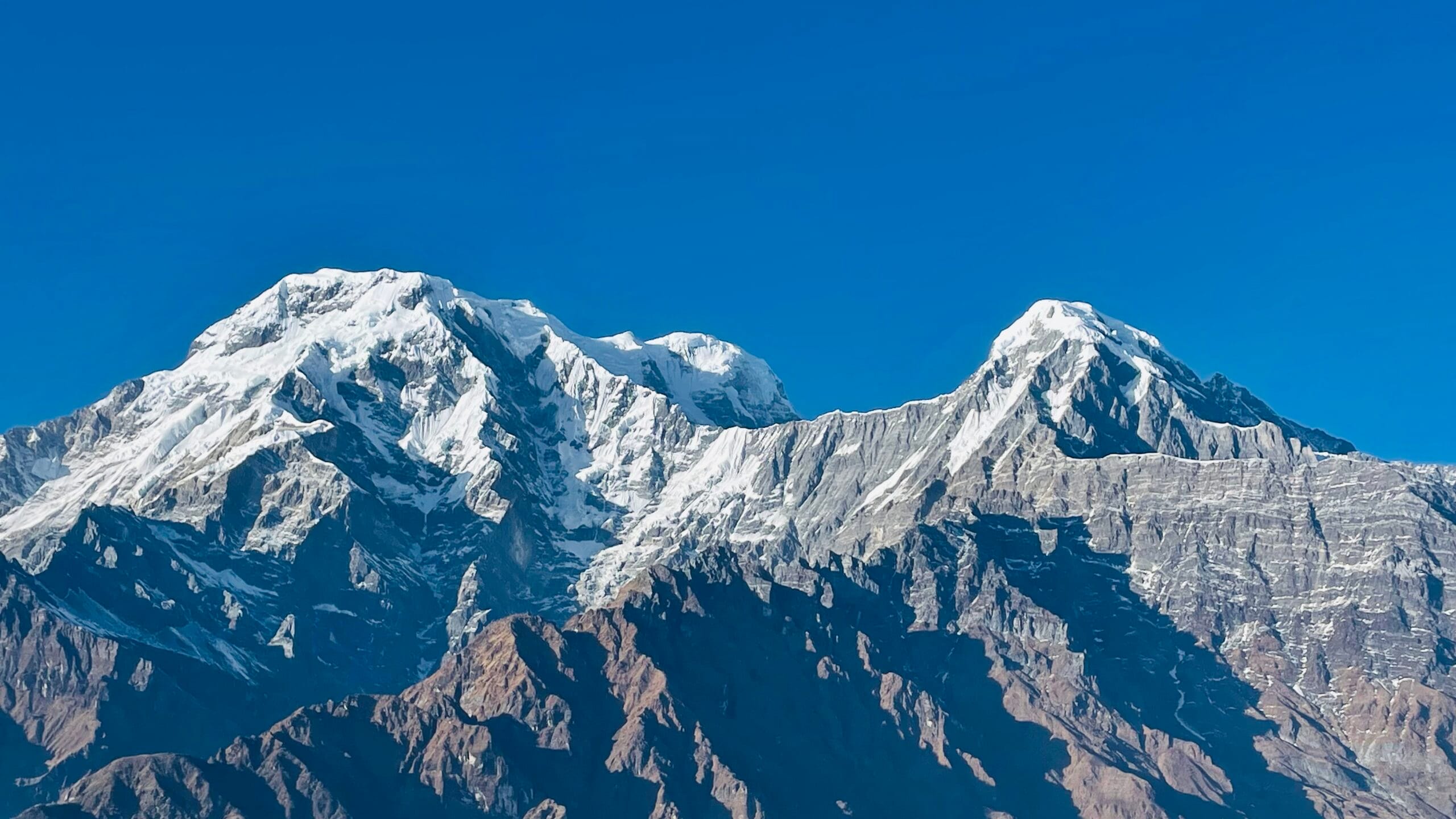
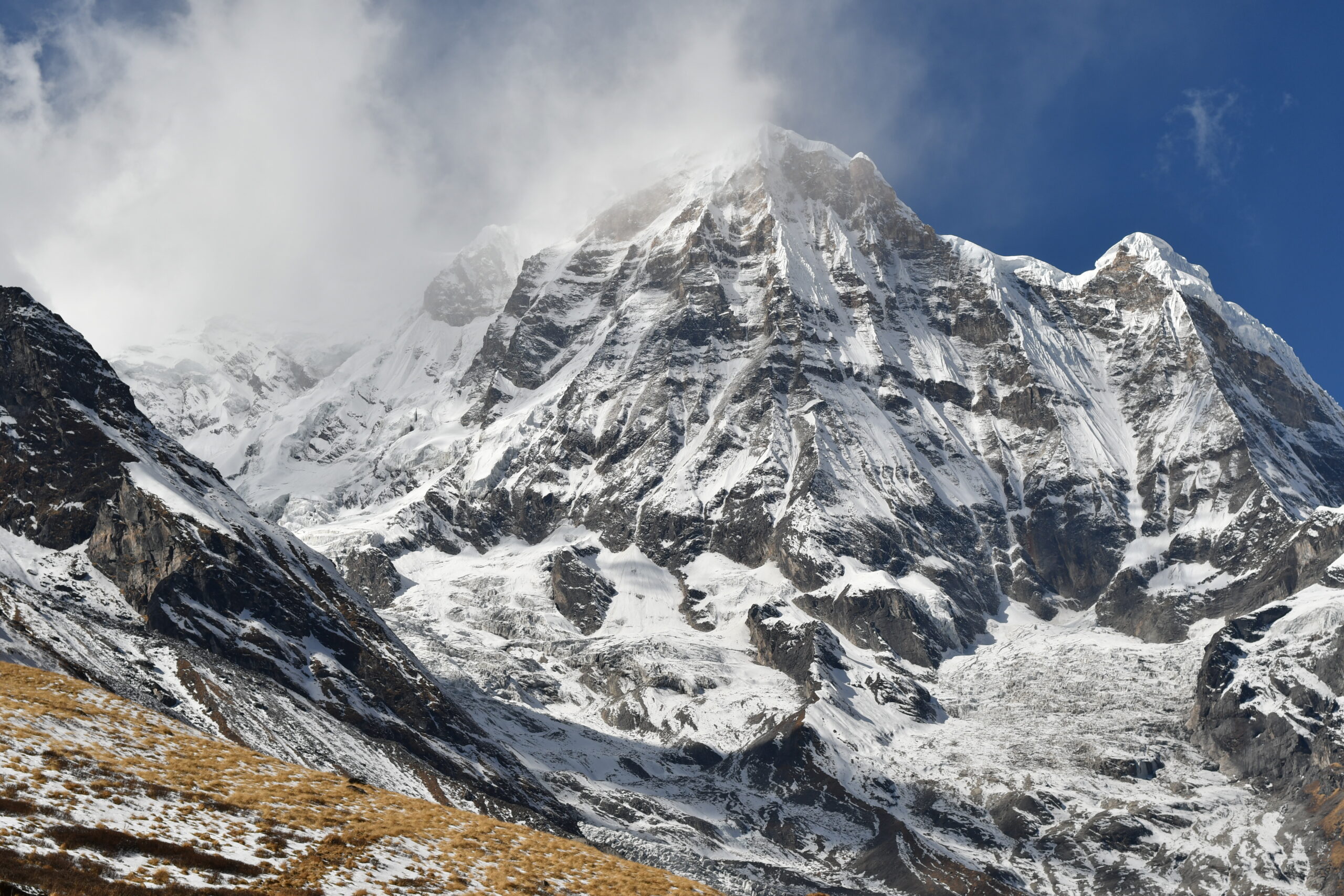
- Breathtaking Himalayan views: Panoramic vistas of Kanchenjunga, Makalu, Talung, Jannu, and other peaks.
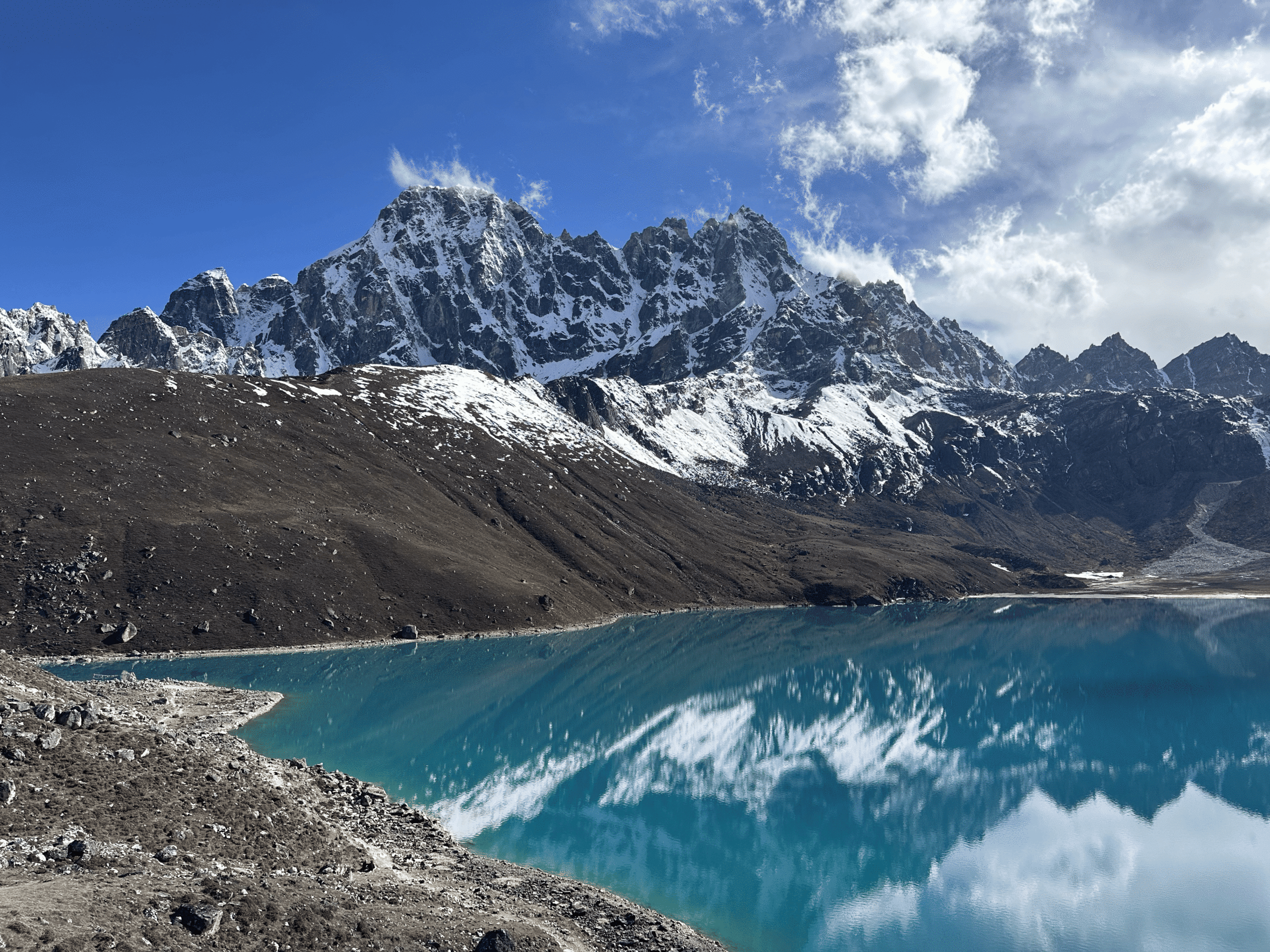
- Remote and serene landscapes: Untouched forests, glacial valleys, and alpine meadows.
- Cultural insights: Interaction with local Limbu and Rai communities, exploring their customs, villages, and monasteries.
- Diverse wildlife: Chance to spot Himalayan pheasants, snow leopards, red pandas, and other unique fauna.
- High-altitude challenges: Trekking over glacial moraines, rocky ridges, and challenging passes.
The trek offers a perfect combination of adventure, natural beauty, and cultural immersion, making it an unforgettable Himalayan experience.
Is Trek Suitable for You?
This trek is ideal for:
- Experienced trekkers comfortable with high-altitude conditions.
- People in good physical fitness who can walk long hours daily.
- Trekkers prepared for rugged terrain and unpredictable weather.
- Those seeking remote trekking routes away from the crowds.
It is not recommended for beginners or casual hikers due to its altitude and physical challenges.
How to Get Prepared for Trek
- Physical Fitness: Train with cardio, hiking, and strength exercises to build stamina.
- Gear and Clothing: Include thermal layers, waterproof jackets, trekking boots, gloves, hats, and trekking poles.
- Acclimatization: Gradual ascent to prevent altitude sickness; rest days if necessary.
- Mental Preparation: Stay positive, flexible, and prepared for tough conditions.
- Health Check-up: Consult a doctor for fitness clearance; get advice on altitude sickness prevention.
- Travel Insurance: Ensure coverage for high-altitude trekking, medical emergencies, and evacuation.
Essential Info
Add-Ons
During your Kanchenjunga South Base Camp Trek, several optional services are available to make your trip more comfortable, flexible, and memorable. These add-ons can be booked in advance or requested during your trek planning stage:
1. Sightseeing in Kathmandu
Before or after the trek, you can explore Kathmandu, the cultural heart of Nepal. A sightseeing tour allows you to:
- Visit UNESCO World Heritage Sites, including Swayambhunath (Monkey Temple), Boudhanath Stupa, and Pashupatinath Temple.
- Explore Kathmandu Durbar Square, an area rich in ancient architecture, temples, and palaces.
- Experience the local culture, bustling markets, and traditional Nepalese cuisine.
- Sightseeing add-ons give you a taste of Nepal’s heritage, adding context to your trekking adventure.
2. Porter Services
Hiring a porter is highly recommended, especially for high-altitude trekking:
- Each porter can carry up to 25 kg of your luggage.
- This allows trekkers to walk comfortably with only a daypack containing essentials like water, snacks, camera, and a light jacket.
- Porters are trained in high-altitude trekking, familiar with local terrain, and can assist in emergencies.
- Tip: Typically, one porter per two trekkers is ideal for convenience and shared support.
3. Additional Flights
Sometimes weather, personal preference, or logistics may require extra flights:
- Domestic flights can be added to skip long road journeys, saving time and energy.
- For example, flights from Bhadrapur to Kathmandu or from Taplejung to Bhadrapur can be arranged as add-ons.
- Flights provide stunning aerial views of the Himalayas, including peaks like Kanchenjunga, Makalu, and Everest.
4. Helicopter Services
Helicopter services are an optional luxury for urgent transfers or sightseeing:
- Ideal for emergency evacuation, bad weather, or if you wish to fly in/out of remote areas.
- Helicopter rides provide a breathtaking panoramic view of snow-capped peaks and deep valleys, creating a once-in-a-lifetime experience.
- This service is available for individuals or groups, but it must be arranged in advance due to limited availability.
5. Private Transportation
Private transportation can make your trek more comfortable and flexible:
- You can hire a jeep, minivan, or bus for road transfers to and from trekking starting points.
- Offers flexibility with timing, avoiding long waits for public transport.
- Especially useful for groups, families, or travelers carrying heavy luggage.
- Provides a safer, more relaxed journey through rural roads and hilly terrains.
6. Extra Nights or Hotel Upgrades
- Optional extra nights in Kathmandu or trekking stops can be added.
- Upgrade to luxury or boutique hotels for more comfort before or after the trek.
- Extra accommodation add-ons are useful if you want more rest, sightseeing, or shopping in Kathmandu.
7. Photography or Filming Services
- For trekkers who want professional memories, hiring a photographer or videographer is possible.
- Capture moments at Kanchenjunga Base Camp, mountain passes, villages, and wildlife.
- These services ensure high-quality photos and videos without worrying about carrying heavy cameras yourself.
8. Special Cultural Experiences
- Arrange homestays with local Limbu or Rai families to experience traditional lifestyles.
- Participate in local festivals, ceremonies, or cooking experiences, giving deeper insight into the Kanchenjunga region.
- Cultural add-ons enhance the trekking experience, making it more immersive and meaningful.
9. Customized Trek Support
- For groups with specific needs, additional support staff can be arranged.
- This can include extra guides, cooks, or assistants for larger groups.
- Ideal for family groups, seniors, or travelers with medical conditions.
- Ensures smooth trekking logistics and personalized attention.
10. Adventure Activities
- Some treks may include optional mountain climbing, river crossings, or short side-hikes to explore scenic spots.
- These activities are arranged safely under guide supervision and can add extra adventure to your trek.
Food Availability
During the Kanchenjunga South Base Camp Trek, food plays a vital role in maintaining your energy for trekking at high altitudes. Fortunately, teahouses, lodges, and camps along the route provide a variety of meals suitable for different tastes and dietary needs.
1. Breakfast
Breakfast is typically hearty to prepare trekkers for the day’s exertion. Common options include:
- Eggs (boiled, scrambled, or fried)
- Bread and toast with jam or butter
- Porridge or oatmeal for slow energy release
- Tea or coffee, sometimes with milk or sugar
- Fresh fruits such as bananas, apples, or oranges in some teahouses
Breakfast is usually served between 6:30 AM and 8:30 AM, giving you plenty of time to start the day.
2. Lunch
Lunch is often served as a packed meal or hot cooked meal during trekking breaks. Typical dishes include:
- Rice and dal (lentil soup)
- Vegetable curries or sautéed vegetables
- Noodles or pasta
- Sandwiches or chapati (flatbread)
- Soups to stay warm during colder weather
- Snacks such as biscuits, chocolate, or energy bars are available at teahouses
Lunch breaks are often 1–1.5 hours, giving trekkers time to rest and enjoy the surroundings before continuing.
3. Dinner
Dinner is the most substantial meal of the day, replenishing calories and aiding recovery:
- Rice, dal, and vegetable curry
- Pasta, noodles, or soup for warming comfort
- Meat options such as chicken or yak in some teahouses
- Local dishes like momo (dumplings) or thukpa (noodle soup)
- Served with tea, coffee, or hot chocolate to keep warm
Dinners are usually served around 6:00 PM to 8:00 PM and often accompanied by social interactions with other trekkers.
4. Snacks and Hydration
- Teahouses sell biscuits, chocolates, nuts, and dried fruits.
- Energy bars and protein snacks are recommended for trekking days.
- Water should be purified or boiled; bottled water is available in some places.
- Drinking enough water (at least 2–3 liters/day) is essential to prevent dehydration, especially at high altitudes.
5. Special Considerations
- Vegetarian and vegan options are generally available.
- Trekkers with food allergies should carry personal snacks or supplements.
- Food quality and variety may decline at higher altitudes, but basic nutrition is always ensured.
Accommodation
During the Kanchenjunga South Base Camp Trek, accommodation varies according to altitude, accessibility, and local resources. ART Nepal Treks & Expedition ensures a comfortable stay throughout the journey.
1. Lower Regions (Taplejung, Illam, Phidim)
- Hotels or guesthouses with beds, bedding, and shared bathrooms.
- Some may offer hot showers and electricity, though limited.
- Comfortable and suitable for rest before and after trekking.
2. Middle and High Regions (Teahouses and Lodges)
- Teahouses provide basic accommodation with beds and blankets.
- Shared bathrooms are common, and water may be limited.
- Meals are usually served in a communal dining area, allowing for social interaction.
- At higher altitudes, electricity may be solar-powered, and internet connectivity is limited.
3. Camping at Remote Locations
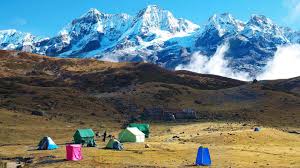
- In remote high-altitude areas like Cheram, Ramche, and Kanchenjunga Base Camp, camping is used.
- Tents, sleeping bags, and dining setups are provided by the trekking company.
- Camping offers immersive natural experiences, with breathtaking views of the surrounding mountains.
4. Kathmandu Accommodation
- Before and after the trek, you stay in comfortable 3-star hotels in Thamel.
- Modern amenities include hot showers, Wi-Fi, and cozy rooms for relaxation and recovery.
Travel Insurance
Travel insurance is mandatory for high-altitude trekking in Nepal. It provides financial security and medical coverage in case of emergencies.
Coverage Should Include:
- High-altitude trekking up to 5,200 meters
- Medical emergencies and hospitalization
- Evacuation by helicopter or road transport
- Trip cancellations or delays
- Lost or damaged luggage
Tips for Insurance:
- Choose a policy that explicitly covers trekking in the Himalayas.
- Carry a copy of the insurance certificate during the trek.
- Ensure coverage includes rescue services in remote areas, as access to medical facilities is limited at high altitudes.
Altitude Sickness
At high elevations like Kanchenjunga Base Camp (5,160m), altitude sickness is a risk. Understanding the symptoms and prevention is crucial.
Symptoms:
- Headache, dizziness, nausea, and vomiting
- Shortness of breath or difficulty sleeping
- Fatigue and loss of appetite
Prevention:
- Ascend gradually to allow proper acclimatization
- Stay hydrated and avoid alcohol
- Take rest days during the trek
- Consider medication like acetazolamide if recommended by a doctor
If Symptoms Occur:
- Stop ascending and rest
- Descend if symptoms persist
- Seek medical attention immediately
- Carry a personal first aid kit and oxygen if possible
Guide and Safety Measures
Guide
- Experienced local guides lead the trek, ensuring safe navigation and cultural insight.
- Guides monitor health, weather, and altitude conditions.
- They organize logistics, accommodation, and meals.
Safety
- Daily health checks and monitoring for altitude sickness
- Emergency evacuation plans in place
- Clear communication system with base office
- Use of porters or assistants for high-risk areas
Booking Procedure
Step 1: Contact
- Reach out to ART Nepal Treks & Expedition to check availability and receive detailed trek information.
Step 2: Deposit
- Pay a deposit to secure your spot.
Step 3: Final Payment
- Settle the remaining balance before the trek begins.
Step 4: Documentation
- Submit necessary documents:
- Passport copies
- Visa details
- Travel insurance certificate
- Medical clearance (if needed)