Introduction
The Mardi Himal Trek – 5 Days is one of the most rewarding short treks in Nepal, offering an excellent combination of natural beauty, mountain views, and cultural experiences within a limited timeframe. Starting from Kathmandu and heading toward the scenic city of Pokhara, this journey is designed for trekkers who want to experience the Himalayas without committing to a long expedition. Despite its shorter duration, the trek provides a complete experience, taking you from lush green hills to high alpine landscapes in just a few days.
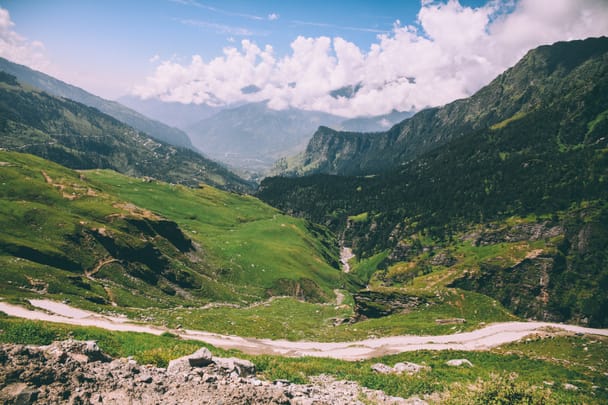
The trail begins with a drive to Kande, where the trek officially starts. From the very beginning, you are surrounded by dense forests filled with rhododendron, oak, and pine trees. These forests are not only beautiful but also peaceful, offering a quiet escape from busy trekking routes. As you walk deeper into the forest, the sound of birds and rustling leaves becomes your constant companion, creating a calm and immersive trekking experience. Gradually, the trail begins to ascend, and glimpses of the mountains start to appear through the trees.
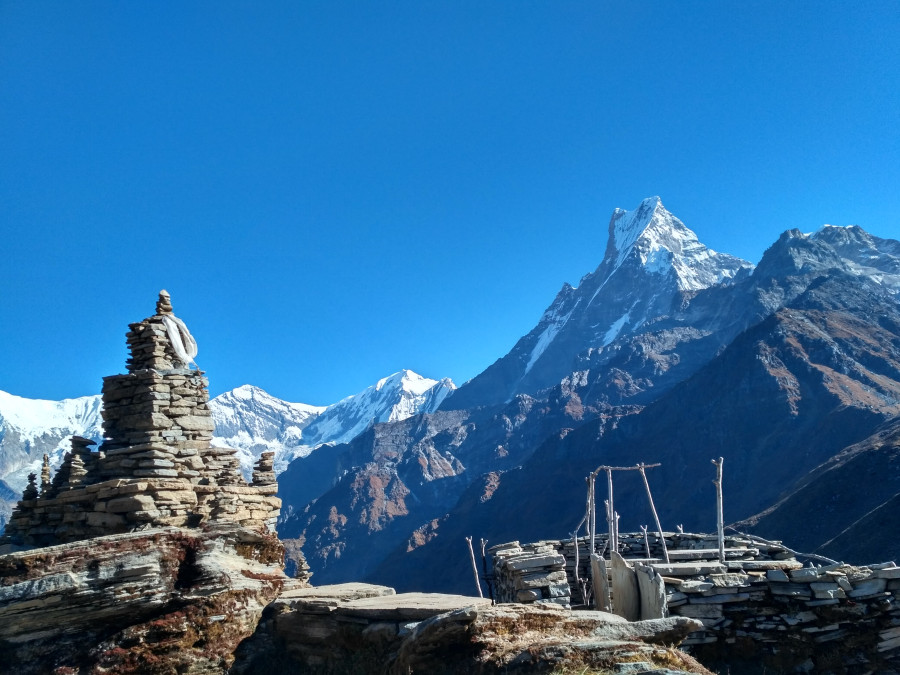
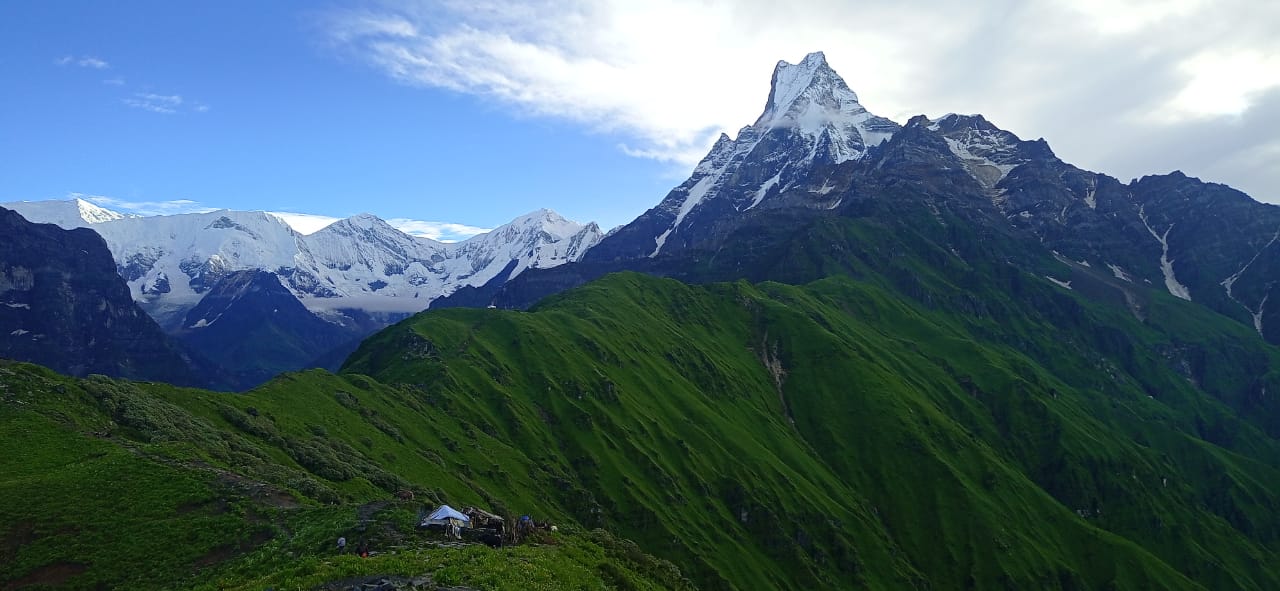
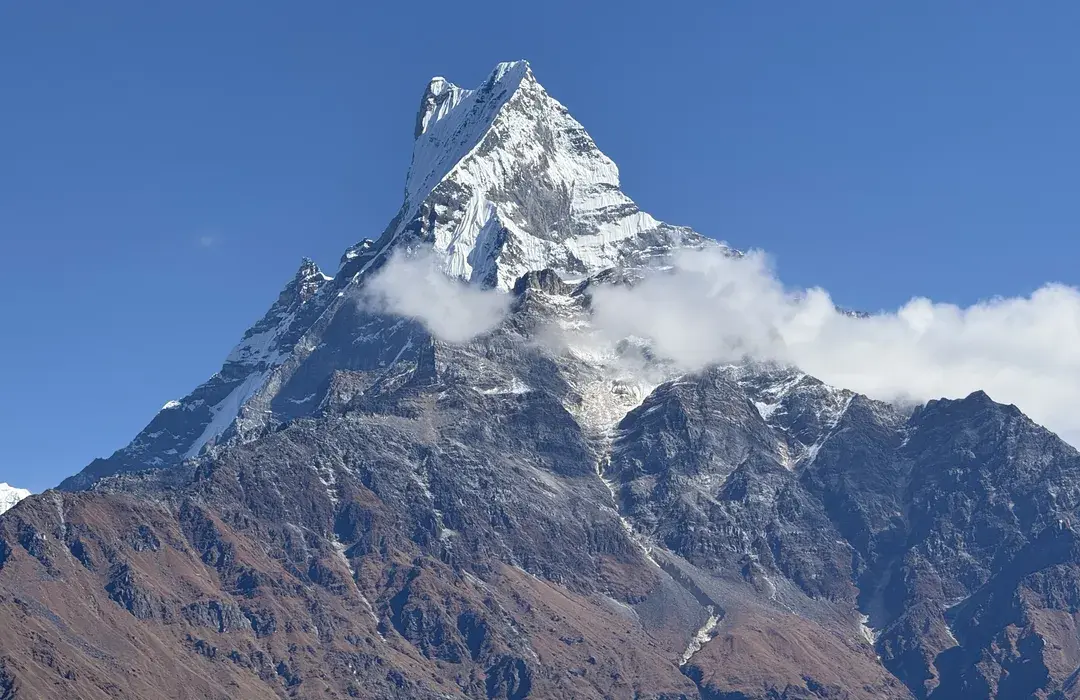
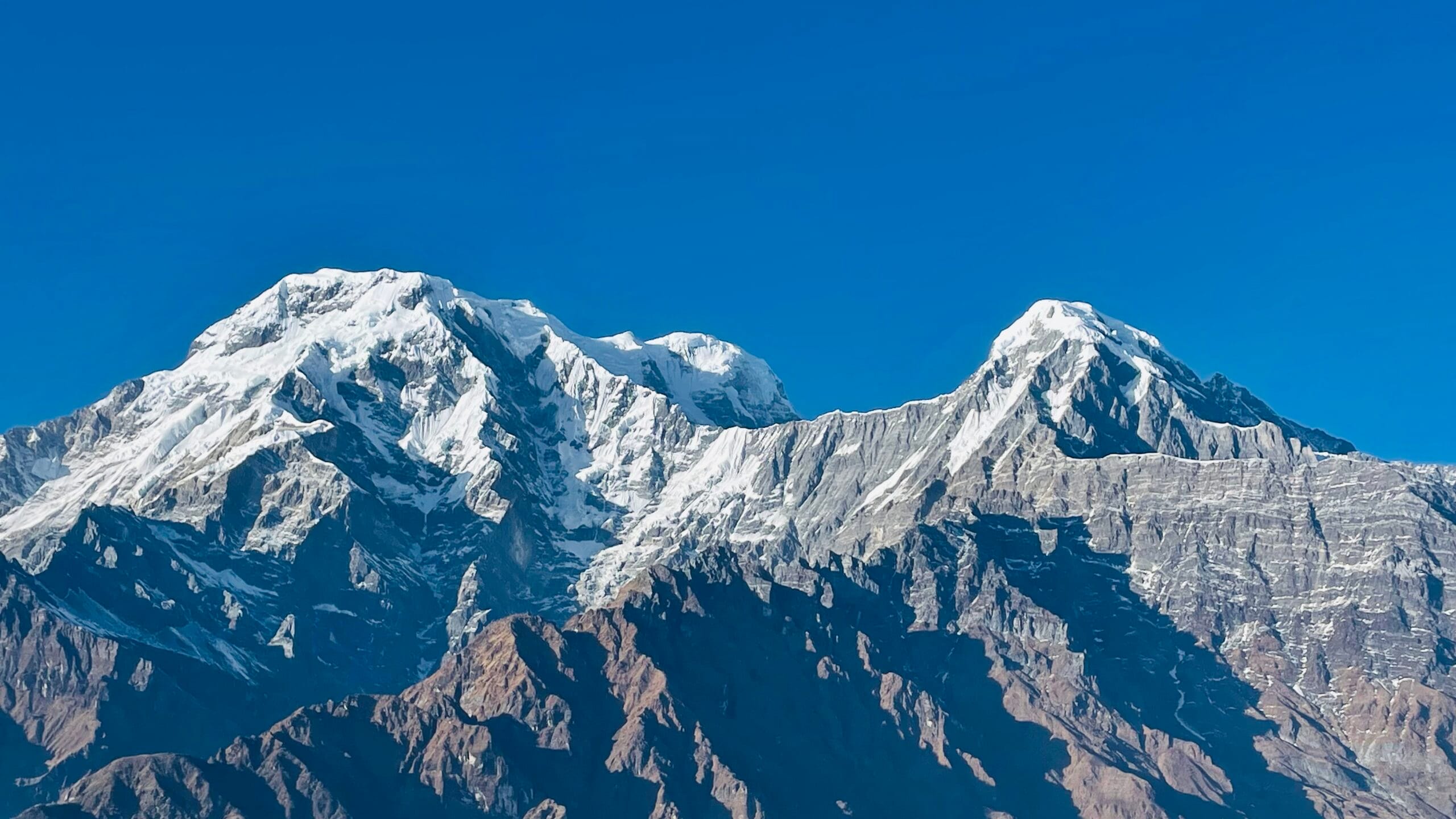
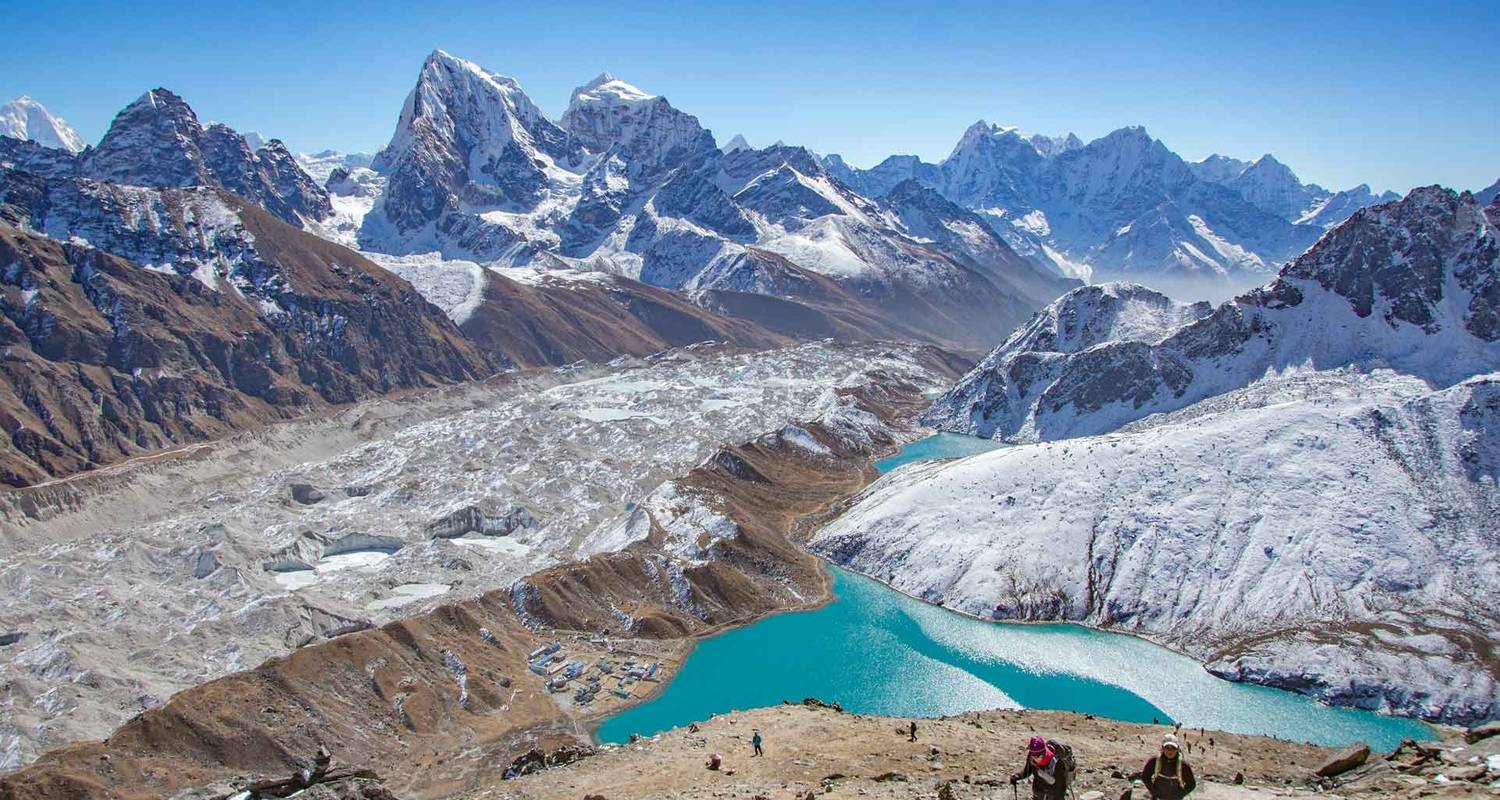
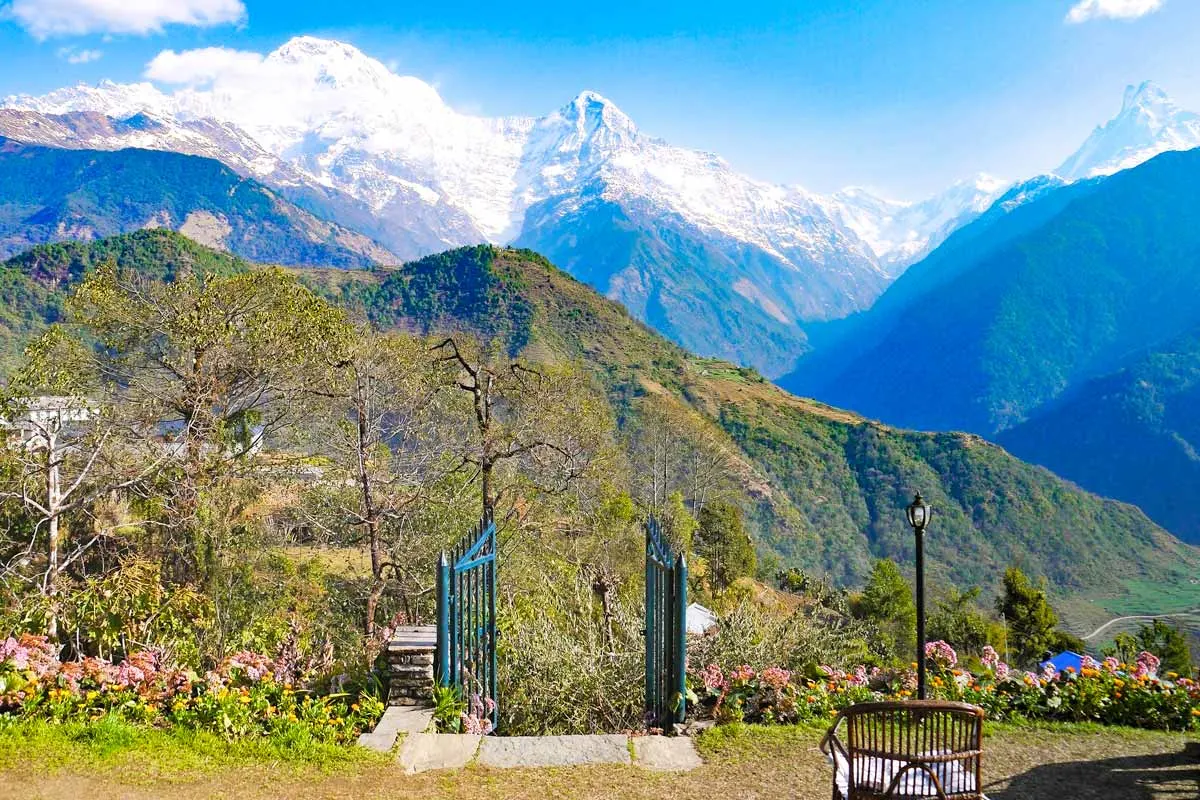
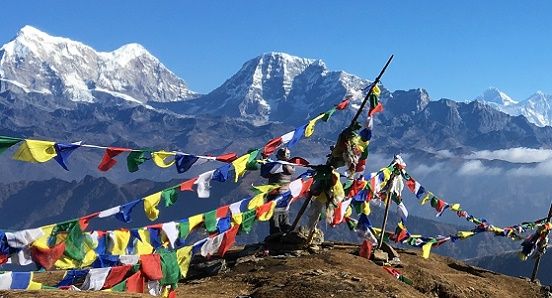
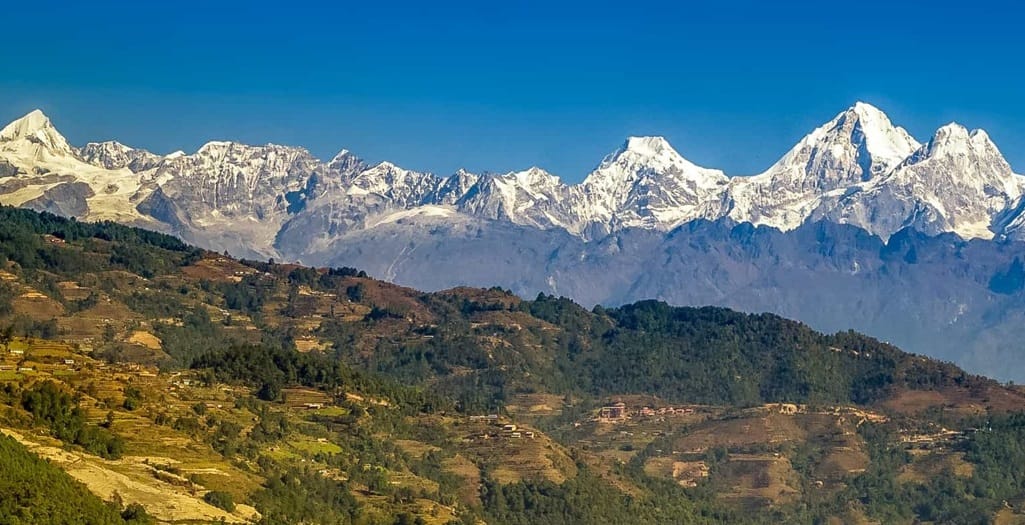
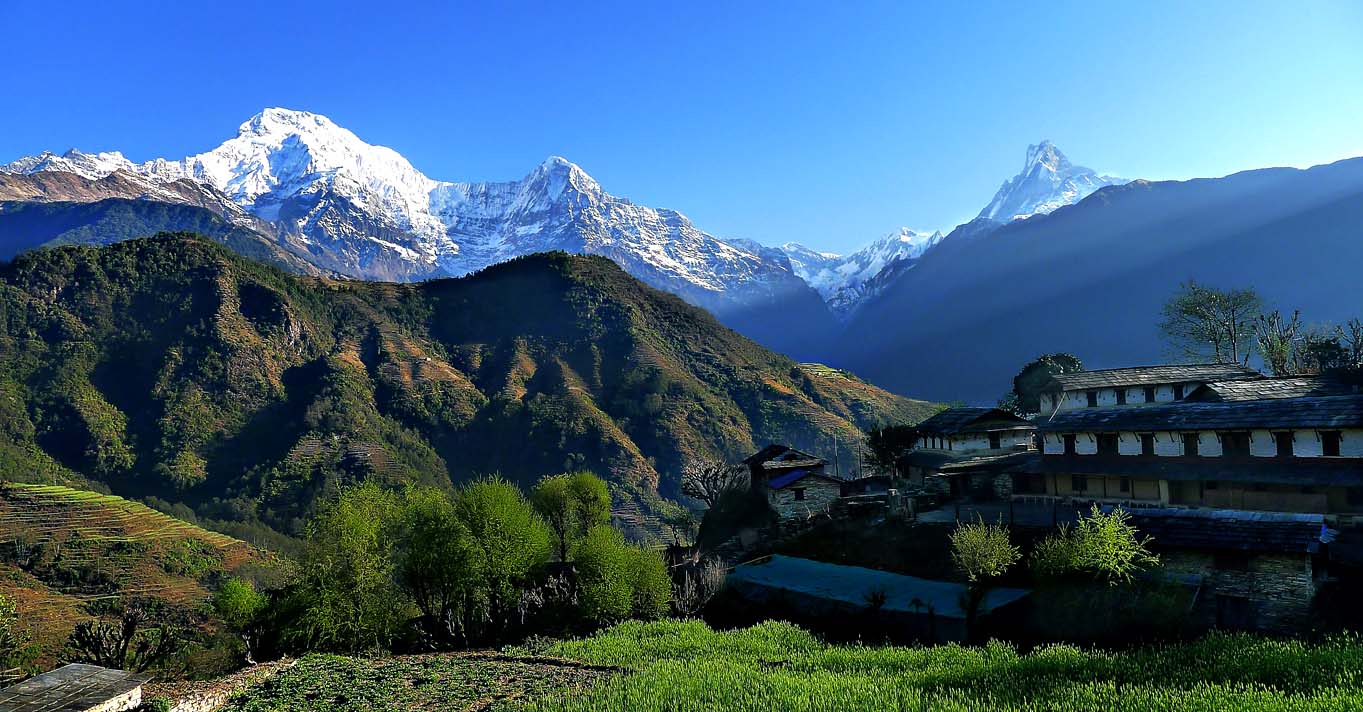
As you continue toward higher elevations, the landscape transforms dramatically. The dense forests slowly give way to open ridges and alpine terrain, revealing breathtaking views of the Annapurna region. The highlight of this transformation is the stunning view of Machhapuchhre, also known as Fishtail Mountain, which appears very close and dominates the skyline. The trail to High Camp is especially scenic, with panoramic views on both sides, making it one of the most memorable parts of the trek.
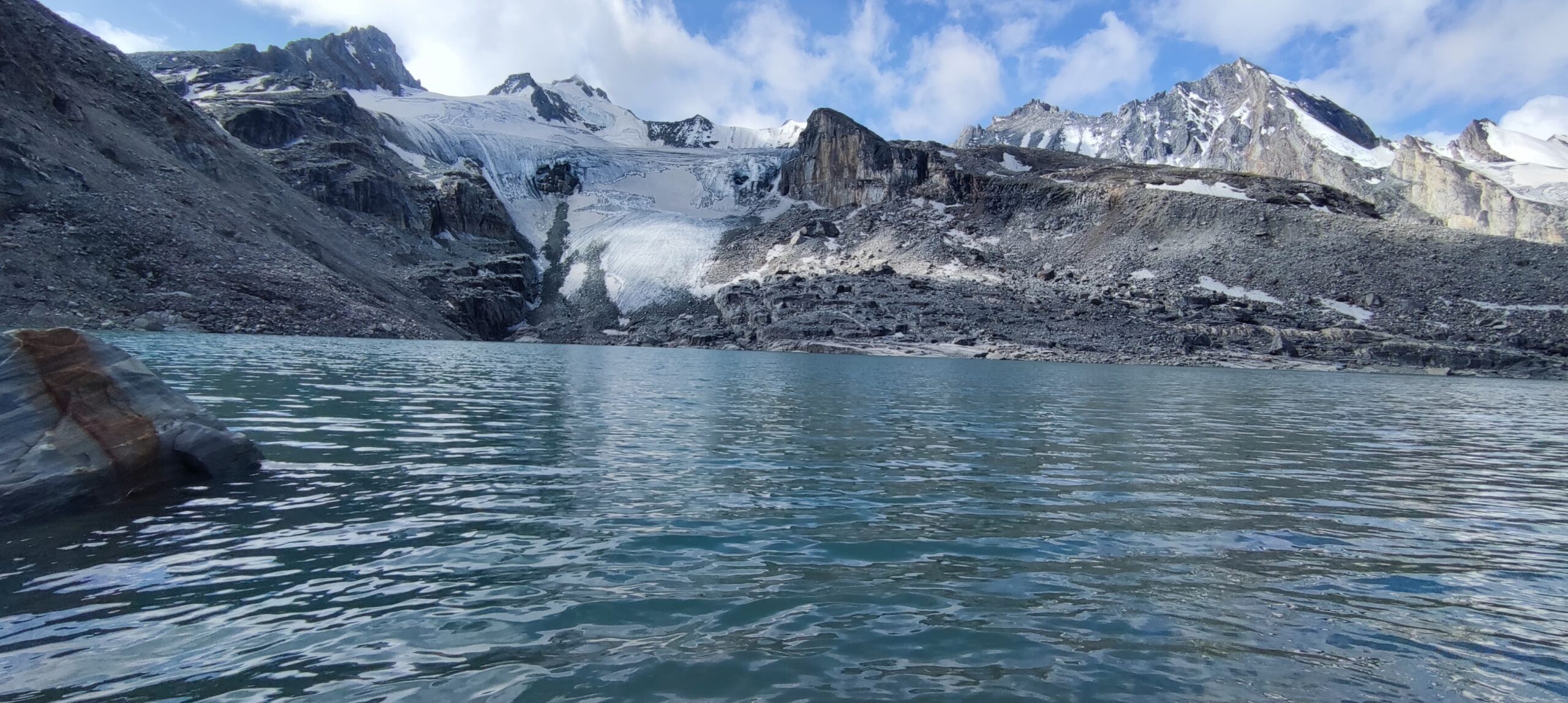
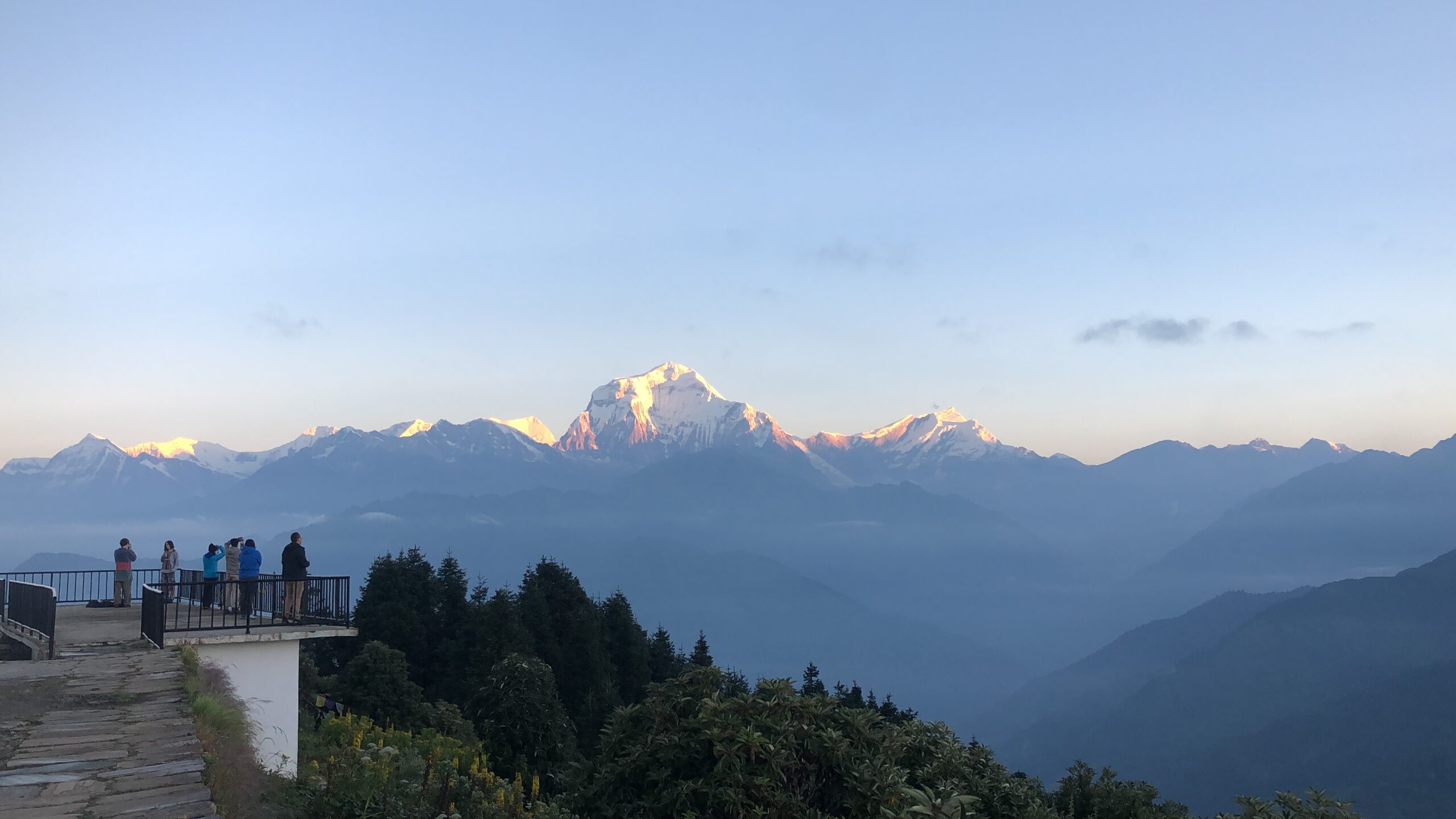
Reaching Mardi Himal Base Camp is the ultimate goal of the journey. From this vantage point, you are rewarded with incredible close-up views of Mardi Himal and surrounding peaks. The early morning hike to Base Camp offers a magical sunrise experience, where the mountains glow in golden light. This moment, combined with the peaceful surroundings and sense of achievement, makes the entire trek worthwhile.
This trek is organized by ART Nepal Treks & Expedition, ensuring a smooth and well-managed experience. From transportation and accommodation to experienced guides and safety measures, everything is carefully arranged so that trekkers can fully enjoy their journey without unnecessary stress.
What Can You Expect from the Trek?
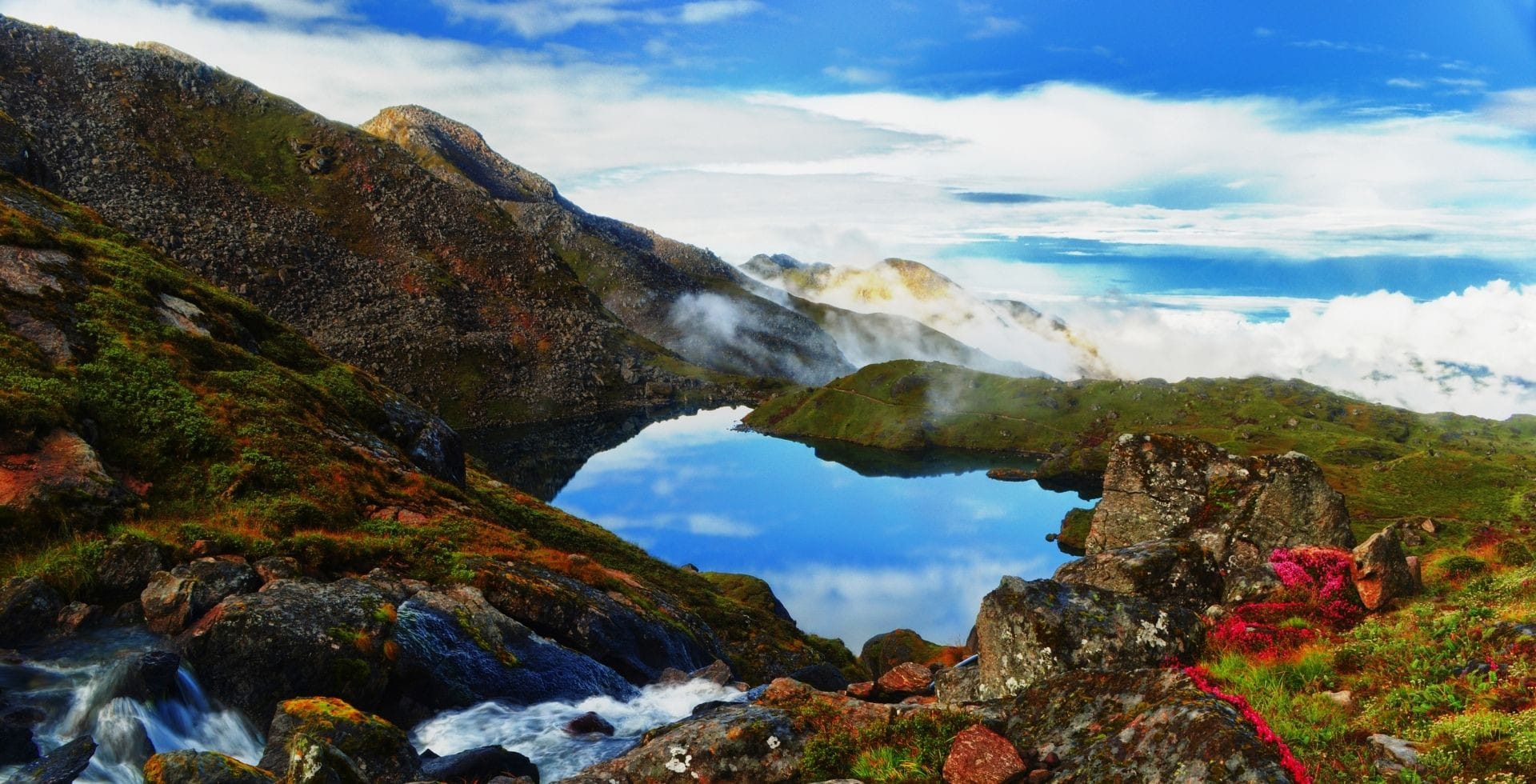
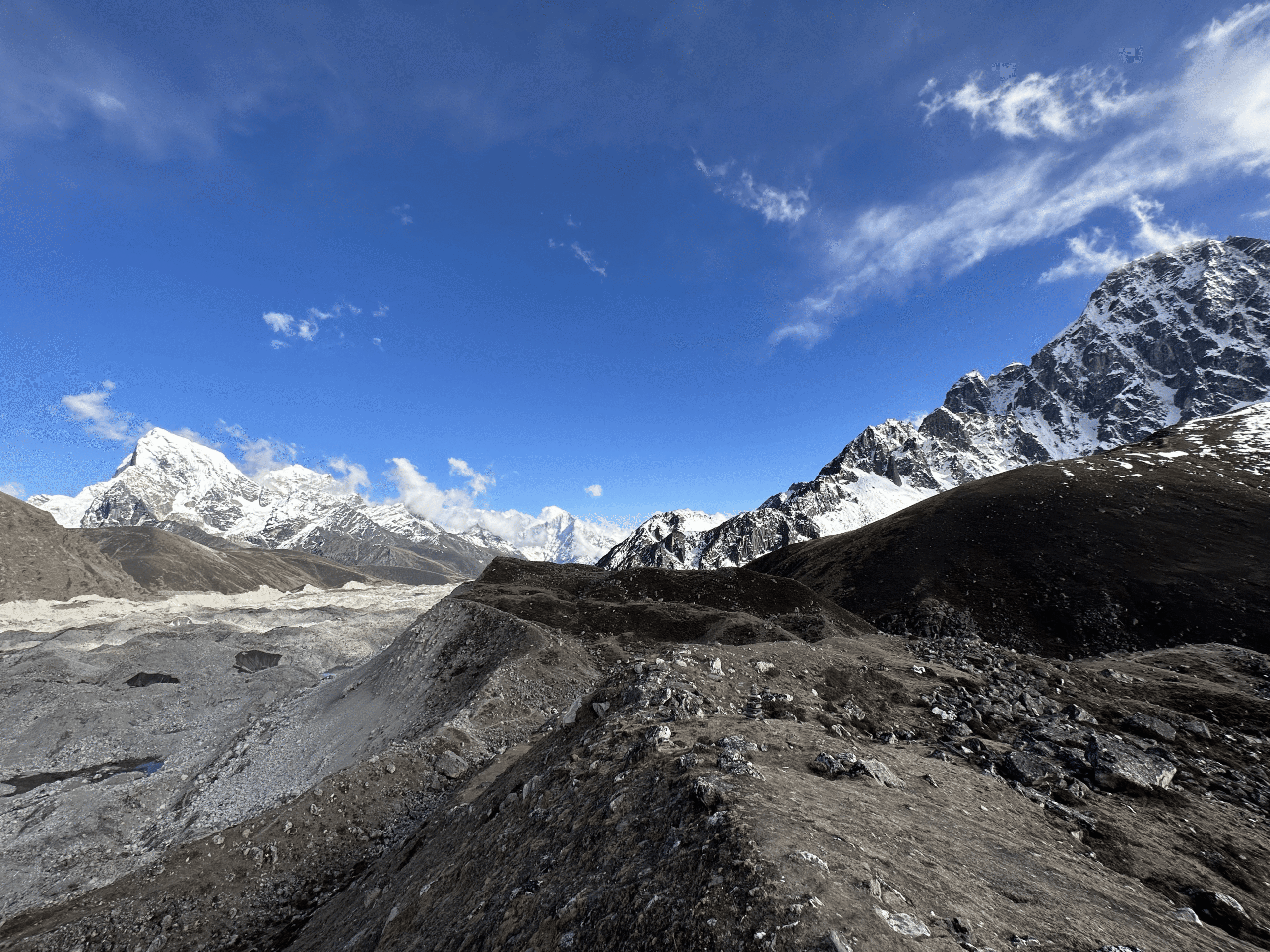
The Mardi Himal Trek offers a rich and diverse experience despite its short duration. One of the most impressive aspects of this trek is how quickly the scenery changes as you move along the trail. In just a few days, you will pass through dense forests, open ridges, and high-altitude landscapes. This variety keeps the trek engaging and ensures that each day feels different from the last. The transition from green hills to snow-covered peaks is gradual but very noticeable, making the journey visually rewarding.
Another key highlight of the trek is the incredible mountain views. As you ascend toward High Camp and Base Camp, the mountains appear closer and more dramatic. Peaks like Machhapuchhre and Annapurna South dominate the horizon, offering breathtaking panoramas that are difficult to forget. The sunrise view from High Camp and Base Camp is particularly special, as the changing colors of the sky create a stunning backdrop for the mountains.
In addition to natural beauty, the trek also offers a peaceful and less crowded experience. Unlike more popular trekking routes, the Mardi Himal trail is quieter, allowing you to enjoy nature without large crowds. This makes the trek ideal for those who prefer solitude and a deeper connection with the environment.
Summary
- Rapid transition of landscapes within a short time
- Close and clear views of major Himalayan peaks
- Peaceful trekking experience with fewer crowds
- Memorable sunrise and ridge walking experience
- Balanced mix of nature, adventure, and relaxation
Is Trek Suitable for You?
The Mardi Himal Trek is suitable for a wide range of trekkers, including beginners who are physically fit and willing to take on moderate challenges. The trek does not require technical climbing skills, but it does involve several hours of walking each day, often on uphill trails. If you have a basic level of fitness and enjoy outdoor activities, this trek can be a great choice.
This trek is also ideal for travelers who have limited time but still want to experience the beauty of the Himalayas. In just five days, you will get a complete trekking experience, including forest walks, mountain views, and high-altitude exploration. This makes it a perfect option for those who cannot commit to longer treks but still want a meaningful adventure.
However, it is important to be mentally prepared for the challenges of trekking. The trail can be steep in certain sections, and weather conditions can change quickly. Basic accommodation and limited facilities at higher altitudes may also require some adjustment. With a positive mindset and proper preparation, these challenges can be managed easily.
Summary
- Suitable for beginners with good physical fitness
- Ideal for short holiday and quick adventure
- Requires moderate stamina and endurance
- Best for those seeking quiet and scenic trails
- Mental readiness for basic facilities is important
How to Get Prepared for Trek?
Preparation for the Mardi Himal Trek involves both physical readiness and proper planning. Even though the trek is short, it is important to build stamina through regular exercise. Activities like walking, jogging, hiking, or cycling can help improve endurance. Practicing uphill walking or stair climbing is especially useful, as the trail includes several steep sections.
In addition to physical fitness, having the right gear is essential. Comfortable trekking shoes with good grip are very important, as the trail can be uneven and sometimes slippery. Layered clothing is recommended to adjust to changing temperatures, especially as you move to higher altitudes. Carrying a lightweight backpack with essentials such as water, snacks, and a rain jacket will make your trek more comfortable.
Summary
- Start light physical training before the trek
- Focus on endurance and uphill walking
- Use proper trekking shoes and clothing
- Carry essential gear and stay organized
- Be mentally prepared for changing conditions
Essential Info
Best Season to Trek
Choosing the right season for the Mardi Himal Trek plays a crucial role in determining the quality of your overall experience. Weather conditions in the Himalayas can change quickly, and each season offers a different perspective of the landscape. While the trek is accessible throughout the year, certain seasons provide more stable weather, clearer views, and safer trail conditions.
Spring (March to May)
Spring is widely considered one of the best times to undertake the Mardi Himal Trek. During this season, the forests come alive with blooming rhododendrons, creating vibrant trails filled with red, pink, and white flowers. The weather remains mild and pleasant, making trekking comfortable even during longer walking days. Temperatures are moderate, and the skies are generally clear, offering excellent views of Mardi Himal and surrounding peaks.
This season is also ideal for nature lovers and photographers. The combination of fresh greenery, colorful flowers, and snow-capped mountains creates stunning landscapes at every step. Wildlife activity is also higher during spring, making it possible to spot various bird species and small animals along the trail.
Autumn (September to November)
Autumn is another highly recommended season for trekking. After the monsoon rains, the air becomes clean and fresh, providing crystal-clear visibility of the mountains. The skies are usually bright blue, and the mountain views are sharp and uninterrupted, making this season perfect for photography and sightseeing.
Temperatures are slightly cooler than spring, especially in the mornings and evenings, but still comfortable for trekking. Trails are dry and stable, reducing the risk of slipping. This season is also culturally significant, as it coincides with major Nepali festivals, allowing trekkers to experience local traditions and celebrations.
Winter (December to February)
Winter offers a quieter trekking experience with fewer people on the trail. The landscapes are often covered in snow, creating a peaceful and magical atmosphere. However, temperatures can drop significantly, especially at higher altitudes, making the trek more challenging.
This season is suitable for trekkers who are well-prepared with proper winter gear and are comfortable with cold conditions. The reward is a serene environment and unique snowy scenery.
Monsoon (June to August)
Monsoon is generally the least preferred season due to heavy rainfall. Trails can become muddy and slippery, and visibility is often limited due to clouds and fog. However, the forests appear lush and green, offering a different kind of beauty.
Trekkers who choose this season should be prepared for wet conditions and possible delays. Proper rain gear and careful planning are essential.
Food Availability
Food during the Mardi Himal Trek is simple, nutritious, and designed to provide the energy needed for trekking in the mountains. Despite the remote nature of the trail, teahouses offer a variety of meals that cater to both local and international tastes. The meals are freshly prepared and served warm, which is especially important in colder environments.
Breakfast is an important meal that provides energy for the day ahead. Most teahouses offer options such as eggs (boiled, fried, or scrambled), toast, pancakes, porridge, and tea or coffee. In some places, you may also find traditional Nepali breakfast items. These meals are filling and help you start your trekking day with sufficient energy.
Lunch is usually taken at a teahouse along the trail. The menu typically includes rice, lentils, vegetables, noodles, fried rice, and soups. Dal Bhat is the most common meal, known for its balanced nutrition and ability to keep trekkers energized for long hours. It is often served in unlimited portions, making it a popular choice among trekkers.
Dinner is the main meal of the day and is usually enjoyed in the dining area of the teahouse. After a long day of trekking, a warm meal becomes very satisfying. Options include curries, pasta, potatoes, and local dishes. At higher altitudes, the menu may become more limited, so carrying snacks like energy bars and chocolates is a good idea.
Food Options
- Dal Bhat (rice, lentils, vegetables)
- Noodles, pasta, fried rice
- Eggs, toast, pancakes, porridge
- Tea, coffee, hot chocolate
- Snacks like biscuits and energy bars
Accommodation
Accommodation during the Mardi Himal Trek is primarily in teahouses, which are simple lodges run by local families. These teahouses provide basic but comfortable facilities for trekkers. Staying in teahouses also gives you an opportunity to experience local hospitality and culture.
Rooms are usually twin-sharing with basic beds, blankets, and pillows. The facilities are simple, but they are sufficient for a comfortable stay after a long day of trekking. Bathrooms are generally shared, and hot showers may be available for an additional cost. As you go higher, facilities become more basic due to the remote location.
In Pokhara, accommodation is in a comfortable hotel with modern amenities. This allows you to relax properly before and after the trek. The contrast between teahouse stays and hotel accommodation adds variety to the overall experience.
Accommodation Features
- Twin-sharing rooms in teahouses
- Shared bathrooms and dining areas
- Warm dining halls for socializing
- Basic but comfortable facilities
- Hotel stay in Pokhara
Travel Insurance
Travel insurance is a very important part of planning for the Mardi Himal Trek, even though it is considered a short and moderate trek. The mountain environment is naturally unpredictable, and having proper insurance ensures that you are financially and medically protected in case of unexpected situations. While many trekkers overlook insurance for shorter treks, it is always recommended because emergencies can occur at any altitude, especially when trekking in remote areas.
A good travel insurance policy should specifically cover high-altitude trekking up to at least 4,500 meters, which is the maximum elevation of Mardi Himal Base Camp. In case of serious health issues such as altitude sickness, injuries, or accidents, evacuation may be required. Helicopter rescue is the most common method in mountainous regions, and it can be very expensive without proper insurance coverage. Having insurance ensures that you receive quick medical assistance without worrying about the cost.
In addition to medical coverage, travel insurance should also include protection against trip delays, cancellations, and lost luggage. Weather conditions in Nepal can sometimes affect flights between Kathmandu and Pokhara, so having insurance provides extra security. It is also important to carry both digital and printed copies of your insurance policy during the trek.
Insurance Coverage Should Include
- High-altitude trekking coverage (up to 4,500 m)
- Emergency medical treatment and hospitalization
- Helicopter evacuation and rescue
- Trip cancellation and delays
- Loss or delay of baggage
Altitude Sickness
Although the Mardi Himal Trek is shorter compared to other Himalayan treks, altitude sickness can still be a concern as the trail reaches elevations above 4,000 meters. As you ascend higher, the oxygen level in the air decreases, which can affect your body if it does not adjust properly. Understanding altitude sickness and taking preventive measures is essential for a safe and enjoyable trekking experience.
The symptoms of altitude sickness can vary from mild to severe. Common signs include headache, dizziness, nausea, loss of appetite, fatigue, and difficulty sleeping. These symptoms usually appear when ascending too quickly without giving the body enough time to acclimatize. It is important to pay attention to these signs and inform your guide immediately if you experience any discomfort.
Prevention is the best way to deal with altitude sickness. Walking at a steady pace, staying hydrated, and following the planned itinerary are key factors. Even though this trek does not have multiple acclimatization days like longer treks, maintaining a slow and consistent pace can help your body adjust. If symptoms worsen, descending to a lower altitude is the safest and most effective solution.
Prevention Tips
- Walk slowly and maintain a steady pace
- Drink plenty of water throughout the trek
- Avoid alcohol and smoking at higher altitudes
- Eat light and nutritious meals
- Communicate openly with your guide
Guide and Safety Measures
Having an experienced guide is one of the most important aspects of ensuring a safe and enjoyable trekking experience. ART Nepal Treks & Expedition provides trained and licensed guides who are familiar with the Mardi Himal trail, local culture, and mountain conditions. Their knowledge and experience play a crucial role in making your journey smooth and stress-free.
Guides are responsible for navigation, ensuring that you stay on the correct path throughout the trek. They also provide valuable cultural insights, explaining local traditions, lifestyle, and the significance of various landmarks along the route. This adds depth to your trekking experience, making it more meaningful and informative.
Safety is a top priority during the trek. Guides monitor your health regularly and watch for signs of altitude sickness or fatigue. They are trained in first aid and are prepared to handle emergencies. In case of serious situations, they coordinate rescue operations and ensure that you receive immediate assistance. Their presence provides reassurance and confidence, especially for first-time trekkers.
Safety Measures
- Experienced and licensed trekking guides
- Daily health monitoring and support
- First aid kits carried by guides
- Emergency evacuation coordination
- Proper itinerary planning for safety
Booking Procedure
Booking your Mardi Himal Trek with ART Nepal Treks & Expedition is simple, organized, and designed to ensure a smooth experience from start to finish. The process is straightforward and allows you to prepare well in advance for your journey.
First, you can make an inquiry through email, phone, or the official website. You will receive detailed information about the trek, including itinerary, cost, and available dates. Once you decide to proceed, you can confirm your booking by selecting your preferred travel dates.
A deposit is required to secure your booking. This allows the company to arrange permits, transportation, and accommodation in advance. After confirmation, you will receive a detailed pre-trek guide, which includes packing lists, travel tips, and important information about the trek.
Before the trek begins, you will attend a briefing session in Kathmandu. During this session, you will meet your guide and receive final instructions about the journey. The remaining balance can be paid before the trek starts.
Booking Steps
- Send inquiry and receive information
- Choose travel dates and confirm booking
- Pay deposit to secure your trip
- Submit required documents
- Complete final payment
- Attend pre-trek briefing