

Nar Phu Valley Trek – 12 Days
Introduction
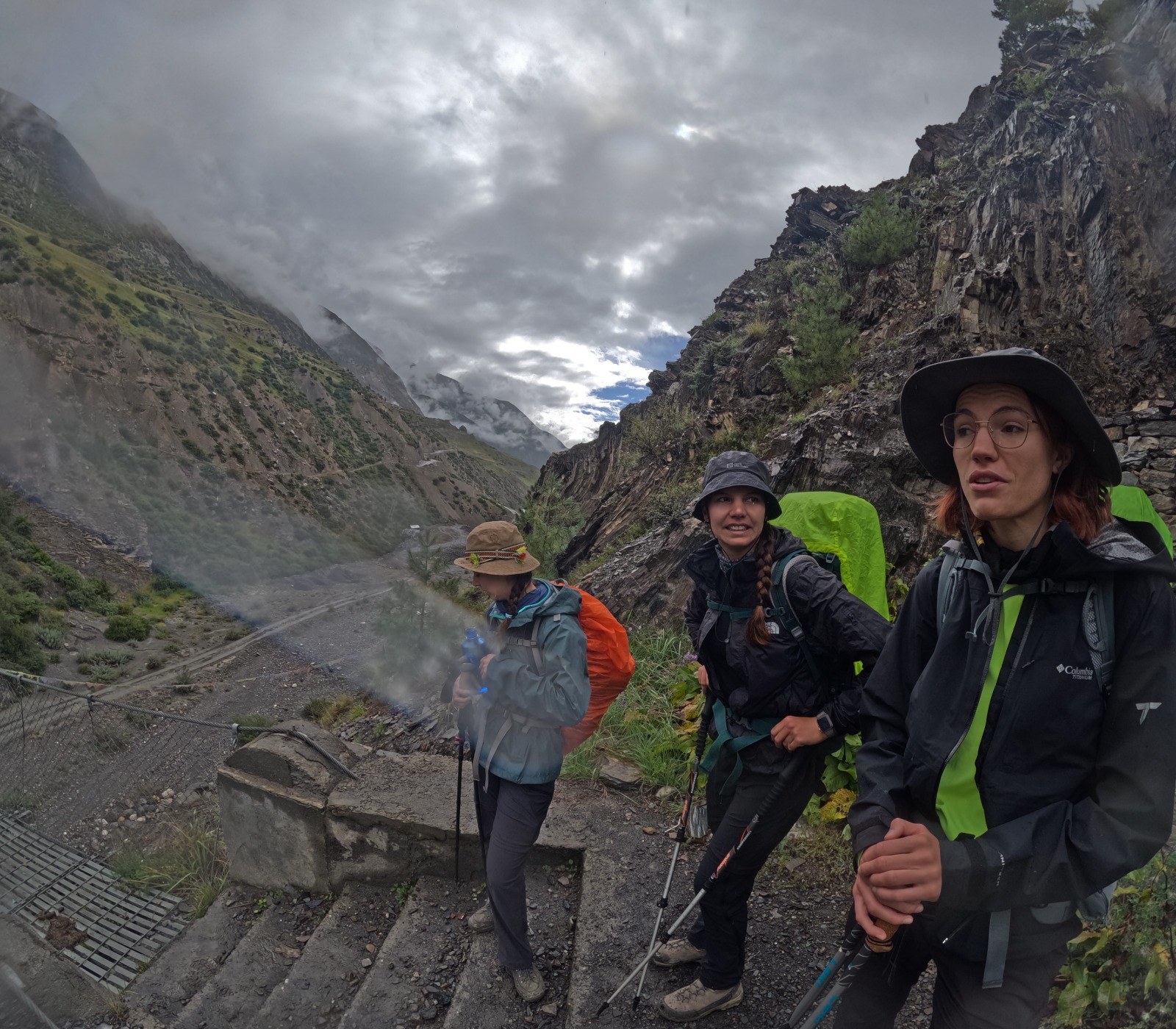
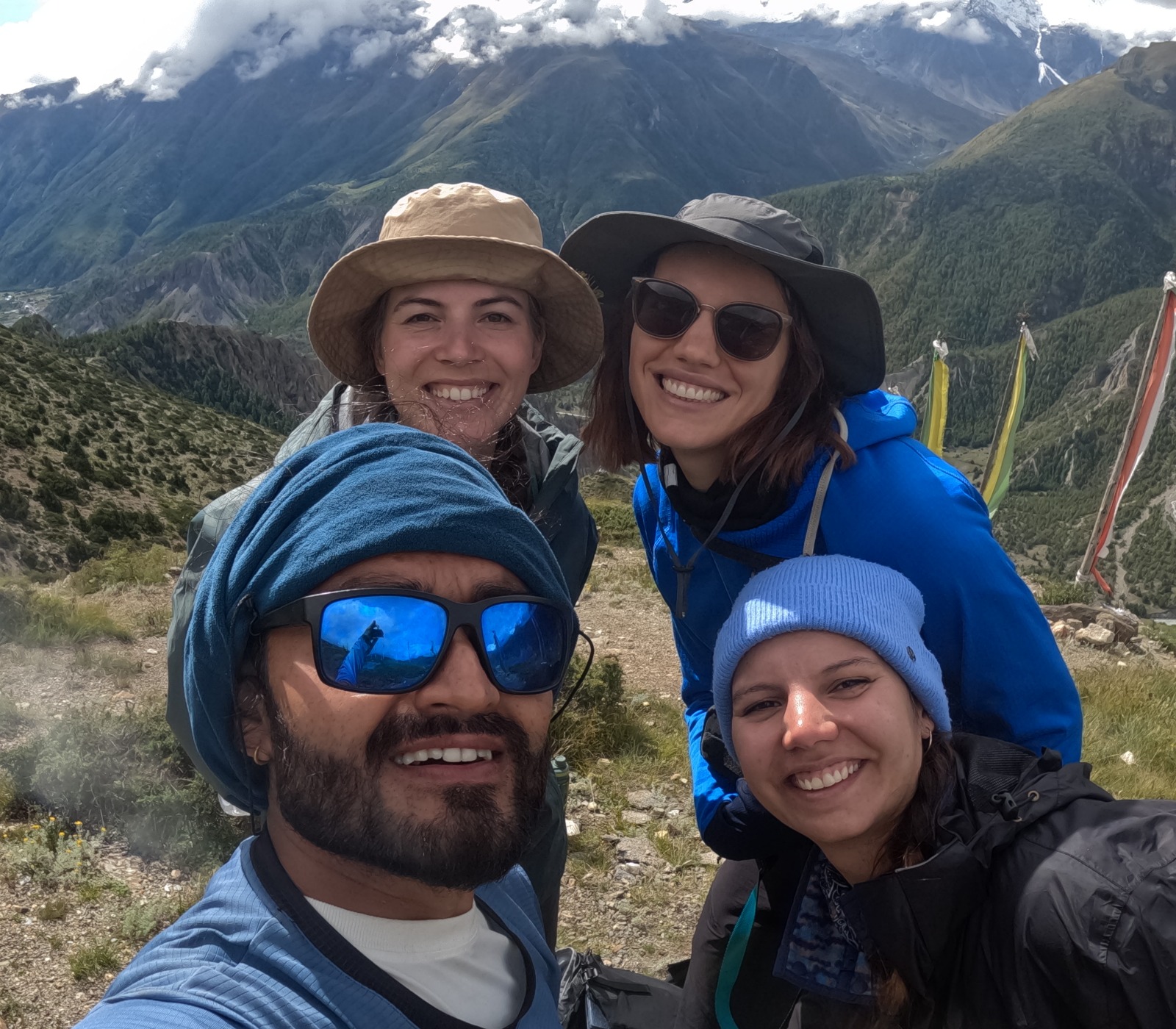
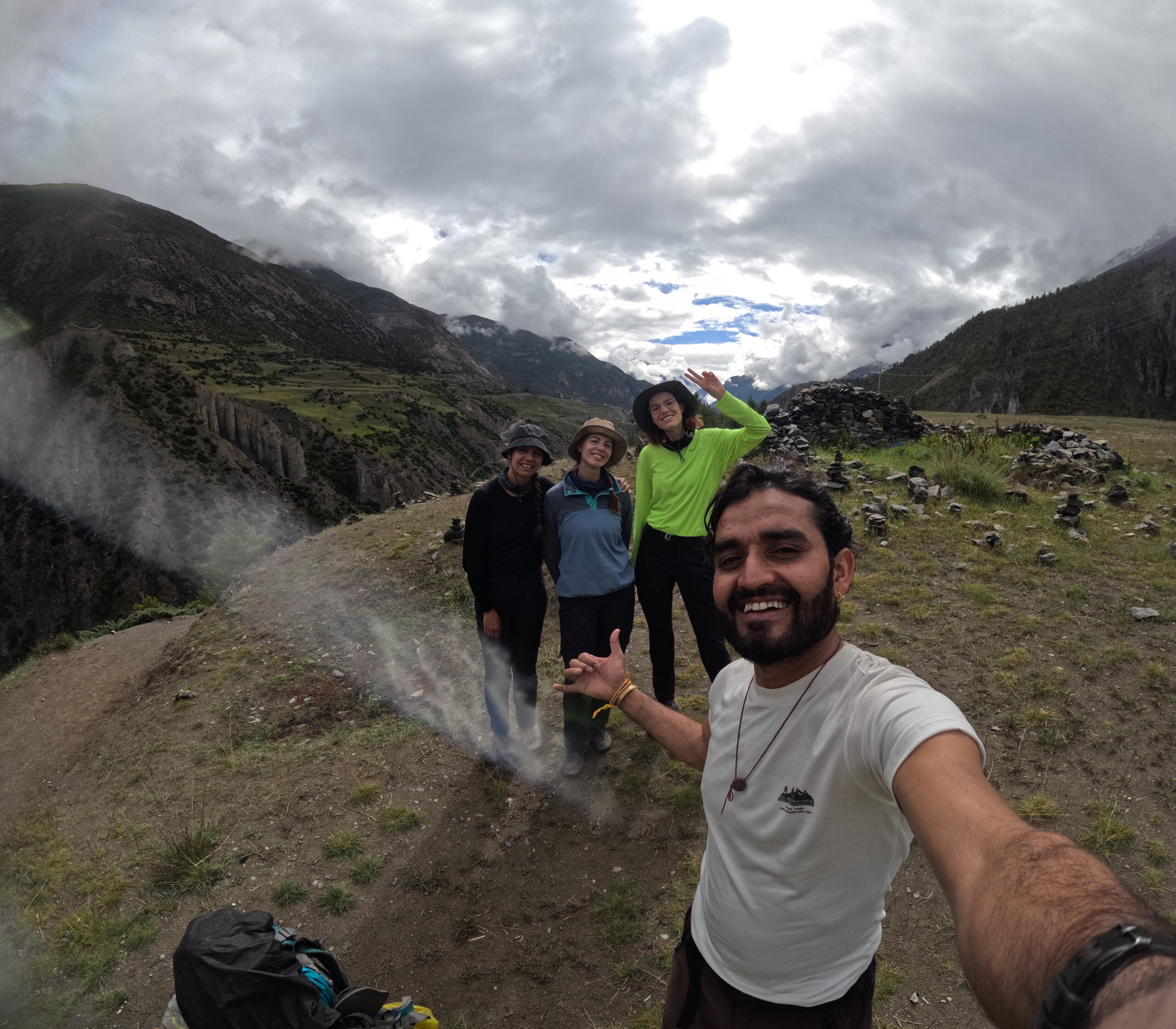
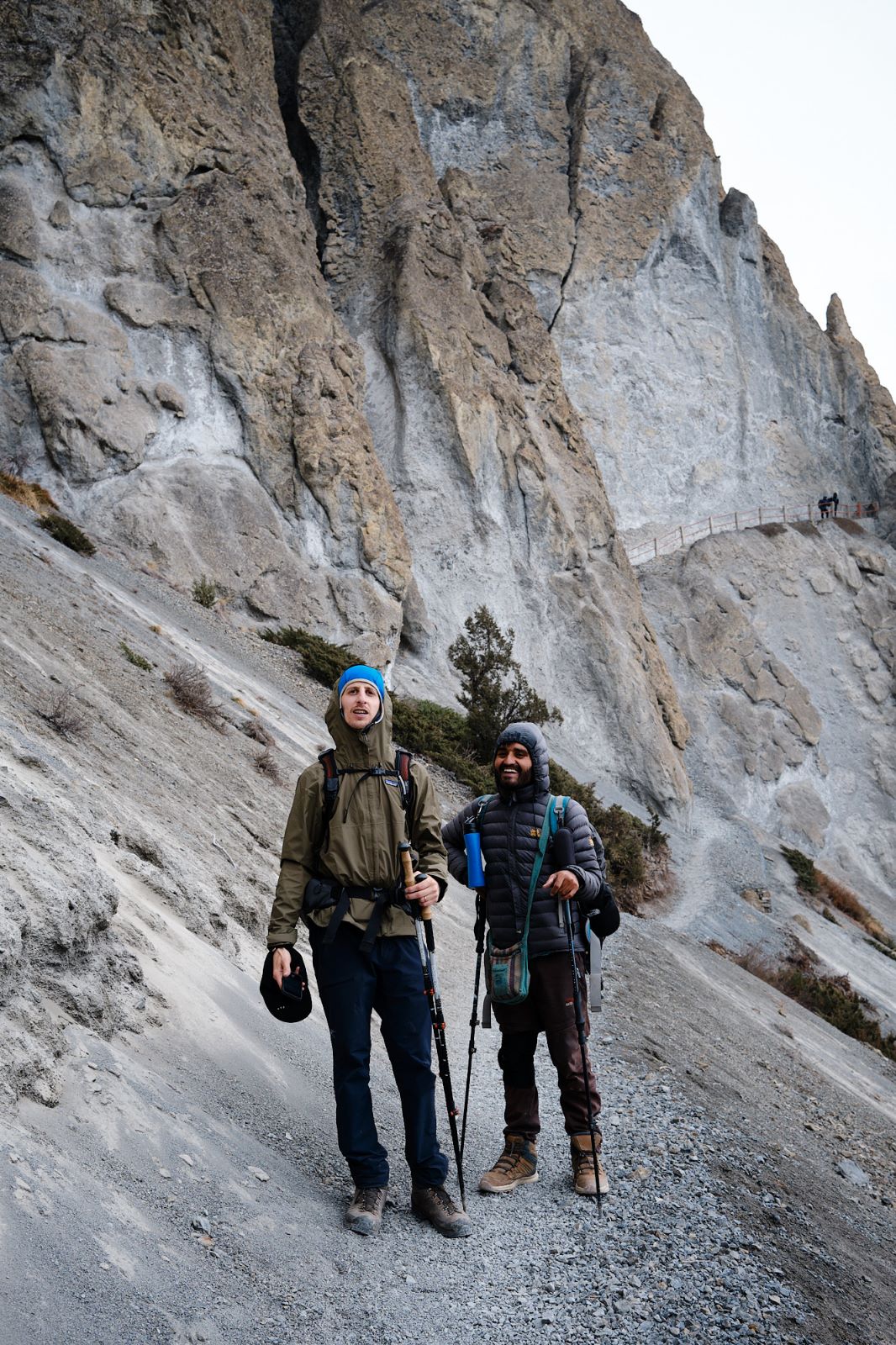
The Nar Phu Valley Trek is a journey into one of Nepal’s most secluded and culturally rich areas, offering an unforgettable combination of adventure, natural beauty, and traditional culture. Managed by ART Nepal Treks & Expedition, this trek provides all necessary logistics, including permits, accommodations, and experienced guides, so trekkers can focus entirely on the journey.
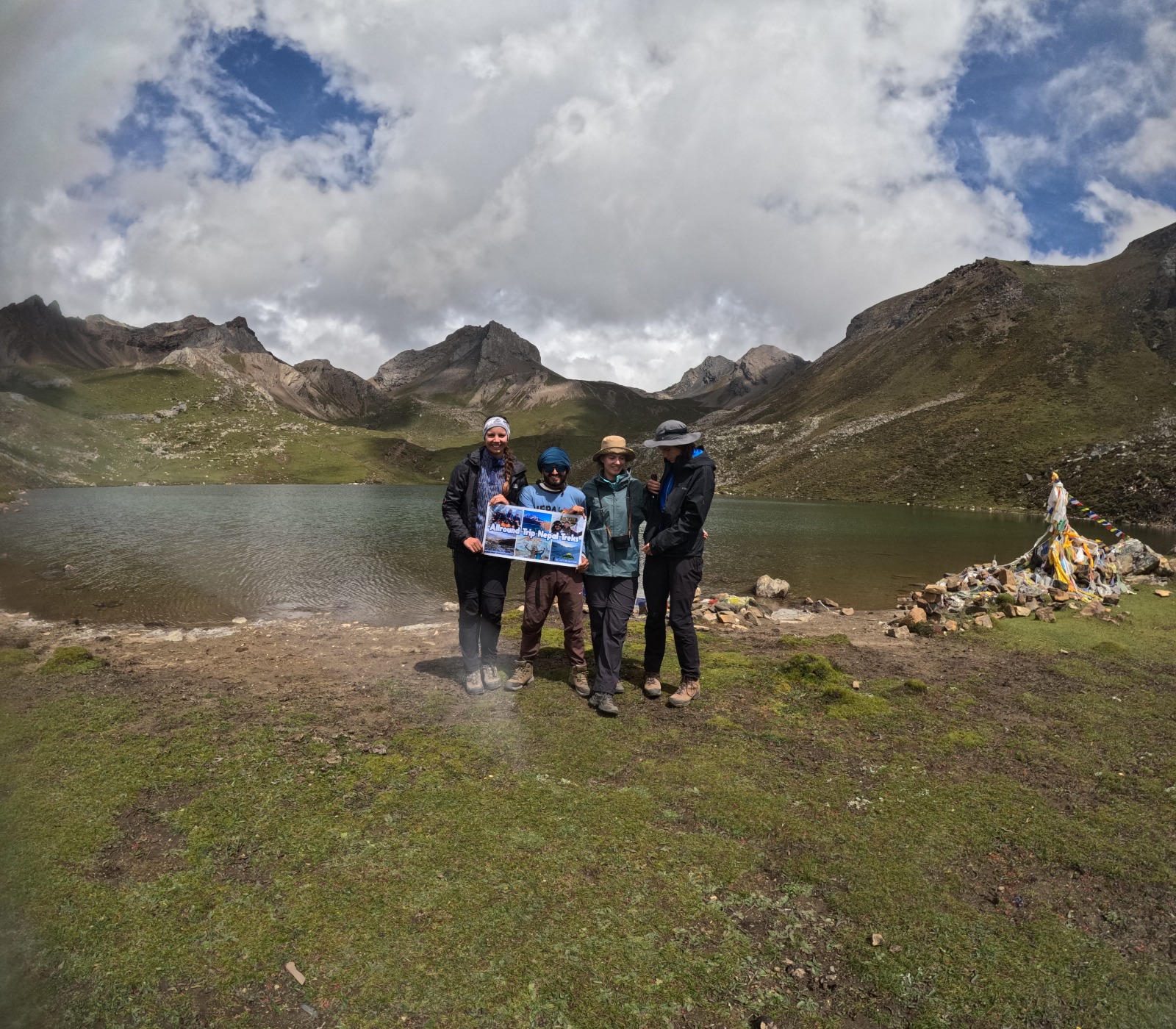
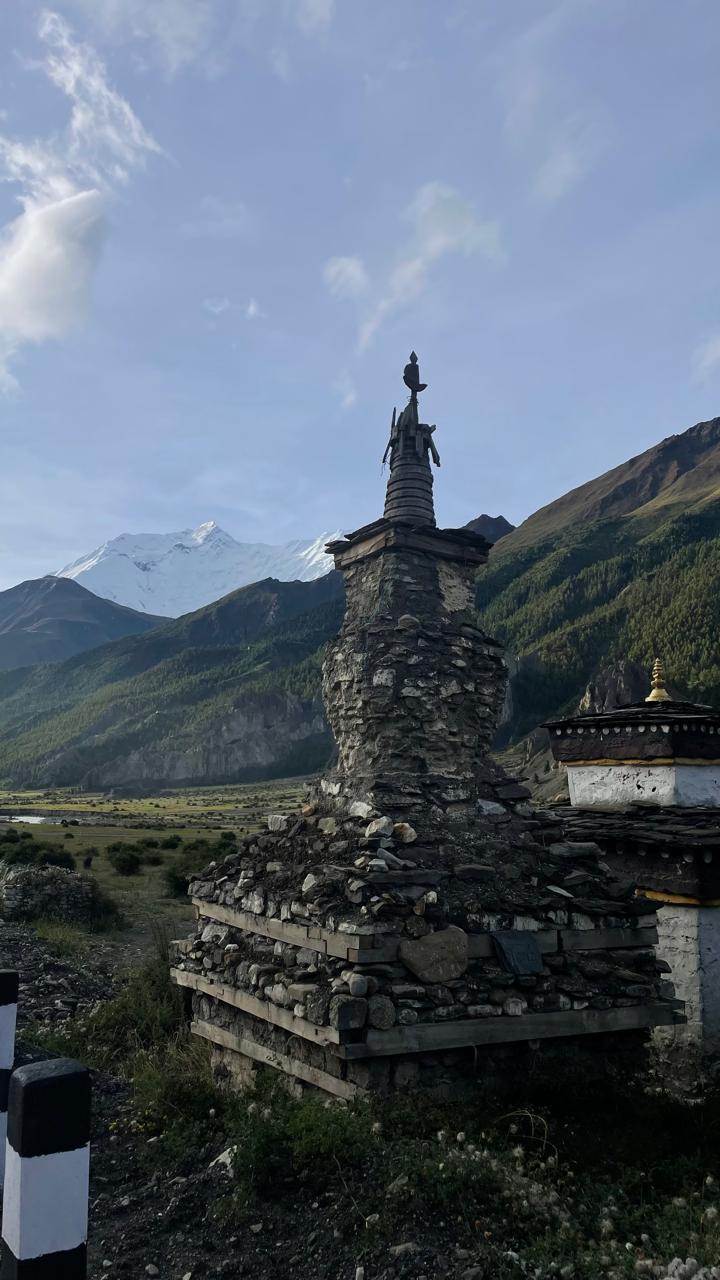
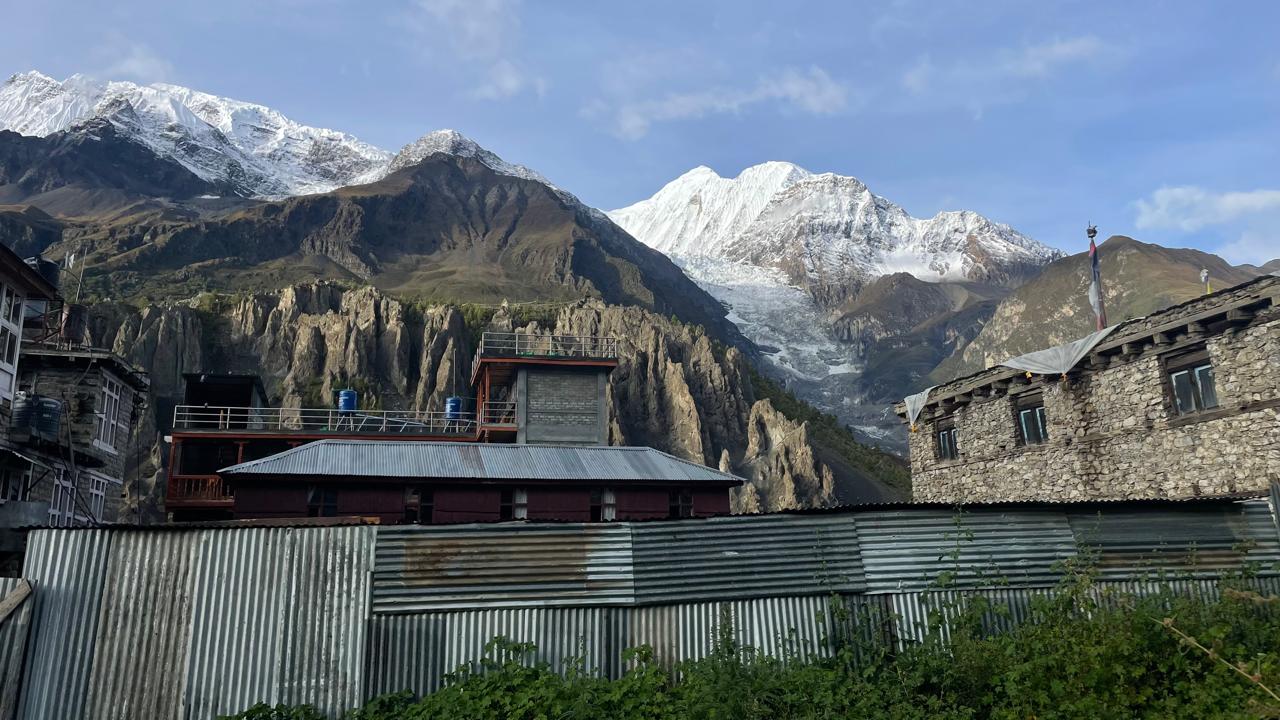
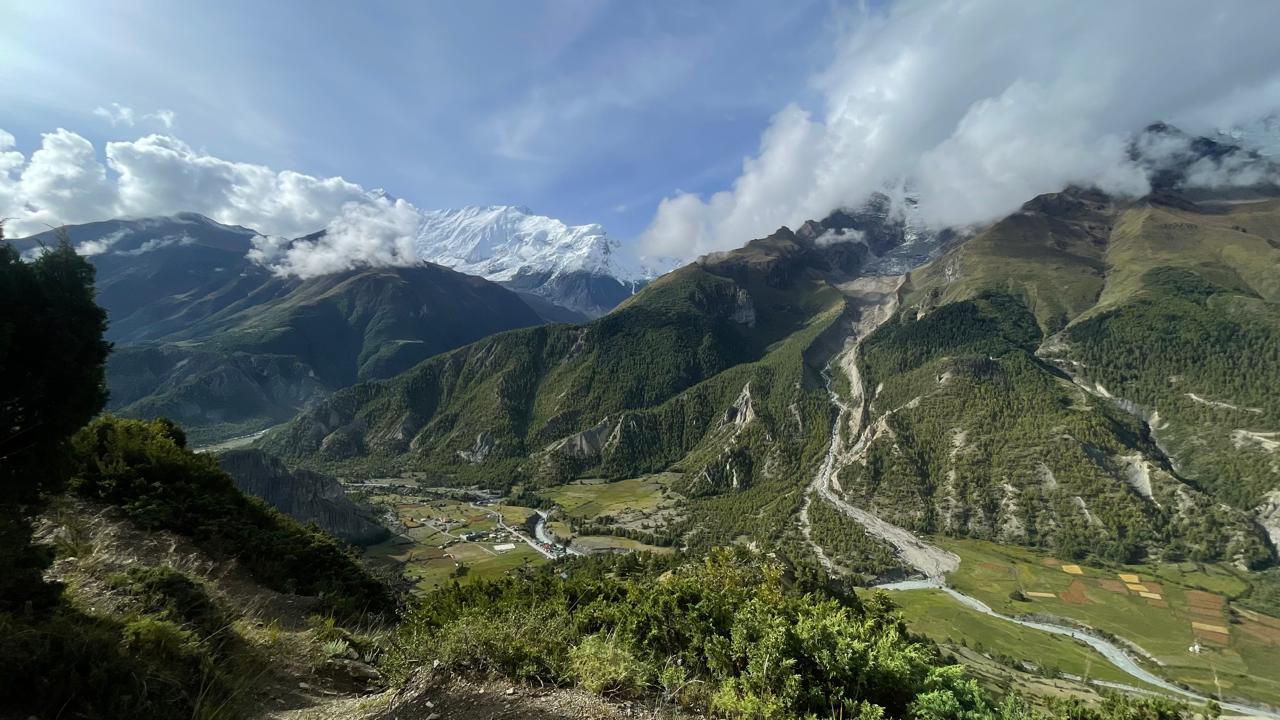
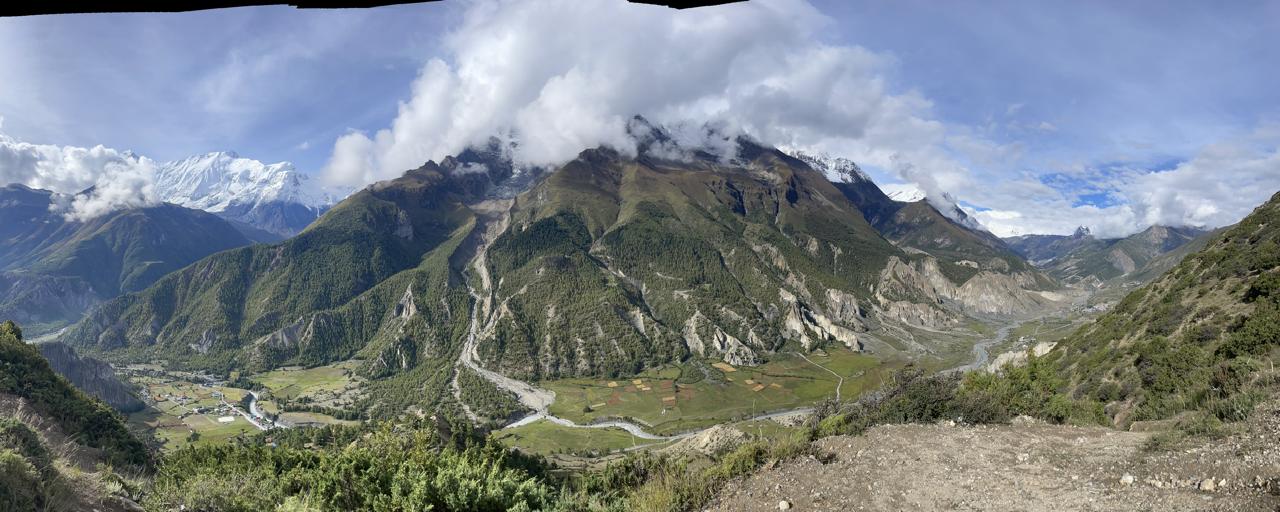
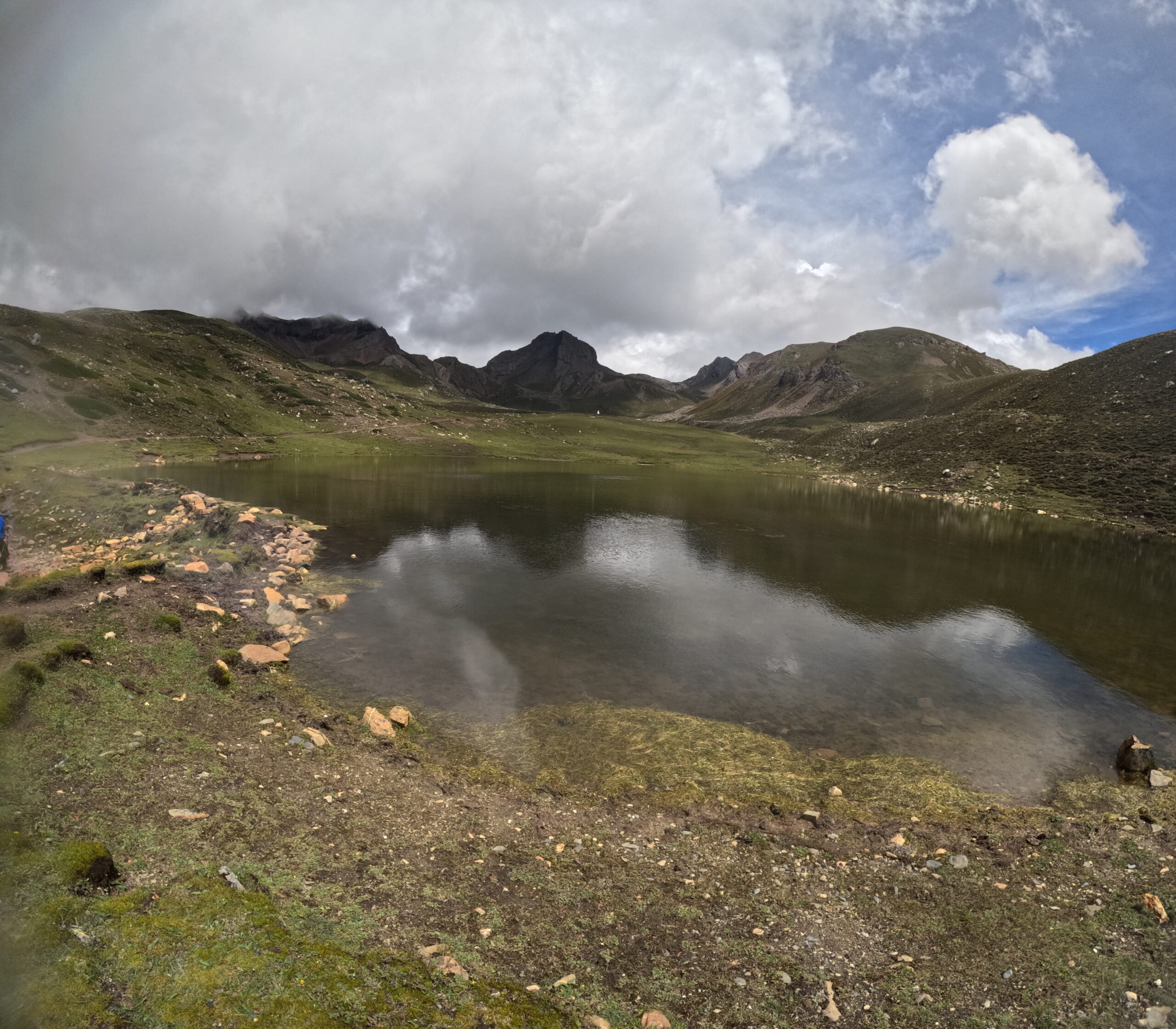
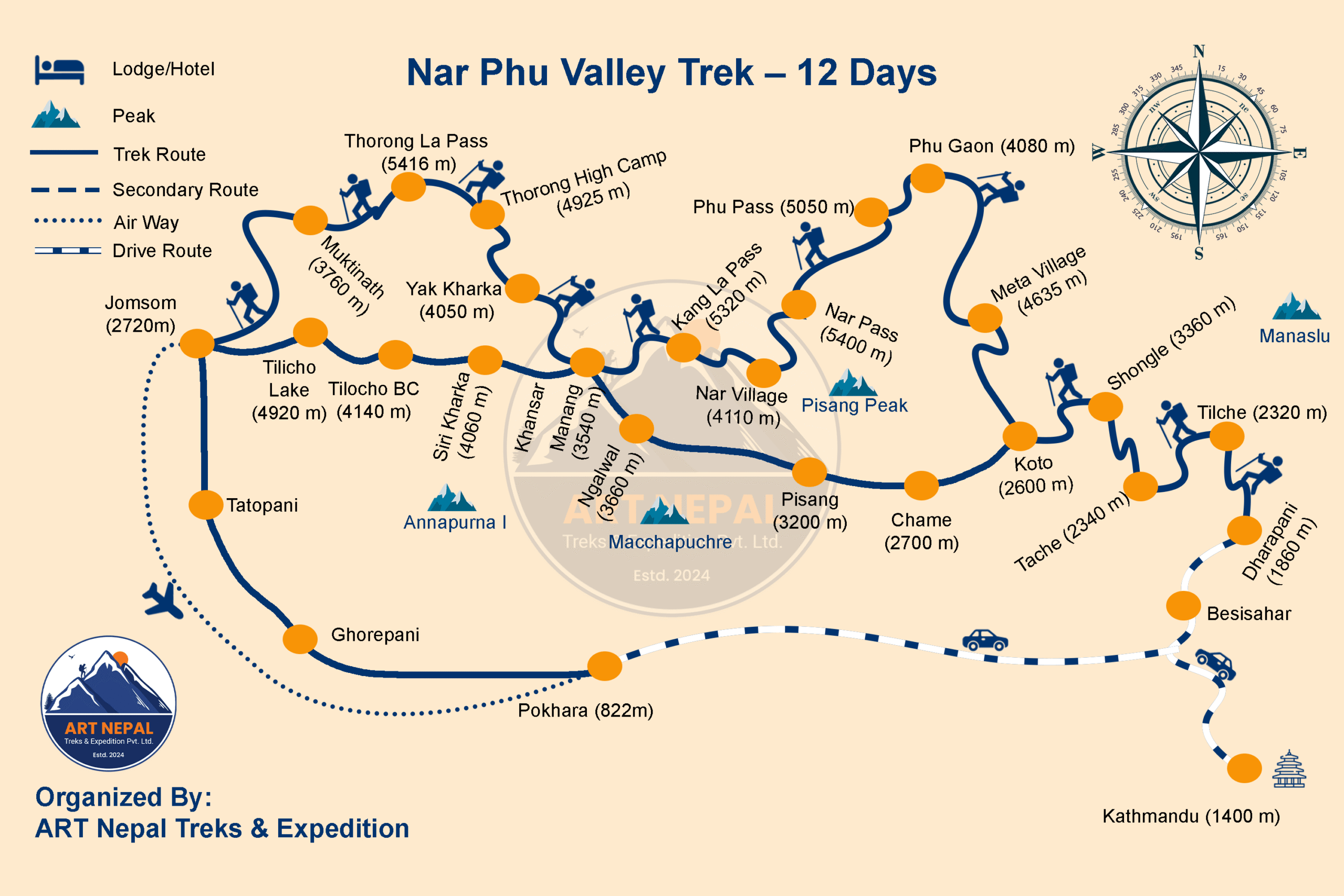
The trek starts with a scenic drive from Kathmandu to Besisahar, followed by a jeep ride to Koto, the gateway to the Nar Phu Valley. The trail winds through pine forests, rhododendron groves, and narrow canyons, gradually opening to stunning vistas of remote Himalayan valleys. Trekkers will pass through the ancient villages of Meta, Phu, and Nar, where Tibetan-influenced architecture and traditional lifestyles remain preserved. This region was once restricted to outsiders, which has allowed its natural landscapes and cultural heritage to remain intact.
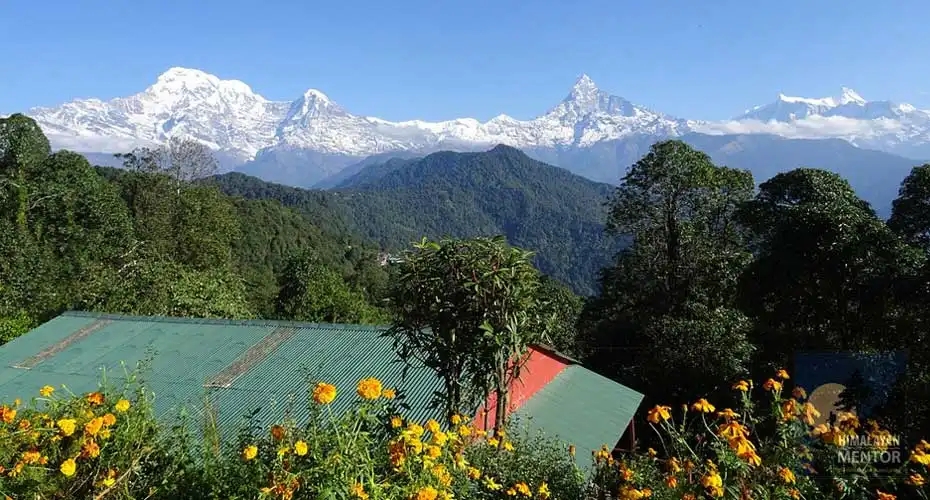
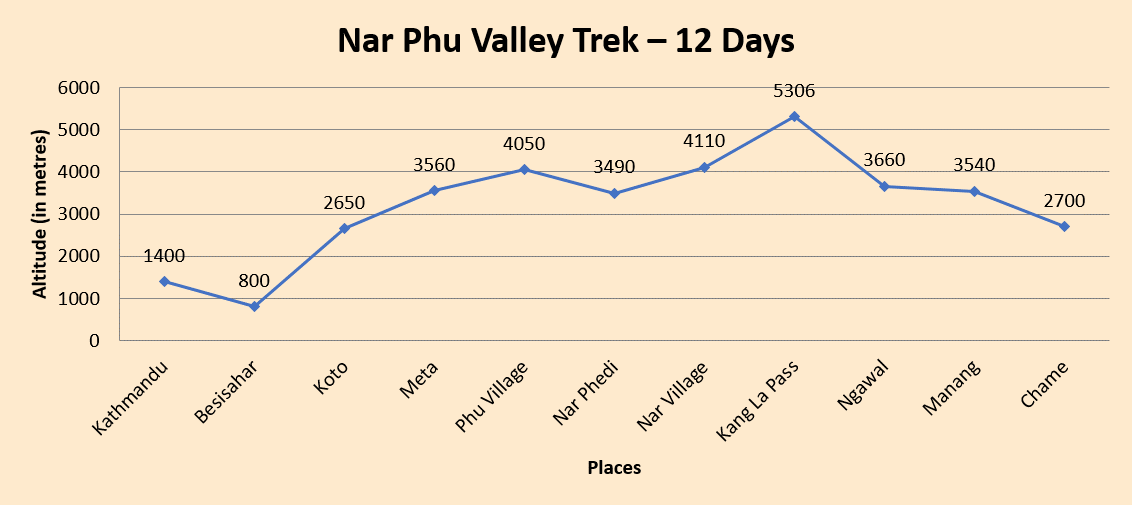
A highlight of the trek is crossing Kang La Pass, the highest point at 5,000 meters, which offers panoramic views of Annapurna, Gangapurna, and other surrounding peaks. The journey requires careful acclimatization, which is planned with rest days in Phu and Nar villages, giving trekkers time to explore the monasteries, interact with villagers, and adjust to the altitude gradually.
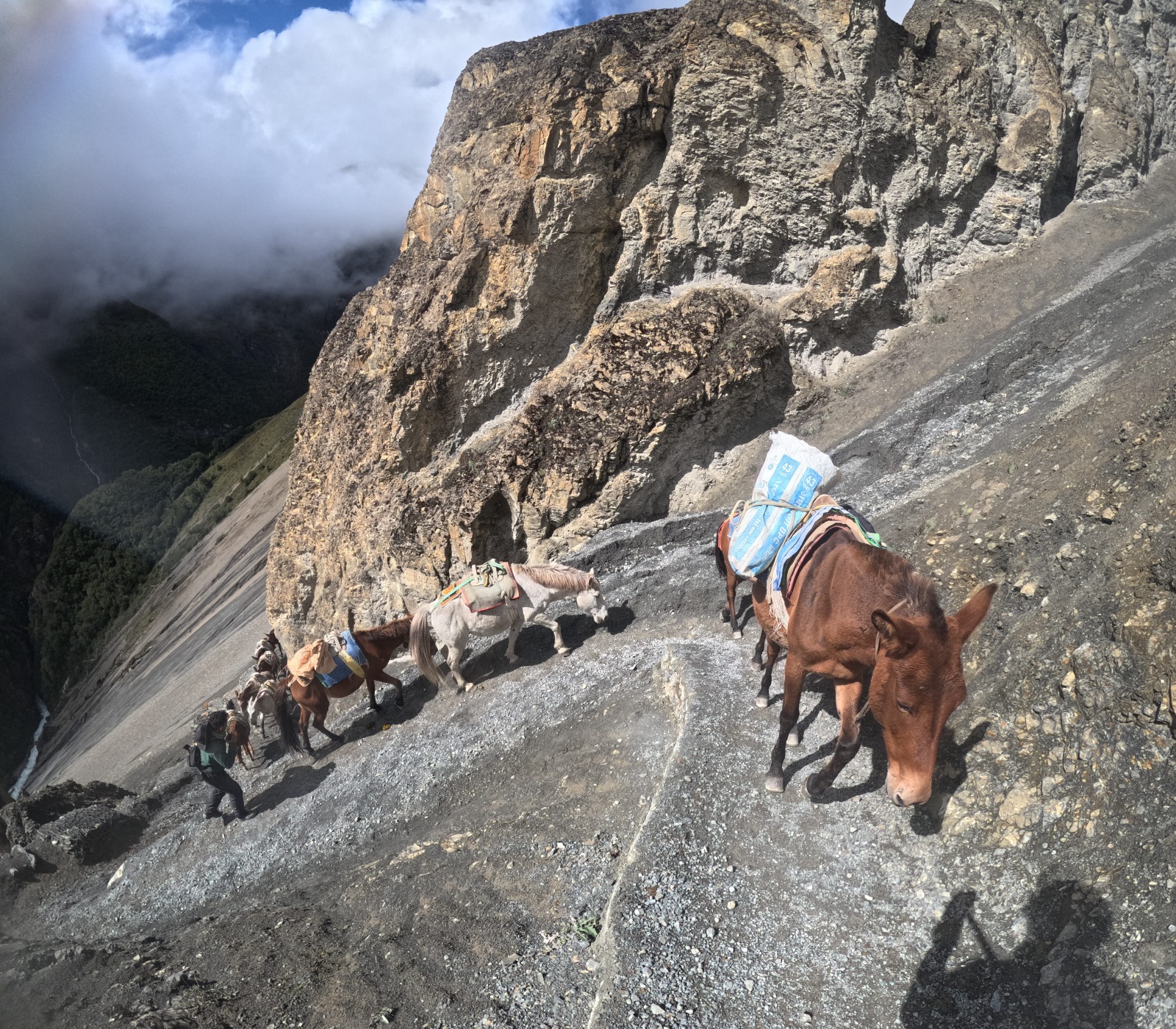
The trail combines moderate trekking distances with physically demanding sections over rough terrain. While teahouses in the region are simple, they provide warm hospitality, meals, and comfortable spaces to relax after a day on the trail. Wildlife enthusiasts may spot Himalayan blue sheep, snowcocks, and other alpine species along the way. The solitude of the Nar Phu Valley allows trekkers to experience a quiet, reflective journey surrounded by pristine nature, making it ideal for both adventure seekers and cultural enthusiasts.
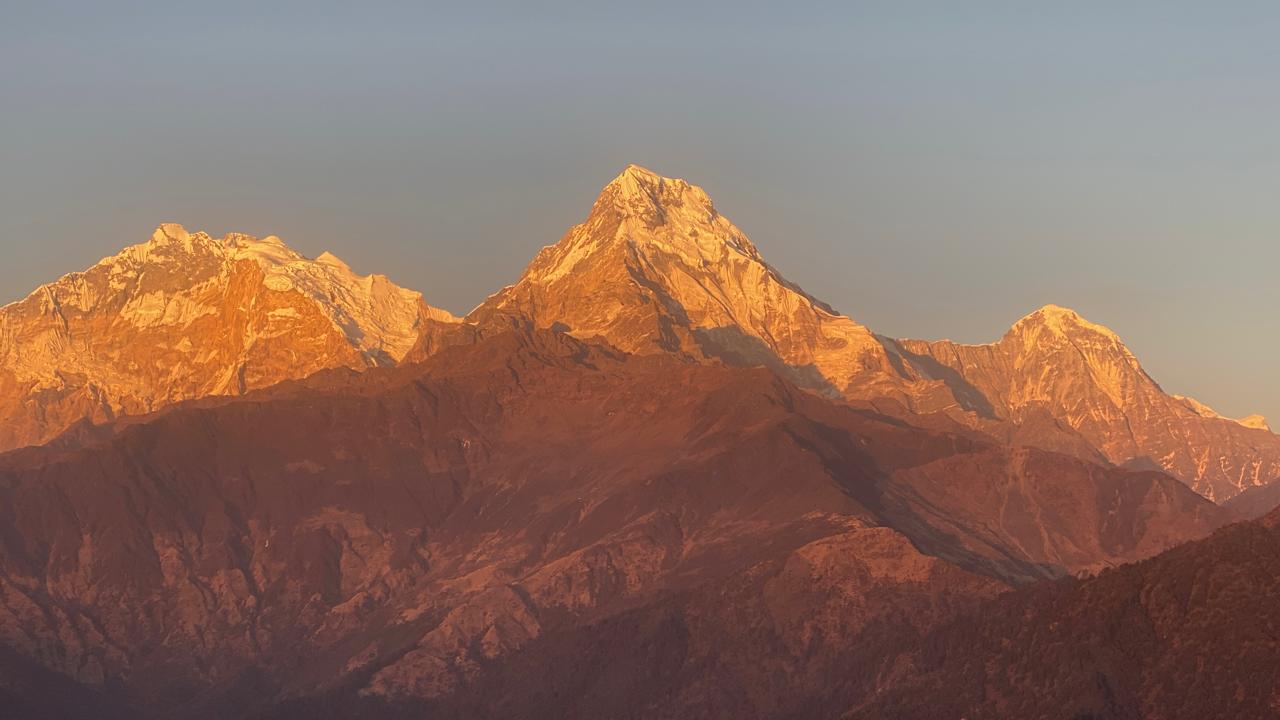
This trek also offers stunning photography opportunities, from sunrise and sunset over towering peaks to traditional village life and monasteries nestled in the valleys. ART Nepal Treks & Expedition ensures that all logistics, including permits for the restricted region, transportation, accommodation, and professional guide support, are handled professionally, creating a safe, organized, and immersive trekking experience.
🌟 What Can You Expect from the Trek?
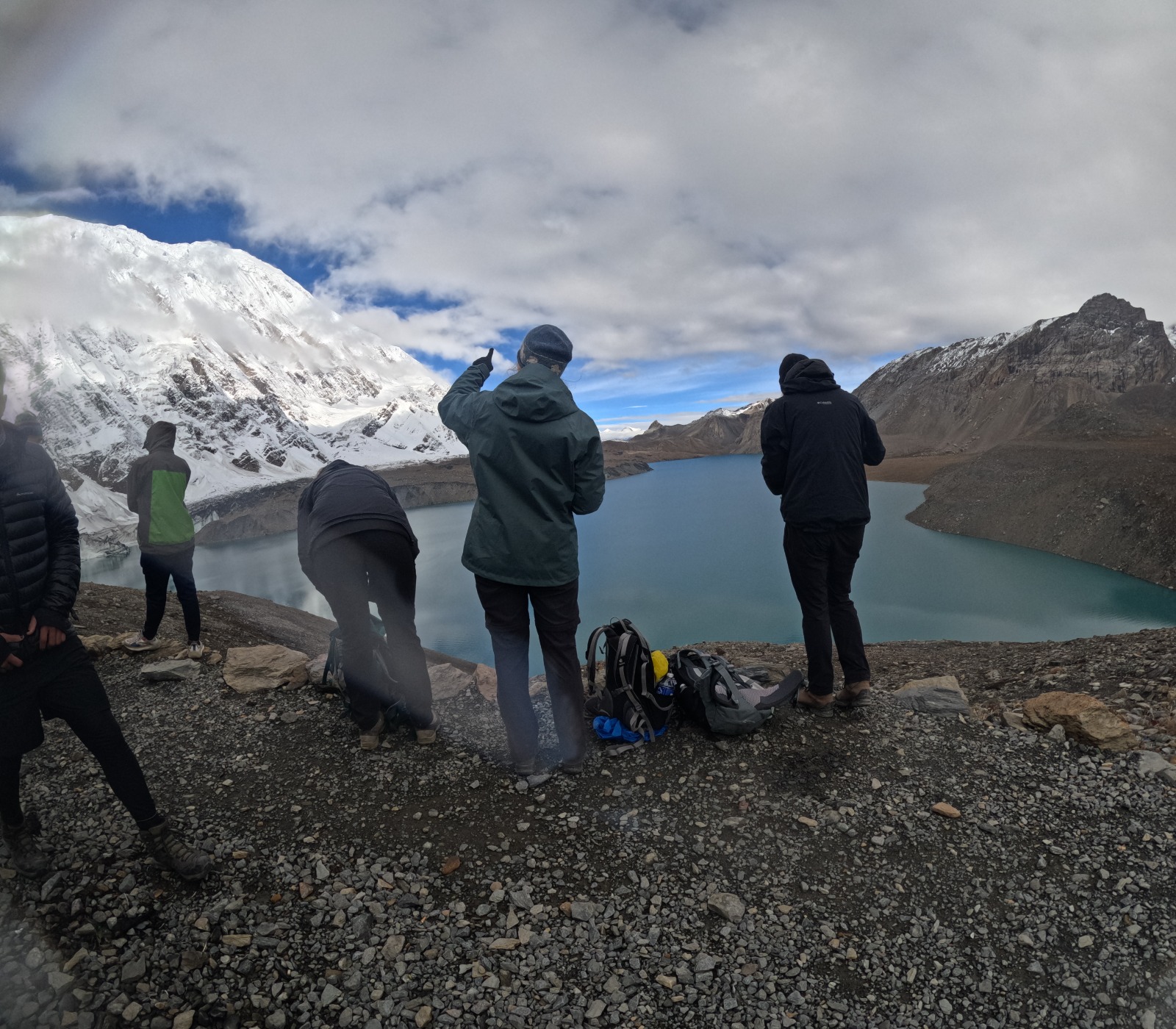
The Nar Phu Valley Trek is a unique Himalayan adventure that combines physical challenge, cultural immersion, and pristine landscapes. Trekkers can expect to traverse a variety of terrains: lush river valleys, dense pine and rhododendron forests, narrow canyons, and dry, rocky high-altitude landscapes. The remote nature of the trek ensures that trails are peaceful and far from crowded tourist routes, giving a true sense of wilderness.
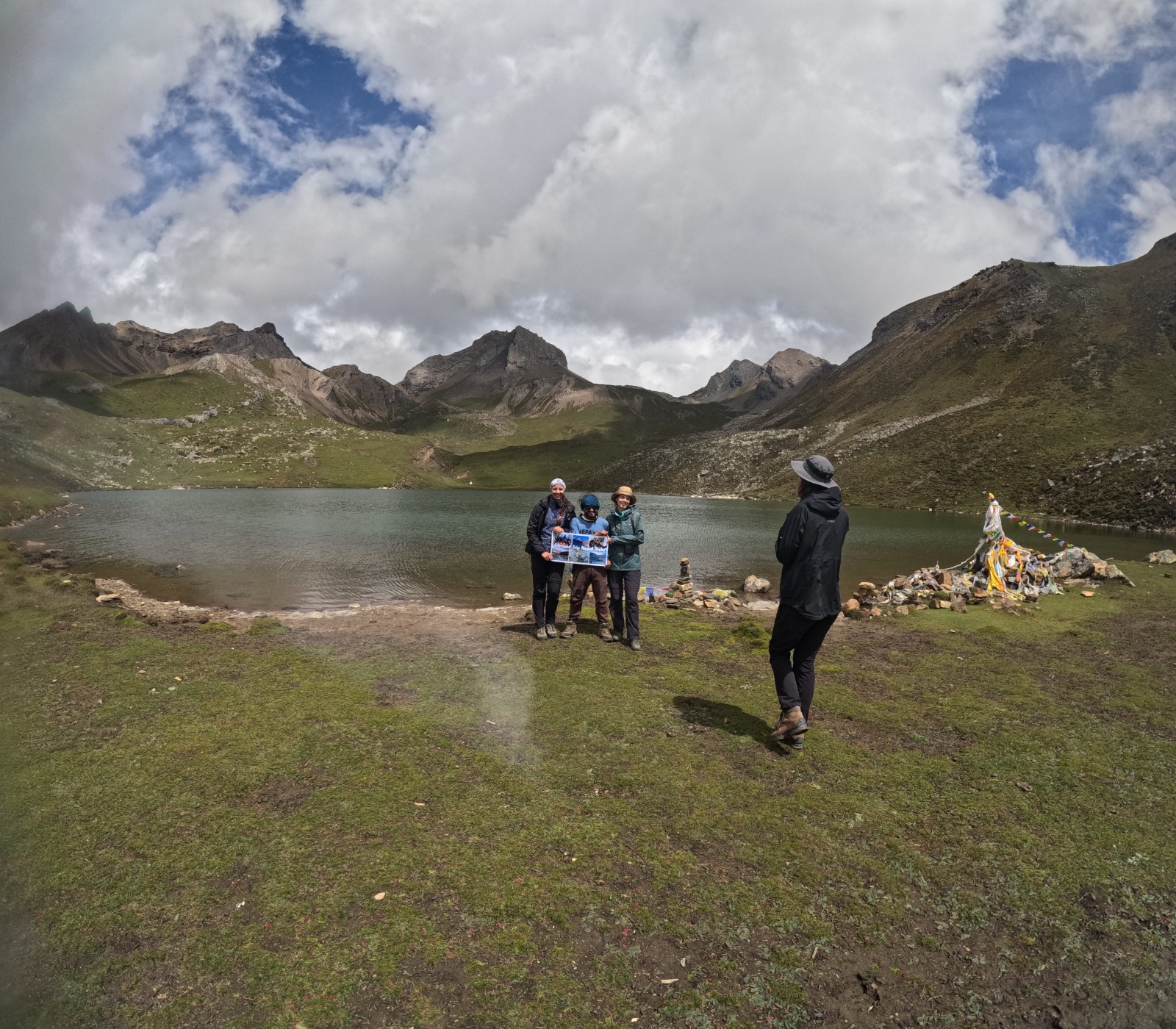
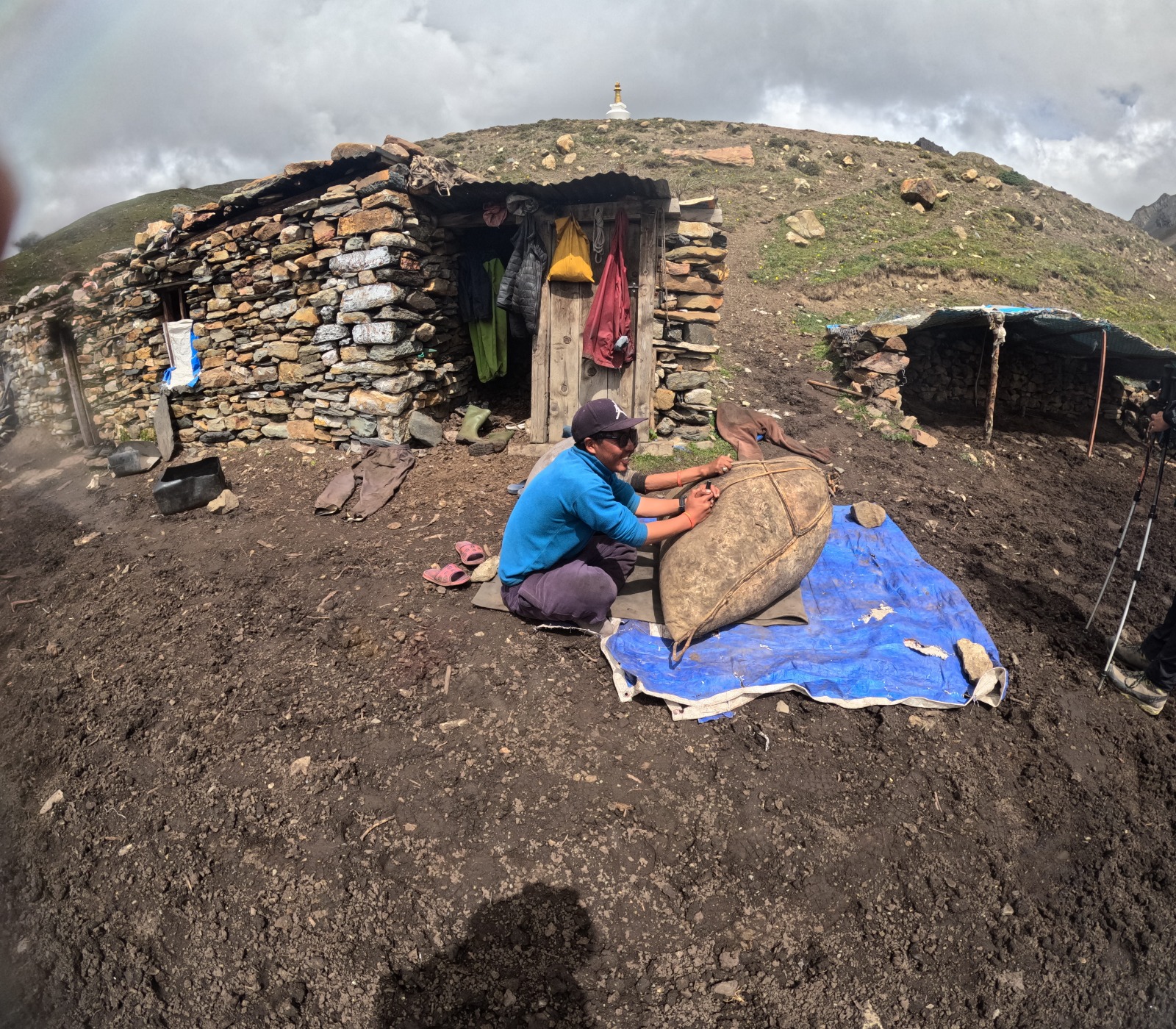
Cultural experiences are central to this trek. The villages of Nar and Phu showcase ancient Tibetan-style houses, prayer wheels, and monasteries. Trekkers can interact with local people, learn about their traditional lifestyle, and observe cultural practices that have remained largely unchanged over centuries. Monastery visits provide insights into local religious customs and the daily life of monks living in this high-altitude region.
Adventure and challenge are also key elements of the trek. Crossing the Kang La Pass is physically demanding, requiring stamina and proper acclimatization. Trekkers must navigate rocky trails, possible snow patches, and high-altitude conditions. However, the reward is unparalleled: panoramic views of Annapurna, Gangapurna, and Manaslu ranges, along with a profound sense of achievement.
Expect:
- Remote, peaceful, and adventurous trekking trails
- Panoramic high-altitude mountain views
- Interaction with local Tibetan-style villages and monasteries
- Wildlife encounters and diverse alpine flora
- Solitude and unspoiled natural beauty
🏔️ Is Trek Suitable for You?
The Nar Phu Valley Trek is best suited for trekkers who are physically fit and mentally prepared for high-altitude trekking. Individuals should be comfortable walking 4–8 hours daily over rough and uneven terrain, with some steep ascents and descents. Prior trekking experience is highly recommended, though a motivated beginner with good fitness can attempt this trek under guided supervision.
This trek is ideal for adventure seekers who want off-the-beaten-path experiences, away from the crowds of the Annapurna Circuit. Trekkers should enjoy exploring remote villages, experiencing traditional Tibetan culture, and living in simple, rustic teahouses or monastery accommodations. Flexibility and a positive attitude are essential to adapt to changing weather and isolated trail conditions.
Suitable For:
- Experienced or fit trekkers seeking a challenge
- Adventure enthusiasts looking for solitude and unique landscapes
- Culture and photography lovers interested in Tibetan-style villages
- Nature explorers wanting to experience high-altitude Himalayan wilderness
- Trekkers who want a well-organized, safe, and immersive experience
🏋️ How to Prepare for Trek
Preparing physically and mentally is crucial. Start with cardio exercises like running, cycling, or swimming to improve endurance. Include stair climbing, long walks, and weighted backpack training to strengthen leg and core muscles. Practicing trekking on rough trails in your local area can help simulate trail conditions.
Gear preparation is equally important. Trekkers should have durable trekking boots, waterproof jackets, thermal layers, gloves, hats, trekking poles, and high-altitude sleeping gear. Acclimatization is essential, with rest days in Phu and Nar villages to adjust to higher altitudes. Mental preparation involves understanding the challenges of remoteness, long trekking days, and simplicity of accommodations.
Preparation Checklist:
- Regular cardio and endurance training
- Weighted backpack practice
- Trekking shoes and high-altitude gear
- Gradual acclimatization plan
- Mental preparedness for remote trekking
- Comprehensive travel insurance
-
Trip Duration
12 Days / 11 Nights
-
Group Size
1–20 People
-
Maximum Altitude
5,000 meters
-
Trip Difficulty
Challenging
-
Activities
Trekking, cultural exploration, photography
-
Best Season
Spring (March–May) and Autumn (September–November)
-
Trip Start & End
Kathmandu/ Kathmandu
-
Meals
Breakfast, Lunch, Dinner
-
Accomodation
Teahouses / Lodges / Monastery stay
Highlights
- Explore the hidden Nar Phu Valley, one of Nepal’s most remote regions, known for its pristine landscapes and untouched culture.
- Cross the Kang La Pass at 5,000 meters, offering breathtaking views of Annapurna, Gangapurna, and surrounding Himalayan peaks.
- Experience ancient Tibetan-style villages, monasteries, and local lifestyles preserved over centuries.
- Trek on less crowded and adventurous routes, far from the popular Annapurna Circuit trails.
- Witness dramatic mountain scenery, from forested river valleys to dry high-altitude terrain, and encounter wildlife like Himalayan blue sheep.
- Immerse yourself in local culture, interacting with villagers and learning about traditions that remain largely unchanged by modern tourism.
Itinerary
Day 01
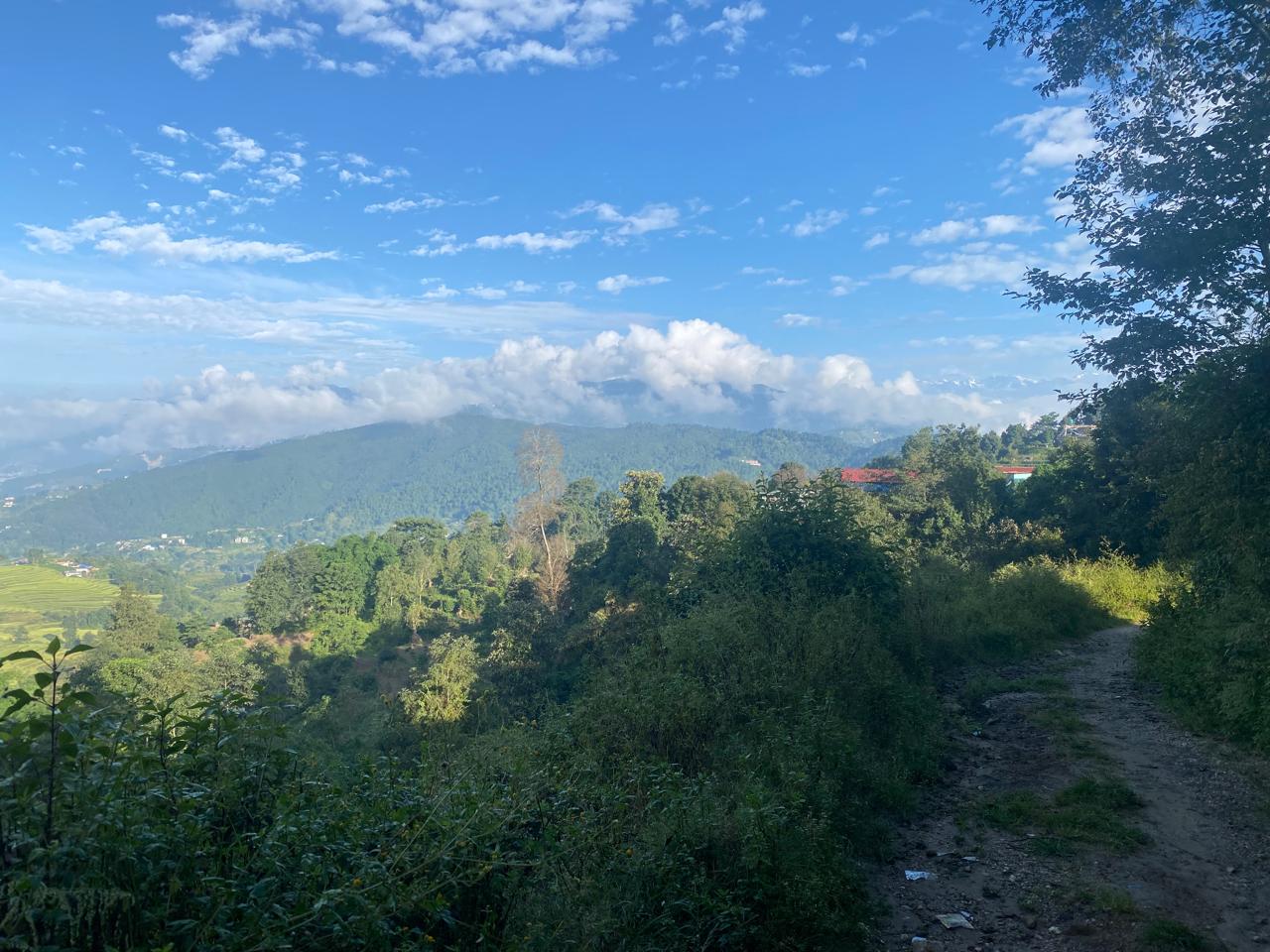
The journey begins with a scenic drive from Kathmandu to Besisahar, winding through terraced hills, rivers, and traditional Nepali villages. This part of the drive allows trekkers to acclimatize gradually while enjoying glimpses of the Himalayan foothills and the vibrant landscapes of central Nepal. Upon reaching Besisahar, the jeep journey continues further along narrow mountain roads to Koto, the gateway to the Nar Phu Valley. Koto is a small, tranquil village offering a first taste of the remote Himalayan lifestyle. This initial day is a mix of travel and light exploration, giving trekkers time to mentally prepare for the adventure ahead.
Once in Koto, trekkers can explore the village surroundings, observe local life, and enjoy the peaceful environment of a Himalayan settlement. The accommodation is in a teahouse, where basic facilities provide comfort and a chance to relax before starting the trekking portion. Evening views of surrounding mountains and the gentle sounds of the river make Koto a perfect introduction to the solitude and natural beauty of the Nar Phu region.
Trip Duration:
Full day driveTrip Distance:
~175 kmAltitude:
2,610 mMeal:
Lunch & DinnerAccomodation :
TeahouseDay 02
Today, trekkers enter the restricted Nar Phu region, requiring special permits to access this pristine valley. The trail begins with a gentle ascent through forested paths and narrow canyons, providing a mix of shaded terrain and occasional open viewpoints. The trek is quiet, with few other visitors, allowing for an immersive experience in nature. Meta village, the destination for the day, is small and charming, with traditional stone houses and a peaceful environment that reflects the Tibetan-influenced culture of the valley.
Along the trail, trekkers experience the subtle changes in vegetation and landscape as altitude increases. Streams, small waterfalls, and terraced fields provide picturesque stopping points for rest and photography. Arriving at Meta offers a sense of accomplishment for navigating the first day in the Nar Phu region. Accommodation is in a local teahouse where trekkers can enjoy warm meals and interact with local villagers, gaining insight into the lifestyle, traditions, and resilience of the remote community.
Trip Duration:
6–7 hoursTrip Distance:
~12 kmAltitude:
3,100 mMeal:
Breakfast, Lunch, DinnerAccomodation :
TeahouseDay 03
Trekking from Meta to Phu Village today takes you through a dry, rocky high-altitude landscape that contrasts sharply with the forested trails of the previous day. The trail winds through narrow canyons and open ridges, revealing panoramic views of distant Himalayan peaks. Trekkers experience the first dramatic vistas of the hidden valleys, giving a sense of remoteness and adventure. Phu Village is renowned for its well-preserved Tibetan-style architecture, monasteries, and the ancient cultural practices of its inhabitants.
Along the trail, trekkers may spot Himalayan blue sheep and other high-altitude wildlife while absorbing the raw beauty of the barren mountainsides. The village itself sits like an oasis amid rugged terrain, with stone houses, prayer flags, and quiet courtyards. Staying overnight in Phu gives trekkers the opportunity to explore the village, visit the monastery, and enjoy the serenity of one of the most remote regions in Nepal. Teahouse accommodation provides warmth, local meals, and a chance to interact closely with the residents, deepening the cultural experience.
Trip Duration:
6–7 hoursTrip Distance:
~14 kmAltitude:
3,600 mMeal:
Breakfast, Lunch, DinnerAccomodation :
TeahouseDay 04
Phu Village serves as an ideal location for an acclimatization day, crucial for adjusting to the higher elevations before venturing further into the valley and attempting Kang La Pass. Trekkers can explore the village’s narrow lanes, observe traditional stone houses, and witness local daily life. Optional short hikes to nearby viewpoints provide stunning panoramas of the surrounding peaks and the continuation of the Nar Phu Valley. The monastery in the village offers insight into spiritual practices and Tibetan Buddhist traditions.
Acclimatization is also a time to rest and regain energy, preparing for the more physically demanding days ahead. Trekkers can enjoy warm meals, tea, and interactions with villagers, gaining cultural understanding and observing a lifestyle largely untouched by modern tourism. Even a simple walk around the village provides exposure to the alpine flora and fauna, including medicinal herbs, wildflowers, and high-altitude birds. Overnight stay in Phu ensures sufficient recovery for the ascent and trekking challenges to come.
Trip Duration:
Rest & optional short hikesTrip Distance:
3–4 km (optional hikes)Altitude:
3,600 mMeal:
Breakfast, Lunch, DinnerAccomodation :
TeahouseDay 05
Today, trekkers begin a gentle descent from Phu towards Nar Phedi, following the river valley through a peaceful and scenic trail. The landscape gradually opens into a wider valley with views of the surrounding peaks and terraces. Walking along streams and observing high-altitude vegetation adds to the sense of isolation and natural beauty. Nar Phedi is a small settlement where trekkers can rest before continuing to Nar Village.
The trail offers multiple vantage points to enjoy photography, with views of Annapurna and Gangapurna in the distance. The journey is tranquil, allowing trekkers to absorb the atmosphere of the valley, including its quiet rhythm and the hospitality of its residents. Accommodation in Nar Phedi may include a monastery or local teahouse, where trekkers can experience traditional meals, warm hospitality, and an authentic high-altitude Himalayan environment.
Trip Duration:
5–6 hoursTrip Distance:
~12 kmAltitude:
3,700 mMeal:
Breakfast, Lunch, DinnerAccomodation :
Monastery / TeahouseDay 06
The trek today is relatively short but provides an essential acclimatization step as trekkers make their way from Nar Phedi to Nar Village, ascending gently along the narrow valley trail. The surroundings are stark and rocky, with high-altitude vegetation appearing more frequently, including medicinal herbs and alpine shrubs. The village of Nar is unique for its isolation, Tibetan-style stone houses, and strong cultural traditions that have remained largely unchanged for centuries. Trekking to Nar provides an immersive experience into remote Himalayan life, with limited modern influences and quiet trails that feel untouched by time.
Upon arrival in Nar, trekkers can explore the village streets, visit the local monastery, and observe the daily routines of villagers. This is also a good opportunity to interact with local families, learning about their agricultural practices, yak herding, and spiritual life. Staying in Nar is an authentic experience, with teahouse accommodation providing basic comfort, warm meals, and a place to rest before the more challenging high-altitude days ahead. The serenity of the village, combined with panoramic mountain views, makes this a memorable portion of the Nar Phu Valley journey.
Trip Duration:
3–4 hoursTrip Distance:
~6 kmAltitude:
3,900 mMeal:
Breakfast, Lunch, DinnerAccomodation :
TeahouseDay 07
Nar Village serves as a key acclimatization stop before crossing the Kang La Pass. Today is dedicated to exploring the village and preparing physically and mentally for the high-altitude challenge ahead. Trekkers can take short hikes around Nar, observe local culture, and photograph traditional Tibetan-style homes, prayer flags, and stunning natural surroundings. This rest day helps the body adjust to altitude, reduces the risk of Acute Mountain Sickness, and allows trekkers to appreciate the calm and untouched nature of the region.
Optional hikes from Nar lead to viewpoints that offer spectacular panoramic vistas of Annapurna II, Annapurna IV, and Gangapurna. Walking slowly along ridges and valleys not only aids acclimatization but also provides opportunities to spot wildlife such as Himalayan monals and snowcocks. Even staying within the village, observing local rituals and daily life gives trekkers a deep cultural connection. Teahouse accommodation ensures warmth, hot meals, and a safe resting place for the night, making this acclimatization day both practical and culturally enriching.
Trip Duration:
Rest & optional hikesTrip Distance:
3–4 km (optional hikes)Altitude:
3,900 mMeal:
Breakfast, Lunch, DinnerAccomodation :
TeahouseDay 08
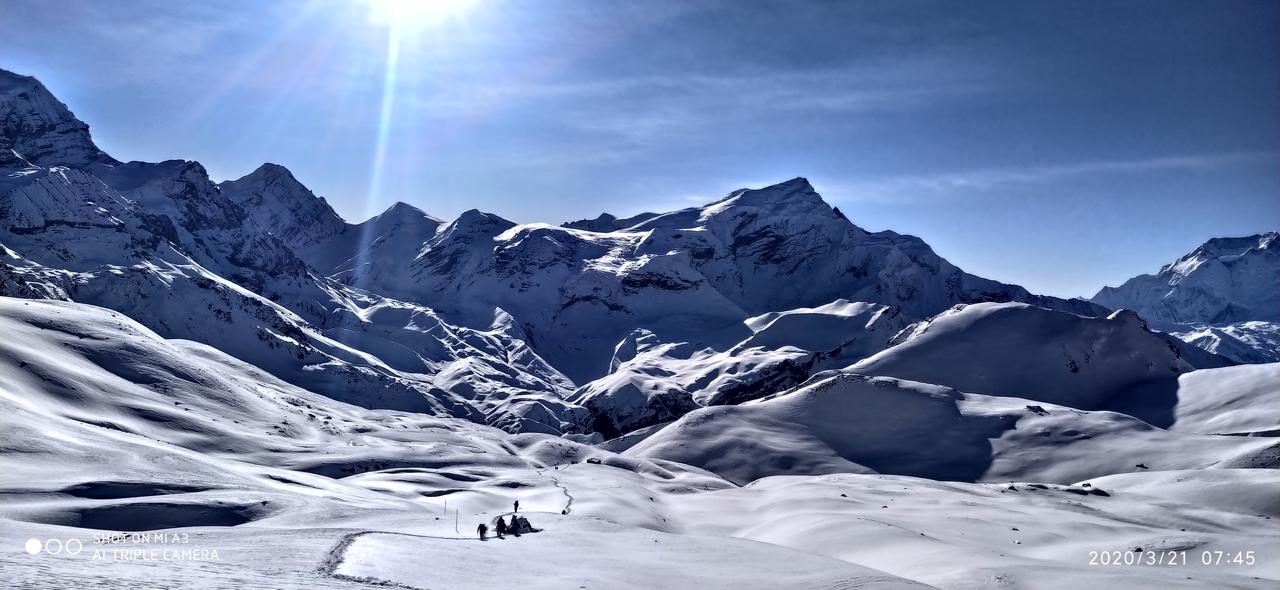
This is one of the most challenging and rewarding days of the trek, as trekkers cross the Kang La Pass (~5,300 m). The ascent begins early, climbing steep trails with loose rocks and snow patches, depending on the season. Along the way, trekkers witness dramatic changes in the landscape—from dry valleys to alpine ridges—while panoramic views of Annapurna, Gangapurna, and Lamjung Himal open up gradually. The Kang La Pass offers a breathtaking vantage point over the entire Nar and Phu Valleys, providing a profound sense of achievement and awe.
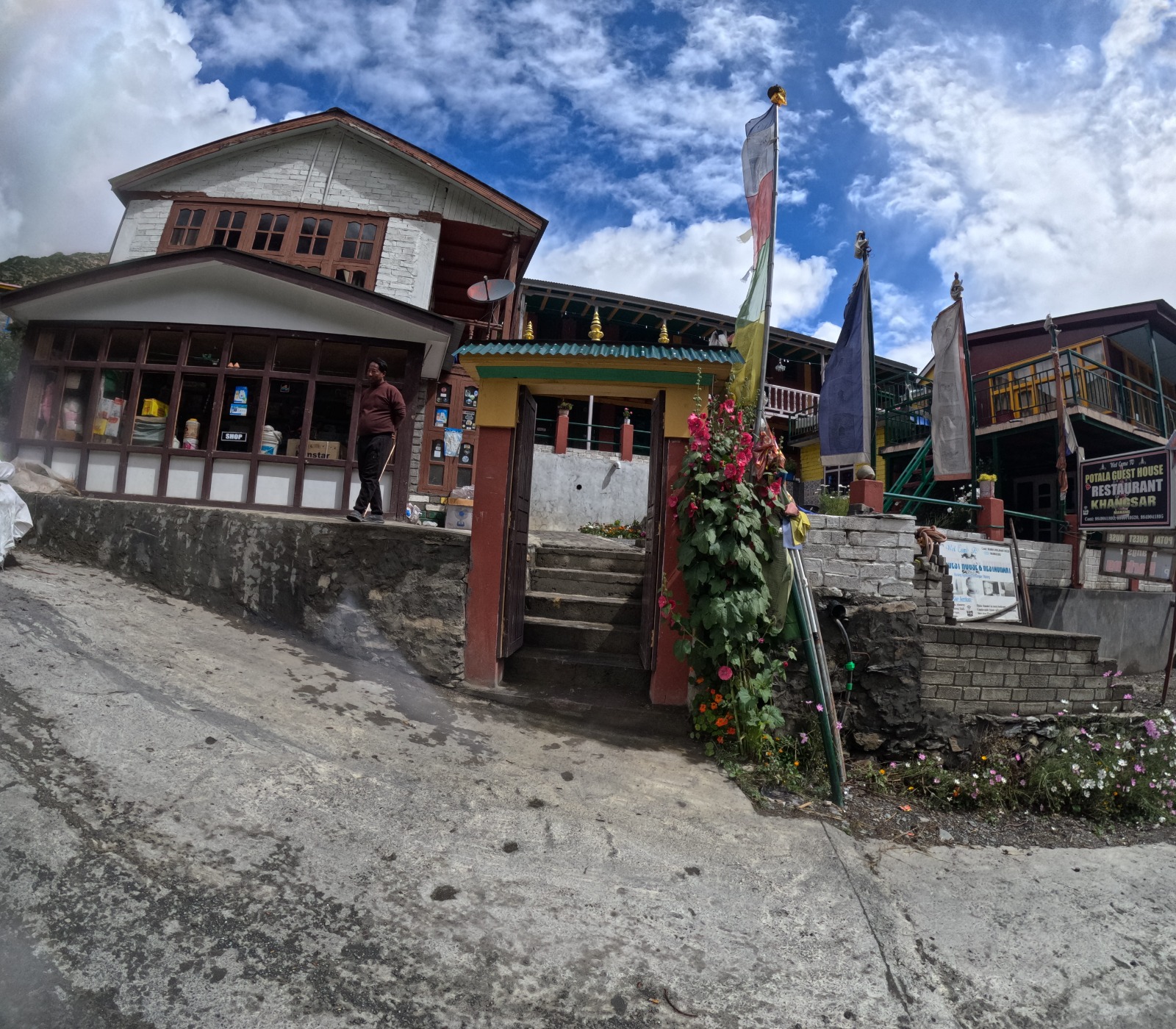
After summiting the pass, trekkers descend into the village of Ngawal, a charming settlement on the Annapurna Circuit trail. The descent requires careful footing as the path winds along ridges and across rocky terrain. Ngawal is picturesque, with teahouses built into the hillside, and provides essential rest, meals, and shelter for the night. The cultural contrast between the Nar/Phu region and Ngawal is noticeable, as this area is more integrated into the broader Annapurna trekking route, offering a mix of Tibetan and Nepali influences.
Trip Duration:
8–9 hoursTrip Distance:
~18 kmAltitude:
5,300 mMeal:
Breakfast, Lunch, DinnerAccomodation :
TeahouseDay 09
The trek today is a moderate and scenic descent from Ngawal to the town of Manang, joining the main Annapurna Circuit trail. The terrain transitions from rugged mountain ridges to more settled, terraced landscapes with villages and small farms. Walking along well-marked trails, trekkers enjoy sweeping views of Annapurna III, Gangapurna, and surrounding glaciers, making this section both visually stunning and relatively less physically demanding compared to the high pass crossing.
Manang is an important cultural and logistical hub for trekkers, offering a mix of traditional villages and modern amenities like small shops, teahouses, and cafes. Arriving in Manang allows trekkers to rest, replenish supplies, and enjoy warm meals after days of high-altitude trekking. Exploring the town provides insight into local Tibetan-influenced culture, monasteries, and culinary traditions. Accommodation in a teahouse ensures comfort with hot meals and a place to prepare for the next stages of the trek.
Trip Duration:
3–4 hoursTrip Distance:
10 kmAltitude:
3,500 mMeal:
Breakfast, Lunch, DinnerAccomodation :
TeahouseDay 10
Today, trekkers begin the descent from Manang to Chame, following the Marsyangdi River valley. The trail gradually descends through forests, high-altitude farmland, and small villages. This section is less strenuous than the high passes but still offers incredible mountain scenery, including views of Annapurna II and Lamjung Himal, alongside occasional glimpses of the river and terraced fields. The walk is a pleasant contrast after several days of steep ascents.
Chame is a bustling village and serves as a major stop along the Annapurna Circuit. Upon arrival, trekkers can relax, enjoy local tea, and take in the village’s blend of Tibetan and Gurung cultures. The teahouses here offer clean rooms, hot meals, and an opportunity to socialize with other trekkers passing through. The descent allows the body to recover gradually while still enjoying the beauty and remoteness of the Annapurna region.
Trip Duration:
5–6 hoursTrip Distance:
~14 kmAltitude:
2,700 mMeal:
Breakfast, Lunch, DinnerAccomodation :
TeahouseDay 11
The trek or optional jeep ride from Chame to Besisahar takes you through the lower Marsyangdi valley, surrounded by lush forests and terraced farmlands. The trail descends gradually, giving trekkers a chance to reflect on the incredible experiences of the Nar Phu Valley and Annapurna region. The village and river scenery gradually transition into more populated towns, signaling the approach back to civilization.
Besisahar serves as the gateway back to Kathmandu and is an important logistical point where trekkers can enjoy a comfortable teahouse stay, warm meals, and rest. This leg of the journey allows for a slower pace, giving trekkers time to relax muscles and prepare for the final drive. Despite being a lower-altitude day, the scenery remains breathtaking, with high Himalayan peaks still visible on the horizon.
Trip Duration:
6–7 hoursTrip Distance:
~40 kmAltitude:
760 mMeal:
Breakfast, Lunch, DinnerAccomodation :
Teahouse / LodgeDay 12
The final day involves a drive back from Besisahar to Kathmandu, traversing winding roads along rivers, forests, and farmlands. This journey provides an opportunity to reflect on the trek’s experiences and enjoy the last scenic glimpses of the lower Himalayan foothills. The drive takes 6–7 hours, depending on traffic and road conditions, and offers a comfortable conclusion to the trekking adventure.
Arriving in Kathmandu, trekkers are greeted by bustling city life, a stark contrast to the quiet and remote villages of the Nar Phu Valley. Transfers to hotels or drop-off points are arranged, allowing trekkers to rest, enjoy the amenities of the capital, and celebrate the successful completion of a unique Himalayan journey. Kathmandu provides options for exploring local markets, cultural landmarks, or simply relaxing after the long trek.
Trip Duration:
6–7 hoursTrip Distance:
~200 kmAltitude:
1,400 mMeal:
Breakfast, LunchAccomodation :
HotelRoute Map
What's Included
- Airport pickup and drop in Kathmandu
- Accommodation in Kathmandu (2 nights in 3-star hotels)
- All meals during trekking (breakfast, lunch, dinner)
- Teahouse accommodation along the trek
- Trekking permits and restricted area permits for Nar Phu Valley
- TIMS (Trekkers’ Information Management System) card
- Experienced local trekking guide
- First aid kit carried by guide
- Porter services (if opted, salary included)
- Transportation for Kathmandu to Besisahar and back (jeep & bus as per itinerary)
What's Excluded
- Personal expenses such as souvenirs, snacks, and laundry
- Trekking gear unless rented separately (sleeping bags, trekking poles, jackets)
- Beverages & mineral water during trekking or in villages
- Travel insurance covering high-altitude trekking, medical emergencies, and evacuation
- Tips for guides, porters, and support staff (customary but optional)
- Porters: Optional, though recommended for carrying heavy luggage ($22 per porter per day), a porter can carry up to 20 kg, and it is advisable to hire one porter for every two trekkers for comfort and convenience
Essential Info
Add-Ons
To enhance your trekking experience, ART Nepal Treks & Expedition offers optional add-ons. You can customize your trek based on your comfort, convenience, and adventure goals.
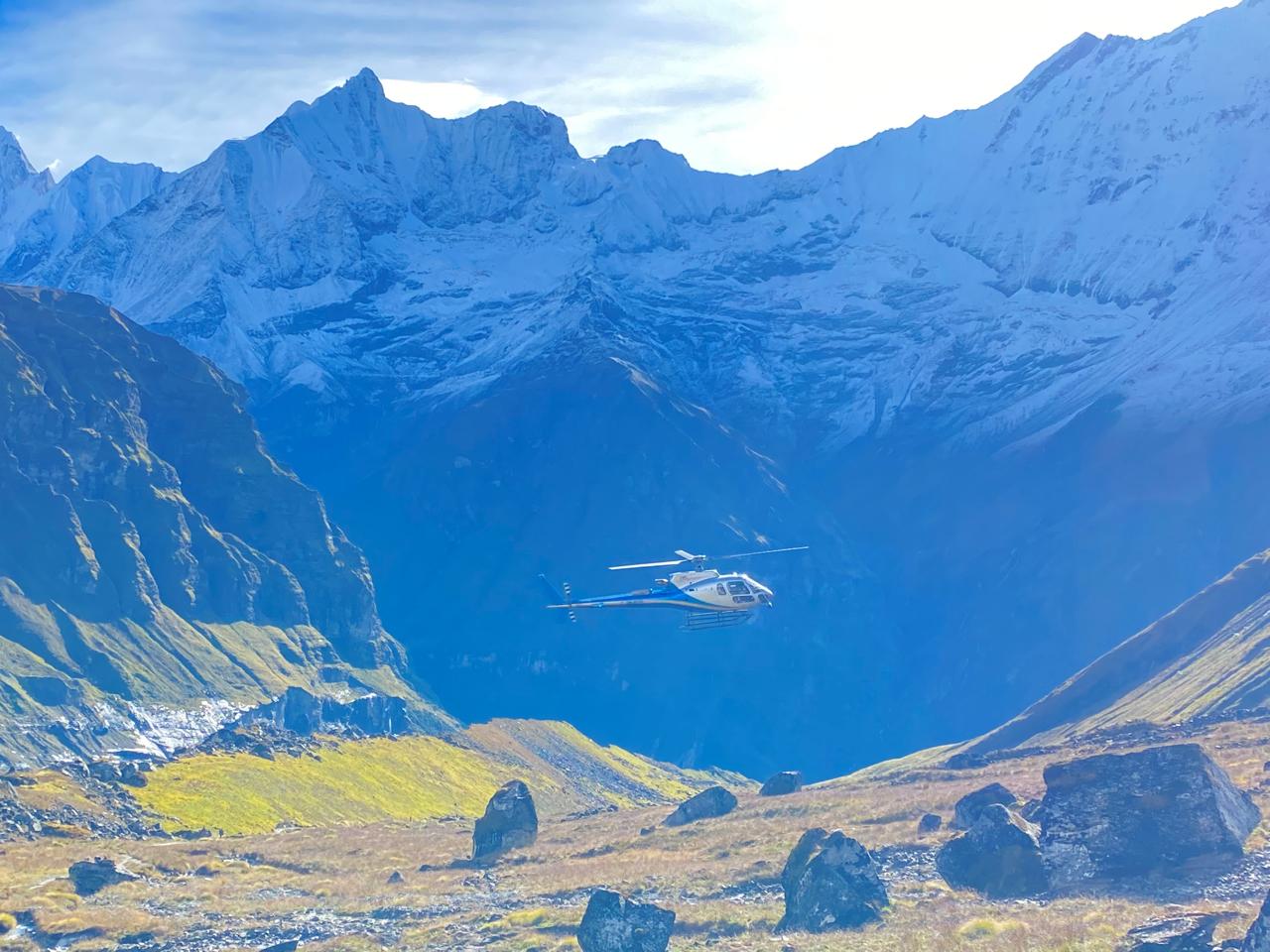
- Helicopter Services: Available for emergency evacuation or scenic flights over Annapurna and Nar Phu region.
- Private Transportation: Jeep or private vehicle hire for flexible transfers between villages and Kathmandu, offering comfort and time savings.
- Porter Services: Additional porters can be hired to carry heavier luggage or personal gear, ensuring a more relaxed trekking experience.
- Cultural Experiences: Guided visits to monasteries, Tibetan settlements, or local festivals along the route.
- Photography Tours: Special arrangements for trekkers who want to capture the Himalayan landscape with professional guidance.
These options ensure trekkers can make the journey as comfortable, memorable, and immersive as possible without compromising safety or adventure.
Best Season to Trek
Choosing the right season is vital for safety, trail accessibility, and breathtaking views.
Spring (March – May):
Spring is one of the best seasons for the Nar Phu Valley Trek. Trails are dry, weather is moderate, and rhododendron forests are in full bloom. The snow from winter has melted, allowing trekkers to access higher elevations safely. Wildlife is more active, and the clear skies provide perfect visibility of Annapurna II, Lamjung Himal, and Gangapurna peaks.
Autumn (September – November):
Autumn provides the clearest skies and stable weather, ideal for crossing Kang La Pass and enjoying panoramic mountain views. The temperatures are cooler than spring but still manageable for trekking. Post-monsoon, trails are firm and dry, reducing risk of landslides. Villages and towns are lively after the monsoon, giving trekkers a glimpse of local festivals and cultural practices.
Winter (December – February):
Winter trekking is challenging due to cold temperatures, snow-covered trails, and icy passes. Only experienced trekkers with proper gear should attempt the route. Despite harsh conditions, the skies are often crystal clear, offering magnificent mountain photography opportunities.
Monsoon (June – August):
The monsoon season is generally avoided because heavy rainfall can make trails slippery, landslides frequent, and streams dangerous to cross. Visibility is reduced, and the risk of altitude-related challenges increases.
Food Availability
On the Nar Phu Valley Trek, trekkers can expect meals that are simple, wholesome, and tailored to meet the energy requirements of high-altitude trekking. Nutrition is a key factor, as your body burns significantly more calories at elevations above 3,000 meters. Breakfasts in teahouses usually include a variety of options, ranging from traditional Nepali porridge and beaten rice to Western-style omelets, pancakes, and toast. Hot drinks such as tea, coffee, or hot chocolate are served to provide warmth before starting the day’s trek, which is especially important during the early morning when temperatures can be very low. These meals are designed not only to energize but also to be easily digestible, helping trekkers avoid stomach discomfort at higher altitudes.
Lunch is generally lighter, meant to keep energy levels steady for the afternoon trek. Most teahouses offer dal-bhat (rice and lentils) as the staple, often accompanied by seasonal vegetables or curries. Noodles, soups, and momos (Nepali dumplings) are also popular choices, particularly in the higher settlements where supplies are more limited. For trekkers who prefer snacking along the trail, teahouses and small shops sell biscuits, energy bars, chocolate, and dried fruits, which are perfect for quick energy boosts. At higher elevations, fresh produce is often limited, so maintaining a diet rich in carbohydrates and proteins is crucial to prevent fatigue and altitude-related issues.
Dinner is the main meal of the day and is generally more substantial, helping replenish calories burned throughout the trekking day. Teahouses serve a combination of dal, rice, vegetable curries, and sometimes meat dishes like chicken or yak. In remote villages such as Nar and Phu, options may be limited to dal-bhat, simple soups, and locally made cheese, but the meals are filling and nutritious. Vegetarians generally have no problem finding adequate food, though vegans may need to communicate in advance to ensure availability of suitable options. Additionally, carrying a small stock of instant soups, energy bars, or nuts is recommended for emergencies or extra energy on long trekking days.
Water and beverages also require special attention on this trek. While teahouses provide boiled or filtered water, carrying personal water purification methods—such as tablets or portable filters—is strongly recommended to prevent waterborne illnesses. Tea, coffee, hot chocolate, and instant soups are widely available and serve as both hydration and comfort on cold nights. In lower villages, natural juices and fresh fruits can occasionally be found, while higher-altitude settlements rely on packaged or preserved items due to logistical constraints. By planning ahead and keeping a balanced diet, trekkers can maintain energy levels, stay hydrated, and fully enjoy the breathtaking Nar Phu Valley experience.
Food Availability Facts:
- Breakfast: Porridge, omelets, pancakes, toast, traditional Nepali options, hot drinks
- Lunch: Dal-bhat, vegetable curries, noodles, momos, biscuits, energy bars
- Dinner: Dal, rice, vegetable & meat curries, soups, yak cheese
- Snacks & Beverages: Energy bars, chocolate, dried fruits, tea, coffee, instant soups
- Water: Boiled or filtered available; carry purification tablets/filters
Accommodation
Accommodation on the Nar Phu Valley Trek is simple, functional, and designed to provide trekkers with basic comfort while exploring this remote Himalayan region. Most nights are spent in teahouses, lodges, or local guesthouses, which offer essential facilities such as a bed, blankets, and sometimes a shared bathroom. In lower-altitude villages like Koto or Besisahar, the teahouses are relatively more comfortable, with private rooms available in some places, hot water showers, and common dining areas where trekkers can socialize and share stories after a long day of trekking. These villages have small shops and limited Wi-Fi connectivity, allowing trekkers to communicate with family or check emails before venturing further into the more remote Nar Phu Valley.
As trekkers move deeper into the valley, accommodations become simpler and more rustic. In villages like Meta, Phu, and Nar, teahouses are basic but sufficient, offering wooden or stone rooms with shared facilities. Hot water may be available upon request or during certain times, and heating is usually provided by small stoves in communal dining areas. Trekkers should expect limited electricity and minimal amenities, which is typical of high-altitude settlements. Staying in these villages, however, provides a unique cultural experience, allowing trekkers to interact with the local Gurung, Manangi, and Tibetan-influenced communities, learn about their traditional lifestyles, and experience genuine Himalayan hospitality.
For accommodation in higher or restricted regions, such as Nar Phedi or near Kang La Pass, lodges and teahouses are extremely basic, with simple bedding and shared bathrooms. Here, trekkers often sleep in twin or triple rooms, and it is common to bring personal sleeping bags for extra warmth. The remoteness of these areas means that resources are limited, so meals and accommodation are arranged carefully by the trekking company. Despite the simplicity, staying in these locations allows trekkers to fully immerse themselves in the high Himalayan environment, surrounded by towering peaks, serene valleys, and the quiet of nature, creating an unforgettable adventure.
Accommodation Facts:
- Type: Teahouses, lodges, and guesthouses
- Facilities: Bed, blankets, shared bathroom, sometimes hot shower
- Heating: Available in communal areas in most teahouses
- Electricity: Limited in high-altitude settlements
- Wi-Fi: Available in lower villages; very limited or none in higher regions
- Cultural Experience: Stay with local communities to experience traditional lifestyle
Travel Insurance
Travel insurance is a critical aspect of preparation for the Nar Phu Valley Trek, given the remote and high-altitude nature of this adventure. Trekkers face risks such as altitude sickness, sudden weather changes, injury on uneven trails, and limited access to medical facilities in the valley. Comprehensive travel insurance ensures that any unexpected events—medical emergencies, evacuation, or trip cancellations—are financially and logistically covered. Before starting the trek, trekkers should ensure their insurance policy specifically covers trekking at high altitudes, ideally up to 6,000 meters, and includes provisions for helicopter evacuations in case of severe altitude-related illness or injury.
In addition to high-altitude coverage, insurance should cover emergency medical treatment, including hospitalization, doctor visits, and necessary medication. The remote location of Nar Phu means that medical facilities are minimal, so evacuation may require costly helicopter or long jeep rides. Policies that include trip cancellation, lost baggage, and delays provide extra security for trekkers, ensuring that unexpected events do not ruin the adventure. Keeping both digital and printed copies of the insurance policy is essential, along with understanding the procedures for filing claims, especially in Nepal’s remote areas where internet access can be limited.
Finally, selecting a reputable insurance provider that specializes in adventure travel is highly recommended. Compare multiple plans to ensure that coverage meets all trekking needs, including natural disasters, landslides, and high-altitude emergencies. Carry emergency contact numbers and make sure guides and trekking companies are aware of the insurance provider and policy number. With proper travel insurance in place, trekkers can focus entirely on enjoying the Nar Phu Valley, confident that unforeseen events will be managed professionally and safely.
Travel Insurance Facts:
- Coverage: High-altitude trekking (up to 6,000m), medical emergencies, evacuation
- Trip cancellation: Covers delays, unforeseen events, natural disasters
- Baggage loss: Protection against lost or delayed items
- Emergency contacts: Keep printed and digital copies
Altitude Sickness
Altitude sickness, also known as Acute Mountain Sickness (AMS), is a common concern on the Nar Phu Valley Trek due to the high elevations, particularly at Nar Phedi, Nar Village, and Kang La Pass (~5,000m). The reduced oxygen levels at these heights can cause headaches, dizziness, nausea, fatigue, and shortness of breath. Symptoms vary from person to person, and even experienced trekkers may be affected if proper acclimatization is not followed. Recognizing the signs early and taking preventive measures is essential for a safe trekking experience.
The best prevention against altitude sickness is a gradual ascent. The Nar Phu itinerary includes rest days at Phu and Nar to allow the body to adapt to increasing altitudes. Staying hydrated, eating light high-carbohydrate meals, and avoiding alcohol are practical ways to help your body cope. Some trekkers may also use medication like Diamox (acetazolamide) after consulting a doctor, which helps in acclimatization. Slow and steady pacing is essential—trekkers should avoid overexertion on long or steep trails, particularly during passes or high-altitude camps.
If symptoms of altitude sickness occur, immediate action is necessary. Mild symptoms may be managed by resting, hydrating, and avoiding further ascent. Severe cases—persistent vomiting, extreme dizziness, confusion, or breathlessness at rest—require descending to a lower altitude and seeking medical assistance immediately. Guides accompanying the trek are trained to monitor symptoms, provide first aid, and coordinate evacuation if needed, ensuring trekkers are never left without support.
Altitude Sickness Facts:
- Common Symptoms: Headache, nausea, dizziness, fatigue, shortness of breath
- Prevention: Gradual ascent, hydration, light meals, avoid alcohol
- Medication: Diamox if prescribed by doctor
- Emergency Action: Rest, descend if severe, seek medical help
Guide and Safety Measures
Having a trained and experienced guide is critical for a successful Nar Phu Valley Trek. The trails are remote, rugged, and sometimes challenging, requiring navigation skills and knowledge of high-altitude safety. Guides are not only responsible for leading the group but also for monitoring health, ensuring proper acclimatization, and managing any emergencies that may arise.
Guides also provide cultural insight, explaining the traditions and lifestyles of the Tibetan-influenced communities in Phu and Nar. This adds depth to the trekking experience, helping visitors understand local customs, monasteries, and festivals. In addition, guides coordinate accommodations, meals, permits, and any logistical needs, allowing trekkers to focus entirely on the journey.
Safety measures are strictly followed on this trek. Guides conduct daily health checks, monitor for altitude sickness, and carry first aid kits and satellite phones for emergencies. Camping areas and teahouses are selected for safety and hygiene, and environmental responsibility is emphasized to protect the fragile Himalayan ecosystem. Trekkers are encouraged to communicate openly about any discomfort, fatigue, or illness, ensuring preventive action is taken promptly.
Guide & Safety Facts:
- Experienced local guides for navigation and health monitoring
- Cultural insights about Phu & Nar communities
- Daily health and acclimatization checks
- First aid kits and emergency communication tools
- Safe and environmentally responsible trekking
Booking Procedure
Booking the Nar Phu Valley Trek with ART Nepal Treks & Expedition is straightforward:
- Inquiry: Contact the company via email, phone, or website to discuss trek dates, availability, and special requirements.
- Reservation & Deposit: Confirm your trekking dates and pay a deposit to secure permits and arrangements. Receive a confirmation and pre-trek checklist.
- Final Payment: Complete the remaining balance before the trek, either via bank transfer or in-person payment.
- Documentation: Submit passport copies, visa information, and travel insurance details. ART Nepal Treks & Expedition handles all trekking permits.
- Pre-Trek Briefing: Attend a briefing to learn about the trail, cultural norms, weather conditions, and safety precautions. Meet your guide and support staff.
- During Trek: Guides handle accommodations, meals, route planning, and emergency support. Trekkers receive daily guidance and assistance.
Equipment List
- Comfortable trekking shirts and pants
- Thermal layers for high altitudes
- Waterproof jacket and trousers
- Trekking socks and gloves
- Hat or cap for sun protection
- Trekking poles
- Daypack (20–30L)
- Backpack rain cover
- Headlamp with extra batteries
- Down jacket for high-altitude cold
- Fleece jacket or jumper
- Lightweight trekking trousers
- Base layers for moisture-wicking
- Personal toiletries (toothbrush, toothpaste, biodegradable soap)
- Quick-dry towel
- Sunscreen and lip balm with SPF
- First aid kit (blister care, bandages, medications)
- Water purification tablets or filter
- Camera or smartphone
- Power bank
- Portable charger
- Universal plug adapter
General Equipments
- Passport and copies
- Trekking permits
- Travel insurance papers
- Cash in Nepali Rupees for tea houses and small expenses
- Snacks and energy bars
- Notebook and pen (optional)
FAQ
Trip Price
USD 1800 Per Person
Talk To Trip Expert
Related Trips