

Rara Lake Yoga Trek – 12 Days
Dolpo Region
12 Days/ 11 Nights
Price From
View More
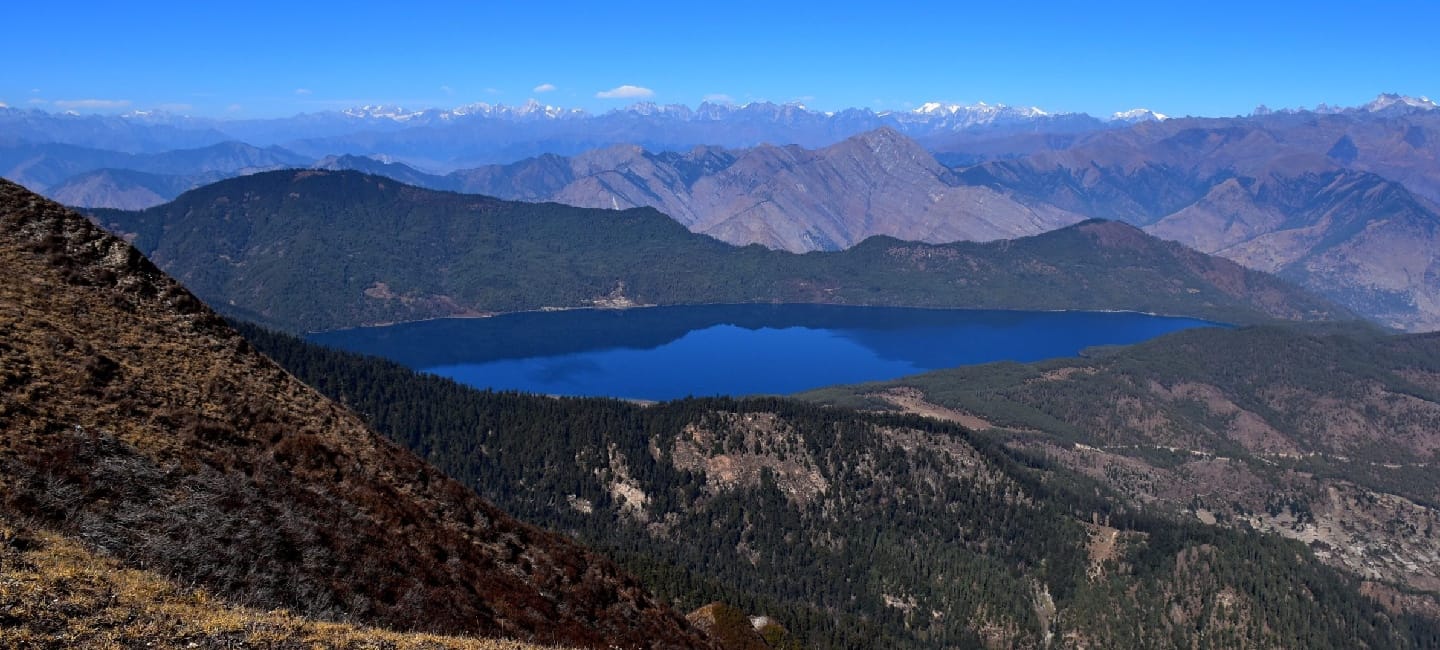
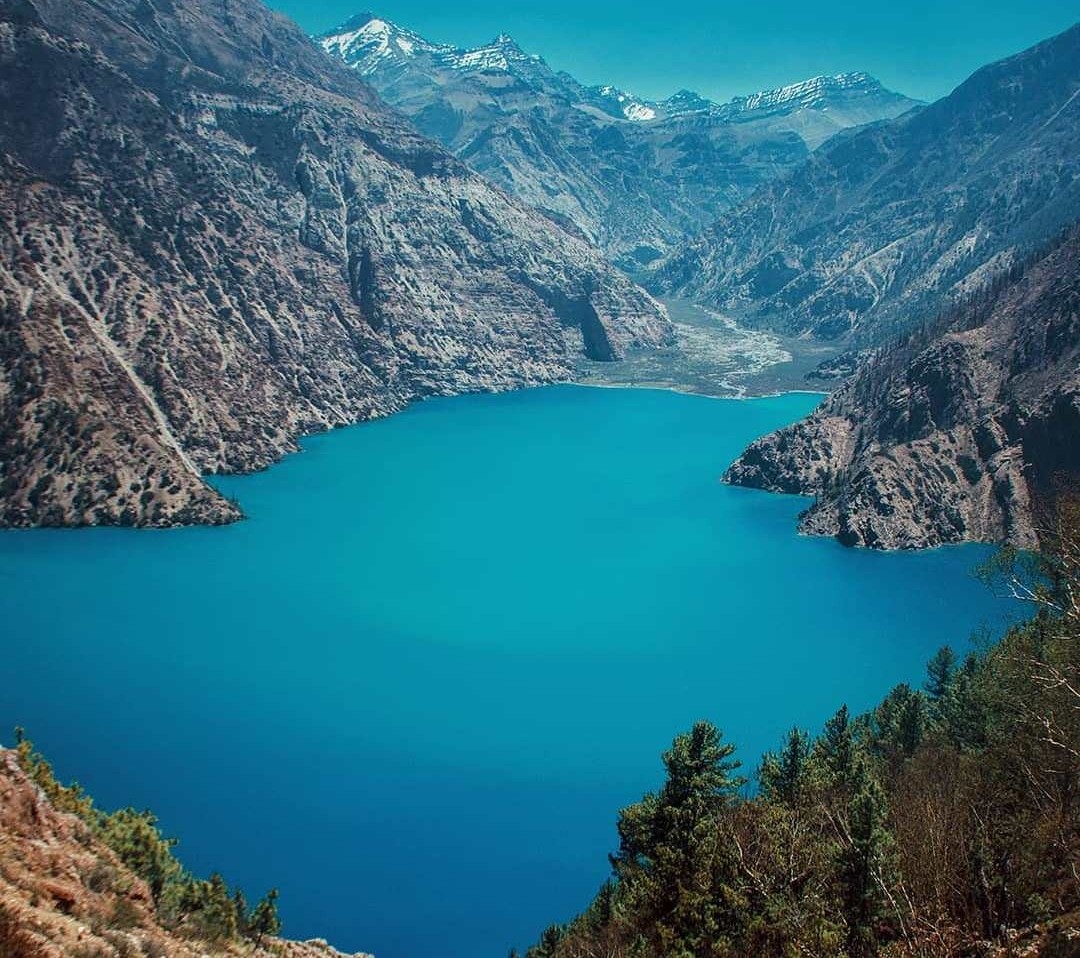
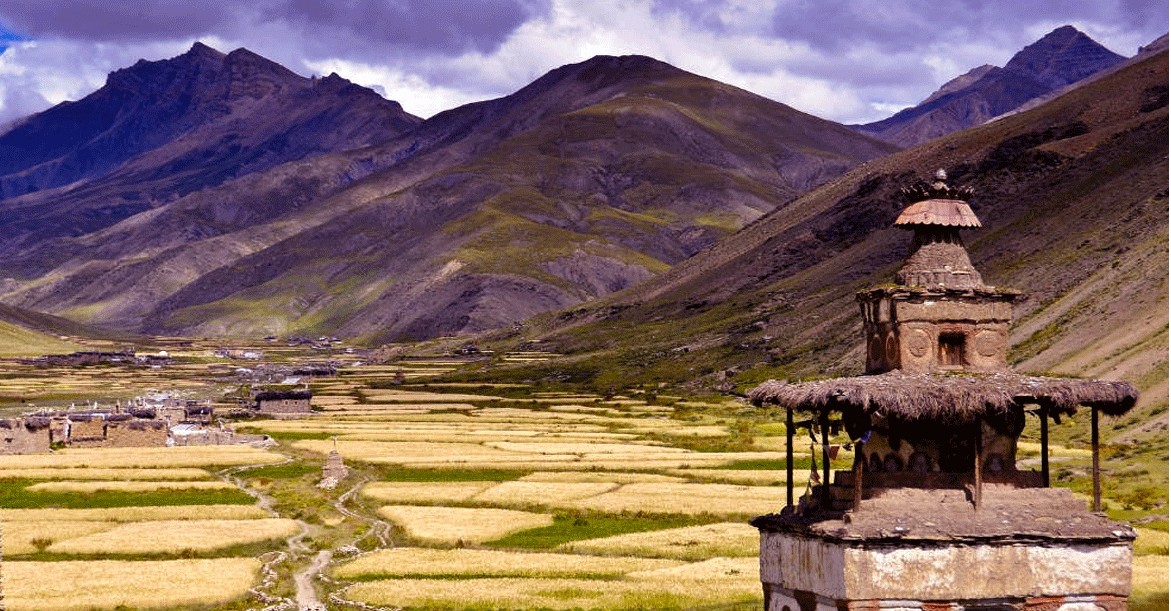
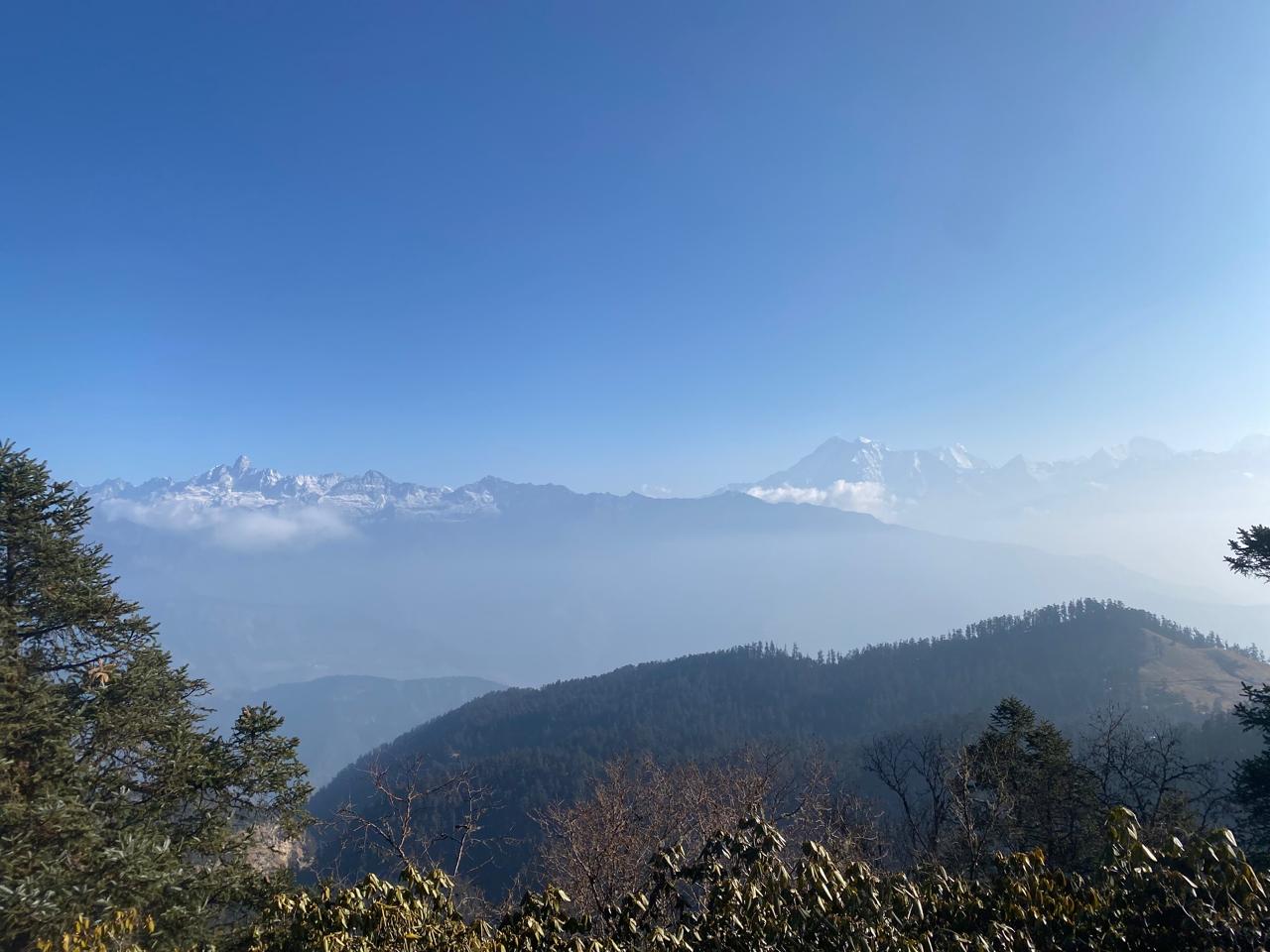
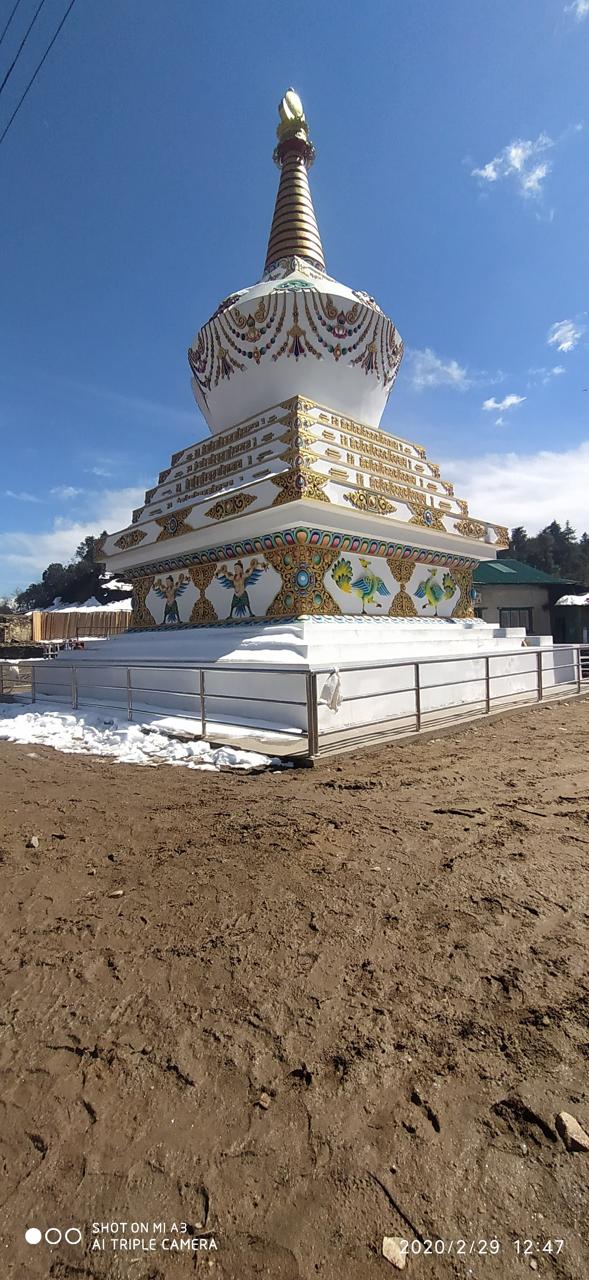
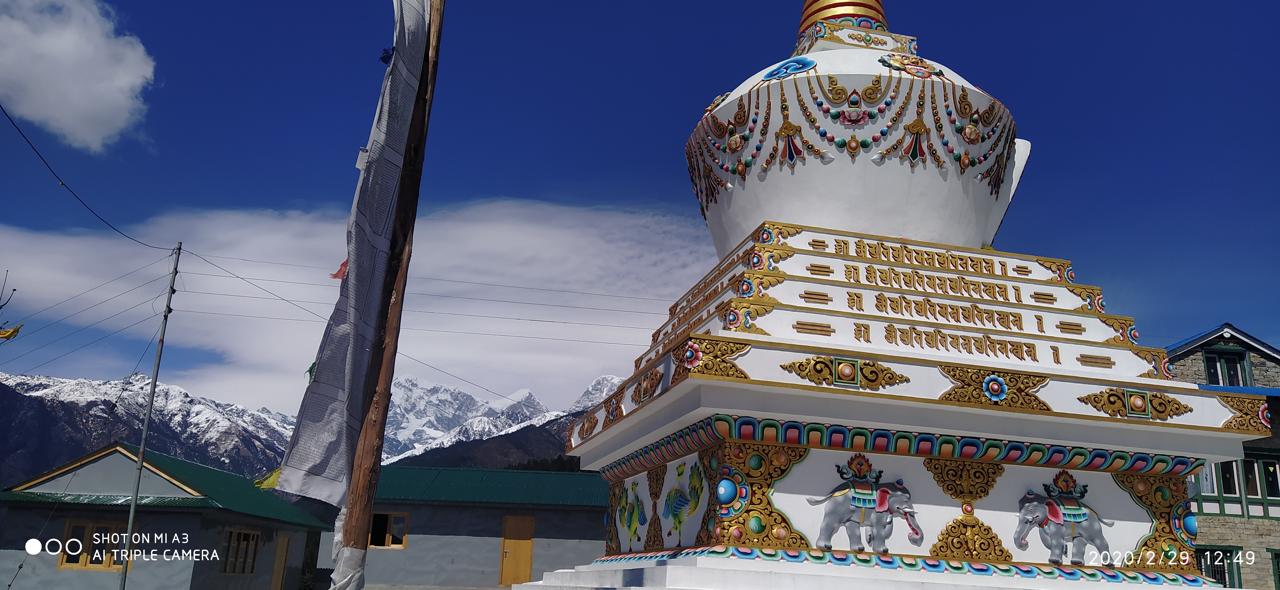
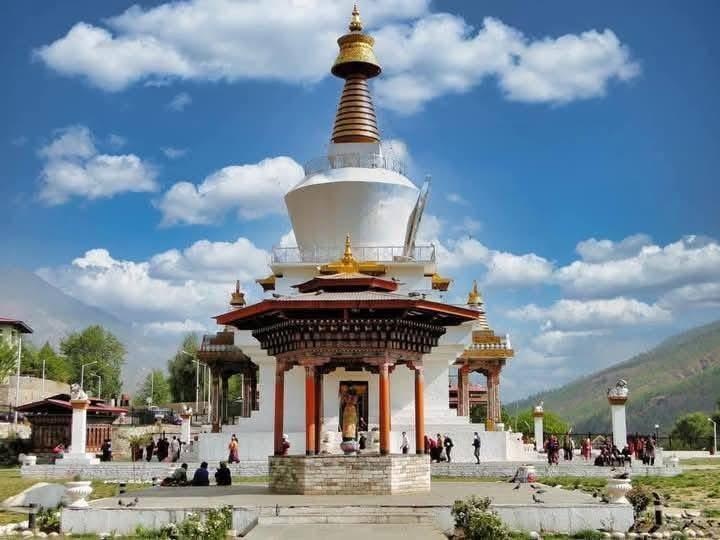
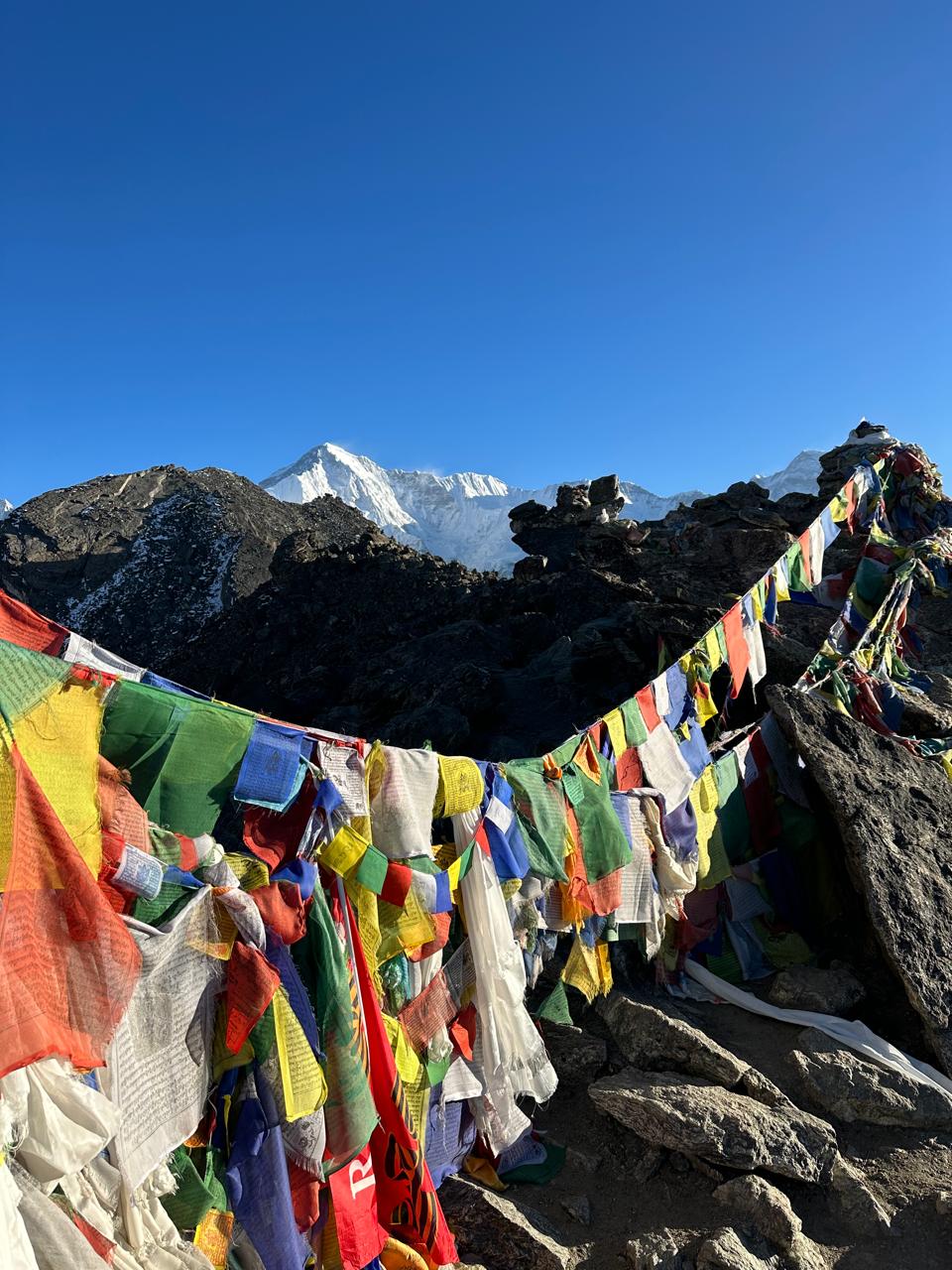
The Rara Lake Trek is a perfect blend of natural beauty, wildlife, and culture, offering a peaceful journey into one of Nepal’s most secluded regions. This trek provides an ideal escape for those who want to explore the western Himalayas without the crowds found in more popular trekking regions. Over the 12-day journey, trekkers will pass through dense pine and rhododendron forests, alpine meadows, traditional villages, and finally reach the serene Rara Lake, known as the largest lake in Nepal. The calm turquoise waters and the surrounding hills create a mesmerizing setting for both adventure and relaxation.
One of the unique aspects of this trek is its remoteness. Unlike the Everest or Annapurna regions, the trails here see very few trekkers, allowing for an immersive experience in nature. Along the way, trekkers have the chance to observe diverse wildlife and bird species that inhabit Rara National Park, which remains one of Nepal’s least disturbed ecosystems. The trail also provides a rare insight into the lives of the western Nepali communities, where traditional practices remain largely unchanged.
The trek is designed for moderate-level hikers who are comfortable with daily walking of 4–6 hours, gradual ascents, and occasional steep climbs. Although the maximum altitude of 3,450 m is lower than many Himalayan treks, proper acclimatization and preparation are recommended to ensure a comfortable journey. The trek follows a combination of well-defined trails and off-the-beaten-path routes that lead to panoramic viewpoints overlooking the lake and distant mountains.
Apart from trekking, Rara Lake itself offers opportunities for relaxation and photography. Trekkers can spend days walking around the lake, enjoying the reflections of the surrounding hills, or visiting viewpoints such as Murma Top to capture the sunrise or sunset. Boating may also be available depending on the season, providing another way to experience the lake’s beauty.
The journey back retraces some of the steps but also allows trekkers to experience the changing landscapes from higher viewpoints and enjoy the interaction with local villagers along the trail. Overall, this trek offers a combination of natural beauty, cultural immersion, wildlife viewing, and moderate adventure, making it an unforgettable Himalayan experience.
Embarking on the Rara Lake Trek offers a truly immersive experience into one of Nepal’s most remote and pristine regions. Trekkers can expect a journey that blends natural beauty with cultural discovery, as you walk through quiet villages, dense pine and juniper forests, and alpine meadows. The trail winds through areas rarely visited by mainstream tourists, providing a sense of solitude and serenity that is hard to find elsewhere. Along the way, you will encounter local communities of the Mugu district, whose traditional lifestyles, customs, and festivals add a rich cultural layer to the trekking experience. Walking through these villages, you can witness authentic Nepalese rural life, interact with villagers, and observe traditional farming practices that have been preserved for generations.
From a natural perspective, Rara Lake itself is a highlight that defines the trek. Known as the largest freshwater lake in Nepal, its crystal-clear blue waters reflect the surrounding snow-capped peaks, creating spectacular photo opportunities. You will also have the chance to explore Rara National Park, home to diverse wildlife including musk deer, Himalayan monal (the national bird), and occasional sightings of snow leopards or Himalayan black bears for the lucky few. The trek gradually ascends to viewpoints like Murma Top, which provide panoramic views of the lake and surrounding hills. These vistas are particularly mesmerizing during sunrise or sunset when the lake sparkles and the mountains glow with soft light, giving a surreal feeling of being in untouched nature.
The trek’s difficulty is moderate, making it suitable for those with some prior trekking experience. Daily walks range from 4 to 7 hours, allowing for a balanced pace that provides both physical challenge and time to appreciate the environment. The route includes moderate ascents and descents, making it an engaging adventure without extreme altitude risks. As you progress, the terrain transitions from warm lowlands to cooler mid-hills and finally to alpine environments around the lake, offering a dynamic trekking experience. This gradual change in landscapes keeps the journey interesting, with each day presenting a unique visual and cultural experience.
What to Expect:
The Rara Lake Trek is a moderately challenging adventure that is ideal for trekkers seeking an off-the-beaten-path experience while still enjoying manageable trails. It is suitable for those who are comfortable with multi-day walking in remote environments and can handle moderate ascents and descents. While the trek does not involve extremely high altitudes like Everest or Makalu, reaching elevations of nearly 3,450 meters at Ghurchi Lagna Pass, it still requires a reasonable level of fitness and stamina. Trekkers should be prepared for varied terrain, ranging from forested trails and meadows to river crossings and occasional rocky paths. Patience and a steady pace are key to fully enjoying the journey without overexertion.
For families or groups with mixed abilities, the trek is flexible enough to allow rest days at Rara Lake for acclimatization, sightseeing, or relaxation. The moderate daily walking time of 4–7 hours gives ample opportunity to absorb the natural and cultural surroundings without feeling rushed. This trek is particularly suitable for nature enthusiasts, photographers, bird watchers, and anyone who enjoys solitude in pristine wilderness. The remoteness of the trail adds to its charm, but trekkers should be ready to adapt to basic accommodations and limited amenities along the way.
Those who have prior trekking experience will find the Rara Lake trek rewarding, as it combines scenic landscapes, wildlife encounters, and cultural interactions in one journey. For first-time trekkers, preparation in terms of physical fitness, proper gear, and acclimatization strategies is recommended. The gradual ascent ensures that the body can adapt comfortably to higher altitudes without the extreme challenges posed by other Himalayan treks. Trekkers looking for a peaceful and culturally enriching experience without large crowds will find this trek perfectly aligned with their expectations.
Trek Suitability:
Preparation is crucial for a successful and enjoyable Rara Lake Trek. Even though the trek is moderate in difficulty, proper physical fitness, mental readiness, and logistical planning will make your journey smoother and more enjoyable. Start your preparation at least 6–8 weeks before departure, focusing on improving cardiovascular endurance, leg strength, and stamina. Activities like brisk walking, jogging, hiking on uneven terrain, stair climbing, and light resistance training can help condition your body for multi-day trekking. Regular exercise not only strengthens muscles but also improves your lung capacity and overall energy levels, which are essential for ascending hills and crossing passes.
In addition to physical training, mental preparation is equally important. Trekking in remote regions like Rara Lake may involve long days, unpredictable weather, basic accommodations, and limited medical facilities. Being mentally prepared for these challenges, practicing patience, and having a flexible attitude will help you enjoy the journey despite minor inconveniences. Familiarize yourself with the trail, local culture, and altitude considerations. Reading trekking guides or speaking with previous trekkers can provide valuable insights into what to expect.
Logistical preparation includes gathering the right gear, clothing, and supplies. Layered clothing is necessary to adjust to variable temperatures, from warm lowlands to cooler highland areas. Waterproof jackets, hiking boots, thermal innerwear, and sun protection are essential. Packing light while including necessary items such as first aid kits, water purification tablets, trekking poles, and snacks ensures convenience without overburdening yourself. Also, plan your travel documents, permits, and travel insurance ahead of time.
Preparation for Trek:
Your journey begins with a short domestic flight from Kathmandu to Nepalgunj, located in the lowlands of western Nepal. Upon arrival, you will be transferred to your hotel to rest and refresh after your flight. During the evening, you will meet your trekking guide to go over the itinerary, discuss permits, check gear, and prepare for the upcoming trek. Nepalgunj provides a warm and humid introduction to western Nepal, a contrast to the higher, cooler alpine regions you will soon explore. The day allows travelers to recover from the long flight to Nepal, enjoy local cuisine, and gather all necessary supplies before heading to Rara.
The city itself offers a glimpse into the lowland lifestyle of western Nepal, with bustling markets, local eateries, and a chance to observe everyday Nepali life. While it is not part of the trekking route, this day sets the stage for the adventure ahead, giving trekkers the time to mentally and physically prepare for the journey. Any last-minute purchases of trekking essentials like walking poles, water bottles, or sun protection can be done here.
Early in the morning, take a scenic flight from Nepalgunj to Talcha Airport, the gateway to Rara National Park. Upon landing, you begin a short trek of 2–3 hours through forested trails leading to the edge of Rara Lake, surrounded by majestic hills and alpine scenery. This day offers the first glimpse of the lake’s crystal-clear turquoise waters and provides excellent photo opportunities. The trails pass through small clearings, native pine and juniper forests, and occasional streams, offering a serene introduction to the area’s natural beauty.
Once at the lake, set up camp or lodge accommodation, take a gentle walk along the shore, and relax while absorbing the tranquil environment. The afternoon is ideal for exploring nearby viewpoints or simply enjoying the peaceful atmosphere of the lake. Wildlife sightings are common, and you may observe Himalayan birds and small mammals along the forested trails. This short but visually rich day helps your body adapt gradually to the higher altitude while providing time to adjust to the remoteness of the region.
Today is dedicated to exploring the area surrounding Rara Lake, one of the most pristine alpine lakes in Nepal. You can undertake a partial or full circuit of the lake, which typically takes 4–5 hours, depending on your pace. Along the way, you will experience lush forest trails, panoramic mountain vistas, and the serene environment of the lake surrounded by high ridges. Murma Top is a popular viewpoint where trekkers can witness spectacular sunrises or sunsets over the lake, making it a perfect opportunity for photography and wildlife observation.
In addition to natural beauty, the day allows for light hiking and exploration, giving your body additional acclimatization time. Wildlife such as musk deer and Himalayan monal can be spotted in the surrounding forested areas, and the quiet, less-traveled paths provide a sense of solitude rarely experienced on more popular trekking routes. The day also offers relaxation opportunities, allowing trekkers to swim in the lake (weather permitting) or enjoy a picnic on its shore.
Begin the trek with a gradual descent from Rara Lake through pine and juniper forests to reach Jhyari, a small, peaceful settlement surrounded by hills and meadows. The trail is quiet and serene, passing through forested valleys and occasional clearings with panoramic views. Along the way, trekkers have the chance to observe rural life in the Karnali region, including small farms, livestock, and traditional homes. This day is less physically demanding, providing time to rest and enjoy the surrounding scenery.
The descent also allows your body to adapt gradually to changing altitudes while preparing for the upcoming longer trekking days. The day is ideal for photography, nature observation, and interacting with locals, providing cultural insights into the traditional lifestyle of remote western Nepal. You may encounter shepherds, small villages, and diverse flora and fauna along the trail.
The trail from Jhyari to Pina takes you through a combination of gentle descents and rolling hills, passing small villages and open meadows. The journey allows trekkers to experience the authentic culture of the remote Karnali region, where local communities live in harmony with nature. Along the trail, you will encounter terraced fields, grazing livestock, and traditional stone houses, providing a glimpse into rural Nepali life. The forests and grasslands along the way are rich with birds and small wildlife, making the trek visually rewarding as well as culturally immersive.
This trekking day is moderate in difficulty, allowing for a steady pace with regular breaks for rest and photography. You will notice the landscape gradually becoming greener as you descend toward lower elevations, with river streams crossing the trail at several points. The quiet environment and absence of heavy tourist traffic make this section ideal for those seeking solitude and a connection with nature. Once in Pina, you can enjoy a warm meal at the lodge and spend the evening interacting with the friendly local inhabitants.
This day involves a gradual climb through forested ridges leading up to Bumra, offering trekkers spectacular views of surrounding hills and the Rara Lake basin. The trail winds through a mixture of pine and rhododendron forests, with occasional open areas that provide sweeping vistas of the distant mountains. Along the way, small streams and cascading waterfalls create peaceful resting spots, adding to the scenic beauty of the trek. This section is less crowded, allowing for a tranquil experience in one of Nepal’s most pristine regions.
The ascent to Bumra is steady but moderate, allowing trekkers to pace themselves while acclimatizing to the increasing altitude. The area is rich in flora and fauna, making it ideal for nature lovers and wildlife photographers. Upon arrival, trekkers can enjoy the serene alpine environment, relax at the lodge, and prepare for the challenging Ghurchi Lagna Pass crossing the next day. The evening can be spent exploring nearby trails or enjoying the breathtaking sunset views over the hills.
Today is one of the most scenic and rewarding days, as you cross the Ghurchi Lagna Pass (~3,450 m) and return to the Rara Lake area. The trail ascends steadily, offering panoramic views of the surrounding valleys, forested hills, and the sparkling lake below. This pass provides one of the best vantage points to capture photographs of the entire Rara region, making it a highlight of the trek. The climb is moderately challenging but manageable with regular breaks, and the ridge offers breathtaking landscapes that few tourists ever witness.
After crossing the pass, you descend gradually toward Rara Lake, completing a circuit that provides a unique perspective of the lake and its surrounding hills. The descent allows trekkers to reflect on the beauty and remoteness of the region while enjoying the serene atmosphere of the lake area. Once back at Rara, there is time for relaxation, evening walks along the lake, or optional short hikes to nearby viewpoints. The day combines physical challenge with incredible natural rewards, making it a memorable experience for all trekkers.
This day is reserved for rest, acclimatization, and exploration around Rara Lake. Trekkers can take a leisurely walk around the lake, enjoy boating if available, or hike to viewpoints such as Murma Top for sunrise or sunset photography. The day provides an opportunity to rest tired legs, absorb the pristine natural surroundings, and observe wildlife such as musk deer, Himalayan monal, and various bird species inhabiting the area. It is also a great time to interact with locals and learn about their culture, traditions, and lifestyle.
This rest day is particularly important for longer treks like Rara, as it allows the body to recover and prepare for the descent toward Talcha Airport in the coming days. You can spend time relaxing by the lake, meditating, journaling, or taking photographs of the striking alpine scenery. The quiet and solitude of this area make it one of the most peaceful trekking experiences in Nepal, offering an immersive connection with nature.
Begin your descent from Rara Lake to Talcha, retracing some forest trails and enjoying the gentle downhill journey. The route passes through pine and juniper forests, small meadows, and occasional rural settlements. The trek is easier than the ascent days, allowing trekkers to enjoy the natural surroundings without strenuous effort. The descent offers an opportunity to reflect on the trek’s experiences while taking in the changing landscapes of western Nepal.
Upon arrival in Talcha, trekkers will prepare for the domestic flight back to Nepalgunj the following day. This day provides a balance of moderate trekking, wildlife spotting, and scenic enjoyment while adjusting to lower altitudes. It also offers ample time to organize gear, rest, and enjoy the last moments in the remote wilderness before transitioning back to the lowlands.
The day begins with an early morning flight from Talcha to Nepalgunj, weather permitting. Domestic flights in this region are often subject to delays due to mountain weather, making buffer days essential. Upon arrival in Nepalgunj, transfer to your hotel to rest, refresh, and enjoy your last evening in western Nepal. This transition from remote alpine areas back to the lowlands is a chance to reflect on the trek and celebrate your journey.
In Nepalgunj, trekkers can enjoy a warm meal, explore the local market, or simply relax at the hotel. The day is largely non-strenuous, providing a much-needed break before flying back to Kathmandu the next day. It also allows trekkers to safely organize any luggage, prepare for the onward flight, and say goodbye to the crew who assisted during the trek.
An early morning flight brings you back to Kathmandu, where you will be transferred to your hotel. Upon arrival, take the day to rest, explore the city, shop for souvenirs, or enjoy cultural sightseeing such as Pashupatinath Temple, Boudhanath Stupa, or Durbar Square. This day marks the end of the wilderness trek and provides an opportunity to enjoy Nepal’s vibrant urban culture and cuisine.
The evening can be spent reflecting on the trek, reviewing photographs, and enjoying a celebratory dinner with your trekking team. This transition day also allows trekkers to prepare for international departures the next day, ensuring smooth logistics and a comfortable return home.
This day acts as a buffer for flight delays, weather issues, or additional sightseeing. In western Nepal, domestic flights can frequently be rescheduled due to changing mountain weather, making this day critical for smooth travel logistics. Alternatively, trekkers can use this day to explore nearby Kathmandu attractions, relax, or enjoy a cultural experience such as visiting a local village, taking a cooking class, or meditating at a stupa.
This final day ensures that the trek concludes without rushing, accommodating unforeseen delays, and giving trekkers peace of mind before departure. It also serves as a final opportunity to celebrate the completion of the trek, pack belongings, and organize for onward travel.
For travelers who want to make their Rara Lake trek even more memorable, there are several add-ons and extra activities that can be incorporated into the itinerary. These optional experiences allow you to explore beyond the standard trekking route and deepen your connection with the natural and cultural beauty of the region. For instance, you can arrange a guided wildlife spotting excursion inside Rara National Park, which is home to musk deer, Himalayan monal, and red pandas. The park is relatively remote, which makes the wildlife encounters more authentic and less disturbed by crowds.
Another popular add-on is cultural visits to nearby villages that are often bypassed by standard itineraries. These villages offer a chance to meet local people, understand their daily routines, and experience traditional western Nepali lifestyles. You can also include photography-focused excursions, where a local guide will take you to the most scenic viewpoints like Murma Top or lakeside ridges at sunrise and sunset. Boating on Rara Lake, when available, can also be included as an add-on, allowing you to enjoy the serene blue waters from a different perspective. Additionally, for adventurous travelers, short side hikes to hidden meadows or forested ridges around the lake can be organized, adding extra challenge and scenic reward.
Add-On List:
Spring (March – May)
Spring is one of the most favored seasons for trekking to Rara Lake. During this time, the weather is generally clear, and temperatures are moderate, making hiking comfortable. The rhododendron forests bloom vividly, turning the trail into a colorful pathway of reds, pinks, and whites. Wildlife activity is also high during spring, which increases your chances of seeing unique Himalayan animals in their natural habitat. The combination of mild weather, flowering forests, and long daylight hours makes spring ideal for photography and sightseeing along the trek.
Autumn (September – November)
Autumn is considered the other prime trekking season. After the monsoon, the air is clean and crisp, providing excellent visibility of the surrounding mountains and landscapes. Temperatures are slightly cooler than spring, which is ideal for those who prefer a more refreshing trekking environment. This season is perfect for panoramic photography and offers the clearest views of Rara Lake and the surrounding peaks. Autumn also has stable weather patterns, reducing the likelihood of rain or snowfall along the trail, making trekking safer and more predictable.
Winter (December – February)
Winter treks are less common due to cold temperatures, especially at higher altitudes. Snowfall can occur on trails and near the passes, creating a challenging environment for trekking. However, the region becomes quieter, and trekkers who are prepared for cold weather can enjoy the solitude and the sparkling snow-covered scenery. Days are short, but the crystal-clear skies often provide stunning views of the lake and mountains.
Monsoon (June – August)
The monsoon season is the least recommended period for trekking. Heavy rains make trails slippery and increase the risk of landslides and road blockages. Flights to Talcha Airport are frequently delayed during this period, so weather-related interruptions are likely. That said, the landscape is lush and green, rivers are full, and waterfalls are spectacular. Only very experienced trekkers who are comfortable in wet and challenging conditions should consider trekking during monsoon.
Season Highlights:
During the Rara Lake trek, food is generally available at tea houses, lodges, and small village restaurants. Meals are usually prepared with locally sourced ingredients, and you can enjoy a variety of Nepali and simple Western dishes. Breakfast options typically include porridge, eggs, bread, and tea, while lunch and dinner consist of dal bhat (rice with lentils), noodles, soups, and vegetables. Since the trek passes through remote areas, menu options can be limited in some villages, so it is recommended to carry energy bars, snacks, and dried fruits as backups.
Freshwater availability is generally reliable at most villages along the route, but it is advisable to carry a water purification method such as tablets, filters, or a UV purifier. Tea houses sometimes charge extra for bottled water, so having your own method can save money and reduce plastic waste. On days when you camp or stay near the lake, cooking may be done by your trekking team, who provide hot meals, snacks, and tea throughout the day.
The taste and quality of meals can vary depending on the remoteness of the location. Closer to Rara Lake and Talcha, dishes are basic but wholesome, giving trekkers the necessary energy for long hiking days. You can also enjoy traditional delicacies like gundruk soup, momo (dumplings), and freshly baked bread in certain villages. The combination of well-prepared meals, locally sourced ingredients, and hot beverages ensures that you remain nourished, hydrated, and energized during the trek.
Food Availability:
Accommodation on the Rara Lake trek varies from simple tea houses and lodges to camping sites near the lake and forested trails. Tea houses are basic but clean, usually consisting of a private or shared room with mattresses and blankets. Heating may not always be available, so carrying a sleeping bag suitable for temperatures below freezing is recommended, especially in the higher altitudes near Rara Lake.
In major villages along the trek, you can find slightly more comfortable lodges with proper beds, basic furniture, and hot showers (sometimes at extra cost). Facilities are limited, but hosts are friendly and provide meals, snacks, and laundry services. Camping near the lake or on ridge trails is arranged by the trekking company if preferred, giving a more immersive nature experience and closer access to sunrise and sunset viewpoints.
The arrangement of accommodations depends on the trekking company and the season. In high season (spring and autumn), lodges can be busy, so booking in advance ensures availability. In winter or low season, some tea houses may be closed, so carrying camping equipment and being prepared for self-sufficient nights is advisable. Overall, the accommodation along the Rara Lake trek is simple, safe, and sufficient for a remote trekking adventure.
Accommodation:
Travel insurance is an essential part of preparing for the Rara Lake trek. Given the remoteness of the region, unpredictable weather, and varying altitudes, having comprehensive travel insurance ensures that you are financially and medically protected in case of emergencies. Insurance policies should cover high-altitude trekking, medical evacuation, hospitalization, trip cancellations, and lost luggage. Most standard travel insurance plans may not cover high-altitude trekking automatically, so it’s important to inform the provider about your itinerary and get coverage that includes trekking up to 3,500–4,000 meters or higher.
Medical facilities along the trek are limited, and reaching major hospitals requires traveling to Nepalgunj or even Kathmandu. This makes insurance coverage for emergency evacuation, such as helicopter rescue, extremely important. The cost of helicopter evacuation can be very high, and having insurance ensures that you won’t bear this burden out-of-pocket. Additionally, insurance can cover accidental injuries like slips, falls, or minor fractures, which are possible on uneven or wet trails. Having a reliable insurance policy allows trekkers to focus on enjoying the journey with peace of mind, knowing that they are protected against unforeseen circumstances.
Insurance is also useful for protecting your travel investment. Flights to Talcha and Nepalgunj can be delayed or canceled due to weather conditions, and some policies provide reimbursement for trip interruptions or rescheduling. Moreover, in case of illness or injury before the trek begins, insurance can cover pre-departure medical cancellations. Selecting a policy from a reputable provider that explicitly mentions high-altitude trekking and adventure sports coverage is highly recommended for the Rara Lake trek.
Travel Insurance:
Although Rara Lake’s maximum altitude is relatively moderate (~2,990 m), altitude sickness can still affect some trekkers, especially if they ascend too quickly from lower altitudes. Acute Mountain Sickness (AMS) may occur when your body does not acclimatize properly to the reduced oxygen levels. Symptoms can include headache, nausea, dizziness, fatigue, and shortness of breath. It is important to recognize early signs and take preventive measures to avoid severe complications.
Proper acclimatization is key. The trek’s itinerary is designed with gradual ascent days, allowing your body to adjust slowly. For instance, after flying to Talcha (low altitude), trekkers gradually ascend through intermediate villages before reaching Rara Lake. Hydration is also critical; drinking plenty of water helps maintain blood circulation and oxygenation. Avoiding alcohol and smoking further reduces the risk of AMS. Some trekkers use Diamox under medical supervision to prevent symptoms, though it should not replace proper acclimatization.
Rest days and optional side hikes at moderate altitudes also help your body adjust to higher elevations. If symptoms become severe, descending to a lower altitude is the safest remedy. Trekking with an experienced guide ensures that signs of altitude sickness are monitored, and appropriate action is taken promptly. Overall, being prepared, listening to your body, and maintaining a steady pace are the best ways to prevent altitude-related problems.
Altitude Sickness:
Safety is a top priority on the Rara Lake trek due to its remote location, unpredictable weather, and varying terrain. Trekking with a knowledgeable guide ensures a safer and more rewarding experience. Guides provide information about local culture, wildlife, and natural landmarks, while also navigating complex trail sections, river crossings, and forest paths. They are trained to handle emergencies, administer first aid, and coordinate evacuations if necessary.
In addition to guides, the trekking team typically includes porters or support staff who carry equipment, set up campsites, and provide logistical support. Their presence allows trekkers to focus on the journey without worrying about heavy loads. Safety protocols include carrying first aid kits, communication devices like satellite phones or radios, and GPS or maps for navigation. Guides also brief trekkers on altitude sickness prevention, proper hydration, and emergency evacuation procedures.
Weather is unpredictable in the western Himalayan region. The team monitors conditions daily and may adjust the itinerary to ensure safety. Trekking during early morning hours is advised for challenging sections, such as river crossings or ridges. Wearing proper gear, following trail markers, and adhering to the guide’s instructions significantly reduce the risk of accidents. Overall, trekking with an experienced team guarantees a secure, enjoyable, and culturally rich experience along the Rara Lake route.
Guide and Safety Measures:
Booking the Rara Lake trek with ART Nepal Treks & Expedition is designed to be smooth and straightforward. It begins with contacting our team via email, phone, or website inquiry, providing your travel dates, group size, and special requirements. Once your preferred itinerary is confirmed, a detailed cost estimate is provided, including all trekking logistics, permits, and optional services like porters or camping equipment. Payments can be made in installments or full upfront depending on your preference, with secure online and bank transfer options available.
After confirming your booking, our team provides a comprehensive pre-trek briefing. This includes information on the Rara Lake region, expected weather, necessary permits (such as Rara National Park entry and TIMS card), and travel arrangements for flights to Nepalgunj and Talcha. We also provide detailed packing lists, suggested clothing, and equipment recommendations, along with tips for acclimatization and altitude safety. Close coordination ensures that all flights, accommodations, and transfers are booked in advance to minimize delays, as flights to Talcha can often be weather-dependent.
On the trek’s starting day, our representative meets you at the airport in Kathmandu, ensuring all paperwork, gear, and logistics are ready. Throughout the trek, our team maintains communication to handle any emergencies, provide cultural or natural insights, and ensure smooth daily progress. Post-trek, we gather feedback and assist with onward travel or sightseeing in Nepal. Booking through a professional and experienced agency like ART Nepal Treks & Expedition guarantees reliability, safety, and a seamless trekking experience.
Booking Procedure: