Rolwaling Himal Trek – 8 Days

Rolwaling Region
8Days/7 Nights
slide image
slide image
slide image

Introduction

The Rolwaling Himal Trek, organized by ART Nepal Treks & Expedition, is a spectacular journey through one of Nepal’s most remote and pristine regions. Spanning 8 days, this trek takes you deep into the Rolwaling Valley, offering a combination of cultural immersion, natural beauty, and high-altitude adventure.

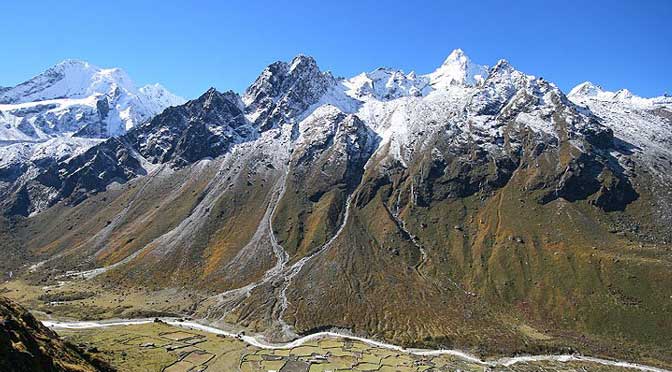
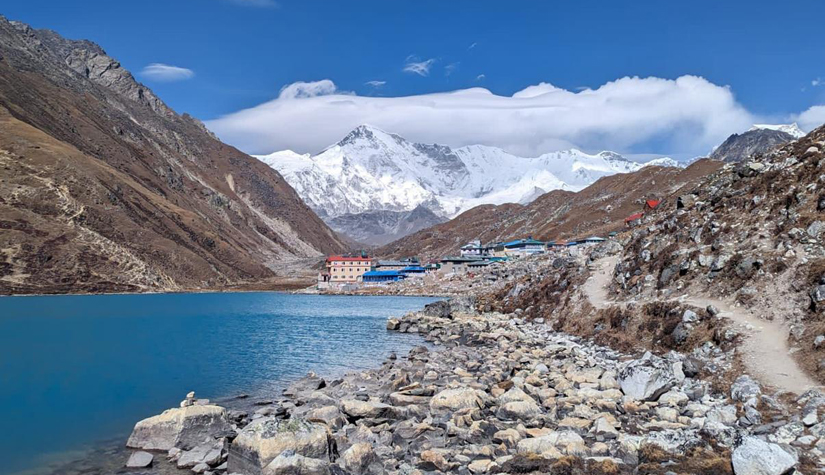
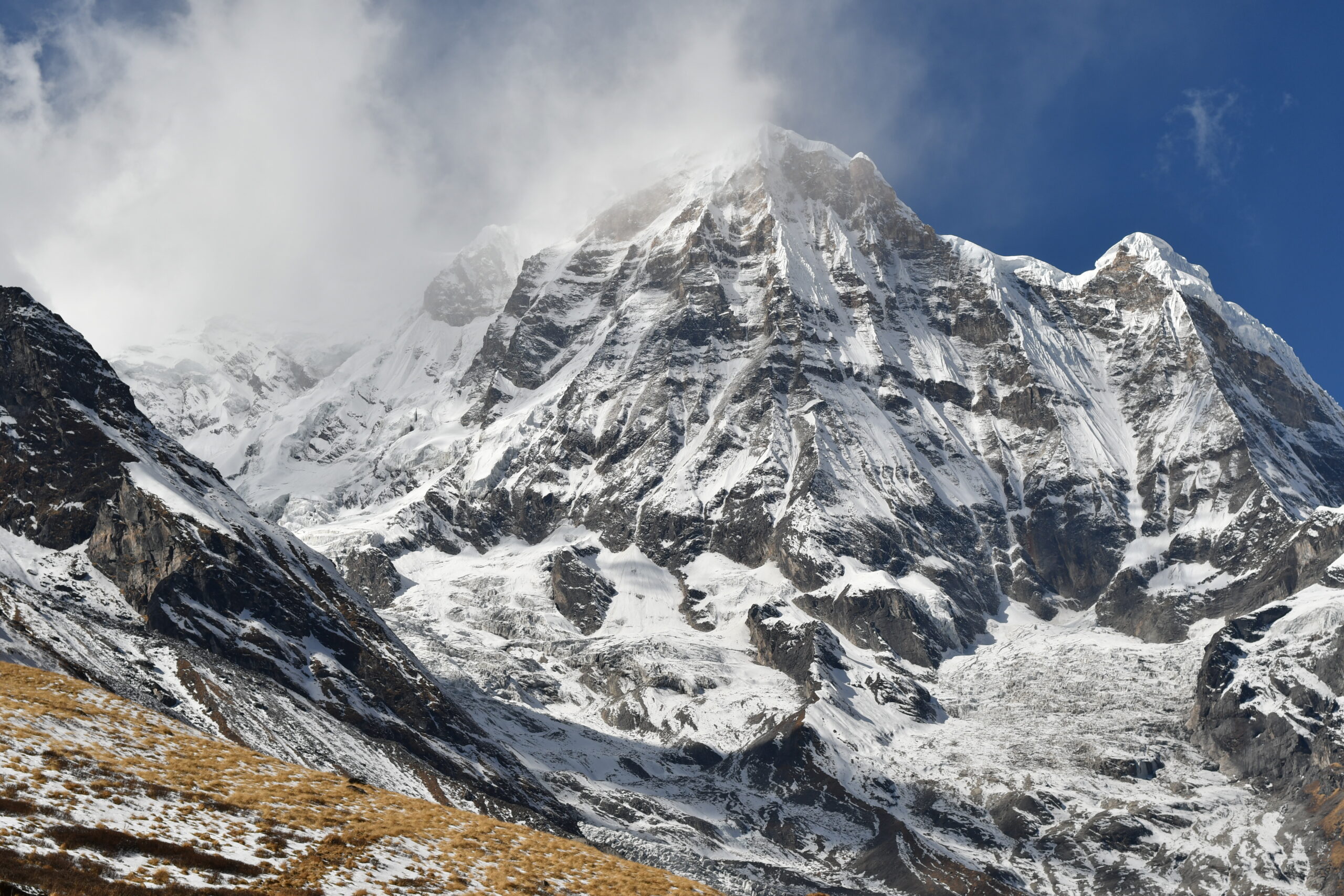
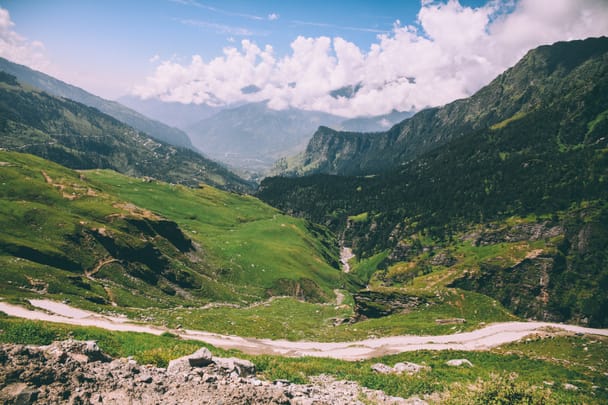
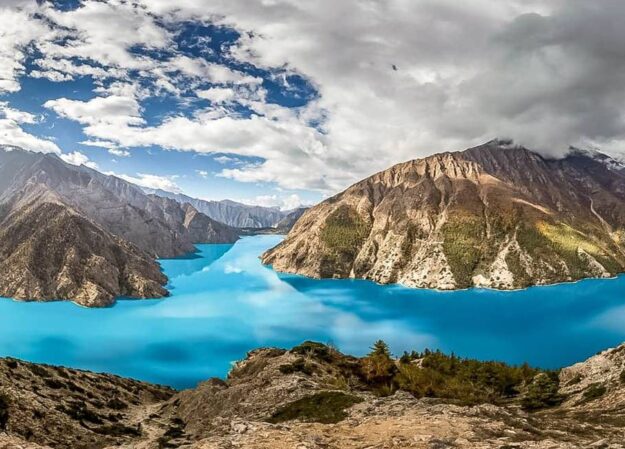
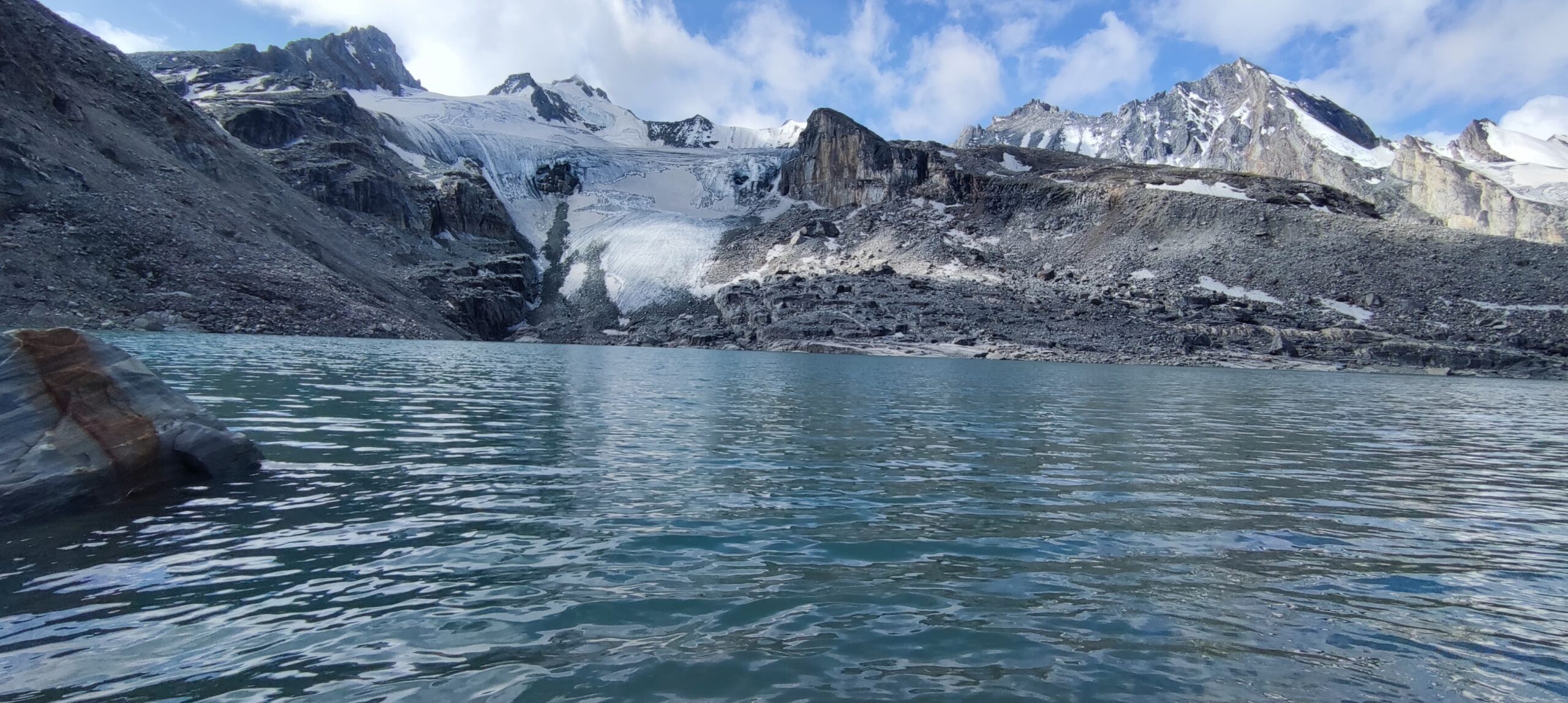
This trek begins from Kathmandu, heading east to the entry point of the valley, and passes through traditional Sherpa villages, lush forests, and rugged highland landscapes. Trekkers will encounter breathtaking mountain panoramas including Yalung Ri and surrounding Himalayan peaks. The glacial Tso Rolpa Lake, located at 4,500 meters, is a key highlight, offering an unforgettable alpine experience.

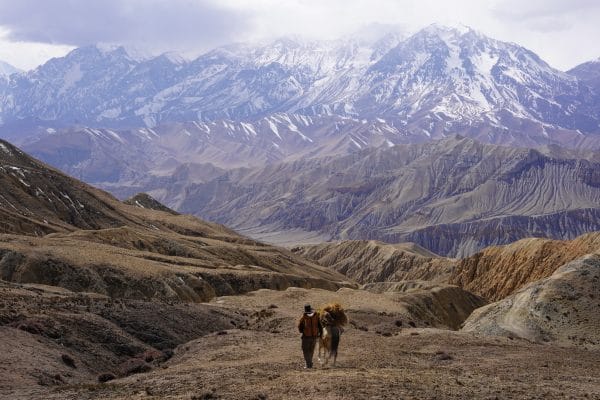
Unlike more popular trekking routes, the Rolwaling Himal Trek provides solitude, untouched wilderness, and authentic cultural interactions, making it ideal for trekkers seeking both adventure and discovery. The trek’s moderate to challenging nature ensures a rewarding experience for those with a reasonable level of fitness.

What Can You Expect from the Trek?

  • Diverse Landscapes: From lush forests and terraced farmlands to alpine meadows and glacial terrain.
  • Cultural Insights: Meet Sherpa communities, observe their daily life, and experience traditional customs.
  • High-Altitude Challenges: Trekking at elevations up to 4,900 meters with acclimatization along the way.
  • Scenic Beauty: Panoramic mountain views, glaciers, rivers, and remote villages provide stunning photography opportunities.
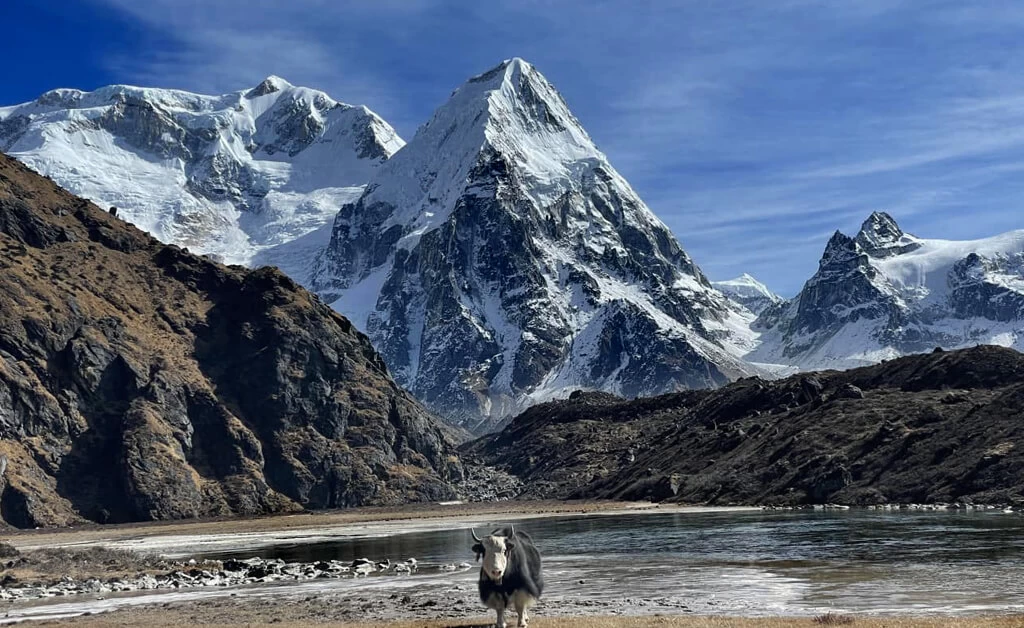
  • Wildlife Encounters: Spot Himalayan birds, yaks, and other wildlife along the trail.

Is Rolwaling Himal Trek Suitable for You?

The Rolwaling Himal Trek is perfect for:

  • Trekkers seeking remote, less-traveled routes.
  • Those looking for challenging but rewarding high-altitude trekking.
  • Adventure seekers who want pristine natural landscapes without the crowds.
  • Cultural explorers eager to interact with Sherpa communities.

It is moderate to challenging, so a good level of fitness and prior trekking experience will enhance your experience.

How to Get Prepared for Trek?

  • Physical Fitness: Regular cardio exercises like walking, jogging, or cycling to build stamina.
  • Mental Preparation: Prepare for long trekking days and altitude changes.
  • Gear Check: Ensure you have trekking boots, warm clothing, gloves, trekking poles, and layered outfits.
  • Health Precautions: Consult your doctor if you have any medical concerns, especially for high-altitude trekking.
  • Travel Documentation: Passport, visa, trekking permits, and travel insurance.
  • Trip Duration

    8Days/7 Nights

  • Group Size

    1-20

  • Maximum Altitude

    4,900 Meters

  • Trip Difficulty

    Moderate to Challenging

  • Activities

    Trekking

  • Best Season

    Spring (March to May) and Autumn (September to November)

  • Trip Start & End

    Kathmandu/Kathmandu

  • Meals

    Breakfast, Lunch, and Dinner

  • Accomodation

    Hotel, Guesthouse, Tent

Highlights

  • Trek through the remote and picturesque Rolwaling Valley.
  • Enjoy breathtaking views of Rolwaling Himal, including Yalung Ri.
  • Visit Tso Rolpa Lake, one of Nepal’s largest glacial lakes.
  • Explore traditional villages like Simi Gaun and Beding.
  • Experience high-altitude trekking in a relatively untouched region.

Itinerary

Day 01

The journey begins with a scenic drive from Kathmandu to Chhochhot, crossing rivers, farmlands, and small villages. From Chhochhot, the trek ascends gradually through verdant forests and terraced hillsides, offering glimpses of the local Sherpa lifestyle. The trail is peaceful and less crowded, allowing trekkers to immerse themselves in the remote Himalayan environment. By late afternoon, you reach Simi Gaun, a traditional village where tea houses provide warmth and comfort. Enjoy your first night surrounded by the serene valley atmosphere.

Trip Duration:
6–7 hours
Trip Distance:
10 km
Altitude:
1,377 m
Meal:
Breakfast, Lunch, Dinner
Accomodation :
Tea House or Lodge in Simi Gaun

Day 02

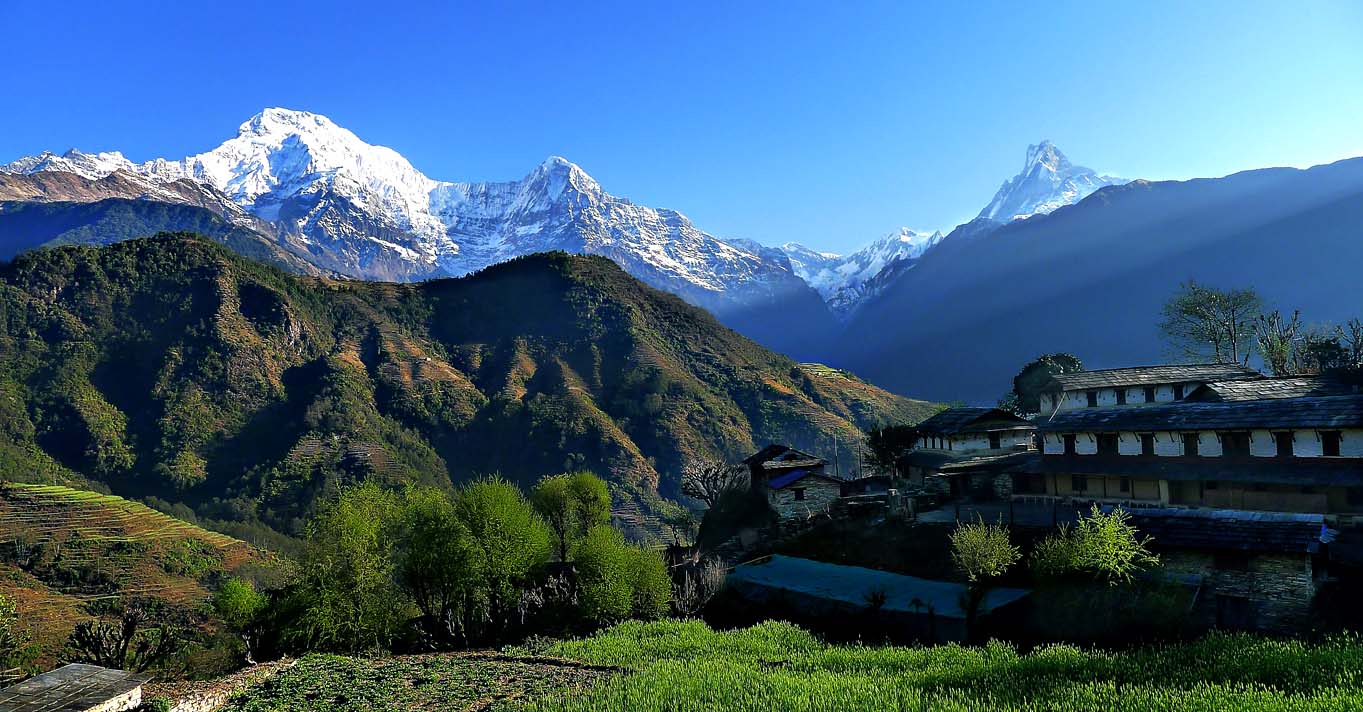
The trek to Dongang leads through a variety of landscapes, including forests, streams, and small agricultural terraces. You’ll see local farmers working the land and interact with villagers who maintain traditional lifestyles. As you ascend, the mountains around Rolwaling Himal come into view, offering panoramic vistas and photo opportunities. Dongang is a charming village with tea houses providing cozy overnight stays and meals prepared with local ingredients.

Trip Duration:
6 hours
Trip Distance:
12 km
Altitude:
2,790 m
Meal:
Breakfast, Lunch, Dinner
Accomodation :
Tea House or Lodge in Dongang

Day 03

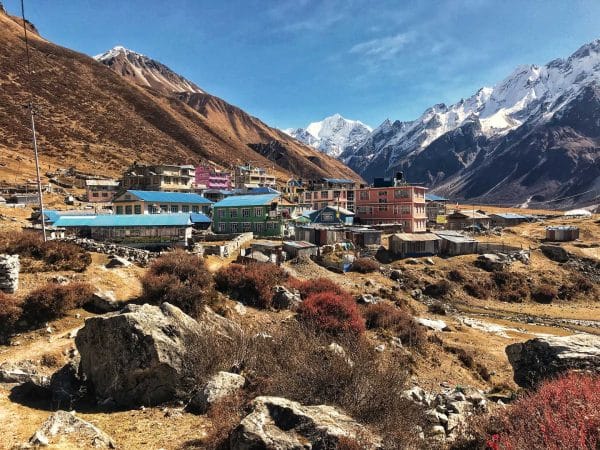
Today’s trek ascends further into the valley, reaching Beding, a traditional Sherpa settlement. The trail passes glacial streams and pine forests, gradually opening to views of the towering Yalung Ri and surrounding peaks. Beding is known for its authentic Himalayan culture, where locals greet trekkers with hospitality. The village offers basic yet comfortable accommodations, and trekkers can enjoy breathtaking sunsets over snow-capped peaks.

Trip Duration:
6 hours
Trip Distance:
~12 km
Altitude:
3,740 m
Meal:
Breakfast, Lunch, Dinner
Accomodation :
Tea House or Lodge in Beding

Day 04

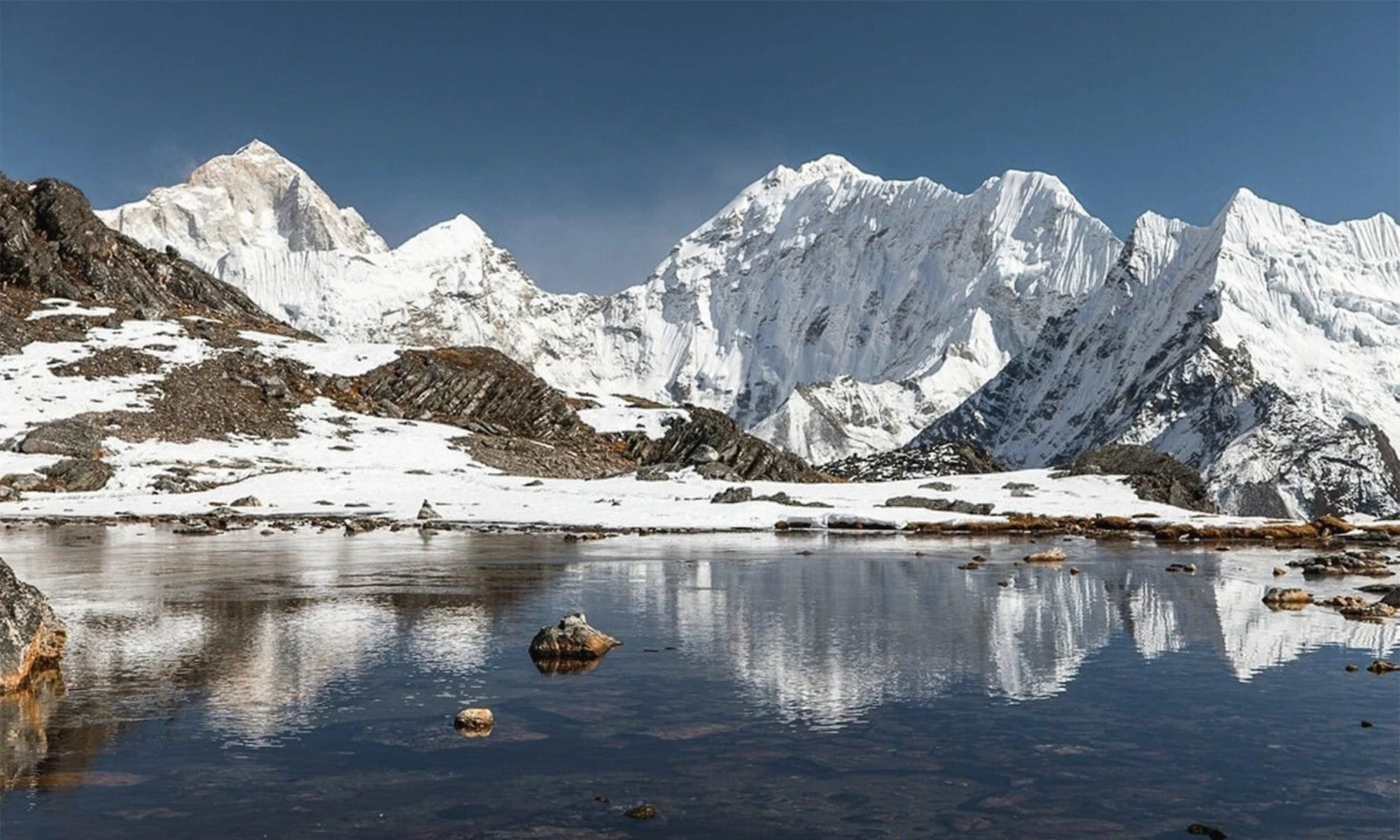
The day begins with a trek to Na, a high-altitude village, followed by an afternoon excursion to Tso Rolpa Lake, one of Nepal’s largest glacial lakes. The lake is surrounded by majestic peaks and glaciers, creating a dramatic alpine environment. Trekkers will feel the tranquility of this remote and untouched wilderness. This day also tests acclimatization, and the overnight stay in Na provides an opportunity to rest and prepare for high-altitude hiking.

Trip Duration:
6 hours
Trip Distance:
~15 km round trip
Altitude:
4,180 m -4,500 m
Meal:
Breakfast, Lunch, Dinner
Accomodation :
Tea House or Lodge in Na

Day 05

This high-altitude day takes trekkers to Yalung Ri Base Camp, offering panoramic views of the Rolwaling Himal and surrounding glaciers. The hike is physically demanding but rewarding, allowing trekkers to experience true alpine conditions. Return to Na for the night, reflecting on the incredible scenery and sense of accomplishment.

Trip Duration:
5–6 hours
Trip Distance:
~10 km round trip
Altitude:
4,900 m
Meal:
Breakfast, Lunch, Dinner
Accomodation :
Tea House or Lodge in Na

Day 06

After experiencing the high-altitude adventure of Yalung Ri Base Camp, the trek descends gradually back to Dongang. The trail passes through alpine meadows, glacial streams, and rocky ridges, offering opportunities to observe high-altitude flora and possibly wildlife such as Himalayan birds and yaks. The descent allows your body to recover from the previous high-altitude exertion while still offering stunning valley vistas. In Dongang, you’ll be welcomed back to comfortable tea houses, providing hot meals and a chance to relax in a familiar environment. This day emphasizes the beauty of the Rolwaling Valley in descent, giving trekkers a new perspective on the landscapes they climbed through earlier.

Trip Duration:
6–7 hours
Trip Distance:
~14 km
Altitude:
2,791 m
Meal:
Breakfast, Lunch, Dinner
Accomodation :
Tea House or Lodge in Dongang

Day 07

Continuing your descent, the trail leads back to Chhechhet, a picturesque village at the base of the Rolwaling Valley. This portion of the trek is less strenuous, allowing trekkers to enjoy the lush forests, terraced fields, and traditional villages along the route. The air becomes warmer as you descend, and the scenery shifts from alpine landscapes to green valleys dotted with farms and local homes. The tea houses in Chhechhet offer a final night in the mountains, with cozy rooms and warm meals. This day provides a chance to reflect on the adventure so far and prepare for your return to Kathmandu.

Trip Duration:
5 hours
Trip Distance:
~10 km
Altitude:
1,377 m
Meal:
Breakfast, Lunch, Dinner
Accomodation :
Tea House or Lodge in Chhechhet

Day 08

The final day begins with a scenic drive from Chhechhet to Kathmandu. Along the way, you’ll pass through rolling hills, rivers, and small settlements, taking in the last glimpses of the Rolwaling Valley. Upon arrival in Kathmandu, you’ll have free time to explore the city, do last-minute shopping, or simply relax at your hotel. This marks the end of an unforgettable trek through one of Nepal’s least-explored and most stunning regions, leaving trekkers with lasting memories of the Himalayas, Sherpa culture, and remote wilderness.

Trip Duration:
6–7 hours by public bus
Trip Distance:
N/A (Drive)
Altitude:
1,400 m
Meal:
Breakfast
Accomodation :
3-Star Hotel in Kathmandu

What's Included

  • Airport pickup & drop
  • 2 Nights at Kathmandu 3-Star Hotel
  • 2 Breakfasts in Kathmandu
  • All Permits and Taxes (Refer to permit section for details)
  • During Trek:
  1. Accommodation in tea houses, lodges, or tents
  2. Breakfast, Lunch, Dinner, Tea/Coffee
  3. Guide (including food, accommodation, salary, and insurance)
  4. First Aid Kit
  5. Public Transportation within the trek

What's Excluded

  • Personal Expenses
  • Gears
  • Tips for staff (expected at the end of the trip)
  • Beverages & Mineral Water
  • Travel Insurance
  • Porter (highly recommended; carries up to 20 kg; one porter per two trekkers suggested)($22 per porter par day)

Add-Ons for the Rolwaling Himal Trek

Trekkers have the option to enhance their Rolwaling adventure with several add-on services. These allow flexibility, comfort, and additional experiences beyond the standard trekking package.

1. Sightseeing in Kathmandu

Before or after the trek, you can explore Kathmandu, Nepal’s vibrant capital. This add-on includes guided visits to:

  • Durbar Square – A UNESCO World Heritage site with centuries-old palaces, temples, and courtyards.
  • Pashupatinath Temple – One of the holiest Hindu temples in the world, situated on the banks of the Bagmati River.
  • Boudhanath Stupa – A massive Buddhist stupa attracting pilgrims from across the region.
  • Thamel Market – A bustling hub for souvenirs, trekking gear, and handicrafts.

This option allows you to immerse in local culture, explore historic architecture, and shop for authentic Nepali crafts.

2. Porter Services

Carrying heavy backpacks can be exhausting at high altitudes. A porter can carry up to 25 kg of your gear, allowing you to focus on the trek, photography, and enjoying the scenery. It is recommended to hire one porter for every two trekkers, ensuring safety and convenience. Porters are trained, experienced, and insured, making them reliable companions throughout the trek.

3. Domestic Flights

For trekkers short on time or wishing to avoid long road journeys, domestic flights can be arranged from:

  • Kathmandu to Ramechhap or Lukla (depending on route) – Reduces travel time and gives an aerial view of the Himalayas.
  • Return flights – After completing the trek, flights can bring you back to Kathmandu swiftly, avoiding long drives on winding roads.

These flights save time, reduce fatigue, and offer spectacular mountain vistas from the air, adding an unforgettable dimension to the trek.

4. Helicopter Services

For those seeking ultimate comfort or emergency flexibility, helicopter services can be arranged:

  • Helicopters can transport trekkers directly to remote trailheads or high-altitude camps, skipping difficult sections.
  • They also provide emergency evacuation in case of illness or injury.
  • Aerial views during helicopter flights provide breathtaking panoramas of the Rolwaling Himal, glaciers, and deep valleys.

This add-on is particularly useful for trekkers with limited time, health concerns, or those wanting a unique Himalayan experience.

5. Private Transportation

Private vehicles can be arranged for:

  • Pick-up and drop-off from hotels to trailheads
  • Transfers between villages along the trekking route
  • Sightseeing excursions in Kathmandu or nearby areas

Private transport ensures flexibility, comfort, and convenience, especially for groups or families who prefer to travel at their own pace.


Essential Info

Best Season to Trek Rolwaling Himal

The ideal seasons for the Rolwaling Himal Trek are Spring (March to May) and Autumn (September to November). Trekking during these periods ensures pleasant weather, clear skies, and safer trail conditions, making your adventure both enjoyable and memorable.

Spring (March to May)

  • Temperatures are moderate, providing comfortable trekking conditions at both lower and higher altitudes.
  • The forests and meadows come alive with blooming rhododendrons, wildflowers, and vibrant greenery.
  • Snow on high peaks still adds to the dramatic scenery, creating amazing photographic opportunities.
  • Wildlife is more active during this season, so you may spot Himalayan birds, yaks, and mountain goats along the trail.

Autumn (September to November)

  • The weather is stable, clear, and sunny, offering panoramic views of the mountains throughout the trek.
  • Daytime temperatures are mild, while nights are crisp and clear.
  • Autumn is ideal for photography, as the skies are generally free from haze or rain.
  • This period also coincides with harvest season, giving trekkers a glimpse of local agricultural practices and festivals in the villages.

Both seasons are preferred because monsoon (June–August) brings heavy rain, slippery trails, and leeches, while winter (December–February) brings extreme cold and snow, making trekking more challenging.

Food Availability on the Trek

Food along the Rolwaling Himal Trek is diverse, fresh, and hearty, designed to keep you energized for high-altitude trekking.

Breakfast Options

  • Cereals, porridge, eggs (fried or scrambled), toast, pancakes, and local bread.
  • Fresh fruits and tea or coffee are typically provided.

Lunch Options

  • Local Nepali dishes such as dal bhat (rice and lentils), vegetables, noodles, and fried rice.
  • Simple sandwiches or wraps for trekkers on the move.
  • Healthy snacks like nuts, energy bars, and chocolate may also be available.

Dinner Options

  • Traditional Nepali meals including dal bhat, seasonal vegetables, soups, and occasional meat dishes.
  • Some tea houses also offer international cuisine for variety.
  • Meals are nutritious and filling, helping you recover after long trekking days.

Tips for Eating on Trek

  • Avoid excess dairy, alcohol, and uncooked food at high altitudes.
  • Drink plenty of fluids (water, herbal teas, lemon tea) to stay hydrated.
  • Carry personal snacks for energy boosts during long trekking days.

Accommodation During the Trek

Accommodation is a mix of comfort and traditional Himalayan experience:

Kathmandu:

  • 3-star hotels with modern amenities such as hot showers, Wi-Fi, and comfortable bedding.

On the Trek:

  • Tea houses and lodges in the Rolwaling region provide shared or private rooms with basic amenities.
  • At higher altitudes, tent accommodations are provided, equipped with sleeping bags and communal dining areas.
  • The lodges are clean and safe, giving trekkers a place to rest, eat, and prepare for the next day’s trek.

What to Expect in Lodges:

  • Simple furnishings, sometimes wood-burning stoves for warmth.
  • Communal dining areas, where trekkers gather for meals.
  • Limited electricity, usually solar-powered or generator-based.
  • Bathrooms, which may vary from Western-style toilets at lower elevations to traditional long-drop toilets at higher altitudes.

Travel Insurance

Travel insurance is essential for the Rolwaling Himal Trek, ensuring that you are protected in case of accidents, emergencies, or unforeseen events. Given the remote terrain and high-altitude conditions, a comprehensive policy is highly recommended.

Coverage Essentials:

  1. High-Altitude Trekking:
    • The Rolwaling Himal Trek reaches elevations up to 4,900 meters. Make sure your insurance covers trekking above 4,000 meters.
  2. Medical Emergencies:
    • Covers hospitalization, treatment, and medications in case of illness or injury during the trek.
  3. Emergency Evacuation:
    • Includes helicopter rescue or ambulance services, which are crucial for high-altitude emergencies.
  4. Trip Cancellation or Interruption:
    • Protects your investment if you need to cancel or shorten your trek due to illness, weather, or other unforeseen events.
  5. Repatriation:
    • In severe cases, insurance should cover transportation back to your home country.

Tips for Travel Insurance:

  • Always read the policy fine print to confirm high-altitude coverage.
  • Carry a hard copy and digital copy of your insurance documents.
  • Notify your provider of any pre-existing medical conditions.

A well-chosen insurance plan ensures peace of mind, allowing you to focus on the trek rather than worrying about emergencies.

Altitude Sickness

Altitude sickness, also called Acute Mountain Sickness (AMS), can occur on the Rolwaling Himal Trek due to rapid ascent to higher elevations. Recognizing and preventing it is critical for a safe journey.

Common Symptoms:

  • Headache
  • Nausea or vomiting
  • Fatigue and weakness
  • Dizziness or shortness of breath
  • Loss of appetite

Prevention Strategies:

  1. Gradual Ascent:
    • Ascend slowly to allow your body to adjust to decreasing oxygen levels.
  2. Hydration:
    • Drink 2–3 liters of water daily. Avoid alcohol or excessive caffeine.
  3. Acclimatization Days:
    • Incorporate rest days at intermediate altitudes, especially before reaching 4,000 meters or higher.
  4. Medications:
    • Consult your doctor about Diamox (Acetazolamide) to help prevent symptoms.
  5. Monitor Health:
    • Be aware of your body’s signals. Severe symptoms require descent to lower altitudes immediately.

Emergency Measures:

  • Use a portable oxygen cylinder if necessary.
  • Helicopter evacuation is available in extreme cases.
  • Guides are trained to recognize signs of AMS and respond appropriately.

Proper preparation and awareness can significantly reduce the risk of altitude sickness, making your trek safer and more enjoyable.

Equipment List

  • Moisture-wicking T-shirts and long sleeves
  • Trekking pants (lightweight and durable)
  • Insulating fleece or down jacket
  • Waterproof jacket and pants
  • Thermal base layers (for higher altitudes)
  • Hat and gloves for warmth
  • Sun hat or cap
  • Sturdy trekking boots with ankle support
  • Trekking poles for stability
  • Daypack with rain cover
  • Sleeping bag (rated for cold weather)
  • Water bottles or hydration bladder
  • Lightweight towel
  • Extra socks and underwear
  • Buff or scarf for dust and wind
  • Casual clothing for Kathmandu or rest days
  • Toothbrush, toothpaste, and soap
  • Hand sanitizer and wet wipes
  • Sunscreen (SPF 30+) and lip balm
  • First aid kit with personal medications
  • Insect repellent
  • Face mask (for dust or cold)
  • Camera or smartphone
  • Extra batteries or power bank
  • Headlamp with spare batteries
  • Chargers (check voltage compatibility)
General Equipments
  • Passport and visa
  • Trekking permits (TIMS card, national park permits)
  • Travel insurance documents
  • Snacks and energy bars
  • Notebook and pen for journaling

FAQ

•It is moderate to challenging. Beginners with good fitness can attempt it, but prior trekking experience is helpful.
•While optional, a guide ensures safety and cultural insight, and a porter is recommended for carrying heavy loads.
•Trekkers should have good stamina, cardiovascular fitness, and basic hiking experience.
•No. Always use filtered or boiled water to avoid illness.
•Yes, at elevations above 4,000 meters. Acclimatization, hydration, and gradual ascent help prevent it.
Trip Price

On Request

Talk To Trip Expert

expert image

Anjan Dhital

Trip Expert
Have Any Questions?
Whatsapp/Viber +977-9810271256
Share this Trip
Translate »