Everest Base Camp Trek with Heli Out – 12 Days
Everest Region
12 Days/11 Nights
Price From
View More


The Rolwaling Himal Trek is one of Nepal’s most fascinating and less-explored trekking journeys. Located in the eastern part of Nepal between the famous Everest region and the Langtang region, the Rolwaling Valley offers trekkers a unique opportunity to explore a remote Himalayan environment that still remains untouched by large numbers of visitors. The trek provides a perfect blend of natural beauty, cultural discovery, and adventurous exploration.
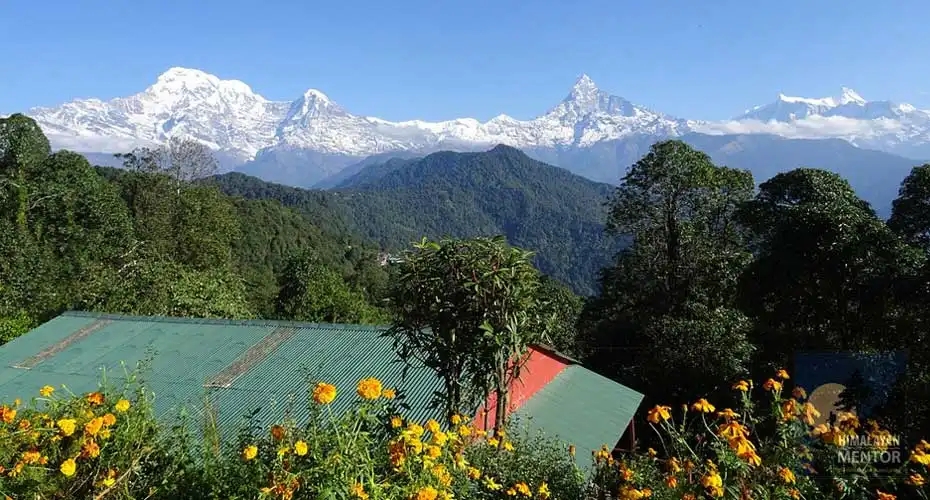
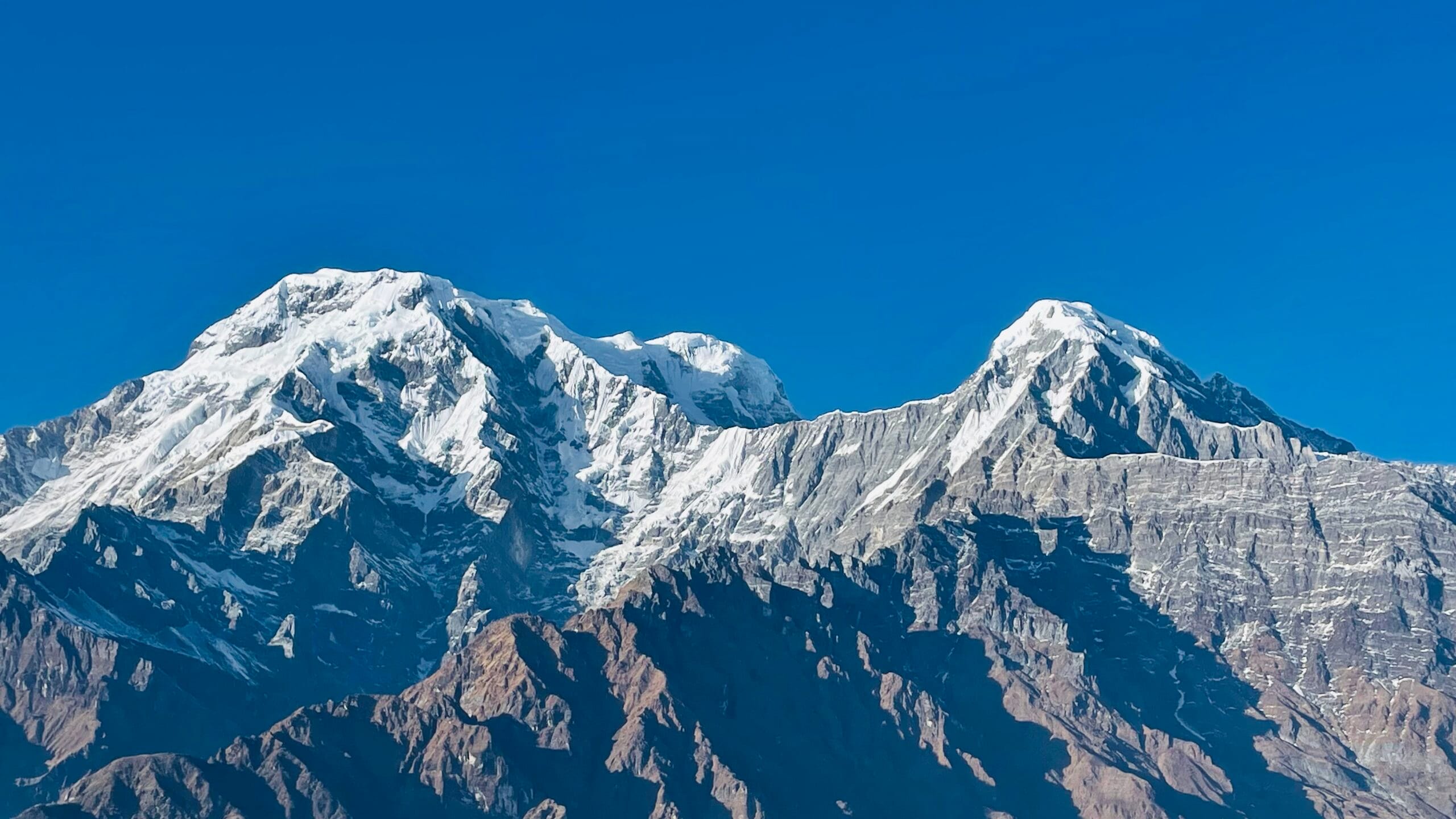
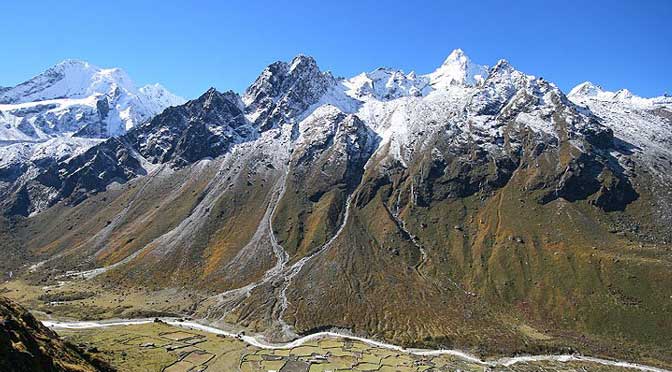
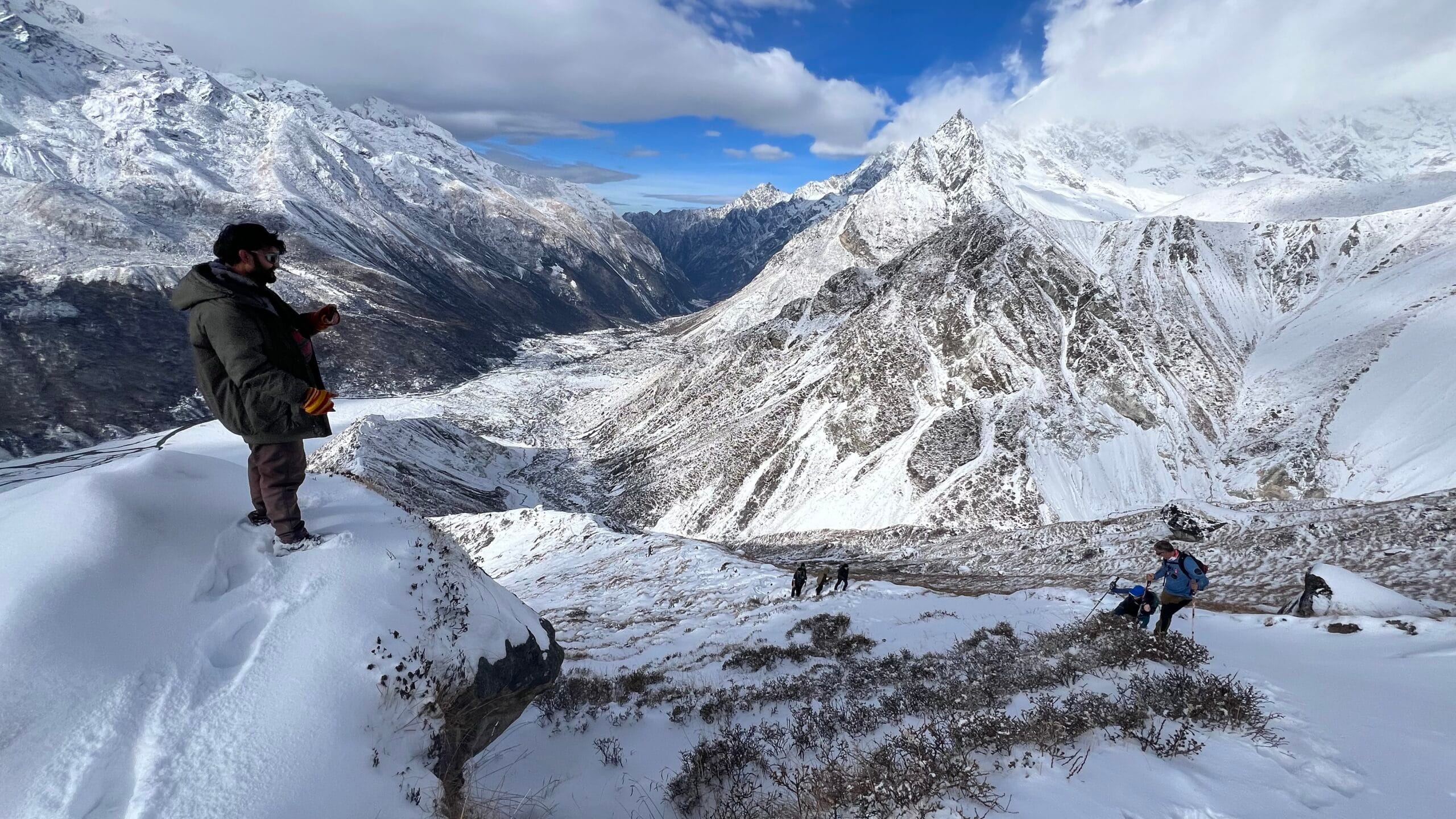
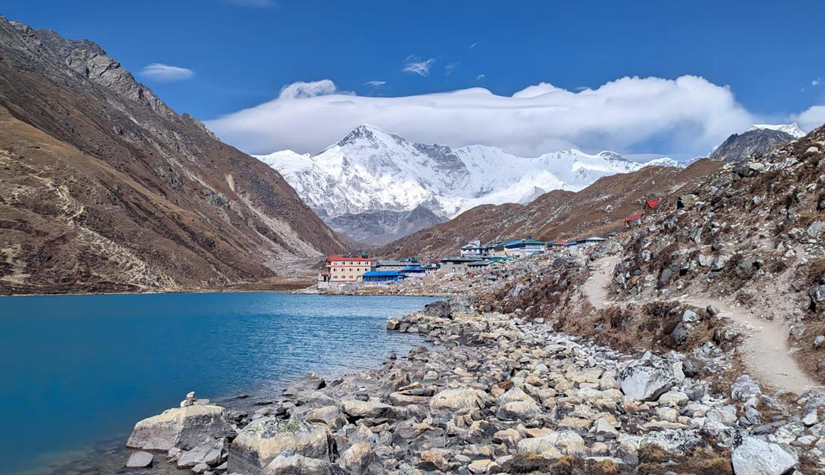
This eight-day trekking adventure begins with a scenic drive from Kathmandu toward the Rolwaling region. As the journey progresses, trekkers move through traditional mountain villages, dense forests, and beautiful valleys while slowly ascending to higher altitudes. The trail offers incredible views of snow-covered Himalayan peaks including Mt. Gaurishankar, Melungtse, and the Rolwaling Himalayan range.
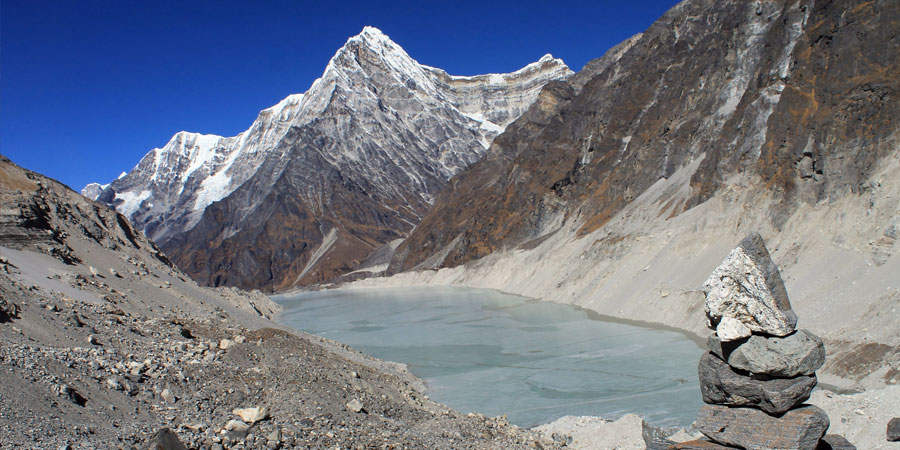
One of the main attractions of the trek is Tso Rolpa Lake, a massive glacier lake situated high in the mountains. The turquoise water of the lake, surrounded by glaciers and towering mountains, creates a spectacular landscape that attracts trekkers and photographers from around the world. Reaching this lake is one of the most rewarding moments of the entire trek.
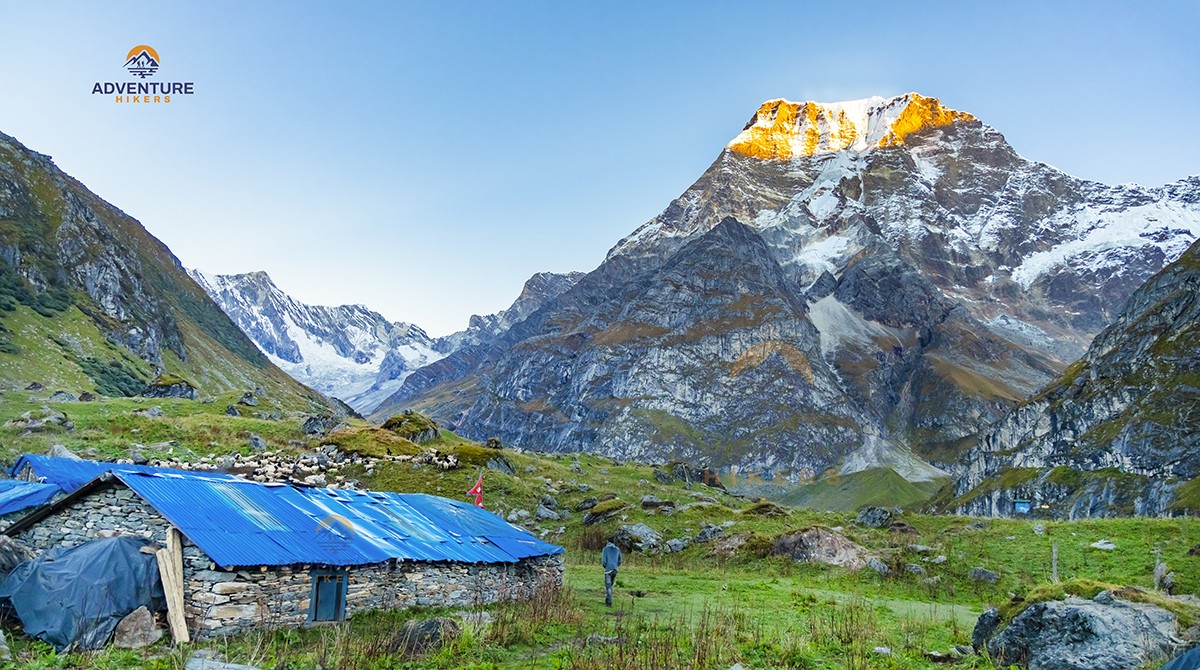
Another important highlight of the journey is the hike to Yalung Ri Base Camp, which sits at an altitude of approximately 4,900 meters. From this location, trekkers can enjoy breathtaking views of Himalayan peaks, glaciers, and rugged high-altitude terrain. The panoramic scenery provides a memorable experience and allows trekkers to truly appreciate the beauty and power of the Himalayas.
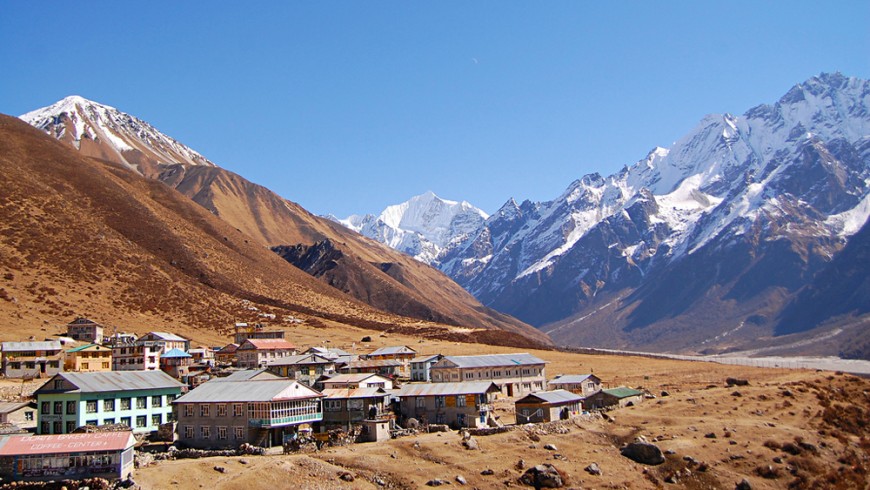
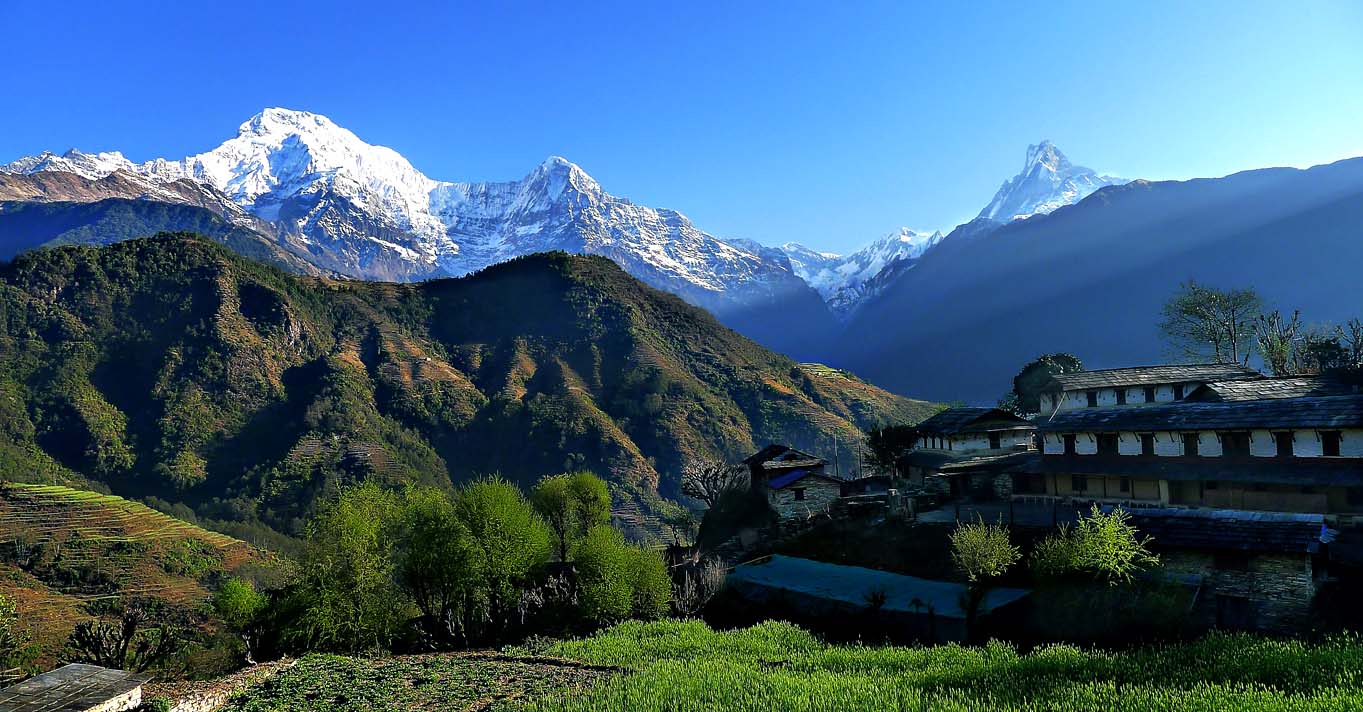
Apart from natural beauty, the Rolwaling Himal Trek also offers an opportunity to explore the culture and traditions of the local Sherpa communities. Villages such as Simi Gaun, Dongang, Beding, and Na are home to people who have lived in this region for generations. Their lifestyle is closely connected with nature, agriculture, and mountain traditions.
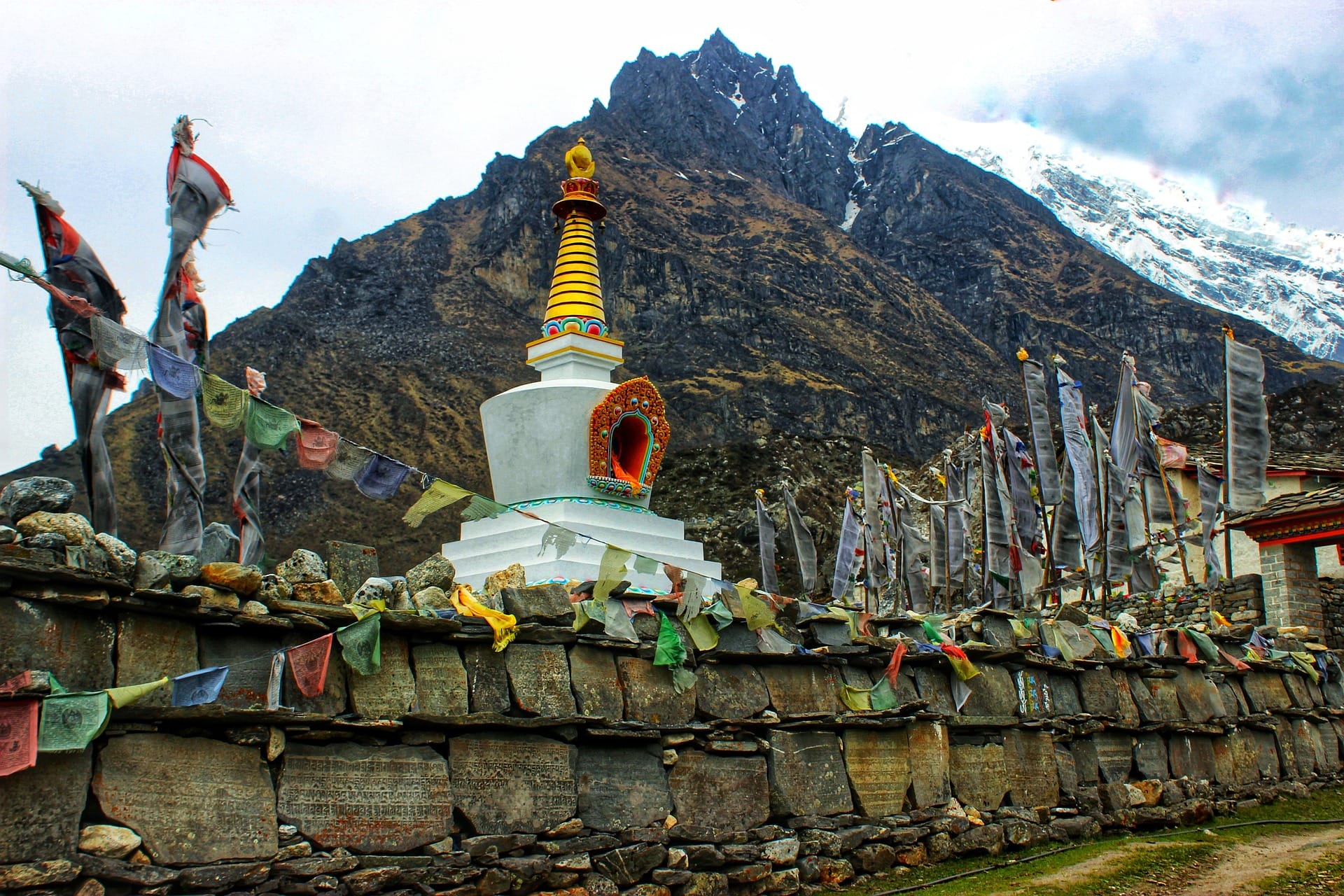
Visitors can observe traditional houses, monasteries, prayer flags, and local farming practices while interacting with friendly villagers. This cultural interaction adds another meaningful dimension to the trek, allowing travelers to learn about the customs and daily life of people living in the Himalayas.
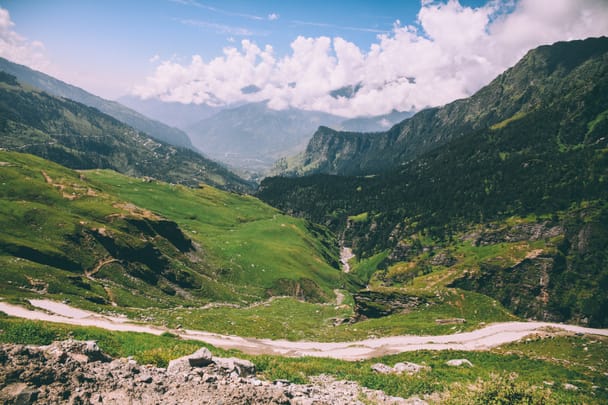
The Rolwaling Valley itself is known for its dramatic landscapes. The trail passes through dense forests filled with rhododendron, pine, and bamboo trees. Trekkers will cross suspension bridges over roaring rivers, walk along narrow mountain trails, and climb gradually toward alpine landscapes where vegetation becomes sparse and glaciers dominate the scenery.
Despite its incredible beauty, the Rolwaling region remains quieter compared to famous trekking routes such as Everest Base Camp or Annapurna Circuit. This makes the trek especially appealing to travelers who prefer peaceful trails and authentic mountain experiences.
ART Nepal Treks & Expedition organizes this trek carefully to ensure trekkers enjoy both safety and comfort. Our experienced guides assist travelers throughout the journey, providing information about the region, ensuring proper acclimatization, and helping travelers fully enjoy the adventure.
The Rolwaling Himal Trek is suitable for trekkers who enjoy nature, cultural exploration, and moderate physical challenges. The journey offers the perfect opportunity to experience remote Himalayan wilderness while witnessing spectacular mountain views and authentic local culture.
Overall, this trek is an unforgettable adventure that combines stunning landscapes, cultural encounters, and high-altitude exploration. Whether you are an experienced trekker or someone seeking a unique Himalayan journey, the Rolwaling Himal Trek provides a rewarding and memorable travel experience.
What can you expect from the trek?
The Rolwaling Himal Trek offers a rich and diverse trekking experience. From the moment the journey begins, trekkers will encounter changing landscapes, cultural interactions, and breathtaking mountain scenery. The trek gradually takes travelers from lower valleys into high-altitude alpine environments, providing a complete Himalayan adventure.
During the trek, you will walk through beautiful forests filled with rhododendron and pine trees, cross rushing mountain rivers, and pass through traditional Sherpa settlements. As the altitude increases, the landscape becomes more dramatic with glaciers, rocky ridges, and snow-covered peaks dominating the horizon.
Trekkers will also experience the peaceful environment of remote Himalayan villages where local people maintain their traditional lifestyle. Interacting with the residents of these villages allows travelers to gain insight into their culture, religion, and daily life.
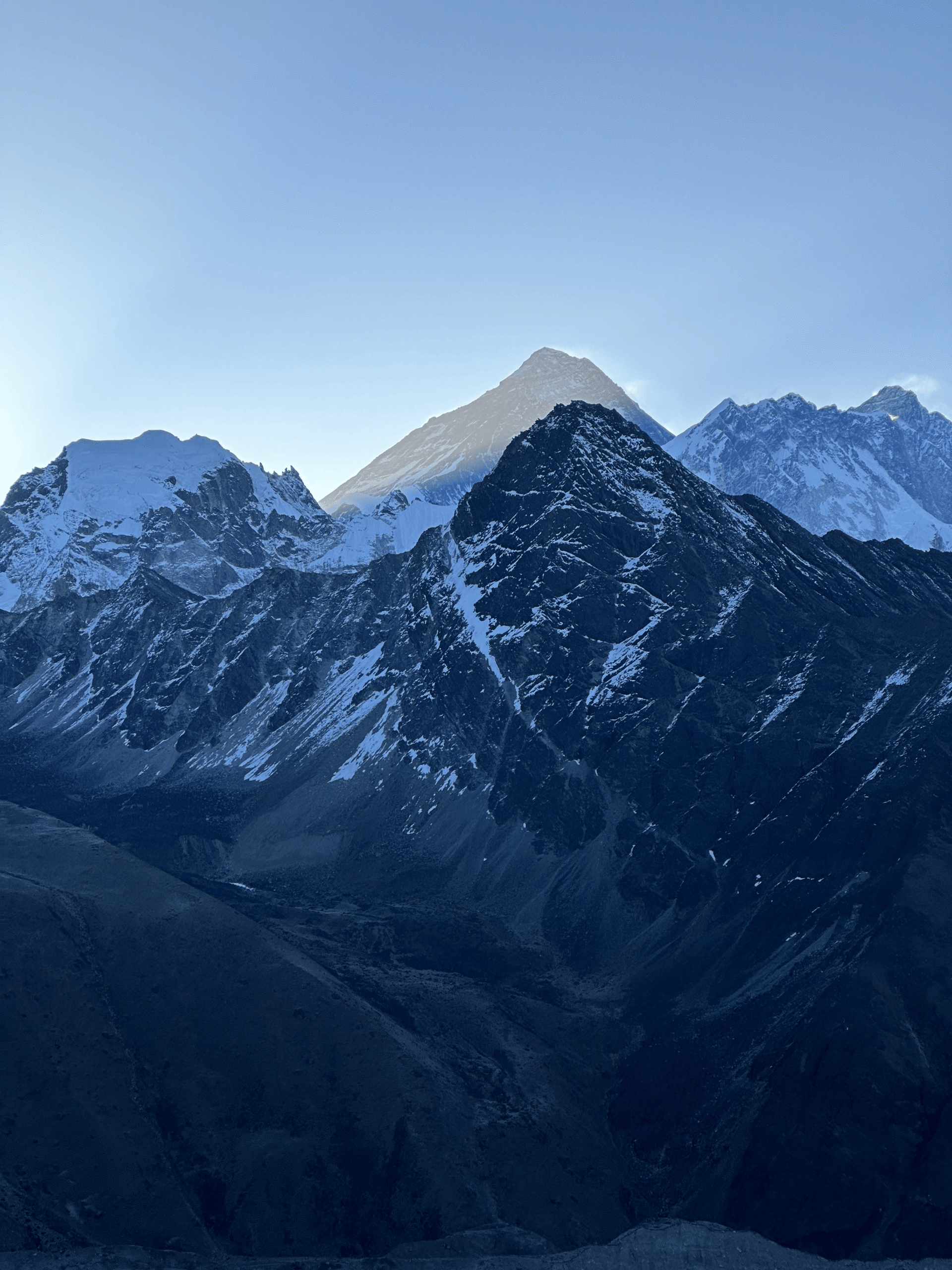
The journey also provides numerous opportunities to enjoy panoramic mountain views. Peaks such as Mt. Gaurishankar and other mountains of the Rolwaling range create stunning backdrops throughout the trek.
High-altitude trekking brings its own challenges, but it also offers incredible rewards. The sense of achievement upon reaching higher elevations, combined with the beauty of the Himalayan landscape, makes this trek a deeply satisfying experience.
During the trek you can expect:
Is Trek Suitable for You?
The Rolwaling Himal Trek is designed for trekkers who are interested in exploring remote Himalayan regions while experiencing natural beauty and cultural diversity. This trek is moderately challenging and requires a reasonable level of physical fitness and endurance.
The trail includes long walking days, gradual altitude gain, and some steep sections. Trekkers must be prepared to walk several hours each day while carrying a light backpack. Although the trek does not require technical climbing skills, it does require determination, patience, and good physical condition.
People who enjoy nature, mountains, and outdoor adventure will find this trek very rewarding. The peaceful environment and less crowded trails make it ideal for travelers who want to avoid busy trekking routes.
Trekkers should also be comfortable traveling in remote areas where facilities may be basic compared to city environments. Accommodation is simple but comfortable, and meals are prepared using local ingredients.
For those seeking adventure, cultural exploration, and beautiful Himalayan scenery, this trek provides an excellent opportunity.
This trek is suitable for:
How to get prepared for Trek?
Preparing properly for the Rolwaling Himal Trek helps ensure a safe and enjoyable experience. Since the trek involves walking for several hours daily at high altitude, both physical and mental preparation are important.
Physical fitness plays a significant role in making the trek comfortable. Trekkers are encouraged to start regular exercise several weeks before the journey. Activities such as hiking, jogging, cycling, and climbing stairs can help improve stamina and endurance.
Mental preparation is equally important. Trekking in remote areas can sometimes involve unpredictable weather, basic facilities, and long walking days. Being mentally prepared helps travelers stay positive and flexible throughout the journey.
Packing the right gear is another essential part of preparation. Proper clothing, trekking boots, warm layers, and protective equipment are necessary for changing weather conditions in the mountains.
Health precautions should also be considered. Consulting with a doctor before traveling can help ensure you are fit for high-altitude trekking. Carrying basic medications and personal medical supplies is recommended.
Travel documents must also be prepared in advance. These include passports, visas, travel insurance policies, and trekking permits required for entering the region.
Important preparation steps include:
The adventure begins with a scenic drive from Kathmandu toward the Rolwaling region. The journey passes through beautiful countryside landscapes including rivers, hills, and small villages. After reaching Chhochhot, the trekking portion begins with a pleasant hike toward Simi Gaun.
The trail gradually climbs through green forests and traditional mountain settlements. Trekkers will have the opportunity to observe local farming activities and rural life. Upon arrival in Simi Gaun, travelers can relax and enjoy the peaceful village environment.
The trail continues deeper into the Rolwaling Valley. Trekkers will pass through forests, rivers, and small settlements along the route. The path gradually climbs through beautiful landscapes with increasing mountain views.
Dongang is a peaceful location surrounded by natural beauty. Spending the night here allows trekkers to rest while enjoying the quiet mountain atmosphere.
This day involves trekking toward higher altitude as the trail moves deeper into the valley. The landscape begins to change as forests slowly give way to alpine terrain.
Beding is one of the largest villages in the Rolwaling region. The village offers beautiful mountain views and a chance to observe local Sherpa culture.
The trek continues to Na village, which serves as an important stopping point for acclimatization. After reaching Na, trekkers take an afternoon excursion to the magnificent Tso Rolpa Lake.
The lake’s turquoise water and surrounding glaciers create an unforgettable Himalayan landscape.
This is one of the most exciting days of the trek. Trekkers hike from Na toward Yalung Ri Base Camp. The trail climbs through rugged terrain with spectacular mountain views.
Reaching the base camp provides breathtaking panoramic scenery of Himalayan peaks and glaciers.
Trekkers begin descending toward lower altitudes, retracing the trail back through beautiful landscapes. The descent allows travelers to relax while enjoying the scenery once again.
The trail continues descending through forests and traditional villages. Trekkers can enjoy the warmer climate and lush landscapes as they return to lower elevations.
On the final day, travelers drive back to Kathmandu. After reaching the city, trekkers can relax, explore local markets, or prepare for departure.
During Tour
Note:
A potter can carry up to 25 kg of weight, and is highly recommended to hire at least one potter for every two trekkers.($22 per potter per day)
Add-Ons
Best Season to Trek
The Rolwaling Himal Trek can technically be completed at different times of the year, but certain seasons provide far better weather conditions and overall trekking experiences. The two most recommended seasons are Spring (March to May) and Autumn (September to November).
Spring is considered one of the most beautiful seasons for trekking in Nepal. During this time, the weather gradually becomes warmer after winter, making trekking comfortable in the mountains. The forests along the Rolwaling trail are filled with blooming rhododendron flowers, creating colorful landscapes. The skies are often clear, allowing trekkers to enjoy excellent views of the surrounding Himalayan peaks.
Autumn is another ideal time for the Rolwaling Himal Trek. After the monsoon rains end in early September, the air becomes fresh and clean, providing crystal-clear mountain views. The weather during autumn is stable, with pleasant daytime temperatures and cool nights. Because of these favorable conditions, autumn is considered the most popular trekking season in Nepal.
Winter trekking in the Rolwaling region is possible but can be more challenging due to cold temperatures and snowfall at higher elevations. Trails may become difficult in heavy snow, and some lodges might remain closed.
The summer or monsoon season usually brings heavy rainfall, which can make trekking trails muddy and slippery. Cloudy weather may also block mountain views. However, the landscapes become extremely green and vibrant during this period.
Overall, spring and autumn remain the most recommended seasons for trekkers seeking the best weather, clear mountain views, and comfortable trekking conditions.
Food Availability
Food is an important part of the trekking experience, especially in remote Himalayan regions where trekkers need proper nutrition and energy. During the Rolwaling Himal Trek, meals are usually prepared in tea houses or guesthouses along the trail.
Breakfast typically includes simple but nutritious items such as bread, eggs, porridge, cereals, pancakes, and tea or coffee. These meals provide energy for the trekking day ahead.
Lunch is usually served at small lodges or restaurants along the trail. Trekkers can enjoy a variety of dishes including rice, noodles, fried rice, soups, vegetables, potatoes, and sometimes pasta. These meals are designed to provide sufficient energy for continued trekking.
Dinner is the main meal of the day and often includes traditional Nepali dishes. One of the most common meals is Dal Bhat, which consists of rice, lentil soup, vegetables, and sometimes meat. This meal is highly nutritious and widely recommended for trekkers because it provides balanced energy.
Guesthouses also offer snacks such as biscuits, noodles, chocolate bars, and hot drinks including tea, coffee, and hot lemon. Trekkers are encouraged to stay hydrated and maintain proper nutrition throughout the trek.
Accommodation
Accommodation during the Rolwaling Himal Trek varies depending on location and altitude. In Kathmandu, trekkers stay in a comfortable three-star hotel that provides modern facilities such as private rooms, hot showers, internet access, and comfortable beds.
During the trek, accommodation is usually provided in tea houses or guesthouses located in mountain villages. These lodges offer simple but cozy rooms with basic beds, blankets, and shared bathrooms.
In some higher altitude areas where lodges are limited, tents may occasionally be used depending on the trekking arrangement. However, ART Nepal Treks & Expedition ensures that all accommodations provide a safe and comfortable environment for trekkers.
Although facilities in the mountains are basic compared to city hotels, the warm hospitality of local hosts makes the experience enjoyable and memorable.
Travel Insurance
Travel insurance is extremely important for anyone planning to trek in the Himalayas. Because the Rolwaling Himal Trek reaches altitudes close to 5,000 meters, travelers must ensure their insurance policy covers high-altitude trekking.
A good travel insurance policy should include coverage for medical treatment, emergency evacuation, trip cancellation, and lost belongings. In remote mountain regions, medical facilities are limited, so emergency evacuation by helicopter may sometimes be necessary in case of serious illness or injury.
Trekkers should also ensure their insurance covers search and rescue operations in mountainous areas. Before starting the trek, travelers should carry a copy of their insurance documents and share the information with the trekking company.
Having proper insurance provides peace of mind and ensures that assistance is available in unexpected situations.
Altitude Sickness
Altitude sickness, also known as Acute Mountain Sickness (AMS), can occur when people travel to high altitudes too quickly without proper acclimatization. Since the Rolwaling Himal Trek reaches elevations above 4,000 meters, trekkers should understand the symptoms and prevention methods.
Common symptoms of altitude sickness include headache, dizziness, nausea, fatigue, difficulty sleeping, and shortness of breath. These symptoms usually appear when the body struggles to adjust to reduced oxygen levels at higher altitudes.
To prevent altitude sickness, trekkers should ascend gradually and allow the body time to adapt. Drinking plenty of water, eating nutritious meals, and avoiding alcohol can also help reduce the risk.
If symptoms become severe, the best treatment is to descend to a lower altitude immediately. ART Nepal Treks & Expedition guides are trained to recognize symptoms and take appropriate action when necessary.
Proper acclimatization and careful monitoring help ensure a safe and enjoyable trekking experience.
Guide and Safety Measures
Safety is a top priority during the Rolwaling Himal Trek. ART Nepal Treks & Expedition provides experienced trekking guides who are knowledgeable about the region, local culture, and mountain safety procedures.
Our guides monitor trekkers’ health, pace, and acclimatization throughout the journey. They provide advice about altitude adjustment, hydration, and rest periods to ensure a comfortable trekking experience.
Guides also carry communication devices and first aid kits to handle emergencies if necessary. Before the trek begins, a detailed briefing is conducted to explain the itinerary, safety guidelines, and expected trekking conditions.
With professional guidance and careful planning, trekkers can fully enjoy the adventure while maintaining safety throughout the journey.
Booking Procedure
Reservation Deposit:
A deposit equal to 10% of the total cost is required to reserve your trekking package.
Submission of Essential Documents:
Payment Methods:
Advance Payment:
Payment Upon Arrival:
Detailed payment instructions will be provided after booking confirmation.