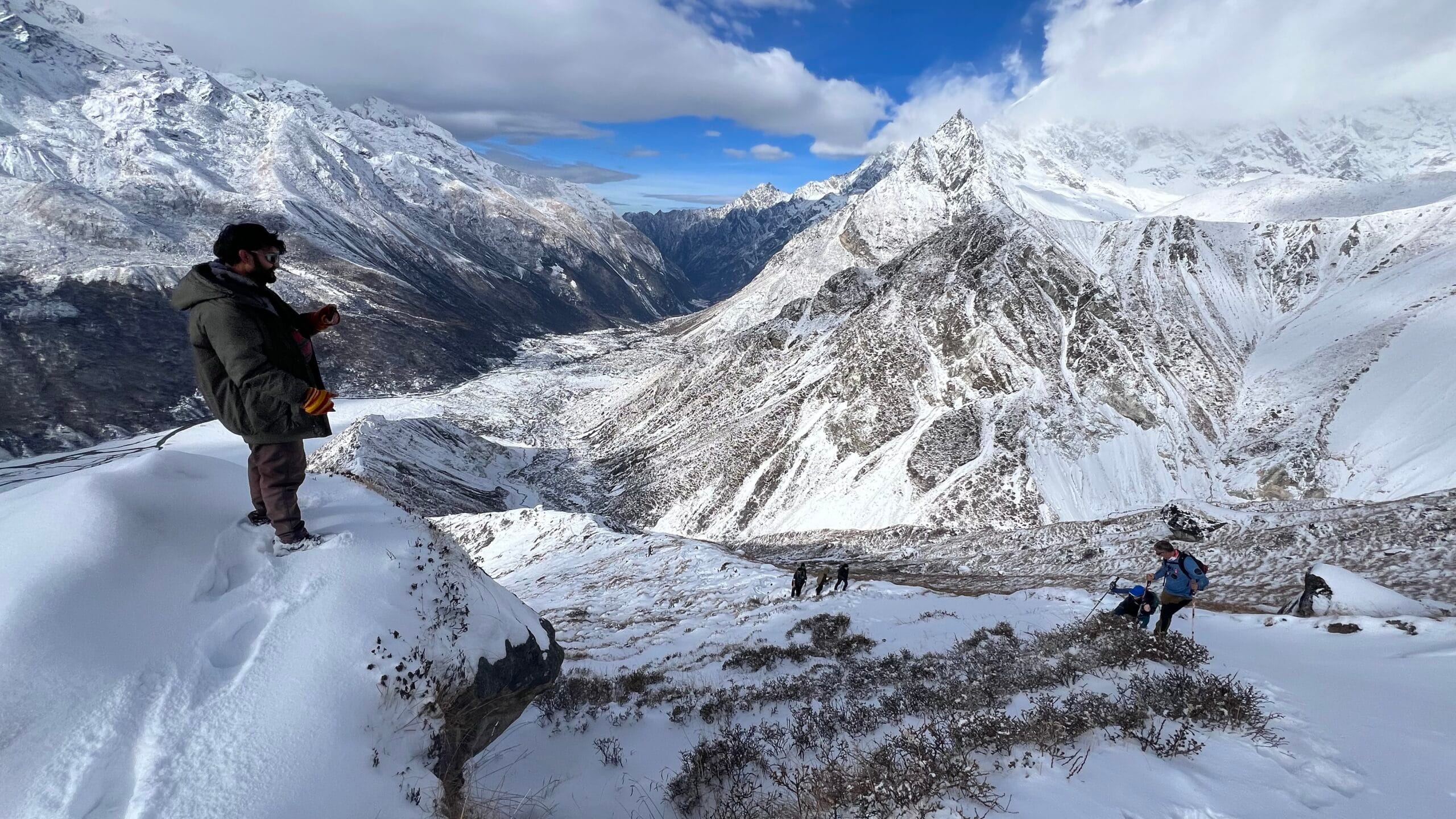
Spectacular Pikey Peak Trek – 10 Days of Adventure

Pikey Peak
10 Days/ 9 Nights
slide image
slide image
slide image
slide image

Introduction

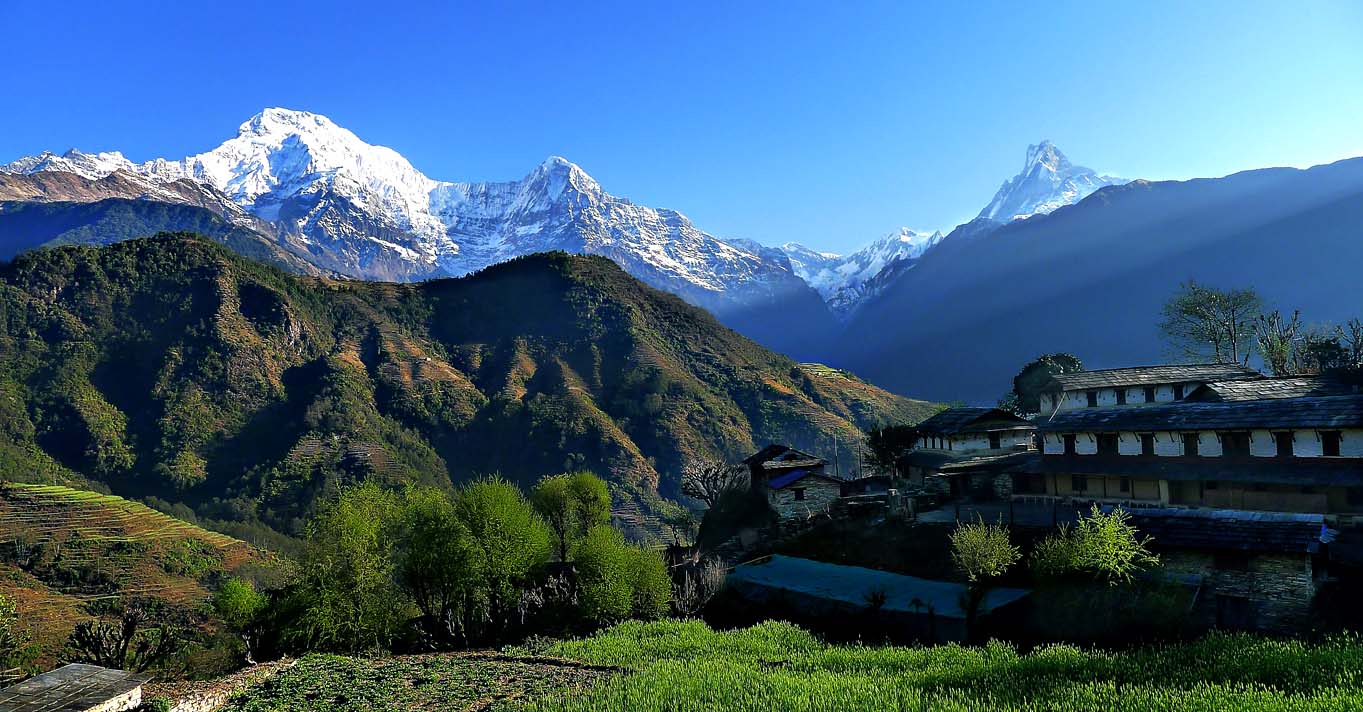
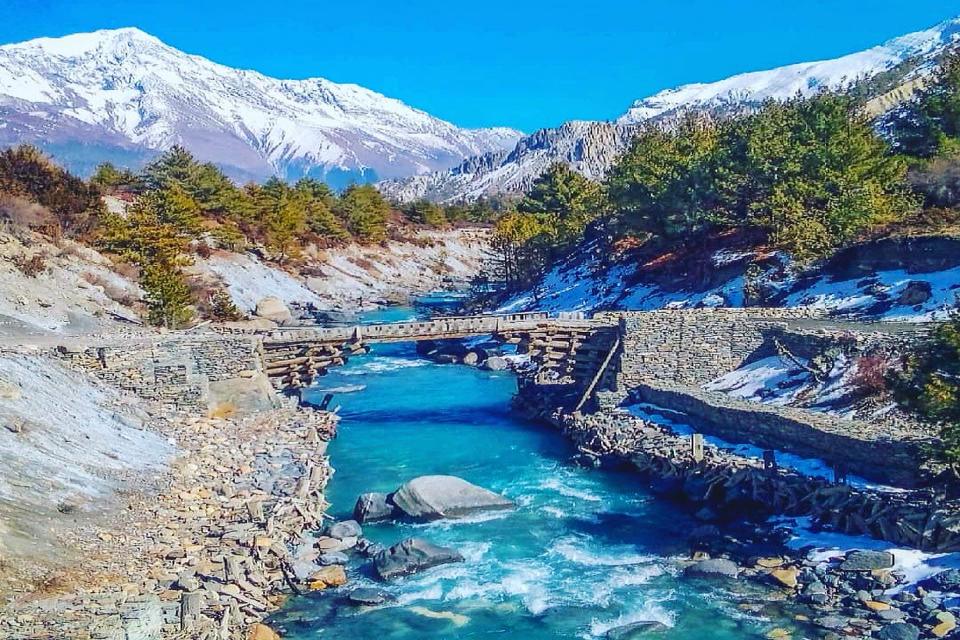
The Pikey Peak Trek is an adventurous and culturally enriching trek that takes you through the serene landscapes of eastern Nepal. Starting from Kathmandu, the journey winds through lush forests, terraced hills, and remote Sherpa villages that offer a glimpse into traditional Nepali life. Unlike the popular trekking routes like Everest Base Camp, this trail remains relatively less traveled, allowing trekkers to experience a sense of solitude and connection with nature.

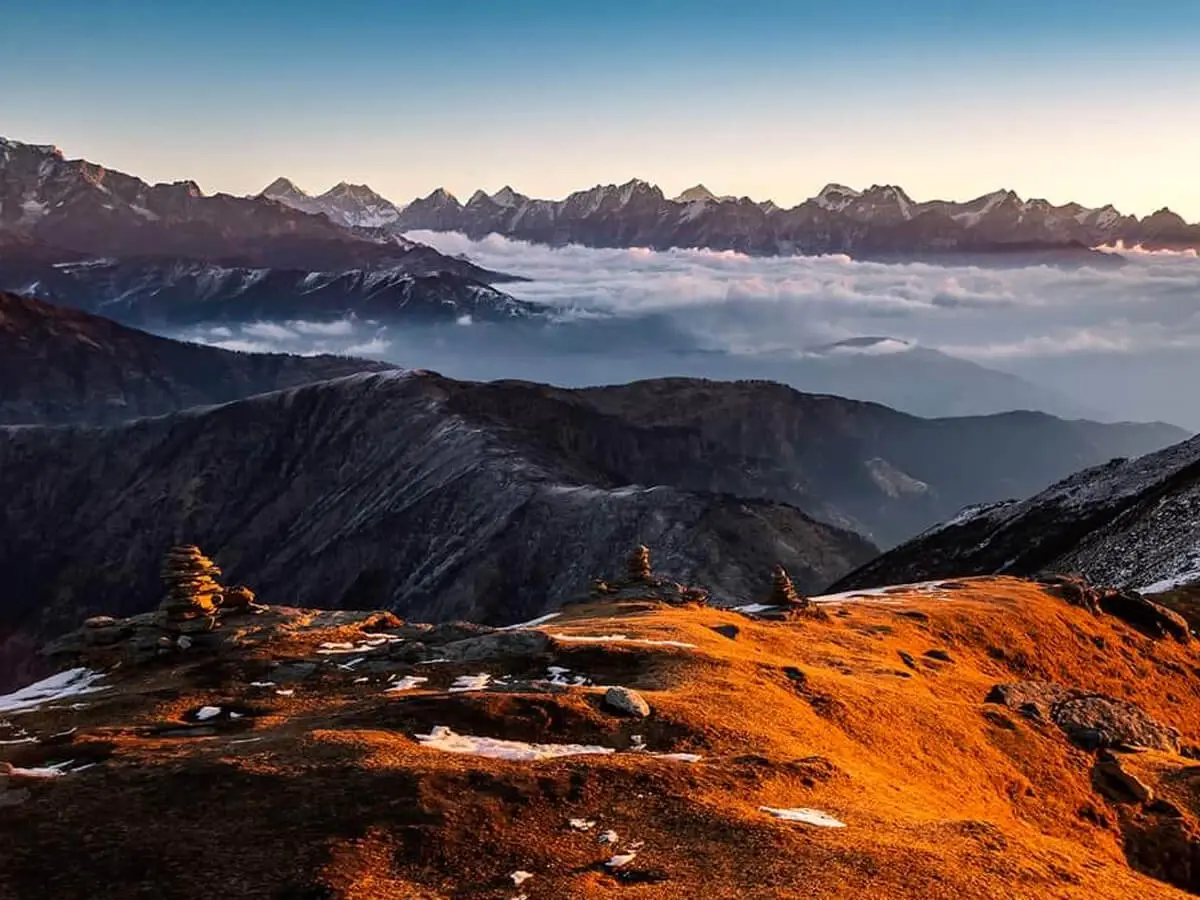
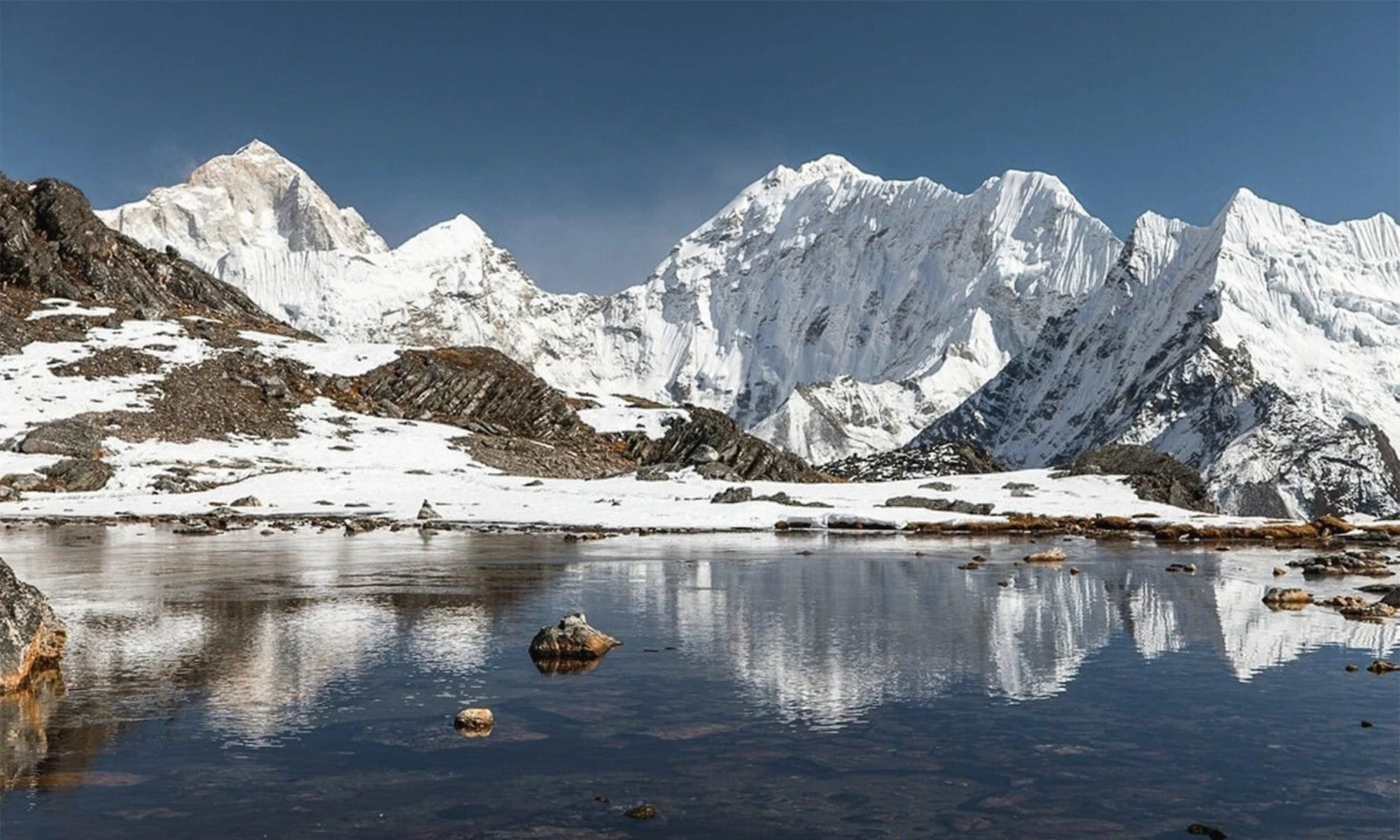
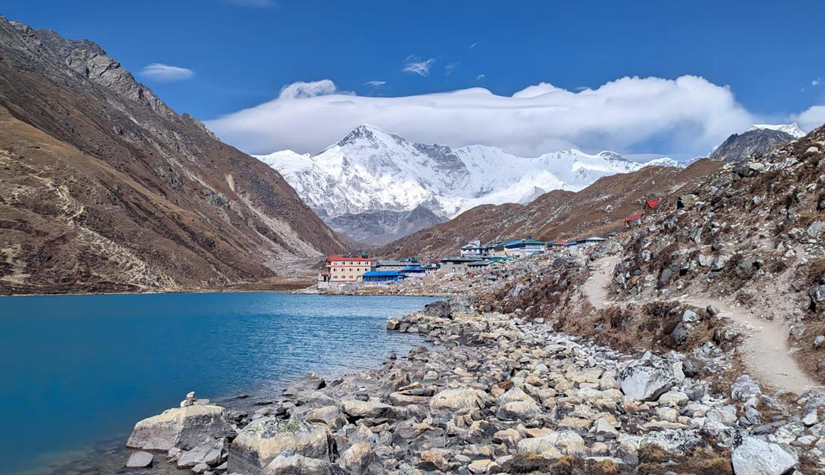
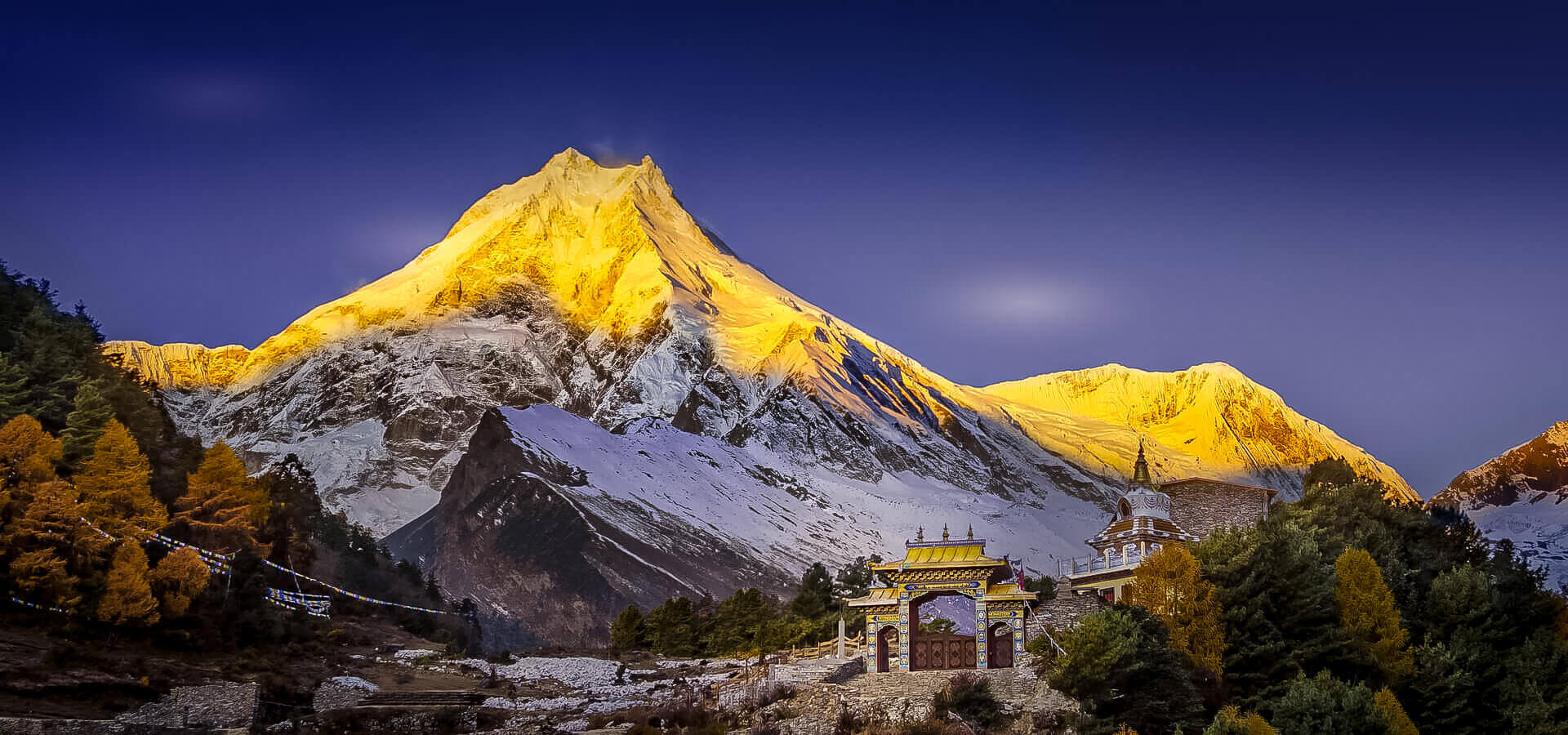
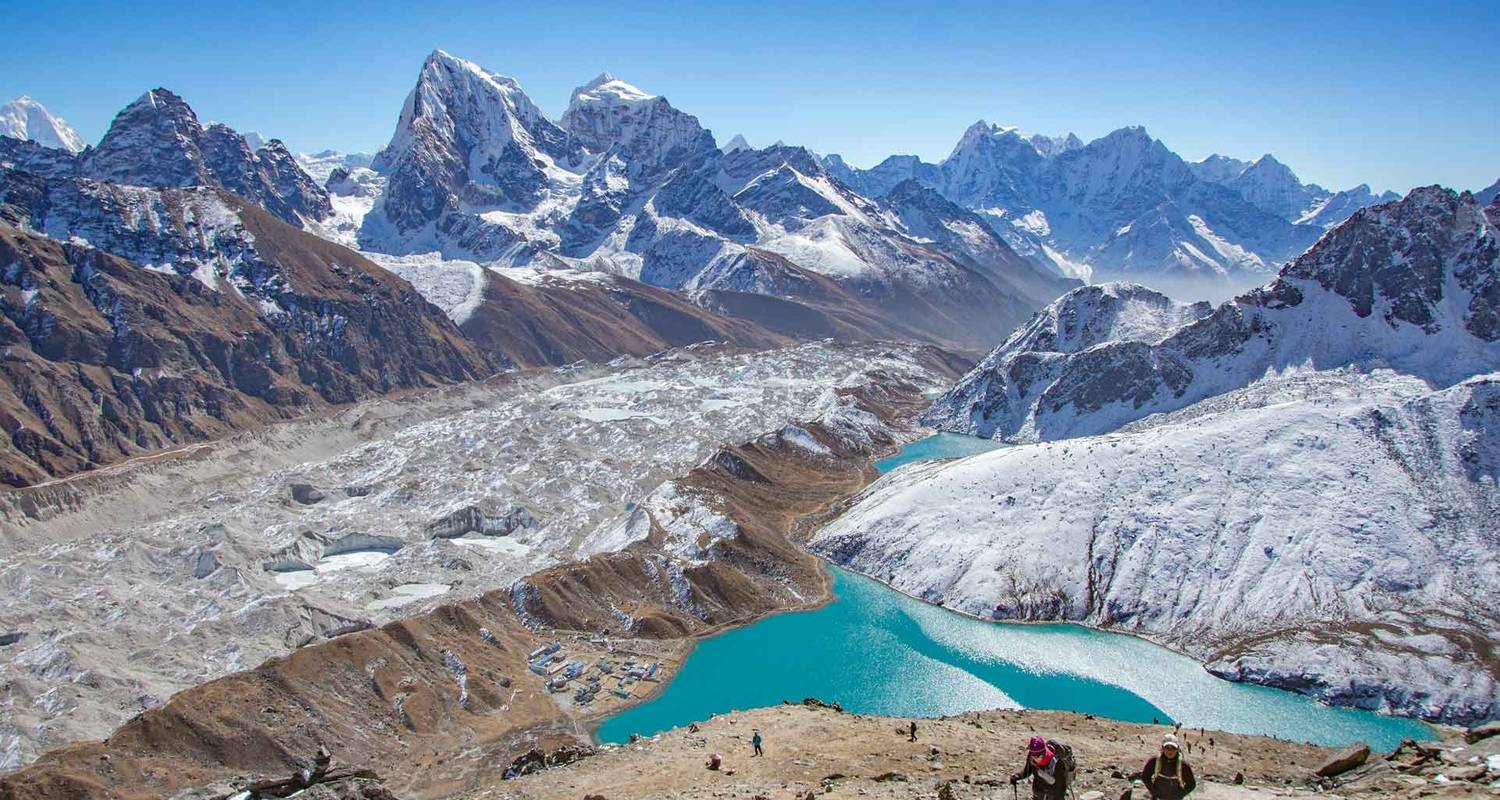
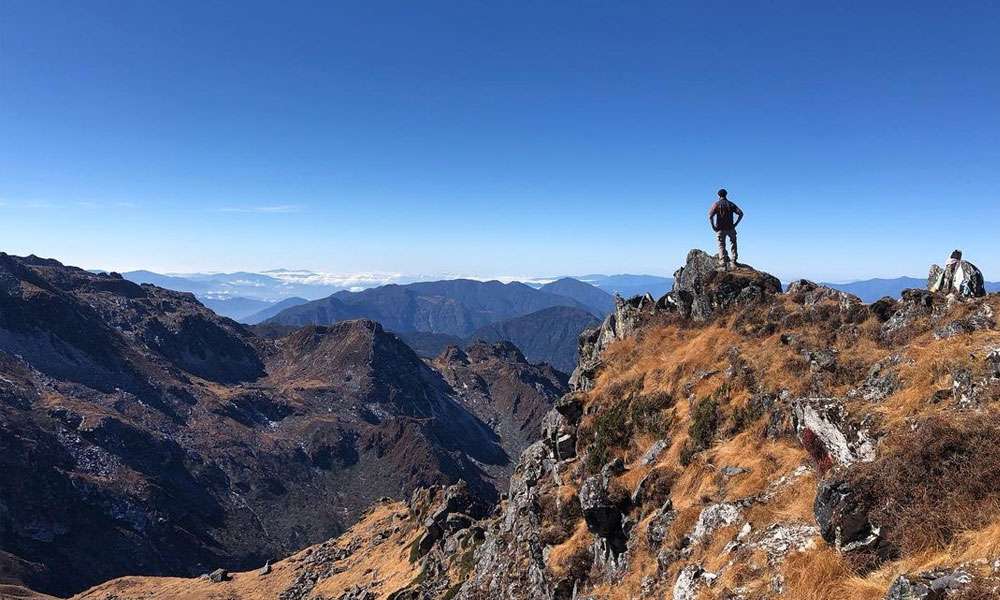
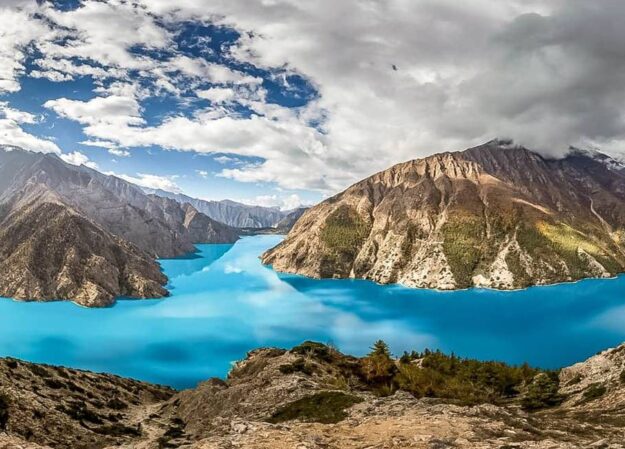
The trek’s highlight is the summit of Pikey Peak (4,065 meters), offering breathtaking panoramic views of some of the world’s tallest peaks, including Everest, Makalu, and Kanchenjunga. Sunrise from the summit is a mesmerizing experience, as the first light illuminates the snowy Himalayan range, creating a golden glow over the mountains. Photography enthusiasts will find countless opportunities for capturing the grandeur of the Himalayas, local life, and verdant landscapes.

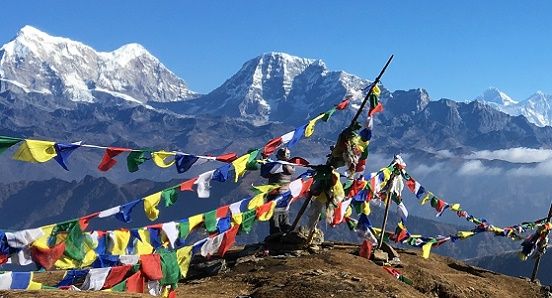
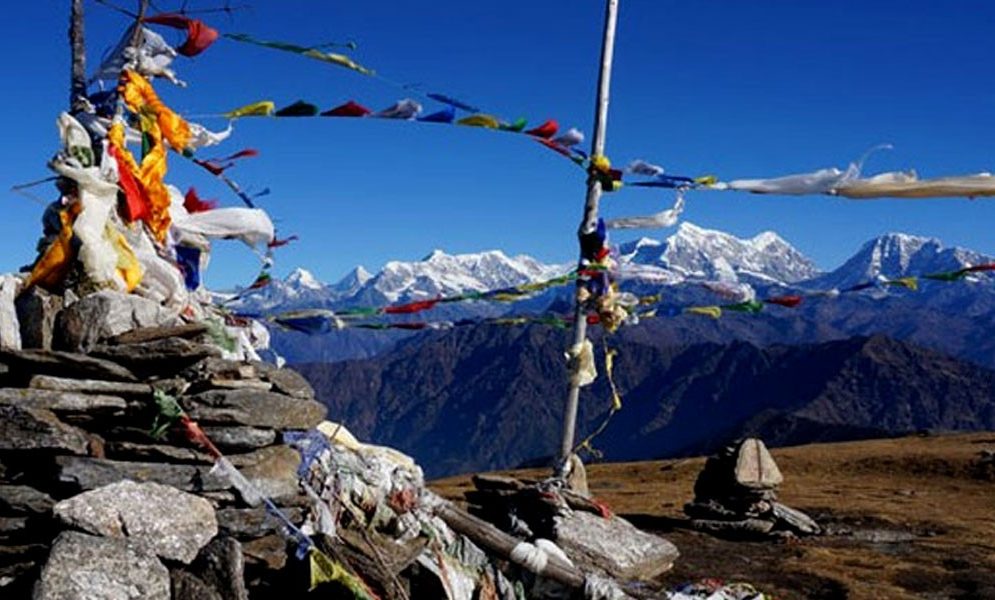
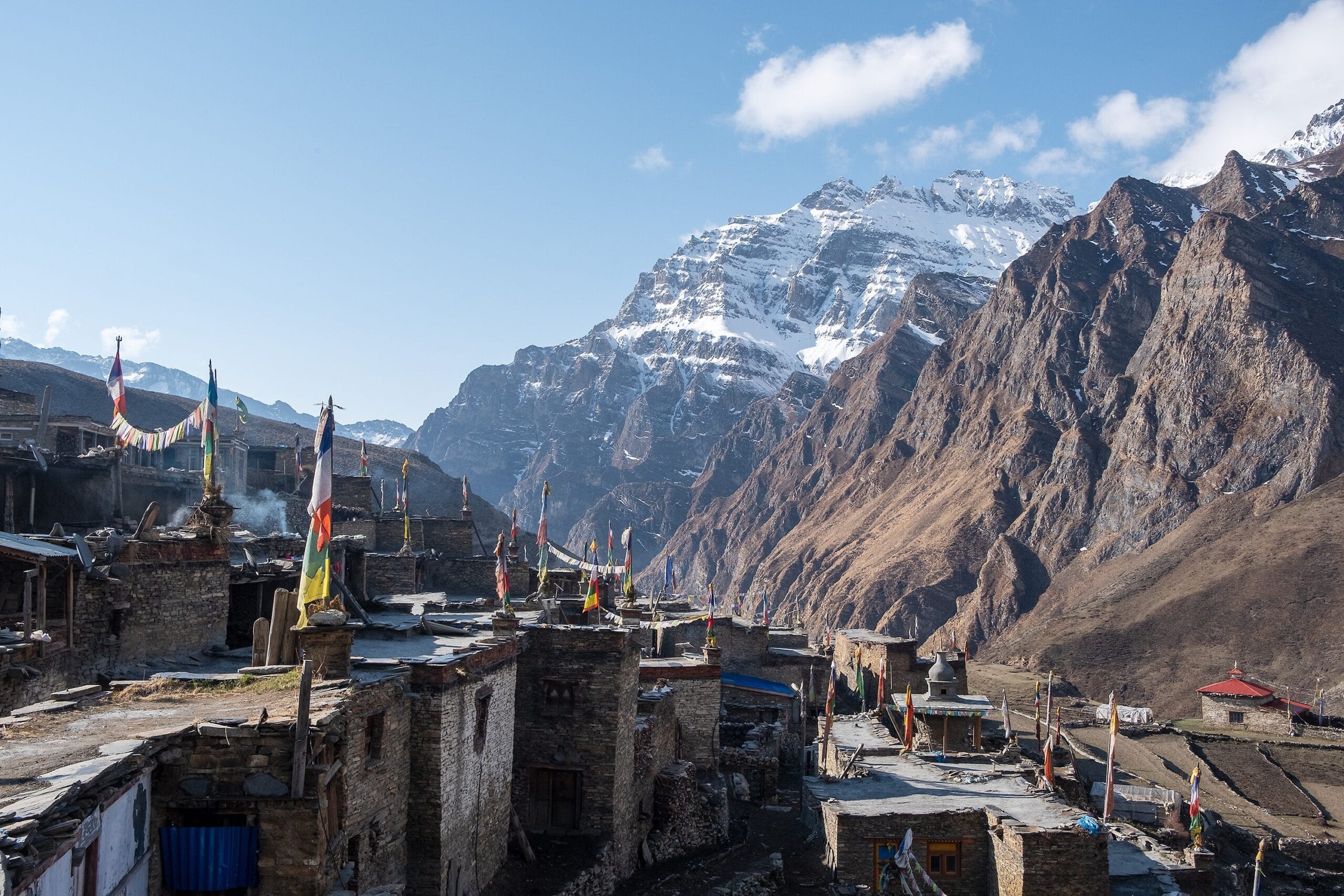
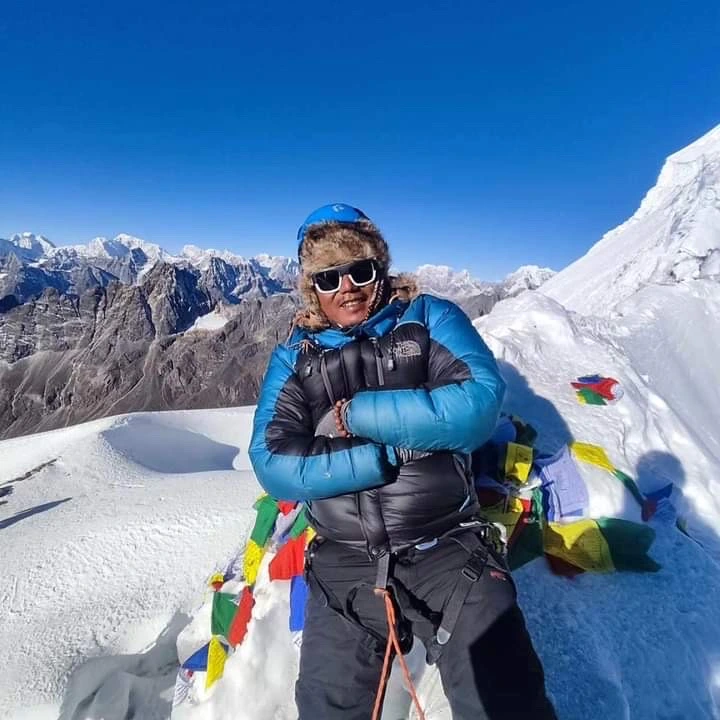
Along the trail, trekkers pass through small Sherpa villages where traditional stone and wood houses, Buddhist monasteries, and colorful prayer flags enrich the journey. This cultural immersion allows you to interact with locals, learn about their daily lives, and experience traditional Sherpa hospitality. The trail also traverses dense rhododendron forests and alpine meadows, especially vibrant during spring, providing a feast for nature lovers and trekkers seeking tranquility.

The trek is suitable for moderately experienced trekkers and is designed to offer a mix of physical challenge and leisurely exploration. It includes gradual ascents and rest days for acclimatization, ensuring safety while allowing ample time to enjoy the natural and cultural beauty along the way. The combination of stunning Himalayan vistas, local culture, and peaceful trails makes this trek a unique adventure in Nepal.

ART Nepal Treks & Expedition organizes this trek with a focus on comfort, safety, and personalized guidance. The team ensures experienced guides, porters if needed, proper accommodation, and support throughout the journey. Travelers can rest assured knowing that all logistical and safety arrangements are professionally managed, providing a seamless trekking experience.

What Can You Expect from the Trek?

Expect a journey that blends adventure, culture, and scenic beauty. Trekkers will traverse forests, meadows, and high ridges while interacting with Sherpa communities and observing traditional monasteries. The trek offers a sense of achievement upon reaching Pikey Peak, with views of the Himalayas that are both awe-inspiring and humbling.

Key Experiences Include:

  • Trekking through lush forests and alpine meadows.
  • Immersing in Sherpa culture at villages and monasteries.
  • Capturing sunrise and sunset views from strategic viewpoints.
  • Observing diverse flora and fauna in the Solu region.
  • Enjoying the peace and solitude of off-the-beaten-path trails.
  • Experiencing moderate physical challenges suitable for prepared trekkers.

Is the Trek Suitable for You?

This trek is ideal for individuals who:

  • Enjoy moderate-level trekking challenges.
  • Seek cultural immersion alongside natural exploration.
  • Are comfortable walking 4–6 hours daily on uneven terrain.
  • Wish to explore less crowded trails with authentic local experiences.

Suitability Checklist:

  • Fitness: Moderate; prior trekking experience recommended.
  • Age Group: 12–60 years, with good health.
  • Physical Condition: No serious heart or respiratory issues.
  • Mental Preparation: Ability to handle high-altitude trekking and basic rustic accommodations.

How to Get Prepared for the Trek?

Preparation is key for enjoying the Pikey Peak Trek safely and comfortably.

Fitness Preparation:

  • Engage in cardiovascular exercises such as running, swimming, or cycling.
  • Include strength training for legs, core, and back.
  • Practice hiking with a backpack to simulate trekking conditions.

Gear and Clothing Preparation:

  • Invest in waterproof and breathable trekking gear.
  • Wear insulated layers for high-altitude cold conditions.
  • Ensure good trekking boots and gaiters for snow or muddy trails.

Health Preparation:

  • Get a medical check-up to ensure high-altitude fitness.
  • Familiarize yourself with altitude sickness prevention.
  • Carry personal medications and first aid essentials.

Mental Preparation:

  • Prepare for early wake-ups and long walking days.
  • Learn basic Nepali phrases to interact with locals.
  • Develop a mindset for patience and adaptation to rustic lodging.

Travel Insurance:

  • Obtain insurance covering high-altitude trekking, emergency evacuation, and medical treatment.
  • Trip Duration

    10 Days/ 9 Nights

  • Group Size

    1 – 15 Members

  • Maximum Altitude

    4,065 meters

  • Trip Difficulty

    Moderate

  • Activities

    Trekking

  • Best Season

    Spring (March–May), Autumn (September–November)

  • Trip Start & End

    Kathmandu/ Kathmandu

  • Meals

    Breakfast, Lunch, Dinner

  • Accomodation

    Teahouses / Lodges

Highlights

  • Pikey Peak Summit: Witness breathtaking panoramic views of the Himalayas, including Everest, Makalu, and Kanchenjunga.
  • Scenic Landscapes: Trek through rolling hills, lush forests, and scenic valleys.
  • Sherpa Villages: Experience the culture and lifestyle of Sherpa communities.
  • Biodiversity: Explore rich flora and fauna in the Solu region.
  • Sunrise Views: Capture stunning sunrises from Pikey Peak’s summit.
  • Cultural Sites: Visit traditional monasteries, stupas, and ancient religious sites.
  • Off-the-Beaten-Path Trails: Enjoy less-crowded trekking routes for a peaceful experience.

Itinerary

Day 01

Your adventure begins as you arrive at Tribhuvan International Airport, Kathmandu. Upon landing, a representative from ART Nepal Treks & Expedition will welcome you and transfer you to your hotel in the heart of Thamel. After checking in, you can relax and refresh from your journey. Later in the day, you will have an introductory briefing about the Pikey Peak Trek, covering important details about the itinerary, safety procedures, equipment, permits, and the trekking culture of eastern Nepal. This day allows you to acclimate to the city, organize your trekking gear, and explore nearby Thamel for local shops, cafes, or sightseeing.

Altitude:
1,400m
Meal:
N/A
Accomodation :
3-Star Hotel in Thamel

Day 02

After an energizing breakfast at your hotel, you will embark on a scenic drive from Kathmandu to Dhap Bazaar, passing through Ghurmi Village and the picturesque Solu region. The route offers spectacular views of terraced hills, rivers, and local villages. During the drive, your guide will provide insights into the local culture, geography, and history of the region. Upon arrival at Dhap Bazaar, you can stretch your legs, explore the village, and enjoy the fresh mountain air. This is your first taste of the serene landscapes that define the Pikey Peak Trek.

Trip Duration:
8–9 Hours
Trip Distance:
240 km
Altitude:
2,850m
Meal:
Breakfast, Lunch, Dinner
Accomodation :
Tea House or Lodge

Day 03

The trek officially begins as you depart from Dhap Bazaar. Today’s route is moderate, with gentle ups and downs, taking you through lush forests, farmland terraces, and small Sherpa settlements. You will be rewarded with views of Numbur Himal and distant glimpses of Everest, depending on weather conditions. Upon reaching Jhapre, a small village with a Buddhist monastery and a colorful stupa, you can explore the cultural sites and interact with locals to experience their lifestyle. The evening provides an opportunity to relax and enjoy dinner while soaking in the peaceful mountain atmosphere.

Trip Duration:
4–5 Hours
Trip Distance:
14 km
Altitude:
2,850m-2,820m
Meal:
Breakfast, Lunch, Dinner
Accomodation :
Tea House or Lodge

Day 04

Today, the trek becomes more challenging as you ascend toward Pikey Peak Base Camp. You will pass through forested trails, open meadows, and small streams, experiencing a variety of terrain. Along the way, views of the Everest range unfold gradually, motivating trekkers with glimpses of snow-capped peaks. Arriving at the Base Camp, you can rest and take in the panoramic views of the surrounding mountains, preparing yourself for the summit climb the following morning. The Base Camp offers rustic teahouse accommodation with basic facilities, providing a cozy environment amid the high-altitude landscape.

Trip Duration:
5–6 Hours
Trip Distance:
13.73 km
Altitude:
2,820m-3,640m
Meal:
Breakfast, Lunch, Dinner
Accomodation :
Tea House or Lodge

Day 05

This is the most anticipated day of the trek as you begin your early morning ascent to Pikey Peak summit. Trekkers are rewarded with breathtaking sunrise views over the Himalayan range, including Everest, Makalu, and Kanchenjunga. The summit provides a 360-degree panoramic perspective of the surrounding mountains and valleys. After capturing photos and relishing the experience, you will descend to Jasmane Bhanjyang, enjoying the alpine meadows, ridgelines, and fresh mountain air along the way. This day combines physical exertion, adventure, and scenic beauty into one unforgettable experience.

Trip Duration:
4–5 Hours
Trip Distance:
5 km
Altitude:
4,065m
Meal:
Breakfast, Lunch, Dinner
Accomodation :
Tea House or Lodge

Day 06

After descending from the summit, you will trek through forested trails and open meadows toward Junbesi, a Sherpa village with a rich cultural heritage. On the way, enjoy diverse flora and fauna, including rhododendron forests and birdlife. In Junbesi, you can explore the Buddhist Monastery and interact with local families, gaining insight into the lifestyle, traditions, and spiritual practices of the Sherpa community. The village’s serene setting offers an excellent opportunity to relax and appreciate the simplicity and beauty of mountain life.

Trip Duration:
5–6 Hours
Trip Distance:
11.02 km
Altitude:
3,549m-2,700m
Meal:
Breakfast, Lunch, Dinner
Accomodation :
Tea House or Lodge

Day 07

This day is reserved for rest and acclimatization. Trekkers can explore Thuptenchholing Monastery, a spiritual center of the region, or opt for a short hike to a nearby ridgeline for spectacular views of Everest and surrounding peaks. Rest days are crucial for adjusting to high altitudes, allowing your body to recover and prepare for the final trekking days. The day also provides time for photography, journaling, and interacting with locals.

Meal:
Breakfast, Lunch, Dinner
Accomodation :
Tea House or Lodge

Day 08

Today, you begin the descent toward Phaplu, passing through charming landscapes of forests, rivers, and small hamlets. The trail takes you along the Junbesi Khola, a river flowing through the valley, and across suspension bridges that provide both adventure and scenic photo opportunities. Along the way, trekkers can observe traditional Sherpa houses, prayer flags fluttering in the wind, and fields where locals cultivate crops. Arriving in Phaplu, you will experience a vibrant Sherpa town with local markets, temples, and teahouses where you can relax and enjoy traditional Nepali cuisine. This day’s trek provides a mix of cultural exposure, scenic beauty, and gentle exercise, allowing you to reflect on the journey so far while preparing for the drive back to Kathmandu the next day.

Trip Distance:
13.26 km
Altitude:
2,700m-2,469m
Meal:
Breakfast, Lunch, Dinner
Accomodation :
Tea House or Lodge

Day 09

After breakfast, you will embark on a scenic drive back to Kathmandu, passing through rolling hills, terraced farmland, and charming villages. The journey offers panoramic views of the Himalayan foothills and the countryside’s serene landscapes. During the drive, your guide will provide a recap of the trek, share insights about local history and culture, and answer any questions you may have. Upon arrival in Kathmandu, you will check into your hotel in Thamel and have the evening free for sightseeing, shopping, or simply relaxing. A farewell dinner is arranged to celebrate the completion of the trek, providing an opportunity to share memories, photos, and experiences with fellow trekkers and guides.

Trip Duration:
8–9 Hours
Trip Distance:
275 km
Altitude:
2,469m-1,400m
Meal:
Breakfast, Farewell Dinner
Accomodation :
3-Star Hotel in Thamel

Day 10

This is the final day of your adventure. After breakfast, you will be transferred to Tribhuvan International Airport for your onward journey. Depending on your flight schedule, you may have time for last-minute shopping or sightseeing in Kathmandu. The trek concludes with memories of stunning Himalayan views, cultural immersion, and a rewarding adventure through one of Nepal’s less-traveled trekking regions.

Meal:
Breakfast

What's Included

  • Airport Pickup & Drop: Transfers to and from Tribhuvan International Airport.
  • 2 Nights in Kathmandu 3-Star Hotel with breakfast.
  • All Trekking Permits and Taxes (refer to permit section for details).
  • During Trek: Accommodation in teahouses/lodges, all meals (breakfast, lunch, dinner), tea/coffee.
  • Guide Services: Trained guide including food, accommodation, insurance, and salary.
  • First Aid Kit: For emergencies and minor injuries.
  • Public Transportation during drives in Nepal.

What's Excluded

  • Personal Expenses such as souvenirs, phone calls, or laundry.
  • Trekking Gears such as jackets, sleeping bags, or walking poles.
  • Beverages & Mineral Water outside meals.
  • Travel Insurance for trekking or medical emergencies.
  • Tips for Staff (expected at the end of the trek).
  • Porters: Highly recommended for high-altitude trekking (1 porter per 2 trekkers, carrying up to 25kg). ($22 per potter per day)

Add-Ons

The Pikey Peak Trek offers several add-ons that can enhance your experience and provide flexibility depending on your interests, comfort level, and time availability. These add-ons are optional but highly recommended for those looking to maximize the adventure and cultural exposure of their journey.

1. Sightseeing in Kathmandu

Before or after the trek, you can take a day or two to explore Kathmandu’s cultural and historical landmarks. The city is home to numerous UNESCO World Heritage Sites, including Swayambhunath Stupa (Monkey Temple), Boudhanath Stupa, Pashupatinath Temple, and the Durbar Squares of Kathmandu, Bhaktapur, and Patan. These sites offer a glimpse into Nepal’s rich heritage, architecture, and spiritual life. Your guide can provide insights into the local history, religious practices, and cultural significance of each landmark. This add-on is perfect for those who want to combine adventure trekking with cultural immersion.
List of Suggested Sightseeing Sites:

  • Swayambhunath Stupa (Monkey Temple)
  • Boudhanath Stupa
  • Pashupatinath Temple
  • Patan and Bhaktapur Durbar Squares
  • Thamel Shopping Area for local handicrafts

2. Porter Services

For those carrying heavy backpacks or seeking a more comfortable trekking experience, hiring a porter is highly recommended. A porter can carry up to 25 kilograms of gear, including your sleeping bag, extra clothing, food supplies, and trekking equipment. Having a porter allows you to focus on enjoying the trek without fatigue, particularly on high-altitude days or longer trekking segments. Porters are experienced in navigating the trails, ensuring your belongings are safely transported.
Benefits of Hiring a Porter:

  • Reduces physical strain on the trekker
  • Allows more freedom to enjoy scenic viewpoints and photography
  • Provides additional safety on challenging trails
  • Supports local employment and economy

3. Helicopter Services

For trekkers with limited time or those wishing to experience aerial views of the Himalayas, helicopter transfers are available. These can be arranged to reach or leave key points along the trek, such as Pikey Peak Base Camp or Junbesi Village. Helicopter services also provide a safe and fast option in case of emergencies or sudden changes in weather. A helicopter ride offers a unique perspective, letting you see the mountains, valleys, and remote villages from above—perfect for photographers and adventure enthusiasts.
Advantages of Helicopter Add-On:

  • Reduces trekking time for shorter itineraries
  • Provides a unique aerial perspective of the Himalayas
  • Useful for emergency evacuation or high-altitude rescue
  • Ideal for travelers who prefer comfort or limited trekking

4. Private Transportation

Private transportation is available throughout the trek for transfers, sightseeing, or accessing trailheads. This ensures flexibility in timing, privacy, and convenience, especially for those traveling in small groups or families. Private vehicles can be used for:

  • Airport pickup and drop-off
  • Driving from Kathmandu to Dhap Bazaar and Phaplu back to Kathmandu
  • Sightseeing within Kathmandu or nearby towns
  • Quick access to accommodation or emergency points

Benefits of Private Transport:

  • Flexible schedule tailored to your pace
  • Comfortable vehicles for long drives
  • Personalized stops for photography, meals, or sightseeing
  • Safe and reliable local drivers with experience in hilly roads

5. Photography and Video Packages

Trekkers often want to capture their experience professionally. Photography and video packages are offered as add-ons, allowing experienced photographers to accompany the group on trekking days or summit climbs. This ensures that your memories of sunrise at Pikey Peak, Sherpa villages, forests, and Himalayan panoramas are preserved in high-quality images and videos.
Photography Add-On Features:

  • Professional DSLR and drone photography
  • Edited video clips of your trek and summit
  • Highlight reel for social media or personal keepsake
  • Optional printed photo albums or digital copies

Essential Info

Best Season to Trek

Choosing the right season for the Pikey Peak Trek is essential to ensure optimal weather conditions, safety, and breathtaking views of the Himalayas. Each season offers a different experience, and understanding these variations will help you plan your trek for the most enjoyable adventure.

Spring (March – May)

Spring is one of the most popular seasons for trekking in Nepal. During this period, temperatures are mild and comfortable, ranging from 10°C to 20°C in lower elevations and slightly cooler at higher altitudes. The weather is mostly clear, offering excellent visibility of the Himalayan peaks including Everest, Makalu, and Kanchenjunga. One of the unique highlights of spring is the blooming of rhododendron flowers along the trails, creating vibrant red, pink, and white landscapes throughout the trek. The combination of moderate weather, colorful flora, and clear skies makes spring ideal for trekking and photography.

Key Advantages of Spring:

  • Clear skies and high visibility for panoramic views
  • Moderate temperatures suitable for trekking
  • Blooming rhododendrons and other alpine flora
  • Ideal for photography and sunrise views

Autumn (September – November)

Autumn is considered another prime trekking season in Nepal. The monsoon rains of summer wash away dust and pollution, leaving the air crisp, clean, and perfect for panoramic views of the mountains. Temperatures are mild, ranging between 10°C and 18°C at lower elevations, with cooler mornings and evenings. The trails are dry and stable, making trekking safer and more comfortable. Autumn also coincides with several local festivals, offering trekkers a glimpse of traditional Nepali culture in the villages they pass. This season is ideal for trekkers seeking both adventure and clear, unobstructed mountain views.

Key Advantages of Autumn:

  • Post-monsoon clear skies with excellent visibility
  • Comfortable temperatures for trekking
  • Dry trails and safer paths
  • Opportunities to witness local festivals and cultural events

Winter (December – February)

Winter trekking is for experienced trekkers prepared for colder conditions. Temperatures in lower regions range from 5°C to 12°C, while higher elevations may drop below freezing at night. Snow may cover trails, particularly near Pikey Peak, adding a beautiful white landscape but also increasing trekking difficulty. Despite the colder weather, winter offers very clear skies, making it an excellent season for photography. Crowds are minimal, providing a serene trekking experience without the usual spring or autumn tourist flow.

Key Advantages of Winter:

  • Crisp, clear skies for unobstructed mountain views
  • Fewer crowds, providing a peaceful trekking experience
  • Snow-covered landscapes for unique photography
  • Ideal for trekkers seeking solitude and adventure

Summer / Monsoon (June – August)

The summer months correspond to monsoon season in Nepal, which brings heavy rainfall, high humidity, and muddy trails. Trekking during this period can be challenging due to slippery paths, leeches, and potential landslides in some areas. The heavy rain may also obscure mountain views and reduce visibility. However, for travelers who do not mind lush greenery, fewer tourists, and lower prices, monsoon trekking can offer a different perspective of the Pikey Peak region. Adequate preparation, waterproof gear, and local guidance are essential for safety.

Key Considerations for Monsoon:

  • Rainy and slippery trails requiring caution
  • High humidity and warmer temperatures
  • Dense green landscapes with flowing waterfalls
  • Fewer tourists, allowing a more private trekking experience
  • Requires waterproof clothing, boots, and trekking poles

Food Availability

During the Pikey Peak Trek, the availability and quality of food are well managed to ensure that trekkers receive nutritious, energizing meals suited to high-altitude trekking. Meals are included as part of your trek package, typically served at teahouses or lodges along the trail. Each day, you can expect a variety of local and familiar dishes, prepared to suit different dietary preferences.

Breakfast

Breakfast is usually served early in the morning, allowing trekkers to start the day well-fueled. Typical options include:

  • Porridge or oatmeal – warm and nutritious for energy
  • Eggs – boiled, scrambled, or fried
  • Bread or toast – often served with butter or jam
  • Fruits – seasonal fresh fruits to provide vitamins
  • Tea or Coffee – served with milk or sugar, providing warmth for cold mornings

Breakfast is essential to energize trekkers before the day’s ascent, particularly before challenging segments like the climb to Pikey Peak Base Camp or Summit.

Lunch

Lunch is typically served mid-day and is designed to replenish energy after a morning of trekking. Meals are hearty and filling, often including:

  • Dal Bhat (Lentil Soup with Rice) – traditional Nepali staple providing protein and carbohydrates
  • Noodles or Pasta – quick energy sources
  • Vegetable Curries – seasonal vegetables cooked with mild spices
  • Sandwiches or Wraps – available at some tea houses
  • Soups – light and warming, often served with bread

Lunch can be served as a packed meal if you prefer to continue trekking without stopping for long periods. This is especially helpful for summit days when early starts are common.

Dinner

Dinner is served in the evening, after a full day of trekking. Meals are hearty and warming, helping your body recover overnight. Typical dinner options include:

  • Rice and Curry Dishes – both vegetarian and meat options, providing carbohydrates and proteins
  • Soups and Stews – often made with lentils, beans, or meat
  • Vegetables and Side Dishes – cooked fresh at the teahouse
  • Desserts – sometimes available, like rice pudding or cookies
  • Tea or Hot Chocolate – ideal for warming up after cold trekking days

Dinner is an opportunity to rest and socialize with fellow trekkers, sharing stories and experiences from the day.

Snacks and Tea/Coffee Breaks

Along the trekking route, most teahouses offer snacks and beverages to keep energy levels high between meals. Options often include:

  • Biscuits or Cookies – light and portable
  • Energy Bars or Nuts – for quick replenishment
  • Tea, Coffee, or Hot Chocolate – to warm up during breaks
  • Fruits or Packaged Snacks – widely available at some points

Frequent hydration is critical at high altitudes, and tea or hot drinks are widely available throughout the trek.

Special Dietary Requirements

Most teahouses and lodges are accommodating and can prepare meals for vegetarians, vegans, or those with allergies, if informed in advance. It’s recommended to communicate dietary needs during booking so that the guide and lodges can make proper arrangements.

Accommodation

During the Pikey Peak Trek, accommodation is primarily provided in teahouses and lodges, offering a comfortable and authentic trekking experience. These facilities are strategically located along the trail, ensuring trekkers have safe and convenient places to rest at the end of each day. Although the amenities are basic compared to hotels in Kathmandu or Pokhara, they are adequate for a trekking adventure and provide a chance to interact with local communities.

Types of Accommodation

  1. Teahouses
    • Teahouses are small, family-run guesthouses that cater to trekkers.
    • Typically, teahouses have twin-sharing rooms, often with wooden beds and mattresses. Some may offer single occupancy at an extra cost.
    • Shared bathrooms are common, with hot water available at some locations for an extra charge.
    • Meals are served in a communal dining area, providing opportunities to meet fellow trekkers and share experiences.
  2. Lodges
    • Lodges are slightly more spacious and may provide better amenities, including private or semi-private bathrooms.
    • Lodges often have heating facilities in colder months, making them suitable for winter trekking.
    • Some lodges offer Wi-Fi or charging stations, though connectivity may be limited in remote areas.
  3. Homestays (Optional)
    • In certain villages along the trail, homestays may be available for trekkers seeking a more authentic cultural experience.
    • Homestays allow travelers to live with local families, enjoy home-cooked meals, and learn about Sherpa and rural Nepalese lifestyles.

Amenities and Facilities

Although facilities are modest and basic, most teahouses and lodges provide the following:

  • Beds and Bedding: Clean mattresses, blankets, and pillows (some require you to bring a sleeping bag).
  • Hot Water: Available at some lodges, often for an additional fee.
  • Dining Area: Communal space to eat meals and socialize.
  • Rest Area / Lounge: Space for relaxation after trekking.
  • Electricity / Charging: Limited or intermittent; usually solar-powered or generator-based.

Comfort Considerations

  • Altitude Effect: Accommodation at higher elevations like Pikey Peak Base Camp may be simpler and more rustic, reflecting the remote environment.
  • Shared Facilities: Bathrooms are often shared, and privacy is limited, especially in peak trekking season.
  • Temperature: Nights can be cold; bringing a warm sleeping bag is essential.
  • Noise: Teahouses can be lively, with trekkers sharing the space; earplugs are recommended for light sleepers.

Travel Insurance

Travel insurance is an essential part of preparing for the Pikey Peak Trek. Trekking in the Himalayas involves physical exertion, varying weather conditions, and high-altitude environments, so having comprehensive insurance ensures that you are financially and medically protected in case of unforeseen events. While accidents and emergencies are rare, proper insurance gives trekkers peace of mind and allows them to focus fully on the adventure.

Why Travel Insurance is Necessary

  1. Medical Emergencies
    • Trekking at altitudes up to 4,065 meters can lead to minor injuries, altitude sickness, or other health issues.
    • Insurance covers medical treatment at local clinics or hospitals, ensuring prompt care without worrying about high costs.
  2. High-Altitude Evacuation
    • In rare cases of severe illness, injury, or altitude sickness, emergency evacuation by helicopter or ground transport may be required.
    • Comprehensive travel insurance covers evacuation costs, which can be extremely expensive otherwise.
  3. Trip Interruptions or Delays
    • Unforeseen events like natural disasters, landslides, or flight cancellations can affect your trekking schedule.
    • Insurance can reimburse additional expenses for accommodation, meals, or alternate transportation.
  4. Lost or Damaged Gear
    • Insurance policies often cover loss, theft, or damage of trekking equipment, including backpacks, clothing, and electronic devices.
  5. Travel-Related Incidents
    • Covers accidents during flights, transportation, or adventure activities, such as mountain flights, ATV rides, or ziplining if added as part of your trek package.

Recommended Coverage

When purchasing travel insurance for the Pikey Peak Trek, ensure the policy covers:

  • Medical expenses at high altitudes
  • Emergency helicopter evacuation
  • Trip interruption or cancellation
  • Loss or damage of personal belongings
  • Accidents during trekking and adventure activities

Altitude Sickness

Altitude sickness, also known as Acute Mountain Sickness (AMS), is a condition that can affect trekkers at high elevations. The Pikey Peak Trek reaches a maximum altitude of 4,065 meters, which is high enough for some individuals to experience symptoms of altitude sickness. Understanding its causes, symptoms, prevention, and management is critical for a safe and enjoyable trekking experience.

What is Altitude Sickness?

Altitude sickness occurs when your body struggles to adjust to lower oxygen levels at higher elevations. As altitude increases, the air becomes thinner, and there is less oxygen available for the body, which can cause a range of symptoms from mild discomfort to more serious medical issues.

Common Symptoms of Altitude Sickness

Trekkers may experience mild to moderate symptoms, which usually appear 6–12 hours after ascending to higher altitudes:

  • Headache – often the first noticeable symptom
  • Nausea or vomiting – loss of appetite may also occur
  • Dizziness or lightheadedness – difficulty balancing or feeling faint
  • Shortness of breath – especially during exertion
  • Fatigue – unusual tiredness even with adequate rest
  • Difficulty sleeping – disturbed sleep or insomnia at night

Severe altitude sickness is rare but can be life-threatening and may include fluid in the lungs (HAPE) or brain swelling (HACE). Immediate medical attention and descent to lower altitudes are critical in such cases.

Prevention of Altitude Sickness

  1. Gradual Ascent
    • Avoid rapid elevation gain. The Pikey Peak Trek itinerary is designed to allow gradual acclimatization with intermediate stops.
  2. Hydration
    • Drink plenty of water throughout the day to prevent dehydration, which can worsen symptoms.
  3. Avoid Alcohol and Smoking
    • These can exacerbate symptoms and reduce your body’s ability to acclimatize.
  4. Balanced Diet
    • Eat light, high-carbohydrate meals to maintain energy levels and support acclimatization.
  5. Rest Days
    • Take rest days or shorter trekking days to allow your body to adjust to higher elevations.

Guide and Safety Measures

A key aspect of any Himalayan trek, including the Pikey Peak Trek, is having experienced guides and ensuring proper safety protocols. The rugged terrain, high altitudes, and remote regions of the trek require professional guidance to make the experience safe, enjoyable, and culturally enriching.

Experienced Guides

  1. Trained and Certified
    • All guides are trained in high-altitude trekking, first aid, and emergency response.
    • Guides have years of experience leading treks in the Solu and Everest regions, including Pikey Peak.
  2. Local Knowledge
    • Guides provide in-depth knowledge of local Sherpa culture, traditions, and history.
    • They can explain the flora, fauna, and geography of the region along the trekking route.
  3. Leadership and Planning
    • Guides are responsible for planning daily itineraries, rest stops, and acclimatization schedules.
    • They adjust the pace according to the fitness level of trekkers to minimize the risk of altitude sickness.

Safety Protocols

  1. Acclimatization Management
    • Guides ensure trekkers follow proper ascent rates and rest days to reduce altitude sickness risk.
    • Regular checks of heart rate, oxygen levels, and overall health are conducted.
  2. Emergency Response
    • Guides are trained in first aid, CPR, and emergency evacuation procedures.
    • Communication devices are carried to contact rescue teams if required.
  3. Health and Hygiene Monitoring
    • Guides remind trekkers about hydration, nutrition, and hygiene practices.
    • Ensures clean and safe meals, water, and lodging accommodations.
  4. Risk Assessment
    • Constant evaluation of weather, trail conditions, and potential hazards.
    • In case of adverse weather or trail issues, guides will reroute or delay trekking for safety.
  5. Equipment Safety
    • Guides ensure that trekkers have proper footwear, trekking poles, and protective gear.
    • Provide guidance on how to use gears and packs correctly to avoid injuries.

Booking Procedure

Booking the Pikey Peak Trek is straightforward but requires careful planning. The steps below ensure a smooth reservation process:

  1. Inquiry
    • Contact the trekking company via phone, email, or online form to check availability and ask questions.
  2. Confirm Dates
    • Decide on preferred trekking dates and confirm with the company.
  3. Deposit Payment
    • Pay a deposit (usually 10–30% of total cost) to secure your booking.
  4. Submit Documents
    • Required documents may include:
      • Passport copy
      • Travel insurance details
      • Emergency contact information
      • Medical clearance if needed
  1. Confirmation
    • Receive a booking confirmation and detailed itinerary.
  2. Final Payment
    • Complete the remaining payment before departure via bank transfer, online payment, or in-person payment.
  3. Pre-Trek Briefing
    • Attend a briefing to review safety measures, gear requirements, and the trekking schedule.
  4. Departure

Arrive in Kathmandu, meet your guides, and start your adventure on the scheduled date.

Equipment List

  • Trekking Shirts/Tops: Lightweight, breathable, and moisture-wicking fabric to keep you dry during hikes.
  • Trekking Pants: Quick-dry, durable, and lightweight pants; convertible pants that turn into shorts are recommended for warmer days.
  • Inner Layers: Thermal base layers for warmth at higher altitudes, especially during early morning treks.
  • Socks: Trekking-specific socks with padding to prevent blisters; extra pairs for long days.
  • Hat/Cap: Wide-brimmed hat or cap for sun protection.
  • Backpack: 30–40L for daily essentials; include a rain cover for wet weather.
  • Sleeping Bag: Rated for temperatures below freezing; essential for higher camps.
  • Trekking Poles: Adjustable poles to provide stability and reduce strain on knees.
  • Hydration System: Water bottles or hydration bladder to carry at least 2 liters of water.
  • Headlamp/Flashlight: For early starts or night-time movements; extra batteries recommended.
  • Insulating Layer: Fleece or down jacket to stay warm in cold temperatures.
  • Windproof/Waterproof Jacket: Essential to protect against rain, snow, and strong winds.
  • Gloves: Warm and waterproof gloves to protect hands from cold.
  • Hat/Beanie: Thermal hat to protect against cold during early mornings or high altitudes.
  • Rain Gear: Poncho or rain pants for wet conditions.
  • Personal Toiletries: Toothbrush, toothpaste, biodegradable soap, and small towel.
  • Hand Sanitizer/Wet Wipes: For hygiene in remote areas.
  • Sunscreen & Lip Balm: High SPF to protect against intense sun at high altitudes.
  • First Aid Kit: Include basic medicines, bandages, blister treatment, and altitude sickness medication.
  • Insect Repellent: Useful in lower-altitude forests and villages.
  • Camera/Smartphone: Fully charged for photos and videos.
  • Power Bank: To charge devices in areas with limited electricity.
  • Universal Adapter: Nepal uses Type C, D, and M plugs; an adapter may be required.
  • GPS/Offline Maps: Optional, but helpful in remote areas for navigation.
General Equipments
  • Travel Documents: Passport, permits, insurance papers, and emergency contacts.
  • Snacks/Energy Bars: Quick energy during long trekking days.
  • Sunglasses: UV-protection sunglasses for sun glare from snow and high-altitude sunlight.
  • Trekking Shoes: Sturdy, waterproof, and well-broken-in boots for uneven terrain.
  • Camp Shoes/Slippers: Lightweight shoes for use in lodges or teahouses.
  • Notebook & Pen: Optional, for journaling your trekking experience.

FAQ

•The trek is considered moderate. It involves daily hikes of 4–6 hours with gradual ascents. Proper preparation and fitness will ensure a comfortable experience.
•No prior trekking experience is necessary, but being physically fit and able to walk long distances will enhance your enjoyment.
•Spring (March-May) and Autumn (September-November) are the best seasons for clear skies, pleasant temperatures, and beautiful mountain views.
•Yes, at altitudes above 3,500 meters, some trekkers may experience mild symptoms. Proper acclimatization, hydration, and guidance from your trek leader help prevent serious issues.
•Yes, porters are available to carry luggage (up to 25 kg per porter). It is recommended to share one porter for every two trekkers for comfort and convenience.
Trip Price

On Request

Talk To Trip Expert

expert image

Anjan Dhital

Trip Expert
Have Any Questions?
Whatsapp/Viber +977-9810271256
Share this Trip
Translate »