

Annapurna Full Circuit Trek – 17 Days
Annapurna Circuit Trek
17Days/16 Nights
Price From
View More
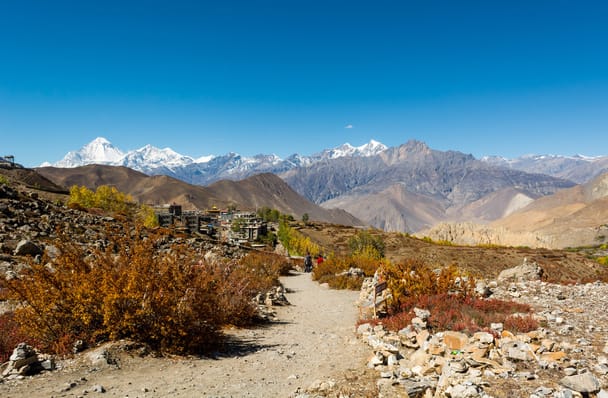
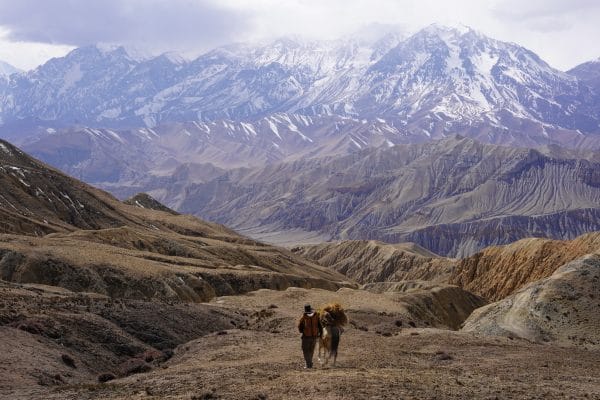
The Upper Mustang Trek is an extraordinary journey that takes you deep into the heart of one of Nepal’s most isolated and culturally rich regions. Operated by ART Nepal Treks & Expedition, this trek offers travelers a rare opportunity to experience a land where traditions, history, and natural beauty have been carefully preserved for centuries. Mustang, often called the “Forbidden Kingdom,” lies north of the Annapurna range and has a strong Tibetan influence visible in its architecture, culture, and lifestyle.
From the moment you enter Mustang, the landscape begins to transform. Rolling hills give way to dry, barren canyons, winding river valleys, and arid plateaus that create a surreal, almost lunar environment. The trek combines natural wonders with deep cultural immersion. You will walk through villages where time seems to stand still, meeting friendly locals who maintain ancient practices, wear traditional attire, and live in harmony with their surroundings.
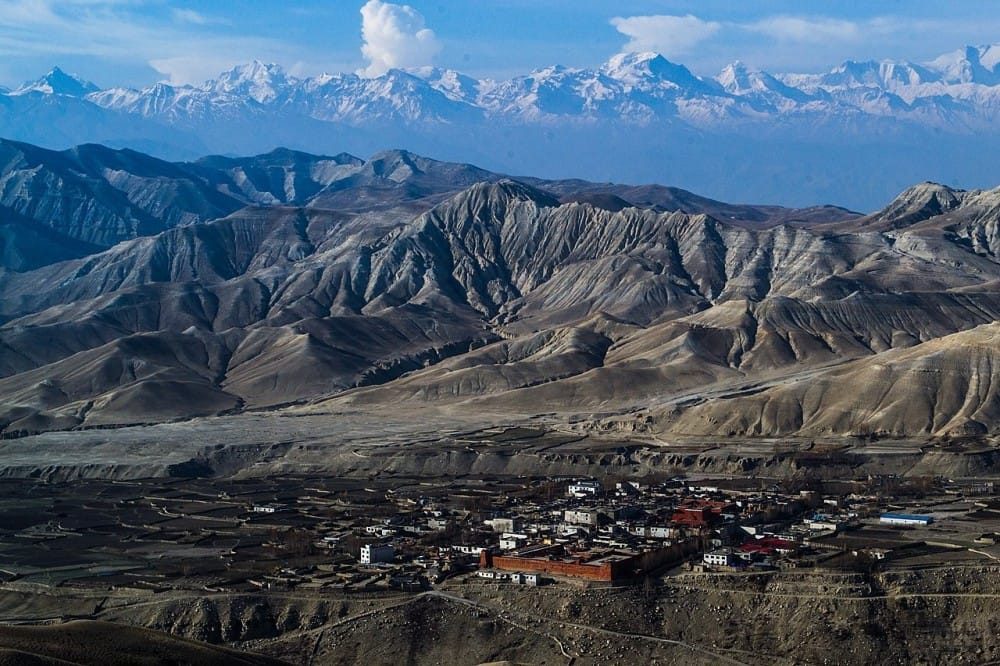
One of the highlights of this trek is Lo Manthang, the walled capital of Upper Mustang. This ancient city is a living museum, with its cobbled streets, traditional palaces, monasteries, and vibrant festivals. Walking through its streets, you can feel the pulse of a culture that has remained largely untouched by modern development. Along the way, you will pass other fascinating villages such as Kagbeni, Tangbe, Charang, and Yara, each offering a unique glimpse into Mustang’s rural life, prayer rituals, and centuries-old traditions.
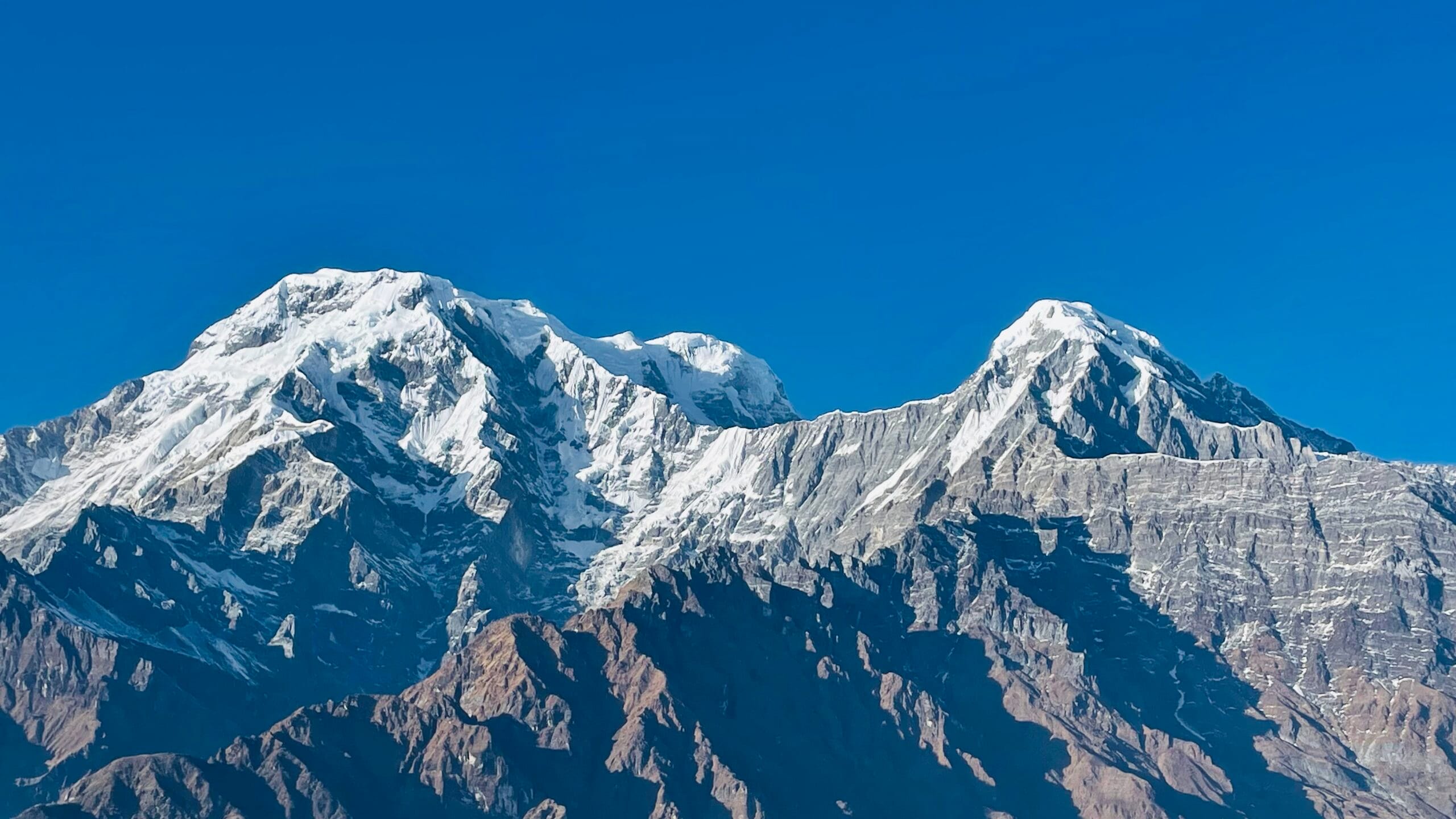
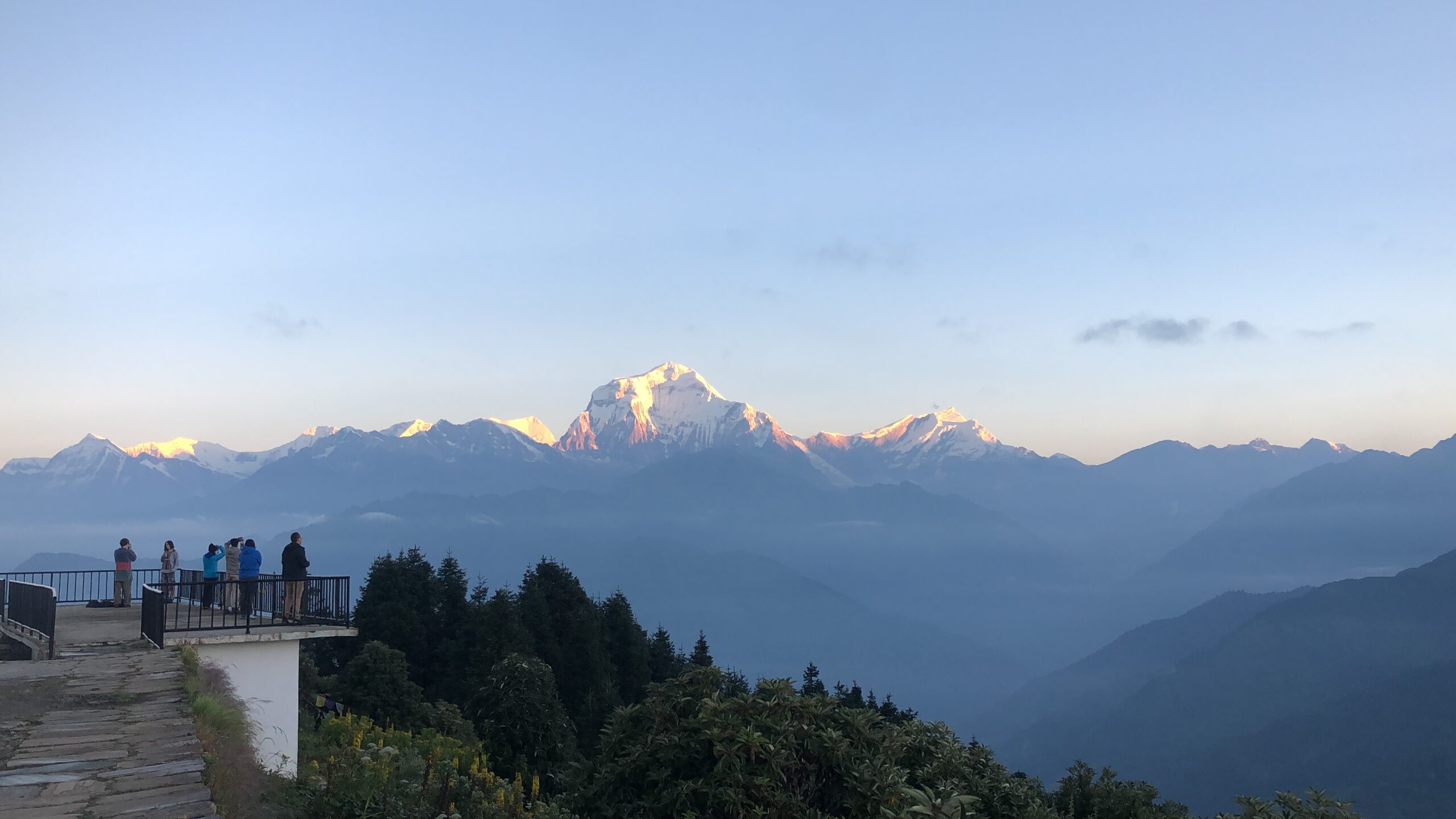
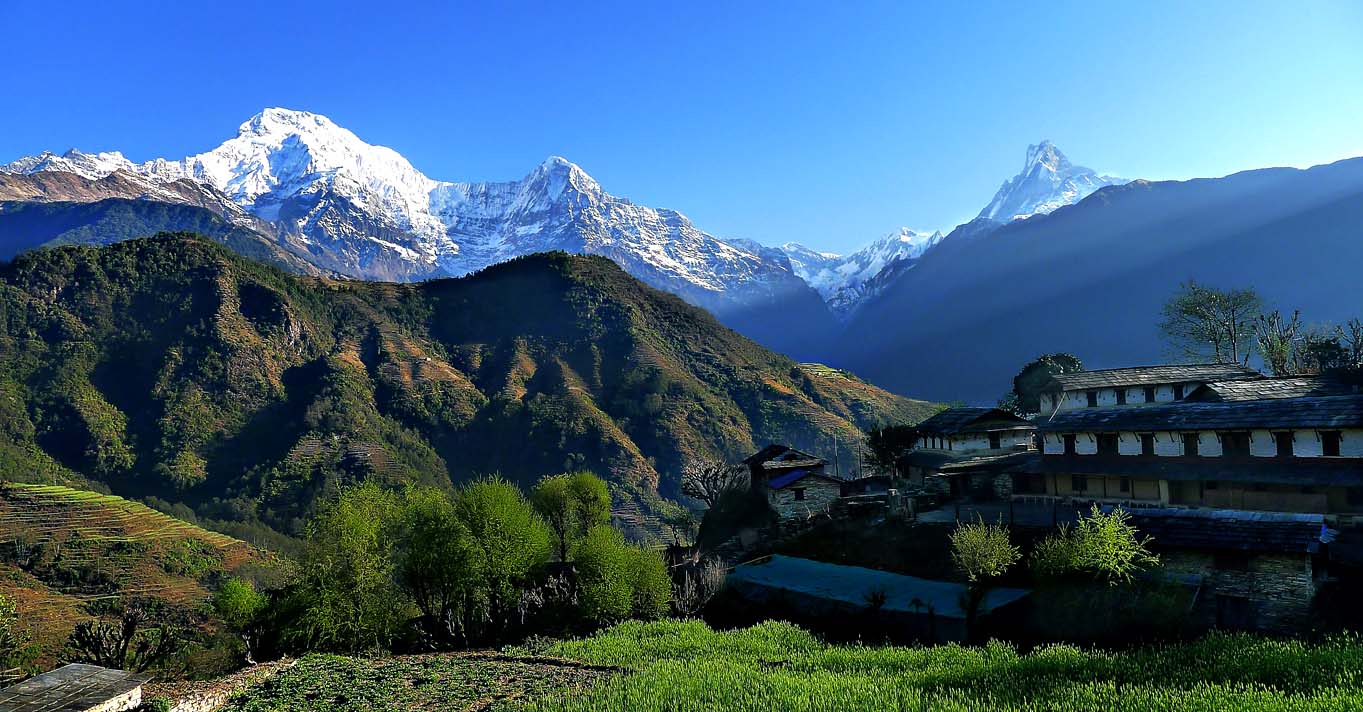
The trek is also a feast for the eyes. You’ll witness breathtaking panoramas of towering Himalayan peaks including Annapurna, Dhaulagiri, and Nilgiri, which provide a stunning backdrop to the stark, desert-like landscapes of Mustang. The region is renowned for its unique “Moon-like” terrain, featuring dramatic cliffs, layered canyons, and wind-carved rock formations, making every step of the journey visually remarkable.
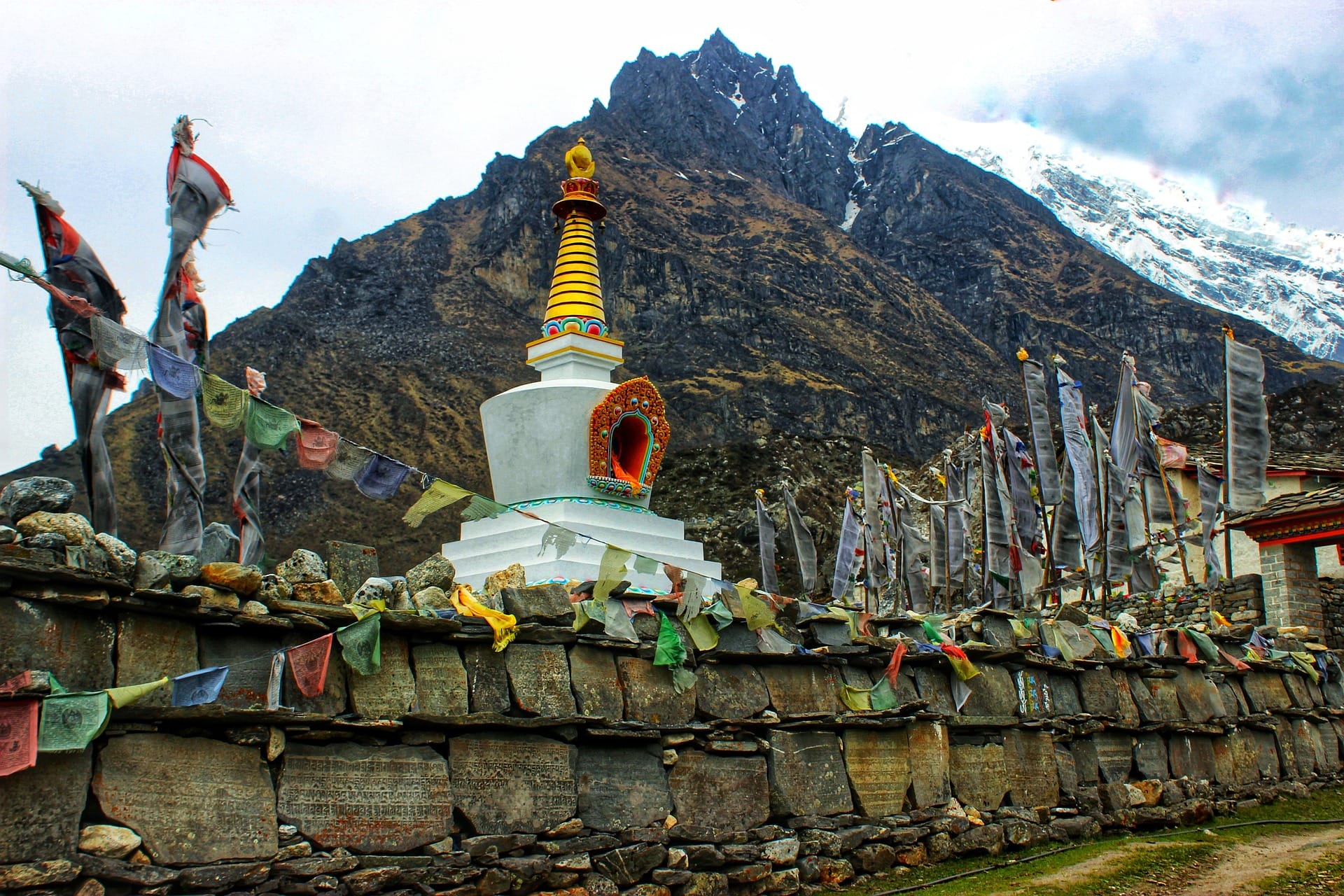
In addition to natural beauty and culture, the trek provides historical and spiritual experiences. Ancient monasteries, sacred caves, and temples dot the trail, some still active with monks and local devotees. You may have the chance to participate in local festivals and ceremonies, adding depth to your understanding of the Mustang way of life.
Physically, the trek is moderate, with gradual ascents and descents that challenge your endurance without being overly strenuous. It’s designed for travelers who want a combination of adventure, cultural exploration, and scenic beauty. Every day offers something new: a panoramic viewpoint, a hidden monastery, a bustling local market, or a quiet village tucked between cliffs.
Trekking with ART Nepal Treks & Expedition ensures you are supported every step of the way. Experienced guides manage logistics, handle permits, provide cultural insights, and ensure safety throughout the journey. Accommodation along the route is comfortable, ranging from cozy teahouses to lodges, while in Kathmandu and Pokhara, you stay in 3-star hotels with modern amenities. Meals include wholesome, energy-rich dishes, catering to the needs of trekkers in high-altitude conditions.
Expect a moderately challenging trek with stunning and unusual landscapes. The trail moves through valleys carved by rivers, cliffs lined with caves, and arid plateaus that seem almost otherworldly. Trekkers will have the opportunity to:
The trek is not only a physical journey but also a cultural immersion, providing a sense of connection to a region that has preserved its heritage for centuries.
Arrive at Tribhuvan International Airport, Kathmandu, and transfer to your hotel. Meet your guide for an itinerary briefing.
Travel by tourist bus from Kathmandu to Pokhara. Enjoy scenic views of the Trishuli and Marsyangdi rivers, with glimpses of Annapurna and Dhaulagiri ranges. Free time to explore Pokhara.
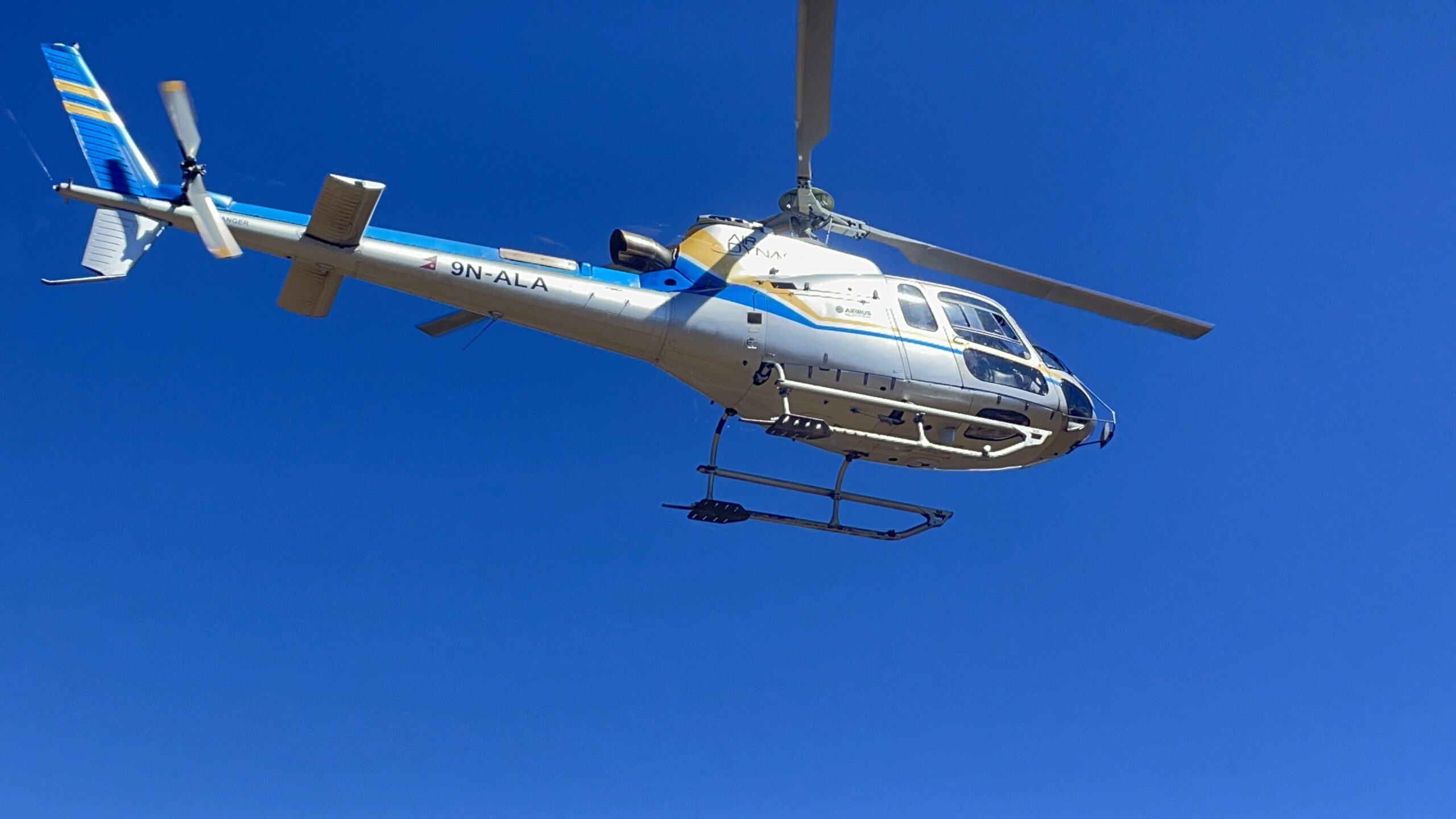
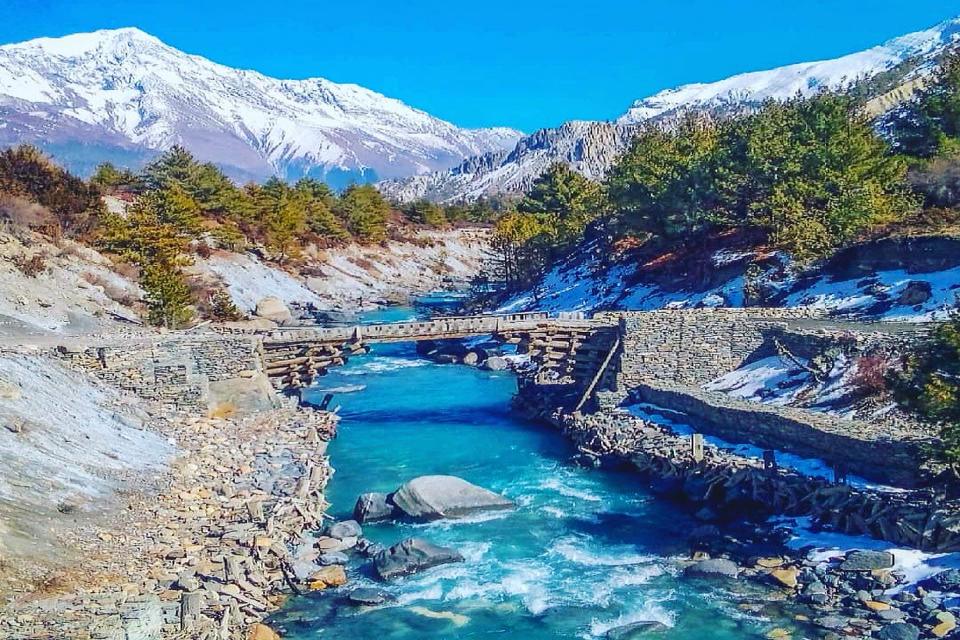
Fly from Pokhara to Jomsom (25 minutes). Trek along the Kali Gandaki River valley to Kagbeni, a gateway to Upper Mustang.
Cross the Kagbeni checkpoint and trek to Chele, passing through Tangbe Village and enjoying views of Mt. Nilgiri.
Ascend to Syanboche, passing Taklam La Pass (3,625m). Enjoy panoramic views of Tilicho Peak and Damodar Danda.
Cross Yamada La Pass (3,845m) and descend to Ghami, passing through Tamagaon and Chhunggar villages.
Walk through Mustang’s arid terrain, cross Ghami Khola, and ascend Tsarang La Pass (3,870m) to reach Charang.
Descend into Charang Chu Canyon, pass Lo Pass (3,850m), and arrive at the walled city of Lo-Manthang. Explore the historic streets and palaces.
Acclimatization and cultural exploration. Visit Thubchen Monastery, Jampa Monastery, and other local sites. Immerse yourself in the traditions of Upper Mustang.
Pass Lo La and trek to Dhi, continuing to Yara. Enjoy panoramic landscapes and interact with local villagers.
Follow cliffs and plateaus along the Dhechyang Khola valley. See Shaligram fossils before reaching Tangge village.
Descend through villages and rock formations to Chhusang, observing the stark beauty of Mustang’s landscapes.
Climb through Tetang, Gyu Lo Pass, and Jhong to reach Muktinath, a holy site with temples and sacred water spouts.
Descend past Ranipauwa and Jharkot, enjoying views of Dhaulagiri, Nilgiri, and Tukuche Peaks. Reach Jomsom for an overnight stay.
Morning flight back to Pokhara. Free time to explore lakes, markets, or relax.
Return by tourist bus to Kathmandu, enjoying scenic rivers, hills, and market stops. Farewell dinner in the evening.
Transfer to Tribhuvan International Airport for your departure. Optionally, shop for souvenirs or extend your stay.
The Upper Mustang Trek is best undertaken during:
Meals during the trek are simple but nourishing, supporting your energy needs:
Accommodation varies depending on location and altitude:
Travel insurance is essential for trekking in Upper Mustang. Your policy should cover:
Comprehensive insurance ensures peace of mind and safety throughout the trek.
Trekkers may experience altitude sickness at higher elevations. Common symptoms include:
Prevention Tips:
If symptoms persist or worsen, descend immediately and seek medical help. Guides from ART Nepal Treks & Expedition are trained to handle altitude-related emergencies.
Guide:
An experienced local guide leads the trek, providing:
Safety Measures: