

Annapurna Circuit Trek – 12 Days
Annapurna Circuit Trek
12 Days/11 Nights
Price From
View More
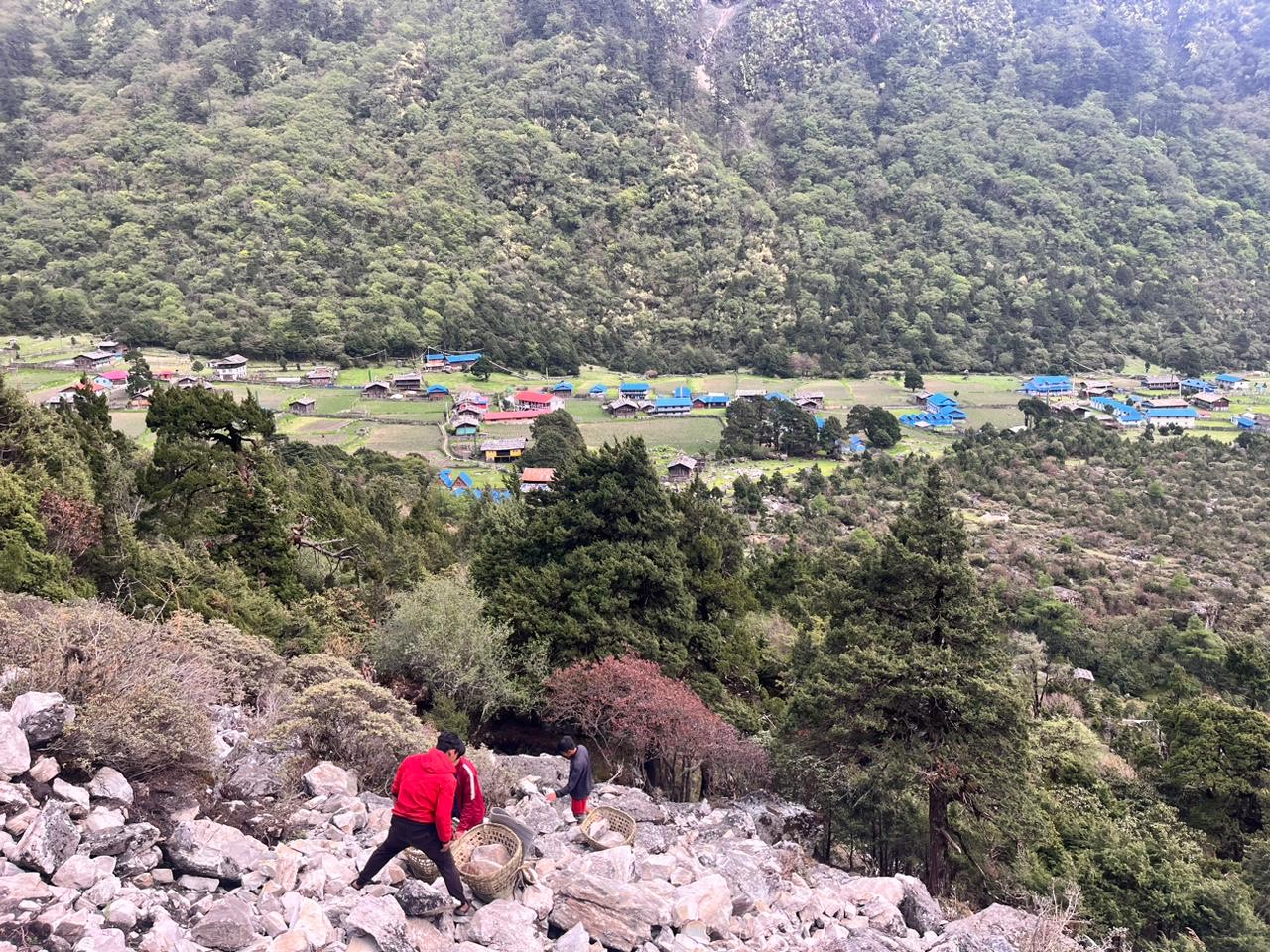
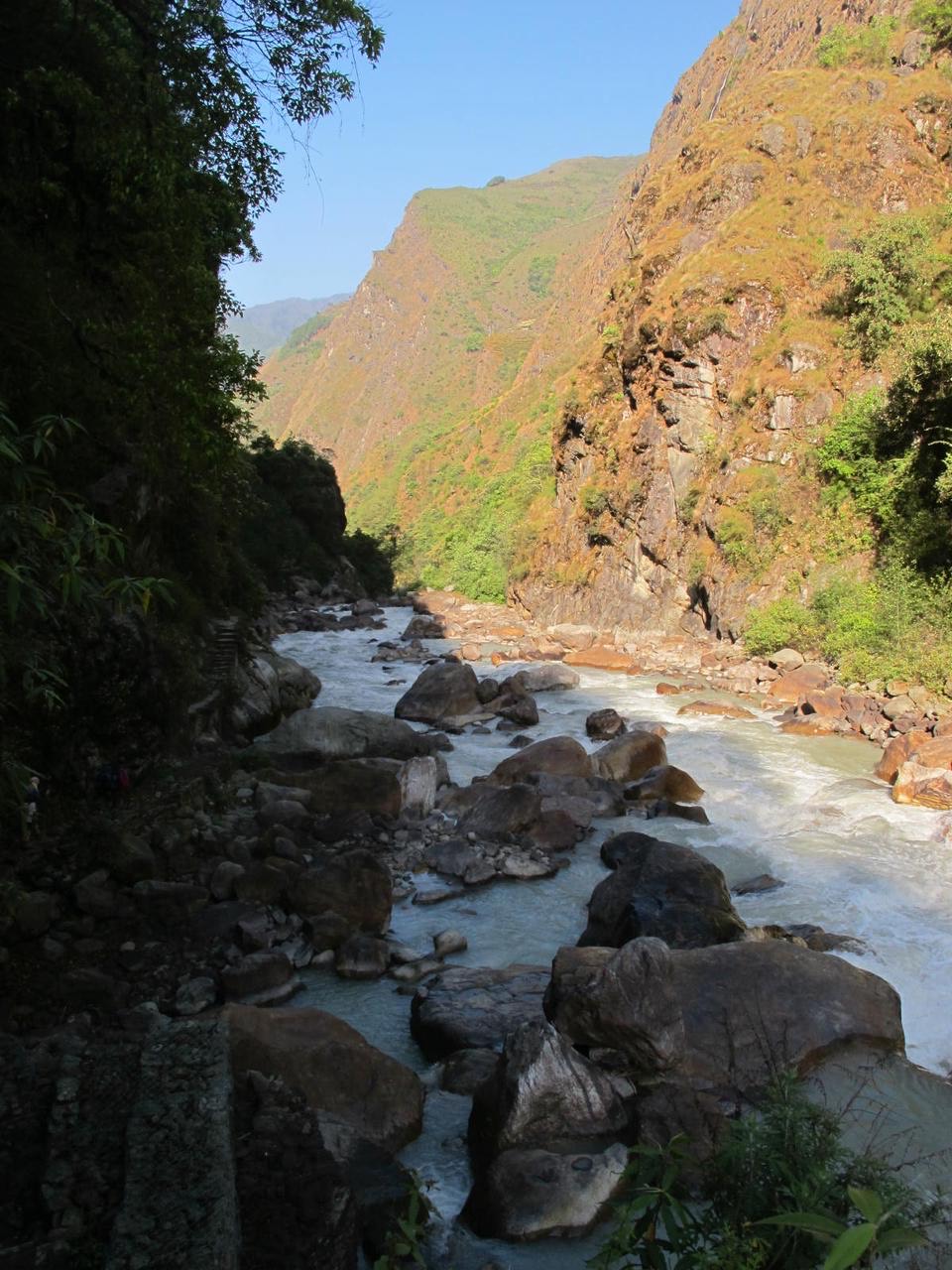
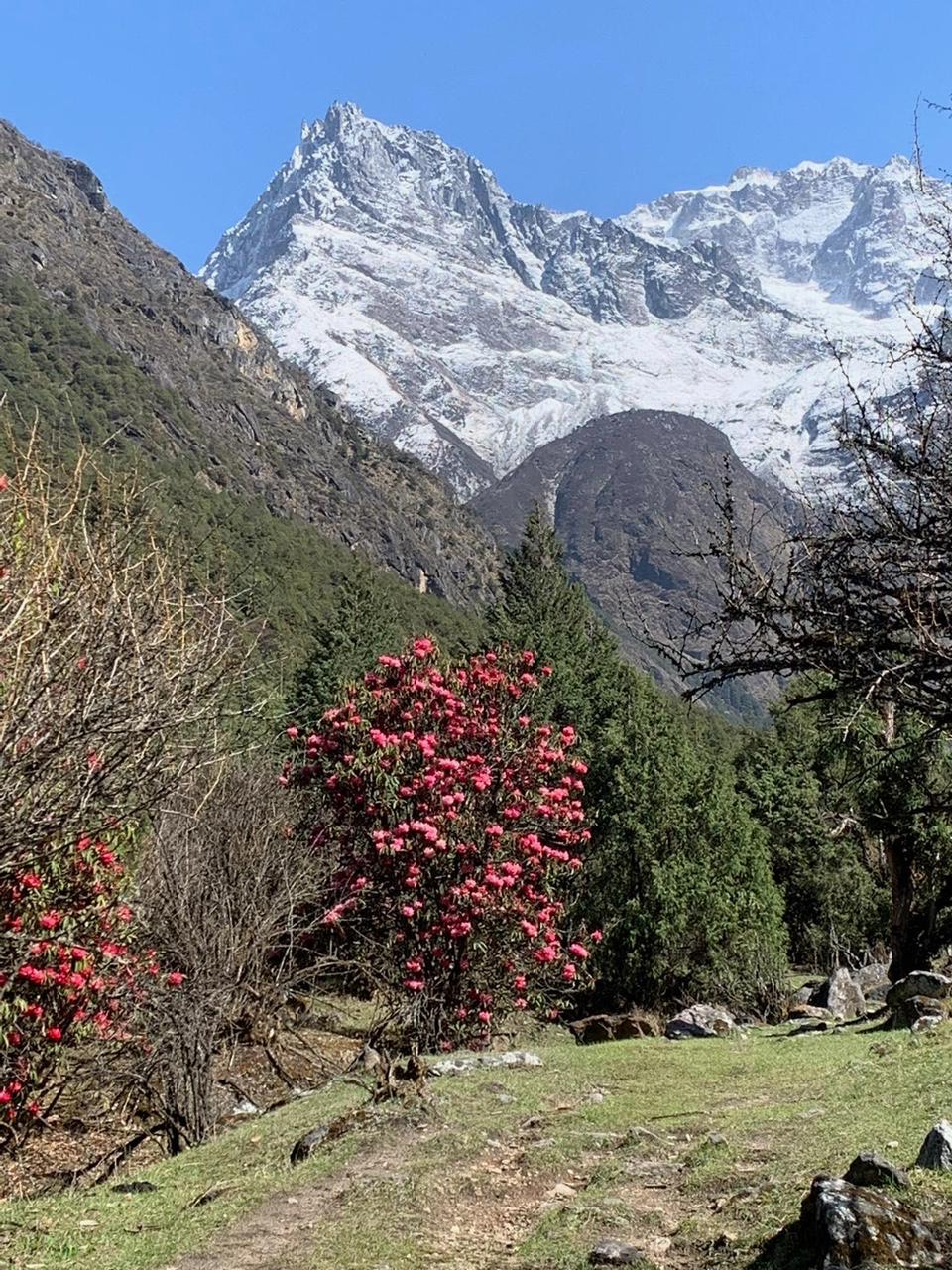
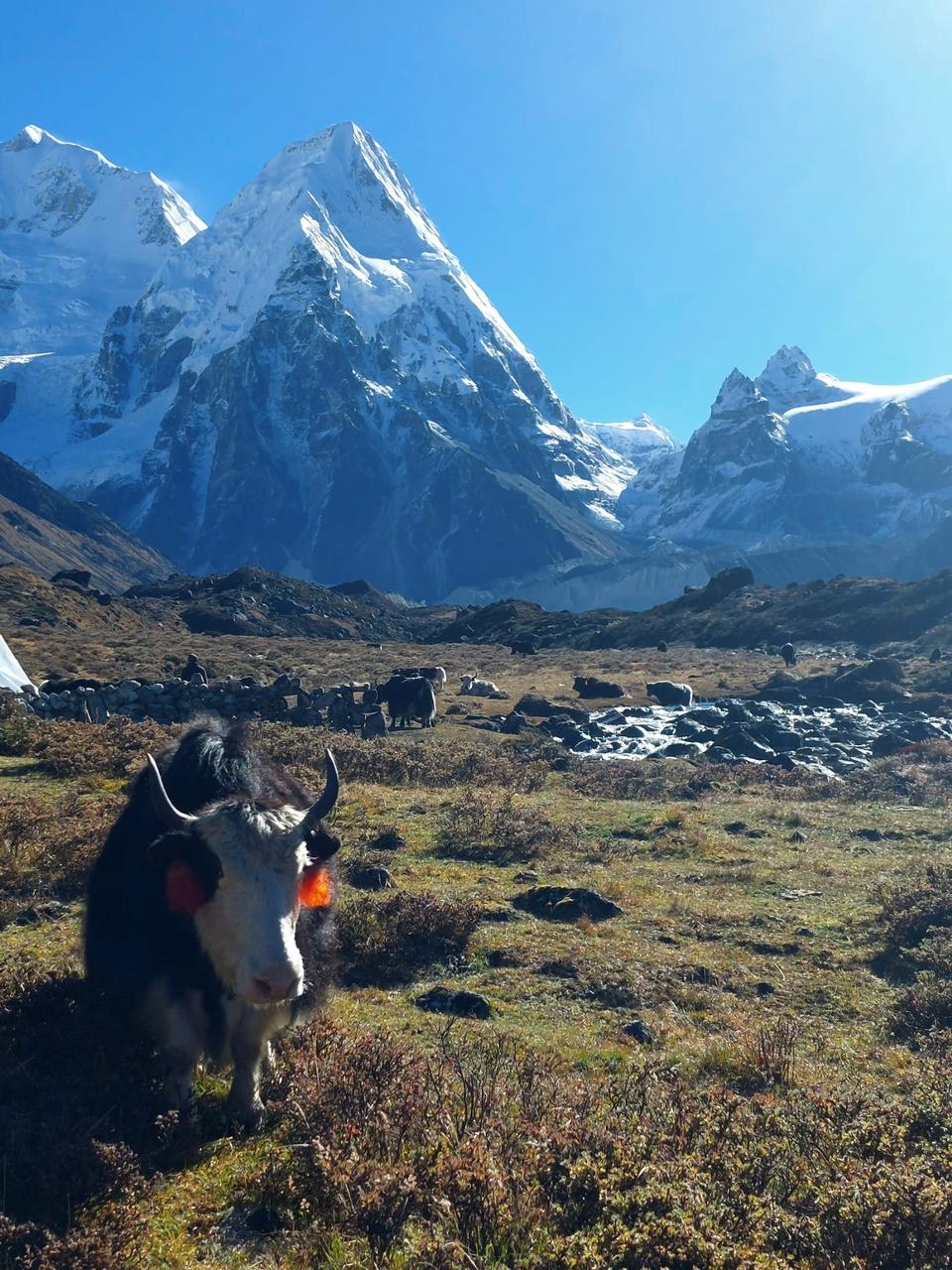
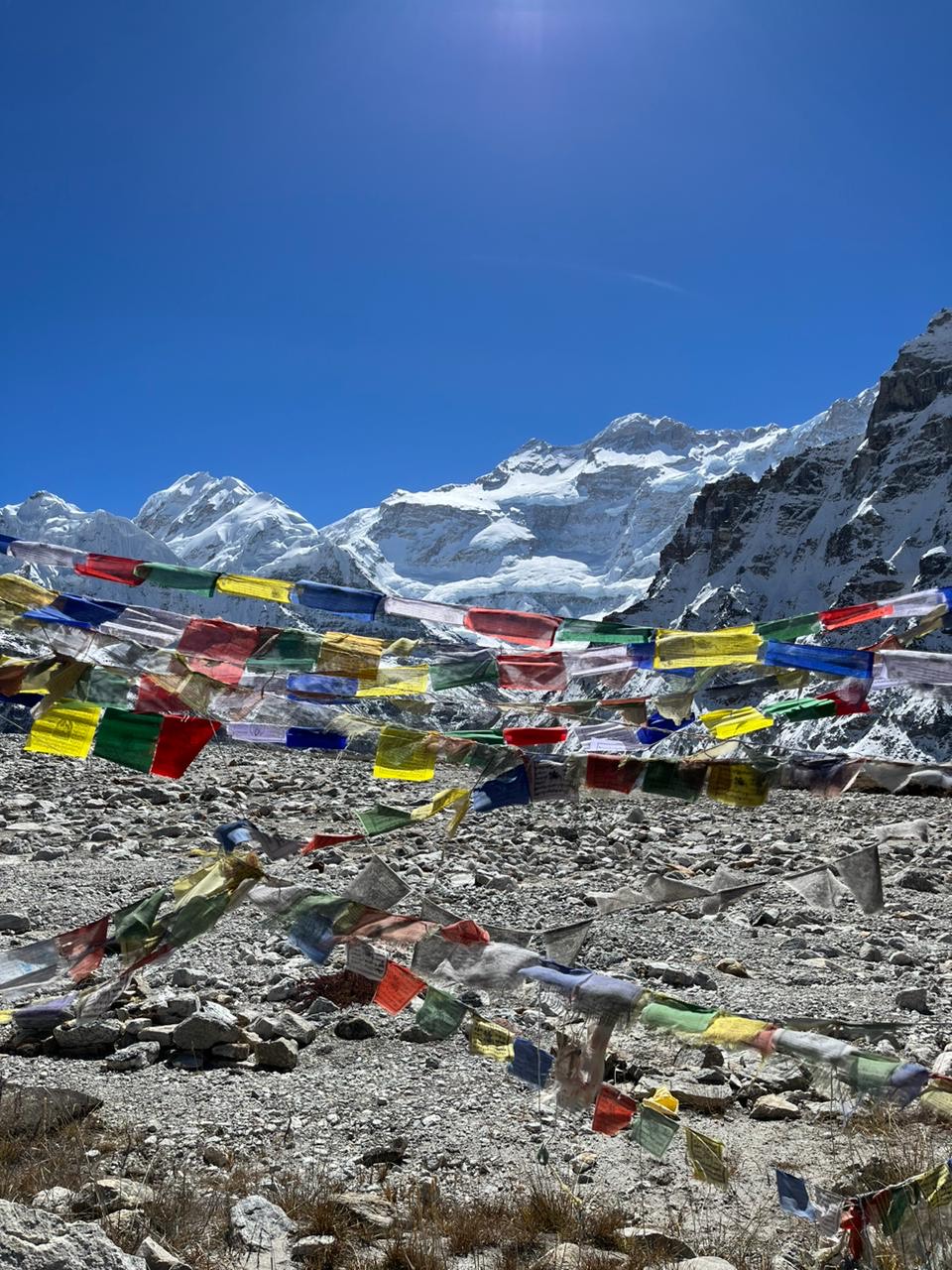
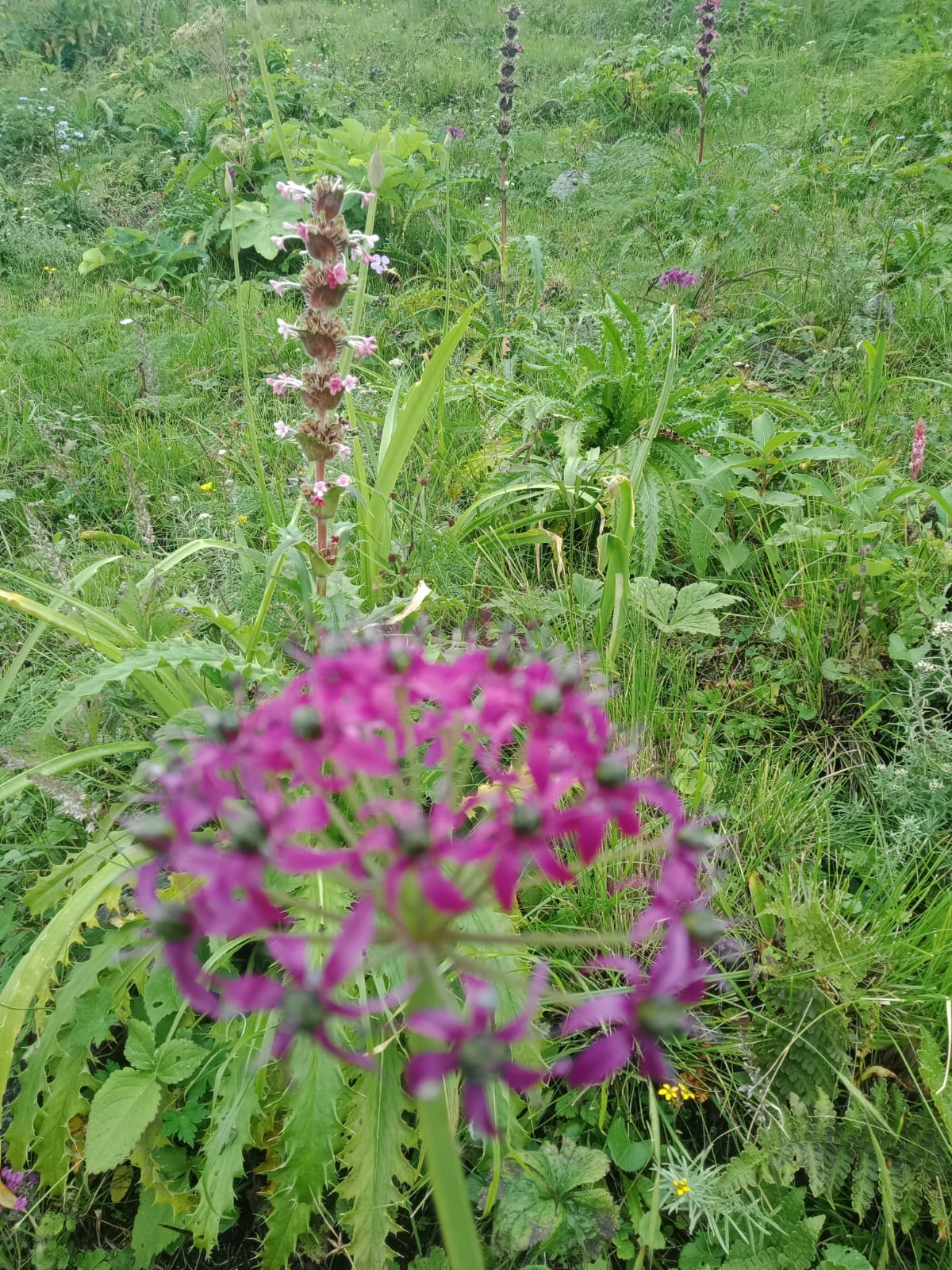
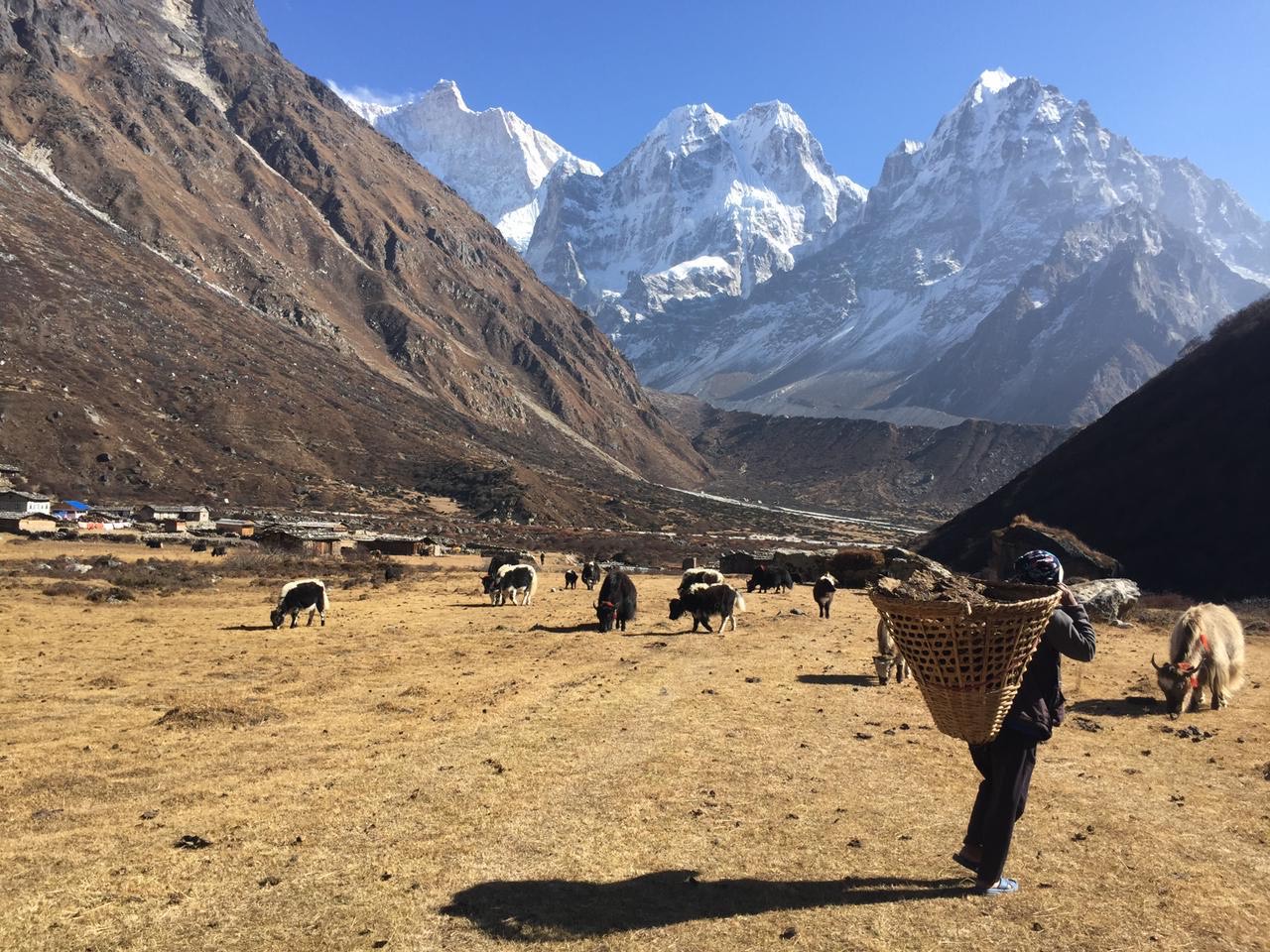
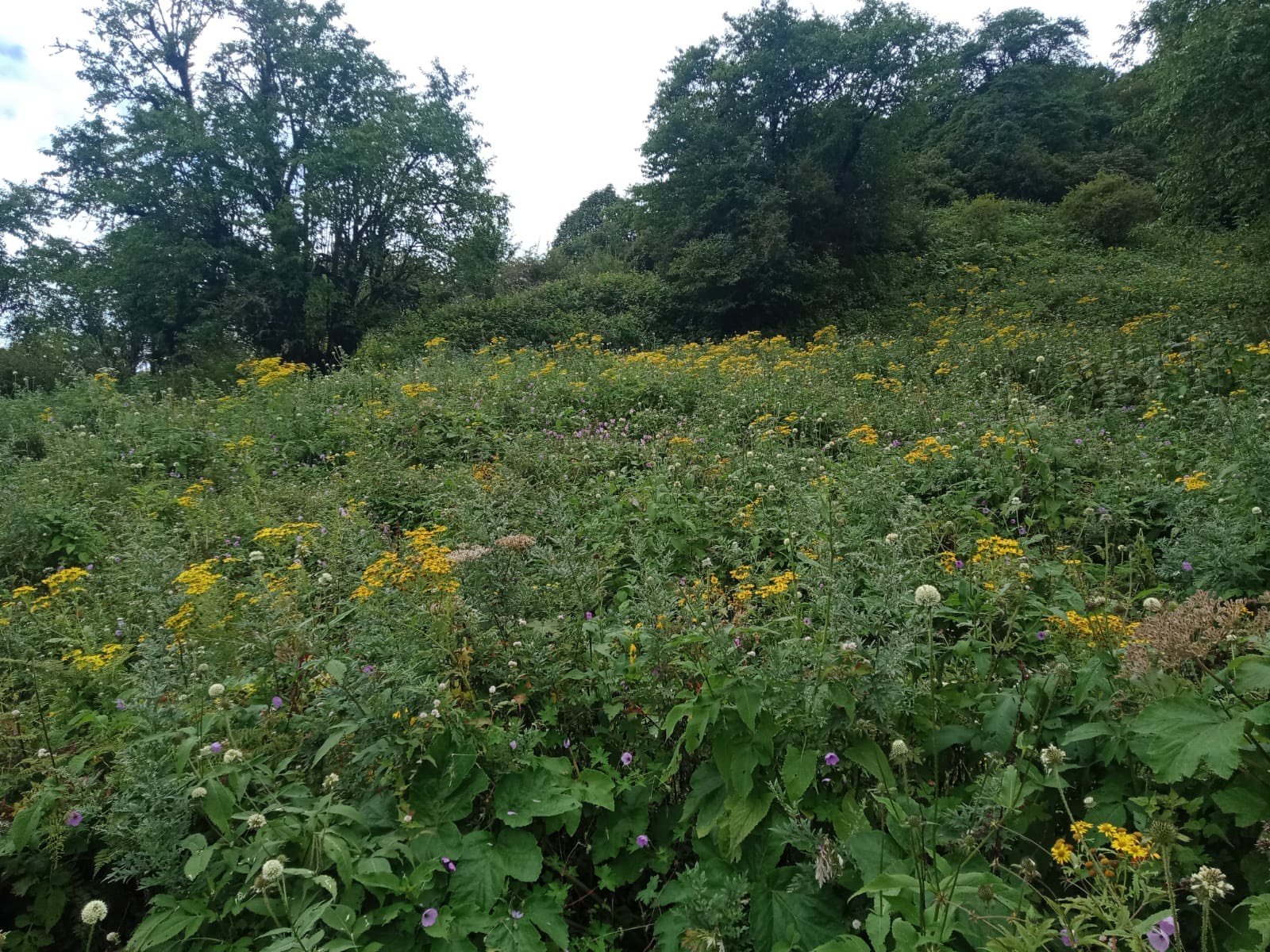
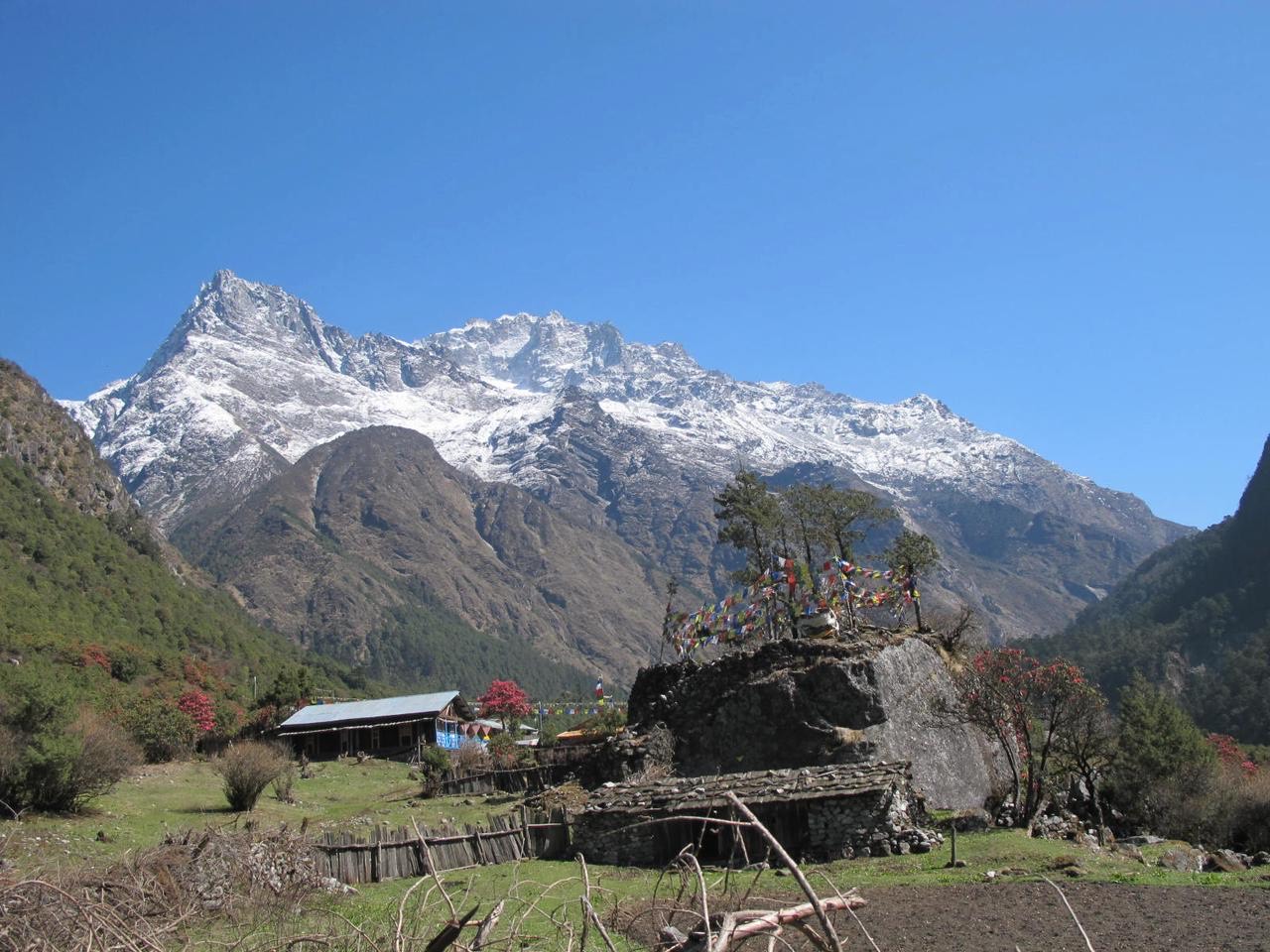
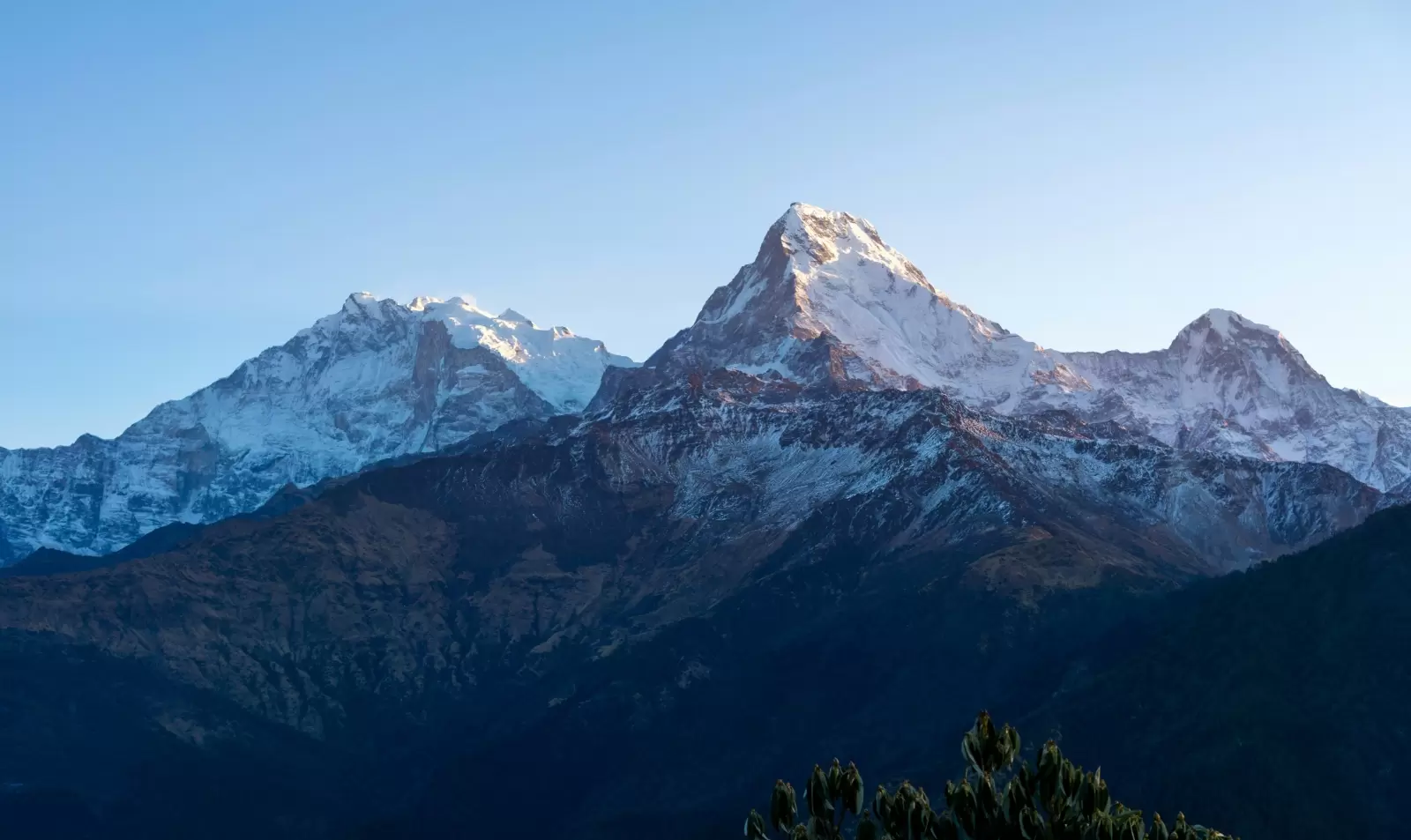
The Kanchenjunga Circuit Trek is one of the longest and most adventurous treks in Nepal. This 22-day journey takes you around the world’s third-highest mountain, Mount Kanchenjunga (8,586m). Located in far eastern Nepal near the border with India, the Kanchenjunga region is remote, peaceful, and less crowded compared to Everest and Annapurna regions.
Organized by ART Nepal Treks & Expedition, this trek is designed for experienced trekkers who want a true Himalayan adventure. The trail circles the entire Kanchenjunga massif, covering both North Base Camp (Pangpema) and South Base Camp (Oktang). This makes it one of the few full mountain circuit treks in Nepal.
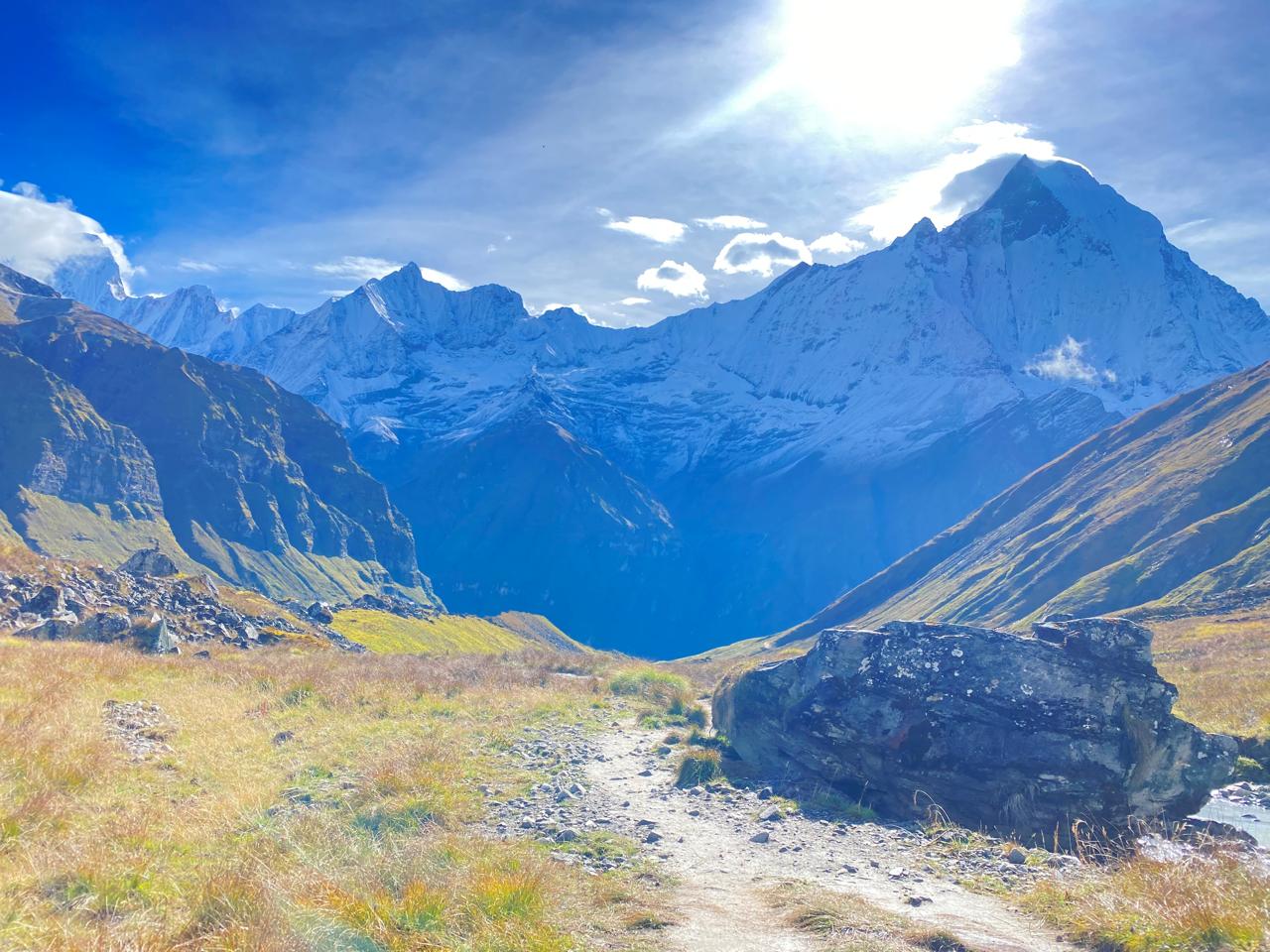
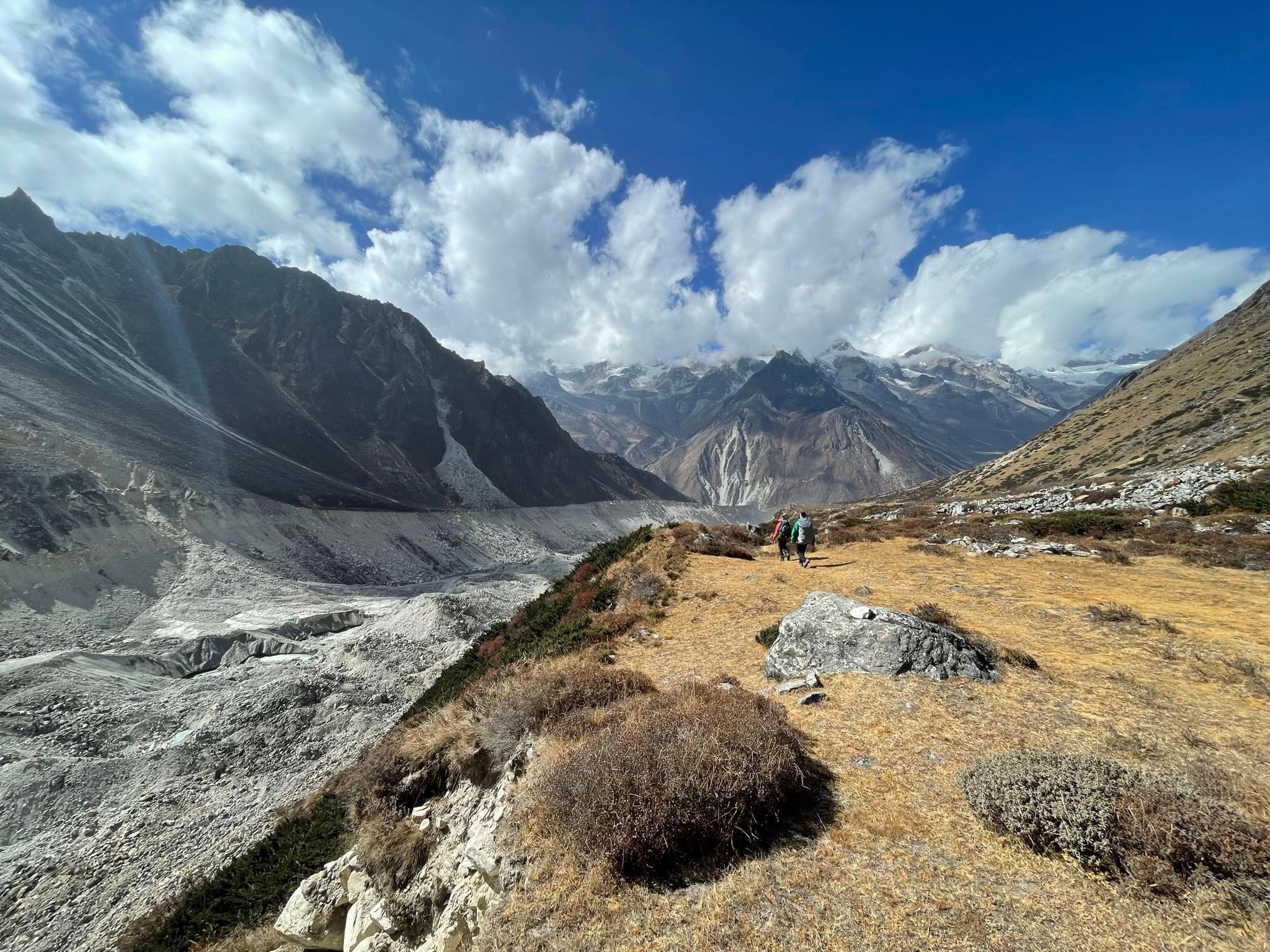
The journey begins with a flight from Kathmandu to Bhadrapur, followed by long scenic drives to Taplejung and Sekathum. From there, trekking begins through lush subtropical forests, terraced fields, and traditional villages. As you ascend, the landscape changes dramatically — forests turn into alpine meadows, rocky paths, glaciers, and snow-covered terrain.
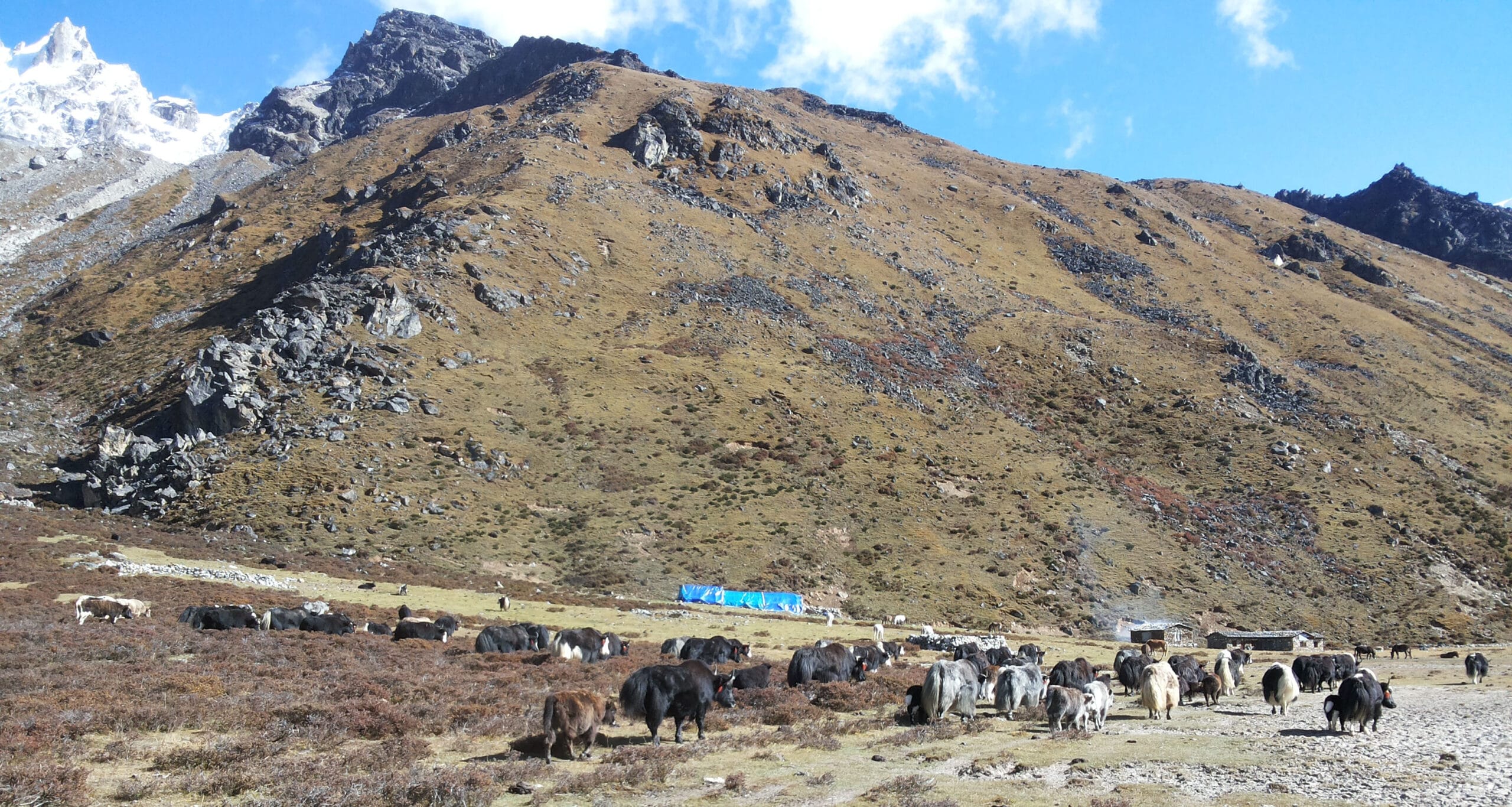
The trek enters the protected area of Kanchenjunga Conservation Area, home to rare wildlife such as red pandas and snow leopards. The biodiversity of this region is rich, with rhododendron forests, bamboo groves, and high-altitude vegetation.
What makes this trek special is its combination of:
You will walk through villages of Limbu, Rai, and Tibetan-influenced communities. Their traditions, architecture, and Buddhist monasteries add cultural depth to the journey.
The Kanchenjunga Circuit Trek is not a luxury trek. It requires strong physical fitness, mental determination, and readiness for basic facilities in remote areas. However, for those who seek a true off-the-beaten-path adventure, this trek offers unmatched beauty and achievement.
This trek offers a complete Himalayan experience filled with challenge and reward.
Remote Wilderness
Unlike busy trekking areas, Kanchenjunga remains quiet and untouched. You may walk for hours without meeting other trekkers. The peaceful environment allows you to truly connect with nature.
Extreme Mountain Views
You will see breathtaking views of:
Changing Landscapes
The trek passes through:
Cultural Experience
You will interact with local communities, observe traditional farming, and visit monasteries. The local hospitality in remote villages is warm and genuine.
Physical Challenge
This trek includes:
It is ideal for experienced trekkers seeking adventure.
The Kanchenjunga Circuit Trek is suitable for:
It may not be suitable for:
Proper preparation is essential for this challenging trek.
Physical Preparation
Start training at least 2–3 months before departure:
Mental Preparation
Be prepared for:
Health Check
Consult your doctor before high-altitude trekking. Discuss altitude medication if necessary.
Travel Insurance
Insurance must cover:
Upon arrival at Tribhuvan International Airport, our representative will welcome you and transfer you to your 3-star hotel in Thamel, Kathmandu. After check-in, you can relax or explore the lively streets of Thamel. In the evening, there will be a welcome dinner and a detailed trek briefing covering route, safety, and logistics.
Today is reserved for trek preparation and permit arrangements. You will meet your trek leader for a full briefing and gear check. If time allows, you may explore UNESCO heritage sites such as Swayambhunath, Boudhanath Stupa, Pashupatinath Temple, and Kathmandu Durbar Square.
Early morning scenic flight (40–45 minutes) to Bhadrapur in eastern Nepal. Upon arrival, transfer to your hotel and rest. This marks the beginning of your journey toward the remote Kanchenjunga region.
A long but scenic jeep drive (8–9 hours) along the Mechi Highway through tea gardens, cardamom farms, rivers, and hills. Gradual ascent brings you into the Himalayan foothills at Taplejung.
Another jeep journey (5–6 hours) through villages such as Mitlung, Chirwa, Thapethok, and Lelep. Permits are checked at the entrance of Kanchenjunga Conservation Area before reaching Sekathum.
Your trekking adventure officially begins. The trail follows the river valley, crossing suspension bridges and passing through dense forests and small settlements like Jonggim and Ghaiyabari before reaching Amjilosa.
Gradual ascent through bamboo and rhododendron forests. This area is habitat for red pandas and diverse birdlife. The peaceful village of Gyabla offers beautiful mountain surroundings.
The trail climbs steadily through forests and passes Phale village, a Tibetan refugee settlement. Arrive at Ghunsa, a large Sherpa village with monasteries and traditional houses.
To adjust to altitude, hike to Ghunsa Ri or nearby viewpoints for panoramic Himalayan views. This rest day is crucial for proper acclimatization before moving higher.
Follow the glacial river valley with views of snowy peaks. Cross landslide sections and waterfalls before reaching Kambachen, surrounded by dramatic mountain scenery.
The trail becomes more rugged and alpine. Pass Ramtang Monastery and cross rocky glacial terrain before reaching Lhonak.
A long and rewarding day to Pangpema, the North Base Camp of Mount Kanchenjunga. Enjoy breathtaking glacier and mountain views before returning to Lhonak.
Retrace your route via Kambachen and descend back to Ghunsa.
Climb through forested trails toward Sele La Camp. This section prepares you for crossing high passes.
Cross Sinion La and Sinelapche La passes with dramatic mountain views before descending to Cheram.
Gradual ascent along Yalung Glacier, passing Simbua River and Lapsang village.
Explore the South Base Camp area with incredible views of Kanchenjunga’s southern face.
Long descent through rhododendron and juniper forests.
Follow the Simbuwa Khola valley, crossing suspension bridges and villages.
Scenic 9-hour jeep ride back toward lower hill regions.
Fly back to Kathmandu. Free time for shopping or relaxation. Farewell dinner in the evening.
Transfer to the airport for your onward journey or optional program extension.
The Kanchenjunga Circuit Trek is best undertaken during Spring (March to May) and Autumn (September to November).
Spring brings mild temperatures, stable weather, and blooming rhododendron forests along the lower trails. The skies are generally clear, offering excellent mountain visibility. Wildlife activity is also higher during this season.
Autumn is the most popular trekking season in Nepal. Post-monsoon clarity ensures breathtaking views of the Himalayan peaks. The weather remains dry and stable, making high-pass crossings safer and more enjoyable.
Winter is extremely cold at higher elevations, while monsoon season brings heavy rainfall and slippery trails.
Food during the Kanchenjunga Circuit Trek is simple, nutritious, and designed to provide sufficient energy for long trekking days.
Options typically include eggs (boiled, fried, omelet), toast or Tibetan bread, porridge, pancakes, and tea or coffee. In higher regions, choices may become limited but remain filling.
Lunch usually consists of dal bhat (rice, lentils, vegetables), fried rice, noodles, pasta, soups, and seasonal vegetable dishes. Dal bhat is highly recommended as it provides sustained energy and unlimited refills in many teahouses.
Dinner includes hearty meals such as rice with curry, pasta, potatoes, soups, momos (dumplings), and traditional Nepali dishes. Hot meals are essential at higher altitudes to maintain body warmth.
Teahouses and small shops offer biscuits, chocolate bars, energy bars, nuts, and sometimes fresh fruits in lower villages. It is advisable to carry extra energy snacks from Kathmandu.
Accommodation varies depending on altitude and remoteness.
Stay in a comfortable 3-star hotel with modern amenities, attached bathrooms, Wi-Fi, and breakfast service.
In lower and mid-altitude villages, accommodation is in basic teahouses offering twin-sharing rooms with shared bathrooms. Facilities are simple but clean.
At higher elevations, due to limited infrastructure, camping may be required. Tents, sleeping arrangements, and cooking equipment are arranged by the trekking crew when necessary.
Electricity and charging facilities may be limited and available at extra cost.
Travel insurance is mandatory for the Kanchenjunga Circuit Trek. Your insurance policy must cover:
Due to the remoteness of the region, evacuation can only be done by helicopter, making proper coverage essential.
Altitude sickness can occur above 2,500 meters due to reduced oxygen levels. Common symptoms include headache, nausea, dizziness, fatigue, and shortness of breath.
If symptoms worsen, immediate descent is necessary. Our guides are trained to monitor health conditions and take quick action if required.
A professional and experienced guide is the backbone of any high-altitude trek, especially on a challenging route like Kanchenjunga Circuit. Guides not only ensure your safety but also enrich your experience with cultural insights and local knowledge.
Role of the Guide:
Safety Measures:
Booking the Kanchenjunga Circuit Trek with ART Nepal Treks & Expedition is straightforward. Careful planning and timely arrangements ensure a smooth trekking experience.
Step-by-Step Guide: